On this site we hope to help you learn, and to remove the difficulties caused by the difference of culture and language. Sur ce site nous espérons vous aider à apprendre, et à enlever la barrière causée par les différents languages et cultures.
Les aventures de Tom sawyer ont été écrite par Mark Twain et publiées en 1876. Le livre nous raconte l’histoire d’un jeune garçon qui grandit sur les rives du Mississippi, dans la ville de saint Petersbourg dans les années 1840.
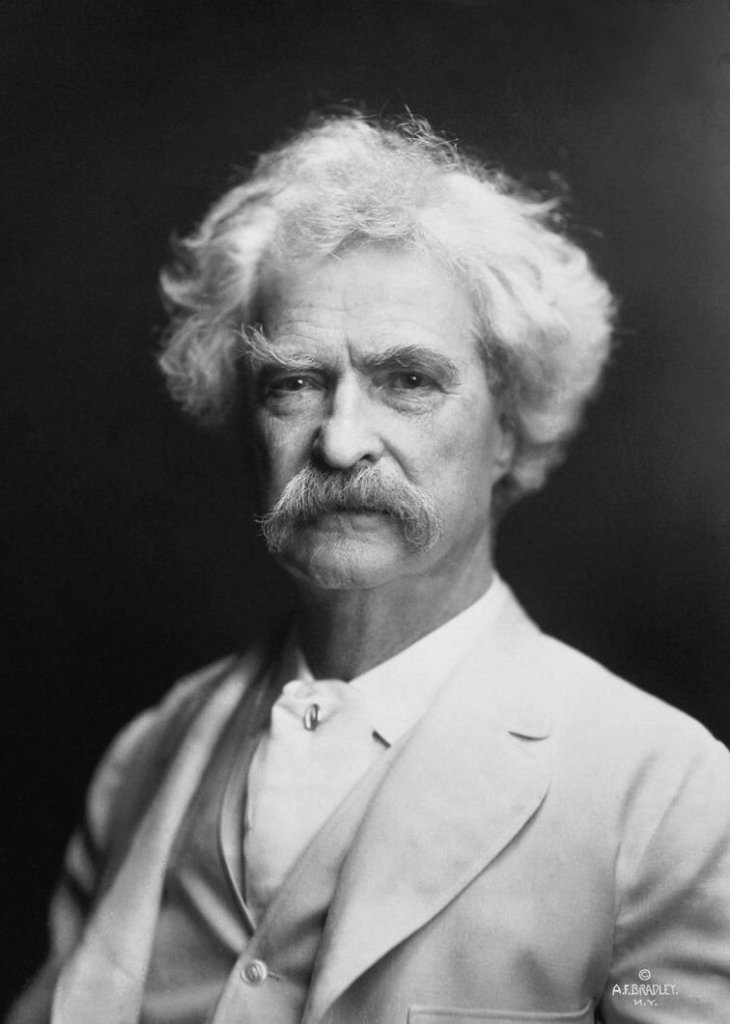
Marc Twain en 1907
Celui-là a été le livre le plus vendu de Mark Twain durant sa vie.
Le livre des aventures de Tom Sawyer est considéré une masterpiece de littérature américaine . En effet, ce livre contient des éléments d’humour , de satire et de critique sociale. Ce sont ces caractéristiques qui ont fait de Mark Twain l’un des auteurs les plus important de la littérature américaine.
Couverture du livre “Les aventures de Tom Sawyer”
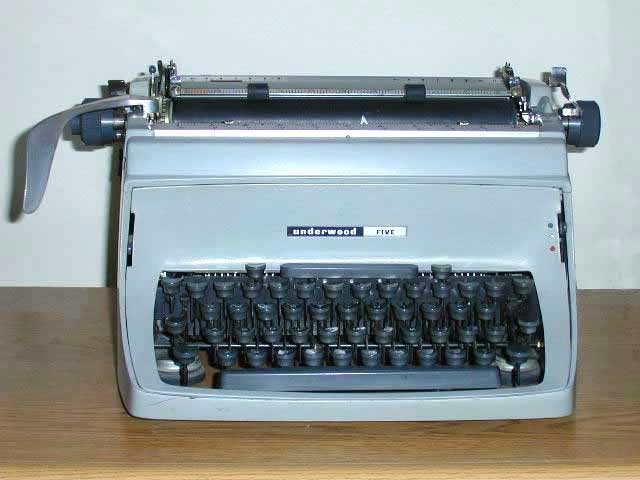
Les aventures de Tom sawyer a été l’un des premier livre a être écrit avec une machine à écrire.
Une des premières machine à écrire
Les aventures de Tom Sawyer est une histoire basée sur la ville d’Hannibal, Missouri, où Marc Twain a vécu enfant et contient des évènements vécu par l’auteur.
Ce livre est l’un de quatres livres écrit au sujet de Tom Sawyer. Les aventures de Tom sawyer, 1876; Les Aventures de Huckleberry Finn, 1884; Tom Sawyer à l’etranger, 1894; Tom Sawyer, détective, 1896
Vous pouvez le lire en Français ou en anglais sur ce site. C’est le premier livre de notre collection grandissante de livres bilingues.
The Adventures of Tom Sawyer was written by Mark Twain and published in 1876. The book tells us the story of a young boy growing up on the banks of the Mississippi, in the city of Saint Petersburg in the 1840s.
Marc Twain in 1907
This was Mark Twain’s best-selling book during his lifetime.
The book of the Adventures of Tom Sawyer is considered a masterpiece of American literature. Indeed, this book contains elements of humor, satire and social criticism. These are the characteristics that made Mark Twain one of the most important authors of American literature.
1876 illustration by True Williams The adventures of Tom Sawyer
The Adventures of Tom Sawyer was one of the first books to be written with a typewriter.
One of the first typewriter
The Adventures of Tom Sawyer is a story based on the town of Hannibal, Missouri, where Marc Twain lived as a child and contains events experienced by the author.
This book is one of four books written about Tom Sawyer. The Adventures of Tom Sawyer, 1876; The Adventures of Huckleberry Finn, 1884; Tom Sawyer Abroad, 1894; Tom Sawyer, detective, 1896
You can read it in English or in French on this site. It is the first of our growing collection of bilingual books.
Dmitry Mikhaïlovitch Karbyshev était un officier de l’armée impériale russe, général de l’armée rouge, professeur à l’academie d’état-major soviétique et héro de l’Union soviétique. Né à Omsk le 26 octobre (14 octobre) 1880 , il a reçu de nombreuses médailles tsaristes puis soviétiques.
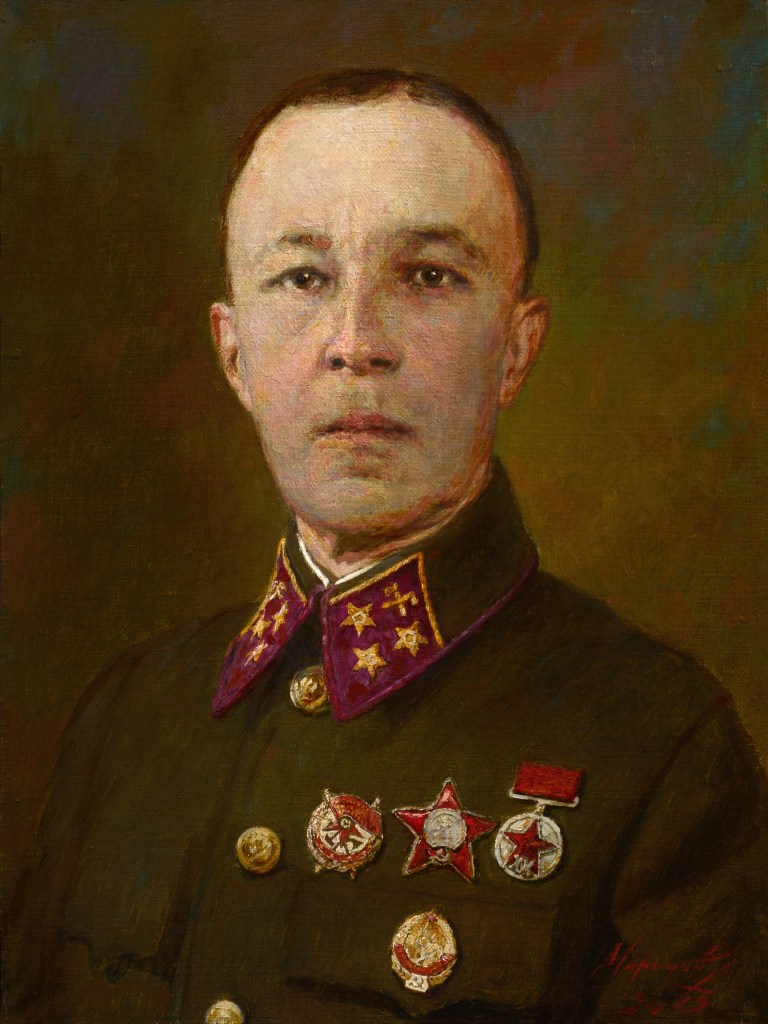
Dmitry Mikhalovich Karbyshev Auteur – artiste Andrey Mironov, photo du site personnel de l’artiste artmiro.ru
Dmitry Mikhaïlovitch Karbyshev a publié plus de 100 articles de recherche sur le génie militaire et l’histoire militaire, dont la lecture étaient obligatoire par les commandants de l’armée rouge.
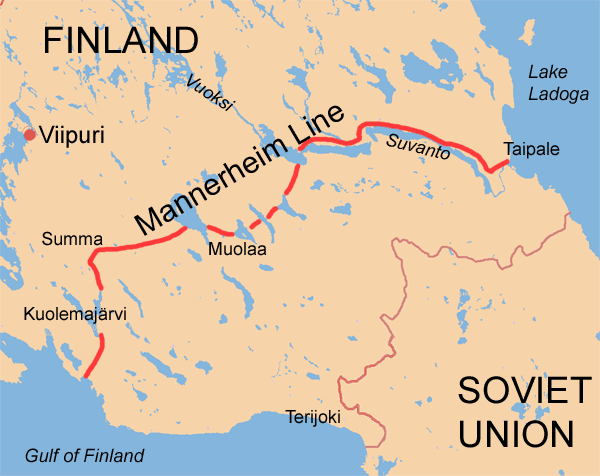
Entre autre, il s’est rendu sur la ligne de front pour conseiller les troupes sur le soutien technique a la brèche de Mannerheim pendant la guerre 1939-1940 contre la Finlande.
En aout 1941 il a été capturé par les nazis pendant son inspection de la région fortifiée de Grodno; dans l’ouest de la Biélorussie. C’etait une très belle capture puisqu’il parlait l’allemand couramment et savait tout sur les fortifications soviétiques.
Les allemands lui ont offert un traitement royal en échange de sa coopération, pensant que puisque sa première femme était Allemande il sauterait sur l’occasion. Cela n’a pas fonctionné. Ni les promesses ni l’intimidation, les menaces et la torture ne l’ont fait changé d’avis.
Après deux ans de tentatives, les nazis ont abandonnés et Dmitry Mikhaïlovitch Karbyshev a été envoyé dans le camp de concentration de Flossenbürg. Par la suite il sera détenu dans de nombreux autres camps incluant: Hammelburg, Majdanek, Auschwitz, Sachsenhausen et Mauthausen. A chaque fois, il était l’un des leaders les plus actifs du mouvement de résistance.
Le major de l’armée canadienne Seddon de St. Clair, un autre prisonnier de guerre qui a été témoin de la mort de Karbyshev a décrit se qui s’est passé.
Après que les allemands les ai conduits dans la salle de douche et aspergé d’eau glacée, il a dit que tout le monde était devenu bleu et que beaucoup sont tombé par terre et sont morts. Dmitry Mikhaïlovitch Karbyshev a survécu mais les allemands les ont fait sortir dans la cour en sous-vêtements et les ont arrosé avec des jets d’eau froide.
Dmitry Mikhaïlovitch Karbyshev se tenait debout face à ses bourreaux et criait des encouragements, mais il n’a pas survécu.
Après la fin de la guerre, le 16 aout 1946, il recevra a titre posthume la médaille du héro de l’Union Soviétique.
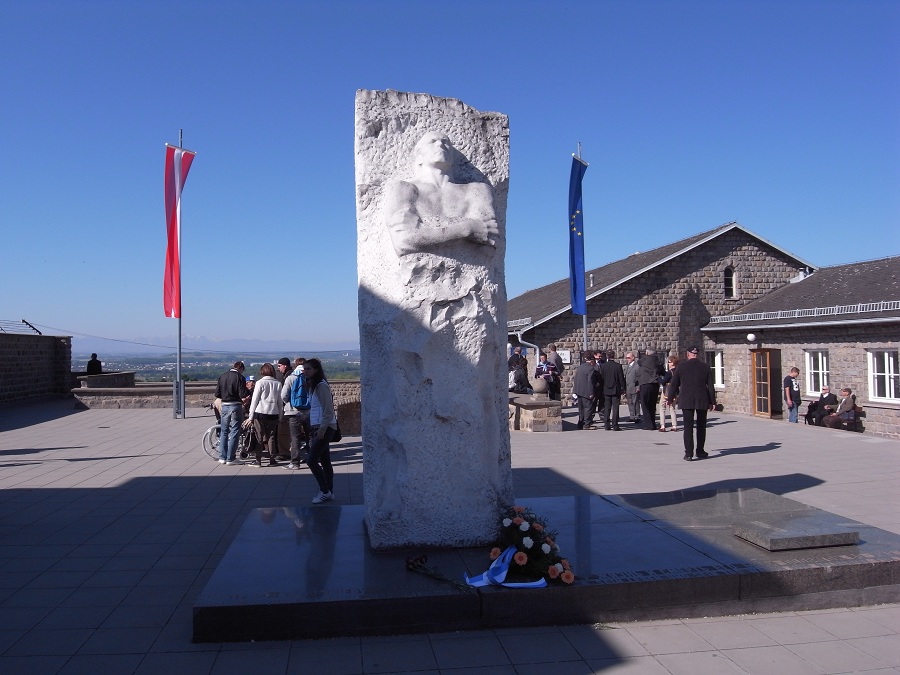
Un monument a été construit par le sculpteur Vladimir Tsigal en son honneur au camp de concentration de Mauthausen
Dmitry Mikhailovich Karbyshev was an officer of the Imperial Russian Army, general of the Red Army, professor at the Soviet General Staff Academy and Hero of the Soviet Union. Born in Omsk on October 26 (October 14), 1880, he received numerous Tsarist and then Soviet medals.
Dmitry Mikhalovich Karbyshev Auteur – artiste Andrey Mironov, photo du site personnel de l’artiste artmiro.ru
Dmitry Mikhailovich Karbyshev published more than 100 research articles on military engineering and military history, which were required reading by Red Army commanders.
Among other things, he went to the front line to advise the troops on technical support at the Mannerheim breach during the 1939-1940 war against Finland.
In August 1941 he was captured by the Nazis while inspecting the fortified area of Grodno; in western Belarus. It was a very nice capture since he spoke German fluently and knew everything about the Soviet fortifications.
The Germans offered him royal treatment in exchange for his cooperation, thinking that since his first wife was German he would jump at the chance. It did not work. Neither promises nor intimidation, threats and torture changed his mind.
After two years of attempts, the Nazis gave up and Dmitry Mikhailovich Karbyshev was sent to the Flossenbürg concentration camp. After that he was detained in many other camps including: Hammelburg, Majdanek, Auschwitz, Sachsenhausen and Mauthausen. Each time, he was one of the most active leaders of the resistance movement.
Canadian Army Major Seddon of St. Clair, another POW who witnessed Karbyshev’s death described what happened.
After the Germans led them into the shower room and doused them with ice water, he said everyone turned blue and many fell to the ground and died. Dmitry Mikhailovich Karbyshev survived but the Germans took them out into the yard in their underwear and sprayed them with cold water.
Dmitry Mikhailovich Karbyshev stood facing his executioners and shouted encouragement, but he did not survive.
After the end of the war, on August 16, 1946, he was posthumously awarded the Hero of the Soviet Union medal.
A monument was built by sculptor Vladimir Tsigal in his honor at the Mauthausen concentration camp
Since antiquity the dove has been the symbol of peace.
Symbol of Faithful Love: Young Girl with a Dove by Chaplin
The dove is also mentioned in the Bible. In the Old Testament, Noah released a dove three times.
The first time she returned not having found the earth. The second time she came back carrying an olive branch and Noah knew that the level of water had lowered on earth. The third time, she didn’t come back because we could live on the earth again.
From that moment the dove became a sign of reconciliation between God and man
At the end of the Second World War the symbol of the dove received universal recognition. The emblem was created by Pablo Picasso for the World Peace Congress, organized in 1949 in Paris and Prague.
Portrait_of_Picasso,_1908-public domain
Later Picasso created many variations of the Dove of Peace. The dove’s emblem developed and turned into a laconic emblem.
Since the communist party had organized the congress, the dove became not only the symbol of peace but also of the communist movement.
The dove of peace was not immediately accepted by the public because of their distrust of the communist movement.
Picasso’s dove has been honored by the Philadelphia Museum with a commemorative medal. Shortly after this image began to be recognized and used around the world
Depuis l’antiquité la colombe représente le symbole de paix.
Symbole d’amour fidèle: Jeune fille a la colombe par Chaplin
La colombe est aussi mentionnée dans la bible. Dans l’ancien testament. Noé relâcha une colombe trois fois.
La première fois elle revint n’ayant pas trouvée la terre. La deuxième fois elle revint portant une branche d’olive et Noé su ainsi que l’eau avait baissé sur la terre. La troisième fois, elle ne revint pas car on pouvait de nouveau vivre sur la terre.
A partir de ce moment la colombe est devenue un signe de réconciliation entre Dieu et l’homme
A la fin de la seconde guerre mondiale le symbole de la colombe a reçu une reconnaissance universelle. L’emblème a été créé par Pablo Picasso pour le Congres Mondiale de la paix, organisé en 1949 à Paris et à Prague.
Portrait_de_Picasso,_1908-public domain
Plus tard Picasso a créé de nombreuses variantes de la colombe de la paix. L’emblème de la colombe s’est développée et s’est transformée en un emblème laconique.
Puis-ce que le parti communiste avait organisé le congrès, la colombe est devenu non seulement le symbole de la paix mais aussi du mouvement communiste.
La colombe de la paix n’a pas été acceptée par le publique immédiatement à cause de leur méfiance du mouvement communiste.
La colombe de Picasso a été honorée par le Philadelphia Museum avec une médaille commémorative. Peu de temps après cette image a commencé a être reconnue et utilisée dans le monde entier





 AKirill, Learn, apprenez, translation, traduction, livres bilingues, bilingual books