Cathedral and museum honoring WWII veterans

Lire en Français

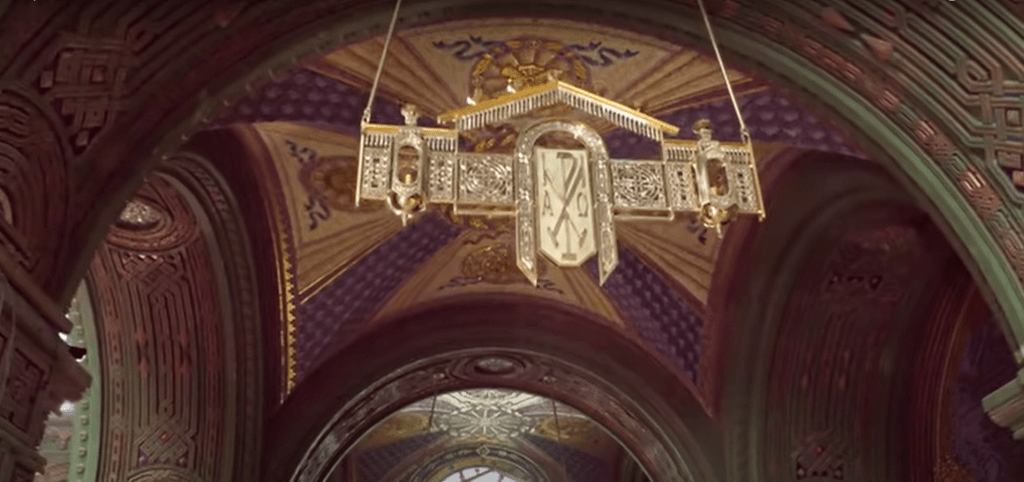
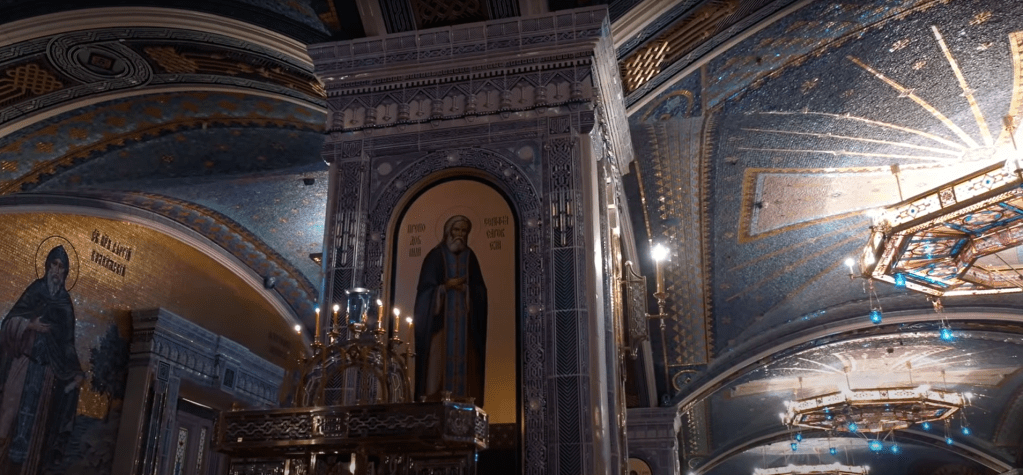
The Patriarchal Cathedral in the name of the Resurrection of Christ is a magnificent Cathedral, built in record time and containing a museum site from the Second World War.

Also called the main temple of the Armed Forces of the Russian Federation, it is dedicated to the 75th anniversary of the Great Patriotic Victory (World War II) and was inaugurated on June 14, 2020. It was built in a record time of only one year and a half. (Video of the construction at the bottom of the page)
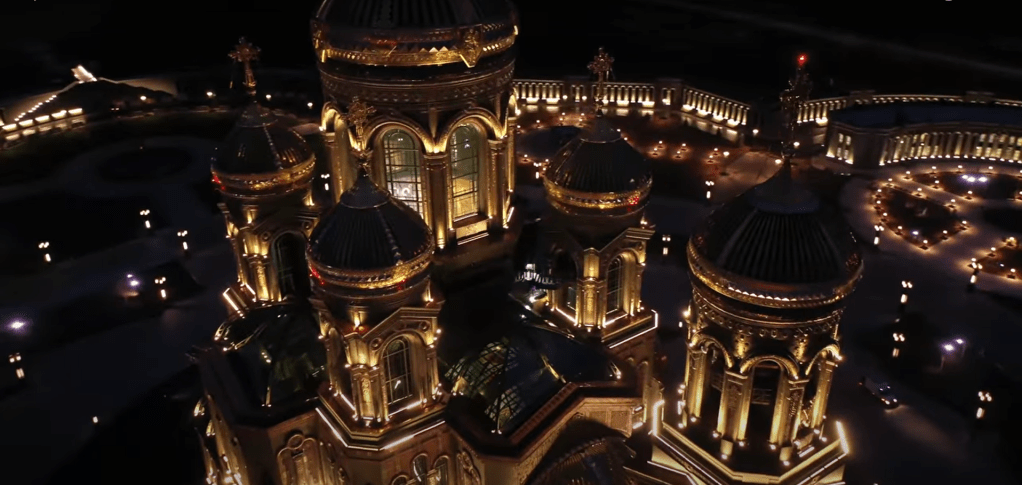
It is one of the tallest Orthodox churches in the world measuring 95 meters in height. All its dimensions are symbolic. The drum diameter of the main dome is 19.45 meters, the diameter of the dome is 22.43 (Germany’s act of unconditional surrender was signed at 10:43 p.m. (22:43) on May 8, 1945)

The height of the belfry is 75 meters (2020 marks the 75th anniversary of the end of the war). The height of the small dome 14.18 corresponds to the number of days and nights of the battles of the Great Patriotic War.
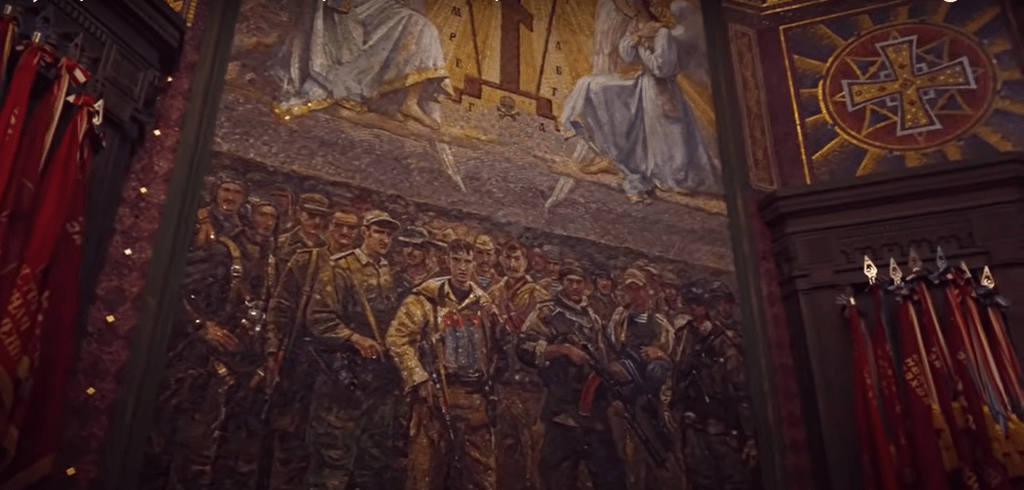
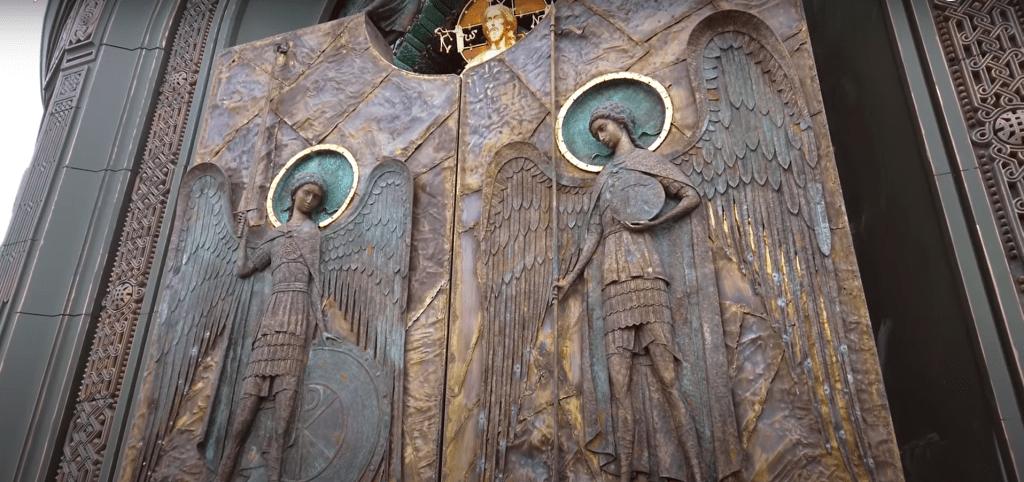
The number of full holders of the Order of Glory is represented by the interior mosaic area of ​​2644 square meters. The height of the mandora is 11694mm, which is also the number of participants of the Great Patriotic War who received the title Hero of the Soviet Union.

On the territory of the complex there is a museum complex, “Road of Memory”, which was created with a length of 1418 steps, in memory of the 1418 days and nights of the Great Patriotic War. The gallery is framed by millions of photographs of veterans.

In the open air is the “Fields of Victory” museum which is a collective image of the battle near Moscow in 1941. Its location is the area where the Germans made their last attempt to break into the capital.

Weapons and military equipment from the Great Patriotic War are installed in several themed areas of the complex which were created from archival documents and photos.

Below is the video of the temple with a visit to part of the museum: The one of the construction is below.

Below, the construction of the church.

If you liked this article, don’t forget to like and share.
Subscribe to not miss anything
Our Latest Posts

Hermitage Virtual Tour

Lire en français

The Hermitage Museum is one of the most famous museums in Saint Petersburg, Russia. It is dedicated to fine and decorative arts and is magnificent.

Sometimes unfortunately it is difficult for us to visit a museum which is in a different country but now we can do it thanks to their virtual visit. A big thank you to the Hermitage because it is worth the effort. It is really beautiful

Visit the Hermitage virtually

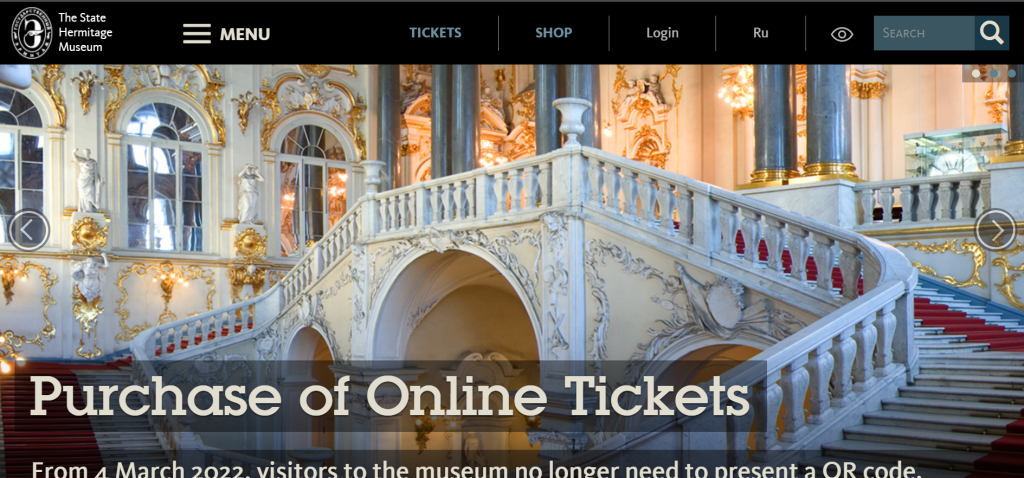
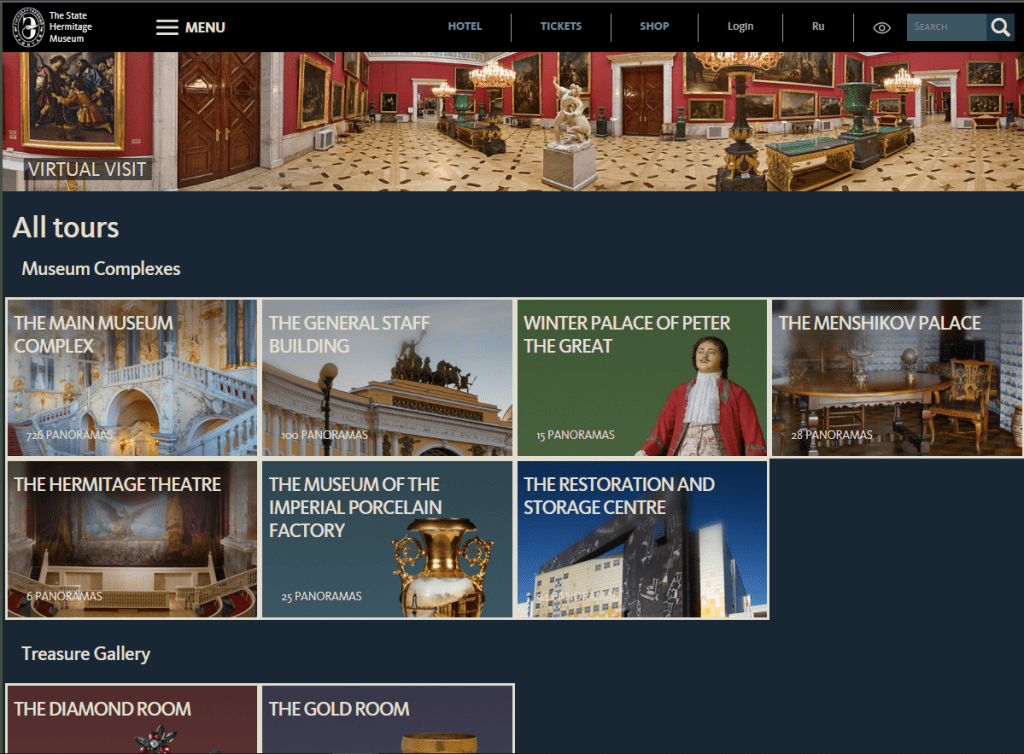
This is the first page you will see, in English or Russian. You can refer to this site to read it in English if you do not understand how to switch the languages but it is the last before search on the menu bar.

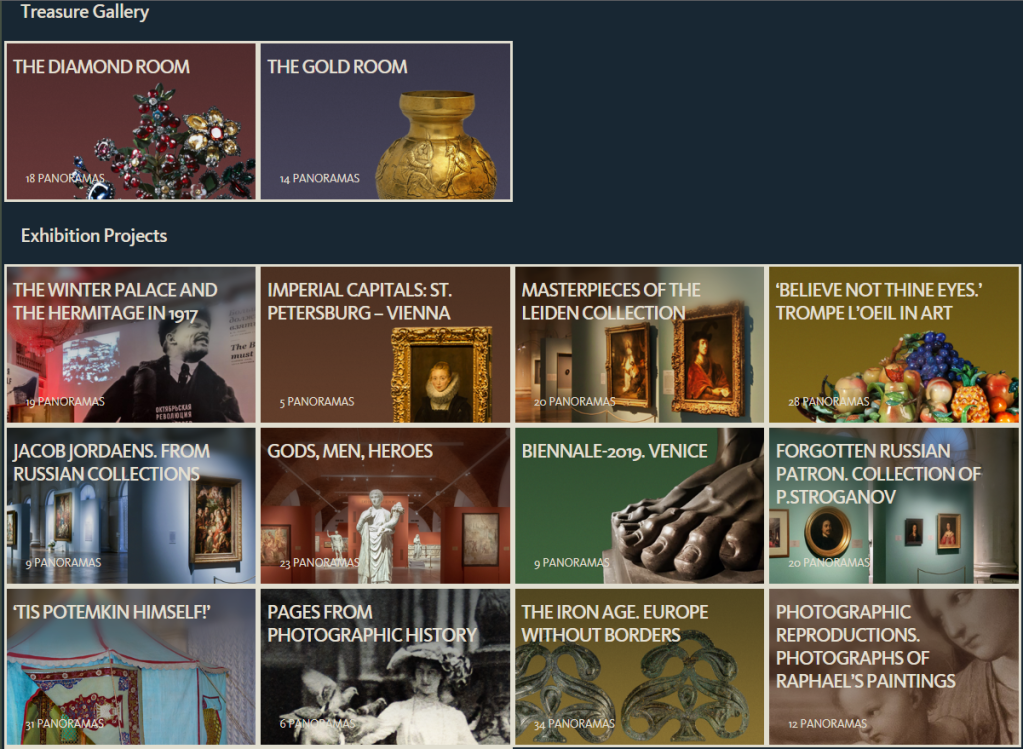
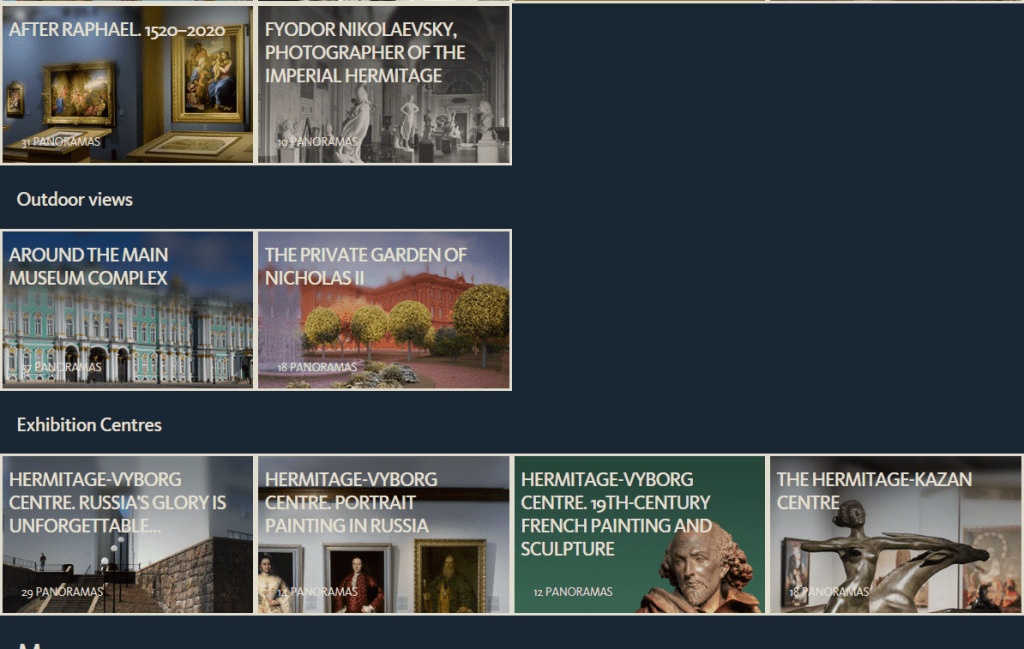
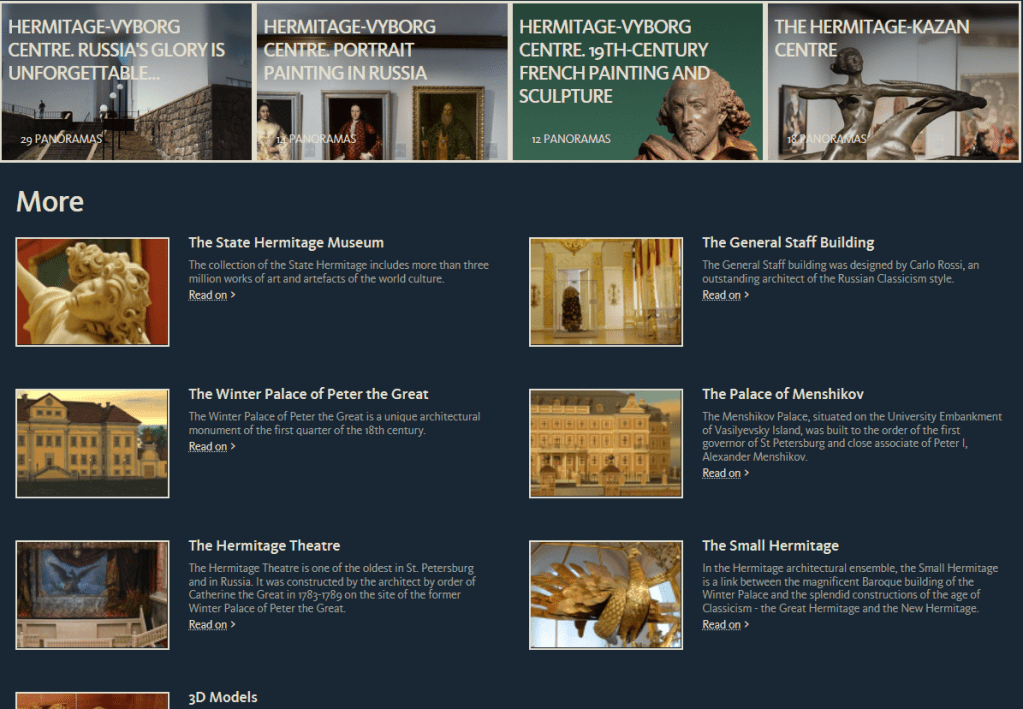
Next we see the tours available. To visit them, just click on the image (Not mine, on their site) To do this, click on one of the bars saying “Visit the Hermitage virtually”. It will take you to their site.

Visit the Hermitage virtually

After you click on the first image you will see the next one. Just click on a number and start visiting. You can enlarge or shrink by moving the small wheel of your mouse.

Visit the Hermitage virtually

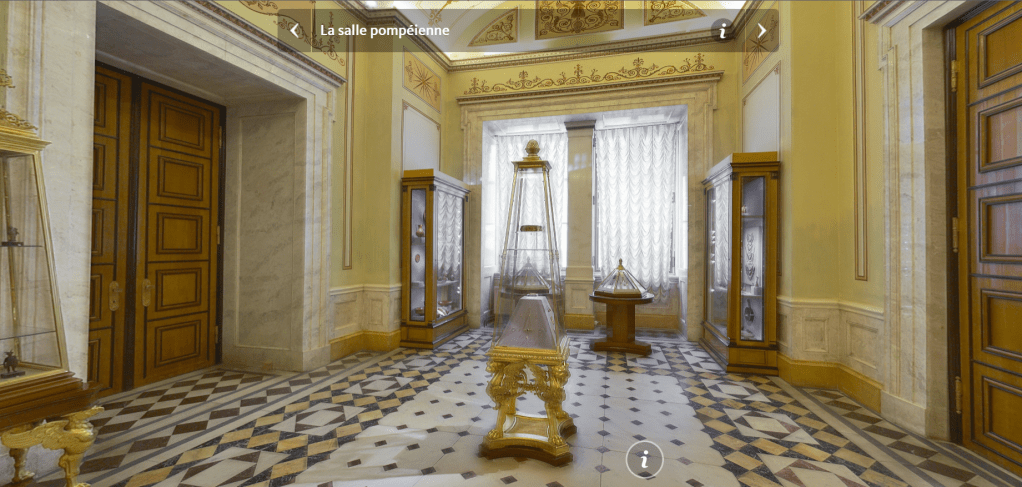
These are random images taken from my visit. As you will see sometimes you can get details of what you are watching. I took several screenshots from afar and for some images, I got closer and asked for information. Sorry it is written in French which it will definitively not be in your browser

Visit the Hermitage virtually

A closer view of the statue

Visit the Hermitage virtually

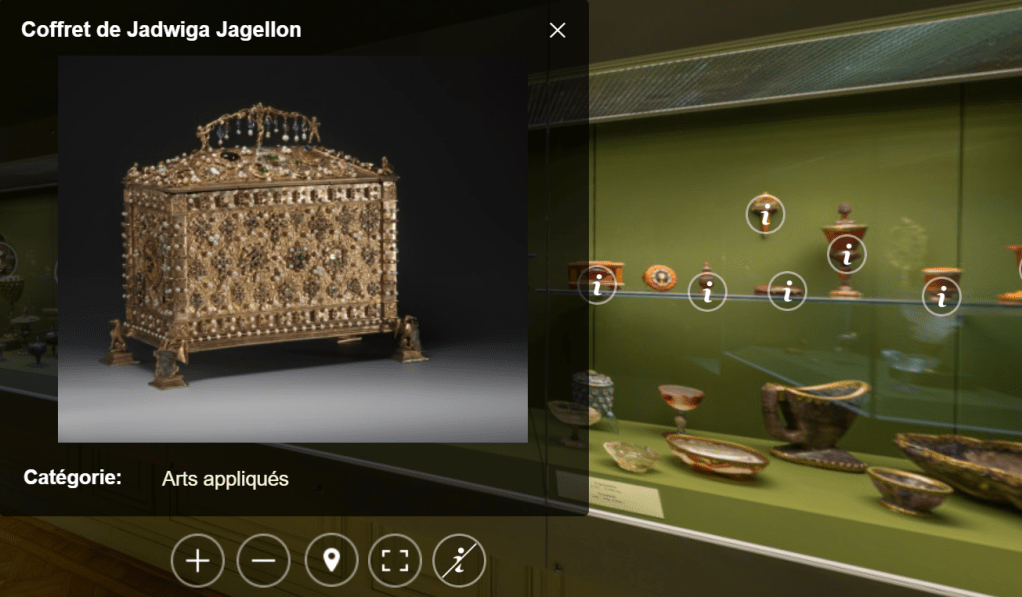
I pressed the “i” to find out what it was. (The Jadwiga Jagellon Box)

I hope you will enjoy this museum as much as I do and that this article will be useful to you.

If you liked this article, don’t forget to like and share.
Subscribe to not miss anything

The history of the Hermitage

Lire en Français

The State Hermitage or Imperial Hermitage before 1918, is located in Saint Petersburg. It is one of the most important museums not only in Russia but in the whole world.

Its collection includes more than 3 million objects collected, which are works of art and monuments of world culture from the Stone Age to the present day. The total area of ​​the Hermitage is more than 230,000 square meters, of which more than 65,000 are occupied by exhibition spaces.

State Hermitage Museum

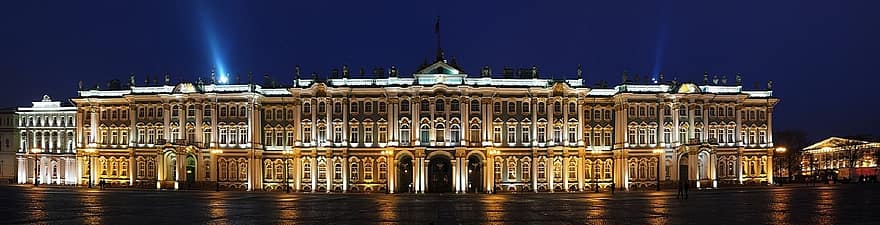
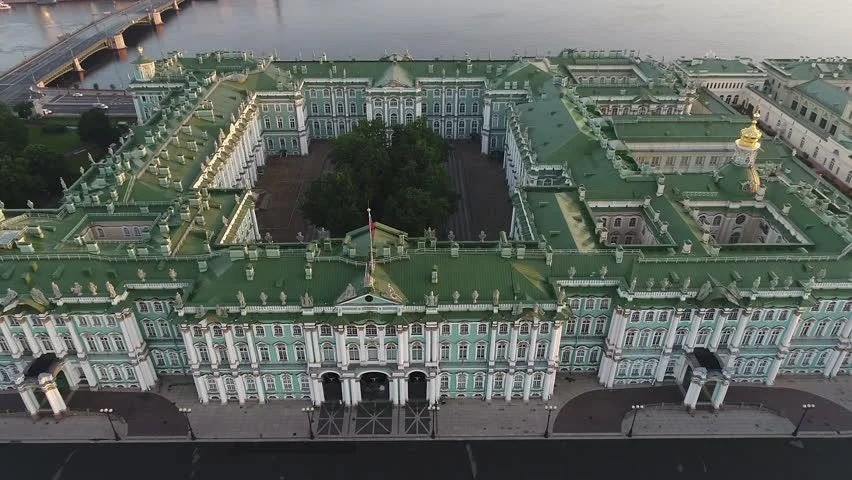
The museum is located in 5 main buildings interconnected and forming a single museum complex.

Hermitage museum complex seen from above

The Hermitage was founded on December 7, 1764 by Russian Empress Catherine II. This superb museum began its history with the purchase of a private collection comprising 317 precious paintings, which was initially housed in a special wing of the palace which was called the Hermitage. Now this square is known as the Small Hermitage. The collection contained paintings by Dick Van Baburen, Hendrik Van Balen, Rembrandt Van Rijn and many other famous artists. To date, there are at least 96 of these early paintings exhibited in the Hermitage. This collection grew to include the painting collection of Baron Pierre Crozat in 1772, that of British Prime Minister Walpole in 1779 and that of Count Baudouin in 1781, but it also contained the libraries of Diderot and Voltaires, cameos and other treasures.

Hermitage Winter palace

Over time the collection grew and after some time the original premises in which the works of art were stored proved to be insufficient, so from 1771 to 1787 the large Hermitage was built. The new building was intended to house the palace’s art collections. In addition, the Hermitage had one of the oldest theaters in Saint Petersburg and Russia, which was built in 1783.

Emperor's Throne
Emperor’s Throne

The idea of ​​transforming the Hermitage into a public museum came from Nicolas I who contributed significantly to the reconstitution of the museum’s art gallery.

But it will not be until February 5 (17), 1852 with a considerably expanded collection that the Hermitage will open to the public. For this a new building called the New Hermitage was built.

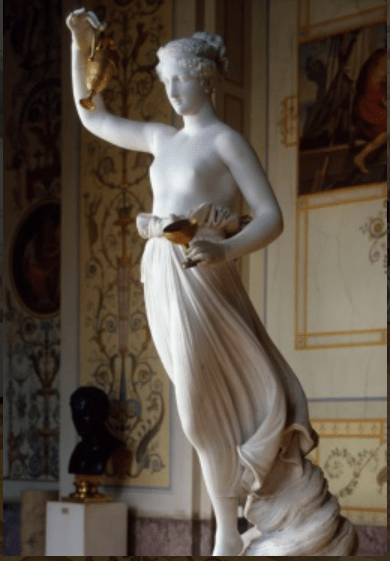
Hebe
Hebe

At that time the Hermitage already possessed the richest collections of monuments of ancient, oriental, Egyptian, and medieval cultures of Western and Eastern European art. The museum also contained archaeological and artistic monuments of Asia and Russian culture from the 8th to the 18th centuries.

Now the museum consists of 5 interconnected buildings. The Winter Palace , which was once the main imperial palace. The Small Hermitage (North and South Pavilions, and the Hanging Garden). The Great Hermitage also called the Old Hermitage, the Hermitage Theater built on Peter I’s Winter Palace, which has been partially preserved, and the New Hermitage .

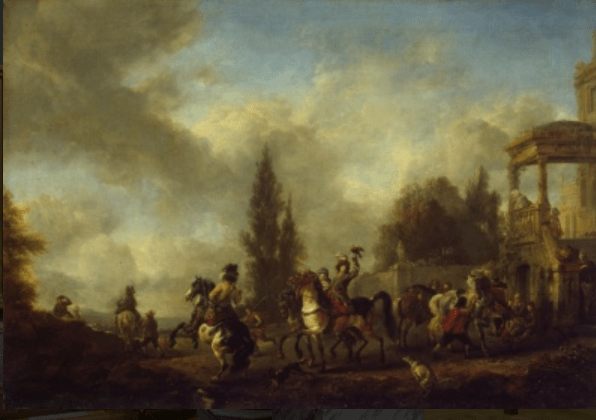
Going out at the falconry

The Winter Palace Reserve House which is a late 19th century mansion and the Hermitage garage built in 1911 for Emperor Nicholas II are included in the complex of Hermitage buildings as Dependencies.

tapestry interior museum Hermitage-Winter Palace

Additionally, the Hermitage has several other buildings including the Menshikov Palace which was built for the city’s first governor, Alexander Menshikov. This was the first stone building in Saint Petersburg. The Hermitage also uses the wing of the General Staff Building built in 1820, which is a museum exhibition complex, the Imperial Porcelain Factory Museum and the Stock Exchange Building on Vasilyevsky Island . The latter houses the Museum of the Russian Guard and Heraldry.

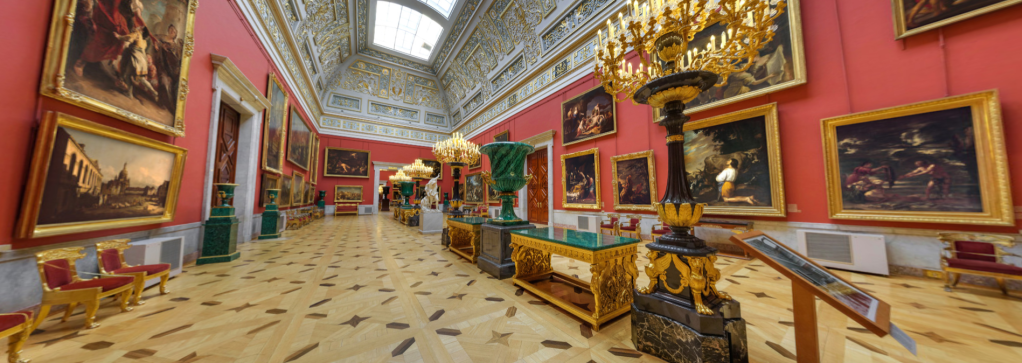
large Italian skylight hall

Another important part is the restoration and storage center of the State Hermitage, part of which offers us very interesting guided tours.

And finally, since spring 2020, because of the quarantines caused by the coronavirus, we can take virtual tours of this superb museum. We will see that in our next article.

If you liked this article, don’t forget to like and share.
Subscribe to not miss anything
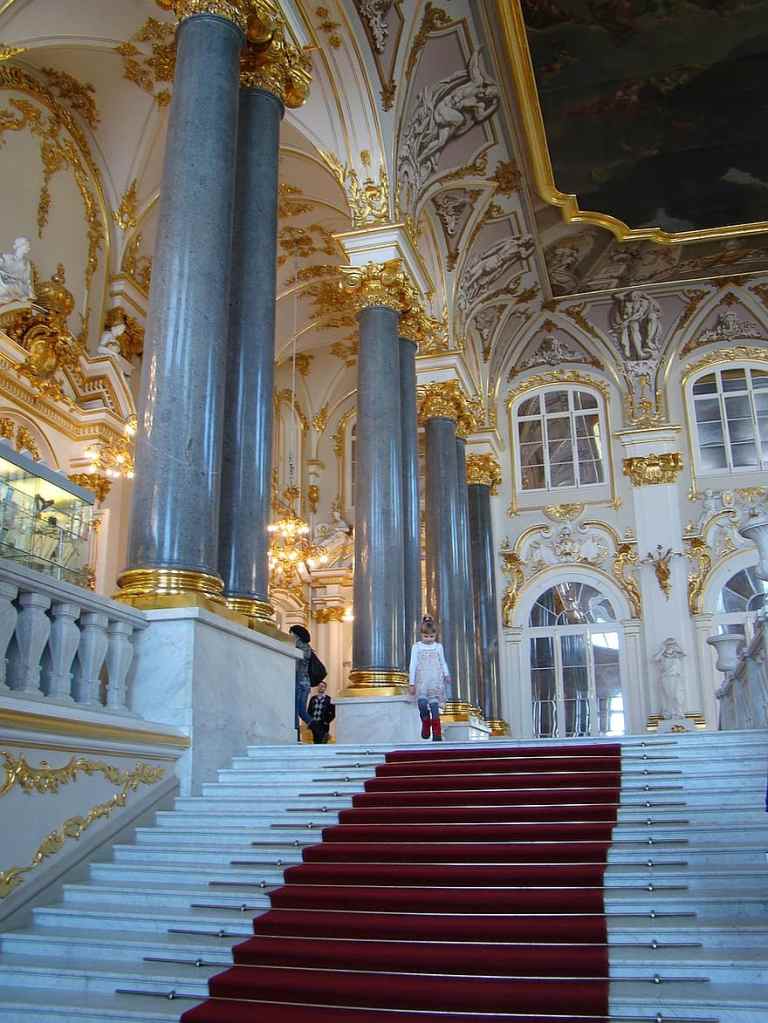
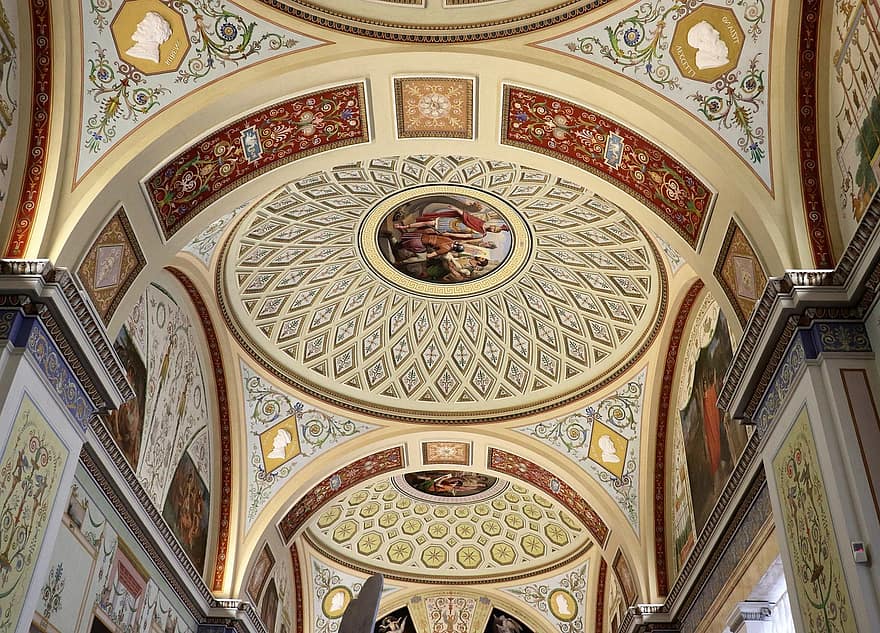
Hermitage ceilings
Hermitage ceilings

The modern Hermitage is located at Place Embankment, 32-38 (Main Museum Complex). It is open every day except Monday from 10:30 a.m. to 6 p.m., as well as Wednesdays and Fridays from 10:30 a.m. to 9 p.m.

Our Latest Posts

L’histoire de L’Ermitage

Read in English

L’Ermitage d’Etat ou Ermitage Impérial avant 1918, est situé à Saint Pétersbourg. C’est l’un des musées le plus important, non seulement en Russie mais, dans le monde entier.

Sa collection comprends plus de 3 millions d’objects rassemblés, qui sont des oeuvres d’art et des monuments de la culture mondiale de l’âge de pierre à nos jours. La superficie totale de l’Ermitage est de plus de 230 000 mètres carrés, dont plus de 65 000 sont occupés par des espaces d’expositions.

State Hermitage Museum

Le musée est situé dans 5 bâtiments principaux interconnectés et formant un seul complexe muséal.

Complexe du musée de l'Ermitage vu d'en haut
Complexe du musée de l’Ermitage vu d’en haut

L’Ermitage a été fondé le 7 décembre 1764 par l’impératrice russe Catherine II. Ce superbe musée a commencé son histoire avec l’achat d’une collection privée comprenant 317 peintures précieuses, qui a été initialement abritée dans une aile spéciale du palais qui s’appelait l’Ermitage. Maintenant, cette place est connue comme le Petit Ermitage. La collection contenait des peintures de Dick Van Baburen, Hendrik Van Balen, Rembrandt Van Rijn et bien d’autres célèbres artistes. A ce jour il reste au moins 96 de ces premières toiles exposées dans l’Ermitage. Cette collection s’est agrandie, incluant la collection de peinture du baron Pierre Crozat en 1772, celle du premier ministre Britannique Walpole en 1779 et, celle du comte Baudouin en 1781, mais elle contenait aussi les bibliothèques de Diderot et de Voltaires, des camées et autres trésors.

Hermitage Winter palace

Au fils du temps, la collection s’est agrandit et après un certain temps les locaux d’origine dans lesquelles les oeuvres d’art étaient stockées se sont avérés insuffisant, donc de 1771 à 1787 le grand Ermitage a été construit. Le nouveau bâtiment était destiné à abriter les collections d’arts du palais. De plus l’Ermitage possédait l’un des plus anciens théâtre de Saint Pétersbourg et de Russie qui a été construit en 1783.

Throne de l'empereur
Throne de l’empereur

L’idée de transformer l’Ermitage en musée publique revient a Nicolas I qui a contribué de manière significative à la reconstitution de la galerie d’art du musée.

Mais ce ne sera que le 5 (17) février 1852 avec une collection considérablement élargie que l’Ermitage ouvrira au public. Pour cela un nouveau bâtiment nommé le Nouvel Ermitage a été construit.

Hebe
Hebe

A cette époque l’Ermitage possédait déjà les plus riches collections de monuments des cultures antiques, orientales, égyptiennes, et médiévales de l’art de l’Europe occidentale et orientale. Le musée contenait aussi des monuments archéologiques et artistique de l’Asie et de la culture russe du VIII au XVIII siècles.

Maintenant le musée comprend 5 bâtiments reliés entre eux. Le Palais d’Hiver, qui était autrefois le principal palais imperial. Le Petit Ermitage (Pavillons Nord et Sud, et le Jardin Suspendu). Le Grand Ermitage aussi appelé l’Ancient Ermitage, le Théâtre de l’Ermitage construit sur le Palais d’Hiver de Pierre Ier, qui a partiellement été préservé et, le Nouvel Ermitage.

going out at the falconry

La Maison de Réserve du Palais d’Hiver qui est un manoir de la fin du XIXe siècle et, le garage de l’Ermitage construit en 1911 pour l’Empereur Nicolas II sont inclus dans le complexe des bâtiments de l’Ermitage en tant que dépendances.

tapestry interior museum Hermitage-Winter Palace

De plus, l’Ermitage dispose de plusieurs autres bâtiments dont le Palais Menchikov qui a été construit pour le premier gouverneur de la ville, Alexandre Menchikov. Celui-ci était le premier bâtiment en Pierre de Saint Pétersbourg. L’Ermitage utilise aussi l’aile du bâtiment de l’Etat-major générale construit en 1820, qui est un complexe d’exposition muséale, le musée de la fabrique impériale de porcelaine et, le bâtiment de la bourse sur l’ile Vassilievski. Ce dernier abrite le musée de la garde et de l’héraldique russes.

large Italian skylight hall

Une autre partie importante est le centre de restauration et de stockage de l’Ermitage d’Etat dont une partie nous offre de très intéressantes visites guidées.

Portrait of a young woman

Et finalement, depuis le printemps 2020, à cause des quarantaines provoquées par le coronavirus, nous pouvons effectuer des visites virtuelles de ce superbe musée. Nous verrons cela dans notre prochain article.

Si vous avez aimé cet article, n’oublier pas d’aimer et de partager.
Abonnez-vous pour ne rien manquer

Plafonds de l'Ermitage
Plafonds de l’Ermitage

L’Ermitage moderne est situé Place Embankment, 32-38 (Main Museum Complex). Il est ouvert tous les jours sauf le lundi de 10h30 a 18h00, ainsi que les mercredis et vendredis de 10h30 a 21h00

Avez-vous lu nos derniers posts?