On this site we hope to help you learn, and to remove the difficulties caused by the difference of culture and language. Sur ce site nous espérons vous aider à apprendre, et à enlever la barrière causée par les différents languages et cultures.
“Au-dessus de la Paix éternelle” (Над вечным покоем) aussi appelé Paix éternelle ou Au-dessus du repos éternel est un magnifique et probablement le tableau le plus célèbre de artiste russe Isaac Levitan. Celui-ci date de l’année 1894, et représente un “gigantesque renversement de l’espace aquatique du lac”, dont les étendues infinies ressemblent à une rivière étendue. Au-dessus du lac se trouve “une vaste étendue de ciel avec des nuages tourbillonnants se heurtant les uns aux autres”. Il ne s’agit pas d’un paysage lyrique ordinaire, pour lequel Levitan est renommé, mais plutôt d’un grand récit épique, où le passé converge avec l’avenir, le ciel domine la terre et le temps s’étire vers l’éternité.
Ce chef-d’œuvre est exposé au prestigieux musée d’État de la Galerie Trétiakov et affiche des dimensions de 150 × 206 cm. Dévoilé pour la première fois à la 22e exposition de l’Association des expositions d’art itinérantes à Saint-Pétersbourg, il a captivé l’attention des amateurs d’art et a été rapidement acquis par Pavel Trétiakov même avant le début officiel de l’exposition. Certains experts en art considèrent cette peinture, ainsi que ” Eaux profondes” et “Vladimirka” de 1892, comme faisant partie d’une trilogie captivante de Levitan. Les critiques ont loué l’œuvre comme un portrait de paysage véritablement captivant, la qualifiant comme l’une des œuvres les plus évocatrices et vibrantes de l’artiste.
Il y a différentes histoires intéressantes sur la peinture et l’église qui ont inspiré l’artiste. Les mémoires de Sofia Kuvshinnikova suggèrent que la peinture “Au-dessus de la Paix éternelle” était basée sur une église près du lac d’Udomlya, bien que l’église réelle fût différente de celle représentée.
Les chercheurs proposent que l’artiste ait utilisé une esquisse de l’église Pierre et Paul à Plyos comme référence. Cette église a brûlé en 1903 et a été remplacée par l’église de la Résurrection du village de Bilyukovo.
Une autre version suggère que l’inspiration est venue d’une vieille église en bois près du lac Ostrovno, comme décrit dans les mémoires de l’artiste Vitold Byalynitsky-Birulya. Certaines sources spéculent que l'”île ovale” représentée pourrait être l’île d’Arzhanik ou de Dvinovo sur le lac Udomlya.
Le livre “Artistes dans le territoire d’Oudomelsky” présente encore une autre version, suggérant que la peinture a été inspirée par le village d’Ostrovno et le domaine d’Ouchakov.
L’expert en art Alexey Fedorov-Davydov décrit la toile “Au-dessus de la Paix éternelle” comme le portrait d’un motif d’un lac appliqué à un autre lac similaire, le lac Udomlya servant de base à la composition.
Fedorov-Davydov met l’accent sur le niveau de synthèse de la vue réelle dans une image de paysage pictural comme la véritable mesure de la composition dans les peintures de Levitan.
La peinture “Au-dessus de la Paix éternelle” a fleuri pendant l’été 1893 alors qu’Isaac Levitan résidait dans la province de Tver. Aux côtés de l’artiste Sofia Kuvshinnikova, il trouva l’inspiration au domaine d’Ostrovno des Ushakovs près du lac Ostrovno, où ils reçurent un accueil chaleureux et des conditions idéales pour leurs entreprises créatives. Ils ont également savouré des moments au domaine de Garusovo près du lac d’Udomlya, qui est devenu plus tard le sujet du chef-d’œuvre de Levitan “On the Lake.”
On the lake. Oil on canvas, 109 × 163 cm , 1893
Levitan a esquissé et travaillé avec diligence sur la toile à Moscou, aboutissant à l’achèvement du tableau au début de 1894, le signant fièrement dans le coin inférieur gauche comme “Et Levitan 94.” (И Левитанъ 94 )
Croquis
La Galerie Tretiakov conserve fièrement deux croquis originaux du célèbre tableau “Au-dessus de la Paix éternelle”. Ces dessins captivants, réalisés en 1893 sous le titre “Avant l’orage”, ont été méticuleusement réalisés au crayon graphite sur une seule feuille de papier.
Initial sketches-variants of the painting- Over Eternal Peace, 1893
Levitan capture habilement l’anticipation dans la nature alors qu’un orage approche. Selon E. A. Byalynitskaya-Birulya, ces dessins dépeignent le paysage pittoresque du lac d’Ostrovno avec l’église de la Trinité nichée le long de la rive. Tout en travaillant sur la peinture, Levitan a également produit plusieurs esquisses picturales évocatrices, dont “Ciel nuageux”, “Ciel”, et “Lac”.
Cloudy skySky. Study by Isaac Levitan for the painting – Over Eternal PeaceLake. Sstudy by Isaac Levitan for the painting – Over Eternal Peace
À l’été 1893, Levitan a composé le poignante pastel “Les Oubliés”, représentant “un cimetière abandonné situé sur une pente avec des croix branlantes”, un motif ultérieurement incorporé dans la peinture. En 1898, cette remarquable esquisse a été exposée à Saint-Pétersbourg et acquise par Pavel Tretyakov. De plus, parmi les matériaux préparatoires utilisés par l’artiste se trouve l’enchantante esquisse “Église en bois à Plyos aux derniers rayons du soleil”, datant de 1888, dont Levitan s’est inspiré pour représenter l’église dans le tableau “Au-dessus de la paix éternelle”.
Over Eternal Peace – large sketch, 1893
Description
Fedorov-Davydov a remarqué la structure claire et l’asymétrie équilibrée dans l’image, apportant des informations précieuses sur les choix de l’artiste et l’harmonie visuelle générale de la pièce. L’interaction des principales parties et des divers détails, tels que le promontoire, l’île, l’eau et les nuages, met en valeur le travail minutieux et la compétence compositionnelle derrière l’œuvre, ce qui permet au spectateur d’apprécier encore plus sa complexité et sa beauté.
Le peintre a utilisé différentes techniques de peinture pour créer un sentiment d’espace et de puissance dans la composition. Lorsqu’il dépeignait des scènes lointaines, Levitan utilisait une simplification extrême des formes et des couleurs, ce qui était nouveau pour lui. Les techniques de peinture variaient tout au long de l’œuvre, mettant l’accent sur la lourdeur du ciel orageux et transmettant le mouvement des nuages. Différentes techniques ont également été utilisées pour dépeindre l’eau, la rive lointaine et la colline en premier plan. Malgré la variété des techniques, la peinture transmet toujours efficacement les impressions naturelles sur lesquelles elle est basée.
Le tableau “Au-dessus de la paix éternelle” dépeint richement une scène captivante qui captive l’imagination avec ses détails complexes et son imagerie évocatrice. Il plonge le spectateur dans un monde à la fois tranquille et troublant, l’attention méticuleuse de l’artiste donnant vie à chaque élément. La description du lac comme vivant une “inversion géante de l’espace aquatique” évoque un sentiment de stupeur, surtout lorsque l’immensité sans fin ressemble à une rivière étendue, invitant à la contemplation des forces de la nature en jeu.
L’artiste contemple le monde d’un point de vue élevé, observant un vaste panorama d’éléments naturels se déroulant devant son regard.
Over Eternal Peace – extract sky
Au-dessus du lac, la représentation d’une vaste étendue de ciel avec des nuages tourbillonnants et se heurtant ajoute une couche captivante à la composition. L’image divisée du ciel, avec un royaume nuageux plus sombre en bas et une étendue plus légère et plus éthérée en haut, crée un contraste fascinant, enrichissant davantage le récit visuel. Les éléments entourant la falaise dégagent une puissance. On a l’impression que le cimetière disparaîtra à tout moment, que l’église se dispersera à travers le monde… La destruction semble imminente.
Over Eternal Peace – Extract Island
Au loin, une île déserte apparaît, semblant dériver loin de la falaise avec une vitesse remarquable. Il semble que l’île transporte avec elle les âmes des défunts, attirant les restes de l’esprit humain et les souvenirs de ceux qui sont partis. Cette vue sert de rappel émouvant de l’insignifiance, de la transience et du manque perçu de sens dans la vie humaine.
Over Eternal Peace – extract-church and- cemetery
Au fur et à mesure que le regard du spectateur se promène vers l’arrière-plan, un promontoire se révèle, sur la rive surélevée duquel se dresse une vieille église.
Une tempête se profile à l’horizon – évidente dans le ciel de plomb menaçant et les puissantes rafales de vent. Près du temple, les arbres s’inclinent sous la force du vent de l’ouragan. Les teintes fugitives du coucher de soleil embrasent le ciel, mais la lumière est voilée par des nuages d’une densité inhabituellement vivante. Il semble que l’ouragan va ravager la fragile église, renverser les croix du cimetière et niveIer les tombes au sol.
D’une manière impressionnante, le petit dôme de l’église résiste pleinement à la force des éléments. Il pointe directement vers le haut, et sa couleur, se mêlant aux tons métalliques du ciel, transmet un sentiment de solidité et de résilience.
L’artiste, même dans cette œuvre, l’a imprégnée de nuances optimistes. Seule une foi inébranlable peut aider une personne à trouver la paix et la confiance dans ses aspirations et le dessein de sa vie. Cependant, ce message optimiste est subtilement tissé dans la peinture. Seuls les spectateurs les plus perspicaces peuvent percevoir dans ce détail subtil la vraie essence de cette œuvre emblématique.
Over Eternal Peace – Extract cemetery
La présence d’un sombre cimetière rural à gauche de l’église ajoute une touche poignante, avec les tombes négligées et les alentours délabrés évoquant un sentiment de mélancolie et le passage du temps. L’attention particulière portée aux détails dans la représentation de ces éléments est évidente, l’artiste accordant une attention particulière à la composition du cimetière et de l’église sur la colline, les imprégnant d’un profond sentiment de signification et d’histoire.
Le commentaire perspicace du critique d’art Alexei Fedorov-Davydov rehausse davantage la profondeur de la peinture, alors qu’il décrit avec éloquence le promontoire fragile avec l’église et le cimetière comme s’il s’agissait de l’avant d’un navire s’aventurant vers une distance inconnue.
Over Eternal Peace – extract church
Le symbolisme de la lumière dans la vitre de l’église en tant que témoin de la vie humaine, de l’indestructibilité et de la soumission silencieuse est particulièrement frappant et ajoute encore une autre couche de sens à la composition.
Over Eternal Peace on a 2006 Russian postage stamp
Nous mettons beaucoup d’efforts dans la qualité des articles et traductions, soutenez-nous avec un like et un abonnement ou sponsorisez-nous si vous les aimez.Nous sommes aussi surFacebook et Twitter
“Over Eternal Peace” (Над вечным покоем) is a magnificent and probably the most famous painting by renowned Russian artist Isaac Levitan, originating from the year 1894 which depicts a “giant reversal of the lake’s water space”, the endless expanses of which resemble a wide-spread river. Above the lake is “a majestic expanse of sky with swirling clouds colliding with each other”. This is no ordinary lyrical landscape, for which Levitan is renowned, but rather a grand epic, where the past converges with the future, the sky looms over the earth, and time stretches towards eternity.
This masterpiece is housed in the esteemed State Tretyakov Gallery and boasts dimensions of 150 × 206 cm. First unveiled at the 22nd exhibition of the Association of Traveling Art Exhibitions in St. Petersburg, it captured the attention of art connoisseurs and was swiftly acquired by Pavel Tretyakov even before the exhibition officially commenced. Some art experts view this painting, in conjunction with “By the Pool” and “Vladimirka” from 1892, as part of a compelling trilogy by Levitan. Critics have lauded the piece as a genuinely captivating landscape portrayal, praising it as one of the artist’s most evocative and vibrant works.
There are different interesting stories about the painting and the church that inspired the artist. Sofia Kuvshinnikova’s memoirs suggest that the painting “Over Eternal Peace” was based on a church near Lake Udomlya, although the actual church was different from the one depicted.
Researchers propose that the artist used a sketch of the Peter and Paul Church in Plyos as a reference. This church burned down in 1903 and was replaced by the Resurrection Church from the village of Bilyukovo.
Another version suggests that the inspiration came from an old wooden church near Lake Ostrovno, as described in the memoirs of the artist Vitold Byalynitsky-Birulya. Some sources speculate that the “oval island” depicted could be the island of Arzhanik or Dvinovo on Lake Udomlya.
The book “Artists in the Udomelsky Territory” presents yet another version, suggesting that the painting was inspired by the village of Ostrovno and the Ushakov estate.
Art critic Alexey Fedorov-Davydov describes the canvas “Over Eternal Peace” as a portrayal of a motif from one lake applied to another similar one, with Lake Udomlya serving as the foundation of the composition.
Fedorov-Davydov emphasizes the level of synthesis of the real view into a pictorial landscape image as the true measure of composition in Levitan’s paintings.
The painting “Over Eternal Peace” blossomed during the summer of 1893 when Isaac Levitan resided in the Tver province. Alongside the artist Sofia Kuvshinnikova, he found inspiration at the Ushakovs’ Ostrovno estate near Lake Ostrovno, where they received a warm welcome and ideal conditions for their creative endeavors. They also savored moments at the Garusovo estate near Lake Udomlya, which later became the subject of Levitan’s masterpiece “At the Lake.”
At the lake. Oil on canvas, 109 × 163 cm , 1893
Levitan sketched and diligently worked on the canvas in Moscow, culminating in the completion of the painting in early 1894, proudly signing it in the lower left corner as “And Levitan 94.” (И Левитанъ 94)
Sketches
The State Tretyakov Gallery proudly holds two original graphic sketches for the renowned painting “Over Eternal Peace.” These captivating drawings, created in 1893 under the title “Before the Storm,” were meticulously crafted with graphite pencil on a single sheet of paper.
Initial sketches-variants of the painting- Over Eternal Peace, 1893
Levitan skillfully captures the anticipation in nature as a thunderstorm approaches. According to E. A. Byalynitskaya-Birulya, these drawings portray the picturesque landscape of Lake Ostrovno with the Trinity Church nestled along the shore. While working on the painting, Levitan also produced several evocative pictorial sketches, including “Cloudy Sky,” “Sky,” and “Lake.”
Cloudy skySky. Study by Isaac Levitan for the painting – Over Eternal PeaceLake. Sstudy by Isaac Levitan for the painting – Over Eternal Peace
In the summer of 1893, Levitan composed the poignant pastel “Forgotten,” depicting “an abandoned cemetery located on a slope with rickety crosses,” a motif later incorporated into the painting. In 1898, this remarkable sketch was displayed in St. Petersburg and acquired by Pavel Tretyakov. Furthermore, among the preparatory materials utilized by the artist is the enchanting sketch “Wooden Church in Plyos at the last rays of the sun,” penned in 1888, which Levitan drew inspiration from to portray the church in the painting “Above Eternal Peace.”
Over Eternal Peace – large sketch, 1893
Description
Fedorov-Davydov noticed the clear structure and the balanced asymmetry in the picture, giving valuable insights into the artist’s choices and the overall visual harmony of the piece. The interaction of the main parts and various details, like the cape, island, water, and clouds, highlights the careful craftsmanship and compositional skill behind the artwork, making the viewer appreciate its complexity and beauty even more.
The artist used different painting techniques to create a sense of space and power in the composition. When depicting distant scenes, Levitan used extreme simplification of shapes and colors, which was new for him. The painting techniques varied throughout the artwork, emphasizing the heaviness of the stormy sky and conveying the movement of the clouds. Different techniques were also used to depict water, the distant bank, and the foreground hill. Despite the variety of techniques, the painting still effectively conveys the natural impressions it’s based on.
The painting “Over Eternal Peace” richly portrays a captivating scene that captures the imagination with its intricate details and evocative imagery. It immerses the viewer in a world that is at once tranquil and haunting, with the artist’s meticulous attention to detail bringing each element to life. The description of the lake as experiencing a “giant reversal of the water space” conjures a sense of awe, particularly as the endless expanse resembles a wide-spread river, inviting contemplation of the forces of nature at play.
The artist ponders the world from a lofty perspective, observing a grand panorama of natural elements unfolding before their gaze.
Over Eternal Peace – extract sky
Above the lake, the depiction of a vast expanse of sky with swirling, colliding clouds adds a captivating layer to the composition. The divided image of the sky, with a darker, cloudy realm at the bottom and a lighter, more ethereal expanse at the top, creates a compelling contrast, further enriching the visual narrative. The elements surrounding the cliff emanate power. It feels as though the graveyard will vanish in the next moment, the church will scatter across the world… Destruction appears imminent.
Over Eternal Peace – Extract Island
In the distance, a deserted island comes into view, seemingly drifting away from the cliff with remarkable speed. It appears as though the island carries with it the souls of the departed, drawing in the remnants of the human spirit and the memories of those who have passed on. This sight serves as a poignant reminder of the insignificance, transience, and perceived lack of meaning in human life.
Over Eternal Peace – extract-church and- cemetery
As the viewer’s gaze wanders to the background, a headland is revealed, on the elevated bank of which an old church stands.
A storm looms on the horizon – evident in the ominous, leaden sky and powerful gusts of wind. Near the temple, the trees lean under the force of the hurricane wind. The fading hues of the sunset are ablaze in the sky, yet the light is veiled by dense, unusually lifelike clouds. It appears as though the hurricane will lay waste to the fragile church, topple the crosses in the cemetery, and level the graves to the earth.
In an impressive manner, the small dome of the church withstands the full force of the elements. It points directly upward, and its color, blending with the metallic tones of the sky, conveys a sense of steadfastness and resilience.
The artist, even in this piece, infused it with optimistic undertones. Only unwavering faith can help an individual find peace and confidence in their aspirations and the purpose of their life. However, this hopeful message is subtly woven into the painting. Only the most discerning viewers can perceive in this subtle detail the true essence of this iconic work of art.
Over Eternal Peace – Extract cemetery
The presence of a somber rural cemetery to the left of the church adds a poignant touch, with the neglected graves and dilapidated surroundings evoking a sense of melancholy and the passage of time. The careful attention to detail in rendering these elements is evident, as the artist pays special attention to the composition of the cemetery and the church on the hill, infusing them with a profound sense of significance and history.
Art critic Alexei Fedorov-Davydov’s insightful commentary further enhances the depth of the painting, as he eloquently describes the fragile cape with the church and cemetery as if it were the bow of a ship venturing into an unknown distance.
Over Eternal Peace – extract church
The symbolism of the light in the church window as a witness to human life, indestructibility, and quiet submission is particularly striking and adds yet another layer of meaning to the composition.
Over Eternal Peace on a 2006 Russian postage stamp
We put a lot of effort into the quality of the articles and translations, support us with a like and a subscription or sponsor us if you like them. We are also on Facebook and Twitter
Nous mettons beaucoup d’efforts dans la qualité des articles et traductions, soutenez-nous avec un like et un abonnement ou sponsorisez-nous si vous les aimez.Nous sommes aussi surFacebook et Twitter
On this special day, we want to extend our heartfelt greetings to all the women. It is your strength, love, courage, and wisdom that makes our world a better place. Wishing you an exceptional and glorious Women’s Day, filled with joy, happiness, and lots of special surprises.
Happy Women’s Day to all of you! Thank you for being you.
In line with this spirit of celebration, I have translated a captivating poem titled “A blue fire swept away” by Sergei Yesenin from the 1920s. This poem delves into the theme of a passionate awakening, acknowledging past mistakes, and the profound commitment to dedicate oneself entirely to a beloved, never losing sight of their presence. It is a beautiful expression of love and devotion.
To complement the imagery of the blue fire sweeping away, I decided to include a painting called “The Tempest” by Ivan Aivazovsky. This stunning artwork depicts an awe-inspiring scene where the power of water takes center stage instead of fire. The tempestuous waves around a lone ship capture the essence of an untamed and powerful force of nature.
As always, you have the wonderful opportunity to explore the entire translation simply by clicking on one of the links. Remember, you can also discover all of our translations on the captivating Russian Literature page. Happy reading!
Painting “The Tempest” by Ivan Konstantinovich Aivazovsky
We put a lot of effort into the quality of the articles and translations, support us with a like and a subscription or sponsor us if you like them. We are also on Facebook and Twitter
En ce jour spécial, nous voulons adresser nos vœux les plus sincères à toutes les femmes. C’est grâce à votre force, à votre amour, à votre courage et à votre sagesse que notre monde est un meilleur endroit. Nous vous souhaitons une Journée de la Femme exceptionnelle et glorieuse, remplie de joie, de bonheur et de surprises spéciales.
Bonne Journée de la Femme à toutes ! Merci d’être vous.
Dans cet esprit de célébration, j’ai traduit un poème fascinant intitulé “Un feu bleu a balayé” de Sergei Yesenin des années 1920. Ce poème explore le thème d’un éveil passionné, reconnaissant les erreurs passées, et l’engagement profond à se consacrer entièrement à une bien-aimée, sans jamais perdre de vue sa présence. C’est une belle expression de l’amour et de la dévotion.
Pour compléter l’imagerie du feu bleu qui a tout balayé sur son passage, j’ai décidé d’inclure une peinture appelée “La Tempête” par Ivan Aivazovsky. Cette œuvre d’art stupéfiante représente une scène impressionnante où la puissance de l’eau est à l’honneur, au lieu du feu. Les vagues tumultueuses autour d’un navire solitaire capturent l’essence d’une force de la nature sauvage et puissante.
Comme toujours, vous avez la merveilleuse occasion d’explorer toute la traduction simplement en cliquant sur l’un des liens. N’oubliez pas, vous pouvez aussi découvrir toutes nos traductions sur la page fascinante de la Littérature Russe. Bonne lecture !
Peinture “La Tempête” par Ivan Konstantinovitch Aïvazovski
Nous mettons beaucoup d’efforts dans la qualité des articles et traductions, soutenez-nous avec un like et un abonnement ou sponsorisez-nous si vous les aimez.Nous sommes aussi surFacebook et Twitter
Chers lecteurs et abonnés, cette semaine, j’ai fait une très courte biographie du célèbre poète russe Ivan Bounine, ainsi qu’une traduction en français de son charmant poème “Au sujet de Pliouchtchikha” écrit en 1806 ou 1807. En complément, j’ai ajouté le magnifique tableau “Maison dans la province. Printemps” d’Alexeï Savrassov
Comme d’habitude, vous pouvez accéder librement à l’intégralité de la traduction en suivant l’un des liens, ainsi que retrouver l’ensemble de nos traductions sur la page Littérature russe .
J’espère que vous apprécierez ce poème et cette peinture autant que moi.
Ivan Alekseevich Bounine est né le 10 octobre (22 octobre selon le calendrier grégorien) 1870 à Voronej, province de Voronej, Empire russe, et est décédé le 8 novembre 1953 à Paris, Quatrième République française. Ivan Alekseevich était un prolifique écrivain, poète et traducteur russe. Il a acquis une renommée internationale en tant que premier écrivain russe à recevoir le prix Nobel de littérature en 1933.
Issu d’une famille noble et modeste, Bounine a commencé très tôt une vie indépendante. Tout au long de sa jeunesse, il a exercé diverses professions, notamment dans des journaux, des emplois de bureau et fait de nombreux voyages. Ses expériences et observations ont grandement influencé ses œuvres littéraires.
En reconnaissance de son talent littéraire, Bounine reçut le prix Pouchkine en 1903 pour son livre « Les feuilles qui tombent » et sa traduction de « La Chanson de Hiawatha ». Cette prestigieuse récompense lui fut décernée une nouvelle fois en 1909 pour la publication des troisième et quatrième volumes de ses Œuvres complètes.
Nous mettons beaucoup d’efforts dans la qualité des articles et traductions, soutenez-nous avec un like et un abonnement ou sponsorisez-nous si vous les aimez.Nous sommes aussi surFacebook et Twitter
Dear readers and subscribers, this week I did a very short biography of the renowned Russian poet Ivan Bunin, as well as an English translation of his lovely poem “About Plyushchikha” written in 1806 or 1807. As a complement I added the wonderful painting “A house in the province. Spring” by Aleksey Savrasov
As usual you can freely access the whole translation by following one of the link, you can also find all of our translation on the Russian Literature page.
I hope you’ll enjoy this poem and paintings as much as I did
Ivan Alekseevich Bunin was born on October 10 (October 22 according to the Gregorian calendar), 1870, in Voronezh, Voronezh province, Russian Empire, and passed away on November 8, 1953, in Paris, Fourth French Republic. Ivan Alekseevich was a prolific and renowned Russian writer, poet, and translator. He gained international acclaim as the first Russian writer recipient of the 1933 Nobel Prize in Literature.
Coming from a modest noble family, Bunin started an independent life at an early age. Throughout his youth, he engaged in various occupations, including working in newspapers, office jobs, and extensive travels. His experiences and observations greatly influenced his literary works.
In recognition of his literary talent, Bunin was awarded the Pushkin Prize in 1903 for his book “Falling Leaves” and his translation of “The Song of Hiawatha.” This prestigious award was bestowed upon him once again in 1909 for the publication of the third and fourth volumes of his Collected Works.
We put a lot of effort into the quality of the articles and translations, support us with a like and a subscription or sponsor us if you like them. We are also on Facebook and Twitter
Traduction de la transcription de la vidéo de l’Allocution du Président russe à son Assemblée fédérale le 29 février 2024 (Source (en russe): http://kremlin.ru/events/president/news/73585)
Discours du président russe devant son Assemblée fédérale le 29 février 2024
Vladimir Putin
Vladimir Poutine : Chers sénateurs ! Députés de la Douma d’Etat ! Chers citoyens de Russie !
Chaque discours à l’Assemblée fédérale est avant tout un regard vers l’avenir. Et aujourd’hui, nous parlerons non seulement de nos projets immédiats, mais aussi des tâches stratégiques, de ces questions dont je considère la solution comme d’une importance fondamentale pour le développement confiant et à long terme du pays.
Ce programme d’action et de mesures concrètes s’est largement constitué lors de déplacements en régions, d’entretiens directs avec des ouvriers, des ingénieurs d’usines civiles et de défense, avec des médecins, des enseignants, des scientifiques, des bénévoles, des entrepreneurs, avec des familles nombreuses, avec nos héros de première ligne, volontaires, soldats et officiers des forces armées russes. Bien entendu, nous comprenons que de tels événements se préparent. Cependant, les besoins réels des gens transparaissent certainement dans ces conversations. De nombreuses idées ont été avancées lors de grands forums publics et experts.
Les propositions des citoyens, leurs aspirations et leurs espoirs sont devenus la base, le noyau de ces projets et initiatives qui se poursuivront aujourd’hui. J’espère que leur débat public se poursuivra certainement, car nous ne pouvons mettre en œuvre tous nos projets qu’ensemble. Les tâches sont grandes.
Vous et moi avons déjà prouvé que nous sommes capables de résoudre les problèmes les plus complexes et de répondre aux défis les plus difficiles. Par exemple, nous avons repoussé l’agression du terrorisme international, préservé l’unité du pays et empêché son déchirement en temps voulu.
Nous avons soutenu nos frères et sœurs dans leur volonté d’être aux côtés de la Russie, et cette année marque le dixième anniversaire du légendaire « Printemps russe ». Mais même aujourd’hui, l’énergie, la sincérité, le courage de ses héros – les Criméens, Sébastopol, les habitants du Donbass rebelle, leur amour pour la patrie, qu’ils ont porté à travers les générations, suscitent certainement la fierté. Tout cela inspire, renforce la confiance que nous surmonterons tout, ensemble nous pouvons tout faire.
C’est ainsi que, avec le monde entier, nous avons non seulement fait reculer tout récemment la menace mortelle d’une épidémie mondiale, mais nous avons également montré que des valeurs telles que la miséricorde, le soutien mutuel et la solidarité prévalent dans notre société.
Et aujourd’hui, alors que notre patrie défend sa souveraineté et sa sécurité, protège la vie de ses compatriotes du Donbass et de Novorossiya, le rôle décisif dans cette lutte juste appartient à nos citoyens, à notre unité, à notre dévouement à notre pays natal, à la responsabilité de son sort.
Ces qualités se sont manifestées clairement et sans ambiguïté dès le début de l’opération militaire spéciale, alors qu’elle était soutenue par la majorité absolue du peuple russe. Malgré toutes les épreuves et l’amertume des pertes, les gens sont inflexibles dans ce choix et le confirment constamment avec le désir de faire le plus possible pour le pays et pour le bien commun.
Dans la production, ils travaillent en trois équipes – autant que le front en a besoin. L’ensemble de l’économie, et c’est là la base industrielle et technologique de notre victoire, a fait preuve de flexibilité et de résilience. Je voudrais maintenant remercier les entrepreneurs, les ingénieurs, les ouvriers et les travailleurs ruraux pour leur responsabilité, pour leur travail acharné dans l’intérêt de la Russie.
Des millions de personnes ont été unies par la campagne « Nous sommes ensemble » et le projet du Front populaire panrusse « Tout pour la victoire ! Au cours des deux dernières années, les entreprises russes ont envoyé des milliards de roubles à des organisations bénévoles et à des fondations caritatives qui soutiennent nos soldats et leurs familles.
Les gens envoient au front des lettres et des colis, des vêtements chauds, des filets de camouflage et transfèrent des fonds de leurs économies, parfois très modestes. Je le répète, une telle aide n’a pas de prix : elle est la contribution de chacun à la victoire globale. Nos héros, en première ligne, dans les tranchées, là où c’est le plus difficile, savent que le pays tout entier est avec eux.
Je voudrais souligner le travail de la Fondation des Défenseurs de la Patrie, les efforts du Comité des familles des soldats de la Patrie et d’autres associations publiques. Je demande à toutes les autorités de continuer à tout faire pour soutenir les familles de nos héros : parents, épouses, enfants qui s’inquiètent pour leurs proches, qui leur sont chers, qui attendent leur retour à la maison.
Je suis reconnaissant aux partis parlementaires de s’être regroupés autour des intérêts nationaux. Le système politique russe constitue l’un des piliers de la souveraineté du pays. Nous continuerons à développer des institutions démocratiques et ne permettrons à personne de s’immiscer dans nos affaires intérieures.
Le soi-disant Occident, avec ses habitudes coloniales, son habitude d’inciter aux conflits nationaux dans le monde entier, ne cherche pas seulement à freiner notre développement – au lieu de la Russie, il a besoin d’un espace dépendant, en voie de disparition et mourant, où il peut faire ce qu’il veut. Essentiellement, ils voudraient faire à la Russie la même chose qu’ils ont fait dans de nombreuses autres régions du monde, y compris en Ukraine : semer la discorde dans notre pays, l’affaiblir de l’intérieur. Mais ils ont mal calculé – c’est déjà une évidence aujourd’hui : ils ont été confrontés à la position ferme et à la détermination de nos peuples multinationaux.
Nos soldats et officiers – chrétiens et musulmans, bouddhistes et adeptes du judaïsme, représentants de différents groupes ethniques, cultures, régions – ont en fait prouvé mieux que mille mots que la cohésion et l’unité séculaires du peuple russe sont un force colossale et conquérante. Tous ensemble, côte à côte, ils se battent pour une patrie commune.
Nous tous, citoyens de Russie, défendrons ensemble notre liberté, le droit à une vie paisible et digne, déterminerons nous-mêmes et uniquement nous-mêmes notre propre chemin, protégerons le lien entre les générations et donc la continuité du développement historique, résoudrons les problèmes auxquels nous sommes confrontés. le pays, en nous basant sur notre vision du monde, nos traditions, nos croyances que nous transmettrons à nos enfants.
Chers amis!
La défense et le renforcement de la souveraineté se déroulent aujourd’hui dans toutes les directions, et surtout, bien sûr, sur le front, où nos soldats combattent avec détermination et altruisme.
Je remercie tous ceux qui luttent aujourd’hui pour les intérêts de la Patrie, qui traversent le creuset des épreuves militaires, qui risquent leur vie chaque jour. Le peuple tout entier s’incline devant votre exploit, pleure les morts et la Russie se souviendra toujours de ses héros tombés au combat.
(Minute de silence.)
Nos forces armées ont acquis une énorme expérience du combat. Cela concerne l’interaction de tous les types et branches de troupes, la tactique moderne et l’art opérationnel. Toute une galaxie de commandants talentueux ont grandi et ont été formés, qui prennent soin des gens, accomplissent leurs tâches avec compétence, utilisent de nouveaux équipements et résolvent avec succès les tâches qui leur sont assignées. Et je tiens à dire que cela s’applique à tous les niveaux : du peloton et du niveau opérationnel jusqu’au plus haut niveau de gestion.
Nous voyons où et quels problèmes nous avons, bien sûr, ils existent, et nous comprenons en même temps ce qui doit être fait. Ce travail est effectué en continu tant à l’avant qu’à l’arrière. Il vise à accroître la puissance de frappe de l’armée et de la marine, leur technologie et leur efficacité.
Les capacités de combat des forces armées ont été multipliées par plusieurs. Nos unités détiennent fermement l’initiative, avancent avec confiance dans un certain nombre de domaines opérationnels et libèrent de plus en plus de territoires.
Nous n’avons pas déclenché la guerre dans le Donbass, mais, comme je l’ai dit à plusieurs reprises, nous ferons tout pour y mettre fin, éradiquer le nazisme, résoudre toutes les tâches de l’opération militaire spéciale, protéger la souveraineté et la sécurité de nos citoyens.
Les forces nucléaires stratégiques sont pleinement prêtes à être utilisées avec garantie. Ce que nous avions prévu dans le domaine de l’armement, dont j’ai parlé dans le discours de 2018, a été réalisé ou est en voie d’achèvement. (En russe : http://kremlin.ru/events/president/news/56957 )
Ainsi, le complexe aéronautique hypersonique de Kinzhal a non seulement été mis en service, mais est également utilisé avec une grande efficacité pour détruire des cibles particulièrement importantes lors de l’opération militaire spéciale. En outre, le complexe de frappe hypersonique basé en mer Zircon, qui n’a même pas été évoqué dans le discours de 2018, a déjà été utilisé au combat, mais ce système est déjà en service.
Les unités hypersoniques à portée intercontinentale Avangard et les systèmes laser Peresvet sont en service de combat. Les tests du missile de croisière à portée illimitée Burevestnik et du véhicule sous-marin sans pilote Poséidon sont en cours d’achèvement. Ces systèmes ont confirmé leurs caractéristiques élevées et, sans exagération, uniques. Les premiers missiles balistiques lourds Sarmat en série ont également été livrés aux troupes. Nous les démontrerons prochainement dans les zones de déploiement opérationnel.
Les travaux sur un certain nombre d’autres systèmes d’armes prometteurs se poursuivent et nous pourrons encore en apprendre davantage sur les nouvelles réalisations de nos scientifiques et fabricants d’armes.
La Russie est prête à dialoguer avec les États-Unis d’Amérique sur les questions de stabilité stratégique . Mais voici ce que je voudrais souligner, chers collègues, pour que tout le monde me comprenne bien : dans ce cas, nous avons affaire à un État dont les cercles dirigeants mènent des actions ouvertement hostiles à notre encontre. Et alors? Vont-ils sérieusement discuter avec nous des questions de stabilité stratégique, tout en essayant d’infliger, comme ils le disent eux-mêmes, une défaite stratégique à la Russie sur le champ de bataille ?
Un exemple clair d’une telle hypocrisie peut être donné. Récemment, des accusations infondées ont été de plus en plus entendues, par exemple contre la Russie, selon lesquelles nous allions placer des armes nucléaires dans l’espace. De tels mensonges – et ce ne sont rien d’autre que des mensonges – ne sont qu’un stratagème destiné uniquement à nous entraîner dans des négociations selon nos propres conditions, qui profitent exclusivement aux États-Unis.
En même temps, ils bloquent notre proposition, qui est sur leur table depuis plus de 15 ans. Je fais référence au projet de traité sur la prévention du placement d’armes dans l’espace, que nous avons préparé en 2008. Il n’y a pas de réaction. Ce dont ils parlent n’est pas du tout clair.
Nous avons donc toutes les raisons de croire que les propos des autorités américaines actuelles sur leur prétendu intérêt à négocier avec nous sur les questions de stabilité stratégique relèvent de la démagogie. À la veille des élections présidentielles américaines, ils veulent simplement montrer à leurs citoyens et à tous les autres qu’ils dirigent toujours le monde. Ils disent que sur les questions où il est avantageux pour l’Amérique de négocier, nous aurons une conversation avec les Russes, et là où cela ne leur est pas rentable, il n’y a rien à discuter, comme ils le disent eux-mêmes, comme d’habitude, là ils s’efforcera de nous vaincre.
Mais cela ne fonctionnera certainement pas. Notre position est claire : si vous voulez discuter de questions importantes de sécurité et de stabilité qui sont importantes pour la planète entière, alors il est nécessaire de le faire uniquement dans un seul complexe, bien sûr, incluant tous les aspects qui affectent nos intérêts nationaux et directement affecter la sécurité de notre pays, la sécurité de la Russie.
Nous comprenons également que l’Occident essaie de nous entraîner dans une course aux armements, nous épuisant ainsi, répétant le tour qu’ils ont réussi dans les années 80 avec l’Union soviétique. Permettez-moi de vous le rappeler : entre 1981 et 1988, les dépenses militaires de l’URSS s’élevaient à 13 % du produit national brut.
Notre tâche est donc de développer le complexe industriel de défense de manière à accroître le potentiel scientifique, technologique et industriel du pays. Il est nécessaire de répartir les ressources de la manière la plus rationnelle possible et de construire une économie efficace des forces armées afin d’obtenir le maximum pour chaque rouble de dépenses de défense. Il est important pour nous d’accélérer la résolution des problèmes sociaux, démographiques, d’infrastructure et autres, tout en atteignant un niveau qualitativement nouveau d’équipement pour l’armée et la marine.
Cela concerne tout d’abord les forces polyvalentes, les principes de leur organisation, la fourniture aux troupes de systèmes de frappe sans pilote, de systèmes de défense aérienne et de guerre électronique, de reconnaissance et de communication, d’armes de haute précision et autres.
Il est sérieusement nécessaire de renforcer les groupements dans la direction stratégique occidentale afin de neutraliser les menaces liées à la prochaine expansion de l’OTAN à l’est et à l’implication de la Suède et de la Finlande dans l’alliance.
L’Occident a provoqué des conflits en Ukraine, au Moyen-Orient et dans d’autres régions du monde et continue de mentir. Aujourd’hui, sans aucune gêne, ils déclarent que la Russie aurait l’intention d’attaquer l’Europe . Ils disent juste – nous comprenons – qu’ils disent des bêtises . Et en même temps, ils choisissent eux-mêmes les cibles pour frapper notre territoire, choisissant les moyens de destruction les plus efficaces, à leur avis. Ils ont commencé à évoquer la possibilité d’envoyer des contingents militaires de l’OTAN en Ukraine.
Mais nous nous souvenons du sort de ceux qui envoyaient autrefois leurs contingents sur le territoire de notre pays. Mais désormais, les conséquences pour d’éventuels interventionnistes seront bien plus tragiques. Il faut qu’ils comprennent, en fin de compte, que nous disposons aussi d’armes – oui, ils le savent, je viens de le dire – qui peuvent toucher des cibles sur leur territoire.
Et tout ce qu’ils inventent maintenant, comment ils effraient le monde entier, que tout cela menace réellement un conflit avec l’utilisation d’armes nucléaires, et donc la destruction de la civilisation – ne comprennent-ils pas cela, ou quoi ? Ce sont, vous le savez, des gens qui n’ont pas traversé des épreuves difficiles – ils ont déjà oublié ce qu’est la guerre. Nous, même notre génération actuelle, avons traversé des épreuves très difficiles lors de la lutte contre le terrorisme international dans le Caucase, et aujourd’hui, dans le contexte du conflit en Ukraine, la même chose se produit. Et ils pensent que pour eux, ce sont tous des sortes de dessins animés.
Que dire, en effet, la russophobie, comme d’autres idéologies de racisme, de supériorité nationale et d’exclusivité, aveugle et prive de raison. Les actions des États-Unis et de leurs satellites ont en réalité conduit au démantèlement du système de sécurité européen. Cela crée des risques pour tout le monde.
Il est évident qu’il est nécessaire de travailler à la formation d’un nouveau contour de sécurité égale et indivisible en Eurasie dans un avenir proche. Nous sommes prêts à avoir une conversation de fond sur ce sujet avec tous les pays et associations intéressés. Dans le même temps, je soulignerai à nouveau que je pense que c’est important pour tout le monde aujourd’hui : sans une Russie souveraine et forte, aucun ordre mondial durable n’est possible.
Nous nous efforçons d’unir les efforts de la majorité mondiale pour répondre aux défis mondiaux, notamment la transformation rapide de l’économie mondiale, du commerce, de la finance et des marchés technologiques, alors que de nombreux anciens monopoles et les stéréotypes qui y sont associés s’effondrent.
Ainsi, déjà en 2028, les pays BRICS, en tenant compte des États récemment devenus membres de cette association, créeront environ 37 pour cent du PIB mondial, tandis que le chiffre du G7 tombera en dessous de 28 pour cent. Ces chiffres sont très convaincants, car la situation était complètement différente il y a 10 à 15 ans. J’en ai déjà parlé publiquement. Ce sont les tendances, vous savez ? Les tendances mondiales, et il n’y a pas d’échappatoire, elles sont de nature objective.
Regardez, la part du PIB mondial à parité de pouvoir d’achat du G7 en 1992 était de 45,7 pour cent, et celle des BRICS, même sans tenir compte de l’expansion – en 1992 cette organisation n’existait pas, mais les pays BRICS – seulement 16,5, et en 2022 , le G7 en détient déjà 30,3 pour cent et les BRICS 31,5 pour cent. D’ici 2028, la situation changera encore plus en direction des BRICS : elle sera de 36,6 %, pour les « sept », la prévision pour 2028 est de 27,8 %. Il n’y a pas d’échappatoire, c’est une réalité objective, il en sera ainsi quoi qu’il arrive, y compris en Ukraine.
Nous continuerons, avec les États amis, à créer des corridors logistiques efficaces et sûrs et à construire une nouvelle architecture financière mondiale, exempte de toute ingérence politique, sur une base technologique avancée. De plus, l’Occident lui-même discrédite sa propre monnaie et son système bancaire – il coupe la branche sur laquelle il est assis depuis des décennies.
Nous interagissons avec nos partenaires sur les principes d’égalité et de respect des intérêts de chacun . C’est pourquoi de plus en plus d’États se joignent activement aux travaux de la Communauté eurasienne, de l’OCS, des BRICS et d’autres associations avec la participation de la Russie. Nous voyons de grandes perspectives dans la construction d’un vaste partenariat eurasien en combinant les processus d’intégration dans le cadre de l’Union économique eurasienne et de l’initiative « Une ceinture, une route » de la République populaire de Chine.
Le dialogue Russie-ASEAN évolue de manière positive. Les sommets Russie-Afrique ont constitué une véritable avancée. Le continent africain affirme de plus en plus ses intérêts et son droit à une véritable souveraineté. Nous soutenons de tout cœur toutes ces aspirations.
La Russie entretient depuis longtemps de bonnes relations avec les États arabes. Ils représentent une civilisation particulière, de l’Afrique du Nord au Moyen-Orient, qui se développe aujourd’hui de manière dynamique. Et nous considérons qu’il est important de rechercher de nouveaux points de contact avec nos amis arabes et d’approfondir toute la gamme des partenariats. Nous ferons de même en direction de l’Amérique latine.
Et je demande séparément au gouvernement d’augmenter le financement des programmes internationaux dans le domaine de la promotion de la langue russe et de notre culture multinationale, en premier lieu, bien sûr, dans la CEI et dans le monde en général.
À propos, chers amis et collègues, je suis sûr que beaucoup ont visité l’exposition « Russie ». Ils viennent ici pour constater par eux-mêmes, pour montrer à leurs enfants combien notre patrie est riche et vaste. L’Année de la famille a été lancée lors de l’exposition Russie. Les valeurs d’amour, de soutien mutuel et de confiance se transmettent dans la famille de génération en génération, ainsi que la culture, les traditions, l’histoire et les principes moraux.
Et bien sûr, le but principal de la famille est la naissance des enfants, la pérennité de la race humaine, l’éducation des enfants, et donc la pérennité de l’ensemble de notre peuple multinational. Nous voyons ce qui se passe dans certains pays, où ils détruisent délibérément les normes morales et les institutions familiales, poussant des nations entières vers l’extinction et la dégénérescence, mais nous choisissons la vie. La Russie a été et reste un bastion des valeurs traditionnelles sur lesquelles se construit la civilisation humaine. Notre choix est partagé par la plupart des gens dans le monde, y compris par des millions de citoyens des pays occidentaux.
Oui, aujourd’hui, la Russie et de nombreux autres pays sont confrontés à une baisse du taux de natalité. Les démographes soutiennent que ce défi est lié aux changements sociaux, économiques, technologiques, culturels et de valeurs à l’échelle mondiale. Les jeunes reçoivent une éducation, construisent une carrière, améliorent leur vie et reportent la naissance d’enfants à plus tard.
Il est évident que non seulement l’économie et la qualité de la sphère sociale influencent la démographie et le taux de natalité, mais aussi, dans une large mesure, les directives de vie fixées dans la famille, façonnées par la culture, l’éducation et l’éducation. Le travail de tous les niveaux de gouvernement, de la société civile et des pasteurs de nos religions traditionnelles est important ici.
Soutenir les familles avec enfants est notre choix moral fondamental. Une famille nombreuse avec de nombreux enfants devrait devenir la norme, la philosophie de la vie sociale, la ligne directrice de toute la stratégie de l’État. (Applaudissements.) Je me joins à vos applaudissements.
Au cours des six prochaines années, nous devons parvenir à une croissance durable du taux de natalité. Pour y parvenir, nous prendrons des décisions supplémentaires dans le système d’éducation et d’éducation, ainsi que dans le développement régional et économique. Le soutien et l’amélioration de la qualité de vie de la famille seront abordés dans presque toutes les sections du Message – soyez patient, cela ne fait que commencer. Tout ce qui a précédé est important, mais maintenant le plus important commence.
Je commencerai par l’un des problèmes les plus urgents, à savoir, pour le moins, les faibles revenus, auxquels sont également confrontées les familles nombreuses. En 2000, plus de 42 millions de personnes vivaient en dessous du seuil de pauvreté en Russie. Depuis, la situation a vraiment changé, radicalement. À la fin de l’année dernière, le nombre de personnes vivant en dessous du seuil de pauvreté est tombé à 13,5 millions . Bien sûr, c’est beaucoup. Mais nous gardons une attention constante à la solution de ce problème.
Un certain nombre de mesures ont été adoptées relativement récemment. Ainsi, à partir du 1er janvier 2023, une allocation mensuelle unique a été instaurée pour les familles à faibles revenus, depuis la grossesse de la femme jusqu’à ce que l’enfant atteigne 17 ans. L’année dernière, plus de 11 millions de personnes ont bénéficié de cette prestation.
Nous avons sérieusement simplifié la procédure de conclusion d’un contrat social. Les familles nombreuses sont également prioritaires ici. Désormais, une demande de contrat social peut être déposée via le portail des Services de l’État avec un minimum de documents. Nous élargirons la disponibilité de cette mesure. Cela nécessitera des fonds supplémentaires – de l’ordre de 100 milliards de roubles, mais ils sont prévus. En général, je nommerai ces dépenses supplémentaires ; ils ont tous été élaborés.
Je tiens à le répéter : le problème de la pauvreté reste aigu. Aujourd’hui, elle touche directement plus de neuf pour cent de la population du pays, et parmi les familles nombreuses, selon les experts, le taux de pauvreté est d’environ 30 pour cent. Il est nécessaire de fixer des objectifs clairs et de s’efforcer systématiquement de les atteindre : faire en sorte que d’ici 2030, le niveau de pauvreté en Russie tombe en dessous de sept pour cent et que parmi les familles nombreuses, il diminue de plus de moitié, jusqu’à au moins 12 pour cent. Autrement dit, nous devons accorder une attention particulière à la réduction de la pauvreté, en premier lieu parmi les familles nombreuses.
Je comprends qu’en général, la lutte contre la pauvreté n’est pas une tâche facile ; c’est absolument systémique et multi-vecteur. C’est pourquoi, je le répète encore une fois, il est important que toutes les mesures que nous prenons dans ce domaine, tous les outils que nous utilisons, soient efficaces et efficients et produisent des résultats tangibles et réels pour les gens, pour nos familles.
Nous avons besoin d’un travail constant visant à améliorer la qualité de vie des familles avec enfants et à soutenir la fécondité. Et pour cela, nous lancerons un nouveau projet national, qui s’appelle : « Famille ».
Je vais vous parler tout de suite d’un certain nombre d’initiatives précises.
D’abord. Les régions russes, en plus des programmes fédéraux, mettent en œuvre leurs propres mesures pour soutenir les familles avec enfants. Tout d’abord, je tiens à remercier mes collègues pour ce travail et je propose d’aider davantage les sujets de la Fédération où le taux de natalité est inférieur à la moyenne russe. Ceci est particulièrement important pour la Russie centrale et le nord-ouest. En 2022, dans 39 régions, l’indice synthétique de fécondité était inférieur à la moyenne russe. D’ici fin 2030, nous allouerons à ces régions au moins 75 milliards de roubles afin qu’elles puissent accroître leurs programmes de soutien aux familles. Les fonds commenceront à arriver l’année prochaine.
Deuxième. L’année dernière, plus de 110 millions de mètres carrés de logements ont été construits en Russie. C’est une fois et demie plus que le chiffre soviétique le plus élevé atteint en 1987. À l’époque, 72,8 millions de mètres carrés avaient été construits et aujourd’hui, 110.
Plus important encore, au cours des six dernières années, des millions de familles russes ont amélioré leurs conditions de vie, dont plus de 900 000 grâce aux hypothèques familiales. Je vous rappelle que ce programme a débuté en 2018. Nous avons constamment augmenté sa disponibilité : d’abord, les familles avec deux enfants ou plus pouvaient l’utiliser, puis les familles avec un enfant. Le programme hypothécaire familial est valable jusqu’en juillet de cette année. Je propose de le prolonger jusqu’en 2030, en conservant les principaux paramètres de base. Accorder une attention particulière aux familles avec enfants de moins de six ans inclus ; pour eux, le taux préférentiel du prêt restera le même – six pour cent.
Et plus loin. Aujourd’hui, à la naissance du troisième enfant, l’État rembourse une partie du prêt hypothécaire de la famille – 450 000 roubles. Je propose également de prolonger cette règle jusqu’en 2030. Cette année, il faudra pour cela près de 50 milliards de roubles, puis de plus en plus, mais il y a de l’argent pour cela.
De manière générale, l’objectif est de rendre les logements en construction plus abordables pour les familles, afin que le parc immobilier du pays soit systématiquement mis à jour.
Troisième. Il y a en Russie plus de deux millions de familles avec trois enfants ou plus. Ces familles sont certainement notre fierté.
C’est ce que je veux dire. Regardez, ce sont des chiffres réels : entre 2018 et 2022, le nombre de familles nombreuses en Russie a augmenté de 26,8 pour cent – un bon indicateur.
Un décret a été signé qui établit un statut uniforme pour les familles nombreuses dans tout le pays, ce que réclamait la population. (En russe : http://kremlin.ru/acts/news/73292 ) Ses dispositions doivent être complétées par des décisions concrètes aux niveaux fédéral et régional et, bien entendu, être basées sur les demandes de la population.
Dans les familles nombreuses, il y a de nombreuses raisons de s’inquiéter et les parents devraient disposer de plus d’argent gratuit pour résoudre les problèmes quotidiens. Je propose de doubler la déduction fiscale pour le deuxième enfant jusqu’à 2 800 roubles par mois et jusqu’à six mille roubles par mois pour le troisième enfant et chaque enfant suivant.
Qu’est-ce que ça veut dire? Par exemple : une famille avec trois enfants économisera chaque mois 1 300 roubles dans son budget, tandis que je propose également d’augmenter le montant du revenu annuel auquel s’applique la déduction de 350 à 450 000 roubles. Cette mesure de soutien devrait être fournie automatiquement, sans dépôt de candidature.
Et séparément sur le programme de capital maternité. Désormais, une famille à la naissance de son premier enfant a droit à un paiement d’un montant de 630 000 roubles et à la naissance d’un deuxième enfant, à 202 000 roubles supplémentaires. Le montant du capital maternité est régulièrement indexé. Notre programme de capital maternité est valable jusqu’au début 2026. Je propose également de le prolonger au moins jusqu’en 2030.
Chers collègues!
Je tiens à exprimer ma gratitude aux fondations caritatives, aux organisations sociales à but non lucratif qui viennent en aide aux personnes âgées et malades, ainsi qu’aux enfants handicapés. Et ils ont fait beaucoup pour soulever la question des soins de longue durée au niveau de l’État, car ils soulevaient ces questions tout le temps.
J’estime qu’il est nécessaire d’augmenter le financement de ce système sur le budget fédéral, de l’amener à un niveau unique élevé et de garantir une accessibilité maximale à ceux qui ont le plus besoin d’une telle aide, soit environ un demi-million de nos citoyens.
D’ici 2030, nous devons garantir que les services de soins de longue durée soient utilisés et fournis par 100 % des citoyens qui en ont besoin.
Aujourd’hui, l’espérance de vie moyenne en Russie dépasse 73 ans. Nous sommes revenus au niveau où nous étions avant la pandémie de coronavirus. D’ici 2030, l’espérance de vie en Russie devrait être d’au moins 78 ans et, à l’avenir, comme nous l’avions prévu, elle atteindra le niveau « 80 ans et plus ».
Une attention particulière devrait être accordée aux zones rurales, régions où l’espérance de vie est encore inférieure à la moyenne russe. Le projet national « Vie longue et active » visera à résoudre ces problèmes. Dans le même temps, il est important que la durée d’une vie saine et active augmente, afin qu’une personne puisse consacrer son temps à sa famille, ses proches, ses enfants et ses petits-enfants.
Nous poursuivrons les projets fédéraux de lutte contre les maladies cardiovasculaires, le cancer et le diabète.
En outre, je propose de lancer un nouveau programme global pour la santé maternelle, préservant la santé des enfants et des adolescents, y compris la santé reproductive, afin que les enfants naissent et grandissent en bonne santé et qu’à l’avenir ils aient des enfants en bonne santé.
Parmi les priorités d’un tel programme figureront l’expansion du réseau de cliniques prénatales, la modernisation des centres périnatals, des cliniques pédiatriques et des hôpitaux. Au total, au cours des six prochaines années, nous consacrerons plus de mille milliards de roubles uniquement à la construction, à la réparation et à l’équipement des établissements de santé.
De plus. Ces dernières années, le nombre de citoyens pratiquant régulièrement un sport a considérablement augmenté. C’est l’une de nos réalisations importantes. Nous devons encourager les gens à prendre la responsabilité de leur santé. À partir de l’année prochaine, nous offrirons des déductions fiscales à tous ceux qui se soumettent régulièrement à un examen médical programmé et qui réussissent également les normes GTO.
Vous vous souvenez du slogan populaire ? Tout le monde se souvient de cette blague : « Arrête de boire, va skier ! » C’est le même cas, le moment est venu. À propos, en ce qui concerne « boire » : nous avons ici un bon résultat notable. En réalité, sans aucun extrémisme, nous avons considérablement réduit la consommation d’alcool, notamment d’alcool fort, ce qui, bien entendu, affecte la santé de la nation.
Je propose d’utiliser les ressources fédérales pour construire chaque année au moins 350 installations sportives supplémentaires dans les régions, principalement dans les petites villes et les zones rurales. Il s’agit notamment de complexes universels et de terrains de jeux préfabriqués où les enfants, les adultes et des familles entières peuvent s’entraîner. En outre, nous consacrerons à ces fins environ 65 milliards de roubles du budget fédéral sur six ans.
Les conditions pour pratiquer un sport devraient se trouver dans les universités, les collèges, les écoles et les établissements préscolaires. À propos, bon nombre de nos jardins d’enfants ont été ouverts à l’époque soviétique et ont besoin d’être rénovés. L’année prochaine, nous commencerons un programme de leur révision. Les gens en parlent tout le temps.
Quant aux écoles, environ 18 500 bâtiments nécessitent des réparations majeures. D’ici 2030, nous aiderons les régions à résoudre complètement ce problème accumulé et, à l’avenir, nous procéderons aux réparations des écoles comme prévu. Ce qui a été fait jusqu’à présent montre que nous sommes sur la bonne voie. Au total, nous consacrerons plus de 400 milliards de roubles supplémentaires à la rénovation des jardins d’enfants et des écoles.
Par ailleurs, je propose, dans les six prochaines années, de moderniser ou d’ouvrir des cabinets médicaux dans les écoles où il y a un tel besoin, et il y a un tel besoin. Car aujourd’hui, en 2022-2023, sur 39 000 écoles – nous en avons 39 440 – seules 65 % disposent de cabinets médicaux. Il y a quelque chose sur lequel travailler.
Un autre sujet très important. Aujourd’hui, de nombreuses grandes villes connaissent une croissance active. Dans le même temps, la charge pesant sur la sphère sociale augmente. Le nombre d’écoliers qui étudient en deuxième service augmente et dans certaines écoles, même un troisième service est en cours d’introduction. Bien entendu, c’est un problème qui doit également être résolu. Dans les villes où le problème du surpeuplement des établissements d’enseignement est le plus aigu, nous devrons à nouveau résoudre ce problème aux dépens du budget fédéral, en utilisant les ressources fédérales : nous construirons au total au moins 150 écoles supplémentaires et plus de 100 jardins d’enfants.
Chers collègues!
Les rêves et les réalisations de nos ancêtres et des générations plus âgées sont devenus réalisables, et nous sommes fiers de ces réalisations. Et l’avenir du pays sera déterminé par les aspirations de la jeune génération actuelle. Sa formation, ses succès, ses orientations de vie qui résisteront à toute épreuve de force sont la garantie la plus importante de la souveraineté de la Russie, la continuation de notre histoire.
Je propose de consolider l’expérience positive dans le domaine de la politique de jeunesse et de lancer dès cette année un nouveau projet national – « Jeunesse de Russie ». Cela devrait être un projet sur l’avenir et pour l’avenir de notre pays. C’est exactement ainsi que nos enseignants comprennent leur vocation, leur haute mission et leur responsabilité envers les jeunes générations. Merci beaucoup pour votre travail ascétique.
Le rôle des mentors est important pour garantir que les gars se sentent comme une seule équipe et trouvent du soutien dans la vie. À partir du 1er septembre 2024, je propose d’introduire un paiement fédéral de cinq mille roubles par mois pour tous les conseillers des directeurs de l’éducation dans les écoles et collèges, ce qui n’existait pas auparavant. Et je propose des solutions distinctes pour les enseignants et les conservateurs de groupe des collèges et des écoles techniques qui travaillent dans les agglomérations qui nécessitent une attention particulière, à savoir les agglomérations où vivent moins de 100 000 personnes, et c’est, en fait, tout nos petites villes, centres régionaux, villes, villages. Ainsi, à partir du 1er mars 2024, je propose de doubler le paiement fédéral accordé à ces spécialistes pour la gestion de classe et l’encadrement de groupe à 10 000 roubles.
Qu’aimeriez-vous ajouter d’autre ? En 2018, des décrets de mai ont fixé des exigences salariales pour les enseignants et autres employés du secteur public sur la base du revenu mensuel moyen provenant d’un travail dans une matière spécifique de la Fédération. Ces dispositions des décrets dits de mai doivent continuer à être strictement appliquées. Dans le même temps, il est nécessaire d’améliorer le système de rémunération dans le secteur public afin d’augmenter les revenus des spécialistes employés ici.
Le niveau des salaires moyens dans l’économie des régions est différent, ce qui signifie que les revenus des travailleurs du secteur public, même dans les régions voisines de la Fédération, diffèrent parfois sensiblement. Dans le même temps, le travail d’un enseignant ou d’un médecin est partout tout aussi difficile et extrêmement responsable. Une telle disparité salariale d’une région à l’autre est certainement injuste.
Je comprends que le problème est de longue date, très complexe et à forte intensité de capital, pour ainsi dire. Nous en avons également discuté avec des collègues des ministères fédéraux, des dirigeants régionaux, des enseignants, des médecins et d’autres spécialistes. Bien sûr, il faut résoudre ce problème.
Je n’entrerai pas dans les détails maintenant, mais c’est vraiment compliqué. Les députés comme les membres du Gouvernement comprennent de quoi je parle. Je demande simplement au Gouvernement d’élaborer un nouveau modèle de rémunération des employés du secteur public en 2025 dans le cadre de projets pilotes dans les entités constitutives de la Fédération, et en 2026 de prendre une décision finale pour l’ensemble du pays.
Une question distincte est la création d’une motivation supplémentaire pour les jeunes spécialistes afin qu’ils viennent travailler à l’école et voient ici une perspective d’évolution professionnelle et de carrière. Dans le même temps, nous consacrerons spécifiquement plus de 9 milliards de roubles du budget fédéral à la modernisation de l’infrastructure des universités pédagogiques.
Notre enseignement scolaire a toujours été célèbre pour ses innovateurs et ses méthodes exclusives uniques. Ce sont précisément ces équipes pédagogiques qui devront participer à la création d’écoles prometteuses. Cette année, nous commencerons la construction des premières écoles d’enseignement de direction dans les régions de Riazan, Pskov, Belgorod, Nijni Novgorod et Novgorod. À l’avenir, elles apparaîtront dans tous les districts fédéraux : en Extrême-Orient, en Sibérie et dans le Donbass. Au total, nous ouvrirons 12 écoles de ce type d’ici 2030.
Parlons maintenant du contenu de l’éducation. La charge éducative des enfants doit être raisonnable et équilibrée. Et bien sûr, ce n’est clairement pas bon pour les choses lorsqu’ils enseignent une chose en classe et demandent autre chose lors des examens. Un tel écart, c’est le moins qu’on puisse dire, entre les programmes scolaires et les questions d’examen – et cela arrive malheureusement – oblige les parents à embaucher des tuteurs, mais tout le monde ne peut pas se le permettre. Je demande à mes collègues du Gouvernement, ainsi qu’aux communautés enseignante et parentale, de se pencher sur ce problème, c’est une évidence.
À cet égard, à propos de l’examen d’État unifié. Cela continue de susciter de nombreux débats et controverses dans l’opinion publique, nous en sommes tous bien conscients. En effet, le mécanisme d’examen d’État unifié doit être amélioré.
Qu’est-ce que je propose à ce stade ? Je propose de faire un pas de plus dans cette direction – donner aux diplômés, comme on dit, une seconde chance, à savoir : au choix de l’étudiant, lui donner la possibilité de repasser l’examen d’État unifié dans l’une des matières, et de faire ceci avant la fin de la campagne d’admission dans les universités, afin d’avoir le temps de déposer les documents tenant déjà compte de la reprise. Ce sont des choses quotidiennes, mais elles sont importantes pour les gens.
Chers collègues!
L’année dernière, l’économie russe a connu une croissance supérieure à celle du monde. Selon cet indicateur, nous sommes en avance non seulement sur les principaux pays de l’Union européenne, mais aussi sur tous les États du G7. Mais qu’est-ce que je veux noter à cet égard ? Je tiens à le souligner. La marge de sécurité fondamentale constituée au cours des dernières décennies a joué un rôle majeur à cet égard.
Aujourd’hui, la part des industries hors ressources dans la structure de croissance dépasse avec confiance 90 pour cent, c’est-à-dire que l’économie devient plus complexe, technologiquement avancée et donc beaucoup plus durable. Aujourd’hui, la Russie est la plus grande économie d’Europe en termes de produit intérieur brut, en termes de parité de pouvoir d’achat, et la cinquième au monde.
Le rythme et surtout la qualité de la croissance nous permettent d’espérer et même d’affirmer que dans un avenir proche nous pourrons faire un nouveau pas en avant : nous deviendrons l’une des quatre plus grandes puissances économiques du monde. Un tel développement devrait se traduire directement par une augmentation des revenus des familles de nos citoyens.
Au cours des six prochaines années, la part des salaires dans le PIB du pays devrait augmenter. En prévision de l’inflation et du taux de croissance des salaires moyens dans l’économie, nous indexons le salaire minimum. Depuis 2020, le salaire minimum a augmenté d’une fois et demie, passant de 12 000 à 19 000 roubles par mois. D’ici 2030, le salaire minimum devrait presque doubler à nouveau – pour atteindre 35 000, ce qui affectera certainement le montant des prestations sociales, les salaires dans le secteur public et dans les secteurs de l’économie.
Dans le même temps, nous comprenons quels risques et quels facteurs peuvent conduire à un ralentissement de la croissance économique et de notre développement dans son ensemble. Il s’agit avant tout d’un manque de personnel qualifié et de nos propres technologies avancées – leur absence dans certains domaines. Ici, vous devez travailler de manière proactive, c’est pourquoi aujourd’hui je m’attarderai en détail sur ces deux sujets stratégiquement importants.
Je vais commencer par la base du personnel. Une importante jeune génération grandit en Russie. Curieusement, il existe des problèmes démographiques liés à la croissance démographique et à une jeune génération nombreuse. En 2030, le pays comptera 8,3 millions de citoyens âgés de 20 à 24 ans, et en 2035, ils seront 9,7 millions, soit 2,4 millions de plus qu’aujourd’hui. Et cela est bien entendu le résultat, entre autres, des mesures démographiques des années précédentes.
Il est important pour nous que ces jeunes, les adolescents d’aujourd’hui, deviennent des professionnels dans leur domaine, prêts à travailler dans l’économie du 21e siècle. Nous orienterons le nouveau projet national « Personnel » dans ce sens.
Nous en parlons certes beaucoup, mais nous devons réellement renforcer le lien entre tous les niveaux d’enseignement, de l’école à l’université. Ils doivent travailler dans une logique unique, pour un résultat commun. Bien entendu, la participation des futurs employeurs est ici importante. Depuis l’année scolaire en cours, un système d’orientation professionnelle a été déployé dans toutes les écoles du pays. Les enfants dès la 6ème peuvent se familiariser avec différentes spécialités.
J’en appelle maintenant aux chefs d’entreprises, de centres scientifiques et médicaux : invitez les écoliers chez vous, faites découvrir aux enfants les ateliers, comme on m’a proposé lors d’un de mes voyages, musées et laboratoires. Je vous le demande, assurez-vous de vous impliquer dans ce travail.
Sur la base des principes d’une coopération étroite entre l’éducation et les entreprises du secteur réel, nous mettons en œuvre le projet « Professionnalisme ». Il a permis de mettre à jour les programmes éducatifs dans les domaines de la construction aéronautique et navale, de la pharmacie, de l’électronique, de la défense et d’autres industries.
Pour ces domaines, environ un million de spécialistes des métiers ouvriers devront être formés d’ici 2028. Nous devons étendre ces approches à l’ensemble du système d’enseignement secondaire professionnel, y compris la formation destinée aux écoles, aux hôpitaux, aux cliniques, au secteur des services, au tourisme, les institutions culturelles et les industries créatives.
Je charge séparément le gouvernement, en collaboration avec les régions, de mettre en œuvre un programme de réparation et d’équipement des établissements d’enseignement professionnel secondaire. Il est nécessaire de remettre en ordre non seulement les bâtiments scolaires, mais aussi les installations sportives, les dortoirs des écoles techniques et des collèges. Sur six ans, nous consacrerons à ces fins 120 milliards de roubles du budget fédéral.
Nous allouerons également 124 milliards de roubles supplémentaires et, au cours des six prochaines années, nous procéderons à d’importantes rénovations d’environ 800 résidences universitaires.
Parlons maintenant de l’enseignement supérieur en général. L’objectif est de développer des centres scientifiques et éducatifs dans tout le pays. Pour y parvenir, nous construirons 25 campus universitaires d’ici 2030. Nous en avons déjà parlé, mais maintenant je pense qu’il est nécessaire de le répéter : à cet égard, je propose d’élargir ce programme et d’en construire au total au moins 40 de ce type. campus.
Nous devrons naturellement allouer environ 400 milliards de roubles du budget fédéral à ces fins, en fournissant toutes les conditions sur les campus pour que les étudiants, les étudiants diplômés, les enseignants et les jeunes familles puissent étudier, travailler et élever leurs enfants.
En général, il est nécessaire de réviser littéralement toutes les situations de vie auxquelles sont confrontés les jeunes mères et les jeunes parents et, en tenant compte de cela, d’ajuster le travail du système de services publics, de la sphère sociale, de la santé, des infrastructures urbaines et rurales. Je demande au Gouvernement et aux régions de réfléchir attentivement à toutes ces questions.
Plus loin. Dans son discours de l’année dernière, il a annoncé des changements importants dans l’organisation de l’enseignement supérieur et la nécessité d’utiliser ici la meilleure expérience nationale (en russe : http://kremlin.ru/events/president/news/70565 ). Les bases professionnelles d’un futur spécialiste sont posées dès les premières années, où sont enseignées les disciplines fondamentales. Je considère qu’il est nécessaire d’augmenter le niveau de rémunération des enseignants de ces matières. Je demande au Gouvernement de proposer des paramètres précis pour cette solution et de commencer leur mise en œuvre dès le 1er septembre en mode pilote.
Des ressources supplémentaires seront nécessaires : selon les estimations préliminaires, cette année – environ 1,5 milliard, puis – 4,5 milliards. Nous avons également compté cet argent.
Il est important pour nous d’augmenter le potentiel et la qualité de l’ensemble du système d’enseignement supérieur et de soutenir les universités qui s’efforcent de se développer. Notre programme Priorité 2030 vise cela. Son financement est attendu jusqu’à la fin de cette année. Bien entendu, je propose de le prolonger de six ans supplémentaires et d’y allouer 190 milliards de roubles supplémentaires.
Les critères d’efficacité des universités participantes devraient être le personnel et les projets technologiques avec les régions, les secteurs économiques et sociaux, la création d’entreprises et de start-ups innovantes réellement opérationnelles et l’attraction d’étudiants étrangers. Bien entendu, nous évaluerons le travail de toutes les universités, collèges et écoles techniques russes en fonction de la demande de leurs diplômés et de l’évolution de leurs salaires.
Chers amis!
Quelques mots maintenant sur la base technologique du développement. La base ici est bien entendu la science. Lors d’une réunion avec des scientifiques et des employés de l’Académie des sciences de Russie, qui a célébré cette année son 300e anniversaire, il a déclaré que même dans les périodes les plus difficiles, la Russie n’a jamais renoncé à résoudre les problèmes fondamentaux et a toujours pensé à l’avenir. , et maintenant nous devons faire de même . En fait, c’est ce que nous essayons de faire.
Par exemple, aucun autre pays au monde ne dispose d’une telle gamme d’installations scientifiques de niveau méga-scientifique que la Russie en possède aujourd’hui. Ce sont des opportunités uniques tant pour nos scientifiques que pour les partenaires, chercheurs d’autres pays, que nous invitons à la coopération.
L’infrastructure scientifique nationale constitue notre puissant avantage compétitif, tant dans le domaine des sciences fondamentales que dans la création de bases pour les produits pharmaceutiques, la biologie, la médecine, la microélectronique, l’industrie chimique et la production de nouveaux matériaux, pour le développement de programmes spatiaux.
Je crois que nous devons plus que doubler les investissements totaux de l’État et des entreprises dans la recherche et le développement, porter leur part à 2 % du PIB d’ici 2030 et, selon cet indicateur, devenir l’une des principales puissances scientifiques du monde.
Je voudrais le répéter encore une fois : dans le même temps, les investissements dans la science et dans le secteur privé doivent augmenter de manière significative – au moins doubler d’ici 2030. Bien entendu, l’essentiel est l’efficacité de ces investissements. Nous parlons d’obtenir un résultat scientifique spécifique dans chaque cas spécifique. Ici, nous devons utiliser l’expérience positive de nos programmes fédéraux de recherche en génétique, en agriculture et des projets de la Fondation scientifique russe.
Compte tenu des tâches et des défis actuels, nous avons ajusté la stratégie de développement scientifique et technologique de la Russie. Dans sa logique, nous lançons de nouveaux projets nationaux de souveraineté technologique. Je nommerai leurs principales orientations.
D’abord. Nous devons être indépendants, disposer de toutes les clés technologiques dans des domaines aussi sensibles que la préservation de la santé des citoyens et la sécurité alimentaire .
Deuxième. Il est nécessaire d’atteindre la souveraineté technologique dans des domaines transversaux qui assurent la durabilité de l’économie du pays dans son ensemble. Il s’agit des moyens de production et des machines-outils, de la robotique, de tous types de transports, des avions sans pilote, des systèmes maritimes et autres, de l’économie des données, des nouveaux matériaux et de la chimie.
Troisième. Nous devons créer des produits compétitifs à l’échelle mondiale, basés sur des développements nationaux uniques, notamment dans les domaines de l’espace, du nucléaire et des nouvelles technologies énergétiques. Il est déjà nécessaire de créer un environnement juridique pour le développement des industries et des marchés du futur, de former un ordre à long terme, au moins jusqu’à la fin de la décennie en cours, pour les produits de haute technologie, afin que les entreprises comprennent selon quelles règles elles devraient travailler.
Il est également nécessaire d’établir des chaînes de coopération interne et des plates-formes technologiques internationales, de lancer la production en série de nos propres équipements et composants et de concentrer l’exploration géologique sur la recherche de terres rares et d’autres matières premières pour la nouvelle économie. Nous avons tout.
Permettez-moi de souligner que nous parlons de notre base stratégique pour l’avenir, c’est pourquoi nous mettrons en place tous les outils et mécanismes de développement dont nous disposons pour résoudre ces problèmes, et nous fournirons un financement budgétaire prioritaire. Je demande au gouvernement et à l’Assemblée fédérale d’en tenir compte lors de l’élaboration du budget. Je demande toujours que cela soit une priorité absolue.
Les projets de souveraineté technologique doivent devenir le moteur du renouveau de notre industrie, aidant l’ensemble de l’économie à atteindre des niveaux avancés d’efficacité et de compétitivité. Je propose ici de fixer un objectif : la part des biens et services nationaux de haute technologie sur le marché intérieur au cours des six prochaines années devrait augmenter d’une fois et demie, et le volume des exportations hors ressources et hors énergie d’au moins les deux tiers.
Laissez-moi vous donner quelques chiffres supplémentaires. En 1999, notre part des importations a atteint 26 pour cent du PIB – nous avons importé près de 30 pour cent de tout de l’étranger. L’année dernière, cela représentait déjà 19 pour cent du PIB, soit 32 000 milliards de roubles. Et d’ici 2030, il faudra atteindre un niveau d’importations ne dépassant pas 17 pour cent du PIB.
Cela signifie que nous devons produire nous-mêmes des biens de consommation et d’autres biens en quantités beaucoup plus importantes : médicaments, équipements, machines, véhicules, etc. Nous ne pouvons pas tout faire ; nous n’avons pas besoin de nous efforcer de tout produire. Mais le gouvernement sait sur quoi il faut travailler.
Permettez-moi de le souligner : compte tenu des défis démographiques auxquels nous sommes confrontés, de la forte demande et, franchement, du manque de personnel, il est d’une importance cruciale pour nous d’augmenter radicalement la productivité du travail – c’est l’une des tâches clés.
Et cela signifie l’introduction des technologies numériques dans la gestion, la croissance des propositions économiques économes en énergie et en ressources et la mise en œuvre de telles propositions, la modernisation de bout en bout des capacités industrielles, leur robotisation et leur automatisation. D’ici 2030, la Russie devrait figurer parmi les 25 premiers pays au monde en termes de nombre de robots industriels. Vous savez, si nous gardons à l’esprit ce que nous avons aujourd’hui, ce sera un bon résultat.
Nous continuerons à créer des centres de compétences industriels spéciaux, où les meilleures pratiques de production au plus juste dans le domaine économique et social seront généralisées et reproduites. D’ici 2030, au moins 40 pour cent des moyennes et grandes entreprises des secteurs de base et primaires de l’économie, ainsi que toutes les institutions sociales, devront être couvertes par des projets visant à accroître la productivité du travail. Il s’agit d’un travail général, énorme, mais très important.
En outre, les écoles d’ingénieurs avancées, créées sur la base des universités, devraient viser à accroître l’efficacité et à rééquiper la production. Notre objectif était de créer 50 écoles de ce type. 30 d’entre elles ont déjà été créés et nous en lançons 20 autres cette année.
Je propose d’étendre ce programme à 50 autres écoles d’ingénieurs. C’est-à-dire, au total, développer un réseau à travers le pays – un réseau de 100 centres de ce type qui formeront des spécialistes hautement qualifiés et offriront des solutions techniques originales dans divers domaines : dans l’industrie, l’agriculture, la construction, les transports et le domaine social. .
Bien entendu, nous devons toujours utiliser l’intelligence artificielle dans chacun de ces domaines – nous devons nous efforcer d’y parvenir. Il est également nécessaire de moderniser le réseau des bibliothèques scientifiques et techniques des universités et des organismes scientifiques, pour en faire de véritables centres numériques de connaissances et d’informations. Nous y consacrerons 9 milliards de roubles supplémentaires.
Chers collègues!
Ces dernières années, des centaines de nouvelles usines et installations de production ont ouvert leurs portes en Russie. Elles s’ouvrent, elles s’ouvrent, on y est déjà habitués. Il s’agit d’un travail en cours. Mais parmi eux figurent des géants industriels tels que l’usine minière et métallurgique d’Udokan en Transbaïkalie, l’aluminerie Taishet dans la région d’Irkoutsk, le centre de Mourmansk pour la construction de structures offshore de grande capacité et ZapSibNeftekhim dans la région de Tioumen. Bien entendu, cette liste peut être poursuivie.
Veuillez noter qu’au cours des six prochaines années, le niveau de valeur ajoutée brute de l’industrie manufacturière russe devrait augmenter d’au moins 40 pour cent par rapport à 2022. Un tel développement industriel accéléré signifie la création de milliers de nouvelles industries, modernes et bien rémunérées. d’emplois.
Nous avons déjà constitué une sorte de « menu » industriel. Les entreprises mettant en œuvre des projets industriels peuvent choisir des mesures de soutien optimales, des accords sur la protection et la promotion des investissements en capital, des contrats d’investissement spéciaux, une plateforme d’investissement de cluster, etc. De nombreux outils ont été inventés et sont utilisés. Nous allons certainement développer tous ces mécanismes.
Ainsi, sur six ans, nous allouerons 120 milliards de roubles supplémentaires pour subventionner les entreprises en matière de R&D, ainsi que pour développer les hypothèques industrielles. Et grâce à ce programme, nous construirons et moderniserons en outre plus de 10 millions de mètres carrés d’espace de production. Je veux juste souligner à titre de comparaison. D’ailleurs, c’est un plus pour le rythme que nous avons déjà gagné.
Voici à titre de comparaison. Aujourd’hui, environ quatre millions de mètres carrés d’espace de production sont construits chaque année en Russie. C’est un indicateur significatif du renouvellement de notre potentiel industriel, et nous allons, comme je l’ai dit, en réaliser 10 millions supplémentaires.
De plus. Nous reconstituerons le Fonds de développement industriel de 300 milliards de roubles. Nous allons presque doubler son capital et l’orienter vers le soutien à des projets de haute technologie. Dans le cadre de la plateforme d’investissement des clusters, nous allouerons en outre au moins 200 milliards pour subventionner les taux d’intérêt des projets de production de produits industriels prioritaires. Afin de stimuler le renouvellement des capacités de production des entreprises manufacturières, je propose d’augmenter l’assiette de calcul de leur amortissement. Cela représentera 200 pour cent des coûts d’équipement et de R&D russes. Cela semble être une substance ennuyeuse, mais je vais vous expliquer de quoi nous parlons. Si une entreprise achète des machines nationales pour 10 millions de roubles, elle pourra alors réduire l’assiette fiscale de 20 millions. C’est un soutien sérieux.
Nous poursuivrons le développement des parcs technologiques industriels en mettant l’accent sur la localisation des petites et moyennes entreprises selon nos priorités technologiques. Il est ici important de profiter de l’approche cluster, lorsque les entreprises grandissent avec leurs sous-traitants et fournisseurs, et que leur coopération produit un effet mutuellement bénéfique pour tous. Je voudrais attirer l’attention du gouvernement : d’ici 2030, il faudra créer au moins 100 sites supplémentaires de ce type. Ils devraient constituer des pôles de croissance dans tout le pays et stimuler les investissements.
Nous nous sommes fixé un objectif : d’ici 2030, le volume des investissements dans les secteurs clés devrait augmenter de 70 pour cent. Soit dit en passant, nous avons une bonne dynamique ici. Je voudrais même dire, très bien. Bien.
Le taux de croissance cumulé des investissements en 2021 était de 8,6 pour cent et le plan était de 4,5. En 2022 – 15,9 pour cent avec un plan de 9,5. Et sur les neuf mois de l’année dernière, avec un plan pour l’année de 15,1 pour cent, l’augmentation a été de 26,6 pour cent. Nous devons continuer à avancer à un rythme accéléré.
Notre système bancaire et boursier doivent assurer pleinement l’afflux de capitaux dans l’économie, dans son secteur réel, y compris à travers les mécanismes de financement de projets et de fonds propres. Au cours des deux prochaines années, des projets industriels avec des investissements de plus de 200 milliards de roubles seront soutenus par des fonds propres. La signification de ce mécanisme est que la Société de Développement VEB.RF, avec la participation des banques commerciales, entre dans le capital des entreprises de haute technologie et leur apporte une assistance pendant la phase de leur croissance active.
J’ai déjà donné des instructions pour lancer un régime spécial pour les introductions en bourse d’actions de sociétés opérant dans les domaines prioritaires de haute technologie. Je voudrais attirer l’attention de mes collègues tant du ministère des Finances que de la Banque centrale : il est nécessaire d’accélérer le lancement de ce mécanisme, y compris la compensation des frais de placement de titres. Il faudra le faire éventuellement.
Je le répète : la bourse russe doit renforcer son rôle de source d’investissement. Sa capitalisation d’ici 2030 devrait doubler par rapport au niveau actuel et s’élever à 66 % du PIB. Dans le même temps, il est important que les citoyens aient la possibilité d’investir de manière fiable leur épargne dans le développement du pays et de percevoir des revenus supplémentaires.
Une décision a déjà été prise : l’épargne volontaire dans les fonds de pension non étatiques d’un montant maximum de deux millions huit cent mille roubles sera assurée par l’État, c’est-à-dire que leur rendement est garanti.
En outre, les comptes individuels et d’investissement à long terme seront assurés jusqu’à 1,4 million de roubles. Nous étendrons une déduction fiscale unique aux investissements des citoyens dans des instruments financiers à long terme à hauteur de 400 000 roubles par an.
En même temps, je pense qu’il est nécessaire de lancer un nouvel instrument – ce qu’on appelle les bons de caisse. Les citoyens pourront placer leur épargne dans les banques pendant une longue période – plus de trois ans. Le certificat sera irrévocable, ce qui signifie que les banques seront en mesure d’offrir à leurs clients des revenus d’intérêts plus élevés et plus avantageux. Bien entendu, les fonds de ces citoyens seront également assurés par l’État à hauteur de 2,8 millions de roubles, soit deux fois plus que les dépôts bancaires ordinaires.
Permettez-moi de souligner que toutes les mesures de soutien de l’État à l’investissement, à la création et à la modernisation des entreprises doivent être liées à une augmentation des salaires des salariés, à une amélioration des conditions de travail et à des paquets sociaux pour les travailleurs.
Bien entendu, il existe une exigence fondamentale : les entreprises nationales doivent opérer sous la juridiction russe et ne pas retirer de fonds à l’étranger, où, en fin de compte, tout peut être perdu. Et maintenant, mes collègues de travail et moi-même nous réunissons et réfléchissons à la manière dont nous pouvons les aider à en tirer quelque chose. Nous n’avons pas besoin de l’y emmener, et nous n’aurons pas à décider comment le ramener.
Il faut investir des ressources en Russie, dans les régions, dans le développement des entreprises, dans la formation du personnel. La protection la plus fiable des actifs et du capital des entreprises russes est notre pays fort et souverain.
La grande majorité des entrepreneurs adoptent des positions nationales et patriotiques. Et une entreprise qui opère ici en Russie doit avoir des garanties sur l’inviolabilité de ses biens, de ses actifs et de ses nouveaux investissements. Ici, les investissements et la protection des investissements, la protection des droits des entrepreneurs sont bien entendu liés et nous devons y veiller. C’est dans l’intérêt de l’État, de la société tout entière, dans l’intérêt de millions de personnes qui travaillent dans des entreprises privées, grandes, moyennes et petites.
J’ai toujours dit et je le dirai encore : personne – ni les représentants du gouvernement ni les forces de l’ordre – n’est autorisé à opprimer les gens, à enfreindre la loi ou à l’utiliser à des fins personnelles. Les gens, y compris ceux du monde des affaires – et maintenant je parle d’eux – ont besoin d’aide. Ils créent des emplois, fournissent des emplois, paient des salaires aux gens. C’est l’appel des autorités : aider.
Chers collègues!
Les petites et moyennes entreprises apportent une contribution de plus en plus importante à la croissance économique. Aujourd’hui, sa part dans des secteurs tels que l’industrie manufacturière, le tourisme et l’informatique dépasse 21 pour cent. Des centaines de nouvelles marques nationales ont fait connaître leur présence. L’année dernière, 1,2 million de nouvelles entreprises dans le domaine des petites et moyennes entreprises ont été enregistrées en Russie.
Attention : il s’agit du chiffre le plus élevé des cinq dernières années. Les gens s’efforcent de créer leur propre entreprise, croient en eux-mêmes, en leur pays et en leur réussite. Je tiens particulièrement à souligner qu’en 2023, le nombre de jeunes entrepreneurs de moins de 25 ans a augmenté de 20 pour cent. Aujourd’hui, il y en a plus de 240 000.
Cette énergie créatrice doit être soutenue afin que le revenu moyen par travailleur employé dans les petites et moyennes entreprises augmente plus vite que le taux de croissance du PIB au cours des six prochaines années. Autrement dit, l’efficacité d’une telle entreprise et ses indicateurs de qualité devraient augmenter.
J’ai déjà dit qu’il ne devrait pas y avoir de situation dans laquelle il serait réellement non rentable pour les entreprises de prendre de l’ampleur, car les paiements d’impôts augmentent fortement lors du passage d’un régime fiscal simplifié à un régime fiscal général. Il s’avère que l’État pousse les entreprises vers la fragmentation – vers d’autres méthodes dites d’optimisation de la charge fiscale.
Je demande au gouvernement, en collaboration avec les parlementaires, d’élaborer les paramètres d’une amnistie pour les petites entreprises qui, malgré la croissance réelle de leur activité, ont été contraintes de recourir à des programmes d’optimisation fiscale.
Qu’est-ce qui est important ici ? Ces entreprises doivent, bien entendu, abandonner la fragmentation artificielle, essentiellement simulée, de leurs activités et passer à un travail normal et civilisé « en blanc ». En même temps, je soulignerai : il n’y aura pas d’amendes – je le souligne particulièrement – il n’y aura pas d’amendes, de sanctions ou de recalcul des impôts pour les périodes précédentes. C’est le sens de l’amnistie.
En outre, je charge le gouvernement de prévoir, à partir de l’année prochaine, un mécanisme permettant une augmentation non pas forte, mais plutôt progressive de la pression fiscale pour les entreprises qui passent du système fiscal « simplifié » au système fiscal général.
Plus loin. Nous avons pris une décision telle qu’un moratoire temporaire sur les inspections. Cette mesure était tout à fait justifiée. On peut et doit faire confiance aux entreprises qui garantissent des biens et des services de haute qualité et qui sont responsables envers les consommateurs.
Par conséquent, j’estime qu’il est possible d’abandonner les moratoires temporaires sur les inspections des entreprises à partir du 1er janvier 2025 et, compte tenu de l’expérience accumulée, de passer complètement à une approche axée sur les risques, en l’inscrivant dans la loi. Lorsqu’il n’y a aucun risque, il est nécessaire d’appliquer des mesures préventives et ainsi minimiser le nombre d’inspections.
Et encore une chose : je propose d’accorder aux petites entreprises un droit spécial – une fois tous les cinq ans, de bénéficier de congés de crédit d’une durée maximale de six mois sans que leur historique de crédit ne se détériore.
Je le répète : nous devons créer toutes les conditions pour que les petites et moyennes entreprises se développent de manière dynamique et pour que la qualité de cette croissance augmente grâce aux secteurs de haute technologie de l’industrie manufacturière. De manière générale, le régime fiscal des petites et moyennes entreprises manufacturières devrait être assoupli.
Je demande au gouvernement de soumettre des propositions spécifiques à cet égard. Nous en avons parlé à plusieurs reprises. S’il vous plaît, les propositions sont déjà mûres, en fait.
Je voudrais particulièrement souligner le travail des petites et moyennes entreprises dans les zones rurales et dans le complexe agro-industriel. Désormais, nous ne nous contentons plus de nous procurer entièrement de la nourriture. La Russie est le leader sur le marché mondial du blé . Nous sommes l’un des vingt principaux pays exportateurs de produits alimentaires. Je remercie les travailleurs agricoles, les agriculteurs, les spécialistes de l’agriculture en général – merci pour les résultats impressionnants.
D’ici 2030, le volume de production du complexe agro-industriel russe devrait encore augmenter d’au moins un quart par rapport à 2021, et les exportations devraient augmenter d’une fois et demie. Nous continuerons certainement à soutenir l’industrie ainsi que le programme de développement global des zones rurales, y compris la rénovation et la modernisation des bureaux de poste.
Nous utilisons une solution spéciale pour le développement des régions côtières. Je vous le rappelle : nous avons une règle de « quota de quille ». Il doit être strictement suivi. Ce dont nous parlons, comme le savent certains ici présents, c’est que les entreprises reçoivent des quotas pour la production de produits de la mer, sous l’obligation d’acheter de nouveaux bateaux de pêche de fabrication russe et de renouveler leur flotte.
Dans le même temps, cette année, le budget fédéral a reçu des sommes importantes provenant de la vente de quotas de produits de la mer – environ 200 milliards de roubles. Anton Germanovitch Siluanov est ici, nous sommes d’accord avec lui : je propose qu’une partie de ces fonds soit destinée au développement social des municipalités, qui sont la base de notre industrie de la pêche.
Chers collègues!
Dans les conditions modernes, l’augmentation de l’efficacité dans tous les domaines de la productivité du travail est inextricablement liée à la numérisation et à l’utilisation des technologies de l’intelligence artificielle – je l’ai déjà mentionné. De telles solutions permettent de créer des plateformes numériques permettant une interaction optimale entre les citoyens, les entreprises et l’État.
Il est donc nécessaire de créer une plateforme qui aidera les citoyens à maintenir et à maintenir leur santé tout au long de leur vie et à utiliser le potentiel de l’ensemble du système de santé. Par exemple, sur la base des données de profil numérique, il pourra recevoir un avis à distance d’un spécialiste d’un centre médical fédéral, et un médecin ou un médecin de famille pourra évaluer l’image globale de la santé d’une personne, prédire l’apparition de maladies, prévenir les complications et choisir les tactiques de traitement individuelles et donc les plus efficaces.
Tout ce dont je parle n’est pas une sorte de spéculation sur un avenir lointain. De telles pratiques sont déjà introduites dans le travail des principaux centres médicaux. L’objectif est de les diffuser dans tout le pays, de les rendre répandus et accessibles.
Je crois que d’ici 2030, il sera nécessaire de créer des plateformes numériques dans tous les secteurs clés de l’économie et de la sphère sociale. Ces tâches complexes, ainsi que d’autres, seront résolues dans le cadre du nouveau projet national « Économie des données ». Nous consacrerons au moins 700 milliards de roubles à sa mise en œuvre au cours des six prochaines années.
Pour l’État, ces technologies et plates-formes intégrées ouvrent d’énormes opportunités pour planifier et développer l’économie des industries individuelles, des régions et des villes, pour la gestion efficace de nos programmes et projets nationaux. L’essentiel est que nous puissions continuer à construire le travail de tous les niveaux de gouvernement autour des intérêts de chaque personne, de chaque famille, pour fournir des services étatiques et municipaux aux citoyens et aux entreprises de manière proactive, dans un format pratique et dans les plus brefs délais. résultats.
À propos, la Russie est déjà l’un des leaders mondiaux dans la mise en œuvre de services gouvernementaux sous forme électronique. Beaucoup, y compris les pays européens, n’ont pas encore atteint notre niveau. Mais nous ne devons bien entendu pas et n’avons pas l’intention de rester les bras croisés.
Les algorithmes d’intelligence artificielle sont un élément important des plateformes numériques. Ici aussi, nous devons être autosuffisants et compétitifs. Un décret a déjà été signé approuvant la version mise à jour de la Stratégie nationale pour le développement de l’intelligence artificielle. Il fixe de nouveaux objectifs, notamment la nécessité d’assurer la souveraineté technologique dans des domaines révolutionnaires tels que l’intelligence artificielle générative et les grands modèles linguistiques. Leur mise en œuvre promet une véritable avancée dans le domaine économique et social ; cela devrait être une véritable avancée. Pour ce faire, nous devons augmenter nos ressources informatiques. Ainsi, d’ici 2030, la capacité totale des supercalculateurs nationaux devrait être multipliée par au moins 10. C’est une tâche absolument réaliste.
De manière générale, il est nécessaire de développer toute l’infrastructure de l’économie des données. Je demande au gouvernement de proposer des mesures spécifiques pour soutenir les entreprises et les start-up qui produisent des équipements de stockage et de traitement de données, ainsi que des logiciels. Il est nécessaire que le taux de croissance des investissements dans les solutions informatiques nationales soit au moins deux fois supérieur au taux de croissance de l’économie. Les conditions d’utilisation des systèmes numériques devraient être non seulement dans les mégalopoles, mais aussi dans les petites villes, les zones rurales et les zones isolées, le long des autoroutes fédérales et régionales et des routes locales. Pour ce faire, il sera nécessaire, au cours de la prochaine décennie, de fournir un accès à l’Internet à haut débit sur presque tout le territoire de la Russie. Nous résoudrons ce problème, notamment en multipliant notre constellation de satellites, et consacrerons 116 milliards de roubles à son développement.
Chers collègues!
Je voudrais maintenant m’attarder séparément sur les questions de développement régional. Quelle est l’offre ? Tout d’abord, il est nécessaire de réduire le fardeau de la dette des entités constitutives de la Fédération de Russie. J’estime qu’il est nécessaire d’annuler les deux tiers de la dette des régions au titre des prêts budgétaires. Selon les estimations, cela leur permettra d’économiser environ 200 milliards de roubles par an entre 2025 et 2028.
Attention : ces fonds épargnés devraient être, comme on dit, « colorés » et ciblés par les régions pour soutenir les investissements et les projets d’infrastructures. Chers collègues, j’attire votre attention sur ce point.
Plus loin. En 2021, nous avons lancé un programme de prêts budgétaires pour les infrastructures d’un montant de 500 milliards de roubles, puis nous l’avons étendu à mille milliards. Permettez-moi de vous rappeler que ces prêts sont accordés à la région à raison de trois pour cent par an pour une durée pouvant aller jusqu’à 15 ans. Un excellent outil de développement. Ces fonds sont alloués à des projets de développement, et les régions notent la grande efficacité de ce mécanisme. Ces prêts ne sont pas annulés, mais cette année, les entités constitutives de la Fédération commenceront à rembourser ces dettes. Et je propose de réinvestir les fonds qui reviennent au budget fédéral dans le développement des régions, de les ordonner d’émettre de nouveaux prêts budgétaires d’infrastructure, et en général, à partir de 2025, nous augmenterons le portefeuille de prêts d’infrastructure aux entités constitutives de la Fédération d’au moins 250 milliards de roubles par an.
Je crois également que les régions doivent bénéficier de davantage de possibilités de gérer les fonds afin d’atteindre les objectifs des projets nationaux.
Laissez-moi vous donner un exemple précis. Un sujet de la Fédération modernise, par exemple, une clinique et effectue des réparations de haute qualité. S’il reste des fonds, ils ne peuvent pas être reversés au budget fédéral, mais peuvent être utilisés, par exemple, pour acheter du matériel pour une clinique rénovée, etc.
Et bien sûr, nous soutiendrons les sujets de la Fédération qui ont un potentiel de développement, mais nous devons contribuer à l’ouvrir, à lancer des projets dans le secteur réel de l’économie, des infrastructures qui deviendront des moteurs dans ces territoires.
Actuellement, 10 sujets de la Fédération disposant de faibles ressources budgétaires mettent en œuvre des programmes individuels de développement socio-économique. Je demande au gouvernement de prolonger ces programmes de six ans supplémentaires.
D’ici 2030, toutes nos régions devraient devenir plus autosuffisantes sur le plan économique. Je le répète, c’est une question de justice, de conditions égales pour l’épanouissement des citoyens et de niveaux de vie élevés dans tout le pays.
Chers collègues!
Comme vous pouvez le constater, les projets sont ambitieux, tout comme les dépenses. Des investissements à grande échelle sont prévus dans les domaines social, démographique, économique, scientifique, technologique et infrastructurel.
À cet égard, je voudrais parler du système fiscal. Bien entendu, il doit assurer le flux de ressources pour résoudre les problèmes nationaux, ainsi que pour la mise en œuvre de programmes régionaux, et vise à réduire les inégalités, non seulement dans la société, mais aussi dans le développement socio-économique des entités constitutives de la Fédération ; prendre en compte le niveau de revenu des citoyens et des entreprises.
Je propose de réfléchir à des approches visant à moderniser notre système fiscal et à répartir plus équitablement la charge fiscale vers ceux dont les revenus personnels et d’entreprise sont plus élevés.
Au contraire, il faut réduire le fardeau fiscal des familles, notamment grâce aux déductions que j’ai déjà évoquées aujourd’hui. Stimuler les entreprises qui investissent dans le développement, dans la mise en œuvre d’infrastructures et de projets sociaux. Dans le même temps, il est bien entendu nécessaire de combler toutes sortes de failles utilisées par certaines entreprises pour échapper à l’impôt ou sous-estimer leurs paiements d’impôts. Je demande à la Douma d’État et au gouvernement de soumettre dans un avenir proche une série spécifique de propositions à cet égard. Et à l’avenir, compte tenu des changements adoptés, je propose de fixer les principaux paramètres fiscaux jusqu’en 2030 et d’assurer ainsi des conditions stables et prévisibles pour la mise en œuvre de tout projet d’investissement, y compris à long terme. C’est exactement ce que demandent les entreprises lors de nos contacts directs.
Chers collègues!
Les décisions dans le domaine du soutien financier aux régions et à la croissance économique doivent contribuer à améliorer la qualité de vie des personnes, et ce dans toutes les entités constitutives de la Fédération. Nous avons déjà prolongé jusqu’en 2030 des programmes spéciaux de développement pour des régions telles que le Caucase du Nord et la région de Kaliningrad, le Donbass et la Novorossie, la Crimée et Sébastopol, l’Arctique et l’Extrême-Orient. Des plans directeurs de développement ont été préparés pour 22 villes et agglomérations d’Extrême-Orient, et le même travail est en cours pour les colonies de l’Arctique.
Nous devons maintenant passer à l’étape suivante. Je propose de déterminer une liste de plus de 200 grandes et petites villes. Pour chacun d’elles, son propre plan directeur doit être élaboré et mis en œuvre, et en général, le programme de développement doit couvrir environ deux mille agglomérations, y compris les villages et les villes. Les solutions de soutien aux entités constitutives de la Fédération dont j’ai parlé aujourd’hui, y compris les prêts d’infrastructure, devraient également fonctionner ici.
Je voudrais lancer un appel aux chefs de régions. Ces ressources devraient également être utilisées pour accroître les capacités des municipalités. Oui, je me souviens d’une réunion avec les chefs de certaines municipalités lors de leur forum ici à Moscou. Le niveau local de gouvernement a un rôle et une responsabilité particuliers. C’est là que les gens et les citoyens vont pour leurs besoins quotidiens. Je tiens à remercier nos maires, chefs de district et adjoints pour votre travail et votre attention aux besoins de la population. Et je voudrais surtout citer les employés municipaux qui travaillent à proximité immédiate de la zone de combat et partagent toutes les épreuves avec leurs compatriotes.
Les co-auteurs des plans de développement des villes et des villages devraient être leurs habitants. Nous devons utiliser activement des mécanismes grâce auxquels les citoyens eux-mêmes déterminent quels objets et quels problèmes doivent recevoir de l’argent en premier. Je propose d’augmenter le cofinancement de ces projets essentiellement publics à partir des budgets fédéral et régionaux.
Nous prolongerons également jusqu’en 2030 le concours panrusse pour les meilleurs projets visant à créer un environnement urbain confortable dans les petites villes et les villages historiques.
Dans l’ensemble de la Russie, nous améliorerons plus de 30 000 espaces publics en six ans. Je demande également au gouvernement d’apporter un soutien supplémentaire aux régions qui reconstruisent des digues, des parcs, des places et des centres-villes historiques. Nous allouerons 360 milliards de roubles à l’amélioration et aux grands projets dans ce domaine.
Les bâtiments anciens, les domaines, les temples sont l’incarnation visible de notre identité nationale, le lien inextricable des générations. Je demande au Gouvernement, aux parlementaires et aux commissions spécialisées du Conseil d’État, avec la participation du public bien sûr, d’analyser le cadre réglementaire dans le domaine de la protection et de l’utilisation des sites du patrimoine culturel. Il est nécessaire d’éliminer les exigences clairement redondantes et contradictoires, à cause desquelles le monument est parfois détruit sous nos yeux, et formellement, selon la loi, il est impossible de prendre rapidement des mesures pour le sauver.
Je propose de formuler un programme à long terme pour la préservation des sites du patrimoine culturel russe. J’espère que nous l’accepterons pendant 20 ans. Il est nécessaire de prévoir des mesures pour soutenir les citoyens, les entreprises et les associations publiques prêts à investir leur travail, leur temps et leur argent dans la restauration des monuments.
Nous essaierons de tels mécanismes cette année dans le cadre d’un projet pilote de l’Institut de Développement « DOM.RF ». Cinq régions y participeront : les régions de Transbaïkalie, Novgorod, Riazan, Smolensk et Tver. Et d’ici 2030, il faudra remettre en ordre, dans tout le pays, au moins un millier de sites du patrimoine culturel, leur donner une seconde vie, afin qu’ils servent les gens et décorent nos villes et nos villages.
Nous continuerons certainement les projets fondamentaux dans le domaine de la culture et maintiendrons leur financement. Nous moderniserons l’infrastructure des musées, des théâtres, des bibliothèques, des clubs, des écoles d’art et des cinémas. Sur six ans, nous allouerons en outre plus de 100 milliards de roubles à des projets éducatifs, éducatifs, historiques et autres projets créatifs populaires dans le cinéma, sur Internet et sur les réseaux sociaux.
Je propose également d’élargir le programme Pouchkine Card, avec l’aide duquel les écoliers et les jeunes peuvent visiter gratuitement les cinémas, les musées, les théâtres et les expositions, et les institutions culturelles elles-mêmes sont incitées à développer et à lancer de nouveaux projets, y compris avec la participation d’entreprises. . Je demande au gouvernement de préparer ses propositions supplémentaires.
De plus, par analogie avec les programmes « Zemstvo Teacher » et « Zemstvo Doctor », nous lancerons le programme « Zemstvo Cultural Worker » en 2025. Les gens en parlent tout le temps lors des réunions. Un spécialiste qui va travailler dans un village ou une petite ville pourra recevoir un paiement unique d’un million de roubles, et en Extrême-Orient, dans le Donbass et en Novorossia, ce montant sera deux fois plus élevé – deux millions de roubles.
Une autre décision supplémentaire qui doit être finalisée et adoptée est que je demande au gouvernement de prévoir des conditions spéciales pour les hypothèques familiales spécifiquement pour les petites villes, ainsi que pour les régions où de nouveaux immeubles d’habitation sont construits en petites quantités ou il n’y en a pas du tout. Nous devons le faire le plus rapidement possible et résoudre la question des paramètres clés, notamment le montant de la mise de fonds et le taux du prêt. Je vous demande de garder cela à l’esprit, j’attendrai vos suggestions.
Plus loin. Nous poursuivrons également les programmes hypothécaires spéciaux avec un taux d’intérêt de 2 % pour les résidents de l’Extrême-Orient et de l’Arctique, du Donbass et de Novorossia. Les participants et vétérans des opérations militaires spéciales pourront bénéficier de prêts aux mêmes conditions préférentielles dans ces régions.
Nous soutiendrons séparément des projets de développement intégré de zones résidentielles, la construction de quartiers résidentiels dotés de toutes les infrastructures dans des régions au niveau de développement socio-économique encore insuffisant, où nombre de nos propositions habituelles ne fonctionnent pas. Pour ces territoires, nous allouerons 120 milliards de roubles supplémentaires à ces fins.
À cet égard, la tâche système suivante. Avec le soutien du gouvernement fédéral, de nombreuses régions ont considérablement augmenté le taux de réinstallation des logements d’urgence. Au total, au cours des 16 dernières années, un million 730 000 personnes ont emménagé dans de nouveaux appartements. Au cours des six prochaines années, il ne faudra pas ralentir cette dynamique. Je demande au gouvernement de préparer et de lancer un nouveau programme de réinstallation des logements d’urgence.
En ce qui concerne les systèmes de logement et de services communaux, nous accélérerons le rythme de modernisation des infrastructures de services publics. Au total, 4 500 milliards de roubles seront alloués à ces fins d’ici 2030, y compris aux entreprises privées.
Nous poursuivrons la mise en œuvre de notre projet « Eau Propre ». Pour beaucoup de nos villes et de nos zones rurales, ce problème est extrêmement urgent. Tout d’abord, nous parlons d’un approvisionnement fiable en eau potable de haute qualité.
Un sujet distinct est la gazéification. Il est prévu de fournir ce carburant respectueux de l’environnement aux villes et régions de Yakoutie, de Bouriatie, de Khabarovsk, de Primorsky, des territoires de Transbaïkal, des régions de Mourmansk et de l’Amour, de la région autonome juive, de Carélie et d’une grande ville russe comme Krasnoïarsk. Nous utilisons également le GNL pour gazéifier le territoire du Kamtchatka et d’autres régions.
Naturellement, cela permettra d’élargir le programme de gazéification sociale. Grâce à lui, le gaz a déjà été fourni gratuitement jusqu’aux frontières d’un million cent mille régions. Les candidatures sont toujours acceptées et nous aidons des catégories privilégiées de citoyens, y compris les familles des participants à une opération militaire spéciale, à bénéficier de communications gazières à l’intérieur du site.
Que voudriez-vous dire spécifiquement maintenant ? Dans les limites de nombreuses agglomérations où le réseau de gaz est déjà installé, des partenariats de jardinage sont implantés. Les gens entretiennent leurs parcelles depuis des années, parfois de génération en génération, et maintenant ils y construisent des maisons dans lesquelles ils peuvent vivre toute l’année, mais ils ne peuvent pas se connecter aux réseaux, car les partenariats de jardinage ne sont pas inclus dans le système social. programme de gazéification.
Le problème touche des millions de familles ! Bien sûr, il faut le résoudre, et le résoudre dans l’intérêt de nos citoyens, à savoir : étendre le programme de gazéification sociale et poursuivre les réseaux jusqu’aux limites des parcelles avec la maison des associations de jardinage.
Les habitants des territoires reculés du Nord et de l’Extrême-Orient, où il n’y aura pas de réseau de gaz dans les années à venir, bénéficieront également d’une aide. Aujourd’hui, ils chauffent leur maison au charbon ou au bois. Désormais, grâce aux subventions de l’État, ils pourront acheter des équipements modernes, respectueux de l’environnement et de production nationale. Les familles qui en ont le plus besoin devraient recevoir un soutien en priorité. Nous consacrerons également 32 milliards de roubles supplémentaires à ces fins.
En tenant compte des normes environnementales modernes, nous développerons les transports publics et réduirons leur vieillissement. D’ici 2030, les entités constitutives de la Fédération recevront en outre environ 40 000 bus, trolleybus, tramways et bus électriques. Nous allouerons en outre 150 milliards de roubles du budget fédéral à ce programme de rénovation des transports publics.
Nous moderniserons également la flotte d’autobus scolaires, à raison d’au moins trois mille véhicules par an, ce qui est particulièrement important pour les petites villes et les zones rurales. Les habitants et les chefs de communes et de régions en parlent. En effet, un programme très important. C’est pourquoi nous allouerons 66 milliards de roubles supplémentaires à l’achat d’autobus scolaires. Et bien sûr, il doit s’agir d’équipements produits en Russie, soit entièrement, soit avec un degré élevé de localisation.
Comme vous le savez, dans le cadre du projet Clean Air dans 12 centres industriels de Russie, il a été possible de réduire les émissions nocives dans l’atmosphère. Depuis l’année dernière, 29 villes supplémentaires ont rejoint le projet. Dans l’ensemble du pays, le volume des émissions nocives dans l’atmosphère devrait être réduit de moitié. Nous progresserons vers cet objectif étape par étape. Pour évaluer les résultats, nous créerons un système complet de surveillance de la qualité de l’environnement.
Au cours des cinq dernières années, des milliers de kilomètres de rivières et de berges ont été nettoyés et les ruissellements sales dans la Volga ont été réduits de près de moitié. Je propose maintenant de fixer un objectif : réduire de moitié la pollution des principales masses d’eau de Russie.
Au cours des cinq dernières années, 128 grandes décharges urbaines et 80 sites de dommages environnementaux accumulés qui empoisonnaient littéralement la vie des habitants de 53 régions de Russie ont été éliminés. Les territoires de la décharge de Krasny Bor, de l’usine de pâte et papier de Baïkal et d’Oussolie-Sibirski ont été mis dans un état sûr.
Sur quoi voudriez-vous insister à cet égard, chers collègues ? Jusqu’à présent, seules les mesures les plus urgentes ont été prises sur ces sites, mais ce n’est pas tout. En aucun cas ils ne doivent être laissés dans le même état qu’aujourd’hui. Nous devons achever ce travail et créer ici toutes les infrastructures nécessaires.
En général, dans toute la Russie, nous continuerons à éliminer les objets les plus dangereux qui causent des dommages environnementaux accumulés. Au moins 50 points à haut risque environnemental doivent être éliminés au cours des six prochaines années.
Il est nécessaire de créer des incitations pour les entreprises, d’introduire des technologies « vertes » et de passer à une économie circulaire. De plus, nous avons essentiellement créé une industrie moderne de gestion des déchets à partir de zéro. 250 entreprises ont été construites pour leur transformation et leur élimination. L’objectif d’ici 2030 est de trier tout ce qui peut l’être, tous les déchets solides, et d’en réutiliser au moins un quart. Nous allouerons des ressources financières supplémentaires à de tels projets et, avec les entreprises, nous construirons environ 400 installations supplémentaires de gestion des déchets et huit parcs éco-industriels.
Qu’est-ce que je veux dire d’autre ? Lors des rencontres avec les citoyens d’Extrême-Orient, de Sibérie et d’autres régions, le thème de la sauvegarde de nos richesses forestières, la nécessité de mettre de l’ordre dans l’exploitation forestière illégale et la protection des forêts ont été évoqués à plusieurs reprises. Ce sujet a vraiment une énorme résonance publique. C’est important pour presque tout le monde, nous sommes ici, comme on dit, avec le monde entier unissant nos forces, et la situation évolue progressivement.
Une étape très importante : à partir de 2021, plus de forêts sont restaurées en Russie que de forêts n’en sont abattues. Je tiens à remercier pour ce résultat les bénévoles, les écoliers, les étudiants, tous les citoyens qui ont planté des arbres, participé à des actions environnementales et, bien sûr, les représentants des entreprises pour avoir soutenu de tels projets. Nous continuerons certainement à restaurer les forêts, les parcs et les jardins, y compris autour des agglomérations et des centres industriels.
Dans une décision distincte, je propose d’augmenter les salaires des spécialistes qui travaillent dans les domaines de la foresterie, de la météorologie et de la protection de l’environnement, c’est-à-dire qu’ils s’occupent des questions les plus importantes du bien-être environnemental. Je dois honnêtement dire que les problèmes qu’ils résolvent sont très importants et que leurs revenus sont très modestes.
Pour soutenir les initiatives civiles dans le domaine de la protection de l’environnement, j’estime nécessaire de créer un fonds pour les projets environnementaux et environnementaux. Pour commencer, le volume total de ses subventions s’élèvera à un milliard de roubles par an.
Les travaux se poursuivront également pour préserver les zones naturelles spécialement protégées, protéger et restaurer les espèces végétales et animales rares et menacées. A cet égard, je propose de réfléchir à l’ouverture d’un réseau de centres de réhabilitation pour les animaux sauvages blessés et confisqués.
D’ici 2030, nous créerons une infrastructure d’écotourisme dans tous les parcs nationaux du pays, y compris des éco-sentiers et des itinéraires de randonnée, y compris des itinéraires de week-end pour les écoliers, des zones de loisirs, des musées et des centres d’accueil.
Des infrastructures modernes et sûres apparaîtront à proximité des plans d’eau, notamment du lac Baïkal. D’ici 2030, une station ouverte toute l’année ouvrira ici. Dans le même temps, je pense qu’il est important de respecter strictement le principe du « zéro pollution », c’est-à-dire l’absence totale de déchets et d’eaux usées non traitées dans le lac. La construction de la station balnéaire du Baïkal fera partie du grand projet Cinq Mers.
Des complexes hôteliers modernes apparaîtront également sur les côtes des mers Caspienne, Baltique, Azov, Noire et japonaise. Ce projet à lui seul augmentera le flux touristique national de 10 millions de personnes supplémentaires par an.
Et dans l’ensemble du pays – compte tenu du développement dynamique de centres touristiques tels que l’Altaï, le Kamtchatka, le Kouzbass, le Caucase du Nord, la Carélie et le Nord de la Russie – d’ici 2030, le flux touristique devrait pratiquement doubler, pour atteindre 140 millions de personnes par an. année. Dans le même temps, la contribution du tourisme au PIB russe doublera également, pour atteindre cinq pour cent. Nous développerons prochainement des solutions supplémentaires à cet égard.
Le développement du tourisme et de la région dans son ensemble est assuré par les infrastructures de transport. Le trafic à grande vitesse entre Moscou et Kazan est déjà ouvert ; cette année, nous prolongerons l’autoroute jusqu’à Ekaterinbourg et l’année prochaine jusqu’à Tioumen. À l’avenir, une route moderne et sûre traversera tout le pays – jusqu’à Vladivostok.
En outre, dans six ans, plus de 50 voies de contournement de villes devraient être construites en Russie. Un nouveau projet routier important est, bien entendu, la construction de l’autoroute Dzhubga-Sotchi. Cela réduira de quatre fois le temps de trajet entre l’autoroute M-4 Don et Sotchi – à une heure et demie – et permettra en outre de développer activement la côte de la mer Noire.
Mais je veux dire tout de suite que nous sommes d’accord avec le gouvernement, et je veux aussi le dire publiquement : c’est bien sûr un projet complexe et à très forte intensité de capital, il y a des tunnels et des ponts continus, un projet coûteux. Mais je demande néanmoins au gouvernement de présenter un schéma de financement. Travaillez dessus.
Nous avons déjà remis en ordre les routes fédérales et près de 85 pour cent des routes des grandes agglomérations. Nous devons strictement maintenir ce niveau. Parallèlement, dans les années à venir, nous accorderons une attention particulière au développement des routes régionales.
Le transport aérien devrait devenir plus accessible. Il est nécessaire d’augmenter ce que l’on appelle la mobilité aérienne des citoyens ; d’ici 2030, l’intensité du trafic aérien en Russie devrait augmenter d’une fois et demie par rapport à l’année dernière.
Pour y parvenir, nous prévoyons d’accélérer le développement des communications aériennes intra- et interrégionales. Et ici, le gouvernement est confronté à une tâche spécifique : moderniser l’infrastructure d’au moins 75 aéroports en six ans, soit plus d’un tiers du réseau aéroportuaire russe. Nous y consacrerons au moins 250 milliards de roubles. Il s’agira d’un financement budgétaire direct.
Il est également nécessaire de moderniser la flotte aérienne de nos compagnies aériennes en utilisant nos propres avions nationaux. Ils doivent répondre à toutes les exigences modernes en matière de qualité, de confort et de sécurité – une tâche difficile. Ils ont acheté trop de transports aériens à l’étranger, mais n’ont pas développé leur propre production.
Néanmoins, les développements russes avancés dans les domaines de l’ingénierie mécanique, de la construction, des communications et des systèmes numériques seront également nécessaires à la création d’un réseau de chemins de fer à grande vitesse. Je dirai également quelques mots dans ce domaine.
La première route entre Moscou et Saint-Pétersbourg passera par Tver et notre ancienne capitale – Veliky Novgorod. Ensuite, nous construirons des autoroutes vers Kazan et l’Oural, Rostov-sur-le-Don, la côte de la mer Noire, Minsk, la Biélorussie fraternelle et d’autres destinations populaires.
La modernisation à grande échelle du pôle central de transport se poursuivra. Les diamètres centraux de Moscou deviendront la base pour relier la région de la capitale à Yaroslavl, Tver, Kaluga, Vladimir et à d’autres régions grâce à des routes modernes à grande vitesse.
Il est également nécessaire de moderniser le réseau de voies navigables intérieures. De ce fait, nous assurerons des retombées économiques supplémentaires dans le domaine du tourisme, dans le domaine du développement industriel et du développement de certaines régions sensibles qui sont très importantes pour nous, dont les régions du Grand Nord.
Qu’est-ce que je veux dire de plus ici ? Les infrastructures modernes contribuent directement à accroître la capitalisation de tous les atouts du pays, les régions qui utilisent leur potentiel de tourisme de transit peuvent mettre en circulation des terrains destinés aux installations industrielles et agricoles, et pour les citoyens, c’est l’opportunité de construire une maison pour une famille nombreuse. vivre dans des conditions plus confortables, car faire des affaires signifie de nouvelles perspectives, y compris sur les marchés étrangers.
À cet égard, une question distincte qui a été soulevée lors d’une de mes réunions concerne les files d’attente aux postes de contrôle frontaliers. Ce problème est particulièrement aigu en Extrême-Orient. Selon la réglementation, le contrôle douanier dure 19 minutes ; en réalité, presque tous les chauffeurs de camion attendent souvent des heures à la frontière.
Les collègues du ministère des Transports sont confrontés à une tâche spécifique : le temps d’inspection typique du transport de marchandises à la frontière ne doit pas dépasser dix minutes. Les technologies modernes rendent cela possible.
Ces exigences sont également importantes pour le fonctionnement rythmé du corridor de transport Nord-Sud, qui reliera la Russie aux pays du Moyen-Orient et de l’Asie. Elle reposera non seulement sur des routes routières, mais aussi sur une communication ferroviaire continue depuis nos ports de la Baltique et de la mer de Barents jusqu’aux côtes du golfe Persique et de l’océan Indien. Nous augmenterons également la capacité des chemins de fer dans la direction sud, ce qui permettra d’utiliser activement les capacités portuaires de la mer d’Azov et de la mer Noire.
La troisième étape de l’expansion du tronçon oriental des chemins de fer – BAM et Transsibérien – est en cours de lancement. A un moment, excusez les mauvaises manières, on a un peu « bâillé », on n’a pas fait quelque chose à temps, mais bon, maintenant il faut se rattraper et on va se rattraper. D’ici 2030, leur production passera de 173 à 210 millions de tonnes par an. Parallèlement, les ports de Vanino et de Sovetskaya Gavan devraient être développés.
Le domaine qui mérite une attention particulière est la poursuite du développement de la route maritime du Nord. Nous invitons les entreprises et les États logistiques étrangers à exploiter activement les opportunités de ce corridor de transport mondial. L’année dernière, 36 millions de tonnes de marchandises y ont transité. J’attire votre attention, chers collègues : c’est cinq fois plus que le chiffre record de l’Union soviétique – cinq fois ! Nous assurerons la navigation toute l’année sur la route maritime du Nord. Nous augmenterons le chiffre d’affaires de nos ports du Nord, y compris le centre de transport de Mourmansk, et, bien sûr, renforcerons la flotte arctique.
L’année dernière, l’unique plate-forme de recherche brise-glace « Pôle Nord » , a été lancée. Au début de cette année, le nouveau brise-glace nucléaire Leningrad a été posé au chantier naval de la Baltique. L’année prochaine, nous poserons un autre navire de la même classe, le « Stalingrad ». Et au chantier naval extrême-oriental « Zvezda », un brise-glace de nouvelle génération est en cours de construction – « Leader », avec une puissance deux fois supérieure.
Sur la base de nos chantiers navals nationaux, nous prévoyons de moderniser considérablement la flotte marchande : pétroliers, gaziers, porte-conteneurs. Cela permettra aux entreprises russes de créer des flux commerciaux efficaces dans un contexte de logistique changeante et de changements fondamentaux dans l’économie mondiale.
Chers citoyens de Russie ! Chers amis!
Je voudrais dire séparément. Je rencontre constamment des participants à des opérations militaires spéciales. Il s’agit à la fois de militaires de carrière et de volontaires, personnes exerçant des professions civiles mobilisées pour le service militaire. Tous ont pris les armes pour défendre leur patrie.
Vous savez, je regarde ces gens courageux, parfois très jeunes, et sans aucune exagération je peux dire : mon cœur est rempli de fierté pour notre peuple, pour notre peuple et pour ces personnes en particulier. Bien entendu, ces personnes ne reculeront pas, ne vous laisseront pas tomber et ne vous trahiront pas.
Elles devraient occuper des positions de premier plan tant dans l’éducation et l’éducation de la jeunesse que dans les associations publiques, les entreprises publiques, les entreprises, l’administration nationale et municipale, et diriger les régions, les entreprises et, à terme, les plus grands projets nationaux. Ces vrais héros et patriotes sont parfois assez modestes et réservés dans la vie ; ils ne se vantent pas de leurs succès, ne prononcent pas de slogans ni de paroles bruyantes. Mais à des tournants de l’histoire, ce sont précisément ces personnes qui se manifestent et assument leurs responsabilités. De telles personnes, qui pensent au pays et vivent selon son destin, pourront se voir confier la Russie à l’avenir.
Vous savez que le mot « élite » s’est largement discrédité. Ceux qui, sans aucun mérite pour la société, se considèrent comme une sorte de caste dotée de droits et de privilèges spéciaux, en particulier ceux qui, les années précédentes, se sont remplis les poches grâce à toutes sortes de processus économiques dans les années 90, ne constituent certainement pas l’élite. Je le répète, la véritable élite, ce sont tous ceux qui servent la Russie, les ouvriers et les guerriers, les gens fiables, éprouvés, qui ont prouvé leur dévouement à la Russie, les gens dignes.
À cet égard, à propos d’une nouvelle décision, je pense, importante : à partir de demain, le 1er mars 2024, les vétérans d’une opération militaire spéciale, ainsi que les soldats et officiers qui combattent actuellement dans des unités actives, pourront postuler pour participer. dans le premier programme de formation du personnel spécial. Appelons-le « Le temps des héros ». Cette idée, je ne la cacherai pas, m’est venue à l’esprit lorsque j’ai rencontré des étudiants participant à une opération militaire spéciale à Saint-Pétersbourg. Ce programme sera construit selon les mêmes normes que nos meilleurs projets : l’École supérieure d’administration publique, appelée « école des gouverneurs », ainsi que le concours « Dirigeants de Russie ». Leurs diplômés accèdent à des postes élevés dans de nombreux domaines, allant même jusqu’à devenir ministres et chefs de région.
Le personnel militaire et les anciens combattants ayant fait des études supérieures et une expérience en gestion, quels que soient leur grade et leur poste, pourront participer au programme ici. L’essentiel est qu’il s’agisse de personnes qui ont montré leurs meilleures qualités et qui ont montré qu’elles savent diriger leurs camarades.
Les études débuteront dans les prochains mois. Les mentors des premiers participants du programme seront les chefs du gouvernement, de l’administration présidentielle, des ministères fédéraux, des départements, des chefs de régions et de nos plus grandes entreprises. À l’avenir, nous élargirons ces programmes de formation du personnel, lancerons des cours de gestion à l’Académie russe de l’économie nationale et de l’administration publique, et j’estime qu’il est nécessaire d’améliorer par voie législative le statut de l’académie.
En outre, les anciens combattants et les participants aux opérations militaires spéciales pourront recevoir en priorité un enseignement supérieur et une spécialité civile dans nos principales universités.
Je demande au ministère de la Défense et aux commandants des unités de combat de soutenir le désir des soldats et des officiers de s’essayer au nouveau programme de personnel, de leur offrir la possibilité de postuler pour participer et de suivre une formation à temps plein. Je voudrais souligner que les participants à l’opération militaire spéciale – soldats, sergents et officiers de combat – constituent déjà aujourd’hui l’épine dorsale de nos forces armées. Et bien entendu, comme je l’ai déjà dit, ceux qui souhaitent poursuivre leur carrière militaire bénéficieront d’une promotion prioritaire lors de leur entrée dans les cours de commandement, les écoles et les académies militaires.
Chers amis!
L’indépendance, l’autosuffisance, la souveraineté doivent être prouvées et confirmées chaque jour. Nous parlons de notre et unique responsabilité à l’égard du présent et de l’avenir de la Russie. C’est notre patrie, la patrie de nos ancêtres, et elle n’est nécessaire et chère qu’à nous et, bien sûr, à nos descendants, à qui nous sommes obligés de transmettre un pays fort et prospère.
Au cours des dernières années, nous avons réussi à construire un système de gestion, ainsi que la mise en œuvre de projets nationaux, sur de nouveaux principes, basés sur de grandes quantités de données, des technologies numériques modernes, qui ont permis d’augmenter l’efficacité du travail, de contrôler risques, prendre en compte l’ensemble du volume d’informations, ajuster en permanence les projets et les programmes en fonction des retours des citoyens.
Je tiens à remercier mes collègues du gouvernement, des départements et des régions qui ont construit ce système avec soin pendant toutes ces années, tant pendant la pandémie que dans les conditions d’agression des sanctions contre la Russie. Je sais que ce fut un travail difficile, complexe et, surtout, il porte déjà ses fruits. Nous le voyons dans les résultats.
Nous continuerons à agir exactement dans cette logique. D’ici la fin de l’année, tous les projets nationaux dont j’ai parlé aujourd’hui devront être approuvés et coordonnés entre eux. Je voudrais souligner encore une fois : ce ne sont pas des projets de départements individuels, ils doivent travailler vers des objectifs systémiques communs, vers la réalisation de nos objectifs de développement national. Dans le même temps, je demande au Front populaire panrusse de continuer à surveiller la mise en œuvre des décisions à tous les niveaux du gouvernement.
Je tiens à souligner : le résultat principal de nos programmes ne se mesure pas en tonnes, en kilomètres ou en montant d’argent dépensé. L’essentiel est d’évaluer les gens et la manière dont leur vie s’améliore. L’ampleur des défis historiques auxquels la Russie est confrontée exige un travail extrêmement clair et bien coordonné de la part de l’État, de la société civile et des entreprises.
Je considère qu’il est nécessaire maintenant non seulement de préparer un projet de budget pour la prochaine période triennale, mais aussi de fixer toutes les principales dépenses et investissements futurs – pour la période allant jusqu’en 2030. Autrement dit, nous devons essentiellement formuler un plan un plan financier à long terme de six ans pour le développement du pays, que nous compléterons bien entendu par de nouvelles initiatives. Naturellement, la vie fera des ajustements.
Malgré la période difficile, malgré les épreuves et les difficultés actuelles, nous élaborons des projets à long terme. Le programme exposé aujourd’hui dans le discours est objectif et fondamental. C’est le programme d’un pays fort et souverain qui envisage l’avenir avec confiance. Pour atteindre nos objectifs, nous disposons à la fois de ressources et d’énormes opportunités.
Mais je soulignerai maintenant l’essentiel : la mise en œuvre de tous les plans prévus aujourd’hui dépend directement de nos soldats, officiers, volontaires – tous les militaires qui combattent aujourd’hui au front, du courage et de la détermination de nos compagnons d’armes qui défendent le Patrie, levez-vous pour attaquer, avancez sous le feu, sacrifiez-vous pour nous, pour le bien de la Patrie. Ce sont eux, nos soldats, qui créent aujourd’hui les conditions absolument nécessaires à l’avenir du pays et à son développement.
Je m’incline bas devant vous les gars.
Je vous remercie tous, chers collègues, je remercie tous les citoyens russes pour leur solidarité et leur fiabilité. Nous sommes une grande famille, nous sommes ensemble, et donc nous ferons tout comme nous le prévoyons et voulons le faire, comme nous le rêvons.
Je crois en nos victoires, en nos succès, en l’avenir de la Russie !
Merci.
(L’hymne national de la Fédération de Russie est joué.)
Nous mettons beaucoup d’efforts dans la qualité des articles et traductions, soutenez-nous avec un like et un abonnement ou sponsorisez-nous si vous les aimez.Nous sommes aussi surFacebook et Twitter
Translation of the transcript of the video of the Address of the Russian President to his Federal Assembly on February 29, 2024 (Source (In Russian): http://kremlin.ru/events/president/news/73585)
Address of the Russian President to his Federal Assembly on February 29, 2024
Vladimir Putin
Vladimir Putin: Dear senators! Deputies of the State Duma! Dear citizens of Russia!
Each Address to the Federal Assembly is, first of all, a look into the future. And today we will talk not only about our immediate plans, but also about strategic tasks, about those issues whose solution I consider fundamentally important for the confident, long-term development of the country.
This program of action and specific measures was largely formed during trips to the regions, direct conversations with workers, engineers of civil and defense factories, with doctors, teachers, scientists, volunteers, entrepreneurs, with large families, with our front-line heroes, volunteers, soldiers and officers of the Russian Armed Forces. Of course, we understand that such events are being prepared. However, people’s real needs certainly come through in these conversations. Many ideas were put forward at large public and expert forums.
Citizens’ proposals, their aspirations and hopes have become the basis, the core of those projects and initiatives that will continue today. I hope that their public discussion will certainly continue, because we can only implement all our plans together. The tasks are big.
You and I have already proven that we are capable of solving the most complex problems and responding to any, the most difficult challenges. For example, we repelled the aggression of international terrorism, preserved the unity of the country, and did not allow it to be torn apart in due time.
We supported our brothers and sisters, their will to be with Russia, and this year marks the tenth anniversary of the legendary “Russian Spring.” But even now, the energy, sincerity, courage of its heroes – Crimeans, Sevastopol, residents of the rebel Donbass, their love for the Motherland, which they carried through generations, certainly causes pride. All this inspires, strengthens the confidence that we will overcome everything, together we can do anything.
This is how, with the whole world, we not only forced the deadly threat of a global epidemic to recede quite recently, but also showed that such values as mercy, mutual support, and solidarity prevail in our society.
And today, when our Motherland defends its sovereignty and security, protects the lives of compatriots in Donbass and Novorossiya, the decisive role in this righteous struggle belongs to our citizens, our unity, devotion to our native country, responsibility for its fate.
These qualities clearly and unambiguously manifested themselves at the very beginning of the special military operation, when it was supported by the absolute majority of the Russian people. Despite all the trials and the bitterness of losses, people are adamant in this choice and constantly confirm it with the desire to do as much as possible for the country and for the common good.
In production they work in three shifts – as many as the front needs. The entire economy, and this is the industrial, technological basis of our victory, has shown flexibility and resilience. I would now like to thank entrepreneurs, engineers, workers, and rural workers for their responsible, for their hard work in the interests of Russia.
Millions of people were united by the “We Are Together” campaign and the All-Russian Popular Front project “Everything for Victory!” Over the past two years, Russian business has sent billions of rubles to volunteer organizations and charitable foundations that support our soldiers and their families.
People send letters and parcels, warm clothes, camouflage nets to the front, and transfer funds from their, sometimes very modest, savings. I repeat, such help is priceless – it is everyone’s contribution to the overall victory. Our heroes on the front line, in the trenches, where it is most difficult, know that the whole country is with them.
I would like to note the work of the Defenders of the Fatherland Foundation, the efforts of the Committee of Families of Soldiers of the Fatherland, and other public associations. I ask all authorities to continue to do everything to support the families of our heroes: parents, wives, children who worry about the people closest to them, who are dear to them, waiting for them to come home.
I am grateful to the parliamentary parties for consolidating around national interests. The Russian political system is one of the pillars of the country’s sovereignty. We will continue to develop democratic institutions and will not allow anyone to interfere in our internal affairs.
The so-called West, with its colonial habits, its habit of inciting national conflicts around the world, seeks not only to restrain our development – instead of Russia, they need a dependent, fading, dying space where they can do whatever they want. In essence, they would like to do to Russia the same thing that they did in many other regions of the world, including Ukraine: to bring discord into our home, to weaken it from within. But they miscalculated – this is already an absolutely obvious thing today: they were faced with the firm position and determination of our multinational people.
Our soldiers and officers – Christians and Muslims, Buddhists and followers of Judaism, representatives of different ethnic groups, cultures, regions – in fact, have proven better than a thousand words that the centuries-old cohesion and unity of the people of Russia is a colossal, all-conquering force. All together, shoulder to shoulder, they fight for one common Motherland.
We all, citizens of Russia, will together defend our freedom, the right to a peaceful and dignified life, determine our own path ourselves and only ourselves, protect the connection between generations, and therefore the continuity of historical development, solve the problems that face the country, based on our worldview, our traditions, beliefs that we will pass on to our children.
Dear friends!
The defense and strengthening of sovereignty is taking place today in all directions, and above all, of course, at the front, where our soldiers fight steadfastly and selflessly.
I thank everyone who is now fighting for the interests of the Fatherland, who is going through the crucible of military trials, who is risking their lives every day. The entire people bows to your feat, mourns the dead, and Russia will always remember its fallen heroes.
(Minute of silence.)
Our Armed Forces have gained enormous combat experience. This concerns the interaction of all types and branches of troops, modern tactics and operational art. A whole galaxy of talented commanders have grown up and been trained, who take care of people, competently carry out their tasks, use new equipment, and successfully solve the tasks assigned to them. And I want to say that this applies to all levels: from the platoon and operational level to the highest level of management.
We see where and what problems we have, of course they exist, and we understand at the same time what needs to be done. Such work is carried out continuously both at the front and in the rear. It is aimed at increasing the striking power of the army and navy, their technology and efficiency.
The combat capabilities of the Armed Forces have increased many times over. Our units firmly hold the initiative, confidently advance in a number of operational areas, and liberate more and more territories.
We did not start the war in Donbass, but, as I have said more than once, we will do everything to end it, eradicate Nazism, solve all the tasks of the special military operation, protect the sovereignty and safety of our citizens.
Strategic nuclear forces are in a state of full readiness for guaranteed use. What we planned in the field of armaments, which I spoke about in the 2018 Address , has all been done, or this work is being completed. (In Russian: http://kremlin.ru/events/president/news/56957)
Thus, the Kinzhal hypersonic aviation complex has not only been put into service, but is also used with high efficiency to destroy particularly important targets during the special military operation. Also, the Zircon sea-based hypersonic strike complex, which was not even discussed in the 2018 Address, has already been used in battle, but this system is already in service.
Avangard intercontinental-range hypersonic units and Peresvet laser systems are on combat duty. Tests of the Burevestnik unlimited-range cruise missile and the Poseidon unmanned underwater vehicle are being completed. These systems have confirmed their high and, without exaggeration, unique characteristics. The first serial Sarmat heavy ballistic missiles were also delivered to the troops. We will soon demonstrate them in operational deployment areas.
Work on a number of other promising weapons systems continues, and we will still learn about new achievements of our scientists and weapons makers.
Russia is ready for dialogue with the United States of America on issues of strategic stability. But here is what I would like to emphasize, dear colleagues, so that everyone understands me correctly: in this case, we are dealing with a state whose ruling circles are taking open hostile actions against us. So what? Are they seriously going to discuss issues of strategic stability with us, while at the same time trying to inflict, as they themselves say, a strategic defeat on Russia on the battlefield?
A clear example of such hypocrisy can be given. Recently, unfounded accusations have been increasingly heard, for example, against Russia, that we are allegedly going to place nuclear weapons in space. Such falsehoods – and this is nothing more than falsehoods – are a ploy only to drag us into negotiations on our own terms, which are beneficial exclusively to the United States.
At the same time, they are blocking our proposal, which has been on their table for more than 15 years. I am referring to the draft treaty on preventing the placement of weapons in outer space, which we prepared back in 2008. There is no reaction. What they are talking about is not at all clear.
Therefore, we have every reason to believe that the words of today’s American authorities about their alleged interest in negotiations with us on issues of strategic stability are demagoguery. On the eve of the US presidential elections, they just want to show their citizens and everyone else that they still rule the world. They say that on those issues where it is beneficial for America to negotiate, we will have a conversation with the Russians, and where it is not profitable for them, there is nothing to discuss, as they themselves say, business as usual, there they will strive to defeat us.
But that certainly won’t work. Our position is clear: if you want to discuss important issues of security and stability that are important for the entire planet, then it is necessary to do this only in a single complex, naturally, including all those aspects that affect our national interests and directly affect the security of our country, the security of Russia .
We also understand that the West is trying to drag us into an arms race, thereby exhausting us, repeating the trick that they succeeded in the 80s with the Soviet Union. Let me remind you: in 1981–1988, military expenditures of the USSR amounted to 13 percent of the gross national product.
Therefore, our task is to develop the defense-industrial complex in such a way as to increase the scientific, technological, and industrial potential of the country. It is necessary to distribute resources as rationally as possible and build an effective economy of the Armed Forces, to achieve the maximum for every ruble of defense spending. It is important for us to increase the pace in solving social, demographic, infrastructure and other problems and at the same time reach a qualitatively new level of equipment for the army and navy.
First of all, this concerns general-purpose forces, the principles of their organization, the supply of unmanned strike systems, air defense and electronic warfare systems, reconnaissance and communications, high-precision and other weapons to the troops.
It is seriously necessary to strengthen the groupings in the western strategic direction in order to neutralize the threats associated with the next NATO expansion to the east and the involvement of Sweden and Finland in the alliance.
The West provoked conflicts in Ukraine, the Middle East, and other regions of the world and continues to lie. Now, without any embarrassment, they declare that Russia allegedly intends to attack Europe. They’re just – we understand – they’re talking some kind of nonsense. And at the same time, they themselves choose targets for striking our territory, choosing the most effective, as they think, means of destruction. They started talking about the possibility of sending NATO military contingents to Ukraine.
But we remember the fate of those who once sent their contingents to the territory of our country. But now the consequences for possible interventionists will be much more tragic. They must ultimately understand that we also have weapons – yes, they know about this, I just said – that can hit targets on their territory.
And everything that they are coming up with now, how they scare the whole world, that all this really threatens a conflict with the use of nuclear weapons, and therefore the destruction of civilization – don’t they understand this, or what? These, you know, are people who have not gone through difficult trials – they have already forgotten what war is. We, even our current generation, went through such difficult trials during the fight against international terrorism in the Caucasus, and now, in the context of the conflict in Ukraine, the same thing is happening. And they think that for them these are all some kind of cartoons.
What can I say, indeed, Russophobia, like other ideology of racism, national superiority and exclusivity, blinds and deprives one of reason. The actions of the United States and its satellites actually led to the dismantling of the European security system. This creates risks for everyone.
It is obvious that it is necessary to work to form a new contour of equal and indivisible security in Eurasia in the foreseeable future. We are ready for a substantive conversation on this topic with all interested countries and associations. At the same time, I will emphasize again that I think this is important for everyone today: without a sovereign, strong Russia, no lasting world order is possible.
We strive to unite the efforts of the world majority to respond to global challenges, including the rapid transformation of the world economy, trade, finance, and technology markets, when many former monopolies and the stereotypes associated with them are collapsing.
Thus, already in 2028, the BRICS countries, taking into account the states that have recently become members of this association, will create about 37 percent of global GDP, while the G7 figure will drop below 28 percent. These figures are very convincing, because 10–15 years ago the situation was completely different. I have already spoken about this publicly. These are the trends, you know? Global trends, and there is no escape from this, they are objective in nature.
Look, the share in world GDP at purchasing power parity of the G7 in 1992 was 45.7 percent, and BRICS, even without taking into account expansion – in 1992 this organization did not exist, but the BRICS countries – only 16.5, and in By 2022, the G7 already have 30.3 percent, and BRICS have 31.5 percent. By 2028, the situation will change even more towards the BRICS: it will be 36.6 percent, for the “seven” the forecast for 2028 is 27.8. There is no escape from this, this is an objective reality, it will be so no matter what happens, including even in Ukraine.
We, together with friendly states, will continue to create efficient and secure logistics corridors and build a new global financial architecture, free from political interference, on an advanced technological basis. Moreover, the West itself is discrediting its own currencies and banking system – they are sawing off the branch on which they have been sitting for decades.
We interact with partners on the principles of equality and respect for each other’s interests, and therefore more and more states are actively joining the work of the Eurasian Community, SCO, BRICS and other associations with Russia’s participation. We see great prospects in building a large Eurasian partnership by combining integration processes within the framework of the Eurasian Economic Union and the “One Belt, One Road” initiative of the People’s Republic of China.
The Russia-ASEAN dialogue is developing positively. The Russia-Africa summits became a real breakthrough. The African continent is increasingly declaring its interests and its right to true sovereignty. We wholeheartedly support all these aspirations.
Russia has long-standing, good relations with Arab states. They represent a distinctive civilization from North Africa to the Middle East, which is developing dynamically today. And we consider it important to look for new points of contact with our Arab friends and deepen the entire range of partnerships. We will do the same in the Latin American direction.
And I separately ask the Government to increase funding for international programs in the field of promoting the Russian language and our multinational culture, first of all, of course, in the CIS and in the world as a whole.
By the way, dear friends and colleagues, I am sure that many visited the “Russia” exhibition. They come here to see for themselves, to show their children how rich and vast our Motherland is. The Year of the Family was launched at the Russia exhibition. The values of love, mutual support and trust are passed down in the family from generation to generation, as well as culture, traditions, history, and moral principles.
And of course, the main purpose of the family is the birth of children, the continuation of the human race, the upbringing of children, and therefore the continuation of our entire multinational people. We see what is happening in some countries, where they deliberately destroy moral norms and family institutions, pushing entire nations towards extinction and degeneration, but we choose life. Russia has been and remains a stronghold of traditional values on which human civilization is built. Our choice is shared by most people in the world, including millions of citizens of Western countries.
Yes, today both Russia and many other countries are faced with a decline in the birth rate. Demographers argue that this challenge is related to global social, economic, technological, cultural and value changes. Young people get an education, build a career, improve their lives, and postpone having children until later.
It is obvious that not only the economy and the quality of the social sphere influence demography and the birth rate, but also, to a huge extent, those life guidelines that are laid down in the family, shaped by culture, education, and enlightenment. The work of all levels of government, civil society, and pastors of our traditional religions is important here.
Supporting families with children is our fundamental moral choice. A large family with many children should become the norm, the philosophy of social life, the guideline of the entire state strategy. (Applause.) I join your applause.
Over the next six years, we must achieve sustainable growth in the birth rate. To achieve this, we will make additional decisions in the system of upbringing and education, regional and economic development. Support and improving the quality of life of the family will be discussed in almost every section of the Message – be patient, it is just beginning. Everything that came before is important, but now the most important thing begins.
I’ll start with one of the most pressing problems – to put it mildly, low incomes, which large families also face. In 2000, more than 42 million people lived below the poverty line in Russia. Since then the situation has really changed, changed dramatically. At the end of last year, the number of people below the poverty line dropped to 13.5 million people. Of course, that’s a lot. But we are keeping the solution to this problem under constant attention.
A number of measures have been adopted relatively recently. Thus, from January 1, 2023, a single monthly benefit was introduced for families with low incomes, from the woman’s pregnancy until the child reaches 17 years of age. Last year, more than 11 million people received this benefit.
We have seriously simplified the procedure for concluding a social contract. Large families also have priority here. Now an application for a social contract can be submitted through the State Services portal with a minimum set of documents. We will expand the availability of this measure. This will require additional money – somewhere in the region of 100 billion rubles, but it is provided for. In general, I will name these additional expenses; they have all been worked out.
I want to repeat: the problem of poverty is still acute. Now it directly affects more than nine percent of the country’s population, and among large families, according to experts, the poverty rate is about 30 percent. It is necessary to set clear goals and consistently move towards achieving them: to ensure that by 2030 the poverty level in Russia falls below seven percent, and among large families drops by more than half, to at least 12 percent. That is, we must place special emphasis on reducing poverty, primarily for large families.
I understand that in general the fight against poverty is not an easy task; it is absolutely systemic and multi-vector. Therefore, I repeat once again, it is important that all the measures that we take in this area, all the tools that we use, are effective and efficient, and produce tangible, real results for people, for our families.
We need constant work aimed at improving the quality of life of families with children and supporting fertility. And for this we will launch a new national project, which is called: “Family”.
I’ll tell you right now about a number of specific initiatives.
First. Russian regions, in addition to federal programs, are implementing their own measures to support families with children. First of all, I want to thank my colleagues for this work and propose to further help the subjects of the Federation where the birth rate is below the Russian average. This is especially important for Central Russia and the north-west. In 2022, in 39 regions the total fertility rate was below the Russian average. By the end of 2030, we will allocate at least 75 billion rubles to such regions so that they can increase their family support programs. Funds will begin to arrive next year.
Second. Last year, over 110 million square meters of housing were built in Russia. This is one and a half times more than the highest Soviet figure, which was achieved in 1987. Then 72.8 million square meters were built, and now – 110.
More importantly, over the past six years, millions of Russian families have improved their living conditions, including more than 900 thousand with the help of family mortgages. Let me remind you that this program started in 2018. We constantly increased its availability: first, families with two or more children could use it, then families with one child. The family mortgage program is valid until July of this year. I propose to extend it until 2030, maintaining the main basic parameters. Pay special attention to families with children under six years of age inclusive; for them, the preferential loan rate will remain the same – six percent.
And further. Now, at the birth of a third child, the state repays part of the mortgage loan for the family – 450 thousand rubles. I also propose to extend this rule until 2030. This year it will take almost 50 billion rubles for this, then increasingly more and more, but there is money for this.
In general, the goal is to make housing under construction more affordable for families, so that the country’s housing stock is systematically updated.
Third. There are more than two million families in Russia with three or more children. Such families are certainly our pride.
That’s what I want to say. Look, these are real numbers: from 2018 to 2022, the number of large families in Russia increased by 26.8 percent – a good indicator.
A decree was signed that establishes a uniform status for large families throughout the country, which is what people asked for. (In Russian: http://kremlin.ru/acts/news/73292) Its provisions must be filled with specific decisions at the federal and regional levels and, of course, be based on people’s requests.
In families with many children, there is a lot to worry about, and parents should have more free funds to solve everyday problems. I propose doubling the tax deduction for the second child to 2,800 rubles per month and up to six thousand rubles per month for the third and each subsequent child.
What does it mean? For example: a family with three children will save 1,300 rubles in their budget every month, while I also propose to increase the amount of annual income to which the deduction applies from 350 to 450 thousand rubles. This support measure should be provided automatically, without submitting applications.
And separately about the maternity capital program. Now a family at the birth of their first child is entitled to a payment in the amount of 630 thousand rubles, and at the birth of a second child – another 202 thousand rubles. The size of maternity capital is regularly indexed. Our maternity capital program is valid until the beginning of 2026. I also propose to extend it until at least 2030.
Dear Colleagues!
I would like to express my gratitude to charitable foundations, social non-profit organizations that help elderly and sick people, and disabled children. And they did a lot to raise the issue of long-term care at the state level, because they raised these questions all the time.
I consider it necessary to increase funding for this system from the federal budget, bring it to a single high standard and ensure maximum accessibility for those who most need such help, and this is about half a million of our citizens.
By 2030, we must ensure that long-term care services are used and provided for by 100 percent of citizens who need it.
Now the average life expectancy in Russia has exceeded 73 years. We are back to the level we were before the coronavirus pandemic. By 2030, life expectancy in Russia should be at least 78 years, and in the future, as we planned, it will reach the “80 plus” level.
Particular attention should be paid to rural areas, regions where life expectancy is still lower than the Russian average. The national project “Long and Active Life” will be aimed at solving these problems. At the same time, it is important that the duration of a healthy, active life increases, so that a person can devote his time to his family, loved ones, children, and grandchildren.
We will continue federal projects to combat cardiovascular diseases, cancer, and diabetes.
In addition, I propose to launch a new comprehensive program for maternal health, preserving the health of children and adolescents, including reproductive health, so that children are born and grow up healthy, and in the future they have healthy children.
Among the priorities of such a program will be the expansion of the network of antenatal clinics, the modernization of perinatal centers, children’s clinics and hospitals. In total, over the next six years we will allocate more than a trillion rubles for the construction, repair and equipment of healthcare facilities alone.
Further. In recent years, the number of citizens who regularly engage in sports has increased significantly. This is one of our significant achievements. We need to encourage people who take responsibility for their health. Starting next year, we will provide tax deductions for everyone who regularly undergoes medical examination on a scheduled basis, and also successfully passes the GTO standards.
Remember the popular slogan? Everyone remembers this joke: “Stop drinking – go skiing!” This is the same case, the moment has come. By the way, regarding “drinking”: here we have a noticeable, good result. In reality, without any extremism, we have significantly reduced the consumption of alcohol, and especially strong alcohol, and this, of course, affects the health of the nation.
I propose using federal resources to annually build at least 350 additional sports facilities in the regions, primarily in small towns and rural areas. These include universal complexes and prefabricated playgrounds where children, adults, and entire families can practice. We will additionally allocate about 65 billion rubles from the federal budget for these purposes over six years.
Conditions for playing sports should be in universities, colleges, schools and preschool institutions. By the way, many of our kindergartens were opened during Soviet times and need updating. Next year we will begin a program of their overhaul. People talk about this all the time.
As for schools, about 18.5 thousand buildings require major repairs. By 2030, we will help the regions completely solve this accumulated problem, and in the future we will carry out school repairs as planned. What has been done so far shows that we are on the right track. In total, we will allocate an additional more than 400 billion rubles for the overhaul of kindergartens and schools.
In addition, I propose, in the next six years, to update or open medical offices in schools where there is such a need, and there is such a need. Because now, in 2022–2023, out of 39 thousand schools – we have 39,440 schools – only 65 percent have medical offices. There is something to work on.
Another very important topic. Today, many large cities are actively growing. At the same time, the burden on the social sphere increases. The number of schoolchildren who study in the second shift is increasing, and in some schools even a third shift is being introduced. Of course, this is a problem that also needs to be solved. In those cities where the issue of overcrowding of educational institutions is most acute, we will again have to solve this problem at the expense of the federal budget, using federal resources: we will build a total of at least 150 additional schools and more than 100 kindergartens.
Dear Colleagues!
The dreams and achievements of our ancestors and older generations have become achievable, and we are proud of these achievements. And the future of the country will be determined by the aspirations of the current, younger generation. Its formation, its successes, life guidelines that will pass any test of strength are the most important guarantee and guarantee of Russia’s sovereignty, the continuation of our history.
I propose to consolidate the positive experience in the field of youth policy and already this year launch a new national project – “Youth of Russia”. This should be a project about the future and for the future of our country. This is exactly how our school teachers understand their calling, their high mission and responsibility for the younger generations. Thank you very much for your ascetic work.
The role of mentors is great in ensuring that the guys feel like a single team and find support in life. From September 1, 2024, I propose to introduce a federal payment of five thousand rubles a month for all advisers to directors of education in schools and colleges, which did not exist before. And I propose separate solutions for school class teachers and group curators in colleges and technical schools who work in those settlements that need to be given special attention, namely those settlements where less than 100 thousand people live, and this is, in fact, all of our small cities, regional centers, towns, villages. So, from March 1, 2024, I propose doubling the federal payment to such specialists for classroom management and group supervision to 10 thousand rubles.
What else would you like to add? In 2018, May decrees established wage requirements for teachers and other public sector employees based on the average monthly income from work in a specific subject of the Federation. These provisions of the so-called May decrees must continue to be strictly implemented. At the same time, it is necessary to improve the remuneration system in the public sector, to achieve an increase in the income of specialists employed here.
The level of average salaries in the economy in the regions is different, which means that the incomes of public sector workers, even in neighboring regions of the Federation, sometimes differ markedly. At the same time, the work of a teacher or doctor is equally difficult and extremely responsible everywhere. Such a wide disparity in salaries from region to region is certainly unfair.
I understand that the problem is long-standing, very complex, capital-intensive, so to speak. We also discussed it with colleagues from federal departments, regional leaders, teachers, doctors, and other specialists. Of course, it needs to be resolved.
I won’t go into detail now, but it’s really complicated. Both deputies and members of the Government understand what I am talking about. I simply ask the Government to work out a new model of remuneration for public sector employees in 2025 as part of pilot projects in the constituent entities of the Federation, and in 2026 to make a final decision for the entire country.
A separate issue is the creation of additional motivation for young specialists so that they come to work at school and see here a prospect for professional and career growth. At the same time, we will specifically allocate more than 9 billion rubles from the federal budget to update the infrastructure of pedagogical universities.
Our school education has always been famous for its innovators and unique proprietary methods. It is precisely these teaching teams that will have to take part in the creation of promising schools. We will begin the construction of the first leadership-level educational schools this year in the Ryazan, Pskov, Belgorod, Nizhny Novgorod and Novgorod regions. In the future, they will appear in all federal districts: in the Far East, Siberia, and Donbass. In total, we will open 12 such schools by 2030.
Now about the content of education. The educational load for children should be reasonable and balanced. And of course, it’s clearly not good for things when they teach one thing in class and ask something else in exams. Such a discrepancy, to put it mildly, between school curricula and exam questions—and this happens, unfortunately—forces parents to hire tutors, but not everyone can afford this. I ask my colleagues from the Government, together with the teaching and parent communities, to look into this problem, it is obvious.
In this regard, about the unified state exam. It continues to cause widespread public discussion and controversy, we are all well aware of this. Indeed, the Unified State Examination mechanism must be improved.
What do I suggest at this stage? I propose to take one more step in this direction – to give graduates, as they say, a second chance, namely: at the choice of the student, give him the opportunity to retake the Unified State Exam in one of the subjects, and do this before the end of the admissions campaign to universities, in order to have time to submit documents already taking into account the retake. Such everyday things, but they are important to people.
Dear Colleagues!
Last year, the Russian economy grew at a rate higher than the world’s. In terms of this indicator, we are ahead not only of the leading countries of the European Union, but also of all the states of the so-called G7. But what do I want to note in this regard? I want to point out this. A huge role in this was played by the fundamental margin of safety that has been made over the past decades.
Today, the share of non-resource industries in the growth structure confidently exceeds 90 percent, that is, the economy is becoming more complex, technologically advanced, and therefore much more sustainable. Today Russia is the largest economy in Europe in terms of gross domestic product, in terms of purchasing power parity, and the fifth largest in the world.
The pace and, most importantly, the quality of growth allow us to hope and even claim that in the near future we will be able to take another step forward: we will become one of the four largest economic powers in the world. Such development should directly translate into increased incomes for the families of our citizens.
In the next six years, the share of wages in the country’s GDP should increase. In advance of inflation and the growth rate of average wages in the economy, we index the minimum wage. Starting in 2020, the minimum wage has increased one and a half times – from 12 to 19 thousand rubles per month. By 2030, the minimum wage should almost double again – to 35 thousand, which will certainly affect the amount of social benefits, salaries in the public sector and in sectors of the economy.
At the same time, we understand what risks and factors can lead to a slowdown in economic growth and our development as a whole. This is primarily a lack of qualified personnel and our own advanced technologies – their absence in some areas. Here you need to work proactively, so today I will dwell in detail on these two strategically important topics.
I’ll start with the personnel base. A large young generation is growing in Russia. Oddly enough, there are demographic problems with population growth and a large young generation. In 2030, there will be 8.3 million citizens aged 20 to 24 in the country, and in 2035 there will be 9.7 million, 2.4 million more than now. And this, of course, is the result, among other things, of demographic measures of previous years.
It is important for us that these guys, today’s teenagers, become professionals in their field, ready to work in the economy of the 21st century. We will direct the new national project “Personnel” towards this.
We certainly talk about this a lot, but we need to actually strengthen the connection between all levels of education from school to university. They must work in a single logic, for a common result. Of course, the participation of future employers is important here. Starting from the current academic year, a career guidance system has been deployed in all schools in the country. Children starting from the 6th grade can get acquainted with different specialties.
I am now appealing to the heads of enterprises, scientific and medical centers: please invite schoolchildren to your place, let the children see the workshops, as I was offered on one of my trips, museums, and laboratories. I ask you, be sure to get involved in this work.
Based on the principles of close cooperation between education and real sector enterprises, we are implementing the “Professionalism” project. It made it possible to update educational programs for aircraft and shipbuilding, pharmaceuticals, electronics, defense and other industries.
For these areas, about a million specialists in blue-collar professions will need to be trained by 2028. We must extend such approaches to the entire system of secondary vocational education, including training for schools, hospitals, clinics, the service sector, tourism, cultural institutions, and creative industries.
I separately instruct the Government, together with the regions, to implement a program for repairing and equipping secondary vocational education institutions. It is necessary to put in order not only educational buildings, but also sports facilities, dormitories of technical schools and colleges. Over six years, we will allocate 120 billion rubles from the federal budget for these purposes.
We will also allocate an additional 124 billion rubles and over the next six years we will carry out major renovations of about 800 university dormitories.
Now about higher education in general. The goal is for centers of science and education to develop throughout the country. To achieve this, we will build 25 university campuses by 2030. We have already talked about this, but now I think it is necessary to say it again: in this regard, I propose to expand this program and in total build at least 40 such campuses.
We will have to allocate about 400 billion rubles from the federal budget for these purposes, naturally, providing all the conditions on campuses so that students, graduate students, teachers, and young families can study, work and raise children.
In general, it is necessary to literally sort out all the life situations that young mothers and young parents face, and taking this into account, adjust the work of the system of public services, the social sphere, healthcare, urban and rural infrastructure. I ask the Government and the regions to carefully consider all these issues.
Further. In his Address last year, he announced significant changes in the organization of higher education and the need to use the best domestic experience here (In Russian: http://kremlin.ru/events/president/news/70565). The professional foundations of a future specialist are laid in the first years, where fundamental disciplines are taught. I consider it necessary to increase the level of remuneration for teachers of such subjects. I ask the Government to propose specific parameters for this solution and begin their implementation as early as September 1 in pilot mode.
Additional resources will be required: according to preliminary estimates, this year – about 1.5 billion, then – 4.5 billion. We have also counted this money.
It is important for us to increase the potential and quality of the entire higher education system and support universities that are striving for development. Our Priority 2030 program is aimed at this. Its financing is expected until the end of this year. Of course, I propose to extend it for another six years and allocate an additional 190 billion rubles.
The criteria for the effectiveness of participating universities should be personnel and technological projects with regions, economic and social sectors, the creation of actually working innovative companies and start-ups, and the attraction of foreign students. Of course, we will evaluate the work of all Russian universities, colleges, and technical schools by how much their graduates are in demand and how their salaries are growing.
Dear friends!
Now a few words about the technological basis of development. The basis here is science, of course. At a meeting with scientists and employees of the Russian Academy of Sciences, which celebrated its 300th anniversary this year, he said that even in the most difficult periods, Russia has never given up solving problems of a fundamental nature, has always thought about the future, and now we must do the same . In fact, that’s what we try to do.
For example, no other country in the world has such a range of megascience-class scientific facilities as Russia has today. These are unique opportunities both for our scientists and for partners, researchers from other countries, whom we invite to cooperation.
The domestic scientific infrastructure is our powerful competitive advantage both in the field of fundamental science and in creating the groundwork for pharmaceuticals, biology, medicine, microelectronics, the chemical industry and the production of new materials, for the development of space programs.
I believe that we must more than double the total investments of the state and business in research and development, bring their share to two percent of GDP by 2030 and, by this indicator, become one of the leading scientific powers in the world.
I would like to repeat once again: at the same time, investments in science and from private business must increase significantly – no less than doubling by 2030. Of course, the main thing is the effectiveness of such investments. We are talking about achieving a specific scientific result in each specific case. Here we need to use the positive experience of our federal research programs in genetics, agriculture, and projects of the Russian Science Foundation.
Taking into account current tasks and challenges, we have adjusted the Strategy for Scientific and Technological Development of Russia. In its logic, we are launching new national projects of technological sovereignty. I will name their main directions.
First. We must be independent, have all the technological keys in such sensitive areas as preserving the health of citizens and food security.
Second. It is necessary to achieve technological sovereignty in cross-cutting areas that ensure the sustainability of the entire country’s economy. These are means of production and machine tools, robotics, all types of transport, unmanned aircraft, marine and other systems, data economics, new materials and chemistry.
Third. We must create globally competitive products based on unique domestic developments, including in the field of space, nuclear and new energy technologies. Already now it is necessary to create a legal environment for the development of industries and markets of the future, to form a long-term, at least until the end of the current decade, order for high-tech products, so that companies understand what rules they should work by.
It is also necessary to establish internal cooperation chains and international technological platforms, launch serial production of our own equipment and components, and focus geological exploration on the search for rare earth materials and other raw materials for the new economy. We have it all.
Let me emphasize that we are talking about our strategic foundation for the future, so we will set up all the tools and development mechanisms we have to solve these problems, and we will provide priority budget funding. I ask the Government and the Federal Assembly to take this into account when preparing the budget. I always ask to see this as a top priority.
Technological sovereignty projects should become the engine of renewal of our industry, helping the entire economy reach advanced levels of efficiency and competitiveness. I propose setting a goal here: the share of domestic high-tech goods and services in the domestic market over the next six years should increase by one and a half times, and the volume of non-resource and non-energy exports by at least two-thirds.
Let me give you a few more numbers. In 1999, our share of imports reached 26 percent of GDP—we imported almost 30 percent of everything from abroad. Last year it already amounted to 19 percent of GDP, or 32 trillion rubles. And in the period until 2030, it is necessary to reach a level of imports of no more than 17 percent of GDP.
And this means that we ourselves must produce consumer and other goods in much larger volumes: medicines, equipment, machines, vehicles, and so on. We cannot do everything; we do not need to strive to produce everything. But the Government knows what needs to be worked on.
Let me emphasize: taking into account the demographic challenges we are facing, the high demand, and frankly speaking, the shortage of personnel, it is critically important for us to radically increase labor productivity – this is one of the key tasks.
And this means the introduction of digital technologies in management, the growth of energy and resource-efficient economic proposals and the implementation of such proposals, the end-to-end modernization of industrial capacities, their robotization and automation. By 2030, Russia should be among the 25 leading countries in the world in terms of the number of industrial robots. You know, if we keep in mind what we have today, this will be a good result.
We will continue to create special industry competence centers, where the best practices of lean production in the economy and social sphere will be generalized and replicated. By 2030, at least 40 percent of medium and large enterprises in basic and primary sectors of the economy, and all social institutions must be covered by projects to increase labor productivity. This is a general, huge, but very important job.
In addition, advanced engineering schools, which are created on the basis of universities, should be aimed at increasing efficiency and re-equipping production. Our goal was to create 50 such schools. 30 of them have already been created, and we are launching another 20 this year.
I propose to expand this program to another 50 engineering schools. That is, in total, develop a network across the country – a network of 100 such centers that will train highly qualified specialists and offer original technical solutions in a variety of areas: in industry, agriculture, construction, transport, and the social sphere. .
Of course, we always need to use artificial intelligence in each of these areas—we should strive for this. It is also necessary to modernize the network of scientific and technical libraries in universities and scientific organizations, to make them real digital centers of knowledge and information. We will allocate an additional 9 billion rubles for these purposes.
Dear Colleagues!
In recent years, hundreds of new plants, factories and production facilities have opened in Russia. They open up, they open up, we are already used to it. This is an ongoing work. But among them are such industrial giants as the Udokan mining and metallurgical plant in Transbaikalia, the Taishet aluminum smelter in the Irkutsk region, the Murmansk center for the construction of large-capacity offshore structures, and ZapSibNeftekhim in the Tyumen region. This list, of course, can be continued.
Please note that in the next six years, the level of gross added value of the Russian manufacturing industry should increase by no less than 40 percent compared to 2022. Such accelerated industrial development means the creation of thousands of new industries, modern, well-paid jobs.
We have already formed a kind of industrial “menu”. Companies implementing industrial projects can choose optimal support measures, agreements on the protection and promotion of capital investments, special investment contracts, a cluster investment platform, and so on. Quite a lot of tools have been invented and are being used. We will definitely develop all these mechanisms.
Thus, over six years, we will allocate an additional 120 billion rubles to subsidize companies for R&D, as well as to expand industrial mortgages. And thanks to this program, we will additionally build and modernize more than 10 million square meters of production space. I just want to point out for comparison. By the way, this is a plus for the pace that we have already gained.
Here’s for comparison. Today, about four million square meters of production space are built annually in Russia. This is a significant indicator of the renewal of our industrial potential, and we will, as I said, make an additional 10 million.
Further. We will replenish the Industrial Development Fund by 300 billion rubles. We will almost double its capital and aim it at supporting high-tech projects. We will additionally allocate at least 200 billion as part of the cluster investment platform to subsidize interest rates for projects for the production of priority industrial products. In order to stimulate the renewal of production capacities of manufacturing enterprises, I propose to increase the base for calculating depreciation for them. It will amount to 200 percent of the costs of Russian equipment and R&D. This seems like a boring substance, but I’ll explain what we’re talking about. If a company purchases domestic machines for 10 million rubles, then it will be able to reduce the tax base by 20 million. This is serious support.
We will continue the development of industrial technology parks with an emphasis on locating small and medium-sized businesses according to our technological priorities. Here it is important to take advantage of the cluster approach, when companies grow together with their subcontractors and suppliers, and their cooperation produces a mutually beneficial effect for everyone. I would like to draw the attention of the Government: by 2030, it is necessary to create at least 100 more such sites. They should form growth points throughout the country and stimulate investment.
We set a goal: by 2030, the volume of investment in key industries should increase by 70 percent. By the way, we have good dynamics here. I would even like to say, very good. Good.
The cumulative growth rate of investments in 2021 was 8.6 percent, and the plan was 4.5. In 2022 – 15.9 percent with a plan of 9.5. And over the nine months of last year, with a plan for the year of 15.1 percent, the increase was 26.6 percent. We must continue to move at an accelerated pace.
Our banking system and stock market must fully ensure the influx of capital into the economy, into its real sector, including through the mechanisms of project and equity financing. In the next two years, industrial projects with investments of more than 200 billion rubles will be supported using equity funds. The meaning of this mechanism is that the VEB.RF Development Corporation, with the participation of commercial banks, enters into the capital of high-tech companies and provides assistance during the phase of their active growth.
I have already given instructions to launch a special regime for initial public offerings of shares of companies that operate in priority high-tech areas. I would like to draw the attention of my colleagues in both the Ministry of Finance and the Central Bank: it is necessary to speed up the launch of this mechanism, including compensation for the costs of placing securities. You have to do it eventually.
I repeat: the Russian stock market needs to strengthen its role as a source of investment. Its capitalization by 2030 should double compared to the current level and amount to 66 percent of GDP. At the same time, it is important that citizens have the opportunity to reliably invest their savings in the development of the country and receive additional income.
A decision has already been made: voluntary savings in non-state pension funds in the amount of up to two million eight hundred thousand rubles will be insured by the state, that is, their return is guaranteed.
In addition, long-term individual and investment accounts will be insured for up to 1.4 million rubles. We will extend a single tax deduction to citizens’ investments in long-term financial instruments in the amount of up to 400 thousand rubles per year.
At the same time, I think it is necessary to launch a new instrument – the so-called savings certificate. Citizens will be able to place their savings in banks for a long period of time – more than three years. The certificate will be irrevocable, which means banks will be able to offer customers higher favorable interest income. Of course, these citizens’ funds will also be insured by the state in the amount of up to 2.8 million rubles, that is, twice as much as for ordinary bank deposits.
Let me emphasize: all measures of state support for investment, the creation and modernization of enterprises must be linked to an increase in employee wages, improvement of working conditions and social packages for workers.
Of course, there is a fundamental requirement: domestic business must operate in Russian jurisdiction and not withdraw funds abroad, where, as it turns out, everything can be lost. And now my business colleagues and I are meeting and thinking about how we can help them get something out of there. We don’t need to take him there, and then we won’t have to decide how to return him.
Resources need to be invested in Russia, in the regions, in the development of companies, in personnel training. The most reliable protection of assets and capital of Russian business is our strong, sovereign country.
The vast majority of entrepreneurs take domestic, patriotic positions. And a business that operates here in Russia must have guarantees of the inviolability of property, assets and its new investments. Investments here and the protection of investments, protection of the rights of entrepreneurs are interconnected, of course, and we must ensure this. This is in the interests of the state, the entire society, in the interests of millions of people who work in private business, large, medium, and small.
I have always said and will say again: no one – neither government officials nor law enforcement officers – is allowed to oppress people, break the law or use it for personal gain. People, including those from the business community – and now I’m talking about them – need help. They create jobs, provide jobs, pay people salaries. This is the calling of the authorities – to help.
Dear Colleagues!
Small and medium-sized businesses are making an increasingly significant contribution to economic growth. Today its share in such industries as manufacturing, tourism, IT exceeds 21 percent. Hundreds of new domestic brands made their presence known. Last year, one million 200 thousand new companies in the field of small and medium-sized businesses were registered in Russia.
Please note: this is the highest figure in the last five years. People strive to start their own business, believe in themselves, in their country and in their success. I would especially like to note that in 2023 the number of young entrepreneurs under the age of 25 increased by 20 percent. Today there are more than 240 thousand.
This creative energy must be supported so that the average income per worker employed in small and medium-sized businesses grows faster than the GDP growth rate over the next six years. That is, the efficiency of such a business and its quality indicators should increase.
I have already said that there should not be a situation where it is actually unprofitable for companies to gain momentum, because tax payments increase sharply when switching from a simplified to a general tax regime. It turns out that the state is pushing businesses towards fragmentation – towards other methods of so-called optimization of the fiscal burden.
I ask the Government, together with parliamentarians, to work out the parameters of an amnesty for small companies that, despite the actual growth of their business, were forced to use tax optimization schemes.
What’s important here? Such companies must, of course, abandon the artificial, essentially feigned, fragmentation of business – move on to normal, civilized work “in white”. At the same time, I will emphasize: there will be no fines – I especially emphasize this – there will be no fines, sanctions, or recalculation of taxes for previous periods. This is the meaning of the amnesty.
In addition, I instruct the Government, starting next year, to provide a mechanism for not a sharp, but rather a gradual increase in the tax burden for companies that are switching from the “simplified” tax system to the general taxation system.
Further. We took a decision such as a temporary moratorium on inspections. This measure was completely justified. Companies that guarantee high quality goods and services and are responsible to consumers can and should be trusted.
Therefore, I consider it possible to abandon temporary moratoriums on business inspections from January 1, 2025 and instead, taking into account the accumulated experience, completely switch to a risk-oriented approach, enshrining it in law. Where there are no risks, it is necessary to apply preventive measures and thus minimize the number of inspections.
And one more thing: I propose to give small businesses a special right – once every five years to take out credit holidays for up to six months without deteriorating their credit history.
I repeat: we need to create all the conditions for small and medium-sized companies to develop dynamically, and for the quality of this growth to increase due to high-tech areas of the manufacturing business. In general, the tax regime for small and medium-sized manufacturing enterprises should be relaxed.
I ask the Government to submit specific proposals in this regard. We’ve talked about this many times. Please, the proposals are already ripe, in fact.
I would especially like to note the work of small and medium-sized businesses in rural areas and in the agro-industrial complex. Now we not only fully provide ourselves with food. Russia is the leader in the global wheat market. We are one of the twenty leading food exporting countries. I thank agricultural workers, farmers, specialists involved in agriculture in general – thank you for the impressive results.
By 2030, the volume of production of the Russian agro-industrial complex should still increase by at least a quarter compared to 2021, and exports should increase by one and a half times. We will definitely continue to support the industry, as well as the program for the comprehensive development of rural areas, including the renovation and modernization of post offices.
We use a special solution for the development of coastal regions. Let me remind you: we have a “keel quota” rule. It must be strictly followed. What we are talking about, as some of those present here know, is that companies receive quotas for seafood production under the obligation to purchase new Russian-made fishing vessels and renew the fleet.
At the same time, this year the federal budget received significant money from the sale of seafood quotas – about 200 billion rubles. Anton Germanovich Siluanov is here, we agreed with him – I propose that part of these funds be targeted for the social development of municipalities, which are the base of our fishing industry.
Dear Colleagues!
In modern conditions, increasing the efficiency of all areas of labor productivity is inextricably linked with digitalization, with the use of artificial intelligence technologies – I have already mentioned this. Such solutions make it possible to create digital platforms that allow optimal interaction between citizens, business and the state.
Thus, it is necessary to create a platform that will help citizens maintain and maintain health throughout their lives and use the potential of the entire healthcare system. For example, based on digital profile data, he will be able to receive a remote opinion from a specialist at a federal medical center, and a doctor or family physician will be able to assess the holistic picture of a person’s health, predict the occurrence of diseases, prevent complications, and choose individual and therefore the most effective treatment tactics.
Everything I’m talking about is not some kind of speculation about the distant future. Such practices are already being introduced into the work of leading medical centers. The goal is to distribute them throughout the country, make them widespread and accessible.
I believe that by 2030 it is necessary to create digital platforms in all key sectors of the economy and social sphere. These and other complex tasks will be solved within the framework of the new national project “Data Economy”. We will allocate at least 700 billion rubles for its implementation over the next six years.
For the state, such technologies and integrated platforms open up enormous opportunities for planning and developing the economy of individual industries, regions and cities, for the effective management of our programs and national projects. The main thing is that we will be able to continue to build the work of all levels of government around the interests of every person, every family, to provide state and municipal services to citizens and businesses proactively, in a convenient format with the fastest possible results.
By the way, Russia is already one of the world leaders in the implementation of government services in electronic form. Many, including European countries, have yet to reach our level. But we, of course, should not and do not intend to stand still.
An important element of digital platforms are artificial intelligence algorithms. Here we also must be self-sufficient and competitive. A decree has already been signed approving the updated version of the National Strategy for the Development of Artificial Intelligence. It sets new goals, including the need to ensure technological sovereignty in such revolutionary areas as generative artificial intelligence and large language models. Their implementation promises a real breakthrough in the economy and social sphere; this should be a real breakthrough. To do this we need to increase our computing resources. Thus, by 2030, the total capacity of domestic supercomputers should be increased by at least 10 times. This is an absolutely realistic task.
In general, it is necessary to develop the entire infrastructure of the data economy. I ask the Government to propose specific measures to support companies and start-ups that produce equipment for storing and processing data, and also create software. It is necessary that the growth rate of investment in domestic IT solutions be at least twice as high as the growth rate of the economy. Conditions for the use of digital systems should be not only in megacities, but also in small towns, rural areas and remote areas, along federal and regional highways, local roads. To do this, within the next decade it is necessary to provide access to high-speed Internet throughout almost the entire territory of Russia. We will solve this problem, including by multiplying our satellite constellation, and will allocate 116 billion rubles for its development.
Dear Colleagues!
Now I would like to dwell separately on issues of regional development. What’s the offer? First of all, it is necessary to reduce the debt burden of the constituent entities of the Russian Federation. I consider it necessary to write off two-thirds of the regions’ debt on budget loans. According to estimates, this will allow them to save about 200 billion rubles annually from 2025 to 2028.
Please note: these saved funds should be, as they say, “colored” and targeted by the regions to support investments and infrastructure projects. Dear colleagues, I draw your attention to this.
Further. In 2021, we launched a program of infrastructure budget loans worth 500 billion rubles, then expanded it to one trillion. Let me remind you that such loans are provided to the region at three percent per annum for a period of up to 15 years. An excellent tool for development. These funds are allocated for development projects, and the regions note the high efficiency of this mechanism. These loans are not written off, but this year the constituent entities of the Federation will begin to repay these debts. And I propose to reinvest the funds that are returned to the federal budget into the development of the regions, direct them to issue new infrastructure budget loans, and in general, starting from 2025, we will increase the portfolio of infrastructure loans to the constituent entities of the Federation by at least 250 billion rubles annually.
I also believe that regions need to be given greater opportunities to manage funds in order to achieve the goals of national projects.
Let me give you a specific example. A subject of the Federation is modernizing, say, a clinic and has carried out high-quality repairs. If there are funds left, they can not be returned to the federal budget, but can be used, say, to purchase equipment for a renovated clinic, and so on.
And of course, we will support those subjects of the Federation that have potential for development, but we need to help open it, launch projects in the real sector of the economy, infrastructure that will become drivers in these territories.
Currently, 10 subjects of the Federation with low budgetary resources are implementing individual programs for socio-economic development. I ask the Government to extend these programs for another six years.
By 2030, all our regions should become more economically self-sufficient. I repeat, this is a question of justice, equal conditions for the self-realization of citizens and high standards of living throughout the country.
Dear Colleagues!
As you can see, the plans are big, and so are the expenses. Large-scale investments are coming in the social sphere, demography, economics, science, technology, and infrastructure.
In this regard, I would like to talk about the tax system. Of course, it must ensure the flow of resources to solve national problems, as well as for the implementation of regional programs, and is designed to reduce inequality, not only in society, but also in the socio-economic development of the constituent entities of the Federation; take into account the income level of citizens and companies.
I propose to think through approaches to modernizing our fiscal system, to a more equitable distribution of the tax burden towards those with higher personal and corporate incomes.
And on the contrary, we need to reduce the tax burden on families, including through the deductions that I already mentioned today. To stimulate businesses that invest in development, in the implementation of infrastructure and social projects. At the same time, it is necessary, of course, to close all sorts of loopholes that are used by some companies to evade taxes or understate their tax payments. I ask the State Duma and the Government to submit a specific set of proposals in this regard in the near future. And in the future, taking into account the adopted changes, I propose to fix the main tax parameters until 2030 and thereby ensure stable and predictable conditions for the implementation of any, including long-term, investment projects. This is exactly what businesses ask for during our direct contacts.
Dear Colleagues!
Decisions in the field of financial support for regions and economic growth should work to improve the quality of life of people, and in all subjects of the Federation. We have already extended until 2030 special development programs for such regions as the North Caucasus and the Kaliningrad region, Donbass and Novorossia, Crimea and Sevastopol, the Arctic and the Far East. Master development plans have been prepared for 22 Far Eastern cities and agglomerations, and the same work is underway for settlements in the Arctic.
Now we must take the next step. I propose to determine a list of more than 200 large and small cities. For each of them, its own master plan must be developed and implemented, and in general the development program must cover about two thousand settlements, including villages and towns. The solutions to support the constituent entities of the Federation that I spoke about today, including infrastructure loans, should also work here.
I would like to appeal to the heads of regions. These resources should also be used to expand the capabilities of municipalities. Yes, I remember a meeting with the heads of some municipalities at their forum here in Moscow. The local level of government has a special role and responsibility. This is where people and citizens go with their daily needs. I would like to thank our mayors, district heads, and deputies for your work and attention to people’s needs. And I would especially like to mention municipal employees who work in close proximity to the combat zone and share all the trials with their fellow countrymen.
Co-authors of plans for the development of cities and towns should be their residents. We need to actively use mechanisms where citizens themselves determine which objects and which problems should be allocated money first. I propose to increase co-financing of such essentially public projects from the federal and regional budgets.
We will also extend the all-Russian competition for the best projects to create a comfortable urban environment in small towns and historical settlements until 2030.
In Russia as a whole, we will improve more than 30 thousand public spaces in six years. I also ask the Government to provide additional support to regions that are reconstructing embankments, parks, squares and historical city centers. We will allocate 360 billion rubles for improvement and major projects in this area.
Ancient buildings, estates, temples are the visible embodiment of our national identity, the inextricable connection of generations. I ask the Government, parliamentarians, and specialized commissions of the State Council with the participation of the public, of course, to analyze the regulatory framework in the field of protection and use of cultural heritage sites. It is necessary to eliminate clearly redundant, contradictory requirements, due to which sometimes the monument is destroyed before our eyes, and formally, according to the law, it is impossible to promptly take measures to save it.
I propose to formulate a long-term program for the preservation of Russian cultural heritage sites. I hope that we will accept it for 20 years. It is necessary to provide measures to support citizens, companies, and public associations who are ready to invest their labor, time and money in the restoration of monuments.
We will try such mechanisms this year in a pilot project of the Development Institute “DOM.RF”. Five regions will take part in it: Transbaikalia, Novgorod, Ryazan, Smolensk and Tver regions. And by 2030, at least a thousand cultural heritage sites throughout the country must be put in order, given a second life, so that they serve people and decorate our cities and villages.
We will definitely continue fundamental projects in the field of culture and maintain their funding. We will update the infrastructure of museums, theaters, libraries, clubs, art schools, and cinemas. Over six years, we will additionally allocate more than 100 billion rubles to educational, educational, historical and other popular creative projects in cinema, on the Internet, and on social networks.
I also propose expanding the Pushkin Card program, with the help of which schoolchildren and young people can visit cinemas, museums, theaters and exhibitions for free, and cultural institutions themselves receive an incentive to develop and launch new projects, including with the participation of business. I ask the Government to prepare its additional proposals.
In addition, by analogy with the “Zemstvo Teacher” and “Zemstvo Doctor” programs, we will launch the “Zemstvo Cultural Worker” program in 2025. People talk about this in meetings all the time. A specialist who moves to work in a village or small town will be able to receive a one-time payment of one million rubles, and in the Far East, Donbass and Novorossia this amount will be twice as high – two million rubles.
Another additional decision that needs to be finalized and adopted is that I ask the Government to provide special conditions for family mortgages specifically for small towns, as well as for those regions where new apartment buildings are being built in small quantities or there are none at all. We need to do this as quickly as possible and resolve the issue of key parameters, including the size of the down payment and the loan rate. I ask you to keep this in mind, I will wait for suggestions from you.
Further. We will also continue special mortgage programs with a two percent interest rate for residents of the Far East and the Arctic, Donbass and Novorossia. Participants and veterans of special military operations will be able to receive loans on the same preferential terms in these regions.
We will separately support projects for the integrated development of residential areas, the construction of residential neighborhoods with all the infrastructure in regions with an as yet insufficient level of socio-economic development, where many of our usual proposals do not work. For these territories, we will allocate an additional 120 billion rubles for these purposes.
In this regard, the following system task. With federal support, many regions have significantly increased the rate of resettlement of emergency housing. In total, one million 730 thousand people have moved to new apartments over the past 16 years. In the next six years, it is important not to slow down this momentum. I ask the Government to prepare and launch a new program for the resettlement of emergency housing.
As for housing and communal services systems, we will increase the pace of modernization of utility infrastructure. A total of 4.5 trillion rubles will be allocated for these purposes by 2030, including private companies.
We will continue the implementation of our “Clean Water” project. For many of our cities and rural settlements this problem is extremely pressing. First of all, we are talking about a reliable supply of high-quality drinking water.
A separate topic is gasification. There are plans to provide this environmentally friendly fuel to the cities and regions of Yakutia, Buryatia, Khabarovsk, Primorsky, Transbaikal Territories, Murmansk and Amur Regions, the Jewish Autonomous Region, Karelia, and such a large Russian city as Krasnoyarsk. We are also using LNG to gasify the Kamchatka Territory and some other areas.
Naturally, this will make it possible to expand the social gasification program. Thanks to it, gas has already been supplied free of charge to the borders of one million one hundred thousand areas. Applications are still being accepted, and we are helping privileged categories of citizens, including families of participants in a special military operation, with gas communications inside the site.
What specifically would you like to say now? Within the borders of many settlements where network gas has already been installed, gardening partnerships are located. People have been tending their plots of land for years, sometimes from generation to generation, and now they are building houses there in which they can live all year round, but they cannot connect to the networks, because gardening partnerships are not included in the social gasification program.
The problem affects millions of families! Of course, it needs to be solved, and solved in the interests of our citizens, namely: expand the social gasification program and continue the networks to the borders of the plots with the house of gardening associations.
Residents of remote northern and Far Eastern territories, where there will be no network gas in the coming years, will also receive support. Today they heat their homes with coal or wood. Now, with the help of subsidies from the state, they will be able to purchase modern, environmentally friendly equipment, and of domestic production. The families most in need should receive support first. We will also allocate an additional 32 billion rubles for these purposes.
Taking into account modern environmental standards, we will develop public transport and reduce its age. By 2030, the constituent entities of the Federation will additionally receive about 40 thousand buses, trolleybuses, trams, and electric buses. We will additionally allocate 150 billion rubles from the federal budget for this public transport renewal program.
We will also update the fleet of school buses, at a rate of at least three thousand vehicles per year, which is especially important for small towns and rural areas. Both residents and heads of municipalities and regions talk about this. Indeed, a very important program. Therefore, we will allocate an additional 66 billion rubles for the purchase of school buses. And of course, this must be equipment produced in Russia, either entirely or with a high degree of localization.
As you know, as part of the Clean Air project in 12 industrial centers of Russia, it was possible to reduce harmful emissions into the atmosphere. Since last year, 29 more cities have joined the project. In the country as a whole, the volume of harmful emissions into the atmosphere should be halved. We will move towards this goal step by step. To evaluate the results, we will create a comprehensive system for monitoring environmental quality.
Over the past five years, thousands of kilometers of rivers and banks have been cleaned, and dirty runoff into the Volga has been reduced by almost half. Now I propose to set a goal – to halve the pollution of Russia’s main water bodies.
Over the past five years, 128 large landfills in cities and 80 sites of accumulated environmental damage that were literally poisoning the lives of people in 53 regions of Russia have been eliminated. The territories of the Krasny Bor landfill, Baikal Pulp and Paper Mill and Usolye-Sibirsky have been brought into a safe state.
What in this regard, dear colleagues, would you like to emphasize? So far, only the most urgent measures have been carried out at these sites, but that is not all. Under no circumstances should they be left in the same condition as they are now. We must complete this work and create all the necessary infrastructure here.
In general, throughout Russia we will continue to eliminate the most dangerous objects of accumulated environmental damage. At least 50 such high environmental risk points must be eliminated over the next six years.
It is necessary to create incentives for business and introduce “green” technologies, and switch to a circular economy. Moreover, we have, essentially, created a modern waste management industry from scratch. 250 enterprises have been built for their processing and disposal. The goal by 2030 is to sort everything that can be sorted, all solid waste, and reuse at least a quarter of it. We will allocate additional financial resources for such projects, and together with business we will build about 400 more waste management facilities and eight eco-industrial parks.
What else do I want to say? During meetings with citizens in the Far East, Siberia, and other regions, the topic of saving our forest wealth, the need to bring order to illegal logging and the protection of forests was repeatedly raised. This topic really has a huge public resonance. It is important for almost every person, we are here, as they say, with the whole world joining forces, and the situation is gradually changing.
A very important milestone: starting from 2021, more forests are being restored in Russia than are being cut down. I want to thank for this result the volunteers, schoolchildren, students, all citizens who planted trees, participated in environmental actions, and, of course, business representatives for supporting such projects. We will definitely continue to restore forests, parks, and gardens, including around agglomerations and industrial centers.
In a separate decision, I propose to increase the salaries of specialists who work in forestry, meteorology, and environmental protection, that is, they deal with the most important issues of environmental well-being. I must honestly say that the issues they solve are very important, and their income is very modest.
To support civil initiatives in the field of environmental protection, I consider it necessary to establish a fund for environmental and environmental projects. To begin with, the total volume of its grants will be one billion rubles per year.
Work will also continue to preserve specially protected natural areas, protect and restore rare and endangered species of plants and animals. In this regard, I propose to think about opening a network of rehabilitation centers for injured and confiscated wild animals.
By 2030, we will create an eco-tourism infrastructure in all national parks of the country, including eco-trails and hiking routes, including weekend routes for schoolchildren, recreation areas, museums and visitor centers.
Modern, safe infrastructure will appear near water bodies, including Lake Baikal. A year-round resort will open here by 2030. At the same time, I think it is important to strictly adhere to the “zero pollution” principle, that is, the complete absence of waste and untreated wastewater into the lake. The construction of the Baikal resort will become part of the large Five Seas project.
Modern hotel complexes will also appear on the coasts of the Caspian, Baltic, Azov, Black and Japanese seas. This project alone will increase the domestic tourist flow by another 10 million people per year.
And in the country as a whole – taking into account the dynamic development of such tourist centers as Altai, Kamchatka, Kuzbass, the North Caucasus, Karelia, and the Russian North – by 2030 the tourist flow should practically double, to 140 million people per year. At the same time, the contribution of tourism to Russia’s GDP will also double – to five percent. We will develop additional solutions in this regard in the near future.
The development of tourism and the region as a whole is ensured by transport infrastructure. High-speed traffic between Moscow and Kazan has already opened; this year we will extend the highway to Yekaterinburg, and next year to Tyumen. In the future, a modern and safe route will pass through the entire country – to Vladivostok.
Also, in six years, more than 50 city bypasses should be built in Russia. A new significant road project is, of course, the construction of the Dzhubga-Sochi highway. It will reduce the travel time from the M-4 Don highway to Sochi by four times – to one and a half hours – and, moreover, will allow the Black Sea coast to actively develop.
But I want to say right away that we have agreed with the Government, and I also want to say this publicly: this is, of course, a complex and very capital-intensive project, there are continuous tunnels and bridges, an expensive project. But nevertheless, I ask the Government to present a scheme for financing it. Work through it.
We have already put federal highways and almost 85 percent of roads in large agglomerations in order. We must strictly maintain this level. At the same time, in the coming years we will place special emphasis on the development of regional roads.
Air travel should become more accessible. It is necessary to increase the so-called aviation mobility of citizens; by 2030, the intensity of air traffic in Russia should increase one and a half times compared to last year.
To achieve this, we plan to accelerate the development of intra- and interregional air communications. And here the Government faces a specific task: to modernize the infrastructure of at least 75 airports in six years – this is more than a third of Russia’s airport network. We will allocate at least 250 billion rubles for these purposes. This will be direct budget financing.
It is also necessary to update the air fleet of our airlines using our own, domestic aircraft. They must meet all modern requirements for quality, convenience and safety – a difficult task. They bought too much air transport abroad, but did not develop their own production.
But nevertheless, advanced Russian developments in mechanical engineering, construction, communications and digital systems will also be in demand in creating a network of high-speed railways. I will also say a few words in this area.
The first route between Moscow and St. Petersburg will pass through Tver and our ancient capital – Veliky Novgorod. Then we will build highways to Kazan and the Urals, Rostov-on-Don, the Black Sea coast, Minsk, fraternal Belarus, and other popular destinations.
Large-scale modernization of the Central Transport Hub will continue. Moscow central diameters will become the basis for connecting the capital region with Yaroslavl, Tver, Kaluga, Vladimir and other regions with modern high-speed routes.
It is also necessary to modernize the supporting network of inland waterways. Due to this, we will ensure additional economic effects in the field of tourism, in the field of industrial development, and the development of certain sensitive regions that are very important for us, including the regions of the Far North.
What additionally do I want to say here? Modern infrastructure directly works to increase the capitalization of all assets of the country, regions that use their transit tourism potentials can bring into circulation land plots for industrial and agricultural facilities, and for citizens this is an opportunity to build a house for a large family, to live in more comfortable conditions, for business means new prospects, including in foreign markets.
In this regard, a separate issue that was raised at one of my meetings is the queues at border checkpoints. This problem is especially acute in the Far East. According to the regulations, customs inspection is 19 minutes; in reality, almost every truck driver often waits at the border for hours.
Colleagues from the Ministry of Transport are faced with a specific task: the typical inspection time for freight transport at the border should not exceed ten minutes. Modern technologies make this possible.
Such requirements are also important for the rhythmic operation of the North-South transport corridor, which will connect Russia with the countries of the Middle East and Asia. It will be based not only on road routes, but also on seamless railway communication all the way from our ports on the Baltic and Barents Sea to the coast of the Persian Gulf and the Indian Ocean. We will also increase the capacity of railways in the southern direction, which will make it possible to actively use the port capacities of the Azov and Black Seas.
The third stage of expansion of the Eastern range of the railways – BAM and Trans-Siberian Railway – is being launched. At one time, excuse the bad manners, we “yawned” a little, didn’t do something on time, but oh well, now we have to catch up and we will make up for it. By 2030, their throughput will increase from 173 to 210 million tons per year. At the same time, the ports of Vanino and Sovetskaya Gavan should be developed.
The area of special attention is the further development of the Northern Sea Route. We invite foreign logistics companies and states to actively use the opportunities of this global transport corridor. Last year, 36 million tons of cargo passed through it. I draw your attention, colleagues: this is five times more than the record figure during the Soviet Union – five times! We will provide year-round navigation on the Northern Sea Route. We will increase the turnover of our northern ports, including the Murmansk transport hub, and, of course, build up the Arctic fleet.
Last year, the unique research icebreaking platform “North Pole” was launched. At the beginning of this year, the new nuclear icebreaker Leningrad was laid down at the Baltic Shipyard. Next year we will lay down another ship of the same class – “Stalingrad”. And at the Far Eastern shipyard “Zvezda” a new generation icebreaker is being built – “Leader”, with twice the power.
Based on our domestic shipyards, we plan to significantly update the merchant fleet: tankers, gas carriers, container ships. This will allow Russian business to build effective trade flows in the conditions of changing logistics and fundamental changes in the global economy.
Dear citizens of Russia! Dear friends!
I would like to say separately. I constantly meet with participants in special military operations. These are both career military personnel and volunteers, people of civilian professions who were mobilized for military service. All of them took up arms in defense of their Motherland.
You know, I look at these courageous people, sometimes very young guys, and without any exaggeration I can say: my heart is filled with pride for our people, for our people and for these particular people. Such people, of course, will not retreat, will not let you down and will not betray you.
They should take leading positions both in the education and upbringing of youth, and in public associations, in state-owned companies, business, in state and municipal administration, and lead regions, enterprises, and ultimately, the largest domestic projects. Such true heroes and patriots are sometimes quite modest and reserved in life; they do not boast of their successes, do not utter loud slogans and words. But at turning points in history, it is precisely such people who come to the fore and take responsibility. Such people, who think about the country and live by its destiny, can be entrusted with Russia in the future.
You know that the word “elite” has largely discredited itself. Those who, without any merit to society, consider themselves some kind of caste with special rights and privileges, especially those who in previous years filled their pockets due to all sorts of processes in the economy of the 90s, they are definitely not the elite . I repeat, the true, real elite is everyone who serves Russia, workers and warriors, reliable, proven, who have proven their devotion to Russia, worthy people.
In this regard, about a new, I think, important decision: starting tomorrow, March 1, 2024, veterans of a special military operation, as well as soldiers and officers who are currently fighting in active units, will be able to apply to participate in the first training stream special personnel program. Let’s call it “The Time of Heroes.” This idea, I will not hide, came to my mind when I met with students who were participants in a special military operation in St. Petersburg. This program will be built according to the same standards as our best projects: the Higher School of Public Administration, which is called the “school of governors,” as well as the “Leaders of Russia” competition. Their graduates reach high positions in many fields, even becoming ministers and heads of regions.
Military personnel and veterans with higher education and management experience, regardless of rank and position, will be able to participate in the program here. The main thing is that these must be people who have shown their best qualities and shown that they know how to lead their comrades.
Studies will begin in the coming months. The mentors for the first participants of the program will be heads of the Government, the Presidential Administration, federal ministries, departments, heads of regions and our largest companies. In the future, we will expand such personnel programs, launch management courses at the Russian Academy of National Economy and Public Administration, and I consider it necessary to legislatively increase the status of the academy.
In addition, veterans and participants in special military operations will be able to receive higher education and a civilian specialty in our leading universities as a priority.
I ask the Ministry of Defense and commanders of combat units to support the desire of soldiers and officers to try their hand at the new personnel program, to provide for them the opportunity to apply for participation and go to full-time training. I would like to note that the participants in the special military operation: privates, sergeants, and combat officers – already today form the backbone of our Armed Forces. And, of course, as I already said, those who intend to continue their military career will receive priority promotion when entering command courses, schools and military academies.
Dear friends!
Independence, self-sufficiency, sovereignty must be proven and confirmed every day. We are talking about our and only our responsibility for the present and for the future of Russia. This is our homeland, the homeland of our ancestors, and it is needed and dear only to us and, of course, to our descendants, to whom we are obliged to pass on a strong and prosperous country.
Over the past few years, we have managed to build a management system, as well as the implementation of national projects, on new principles, based on large amounts of data, modern digital technologies, which has made it possible to increase work efficiency, control risks, take into account the entire volume of information, constantly adjust projects and programs based on for feedback from citizens.
I want to thank my colleagues from the Government, departments, and regions who have painstakingly built this system all these years, both during the pandemic and under the conditions of sanctions aggression against Russia. I know that it was difficult, complex work, and, most importantly, it is already paying off. We see this in the results.
We will continue to act exactly in this logic. By the end of the year, all the national projects that I spoke about today must be approved and coordinated with each other. I would like to emphasize once again: these are not projects of individual departments, they must work towards common systemic objectives, towards achieving our national development goals. At the same time, I ask the All-Russian Popular Front to continue to monitor the implementation of decisions at all levels of government.
I want to emphasize: the main result of our programs is not measured in tons, kilometers or the amount of money spent. The main thing is the assessment of people, how their lives change for the better. The scale of the historical challenges that Russia faces requires extremely clear, well-coordinated work by the state, civil society, and business.
I consider it necessary now not only to prepare a draft budget for the next three-year period, but also to set all the main expenses and further investments – for the period until 2030. That is, in essence, we need to formulate a six-year long-term financial plan for the country’s development, which we, of course, will supplement with new initiatives. Naturally, life will make adjustments.
Despite the difficult period, despite the current trials and difficulties, we are making long-term plans. The program outlined today in the Address is objective and fundamental. This is the program of a strong, sovereign country that looks confidently into the future. To achieve our goals, we have both resources and enormous opportunities.
But I will now emphasize the main thing: the implementation of all planned plans today directly depends on our soldiers, officers, volunteers – all military personnel who are now fighting at the front, on the courage and determination of our comrades in arms who defend the Motherland, rise up to attack, go forward under fire , sacrifice themselves for us, for the sake of the Fatherland. It is they, our soldiers, who are creating today the absolutely necessary conditions for the future of the country and for its development.
Low bow to you guys.
I thank all of you, dear colleagues, I thank all Russian citizens for their solidarity and reliability. We are one big family, we are together, and therefore we will do everything as we plan and want to do, as we dream.
I believe in our victories, in successes, in the future of Russia!
Thank you.
(The National Anthem of the Russian Federation plays.)
We put a lot of effort into the quality of the articles and translations, support us with a like and a subscription or sponsor us if you like them. We are also on Facebook and Twitter
Chers lecteurs et abonnés, je suis ravi de vous présenter un magnifique poème traduit intitulé “Un pays bleu et joyeux“, écrit par le célèbre poète russe Sergueï Essenine en 1925. J’ai minutieusement traduit ce poème, en veillant à préserver son essence et ses émotions dans chaque ligne. Tout comme dans les traductions précédentes, vous trouverez la version française côte à côte avec le poème russe d’origine, vous permettant d’apprécier les subtilités délicates des mots de Essenine.
Pour enrichir davantage votre expérience de lecture, j’ai choisi une superbe œuvre d’art pour accompagner le poème. Le tableau que j’ai choisi s’intitule “Les Roses” et a été réalisé par le talentueux artiste Konstantin Alekseyevich Korovin. Le tableau capture la délicate beauté des roses, représentées dans un vase plutôt que dans des buissons. Cette présentation nous permet d’imaginer que quelqu’un a soigneusement arrangé ces roses en un joli bouquet.
Laissez-vous emporter par les vers captivants de “Un pays bleu et joyeux” tout en vous laissant séduire par la splendeur visuelle du chef-d’œuvre de Korovin. Laissez ce poème vous emmener vers un monde d’émotions, où les images fantaisistes créent un portrait vivant de l’amour, de la nature et de la sérénité. Transportez-vous dans un lieu de tranquillité, où les couleurs des mots se marient harmonieusement aux teintes du tableau.
J’espère que cette expérience unique vous apportera joie et inspiration tandis que vous explorez ces offrandes artistiques riches. Merci pour votre soutien continu, et j’ai hâte de partager avec vous d’autres contenus captivants à l’avenir.
Comme toujours, vous avez la liberté de découvrir la traduction complète en cliquant simplement sur l’un des liens. De plus, vous pouvez découvrir toutes nos traductions sur la page Littérature russe. Bonne lecture !
Peinture “Roses par Konstantin Alekseïevitch Korovine
Nous mettons beaucoup d’efforts dans la qualité des articles et traductions, soutenez-nous avec un like et un abonnement ou sponsorisez-nous si vous les aimez.Nous sommes aussi surFacebook et Twitter

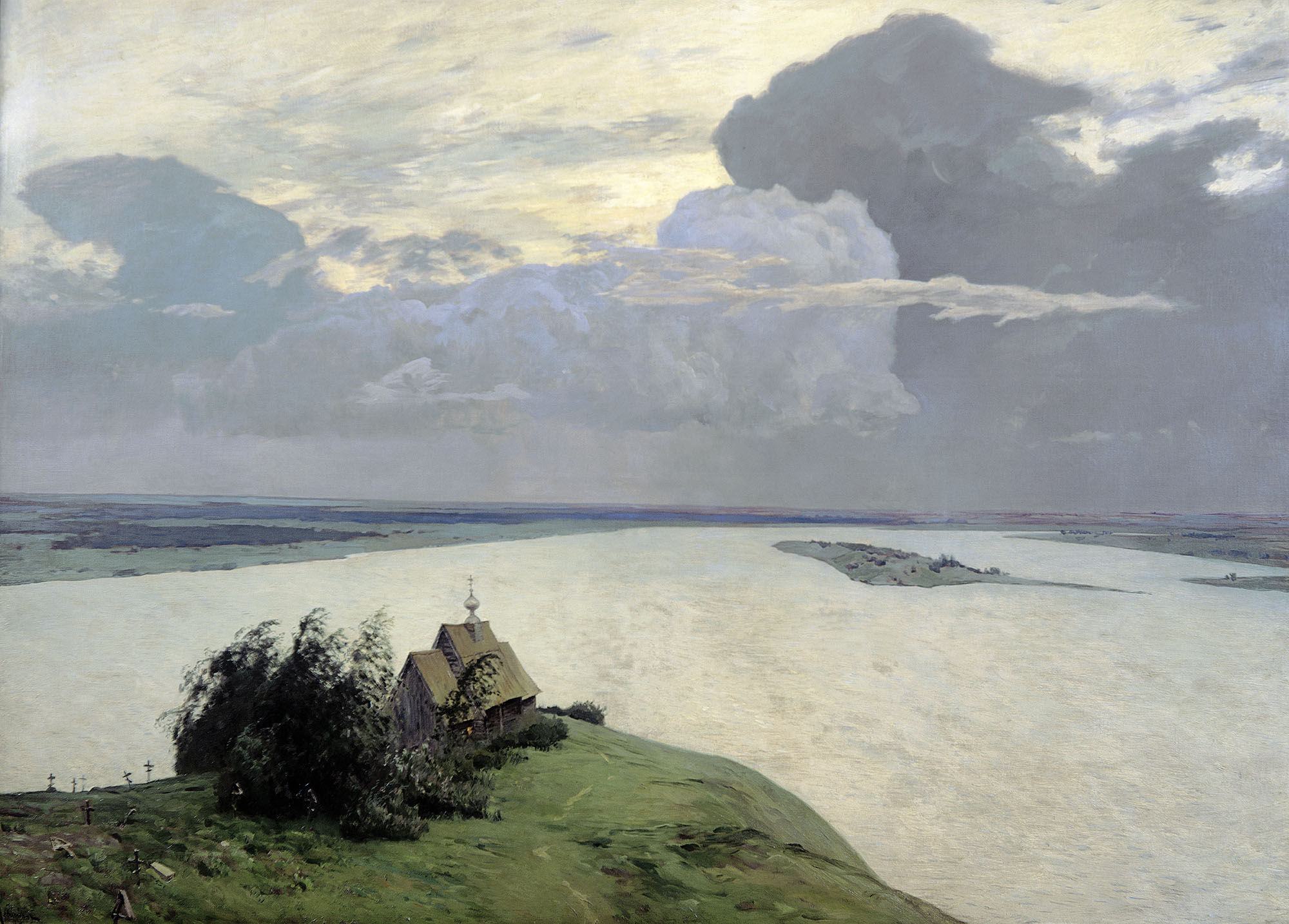

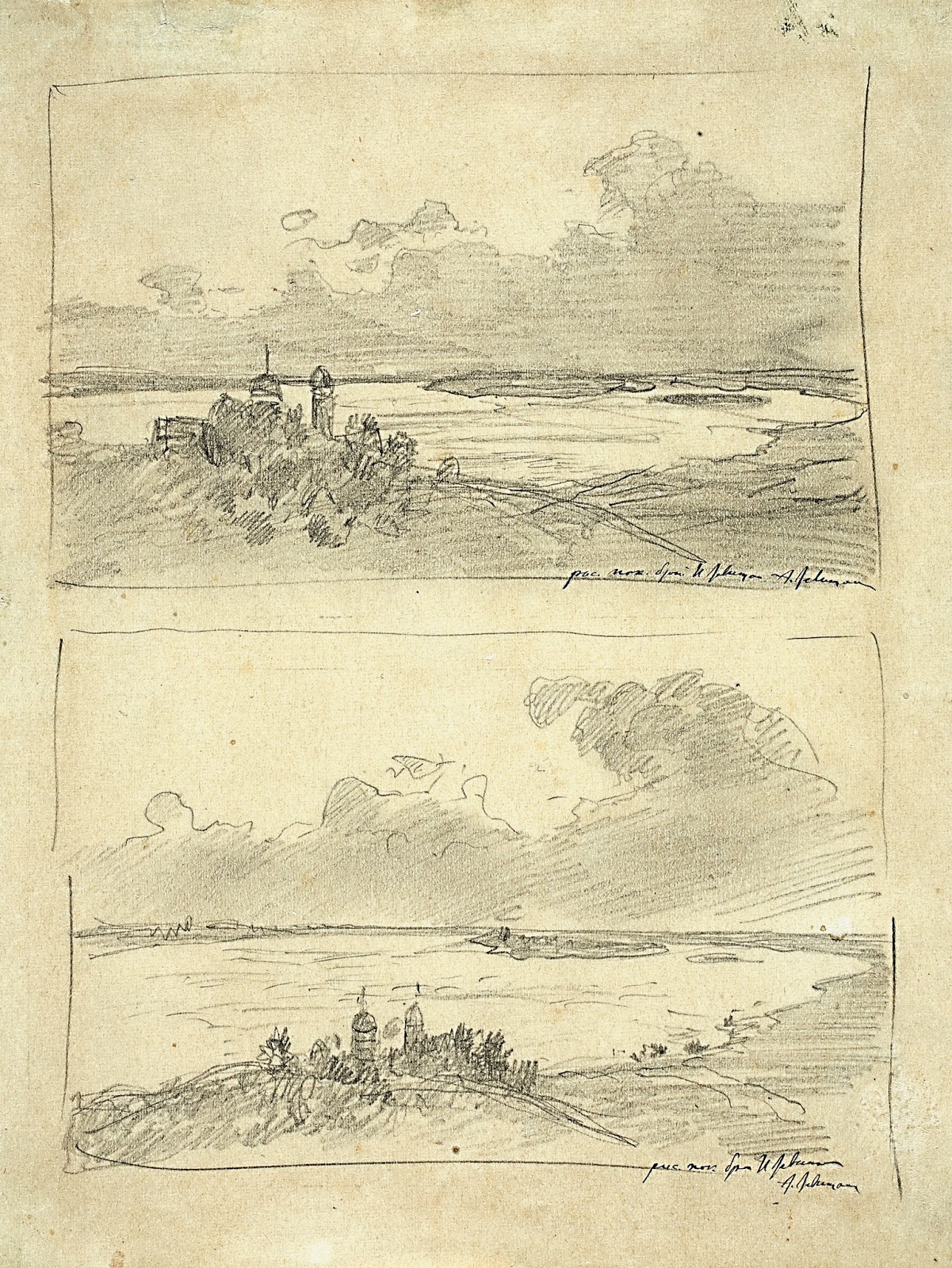

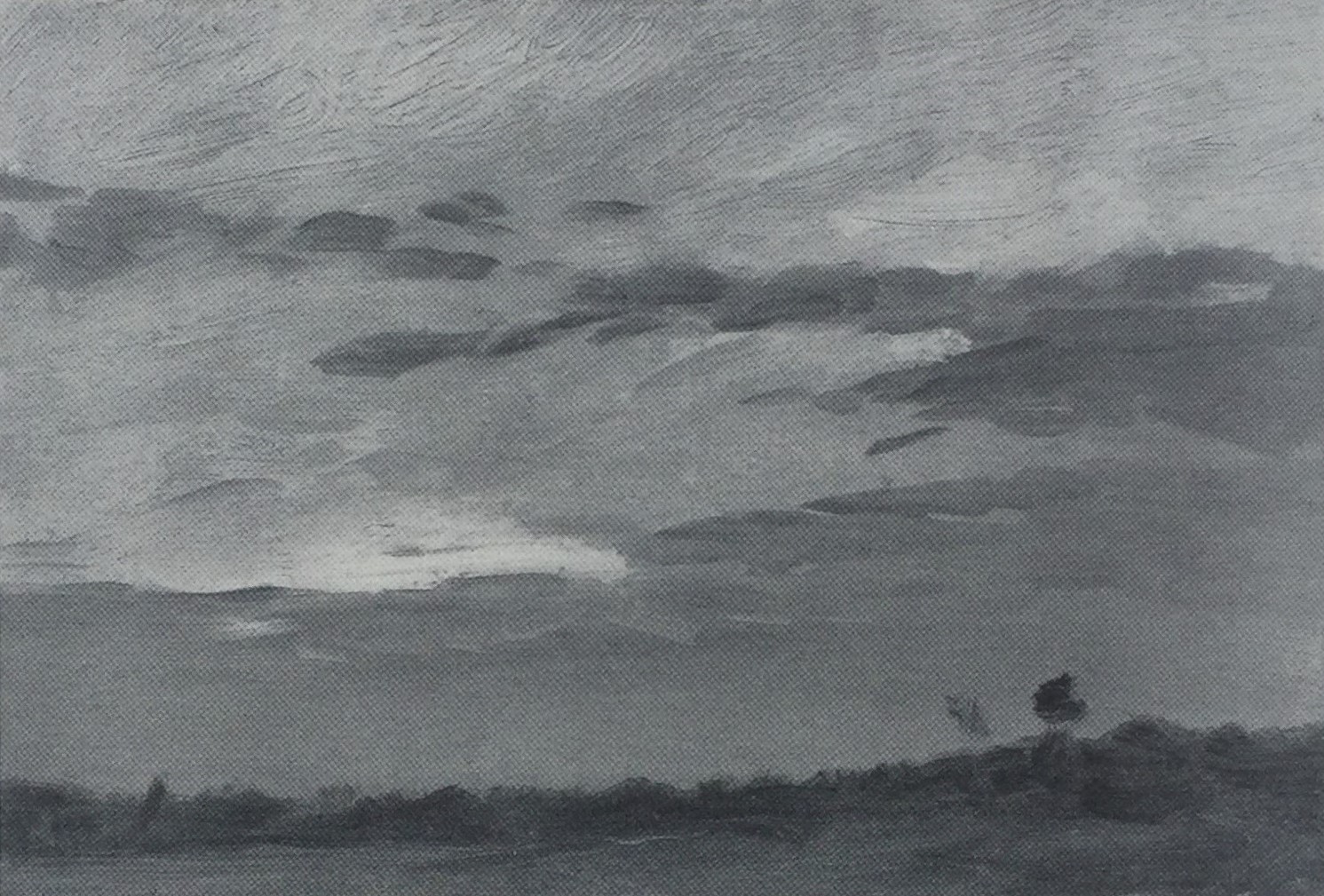
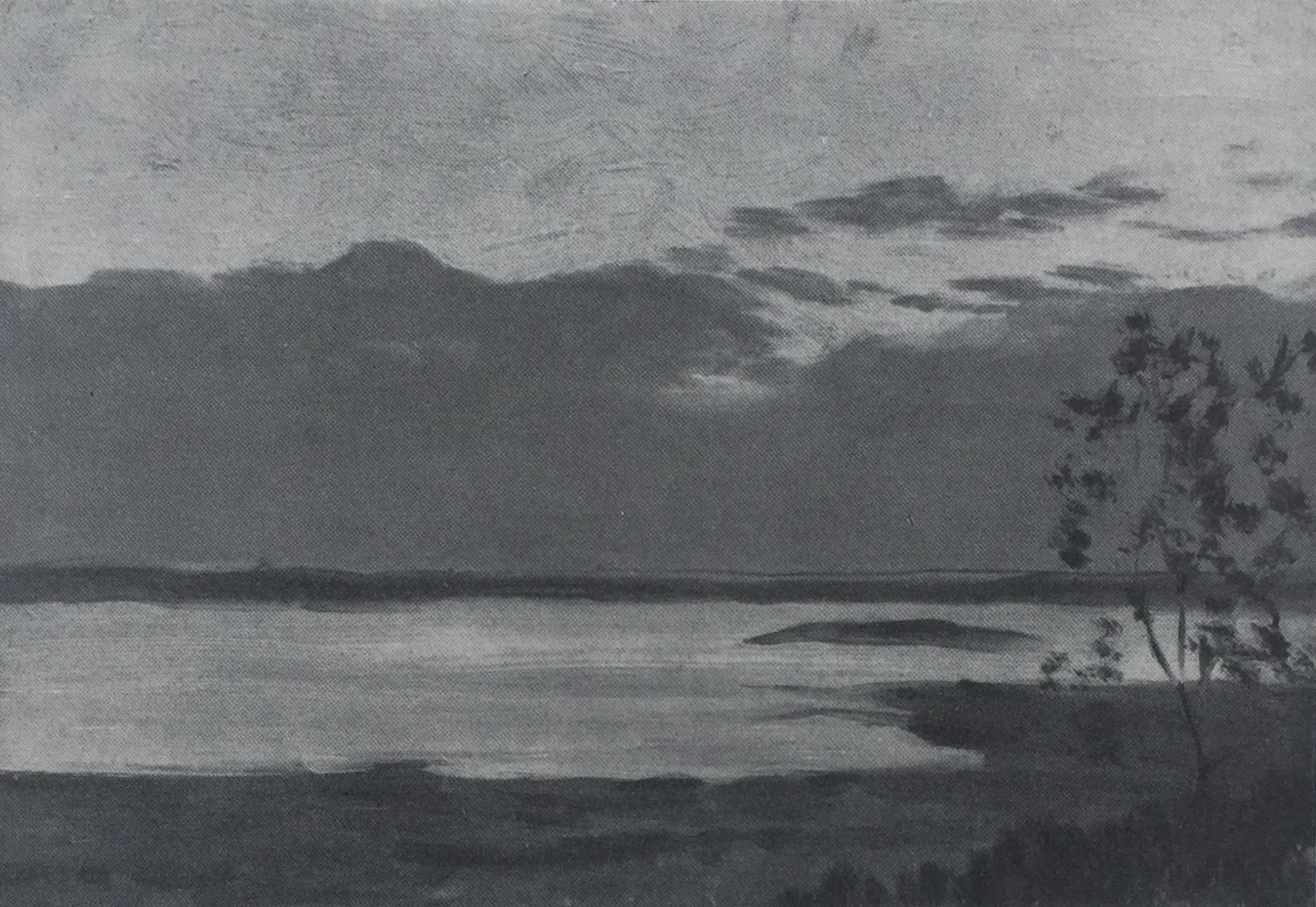

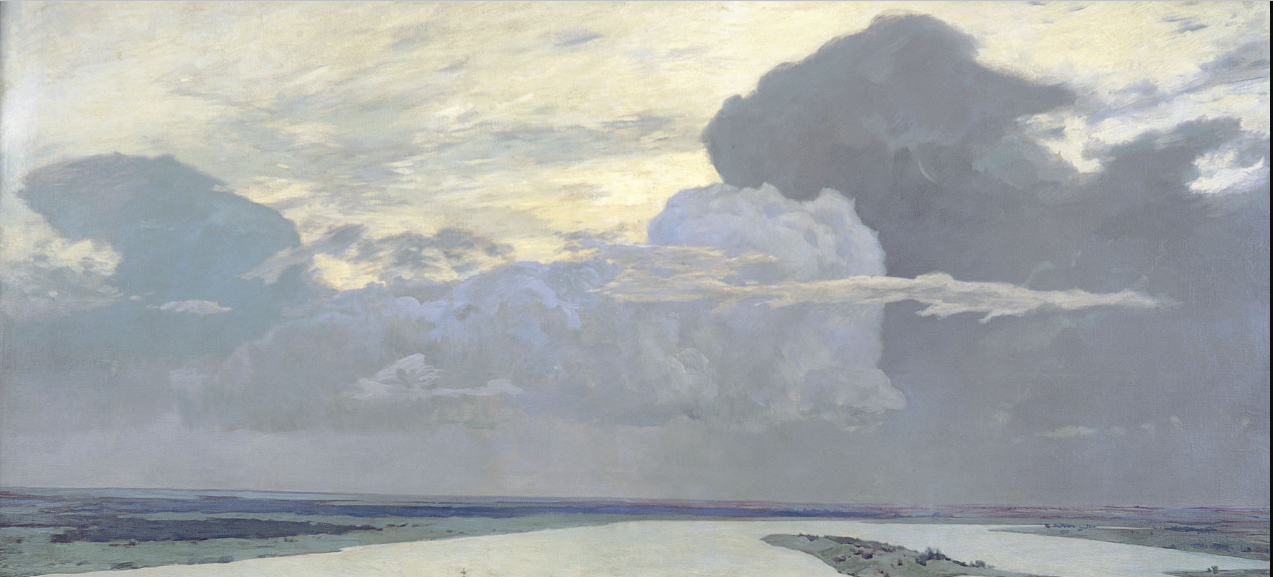
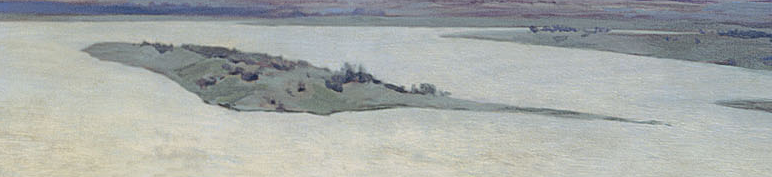


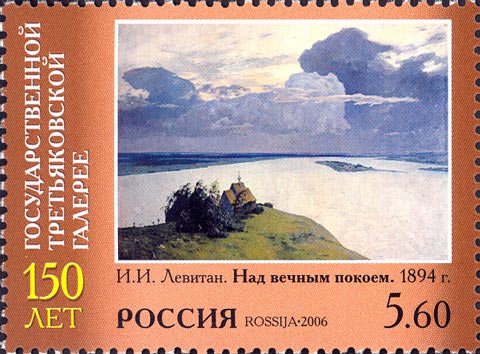
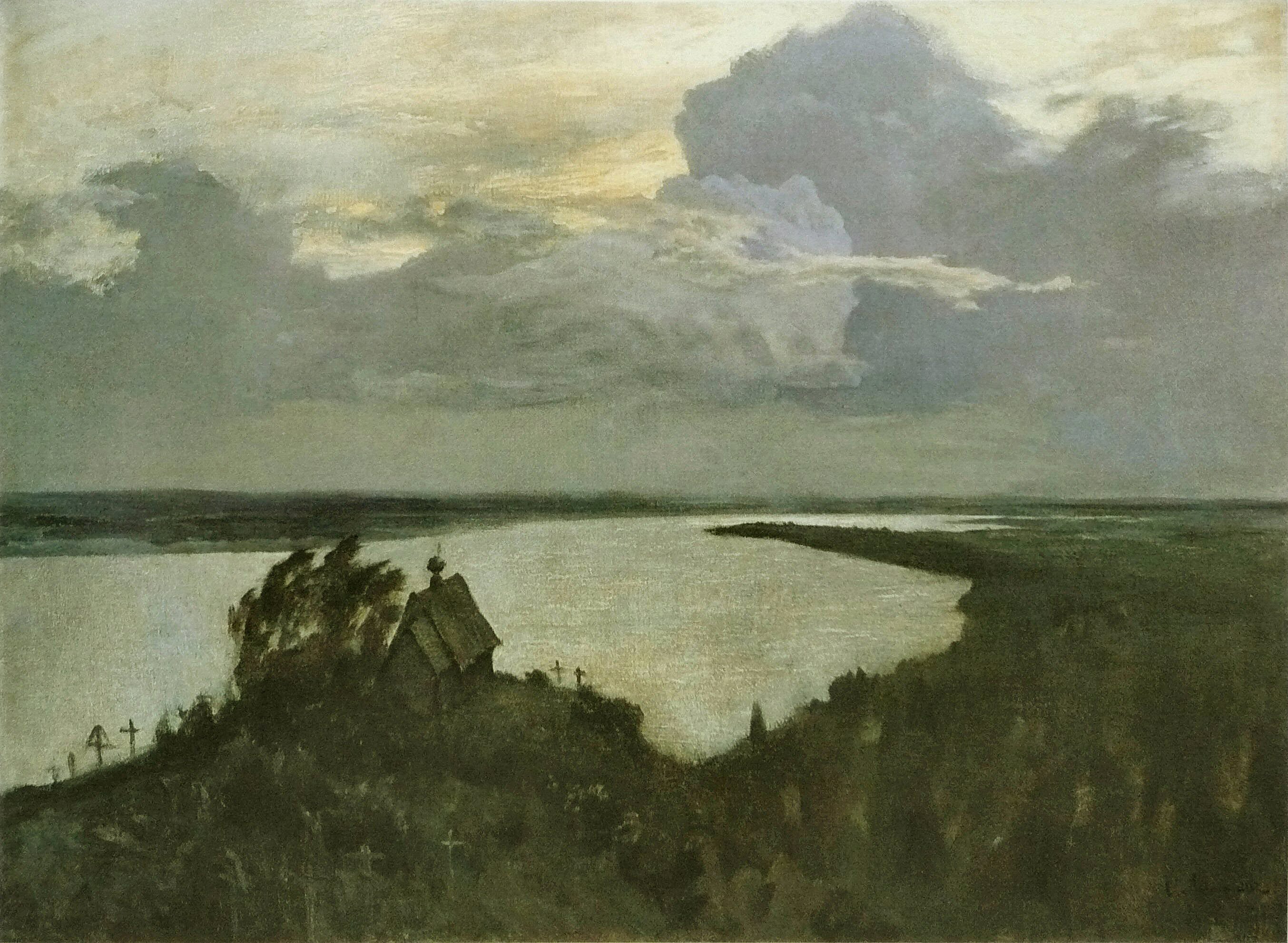


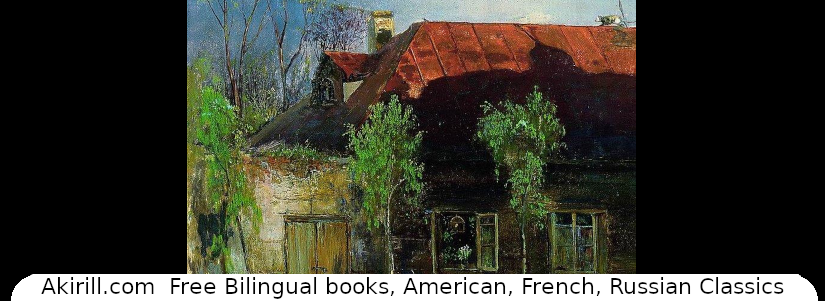


 AKirill, Learn, apprenez, translation, traduction, livres bilingues, bilingual books