On this site we hope to help you learn, and to remove the difficulties caused by the difference of culture and language. Sur ce site nous espérons vous aider à apprendre, et à enlever la barrière causée par les différents languages et cultures.
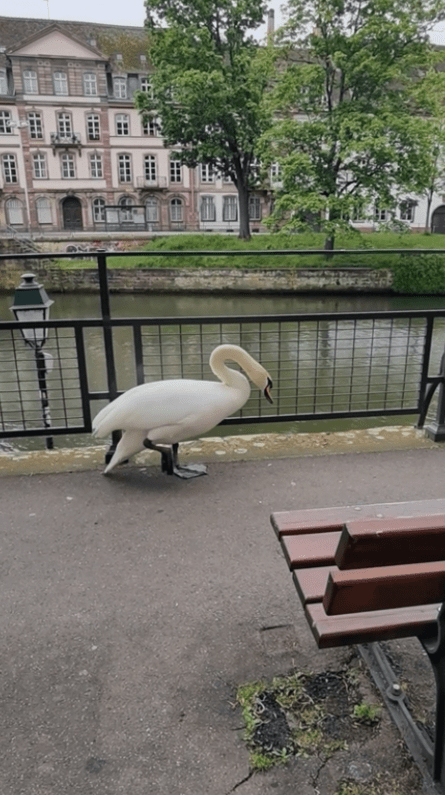
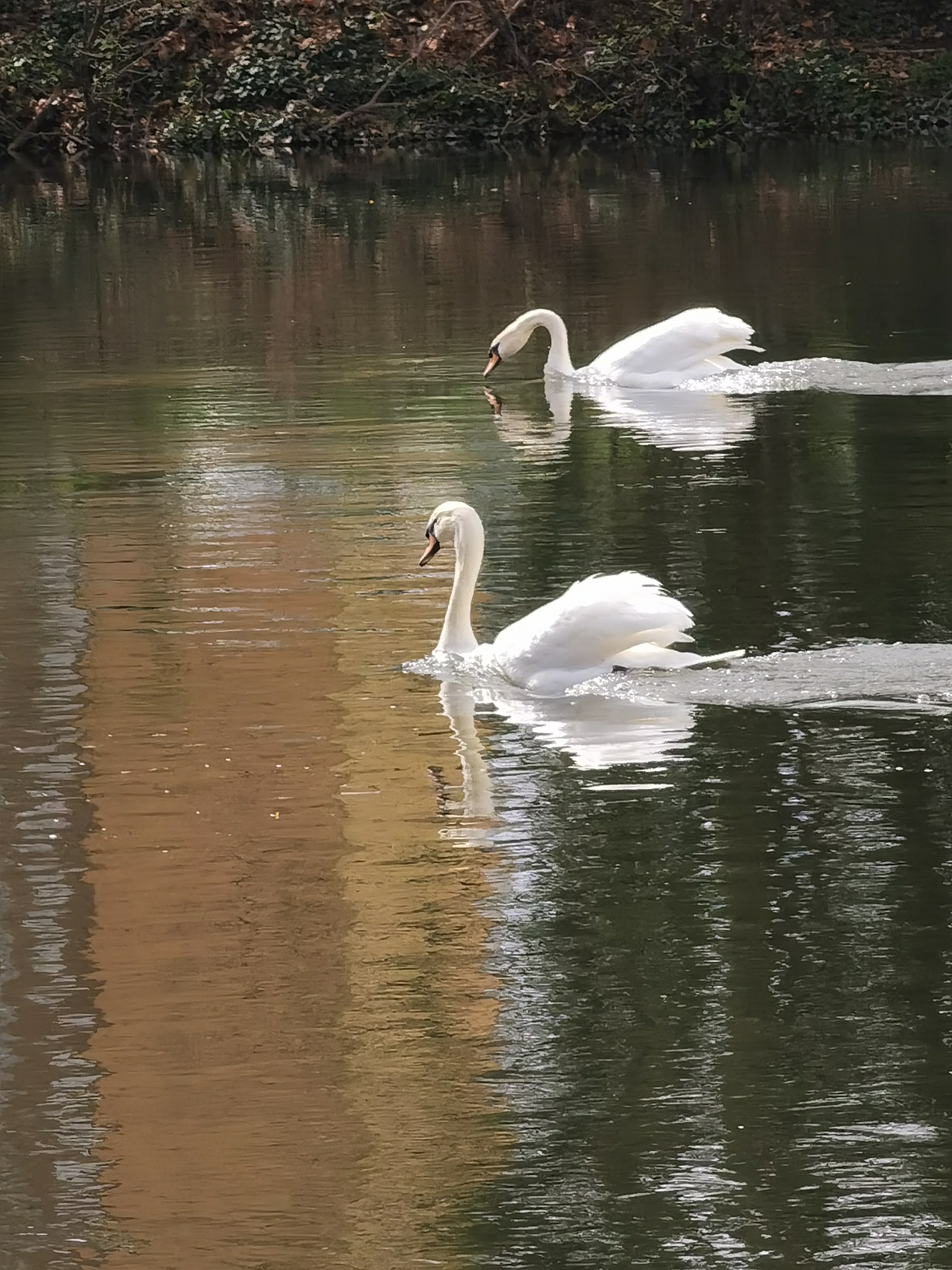
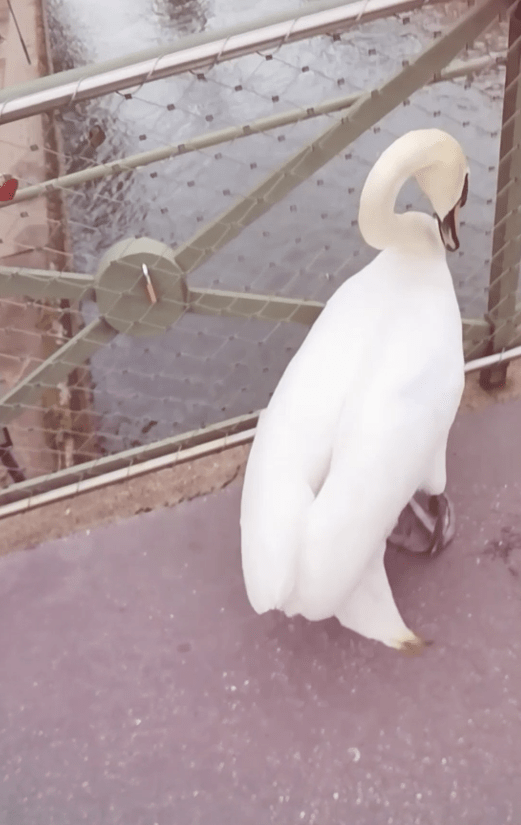
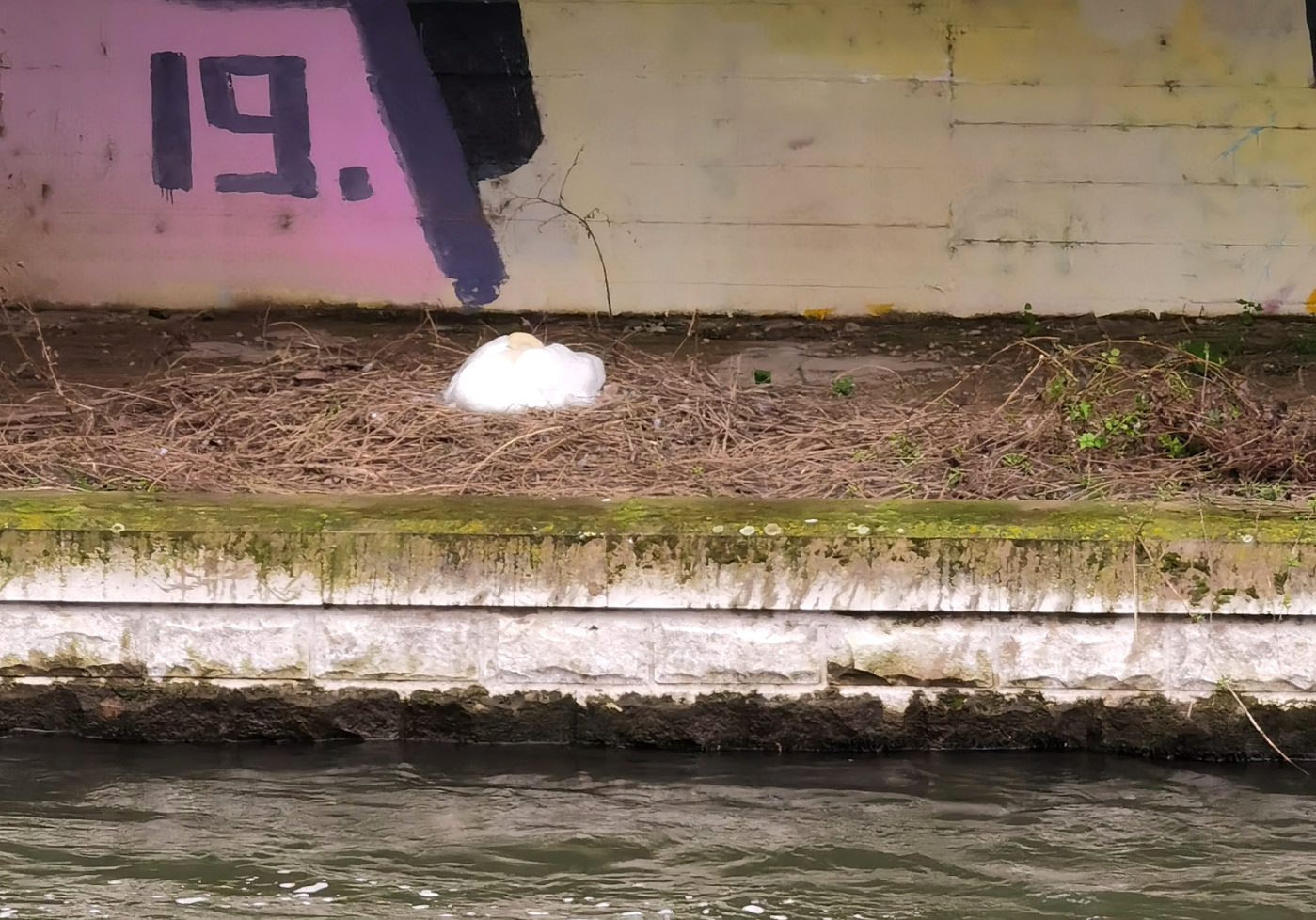
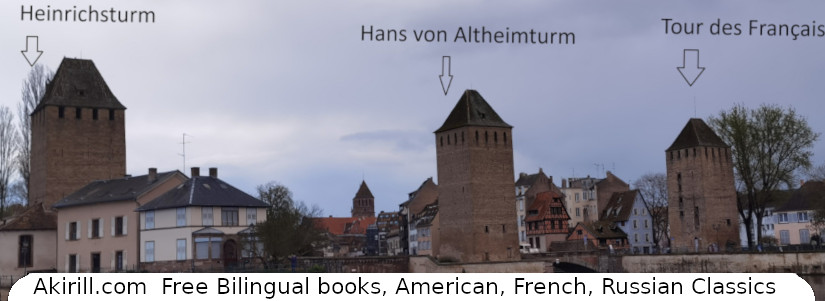
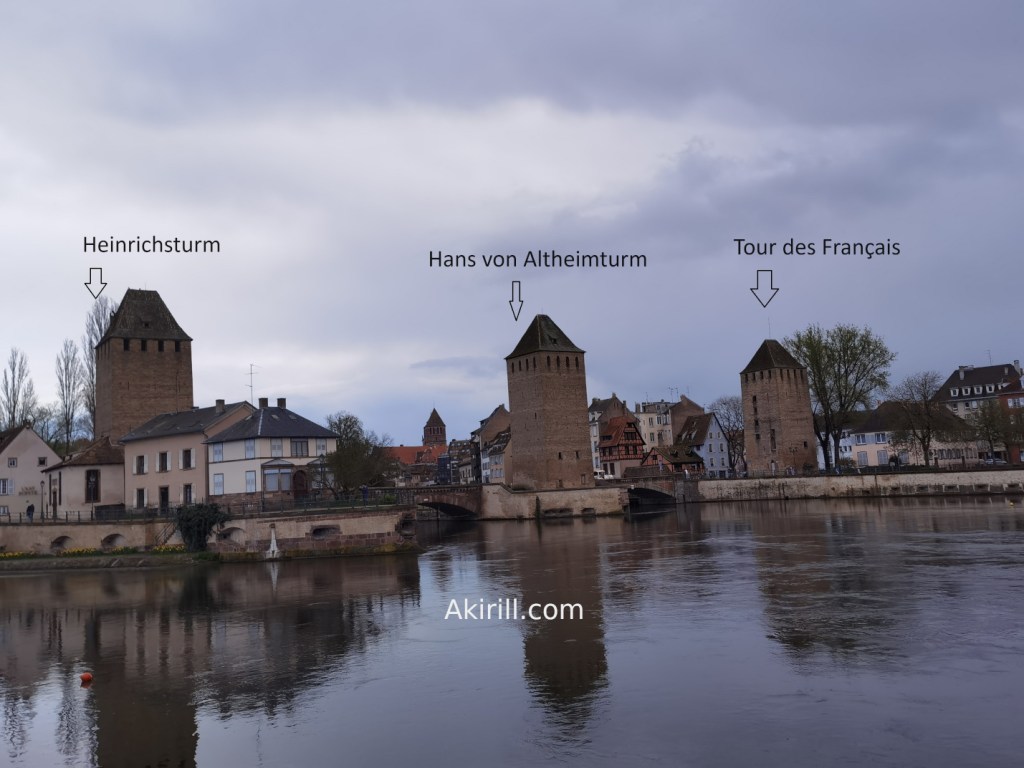
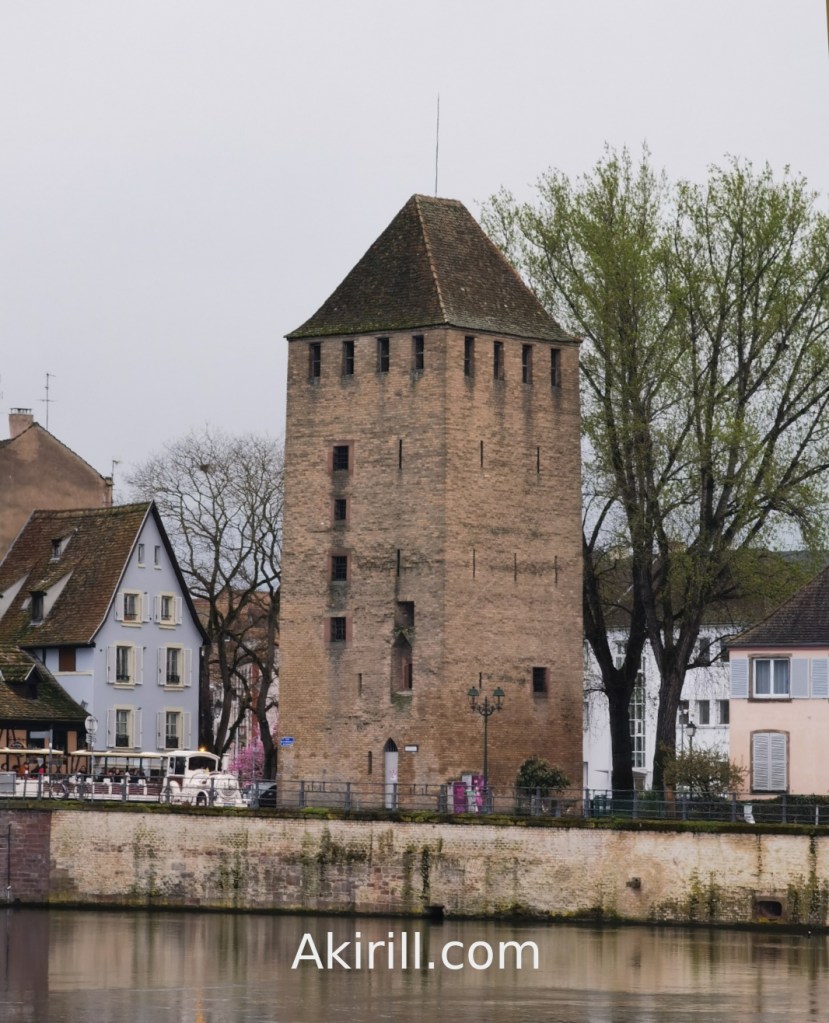
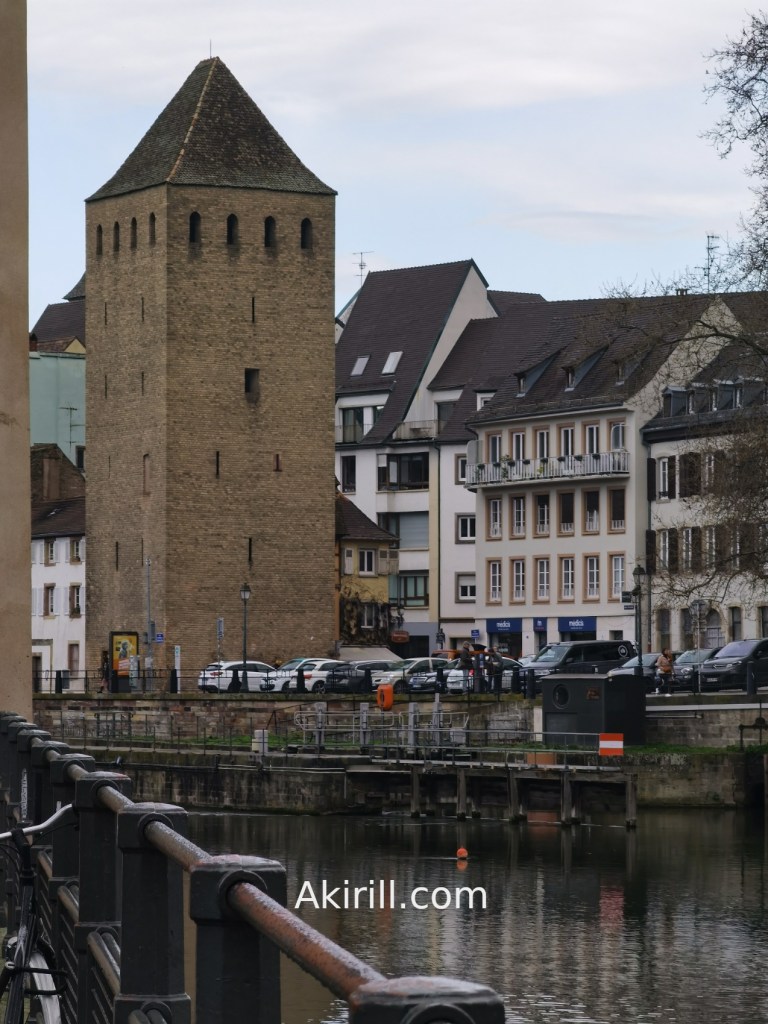
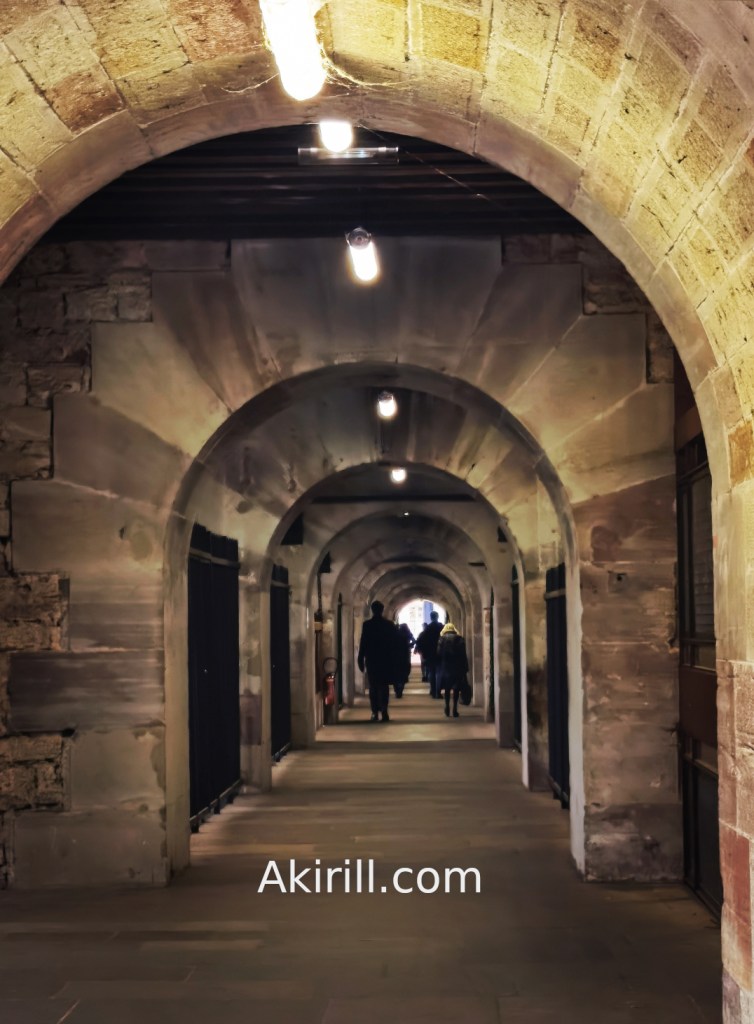
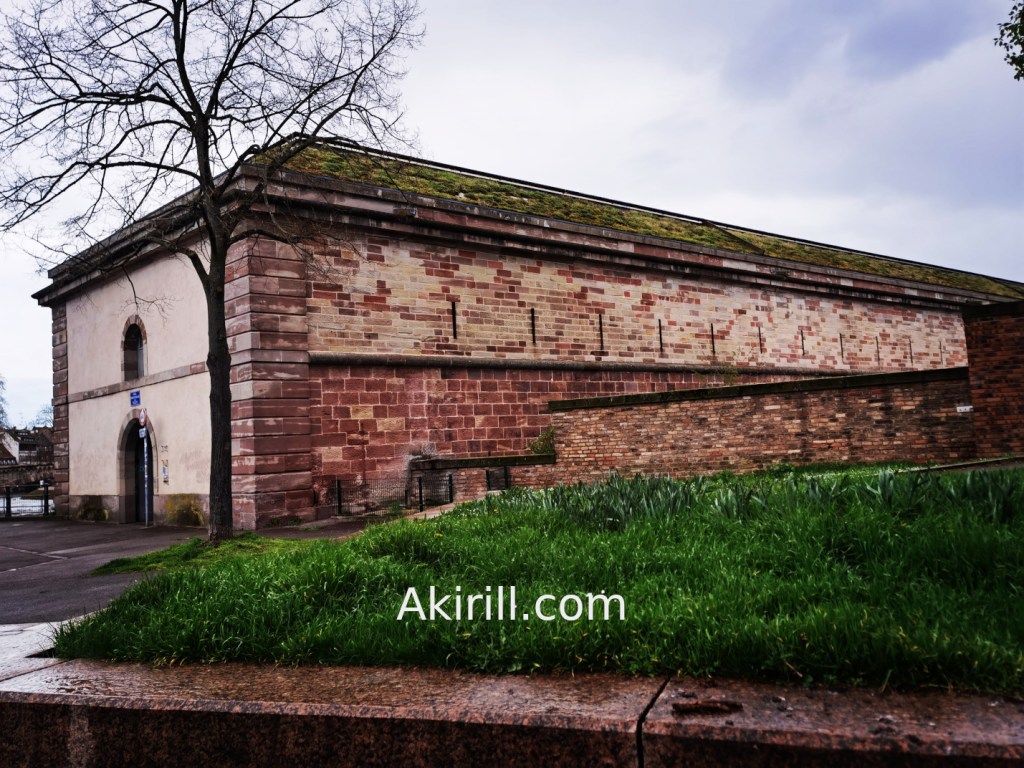
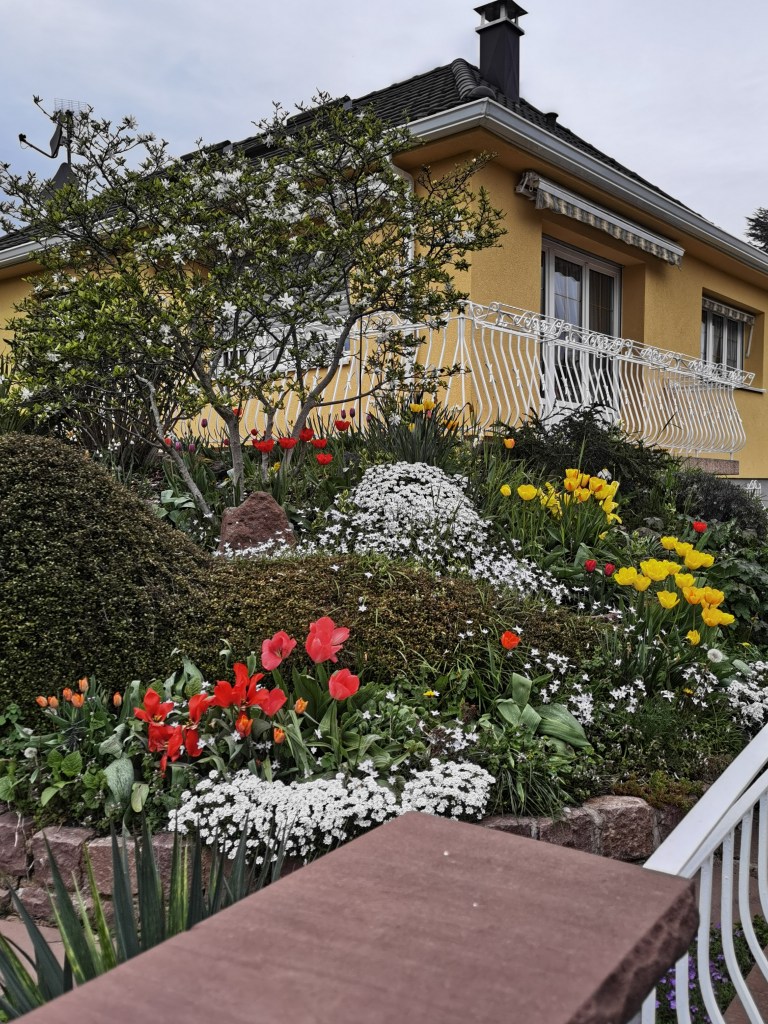
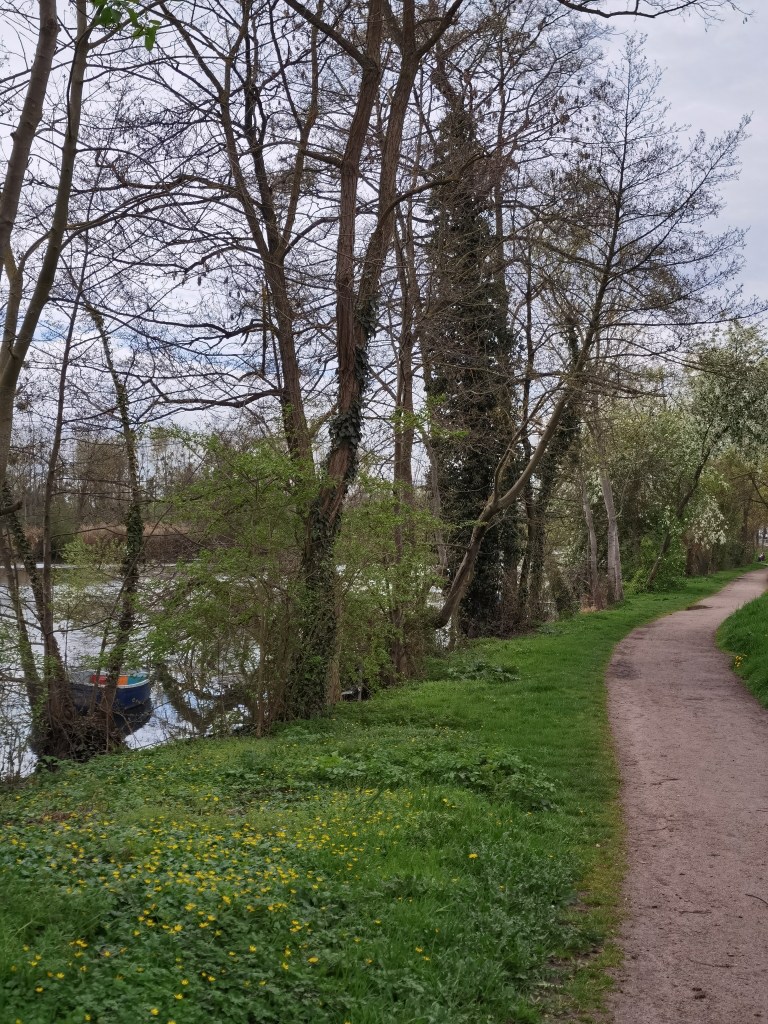
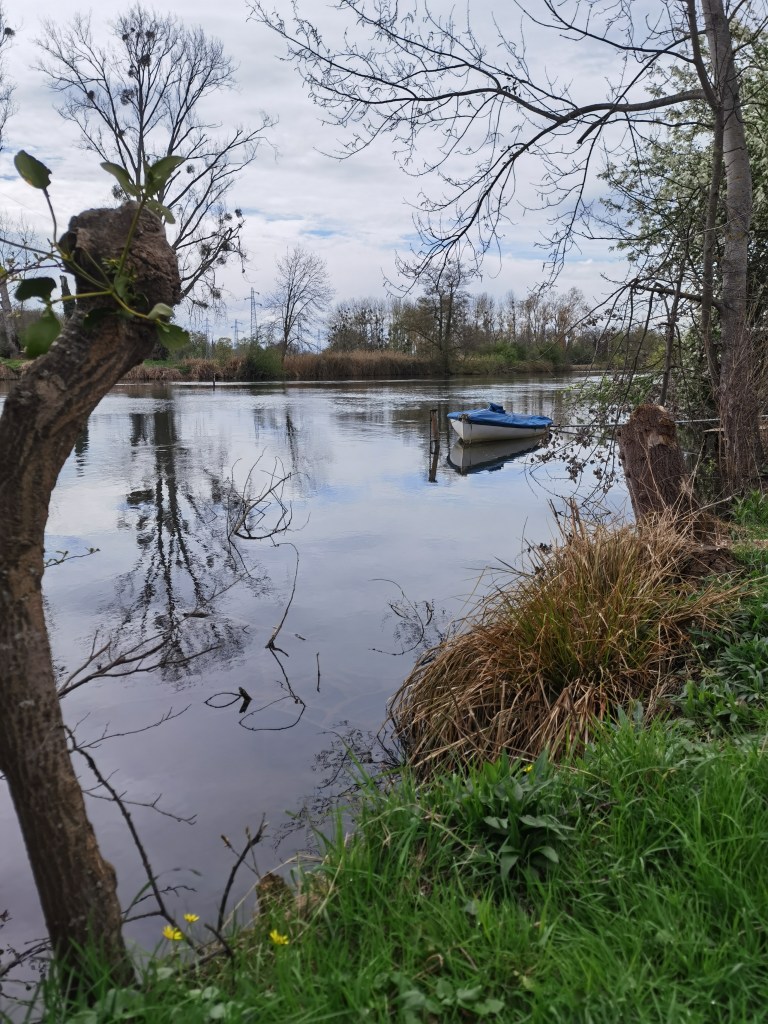
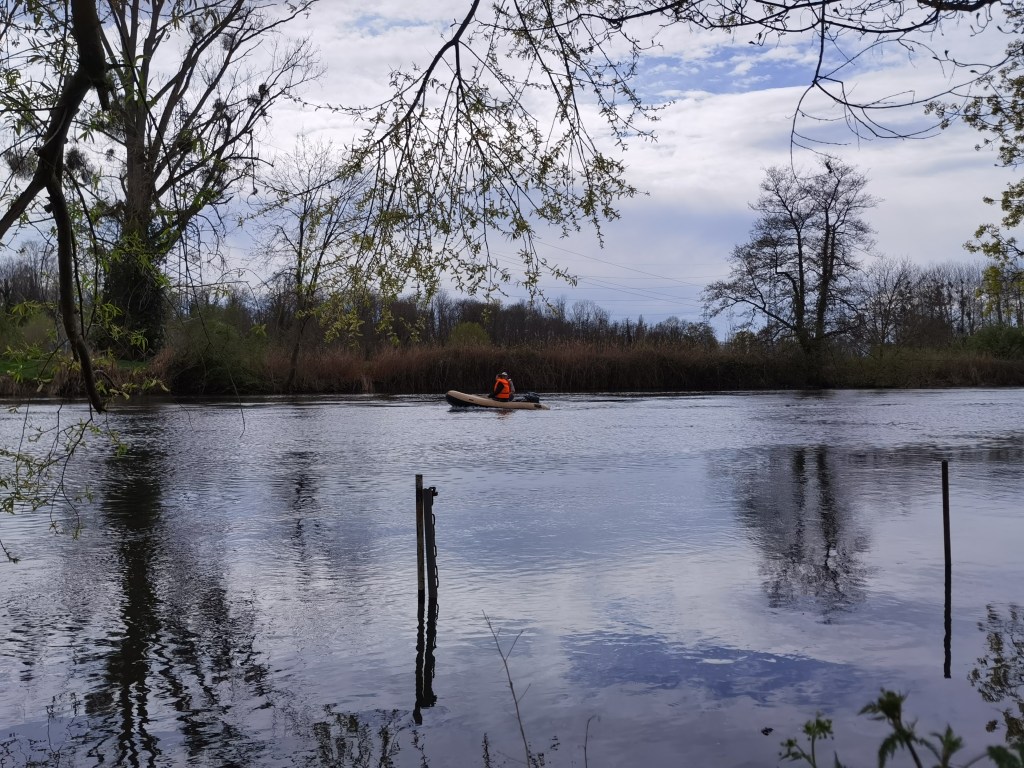
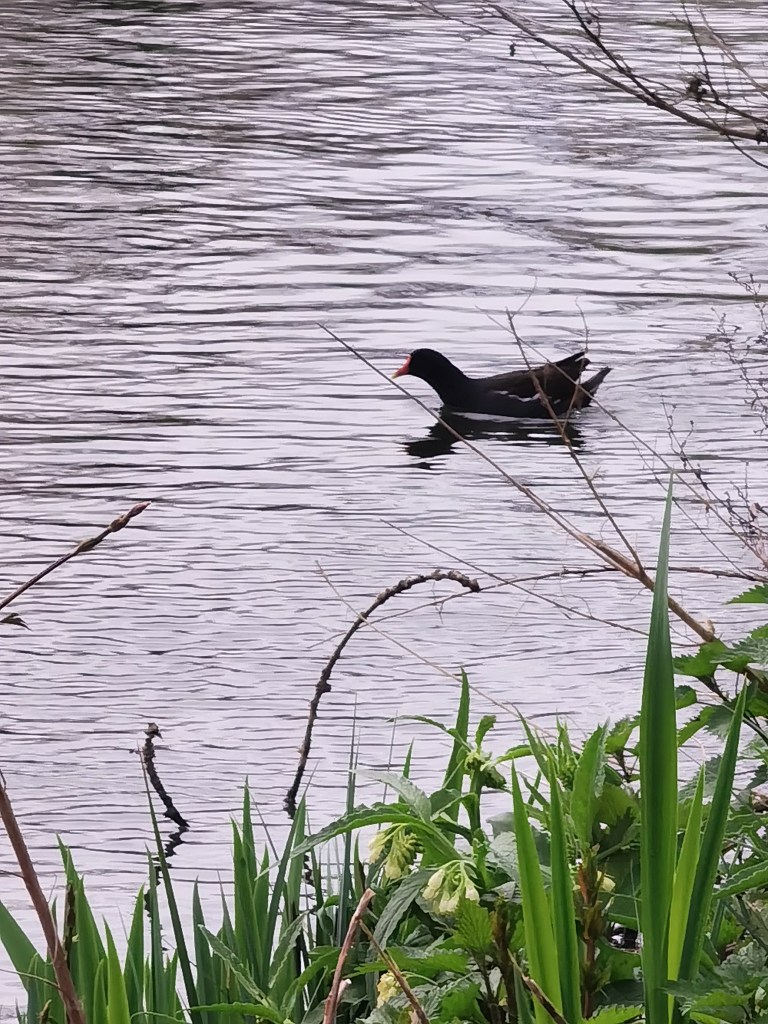
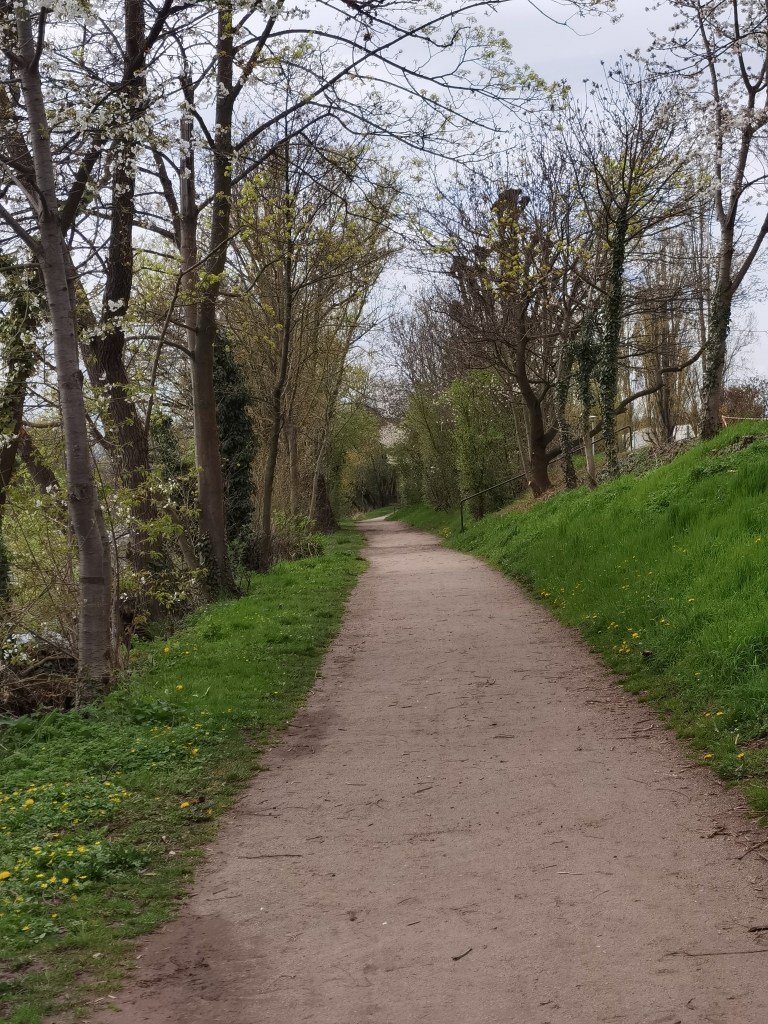
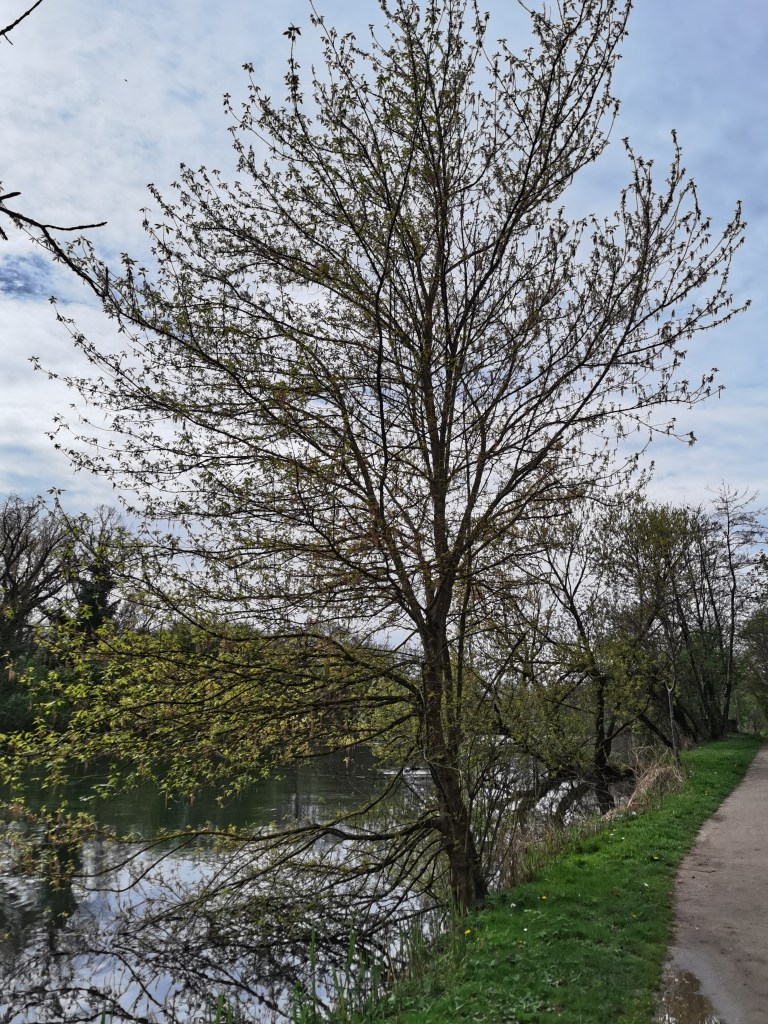
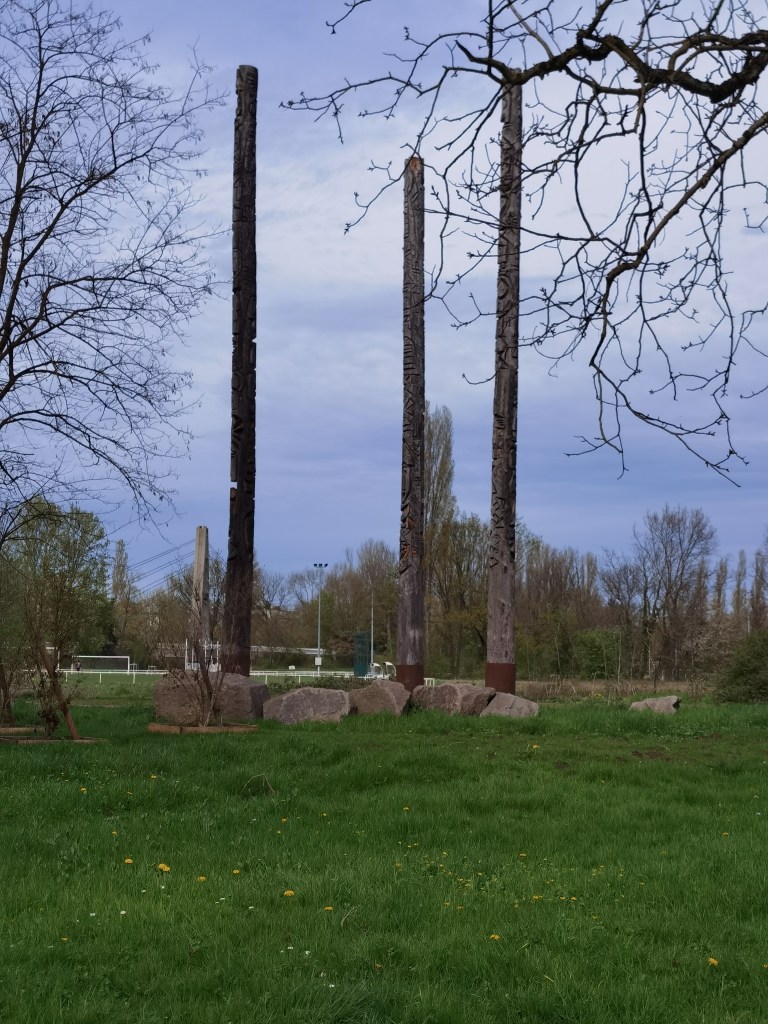
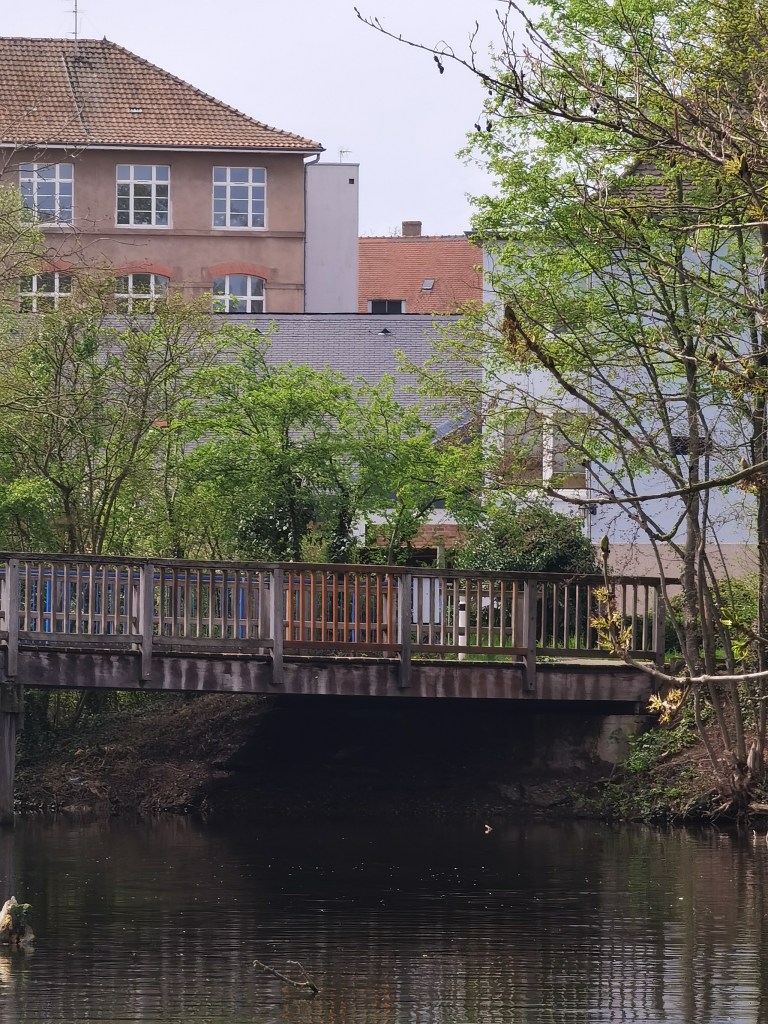
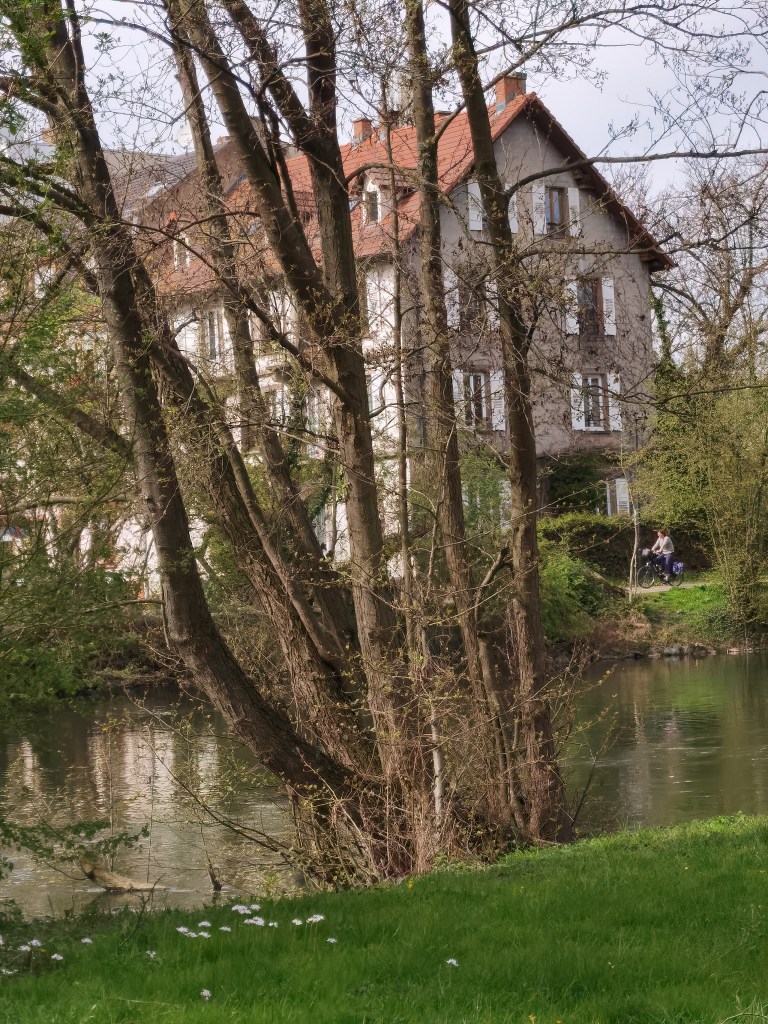
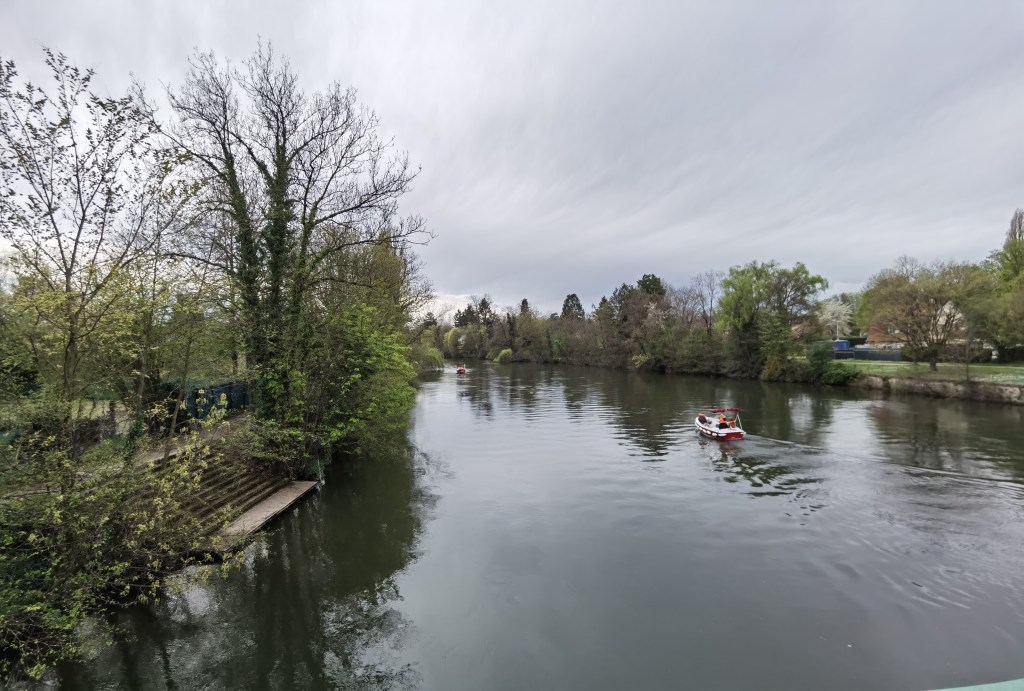
Chers lecteurs et abonnés, cette semaine, j’ai décidé de prendre du recul ! Au lieu d’écrire, je vais partager de jolies photos d’une courte promenade le long de la rivière Ill. C’est une belle balade, et j’ai été agréablement surprise de découvrir trois grands totems et un plus petit au bord de la rivière. Il est fascinant de considérer l’origine possible du nom Alsace de cette même rivière, ajoutant une couche d’intrigue historique aux environs sereins. Il y a tellement d’histoire fascinante à explorer. Pour l’instant, je fais une pause sur le site pour enfin visiter la ville époustouflante et historiquement riche de Strasbourg. J’espère que vous vous joindrez à moi pour ces débuts de vacances d’été et ce voyage de découverte. Nos publications continueront, mais à un rythme plus lent – environ une fois par mois. Cependant, je continuerai à partager mes poèmes comme d’habitude chaque semaine.
La Ill est une rivière pittoresque d’Alsace, située dans la belle région du nord-est de la France. S’étendant sur 217 km de long, ses courants doux ont alimenté les roues à aubes des scieries et des moulins, ajoutant au charme rustique de la région. Originaire à l’est du village de Winkel, dans le massif du Jura, et avec une résurgence près de Ligsdorf, l’Ill serpente autour de Ferrette à l’est avant de couler vers le nord à travers l’Alsace, longeant le Rhin.
À Winkel, la rivière commence son voyage dans un endroit connu depuis 1591 sous le nom d'”Illentsprung”, ce qui signifie “origine de l’Ill”, niché dans un verger sur les pentes du Glaserberg. Le flux tranquille de l’Ill a longtemps été exploité par des scieries et des moulins, ajoutant une touche d’histoire et de sérénité à la région.
Je espère que vous apprécierez cet article
Nous mettons beaucoup d’efforts dans la qualité des articles et traductions, soutenez-nous avec un like et un abonnement ou sponsorisez-nous si vous les aimez.Nous sommes aussi surFacebook et Twitter
Dear readers and subscribers, this week, I’ve decided to take it easy! Instead of writing, I’m going to share some lovely pictures from a short walk along the river Ill. It’s a beautiful stroll, and I was pleasantly surprised to come across three tall totems and a shorter one by the river. It’s fascinating to consider the possible origin of the name Alsace from this very river, adding a layer of historical intrigue to the serene surroundings. There’s so much fascinating history to explore. For now, I’m taking a break from the site to finally visit the stunning and historically rich city of Strasbourg. I hope you’ll join me on this early summer vacation and discovery journey. Our posts will continue, but at a slower pace – about once a month. However, I’ll keep sharing my poems as usual every week.
The Ill is a picturesque river in Alsace, located in the beautiful north-eastern region of France. Spanning 217 km (135 mi) in length, its gentle currents have powered the water wheels of sawmills and mills, adding to the area’s rustic charm. Originating to the east of the village of Winkel, in the Jura mountains, and with a resurgence near Ligsdorf, the Ill meanders around Ferrette on its east side before flowing northward through Alsace, running parallel to the Rhine.
In Winkel, the river begins its journey in a location known since 1591 as “Illentsprung,” meaning “origin of the Ill,” nestled in an orchard on the slopes of the Glaserberg. The tranquil flow of the Ill has long been harnessed by sawmills and mills, adding a touch of history and serenity to the region.
I hope you enjoy this article
We put a lot of effort into the quality of the articles and translations, support us with a like and a subscription or sponsor us if you like them. We are also on Facebook and Twitter
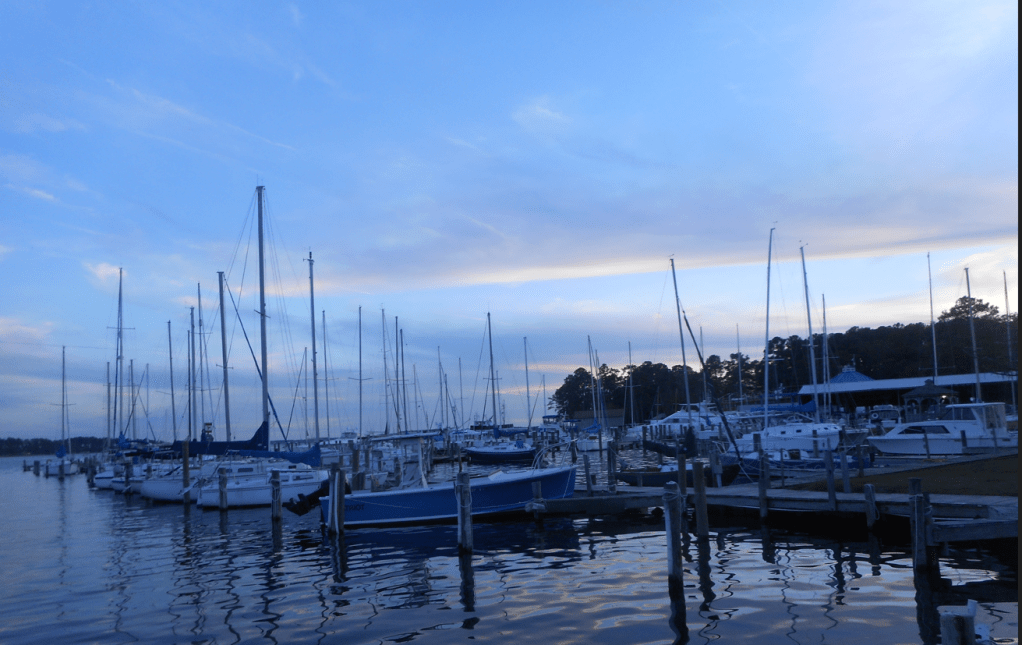
I want to wish you all a Happy Fourth of July, and a nice celebration with friends and family. The poem I propose is “An Ode for theFourth of July, 1876” by James Russell Lowell. The photos are memories… and a few view of Strasbourg. Charisma is a Dickerson 41 on which I lived many years. Hope you enjoy
Comet on top of Charisma
An Ode for theFourth of July, 1876
I
1.
Entranced I saw a vision in the cloud That loitered dreaming in yon sunset sky, Full of fair shapes, half creatures of the eye, Half chance-evoked by the wind’s fantasy In golden mist, an ever-shifting crowd: There, ‘mid unreal forms that came and went In air-spun robes, of evanescent dye, A woman’s semblance shone preeminent; Not armed like Pallas, not like Hera proud, But, as on household diligence intent, Beside her visionary wheel she bent Like Aretë or Bertha, nor than they Less queenly in her port; about her knee Glad children clustered confident in play: Placid her pose, the calm of energy; And over her broad brow in many a round (That loosened would have gilt her garment’s hem), Succinct, as toil prescribes, the hair was wound In lustrous coils, a natural diadem. The cloud changed shape, obsequious to the whim Of some transmuting influence felt in me, And, looking now, a wolf I seemed to see Limned in that vapor, gaunt and hunger-bold, Threatening her charge; resolve in every limb, Erect she flamed in mail of sun-wove gold, Penthesilea’s self for battle dight; One arm uplifted braced a flickering spear, And one her adamantine shield made light; Her face, helm-shadowed, grew a thing to fear, And her fierce eyes, by danger challenged, took Her trident-sceptred mother’s dauntless look. ‘I know thee now, O goddess-born!’ I cried, And turned with loftier brow and firmer stride; For in that spectral cloud-work I had seen Her image, bodied forth by love and pride, The fearless, the benign, the mother-eyed, The fairer world’s toil-consecrated queen.
A visitor on the boom of Charisma at Crown Marina
2.
What shape by exile dreamed elates the mind Like hers whose hand, a fortress of the poor, No blood in vengeance spilt, though lawful, stains? Who never turned a suppliant from her door? Whose conquests are the gains of all mankind? To-day her thanks shall fly on every wind, Unstinted, unrebuked, from shore to shore, One love, one hope, and not a doubt behind! Cannon to cannon shall repeat her praise, Banner to banner flap it forth in flame; Her children shall rise up to bless her name, And wish her harmless length of days, The mighty mother of a mighty brood, Blessed in all tongues and dear to every blood, The beautiful, the strong, and, best of all, the good.
An evening at Ruark Marina
3.
Seven years long was the bow Of battle bent, and the heightening Storm-heaps convulsed with the throe Of their uncontainable lightning; Seven years long heard the sea Crash of navies and wave-borne thunder; Then drifted the cloud-rack a-lee, And new stars were seen, a world’s wonder; Each by her sisters made bright, All binding all to their stations, Cluster of manifold light Startling the old constellations: Men looked up and grew pale: Was it a comet or star, Omen of blessing or bale. Hung o’er the ocean afar?
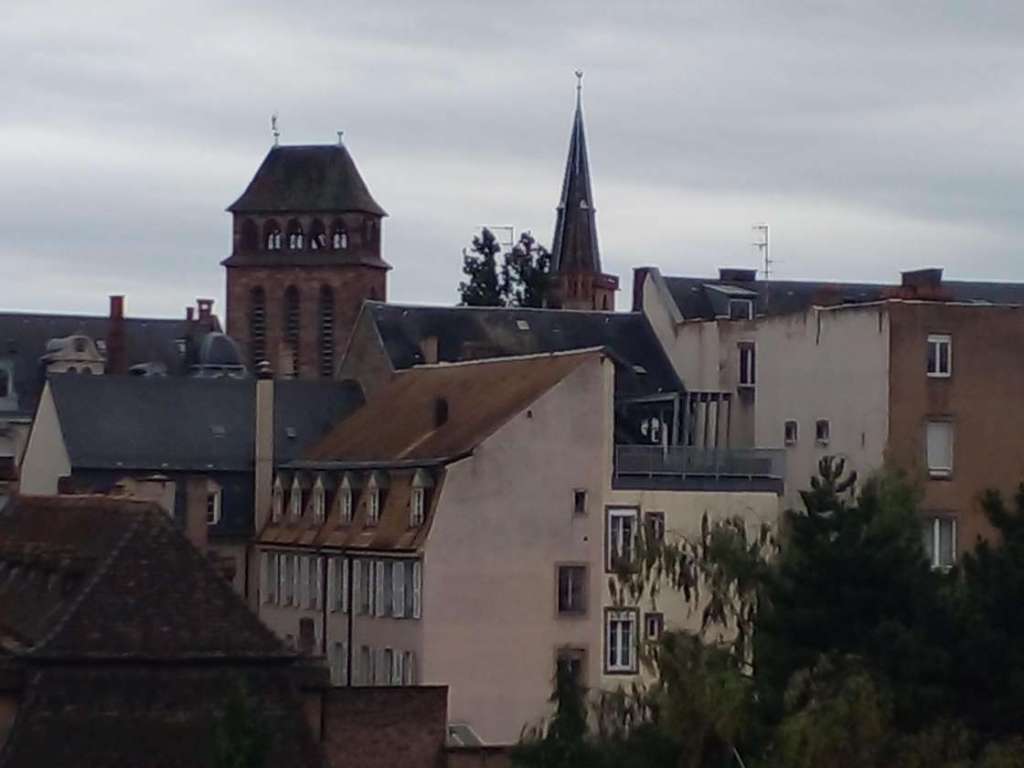
Strasbourg
4.
Stormy the day of her birth: Was she not born of the strong. She, the last ripeness of earth, Beautiful, prophesied long? Stormy the days of her prime: Hers are the pulses that beat Higher for perils sublime, Making them fawn at her feet. Was she not born of the strong? Was she not born of the wise? Daring and counsel belong Of right to her confident eyes: Human and motherly they, Careless of station or race: Hearken! her children to-day Shout for the joy of her face.
On July 3, 2023 in Strasbourg, next to the German border
II
1.
No praises of the past are hers, No fanes by hallowing time caressed, No broken arch that ministers To Time’s sad instinct in the breast; She has not gathered from the years Grandeur of tragedies and tears, Nor from long leisure the unrest That finds repose in forms of classic grace: These may delight the coming race Who haply shall not count it to our crime That we who fain would sing are here before our time. She also hath her monuments; Not such as stand decrepitly resigned To ruin-mark the path of dead events That left no seed of better days behind, The tourist’s pensioners that show their scars And maunder of forgotten wars; She builds not on the ground, but in the mind, Her open-hearted palaces For larger-thoughted men with heaven and earth at ease: Her march the plump mow marks, the sleepless wheel, The golden sheaf, the self-swayed commonweal; The happy homesteads hid in orchard trees Whose sacrificial smokes through peaceful air Rise lost in heaven, the household’s silent prayer; What architect hath bettered these? With softened eye the westward traveller sees A thousand miles of neighbors side by side, Holding by toil-won titles fresh from God The lands no serf or seigneur ever trod, With manhood latent in the very sod, Where the long billow of the wheatfield’s tide Flows to the sky across the prairie wide, A sweeter vision than the castled Rhine, Kindly with thoughts of Ruth and Bible-days benign.
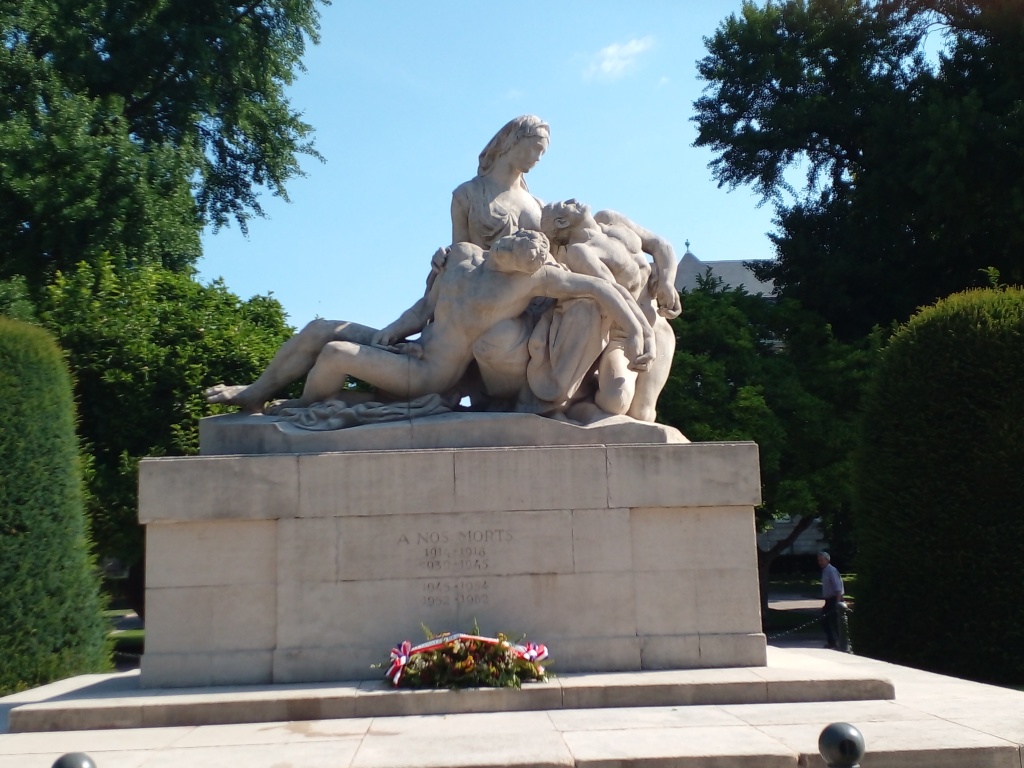
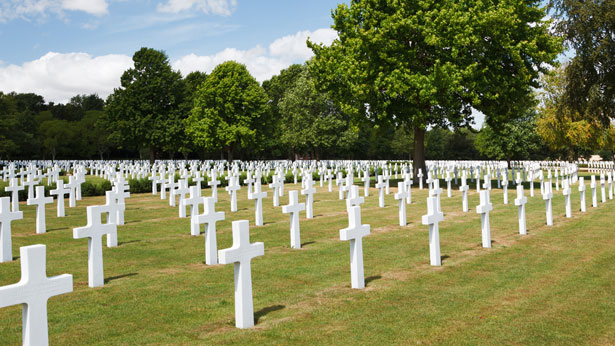
Today we celebrate World War II Victory Day, and I think it is important to remember the damages and destroyed lives caused by this event. World War II was the deadliest military conflict in history and the two countries which suffered the most were the Soviet Union with 24 000 000 dead and the Republic of China with 20 000 000 dead. I hope we will never see something like that happen again.
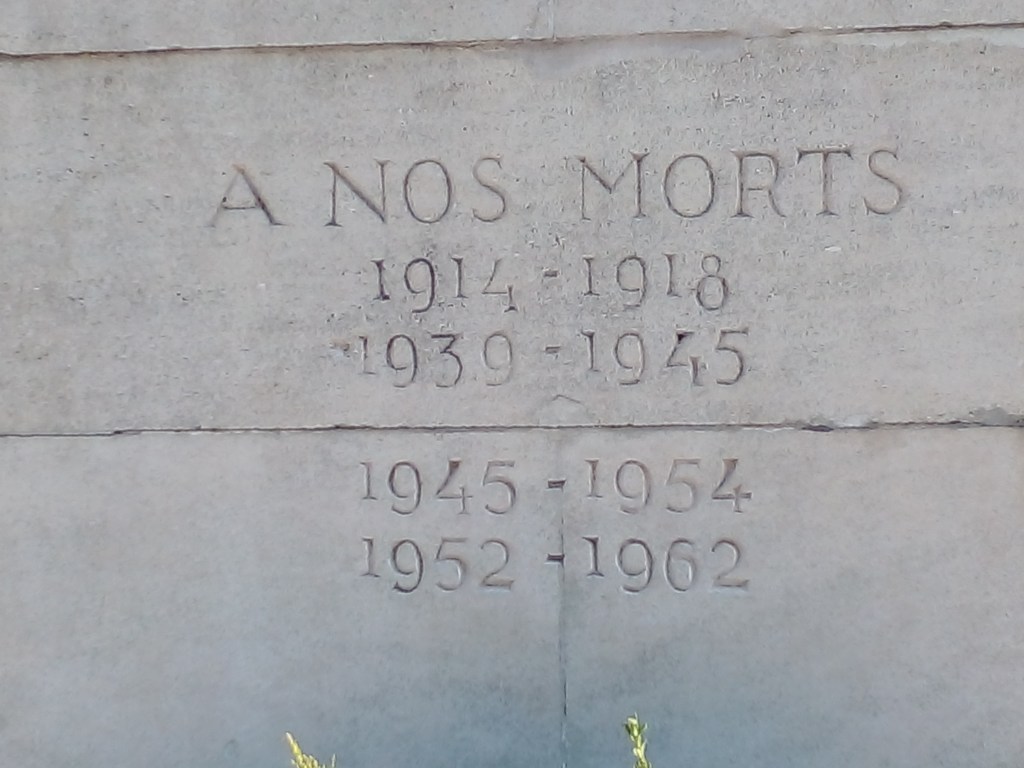
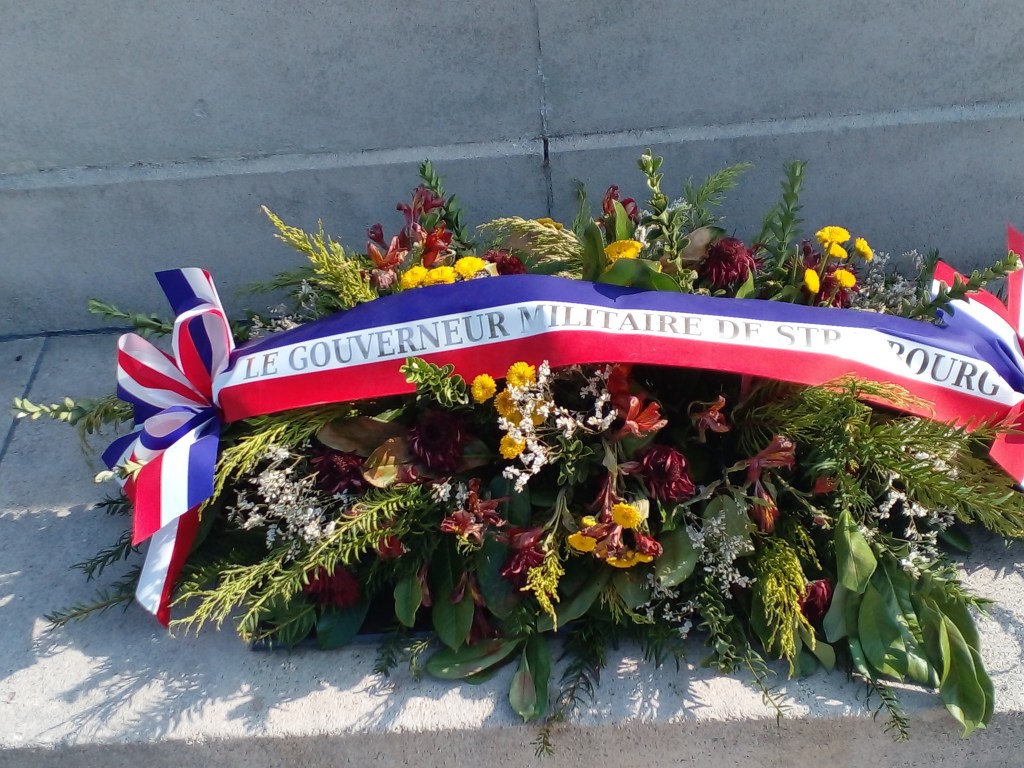
Monument in Strasbourg
The act of complete and unconditional surrender of Nazi Germany was approved on May 9, 1945, at 01:01 Moscow time, or on May 8 at 23:01 Central European time, that is why the Western countries celebrate Victory Day on May 8 and Russia on May 9. It was signed on the territory of the defeated enemy in Karlshorst, a suburb of Berlin.
I wish you all an Happy Victory Day.
WWII memorial
The Axis powers (Nazi Germany, Kingdom of Italy, Empire of Japan) was a military coalition that initiated world war II. It also included the Kingdom of Hungary, the Kingdom of Romania, the Kingdom of Bulgaria, the Republic of Finland, the Slovak Republic, the Independent State of Croatia, and the Kingdom of Thailand.
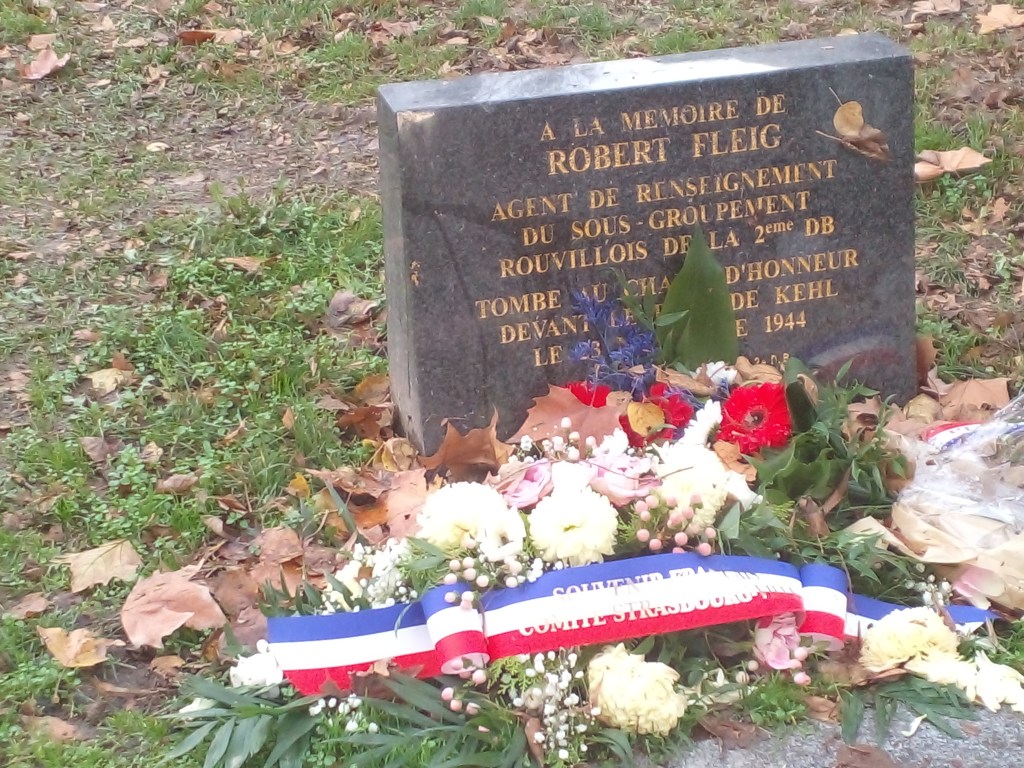
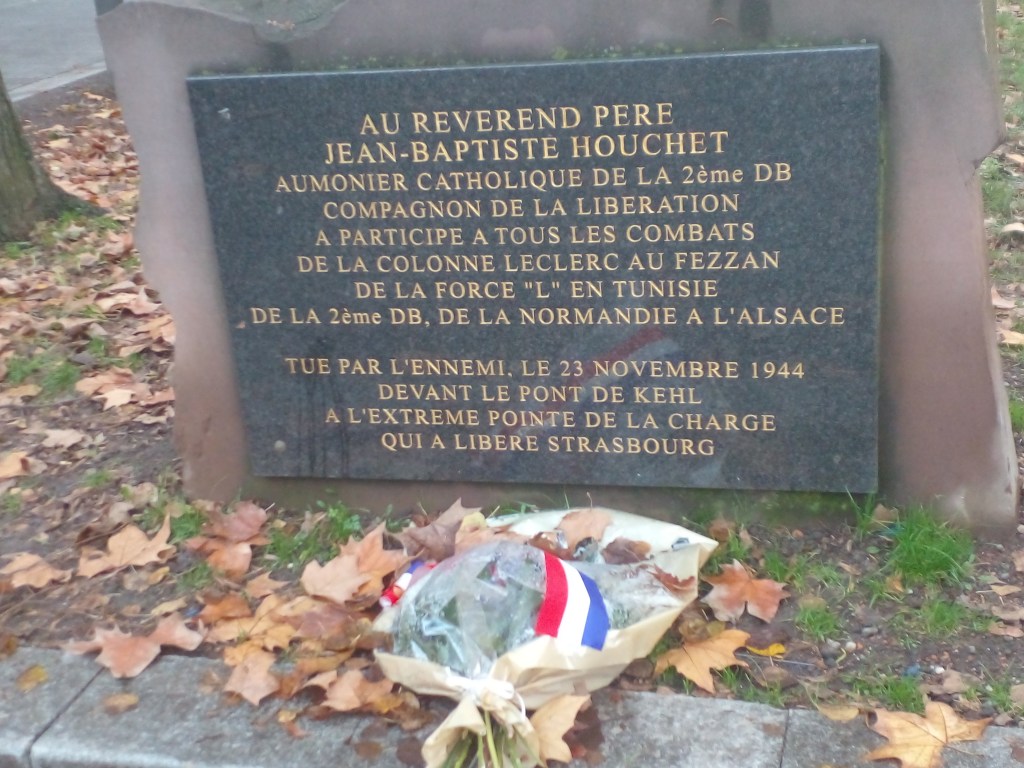
Monument in Strasbourg Monument in Strasbourg Monument in Strasbourg Monument in Strasbourg Monument in Strasbourg Monument in Strasbourg
The Allies, referred to as the United Nations from 1942 (United Kingdom (from Sep. 1939) , Soviet Union (from Jun. 1941) , United States (from Dec. 1941) ) were an international military coalition formed during the Second World War (1939–1945) to oppose the Axis powers. They included Poland (Sep. 1939), Czechoslovakia, Norway, the Netherlands, Belgium, Luxembourg, France (Sep. 1939), Ethiopia, Greece, Yugoslavia, the Philippines, the Republic of China, Canada, Australia, New Zealand, South Africa, Brazil, Mongolia, Mexico. Some Axis powers also joined the Allies: the Kingdom of Italy (from Sep. 1943), Romania (from Aug. 1944), Bulgaria (from Sep. 1944), an Finland (from Sep. 1944)
The Allies and Axis membership was fluid, with some nations switching sides or changing their degree of military involvement over the course of the war.
In Europe, the use of the term “the Axis” refers often, solely to the alliance between Italy and Germany, but outside Europe it is normally understood as including Japan.
Country
Total deaths
Military death
population
population %
Albania
30 200
30 000
1 100 000
2.54
Australia
40 500
39 800
7 000 000
0.57
Austria
384 700
261 000
Belgium
86 100
12 100
8 000 000
0.75
Brazil
2 000
1 000
41 500 000
0.001
Bulgaria
25 000
22 000
6 300 000
0.34
Canada
45 400
45 400
11 600 000
0.33
China
20 000 000
3 750 000
530 000 000
3.69
Czechoslovakia
345 000
25 000
15 300 000
2.41
Denmark
3 200
2 100
3 800 000
0.10
Dutch East Indies
3 500 000
Estonia
51 000
1 100 000
3.63
Ethiopia
100 000
5 000
14 100 000
1.45
Finland
97 000
95 000
3 700 00
2.51
France
567 600
217 600
41 700 000
1.34
French Indonesia
1 250 000
Germany
7 700 000
5 533 000
78 000 000
9.51
Greece
550 000
27 500
7 200 000
4.16
Hungary
580 000
300 000
9 200 000
6.30
India
2 000 000
87 000
345 000 000
0.44
Italy
457 000
301 400
43 800 000
1.07
Japan
2 850 000
2 120 000
78 000 000
3.37
Korea
425 000
23 400 000
1.61
Latvia
227 000
2 000 000
11.00
Lithuania
353 000
2 500 000
13.80
Luxembourg
2 000
300 000
1.33
Malaya
100 000
Netherlands
301 000
17 000
8 700 000
2.43
New Zealand
11 900
11 900
1 600 000
0.76
Norway
9 500
9 500
2 900 000
0.34
Papua New Guinea
15 000
Philippines
750 000
57 000
16 400 000
0.98
Poland
5 600 000
240 000
34 800 000
16.15
Romania
833 000
300 000
47 800 000
0.76
Singapore
50 000
700 000
28.57
South Africa
11 900
11 900
Soviet Union
24 000 000
8 800 000 10 700 000
168 500 000
14.83
United Kingdom
450 700
383 600
United States
418 500
416 800
132 000 000
0.31
Yugoslavia
1 000 000
446 000
15 400 000
7.79
If you liked this article, subscribe , put likes, write comments!
Aujourd’hui, nous célébrons le Jour de la Victoire de la Seconde Guerre mondiale, et je pense qu’il est important de se souvenir des dommages et des vies détruites causés par cet événement. La Seconde Guerre mondiale a été le conflit militaire le plus meurtrier de l’histoire et les deux pays qui ont le plus souffert sont l’Union soviétique avec 24 000 000 de morts et la République de Chine avec 20 000 000 de morts. J’espère que nous ne reverrons plus jamais quelque chose comme cela.
Je vous souhaite à tous un Joyeux Jour de la Victoire.
Monument in Strasbourg
L’acte de reddition complète et inconditionnelle de l’Allemagne nazie a été approuvé le 9 mai 1945, à 01h01 heure de Moscou, ou le 8 mai à 23h01 heure d’Europe centrale, c’est pourquoi les pays occidentaux célèbrent le Jour de la Victoire le 8 mai et la Russie le 9 mai. Il a été signé sur le territoire de l’ennemi vaincu à Karlshorst, une banlieue de Berlin.
Mémorial de la Seconde Guerre mondiale
Les puissances de l’Axe (Allemagne nazie, Royaume d’Italie, Empire du Japon) étaient une coalition militaire qui a déclenché la Seconde Guerre mondiale. Il comprenait également le Royaume de Hongrie, le Royaume de Roumanie, le Royaume de Bulgarie, la République de Finlande, la République slovaque, l’État indépendant de Croatie et le Royaume de Thaïlande.
Monument in Strasbourg Monument in Strasbourg Monument in Strasbourg Monument in Strasbourg Monument in Strasbourg Monument in Strasbourg
Les Alliés, appelés Nations Unies à partir de 1942 (Royaume-Uni (à partir de septembre 1939), Union soviétique (à partir de juin 1941), États-Unis (à partir de décembre 1941) ) étaient une coalition militaire internationale formée pendant la Seconde Guerre mondiale. (1939-1945) pour s’opposer aux puissances de l’Axe. Ils comprenaient la Pologne (sept. 1939), la Tchécoslovaquie, la Norvège, les Pays-Bas, la Belgique, le Luxembourg, la France (sept. 1939), l’Éthiopie, la Grèce, la Yougoslavie, les Philippines, la République de Chine, le Canada, l’Australie, la Nouvelle-Zélande, l’Afrique du Sud. le Brésil, la Mongolie, le Mexique. Certaines puissances de l’Axe ont également rejoint les Alliés : le Royaume d’Italie (à partir de septembre 1943), la Roumanie (à partir d’août 1944), la Bulgarie (à partir de septembre 1944), la Finlande (à partir de septembre 1944)
L’adhésion des Alliés et de l’Axe était fluide, certaines nations changeant de camp ou modifiant leur degré d’implication militaire au cours de la guerre.
En Europe, l’utilisation du terme “l’Axe” se réfère souvent, uniquement à l’alliance entre l’Italie et l’Allemagne, mais en dehors de l’Europe, il est normalement compris comme incluant le Japon.
Pays
Décès totaux
Mort militaire
population
population %
Albanie
30 200
30 000
1 100 000
2.54
Australie
40 500
39 800
7 000 000
0.57
Autriche
384 700
261 000
Belgique
86 100
12 100
8 000 000
0.75
Brésil
2 000
1 000
41 500 000
0.001
Bulgarie
25 000
22 000
6 300 000
0.34
Canada
45 400
45 400
11 600 000
0.33
Chine
20 000 000
3 750 000
530 000 000
3.69
Tchécoslovaquie
345 000
25 000
15 300 000
2.41
Danemark
3 200
2 100
3 800 000
0.10
Indes néerlandaises
3 500 000
Estonie
51 000
1 100 000
3.63
Ethiopie
100 000
5 000
14 100 000
1.45
Finlande
97 000
95 000
3 700 00
2.51
France
567 600
217 600
41 700 000
1.34
Indonésie française
1 250 000
Allemagne
7 700 000
5 533 000
78 000 000
9.51
Grèce
550 000
27 500
7 200 000
4.16
Hongrie
580 000
300 000
9 200 000
6.30
Inde
2 000 000
87 000
345 000 000
0.44
Italie
457 000
301 400
43 800 000
1.07
Japon
2 850 000
2 120 000
78 000 000
3.37
Corée
425 000
23 400 000
1.61
Lettonie
227 000
2 000 000
11.00
Lituanie
353 000
2 500 000
13.80
Luxembourg
2 000
300 000
1.33
Malaisie
100 000
Pays-Bas
301 000
17 000
8 700 000
2.43
Nouvelle-Zélande
11 900
11 900
1 600 000
0.76
Norvège
9 500
9 500
2 900 000
0.34
Papouasie Nouvelle Guinée
15 000
Philippines
750 000
57 000
16 400 000
0.98
Pologne
5 600 000
240 000
34 800 000
16.15
Roumanie
833 000
300 000
47 800 000
0.76
Singapour
50 000
700 000
28.57
Afrique du Sud
11 900
11 900
l’Union soviétique
24 000 000
8 800 000 10 700 000
168 500 000
14.83
Royaume-Uni
450 700
383 600
États-Unis
418 500
416 800
132 000 000
0.31
Yougoslavie
1 000 000
446 000
15 400 000
7.79
Si cet article vous a plu, abonnez-vous, mettez des likes, écrivez des commentaires !
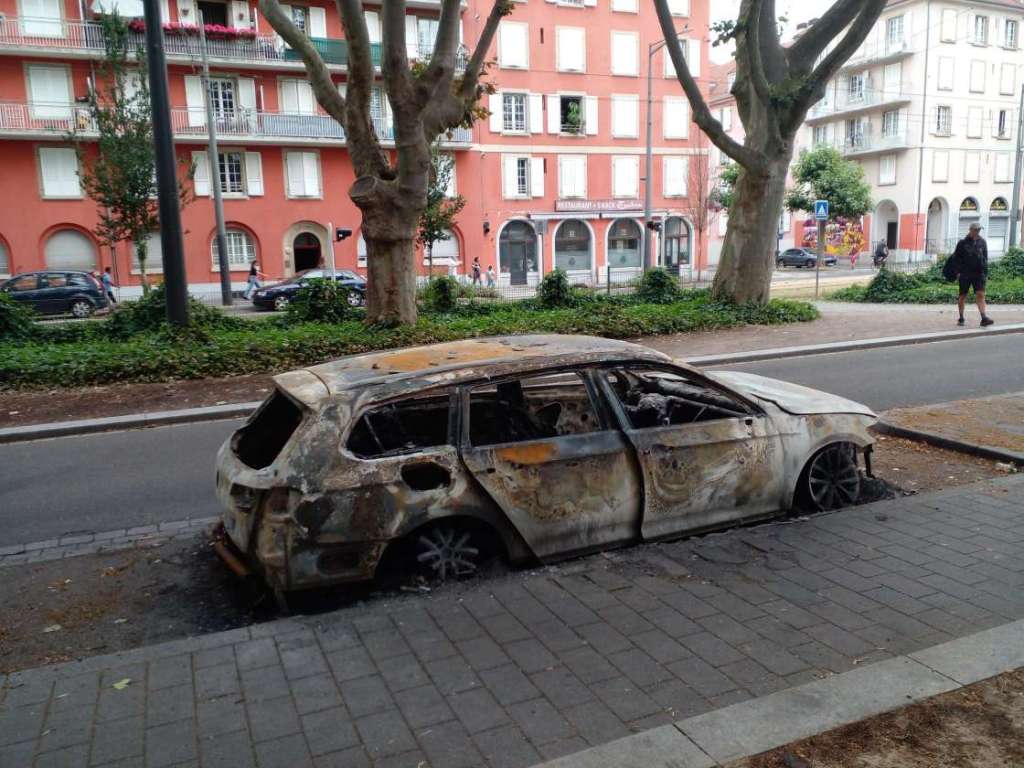
Today our trams drivers were in strike, and those who weren’t, were stopped by the manifestation against Macron in Strasbourg….
Aujourd’hui nos conducteurs de Tram étaient en grève; et ceux qui ne l’etaient pas ont été arrêté par les manifestations de ceux qui ne sont pas d’accord avec Macron…
If you liked this article, subscribe , put likes, write comments!
A musical slide show of the photos I took during a little walk I had in Strasbourg. I followed the trams tracks from Elsau to the “Parc de l’Etoile” . The map is under the video if you want more details.
I hope you enjoyed the photos.
If you liked this article, subscribe , put likes, write comments!.
Un diaporama musical des photos que j’ai prises lors d’une petite balade à Strasbourg. J’ai suivi les voies des trams d’Elsau jusqu’au « Parc de l’Etoile ». La carte est sous la vidéo si vous voulez plus de détails.