Le jour de la victoire de la Seconde Guerre mondiale, nous nous souvenons

Livres bilinguesRead in EnglishContactez-nous
Littérature américaineLittérature françaiseLittérature russe

Aujourd’hui, nous célébrons le Jour de la Victoire de la Seconde Guerre mondiale, et je pense qu’il est important de se souvenir des dommages et des vies détruites causés par cet événement. La Seconde Guerre mondiale a été le conflit militaire le plus meurtrier de l’histoire et les deux pays qui ont le plus souffert sont l’Union soviétique avec 24 000 000 de morts et la République de Chine avec 20 000 000 de morts. J’espère que nous ne reverrons plus jamais quelque chose comme cela.

Je vous souhaite à tous un Joyeux Jour de la Victoire.

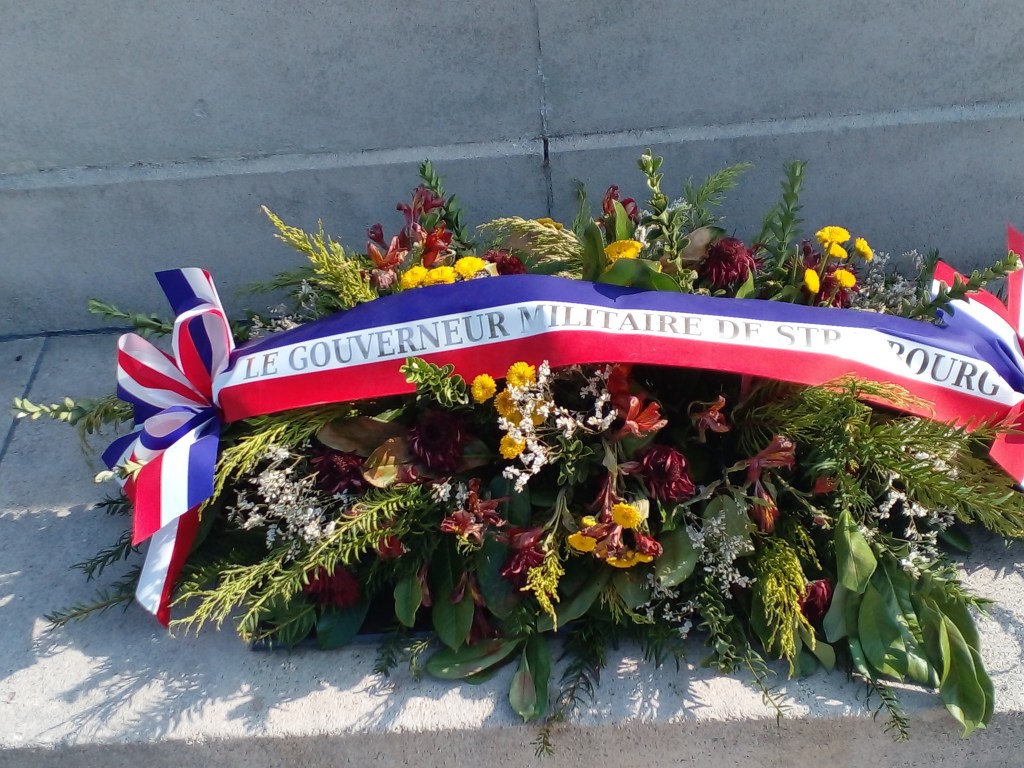
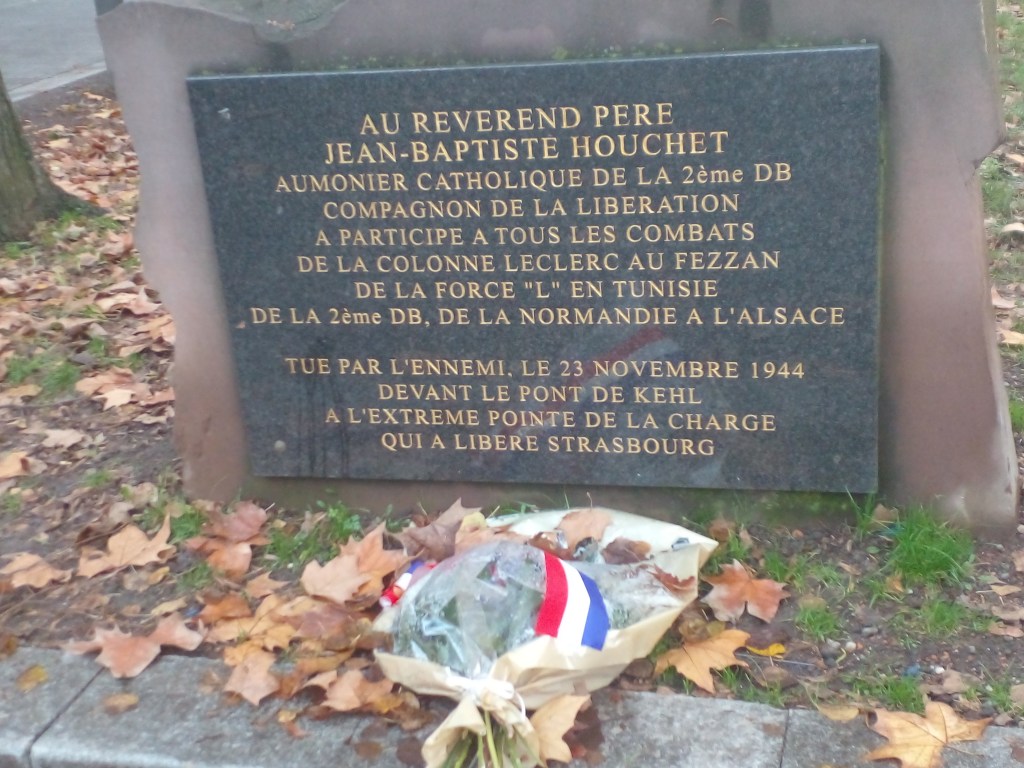
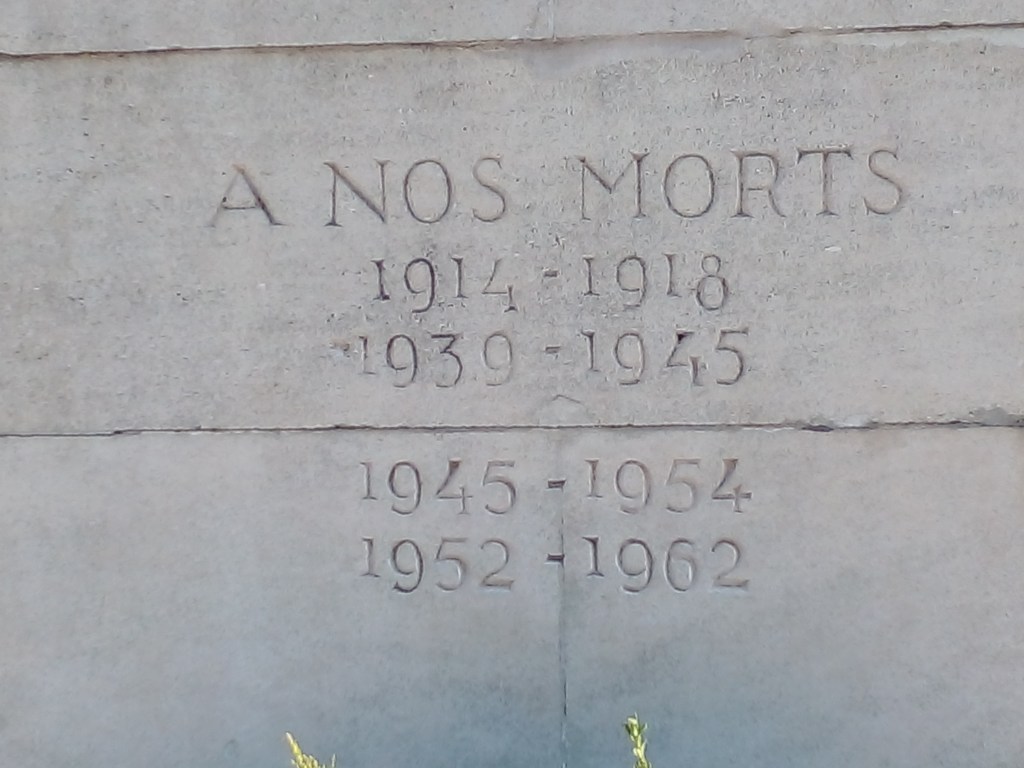
Monument in Strasbourg

L’acte de reddition complète et inconditionnelle de l’Allemagne nazie a été approuvé le 9 mai 1945, à 01h01 heure de Moscou, ou le 8 mai à 23h01 heure d’Europe centrale, c’est pourquoi les pays occidentaux célèbrent le Jour de la Victoire le 8 mai et la Russie le 9 mai. Il a été signé sur le territoire de l’ennemi vaincu à Karlshorst, une banlieue de Berlin.

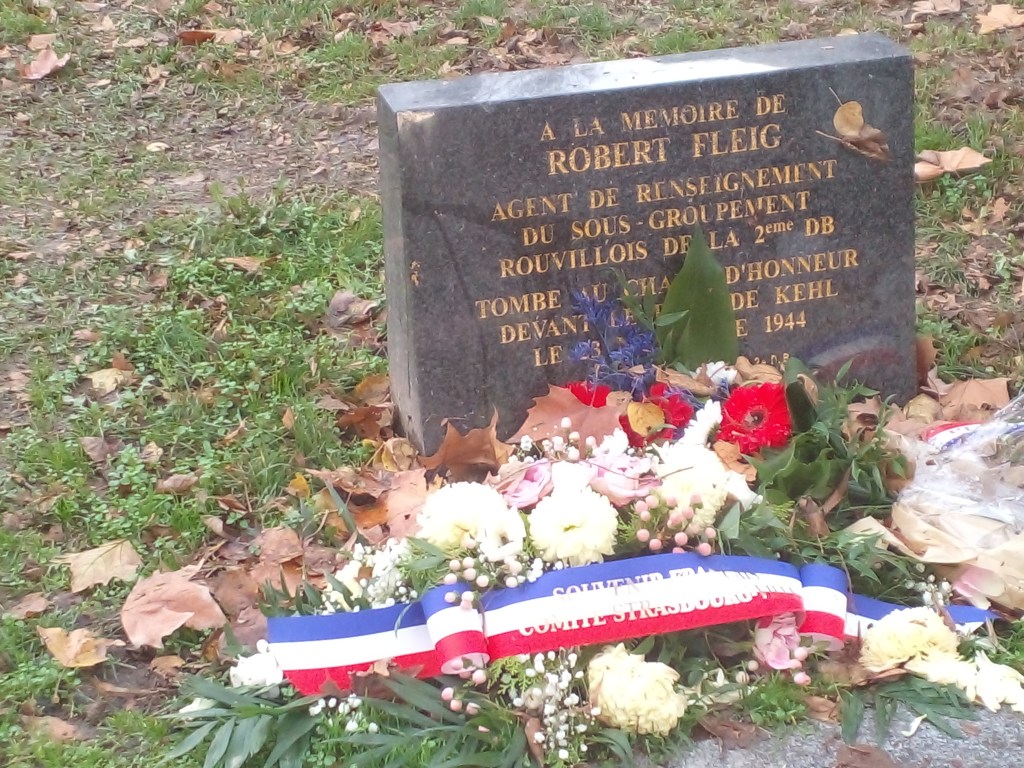
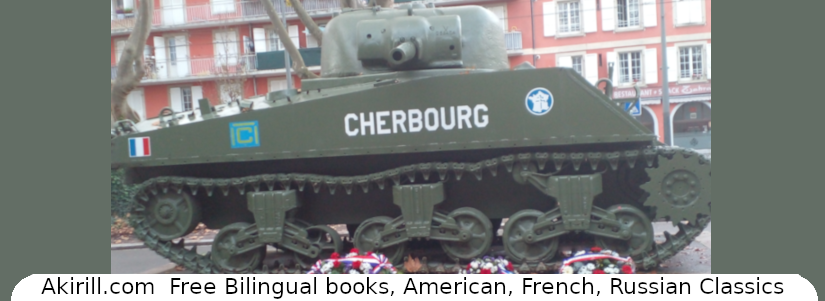
WWII memorial
Mémorial de la Seconde Guerre mondiale

Les puissances de l’Axe (Allemagne nazie, Royaume d’Italie, Empire du Japon) étaient une coalition militaire qui a déclenché la Seconde Guerre mondiale. Il comprenait également le Royaume de Hongrie, le Royaume de Roumanie, le Royaume de Bulgarie, la République de Finlande, la République slovaque, l’État indépendant de Croatie et le Royaume de Thaïlande.

Les Alliés, appelés Nations Unies à partir de 1942 (Royaume-Uni (à partir de septembre 1939), Union soviétique (à partir de juin 1941), États-Unis (à partir de décembre 1941) ) étaient une coalition militaire internationale formée pendant la Seconde Guerre mondiale. (1939-1945) pour s’opposer aux puissances de l’Axe. Ils comprenaient la Pologne (sept. 1939), la Tchécoslovaquie, la Norvège, les Pays-Bas, la Belgique, le Luxembourg, la France (sept. 1939), l’Éthiopie, la Grèce, la Yougoslavie, les Philippines, la République de Chine, le Canada, l’Australie, la Nouvelle-Zélande, l’Afrique du Sud. le Brésil, la Mongolie, le Mexique. Certaines puissances de l’Axe ont également rejoint les Alliés : le Royaume d’Italie (à partir de septembre 1943), la Roumanie (à partir d’août 1944), la Bulgarie (à partir de septembre 1944), la Finlande (à partir de septembre 1944)

L’adhésion des Alliés et de l’Axe était fluide, certaines nations changeant de camp ou modifiant leur degré d’implication militaire au cours de la guerre.

En Europe, l’utilisation du terme “l’Axe” se réfère souvent, uniquement à l’alliance entre l’Italie et l’Allemagne, mais en dehors de l’Europe, il est normalement compris comme incluant le Japon.

PaysDécès totauxMort militairepopulationpopulation %
Albanie30 20030 0001 100 0002.54
Australie40 50039 8007 000 0000.57
Autriche384 700261 000
Belgique86 10012 1008 000 0000.75
Brésil2 0001 00041 500 0000.001
Bulgarie25 00022 0006 300 0000.34
Canada45 40045 40011 600 0000.33
Chine20 000 0003 750 000530 000 0003.69
Tchécoslovaquie345 00025 00015 300 0002.41
Danemark3 2002 1003 800 0000.10
Indes néerlandaises3 500 000
Estonie51 0001 100 0003.63
Ethiopie100 0005 00014 100 0001.45
Finlande97 00095 0003 700 002.51
France567 600217 60041 700 0001.34
Indonésie française1 250 000
Allemagne7 700 0005 533 00078 000 0009.51
Grèce550 00027 5007 200 0004.16
Hongrie580 000300 0009 200 0006.30
Inde2 000 00087 000345 000 0000.44
Italie457 000301 40043 800 0001.07
Japon2 850 0002 120 00078 000 0003.37
Corée425 00023 400 0001.61
Lettonie227 0002 000 00011.00
Lituanie353 0002 500 00013.80
Luxembourg2 000300 0001.33
Malaisie100 000
Pays-Bas301 00017 0008 700 0002.43
Nouvelle-Zélande11 90011 9001 600 0000.76
Norvège9 5009 5002 900 0000.34
Papouasie Nouvelle Guinée15 000
Philippines750 00057 00016 400 0000.98
Pologne5 600 000240 00034 800 00016.15
Roumanie833 000300 00047 800 0000.76
Singapour50 000700 00028.57
Afrique du Sud11 90011 900
l’Union soviétique24 000 0008 800 000
10 700 000
168 500 00014.83
Royaume-Uni450 700383 600
États-Unis418 500416 800132 000 0000.31
Yougoslavie1 000 000446 00015 400 0007.79
Si cet article vous a plu, abonnez-vous, mettez des likes, écrivez des commentaires !

Partagez sur les réseaux sociaux

Découvrez nos derniers articles


© 2023 Akirill.com – All Rights Reserved

World War II Victory Day we remember

Bilingual booksLire en FrançaisContact us
American LiteratureFrench LiteratureRussian Literature

Today we celebrate World War II Victory Day, and I think it is important to remember the damages and destroyed lives caused by this event. World War II was the deadliest military conflict in history and the two countries which suffered the most were the Soviet Union with 24 000 000 dead and the Republic of China with 20 000 000 dead. I hope we will never see something like that happen again.
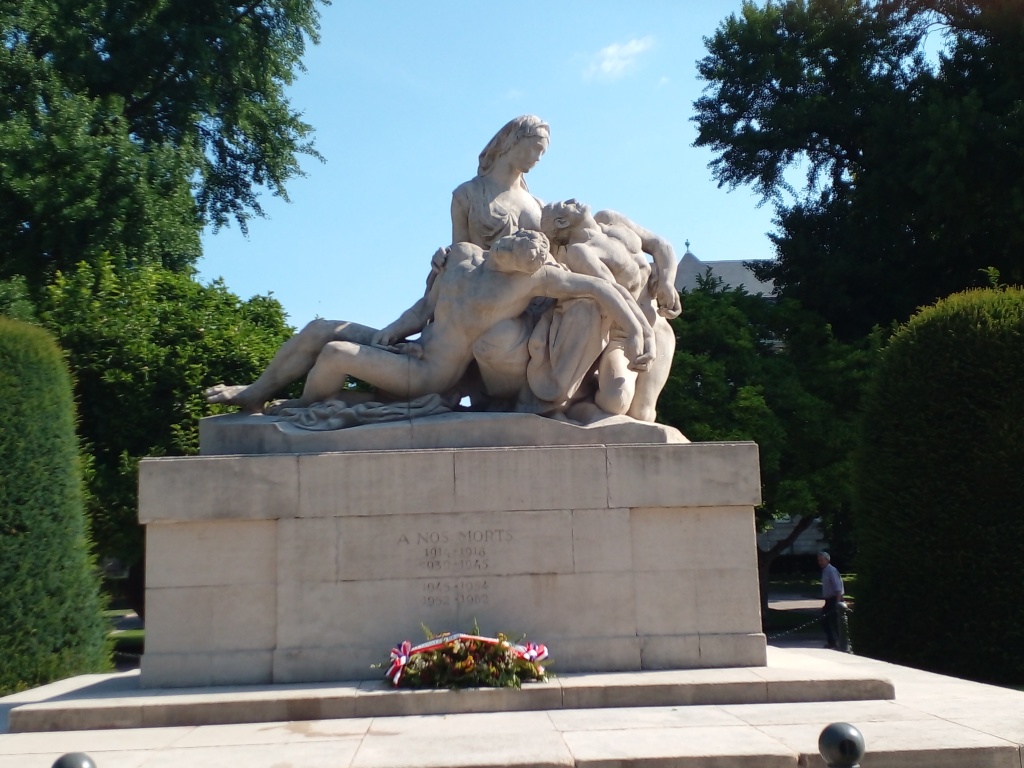

Monument in Strasbourg

Monument in Strasbourg

The act of complete and unconditional surrender of Nazi Germany was approved on May 9, 1945, at 01:01 Moscow time, or on May 8 at 23:01 Central European time, that is why the Western countries celebrate Victory Day on May 8 and Russia on May 9. It was signed on the territory of the defeated enemy in Karlshorst, a suburb of Berlin.

I wish you all an Happy Victory Day.
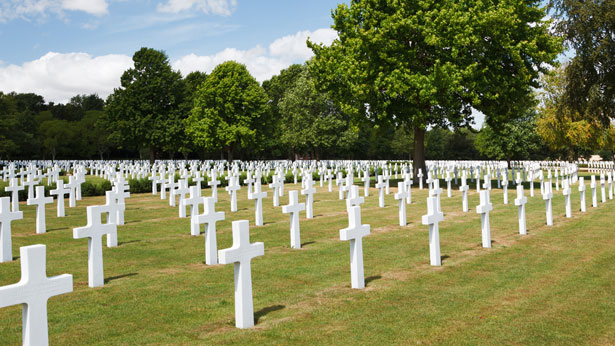
WWII memorial
WWII memorial

The Axis powers (Nazi Germany, Kingdom of Italy, Empire of Japan) was a military coalition that initiated world war II. It also included the Kingdom of Hungary, the Kingdom of Romania, the Kingdom of Bulgaria, the  Republic of Finland, the  Slovak Republic, the  Independent State of Croatia, and the  Kingdom of Thailand.
The Allies, referred to as the United Nations from 1942 (United Kingdom (from Sep. 1939) , Soviet Union (from Jun. 1941) , United States (from Dec. 1941) ) were an international military coalition formed during the Second World War (1939–1945) to oppose the Axis powers. They included  Poland (Sep. 1939),  Czechoslovakia, Norway, the Netherlands, Belgium, Luxembourg, France (Sep. 1939), Ethiopia, Greece,  Yugoslavia, the Philippines, the Republic of China, Canada, Australia, New Zealand, South Africa, Brazil, Mongolia, Mexico. Some Axis powers also joined the Allies: the Kingdom of Italy (from Sep. 1943), Romania (from Aug. 1944), Bulgaria (from Sep. 1944), an Finland (from Sep. 1944)

The Allies and Axis membership was fluid, with some nations switching sides or changing their degree of military involvement over the course of the war.

In Europe, the use of the term “the Axis” refers often, solely to the alliance between Italy and Germany, but outside Europe it is normally understood as including Japan.

CountryTotal deathsMilitary deathpopulationpopulation %
Albania30 20030 0001 100 0002.54
Australia40 50039 8007 000 0000.57
Austria384 700261 000
Belgium86 10012 1008 000 0000.75
Brazil2 0001 00041 500 0000.001
Bulgaria25 00022 0006 300 0000.34
Canada45 40045 40011 600 0000.33
China20 000 0003 750 000530 000 0003.69
Czechoslovakia345 00025 00015 300 0002.41
Denmark3 2002 1003 800 0000.10
Dutch East Indies3 500 000
Estonia51 0001 100 0003.63
Ethiopia100 0005 00014 100 0001.45
Finland97 00095 0003 700 002.51
France567 600217 60041 700 0001.34
French Indonesia1 250 000
Germany7 700 0005 533 00078 000 0009.51
Greece550 00027 5007 200 0004.16
Hungary580 000300 0009 200 0006.30
India2 000 00087 000345 000 0000.44
Italy457 000301 40043 800 0001.07
Japan2 850 0002 120 00078 000 0003.37
Korea425 00023 400 0001.61
Latvia227 0002 000 00011.00
Lithuania353 0002 500 00013.80
Luxembourg2 000300 0001.33
Malaya100 000
Netherlands301 00017 0008 700 0002.43
New Zealand11 90011 9001 600 0000.76
Norway9 5009 5002 900 0000.34
Papua New Guinea15 000
Philippines750 00057 00016 400 0000.98
Poland5 600 000240 00034 800 00016.15
Romania833 000300 00047 800 0000.76
Singapore50 000700 00028.57
South Africa11 90011 900
Soviet Union24 000 0008 800 000
10 700 000
168 500 00014.83
United Kingdom450 700383 600
United States418 500416 800132 000 0000.31
Yugoslavia1 000 000446 00015 400 0007.79
If you liked this article, subscribe , put likes, write comments!

Share on social networks

Check out Our Latest Posts


© 2023 Akirill.com – All Rights Reserved
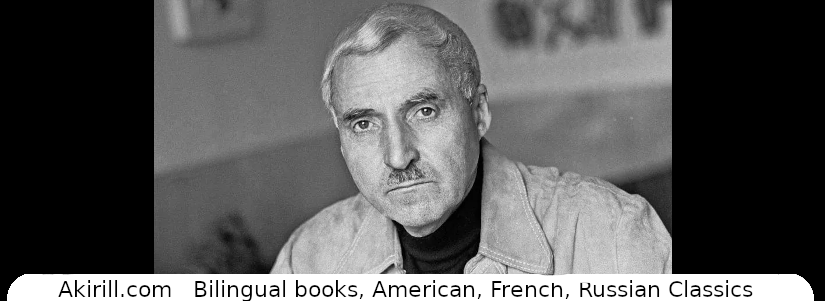
Konstantin Simonov – Open Letter

Lire en Français

< < < J’ai dû être le plus têtu de tous (Ru/Fr) / I must have been the most stubborn of all (Ru/Eng) / Я, верно, был упрямей всех (Рус/Анг.) / (Рус/ Фра.
Ivan Turgenev Demain ! Demain ! (Ru/Fr) / To-Morrow! To-Morrow! (Ru/Eng) / Тургенев Иван Завтра, завтра (Рус/Анг.) / (Рус/ Фра.) > > >


Soon will come the anniversary of the end of the Second World War.

This poem “Open Letter” is based on real events that took place under the eyes of Konstantin Simonov in 1943 in General Gorbatov’s Third Army.

After some time, a deceased senior lieutenant received a letter from his wife containing information, which Simonov reproduced in his poem at the request of his combat comrades.

The poem is imbued with pain for a comrade, fear of the possibility of experiencing the same thing, a reproach to unfaithful women.

The lyrics are under the video

A big thank you to all our veterans.

Константин Симонов — Открытое письмоKonstantin Simonov – Open Letter
Я вас обязан известить,
Что не дошло до адресата
Письмо, что в ящик опустить
Не постыдились вы когда-то.
I am obliged to inform you,
That the letter dropped one day without shame in the mail box
did not reach the addressee.
Ваш муж не получил письма,
Он не был ранен словом пошлым,
Не вздрогнул, не сошел с ума,
Не проклял все, что было в прошлом.
Your husband did not receive a letter,
He was not wounded by a vulgar word , He did not flinch, did not go mad,
He did not curse everything that happened in the past.
Когда он поднимал бойцов
В атаку у руин вокзала,
Тупая грубость ваших слов
Его, по счастью, не терзала.
When he raised the fighters
During the attack in the ruins of the station,
The blunt rudeness of your words
fortunately, did not torment him.
Когда шагал он тяжело,
Стянув кровавой тряпкой рану,
Письмо от вас еще все шло,
Еще, по счастью, было рано.
When he walked heavily,
Pulling the wound with a bloody rag,
The letter from you was still coming,
Fortunately, it was still early.
Когда на камни он упал
И смерть оборвала дыханье,
Он все еще не получал,
По счастью, вашего посланья.
When he fell on the stones
And death cut off his breath,
Fortunately, he did not yet receive,
your message.
Могу вам сообщить о том,
Что, завернувши в плащ-палатки,
Мы ночью в сквере городском
Его зарыли после схватки.
I can tell you that,
wrapped in raincoats,
We buried him at night in the city square after the fight.
Стоит звезда из жести там
И рядом тополь — для приметы…
А впрочем, я забыл, что вам,
Наверно, безразлично это.
There is a star made of tin there
And next to it is a poplar – for a landmark …
But, by the way, I forgot that you,
Probably, do not care about this.
Письмо нам утром принесли…
Его, за смертью адресата,
Между собой мы вслух прочли —
Уж вы простите нам, солдатам.
The letter was brought to us in the morning …
After the death of the addressee,
We read it aloud between ourselves –
Forgive us, soldiers.
Быть может, память коротка
У вас. По общему желанью,
От имени всего полка
Я вам напомню содержанье.
Perhaps your memory is short. 
By common wish,
On behalf of the whole regiment,
I will remind you of the content.
Вы написали, что уж год,
Как вы знакомы с новым мужем.
А старый, если и придет,
Вам будет все равно ненужен.
You wrote that it’s been a year,
since you’ve known your new husband.
And the old one, if he comes,
will still be unnecessary to you.
Что вы не знаете беды,
Живете хорошо. И кстати,
Теперь вам никакой нужды
Нет в лейтенантском аттестате.
That you do not know trouble,
Live well. And by the way,
you don’t need
a lieutenant’s certificate anymore.
Чтоб писем он от вас не ждал
И вас не утруждал бы снова…
Вот именно: «не утруждал»…
Вы побольней искали слова.
So that he doesn’t expect letters from you
And he doesn’t bother you anymore …
That’s right: “he didn’t bother” …
You were looking for more painful words.
И все. И больше ничего.
Мы перечли их терпеливо,
Все те слова, что для него
В разлуки час в душе нашли вы.
And that’s it. And nothing more.
We counted them patiently,
All those words that for him
In the hour of separation you found in your soul.
«Не утруждай». «Муж». «Аттестат»…
Да где ж вы душу потеряли?
Ведь он же был солдат, солдат!
Ведь мы за вас с ним умирали.
“Don’t bother.” “Husband”. “Certificate” …
But where did you lose your soul?
After all, he was a soldier, a soldier!
After all, we were fighting with him for you.
Я не хочу судьею быть,
Не все разлуку побеждают,
Не все способны век любить,—
К несчастью, в жизни все бывает.
I don’t want to be a judge,
Not everyone overcomes separation,
Not everyone is able to love forever, –
Unfortunately, everything happens in life.
Но как могли вы, не пойму,
Стать, не страшась, причиной смерти,
Так равнодушно вдруг чуму
На фронт отправить нам в конверте?
But how could you, I don’t understand,
Become, without fear, the cause of death,
So indifferently suddenly
send us a plague to the front in an envelope?
Ну хорошо, пусть не любим,
Пускай он больше вам ненужен,
Пусть жить вы будете с другим,
Бог с ним, там с мужем ли, не с мужем.
Well, let’s not love,
Let him be no longer needed for you,
Let you live with another,
God bless him, whether with her husband, not with her husband.
Но ведь солдат не виноват
В том, что он отпуска не знает,
Что третий год себя подряд,
Вас защищая, утруждает.
But after all, the soldier is not to blame
For the fact that he does not know the holidays,
That for the third year in a row,
protecting you, bothers.
Что ж, написать вы не смогли
Пусть горьких слов, но благородных.
В своей душе их не нашли —
Так заняли бы где угодно.
Well, you could not write
Let bitter words, but noble ones.
They were not found in your souls –
You could have found them anywhere.
В отчизне нашей, к счастью, есть
Немало женских душ высоких,
Они б вам оказали честь —
Вам написали б эти строки;
In our homeland, fortunately, there are
many high female souls,
They would do you honor –
they would write these lines to you;
Они б за вас слова нашли,
Чтоб облегчить тоску чужую.
От нас поклон им до земли,
Поклон за душу их большую.
They would have found words for you,
To alleviate someone else’s sadness.
From us bow to them to the ground,
Bow down for their great soul.
Не вам, а женщинам другим,
От нас отторженным войною,
О вас мы написать хотим,
Пусть знают — вы тому виною,
Not to you, but to other women,
torn away from us by the war,
We want to write about you,
Let them know that you are to blame,
Что их мужья на фронте, тут,
Подчас в душе борясь с собою,
С невольною тревогой ждут
Из дома писем перед боем.
That their husbands are at the front, here,
Sometimes fighting with themselves in their souls,
With involuntary anxiety, they wait for
letters from home before the battle.
Мы ваше не к добру прочли,
Теперь нас втайне горечь мучит:
А вдруг не вы одна смогли,
Вдруг кто-нибудь еще получит?
We didn’t read yours with pleasure.
Now we are secretly tormented by bitterness:
What if you weren’t the only one who could, What if someone else gets it?
На суд далеких жен своих
Мы вас пошлем. Вы клеветали
На них. Вы усомниться в них
Нам на минуту повод дали.
To the judgment of our distant wives
We will send you. 
You slandered them.
You gave us a reason to doubt them for a minute.
Пускай поставят вам в вину,
Что душу птичью вы скрывали,
Что вы за женщину, жену,
Себя так долго выдавали.
Let them blame you,
That you hid the soul of a bird ,
What kind of woman, wife,
You gave yourself away for so long.
А бывший муж ваш — он убит.
Все хорошо. Живите с новым.
Уж мертвый вас не оскорбит
В письме давно ненужным словом.
And your ex-husband is dead.
Everything is fine.  Live with the new.
Already the dead will not offend you
In a letter for a long time an useless word.
Живите, не боясь вины,
Он не напишет, не ответит
И, в город возвратись с войны,
С другим вас под руку не встретит.
Live without fear of guilt,
He will not write, will not answer
And, back in the city from war,
He won’t meet you arm in arm with another.
Лишь за одно еще простить
Придется вам его — за то, что,
Наверно, с месяц приносить
Еще вам будет письма почта.
Only for one more thing to forgive,
you will have to forgive him – for the fact that, probably for months, letters will still be brought to you from the post office.
Уж ничего не сделать тут —
Письмо медлительнее пули.
К вам письма в сентябре придут,
А он убит еще в июле.
There’s nothing to be done here –
A letter is slower than a bullet.
Letters will reach you in September,
and he was killed in July.
О вас там каждая строка,
Вам это, верно, неприятно —
Так я от имени полка
Беру его слова обратно.
Every line talks about you,
it’s probably unpleasant for you –
So on behalf of the regiment
I withdraw his remarks.
Примите же в конце от нас
Презренье наше на прощанье.
Не уважающие вас
Покойного однополчане.
Accept in the end from us,
our contempt at parting. 
Fellow soldiers
who do not respect you.
По поручению офицеров полка
К. Симонов
___________________________
[Женщине из города Вичуга]
On behalf of the officers of the regiment
K. Simonov
_____________________
[To a woman from the city of Vichuga]

< < < J’ai dû être le plus têtu de tous (Ru/Fr) / I must have been the most stubborn of all (Ru/Eng) / Я, верно, был упрямей всех (Рус/Анг.) / (Рус/ Фра.
Ivan Turgenev Demain ! Demain ! (Ru/Fr) / To-Morrow! To-Morrow! (Ru/Eng) / Тургенев Иван Завтра, завтра (Рус/Анг.) / (Рус/ Фра.) > > >


We put a lot of effort into the quality of the articles and translations, support us with a like and a subscription or sponsor us if you like them. We are also on Facebook and Twitter

Read Our Latest Posts

© 2022 Akirill.com – All Rights Reserved

A poem symbolizing Victory

Lire en Français

< < < Pouchkine Tempête (Ru/Fr) / Pushkin Tempest (Ru/Eng) / Пушкин Буря (Рус/Анг.) / (Рус/ Фра.)
Épouses (Ru/Fr) / Wives (Ru/Eng) / Жёны (Рус/Анг.) / (Рус/ Фра.) > > >


Soon will come the anniversary of the end of the Second World War.

Wait for Me and I’ll Come Back is a poem by Konstantin Simonov written in the summer of 1941 to his beloved. For many soldiers of the Red Army “Wait for me and I will come back” has become a real hymn, a solemn sermon to a loved one

I think given what is happening in the world now it is important to remember our history to avoid the horrors of a new world war.

Thank you to all our Veterans.


Translation of the poem “Wait for Me and I will Come Back” by Konstantin Simonov in English with English and Russian side by side

Жди меня, и я вернусь
Константина Симонова
Wait for me, and I will come back by Konstantin Simonov
Translated by Akirill.com
05/04/2022
Жди меня, и я вернусь.Wait for me, and I will come back.
Только очень жди,Just wait for a long time,
Жди, когда наводят грусть
Желтые дожди,
Wait, when the yellow rains make you sad
Жди, когда снега метут,Wait, when the snow is blowing,
Жди, когда жара,Wait, when it’s hot,
Жди, когда других не ждут,Wait, when others do not to wait,
Позабыв вчера.Forgetting yesterday. 
Жди, когда из дальних местWait, when from distant places
Писем не придет,No letters come to you
Жди, когда уж надоест
Всем, кто вместе ждет.
Wait, until everyone who is waiting
together gets tired of it.
Жди меня, и я вернусь,Wait for me, and I will come back,
Не желай добраDon’t wish for good
Всем, кто знает наизусть,to everyone who knows,
Что забыть пора.That it is time to forget.
Пусть поверят сын и матьLet the son and mother believe
В то, что нет меня,That I am no more,
Пусть друзья устанут ждать,Let friends get tired of waiting,
Сядут у огня,Sit by the fire,
Выпьют горькое виноDrink bitter wine
На помин души…To the memory of my soul …
Жди. И с ними заодноWait. And with them, at the same time
Выпить не спеши.Do not rush to drink.
Жди меня, и я вернусь,Wait for me, and I will come back,
Всем смертям назло.To spite all deaths.
Кто не ждал меня, тот пустьThose who did not wait for me, let him
Скажет: – Повезло.say: – Lucky.
Не понять, не ждавшим им,They do not to understand those, who did not wait for them,
Как среди огняHow in the midst of the fire
Ожиданием своимWith your expectation
Ты спасла меня.You saved me.
Как я выжил, будем знать
Только мы с тобой,-
How I survived, Only you and I – will know
Просто ты умела ждать,You just knew how to wait,
Как никто другой.Like no other.

< < < Pouchkine Tempête (Ru/Fr) / Pushkin Tempest (Ru/Eng) / Пушкин Буря (Рус/Анг.) / (Рус/ Фра.)
Épouses (Ru/Fr) / Wives (Ru/Eng) / Жёны (Рус/Анг.) / (Рус/ Фра.) > > >


We put a lot of effort into the quality of the articles and translations, support us with a like and a subscription or sponsor us if you like them. We are also on Facebook and Twitter


Check out our Last Posts


© 2022 Akirill.com – All Rights Reserved

Konstantin Mikhailovich Simonov

Lire en Français

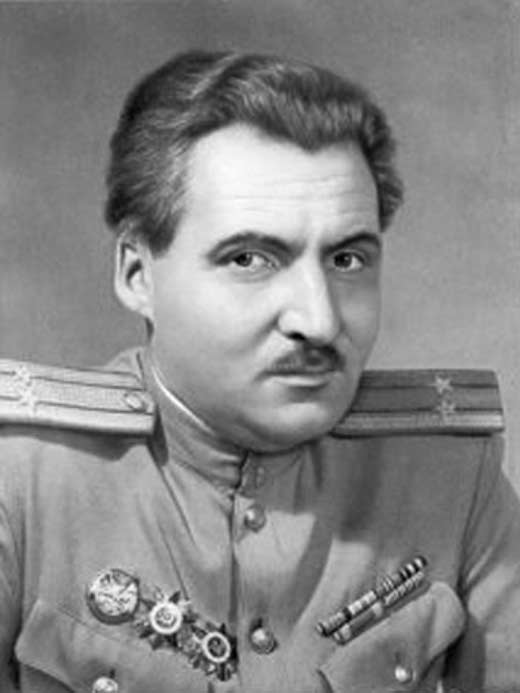
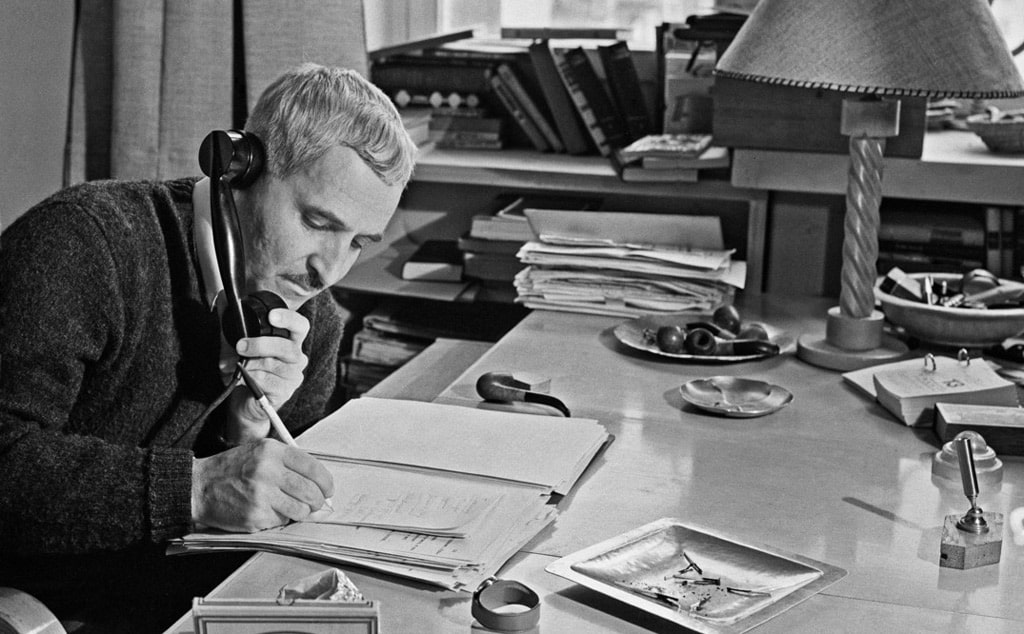
Konstantin Mikhailovich Simonov (Константин Михайлович Симонов) was born on November 15 (28), 1915 in Petrograd. Simonov is a famous writer, poet and journalist. His works written during the war years reflected not only reality but also a kind of prayer. An example would be the poem, “Wait for Me” composed in the summer of 1941 and dedicated to Valentina Serova which still to this day gives hope to soldiers on the battlefield.

Konstantin Mikhailovich Simonov

His mother, Princess Alexandra Obolenskaya, devoted her life to raising her son. His father, Major General Mikhail Simonov did not return from the front during the First World War.

Simonov’s real first name was Cyril (Кирилл) but due to pronunciation problems, it was changed to Konstantin.

In 1919 his mother moved to Ryazan and married Alexander Ivanishev who was a military teacher. He played a very important role in the life of Konstantin Simonov.

Konstantin Mikhailovich Simonov

Konstantin’s childhood was spent in military camps. After completing his 7th year of school, he entered the FZU factory school, then worked as a metal turner, first in Saratov, then in Moscow where the family moved in 1931.

He continued to work for a year after entering the literary institute named after AM Gorky in 1935, and then went to school full-time. In 1936 his first poems were published in the magazines “Young Guard” and “October”

In 1938 he graduated from the literary institute and was admitted to the Union of Writers of the USSR. His work “Pavel Cherny was also published that year.

Konstantin Mikhailovich Simonov

Throughout World War II, Simonov worked as a war correspondent. He participated in the main battles of the Soviet army, visited all the fronts, and witnessed the capture of Berlin. In 1942 he was given the rank of senior battalion commissar, and in 1943 the rank of lieutenant colonel, then colonel after the end of the war. Konstantin spoke about the heroism of Russian soldiers and the difficulties of life on the front line. During the war years he wrote “Russian people”, “Wait for me”, “So it will be”, as well as the story “Days and nights” and two collections of poems “With you and without you” and “War”

Konstantin Mikhailovich Simonov

After the war Simonov became the author of many novels, short stories, plays and poems, but he was also the editor of the magazine Novy Mir, then Literaturnaya Gazeta.

Many iconic films were made based on Konstantin Simonov’s books, such as “A Guy from Our Town” in 1942, “The Immortal Garrison” in 1956, “The Living and the Dead” in 1964, “Retribution” in 1967, and many more.

Author: IrinaYa – File: 
Simonov K M left monument Saratov.jpg, CC BY-SA 4.0,

He was married four times and had one son and two daughters from his different marriages.

Simonov died on August 28, 1979 at the age of 63 from lung cancer. His body was cremated. His ashes were scattered on the Buinichsky fields where a terrible battle had taken place. About this he wrote:

I wasn’t a soldier, I was just a correspondent, but I have a piece of land that I won’t forget for a century – a field near Mogilev, where for the first time in July 1941 I saw how ours was knocked out and burned, in one day 39 German tanks…

A monument was erected for him at Saratov Vocational School No. 2 in 1980, as well as several memorial plaques in Ryazan, Saratov and Moscow. In addition, several cities have named streets in his honor.

Support the blog – leave a comment, put your finger up, and for whom it’s not difficult – repost the entry to any of your social networks, this will support the blog, thank you.
Subscribe to not miss anything

Sources:

Biography of Konstantin Simonov

Biography of Konstantin Simonov

Simonov, Konstantin Mikhailovich

Konstantin Simonov – biography, news, personal life

Brief biography of Simonov Konstantin Mikhailovich

Konstantin Simonov

Konstantin Simonov