On this site we hope to help you learn, and to remove the difficulties caused by the difference of culture and language. Sur ce site nous espérons vous aider à apprendre, et à enlever la barrière causée par les différents languages et cultures.
I actually wanted to read a second time “1984” and “Animal Farm” and thought to share the books with everybody. I’ll put them in French too, hopefully in a few days
At the same time I continue to work on our bilingual book section and you will see some progress in a month or two. For now it is just a lot of preparatory work, checking and …
And just a reminder, the pages which are locked are not finished yet, they will be unlocked.
En fait, je voulais lire une deuxième fois “1984” et “La ferme des animaux” et j’ai pensé partager les livres avec tout le monde. Je les mettrai en français aussi, j’espère dans quelques jours
En parallèle, je continue à travailler sur notre section de livres bilingues et vous verrez des progrès dans un mois ou deux. Pour l’instant c’est juste beaucoup de travail préparatoire, de vérification et…
Et juste un rappel, les pages qui sont verrouillées ne sont pas encore terminées, elles seront déverrouillées.
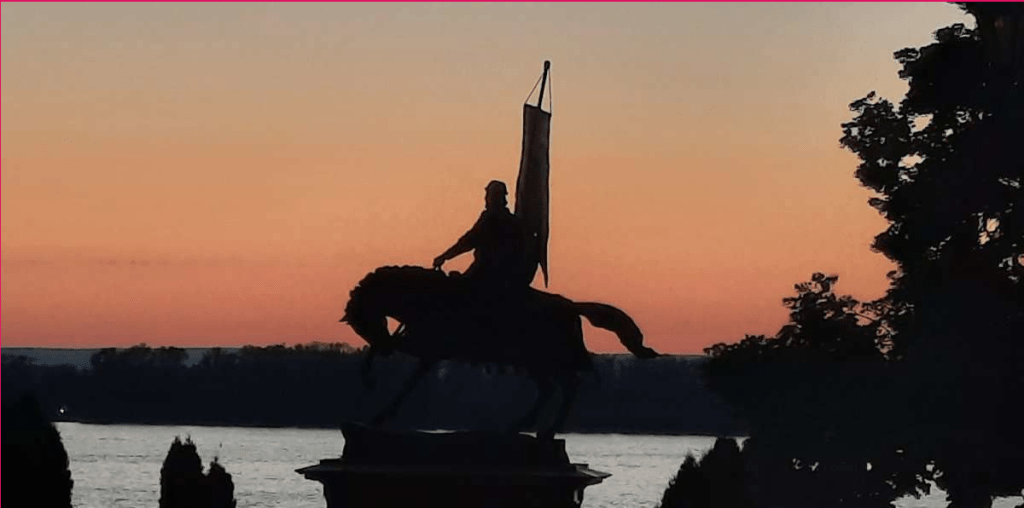
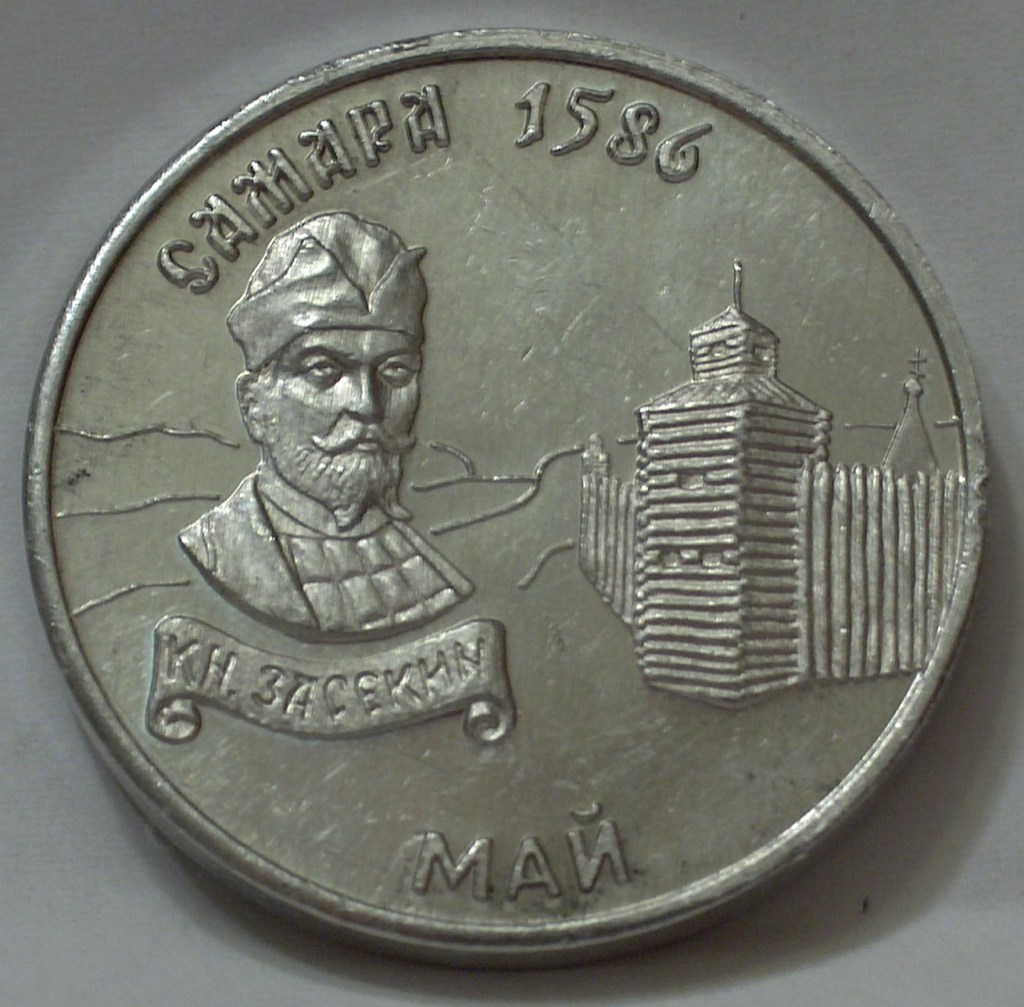
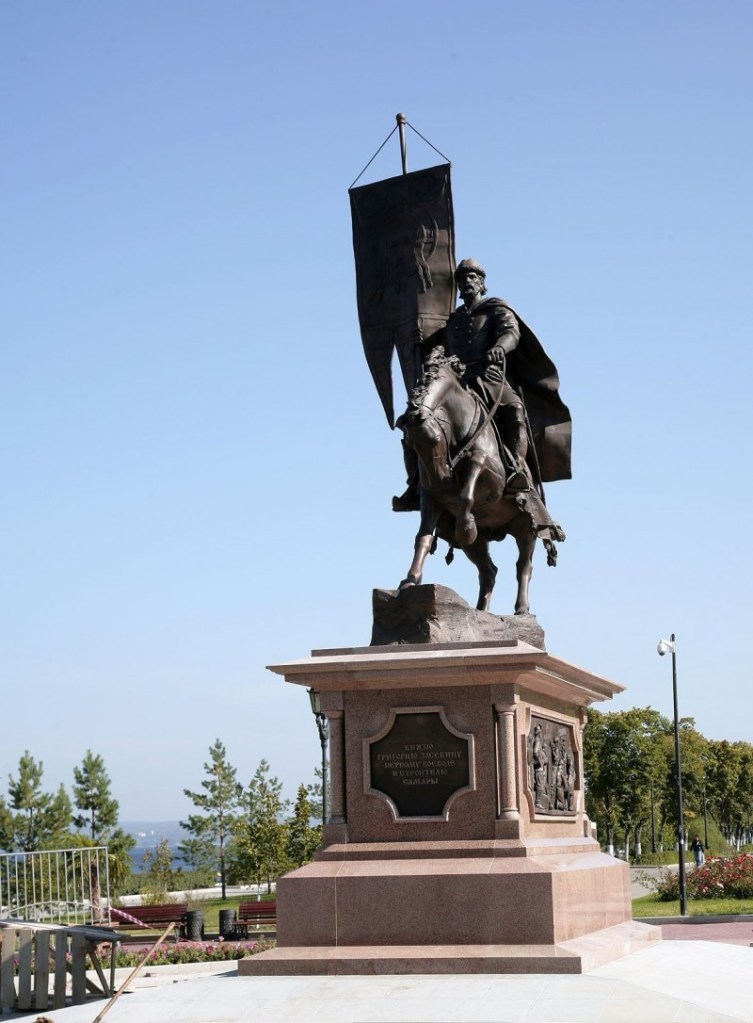
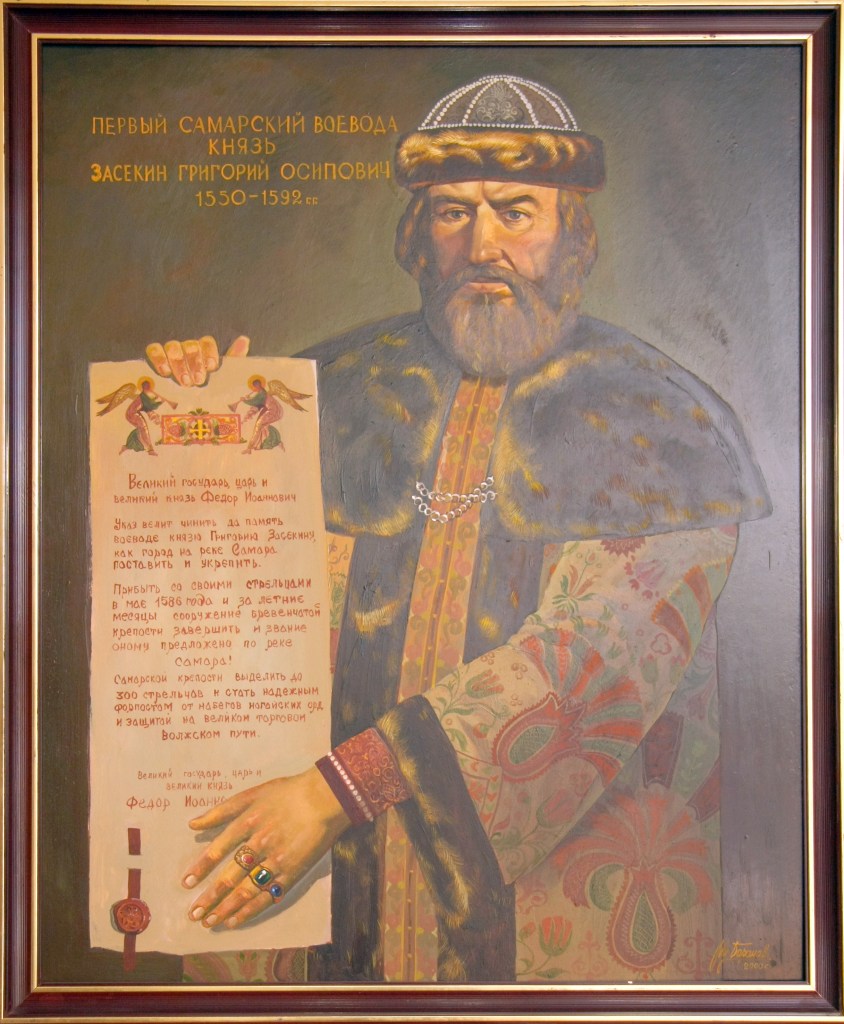
Thanks to Prince Zasekin Grigory Osipovich efforts in the 16th century, the borders of the Russian state significantly expanded in the east. He was the first governor and founding father of the Russian fortresses on the Volga, which later became the huge cities of Samara, Saratov, and Perevoloka (Volgograd).
Prince Zasekin – Samara
The exact date of birth of Prince Zasekin is unknown, but historians agrees that he was born around 1550. He came from the ancient family of the princes of Yaroslavi: the Zasekins. His father by the standard of that time was a very poor man. There is little known about his childhood but it can be assumed that he began his military service , under Ivan the Terrible at the age of about 15, which was the norm at that time for young nobles.
Prince Zasekin – Samara
The beginning of his career fell on the final stage of the Livonian War of 1558 to 1583. He served on the western borders of the Russian kingdom, where regular military conflicts were commonplace. In 1570, Prince Zasekin was mentioned as a head of archers,
Grigory Zasekin
Grigory Zasekin first actions as head are connected with the Russian-Swedish war of 1570-1595. He carried out his military service in the fortress of Korela approximatively from 1574-1575 to 1579 with short breaks. In 1575, a battle with the Swedes took place there in which the Russian won. In 1577, Prince Zasekin served in the Oreshek fortress and participated in the Livonian campaign. For a short period of time during the autumn of 1577 his cousin Zasekin-Solntsev and himself were appointed junior governors in the town of Trikaten which had been captured during the war.
In the middle of the summer of 1579, Prince Zasekin participated in the campaign of Russian troops in which he pursued reconnaissance goals under the command of M.A. Beznin, the former Karelian governor. The beginning of this campaign was so successful for the Russian troops that Grigory Zasekin was sent with a personal report about the victory to the Tsar Ivan the Terrible , for which he received a “gold penny” as a reward.
However, he was already far from the Baltic before the defeats received by the Russian troops near Polotsk.
Under the command of Prince V.M. Lobanov he was appointed the second governor to the guard regiment in Kolomna. Then he served as governor in Kaluga and repelled the raids of the Crimeans.
In the 1580s, Zasekin-Solntsev and Prince Zasekin were sent to serve on the southern borders of the Russian state, to the wild field, in the Volga region.
In 1581, for the first time in his career, he became the first governor in the city of Mikhailov, which was a well-fortified defensive point on the Prony river.
After the annexation of the Kazan and Astrakhan khanates to Russia in the middle of the 16th century, the entire Volga waterway up to the Caspian sea was in the possession of the Russian state, but because the new region was sparsely populated, the trade caravans passing here were often attacked so the building of fortresses became important.
After 1.5 to 2 years of preparation for the construction of the Samara fortress, Grigory Zasekin began to build a fortress far from the Volga on a hill. It took him and his archers a few days to build it, and the date of birth of the new city of Samara can be considered the feast of the trinity, which in the year of 1586 fell on May 22 . The city of Samara was built on a grand scale on a hill above the Samara river, where it divided into two channels.
Samara fortress in the 17th century. Engraving from the edition of the notes of Adam Olearius
The appearance of the fortress greatly upset the Nogai biy Urus until a detachment of Cossacks stole a herd of 500 heads from the Nogais. Grigory Zasekin captured the Cossacks and hanged them. He gave everything that had been stolen by the Cossacks back to the Nogai. After that event, many Nogai Murzas abandoned thoughts of independence and began to send their detachments to serve in the Russian army.
In the summer of 1589 Zasekin built the fortress of Perevolok at the crossing between the Volga and the Don which is a strategically important site. The fortified city was built in only 3 months.
Prince Zasekin was recalled to participate in the campaign against Narva in the spring of 1590 but was again on the Volga by summer. On July 12, Prince Grigory Zasekin and boyar Fyodor Turov founded the city of Saratov on the left bank of the river. At that time it was only an outpost of the Russian development of the Volga, but later became one of the largest city on the Volga. In 1674, by decree of Tsar Alexei Mikhailovoch, the city was moved to the right bank of the river.
In 1591, Prince Zasekin restored the fortress of Terki, in the Caspian sea (now the city of Kizlyar) founded back in 1735, but he died a year later. The documents do not indicate the cause of death, and it can assumed that the prince died of wounds received during the campaign or by a sudden illness.
If you liked this article, subscribe , put likes, write comments!.
Grâce aux efforts du prince Zasekin Grigory Osipovich au XVIe siècle, les frontières de l’État russe se sont considérablement élargies à l’est. Il fut le premier gouverneur et père fondateur des forteresses russes sur la Volga, qui devinrent plus tard les immenses villes de Samara, Saratov et Perevoloka (Volgograd).
Prince Zasekin – Samara
La date exacte de naissance du prince Zasekin est inconnue, mais les historiens s’accordent à dire qu’il est né vers 1550. Il est issu de l’ancienne famille des princes de Yaroslavi : les Zasekins. Son père, selon la norme de l’époque, était un homme très pauvre. On sait peu de choses sur son enfance, mais on peut supposer qu’il a commencé son service militaire, sous Ivan le Terrible, à l’âge d’environ 15 ans, ce qui était la norme à cette époque pour les jeunes nobles.
Prince Zasekin – Samara
Le début de sa carrière tomba sur la dernière étape de la guerre de Livonie de 1558 à 1583. Il servit aux frontières occidentales du royaume de Russie, où les conflits militaires réguliers étaient monnaie courante. En 1570, le prince Zasekin est mentionné comme chef des archers.
Grigory Zasekin
Les premières actions de Grigory Zasekin en tant que chef sont liées à la guerre russo-suédoise de 1570-1595. Il effectua son service militaire dans la forteresse de Korela environ de 1574-1575 à 1579 avec de courtes interruptions. En 1575, une bataille avec les Suédois y a eu lieu dans laquelle les Russes ont gagné. En 1577, le prince Zasekin servit dans la forteresse d’Oreshek et participa à la campagne de Livonie. Pendant une courte période au cours de l’automne 1577, son cousin Zasekin-Solntsev et lui-même furent nommés gouverneurs subalternes de la ville de Trikaten qui avait été capturée pendant la guerre.
Au milieu de l’été 1579, le prince Zasekin participa à la campagne des troupes russes dans laquelle il poursuivit des objectifs de reconnaissance sous le commandement de MA Beznin, l’ancien gouverneur de Karélie. Le début de cette campagne a été un tel succès pour les troupes russes que Grigory Zasekin a été envoyé avec un rapport personnel sur la victoire au tsar Ivan le Terrible, pour lequel il a reçu un “sou d’or” en récompense.
Cependant, il était déjà loin de la Baltique avant les défaites subies par les troupes russes près de Polotsk.
Sous le commandement du prince VM Lobanov, il fut nommé deuxième gouverneur du régiment de la garde à Kolomna. Puis il a servi comme gouverneur à Kalouga et a repoussé les raids des Criméens.
Dans les années 1580, Zasekin-Solntsev et le prince Zasekin ont été envoyés pour servir aux frontières sud de l’État Russe, dans les champs sauvages, dans la région de la Volga.
En 1581, pour la première fois de sa carrière, il devint le premier gouverneur de la ville de Mikhailov, qui était un point défensif bien fortifié sur la rivière Prony.
Après l’annexion des khanats de Kazan et d’Astrakhan à la Russie au milieu du XVIe siècle, toute la voie navigable de la Volga jusqu’à la mer Caspienne était en la possession de l’État Russe, mais comme la nouvelle région était peu peuplée, les caravanes commerciales qui passaient ici étaient souvent attaqués, de sorte que la construction de forteresses est devenue importante.
Après 1,5 à 2 ans de préparation pour la construction de la forteresse de Samara, Grigory Zasekin a commencé à construire une forteresse loin de la Volga sur une colline. Il ne lui fallu quelques jours pour la construire avec l’aide de ses archers. La date de naissance de la nouvelle ville de Samara peut être considérée comme la fête de la trinité, qui en 1586 est tombée le 22 mai. La ville de Samara a été construite à grande échelle sur une colline au-dessus de la rivière Samara, où elle s’est divisée en deux canaux.
Forteresse de Samara au XVIIe siècle. Gravure tirée de l’édition des notes d’Adam Olearius
L’apparition de la forteresse a beaucoup bouleversé les Nogai by Urus jusqu’à ce qu’un détachement de cosaques vole un troupeau de 500 têtes aux Nogais. Grigory Zasekin a capturé les cosaques et les a pendus. Il a rendu tout ce qui avait été volé par les Cosaques au Nogai. Après cet événement, de nombreux Nogai Murzas ont abandonné leurs pensées d’indépendance et ont commencé à envoyer leurs détachements pour servir dans l’armée russe.
À l’été 1589, Zasekin a construit la forteresse de Perevolok au croisement entre la Volga et le Don qui est un site stratégiquement important. La ville fortifiée a été construite en seulement 3 mois.
Le prince Zasekin a été rappelé pour participer à la campagne contre Narva au printemps 1590 mais était de nouveau sur la Volga à l’été. Le 12 juillet, le prince Grigory Zasekin et le boyard Fyodor Turov ont fondé la ville de Saratov sur la rive gauche du fleuve. A cette époque, ce n’était qu’un avant-poste du développement Russe de la Volga, mais devint plus tard l’une des plus grandes villes de la Volga. En 1674, par décret du tsar Alexei Mikhailovoch, la ville fut déplacée sur la rive droite du fleuve.
En 1591, le prince Zasekin restaura la forteresse de Terki, dans la mer Caspienne (aujourd’hui la ville de Kizlyar) fondée en 1735, mais il mourut un an plus tard. Les documents n’indiquent pas la cause du décès, et on peut supposer que le prince est décédé des suites de blessures reçues pendant la campagne ou d’une maladie soudaine.
Si vous avez aimé cet article, abonnez-vous, mettez des likes, écrivez des commentaires !.
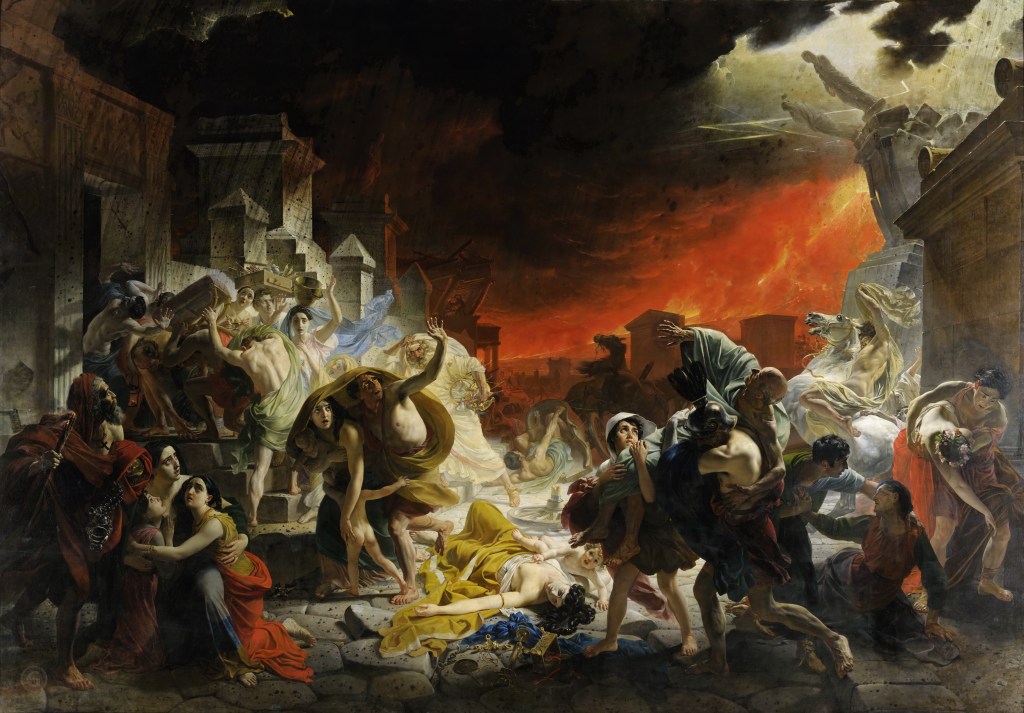
The canvas “The Last Day of Pompeii” was created at the intersection of classicism and romanticism. The composition is in the spirit of classicism in the way that all the episodes are enclosed in a triangle, but however the picture is devoted to the real tragedy of the people and not to an idealized image, which makes it a work in the style of romanticism.
“The Last Day of Pompeii” is an oiled painting by Karl Bryullov and is a monumental canvas of 456.5 by 651 cm which took almost 6 years from the first sketches to the appearance of the final version in 1833. This canvas is considered one of the most significant works of the artist and is now in the State Russian Museum
The Last Day of Pompeii by Karl Bryullov
In the summer of 1827, Karl Bryullov visited the excavations of Pompeii where he got the idea to paint a large canvas dedicated to the death of Pompeii, and even received permission from the Neapolitan King to take measurement and make sketches of any architectural structures discovered during the excavations that interested him.
Before starting the work on the canvas, Karl Bryullov carefully studied historical documents related to the eruption of Vesuvius reading eyewitness accounts of the events making his painting as accurate as possible.
He chose the Street of the Tombs (Strada dei Sepolcri or Via dei Sepolcri) which he visited in 1827 as the scene of action, which show people trying to escape the eruption of Vesuvius. The sky is covered with dark clouds, buildings are collapsing and long and sharp lightning cuts through the darkness. The tragedy exposes their feelings and show the essence of humain souls. Drapery plays an important role in the canvas and demonstrates the painter’s good acquaintance with the masterpieces of ancien art.
Countess Yulia Samoilova
In the center of the picture is a noble lady fallen off a chariot with a young child who did not yet understand the death of his mother. Most likely, the model was Countess Yulia Samoilova, who was Bryullov’s mistress for many years and whom he depicted in several more images. This woman symbolizes the death of the ancient world, and at the same time the child reaching out to his mother is perceived as the beginning of a new world which should arise on the ruins of the former without breaking living ties with the past.
The Last Day of Pompeii (part mother and baby) by Karl Bryullov
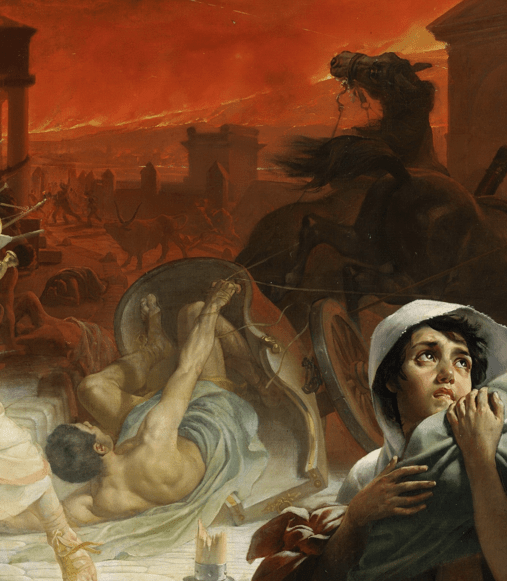
The chariot from which the woman fell is still visible and is being pulled away by distraught horses.
On the right is another horse rearing up symbolizing the insane element.
The Last Day of Pompeii (part horse rearing) by Karl BryullovThe Last Day of Pompeii (part chariot being pulled away) by Karl Bryullov
We can also see a young man trying to persuade his exhausted mother to run away with him, while she is pushing him away which gives us a vivid impression of maternal sacrifice.
The Last Day of Pompeii (part mother and son) by Karl Bryullov
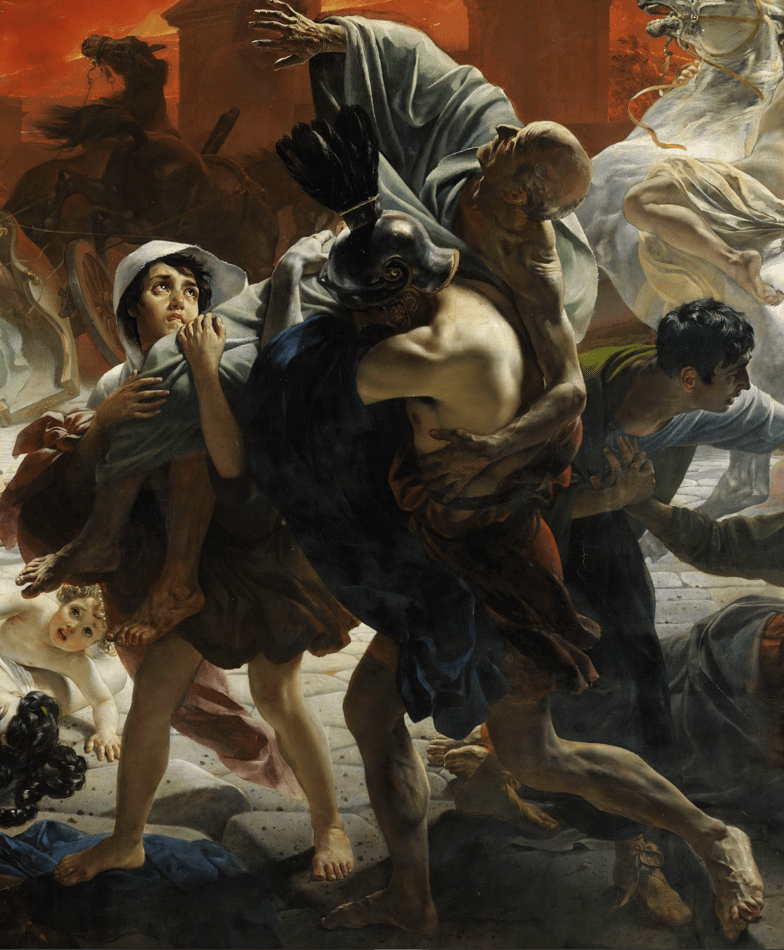
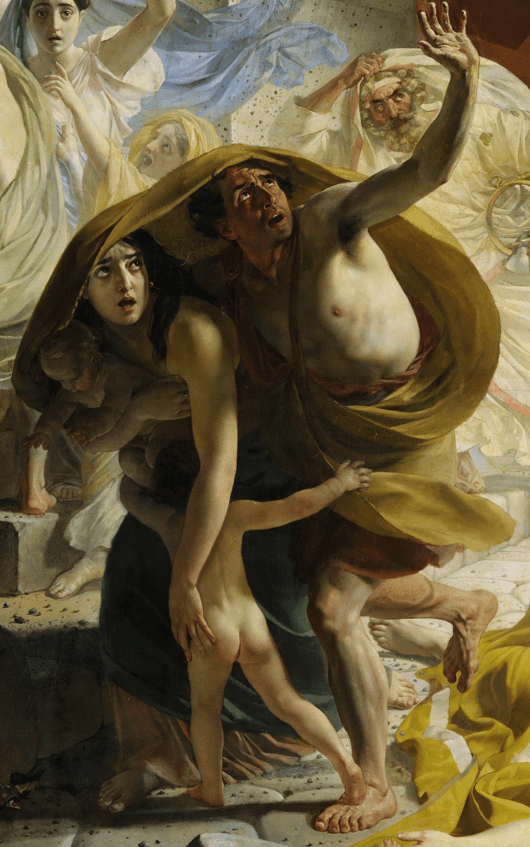
Two sons carry their old father forgetting about themselves and living only in fear for his life. And here is another family where the husband tried to cover his family. We can see that both parents watch the Vesuvius with horror
The Last Day of Pompeii (part sons carrying their father) by Karl BryullovThe Last Day of Pompeii (part family) by Karl Bryullov
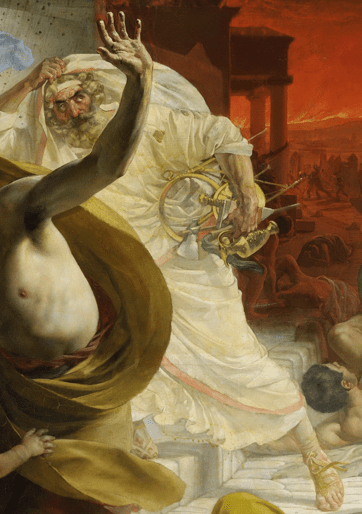
Karl Bryullov depicted Pagan priest trying to take his wealth with him. The pagan priest trying to escape can be seen as a symbol of the departure of the old world and paganism. At the same time he painted a Christian clergyman bravely looking at the furious Vesuvius, who can be identified by the cross on his chest. It is clear that Bryullov opposes Christianity to paganism and is not in favor of the latter. We also see a mother who has taken refuge close to the priest while enclosing her daughters with her arms in a protective gesture.
The Last Day of Pompeii (part pagan priest) by Karl BryullovThe Last Day of Pompeii (part Christian priest) by Karl Bryullov
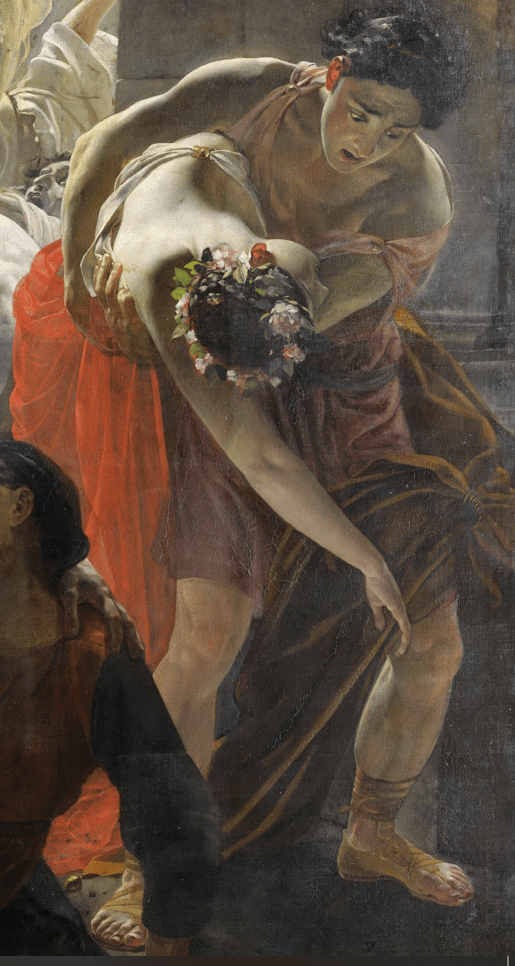
At the right edge of the canvas is a couple of newly wedded and one of the saddest scenes, showing that there are moment in life when grief turns out to be stronger than the fear of death.
The Last Day of Pompeii (part newly wedded) by Karl Bryullov
The author also depicted himself and his beloved among people who are trying to hide in the tomb. We can see the artist trying to save his most valuable things
The Last Day of Pompeii (part himself ) by Karl Bryullov
The buildings in his painting are collapsing depicting what really happens during an earthquake of 8 points
The Last Day of Pompeii (part building collapsing) by Karl BryullovThe Last Day of Pompeii (part building collapsing) by Karl Bryullov
In ‘The Last Day of Pompeii’, the artist gives us the opportunity to meet different people and to sympathize with them. This is the story of a disaster very well painted with phenomenal lighting.
I hope you enjoyed this painting.
If you liked this article, subscribe , put likes, write comments!.
La toile “Le Dernier Jour de Pompéi” a été créée à l’intersection du classicisme et du romantisme. La composition est dans l’esprit du classicisme dans le sens où tous les épisodes sont enfermés dans un triangle, mais cependant le tableau est consacré à la tragédie réelle du peuple et non à une image idéalisée, ce qui en fait une œuvre à la manière de le romantisme.
“Le Dernier Jour de Pompéi” est une peinture à l’huile de Karl Bryullov et est une toile monumentale de 456,5 sur 651 cm qui a pris près de 6 ans depuis les premières esquisses jusqu’à l’apparition de la version finale en 1833. Cette toile est considérée comme l’une des œuvres les plus importantes de l’artiste et se trouve maintenant au Musée d’État russe.
The Last Day of Pompeii by Karl Bryullov
À l’été 1827, Karl Bryullov visita les fouilles de Pompéi où il eut l’idée de peindre une grande toile dédiée à la mort de Pompéi, et reçut même la permission du roi Napolitain de prendre des mesures et de faire des croquis de toutes les structures architecturales découvertes au cours de les fouilles qui l’intéressaient.
Avant de commencer le travail sur la toile, Karl Bryullov a soigneusement étudié les documents historiques liés à l’éruption du Vésuve en lisant les témoignages oculaires des événements, rendant sa peinture aussi précise que possible.
Il a choisi la rue des tombes (Strada dei Sepolcri ou Via dei Sepolcri) qu’il a visitée en 1827 comme scène d’action, qui montre des gens essayant d’échapper à l’éruption du Vésuve. Le ciel est couvert de nuages sombres, les immeubles s’effondrent et de longs et vifs éclairs traversent l’obscurité. La tragédie expose leurs sentiments et montre l’essence des âmes humaines. La draperie joue un rôle important dans la toile et démontre la bonne connaissance du peintre avec les chefs-d’œuvre de l’art ancien.
Countess Yulia Samoilova
Au centre de l’image se trouve une noble dame tombée d’un char avec un jeune enfant qui ne comprenait pas encore la mort de sa mère. Très probablement, le modèle était la comtesse Yulia Samoilova, qui a été la maîtresse de Bryullov pendant de nombreuses années et qu’il a représentée dans plusieurs autres images. Cette femme symbolise la mort du monde antique, et en même temps l’enfant tendant la main à sa mère est perçu comme le début d’un monde nouveau qui devrait surgir sur les ruines de l’ancien sans rompre les liens vivants avec le passé.
The Last Day of Pompeii (part mother and baby) by Karl Bryullov
Le char d’où la femme est tombée est toujours visible et est tiré par des chevaux éperdus.
Sur la droite se trouve un autre cheval cabré symbolisant l’élément de folie.
The Last Day of Pompeii (part horse rearing) by Karl BryullovThe Last Day of Pompeii (part chariot being pulled away) by Karl Bryullov
On peut aussi voir un jeune homme tenter de persuader sa mère épuisée de s’enfuir avec lui, alors qu’elle le repousse ce qui nous donne une vive impression de sacrifice maternel.
The Last Day of Pompeii (part mother and son) by Karl Bryullov
Deux fils portent leur vieux père s’oubliant et ne vivant que dans la peur pour sa vie. Et voici une autre famille où le mari a essayé de couvrir sa famille. On voit que les deux parents regardent le Vésuve avec horreur
The Last Day of Pompeii (part sons carrying their father) by Karl Bryullov
Karl Bryullov a représenté un prêtre païen essayant d’emporter sa richesse avec lui. Le prêtre païen essayant de s’échapper peut être considéré comme un symbole du départ de l’ancien monde et du paganisme. En même temps, il peint un ecclésiastique chrétien regardant courageusement le Vésuve furieux, reconnaissable à la croix sur sa poitrine. Il est clair que Bryullov oppose le christianisme au paganisme et n’est pas en faveur de ce dernier. On y voit aussi une mère qui s’est réfugiée près du prêtre tout en enserrant ses filles de ses bras dans un geste protecteur.
The Last Day of Pompeii (part pagan priest) by Karl BryullovThe Last Day of Pompeii (part Christian priest) by Karl Bryullov
Sur le bord droit de la toile se trouve un couple de jeunes mariés et l’une des scènes les plus tristes, montrant qu’il y a des moments dans la vie où le chagrin s’avère plus fort que la peur de la mort.
L’auteur s’est également représenté lui-même et sa bien-aimée parmi les personnes qui tentent de se cacher dans la tombe. Nous pouvons voir l’artiste essayer de sauver ses choses les plus précieuses
Les bâtiments dans sa peinture s’effondrent illustrant ce qui se passe réellement lors d’un tremblement de terre de 8 points
Dans ‘Le Dernier Jour de Pompéi’, l’artiste nous donne l’occasion de sympathiser avec ces gens. C’est l’histoire d’une catastrophe très bien peinte avec un éclairage phénoménal.
J’espère que vous avez apprécié ce tableau.
Si vous avez aimé cet article, abonnez-vous, mettez des likes, écrivez des commentaires !.
























 AKirill, Learn, apprenez, translation, traduction, livres bilingues, bilingual books