Histoire des chambres de Kikin

Livres bilinguesRead in EnglishNous contacter
Littérature américaineLittérature françaiseLittérature russe

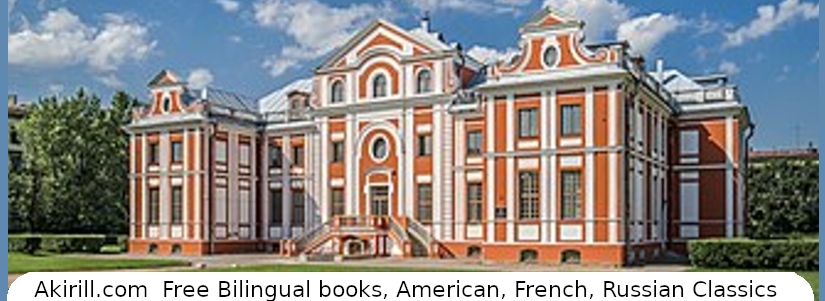
Les chambres de Kikin sont l’un des plus anciens bâtiments de Saint-Pétersbourg. Ce bâtiment est inclus dans le registre d’État unifié des objets du patrimoine culturel de la Russie. Le manoir qui a été reconstruit plusieurs fois se trouve dans la rue Stavropolskaya entre l’ancien Institut de recherche en ingénierie de radio de Leningrad et un immeuble résidentiel construit au début de notre siècle.

Авторство: Alex ‘Florstein’ Fedorov, CC BY-SA 4.0,

C’est la seule maison d’Alexander Kikin qui existe encore de nos jours. 

Alexander Vasilyevich Kikin était un noble éminent et l’un des associés de Pierre le Grand. Il a accompagné le tsar dans la campagne d’Azov, puis est parti étudier la construction navale en Hollande. Après avoir été nommé chef de l’Amirauté de Saint-Pétersbourg en 1708, il a reçu le grade de conseiller de Pierre pour l’Amirauté en 1712.

Alexandre est devenu l’une des personnes les plus riches de Russie et a commencé à se construire un manoir. Malheureusement, lorsqu’un conflit éclata entre Pierre Ier et le tsarévitch Alexei, Kikin aida Alexei à se cacher à l’étranger et scella son propre destin. En 1718, avant que son manoir ne soit terminé, il fut placé en garde à vue, puis condamné à être roulé et il est mort d’une mort douloureuse sur le billot.

Les chambres Kikin ont été confisquées et toutes les propriétés de Kikin sont allées au trésor. Le palais d’hiver se dresse maintenant sur le deuxième terrain de Kikin.

La construction des chambres a commencé en 1714 et s’est terminée en 1720. Il est présumé que A. Schluter était l’architecte du bâtiment. Sa construction s’est déroulée en deux étapes. Initialement, la partie centrale de la maison était à deux étages et deux ailes à un étage, destinées aux besoins domestiques, la jouxtaient des deux côtés.

Les fenêtres et les portes des chambres Kikin étaient encadrées de chambranles et le toit était recouvert de tuiles plates. Le bâtiment avait des risalits latérales, qui étaient des corniches situées au centre et sur les côtés des façades. Leur caractéristique était la présence de boucles décoratives complexes, les soi-disant volutes et omoplates. Ils remplissaient non seulement des fonctions décoratives, mais aussi constructives, car ils contribuaient au renforcement du mur. Les chambres de Kikin étaient décorées d’un porche, auquel de petits escaliers menaient des deux côtés. Des balustres blancs leur donnaient un aspect spécial et solennel. Le bâtiment était orné de frontons et couronné d’un haut toit avec une fracture. La disposition interne de la structure était très similaire à la disposition des pièces du Grand Palais de Peterhof. En 1720, un second étage est construit sur les ailes latérales.

Une fois la construction des chambres terminée, la célèbre Kunstkamera et la bibliothèque de Pierre Ier ont été placées à l’intérieur où elles sont restées jusqu’en 1727.
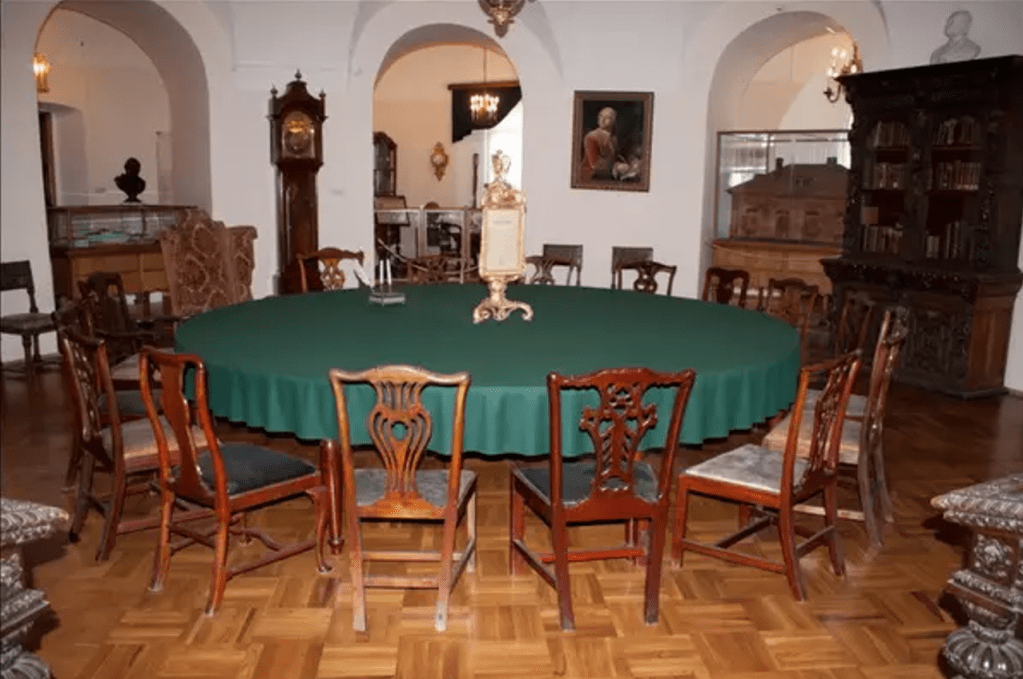
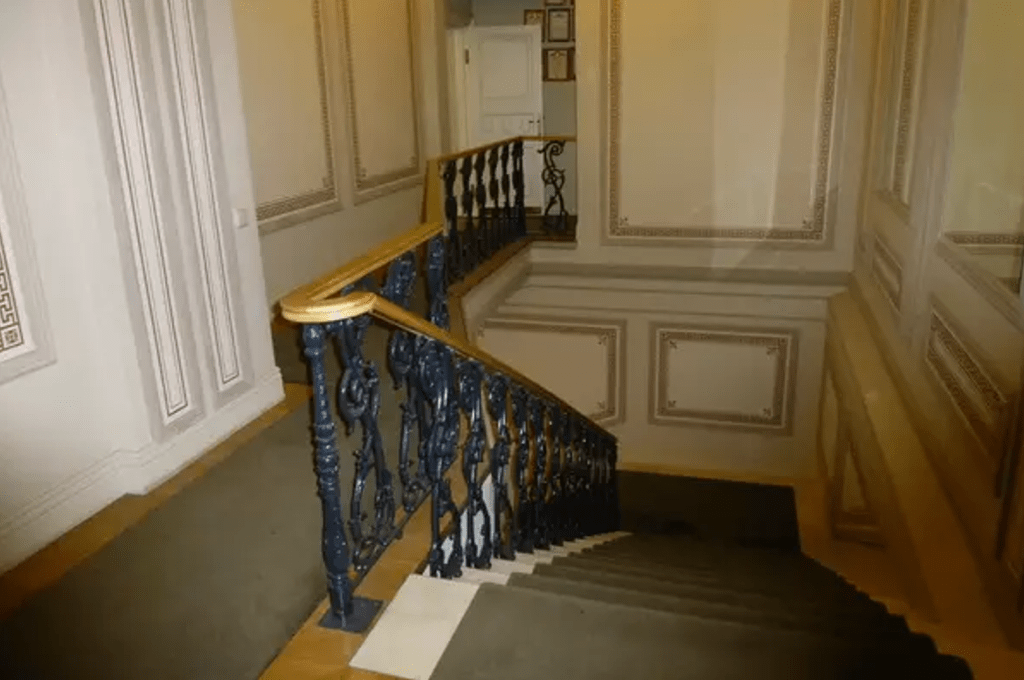
Après l’exécution du propriétaire en 1718, la population croyait que le fantôme de Kikin errait dans la maison et peu de gens voulaient voir la collection appartenant au tsar. Le tsar recourant à la ruse, promit à tous ceux qui visitaient la Kunstkamera un verre de vodka ou une tasse de café afin de mieux faire connaitre les sciences naturelles. Cela fonctionna et l’exposition a eu de plus en plus de visiteurs.

De plus, Natalya Alekseevna, la sœur du tsar, a installé l’un des premiers théâtres de la ville dans une partie du bâtiment.

Il y a une légende bien connue qui dit qu’une fois Pierre le Grand, marchant le long des rives de la Neva, vit une branche d’arbre, qui a miraculeusement poussé dans son tronc et a décidé de construire un nouveau bâtiment pour la Kunstkamera où il a transféré sa collection en 1727.

 Dans les années 1720, les Kikin Chambers ont été reconstruites par un architecte inconnu.

En 1733, un hôpital, un bureau et le quartier général des cavaliers militaires ont été ouverts dans les Chambres de Kikin. Lors de la construction de casernes pour le régiment des cavaliers militaires à côté des chambres, qui ont été adaptées pour l’infirmerie et le bureau du régiment, FB Rastrelli a érigé un clocher avec un dôme et une croix sur la partie médiane des chambres. La Grande Salle servait alors d’église régimentaire.

Au 19ème siècle, le bâtiment a été gravement endommagé. En 1829, les chambres de Kikin sont reconstruites selon le projet d’Alexander Staubert. Il fit preuve d’une extrême négligence dans sa démarche et détruisit tout le riche décor baroque qui ornait la façade de la maison. Les pilastres ont été enlevés, la superstructure-clocher de Rastrelli a été démolie. Les murs étaient recouverts de plâtre et il a ajouté 2 pièces au bâtiment du côté du remblai. En 1874, deux escaliers symétriques ont été ajoutés au bâtiment du côté Neva.

Help the site stay free, buy us a cup of coffeeAidez-nous à maintenir le site gratuit en nous offrant une tasse de café

Pendant le siège de Leningrad, les chambres de Kikin ont été gravement endommagées par des bombes et des obus, et le bâtiment a été incendié à plusieurs reprises. Cependant, c’est à cette époque que le plâtre appliqué lors de la dernière restauration est tombé, laissant apparaître la façade d’origine du début du XVIIIe siècle.

Cela a permis de commencer à recréer les façades dans les formes de l’architecture pétrinienne. 

Immédiatement après la guerre, la mise en œuvre d’un projet ambitieux de l’architecte I. Benois a commencé à redonner aux chambres Kikin leur aspect historique. Les pilastres ont été remis à leur place, les superstructures ultérieures du bâtiment ont été démolies et des frontons ont été attachés aux chambres des deux côtés. La restauration a été achevée en 1956.

En 1979, les autorités de Saint-Pétersbourg ont transféré les chambres Kikin à l’école de musique pour enfants n ° 12. Depuis 1995, l’école a été transformée en lycée musical de Saint-Pétersbourg, qui se trouve encore aujourd’hui dans ce bâtiment.

If you liked this article, subscribe , put likes, write comments!.
Share on social networks
Check out Our Latest Posts

History of Kikin chambers

Bilingual booksLire en FrançaisContact us
American LiteratureFrench LiteratureRussian Literature

Kikin chambers is one of the oldest building in Saint Petersburg. This building is included in the Unified State Register of Cultural Heritage Objects of Russia. The mansion which was rebuilt several times is on Stavropolskaya street between the former Leningrad Radio Engineering Research Institute and a residential building built at the beginning of our century.

Авторство: Alex ‘Florstein’ Fedorov, CC BY-SA 4.0,

It is the only house of Alexander Kikin that still exist nowadays.

Alexander Vasilyevich Kikin was a proeminent nobleman and one of the associates of Peter the Great. He accompanied the tsar in the Azov campaign, then went to study shipbuilding in Hollands. After having been appointed head of the Saint Petersburg Admiralty in 1708, he was awarded the rank of Peter’s adviser for the Admiralty in 1712.

Alexander became one of the richest person in Russia and began to build himself a mansion. Sadly when a conflict arose between Peter I and Tsarevich Alexei, Kikin helped Alexei hide abroad sealing his own fate. In 1718, before his mansion was finished, he was taken into custody, sentenced to be wheeled and died a painful death on the chopping block.

The chambers were confiscated and all the properties of Kikin went to the treasury. The Winter Palace stands on Kikin’s second land plot now.

The construction of the chambers began in 1714 and ended in 1720. It is presumed that A. Schluter was the architect of the building. Its construction was carried out in two stages. Initially, the central part of the house was two-story, and two one-story wings, which were intended for household needs, adjoined it on both sides.

The windows and doorways of the Kikin chambers were framed with platbands, and the roof was covered with flat tiles. The building had side risalits, which were ledges located in the center and on the sides of the facades. Their feature was the presence of intricate decorative curls, the so-called volutes and shoulder blades. They performed not only decorative functions, but also constructive, as they contributed to the strengthening of the wall. Kikin’s chambers were decorated with a front porch, to which small stairs led from both sides. White balusters gave them a special, solemn look. The building was decorated with pediments, and it was crowned with a high roof with a fracture. The internal layout of the structure was very similar to the arrangement of rooms in the Peterhof Grand Palace. In 1720 a second floor was built over the side wings.

After the construction of the chambers was completed, the famous Kunstkamera and the library of Peter I were placed inside where they stayed until 1727.

After the execution of the owner in 1718, there was a belief among the people that the ghost of Kikin was wandering in the house and few people wanted to see the collection belonging to the tsar. The tsar resorting to cunning, promised everyone who visited the the Kunstkamera a glass of vodka or a cup of coffee in order to popularize the natural sciences. It worked and the exposition had many visitors.

In addition, Natalya Alekseevna, the tsar sister set up one of the first city theater in part of the building.

There is a well-known legend which says that once Peter the Great, walking along the banks of the Neva, saw a branch of a tree, which miraculously grew into his trunk and decided to build a new building for the Kunstkamera where he transferred his collection in 1727.

 In the 1720s, the Kikin Chambers were rebuilt by an unknown architect.

In 1733, a hospital, an office and the headquarters of the Horse Guards were opened in the Kikin Chambers. During the construction of barracks for the regiment of the Horse Guards next to the chambers, which were adapted for the regimental infirmary and office,  F. B. Rastrelli erected a bell tower with a dome and a cross over the middle part of the chambers. The Great Hall was then used for the regimental church.

In the 19th century the building was seriously damaged. In 1829, Kikin’s chambers were reconstructed according to the project of Alexander Staubert. He was extremely negligent in his approach and destroyed all the rich baroque decor that adorned the facade of the house. The pilasters were removed, the superstructure-bell tower by Rastrelli was demolished. The walls were covered with plaster, and he added 2 rooms to the building from the side of the embankment. In 1874, two symmetrical staircases were added to the building from the Neva side.

Help the site stay free, buy us a cup of coffeeAidez-nous à maintenir le site gratuit en nous offrant une tasse de café

During the Siege of Leningrad, the Kikin chambers were badly damaged by bombs and shells, and the building was repeatedly on fire. However, it was at this time that the plaster applied during the last restoration fell off, revealing the original facade of the early 18th century.

This made it possible to start recreating the facades in the forms of Petrine architecture. 

Immediately after the war, the implementation of an ambitious project by the architect I. Benois began to restore the Kikin chambers to their historical appearance. The pilasters were returned to their places, later superstructures to the building were demolished, and pediments were attached to the chambers from two sides. The restoration was completed in 1956.

In 1979, the authorities of St. Petersburg transferred the Kikin Chambers to the Children’s Music School No. 12. Since 1995, the school has been transformed into the St. Petersburg Musical Lyceum, which is located in this building to this day.

If you liked this article, subscribe , put likes, write comments!.
Share on social networks
Check out Our Latest Posts

Visitez le Louvre virtuellement

Livres bilinguesRead in EnglishNous contacter
Littérature américaineLittérature françaiseLittérature russe

Saviez-vous que vous pouviez visiter le Louvre depuis votre maison ou n’importe quel endroit avec une bonne connexion Internet.

Le Louvre est l’un des musées d’art les plus visités au monde. Il abrite certaines des œuvres d’art les plus connues, notamment la  Joconde  et la Vénus de Milo, et comprend les meilleures œuvres d’art jusqu’au milieu du XIXe siècle, ainsi que des expositions de civilisations anciennes. Ses collections contiennent de l’art de l’Europe occidentale à l’Iran en passant par la Grèce, l’Égypte et le Moyen-Orient ; de l’Antiquité à 1848. 

C’est la première page où choisir votre langue (en haut à gauche) et l’exposition que vous souhaitez visiter virtuellement.

5 expositions virtuelles sont proposées :

Help the site stay free, buy us a cup of coffeeAidez-nous à maintenir le site gratuit en nous offrant une tasse de café

J’ai pris quelques photos de ma visite virtuelle. J’aime particulièrement le fait que nous puissions également lire ce que nous voyons.

Allez visiter le Louvre virtuellement

J’espère que vous apprécierez les expositions autant que moi.

If you liked this article, subscribe , put likes, write comments!.
Share on social networks
Check out Our Latest Posts

Visit the Louvre Virtually

Bilingual booksLire en FrançaisContact us
American LiteratureFrench LiteratureRussian Literature

Did you know you could visit the Louvre from your house or any place with a good internet.

The Louvre is one of the most visited art museum in the world. It is the home of some of the best-known works of art, including the Mona Lisa and the Venus de Milo and include the best works of art until the middle of the nineteenth century, as well as exhibits from ancient civilizations.  Its collections contains art from Western Europe to Iran through Greece, Egypt and the Middle East; from antiquity to 1848. 

This is the first page where to chose your language (on the top left) and the exposition you wish to virtually visit.

There are 5 virtual exhibitions proposed:

Help the site stay free, buy us a cup of coffeeAidez-nous à maintenir le site gratuit en nous offrant une tasse de café

I took a few pictures from them. I particularly like that we can also read about what we see.

Go and Visit the Louvre virtually

I hope you’ll enjoy the exhibitions as much as I did

If you liked this article, subscribe , put likes, write comments!.
Share on social networks
Check out Our Latest Posts

Progrès du Site semaine du 15 septembre 2022

Livres bilinguesRead in EnglishNous contactez

Cette semaine j’ai publié « Avant Adam » de Jack London en français . Vous pouvez le trouver dans la section Littérature américaine.

J’ai continué à travailler sur les livres bilingues, comme toujours et j’ai étudié le russe…

Vous pouvez trouver nos livres bilingues sur facebook à : Akirill Livre bilingues gratuits . Je rattrape encore ceux déjà publiés.


Mon article de samedi dernier portait sur l’émail de Moscou à l’exposition Fabergé et mardi j’ai écrit une courte biographie de Jack London.

J’espère que vous trouverez quelque chose à apprécier


Si vous avez aimé cet article, n’oubliez pas de liker et de partager.

Abonnez-vous pour ne rien rater
Visitez nos derniers articles

Site Progress Week of september 15, 2022

Bilingual BooksLire en Français Contact us

This week I published “Before Adam” by Jack London in French. You can find it in the section American literature.

I continued to work on the bilingual book, as always and studied Russian…

You can find our bilingual book on facebook at: Akirill Bilingual Classics . I am still catching up to the ones already published.


My post last Saturday was about Moscow enamel at the Faberge exhibition and on Tuesday I wrote short biography of Jack London.

I hope you’ll find something to enjoy

If you liked this article, don’t forget to like and share.
Subscribe to not miss anything
Visit our latest posts

Courte biographie de Jack London

Livres bilinguesRead in EnglishNous contacter
Littérature américaineLittérature françaiseLittérature russe

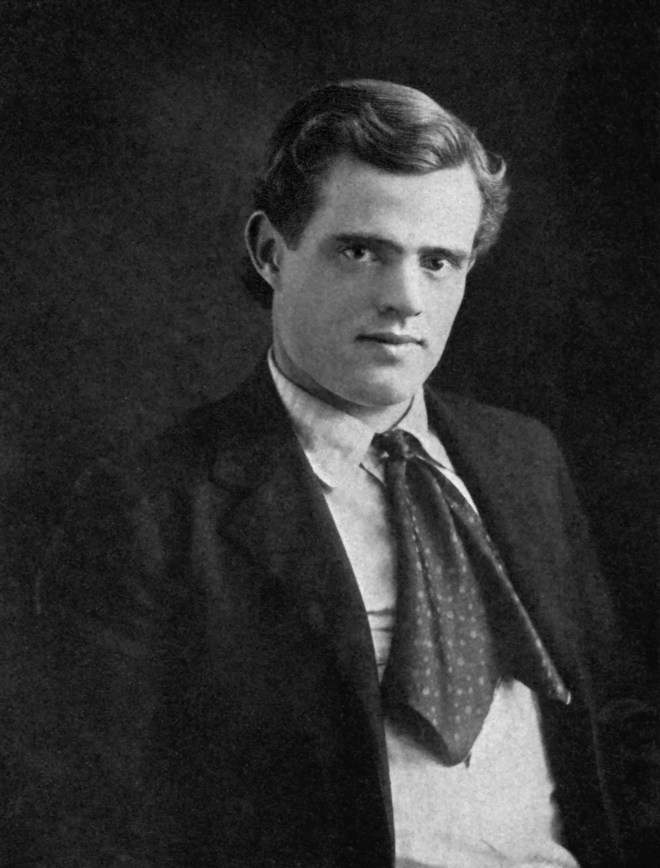
 Jack London né le 12 janvier 1876 à San Francisco en Californie était un romancier américain, et un journaliste surtout connu pour les romans “Croc Blanc” et “L’Appel de la Nature”. Il a été l’un des premiers auteurs américains à devenir une célébrité internationale et à gagner une grande fortune grâce à l’écriture.

Jack London

Jack London était le fils de Flora Wellman et de William Chaney. Il s’appelait John Griffith Chaney, même si ses parents n’étaient pas mariés et que son père n’a jamais fait partie de sa vie. Il a été envoyé pour allaitement chez une voisine qui était une femme afro-américaine anciennement asservie nommée Jennie Prentiss après que sa mère ait tenté de se suicider parce que son père avait exigé qu’elle se fasse avorter. En 1876, sa mère a épousé John London qui était un vétéran de la guerre civile et il a pris le nom de son beau-père. La famille a déménagé plusieurs fois et la famille Prentiss a déménagé avec eux et a continué à s’occuper du jeune Jack.

Il a construit sa propre vie adolescent, et à l’âge de 14 ans, il a quitté l’école et a commencé à travailler. Il a pris des trains, piraté des huîtres avec le sloop acheté avec de l’argent emprunté à sa mère adoptive Virginia Prentiss, puis a travaillé pour la patrouille gouvernementale des pêches, pelleté du charbon, travaillé sur des navires. Pendant tout ce temps, il se rendait le plus souvent possible à la bibliothèque pour lire des romans et des livres de voyage.

Après ses nombreuses expériences en tant que clochard et marin, il est retourné à Oakland et a fréquenté le lycée d’Oakland. Il a souvent étudié au Heinold’s First and Last Chance Saloon et le propriétaire John Heinold lui a permis d’aller à l’Université de Californie en lui prêtant l’argent des frais de scolarité.

Help the site stay free, buy us a cup of coffeeAidez-nous à maintenir le site gratuit en nous offrant une tasse de café

En raison de problèmes financiers, il n’a jamais terminé ses études universitaires et en 1897, il a navigué avec le mari de sa sœur pour rejoindre la ruée vers l’or du Klondike. Là, il était tellement mal nourri qu’il a développé le scorbut mais c’était aussi le décor de certaines de ses premières histoires à succès.

En 1898, après son retour en Californie, il commença à travailler pour être publié. Il était sur le point d’abandonner lorsque son histoire “Mille Morts” a été acceptée par le Black Cat (chat noir). C’est au cours de cette période que les nouvelles technologies d’impression ont commencé à permettre la production à moindre coût de magazines entraînant un boom des magazines populaires et ouvrant la voie à la publication de fictions courtes destinées à un large public.

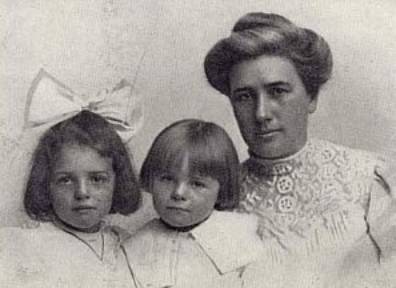
En 1900, il commença à gagner beaucoup d’argent en vendant ses histoires et épousa Elizabeth Mae Maddern, le jour de la publication de son roman “Le Fils du loup” le 7 avril 1900. Tous deux ont reconnu qu’ils ne se mariaient pas par amour, mais par amitié et par conviction qu’ils produiraient des enfants robustes. Ils ont eu 2 enfants, tous deux nés à Piedmont, en Californie, où il a écrit l’une de ses œuvres les plus célèbres ; “L’Appel de la Nature”. Joan son premier enfant est née le 15 janvier 1901 et Bessie est née le 20 octobre 1902. Malheureusement, ils ont divorcé le 11 novembre 1904.

Le succès de ce livre n’a pas arrêté les dures habitudes d’écriture de London et il a publié plus de 50 livres au cours des 16 dernières années de sa vie. Ses romans les plus célèbres sont : « L’Appel de la Nature », « Croc Blanc », « Le Loup de Mer », « Le Talon de Fer » et « Martin Eden », mais il y en a bien d’autres. De 1902 à 1916, il écrit un à deux romans par an mais aussi des nouvelles, des mémoires autobiographiques, des non-fiction et des essais, des pièces de théâtre et de la poésie,

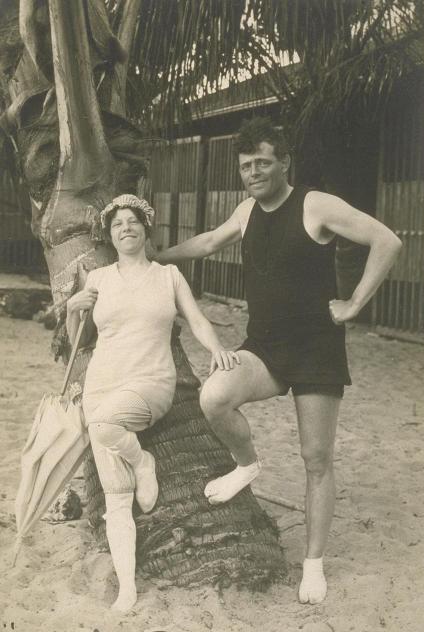
Du 25 janvier à juin 1904, il couvrit la guerre russo-japonaise et fut arrêté 4 fois par les autorités japonaises au cours de sa courte période de travail comme correspondant de guerre. Puis en 1905 il épousa Charmian Kittredge avec qui il fit de nombreux voyages à Hawaii, Australie, Nevada….

Jack and Charmian London (c. 1915) at Waikiki Londons_surfing_in_hawaii

Pendant une grande partie de la dernière décennie de sa vie, London a eu des problèmes de santé, notamment une maladie rénale qui a fini par lui coûter la vie le 22 novembre 1916.

Vous pouvez lire les livres suivants sur notre site :

In French
In English
Avant Adam
Croc-Blanc
L’appel de la forêt
The Call of the Wild
Martin Eden part 1
Martin Eden part 2
The Sea-Wolf
White Fang

If you liked this article, subscribe , put likes, write comments!.
Share on social networks
Check out Our Latest Posts

Jack London short biography

Bilingual booksLire en FrançaisContact us
American LiteratureFrench LiteratureRussian Literature

 Jack London born on January 12, 1876 in San Francisco, California was an American novelist, journalist best known for the novels “White Fang” and “The Call of the Wild”. He was one of the first American authors to become an international celebrity and earn a large fortune from writing.

Jack London

Jack London was the son of Flora Wellman and William Chaney. His name was John Griffith Chaney, even though his parents weren’t married and his father was never part of his life. He was sent for wet-nursing to a neighbor who was an formerly enslaved African American Woman named Jennie Prentiss after his mother tried to kill herself because his father demanded that she had an abortion. In 1876 his mother married john London who was a civil war veteran and he took his father in law name. The family moved several time and the Prentiss family moved with them and continued to take care of the young Jack.

He built his own life as a teen, and at the age 14 he quit school and began working. He rode trains, pirated oysters with the sloop bought with borrowed money from his foster mother Virginia Prentiss, then worked for the government fish patrol, shoveled coal, worked on ships. All this while he went to the library as often as possible to read novels and travel books.

After his many experiences as a hobo and sailor, he returned to Oakland and attended the Oakland High School. He often studied at the Heinold’s First and Last Chance Saloon and the owner John Heinold allowed him to go to the University of California by lending him the tuition money.

Help the site stay free, buy us a cup of coffeeAidez-nous à maintenir le site gratuit en nous offrant une tasse de café

Due to financial problem he never finished the University and in 1897 he sailed with his sister’s husband to join the Klondike gold rush. There he was so malnourished that he developed scurvy but it was also the setting for some of his first successful stories.

In 1898 after returning to California he began working to get published. He was closed to giving up when his story “A Thousand Deaths” was accepted by the Black Cat. It was during that period that new printing technologies began to enable lower-cost production of magazines resulting in a boom in popular magazines and opening the way for short fiction publication aimed at a wide public audience.

In 1900, he began making good money selling his stories and married Elizabeth Mae Maddern, the day of the publication of his novel “The Son of the Wolf” on April 7, 1900. Both of them acknowledged that they were not marrying out of love, but from friendship and a belief that they would produce sturdy children. They had 2 children, both born in Piedmont, California where he wrote one of his most famous work; “The Call of the Wild”. Joan his first child was born on January 15, 1901 and Bessie was born on October 20, 1902. Sadly they divorced on November 11, 1904.

The success of this book didn’t stop London’s hard writing habits and he published more than 50 books over the last 16 years of his life. His most famous novels are: “The Call of the Wild”, “White Fang”, “The Sea-Wolf”, “The Iron Heel”, and “Martin Eden” but there are many others. From 1902 to 1916 he wrote one to two novels a year but also short stories, autobiographical memoirs, non-fiction and essays, plays, and poetry,

From January 25 to June 1904 he covered the Russo-Japanese War and was arrested 4 times by the Japanese authority during his short period of work as a war correspondent. Then in 1905 he married Charmian Kittredge with who he went in numerous trips to Hawai, Australia, Nevada ….

Jack and Charmian London (c. 1915) at Waikiki Londons_surfing_in_hawaii

For much of the last decade of his life, London had some health problem including a kidney disease which ended up taking his life on November 22, 1916

You can read the following books on our sites:

In French
In English
Avant Adam
Croc-Blanc
L’appel de la forêt
The Call of the Wild
Martin Eden part 1
Martin Eden part 2
The Sea-Wolf
White Fang

If you liked this article, subscribe , put likes, write comments!.
Share on social networks
Check out Our Latest Posts

Émail de Moscou à l’exposition Fabergé

Livres bilinguesRead in EnglishNous Contacter
Littérature américaineLittérature françaiseLittérature russe

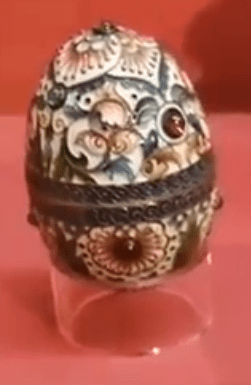
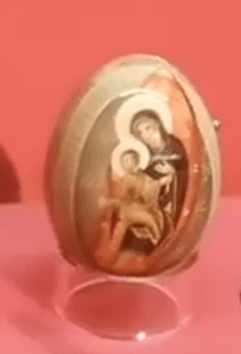
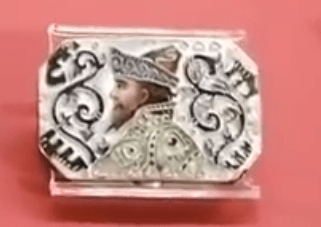
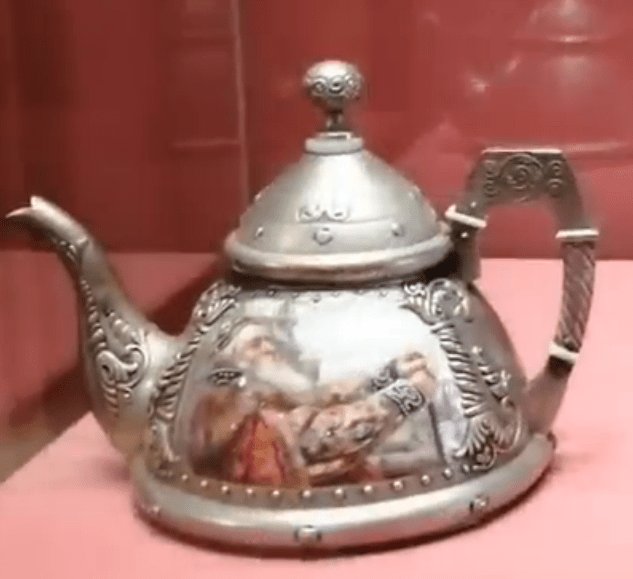
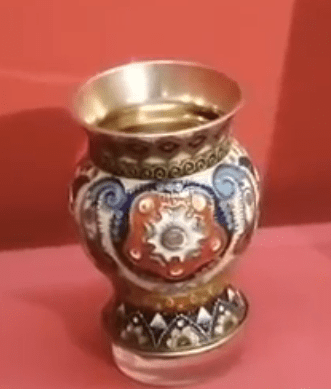
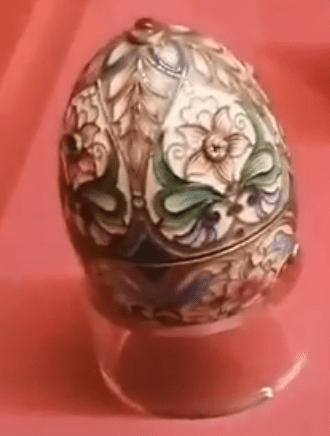
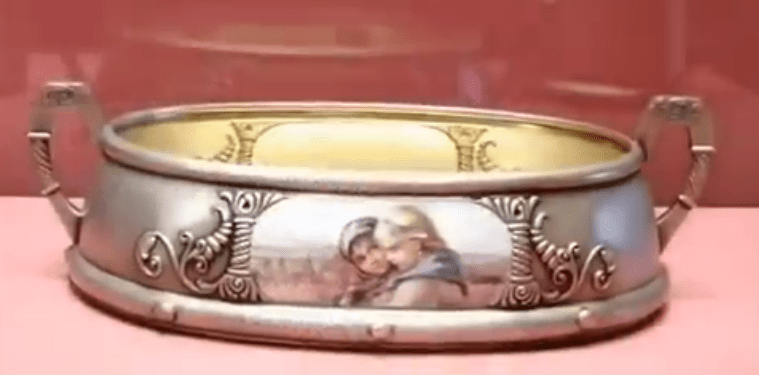
J’ai trouvé une vidéo très courte et agréable d’émail de Moscou à l’exposition Fabergé. J’aurais souhaité de la musique mais il y a des explications en russe pour ceux qui la comprennent. J’ai mis quelques photos de la vidéo et un lien pour que vous puissiez la regarder vous-même et j’espère l’apprécier autant que moi. Le signe montré à la fin de la vidéo dit: Service à thé et café O. Kurlyukov’s compagnie. Moscou. 1908-1917 . Argent, émail, nacre; monnayage, peinture, dorure.

Voir la vidéo : L’ émail de Moscou à l’exposition Fabergé

Help the site stay free, buy us a cup of coffeeAidez-nous à maintenir le site gratuit en nous offrant une tasse de café

If you liked this article, subscribe , put likes, write comments!.
Share on social networks
Check out Our Latest Posts

Moscow enamel at the Faberge exhibition

Bilingual booksLire en FrançaisContact us
American LiteratureFrench LiteratureRussian Literature

I found a very short and nice video of a Moscow enamel at the Faberge exhibition. I would have wish for music but there are explanation in Russian for those who understand it. I put a few pictures of the video and a link so you can watch it yourself and I hope enjoy it as I did. The sign showed at the the end of the video say: Tea and coffee service O. Kurlyukov’s firm. Moscow. 1908-1917 . Silver, enamel, mother of pearl; coinage, painting, gilding.

Watch the video: Moscow enamel at the Faberge exhibition

Help the site stay free, buy us a cup of coffeeAidez-nous à maintenir le site gratuit en nous offrant une tasse de café

If you liked this article, subscribe , put likes, write comments!.
Share on social networks
Check out Our Latest Posts