
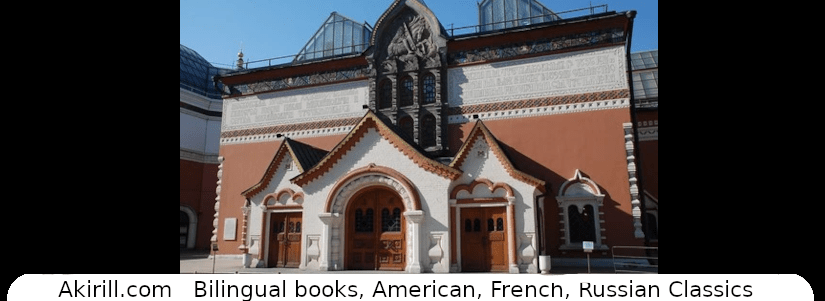
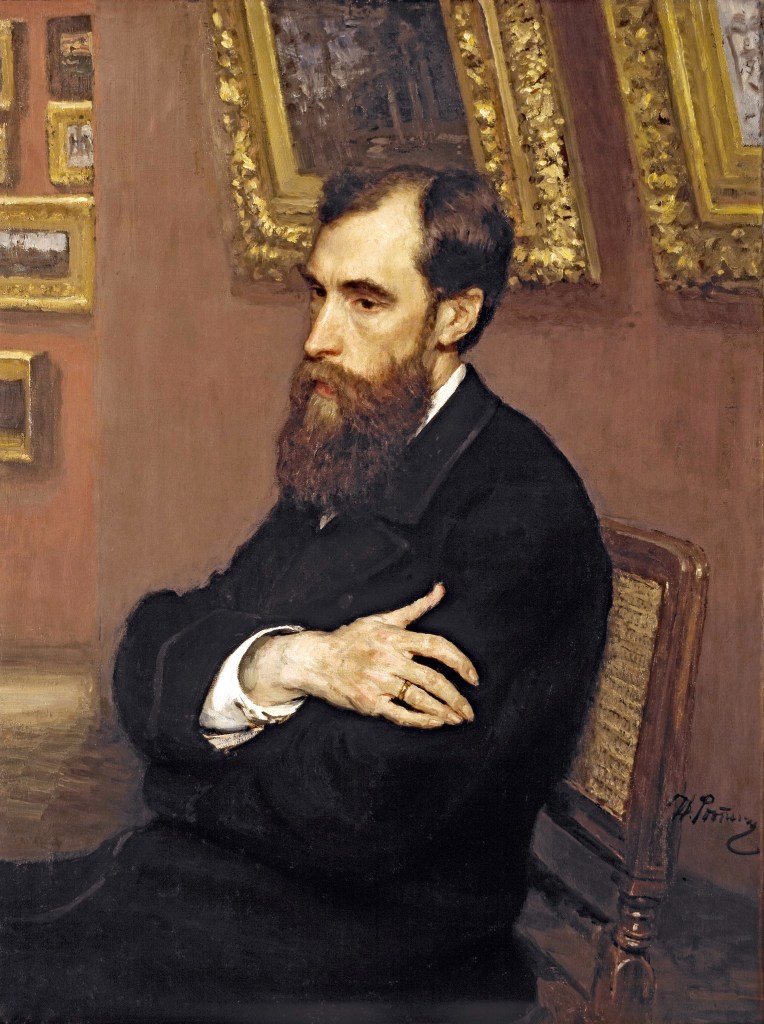
The State Tretyakov Gallery is a Moscow art museum which was founded in 1856 by Pavel Tretyakov. It was opened to the public in 1867 and transferred to Moscow in 1892. As of 2018, the exposition consisted of more than 180 000 items, including paintings, sculptures and items made out of precious metals created from the 11th to the 20th century.
After having created the Kostroma Linen Manufactory, which was quite a successful business, Pavel Mikhailovitch Tretyakov and his brother Sergei became interested in collecting paintings.
So, the gallery was founded in 1856, with the acquisition of “The Temptation” by Nikolai Schilder and “Skirmish with Finnish Smugglers” by Vasily Khudyakov, by Pavel Tretyuakov. He said:
For me, who truly and ardently love painting, there can be no better desire than to start a public, accessible repository of fine arts, bringing benefit to many, all pleasure. I would like to leave you the national gallery, that is, consisting of paintings by Russian artists
His brother Sergei was more interested in canvases of Western European masters widening the exhibitions.
In 1867 the Moscow City Gallery of Pavel and Sergei Tretyakov which at the time contained 1276 paintings, 471 drawings, 10 sculpture by Russian artists and 84 paintings by foreign masters was opened to the public.
In 1859, after that the brothers purchased more than 140 works from the Turkestan series of paintings and sketches by Vasily Vereshchagin they ran out of places for the exposition. A two-story building adjacent to southern wall of the mansion and turned toward the Church of St Nicholas in Tolmachi was build. Its construction was headed by the architect Alexander Kaminsky . In 1874 the collection was moved there and the gallery opened to the public.
By the end of the 1880s, the gallery building was repeatedly completed due to the growing collection which already occupied 14 rooms and constantly surpassed its exposition possibilities.
In 1882, the exposition area was expanded again at the expense of the garden surrounding the house. Three new halls appeared downstairs and upstairs which were located at an angle to the old building of the Gallery, parallel to Maly Tolmachecsky Lane.
It was followed in 1885 by the apparition of three halls on the top floor and five in the bottom.
In 1892 the fourth extension was completed and two large and one small halls were added on the upper floor, and three small ones below. and, after the death of his brother Sergei, Pavel donated the gallery, which at the time contained more than 2000 works of painting, sculpture and graphics, to Moscow.

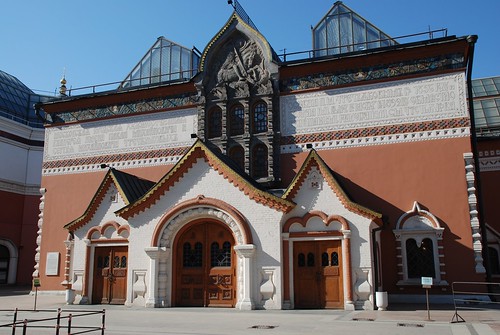
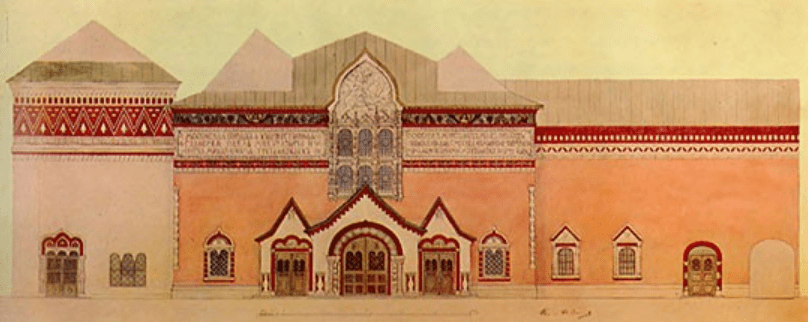
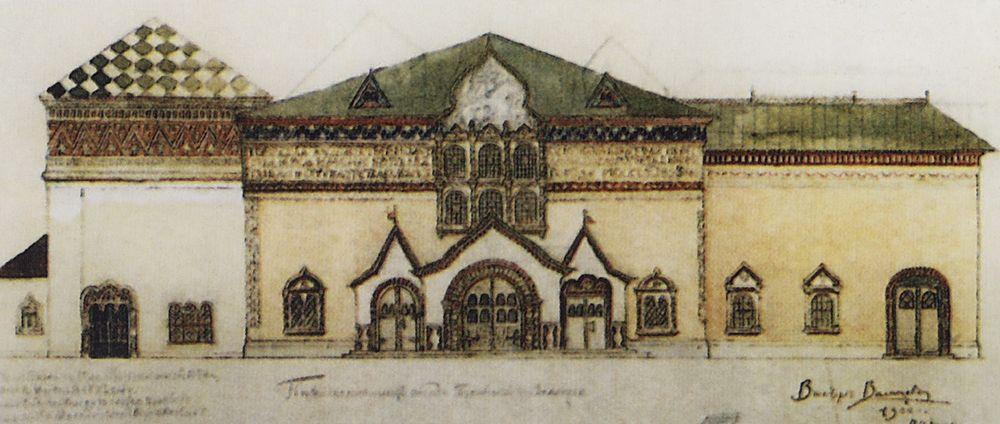
In may 1900, at a meeting of the Council of the gallery which included the artists V. M. Vasnetov, V. D. Polenov and a number of Moscow architects it was decided that the facade of the gallery should be built in the “Russian Style”. The work was entrusted to V. M. Vasnetsov and the construction of the new façade which became the emblem of the Tretyakov Gallery began in 1902 and ended in 1904.
On April 1913 Emmanuilovitch Grabar who was a prominent artist, architect and art historian was elected as a trustee of the Tretyakov Gallery. His reforms turned the Tretyakov Gallery into a Europeean-style museum with exposition built on a chronological basis and in december 1913, on the fifteenth anniversary of the death of the founder of the gallery, the reformed museum was opened to the public.

On June 1918 the Tretyakov Gallery was declared a State property of the Russian Federative Soviet Republic and became known as the State Tretyakov Gallery. Between 1918 and 1922, the gallery collection increased by almost 50% thanks to the numerous contributions from the State Museum Fund. But the drawback was that many exhibition halls were given over to storage for paintings.
A. V. Shchusev became the director of the gallery in 1926 and did a lot to expand the existing premises and build a new one. So in 1927, the Gallery received the former house of Sokolikov situated on Maly Tolomachevsky Lane. In 1928 after its restructuring, it was turned into a service building which housed the administration of the Gallery as well as a scientific department, a library, a department of manuscripts, and graphics funds. It was attached to the Gallery later with a special extension .
In 1928, the heating and ventilation was rebuilt and in 1929 the Gallery was finally electrified. Effectively before that time, the Gallery had been opened to visitors only during the daytime.
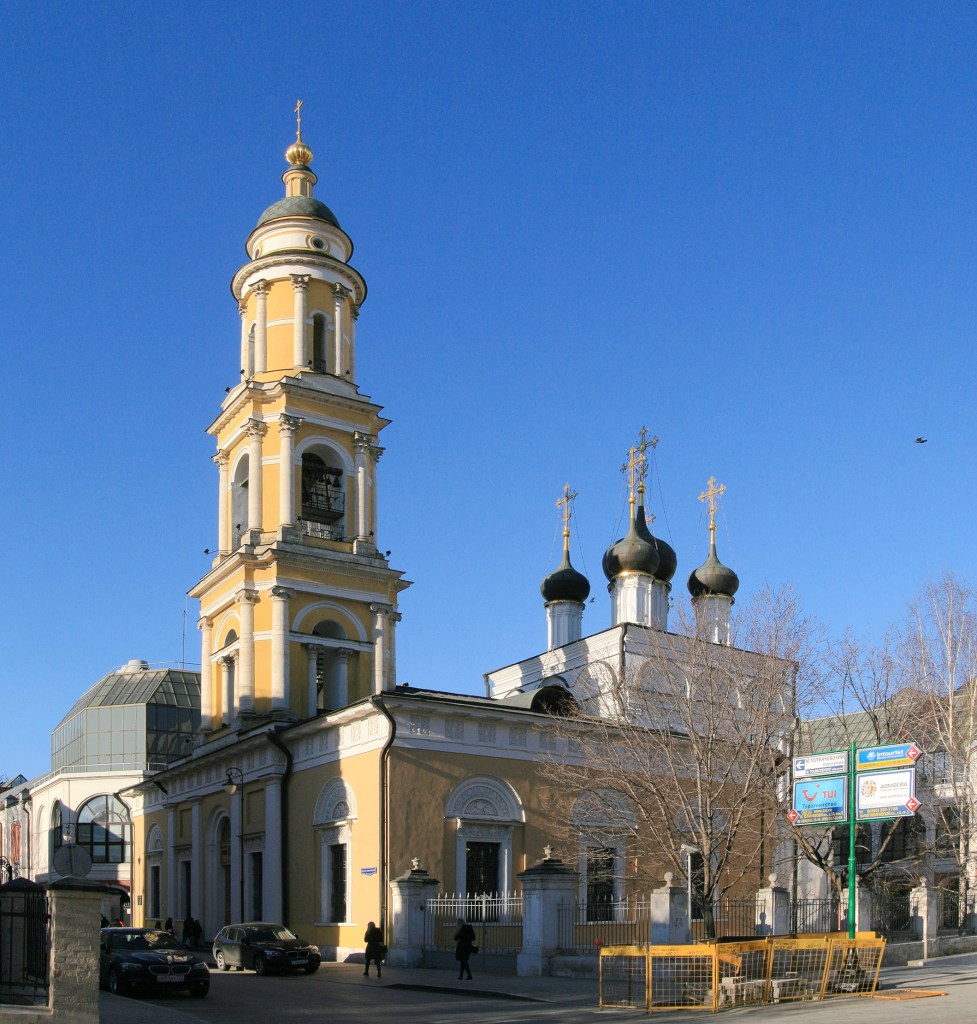
In 1929 the building of the Church of St Nicholas in Tolmachi closed and it was transferred to the Gallery in 1932. It became a storehouse for paintings until it was connected to the exposition halls by a newly built two story of which the top floor had been specially designed to display A. A. Ivanov’s painting “The Appearance of Christ to the People”. And a new passage between the halls was created to ensure the continuity of the view which resulted in an increased area of exposition and a new concept for the placement of works.

In 1936, according to the project of the architect A.V. Shchusev, a new two story building appeared on the north side of the main building. It included 4 spacious halls on each floor which were used for exhibitions and have been included in the main exhibition route since 1940.
On the night of August 11-12, 1941 two high-explosive bombs fell on the building as a result of a German air raid. The bombs destroyed the glass covering in several places of the roof and the interfloor ceiling of the upper hall N 6 and the lower one N 49 collapsed. The floors in the basement wardrobe were smashed, the main entrance was damaged and the heating and ventilation system failed.
A second bombing in the night of 12-13, 1941 destroyed a two story residential building next to the Gallery.
The restauration of the Gallery began in 1942 and by 1944 out of 52 halls, 40 had been renovated.
In May 1956, the 100th anniversary of the Gallery was celebrated and in 1955-1957, the A.A. Ivanov Hall was completed.
By the mid 1980 the need to expand again was felt because of the increased number of visitors.
In 1985 a depository was out in operation after 2 years of construction. And in 1986 the reconstruction of the main building of the Tretyakov Gallery began based on he idea of preserving the historical appearance of the building.
In 1989, on the south side of the main building a new building housing a conference hall, an information and computing center, a children’s studio and exhibition halls was built. Since most of the engineering systems and services were concentrated there it was called the Corps of Engineers.
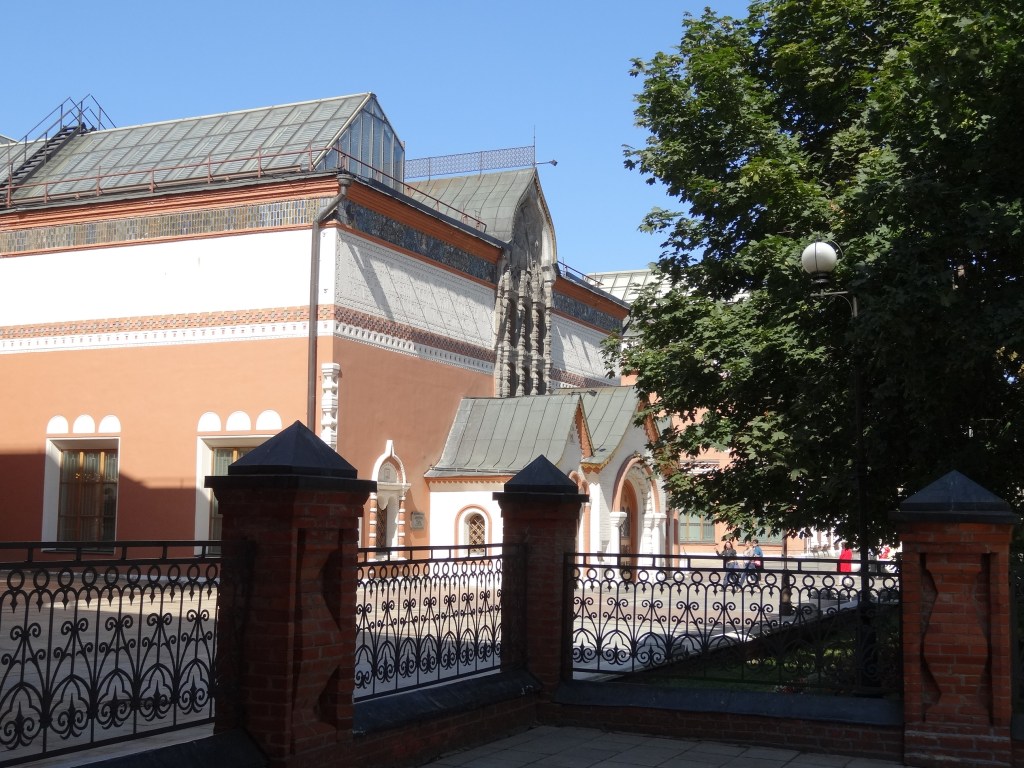
The reconstruction lasted from 1985 to 1995 and included the museum ensemble of the church of St. Nicholas in Tomachi which is an architectural monument of the 17th century.
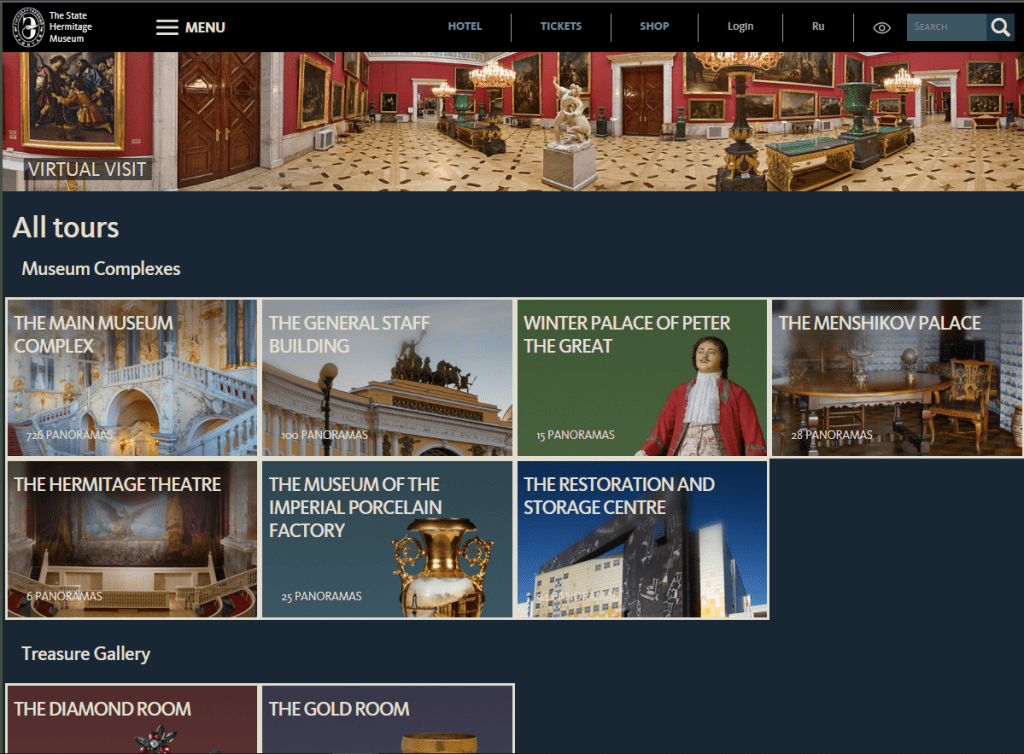
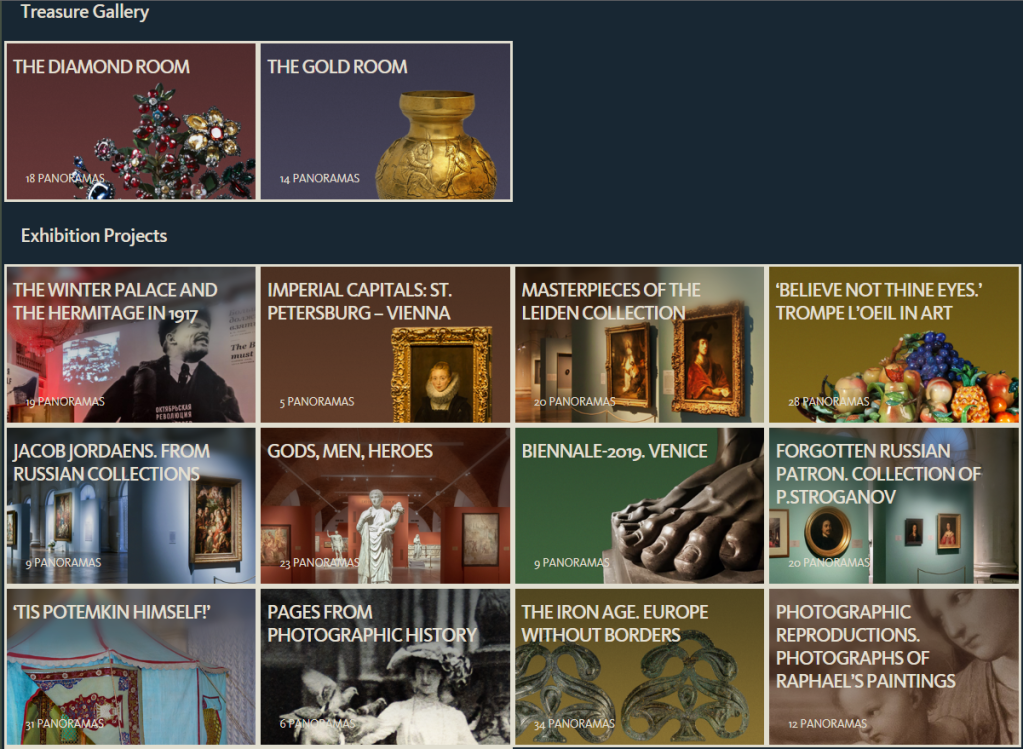
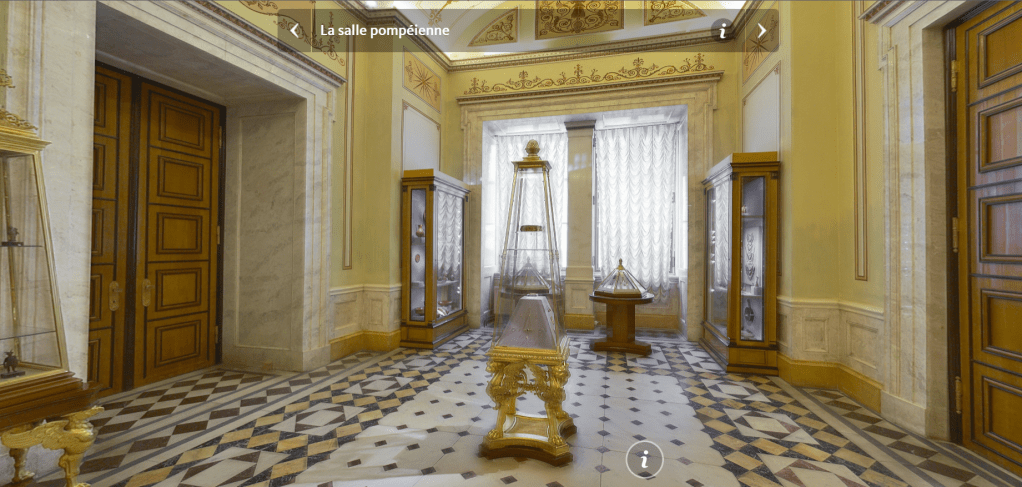
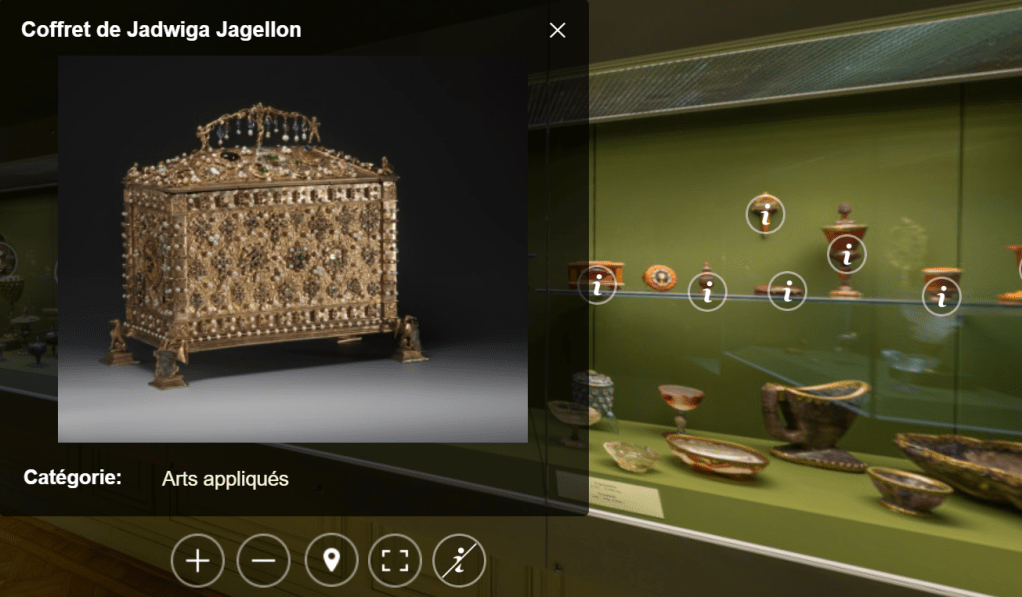
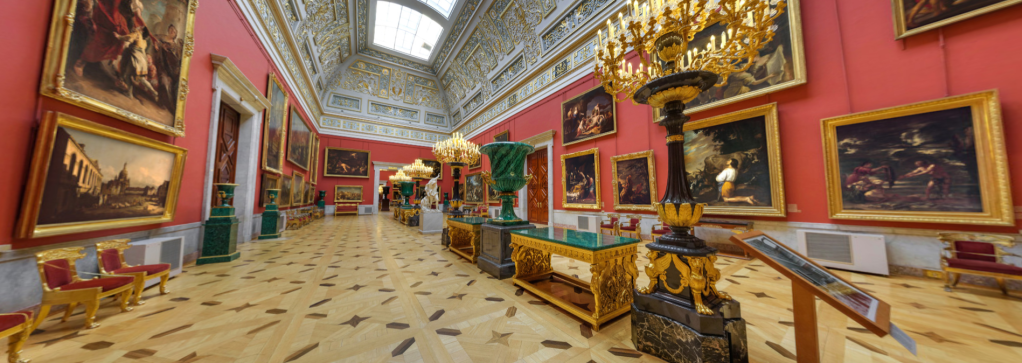
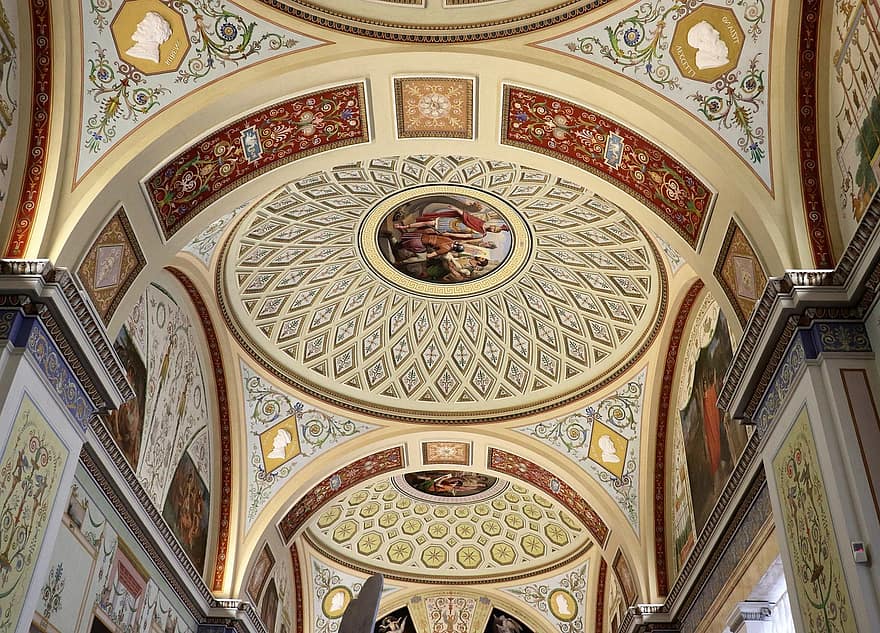
You can visit this beautiful Gallery Virtually:
Sources: Здание в Лаврушинском переулке
Государственная Третьяковская галерея
| If you liked this article, subscribe , put likes, write comments!. |
| Share on social networks |
| Check out Our Latest Posts |






 AKirill, Learn, apprenez, translation, traduction, livres bilingues, bilingual books