
This week we added new books in the American classics and at the same time we wrote the list of American irregular verbs
| If you liked this article, don’t forget to like and share. |
| Subscribe to not miss anything |

AKirill, Learn, apprenez, translation, traduction, livres bilingues, bilingual books
On this site we hope to help you learn, and to remove the difficulties caused by the difference of culture and language. Sur ce site nous espérons vous aider à apprendre, et à enlever la barrière causée par les différents languages et cultures.
This week we added new books in the American classics and at the same time we wrote the list of American irregular verbs
| If you liked this article, don’t forget to like and share. |
| Subscribe to not miss anything |
Cette semaine nous avons ajouté de nouveaux livres dans les classiques Americains et en même temps, nous avons écrit la liste des verbes irréguliers américain
| Si vous avez aimé cet article, n’oublier pas d’aimer et de partager. |
| Abonnez-vous pour ne rien manquer |
| Visitez nos derniers posts |
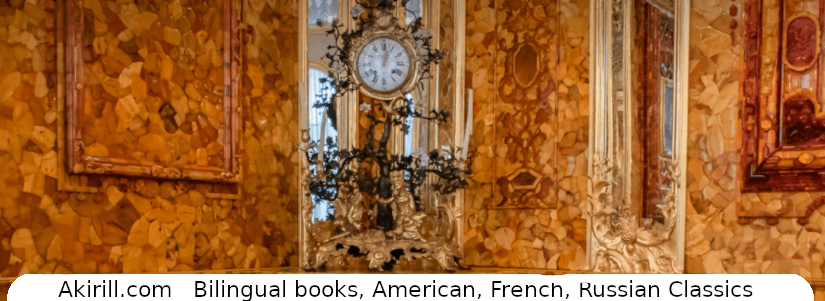
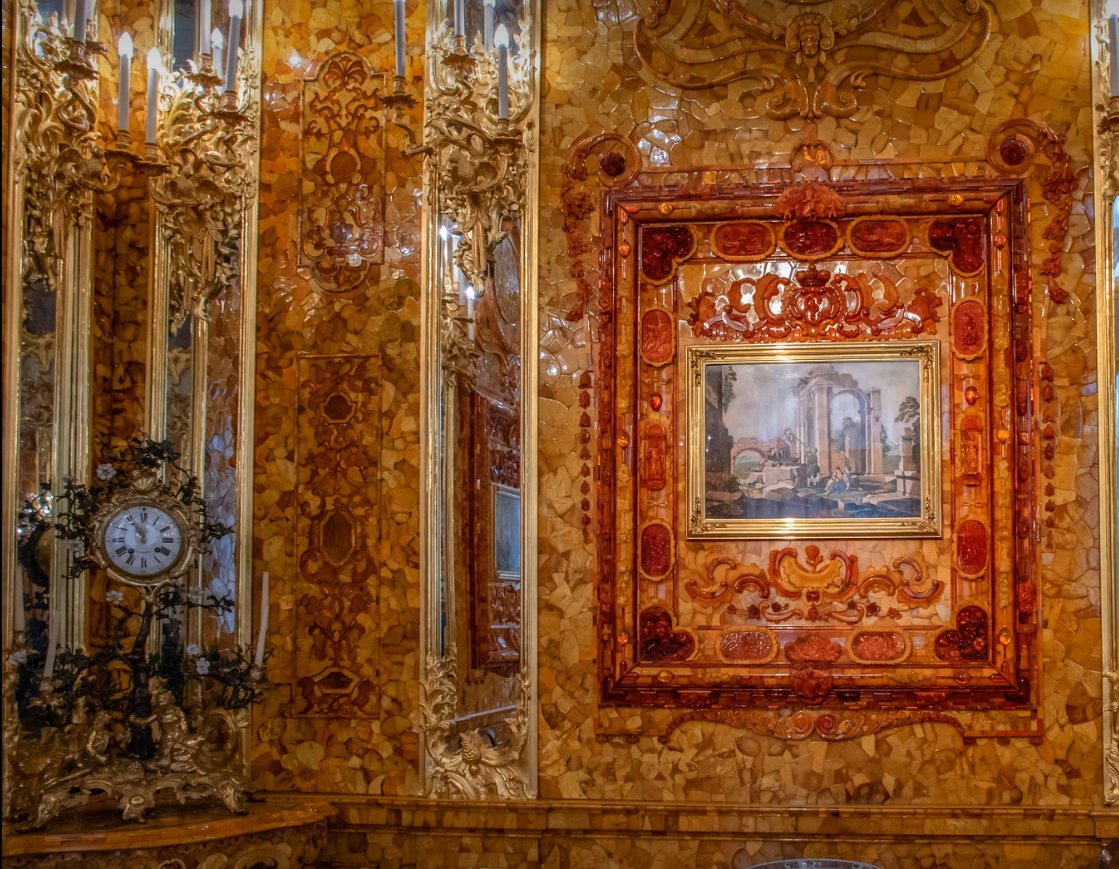
The Amber Room is a famous masterpiece of 18th century art, which disappeared without a trace during World War II
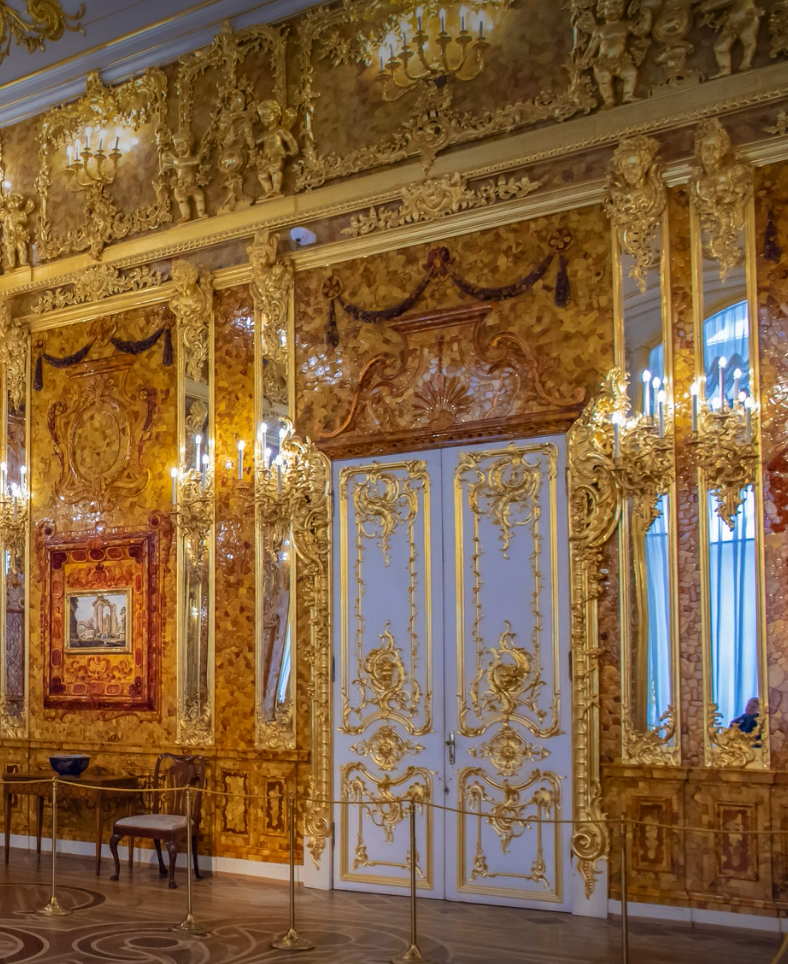
The amber room was created by master Andreas Schluter on the order of King Frederik I of Prussia. Subsequently, the amber cabinet which was the original name of this astonishing architectural work, was presented to the Russian Tsar Peter I.
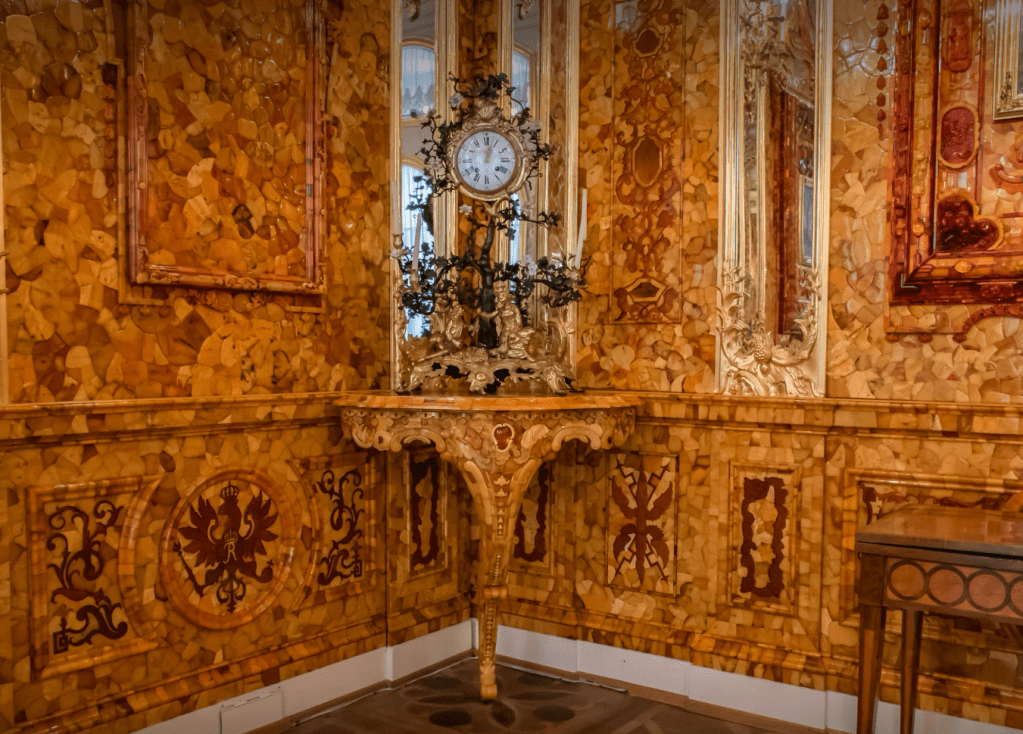
The Amber Cabinet was installed in the Menshikov Palace in 1717. In 1743 Elizabeth Petrovna who had ascended the throne of Russia ordered the Amber Cabinet to be installed in the Winter Chambers of Her Imperial Majesty’s Household. The Empress also asked the chief architect FB Rastrelli and the master Alexander Martelli to “correct” the cabinet. It was finished with gilded wood carvings, mirrors and mosaic paintings of jasper and agate.
For nearly 2 centuries this room has remained unchanged and admired undergoing only periodic renovations to minimize the effects of temperature changes, drafts and stove heating.
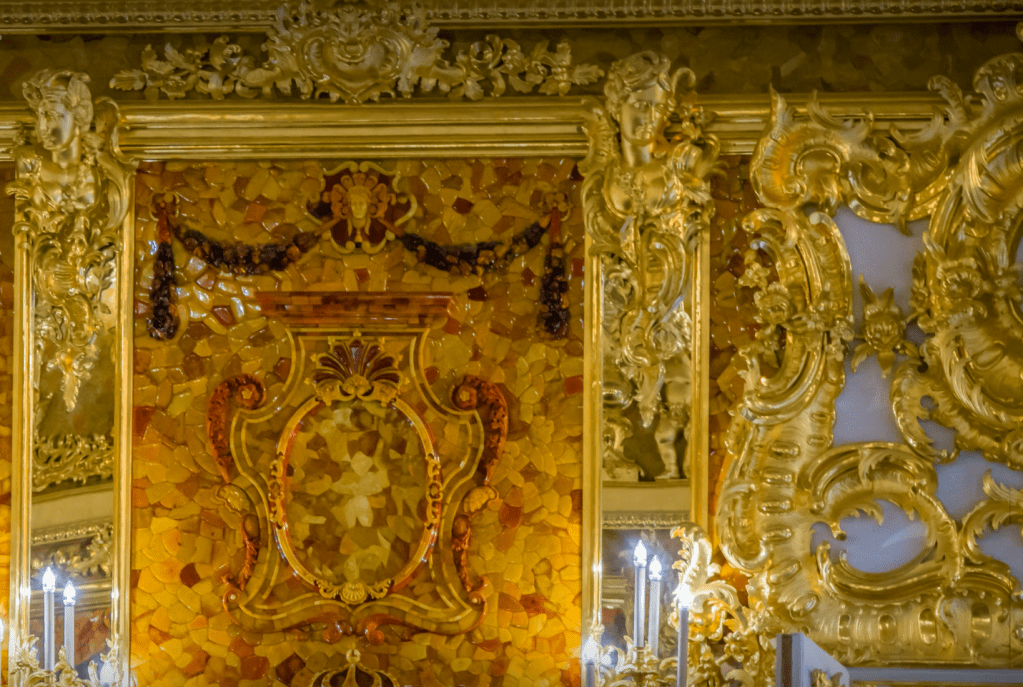
During World War II, it was decided not to evacuate to the Amber Room because of its fragility. And the Nazis, having captured the Catherine Palace, destroyed the Amber Room. According to the officers’ report, the wall panels were mutilated with bayonets and knives at human height, the parquet which had been composed of rare wood, sandalwood, rosewood, amaranth, cherry and lemon trees were completely destroyed. The paint on the ceiling was also mangled. This was done by 6 soldiers in 36 hours.
The Amber Room was later displayed at the royal palace in Kroenigsberg, but after liberating Koenigsberg in 1945, Soviet troops did not find the Amber Room.

Nevertheless, some of its fragments were transferred to Russia in 2000.
Since 1981, work on the reconstruction of the Amber Room began, led by AA Zhuravlev. On the occasion of the 300th anniversary of Saint Petersburg, the Amber Room has been completely restored.
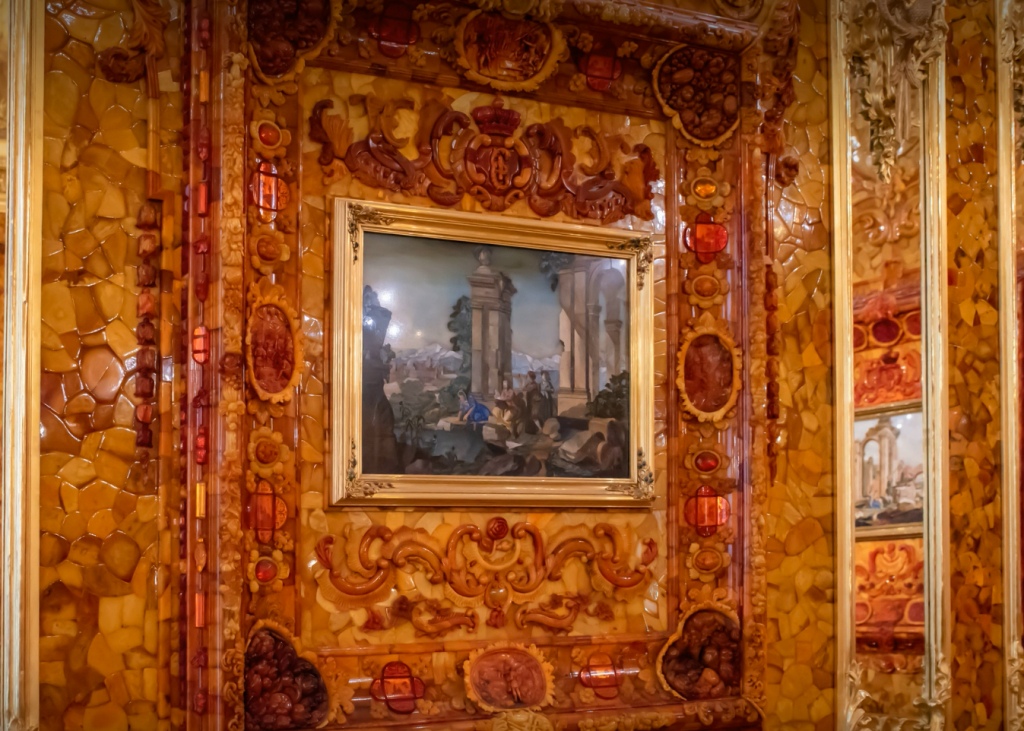
She can now be seen by everyone in the Catherine Palace in Saint Petersburg
Watch Amber’s room in music video. These “videos are awesome. Don’t forget to like them if you like them as much as I do.
| If you liked this article, don’t forget to like and share. |
| Subscribe to not miss anything |
La chambre d’Ambre est un célèbre chef-d’oeuvre de l’art du XVIII, qui a disparu sans laisser de trace pendant la seconde guerre mondiale.
La chambre d’ambre a été créée par le maitre Andreas Schluter sur l’ordre du roi de Prusse Frederik Ier. Par la suite, le cabinet d’ambre qui était le nom original de cette oeuvre architecturale étonnante, a été présenté au tsar Russe Pierre Ier.
Le cabinet d’ambre a été installé au palais Menchikov en 1717. En 1743, Elizabeth Petrovna qui était montée sur le trône de Russie ordonna que le Cabinet d’ambre soit installé dans les Chambres d’hiver de la Maison de Sa Majesté Impériale. L’impératrice a aussi demandé à l’architecte en chef F. B. Rastrelli et le maître Alexander Martelli de “corriger” le cabinet. Il a été fini avec des sculptures en bois doré, des miroirs et des peintures en mosaïque de jaspe et d’agate.
Pendant près de 2 siècles, cette pièce est restée inchangée et admirée subissant seulement des rénovations périodiques pour minimiser les effets des changements de température, des courants d’air et du chauffage du poêle.
Pendant la Seconde Guerre Mondiale, il a été décidé de ne pas évacuer à la chambre d’ambre à cause de sa fragilité. Et les nazis, après avoir capturé le palais Catherine ont détruit la chambre d’ambre. Selon le rapport des officiers les panneaux muraux été mutilés avec des baïonnettes et des couteaux à hauteur humaine, le parquet qui avait été composé de bois rare, santal, palissandre, amarante, cerisier et citronnier ont été complètement détruit. La peinture du plafond était aussi mutilée. Cela a été fait par 6 militaires en 36 heures.
La salle d’ambre a ensuite été exposée au palais royal de Kroenigsberg, mais aprés avoir libéré Koenigsberg en 1945, les troupes soviétiques n’ont pas trouvé la Chambre d’Ambre.
Néanmoins, certains de ses fragments ont été transférés en Russie en 2000.
Depuis 1981, des travaux de reconstruction de la chambre d’ambre ont commencé, dirigé par A. A. Zhuravlev. A l’occasion du 300e anniversaire de Saint Pétersbourg, la chambre d’ambre a été entièrement restaurée.
Elle peut maintenant être vue par tout le monde dans le palais Catherine à Saint Pétersbourg
Regardez la chambre d’Ambre en video musicale. Ces ” vidéos sont superbes. N’oubliez pas de les aimer si vous les appréciez autant que moi.
| Si vous avez aimé cet article, n’oubliez pas de liker et de partager. |
| Abonnez-vous pour ne rien rater |
Crime and Punishment is an excellent book by Fyodor Dostoevsky in which he raises many questions about human morality, conscience and the right to kill.
A friend once told me that to understand the Russian mind, you have to read Dostoevsky and I have to admit he was right.

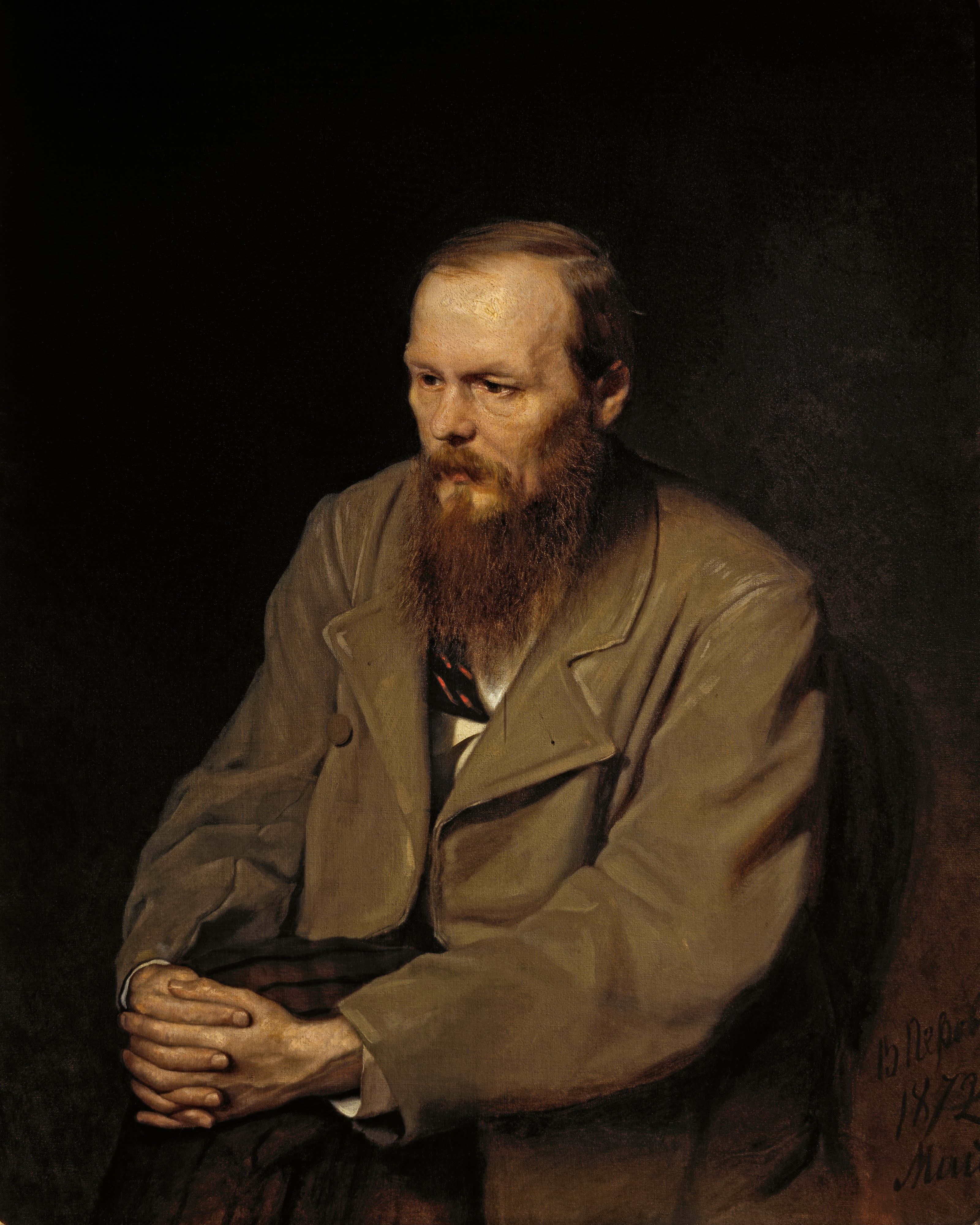
The central theme of Crime and Punishment is human conscience, through which people can analyze their actions and draw the right conclusions that help them repent and improve.
The events take place in the 60s of the 19th century, in Saint Petersburg. Our hero, Rodion is a young man, a former student, with a philosophical mind. He is sensitive to the suffering of his entourage and he is ready at any time to come to the aid of another in a completely disinterested way.
Raskolnikov is obsessed with the crazy idea that he has every right to rid the world of a mean and useless old pawnbroker. He doesn’t just want to avenge all the humiliated poor, he wants to rise above those who suffer injustice all their lives.
Raskolnikov plots a cruel murder, but his conscience is silent. And then something happens that will finally snap Raskolnikov out of his insane state of spiritual deafness. Elizabeth appears. It is she who becomes a symbol of the consciousness of the protagonist. Having killed the old woman’s harmless sister, Raskolnikov can no longer justify himself.
At the same time the novel speaks of the sacrifice that women make in the name of the well-being of their families. For example, his sister Dounia is going to marry a man who appreciates her position as a beggar rather than having feelings for her. Sonia, who is the daughter of a drunkard met in a bar, prostitutes herself to feed her family although very religious.
Remorse of conscience is always terrible, it cannot be drowned, it drives you mad or helps you to get up, to become better.
What will happen to Rodion, his sister and Sonia is for you to discover?
In addition, you can combine business with pleasure because “Crime and Punishment” is now part of our collection of bilingual English/French books, which will make it easier for you to learn French if that’s what you want.
Otherwise you can simply read it in English
| If you liked this article, don’t forget to like and share. |
| Subscribe to not miss anything |
Crime et châtiments est un excellent livre de Fiodor Dostoïevski dans lequel il soulève de nombreuses questions sur la moralité humaine, la conscience et le droit de tuer.
Un ami m’a dit un jour que pour comprendre l’esprit Russe, il fallait lire Dostoïevski et je dois admettre qu’il avait raison.
Le thème central du livre Crime et Châtiments est la conscience humaine, grace à laquelle les gens peuvent analyser leurs actions et tirer les bonnes conclusions qui aident à se repentir et s’améliorer.
Les évenèments se déroulent dans les annees 60 du XIXe siecle, à Saint Pétersbourg. Notre héro, Rodion est un jeune homme, ancien étudiant, à l’esprit philosophique. Il est sensible à la souffrance de son entourage et il est prêt à tout moment à venir en aide de manière tout à fait désinteressée a un autre.
Raskolnikov est obsédé par l’idée folle qu’il a parfaitement le droit de débarrasser le monde d’un vieux prêteur sur gages méchant et inutile. Il ne veut pas seulement venger tous les pauvres humiliés, il veut s’élever au-dessus de ceux qui subissent l’injustice toute leur vie.
Raskolnikov complote un meurtre cruel, mais sa conscience est silencieuse. Et puis quelque chose se produit qui sortira finalement Raskolnikov de son état insensé de surdité spirituelle. Elisabeth apparaît. C’est elle qui devient un symbole de la conscience du protagoniste. Ayant tué la sœur inoffensive de la vieille femme, Raskolnikov ne peut plus se justifier.
En même temps le roman parle du sacrifice que font les femmes au nom du bien être de leurs familles. Par example, sa soeur Dounia va se marrier avec un homme qui apprécie sa position de mendiante plutôt que d’avoir des sentiments pour elle. Sonia qui est la fille d’un ivrogne rencontrée dans un bar, se prostitue pour nourir sa famille bien que très croyante.
Les remords de conscience sont toujours terribles, ils ne peuvent pas être noyés, ils rendent fou ou vous aident à vous relever, à devenir meilleur.
Qu’avendra-t’il de Rodion, sa soeur et Sonia est pour vous à découvrir?
De plus vous pouvez joindre l’utile a l’agréable car Crime et Châtiments fait désormé parti de notre collection de livres bilingues Anglais/Français, ce qui vous facilitera l’apprentissage de l’anglais si c’est ce que vous souhaitez.
Sinon vous pouvez simplement le lire en Français
| Si vous avez aimé cet article, n’oublier pas d’aimer et de partager. |
| Abonnez-vous pour ne rien manquer |
Comme vous l’avez vu je n’ai pas écris d’article cette semaine et me suis concentrée sur le site. Donc cette semaine, j’ai fini le livre bilingue Anglais/Français “Crime et Châtiment” de Dostoïevski. Les pages vont commencer à être publiées aujourd’hui.
J’ai aussi ajouté des livres dans la littérature Américaine.
| Si vous avez aimé cet article, n’oublier pas d’aimer et de partager. |
| Abonnez-vous pour ne rien manquer |
As you have seen I did not write an article this week and concentrated on the site. So this week, I finished the bilingual English/French book “Crime and Punishment” by Dostoyevsky. I’ll start publishing some pages today and will continue every day until the end of the book.
I also added books in American literature
| If you liked this article, don’t forget to like and share. |
| Subscribe to not miss anything |
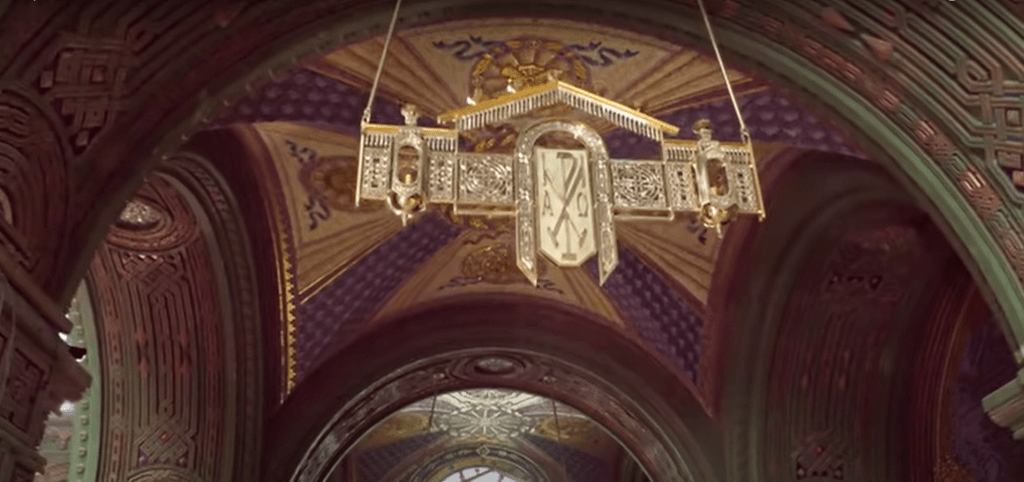
La Cathédrale Patriarcale au nom de la Résurrection du Christ est une magnifique Cathédrale, construite en un temps record et contenant un site muséale de la seconde guerre mondiale.
Aussi appelé le temple principal des forces armées de le Fédération de Russie, il est dédié au 75e anniversaire de la Grande Victoire Patriotique (Seconde Guerre Mondiale) et a été inauguré le 14 juin 2020. Il a été Construit en un temps records de seulement un an et demi. (Video de la construction en bas de la page)
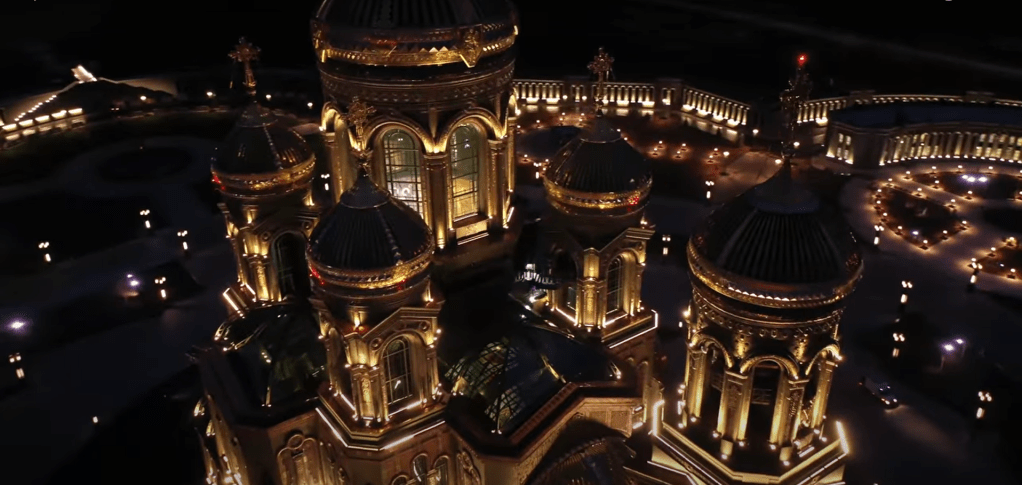
C’est l’une des plus hautes église orthodoxe du monde mesurant 95 mètres de hauteur. Toutes ses dimensions sont symboliques. Le diamètre du tambour du dôme principal est de 19.45 mètres, le diamètre du dôme est de 22,43 (l’acte de capitulation sans condition de l’Allemagne a été signe à 22h43 le 8 mai 1945)
La hauteur du beffroi est de 75 mètres (2020 marque le 75 anniversaire de la fin de la guerre). La hauteur du petit dôme 14.18 correspond au nombre de jours et nuits des combats de la Grande Guerre Patriotique.
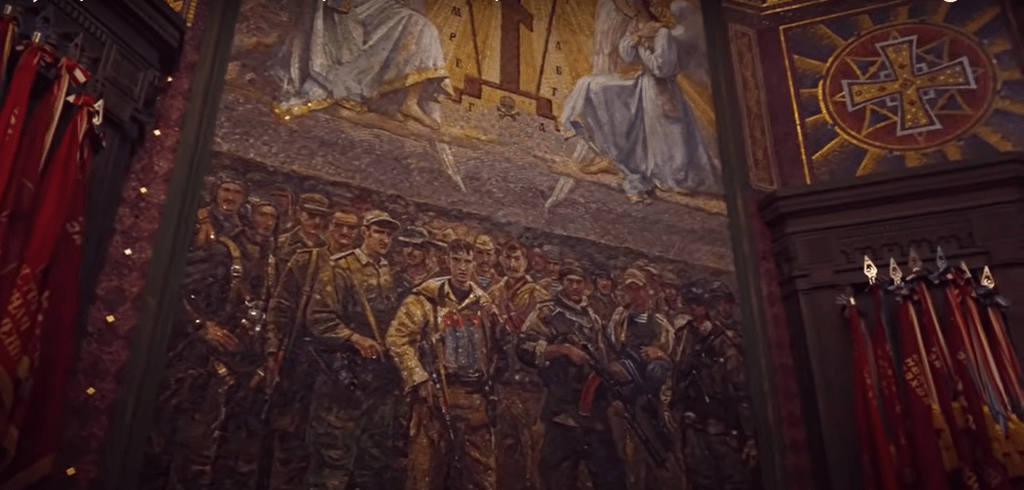
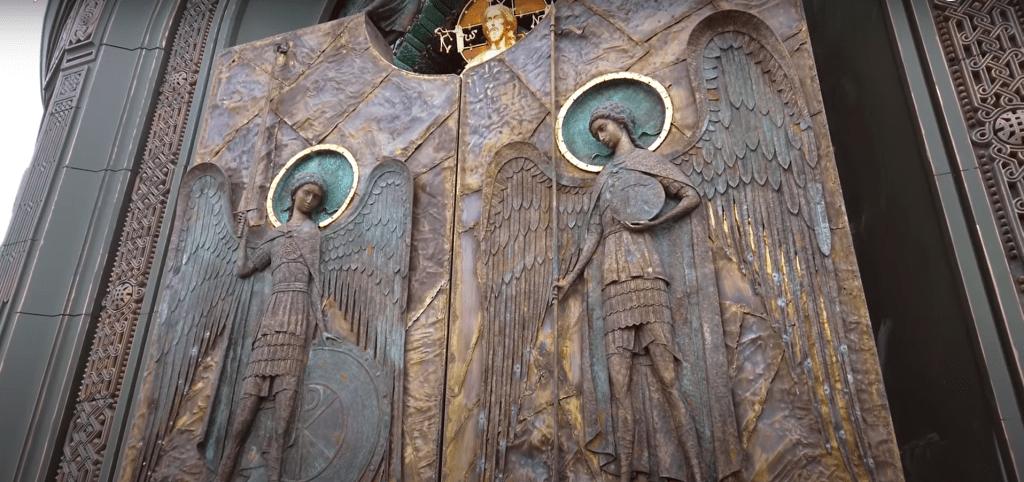

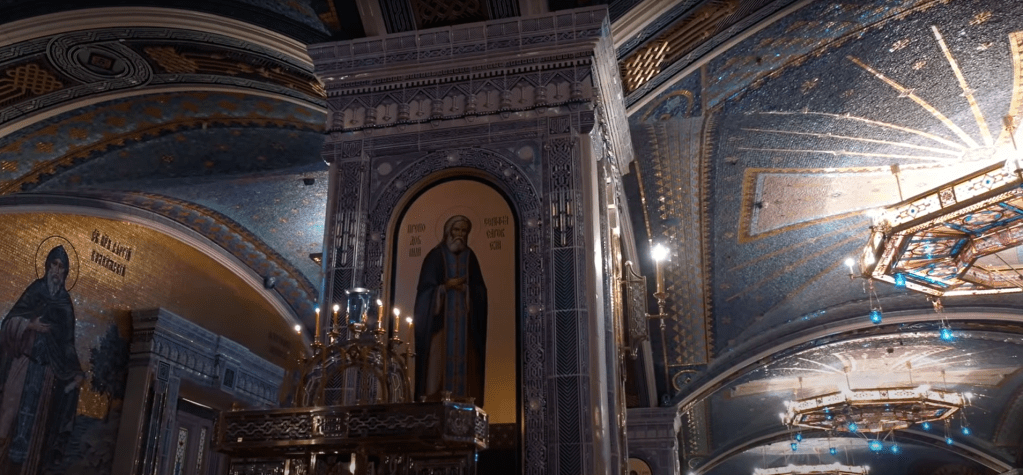

Le nombre de détenteurs à part entière de l’Ordre de la Gloire est représenté par la zone de mosaïque intérieure de 2644 mètres carrés. La hauteur de la mandore est de 11694mm, qui est aussi le nombre de participants à la Grande Guerre Patriotique qui ont reçu le titre de héros de l’Union Soviétique.

Sur le territoire du complexe, se trouve Un complexe muséal, “Route de la Mémoire”, qui a été créé avec une longueur de 1418 marches, en mémoire des 1418 jours et nuits de la Grande Guerre Patriotique. La galerie est encadrée de millions de photographies d’ancien combattants.
En plein air, se trouve le musée du “Champs de la Victoire” qui est une image collective de la bataille près de Moscou de 1941. Son emplacement est la zone où les Allemands ont fait leur dernière tentative pour pénétrer dans la capitale.

Des armes et des équipements militaire de la Grande Guerre Patriotique sont installés dans plusieurs zone thématiques du complexe qui ont été créé d’après les documents d’archives et photos.
Ci dessous est la video du temple avec visite d’une partie du musée: Celle de la construction est en dessous.
Ci-dessous, la construction de l’eglise.
| Si vous avez aimé cet article, n’oublier pas d’aimer et de partager. |
| Abonnez-vous pour ne rien manquer |
| Lire Nos Derniers Posts |
The Patriarchal Cathedral in the name of the Resurrection of Christ is a magnificent Cathedral, built in record time and containing a museum site from the Second World War.
Also called the main temple of the Armed Forces of the Russian Federation, it is dedicated to the 75th anniversary of the Great Patriotic Victory (World War II) and was inaugurated on June 14, 2020. It was built in a record time of only one year and a half. (Video of the construction at the bottom of the page)
It is one of the tallest Orthodox churches in the world measuring 95 meters in height. All its dimensions are symbolic. The drum diameter of the main dome is 19.45 meters, the diameter of the dome is 22.43 (Germany’s act of unconditional surrender was signed at 10:43 p.m. (22:43) on May 8, 1945)
The height of the belfry is 75 meters (2020 marks the 75th anniversary of the end of the war). The height of the small dome 14.18 corresponds to the number of days and nights of the battles of the Great Patriotic War.
The number of full holders of the Order of Glory is represented by the interior mosaic area of 2644 square meters. The height of the mandora is 11694mm, which is also the number of participants of the Great Patriotic War who received the title Hero of the Soviet Union.
On the territory of the complex there is a museum complex, “Road of Memory”, which was created with a length of 1418 steps, in memory of the 1418 days and nights of the Great Patriotic War. The gallery is framed by millions of photographs of veterans.
In the open air is the “Fields of Victory” museum which is a collective image of the battle near Moscow in 1941. Its location is the area where the Germans made their last attempt to break into the capital.
Weapons and military equipment from the Great Patriotic War are installed in several themed areas of the complex which were created from archival documents and photos.
Below is the video of the temple with a visit to part of the museum: The one of the construction is below.
Below, the construction of the church.
| If you liked this article, don’t forget to like and share. |
| Subscribe to not miss anything |
| Our Latest Posts |


 AKirill, Learn, apprenez, translation, traduction, livres bilingues, bilingual books