Lisez la traduction française du poème “Au sujet de Pliouchtchikha” d’Ivan Bounine avec le français et le russe côte à côte et une courte biographie de l’auteur.

Livres bilinguesRead in EnglishNous contacter
Littérature américaineLittérature françaiseLittérature russe

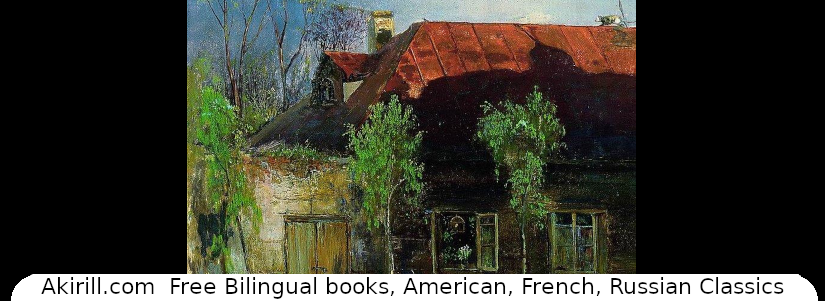
Chers lecteurs et abonnés, cette semaine, j’ai fait une très courte biographie du célèbre poète russe Ivan Bounine, ainsi qu’une traduction en français de son charmant poème “Au sujet de Pliouchtchikha” écrit en 1806 ou 1807. En complément, j’ai ajouté le magnifique tableau “Maison dans la province. Printemps” d’Alexeï Savrassov

Comme d’habitude, vous pouvez accéder librement à l’intégralité de la traduction en suivant l’un des liens, ainsi que retrouver l’ensemble de nos traductions sur la page Littérature russe .

J’espère que vous apprécierez ce poème et cette peinture autant que moi.


Au sujet d’Ivan Bounine

Ivan Alekseevich Bounine est né le 10 octobre (22 octobre selon le calendrier grégorien) 1870 à Voronej, province de Voronej, Empire russe, et est décédé le 8 novembre 1953 à Paris, Quatrième République française. Ivan Alekseevich était un prolifique écrivain, poète et traducteur russe. Il a acquis une renommée internationale en tant que premier écrivain russe à recevoir le prix Nobel de littérature en 1933.

Issu d’une famille noble et modeste, Bounine a commencé très tôt une vie indépendante. Tout au long de sa jeunesse, il a exercé diverses professions, notamment dans des journaux, des emplois de bureau et fait de nombreux voyages. Ses expériences et observations ont grandement influencé ses œuvres littéraires.

En reconnaissance de son talent littéraire, Bounine reçut le prix Pouchkine en 1903 pour son livre « Les feuilles qui tombent » et sa traduction de « La Chanson de Hiawatha ». Cette prestigieuse récompense lui fut décernée une nouvelle fois en 1909 pour la publication des troisième et quatrième volumes de ses Œuvres complètes.

Continuer la lecture

Peinture “Maison dans la province. Printemps” par Alexeï Kondratievitch Savrassov


Traduction du poème “Au sujet de Pliouchtchikha” d’Ivan Bounine en français avec français et russe côte à côte


Иван Алексеевич Бунин — На ПлющихеAu sujet de Pliouchtchikha
Traduit par Akirill.com
Dec 3, 2023
Пол навощен, блестит паркетом.Le sol est ciré et le parquet brille.
Столовая озаренаLa salle à manger est éclairée
Полуденным горячим светом.par la chaude lumière de midi.
Спит кот на солнце у окна:Un chat dort au soleil près de la fenêtre :
Мурлыкает и томно щуритIl ronronne et plisse langoureusement
Янтарь зрачков, как леопард,ses pupilles comme un léopard,
А бабушка — в качалке, куритEt grand-mère dans un fauteuil à bascule, fume
И думает: «Итак, уж март!Et pense : « Alors, c’est déjà mars !
Читать далееContinue la lecture

< < < Ange du Soir (Ru/Fr) / Evening Angel (Ru/Eng) / Вечерний ангел (Рус/Анг.) / (Рус/ Фра.)
Il n’y a pas de soleil, mais les étangs sont lumineux… (Ru/Fr) / There is no sun, but the ponds are bright… (Ru/Eng) / Нет солнца, но свeтлы пруды… (Рус/Анг.) / (Рус/ Фра.) > > >


Nous mettons beaucoup d’efforts dans la qualité des articles et traductions, soutenez-nous avec un like et un abonnement ou sponsorisez-nous si vous les aimez. Nous sommes aussi sur Facebook et Twitter

Découvrez nos Derniers Posts


© 2024 Akirill.com – All Rights Reserved

Read the English translation of the poem “About Plyushchikha” by Ivan Bunin with English and Russian side by side and short biography

Bilingual booksLire en FrançaisContact us
American LiteratureFrench LiteratureRussian Literature

Dear readers and subscribers, this week I did a very short biography of the renowned Russian poet Ivan Bunin, as well as an English translation of his lovely poem “About Plyushchikha” written in 1806 or 1807. As a complement I added the wonderful painting “A house in the province. Spring” by Aleksey Savrasov

As usual you can freely access the whole translation by following one of the link, you can also find all of our translation on the Russian Literature page.

I hope you’ll enjoy this poem and paintings as much as I did


About Ivan Bunin

Ivan Alekseevich Bunin was born on October 10 (October 22 according to the Gregorian calendar), 1870, in Voronezh, Voronezh province, Russian Empire, and passed away on November 8, 1953, in Paris, Fourth French Republic. Ivan Alekseevich was a prolific and renowned Russian writer, poet, and translator. He gained international acclaim as the first Russian writer recipient of the 1933 Nobel Prize in Literature.

Coming from a modest noble family, Bunin started an independent life at an early age. Throughout his youth, he engaged in various occupations, including working in newspapers, office jobs, and extensive travels. His experiences and observations greatly influenced his literary works.

In recognition of his literary talent, Bunin was awarded the Pushkin Prize in 1903 for his book “Falling Leaves” and his translation of “The Song of Hiawatha.” This prestigious award was bestowed upon him once again in 1909 for the publication of the third and fourth volumes of his Collected Works.

Continue reading

Painting “A house in the province. Spring” by Aleksey Savrasov

A house in the province. Spring by Aleksey Savrasov - 1878
A house in the province. Spring by Aleksey Savrasov – 1878

Translation of the poem “About Plyushchikha” by Ivan Bunin in English with English and Russian side by side


Иван Алексеевич Бунин — На ПлющихеAbout Plyushchikha
Translated by Akirill.com
Dec 3, 2023
Пол навощен, блестит паркетом.The floor is waxed and the parquet shines .
Столовая озаренаThe dining room is illuminated
Полуденным горячим светом.by the hot midday light.
Спит кот на солнце у окна:A cat sleeps in the sun by the window:
Мурлыкает и томно щуритHe purrs and languidly squints
Янтарь зрачков, как леопард,his pupils like a leopard,
А бабушка — в качалке, куритAnd grandma in a rocking chair, smokes
И думает: «Итак, уж март!And thinks: “So, it’s already March!
Читать далее ….Continue to read

< < < Ange du Soir (Ru/Fr) / Evening Angel (Ru/Eng) / Вечерний ангел (Рус/Анг.) / (Рус/ Фра.)
Il n’y a pas de soleil, mais les étangs sont lumineux… (Ru/Fr) / There is no sun, but the ponds are bright… (Ru/Eng) / Нет солнца, но свeтлы пруды… (Рус/Анг.) / (Рус/ Фра.) > > >


We put a lot of effort into the quality of the articles and translations, support us with a like and a subscription or sponsor us if you like them. We are also on Facebook and Twitter

Check out our Last Posts


© 2024 Akirill.com – All Rights Reserved

Une courte biographie, et toutes les peintures de Paris, France par Konstantin Korovine

Livres bilinguesRead in EnglishNous contacter
Littérature américaineLittérature françaiseLittérature russe

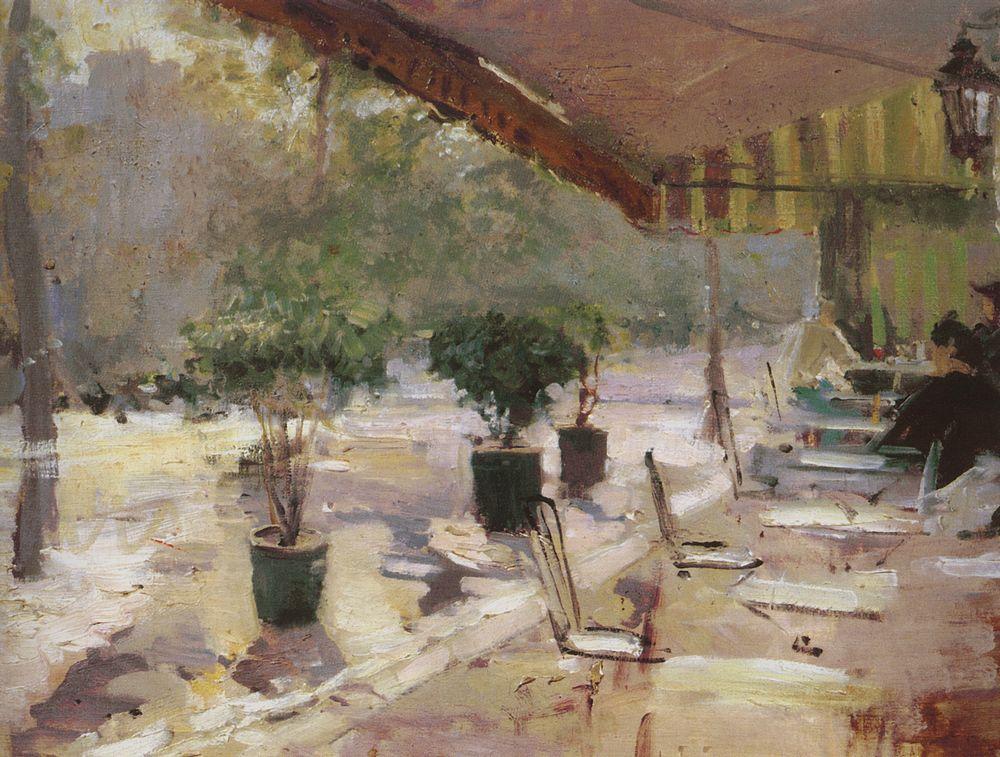
Cette semaine, j’ai décidé de poster les tableaux de Paris de Konstantin Korovine, car j’ai trouvé intéressant de voir ma ville natale à travers l’œil d’un peintre russe. Les détails de chaque tableau sont affichés sous la galerie avec le numéro de l’image correspondant. Si vous préférez regarder le tableau en taille réelle, il vous suffit de cliquer sur l’image. Les détails sont en français, anglais et russe.

En quelques mots, qui était Konstantin Korovine ?

Konstantin Korovin 1891 portrait by Valentin Serov

Konstantin Korovine a été le premier peintre russe impressionniste, décorateur de théâtre et écrivain.

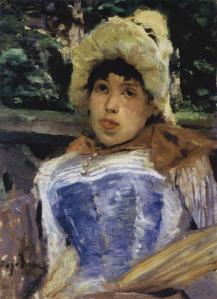
Konstantin Alekseevich Korovine est né le 23 novembre (5 décembre) 1861 à Moscou, dans l’Empire Russe. Alors qu’il étudiait à l’Académie des Beaux-Arts de Saint-Pétersbourg, il a été initié à l’art impressionniste par Vasily Polenov. Son premier travail “Portrait d’une Chorus Girl” a été qualifié de premier signe de l’impressionnisme Russe.

Portrait of a Chorus Girl by Konstantin Korovin-1883
Portrait d'une choriste par Konstantin Korovine-1883 - Portrait, huile sur toile - Galerie nationale Tretiakov
Portrait d’une choriste par Konstantin Korovine-1883 – Portrait, huile sur toile – Galerie nationale Tretiakov

Après avoir rencontré Savva Mamontiv en 1884, il est devenu décorateur de théâtre et a conçu, à titre d’exemple, la représentation à domicile de “La Jeune Fille des Neiges” d’après la pièce d’Alexander Ostrovsky.

En 1892, Konstantin est partit pour la France, où il a étudié l’art moderne français pendant environ un an, puis il est partit en voyage dans le nord de la Russie. Il était fasciné par la région polaire mais Paris avait aussi une place particulière dans sa vie, et l’artiste a créé de nombreux paysages de Paris, la capitale française. Konstantin Alekseevitch Korovine a eu un grand succès en France où il est devenu “Chevalier de la Légion d’honneur” et a reçu plusieurs médailles d’or et d’argent pour ses œuvres.

Continuer à lire

Watch all the paintings of Paris
by Konstantin Korovin
Посмотрите все картины Константина Коровина о ПарижеRegardez toutes les peintures de Paris par Constantin Korovine
1 Paris cafe

Konstantin Korovin
Original Title: Парижское кафе
Date: c.1890
Style: Impressionism
Genre: cityscape
1 Парижское кафе

Константин Коровин
Дата: c.1890
Cтиль: Импрессионизм
Жанр: городской пейзаж
1 Café parisien

Constantin Korovine
Titre original: Парижское кафе
Date: c.1890
Style: Impressionism
Genre: paysage urbain
2 Paris cafe 

Konstantin Korovin
Original Title: Парижское кафе
Date: c.1890
Style: Impressionism
Genre: cityscape
2 Парижское кафе

Константин Коровин
Дата: c.1890
Cтиль: Импрессионизм
Жанр: городской пейзаж
2 Café parisien

Constantin Korovine
Titre original: Парижское кафе
Date: c.1890
Style: Impressionism
Genre: paysage urbain
3 Paris cafe (fragment)

Konstantin Korovin
Original Title: Парижское кафе (фрагмент)
Date: 1895
Style: Impressionism
Genre: genre painting
3 Парижское кафе (фрагмент)

Константин Коровин
Оригинальное
название: Парижское кафе (фрагмент)
Дата: 1895
Cтиль: Импрессионизм
Жанр: жанровая живопись
3 Café parisien (fragment)

Constantin Korovine
Titre original: Парижское кафе (фрагмент)
Date: 1895
Style: Impressionism
Genre: scène de genre
4 After the rain. Paris

Konstantin Korovin
Original Title: После дождя
Date: 1897
Style: Impressionism
Genre: cityscape
4 После дождя

Константин Коровин
Дата: 1897
Cтиль: Импрессионизм
Жанр: городской пейзаж
4 Après la pluie. 
Paris

Constantin Korovine
Titre original: После дождя
Date: 1897
Style: Impressionism
Genre: paysage urbain
5 Paris after Rain

Konstantin Korovin
Original Title: Париж после дождя
Date: 1900
Style: Impressionism
Genre: cityscape
5 Париж после дождя

Константин Коровин
Дата: 1900
Cтиль: Импрессионизм
Жанр: городской пейзаж
5 Paris après la pluie

Constantin Korovine
Titre original: Париж после дождя
Date: 1900
Style: Impressionism
Genre: paysage urbain
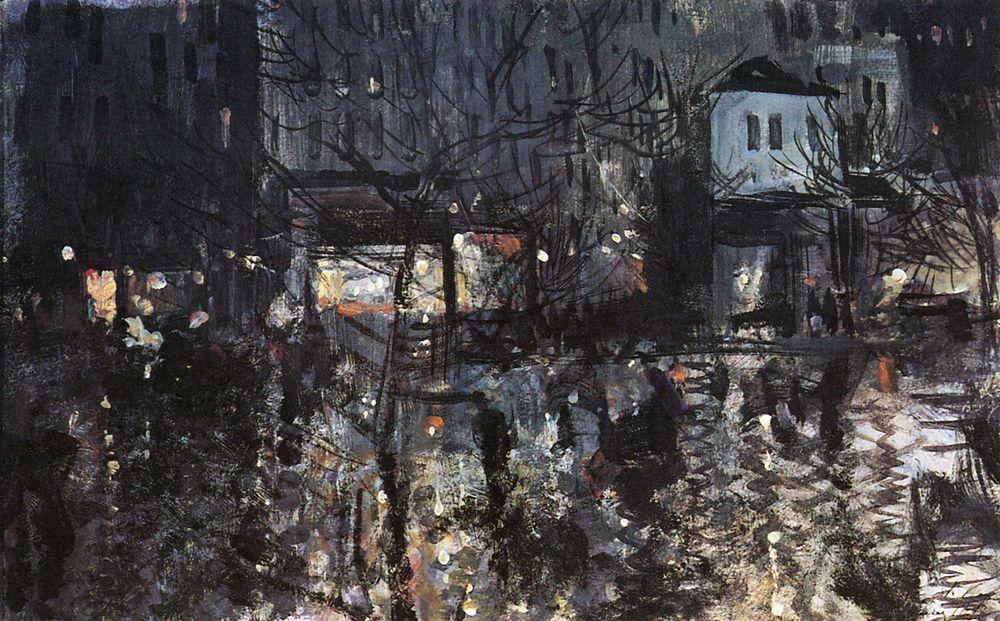
6 Street at Night, Paris

Konstantin Korovin
Original Title: Ночная улица. Париж
Date: 1902
Style: Impressionism
Genre: cityscape
6 Ночная улица. Париж

Константин Коровин
Дата: 1902
Cтиль: Импрессионизм
Жанр: городской пейзаж
6 Rue de Nuit, Paris

Constantin Korovine
Titre original: Ночная улица. Париж
Date: 1902
Style: Impressionism
Genre: paysage urbain
Continue ReadingЧитать далееContinuer à lire

J’espère que cet artist et ses peintures vous ont plu autant qu’à moi

Russian Arts – Arts Russes – Русское искусство


Si vous avez aimé cet article, abonnez-vous, mettez des likes, écrivez des commentaires !
Partager sur les réseaux sociaux
Découvrez nos derniers posts

Visitez nous sur Facebook ou Twitter


© 2023 Akirill.com – All Rights Reserved


A Short biography, and all the paintings of Paris, France by Konstantin Korovin

Bilingual booksLire en FrançaisContact us
American LiteratureFrench LiteratureRussian Literature

This week I decided to post the paintings of Paris by Konstantin Korovin, as I found interesting to see my native city from the eye of a Russian painter. The details of each painting are posted under the gallery with the picture corresponding number. If you prefer to watch the painting in full size, just click on the picture. The details are in English, French and Russian.

In a few words, who was Konstantin Korovin?

Konstantin Korovin 1891 portrait by Valentin Serov

Konstantin Korovin was the first impressionist Russian painter, a a theatrical decorator, as well as a writer.

Konstantin Alekseevich Korovin was born on November 23 ( December 5), 1861, in Moscow, Russian Empire. When he was studying in the Academy of Art in St Petersburg, he was introduced to the art of the Impressionist by Vasily Polenov. His first work “Portrait of a Chorus Girl” was called the first sign of Russian impressionism.

Portrait of a Chorus Girl by Konstantin Korovin-1883
Portrait of a Chorus Girl by Konstantin Korovin-1883 – Portrait, oil on canvas – State Tretyakov Gallery

After meeting Savva Mamontiv in 1884, he became a theatrical decorator and designed as an example, the home performance of “The Snow Maiden” based on the play by Alexander Ostrovsky.

In 1892, Konstantin left for France, where he studied modern French art for about a year, then he went for a trip to the North of Russia. He was fascinated by the polar region but Paris had also a special place in his life, and the artist created many landscapes of Paris, the French capital. Konstantin Alekseevich Korovin had great success in France where, he became “A Chevalier of the Legion of Honor” and received several gold and silver medals for his works.

Continue reading

Watch all the paintings of Paris
by Konstantin Korovin
Посмотрите все картины Константина Коровина о ПарижеRegardez toutes les peintures de Paris par Constantin Korovine
1 Paris cafe

Konstantin Korovin
Original Title: Парижское кафе
Date: c.1890
Style: Impressionism
Genre: cityscape
1 Парижское кафе

Константин Коровин
Дата: c.1890
Cтиль: Импрессионизм
Жанр: городской пейзаж
1 Café parisien

Constantin Korovine
Titre original: Парижское кафе
Date: c.1890
Style: Impressionism
Genre: paysage urbain
2 Paris cafe 

Konstantin Korovin
Original Title: Парижское кафе
Date: c.1890
Style: Impressionism
Genre: cityscape
2 Парижское кафе

Константин Коровин
Дата: c.1890
Cтиль: Импрессионизм
Жанр: городской пейзаж
2 Café parisien

Constantin Korovine
Titre original: Парижское кафе
Date: c.1890
Style: Impressionism
Genre: paysage urbain
3 Paris cafe (fragment)

Konstantin Korovin
Original Title: Парижское кафе (фрагмент)
Date: 1895
Style: Impressionism
Genre: genre painting
3 Парижское кафе (фрагмент)

Константин Коровин
Оригинальное
название: Парижское кафе (фрагмент)
Дата: 1895
Cтиль: Импрессионизм
Жанр: жанровая живопись
3 Café parisien (fragment)

Constantin Korovine
Titre original: Парижское кафе (фрагмент)
Date: 1895
Style: Impressionism
Genre: scène de genre
4 After the rain. Paris

Konstantin Korovin
Original Title: После дождя
Date: 1897
Style: Impressionism
Genre: cityscape
4 После дождя

Константин Коровин
Дата: 1897
Cтиль: Импрессионизм
Жанр: городской пейзаж
4 Après la pluie. 
Paris

Constantin Korovine
Titre original: После дождя
Date: 1897
Style: Impressionism
Genre: paysage urbain
5 Paris after Rain

Konstantin Korovin
Original Title: Париж после дождя
Date: 1900
Style: Impressionism
Genre: cityscape
5 Париж после дождя

Константин Коровин
Дата: 1900
Cтиль: Импрессионизм
Жанр: городской пейзаж
5 Paris après la pluie

Constantin Korovine
Titre original: Париж после дождя
Date: 1900
Style: Impressionism
Genre: paysage urbain
6 Street at Night, Paris

Konstantin Korovin
Original Title: Ночная улица. Париж
Date: 1902
Style: Impressionism
Genre: cityscape
6 Ночная улица. Париж

Константин Коровин
Дата: 1902
Cтиль: Импрессионизм
Жанр: городской пейзаж
6 Rue de Nuit, Paris

Constantin Korovine
Titre original: Ночная улица. Париж
Date: 1902
Style: Impressionism
Genre: paysage urbain
Continue ReadingЧитать далееContinuer à lire

I hope you enjoyed this artist and paintings as much as I did

Russian – Arts Arts Russes – Русское искусство


If you liked this article, subscribe , put likes, write comments!
Share on social networks
Check out Our Latest Posts

Visit us on Facebook or Twitter


© 2023 Akirill.com – All Rights Reserved

« Tempête » d’Alexandre Pouchkine russe et français côte à côte

Livres bilinguesRead in EnglishContactez-nous
Littérature américaineLittérature françaiseLittérature russe

Pour lire l’intégralité de l’article, ou une partie de celui-ci, il vous suffit de suivre les liens

Brève analyse du poème “Tempête” d’Alexandre Pouchkine

Le poème “Tempête” a été créé à Mikhailovskoye, mais sur la base du style romantique de l’œuvre, il est possible que l’auteur en ait fait l’esquisse pendant son exil dans le sud. … Continuer la lecture

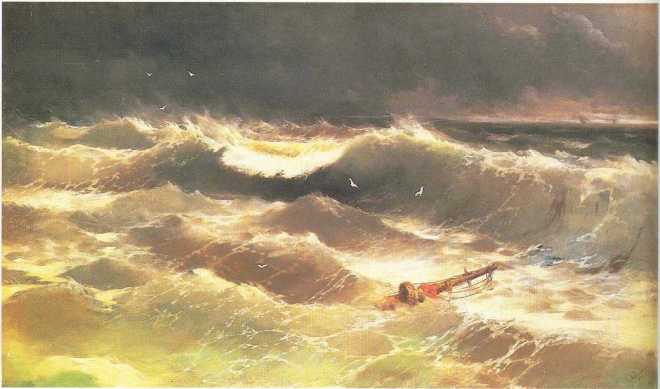
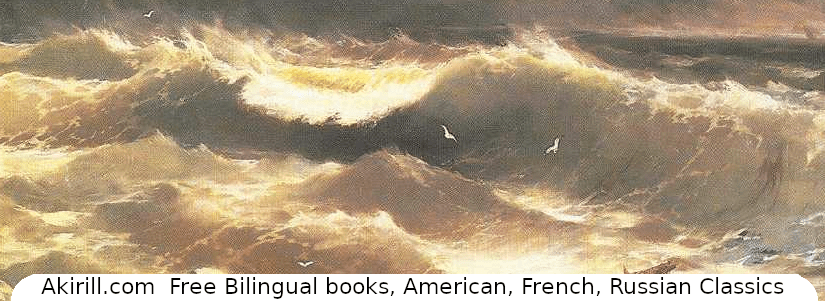
Peinture “Tempête” d’Ivan Aïvazovski

Tempest -1886 by Ivan Aivazovsky
Tempête d’Ivan Aïvazovski – 1886 – Style : Romantisme, Genre : Marina, Média : Huile sur toile. Dimensions : 84 X 142 cm  / Буря Ивана Айвазовского – 1886

Ivan Aivazovsky (Иван Айвазовский), l’auteur de plus de 6000 toiles, est un peintre de marine et de bataille russe de renommée mondiale ainsi qu’un collectionneur et … Continuer la lecture

Poème “Tempête” d’Alexandre Pouchkine français et russe côte à côte

Буря — Александр ПушкинTempête par Alexandre Pouchkine
Ты видел деву на скалеAs-tu vu la jeune fille sur le rocher
В одежде белой над волнамиEn vêtements blancs au dessus des vagues
Читать далееContinuer la lecture

J’espère que vous avez apprécié cette peinture et ce poème autant que moi

Si vous avez aimé cet article, abonnez-vous, mettez des likes, écrivez des commentaires !

Partager sur les réseaux sociaux

Découvrez nos derniers posts

Trouvez nous sur Facebook ou Twitter


© 2023 Akirill.com – All Rights Reserved

“Tempest” by Alexander Pushkin English and Russian side by side

Bilingual booksLire en FrançaisContact us
American LiteratureFrench LiteratureRussian Literature

To read the entire post and poem, just follow the links

Short analysis of the poem “Tempest” by Alexander Pushkin

The poem “Tempest” was created in Mikhailovskoye, but based on the romantic style of the work, it is possible that the author made the sketches for it during his southern exile. … Continue reading

Painting “Tempest” by Ivan Aivazovsky

Tempest -1886 by Ivan Aivazovsky

Буря — Александр ПушкинTempest by Alexander Pushkin
Translated by Akirill.com
Ты видел деву на скалеDid you see the maiden on the rock
В одежде белой над волнамиIn white clothes above the waves
Когда, бушуя в бурной мгле,When, raging in a stormy haze,
Играло море с берегами,The sea played with the shores
Читать далееContinue reading

I hope you enjoyed this painting and poem as much as I did

If you liked this article, subscribe , put likes, write comments!
Share on social networks
Check out Our Latest Posts

Find us on Facebook or Twitter


© 2023 Akirill.com – All Rights Reserved

Lisez la biographie de Vasily Grigorievich Perov et regardez toutes ses peintures

Livres bilinguesRead in EnglishContact us
Nous contacter
Littérature américaineLittérature françaiseLittérature russe

Vasily Perov était un grand artiste russe du XIXe siècle, dont les œuvres ont ouvert de nouveaux horizons à l’art russe. Ses peintures sont profondes et complexes, et démontrent toute la vérité sur la dure vie du peuple. Vasily était aussi un grand professeur qui a élevé plus d’une douzaine de très grands peintres. Regardez toutes ses peintures dans un diaporama et appréciez sa biographie.

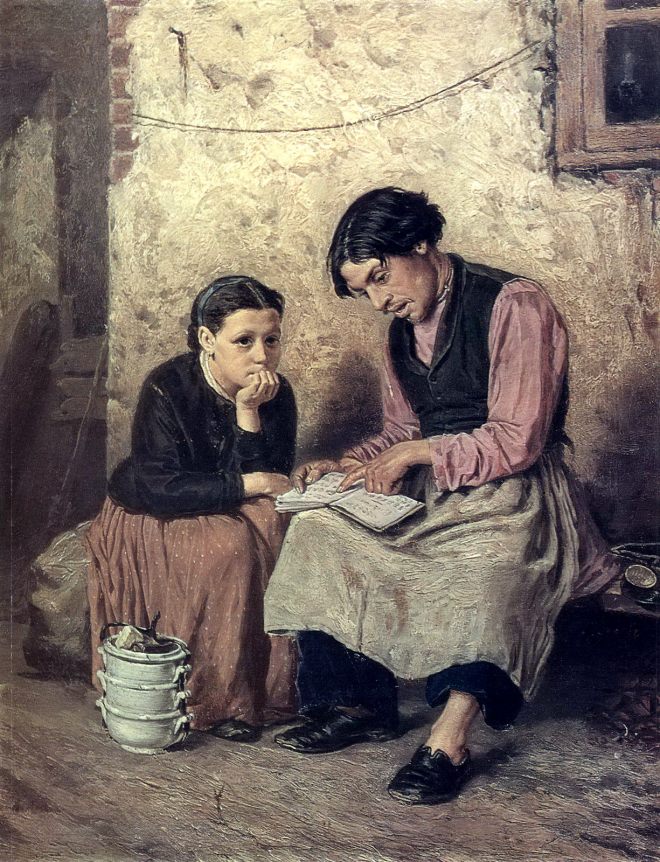
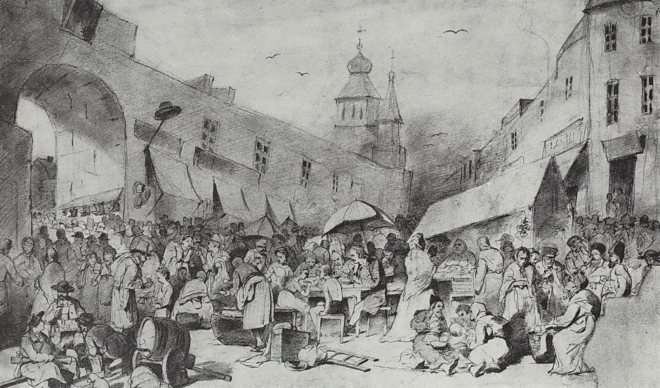
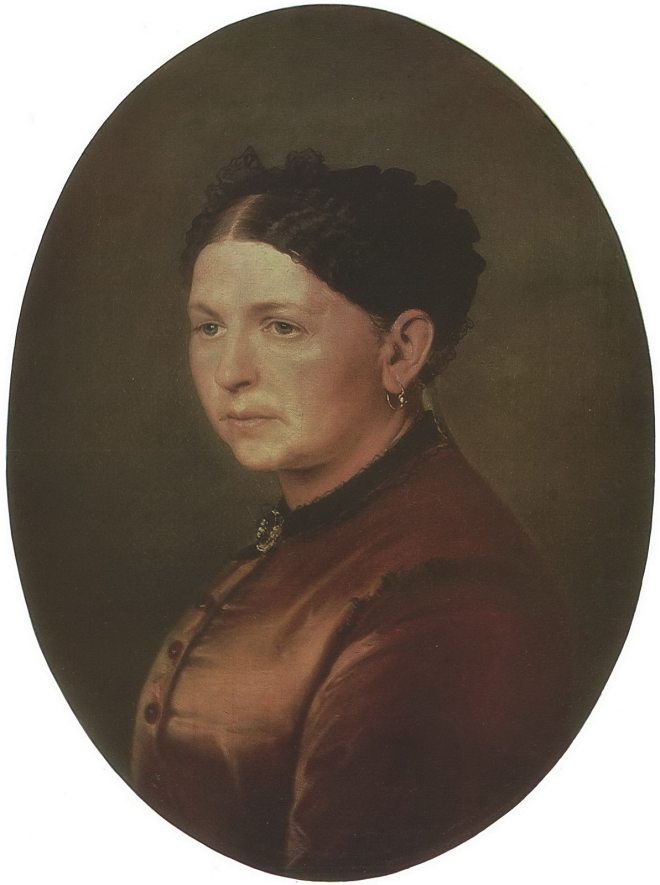
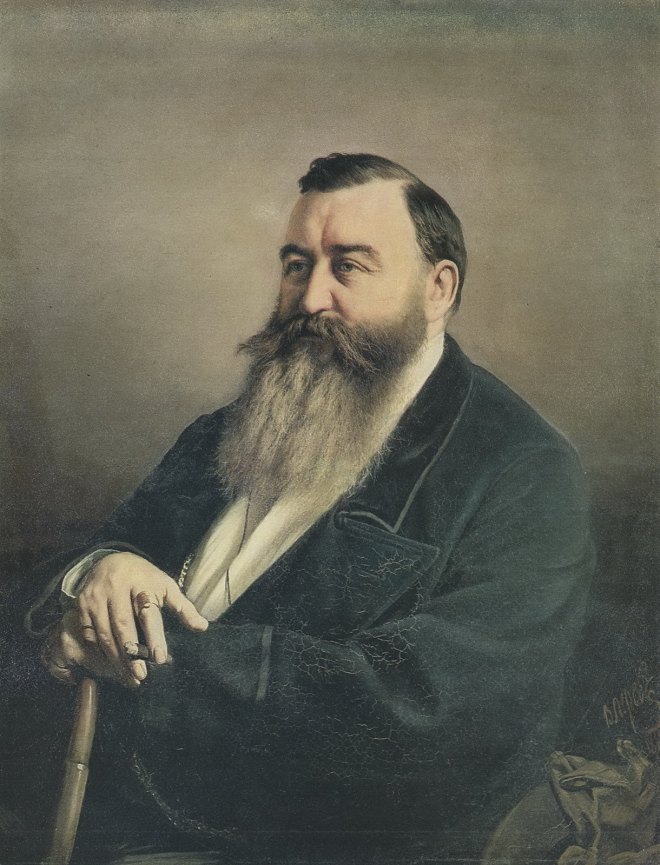
  • paintings of Vasily Grigorevich Perov
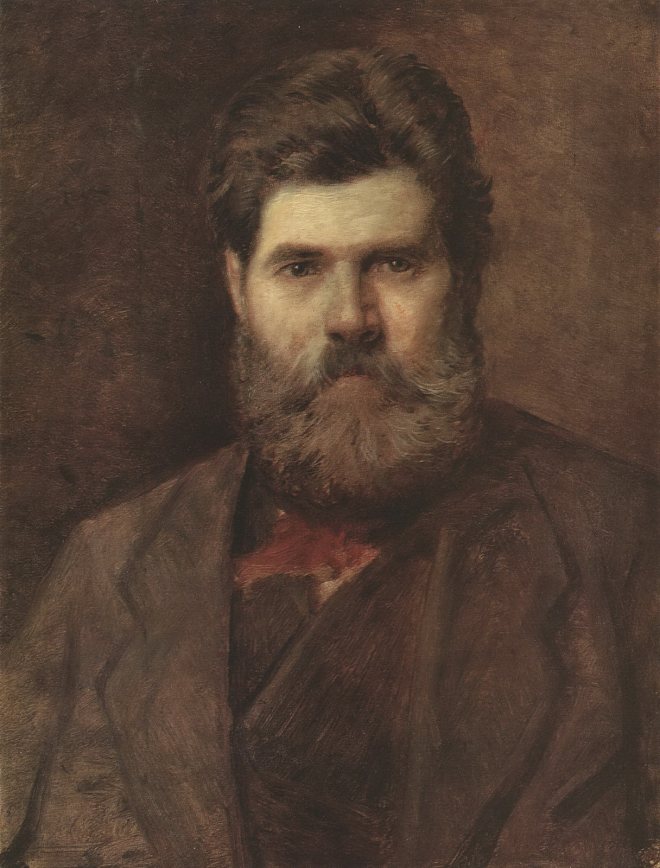
  • Self-portrait. 1851
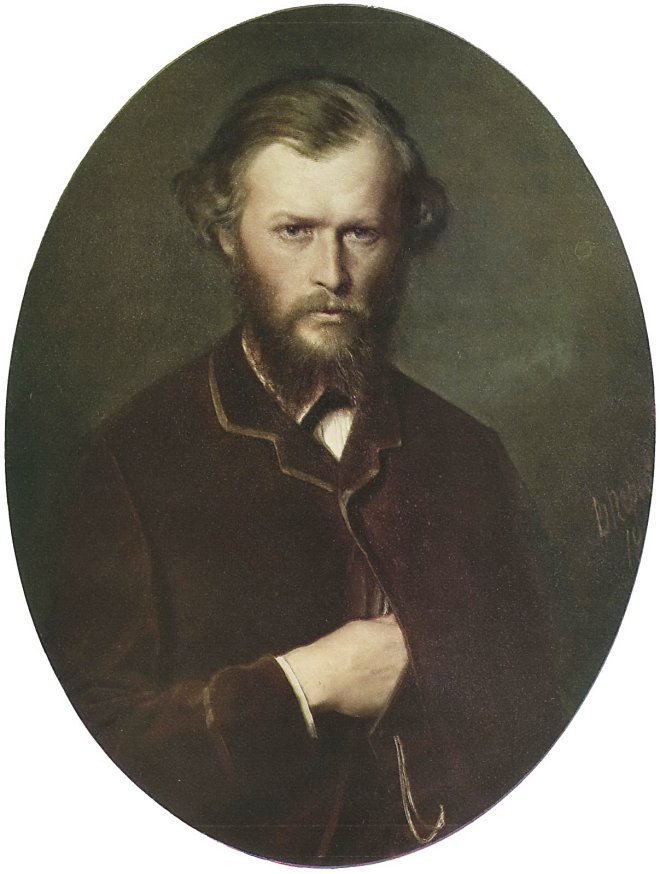
  • Portrait of N. G. Kridener, the artist's brother. 1856
  • The arrival of the police officer for the investigation. 1857
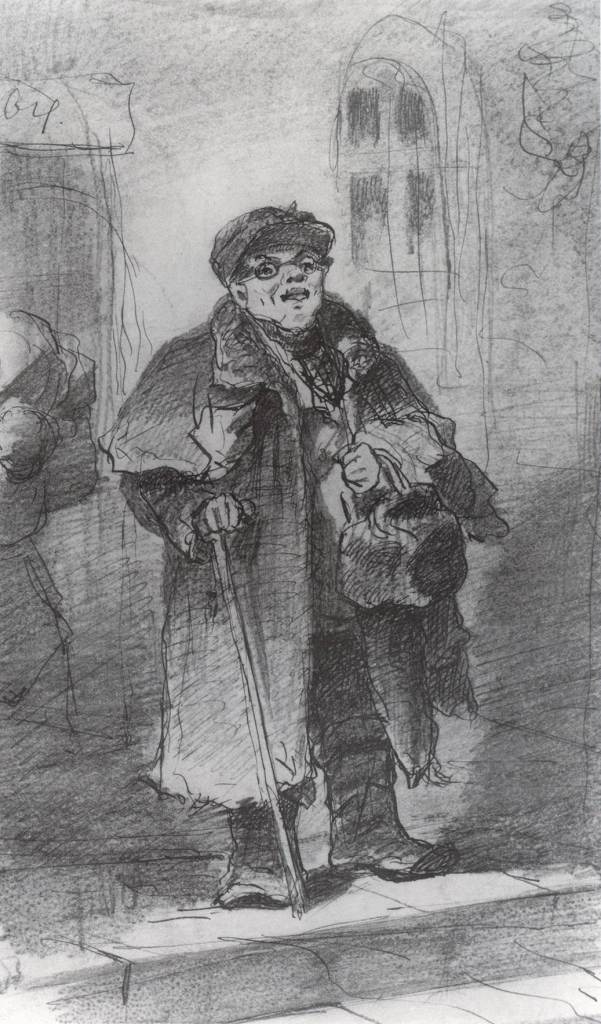
  • Wanderer. 1859
  • Scene at the grave. 1859
  • First rank. 1860
  • Portrait of an unknown. 1860s
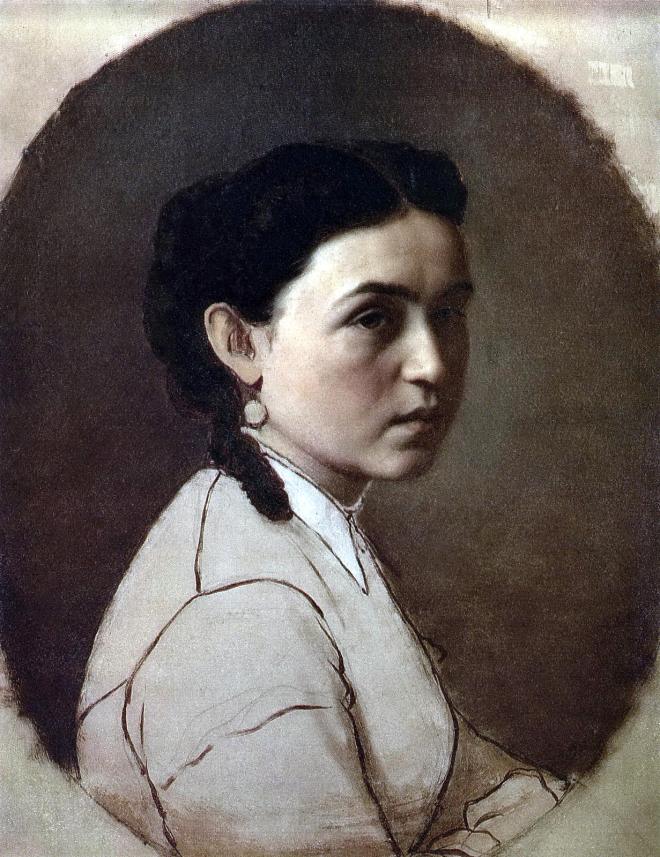
  • Portrait of E. E. Perova. OK. 1860
  • Village procession at Easter - 1861
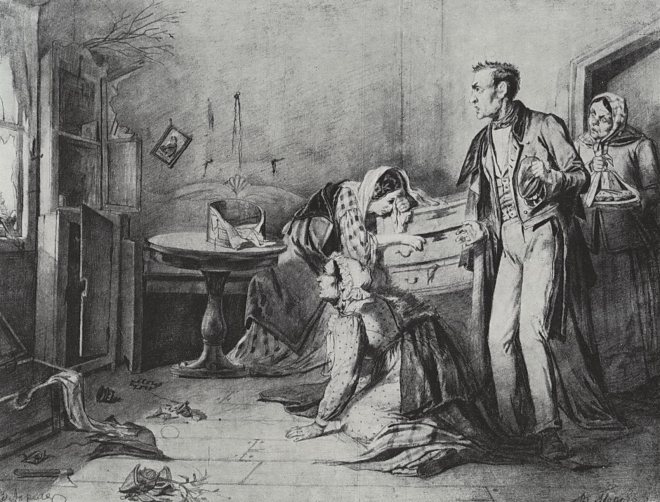
  • Burglary on Easter night. 1861
  • Sermon in the village -1861
  • Village procession at Easter. 1862
  • Amateur - 1862
  • Portrait of I. M. Pryanishnikov. Around 1862
  • Courtship of an official to the daughter of a tailor - 1862
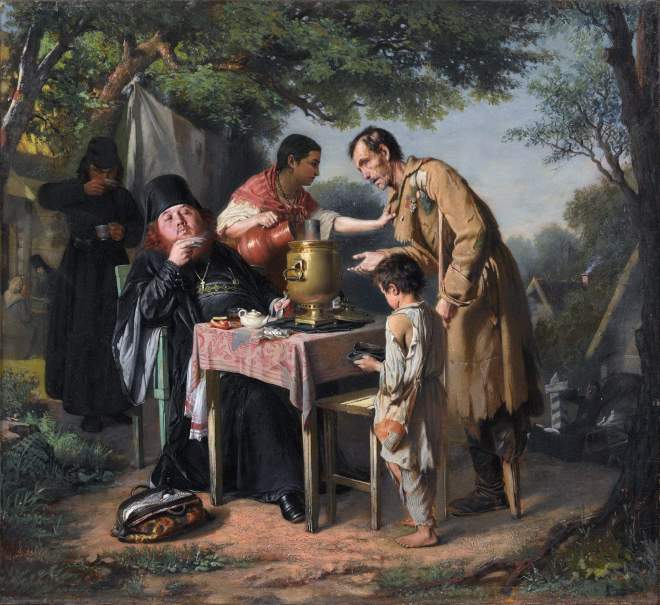
  • Tea drinking in Mytishchi, near Moscow - 1862
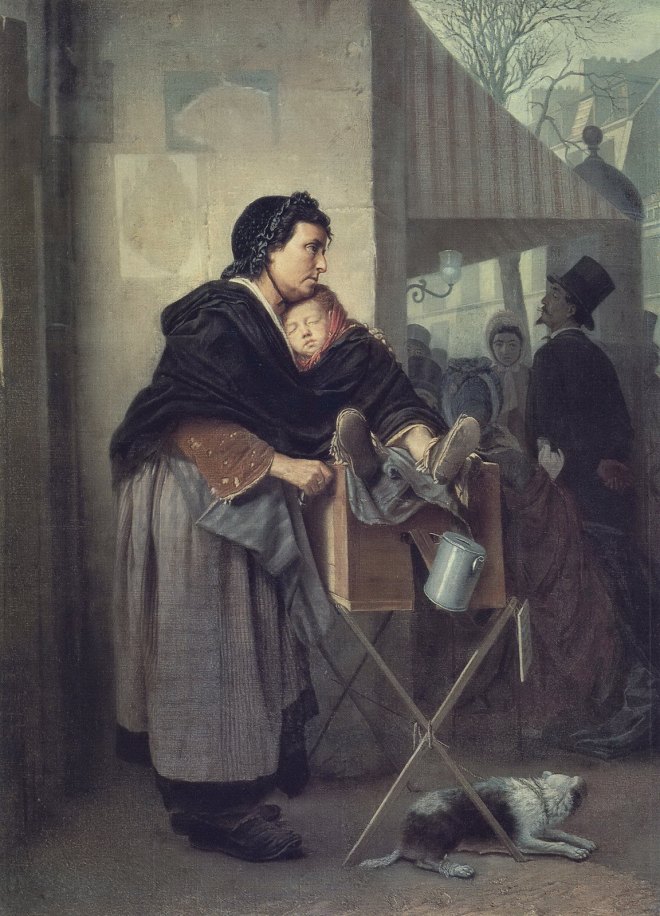
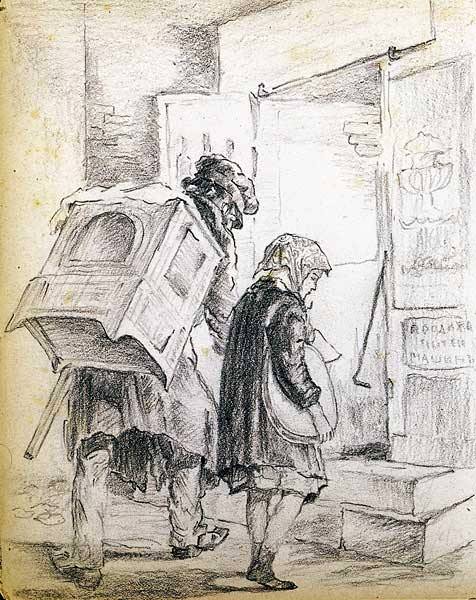
  • Organ grinder - 1863
  • Funeral in a poor quarter of Paris. 1863
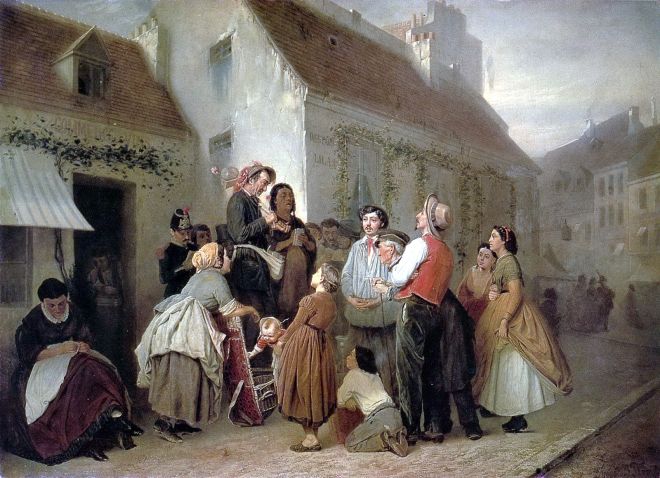
  • Street musicians in Paris. 1863
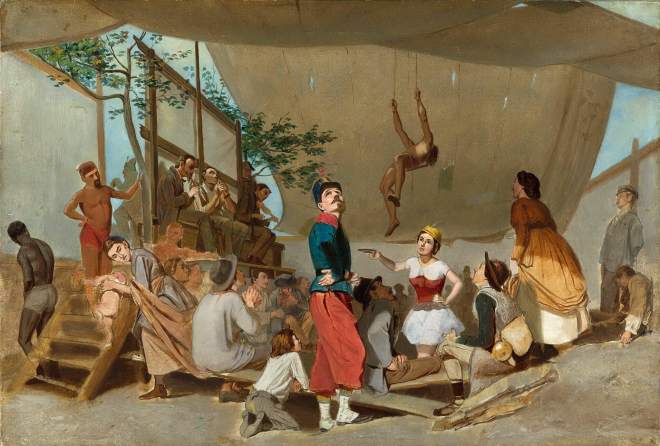
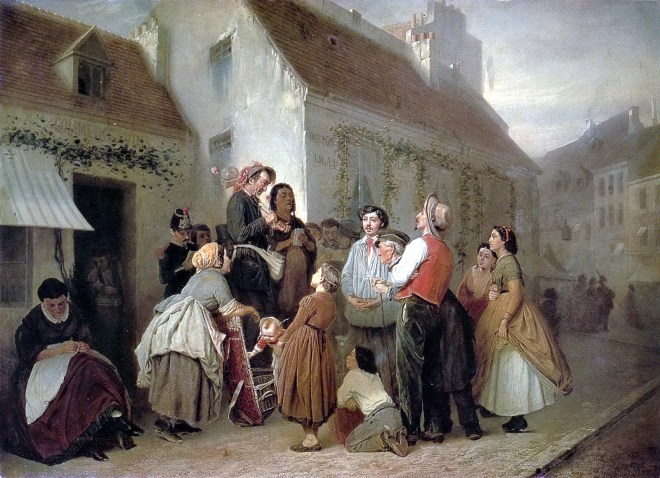
  • Parisian festivities. 1863
  • A holiday in the vicinity of Paris. Sketch. 1864
  • Holiday in the vicinity of Paris (On Montmartre). (Unfinished) 1863-64
  • Seller of songbooks. (Unfinished) 1863-64
  • Parisian festivities. The interior of the booth during the presentation 1863-1864
  • Parisian organ grinder. 1864
  • Blind musician. 1864
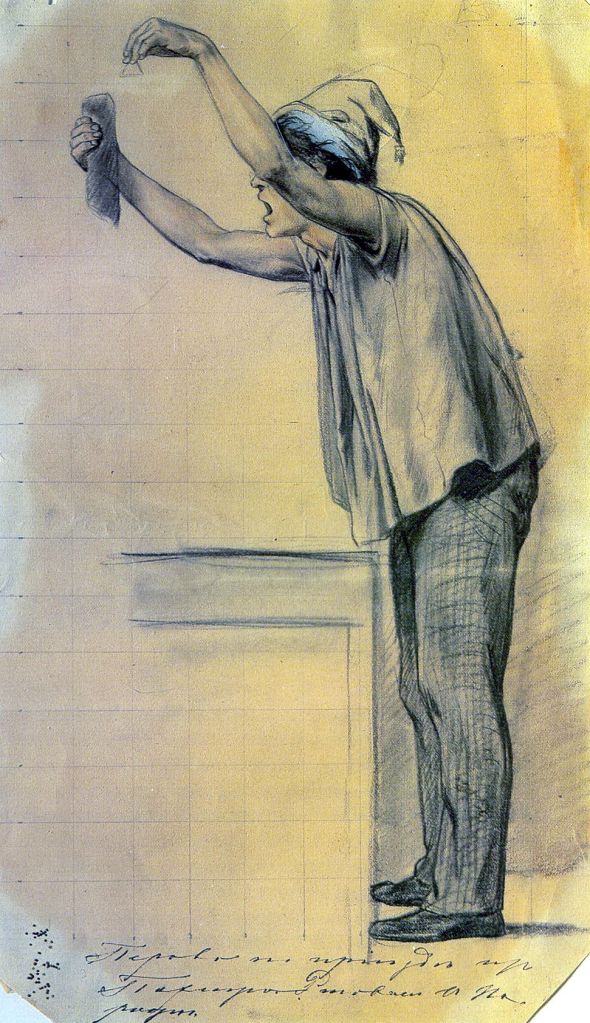
  • A boy with raised hands, addressing the public - 1864
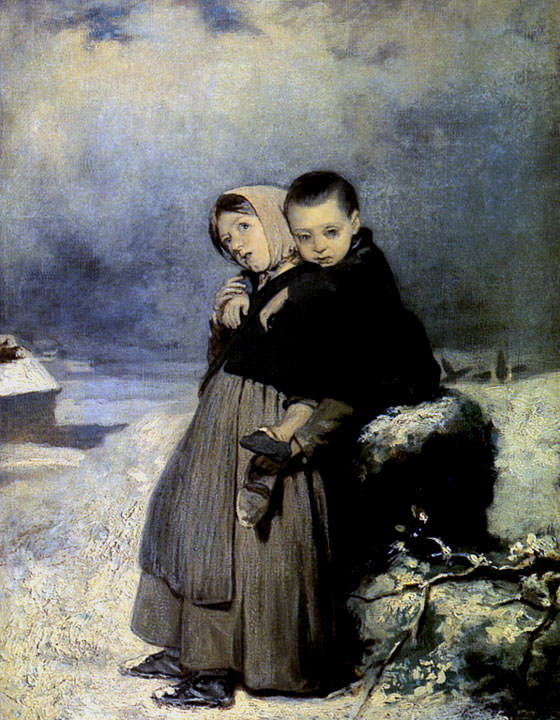
  • Orphans in the cemetery. 1864
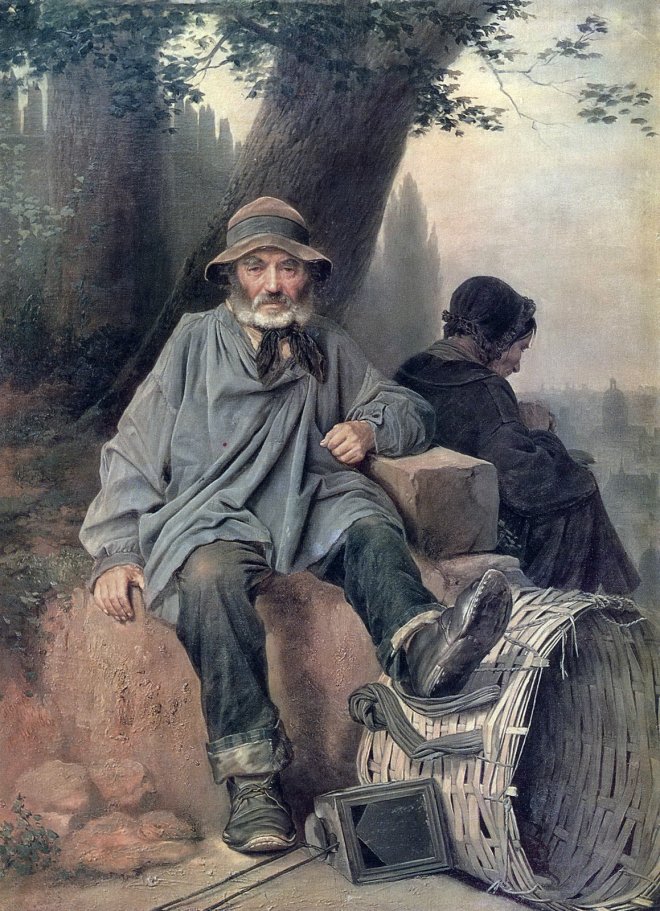
  • Parisian rag-pickers. 1864
  • Savoyard. 1864
  • Songbook seller. 1864
  • Holiday near Paris. 1864.
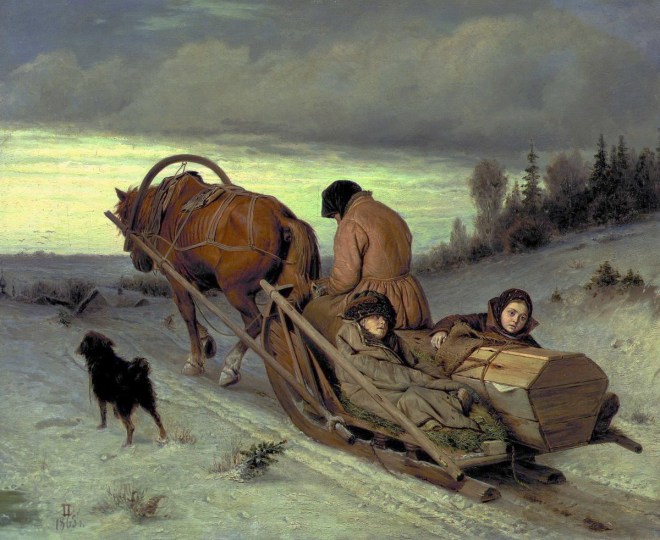
  • last-journey-1865
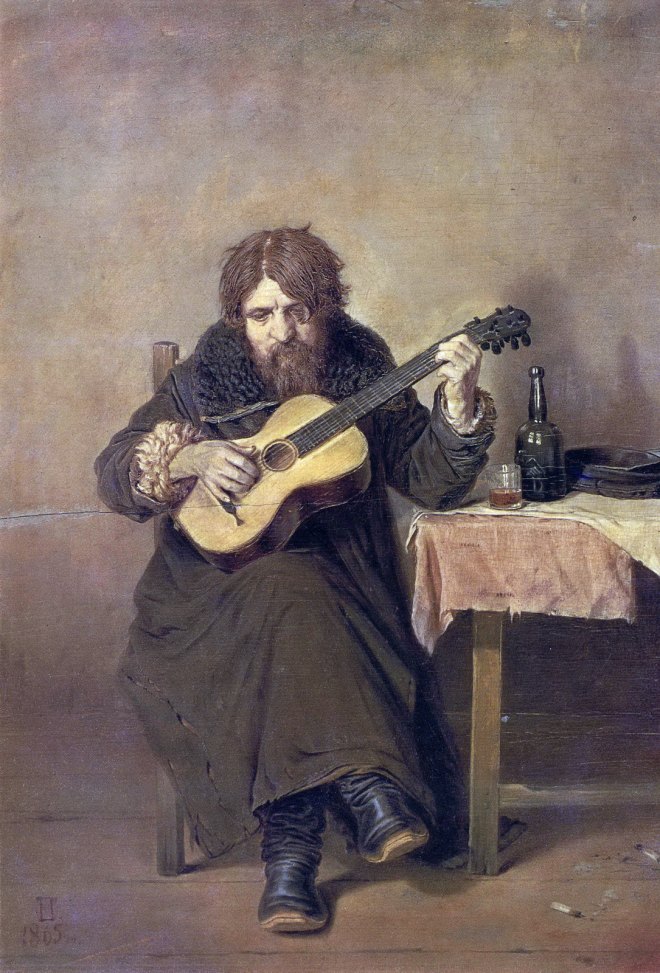
  • Guitarist-bobyl. 1865
  • Boy - artisan. 1865
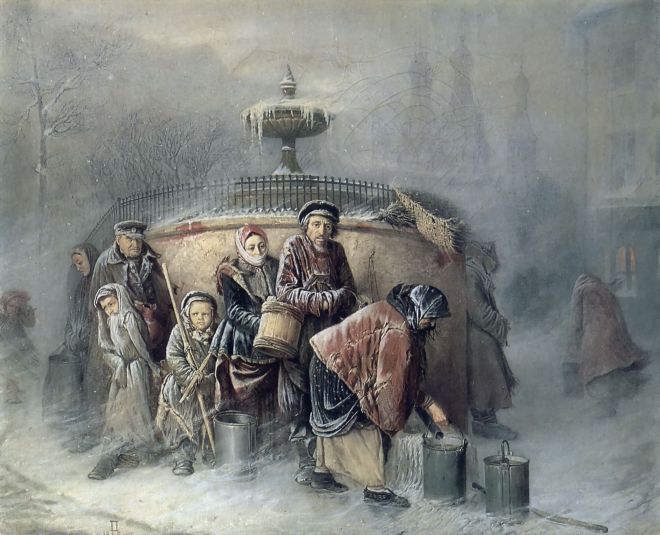
  • Next at the pool. 1865
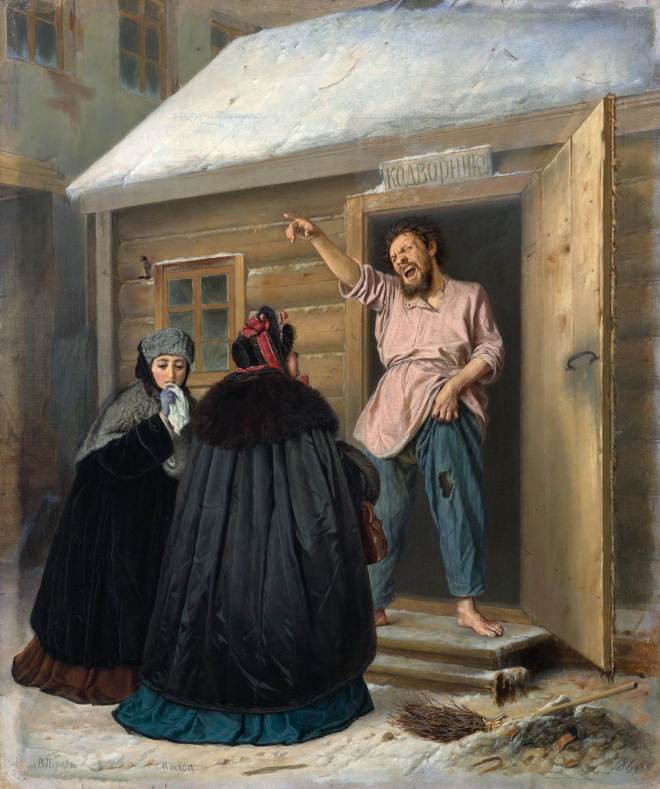
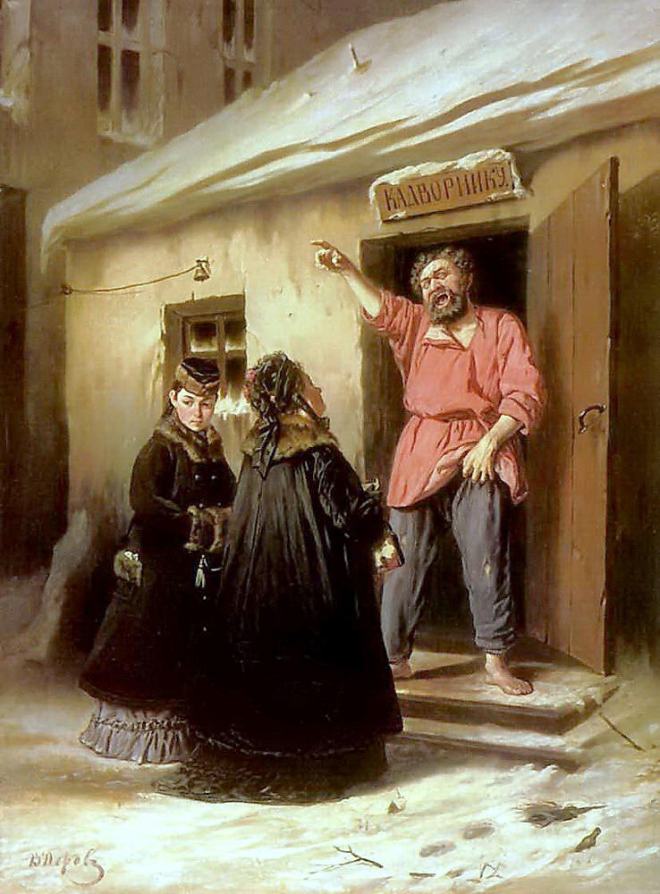
  • Janitor giving an apartment to a mistress - 1865
  • Meal. 1865
  • Meal 1865 -1976
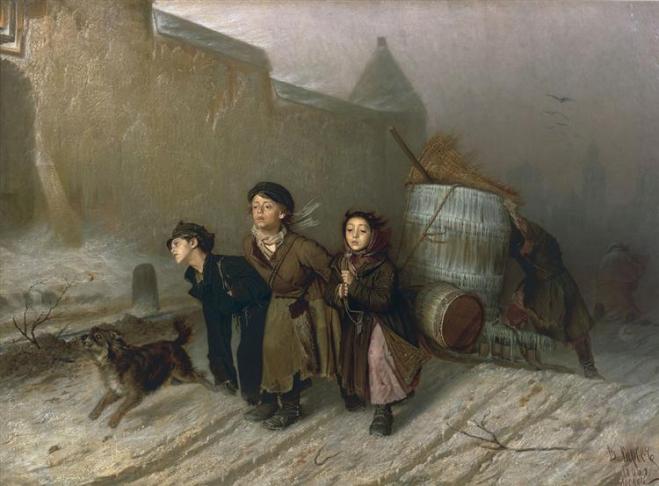
  • troika-apprentice-workmen-carrying-water-1866
  • A boy preparing for a fight - 1866
  • Clean Monday. 1866
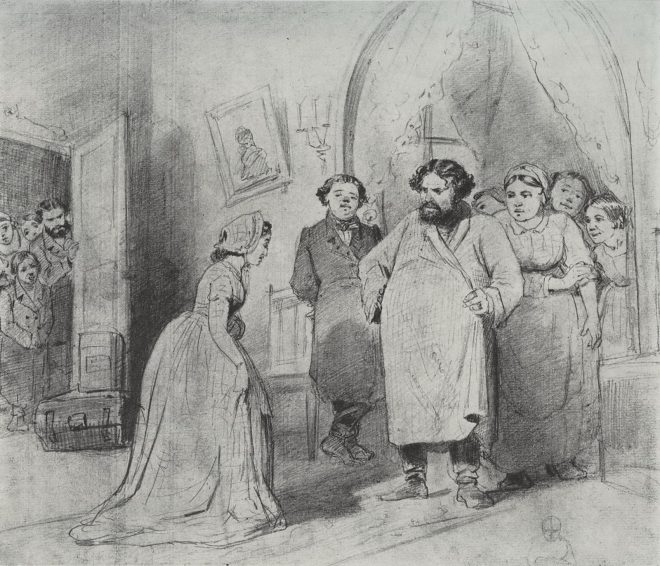
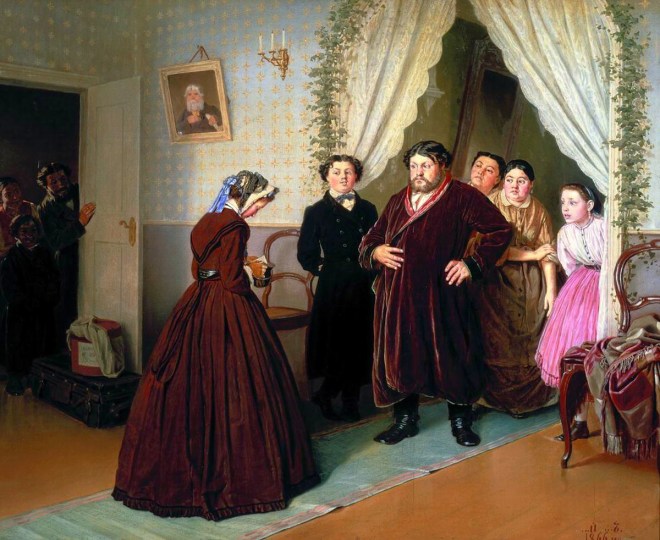
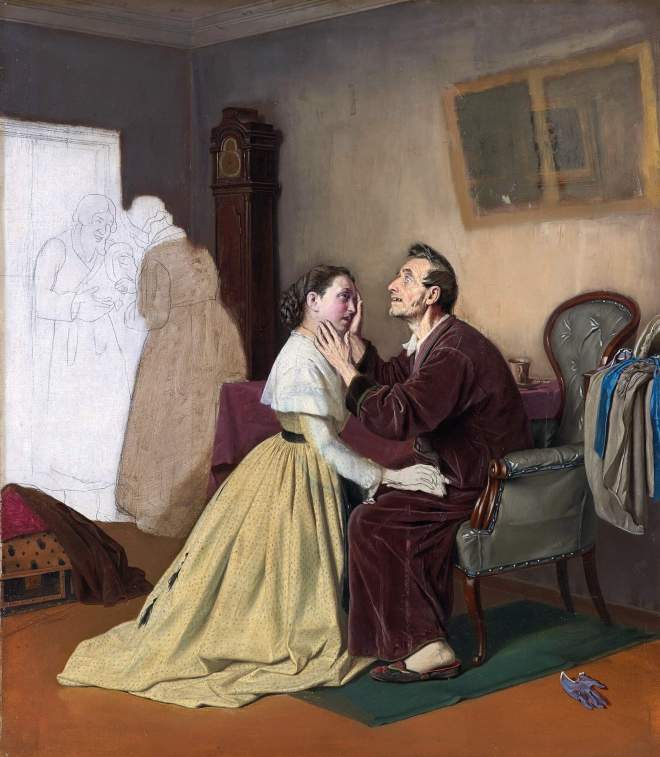
  • The arrival of a governess in a merchant's house. 1866
  • Arrival of a governess to a merchant's house
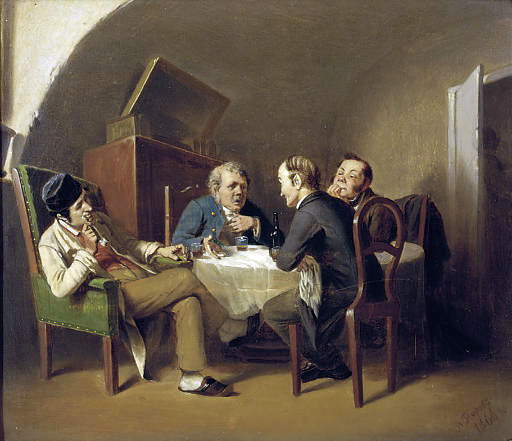
  • Conversation at the round table. 1866
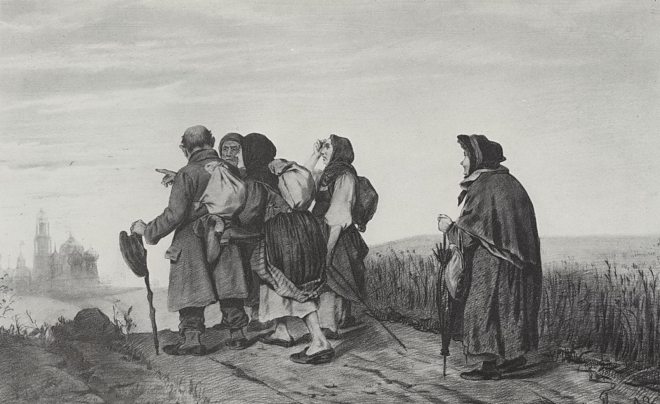
  • On a pilgrimage. 1867
  • In the loan office. 1867
  • Christ and the Mother of God at the sea of ​​life. 1867
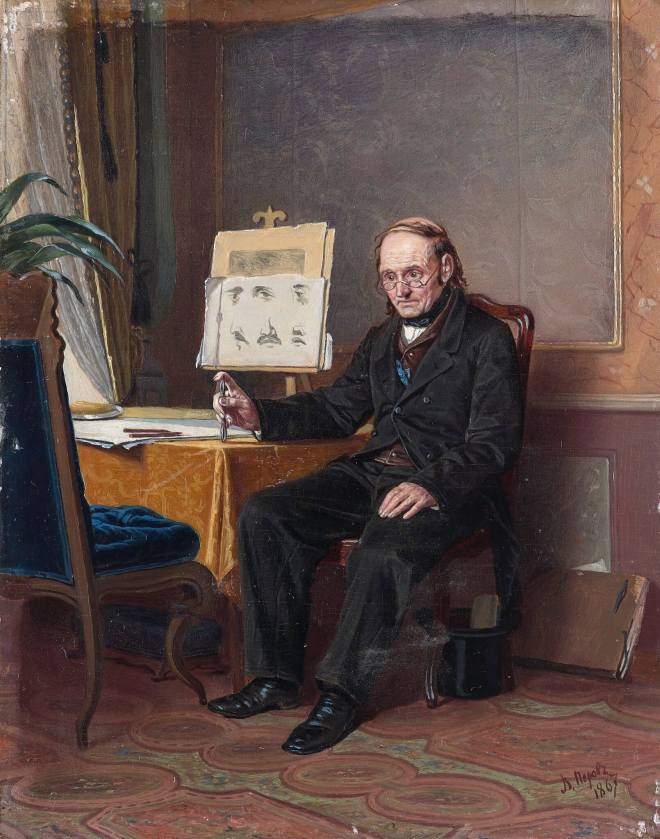
  • Drawing teacher - 1867
  • Drowned Woman - 1867
  • On the railroad. 1868
  • Fomushka-owl. 1868
  • Janitor - self-taught. 1868
  • Market in Moscow. 1868
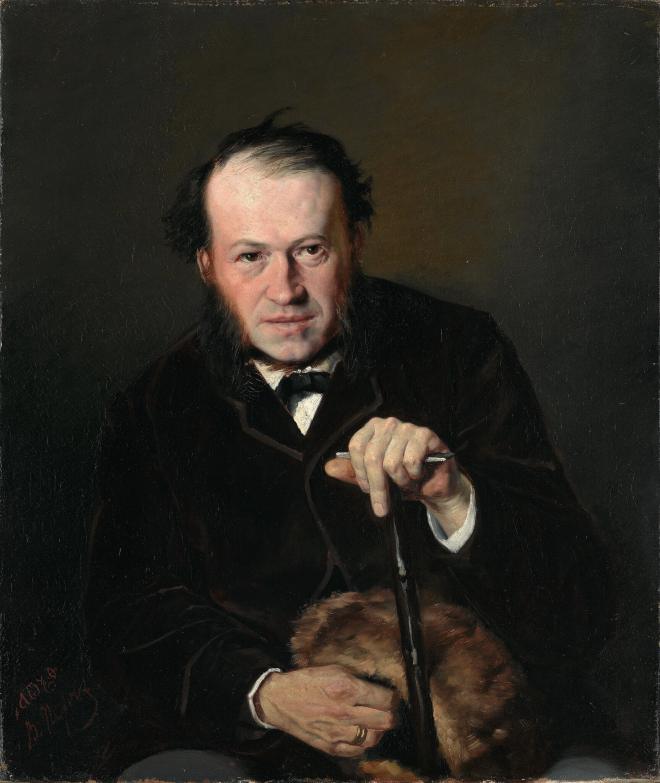
  • Portrait of N. F. Rezanov. 1868
  • Portrait of F. I. Rezanova. 1868
  • Portrait of F. F. Rezanov. 1868
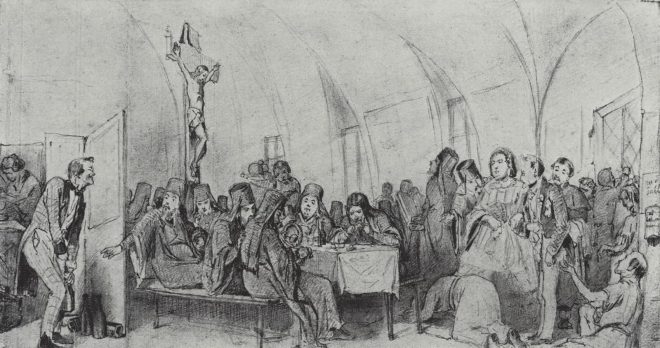
  • The division of the inheritance in the monastery (Death of a monk). Pencil drawing. 1868
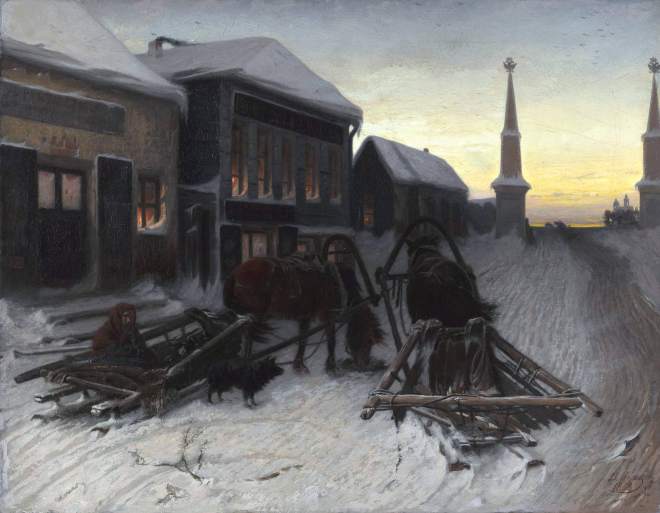
  • The last tavern at the outpost. 1868
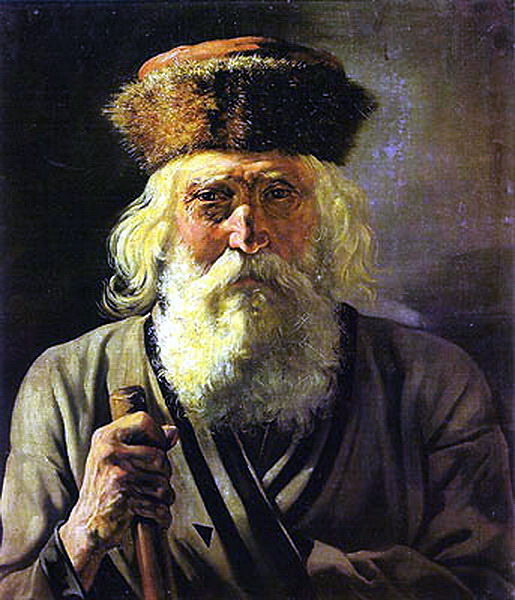
  • Old Man - 1868
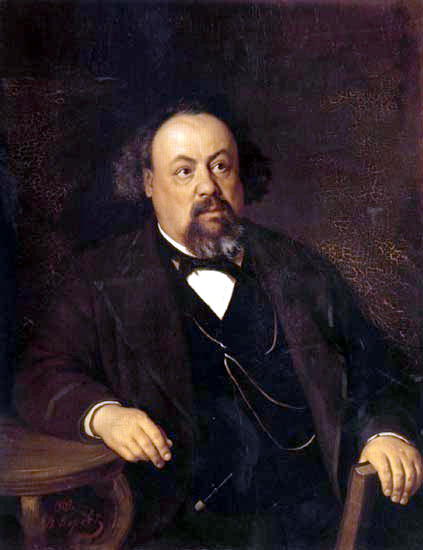
  • Portrait of the writer A. F. Pisemsky. 1869
  • Portrait of V.V. Bezsonova (1826-1887) - 1869
  • Portrait of N. P. Lanin. 1869
  • Wanderer. 1869
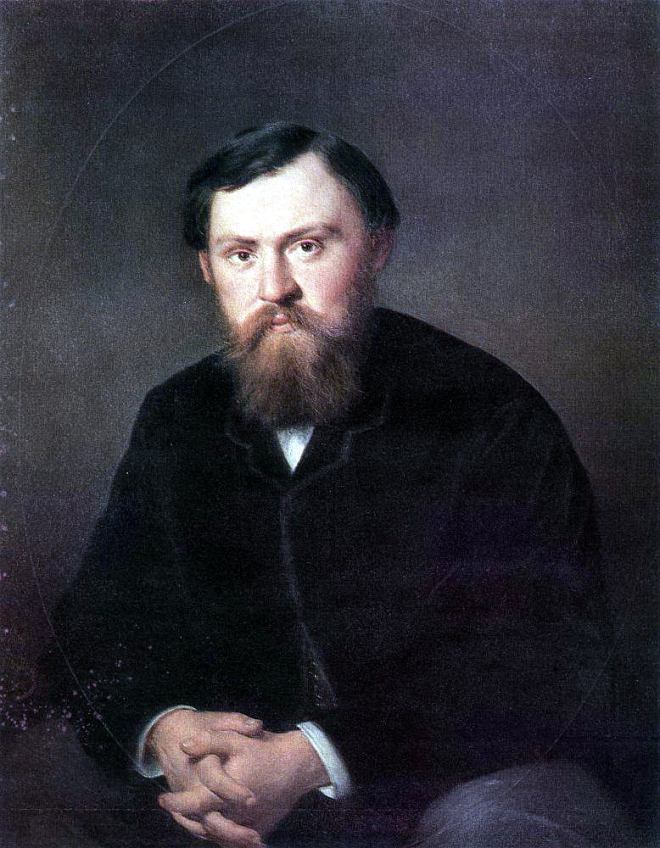
  • Portrait of A. A. Borisovsky. 1869
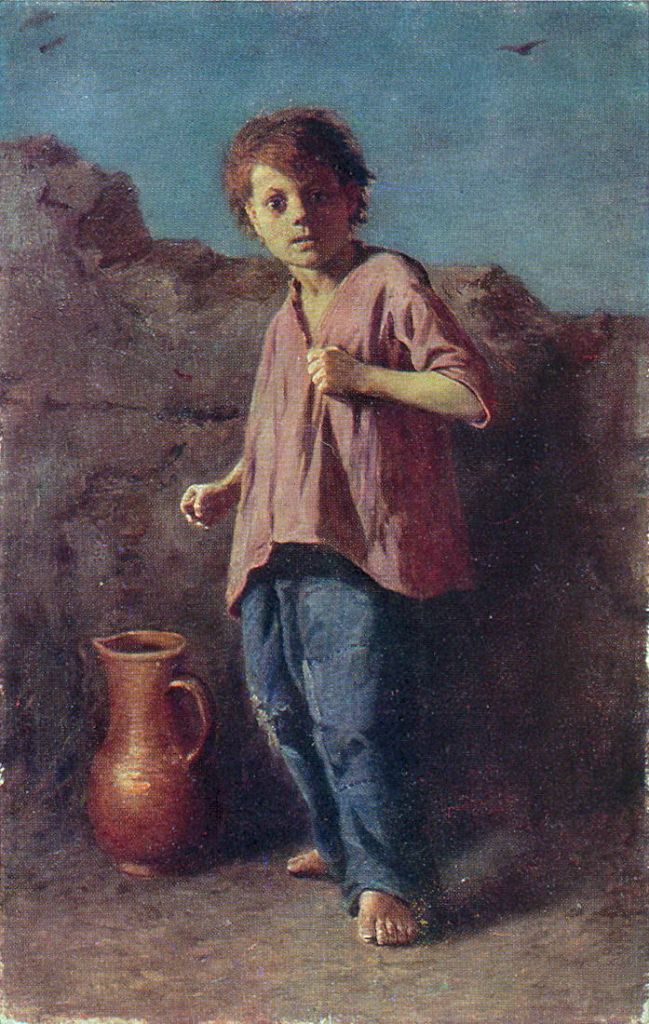
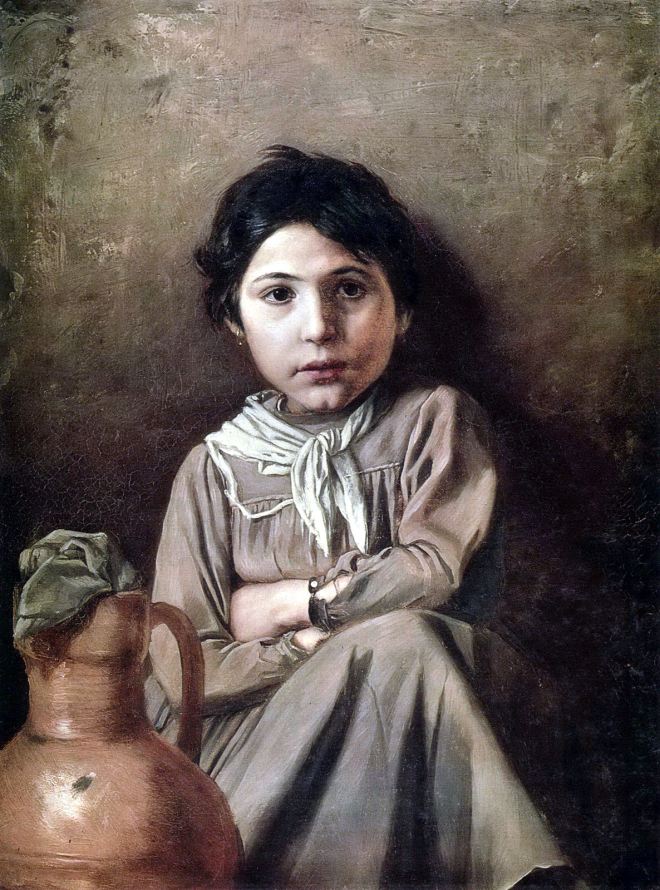
  • Girl with a jug. 1869
  • bird-catcher by Perov - 1870
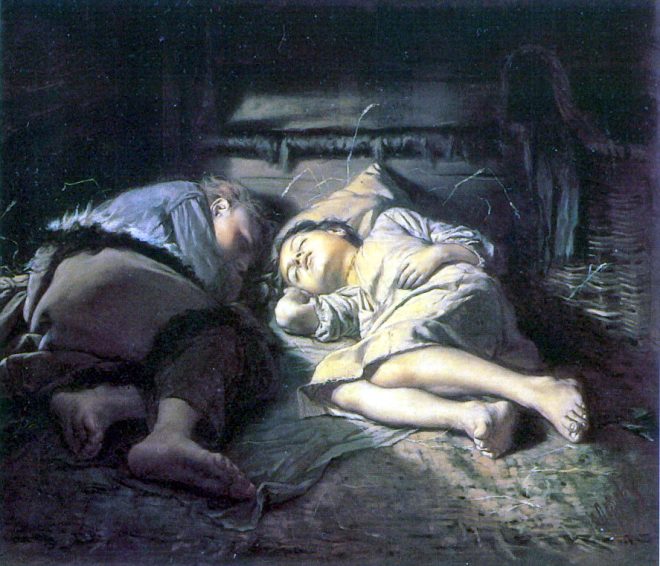
  • Sleeping children. 1870
  • Portrait of Nikolai Grigorievich Rubinstein. 1870
  • To the Trinity-Sergius - 1870
  • Portrait of Anton Grigorievich Rubinstein. 1870
  • On the eve of the bachelorette party. Seeing the bride from the bath - 1870
  • Portrait of Avdotya Kuznetsova. 1870
  • Wanderer - 1870
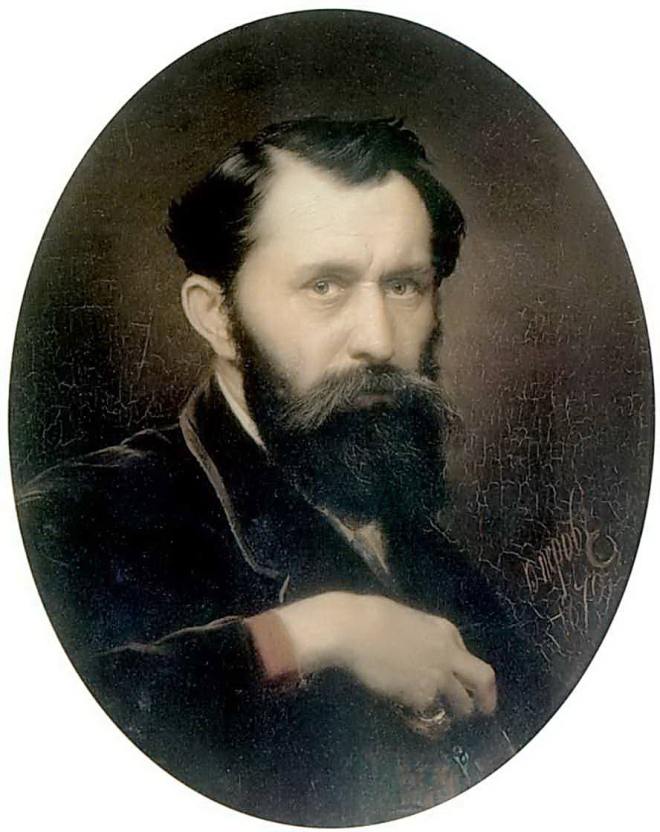
  • Self-portrait. 1870
  • Arrival of a college girl to a blind father 1870
  • Portrait of an unknown. 1870
  • Grandfather and granddaughters. 1871
  • fisherman-1871
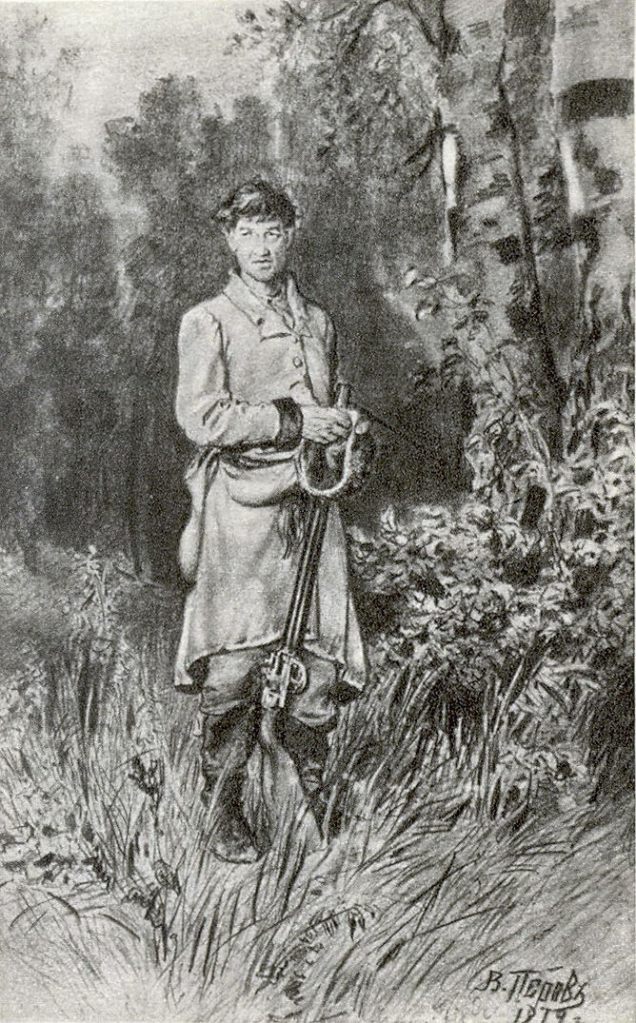
  • hunters-at-rest-1871
  • Portrait of A.N. Ostrovsky (1823-1886) -1871
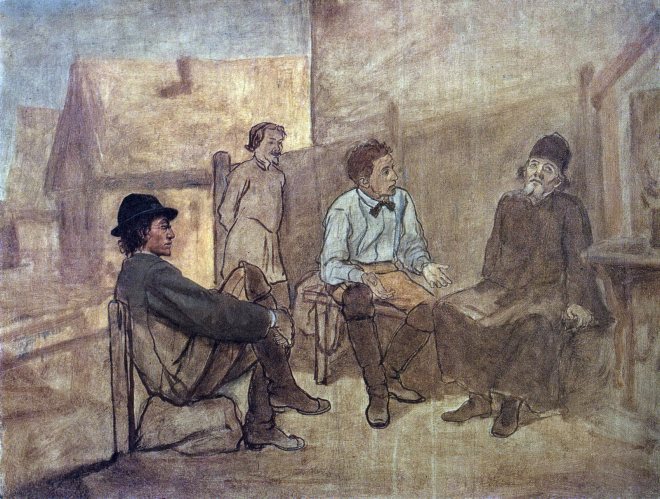
  • Conversation of students with a monk. 1871
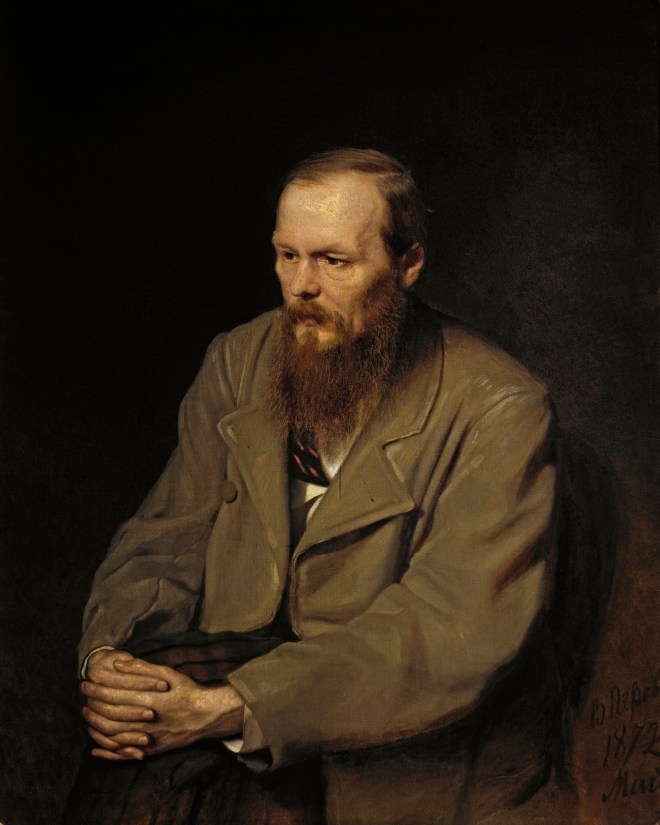
  • Portrait Dostoevsky 1872
  • Portrait of A.N. Maikov (1821-1897) - 1872
  • Portrait of V.I. Dahl (1801-1872) - 1872
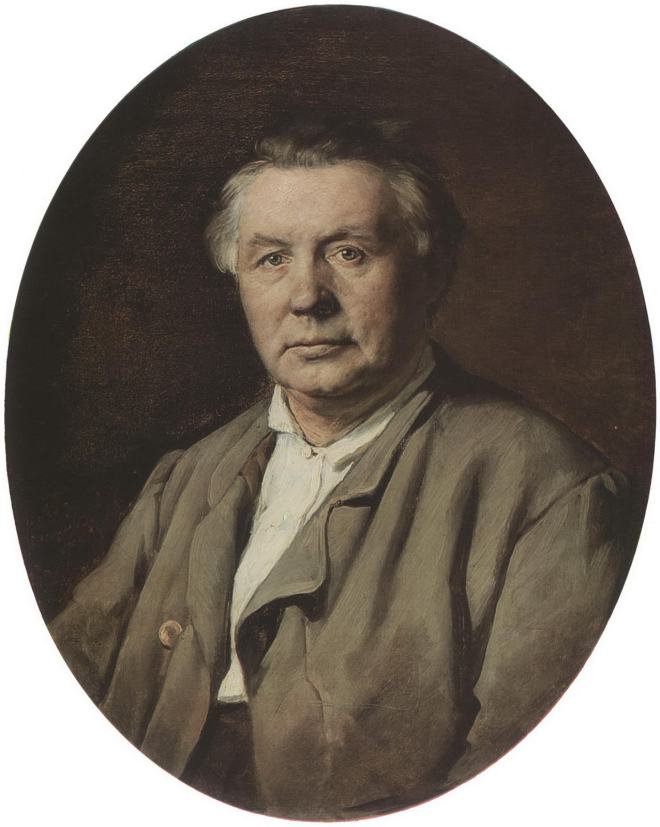
  • Portrait of I.S. Kamynin (1808-1874) - 1872
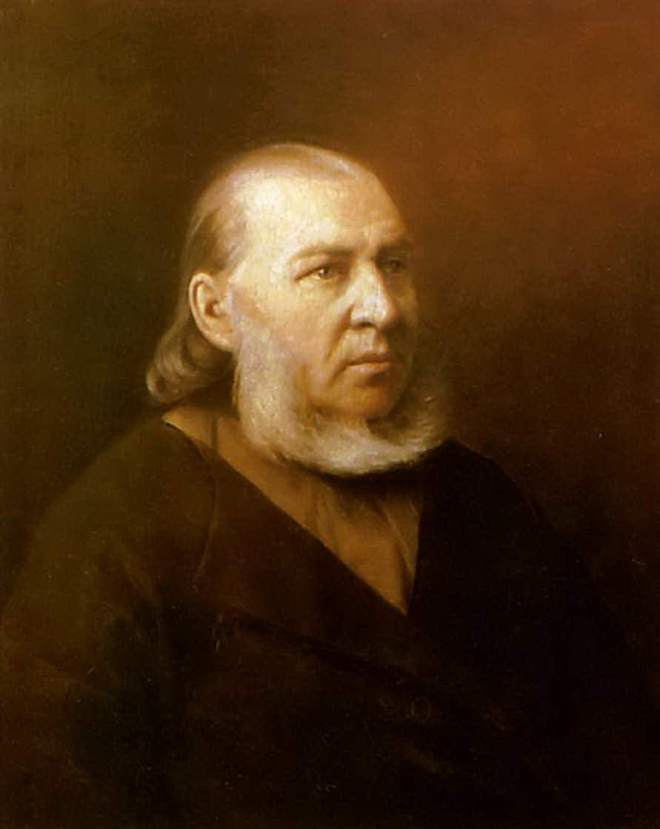
  • Portrait of the writer Sergei Timofeevich Aksakov. 1872
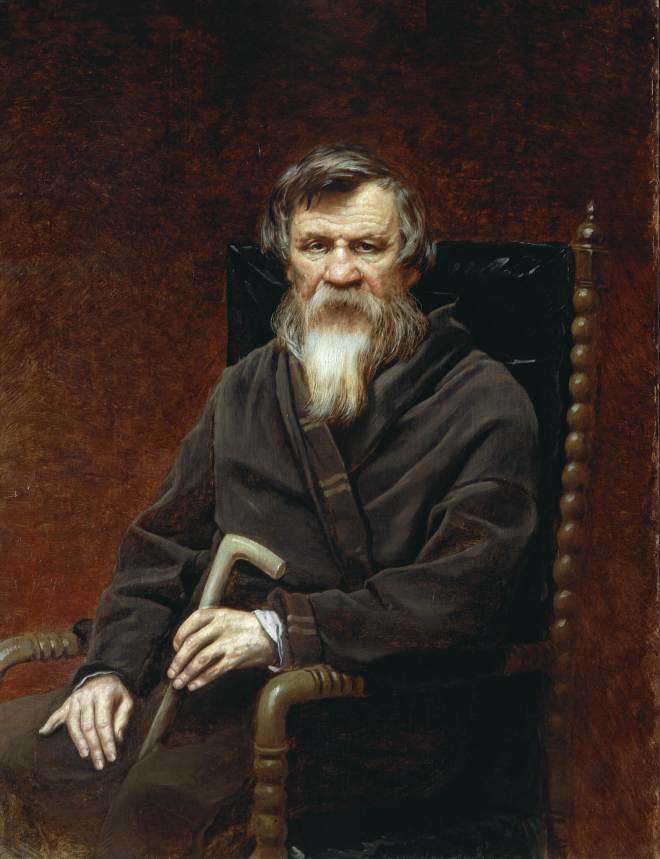
  • Portrait of the historian Mikhail Petrovich Pogodin (1800-1875) - 1872
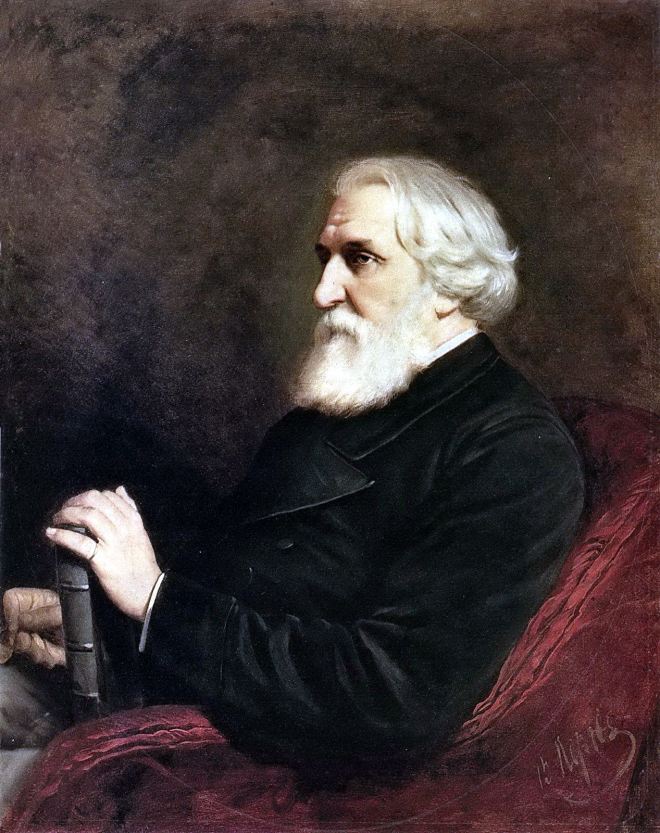
  • Portrait of the writer Ivan Sergeevich Turgenev. 1872
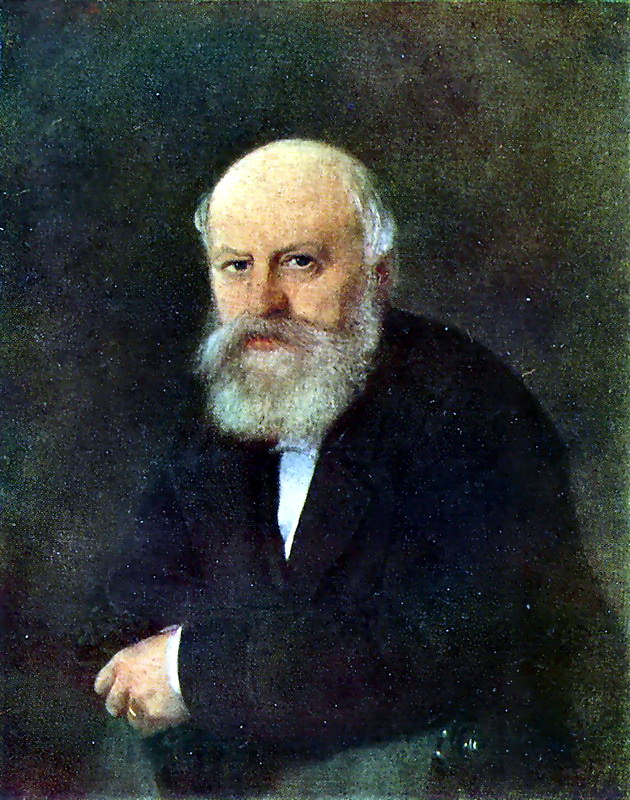
  • Portrait of the composer P. S. Campioni. 1872
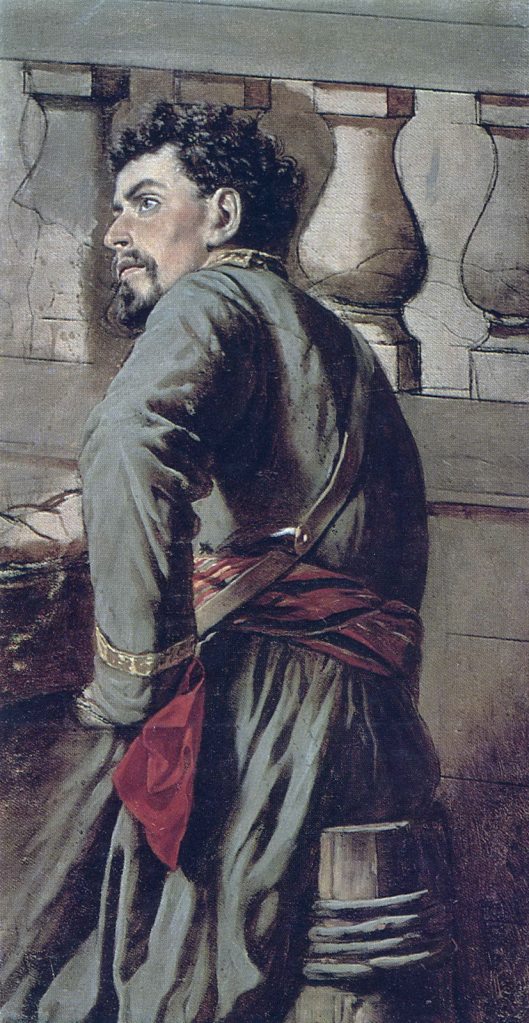
  • Cossack. 1873
  • Traveler. 1873
  • Holy fool, surrounded by wanderers. 1872
  • Head of a Kirghiz - a convict. 1873
  • Fedot and Arina. 1873
  • Evening on Great Saturday. 1873
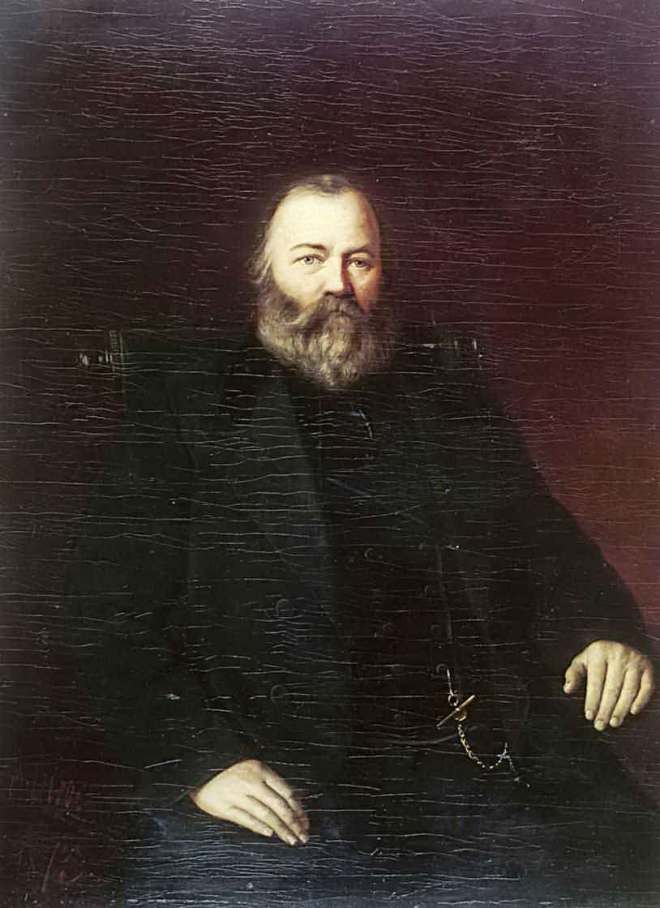
  • Portrait of the merchant S. T. Kuznetsov. 1873
  • Gogol wird von den Gestalten seiner Werke zu Grabe getragen. 1873
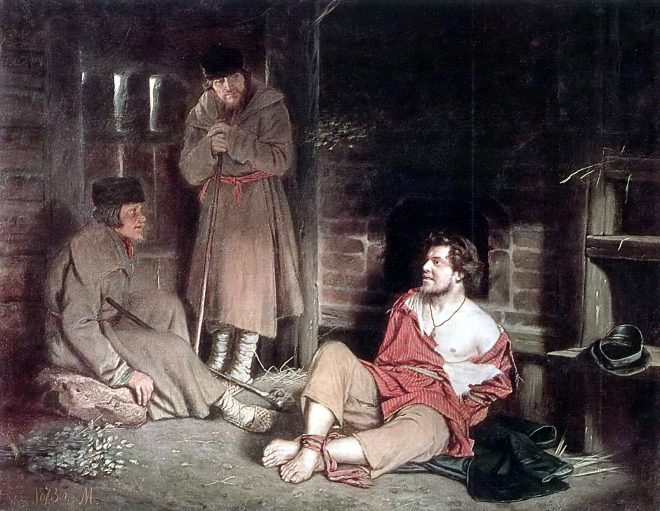
  • Inveterate. 1873
  • Sad father. 1873-74
  • Scouts near Sevastopol. 1874
  • pigeon-fancier-1874
  • Reception of a wanderer. 1874
  • The return of the reapers from the field in the Ryazan province. 1874
  • Joyful father. 1874
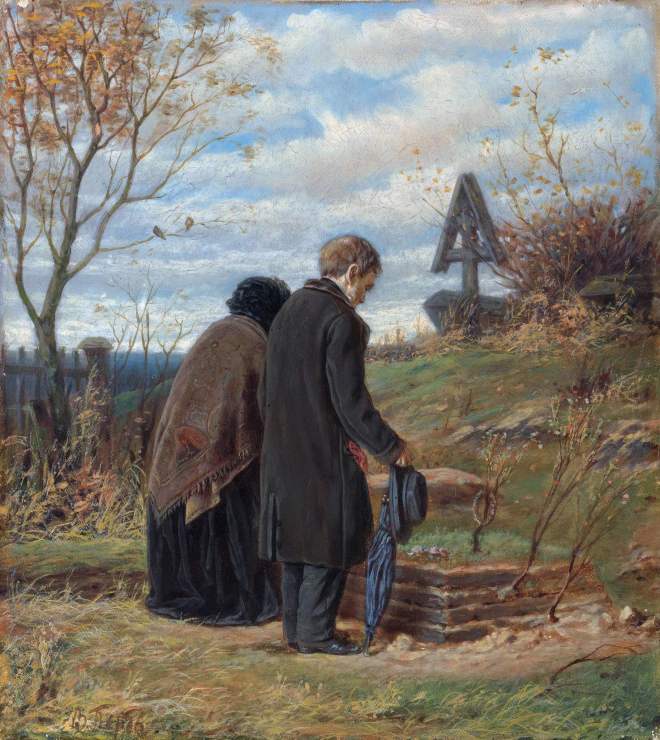
  • The old man. Fragm. variant k. Old people - parents at the grave of their son. 1874
  • Old parents at the grave of their son - 1874
  • Botanist. 1874
  • Gossip Girl. 1875
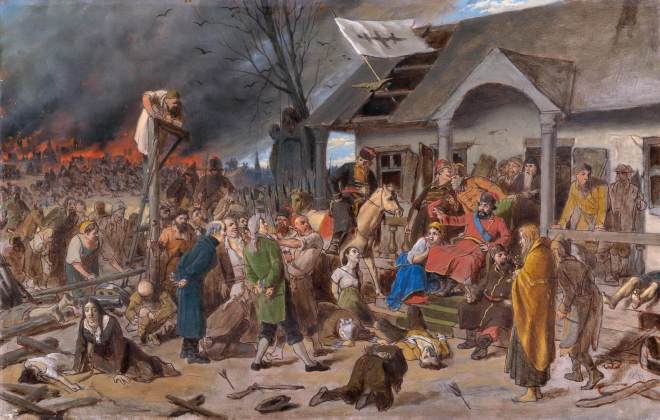
  • Pugachev's Court. 1875
  • Portrait of Anna Ivanovna Sergeeva, nee. Sheina. 1875
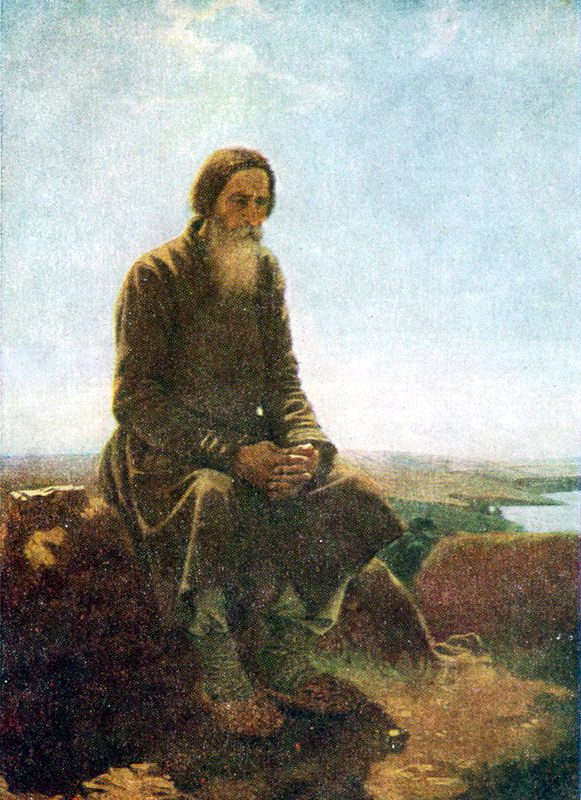
  • Peasant in the field. 1876
  • Portrait of Pyotr Ivanovich Nikolaev, Chairman of the Vladimir Zemstvo Council. 1876
  • Portrait of N. A. Kasatkin. 1876
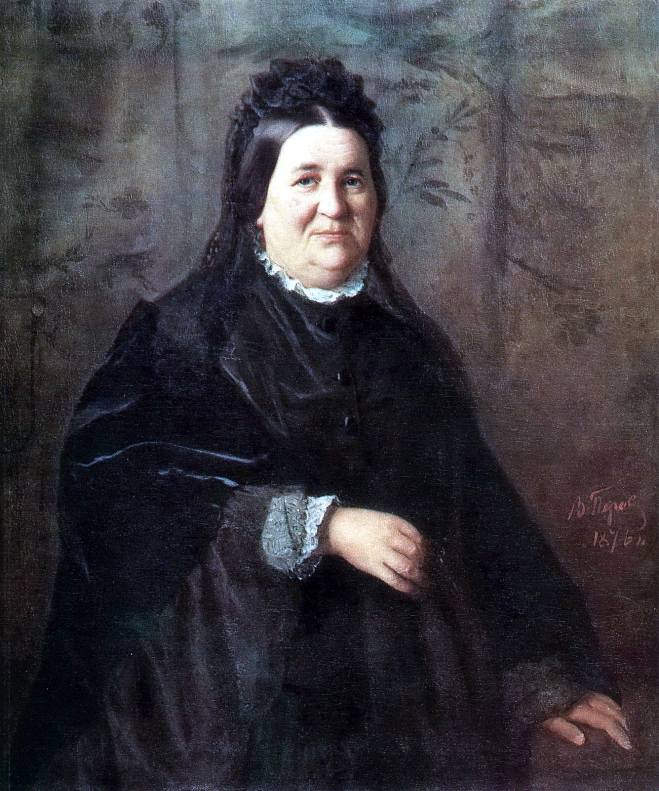
  • Portrait of A. I. Kridener, born. Ivanova, the artist's mother. 1876
  • fishing 1878
  • Blind. 1878
  • A janitor who gives an apartment to a mistress. 1878
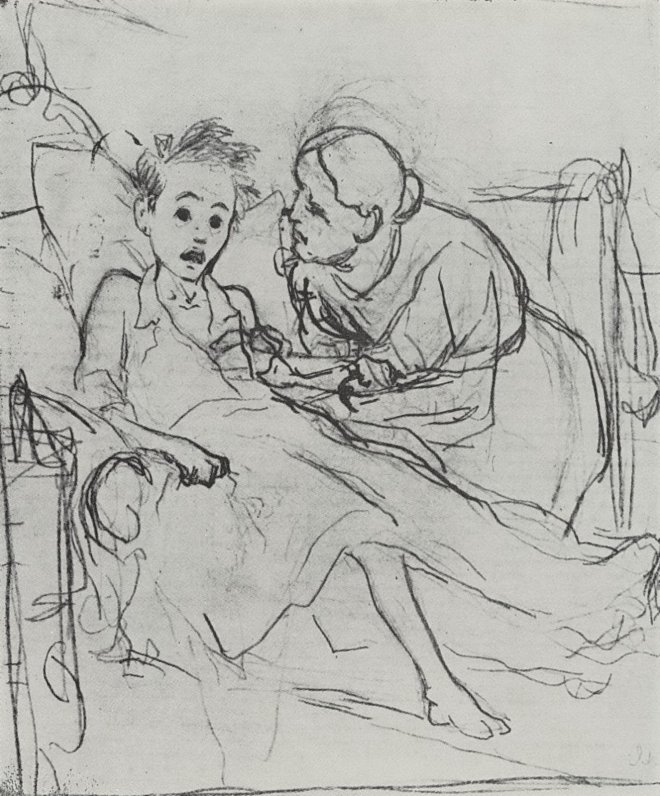
  • Mother with a sick child. 1878
  • Portrait of A.K. Savrasov (1830-1897) - 1878
  • Christ in the Garden of Gethsemane. 1878
  • Executed Pugachevites. Rice. pencil and pen. 1878
  • Pugachev's Court - 1879
  • Fishermen. (Priest, deacon and seminarian). 1879
  • Wanderer in the field. 1879
  • From the station. 1879
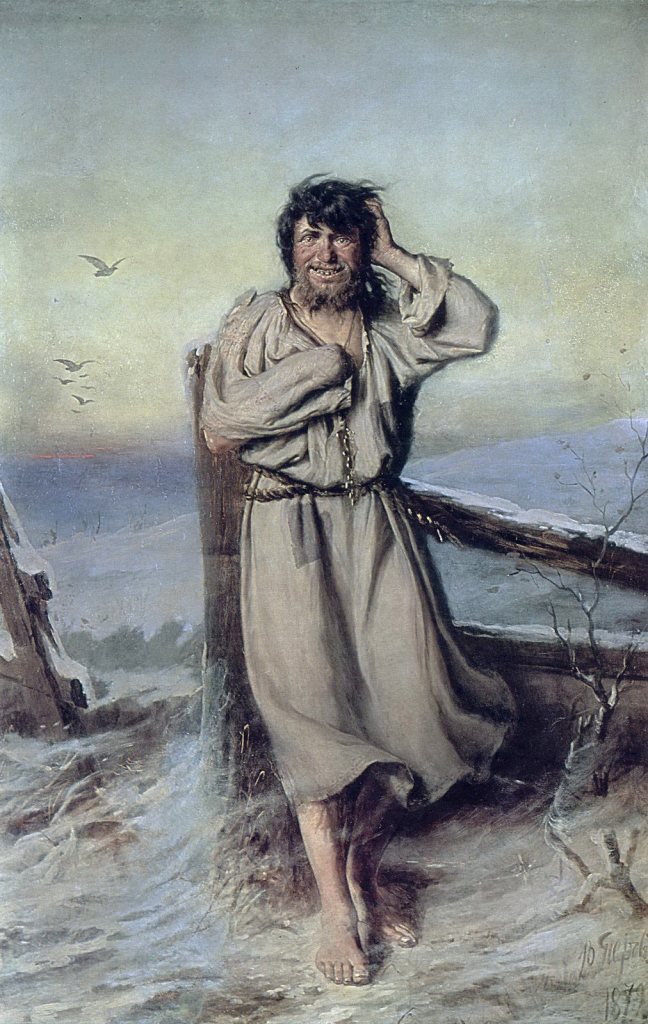
  • Blessed. 1879
  • On the traction. Pencil drawing. 1879
  • The return of the peasants from the funeral in winter. Beginning 1880s
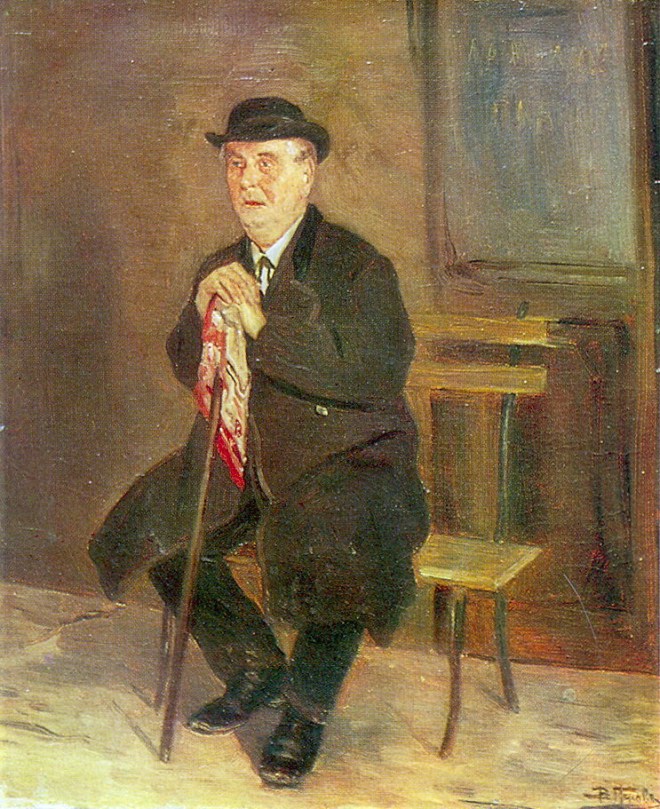
  • The old man on the bench. 1880s
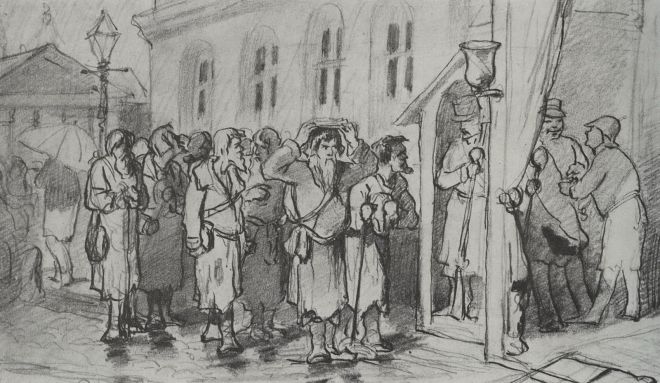
  • Walkers - petitioners. 1880
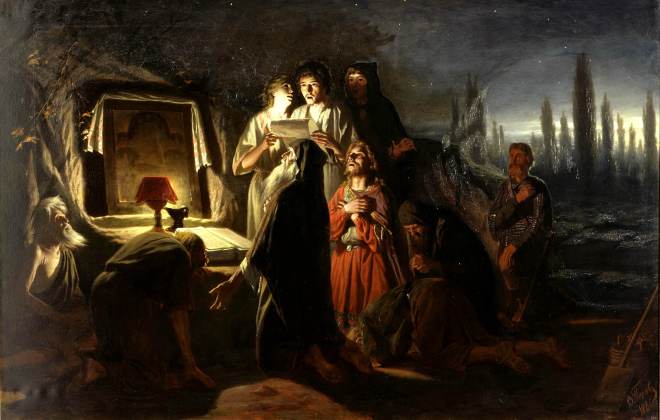
  • The first Christians in Kiev. 1880
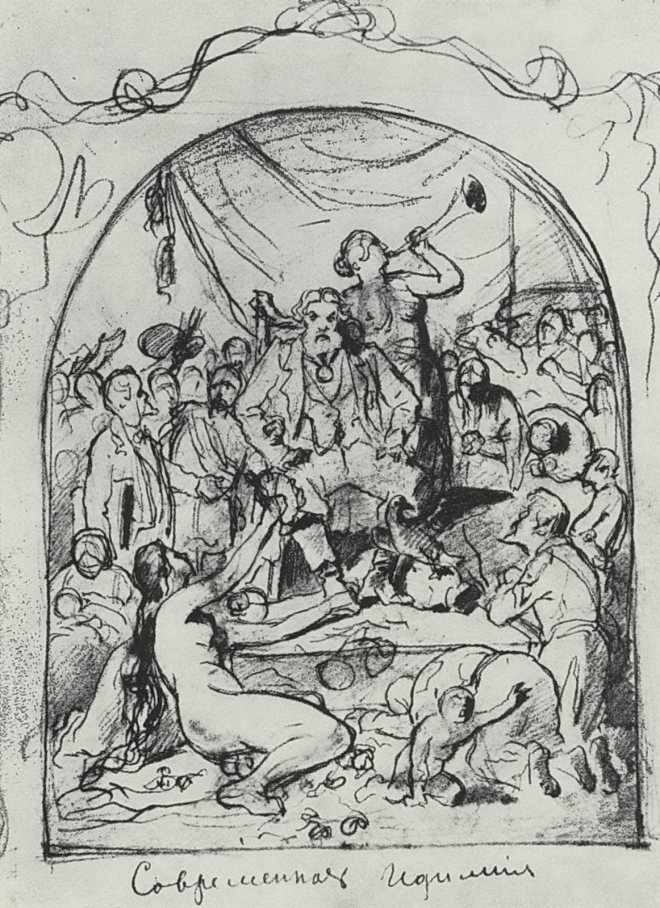
  • Modern idyll. 1880
  • Lament of Yaroslavna. 1881
  • Dispute about faith. 1881
  • The old man on the bench 1881
  • The last tavern at the outpost
  • Before the tonsure
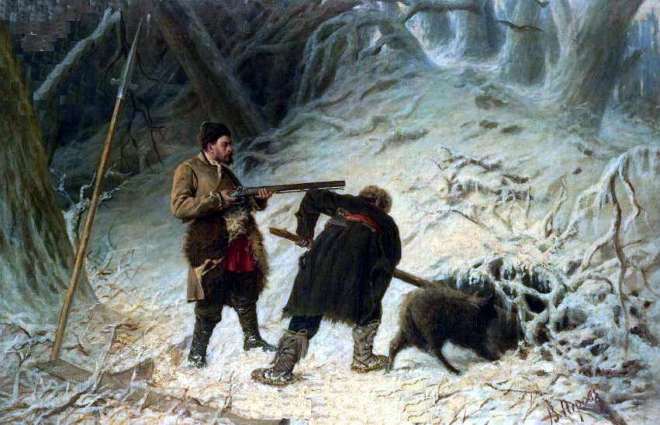
  • Boar hunting
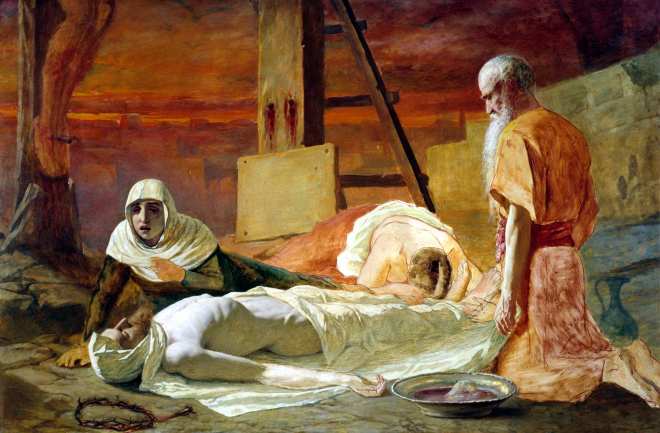
  • Descent from the Cross. Canvas
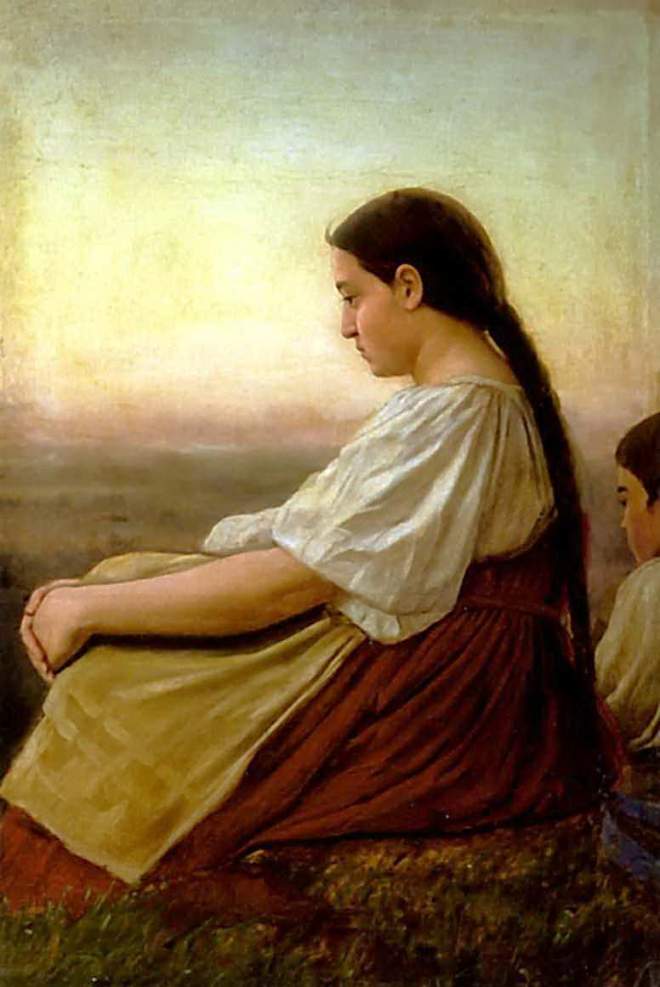
  • Girl
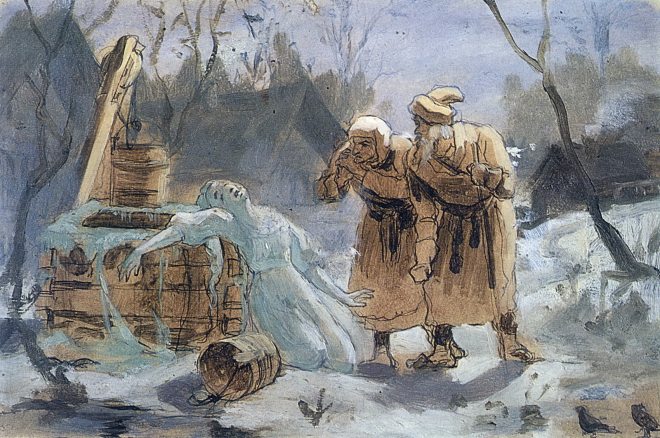
  • Melting Snow Maiden
  • Organ grinders
  • Portrait of an old woman
  • Portrait of the sculptor V. S. Brovsky.
  • Pugachev's Court
  • The arrival of a rural teacher
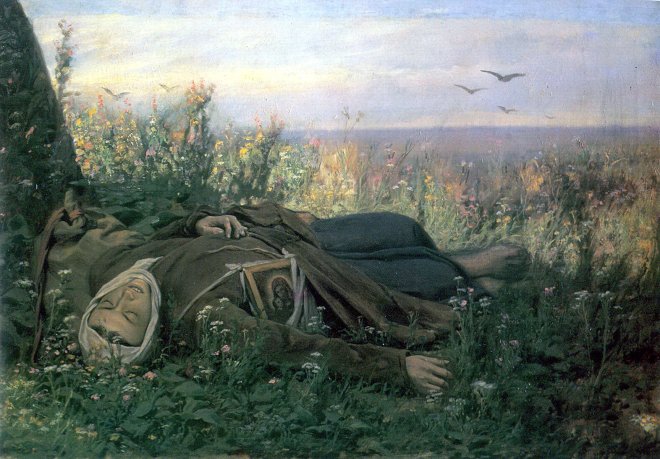
  • Pilgrim

Liste des Peintures de Vasily Perov en français dans l’ordre du diaporama

Vasily Grigoryevich Perov est né entre le 21 et le 23 décembre 1833 (2 ou 4 janvier 1834) et est le fils illégitime du baron Georgy (Grigory) Karlovich Kridener et d’AI Ivanova. 

Même si ses parents se sont mariés peu de temps après sa naissance, Vasily n’avait pas droit au nom et au titre de son père. Et son surnom “Perov”, qui est son nom de famille, lui a été donné par son professeur de literacy pour sa diligence et son écriture habile.

Dans son enfance, Vasily était malade de la variole, ce qui lui a causé une mauvaise vue pour le reste de sa vie. 

Il s’est intéressé à la peinture après avoir observé le travail d’un artiste et est allé étudier à l’école d’art Arzamas d’AV Stupin. Mais parce qu’il était si bon qu’il a été autorisé à peindre avec des peintures à l’huile avant les autres élèves, puis malheureusement à cause d’une dispute avec un autre élève, il n’a pas terminé l’école.

Il est rentré chez lui et a commencé à créer la composition « Crucifixion » écrite tout au long du Carême et achevée la Semaine Sainte puis placée dans une église située près du village de Nikolskoye. 

Il a également peint un certain nombre de portraits et de tableaux de genre : « Un mendiant qui mendie », « Troïka du village », « Festival folklorique dans la Semik ».

En 1853, Vasily Perov est entré à l’école de peinture, de sculpture et d’architecture de Moscou et a obtenu son diplôme universitaire sous la direction de SK Zaryanko.

Perov a présenté le “Portrait de Nikolai Grigoryevich Kridener, le frère de l’artiste” à l’Académie impériale des arts et a reçu une petite médaille d’argent en 1856.

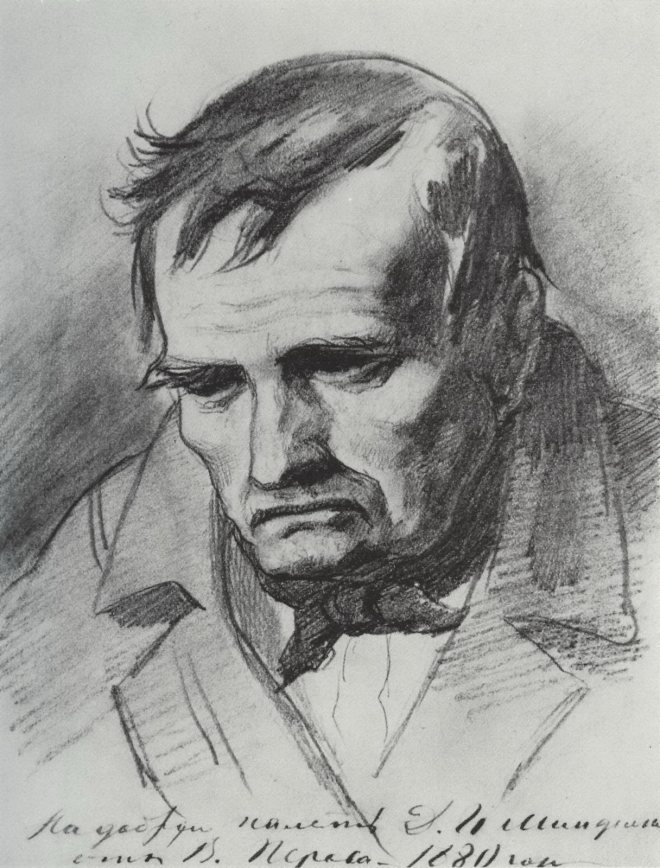
Portrait of Nikolai Grigorievich Rubinstein. 1870

Ce travail était encore étroitement lié aux traditions de l’art du début du XIXe siècle, mais déjà dans les travaux suivant, Perov agissait comme un innovateur. 

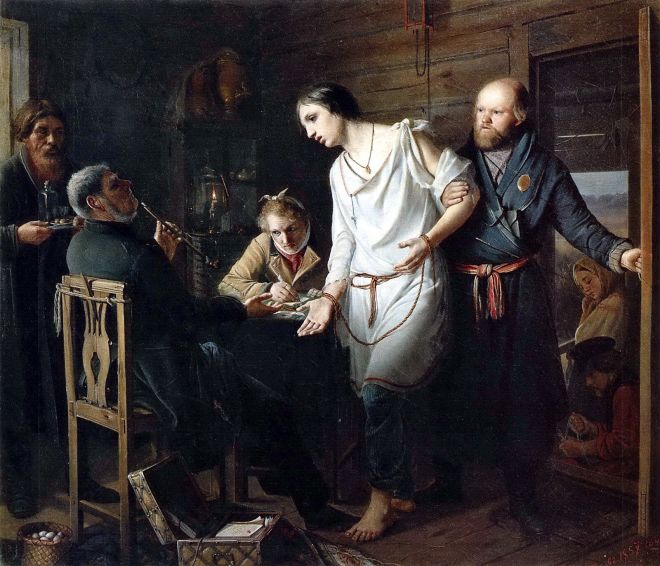
En 1857, le tableau “Arrivée d’un policier pour enquête” rapporte à l’artiste une grande médaille d’argent et attire l’attention du public et des critiques.

The arrival of the police officer for the investigation. 1857

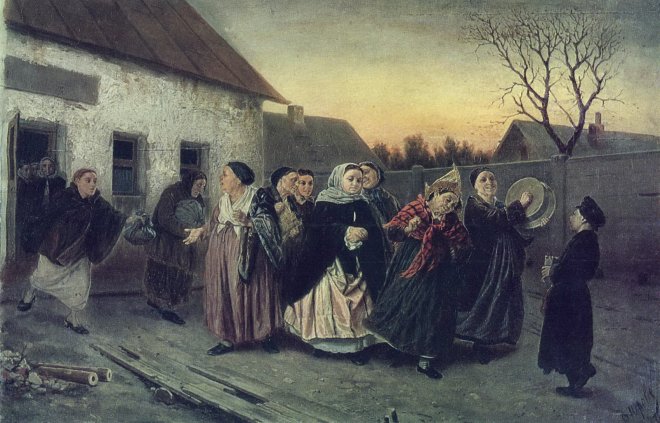
En 1860, Perov reçut à nouveau une petite médaille d’or pour le tableau «Premier rang. fils de sacristain, promu greffier collégial », qui érigea l’artiste en héritier du genre satirique des années 1840. 

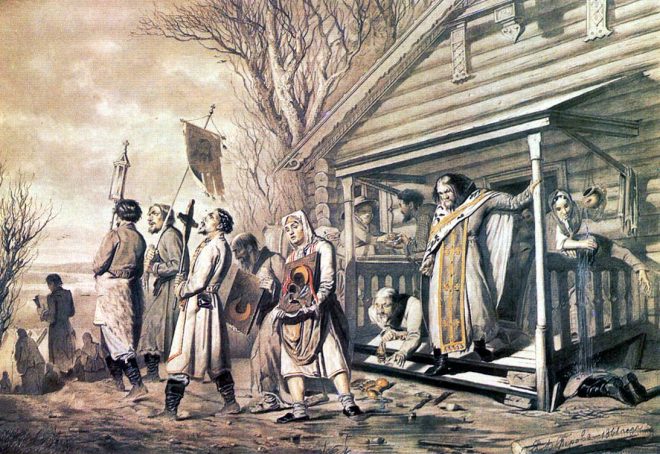
Maintenant, il pouvait participer au concours pour une grande médaille d’or, et peint “Sermon dans le village” et “Procession religieuse rurale à Pâques”. Il reçu une grande médaille d’or en 1867 et le droit de voyager à l’étranger comme pensionnaire pour le premier tableau.

Sermon in the village -1861

En 1862, Perov épousa Elena Edmondovna Sheins et ils partirent à l’étranger alors qu’il était lui-même pensionnaire à l’Académie des Arts.

En 1863-1864, Perov a vécu et travaillé à Paris, mais il voulait rentrer chez lui et après avoir reçu l’autorisation de l’Académie pour un retour anticipé qui comprenait la poursuite de l’internat en Russie, il est retourné à Moscou.

Vasily Perov s’est installé dans la maison de l’oncle de sa femme, F.F. Rezanov à Moscou et n’a jamais quitté la ville.

Alors qu’il était encore à l’étranger, Perov a conçu un grand tableau avec une intrigue de la vie monastique, avec ces peintures, une nouvelle étape dans le travail de l’artiste a commencé: d’une direction satirique, il est passé à des histoires plus dramatiques – sur «l’humiliation et l’offense.

En 1869, Vasily Perov et Myasoedov ​​créent l’Association des expositions d’art itinérantes (TPKhV). Vasily, qui a été membre du conseil d’administration pendant 7 ans, a organisé un groupe de Wanderers à Moscou. 

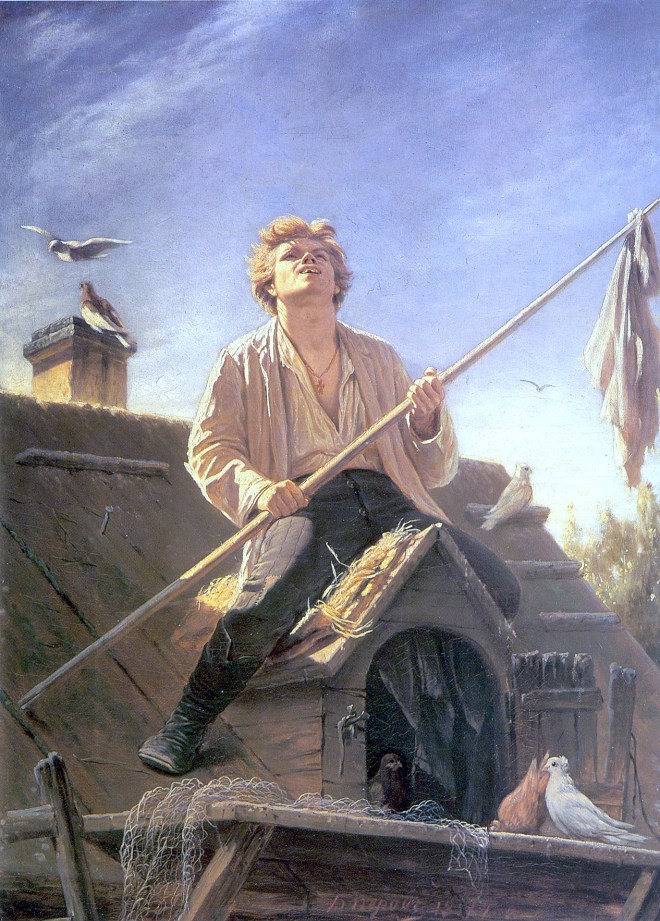
En 1870, il a obtenu le titre de professeur de l’Académie des Arts grâce aux tableaux “Vagabond” et “Attrape-Oiseaux”, et reçoit le premier prix de l’OPH pour le tableau “L’Homme-Oiseau”.

bird-catcher by Perov - 1870
bird-catcher by Perov – 1870

Dans les années 1970, les histoires de la vie quotidienne occupent une place particulière dans l’œuvre de Perov. Puis en 1871, Vasily est nommé professeur à l’École de peinture et d’art de Moscou.

En 1871-1872, Perov, commandé par le Premier ministre Tretiakov, a exécuté un certain nombre de portraits d’écrivains et de scientifiques russes. Perov a atteint une telle «vérité» dans certains portraits, ce qui dans l’art russe n’a été atteint que par IE Repin et VA Serov .

Perov a épousé Elizaveta Egorovna Druganova en 1872.

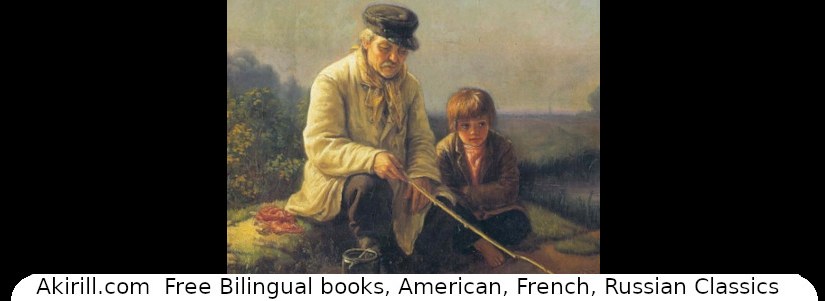
En 1873, ses tableaux “Pêcheur” et “Chasseurs au repos” sont présentés à l’Exposition universelle de Vienne.

fisherman-1871
fisherman-1871

En 1877, Perov a quitté les membres du TPHV et a participé à l’exposition de l’Exposition universelle de Paris un an plus tard.

Au cours des dernières années de sa vie, VG Perov a collaboré avec la revue ” Priroda i Okhota ” de LP Sabaneev et un certain nombre de ses histoires ont été publiées dans le Art Journal qui a été publié en 1881-1887.

Sa santé se détériora à cause du typhus et d’une pneumonie en 1881 et Vasily Perov mourut de consomption, à l’âge de 49 ans, dans un petit hôpital de Golitsyn près de Moscou.

Perov a été enterré au cimetière du monastère, du monastère de Danilov où une pierre tombale lugubre en forme de croix sur le Golgotha ​​​​a été érigée sur sa tombe.

Plus tard, ses cendres ont été réenterrées au cimetière du monastère du monastère de Donskoy, et sur la nouvelle tombe de l’artiste, un monument a été érigé par le sculpteur Alexei Evgenievich Yeletsky.


J’espère que cet article vous a plu

Lisez l’article: Découvrez le tableau “Troïka” de Vasily Perov

Si vous avez aimé cet article, abonnez-vous, mettez des likes, écrivez des commentaires !

Partager sur les réseaux sociaux

Découvrez nos derniers posts

Read the biography of Vasily Grigorievich Perov and watch all his paintings

Bilingual booksLire en FrançaisContact us
American LiteratureFrench LiteratureRussian Literature

Vasily Perov was a great Russian artist of the 19th century, whose work opened up new horizons for Russian art . His paintings are deep and complex, and demonstrate the whole truth of the hard life of the people. Vasily was also a great teacher who brought up more than a dozen really great painters. Watch all his paintings in a slide show and enjoy his biography.

  • paintings of Vasily Grigorevich Perov
  • Self-portrait. 1851
  • Portrait of N. G. Kridener, the artist's brother. 1856
  • The arrival of the police officer for the investigation. 1857
  • Wanderer. 1859
  • Scene at the grave. 1859
  • First rank. 1860
  • Portrait of an unknown. 1860s
  • Portrait of E. E. Perova. OK. 1860
  • Village procession at Easter - 1861
  • Burglary on Easter night. 1861
  • Sermon in the village -1861
  • Village procession at Easter. 1862
  • Amateur - 1862
  • Portrait of I. M. Pryanishnikov. Around 1862
  • Courtship of an official to the daughter of a tailor - 1862
  • Tea drinking in Mytishchi, near Moscow - 1862
  • Organ grinder - 1863
  • Funeral in a poor quarter of Paris. 1863
  • Street musicians in Paris. 1863
  • Parisian festivities. 1863
  • A holiday in the vicinity of Paris. Sketch. 1864
  • Holiday in the vicinity of Paris (On Montmartre). (Unfinished) 1863-64
  • Seller of songbooks. (Unfinished) 1863-64
  • Parisian festivities. The interior of the booth during the presentation 1863-1864
  • Parisian organ grinder. 1864
  • Blind musician. 1864
  • A boy with raised hands, addressing the public - 1864
  • Orphans in the cemetery. 1864
  • Parisian rag-pickers. 1864
  • Savoyard. 1864
  • Songbook seller. 1864
  • Holiday near Paris. 1864.
  • last-journey-1865
  • Guitarist-bobyl. 1865
  • Boy - artisan. 1865
  • Next at the pool. 1865
  • Janitor giving an apartment to a mistress - 1865
  • Meal. 1865
  • Meal 1865 -1976
  • troika-apprentice-workmen-carrying-water-1866
  • A boy preparing for a fight - 1866
  • Clean Monday. 1866
  • The arrival of a governess in a merchant's house. 1866
  • Arrival of a governess to a merchant's house
  • Conversation at the round table. 1866
  • On a pilgrimage. 1867
  • In the loan office. 1867
  • Christ and the Mother of God at the sea of ​​life. 1867
  • Drawing teacher - 1867
  • Drowned Woman - 1867
  • On the railroad. 1868
  • Fomushka-owl. 1868
  • Janitor - self-taught. 1868
  • Market in Moscow. 1868
  • Portrait of N. F. Rezanov. 1868
  • Portrait of F. I. Rezanova. 1868
  • Portrait of F. F. Rezanov. 1868
  • The division of the inheritance in the monastery (Death of a monk). Pencil drawing. 1868
  • The last tavern at the outpost. 1868
  • Old Man - 1868
  • Portrait of the writer A. F. Pisemsky. 1869
  • Portrait of V.V. Bezsonova (1826-1887) - 1869
  • Portrait of N. P. Lanin. 1869
  • Wanderer. 1869
  • Portrait of A. A. Borisovsky. 1869
  • Girl with a jug. 1869
  • bird-catcher by Perov - 1870
  • Sleeping children. 1870
  • Portrait of Nikolai Grigorievich Rubinstein. 1870
  • To the Trinity-Sergius - 1870
  • Portrait of Anton Grigorievich Rubinstein. 1870
  • On the eve of the bachelorette party. Seeing the bride from the bath - 1870
  • Portrait of Avdotya Kuznetsova. 1870
  • Wanderer - 1870
  • Self-portrait. 1870
  • Arrival of a college girl to a blind father 1870
  • Portrait of an unknown. 1870
  • Grandfather and granddaughters. 1871
  • fisherman-1871
  • hunters-at-rest-1871
  • Portrait of A.N. Ostrovsky (1823-1886) -1871
  • Conversation of students with a monk. 1871
  • Portrait Dostoevsky 1872
  • Portrait of A.N. Maikov (1821-1897) - 1872
  • Portrait of V.I. Dahl (1801-1872) - 1872
  • Portrait of I.S. Kamynin (1808-1874) - 1872
  • Portrait of the writer Sergei Timofeevich Aksakov. 1872
  • Portrait of the historian Mikhail Petrovich Pogodin (1800-1875) - 1872
  • Portrait of the writer Ivan Sergeevich Turgenev. 1872
  • Portrait of the composer P. S. Campioni. 1872
  • Cossack. 1873
  • Traveler. 1873
  • Holy fool, surrounded by wanderers. 1872
  • Head of a Kirghiz - a convict. 1873
  • Fedot and Arina. 1873
  • Evening on Great Saturday. 1873
  • Portrait of the merchant S. T. Kuznetsov. 1873
  • Gogol wird von den Gestalten seiner Werke zu Grabe getragen. 1873
  • Inveterate. 1873
  • Sad father. 1873-74
  • Scouts near Sevastopol. 1874
  • pigeon-fancier-1874
  • Reception of a wanderer. 1874
  • The return of the reapers from the field in the Ryazan province. 1874
  • Joyful father. 1874
  • The old man. Fragm. variant k. Old people - parents at the grave of their son. 1874
  • Old parents at the grave of their son - 1874
  • Botanist. 1874
  • Gossip Girl. 1875
  • Pugachev's Court. 1875
  • Portrait of Anna Ivanovna Sergeeva, nee. Sheina. 1875
  • Peasant in the field. 1876
  • Portrait of Pyotr Ivanovich Nikolaev, Chairman of the Vladimir Zemstvo Council. 1876
  • Portrait of N. A. Kasatkin. 1876
  • Portrait of A. I. Kridener, born. Ivanova, the artist's mother. 1876
  • fishing 1878
  • Blind. 1878
  • A janitor who gives an apartment to a mistress. 1878
  • Mother with a sick child. 1878
  • Portrait of A.K. Savrasov (1830-1897) - 1878
  • Christ in the Garden of Gethsemane. 1878
  • Executed Pugachevites. Rice. pencil and pen. 1878
  • Pugachev's Court - 1879
  • Fishermen. (Priest, deacon and seminarian). 1879
  • Wanderer in the field. 1879
  • From the station. 1879
  • Blessed. 1879
  • On the traction. Pencil drawing. 1879
  • The return of the peasants from the funeral in winter. Beginning 1880s
  • The old man on the bench. 1880s
  • Walkers - petitioners. 1880
  • The first Christians in Kiev. 1880
  • Modern idyll. 1880
  • Lament of Yaroslavna. 1881
  • Dispute about faith. 1881
  • The old man on the bench 1881
  • The last tavern at the outpost
  • Before the tonsure
  • Boar hunting
  • Descent from the Cross. Canvas
  • Girl
  • Melting Snow Maiden
  • Organ grinders
  • Portrait of an old woman
  • Portrait of the sculptor V. S. Brovsky.
  • Pugachev's Court
  • The arrival of a rural teacher
  • Pilgrim

List of Perov’s painting in the same order as the slide show

Vasily Grigoryevich Perov was born between December 21 and 23, 1833 (January 2 or 4, 1834) and is the illegitimate son of Baron Georgy (Grigory) Karlovich Kridener , and A. I. Ivanova. 

Even though his parents got married shortly after his birth, Vasily did not have the right to his father’s surname and title. And his nickname “Perov” which is his surname, was given to him by his literacy teacher for diligence and skillful writing.

In his childhood Vasily was ill with smallpox, which caused him to have poor eyesight for the rest of his life. 

He became interested in painting after watching the work of an artist and went to study at the Arzamas art school of A. V. Stupin.
But because he was so good he was allow to paint with oil paints before the other students, then sadly because of a dispute with another student, he didn’t finish school.

He went back home and began creating the composition ” Crucifixion ” written throughout Lent and completed on Holy Week then placed in a church located near the village of Nikolskoye. 

He also painted a number of portraits and genre paintings: “A Beggar Begging”, ” Village Troika “, “Folk Festival in the Semik”.

In 1853, Vasily Perov entered the Moscow School of Painting, Sculpture and Architecture and graduated from college under the guidance of S.K. Zaryanko .

Perov presented the “Portrait of Nikolai Grigoryevich Kridener, the artist’s brother” to the Imperial Academy of Arts, and was awarded a small silver medal in 1856.

Portrait of Nikolai Grigorievich Rubinstein. 1870

This work was still closely connected with the traditions of art of the early 19th century, but already in subsequent works Perov acted as an innovator. 

In 1857, the painting “Arrival of a police officer for investigation” brought the artist a large silver medal, and attracted the attention of the public and critics.

The arrival of the police officer for the investigation. 1857

In 1860, Perov was again awarded a small gold medal for the painting “First rank. The son of a sexton, promoted to collegiate registrars”, which established the artist as the heir to the satirical genre of the 1840s. 

Now he could participate in the competition for a large gold medal, and painted “Sermon in the village” and “Rural religious procession at Easter”. He received a large gold medal in 1867 and the right to travel abroad as a boarder for the first painting.

Sermon in the village -1861

In 1862, Perov married Elena Edmondovna Sheins and they went abroad while he was himself a boarder at the Academy of Arts.

In 1863-1864 Perov lived and worked in Paris, but he wanted to go back home and having received permission from the Academy for an early return which included the continuation of boarding in Russia, he returned to Moscow.

Vasily Perov settled in the house of his wife’s uncle, F.F. Rezanov in Moscow and never left the city.

While still abroad, Perov conceived a large painting with a plot from monastic life, with these paintings, a new stage in the artist’s work began: from a satirical direction, he moved on to more dramatic stories – about “humiliated and offended.

In 1869, Vasily Perov and Myasoedov ​​created the Association of Traveling Art Exhibitions (TPKhV). Vasily who was a board member for 7 years organized a Moscow group of Wanderers. 

In 1870 he was awarded the title of professor by the Academy of Arts thanks to the paintings “Wanderer” and “Birdcatcher”, and received the first prize of the OPH for the painting “The Birdman”.

bird-catcher by Perov - 1870
bird-catcher by Perov – 1870

In the 1970s, everyday life stories occupied a special place in Perov’s work.  Then in 1871, Vasily was appointed teacher of the Moscow School of Painting and Art.

In 1871-1872 Perov, commissioned by P. M. Tretyakov, executed a number of portraits of Russian writers and scientists. Perov achieved such “truthfulness” in some portraits, which in Russian art was noted only by I. E. Repin and V. A. Serov .

Perov married Elizaveta Egorovna Druganova in 1872.

In 1873, his paintings “Fisherman” and “Hunters at rest” were presented at the World Exhibition in Vienna.

fisherman-1871
fisherman-1871

In 1877, Perov left the members of the TPHV and participated in the exposition of the World Exhibition in Paris a year later.

In the last years of his life, V. G. Perov collaborated with the journal ” Priroda i Okhota ” by L. P. Sabaneev  and a number of his stories were published in the Art Journal  which was published in 1881-1887.

His health was undermined by typhus and pneumonia in 1881 and Vasily Perov died of consumption , at the age of 49, in a small Golitsyn hospital near Moscow.

Perov was buried at the monastery cemetery in the Danilov Monastery where a mournful tombstone in the form of a cross on Golgotha ​​was erected on his grave.

Later his ashes were reburied at the monastery cemetery in the Donskoy Monastery, and on the new grave of the artist, a monument was erected by the sculptor Alexei Evgenievich Yeletsky.

I hope you enjoyed this article

Read : Discover the painting “Troika” by Vasily Perov

If you liked this article, subscribe , put likes, write comments!
Share on social networks
Check out Our Latest Posts


© 2023 Akirill.com – All Rights Reserved
Courte biographie de Jack London

Livres bilinguesRead in EnglishNous contacter
Littérature américaineLittérature françaiseLittérature russe

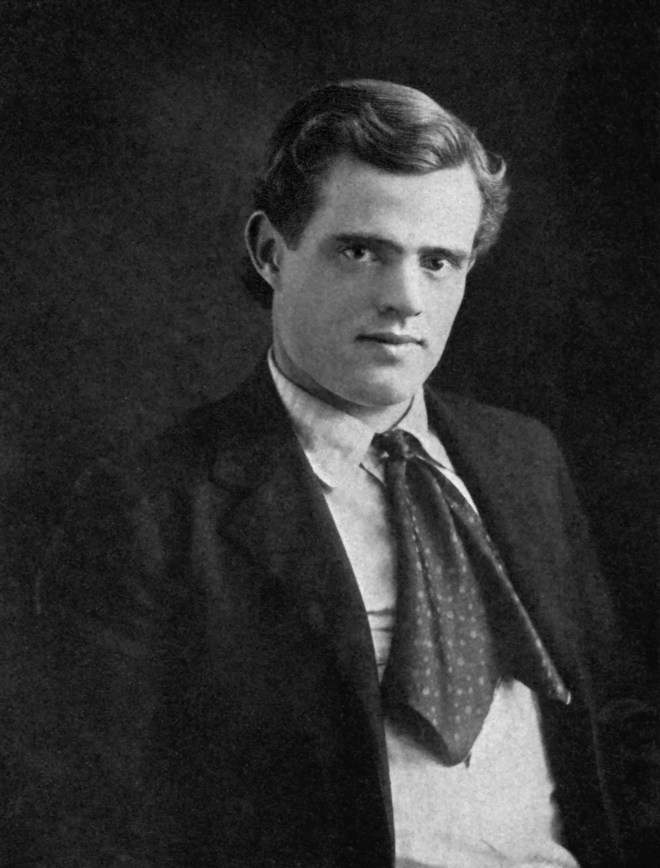
 Jack London né le 12 janvier 1876 à San Francisco en Californie était un romancier américain, et un journaliste surtout connu pour les romans “Croc Blanc” et “L’Appel de la Nature”. Il a été l’un des premiers auteurs américains à devenir une célébrité internationale et à gagner une grande fortune grâce à l’écriture.

Jack London

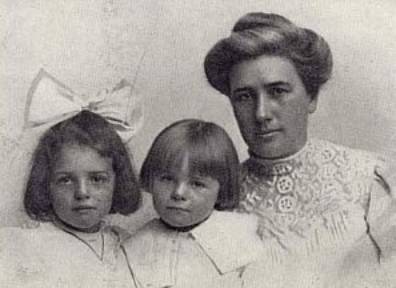
Jack London était le fils de Flora Wellman et de William Chaney. Il s’appelait John Griffith Chaney, même si ses parents n’étaient pas mariés et que son père n’a jamais fait partie de sa vie. Il a été envoyé pour allaitement chez une voisine qui était une femme afro-américaine anciennement asservie nommée Jennie Prentiss après que sa mère ait tenté de se suicider parce que son père avait exigé qu’elle se fasse avorter. En 1876, sa mère a épousé John London qui était un vétéran de la guerre civile et il a pris le nom de son beau-père. La famille a déménagé plusieurs fois et la famille Prentiss a déménagé avec eux et a continué à s’occuper du jeune Jack.

Il a construit sa propre vie adolescent, et à l’âge de 14 ans, il a quitté l’école et a commencé à travailler. Il a pris des trains, piraté des huîtres avec le sloop acheté avec de l’argent emprunté à sa mère adoptive Virginia Prentiss, puis a travaillé pour la patrouille gouvernementale des pêches, pelleté du charbon, travaillé sur des navires. Pendant tout ce temps, il se rendait le plus souvent possible à la bibliothèque pour lire des romans et des livres de voyage.

Après ses nombreuses expériences en tant que clochard et marin, il est retourné à Oakland et a fréquenté le lycée d’Oakland. Il a souvent étudié au Heinold’s First and Last Chance Saloon et le propriétaire John Heinold lui a permis d’aller à l’Université de Californie en lui prêtant l’argent des frais de scolarité.

Help the site stay free, buy us a cup of coffeeAidez-nous à maintenir le site gratuit en nous offrant une tasse de café

En raison de problèmes financiers, il n’a jamais terminé ses études universitaires et en 1897, il a navigué avec le mari de sa sœur pour rejoindre la ruée vers l’or du Klondike. Là, il était tellement mal nourri qu’il a développé le scorbut mais c’était aussi le décor de certaines de ses premières histoires à succès.

En 1898, après son retour en Californie, il commença à travailler pour être publié. Il était sur le point d’abandonner lorsque son histoire “Mille Morts” a été acceptée par le Black Cat (chat noir). C’est au cours de cette période que les nouvelles technologies d’impression ont commencé à permettre la production à moindre coût de magazines entraînant un boom des magazines populaires et ouvrant la voie à la publication de fictions courtes destinées à un large public.

En 1900, il commença à gagner beaucoup d’argent en vendant ses histoires et épousa Elizabeth Mae Maddern, le jour de la publication de son roman “Le Fils du loup” le 7 avril 1900. Tous deux ont reconnu qu’ils ne se mariaient pas par amour, mais par amitié et par conviction qu’ils produiraient des enfants robustes. Ils ont eu 2 enfants, tous deux nés à Piedmont, en Californie, où il a écrit l’une de ses œuvres les plus célèbres ; “L’Appel de la Nature”. Joan son premier enfant est née le 15 janvier 1901 et Bessie est née le 20 octobre 1902. Malheureusement, ils ont divorcé le 11 novembre 1904.

Le succès de ce livre n’a pas arrêté les dures habitudes d’écriture de London et il a publié plus de 50 livres au cours des 16 dernières années de sa vie. Ses romans les plus célèbres sont : « L’Appel de la Nature », « Croc Blanc », « Le Loup de Mer », « Le Talon de Fer » et « Martin Eden », mais il y en a bien d’autres. De 1902 à 1916, il écrit un à deux romans par an mais aussi des nouvelles, des mémoires autobiographiques, des non-fiction et des essais, des pièces de théâtre et de la poésie,

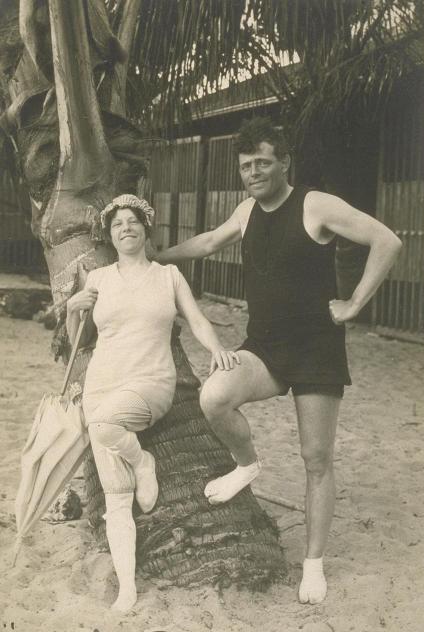
Du 25 janvier à juin 1904, il couvrit la guerre russo-japonaise et fut arrêté 4 fois par les autorités japonaises au cours de sa courte période de travail comme correspondant de guerre. Puis en 1905 il épousa Charmian Kittredge avec qui il fit de nombreux voyages à Hawaii, Australie, Nevada….

Jack and Charmian London (c. 1915) at Waikiki Londons_surfing_in_hawaii

Pendant une grande partie de la dernière décennie de sa vie, London a eu des problèmes de santé, notamment une maladie rénale qui a fini par lui coûter la vie le 22 novembre 1916.

Vous pouvez lire les livres suivants sur notre site :

In French
In English
Avant Adam
Croc-Blanc
L’appel de la forêt
The Call of the Wild
Martin Eden part 1
Martin Eden part 2
The Sea-Wolf
White Fang

If you liked this article, subscribe , put likes, write comments!.
Share on social networks
Check out Our Latest Posts

Jack London short biography

Bilingual booksLire en FrançaisContact us
American LiteratureFrench LiteratureRussian Literature

 Jack London born on January 12, 1876 in San Francisco, California was an American novelist, journalist best known for the novels “White Fang” and “The Call of the Wild”. He was one of the first American authors to become an international celebrity and earn a large fortune from writing.

Jack London

Jack London was the son of Flora Wellman and William Chaney. His name was John Griffith Chaney, even though his parents weren’t married and his father was never part of his life. He was sent for wet-nursing to a neighbor who was an formerly enslaved African American Woman named Jennie Prentiss after his mother tried to kill herself because his father demanded that she had an abortion. In 1876 his mother married john London who was a civil war veteran and he took his father in law name. The family moved several time and the Prentiss family moved with them and continued to take care of the young Jack.
He built his own life as a teen, and at the age 14 he quit school and began working. He rode trains, pirated oysters with the sloop bought with borrowed money from his foster mother Virginia Prentiss, then worked for the government fish patrol, shoveled coal, worked on ships. All this while he went to the library as often as possible to read novels and travel books.

After his many experiences as a hobo and sailor, he returned to Oakland and attended the Oakland High School. He often studied at the Heinold’s First and Last Chance Saloon and the owner John Heinold allowed him to go to the University of California by lending him the tuition money.

Help the site stay free, buy us a cup of coffeeAidez-nous à maintenir le site gratuit en nous offrant une tasse de café

Due to financial problem he never finished the University and in 1897 he sailed with his sister’s husband to join the Klondike gold rush. There he was so malnourished that he developed scurvy but it was also the setting for some of his first successful stories.

In 1898 after returning to California he began working to get published. He was closed to giving up when his story “A Thousand Deaths” was accepted by the Black Cat. It was during that period that new printing technologies began to enable lower-cost production of magazines resulting in a boom in popular magazines and opening the way for short fiction publication aimed at a wide public audience.

In 1900, he began making good money selling his stories and married Elizabeth Mae Maddern, the day of the publication of his novel “The Son of the Wolf” on April 7, 1900. Both of them acknowledged that they were not marrying out of love, but from friendship and a belief that they would produce sturdy children. They had 2 children, both born in Piedmont, California where he wrote one of his most famous work; “The Call of the Wild”. Joan his first child was born on January 15, 1901 and Bessie was born on October 20, 1902. Sadly they divorced on November 11, 1904.

The success of this book didn’t stop London’s hard writing habits and he published more than 50 books over the last 16 years of his life. His most famous novels are: “The Call of the Wild”, “White Fang”, “The Sea-Wolf”, “The Iron Heel”, and “Martin Eden” but there are many others. From 1902 to 1916 he wrote one to two novels a year but also short stories, autobiographical memoirs, non-fiction and essays, plays, and poetry,

From January 25 to June 1904 he covered the Russo-Japanese War and was arrested 4 times by the Japanese authority during his short period of work as a war correspondent. Then in 1905 he married Charmian Kittredge with who he went in numerous trips to Hawai, Australia, Nevada ….

Jack and Charmian London (c. 1915) at Waikiki Londons_surfing_in_hawaii

For much of the last decade of his life, London had some health problem including a kidney disease which ended up taking his life on November 22, 1916

You can read the following books on our sites:

In French
In English
Avant Adam
Croc-Blanc
L’appel de la forêt
The Call of the Wild
Martin Eden part 1
Martin Eden part 2
The Sea-Wolf
White Fang

If you liked this article, subscribe , put likes, write comments!.
Share on social networks
Check out Our Latest Posts