Read the poem “For everything, Lord, I thank you” by Ivan Bunin in English with English and Russian side by side

Bilingual booksLire en FrançaisContact us
American LiteratureFrench LiteratureRussian Literature

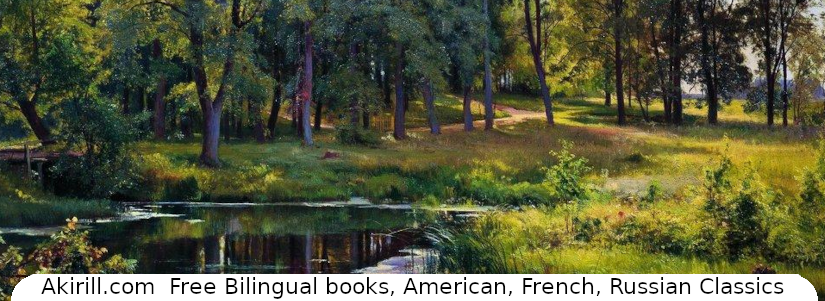
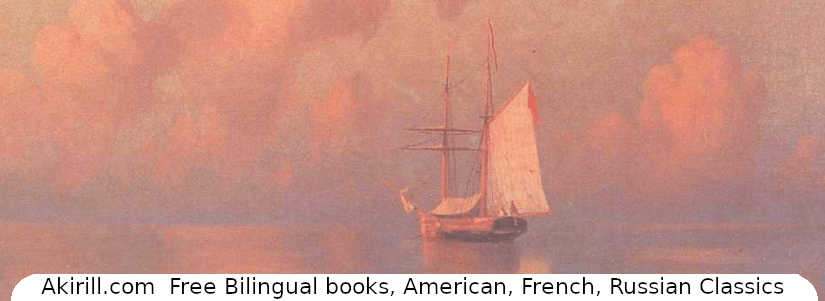
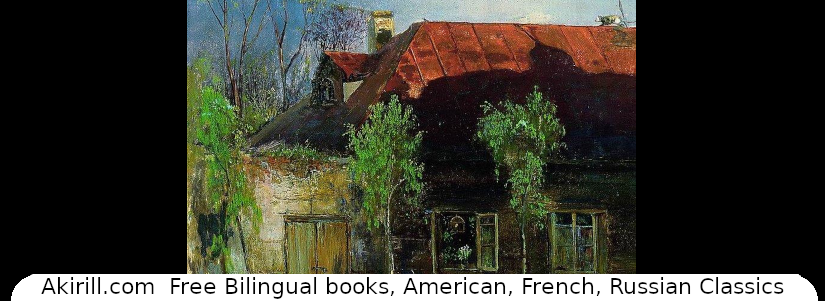
Dear readers and subscribers, with the beginning of the year, we all have things to be thankful for, nice holidays, family, a new promising year… So this week I decided to translated in English and make a short analysis of the poem “For everything, Lord, I thank you” by the renowned Russian writer, Ivan Bunin. Further, I included the painting “Evening” by Alexei Kondratyevich Savrasov.

As usual you can freely access the whole translation by following one of the link, you can also find all of our translation on the Russian Literature page.

I hope you’ll enjoy this poem and paintings as much as I did


Short analysis of the poem “For everything, Lord, I thank you” by Ivan Bunin

The poem “For everything, Lord, I thank you!..” by the renowned Russian writer, Ivan Andreevich Bunin was initially published in the seventh issue of the magazine “World of God” in 1901, titled “At Sunset.” This poem is widely believed to have been influenced by the religious lyrics of Lermontov. Specifically, it bears resemblance to Lermontov’s work “When the yellowing field is agitated…” from 1837. The thematic and stylistic parallels between these poems showcase the impact and inspiration Lermontov’s religious lyrics had on Bunin’s work.

Ivan Bunin, as a poet, found spiritual harmony and unity with nature rather than with other people. His literary career was marked by a notable negative attitude towards various writers, including Yesenin, Babel, Ehrenburg, and Pilnyak. Moreover, he expressed skepticism towards certain literary phenomena such as clichés and lyrical endings to stories.

Continue reading …

Painting “Evening” by Alexei Kondratyevich Savrasov

Evening by Alexei Kondratyevich Savrasov
Evening” by Alexei Kondratyevich Savrasov

Translation of the poem “For everything, Lord, I thank you” by Ivan Bunin in English with English and Russian side by side


Иван Бунин — За всё тебя, Господь, благодарюFor everything, Lord, I thank you
Translated by Akirill.com
Nov 30/2023
За всё тебя, Господь, благодарю!For everything, Lord, I thank you
Ты, после дня тревоги и печали,You, after a day of anxiety and sadness,
Даруешь мне вечернюю зарю,Give me the evening dawn,
Простор полей и кротость синей дали.The expanse of fields and the gentleness of the blue distance.
Читать далее …Continue reading …

< < < Ange du Soir (Ru/Fr) / Evening Angel (Ru/Eng) / Вечерний ангел (Рус/Анг.) / (Рус/ Фра.)
Mikhail Lermontov – Prière (Dans un moment difficile de la vie) (Ru/Fr) / Prayer (In a difficult moment of life) (Ru/Eng) / Михаил Лермонтов – Молитва (В минуту жизни трудную) (Рус/Анг.) / (Рус/ Фра.) > > >


We put a lot of effort into the quality of the articles and translations, support us with a like and a subscription or sponsor us if you like them. We are also on Facebook and Twitter

Check out our Last Posts


© 2023 Akirill.com – All Rights Reserved
Поздравление с Рождеством со стихотворением Александра Блока “Рождество”

Bilingual booksContact us
Американская литератураФранцузская литератураРусская литература 

Я ЖЕЛАЮ ВАМ ВСЕМ СЧАСТЛИВОГО РОЖДЕСТВА!

Рождество


Звонким колокол ударом
Будит зимний воздух.
Мы работаем недаром —
Будет светел отдых.

Серебрится легкий иней
Около подъезда,
Серебристые на синей
Ясной тверди звезды.

Как прозрачен, белоснежен
Блеск узорных окон!
Как пушист и мягко нежен
Золотой твой локон!

Как тонка ты в красной шубке,
С бантиком в косице!
Засмеешься — вздрогнут губки,
Задрожат ресницы.

Веселишь ты всех прохожих —
Молодых и старых,
Некрасивых и пригожих,
Толстых и поджарых.

Подивятся, улыбнутся,
Поплетутся дале,
Будто вовсе, как смеются
Дети, не видали.

И пойдешь ты дальше с мамой
Покупать игрушки
И рассматривать за рамой
Звезды и хлопушки…

Сестры будут куклам рады,
Братья просят пушек,
А тебе совсем не надо
Никаких игрушек.

Ты сама нарядишь елку
В звезды золотые
И привяжешь к ветке колкой
Яблоки большие.

Ты на елку бусы кинешь,
Золотые нити.
Ветки крепкие раздвинешь,
Крикнешь: «Посмотрите!»

Крикнешь ты, поднимешь ветку,
Тонкими руками…
А уж там смеется дедка
С белыми усами!

Александр Блок


We put a lot of effort into the quality of the articles and translations, support us with a like and a subscription or sponsor us if you like them. We are also on Facebook and Twitter

Check out our Last Posts


© 2023 Akirill.com – All Rights Reserved
Lire le poème “L’Ange Gardien” d’Alexandre Blok en français avec français et russe côte à côte

Livres bilinguesRead in EnglishNous contacter
Littérature américaineLittérature françaiseLittérature russe

Chers lecteurs et abonnés, j’espère que ceux qui l’ont célébré ont passé un joyeux Noël. Cette semaine, j’ai traduit et fait une brève analyse du merveilleux poème d’amour « L’Ange Gardien » écrit en 1906 par Alexander Block. De plus, j’ai inclus le ravissant tableau «Bouquet d’automne» d’Ilia Iefimovitch Répine.

Comme d’habitude, vous pouvez accéder librement à l’intégralité de la traduction en suivant l’un des liens, ainsi que retrouver l’ensemble de nos traductions sur la page Littérature russe .

J’espère que vous apprécierez ce poème et cette peinture autant que moi.


Brève analyse du poème “L’Ange Gardien” d’Alexandre Blok

Le poème « L’Ange Gardien » est une pièce importante des premiers travaux d’Alexander Blok. Créé à l’été 1906, il n’est peut-être pas aussi connu que certains de ses autres poèmes, mais il revêt une grande importance. À travers ce poème, Blok révèle non seulement son identité de poète et d’individu mais aussi sa foi chrétienne. Ce grand poème a été écrit à l’occasion du troisième anniversaire de mariage de Blok et il est important de noter qu’Alexandre faisait référence à sa femme Mendeleïeva comme son ange gardien et lui adressait ses paroles. Les motivations personnelles derrière le poème ajoutent de la profondeur et de l’intrigue à son sens, et les chercheurs qui ont étudié le travail de Blok pensent qu’il a réussi à transmettre sa propre vision du monde à travers les lignes poétiques de cette pièce.

Dans la première partie du poème d’Alexander Blok, il aborde le thème de l’amour et contemple les forces qui suscitent des émotions si intenses. Selon Blok, l’objet de l’amour prend la forme d’un véritable ange gardien. Abordant le sujet de la vie familiale, le poète reconnaît qu’elle est loin des images idylliques souvent dépeintes. Néanmoins, il a réussi à accepter et à faire la paix avec cette réalité. Blok souligne l’importance de créer une famille basée sur les principes chrétiens, tels que soulignés dans l’Évangile. Quels que soient les défis auxquels il est confronté, Blok reste fidèle à son engagement à vivre selon ces principes. « Ensemble jusqu’à la fin de nos jours » est la devise qui le guide tout au long du voyage de la vie.

Continuer la lecture …

Peinture “Bouquet d’automne” par Ilia Iefimovitch Répine

Autumn bouquet by Ilya Yefimovich Repin 
 “Bouquet d’automne” par Ilia Iefimovitch Répine

Traduction du poème “L’Ange Gardien” d’Alexandre Blok en français avec français et russe côte à côte

Ангел-хранительL’Ange Gardien
Traduit par Akirill.com
Nov 29/2023
Люблю Тебя, Ангел-Хранитель во мгле.Je t’aime, Ange Gardien dans les ténèbres.
Во мгле, что со мною всегда на земле.Dans l’obscurité qui m’accompagne toujours sur terre.
За то, что ты светлой невестой была,Parce que tu étais une mariée brillante,
За то, что ты тайну мою отняла.Parce que tu m’as volé mon secret.
За то, что связала нас тайна и ночь,Parce que le mystère et la nuit nous ont liés,
Что ты мне сестра, и невеста, и дочь.Que tu es ma sœur, ma fiancée et ma fille.
За то, что нам долгая жизнь суждена,Parce que nous sommes destinés à une longue vie,
О, даже за то, что мы — муж и жена!Oh, même parce que nous sommes mari et femme !
За цепи мои и заклятья твои.Pour mes chaînes et tes sorts.
За то, что над нами проклятье семьи.Parce que la malédiction de la famille est sur nous.
За то, что не любишь того, что люблю.Parce que tu n’aimes pas ce que j’aime.
За то, что о нищих и бедных скорблю.Parce que je pleure pour les pauvres et les nécessiteux.
Читать далее …Continuer la lecture …


< < < Fils et mère (Ru/Fr) / Son and mother (Ru/Eng) / Сын и мать (Рус/Анг.) / (Рус/ Фра.)
L’étrangère (Ru/Fr) / Stranger (Ru/Eng) / Незнакомка (Рус/Анг.) / (Рус/ Фра.) > > >


Nous mettons beaucoup d’efforts dans la qualité des articles et traductions, soutenez-nous avec un like et un abonnement ou sponsorisez-nous si vous les aimez. Nous sommes aussi sur Facebook et Twitter

Découvrez nos Derniers Posts


© 2023 Akirill.com – All Rights Reserved
Read the poem “Guardian Angel” by Alexander Blok in English with English and Russian side by side

Bilingual booksLire en FrançaisContact us
American LiteratureFrench LiteratureRussian Literature

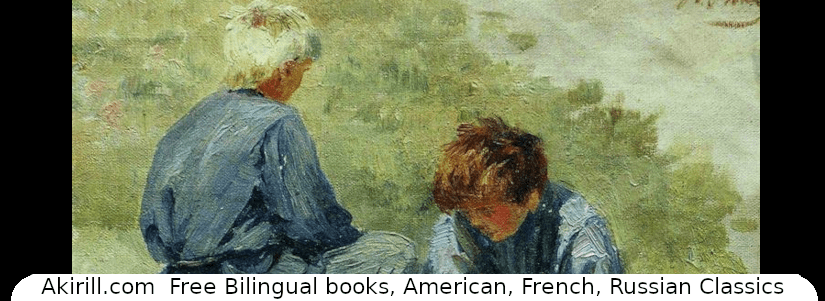
Dears readers and subscribers, I hope that those who celebrated it had a great Christmas, This week I translated and made a short analysis of the wonderful love poem “Guardian Angel” written in 1906 by Alexander Block. Further, I included the delightful painting “Autumn bouquet” by Ilya Yefimovich Repin.

As usual you can freely access the whole translation by following one of the link, as well as find all of our translation on the Russian Literature page.

I hope you’ll enjoy this poem and painting as much as I did


Short analysis of the poem “Guardian Angel” by Alexander Blok

The poem “Guardian Angel” is a significant piece from Alexander Blok’s early work. Created in the summer of 1906, it may not be as widely known as some of his other poems, but it holds great significance. Through this poem, Blok reveals not only his identity as a poet and an individual but also his Christian faith. This great poem was written on Blok third wedding anniversary and in it, it is important to note that Alexander referred to his wife Mendeleeva as his Guardian Angel, and directs his words to her. The personal motives behind the poem add depth and intrigue to its meaning, and researchers who have studied Blok’s work believe that he successfully conveyed his own worldview through the poetic lines of this piece.

In the first part of Alexander Blok’s poem, he delves into the topic of love and contemplates the forces that give rise to such intense emotions. According to Blok, the object of love assumes the form of a genuine guardian angel. Moving onto the subject of family life, the poet acknowledges that it is far from the idyllic images often portrayed. Nonetheless, he has managed to accept and make peace with this reality. Blok emphasizes the importance of creating a family based on Christian principles, as outlined in the Gospel. Irrespective of the challenges he faces, Blok remains steadfast in his commitment to living by these principles. “Together until the end of our days,” is the guiding motto that sustains him throughout the journey of life.

Continue reading …

Painting “Autumn bouquet” by Ilya Yefimovich Repin

Autumn bouquet by Ilya Yefimovich Repin 
Autumn bouquet” by Ilya Yefimovich Repin 

Translation of the poem “Guardian angel” by Alexander Blok in English with English and Russian side by side

Ангел-хранительGuardian Angel
Translated by Akirill.com
Nov 29/2023
Люблю Тебя, Ангел-Хранитель во мгле.I love you, Guardian Angel in the darkness.
Во мгле, что со мною всегда на земле.In the darkness that is always with me on earth.
За то, что ты светлой невестой была,Because you were a bright bride,
За то, что ты тайну мою отняла.Because you took away my secret.
За то, что связала нас тайна и ночь,Because mystery and night connected us,
Что ты мне сестра, и невеста, и дочь.That you are my sister, and bride, and daughter.
За то, что нам долгая жизнь суждена,Because we are destined for a long life,
О, даже за то, что мы — муж и жена!Oh, even because we are husband and wife!
За цепи мои и заклятья твои.For my chains and your spells.
За то, что над нами проклятье семьи.Because the curse of the family is upon us.
За то, что не любишь того, что люблю.Because you don’t love what I love.
За то, что о нищих и бедных скорблю.Because I grieve for the poor and needy.
Читать далее …Continue reading …


< < < Fils et mère (Ru/Fr) / Son and mother (Ru/Eng) / Сын и мать (Рус/Анг.) / (Рус/ Фра.)
L’étrangère (Ru/Fr) / Stranger (Ru/Eng) / Незнакомка (Рус/Анг.) / (Рус/ Фра.) > > >


We put a lot of effort into the quality of the articles and translations, support us with a like and a subscription or sponsor us if you like them. We are also on Facebook and Twitter

Check out our Last Posts


© 2023 Akirill.com – All Rights Reserved

Lire le poème “Le petit lièvre” d’Alexandre Blok en français avec français et russe côte à côte

Livres bilinguesRead in EnglishNous contacter
Littérature américaineLittérature françaiseLittérature russe

Chers lecteurs et abonnés, cette semaine, j’ai traduit et fait une courte analyse d’un beau poème pour enfants “Le petit lièvre” écrit en 1906 par Alexander Blok et, de plus, j’ai inclus la peinture “Ça refroidit. Automne sur l’Oka près de Tarusa” par Vassili Dmitrievitch Polenov

Toutes nos traductions et analyses de poèmes sont disponibles gratuitement sur la page Poésie Russe.

J’espère que vous apprécierez ce poème et cette peinture autant que moi.

Brève analyse du poème “Le petit lièvre” d’Alexandre Blok

Le poème tourne autour du personnage adorable et attachant d’un”petit lièvre”. À travers la perspective du narrateur, l’accent est principalement mis sur les émotions et les pensées de ce charmant protagoniste.

Pendant l’été chaud qui s’était écoulé, le petit lièvre menait une vie heureuse. À travers un seul détail, l’auteur transmet l’ancien réconfort du petit lièvre – la vue du petit lièvre “amusé par les fleurs blanches.”Cependant, à l’arrivée de l’automne, les conditions d’existence du petit lièvre ont changé. La caractéristique prédominante de l’esquisse de paysage est maintenant l’humidité, qui donne le ton pour le moment présent. Cet effet ” humide “est obtenu en utilisant un vocabulaire avec des significations correspondantes telles que” humide”,” pleuré”,” pluvieux”,” humide”,” plus sec “et même” marcher sur l’eau”.L’auteur souligne les sensations tactiles désagréables qui découlent du contact avec une surface humide. De plus, le thème de l’automne est en outre associé aux motifs du froid et de la rareté de la nourriture.

Continuer la lecture …

Peinture “Ça refroidit.
Automne sur l’Oka près de Tarusa” par Vassili Dmitrievitch Polenov


Traduction du poème “Le petit lièvre” d’Alexandre Blok en français avec français et russe côte à côte


Александр Блок — ЗайчикAlexandre Blok – Le petit lièvre
Traduit par Akirill.com
Nov 27, 2023
Маленькому зайчикуÀ un petit lièvre
На сырой ложбинкеSur une cavité humide
Прежде глазки тешилиQui avait l’habitude d’amuser ses yeux
Белые цветочки…avec des fleurs blanches…
Осенью расплакалисьÀ l’automne, ont fondu en larmes
Тонкие былинки,de fins brins d’herbe
Лапки наступаютLes pattes piétinent
На жёлтые листочки.sur des feuilles jaunes.
Читать далее ….Continuer la lecture …

< < < L’étrangère (Ru/Fr) / Stranger (Ru/Eng) / Незнакомка (Рус/Анг.) / (Рус/ Фра.)
Scythes” (Ru/Fr) / Scythians (Ru/Eng) / Скифы (Рус/Анг.) / (Рус/ Фра.) > > >


Nous mettons beaucoup d’efforts dans la qualité des articles et traductions, soutenez-nous avec un like et un abonnement ou sponsorisez-nous si vous les aimez. Nous sommes aussi sur Facebook et Twitter


Découvrez nos Derniers Posts


© 2023 Akirill.com – All Rights Reserved

Read the Poem “The little hare” by Alexander Blok in English with English and Russian side by side

Bilingual booksLire en FrançaisContact us
American LiteratureFrench LiteratureRussian Literature

Dears readers and subscribers, this week I translated and did a short analysis of a beautiful children poem “The little hare” written in 1906 by Alexander Blok and ,further I included the painting “It’s getting colder. Autumn on the Oka near Tarusa” by Vasily Dmitrievich Polenov

All our poems translation and analysis are freely available on the page Russian Poetry.

I hope you’ll enjoy this poem and painting as much as I did.

Short analysis of the poem “The little hare” by Alexander Blok

The poem revolves around the adorable and endearing character of a “little hare”. Through the perspective of the narrator, the focus is primarily on delving into the emotions and thoughts of this charming protagonist.

In the warm summer that had passed, the little hare enjoyed a contented life. Through a single detail, the author conveys the little hare’s former comfort – the sight of the little hare being “amused by white flowers.” However, as autumn arrived, the conditions of the little hare’s existence changed. The predominant feature of the landscape sketch now is dampness, which sets the tone for the present moment. This “wet” effect is achieved by utilizing vocabulary with corresponding meanings such as “damp,” “cried,” “rainy,” “wet,” “drier,” and even “to walk on water.” The author emphasizes the unpleasant tactile sensations that arise from coming into contact with a wet surface. Additionally, the theme of autumn is further associated with the motifs of cold weather and scarcity of food.

Continue reading …

Painting “It’s getting colder. 
Autumn on the Oka near Tarusa” by Vasily Dmitrievich Polenov

It's getting colder.  Autumn on the Oka near Tarusa by Vasily Dmitrievich Polenov - 1893
It’s getting colder. Autumn on the Oka near Tarusa” by Vasily Dmitrievich Polenov – 1893

Translation of the poem “The little hare” by Alexander Blok in English with English and Russian side by side


Александр Блок — ЗайчикAlexander Blok – The little hare
Translated by Akirill.com
Nov 27, 2023
Маленькому зайчикуTo a little hare
На сырой ложбинкеon a damp hollow
Прежде глазки тешилиWho used to amuse his eyes
Белые цветочки…with white flowers …
Осенью расплакалисьIn the autumn , burst into tears,
Тонкие былинки,thin blades of grass
Лапки наступаютPaws step
На жёлтые листочки.on yellow leaves.
Читать далее ….Continue reading …

< < < L’étrangère (Ru/Fr) / Stranger (Ru/Eng) / Незнакомка (Рус/Анг.) / (Рус/ Фра.)
Scythes” (Ru/Fr) / Scythians (Ru/Eng) / Скифы (Рус/Анг.) / (Рус/ Фра.) > > >


We put a lot of effort into the quality of the articles and translations, support us with a like and a subscription or sponsor us if you like them. We are also on Facebook and Twitter

Check out our Last Posts


© 2023 Akirill.com – All Rights Reserved

Découvrez le tableau « Conseil militaire à Fili » d’Alexeï Danilovitch Kivshenko

Livres bilinguesRead in EnglishNous contacter
Littérature américaineLittérature françaiseLittérature russe

Chers lecteurs et abonnés, pour compléter la traduction du poème « Le commandant » d’Alexandre Pouchkine, cette semaine j’ai fait une présentation du tableau « Conseil militaire à Fili » d’Alexeï Danilovitch Kivshenko qui vous présentera les personnes présentes dans le tableau et leurs décisions . J’espère que vous apprécierez cet article.

Pour que l’article ne soit pas trop long, j’ai diminué la tailles des images et inclus un lien si vous voulez lire l’article complet ou la partie concernant l’une des personnes présente . Comme toujours l’article est accessible à tous sur le site (Lire l’article complet)


Le conseil militaire de Fili, représenté dans le roman “La Guerre et Paix” de Léon Tolstoï, revêt une grande importance dans le monde de l’art et de l’histoire. Il a servi d’inspiration pour un tableau célèbre qui est devenu un incontournable des manuels scolaires, des publications et des expositions consacrées à la guerre patriotique de 1812. Le tableau, largement diffusé dans toute la Russie sous la forme de milliers de reproductions, a catapulté Alexeï Danilovitch au rang des artistes historiques, non seulement en Russie mais aussi à l’étranger. L’impact durable de cette œuvre reflète sa reconnaissance en tant que représentation vitale d’un événement historique important.

Fidèle à la description de l’auteur, les personnages sont réunis autour d’une table, avec la petite-fille du propriétaire de la cabane perchée sur le poêle. Les personnages notables représentés dans le tableau incluent MI Kutuzov, PS Kaisarov, PP Konovnitsyn, NN Raevsky, AI Osterman-Tolstoy, MB Barclay de Tolly, FP Uvarov, DS Dokhturov, AP Ermolov, K. Tolya et LL Bennigsen. Avec son souci du détail et sa fidélité aux paroles de Tolstoï, Kivshenko donne vie à ce moment historique sur toile. L’auteur a répété le tableau pour la galerie de PM Tretiakov en 1882. 

Military Council in Fili. Painting (Barclay de Tolly sits under an icon) by Alexey Kivshenko

Le Conseil de Fili a joué un rôle essentiel dans l’élaboration des stratégies et des processus décisionnels pendant la guerre patriotique de 1812. Il a été convoqué le 1er (13) septembre 1812 par le commandant en chef MI Kutuzov dans le village de Fili, situé à l’ouest de Moscou pour décider s’il fallait tenter de mener une autre bataille près de Moscou après la bataille de Borodino ou quitter la ville sans combattre.

A la veille du concile, les formations de l’armée russe se positionnent stratégiquement à l’ouest de Moscou, se préparant à une bataille décisive contre les troupes de Napoléon. C’est le général Léontius Bennigsen qui choisit cette position particulière pour l’armée russe.

Malgré une forte fièvre pendant plusieurs jours, Barclay de Tolly, un chef militaire très respecté, a personnellement inspecté le champ de bataille à cheval. Après une évaluation approfondie, il est parvenu à la conclusion que la position choisie serait désastreuse pour les formations de l’armée russe.

Suivant ses traces, AP Ermolov et KF Tol ont également mené leurs propres évaluations en passant par l’endroit où étaient positionnées les troupes russes. Leurs conclusions font écho aux préoccupations de Barclay de Tolly, confirmant l’idée selon laquelle la position choisie était défavorable à l’armée russe.

Avec ces rapports en main, Koutouzov, le commandant en chef, se trouva confronté à une décision difficile. Il a dû peser les options suivantes : soit poursuivre la retraite et potentiellement rendre Moscou, soit s’engager dans un combat direct dans les rues de la ville. Ce moment critique exigeait un examen attentif des objectifs stratégiques globaux et de la meilleure ligne d’action pour protéger leur patrie.

Qui est dans le tableau et que se passe-t-il pendant la rencontre ?

La petite-fille du propriétaire de la cabane


La petite-fille du propriétaire de la cabane est perchée sur le poêle


Paisiy Sergeevich Kaisarov, colonel, adjudant de Kutuzov


Lire le text: Paisiy Sergeevich Kaisarov, colonel, adjudant de Kutuzov


Mikhaïl Illarionovitch Koutouzov, maréchal général, commandant en chef de l’armée russe


Lire le text: Mikhaïl Illarionovitch Koutouzov, maréchal général, commandant en chef de l’armée russe


Piotr Petrovich Konovnitsyn, lieutenant-général, commandant du 3e corps d’infanterie


Lire le text: Piotr Petrovich Konovnitsyn, lieutenant-général, commandant du 3e corps d’infanterie


Nikolai Nikolaevich Raevsky, lieutenant général, commandant du 7e corps d’infanterie


Lire le text: Nikolai Nikolaevich Raevsky, lieutenant général, commandant du 7e corps d’infanterie


Alexandre Ivanovitch Osterman-Tolstoï, lieutenant général, commandant du 4e corps d’infanterie


Lire le text: Alexandre Ivanovitch Osterman-Tolstoï, lieutenant général, commandant du 4e corps d’infanterie


Léonty Leontievich Bennigsen, général de cavalerie, chef d’état-major de l’armée


Lire le text: Léonty Leontievich Bennigsen, général de cavalerie, chef d’état-major de l’armée


Mikhaïl Bogdanovitch Barclay de Tolly, commandant de la 1re armée occidentale, ministre de la Guerre


Lire le text: Mikhaïl Bogdanovitch Barclay de Tolly, commandant de la 1re armée occidentale, ministre de la Guerre


Fedor Petrovitch Uvarov, adjudant général, commandant du corps de cavalerie de réserve


Lire le text: Fedor Petrovitch Uvarov, adjudant général, commandant du corps de cavalerie de réserve


Karl Fedorovich Tol, quartier-maître général de la 1re armée


Lire le text: Karl Fedorovich Tol, quartier-maître général de la 1re armée


Dmitry Sergeevich Dokhturov, général d’infanterie, commandant du 6e corps d’infanterie


Lire le text: Dmitry Sergeevich Dokhturov, général d’infanterie, commandant du 6e corps d’infanterie


Alexey Petrovich Ermolov, général, chef d’état-major de la 1ère armée


Lire le text: Alexey Petrovich Ermolov, général, chef d’état-major de la 1ère armée


Quelle a été la décision prise au conseil ?

Au cours du concile, il est devenu évident que Koutouzov avait déjà pris la décision de se retirer. Cependant, reconnaissant l’importance de la contribution de ses généraux, il écouta patiemment leurs opinions. Quand ce fut son tour de parler, Koutouzov commença son discours par cette déclaration résolue : « La Russie n’est pas perdue avec la perte de Moscou ». Faisant preuve d’une détermination sans faille, le commandant en chef conclut son discours en donnant l’ordre décisif : « J’ordonne par la présente la retraite ». Ce moment décisif a mis en valeur le sens stratégique et le leadership de Koutouzov, qui a donné la priorité à la préservation des forces russes face à l’adversité.


J’espère que vous avez apprécié ce tableau et son explication autant que moi


Nous mettons beaucoup d’efforts dans la qualité des articles et traductions, soutenez-nous avec un like et un abonnement ou sponsorisez-nous si vous les aimez. Nous sommes aussi sur Facebook et Twitter

Découvrez nos Derniers Posts


© 2023 Akirill.com – All Rights Reserved

Discover the painting “Military Council in Fili” by Alexey Danilovich Kivshenko

Bilingual booksLire en FrançaisContact us
American LiteratureFrench LiteratureRussian Literature

Dear readers and subscribers, this week to complete the translation of the poem “Commander ” by Alexander Pushkin, I made a presentation of the painting “Military Council in Fili” by Alexey Danilovich Kivshenko which will introduce you to the people present in the painting and their decisions. I hope you’ll enjoy this article.

To limit the size of the article, I have reduced the size of the pictures and included a link if you want to read the full article or the part about one of the people present. As always the article is freely accessible to everyone on the site (Read the full article)


The military council in Fili, depicted in L.N. Tolstoy’s novel “War and Peace,” holds great significance in the world of art and history. It served as the inspiration for a famous painting that has become a staple in textbooks, publications, and exhibitions dedicated to the Patriotic War of 1812. The painting, widely distributed throughout Russia in thousands of reproductions, catapulted Alexei Kivshenko to fame among historical artists, not only in Russia but also abroad. The lasting impact of this artwork reflects its recognition as a vital representation of an important historical event.

True to the author’s description, the characters are gathered around a table, with the granddaughter of the hut’s owner perched on the stove. Notable figures portrayed in the painting include M. I. Kutuzov, P. S. Kaisarov, P. P. Konovnitsyn, N. N. Raevsky, A. I. Osterman-Tolstoy, M. B. Barclay de Tolly, F. P. Uvarov, D. S. Dokhturov, A. P. Ermolov, K. Tolya, and L. L. Bennigsen. With his keen attention to detail and faithfulness to Tolstoy’s words, Kivshenko breathes life into this historical moment on canvas. The author repeated the painting for the gallery of P. M. Tretyakov in 1882. 

Military Council in Fili. Painting (Barclay de Tolly sits under an icon) by Alexey Kivshenko

The Council in Fili played a vital role in shaping the strategies and decision-making processes during the Patriotic War of 1812. It was convened on September 1 (13), 1812, by Commander-in-Chief M.I. Kutuzov in the village of Fili, located west of Moscow to decide whether to try fighting another battle near Moscow after the Battle of Borodino or to leave the city without a fight.

On the eve of the council, the Russian army formations strategically positioned themselves to the west of Moscow, preparing for a decisive battle against Napoleon’s troops. It was General Leontius Bennigsen who chose this particular position for the Russian army.

Despite suffering from a severe fever for several days, Barclay de Tolly, a highly respected military leader, personally inspected the battlefield on horseback. After thorough evaluation, he reached the conclusion that the chosen position would be disastrous for the Russian army formations.

Following in his footsteps, A.P. Ermolov and K.F. Tol also conducted their own assessments by driving through the location where the Russian troops were positioned. Their findings echoed Barclay de Tolly’s concerns, further supporting the notion that the chosen position was unfavorable for the Russian army.

With these reports in hand, Kutuzov, the overall commander, found himself confronted with a difficult decision. He had to weigh the options of either continuing the retreat and potentially surrendering Moscow or engaging in direct combat on the city streets. This critical moment demanded careful consideration of the overall strategic objectives and the best course of action to protect their homeland.

Who is in the painting and what is happening during the meeting?

The granddaughter of the hut’s owner


The granddaughter of the hut’s owner who was perched on the stove


Paisiy Sergeevich Kaisarov, colonel, adjutant of Kutuzov


Read the text: Paisiy Sergeevich Kaisarov, colonel, adjutant of Kutuzov


Mikhail Illarionovich Kutuzov, Field Marshal General, Commander-in-Chief of the Russian Army


Read the text:Mikhail Illarionovich Kutuzov, Field Marshal General, Commander-in-Chief of the Russian Army


Pyotr Petrovich Konovnitsyn, Lieutenant General, Commander of the 3rd Infantry Corps


Read the text: Pyotr Petrovich Konovnitsyn, Lieutenant General, Commander of the 3rd Infantry Corps


Nikolai Nikolaevich Raevsky, lieutenant general, commander of the 7th Infantry Corps


Read the text: Nikolai Nikolaevich Raevsky, lieutenant general, commander of the 7th Infantry Corps


Alexander Ivanovich Osterman-Tolstoy, lieutenant general, commander of the 4th Infantry Corps


Read the text: Alexander Ivanovich Osterman-Tolstoy, lieutenant general, commander of the 4th Infantry Corps


Leonty Leontievich Bennigsen, general of the cavalry, chief of the army headquarters


Read the text: Leonty Leontievich Bennigsen, general of the cavalry, chief of the army headquarters


Mikhail Bogdanovich Barclay de Tolly, commander of the 1st Western Army, Minister of War


Read the text: Mikhail Bogdanovich Barclay de Tolly, commander of the 1st Western Army, Minister of War


Fedor Petrovich Uvarov, adjutant general, commander of the reserve cavalry corps


Read the text: Fedor Petrovich Uvarov, adjutant general, commander of the reserve cavalry corps


Karl Fedorovich Tol, Quartermaster General of the 1st Army


Read the text: Karl Fedorovich Tol, Quartermaster General of the 1st Army


Dmitry Sergeevich Dokhturov, infantry general, commander of the 6th Infantry Corps


Read the text: Dmitry Sergeevich Dokhturov, infantry general, commander of the 6th Infantry Corps


Alexey Petrovich Ermolov, general, chief of staff of the 1st Army


Read the text: Alexey Petrovich Ermolov, general, chief of staff of the 1st Army


What was the decision taken at the council?

During the council, it became evident that Kutuzov had already made the decision to retreat. However, recognizing the importance of the input from his generals, he patiently listened to their opinions. When it was his turn to speak, Kutuzov began his address with the resolute declaration: “Russia is not lost with the loss of Moscow.” Demonstrating his unwavering resolve, the commander-in-chief concluded his speech by issuing the decisive order: “I hereby command a retreat.” This defining moment showcased Kutuzov’s strategic acumen and leadership, as he prioritized the preservation of the Russian forces in the face of adversity.


I hope you enjoyed this painting and its explanation as much as I did


We put a lot of effort into the quality of the articles and translations, support us with a like and a subscription or sponsor us if you like them. We are also on Facebook and Twitter

Check out our Last Posts


© 2023 Akirill.com – All Rights Reserved

Lire le poème “Le commandant” d’Alexandre Pouchkine en français avec français et russe côte à côte

Livres bilinguesRead in EnglishNous contacter
Littérature américaineLittérature françaiseLittérature russe

Chers lecteurs et abonnés, cette semaine, j’ai traduit le poème “Le Commandant” d’Alexandre Pouchkine qui a été écrit en 1835 et attire l’attention sur les vertus et les mérites de Barclay de Tolly, mettant en lumière son importance dans l’histoire russe. Pour compléter le poème, j’ai ajouté M.B. Barclay de Tolly. Dessin par Pierre Fiodorovitch Borel et la peinture “Conseil militaire à Fili” par Alexeï Danilovitch Kivchenko qui sera présenté dans notre prochain post.

Comme d’habitude, vous pouvez accéder librement à l’intégralité de la traduction en suivant l’un des liens, vous pouvez également retrouver toutes nos traductions sur la page Littérature Russe.

J’espère que vous apprécierez ce poème et ces peintures autant que moi


Brève analyse du poème “Le commandant” d’Alexandre Pouchkine

Le poème « Le Commandant » de Pouchkine rend hommage à MB Barclay de Tolly, un personnage historique dont les contributions à la Russie pendant la guerre patriotique de 1812 font encore débat parmi les spécialistes. Malgré ses services remarquables, Barclay de Tolly se heurte à la méfiance de ses contemporains. Le scepticisme provenait de son nom de famille occidental, qui mettait en doute sa loyauté. Cependant, le poème « Commandant » sert d’ode, soulignant la valeur et le dévouement d’une personne sous-estimée par son entourage. L’œuvre de Pouchkine attire l’attention sur les vertus et les mérites de Barclay de Tolly, mettant en lumière son importance dans l’histoire de la Russie.

Continuer la lecture …

Peinture “Conseil militaire à Fili” par Alexeï Danilovitch Kivchenko et M. B. Barclay de Tolly. Dessin de Borel P. F.


Traduction du poème “Le commandant” d’Alexandre Pouchkine en français avec français et russe côte à côte


Полководец
Le commandant
Traduit par Akirill.com
Nov 27, 2023
У русского царя в чертогах есть палата:Le tsar russe a une chambre dans son palais :
Она не золотом, не бархатом богата;Qui n’est ni riche en or ni en velours ;
Не в ней алмаз венца хранится за стеклом;Ce n’est pas là que le diamant de la couronne est conservé derrière une vitre ;
Но сверху донизу, во всю длину, кругом,Mais de haut en bas, tout autour,
Своею кистию свободной и широкойavec son pinceau libre et large,
Ее разрисовал художник быстроокой.l’artiste l’a peinte d’un œil vif.
Тут нет ни сельских нимф, ни девственных мадонн,Il n’y a pas ici de nymphes rurales ni de vierges madones,
Ни фавнов с чашами, ни полногрудых жен,Pas de faunes avec des tasses, ni de femmes aux gros seins,
Ни плясок, ни охот, — а все плащи, да шпаги,Pas de danse, ni de chasse, mais seulement des manteaux et des épées,
Да лица, полные воинственной отваги.et des visages pleins de courage guerrier.
Толпою тесною художник поместилDans une foule, l’artiste a placé
Сюда начальников народных наших сил,ici les dirigeants de nos forces nationales,
Покрытых славою чудесного походаcouvert de la gloire d’une merveilleuse campagne
И вечной памятью двенадцатого года.et du souvenir éternel de la douzième année.
Читать далее …Continuer la lecture …

< < < La Crête Volatile des Nuages s’éclaircit (Ru/Fr) / The Flying Ridge of Clouds is Thinning (Ru/Eng) / Редеет облаков летучая гряда (Рус/Анг.) / (Рус/ Фра.)
Ma Muse (Ru/Fr) / My Muse (Ru/Eng) / Муза (Рус/Анг.) / (Рус/ Фра.) > > >


Nous mettons beaucoup d’efforts dans la qualité des articles et traductions, soutenez-nous avec un like et un abonnement ou sponsorisez-nous si vous les aimez. Nous sommes aussi sur Facebook et Twitter

Découvrez nos Derniers Posts


© 2023 Akirill.com – All Rights Reserved

Read the poem “Commander” by Alexander Pushkin in English with English and Russian side by side

Bilingual booksLire en FrançaisContact us
American LiteratureFrench LiteratureRussian Literature

Dears readers and subscribers, this week I translated the poem “Commander” by Alexander Pushkin which was written in 1835 and brings attention to the virtues and merits of Barclay de Tolly, shedding light on his importance in Russian history. To complement the poem I added M.B. Barclay de Tolly. Drawing by Pyotr Fyodorovich Borel and the painting “Military Council in Fili” by Aleksey Danilovich Kivshenko which will be presented in our next post.

As usual you can freely access the whole translation by following one of the link, you can also find all of our translation on the Russian Literature page.

I hope you’ll enjoy this poem and paintings as much as I did


Short analysis of the poem “Commander” by Alexander Pushkin

The poem “Commander” by A.S. Pushkin pays tribute to M.B. Barclay de Tolly, a historical figure whose contributions to Russia during the Patriotic War of 1812 are still debated among specialists. Despite his notable services, Barclay de Tolly faced distrust from his contemporaries. The skepticism stemmed from his Western surname, which cast doubt on his loyalty. However, the poem “Commander” serves as an ode, highlighting the valor and dedication of a person who was underappreciated by those around him. Pushkin’s work brings attention to the virtues and merits of Barclay de Tolly, shedding light on his importance in Russian history.

Continue reading …

Painting “Military Council in Fili” by Aleksey Danilovich Kivshenko and M.B. Barclay de Tolly. Drawing by Pyotr Fyodorovich Borel


Translation of the poem “Commander” by Alexander Pushkin in English with English and Russian side by side


ПолководецCommander
Translation by Akirill.com
Nov 27, 2023
У русского царя в чертогах есть палата:The Russian Tsar has a chamber in his palace:
Она не золотом, не бархатом богата;It is not rich in gold or velvet;
Не в ней алмаз венца хранится за стеклом;It is not where the crown diamond is kept behind glass;
Но сверху донизу, во всю длину, кругом,But from top to bottom, all the way around,
Своею кистию свободной и широкойwith his free and wide brush,
Ее разрисовал художник быстроокой.the artist painted it with a quick eye.
Тут нет ни сельских нимф, ни девственных мадонн,Here, there are neither rural nymphs, nor virgin madonnas,
Ни фавнов с чашами, ни полногрудых жен,Neither fauns with cups, nor full-breasted wives,
Ни плясок, ни охот, — а все плащи, да шпаги,Neither dancing, nor hunts – but all are cloaks, swords,
Да лица, полные воинственной отваги.and faces full of warlike courage.
Толпою тесною художник поместилIn a crowd, the artist placed
Сюда начальников народных наших сил,here the leaders of our national forces,
Покрытых славою чудесного походаcovered with the glory of a wonderful campaign
И вечной памятью двенадцатого года.and the eternal memory of the twelfth year.
Читать далее …Continue to read …

< < < La Crête Volatile des Nuages s’éclaircit (Ru/Fr) / The Flying Ridge of Clouds is Thinning (Ru/Eng) / Редеет облаков летучая гряда (Рус/Анг.) / (Рус/ Фра.)
Ma Muse (Ru/Fr) / My Muse (Ru/Eng) / Муза (Рус/Анг.) / (Рус/ Фра.) > > >


We put a lot of effort into the quality of the articles and translations, support us with a like and a subscription or sponsor us if you like them. We are also on Facebook and Twitter

Check out our Last Posts


© 2023 Akirill.com – All Rights Reserved