On this site we hope to help you learn, and to remove the difficulties caused by the difference of culture and language. Sur ce site nous espérons vous aider à apprendre, et à enlever la barrière causée par les différents languages et cultures.
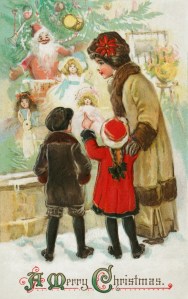
Дорогие читатели и подписчики, желаю вам всем счастливого Рождества, наполненного радостью, любовью и теплотой в это праздничное время. Чтобы улучшить ваше праздничное настроение, я добавила две короткие рождественские истории, которые олицетворяют дух этого времени. Первая — “Мальчик у Христа на елке” Фёдора Достоевского, вторая — “Ванька” Антона Чехова, которая рассказывает трогательную историю о молодом мальчике, размышляющем о своих мечтах и надеждах, пока он ждёт праздничных торжеств. Обе истории предлагают необычный взгляд на праздник, напоминая нам о глубинных значениях празднования и важности сострадания и доброты. Наслаждайтесь этими историями и дайте им вдохновить вас в это волшебное время года.
We put a lot of effort into the quality of the articles and translations, support us with a like and a subscription or sponsor us if you like them. We are also on Facebook and Twitter
Дорогие читатели и подписчики, желаю вам Счастливого Нового Года! Предлагаем вам видео о нашем прекрасном Страсбурге в картинках!
Это время года приносит чувство обновления и надежды, когда мы размышляем о прошлом и смотрим с надеждой в будущее. Пусть этот год будет наполнен радостью, процветанием в окружении любимых людей. Давайте вместе принимать вызовы жизни, которые ждут впереди, отмечая каждый день как подарок и создавая незабываемые воспоминания. За замечательный год, полный счастья и успеха!
Вступая в этот Новый год, позвольте себе быть очарованным завораживающими видами нашего города. Откройте для себя живописный район Пети-Франс с его очаровательными каналами и фахверковыми домами, где время, кажется, остановилось. Прогуляйтесь по спокойному парку дё (parc des 2 rives), идеальному месту для размышлений и отдыха, и насладитесь великолепным видом на Рейн. Не пропустите кипучую площадь Клебера, центральную площадь, которая пульсирует энергией и яркостью, а также историческую площадь Республики, где дух нашего города по-настоящему оживает. Присоединяйтесь к нам в этом визуальном путешествии и откройте для себя множество скрытых жемчужин, которые может предложить Страсбург,подарив радость и надежду, которые приносит Новый год!
We put a lot of effort into the quality of the articles and translations, support us with a like and a subscription or sponsor us if you like them. We are also on Facebook and Twitter
Chers lecteurs et abonnés, je vous souhaite une bonne année avec une vidéo de notre magnifique Strasbourg en images !
Cette période de l’année apporte un sentiment de renouveau et d’espoir, alors que nous réfléchissons au passé et attendons de nouvelles opportunités et expériences. Que cette année soit remplie de joie, de prospérité et de connexions significatives avec nos proches. Embrassons ensemble les défis et les aventures qui nous attendent, célébrant chaque jour comme un cadeau et créant des souvenirs durables. À une merveilleuse année remplie de bonheur et de succès !
Alors que vous vous lancez dans cette nouvelle année, laissez-vous envoûter par les sites enchanteurs de notre ville. Découvrez le quartier pittoresque de la Petite France, avec ses charmants canaux et ses maisons à colombages, où le temps semble s’arrêter. Flânez dans le paisible parc des 2 rives, un endroit parfait pour la réflexion et la détente, tout en profitant des vues imprenables sur le Rhin. Ne manquez pas la place Kleber, la place centrale qui pulse d’énergie et de vitalité, ainsi que la place de la République, où l’esprit de notre ville prend véritablement vie. Rejoignez-nous dans ce voyage visuel et explorez les nombreux joyaux cachés que Strasbourg a à offrir, alors que nous célébrons la joie et l’espoir qui accompagnent une nouvelle année !
Nous mettons beaucoup d’efforts dans la qualité des articles et traductions, soutenez-nous avec un like et un abonnement ou sponsorisez-nous si vous les aimez.Nous sommes aussi surFacebook et Twitter
Dear readers and subscribers, I wish you a Happy New Year with a video of our stunning Strasbourg in pictures!
This time of year brings a sense of renewal and hope, as we reflect on the past and look forward to new opportunities and experiences. May this year be filled with joy, prosperity, and meaningful connections with loved ones. Let us embrace the challenges and adventures that lie ahead together, celebrating each day as a gift and making lasting memories. Cheers to a wonderful year filled with happiness and success!
As you embark on this new year, let yourself be captivated by the enchanting sights of our city. Discover the picturesque area of Petite France, with its charming canals and half-timbered houses, where time seems to stand still. Stroll through the serene parc des 2 rives, a perfect spot for reflection and relaxation, and take in the stunning views of the Rhine. Don’t miss the bustling place Kleber, the central square that pulses with energy and vibrancy, as well as the historic place de la Republique, where the spirit of our city truly comes to life. Join us on this visual journey and explore the many hidden gems that Strasbourg has to offer, as we celebrate the joy and hope that comes with a new year!
We put a lot of effort into the quality of the articles and translations, support us with a like and a subscription or sponsor us if you like them. We are also on Facebook and Twitter
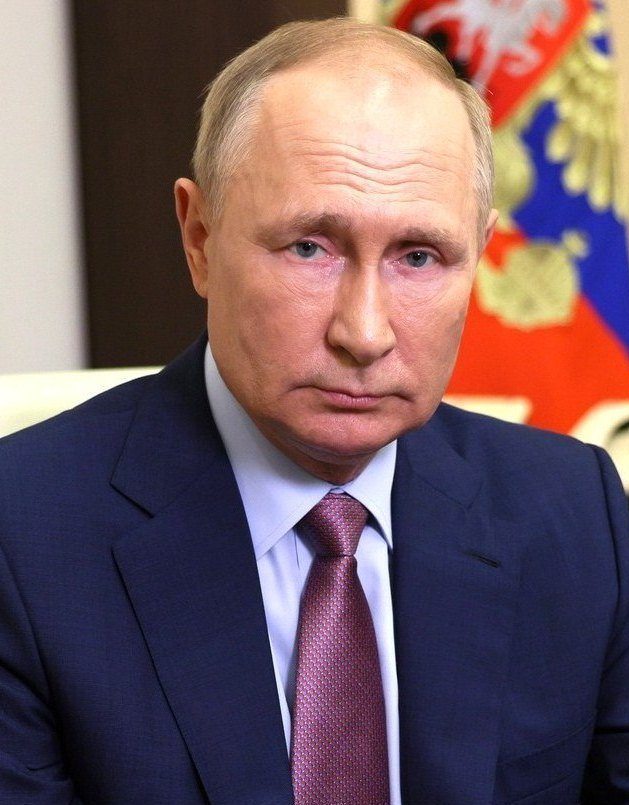
Chers lecteurs et abonnés, je suis ravie de vous annoncer que j’ai traduit le texte du message de Nouvel An du Président russe en anglais et en français rien que pour vous ! Diffusée à 23h55 le 31 décembre, cette chère tradition télévisée est remplie de chaleureuses félicitations, de réflexions inspirantes sur les réalisations de l’année passée et d’objectifs ambitieux pour l’année à venir, le tout culminant avec une puissante interprétation de l’hymne national.
En ces instants qui précèdent le Nouvel An, nous ressentons tous le passage du temps. L’avenir s’offre à nous, et ce qu’il deviendra dépend en grande partie de nous.
Nous comptons sur nous-mêmes, sur ceux qui nous entourent, sur nos proches, et sommes toujours prêts à nous entraider. Ce soutien mutuel nous donne l’assurance que tous nos projets, nos espoirs et nos intentions se réaliseront.
Bien sûr, chacun de nous a des expériences personnelles, particulières et uniques. Mais elles sont indissociables du destin de notre patrie, de notre désir sincère de contribuer à son développement.
Après tout, nous sommes unis, le peuple russe. Le travail, les succès et les réalisations de chacun d’entre nous écrivent de nouveaux chapitres de son histoire millénaire, et la force de notre unité détermine la souveraineté et la sécurité de la Patrie, son développement et son avenir.
Le Nouvel An, c’est avant tout croire au meilleur, à la chance et au bonheur. C’est une fête unique et magique où les cœurs s’ouvrent à l’amour, à l’amitié, à la compassion, à la sensibilité et à la générosité.
Nous nous efforçons d’apporter joie et réconfort à ceux qui ont besoin de notre attention et de nos soins, et bien sûr de soutenir nos héros – les participants à l’opération militaire spéciale – en paroles et en actes.
Vous avez assumé la responsabilité de défendre votre patrie, la vérité et la justice. Des millions de Russes à travers le pays, je vous l’assure, pensent à vous en ce réveillon du Nouvel An, vous soutiennent et espèrent pour vous. Nous sommes unis dans notre amour sincère, désintéressé et dévoué pour la Russie.
Bonne année à tous nos soldats et commandants ! Nous croyons en vous et en notre victoire.
Chers amis!
Dans quelques secondes, nous entendrons les cloches sonner et la nouvelle année commencera. Nous la célébrons avec nos proches : enfants, parents, amis et compagnons d’armes. Même ceux qui sont loin maintenant, vous êtes toujours avec nous.
Je souhaite à tous santé et bonheur, compréhension mutuelle et prospérité. Et, bien sûr, un amour inspirant. Que nos traditions, notre foi et notre mémoire unissent toutes les générations et nous soutiennent toujours et en toutes circonstances.
Ensemble, nous formons une grande famille, forte et unie, et c’est pourquoi nous continuerons à travailler et à créer, à atteindre nos objectifs et à aller de l’avant uniquement pour le bien de nos enfants et petits-enfants, pour le bien de notre grande Russie.
Bonne année, chers amis !
Bonne année 2026 !
Nous mettons beaucoup d’efforts dans la qualité des articles et traductions, soutenez-nous avec un like et un abonnement ou sponsorisez-nous si vous les aimez.Nous sommes aussi surFacebook et Twitter
Dear readers and subscribers, I’m excited to share that I have translated the text of the Russian President’s New Year’s address into English and French just for you! Aired at 11:55 PM on December 31, this beloved television tradition is filled with warm congratulations, inspiring reflections on the past year’s achievements, and ambitious goals for the coming year, all culminating in a powerful rendition of the national anthem.
In these moments before the New Year, we all feel the passage of time. The future lies before us, and what it will be depends largely on us.
We rely on ourselves, on those around us, those who are near and dear to us, and are always ready to lend a hand. This mutual support gives us confidence that all our plans, hopes, and intentions will come true.
Of course, each of us has our own, personal, special, and unique experiences. But they are inseparable from the destiny of our homeland, from our sincere desire to benefit it.
After all, we are together, the people of Russia. The work, successes, and achievements of each of us create new chapters in its thousand-year history, and the strength of our unity determines the sovereignty and security of the Fatherland, its development, and its future.
New Year is, above all, a belief in the best, in goodness and good fortune. It’s a unique and magical holiday when hearts open to love, friendship, compassion, sensitivity, and generosity.
We strive to bring joy and warmth to those in need of our attention and care, and, of course, to support our heroes – the participants in the special military operation – in word and deed.
You have taken on the responsibility of fighting for your native land, for truth and justice. Millions of people across Russia, I assure you, are thinking of you with you on this New Year’s Eve, empathizing with you, hoping for you. We are united in our sincere, selfless, and devoted love for Russia.
Happy New Year to all our soldiers and commanders! We believe in you and our victory.
Dear friends!
In a few seconds, we’ll hear the chimes ringing, and the New Year will come into its own. We’re celebrating it with those closest to us: children, parents, friends, and comrades-in-arms. Even those who are far away now—you’re still with us.
I wish everyone health and happiness, mutual understanding and prosperity. And, of course, love that inspires. May our traditions, faith, and memory unite all generations and support us always and in everything.
Together, we are one big family, strong and united, and therefore we will continue to work and create, achieve our goals, and move forward only for the sake of our children and grandchildren, for the sake of our great Russia.
Happy New Year, dear friends!
Happy New Year 2026!
We put a lot of effort into the quality of the articles and translations, support us with a like and a subscription or sponsor us if you like them. We are also on Facebook and Twitter
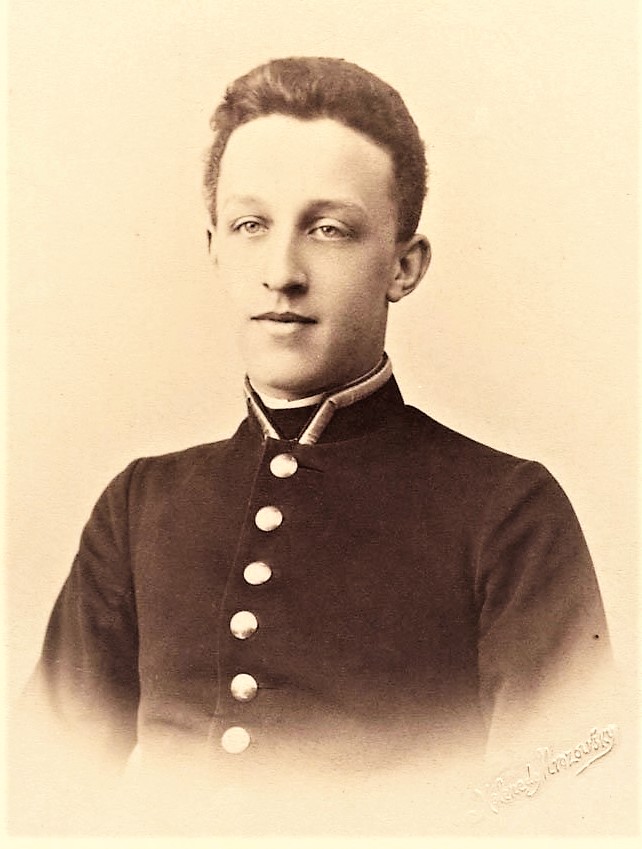
Chers lecteurs et abonnés, de tout mon cœur, je souhaite à chacun d’entre vous un Noël merveilleusement enchanteur et délicieusement joyeux ! Cette saison magique, remplie de chaleur, d’amour et de l’esprit de générosité, rapproche les gens de manière à la fois profonde et belle. Pour cette fête sacrée, j’ai mis toute ma passion à traduire le poème “Noël” d’Alexandre Blok, juste pour vous. J’espère qu’à travers cette traduction sincère, vous pourrez ressentir la profondeur des émotions et de l’inspiration que les mots originaux transmettent, vous permettant ainsi de vivre l’essence de Noël d’une manière vraiment unique. Que ce temps festif soit une source de joie et de réflexion, allumant la lumière de l’espoir et du bonheur dans vos cœurs.
Nous mettons beaucoup d’efforts dans la qualité des articles et traductions, soutenez-nous avec un like et un abonnement ou sponsorisez-nous si vous les aimez.Nous sommes aussi surFacebook et Twitter
Dear readers and subscribers, with all my heart’s fervor, I wish each and every one of you a wonderfully enchanting and delightfully joyous Merry Christmas! This magical season, filled with warmth, love, and the spirit of giving, brings people together in ways that are both profound and beautiful. For this sacred holiday, I have poured my passion into translating the poem “Christmas” by Alexander Blok, just for you. I hope that through this heartfelt translation, you can feel the depth of emotion and inspiration that the original words convey, allowing you to experience the essence of Christmas in a truly unique way. May this festive time be a source of joy and reflection, igniting the light of hope and happiness in your hearts.
We put a lot of effort into the quality of the articles and translations, support us with a like and a subscription or sponsor us if you like them. We are also on Facebook and Twitter
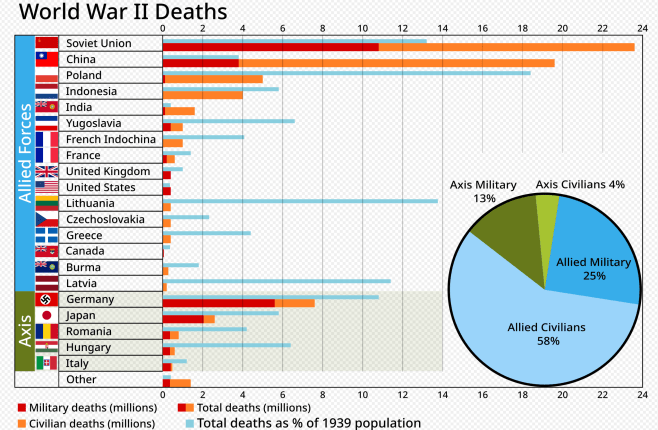
Dear readers and subscribers, I am thrilled to express my heartfelt gratitude to all our veterans on this Victory Day! Let us celebrate and honor the brave heroes who fought valiantly in the Second World War, defending our freedom and values with unwavering courage. Their sacrifices remind us of the great cost of liberty and the importance of remembrance.
In the spirit of remembrance and appreciation, I am excited to present to you 5 inspiring Russian films about WWII with English subtitles, which offer profound insights into the struggles and triumphs of that era, along with my translation of the beautiful poem “Do you remember, Alyosha, the roads of Smolensk?” by Konstantin Simonov. Written in 1941, this work beautifully captures the retreat of Soviet troops near Smolensk during that summer.
Together, let us ensure that the legacy of these courageous individuals lives on in our hearts and minds.
Then, I finally found the time to update the page All our posts….
The first “The Fire Bulge” tells about the heroic battle at the Kursk Bulge in the 1943 summer.
The Battle of Kursk represented a pivotal confrontation on the Eastern Front during World War II, taking place between the military forces of Nazi Germany and the Soviet Union near Kursk, in southwestern Russia, throughout the summer of 1943. This engagement resulted in a decisive victory for the Soviet forces. Significantly, the Battle of Kursk is acknowledged as the largest tank battle in recorded military history.
The second film “Breakthrough” is about the battle for the Dnieper River and the Soviet offensive operation in 1944.
The Battle of the Dnieper represented a critical military campaign that transpired in 1943 on the Eastern Front during World War II. As one of the largest operations of the conflict, it involved nearly four million troops at its zenith and spanned a front of 1,400 kilometers. Over a period of four months, five fronts of the Red Army systematically reclaimed the eastern bank of the Dnieper from German forces by executing a succession of assault river crossings to establish multiple lodgments on the western bank.
The Leningrad–Novgorod strategic offensive represented a pivotal campaign during World War II. Initiated by the Red Army on 14 January 1944, it targeted the German Army Group North, employing the forces of the Soviet Volkhov and Leningrad fronts alongside elements of the 2nd Baltic Front, with the objective of conclusively alleviating the siege of Leningrad. Within approximately two weeks, the Red Army succeeded in regaining control of the Moscow–Leningrad railway, and on 26 January 1944, Joseph Stalin announced the lifting of the siege of Leningrad, declaring that German forces had been expelled from the Leningrad Oblast. The end of the 900-day blockade was commemorated in Leningrad that day with a solemn 324-gun salute. The strategic offensive concluded a month later on 1 March.
The third film, “Direction of the Main Blow” is about Operation Bagration, which resulted in the complete liberation of Belarus from Nazi troops.
Operation Bagration was the codename for the 1944 Soviet strategic offensive in Byelorussia, which began on 22 June and concluded on 19 August 1944. This military campaign unfolded in Soviet Byelorussia on the Eastern Front during World War II, occurring shortly after the start of Operation Overlord in the west. Significantly, this operation forced Nazi Germany to confront challenges on two major fronts for the first time since the outbreak of the war.
The fourth film is The Battle of Berlin. 1945, the last months of the war. These are the days when the fate of enslaved Europe is decided.
The Battle of Berlin, officially designated as the Berlin Strategic Offensive Operation by the Soviet Union and widely recognized as the Fall of Berlin, represented one of the concluding significant offensives in the European theatre of World War II. Subsequent to the Vistula–Oder Offensive, which transpired from January to February 1945, the Red Army established a temporary pause at a line located 60 kilometers east of Berlin.
The fifth film, The Last Assault, is about the storming of the Reichstag, about the battle for every room, for every floor…
Translation of the poem “Do you remember, Alyosha, the roads of Smolensk?” by Konstantin Simonov in English with English and Russian side by side
Константин Симонов — Ты помнишь, Алеша, дороги Смоленщины
Do you remember, Alyosha, the roads of Smolensk?
Translated by Akirill.com
Ты помнишь, Алеша, дороги Смоленщины,
Do you remember, Alyosha, the roads of Smolensk,
Как шли бесконечные, злые дожди,
How endless, angry rains fell,
Как кринки несли нам усталые женщины,
How tired women brought us jugs,
Прижав, как детей, от дождя их к груди,
Pressing them to their chests like children from the rain,
USSR Victory over the Reichstag. 1945 – Victoire de l’URSS sur le Reichstag. 1945
Как слёзы они вытирали украдкою,
How they secretly wiped away their tears,
Как вслед нам шептали: -Господь вас спаси!-
How they whispered after us: – God save you! –
И снова себя называли солдатками,
And again they called themselves soldiers’ wives,
Как встарь повелось на великой Руси.
As was the custom in great Russia in the old days.
Слезами измеренный чаще, чем верстами,
Measured more often by tears than by miles,
Шел тракт, на пригорках скрываясь из глаз:
The road went, disappearing from sight on the hills:
We put a lot of effort into the quality of the articles and translations, support us with a like and a subscription or sponsor us if you like them. We are also on Facebook and Twitter
Dear readers and subscribers, I wish you and your family an amazing Independence day.
Always stand firm in your beliefs, champion what is just, and pursue your heart’s desires. True freedom resides in a fearless mind. Have a joyous Independence Day celebration!
Longfellow witnessed the growth of a young country, which significantly inspired many of his poems. “The Building of the Ship,” although seemingly a straightforward poetic portrayal of ship construction, actually serves as a metaphor for the development of America. As the country gradually came together, akin to the ships constructed near Longfellow’s home in Portland, Maine, a sense of unity and progress emerged. I trust that you will derive as much pleasure from this poem as I did.
The Building of the Ship
“Build me straight, O worthy Master! Stanch and strong, a goodly vessel, That shall laugh at all disaster, And with wave and whirlwind wrestle!”
The merchant’s word Delighted the Master heard; For his heart was in his work, and the heart Giveth grace unto every Art.
A quiet smile played round his lips, As the eddies and dimples of the tide Play round the bows of ships, That steadily at anchor ride. And with a voice that was full of glee, He answered, “Erelong we will launch A vessel as goodly, and strong, and stanch, As ever weathered a wintry sea!” And first with nicest skill and art, Perfect and finished in every part, A little model the Master wrought, Which should be to the larger plan What the child is to the man, Its counterpart in miniature; That with a hand more swift and sure The greater labor might be brought To answer to his inward thought. And as he labored, his mind ran o’er The various ships that were built of yore, And above them all, and strangest of all Towered the Great Harry, crank and tall, Whose picture was hanging on the wall, With bows and stern raised high in air, And balconies hanging here and there, And signal lanterns and flags afloat, And eight round towers, like those that frown From some old castle, looking down Upon the drawbridge and the moat. And he said with a smile, “Our ship, I wis, Shall be of another form than this!” It was of another form, indeed; Built for freight, and yet for speed, A beautiful and gallant craft; Broad in the beam, that the stress of the blast, Pressing down upon sail and mast, Might not the sharp bows overwhelm; Broad in the beam, but sloping aft With graceful curve and slow degrees, That she might be docile to the helm, And that the currents of parted seas, Closing behind, with mighty force, Might aid and not impede her course.
In the ship-yard stood the Master, With the model of the vessel, That should laugh at all disaster, And with wave and whirlwind wrestle!
Covering many a rood of ground, Lay the timber piled around; Timber of chestnut, and elm, and oak, And scattered here and there, with these, The knarred and crooked cedar knees; Brought from regions far away, From Pascagoula’s sunny bay, And the banks of the roaring Roanoke! Ah! what a wondrous thing it is To note how many wheels of toil One thought, one word, can set in motion! There’s not a ship that sails the ocean, But every climate, every soil, Must bring its tribute, great or small, And help to build the wooden wall!
The sun was rising o’er the sea, And long the level shadows lay, As if they, too, the beams would be Of some great, airy argosy. Framed and launched in a single day. That silent architect, the sun, Had hewn and laid them every one, Ere the work of man was yet begun. Beside the Master, when he spoke, A youth, against an anchor leaning, Listened, to catch his slightest meaning. Only the long waves, as they broke In ripples on the pebbly beach, Interrupted the old man’s speech. Beautiful they were, in sooth, The old man and the fiery youth! The old man, in whose busy brain Many a ship that sailed the main Was modelled o’er and o’er again;— The fiery youth, who was to be the heir of his dexterity, The heir of his house, and his daughter’s hand, When he had built and launched from land What the elder head had planned.
“Thus,” said he, “will we build this ship! Lay square the blocks upon the slip, And follow well this plan of mine. Choose the timbers with greatest care; Of all that is unsound beware; For only what is sound and strong To this vessel stall belong. Cedar of Maine and Georgia pine Here together shall combine. A goodly frame, and a goodly fame, And the UNION be her name! For the day that gives her to the sea Shall give my daughter unto thee!”
The Master’s word Enraptured the young man heard; And as he turned his face aside, With a look of joy and a thrill of pride, Standing before Her father’s door, He saw the form of his promised bride. The sun shone on her golden hair, And her cheek was glowing fresh and fair, With the breath of morn and the soft sea air. Like a beauteous barge was she, Still at rest on the sandy beach, Just beyond the billow’s reach; But he Was the restless, seething, stormy sea! Ah, how skilful grows the hand That obeyeth Love’s command! It is the heart, and not the brain, That to the highest doth attain, And he who followeth Love’s behest Far excelleth all the rest!
Thus with the rising of the sun Was the noble task begun And soon throughout the ship-yard’s bounds Were heard the intermingled sounds Of axes and of mallets, plied With vigorous arms on every side; Plied so deftly and so well, That, ere the shadows of evening fell, The keel of oak for a noble ship, Scarfed and bolted, straight and strong Was lying ready, and stretched along The blocks, well placed upon the slip. Happy, thrice happy, every one Who sees his labor well begun, And not perplexed and multiplied, By idly waiting for time and tide!
And when the hot, long day was o’er, The young man at the Master’s door Sat with the maiden calm and still. And within the porch, a little more Removed beyond the evening chill, The father sat, and told them tales Of wrecks in the great September gales, Of pirates coasting the Spanish Main, And ships that never came back again, The chance and change of a sailor’s life, Want and plenty, rest and strife, His roving fancy, like the wind, That nothing can stay and nothing can bind, And the magic charm of foreign lands, With shadows of palms, and shining sands, Where the tumbling surf, O’er the coral reefs of Madagascar, Washes the feet of the swarthy Lascar, As he lies alone and asleep on the turf. And the trembling maiden held her breath At the tales of that awful, pitiless sea, With all its terror and mystery, The dim, dark sea, so like unto Death, That divides and yet unites mankind! And whenever the old man paused, a gleam From the bowl of his pipe would awhile illume The silent group in the twilight gloom, And thoughtful faces, as in a dream; And for a moment one might mark What had been hidden by the dark, That the head of the maiden lay at rest, Tenderly, on the young man’s breast!
Day by day the vessel grew, With timbers fashioned strong and true, Stemson and keelson and sternson-knee, Till, framed with perfect symmetry, A skeleton ship rose up to view! And around the bows and along the side The heavy hammers and mallets plied, Till after many a week, at length, Wonderful for form and strength, Sublime in its enormous bulk, Loomed aloft the shadowy hulk! And around it columns of smoke, up-wreathing. Rose from the boiling, bubbling, seething Caldron, that glowed, And overflowed With the black tar, heated for the sheathing. And amid the clamors Of clattering hammers, He who listened heard now and then The song of the Master and his men:
—”Build me straight, O worthy Master. Stanch and strong, a goodly vessel, That shall laugh at all disaster, And with wave and whirlwind wrestle!”
With oaken brace and copper band, Lay the rudder on the sand, That, like a thought, should have control Over the movement of the whole; And near it the anchor, whose giant hand Would reach down and grapple with the land, And immovable and fast Hold the great ship against the bellowing blast! And at the bows an image stood, By a cunning artist carved in wood, With robes of white, that far behind Seemed to be fluttering in the wind. It was not shaped in a classic mould, Not like a Nymph or Goddess of old, Or Naiad rising from the water, But modelled from the Master’s daughter! On many a dreary and misty night, ‘T will be seen by the rays of the signal light, Speeding along through the rain and the dark, Like a ghost in its snow-white sark, The pilot of some phantom bark, Guiding the vessel, in its flight, By a path none other knows aright! Behold, at last, Each tall and tapering mast Is swung into its place; Shrouds and stays Holding it firm and fast!
Long ago, In the deer-haunted forests of Maine, When upon mountain and plain Lay the snow, They fell,—those lordly pines! Those grand, majestic pines! ‘Mid shouts and cheers The jaded steers, Panting beneath the goad, Dragged down the weary, winding road Those captive kings so straight and tall, To be shorn of their streaming hair, And, naked and bare, To feel the stress and the strain Of the wind and the reeling main, Whose roar Would remind them forevermore Of their native forests they should not see again.
And everywhere The slender, graceful spars Poise aloft in the air, And at the mast-head, White, blue, and red, A flag unrolls the stripes and stars. Ah! when the wanderer, lonely, friendless, In foreign harbors shall behold That flag unrolled, ‘T will be as a friendly hand Stretched out from his native land, Filling his heart with memories sweet and endless!
All is finished! and at length Has come the bridal day Of beauty and of strength. To-day the vessel shall be launched! With fleecy clouds the sky is blanched, And o’er the bay, Slowly, in all his splendors dight, The great sun rises to behold the sight.
The ocean old, Centuries old, Strong as youth, and as uncontrolled, Paces restless to and fro, Up and down the sands of gold. His beating heart is not at rest; And far and wide, With ceaseless flow, His beard of snow Heaves with the heaving of his breast. He waits impatient for his bride. There she stands, With her foot upon the sands, Decked with flags and streamers gay, In honor of her marriage day, Her snow-white signals fluttering, blending, Round her like a veil descending, Ready to be The bride of the gray old sea.
On the deck another bride Is standing by her lover’s side. Shadows from the flags and shrouds, Like the shadows cast by clouds, Broken by many a sunny fleck, Fall around them on the deck.
The prayer is said, The service read, The joyous bridegroom bows his head; And in tear’s the good old Master Shakes the brown hand of his son, Kisses his daughter’s glowing cheek In silence, for he cannot speak, And ever faster Down his own the tears begin to run. The worthy pastor— The shepherd of that wandering flock, That has the ocean for its wold, That has the vessel for its fold, Leaping ever from rock to rock— Spake, with accents mild and clear, Words of warning, words of cheer, But tedious to the bridegroom’s ear. He knew the chart Of the sailor’s heart, All its pleasures and its griefs, All its shallows and rocky reefs, All those secret currents, that flow With such resistless undertow, And lift and drift, with terrible force, The will from its moorings and its course. Therefore he spake, and thus said he:— “Like unto ships far off at sea, Outward or homeward bound, are we. Before, behind, and all around, Floats and swings the horizon’s bound, Seems at its distant rim to rise And climb the crystal wall of the skies, And then again to turn and sink, As if we could slide from its outer brink. Ah! it is not the sea, It is not the sea that sinks and shelves, But ourselves That rock and rise With endless and uneasy motion, Now touching the very skies, Now sinking into the depths of ocean. Ah! if our souls but poise and swing Like the compass in its brazen ring, Ever level and ever true To the toil and the task we have to do, We shall sail securely, and safely reach The Fortunate Isles, on whose shining beach The sights we see, and the sounds we hear, Will be those of joy and not of fear!”
Then the Master, With a gesture of command, Waved his hand; And at the word, Loud and sudden there was heard, All around them and below, The sound of hammers, blow on blow, Knocking away the shores and spurs. And see! she stirs! She starts,—she moves,—she seems to feel The thrill of life along her keel, And, spurning with her foot the ground, With one exulting, joyous bound, She leaps into the ocean’s arms!
And lo! from the assembled crowd There rose a shout, prolonged and loud, That to the ocean seemed to say, “Take her, O bridegroom, old and gray, Take her to thy protecting arms, With all her youth and all her charms!”
How beautiful she is! How fair She lies within those arms, that press Her form with many a soft caress Of tenderness and watchful care! Sail forth into the sea, O ship! Through wind and wave, right onward steer! The moistened eye, the trembling lip, Are not the signs of doubt or fear.
Sail forth into the sea of life, O gentle, loving, trusting wife, And safe from all adversity Upon the bosom of that sea Thy comings and thy goings be! For gentleness and love and trust Prevail o’er angry wave and gust; And in the wreck of noble lives Something immortal still survives!
Thou, too, sail on, O Ship of State! Sail on, O UNION, strong and great! Humanity with all its fears, With all the hopes of future years, Is hanging breathless on thy fate! We know what Master laid thy keel, What Workmen wrought thy ribs of steel, Who made each mast, and sail, and rope, What anvils rang, what hammers beat, In what a forge and what a heat Were shaped the anchors of thy hope! Fear not each sudden sound and shock, ‘T is of the wave and not the rock; ‘T is but the flapping of the sail, And not a rent made by the gale! In spite of rock and tempest’s roar, In spite of false lights on the shore, Sail on, nor fear to breast the sea Our hearts, our hopes, are all with thee, Our hearts, our hopes, our prayers, our tears, Our faith triumphant o’er our fears, Are all with thee,—are all with thee!
We put a lot of effort into the quality of the articles and translations, support us with a like and a subscription or sponsor us if you like them. We are also on Facebook and Twitter









 AKirill, Learn, apprenez, translation, traduction, livres bilingues, bilingual books