On this site we hope to help you learn, and to remove the difficulties caused by the difference of culture and language. Sur ce site nous espérons vous aider à apprendre, et à enlever la barrière causée par les différents languages et cultures.
Joyeux Thanksgiving à vous tous – puissiez-vous passer une excellente journée entouré de ceux que vous aimez le plus. En cette occasion spéciale, j’ai décidé de publier un petit poème d’action de grâce d’Ella Wheeler Wilcox.
Thanksgiving
(Action de grâces)
par
Ella Wheeler Wilcox
We walk on starry fields of white
And do not see the daisies;
For blessings common in our sight
We rarely offer praises.
We sigh for some supreme delight
To crown our lives with splendor,
And quite ignore our daily store
Of pleasures sweet and tender.
Nous marchons sur des champs étoilés de blanc
Et ne voyons pas les marguerites ;
Pour les bénédictions communes à nos yeux
Nous offrons rarement des louanges.
Nous soupirons après quelque délice suprême
Pour couronner nos vies de splendeur,
Et ignorons tout à fait notre réserve quotidienne
De plaisirs doux et tendres.
Our cares are bold and push their way
Upon our thought and feeling.
They hand about us all the day,
Our time from pleasure stealing.
So unobtrusive many a joy
We pass by and forget it,
But worry strives to own our lives,
And conquers if we let it.
Nos soucis sont audacieux et poussent leur chemin
Sur nos pensées et nos sentiments.
Ils passent autour de nous toute la journée,
Notre temps de vol de plaisir.
Si discrètes bien des joies
Nous passons à côté et l’oublions,
Mais l’inquiétude s’efforce de posséder nos vies,
Et conquiert si nous la laissons faire.
There’s not a day in all the year
But holds some hidden pleasure,
And looking back, joys oft appear
To brim the past’s wide measure.
But blessings are like friends, I hold,
Who love and labor near us.
We ought to raise our notes of praise
While living hearts can hear us.
Il n’y a pas un jour dans toute l’année
Qui recèle un plaisir caché,
Et en regardant en arrière, les joies apparaissent souvent
Pour déborder la large mesure du passé.
Mais les bénédictions sont comme des amis, je tiens,
Qui aiment et travaillent près de nous.
Nous devons élever nos notes de louange
Tandis que les cœurs vivants peuvent nous entendre.
Full many a blessing wears the guise
Of worry or of trouble;
Far-seeing is the soul, and wise,
Who knows the mask is double.
But he who has the faith and strength
To thank his God for sorrow
Has found a joy without alloy
To gladden every morrow.
Beaucoup de bénédictions portent l’apparence
d’inquiétude ou de trouble ;
L’âme est clairvoyante, et sage,
Qui sait que le masque est double.
Mais celui qui a la foi et la force
Pour remercier son Dieu de la douleur
A trouvé une joie sans alliage
Pour réjouir chaque lendemain.
We ought to make the moments notes
Of happy, glad Thanksgiving;
The hours and days a silent phrase
Of music we are living.
And so the theme should swell and grow
As weeks and months pass o’er us,
And rise sublime at this good time,
A grand Thanksgiving chorus.
Nous devons faire des notes de moments
De Thanksgiving heureux et joyeux;
Les heures et les jours une phrase silencieuse
De la musique que nous vivons.
Et ainsi le thème devrait gonfler et grandir
Au fur et à mesure que les semaines et les mois passent sur nous,
Et s’élever sublime à ce bon moment,
Un grand chœur de Thanksgiving.
If you liked this article, subscribe , put likes, write comments!
Happy Thanksgiving, to all of you —may you have a great day surrounded by those you love most. On this special occasion I decided to post a little thanksgiving poem from Ella Wheeler Wilcox.
Thanksgiving
by
Ella Wheeler Wilcox
We walk on starry fields of white And do not see the daisies; For blessings common in our sight We rarely offer praises. We sigh for some supreme delight To crown our lives with splendor, And quite ignore our daily store Of pleasures sweet and tender.
Our cares are bold and push their way Upon our thought and feeling. They hand about us all the day, Our time from pleasure stealing. So unobtrusive many a joy We pass by and forget it, But worry strives to own our lives, And conquers if we let it.
There’s not a day in all the year But holds some hidden pleasure, And looking back, joys oft appear To brim the past’s wide measure. But blessings are like friends, I hold, Who love and labor near us. We ought to raise our notes of praise While living hearts can hear us.
Full many a blessing wears the guise Of worry or of trouble; Far-seeing is the soul, and wise, Who knows the mask is double. But he who has the faith and strength To thank his God for sorrow Has found a joy without alloy To gladden every morrow.
We ought to make the moments notes Of happy, glad Thanksgiving; The hours and days a silent phrase Of music we are living. And so the theme should swell and grow As weeks and months pass o’er us, And rise sublime at this good time, A grand Thanksgiving chorus.
If you liked this article, subscribe , put likes, write comments!
Il existe deux éditions de l’histoire de Gogol “Tarass Boulba” incluses dans le cycle “Mirgorod”. La première en 1835, et la seconde en 1842. la deuxième version a été publiée sans corrections de copyright même si Gogol était contre sa publication sans s’entendre sur certains points.
« Taras Boulba » fait désormais partie de nos livres bilingues russe/anglais
Les événements du livre “Taras Boulba” se déroulent autour du 16ème siècle. Il décrit la vie des cosaques de Zaporizhzhya et leur campagne contre la Pologne, et en même temps une histoire sur le glorieux cosaque Taras Boulba et ses deux fils.
“Taras Boulba” a été publié pour la première fois en 1835 dans la collection Mirgorod. Mais le travail sur cette histoire s’est poursuivi par intermittence pendant neuf ans: de 1833 à 1842. En 1842, dans le deuxième volume des «Œuvres» de Gogol, l’histoire «Taras Boulba» a été publiée dans une nouvelle édition radicalement modifiée.
Le premier livre a été précédé d’une étude approfondie des sources historiques qui a aidé l’artiste à comprendre l’esprit de la vie populaire, les personnages, la psychologie des gens…
Même si Gogol a été blâmé à plusieurs reprises pour la nature non historique de l’histoire, la présence d’un certain nombre d’anachronismes en elle. Certains critiques ont estimé que cela pouvait s’expliquer par le fait que l’écrivain ne disposait pas d’informations suffisamment fiables car tout en étudiant l’histoire de sa terre natale avec une grande attention, il a puisé des informations dans des chroniques plutôt maigres, des traditions folkloriques, des légendes, ainsi que franchement sources mythologiques.
Les Polonais ont été indignés que dans « Taras Boulba », la nation polonaise soit présentée comme agressive, sanguinaire et cruelle et ce livre n’a été publiée en polonais qu’au début du 21e siècle. En 2001, l’histoire de Gogol, traduite par Jerzy Shot, a été publiée ainsi qu’une autre version en 2002 par une autre maison d’édition, mais les deux traductions contiennent de nombreuses erreurs et inexactitudes.
L’histoire a également été critiquée pour antisémitisme par certains politiciens, penseurs religieux, critiques littéraires. Le critique littéraire Arkady Gornfeld a noté que les Juifs sont dépeints par Gogol comme de petits voleurs, des traîtres et des extorqueurs impitoyables, dépourvus de tout trait humain. Selon lui, les images de Gogol “sont capturées par la phobie antisémite ordinaire de l’époque”. Mais en même temps, d’autres pensent que le talent de l’adaptabilité juive est décrit de manière vivante et appropriée dans le poème de Gogol et que l’écrivain russe a bien capturé une partie de la culture historique juive.
La philologue Elena Ivanitskaya a critiqué “Taras Boulba” pour “la violence, et l’incitation à la guerre, mais le professeur Vladimir Voropaev soutient que la position de Gogol ne coïncide pas avec la position du personnage au nom duquel l’histoire est racontée, et estime que l’admiration pour les atrocités des cosaques étaient étrangers à Gogol. Il cite le fragment suivant :
« ils n’ont pas pu se sauver aux autels mêmes : Taras les a brûlés avec les autels. Non seulement des mains blanches comme neige s’élevaient de la flamme ardente vers les cieux, accompagnées de cris misérables, d’où la terre la plus humide bougerait et l’herbe de la steppe tomberait de la pitié de la vallée. Mais les cruels cosaques n’ont fait attention à rien et, soulevant leurs bébés des rues avec des lances, les ont jetés dans les flammes.
disant qu’il est peu probable qu’il y ait au moins un lecteur qui verrait l’approbation dans les mots de ces auteurs »
Il y a eu de nombreuses adaptations à l’écran et des adaptations musicales de “Taras Bulba”. La première adaptation à l’écran était un film muet Russe d’ Alexandre Drankov en 1909 et le premier opéra joué était de V. Küner et a ouvert en 1880 au Théâtre Mariinsky . Depuis lors, beaucoup ont été créé dans le monde entier.
Le colonel cosaque Taras Boulba a l’intention d’initier ses fils Ostap et Andriy à la vraie vie militaire. Il les emmène en campagne contre la Pologne. Pendant ce temps, les Cosaques apprennent que les Tatars se sont déplacés vers le Sich. L’armée de Taras est divisée en deux : certains Cosaques restent pour combattre les Polonais, tandis que d’autres se précipitent pour défendre le Sich. Andriy se bat du côté des Polonais. Lorsque Taras Boulba apprend qu’un de ses fils se bat pour les Polonais, il le tue. L’armée de Boulba est forcée de battre en retraite et Ostap est capturé. Taras essaie d’aider son fils, mais ne réussi pas et est obligé d’assister à son exécution avant de se retrouver entre les mains des Polonais. Il est condamné à une mort douloureuse sur le bûcher. Mais même sur son lit de mort, toutes les pensées de Boulba sont tournées vers la Patrie.
– Voyons, tourne-toi. Dieu, que tu es drôle ! Qu’est-ce que cette robe de prêtre ? Est-ce que vous êtes tous ainsi fagotés à votre académie ?
Voilà par quelles paroles le vieux Boulba accueillait ses deux fils qui venaient de terminer leurs études au séminaire de Kiew1, et qui rentraient en ce moment au foyer paternel.
Ses fils venaient de descendre de cheval. C’étaient deux robustes jeunes hommes, qui avaient encore le regard en dessous, comme il convient à des séminaristes récemment sortis des bancs de l’école. Leurs visages, pleins de force et de santé, commençaient à se couvrir d’un premier duvet que n’avait jamais fauché le rasoir. L’accueil de leur père les avait fort troublés ; ils restaient immobiles, les yeux fixés à terre.
– Attendez, attendez ; laissez que je vous examine bien à mon aise. Dieu ! que vous avez de longues robes ! dit-il en les tournant et retournant en tous sens. Diables de robes ! je crois qu’on n’en a pas encore vu de pareilles dans le monde. Allons, que l’un de vous essaye un peu de courir : je verrai s’il ne se laissera pas tomber le nez par terre, en s’embarrassant dans les plis.
– Père, ne te moque pas de nous, dit enfin l’aîné.
– Voyez un peu le beau sire ! et pourquoi donc ne me moquerais-je pas de vous ?
– Mais, parce que… quoique tu sois mon père, j’en jure Dieu, si tu continues de rire, je te rosserai.
– Quoi ! fils de chien, ton père ! dit Tarass Boulba en reculant de quelques pas avec étonnement.
– Oui, même mon père ; quand je suis offensé, je ne regarde à rien, ni à qui que ce soit.
– De quelle manière veux-tu donc te battre avec moi, est-ce à coups de poing ?
– La manière m’est fort égale.
– Va pour les coups de poing, répondit Tarass Boulba en retroussant ses manches. Je vais voir quel homme tu fais à coups de poing.
Et voilà que père et fils, au lieu de s’embrasser après une longue absence, commencent à se lancer de vigoureux horions dans les côtes, le dos, la poitrine, tantôt reculant, tantôt attaquant.
– Voyez un peu, bonnes gens : le vieux est devenu fou ; il a tout à fait perdu l’esprit, disait la pauvre mère, pâle et maigre, arrêtée sur le perron, sans avoir encore eu le temps d’embrasser ses fils bien-aimés. Les enfants sont revenus à la maison, plus d’un an s’est passé depuis qu’on ne les a vus ; et lui, voilà qu’il invente, Dieu sait quelle sottise… se rosser à coups de poing !
– Mais il se bat fort bien, disait Boulba s’arrêtant. Oui, par Dieu ! très bien, ajouta-t-il en rajustant ses habits ; si bien que j’eusse mieux fait de ne pas l’essayer. Ça fera un bon Cosaque. Bonjour, fils ; embrassons-nous.
Et le père et le fils s’embrassèrent.
– Bien, fils. Rosse tout le monde comme tu m’as rossé ; ne fais quartier à personne. Ce qui n’empêche pas que tu ne sois drôlement fagoté. Qu’est-ce que cette corde qui pend ? Et toi, nigaud, que fais-tu là, les bras ballants ? dit-il en s’adressant au cadet. Pourquoi, fils de chien, ne me rosses-tu pas aussi ?
– Voyez un peu ce qu’il invente, disait la mère en embrassant le plus jeune de ses fils. On a donc de ces inventions-là, qu’un enfant rosse son propre père ! Et c’est bien le moment d’y songer ! Un pauvre enfant qui a fait une si longue route, qui s’est si fatigué (le pauvre enfant avait plus de vingt ans et une taille de six pieds), il aurait besoin de se reposer et de manger un morceau ; et lui, voilà qu’il le force à se battre.
– Eh ! eh ! mais tu es un freluquet à ce qu’il me semble, disait Boulba. Fils, n’écoute pas ta mère ; c’est une femme, elle ne sait rien. Qu’avez-vous besoin, vous autres, d’être dorlotés ? Vos dorloteries, à vous, c’est une belle plaine, c’est un bon cheval ; voilà vos dorloteries. Et voyez-vous ce sabre ? voilà votre mère. Tout le fatras qu’on vous met en tête, ce sont des bêtises. Et les académies, et tous vos livres, et les ABC, et les philosophies, et tout cela, je crache dessus.
Ici Boulba ajouta un mot qui ne peut passer à l’imprimerie.
– Ce qui vaut mieux, reprit-il, c’est que, la semaine prochaine, je vous enverrai au zaporojié. C’est là que se trouve la science ; c’est là qu’est votre école, et que vous attraperez de l’esprit.
– Quoi ! ils ne resteront qu’une semaine ici ? disait d’une voix plaintive et les larmes aux yeux la vieille bonne mère. Les pauvres petits n’auront pas le temps de se divertir et de faire connaissance avec la maison paternelle. Et moi, je n’aurai pas le temps de les regarder à m’en rassasier.
– Cesse de hurler, vieille ; un Cosaque n’est pas fait pour s’avachir avec les femmes. N’est-ce pas ? tu les aurais cachés tous les deux sous ta jupe, pour les couver comme une poule ses œufs. Allons, marche. Mets-nous vite sur la table tout ce que tu as à manger. Il ne nous faut pas de gâteaux au miel, ni toutes sortes de petites fricassées. Donne-nous un mouton entier ou toute une chèvre ; apporte-nous de l’hydromel de quarante ans ; et donne-nous de l’eau-de-vie, beaucoup d’eau-de-vie ; pas de cette eau-de-vie avec toutes sortes d’ingrédients, des raisins secs et autres vilenies ; mais de l’eau-de-vie toute pure, qui pétille et mousse comme une enragée.
Boulba conduisit ses fils dans sa chambre, d’où sortirent à leur rencontre deux belles servantes, toutes chargées de monistes2. Était-ce parce qu’elles s’effrayaient de l’arrivée de leurs jeunes seigneurs, qui ne faisaient grâce à personne ? était-ce pour ne pas déroger aux pudiques habitudes des femmes ? À leur vue, elles se sauvèrent en poussant de grands cris, et longtemps encore après, elles se cachèrent le visage avec leurs manches. La chambre était meublée dans le goût de ce temps, dont le souvenir n’est conservé que par les douma3 et les chansons populaires, que récitaient autrefois, dans l’Ukraine, les vieillards à longue barbe, en s’accompagnant de la bandoura4, au milieu d’une foule qui faisait cercle autour d’eux ; dans le goût de ce temps rude et guerrier, qui vit les premières luttes soutenues par l’Ukraine contre l’union5. Tout y respirait la propreté. Le plancher et les murs étaient revêtus d’une couche de terre glaise luisante et peinte. Des sabres, des fouets (nagaïkas), des filets d’oiseleur et de pêcheur, des arquebuses, une corne curieusement travaillée servant de poire à poudre, une bride chamarrée de lames d’or, des entraves parsemées de petits clous d’argent, étaient suspendus autour de la chambre. Les fenêtres, fort petites, portaient des vitres rondes et ternes, comme on n’en voit plus aujourd’hui que dans les vieilles églises ; on ne pouvait regarder au dehors qu’en soulevant un petit châssis mobile. Les baies de ces fenêtres et des portes étaient peintes en rouge. Dans les coins, sur des dressoirs, se trouvaient des cruches d’argile, des bouteilles en verre de couleur sombre, des coupes d’argent ciselé, d’autres petites coupes dorées, de différentes mains-d’œuvre, vénitiennes, florentines, turques, circassiennes, arrivées par diverses voies aux mains de Boulba, ce qui était assez commun dans ces temps d’entreprises guerrières. Des bancs de bois, revêtus d’écorce brune de bouleau, faisaient le tour entier de la chambre. Une immense table était dressée sous les saintes images, dans un des angles antérieurs. Un haut et large poêle, divisé en une foule de compartiments, et couvert de briques vernissées, bariolées, remplissait l’angle opposé. Tout cela était très connu de nos deux jeunes gens, qui venaient chaque année passer les vacances à la maison ; je dis venaient, et venaient à pied, car ils n’avaient pas encore de chevaux, la coutume ne permettant point aux écoliers d’aller à cheval. Ils étaient encore à l’âge où les longues touffes du sommet de leur crâne pouvaient être tirées impunément par tout Cosaque armé. Ce n’est qu’à leur sortie du séminaire que Boulba leur avait envoyé deux jeunes étalons pour faire le voyage.
À l’occasion du retour de ses fils, Boulba fit rassembler tous les centeniers de son polk6 qui n’étaient pas absents ; et quand deux d’entre eux se furent rendus à son invitation, avec le ïésaoul7 Dmitri Tovkatch, son vieux camarade, il leur présenta ses fils en disant :
– Voyez un peu quels gaillards ! je les enverrai bientôt à la setch.
Les visiteurs félicitèrent et Boulba et les deux jeunes gens, en leur assurant qu’ils feraient fort bien, et qu’il n’y avait pas de meilleure école pour la jeunesse que le zaporojié.
– Allons, seigneurs et frères, dit Tarass, asseyez-vous chacun où il lui plaira. Et vous, mes fils, avant tout, buvons un verre d’eau-de-vie. Que Dieu nous bénisse ! À votre santé, mes fils ! À la tienne, Ostap (Eustache) ! À la tienne, Andry (André) ! Dieu veuille que vous ayez toujours de bonnes chances à la guerre, que vous battiez les païens et les Tatars ! et si les Polonais commencent quelque chose contre notre sainte religion, les Polonais aussi ! Voyons, donne ton verre. L’eau-de-vie est-elle bonne ? Comment se nomme l’eau-de-vie en latin ? Quels sots étaient ces Latins ! ils ne savaient même pas qu’il y eût de l’eau-de-vie au monde. Comment donc s’appelait celui qui a écrit des vers latins ? Je ne suis pas trop savant ; j’ai oublié son nom. Ne s’appelait-il pas Horace ?
– Voyez-vous le sournois, se dit tout bas le fils aîné, Ostap ; c’est qu’il sait tout, le vieux chien, et il fait mine de ne rien savoir.
– Je crois bien que l’archimandrite ne vous a pas même donné à flairer de l’eau-de-vie, continuait Boulba. Convenez, mes fils, qu’on vous a vertement étrillés, avec des balais de bouleau, le dos, les reins, et tout ce qui constitue un Cosaque. Ou bien peut-être, parce que vous étiez devenus grands garçons et sages, vous rossait-on à coups de fouet, non les samedis seulement, mais encore les mercredis et les jeudis.
– Il n’y a rien à se rappeler de ce qui s’est fait, père, répondit Ostap ; ce qui est passé est passé.
– Qu’on essaye maintenant ! dit Andry ; que quelqu’un s’avise de me toucher du bout du doigt ! que quelque Tatar s’imagine de me tomber sous la main ! il saura ce que c’est qu’un sabre cosaque.
– Bien, mon fils, bien ! par Dieu, c’est bien parlé. Puisque c’est comme ça, par Dieu, je vais avec vous. Que diable ai-je à attendre ici ? Que je devienne un planteur de blé noir, un homme de ménage, un gardeur de brebis et de cochons ? que je me dorlote avec ma femme ? Non, que le diable l’emporte ! je suis un Cosaque, je ne veux pas. Qu’est-ce que cela me fait qu’il n’y ait pas de guerre ! j’irai prendre du bon temps avec vous. Oui, par Dieu, j’y vais.
Et le vieux Boulba, s’échauffant peu à peu, finit par se fâcher tout rouge, se leva de table, et frappa du pied en prenant une attitude impérieuse.
– Nous partons demain. Pourquoi remettre ? Qui diable attendons-nous ici ? À quoi bon cette maison ? à quoi bon ces pots ? à quoi bon tout cela ?
En parlant ainsi, il se mit à briser les plats et les bouteilles. La pauvre femme, dès longtemps habituée à de pareilles actions, regardait tristement faire son mari, assise sur un banc. Elle n’osait rien dire ; mais en apprenant une résolution aussi pénible à son cœur, elle ne put retenir ses larmes. Elle jeta un regard furtif sur ses enfants qu’elle allait si brusquement perdre, et rien n’aurait pu peindre la souffrance qui agitait convulsivement ses yeux humides et ses lèvres serrées.
Boulba était furieusement obstiné. C’était un de ces caractères qui ne pouvaient se développer qu’au XVIe siècle, dans un coin sauvage de l’Europe, quand toute la Russie méridionale, abandonnée de ses princes, fut ravagée par les incursions irrésistibles des Mongols ; quand, après avoir perdu son toit et tout abri, l’homme se réfugia dans le courage du désespoir ; quand sur les ruines fumantes de sa demeure, en présence d’ennemis voisins et implacables, il osa se rebâtir une maison, connaissant le danger, mais s’habituant à le regarder en face ; quand enfin le génie pacifique des Slaves s’enflamma d’une ardeur guerrière et donna naissance à cet élan désordonné de la nature russe qui fut la société cosaque (kasatchestvo). Alors tous les abords des rivières, tous les gués, tous les défilés dans les marais, se couvrirent de Cosaques que personne n’eût pu compter, et leurs hardis envoyés purent répondre au sultan qui désirait connaître leur nombre : « Qui le sait ? Chez nous, dans la steppe, à chaque bout de champ, un Cosaque. » Ce fut une explosion de la force russe que firent jaillir de la poitrine du peuple les coups répétés du malheur. Au lieu des anciens oudély8, au lieu des petites villes peuplées de vassaux chasseurs, que se disputaient et se vendaient les petits princes, apparurent des bourgades fortifiées, des kourény9 liés entre eux par le sentiment du danger commun et la haine des envahisseurs païens. L’histoire nous apprend comment les luttes perpétuelles des Cosaques sauvèrent l’Europe occidentale de l’invasion des sauvages hordes asiatiques qui menaçaient de l’inonder. Les rois de Pologne qui devinrent, au lieu des princes dépossédés, les maîtres de ces vastes étendues de terre, maîtres, il est vrai, éloignés et faibles, comprirent l’importance des Cosaques et le profit qu’ils pouvaient tirer de leurs dispositions guerrières. Ils s’efforcèrent de les développer encore. Les hetmans, élus par les Cosaques eux-mêmes et dans leur sein, transformèrent les kourény en polk10 réguliers. Ce n’était pas une armée rassemblée et permanente ; mais, dans le cas de guerre ou de mouvement général, en huit jours au plus, tous étaient réunis. Chacun se rendait à l’appel, à cheval et en armes, ne recevant pour toute solde du roi qu’un ducat par tête. En quinze jours, il se rassemblait une telle armée, qu’à coup sûr nul recrutement n’eût pu en former une semblable. La guerre finie, chaque soldat regagnait ses champs, sur les bords du Dniepr, s’occupait de pêche, de chasse ou de petit commerce, brassait de la bière, et jouissait de la liberté. Il n’y avait pas de métier qu’un Cosaque ne sût faire : distiller de l’eau-de-vie, charpenter un chariot, fabriquer de la poudre, faire le serrurier et le maréchal ferrant, et, par-dessus tout, boire et bambocher comme un Russe seul en est capable, tout cela ne lui allait pas à l’épaule. Outre les Cosaques inscrits, obligés de se présenter en temps de guerre ou d’entreprise, il était très facile de rassembler des troupes de volontaires. Les ïésaouls n’avaient qu’à se rendre sur les marchés et les places de bourgades, et à crier, montés sur une téléga (chariot) : « Eh ! eh ! vous autres buveurs, cessez de brasser de la bière et de vous étaler tout de votre long sur les poêles ; cessez de nourrir les mouches de la graisse de vos corps ; allez à la conquête de l’honneur et de la gloire chevaleresque. Et vous autres, gens de charrue, planteurs de blé noir, gardeurs de moutons, amateurs de jupes, cessez de vous traîner à la queue de vos bœufs, de salir dans la terre vos cafetans jaunes, de courtiser vos femmes et de laisser dépérir votre vertu de chevalier11. Il est temps d’aller à la quête de la gloire cosaque. » Et ces paroles étaient semblables à des étincelles qui tomberaient sur du bois sec. Le laboureur abandonnait sa charrue ; le brasseur de bière mettait en pièces ses tonneaux et ses jattes ; l’artisan envoyait au diable son métier et le petit marchand son commerce ; tous brisaient les meubles de leur maison et sautaient à cheval. En un mot, le caractère russe revêtit alors une nouvelle forme, large et puissante.
Tarass Boulba était un des vieux polkovnik12. Créé pour les difficultés et les périls de la guerre, il se distinguait par la droiture d’un caractère rude et entier. L’influence des mœurs polonaises commençait à pénétrer parmi la noblesse petite-russienne. Beaucoup de seigneurs s’adonnaient au luxe, avaient de nombreux domestique, des faucons, des meutes de chasse, et donnaient des repas. Tout cela n’était pas selon le cœur de Tarass ; il aimait la vie simple des Cosaques, et il se querella fréquemment avec ceux de ses camarades qui suivaient l’exemple de Varsovie, les appelant esclaves des gentilshommes (pan) polonais. Toujours inquiet, mobile, entreprenant, il se regardait comme un des défenseurs naturels de l’Église russe ; il entrait, sans permission, dans tous les villages où l’on se plaignait de l’oppression des intendants-fermiers et d’une augmentation de taxe sur les feux. Là, au milieu de ses Cosaques, il jugeait les plaintes. Il s’était fait une règle d’avoir, dans trois cas, recours à son sabre : quand les intendants ne montraient pas de déférence envers les anciens et ne leur ôtaient pas le bonnet, quand on se moquait de la religion ou des vieilles coutumes, et quand il était en présence des ennemis, c’est-à-dire des Turcs ou païens, contre lesquels il se croyait toujours en droit de tirer le fer pour la plus grande gloire de la chrétienté. Maintenant il se réjouissait d’avance du plaisir de mener lui-même ses deux fils à la setch, de dire avec orgueil : « Voyez quels gaillards je vous amène ; de les présenter à tous ses vieux compagnons d’armes, et d’être témoin de leurs premiers exploits dans l’art de guerroyer et dans celui de boire, qui comptait aussi parmi les vertus d’un chevalier. Tarass avait d’abord eu l’intention de les envoyer seuls ; mais à la vue de leur bonne mine, de leur haute taille, de leur mâle beauté, sa vieille ardeur guerrière s’était ranimée, et il se décida, avec toute l’énergie d’une volonté opiniâtre, à partir avec eux dès le lendemain. Il fit ses préparatifs, donna des ordres, choisit des chevaux et des harnais pour ses deux jeunes fils, désigna les domestiques qui devaient les accompagner, et délégua son commandement au ïésaoul Tovkatch, en lui enjoignant de se mettre en marche à la tête de tout le polk, dès que l’ordre lui en parviendrait de la setch. Quoiqu’il ne fût pas entièrement dégrisé, et que la vapeur du vin se promenât encore dans sa cervelle, cependant il n’oublia rien, pas même l’ordre de faire boire les chevaux et de leur donner une ration du meilleur froment.
– Eh bien ! mes enfants, leur dit-il en rentrant fatigué à la maison, il est temps de dormir, et demain nous ferons ce qu’il plaira à Dieu. Mais qu’on ne nous fasse pas de lits ; nous dormirons dans la cour.
La nuit venait à peine d’obscurcir le ciel ; mais Boulba avait l’habitude de se coucher de bonne heure. Il se jeta sur un tapis étendu à terre, et se couvrit d’une pelisse de peaux de mouton (touloup), car l’air était frais, et Boulba aimait la chaleur quand il dormait dans la maison. Il se mit bientôt à ronfler ; tous ceux qui s’étaient couchés dans les coins de la cour suivirent son exemple, et, avant tous les autres, le gardien, qui avait le mieux célébré, verre en main, l’arrivée des jeunes seigneurs. Seule, la pauvre mère ne dormait pas. Elle était venue s’accroupir au chevet de ses fils bien-aimés, qui reposaient l’un près de l’autre. Elle peignait leur jeune chevelure, les baignait de ses larmes, les regardait de tous ses yeux, de toutes les forces de son être, sans pouvoir se rassasier de les contempler. Elle les avait nourris de son lait, élevés avec une tendresse inquiète, et voilà qu’elle ne doit les voir qu’un instant.
« Mes fils, mes fils chéris ! que deviendrez-vous ? qu’est-ce qui vous attend ? » disait-elle ; et des larmes s’arrêtaient dans les rides de son visage, autrefois beau.
En effet, elle était bien digne de pitié, comme toute femme de ce temps-là. Elle n’avait vécu d’amour que peu d’instants, pendant la première fièvre de la jeunesse et de la passion ; et son rude amant l’avait abandonnée pour son sabre, pour ses camarades, pour une vie aventureuse et déréglée. Elle ne voyait son mari que deux ou trois jours par an ; et, même quand il était là, quand ils vivaient ensemble, quelle était sa vie ? Elle avait à supporter des injures, et jusqu’à des coups, ne recevant que des caresses rares et dédaigneuses. La femme était une créature étrange et déplacée dans ce ramas d’aventuriers farouches. Sa jeunesse passa rapidement, sans plaisirs ; ses belles joues fraîches, ses blanches épaules se fanèrent dans la solitude, et se couvrirent de rides prématurées. Tout ce qu’il y a d’amour, de tendresse, de passion dans la femme, se concentra chez elle en amour maternel. Ce soir-là, elle restait penchée avec angoisse sur le lit de ses enfants, comme la tchaïka13 des steppes plane sur son nid. On lui prend ses fils, ses chers fils ; on les lui prend pour qu’elle ne les revoie peut-être jamais : peut-être qu’à la première bataille, des Tatars leur couperont la tête, et jamais elle ne saura ce que sont devenus leurs corps abandonnés en pâture aux oiseaux voraces. En sanglotant sourdement, elle regardait leurs yeux que tenait fermés l’irrésistible sommeil.
« Peut-être, pensait-elle, Boulba remettra-t-il son départ à deux jours ? Peut-être ne s’est-il décidé à partir sitôt que parce qu’il a beaucoup bu aujourd’hui ? »
Depuis longtemps la lune éclairait du haut du ciel la cour et tous ses dormeurs, ainsi qu’une masse de saules touffus et les hautes bruyères qui croissaient contre la clôture en palissades. La pauvre femme restait assise au chevet de ses enfants, les couvant des yeux et sans penser au sommeil. Déjà les chevaux, sentant venir l’aube, s’étaient couchés sur l’herbe et cessaient de brouter. Les hautes feuilles des saules commençaient à frémir, à chuchoter, et leur babillement descendait de branche en branche. Le hennissement aigu d’un poulain retentit tout à coup dans la steppe. De larges lueurs rouges apparurent au ciel. Boulba s’éveilla soudain et se leva brusquement. Il se rappelait tout ce qu’il avait ordonné la veille.
– Assez dormi, garçons ; il est temps, il est temps ! faites boire les chevaux. Mais où est la vieille (c’est ainsi qu’il appelait habituellement sa femme) ? Vite, vieille ! donne-nous à manger, car nous avons une longue route devant nous.
Privée de son dernier espoir, la pauvre vieille se traîna tristement vers la maison. Pendant que, les larmes aux yeux, elle préparait le déjeuner, Boulba distribuait ses derniers ordres, allait et venait dans les écuries, et choisissait pour ses enfants ses plus riches habits. Les étudiants changèrent en un moment d’apparence. Des bottes rouges, à petits talons d’argent, remplacèrent leurs mauvaises chaussures de collège. Ils ceignirent sur leurs reins, avec un cordon doré, des pantalons larges comme la mer Noire, et formés d’un million de petits plis. À ce cordon pendaient de longues lanières de cuir, qui portaient avec des houppes tous les ustensiles du fumeur. Un casaquin de drap rouge comme le feu leur fut serré au corps par une ceinture brodée, dans laquelle on glissa des pistolets turcs damasquinés. Un grand sabre leur battait les jambes. Leurs visages, encore peu hélés, semblaient alors plus beaux et plus blancs. De petites moustaches noires relevaient le teint brillant et fleuri de la jeunesse. Ils étaient bien beaux sous leurs bonnets d’astrakan noir terminés par des calottes dorées. Quand la pauvre mère les aperçut, elle ne put proférer une parole, et des larmes craintives s’arrêtèrent dans ses yeux flétris.
– Allons, mes fils, tout est prêt, plus de retard, dit enfin Boulba. Maintenant, d’après la coutume chrétienne, il faut nous asseoir avant de partir.
Tout le monde s’assit en silence dans la même chambre, sans excepter les domestiques, qui se tenaient respectueusement près de la porte.
– À présent, mère, dit Boulba, donne ta bénédiction à tes enfants ; prie Dieu qu’ils se battent toujours bien, qu’ils soutiennent leur honneur de chevaliers, qu’ils défendent la religion du Christ ; sinon, qu’ils périssent, et qu’il ne reste rien d’eux sur la terre. Enfants, approchez de votre mère ; la prière d’une mère préserve de tout danger sur la terre et sur l’eau.
La pauvre femme les embrassa, prit deux petites images en métal, les leur pendit au cou en sanglotant.
– Que la Vierge… vous protège… N’oubliez pas, mes fils, votre mère. Envoyez au moins de vos nouvelles, et pensez…
Elle ne put continuer.
– Allons, enfants,dit Boulba.
Des chevaux sellés attendaient devant le perron. Boulba s’élança sur son Diable14, qui fit un furieux écart en sentant tout à coup sur son dos un poids de vingt pouds15, car Boulba était très gros et très lourd. Quand la mère vit que ses fils étaient aussi montés à cheval, elle se précipita vers le plus jeune, qui avait l’expression du visage plus tendre ; elle saisit son étrier, elle s’accrocha à la selle, et, dans un morne et silencieux désespoir, elle l’étreignit entre ses bras. Deux vigoureux Cosaques la soulevèrent respectueusement, et l’emportèrent dans la maison. Mais au moment où les cavaliers franchirent la porte, elle s’élança sur leurs traces avec la légèreté d’une biche, étonnante à son âge, arrêta d’une main forte l’un des chevaux, et embrassa son fils avec une ardeur insensée, délirante. On l’emporta de nouveau. Les jeunes Cosaques commencèrent à chevaucher tristement aux côtés de leur père, en retenant leurs larmes, car ils craignaient Boulba, qui ressentait aussi, sans la montrer, une émotion dont il ne pouvait se défendre. La journée était grise ; l’herbe verdoyante étincelait au loin, et les oiseaux gazouillaient sur des tons discords. Après avoir fait un peu de chemin, les jeunes gens jetèrent un regard en arrière ; déjà leur maisonnette semblait avoir plongé sous terre ; on ne voyait plus à l’horizon que les deux cheminées encadrées par les sommets des arbres sur lesquels, dans leur jeunesse, ils avaient grimpé comme des écureuils. Une vaste prairie s’étendait devant leurs regards, une prairie qui rappelait toute leur vie passée, depuis l’âge où ils se roulaient dans l’herbe humide de rosée, jusqu’à l’âge où ils y attendaient une jeune Cosaque aux noirs sourcils, qui la franchissait d’un pied rapide et craintif. Bientôt on ne vit plus que la perche surmontée d’une roue de chariot qui s’élevait au-dessus du puits ; bientôt la steppe commença à s’exhausser en montagne, couvrant tout ce qu’ils laissaient derrière eux.
There are two editions of Gogol’s story “Taras Bulba” included in the cycle “Mirgorod”. The first one in 1835, and the second in 1842. the second version was published without copyright corrections even though Gogol was against its publication without agreeing on certain points.
“Taras Bulba” is now part of our Russian/English bilingual books
The events in the book “Taras Bulba” unfold around the 16th century. It describes the life of the Zaporizhzhya Cossacks and their campaign against Poland, and at the same time a story about the glorious Cossack Taras Bulba and his two sons.
“Taras Bulba” was first published in 1835 in the Mirgorod collection. But the work on this story continued intermittently for nine years: from 1833 to 1842. In 1842, in the second volume of Gogol’s “Works”, the story “Taras Bulba” was published in a new, radically altered edition.
The first book was preceded by a thorough, in-depth study of historical sources which helped the artist to comprehend the spirit of folk life, characters, psychology of people…
Even though Gogol was repeatedly blamed for the unhistorical nature of the story, the presence of a number of anachronisms in it. Some critics believed that this could be explained by the fact that the writer did not have enough reliable information because while studying the history of his native land with great attention he drew information from rather meager chronicles, from folk traditions, legends, as well as frankly mythological sources.
The Poles were outraged that in “Taras Bulba” the Polish nation was presented as aggressive, bloodthirsty and cruel and the story was not published in Polish until the beginning of the 21st century. In 2001, Gogol’s story, translated by Jerzy Shot, was published as well as a second traduction in 2002 by another publishing house , but both translations contain many errors and inaccuracies.
The story was also criticized for anti-Semitism by some politicians, religious thinkers, literary critics. The literary critic Arkady Gornfeld noted that Jews are depicted by Gogol as petty thieves, traitors and ruthless extortionists, devoid of any human traits. In his opinion, the images of Gogol “are captured by the ordinary anti-Semite phobia of the era”. But at the same time, other thought that the talent of Jewish adaptability is vividly and aptly described in Gogol’s poem and that the Russian writer aptly captured some of the Jewish historical culture.
Philologist Elena Ivanitskaya criticized “Taras Bulba” for “violence, inciting wars, but Professor Vladimir Voropaev argues that Gogol’s position does not coincide with the position of the character on whose behalf the story is being told, and believes that admiration for the atrocities of the Cossacks was alien to Gogol. He cites the following fragment:
“they could not save themselves at the very altars: Taras burned them together with the altars. Not only snow-white hands rose from the fiery flame to the heavens, accompanied by miserable cries, from which the dampest earth would move and the steppe grass would droop from the pity of the valley. But the cruel Cossacks did not heed anything and, lifting their babies from the streets with spears, threw them into the flames.”
saying that it is unlikely that there will be at least one reader who would see approval in these author’s words”
There were many screen adaptations an musical adaptations of “Taras Bulba”. The first screen adaptation was a Russian silent film by Alexander Drankov in 1909 and the first played opera was by V. Küner and opened in 1880 at the Mariinsky Theatre. Since then many have been made all over the world.
Cossack colonel Taras Bulba intends to introduce his sons, Ostap and Andriy to real military life. He takes them on a campaign against Poland. Meanwhile, the Cossacks learn that the Tatars have moved to the Sich. Taras’s army is divided in two: some Cossacks remain to fight the Poles, while others rush to defend the Sich. Andriy fights on the side of the Poles. When Taras Bulba learns that one of his son is fighting for the Poles, he kills him. Bulba’s army is forced to retreat, and Ostap is captured. Taras tries to help his son, but couldn’t and is forced to watch his execution before to himself ends up in the hands of the Poles. He is put to a painful death at the stake. But even on his deathbed, all Bulba’s thoughts are about the Motherland.
“Turn round, my boy! How ridiculous you look! What sort of a priest’s cassock have you got on? Does everybody at the academy dress like that?”
With such words did old Bulba greet his two sons, who had been absent for their education at the Royal Seminary of Kief, and had now returned home to their father.
His sons had but just dismounted from their horses. They were a couple of stout lads who still looked bashful, as became youths recently released from the seminary. Their firm healthy faces were covered with the first down of manhood, down which had, as yet, never known a razor. They were greatly discomfited by such a reception from their father, and stood motionless with eyes fixed upon the ground.
“Stand still, stand still! let me have a good look at you,” he continued, turning them around. “How long your gaberdines are! What gaberdines! There never were such gaberdines in the world before. Just run, one of you! I want to see whether you will not get entangled in the skirts, and fall down.”
“Don’t laugh, don’t laugh, father!” said the eldest lad at length.
“How touchy we are! Why shouldn’t I laugh?”
“Because, although you are my father, if you laugh, by heavens, I will strike you!”
“What kind of son are you? what, strike your father!” exclaimed Taras Bulba, retreating several paces in amazement.
“Yes, even my father. I don’t stop to consider persons when an insult is in question.”
“So you want to fight me? with your fist, eh?”
“Any way.”
“Well, let it be fisticuffs,” said Taras Bulba, turning up his sleeves. “I’ll see what sort of a man you are with your fists.”
And father and son, in lieu of a pleasant greeting after long separation, began to deal each other heavy blows on ribs, back, and chest, now retreating and looking at each other, now attacking afresh.
“Look, good people! the old man has gone mad! he has lost his senses completely!” screamed their pale, ugly, kindly mother, who was standing on the threshold, and had not yet succeeded in embracing her darling children. “The children have come home, we have not seen them for over a year; and now he has taken some strange freak—he’s pommelling them.”
“Yes, he fights well,” said Bulba, pausing; “well, by heavens!” he continued, rather as if excusing himself, “although he has never tried his hand at it before, he will make a good Cossack! Now, welcome, son! embrace me,” and father and son began to kiss each other. “Good lad! see that you hit every one as you pommelled me; don’t let any one escape. Nevertheless your clothes are ridiculous all the same. What rope is this hanging there?—And you, you lout, why are you standing there with your hands hanging beside you?” he added, turning to the youngest. “Why don’t you fight me? you son of a dog!”
“What an idea!” said the mother, who had managed in the meantime to embrace her youngest. “Who ever heard of children fighting their own father? That’s enough for the present; the child is young, he has had a long journey, he is tired.” The child was over twenty, and about six feet high. “He ought to rest, and eat something; and you set him to fighting!”
“You are a gabbler!” said Bulba. “Don’t listen to your mother, my lad; she is a woman, and knows nothing. What sort of petting do you need? A clear field and a good horse, that’s the kind of petting for you! And do you see this sword? that’s your mother! All the rest people stuff your heads with is rubbish; the academy, books, primers, philosophy, and all that, I spit upon it all!” Here Bulba added a word which is not used in print. “But I’ll tell you what is best: I’ll take you to Zaporozhe (1) this very week. That’s where there’s science for you! There’s your school; there alone will you gain sense.”
 (1) The Cossack country beyond (za) the falls (porozhe) of the
    Dnieper.
“And are they only to remain home a week?” said the worn old mother sadly and with tears in her eyes. “The poor boys will have no chance of looking around, no chance of getting acquainted with the home where they were born; there will be no chance for me to get a look at them.”
“Enough, you’ve howled quite enough, old woman! A Cossack is not born to run around after women. You would like to hide them both under your petticoat, and sit upon them as a hen sits on eggs. Go, go, and let us have everything there is on the table in a trice. We don’t want any dumplings, honey-cakes, poppy-cakes, or any other such messes: give us a whole sheep, a goat, mead forty years old, and as much corn-brandy as possible, not with raisins and all sorts of stuff, but plain scorching corn-brandy, which foams and hisses like mad.”
Bulba led his sons into the principal room of the hut; and two pretty servant girls wearing coin necklaces, who were arranging the apartment, ran out quickly. They were either frightened at the arrival of the young men, who did not care to be familiar with anyone; or else they merely wanted to keep up their feminine custom of screaming and rushing away headlong at the sight of a man, and then screening their blushes for some time with their sleeves. The hut was furnished according to the fashion of that period—a fashion concerning which hints linger only in the songs and lyrics, no longer sung, alas! in the Ukraine as of yore by blind old men, to the soft tinkling of the native guitar, to the people thronging round them—according to the taste of that warlike and troublous time, of leagues and battles prevailing in the Ukraine after the union. Everything was cleanly smeared with coloured clay. On the walls hung sabres, hunting-whips, nets for birds, fishing-nets, guns, elaborately carved powder-horns, gilded bits for horses, and tether-ropes with silver plates. The small window had round dull panes, through which it was impossible to see except by opening the one moveable one. Around the windows and doors red bands were painted. On shelves in one corner stood jugs, bottles, and flasks of green and blue glass, carved silver cups, and gilded drinking vessels of various makes—Venetian, Turkish, Tscherkessian, which had reached Bulba’s cabin by various roads, at third and fourth hand, a thing common enough in those bold days. There were birch-wood benches all around the room, a huge table under the holy pictures in one corner, and a huge stove covered with particoloured patterns in relief, with spaces between it and the wall. All this was quite familiar to the two young men, who were wont to come home every year during the dog-days, since they had no horses, and it was not customary to allow students to ride afield on horseback. The only distinctive things permitted them were long locks of hair on the temples, which every Cossack who bore weapons was entitled to pull. It was only at the end of their course of study that Bulba had sent them a couple of young stallions from his stud.
Bulba, on the occasion of his sons’ arrival, ordered all the sotniks or captains of hundreds, and all the officers of the band who were of any consequence, to be summoned; and when two of them arrived with his old comrade, the Osaul or sub-chief, Dmitro Tovkatch, he immediately presented the lads, saying, “See what fine young fellows they are! I shall send them to the Setch (2) shortly.” The guests congratulated Bulba and the young men, telling them they would do well and that there was no better knowledge for a young man than a knowledge of that same Zaporozhian Setch.
 (2) The village or, rather, permanent camp of the Zaporozhian
    Cossacks.
“Come, brothers, seat yourselves, each where he likes best, at the table; come, my sons. First of all, let’s take some corn-brandy,” said Bulba. “God bless you! Welcome, lads; you, Ostap, and you, Andrii. God grant that you may always be successful in war, that you may beat the Musselmans and the Turks and the Tatars; and that when the Poles undertake any expedition against our faith, you may beat the Poles. Come, clink your glasses. How now? Is the brandy good? What’s corn-brandy in Latin? The Latins were stupid: they did not know there was such a thing in the world as corn-brandy. What was the name of the man who wrote Latin verses? I don’t know much about reading and writing, so I don’t quite know. Wasn’t it Horace?”
“What a dad!” thought the elder son Ostap. “The old dog knows everything, but he always pretends the contrary.”
“I don’t believe the archimandrite allowed you so much as a smell of corn-brandy,” continued Taras. “Confess, my boys, they thrashed you well with fresh birch-twigs on your backs and all over your Cossack bodies; and perhaps, when you grew too sharp, they beat you with whips. And not on Saturday only, I fancy, but on Wednesday and Thursday.”
“What is past, father, need not be recalled; it is done with.”
“Let them try it know,” said Andrii. “Let anybody just touch me, let any Tatar risk it now, and he’ll soon learn what a Cossack’s sword is like!”
“Good, my son, by heavens, good! And when it comes to that, I’ll go with you; by heavens, I’ll go too! What should I wait here for? To become a buckwheat-reaper and housekeeper, to look after the sheep and swine, and loaf around with my wife? Away with such nonsense! I am a Cossack; I’ll have none of it! What’s left but war? I’ll go with you to Zaporozhe to carouse; I’ll go, by heavens!” And old Bulba, growing warm by degrees and finally quite angry, rose from the table, and, assuming a dignified attitude, stamped his foot. “We will go to-morrow! Wherefore delay? What enemy can we besiege here? What is this hut to us? What do we want with all these things? What are pots and pans to us?” So saying, he began to knock over the pots and flasks, and to throw them about.
The poor old woman, well used to such freaks on the part of her husband, looked sadly on from her seat on the wall-bench. She did not dare say a word; but when she heard the decision which was so terrible for her, she could not refrain from tears. As she looked at her children, from whom so speedy a separation was threatened, it is impossible to describe the full force of her speechless grief, which seemed to quiver in her eyes and on her lips convulsively pressed together.
Bulba was terribly headstrong. He was one of those characters which could only exist in that fierce fifteenth century, and in that half-nomadic corner of Europe, when the whole of Southern Russia, deserted by its princes, was laid waste and burned to the quick by pitiless troops of Mongolian robbers; when men deprived of house and home grew brave there; when, amid conflagrations, threatening neighbours, and eternal terrors, they settled down, and growing accustomed to looking these things straight in the face, trained themselves not to know that there was such a thing as fear in the world; when the old, peacable Slav spirit was fired with warlike flame, and the Cossack state was instituted—a free, wild outbreak of Russian nature—and when all the river-banks, fords, and like suitable places were peopled by Cossacks, whose number no man knew. Their bold comrades had a right to reply to the Sultan when he asked how many they were, “Who knows? We are scattered all over the steppes; wherever there is a hillock, there is a Cossack.”
It was, in fact, a most remarkable exhibition of Russian strength, forced by dire necessity from the bosom of the people. In place of the original provinces with their petty towns, in place of the warring and bartering petty princes ruling in their cities, there arose great colonies, kurens (3), and districts, bound together by one common danger and hatred against the heathen robbers. The story is well known how their incessant warfare and restless existence saved Europe from the merciless hordes which threatened to overwhelm her. The Polish kings, who now found themselves sovereigns, in place of the provincial princes, over these extensive tracts of territory, fully understood, despite the weakness and remoteness of their own rule, the value of the Cossacks, and the advantages of the warlike, untrammelled life led by them. They encouraged them and flattered this disposition of mind. Under their distant rule, the hetmans or chiefs, chosen from among the Cossacks themselves, redistributed the territory into military districts. It was not a standing army, no one saw it; but in case of war and general uprising, it required a week, and no more, for every man to appear on horseback, fully armed, receiving only one ducat from the king; and in two weeks such a force had assembled as no recruiting officers would ever have been able to collect. When the expedition was ended, the army dispersed among the fields and meadows and the fords of the Dnieper; each man fished, wrought at his trade, brewed his beer, and was once more a free Cossack. Their foreign contemporaries rightly marvelled at their wonderful qualities. There was no handicraft which the Cossack was not expert at: he could distil brandy, build a waggon, make powder, and do blacksmith’s and gunsmith’s work, in addition to committing wild excesses, drinking and carousing as only a Russian can—all this he was equal to. Besides the registered Cossacks, who considered themselves bound to appear in arms in time of war, it was possible to collect at any time, in case of dire need, a whole army of volunteers. All that was required was for the Osaul or sub-chief to traverse the market-places and squares of the villages and hamlets, and shout at the top of his voice, as he stood in his waggon, “Hey, you distillers and beer-brewers! you have brewed enough beer, and lolled on your stoves, and stuffed your fat carcasses with flour, long enough! Rise, win glory and warlike honours! You ploughmen, you reapers of buckwheat, you tenders of sheep, you danglers after women, enough of following the plough, and soiling your yellow shoes in the earth, and courting women, and wasting your warlike strength! The hour has come to win glory for the Cossacks!” These words were like sparks falling on dry wood. The husbandman broke his plough; the brewers and distillers threw away their casks and destroyed their barrels; the mechanics and merchants sent their trade and their shop to the devil, broke pots and everything else in their homes, and mounted their horses. In short, the Russian character here received a profound development, and manifested a powerful outwards expression.
(3) Cossack villages. In the Setch, a large wooden barrack.
Taras was one of the band of old-fashioned leaders; he was born for warlike emotions, and was distinguished for his uprightness of character. At that epoch the influence of Poland had already begun to make itself felt upon the Russian nobility. Many had adopted Polish customs, and began to display luxury in splendid staffs of servants, hawks, huntsmen, dinners, and palaces. This was not to Taras’s taste. He liked the simple life of the Cossacks, and quarrelled with those of his comrades who were inclined to the Warsaw party, calling them serfs of the Polish nobles. Ever on the alert, he regarded himself as the legal protector of the orthodox faith. He entered despotically into any village where there was a general complaint of oppression by the revenue farmers and of the addition of fresh taxes on necessaries. He and his Cossacks executed justice, and made it a rule that in three cases it was absolutely necessary to resort to the sword. Namely, when the commissioners did not respect the superior officers and stood before them covered; when any one made light of the faith and did not observe the customs of his ancestors; and, finally, when the enemy were Mussulmans or Turks, against whom he considered it permissible, in every case, to draw the sword for the glory of Christianity.
Now he rejoiced beforehand at the thought of how he would present himself with his two sons at the Setch, and say, “See what fine young fellows I have brought you!” how he would introduce them to all his old comrades, steeled in warfare; how he would observe their first exploits in the sciences of war and of drinking, which was also regarded as one of the principal warlike qualities. At first he had intended to send them forth alone; but at the sight of their freshness, stature, and manly personal beauty his martial spirit flamed up and he resolved to go with them himself the very next day, although there was no necessity for this except his obstinate self-will. He began at once to hurry about and give orders; selected horses and trappings for his sons, looked through the stables and storehouses, and chose servants to accompany them on the morrow. He delegated his power to Osaul Tovkatch, and gave with it a strict command to appear with his whole force at the Setch the very instant he should receive a message from him. Although he was jolly, and the effects of his drinking bout still lingered in his brain, he forgot nothing. He even gave orders that the horses should be watered, their cribs filled, and that they should be fed with the finest corn; and then he retired, fatigued with all his labours.
“Now, children, we must sleep, but to-morrow we shall do what God wills. Don’t prepare us a bed: we need no bed; we will sleep in the courtyard.”
Night had but just stole over the heavens, but Bulba always went to bed early. He lay down on a rug and covered himself with a sheepskin pelisse, for the night air was quite sharp and he liked to lie warm when he was at home. He was soon snoring, and the whole household speedily followed his example. All snored and groaned as they lay in different corners. The watchman went to sleep the first of all, he had drunk so much in honour of the young masters’ home-coming.
The mother alone did not sleep. She bent over the pillow of her beloved sons, as they lay side by side; she smoothed with a comb their carelessly tangled locks, and moistened them with her tears. She gazed at them with her whole soul, with every sense; she was wholly merged in the gaze, and yet she could not gaze enough. She had fed them at her own breast, she had tended them and brought them up; and now to see them only for an instant! “My sons, my darling sons! what will become of you! what fate awaits you?” she said, and tears stood in the wrinkles which disfigured her once beautiful face. In truth, she was to be pitied, as was every woman of that period. She had lived only for a moment of love, only during the first ardour of passion, only during the first flush of youth; and then her grim betrayer had deserted her for the sword, for his comrades and his carouses. She saw her husband two or three days in a year, and then, for several years, heard nothing of him. And when she did see him, when they did live together, what a life was hers! She endured insult, even blows; she felt caresses bestowed only in pity; she was a misplaced object in that community of unmarried warriors, upon which wandering Zaporozhe cast a colouring of its own. Her pleasureless youth flitted by; her ripe cheeks and bosom withered away unkissed and became covered with premature wrinkles. Love, feeling, everything that is tender and passionate in a woman, was converted in her into maternal love. She hovered around her children with anxiety, passion, tears, like the gull of the steppes. They were taking her sons, her darling sons, from her—taking them from her, so that she should never see them again! Who knew? Perhaps a Tatar would cut off their heads in the very first skirmish, and she would never know where their deserted bodies might lie, torn by birds of prey; and yet for each single drop of their blood she would have given all hers. Sobbing, she gazed into their eyes, and thought, “Perhaps Bulba, when he wakes, will put off their departure for a day or two; perhaps it occurred to him to go so soon because he had been drinking.”
The moon from the summit of the heavens had long since lit up the whole courtyard filled with sleepers, the thick clump of willows, and the tall steppe-grass, which hid the palisade surrounding the court. She still sat at her sons’ pillow, never removing her eyes from them for a moment, nor thinking of sleep. Already the horses, divining the approach of dawn, had ceased eating and lain down upon the grass; the topmost leaves of the willows began to rustle softly, and little by little the rippling rustle descended to their bases. She sat there until daylight, unwearied, and wishing in her heart that the night might prolong itself indefinitely. From the steppes came the ringing neigh of the horses, and red streaks shone brightly in the sky. Bulba suddenly awoke, and sprang to his feet. He remembered quite well what he had ordered the night before. “Now, my men, you’ve slept enough! ‘tis time, ‘tis time! Water the horses! And where is the old woman?” He generally called his wife so. “Be quick, old woman, get us something to eat; the way is long.”
The poor old woman, deprived of her last hope, slipped sadly into the hut.
Whilst she, with tears, prepared what was needed for breakfast, Bulba gave his orders, went to the stable, and selected his best trappings for his children with his own hand.
The scholars were suddenly transformed. Red morocco boots with silver heels took the place of their dirty old ones; trousers wide as the Black Sea, with countless folds and plaits, were kept up by golden girdles from which hung long slender thongs, with tassles and other tinkling things, for pipes. Their jackets of scarlet cloth were girt by flowered sashes into which were thrust engraved Turkish pistols; their swords clanked at their heels. Their faces, already a little sunburnt, seemed to have grown handsomer and whiter; their slight black moustaches now cast a more distinct shadow on this pallor and set off their healthy youthful complexions. They looked very handsome in their black sheepskin caps, with cloth-of-gold crowns.
When their poor mother saw them, she could not utter a word, and tears stood in her eyes.
“Now, my lads, all is ready; no delay!” said Bulba at last. “But we must first all sit down together, in accordance with Christian custom before a journey.”
All sat down, not excepting the servants, who had been standing respectfully at the door.
“Now, mother, bless your children,” said Bulba. “Pray God that they may fight bravely, always defend their warlike honour, always defend the faith of Christ; and, if not, that they may die, so that their breath may not be longer in the world.”
“Come to your mother, children; a mother’s prayer protects on land and sea.”
The mother, weak as mothers are, embraced them, drew out two small holy pictures, and hung them, sobbing, around their necks. “May God’s mother—keep you! Children, do not forget your mother—send some little word of yourselves—” She could say no more.
“Now, children, let us go,” said Bulba.
At the door stood the horses, ready saddled. Bulba sprang upon his “Devil,” which bounded wildly, on feeling on his back a load of over thirty stone, for Taras was extremely stout and heavy.
When the mother saw that her sons were also mounted, she rushed towards the younger, whose features expressed somewhat more gentleness than those of his brother. She grasped his stirrup, clung to his saddle, and with despair in her eyes, refused to loose her hold. Two stout Cossacks seized her carefully, and bore her back into the hut. But before the cavalcade had passed out of the courtyard, she rushed with the speed of a wild goat, disproportionate to her years, to the gate, stopped a horse with irresistible strength, and embraced one of her sons with mad, unconscious violence. Then they led her away again.
The young Cossacks rode on sadly, repressing their tears out of fear of their father, who, on his side, was somewhat moved, although he strove not to show it. The morning was grey, the green sward bright, the birds twittered rather discordantly. They glanced back as they rode. Their paternal farm seemed to have sunk into the earth. All that was visible above the surface were the two chimneys of their modest hut and the tops of the trees up whose trunks they had been used to climb like squirrels. Before them still stretched the field by which they could recall the whole story of their lives, from the years when they rolled in its dewy grass down to the years when they awaited in it the dark-browed Cossack maiden, running timidly across it on quick young feet. There is the pole above the well, with the waggon wheel fastened to its top, rising solitary against the sky; already the level which they have traversed appears a hill in the distance, and now all has disappeared. Farewell, childhood, games, all, all, farewell!
“Gatsby Le Magnifique”, le troisième roman de F. Scott Fitzgerald est généralement considéré comme son chef-d’œuvre. Il représente une période culturelle aux États-Unis qui est maintenant appelée l’âge du jazz. Aujourd’hui, “Gatsby Le Magnifique” s’est vendu à plus de 25 millions d’exemplaires et a été traduit dans 42 langues différentes, mais lorsqu’il a été publié en 1925, le roman a été une déception commerciale, se vendant à moins de 20 000 exemplaires, et Scott Fitzgerald est mort en 1940 en se croyant être un échec et son travail oublié.
“Gatsby Le Magnifique” fait désormais partie de nos livres bilingues français/anglais
“Gatsby Le Magnifique” dépeint la vie de personnages empêtrés dans la scène sociale de New York, dans des amours dangereuses et une richesse sans fin et reflète divers événements de la jeunesse de Fitzgerald. Fitzgerald, comme le narrateur du roman, Nick, est né dans le Minnesota, et comme Jay Gatsby, il a déménagé à New York pour poursuivre la gloire et la fortune. De plus, sa femme, Zelda, a refusé de l’épouser à moins qu’il ne puisse la soutenir comme l’expérience de Gatsby avec Daisy dans le roman.
Fitzgerald a eu du mal à choisir un titre pour son roman et a finalement opté pour “Gatsby Le Magnifique” , inspiré du “Grand Meaulnes” d’Alain-Fournier .
Fitzgerald était tellement amoureux des illustrations de la première édition de “Gatsby Le Magnifique” qu’il a dit plus tard à l’éditeur Max Perkins qu’il avait incorporé les images de Cugat dans le roman. La dernière couverture de Cugat a été saluée comme un chef-d’œuvre et c’était la seule couverture de livre qu’il ait jamais conçue.
“Gatsby Le Magnifique” a reçu des critiques généralement favorables de la part des critiques littéraires de l’époque, mais plusieurs critiques ont estimé que le roman laissait beaucoup à désirer après les œuvres précédentes de Fitzgerald et l’ont critiqué en conséquence. Fitzgerald pensait que de nombreux critiques avaient mal compris le roman et désespéraient qu’ils n’aient pas compris qu’il n’avait jamais voulu que l’histoire soit réaliste, mais avait conçu l’œuvre pour qu’elle soit une représentation romancée largement scénique et symbolique.
À la grande déception de Fitzgerald, “Gatsby” était un échec commercial par rapport à ses efforts précédents. En octobre, le livre s’était vendu à moins de 20 000 exemplaires.
Avec le début de la Grande Dépression, “Gatsby Le Magnifique” était considéré comme un peu plus qu’une pièce d’époque nostalgique. Le roman a connu une brusque montée en popularité lorsque le “Council on Books in Wartime” a distribué des exemplaires gratuits aux soldats américains servant outre-mer pendant la Seconde Guerre mondiale. Cette nouvelle popularité a lancé un réexamen critique et scientifique, et le travail est rapidement devenu un élément central de la plupart des programmes d’études secondaires américains et une partie de la culture populaire américaine. De nombreuses adaptations scéniques et cinématographiques ont suivi dans les décennies suivantes.
Le roman de Fitzgerald montre qu’une permanence de classe persiste malgré l’économie capitaliste du pays qui valorise l’innovation et l’adaptabilité. En plus d’explorer les difficultés de la réalisation du rêve américain, “Gatsby Le Magnifique” explore les attentes de la société en matière de genre à l’ère du jazz. En tant que femme blanche de la classe supérieure vivant à East Egg pendant cette période, Daisy doit adhérer aux attentes de la société et aux normes de genre telles que remplir activement les rôles d’épouse dévouée, de mère nourricière et de charmante mondaine. Le roman aborde également le traitement de la race et du déplacement ; en particulier, une menace perçue posée par les nouveaux immigrants aux Américains plus âgés, déclenchant des inquiétudes quant à une perte de statut socio-économique. En raison de tels thèmes, “Gatsby Le Magnifique” capture l’expérience américaine pérenne car il s’agit d’une histoire sur le changement et ceux qui y résistent, que ce changement se présente sous la forme d’une nouvelle vague d’immigrants, de nouveaux riches ou de minorités prospères.
“Gatsby Le Magnifique” a été accusé d’antisémitisme en raison de son utilisation de stéréotypes juifs, cependant, il a été soutenu que les stéréotypes juifs affichés par Wolfsheim étaient typiques de l’époque où le roman a été écrit et que l’utilisation par Fitzgerald de caricatures juives n’était pas motivée par la malveillance. et reflétait simplement les croyances courantes de son temps.
“Gatsby Le Magnifique” a été adapté pour la scène plusieurs fois depuis sa publication. La première adaptation scénique connue a été celle du dramaturge américain Owen Davis, qui est devenue la version cinématographique de 1926. Le roman a également été adapté pour des spectacles de ballet, en 2009, il a été joué au Capitol Theatre de Columbus, Ohio et en 2010 au Kennedy Center. En 1926, la première version cinématographique du roman a été réalisée, que Fitzgerald n’a pas aimé. Il y a eu d’autres films tournés en 1974, et en 2013. En 2021, il a été décidé de produire une adaptation animée et cinématographique du roman réalisé par William Joyce et écrit par Brian Selznick. “Gatsby” : a été rejoué plusieurs fois en court métrage télévisé. Le premier était en 1955 en tant qu’épisode NBC. Le roman a également été adapté en trois romans graphiques et en séries d’épisodes radio. Le premier épisode radio était une adaptation d’une demi-heure de 1950 pour Family Hour of Stars de CBS. À partir de 2010, “Gatsby Le Magnifique” a également été fait dans les jeux vidéo.
Quand j’étais plus jeune, ce qui veut dire plus vulnérable, mon père me donna un conseil que je ne cesse de retourner dans mon esprit :
– Quand tu auras envie de critiquer quelqu’un, songe que tout le monde n’a pas joui des mêmes avantages que toi.
Il n’en dit pas davantage, mais comme lui et moi avons toujours été exceptionnellement communicatifs tout en y mettant beaucoup de réserve, je compris que la phrase impliquait beaucoup plus de choses qu’elle n’en exprimait. En conséquence, je suis porté à réserver mes jugements, habitude qui m’a ouvert bien des natures curieuses, non sans me rendre victime de pas mal de raseurs invétérés. Un esprit anormal est prompt à découvrir cette qualité et à s’y attacher, quand elle se montre chez quelqu’un de normal ; voilà pourquoi, à l’Université, on m’a injustement accusé de politicailler parce que j’étais le confident des chagrins secrets de garçons déréglés et inconnus. La plupart de ces confidences, je ne les avais pas recherchées – j’ai souvent feint le sommeil, la préoccupation ou une hostile légèreté quand, à un de ces signes qui ne trompent jamais, je reconnaissais qu’une révélation d’ordre intime pointait à l’horizon ; car d’habitude les révélations intimes des jeunes hommes, ou tout au moins les termes dans lesquels ils les expriment, sont entachées de plagiat et gâtées par de manifestes suppressions. Réserver son jugement implique un espoir infini. J’aurais encore un peu peur de rater quelque chose si j’oubliais, comme le suggérait mon père avec snobisme et comme avec snobisme je le répète ici, que le sentiment des décences fondamentales nous est réparti en naissant d’une manière inégale.
Or, ayant fait ainsi étalage de tolérance, j’en viens à l’aveu que la mienne a ses limites. Notre conduite peut avoir pour fondation un roc dur ou de fluides marécages, mais passé un certain point, peu me chaut sur quoi elle est fondée. Quand je rentrai de New-York, l’automne dernier, j’aurais voulu que le monde entier portât un uniforme et se tînt figé dans une sorte de garde à vous moral ; je ne souhaitais plus d’excursions tumultueuses avec coups d’œil privilégiés dans le cœur humain. De cette réaction, je n’excluais que Gatsby, l’homme qui donne son nom à ce livre. Gatsby représentait pourtant tout ce à quoi je porte un mépris dénué d’affectation. S’il est vrai que la personnalité est une suite ininterrompue de gestes réussis, il y avait en cet homme quelque chose de magnifique, je ne sais quelle sensibilité exacerbée aux promesses de la vie, comme s’il s’apparentait à une de ces machines compliquées qui enregistrent les tremblements de terre à dix milles de distance. Une telle promptitude à réagir ne présentait rien de commun avec cette mollasse impressionnabilité qu’on dignifie du nom de « tempérament créatif » – c’était un don d’espoir extraordinaire, un romanesque état de préparation aux événements comme jamais je n’en avais trouvé de pareil chez un être humain et comme il n’est guère probable que j’en rencontre de nouveau. Non – en fin de compte, Gatsby se révéla sympathique ; c’est ce qui le rongeait, la poussière empoisonnée qui se levait derrière ses rêves, qui avait pour un temps fermé mon intérêt aux chagrins abortifs et aux joies à courte haleine de l’humanité.
Ma famille se compose de gens connus et à leur aise, établis depuis trois générations dans cette ville du Middle West. Les Carraway forment en quelque sorte un clan et la tradition veut que nous descendions des ducs de Buccleuch, mais le véritable fondateur de la lignée à laquelle j’appartiens fut le frère de mon grand-père, lequel vint ici en mil huit cent cinquante et un, se fit remplacer pendant la Guerre de Sécession et inaugura le commerce de quincaillerie en gros que mon père continue à diriger.
Je n’ai jamais vu ce grand-oncle, mais il paraît que je lui ressemble – si l’on en croit surtout le portrait à l’huile pendu dans le bureau de papa où il apparaît sous un aspect inflexible et sceptique. J’obtins mes diplômes à Yale en 1915, tout juste un quart de siècle après mon père, et un peu plus tard affrontai cette émigration teutonique qu’on réussit à endiguer, temporairement du moins, et qu’on a nommée la Grande Guerre. Je pris tant de plaisir au contre-raid que j’en revins fort agité. Le Middle West, où je m’attendais à retrouver le centre brûlant du monde, me fit l’effet de n’être que sa lisière effilochée – à telles enseignes que je pris la décision d’aller à New-York pour y faire mon apprentissage dans une banque d’émission. Tous les jeunes gens que je connaissais travaillaient dans des banques d’émission, ce qui m’autorisa à supposer que le métier pouvait nourrir un célibataire de plus. Mes tantes et mes oncles assemblés au complet débattirent la question, comme s’il s’était agi de me choisir une école enfantine et firent en fin de compte : « Après tout, pourquoi pas », avec des visages fort graves et dubitatifs. Mon père consentit à m’entretenir pendant une année et, après divers retards, je me rendis dans l’Est pour toujours, du moins je le croyais, au printemps de l’an 1922.
Le bon sens aurait voulu que je cherchasse un logement à New-York, mais la saison était chaude et je venais de quitter une ville pleine de larges pelouses et d’arbres fraternels. Aussi, lorsqu’un de mes jeunes camarades de bureau suggéra que nous prissions ensemble une maison dans la banlieue, la proposition me sembla-t-elle géniale. Il trouva la maison, un bungalow en carton-pâte fatigué par les intempéries, d’un loyer de quatre-vingts dollars par mois, mais à la dernière minute, la firme l’envoya à Washington et j’allai à la campagne tout seul. J’avais un chien – du moins je l’eus pendant quelques jours jusqu’à ce qu’il prît la clef des champs – une vieille auto Dodge et une Finlandaise qui faisait mon lit, préparait mon petit déjeuner et marmottait des proverbes finnois, en s’affairant devant le fourneau électrique.
Je me sentis assez dépaysé pendant un jour ou deux, jusqu’à ce qu’un matin, un homme plus récemment arrivé que moi m’arrêta sur la route.
– Le village de West-Egg, je vous prie ? me demanda-t-il, désorienté.
Je le renseignai. Et, continuant mon chemin, je ne me sentis plus dépaysé. J’étais un guide, un indicateur de routes, un des premiers colons. Sans s’en douter, cet homme m’avait conféré le droit de cité dans le patelin.
Si bien qu’avec le soleil et les grandes poussées de feuilles qui croissaient sur les arbres à l’allure dont grandissent les choses dans les films à mouvement accéléré, je ressentis cette conviction bien connue que la vie recommençait à neuf avec l’été.
En premier lieu, il y avait tant de livres à lire, tant de belle santé à cueillir aux branches de l’air jeunet et dispensateur de souffle. J’achetai une dizaine de tomes traitant des affaires bancaires, de crédits, de placements, qui s’alignèrent en rouge et or, sur une planchette, comme du numéraire frais émoulu de la Monnaie, promettant de me révéler de reluisants secrets exclusivement connus de Midas, Morgan et Mécène. D’ailleurs je nourrissais sérieusement l’intention de lire bien d’autres livres encore. Au collège j’avais été assez féru de littérature – une année entière j’avais écrit pour le Yale News une série d’articles de fond, fort solennels et totalement dépourvus de subtilité – et maintenant j’allais réincorporer à ma vie toutes les choses de cet ordre et redevenir un de ces si rares spécialistes : « l’homme d’un talent universel. » Ceci n’est pas qu’une épigramme – après tout on obtient beaucoup plus de succès quand on regarde la vie par une seule fenêtre.
C’est tout à fait par hasard que la maison que j’avais louée se trouvait située dans une des plus étranges communautés de l’Amérique du Nord. Elle s’élevait sur cette île mince et turbulente qui s’allonge à l’est de New-York – et où, entre autres curiosités naturelles, on remarque deux formations de terrain peu ordinaires. À vingt milles de la grande cité, une paire d’œufs énormes, identiques quant au contour et séparés seulement par une baie, ainsi nommée par pure courtoisie, s’avancent dans la nappe d’eau salée la plus apprivoisée de l’hémisphère occidental, cette vaste basse-cour humide qu’on appelle le détroit de Long-Island. Il ne s’agit point d’ovales parfaits – comme l’œuf de Christophe Colomb, ils sont tous deux aplatis au bout de contact – mais leur ressemblance physique doit être une source de confusion perpétuelle pour les mouettes qui volent au-dessus d’eux. Pour les êtres sans ailes, un phénomène plus intéressant est leur dissemblance en tout ce qui n’est point forme et grandeur.
Je demeurais à West-Egg – l’œuf occidental – qui est, avouons-le, le moins chic des deux, bien que ce soit là une étiquette des plus superficielles pour exprimer le contraste bizarre et assez sinistre qui existe entre eux. Ma maison se trouvait à la pointe extrême de l’œuf, à cinquante yards à peine du détroit, et resserrée entre deux énormes bâtisses qu’on louait douze ou quinze mille dollars pour la saison. Celle que j’avais à ma droite était un monument colossal, quel que soit l’étalon d’après lequel on veuille la juger – de fait, c’était une copie de je ne sais quel hôtel de ville normand avec une tour à un de ses angles, d’une jeunesse saisissante sous sa barbe de lierre cru, une piscine de marbre et plus de vingt hectares de pelouses et de jardins. C’était le château de Gatsby. Ou, pour mieux dire, étant donné que je ne connaissais point M. Gatsby, c’était un château habité par un gentleman de ce nom. Quant à ma maison, elle offensait la vue, mais en petit, et on l’avait oubliée là, de sorte que j’avais vue sur la mer, vue en partie sur la pelouse de mon voisin et la consolante proximité de millionnaires – le tout pour quatre-vingts dollars par mois.
De l’autre côté de la petite baie, les blancs palais du fashionable East-Egg étincelaient au bord de l’eau, et l’historique de cet été commence réellement le soir où je pris le volant pour y aller dîner avec les Tom Buchanan. Daisy était ma cousine éloignée, j’avais connu Tom à l’Université, et, tout de suite après la guerre, j’avais passé deux jours avec eux à Chicago.
Parmi d’autres prouesses d’ordre physique, le mari avait été un des plus puissants athlètes qui eussent jamais joué au rugby à Yale – un personnage jouissant en quelque sorte d’une renommée nationale, un de ces hommes qui, à 21 ans, atteignent à un degré d’excellence si aigu, quoique d’un ordre limité, que tout ce qu’ils font par la suite a la saveur d’un contre-effet. Sa famille était fabuleusement riche – même au collège sa prodigalité était un sujet de reproche – mais maintenant il avait quitté Chicago et était venu à New-York dans un équipage à couper la respiration. Un exemple : il avait apporté de Lake-Forest toute une écurie de poneys pour jouer au polo. On avait peine à se convaincre qu’un homme de son âge pouvait être assez riche pour s’offrir un luxe pareil.
J’ignore pourquoi les Buchanan étaient venus dans l’Est. Ils avaient passé une année en France sans motif défini ; puis ils avaient erré de-ci de-là, irrésolument, partout où des gens jouaient au polo et étaient riches ensemble. Daisy m’avait dit par téléphone qu’ils s’étaient installés à East-Egg de façon permanente, mais je n’en crus rien – j’ignorais tout des dispositions de Daisy, mais je sentais que Tom vagabonderait indéfiniment, cherchant, avec un peu de nostalgie, la turbulence dramatique de quelque partie de ballon, à laquelle il ne devait jamais prendre part.
C’est ainsi que par une chaude et venteuse fin d’après-midi j’allai à East-Egg voir deux vieux amis que je connaissais à peine. La somptuosité de leur logis dépassa mon attente – c’était une demeure de l’époque coloniale, blanche et rouge, très gaie, qui dominait la baie. La pelouse naissait sur la plage même et courait, pendant un quart de mille, vers la porte d’entrée, sautant par-dessus cadrans solaires, sentiers pavés de briques et jardins flamboyants, pour se briser enfin contre le mur en éclatantes gerbes de vigne vierge, comme emportée par son élan. La monotonie de la façade était rompue par une rangée de portes-fenêtres, étincelantes à cette heure de l’or qu’elles reflétaient et grandes ouvertes au vent du chaud après-midi. En habit de cheval, Tom Buchanan était planté, les jambes écartées, sur le perron.
Il avait changé depuis Yale. C’était à présent un robuste garçon de trente ans, aux cheveux paille, avec une bouche assez dure et des manières hautaines. Brillants d’arrogance, ses yeux occupaient à présent une place prépondérante dans sa physionomie ; ils lui donnaient l’air de toujours se pencher en avant d’un air agressif. Le chic efféminé de son costume ne parvenait pas à dissimuler l’énorme puissance de ce corps : il semblait gonfler ses bottes brillantes à en faire craquer les boucles et l’on voyait bouger de grosses boules de muscles chaque fois que son épaule remuait sous son mince veston. C’était un corps capable, comme on dit en langage de mécanique, d’un « moment » formidable – un corps cruel.
Quand il parlait, sa voix, qui était celle d’un aigre ténorino enroué, accentuait encore l’impression de combativité qu’il dégageait. Il y avait en elle un soupçon de condescendance paternelle, même envers les gens qui lui étaient sympathiques – et certains à Yale l’avaient exécré jusqu’à la moelle.
– Allons, allons, semblait-il dire, n’allez pas croire que mon opinion soit sans appel parce que je suis plus fort et plus viril que vous.
Nous appartenions à la même société d’anciens élèves et bien que nous ne fussions jamais devenus intimes, j’avais toujours senti qu’il avait bonne opinion de moi et qu’avec je ne sais quelle douceur chargée d’âpreté et de bravade, qui lui était particulière, il aurait voulu se faire aimer de moi. Nous causâmes quelques minutes sous le portique ensoleillé.
– C’est une gentille propriété que j’ai là, fit-il, tandis que son regard faisait le tour de l’horizon, par éclats vifs et courts.
Me forçant à pivoter en me tirant par le bras, il tendit une large main plate pour me montrer le panorama, ramassant, comme dans un coup de balai, un jardin creux à l’italienne, un quart d’hectare de roses au parfum profond et pénétrant, et un canot automobile au nez épaté qui, au large, chevauchait la marée.
– Elle appartenait à Demaine, l’homme au pétrole.
Il me fit tourner à nouveau, avec politesse, mais brusquerie :
– Entrons.
Nous pénétrâmes par une haute galerie dans une pièce claire, couleur de rose, qu’aux deux bouts des portes-fenêtres rattachaient fragilement à la maison ; elles étaient entrouvertes et étincelaient de blancheur contre le frais gazon qui avait l’air de pousser jusque dans la villa. Une brise souffla dans la pièce, tendit les rideaux en dehors à l’un des bouts et en dedans à l’autre, comme de pâles drapeaux, pour les tordre ensuite et les lancer vers le gâteau de noces saupoudré de sucre glacé, le plafond. Puis elle rida le tapis lie de vin, en faisant une ombre dessus, comme le vent sur la mer.
Le seul objet qui restât tout à fait immobile dans cette pièce était un énorme divan sur lequel deux jeunes femmes étaient perchées comme dans la nacelle d’un ballon amarré. Toutes deux étaient en blanc ; leurs robes ondulaient, palpitaient comme si elles venaient d’être ramenées par la brise à leur point de départ après avoir fait le tour de la maison en voletant. Il me semble que je restai planté là un bon moment, à écouter les coups de fouet des rideaux et le grincement d’un tableau contre le mur. Puis il y eut un « boum ! » quand Tom Buchanan ferma les fenêtres de derrière. Prisonnier, le vent se coucha dans la chambre, et les rideaux, les tapis et les deux jeunes femmes descendirent lentement vers le plancher.
La plus jeune des deux m’était inconnue. Étendue tout de son long à l’une des extrémités du divan, elle restait parfaitement immobile, le menton soulevé, comme si elle portait dessus en équilibre quelque chose qui risquait de tomber. Si elle me voyait du coin de l’œil, elle n’en laissait rien paraître – de sorte que je faillis lui présenter des excuses pour l’avoir dérangée en entrant.
L’autre femme, Daisy, fit mine de se lever – elle se pencha légèrement en avant avec une expression tendue, puis rit d’un petit rire absurde et délicieux. Je ris aussi et m’avançai dans la pièce.
– Je suis paralysée de bonheur.
Elle rit de nouveau comme si elle avait dit quelque chose de très spirituel, et garda un instant ma main dans la sienne, les yeux levés vers ma figure, comme si j’étais l’être qu’elle désirait le plus revoir. C’était un genre qu’elle avait. Elle donna à entendre dans un murmure que le nom de famille de la jeune équilibriste était Baker. (J’ai ouï dire que Daisy ne murmurait de la sorte que pour forcer les gens à se pencher vers elle ; critique déplacée qui ne lui ôtait rien de son charme.)
Quoi qu’il en fût de cela, les lèvres de miss Baker frissonnèrent ; elle hocha presque imperceptiblement la tête dans ma direction, puis très vite la rejeta en arrière – sans doute l’objet qu’elle portait en équilibre avait failli tomber à sa grande terreur. De nouveau, une sorte de justification me monta aux lèvres. N’importe quelle exhibition d’assurance m’extorque un tribut étonné.
Je regardai ma cousine qui se mit à me poser des questions de sa voix basse et émouvante. C’était une de ces voix que l’oreille suit dans ses modulations comme si chaque phrase était un arrangement de notes qui ne doit plus jamais être répété. Son visage était triste et charmant, plein de choses luisantes, des yeux luisants, une bouche luisante et passionnée ; mais sa voix était un excitant que les hommes qui l’avaient aimée trouvaient difficile d’oublier : une compulsion chantante, un murmure (« Écoutez-moi donc ! »), l’affirmation qu’elle venait de faire des choses gaies et passionnantes et que des choses gaies et passionnantes planaient dans l’heure qui allait venir.
Je lui dis que je m’étais arrêté une journée à Chicago en venant à New-York et qu’une douzaine de personnes m’avaient chargé pour elle de leurs affectueuses salutations.
– On me regrette donc ? s’écria-t-elle d’une voix extasiée.
– La ville est plongée dans la désolation. Toutes les autos ont la roue gauche arrière peinte en noir comme une couronne funèbre. On entend toute la nuit le long du lac se traîner de longs gémissements.
– C’est magnifique ! Retournons là-bas, Tom, dès demain ! Puis elle ajouta, hors de propos : Je voudrais te montrer ma petite.
– J’en serais…
– Elle dort. Elle a trois ans. Tu ne l’as jamais vue ?
– Jamais.
– Eh bien, attends de l’avoir vue. Elle est…
Tom Buchanan, qui durant cette conversation avait arpenté fébrilement la pièce, fit halte et posa la main sur mon épaule.
– Qu’est-ce que tu fais, Nick ?
– Je travaille dans une banque d’émission.
– Laquelle ?
Je lui dis le nom.
– Jamais entendu parler de ça, fit-il, d’un ton tranchant.
Cela m’irrita.
– Ça viendra, répondis-je d’une voix brève. Ça viendra si tu restes dans l’Est.
– Ne t’en fais pas – je resterai dans l’Est, fit-il, jetant un coup d’œil vers Daisy, puis un autre vers moi, comme s’il s’attendait à de nouvelles reparties, et il ajouta :
– Je serais un sacré imbécile d’aller vivre ailleurs.
À ce moment miss Baker fit : « Absolument ! » avec une telle soudaineté que je sursautai. C’était la première parole qu’elle prononçait depuis mon entrée. Elle-même n’en fut pas moins surprise que moi, car elle bâilla et, à la suite d’une série de mouvements habiles et rapides, elle fut debout sur le plancher.
– Je suis toute ankylosée, se plaignit-elle. J’étais couchée depuis une éternité sur ce divan.
– Ne me regarde pas, riposta Daisy. J’ai essayé tout l’après-midi de t’emmener à New-York.
– Non, merci, fit miss Baker aux quatre cocktails qui arrivaient de l’office. Je m’entraîne avec la dernière rigueur.
Son hôte la regarda avec incrédulité.
– Ah oui ? Il avala son cocktail comme si celui-ci n’avait été qu’une goutte au fond du verre. Que vous arriviez jamais à faire quoi que ce soit, voilà qui me dépasse.
Je regardai miss Baker, me demandant ce qu’elle pouvait bien « arriver à faire ». J’éprouvais du plaisir à la regarder. C’était une fille mince, à seins petits, qui se tenait toute droite et accentuait cette raideur en rejetant le corps en arrière aux épaules comme un jeune élève officier. Ses yeux gris, fatigués par l’éclat du soleil, me rendaient mon regard avec la réciprocité d’une curiosité polie, dans un visage las, charmant et mécontent. Il me vint à l’esprit que je l’avais déjà vue, elle ou sa photo, quelque part.
– Vous demeurez à West-Egg, dit-elle d’un air méprisant. J’y connais quelqu’un.
– Moi, je n’y connais personne.
– Pas même Gatsby ?
– Gatsby ? fit Daisy. Quel Gatsby ?
Avant que j’eusse pu répondre que c’était mon voisin, on annonça que Madame était servie. Coinçant impérieusement son bras sous le mien, Tom Buchanan me fit sortir comme il aurait poussé un pion sur un damier.
Minces et languissantes, les mains légèrement posées sur les hanches, les deux jeunes femmes nous précédèrent sur une véranda colorée de rose, ouverte vers le soleil couchant, où les flammes de quatre bougies vacillaient sur la table au vent qui avait faibli.
– Pourquoi des bougies ? protesta Daisy en fronçant les sourcils. Elle les éteignit avec les doigts.
– Dans deux semaines, reprit-elle, ce sera le jour le plus long de l’année. Elle nous regarda, radieuse : Est-ce que vous n’attendez pas toujours le jour le plus long de l’année et le ratez quand il arrive ? Moi j’attends toujours le jour le plus long de l’année, et quand il arrive, je le rate.
– Nous devrions nous concerter pour faire quelque chose, bâilla miss Baker en s’asseyant comme si elle se mettait au lit.
– C’est ça, fit Daisy. Mais quoi ?
Elle se tourna vers moi, tout indécise.
– Qu’est-ce qu’ils font, les autres gens ?
Avant que j’eusse pu répondre, ses yeux se fixèrent sur son petit doigt avec une expression de terreur.
– Regardez ! se plaignit-elle, j’ai mal au doigt !
Nous regardâmes – une phalange était noire et bleue.
– Tom, c’est toi qui m’as fait ça, dit-elle, accusatrice. Je sais bien que tu ne l’as pas fait exprès, mais c’est toi. C’est ma faute pour avoir épousé une brute d’homme, une grande, énorme carcasse d’…
– Je déteste le mot carcasse, même par taquinerie, riposta Tom de mauvaise humeur.
– Carcasse ! insista Daisy.
Parfois elle et miss Baker parlaient à la fois, avec discrétion et une inconséquence badine qui jamais n’était précisément du bavardage, qui était aussi fraîche que leurs robes blanches et leurs yeux impersonnels, en l’absence de tout désir. Elles étaient là, elles nous acceptaient, Tom et moi, ne faisant qu’un effort courtois et aimable pour nous divertir et se laisser divertir par nous. Elles savaient que le dîner s’achèverait bientôt, qu’un peu plus tard la soirée s’achèverait de même et qu’on la mettrait de côté sans y faire attention. Les choses se passaient autrement dans l’Ouest : on y poussait chaque soirée vers sa fin, de phase en phase, dans une attente toujours déçue, ou bien dans une véritable terreur nerveuse du moment même.
J’avouai, ayant bu mon deuxième verre de vin, un bordeaux rouge qui sentait le bouchon, mais qui, par ces temps de prohibition, n’en était pas moins assez impressionnant :
– Daisy, près de toi je me fais l’effet d’un être pas civilisé du tout. Ne peux-tu pas parler de marchands de cochons ou d’autre chose du même genre ?
N’attribuant aucune signification particulière à cette remarque, je ne m’attendais pas à la façon dont on la releva.
– La civilisation s’en va par morceaux, éclata Tom avec violence. Je suis devenu terriblement pessimiste. As-tu lu l’Ascension des Empires de gens de couleur, par un type nommé Goddard ?
– Ma foi, non, répondis-je, assez surpris du ton dont il avait parlé.
– Eh bien, c’est un bouquin très fort que tout le monde devrait lire. L’idée qu’il y développe est que si nous ne faisons pas attention, la race blanche finira par être com-plè-te-ment submergée. C’est de la science. La chose a été prouvée.
– Tom devient très profond, fit Daisy avec une expression de tristesse irréfléchie. Il lit des bouquins graves et farcis de mots longs comme ça. Quel était déjà le mot que nous…
– Mais ces livres, c’est de la science, insista Tom, en lui jetant un regard d’impatience. Ce type-là, il a étudié le sujet à fond. C’est à nous, qui sommes la race dominante, à nous méfier, sinon les autres races prendront la tête.
– Il faut les battre, chuchota Daisy, en clignant férocement l’œil vers le fervent soleil.
– C’est en Californie que vous devriez vivre, où les Japonais… commença miss Baker, mais Tom l’interrompit en se tournant pesamment sur sa chaise.
– L’idée de l’auteur est que nous sommes des Nordiques. Moi, vous, toi, et… (après une infinitésimale hésitation il comprit Daisy dans le dénombrement par une légère inclination de tête ; ma cousine cligna l’œil de nouveau à mon intention.) Et c’est nous qui avons produit tout ce qui fait la civilisation – oh ! la science, et l’art, tout cela, quoi. Vous comprenez ?
L’effort qu’il faisait pour penser comportait un élément pathétique, comme si sa fatuité, plus aiguë qu’autrefois, ne lui suffisait plus.
Quand presque au même instant, le téléphone ayant sonné dans la maison, le maître d’hôtel sortit de la véranda, Daisy en profita pour se pencher vers moi.
– Je vais te révéler un secret de famille, murmura-t-elle, débordante d’enthousiasme. Il s’agit du nez du maître d’hôtel. Tu veux savoir ce qui est arrivé au nez du maître d’hôtel ?
– Je ne suis pas venu pour autre chose.
– Eh bien, il n’a pas toujours été maître d’hôtel. Il était fourbisseur chez des gens à New-York qui avaient un service d’argenterie pour deux cents personnes. Il fourbissait du matin au soir. Ça a fini par lui attaquer son nez…
– Les choses allèrent de mal en pis, lui souffla miss Baker.
– C’est ça. Les choses allèrent de mal en pis, si bien qu’il lui fallut abandonner le métier.
Un instant le dernier rayon du soleil se posa avec une affection romantique sur son visage resplendissant ; sa voix me forçait à me pencher vers elle en retenant ma respiration – puis le rayon s’effaça ; sa lueur l’abandonna comme à regret, tels des enfants qui s’éloignent d’une vue plaisante, au crépuscule.
Le maître d’hôtel revint et murmura quelques mots à l’oreille de Tom. Tom fronça les sourcils, repoussa sa chaise et, sans mot dire, entra dans la maison. Comme si son absence avait ranimé en elle je ne sais quoi, Daisy avança de nouveau le buste et sa voix se fit chaude et chantante.
– Je suis ravie de te voir à ma table, Nick. Tu me fais songer à… à une rose, absolument à une rose. N’est-ce pas qu’il ressemble à une rose ? – Elle se tourna vers miss Baker, quêtant une confirmation.
– Absolument à une rose ?
C’était faux. Je ne ressemble en rien à une rose. Elle improvisait, voilà tout, mais une chaleur troublante émanait d’elle, comme si son cœur s’efforçait de jaillir vers vous, caché dans une de ces paroles émouvantes, sans souffle. Tout à coup, elle jeta sa serviette sur la table, s’excusa et pénétra dans la maison.
Miss Baker et moi, nous échangeâmes un bref coup d’œil, consciemment dépourvu d’expression. J’allais parler, quand elle se redressa sur sa chaise et fit « chut ! » d’une voix significative. Un murmure contraint et passionné s’élevait dans la pièce voisine et miss Baker se pencha, sans honte, pour entendre. Le murmure tremblota au bord de la cohérence, baissa, monta avec surexcitation, puis cessa tout à fait.
– Ce M. Gatsby dont vous parliez est mon voisin, commençai-je.
– Taisez-vous donc. Je veux entendre ce qui se passe.
– Quelque chose se passe donc ? demandai-je avec innocence.
– Vous ne savez pas ? demanda miss Baker sincèrement surprise. Je croyais que tout le monde savait.
– Pas moi.
– Eh bien… dit-elle en hésitant, Tom a une petite amie à New-York.
– Tom a une… ? répétai-je confondu.
Miss Baker hocha la tête.
– Elle pourrait avoir la décence de ne pas lui téléphoner à l’heure du dîner. Qu’en pensez-vous ?
À peine avais-je compris, j’entendis le frou-frou d’une robe et un crissement de cuir de bottes. Tom et Daisy étaient revenus à table.
– Impossible de faire autrement ! s’écria Daisy avec une gaieté tendue.
Elle s’assit, scruta le visage de miss Baker, puis le mien, et reprit : « J’ai regardé une minute dehors, c’est très romantique. Il y a un oiseau sur la pelouse. Je crois que c’est un rossignol qui est arrivé par la Transatlantique ou la Cunard. Il chante… (sa voix chanta) C’est romantique, pas vrai, Tom ?
– Très romantique, lui dit-il, puis à moi d’un air désemparé : S’il fait assez clair après le dîner, je te montrerai les écuries.
Le téléphone nous fit sursauter. Daisy secoua la tête d’un air définitif en regardant Tom, et le sujet des écuries, en fait tous les sujets, s’évanouirent dans l’air. Parmi les fragments brisés des cinq dernières minutes que nous passâmes à table, je me souviens qu’on ralluma les bougies, bien inutilement du reste, et j’étais conscient d’un désir de regarder franchement tout le monde et, en même temps d’éviter tous les regards. Je ne pouvais deviner les pensées de Tom et de Daisy, mais je doute que miss Baker elle-même, qui semblait avoir conquis un robuste scepticisme, fût capable de chasser de son esprit l’urgence aiguë et métallique de ce cinquième invité. Certains tempéraments auraient trouvé la situation curieuse. Quant à moi, l’instinct me poussait à téléphoner immédiatement à la police.
On ne parla plus des chevaux. Tom et miss Baker, un mètre de clair de lune entre eux, pénétrèrent à pas nonchalants dans la bibliothèque, comme pour y veiller un cadavre tangible, tandis que, m’efforçant de paraître aimablement intéressé et un peu sourd, je suivis Daisy à travers une enfilade de vérandas qui communiquaient les unes avec les autres, jusqu’au portique de la façade. Dans l’ombre épaisse, nous nous assîmes côte à côte sur un petit canapé d’osier.
Daisy prit son visage dans ses mains, comme pour en tâter l’adorable contour, et son regard plongea dans le crépuscule velouté. Sentant qu’elle était en proie à de turbulentes émotions, je lui posai sur sa fillette un certain nombre de questions que je croyais de nature à la calmer.
– Nous ne nous connaissons pas très bien, Nick, fit-elle soudain. Nous avons beau être cousins. Tu n’es pas venu à mon mariage.
– Je n’étais pas rentré de la guerre.
– C’est vrai.
Elle hésita un instant.
– Eh bien, j’ai eu pas mal de chagrin, Nick, et maintenant, je fais du cynisme à propos de tout.
Évidemment, elle avait ses raisons. J’attendis, mais elle ne dit plus rien. Au bout d’un instant, je revins assez faiblement sur le sujet de sa fillette.
– Je suppose qu’elle parle… qu’elle mange… et ainsi de suite.
– Oh ! oui.
Elle me regarda d’un air absent.
– Écoute, Nick, je vais te dire quels furent les premiers mots que je dis après sa naissance. Tu veux savoir ?
– Bien sûr.
– Ça te fera comprendre ce que j’en suis venue à penser de la vie. Eh bien, voici, il n’y avait pas une heure qu’elle était née et Tom était Dieu sait où. Je sortis de l’éther avec un sentiment d’indicible abandon. Tout de suite, je demandai à l’infirmière si c’était un garçon ou une fille. C’était une fille. Je détournai la tête et me mis à pleurer. « Bon, dis-je alors, tant mieux que ce soit une fille. Et j’espère qu’elle sera bien sotte. C’est ce qu’une jeune fille a le plus d’avantage à être dans ce monde – une jolie petite sotte. »
« Vois-tu, je trouve que la vie est une chose horrible, continua-t-elle d’un air convaincu. Tout le monde pense comme moi, les gens les plus avancés. Et moi, je sais. J’ai été partout, j’ai tout vu, j’ai tout fait. »
Ses yeux jetèrent autour d’elle des regards brefs, un peu comme Tom, et elle rit avec un mépris émouvant.
– À la page ! Dieu, que je suis à la page !
Dès que sa voix se fut brisée, cessant de contraindre mon attention, ma croyance, je sentis l’insincérité fondamentale de ce qu’elle venait de dire. Je me sentis mal à l’aise, comme si cette soirée n’avait été qu’un truc destiné à m’extorquer le tribut d’une émotion. J’attendis. Je ne m’étais pas trompé. Bientôt, elle me regarda, un sourire affecté et niais sur son joli visage, comme si elle venait de me faire comprendre qu’elle appartenait à je ne sais quelle société secrète assez distinguée dont Tom aurait fait partie lui aussi.
À l’intérieur, la pièce cramoisie se fleurissait de lumière. Tom et miss Baker étaient assis chacun à un bout du long divan. Elle lui lisait le Saturday Evening Post – les mots, murmurés sans aucune inflexion, s’enchevêtraient en un récitatif apaisant. La lueur des lampes, vive sur les bottes de l’homme, amortie sur la blondeur feuille d’automne des cheveux de la jeune fille, luisait sur le papier chaque fois qu’elle tournait une page avec un frémissement de muscles maigres sur ses bras.
Quand nous entrâmes, elle nous empêcha de parler, une main levée.
– La suite au prochain numéro, dit-elle enfin, en jetant le magazine sur la table.
Son corps se tendit avec un mouvement nerveux du genou. Elle fut debout.
– Dix heures, constata-t-elle (Apparemment, c’est au plafond qu’elle avait vu l’heure). Il est temps d’aller au dodo. Faut être bien sage.
– Jordan prend part au match de demain à Westchester, expliqua Daisy.
– Oh ! vous êtes Jordan Baker !
Je compris alors pourquoi son visage m’était si familier – son agréable expression de dédain m’avait souvent regardé, photographiée à la rotogravure, aux pages des journaux où se trouve illustrée la vie sportive d’Asheville, Hot Springs et Palm Beach.
J’avais aussi connu sur elle je ne sais quelle histoire pas très propre, mais je l’avais oubliée depuis longtemps.
– Bonne nuit, fit-elle avec douceur. Réveille-moi à huit heures, veux-tu ?
– Si tu promets de te lever.
– Je te le promets. Bonne nuit, monsieur Carraway. Nous sommes gens de revue.
– Bien sûr, confirma Daisy. Au fait, je crois que je vais m’entremettre pour combiner un mariage. Reviens nous voir, Nick. Je m’arrangerai pour vous laisser souvent ensemble. Tu sais ce que je veux dire : je vous enfermerai par accident dans des placards, je vous pousserai au large dans un bateau, enfin, je ferai ce qui est d’usage dans ces circonstances.
– Bonne nuit, répéta miss Baker sur l’escalier. Je n’ai pas entendu un mot de ce qu’elle vient de dire.
– C’est une bonne petite fille, dit Tom au bout d’un moment. On ne devrait pas la laisser se balader comme ça d’un bout à l’autre du pays.
– Qui ça, on ? demanda Daisy avec froideur.
– Sa famille.
– Sa famille se compose d’une tante âgée de mille ans ou peu s’en faut. Et puis Nick va s’occuper d’elle, pas vrai, Nick ? Elle passera presque toutes ses fins de semaine ici, cet été. Je crois que l’influence de notre vie familiale sera bonne pour elle.
Daisy et Tom se regardèrent un moment en silence.
– Elle est de New-York ? demandai-je très vite.
– De Louisville. Notre candide enfance s’écoula dans cette ville. Notre belle et candide…
– Tu as bavardé avec Nick à cœur ouvert sur la véranda ? demanda Tom soudain.
– Moi ?
Elle me regarda.
– Impossible de m’en souvenir. Je crois que nous avons parlé des races nordiques. Oui, j’en suis sûre. Ça nous a pris comme ça, par surprise, et avant que nous nous en fussions aperçus, nous…
– Il ne faut pas ajouter foi à tout ce que tu entends dire, Nick, me conseilla-t-il.
Je répondis d’un ton léger que je n’avais rien entendu dire et me levai quelques minutes plus tard pour prendre congé. Ils m’accompagnèrent jusqu’à la porte et restèrent debout, à côté l’un de l’autre, dans un gai carré de lumière. Comme je mettais en marche, Daisy cria d’un ton péremptoire :
– Un instant ! J’ai oublié de te demander quelque chose, et c’est important. Il paraît que tu es fiancé à une jeune fille qui vit là-bas dans l’Ouest.
– C’est vrai, corrobora Tom avec bonté. Il paraît que tu es fiancé.
– C’est une diffamation. Je suis trop pauvre.
– Mais nous l’avons entendu dire, insista Daisy qui me surprit en s’ouvrant de nouveau, comme une fleur. Nous l’avons entendu dire, par trois personnes. Ça doit donc être vrai.
Je savais, bien entendu, à quoi ils faisaient allusion, mais je n’étais pas fiancé, même vaguement. Le fait que les cancans s’étaient chargés de publier les bans était une des raisons pour lesquelles j’étais venu dans l’Est. On ne saurait cesser de fréquenter une vieille amie à cause de ce genre de rumeurs, et d’un autre côté, je ne voulais pas me laisser pousser au mariage par des rumeurs.
L’intérêt que venaient de me montrer les Buchanan me toucha assez. Il les rendait moins distants dans leur richesse. Pourtant, en m’éloignant, je me sentais troublé et un peu dégoûté. Il me semblait que Daisy aurait dû se sauver de cette maison, son enfant dans les bras – mais apparemment elle n’avait aucune intention de ce genre. Quant à Tom, qu’il eût « une petite amie à New-York », voilà qui me surprenait moins de sa part que de le voir déprimé par la lecture d’un livre. Quelque chose le poussait à mordiller, comme un poisson l’hameçon, le bord des idées rancies, comme si son robuste égoïsme physique ne suffisait plus à nourrir son cœur autoritaire.
Déjà, c’était l’été sur les toits des auberges et devant les garages, au bord des routes, où les rouges pompes à essence, toutes neuves, se dressaient dans des flaques de lumière. Arrivé chez moi, à West-Egg, je rentrai l’auto dans sa cabane et m’assis un moment dans la cour, sur une tondeuse de gazon abandonnée. Le vent était tombé, laissant une claire nuit, bruyante de battements d’ailes dans les arbres et de l’orgue persistant des crapauds que tous les soufflets de la terre gonflaient d’un excès de vitalité. La silhouette d’un chat en maraude ondula au clair de lune. En tournant la tête pour le suivre des yeux, je vis que je n’étais pas seul – à cinquante pieds de moi, une forme surgie de l’ombre projetée par le château de mon voisin contemplait, les mains dans les poches, le poivre argenté des étoiles. Un je ne sais quoi dans ses mouvements indolents et dans la ferme assise de ses pieds sur le gazon suggérait que c’était là M. Gatsby en personne, sorti pour s’enquérir de la part qui lui était dévolue dans notre ciel local.
J’eus envie de l’interpeller. Miss Baker avait parlé de lui pendant le dîner : cela pouvait suffire comme introduction. Mais je ne l’interpellai pas, car il signifia soudain par un avis indirect son contentement d’être seul – il étendit les bras vers l’eau sombre d’un geste curieux et, pour éloigné que je fusse, j’aurais juré qu’il tremblait. Involontairement, je regardai la mer – et n’y distinguai rien, hormis une solitaire lumière verte, toute petite et très lointaine, qui marquait peut-être le bout d’une jetée. Quand de nouveau je cherchai Gatsby du regard, il avait disparu et je me retrouvai seul dans l’obscurité inquiète.
“The Great Gatsby”, the third novel by F. Scott Fitzgerald is generally considered to be his masterpiece. It represents a cultural period in the United States that is now referred as the Jazz Age. Today “The Great Gatsby” has sold over 25 millions copies and has been translated into 42 different languages, but when it was published in 1925, the novel was a commercial disappointment, selling fewer than 20,000 copies, and Scott Fitzgerald died in 1940 believing himself to be a failure and his work forgotten.
“The Great Gatsby” is now part of our bilingual French/English books
“The Great Gatsby” depicts the lives of characters entangled in the New York City social scene, in dangerous love affairs, and endless wealth and reflects various events in Fitzgerald’s youth. Fitzgerald, like the novel’s narrator, Nick, was born in Minnesota, and like Jay Gatsby, he moved to New York to pursue fame and fortune. Also his wife, Zelda, refused to marry him unless he could support her like Gatsby’s experience with Daisy in the novel.
Fitzgerald had difficulty choosing a title for his novel and finally decided on The Great Gatsby, which was inspired by Alain-Fournier’s “Le Grand Meaulnes.”
Fitzgerald was so enamored with the artwork for the first edition of “The Great Gatsby” that he later told editor Max Perkins that he had incorporated Cugat’s imagery into the novel. Cugat’s final cover, was hailed as a masterpiece, and it was the only book cover he ever designed.
“The Great Gatsby” received generally favorable reviews from literary critics of the day but several reviewers felt the novel left much to be desired following Fitzgerald’s previous works and criticized him accordingly. Fitzgerald believed that many critics misunderstood the novel and despaired that they had not understood that he had never intended for the story to be realistic but had crafted the work to be a romanticized depiction that was largely scenic and symbolic.
To Fitzgerald’s great disappointment, “Gatsby” was a commercial failure in comparison with his previous efforts By October, the book had sold fewer than 20,000 copies.
With the onset of the Great Depression, “The Great Gatsby” was regarded as little more than a nostalgic period piece. The novel experienced an abrupt surge in popularity when the Council on Books in Wartime distributed free copies to American soldiers serving overseas during World War II. This new-found popularity launched a critical and scholarly re-examination, and the work soon became a core part of most American high school curricula and a part of American popular culture. Numerous stage and film adaptations followed in the subsequent decades.
Fitzgerald’s novel shows that a class permanence persists despite the country’s capitalist economy that prizes innovation and adaptability. Besides exploring the difficulties of achieving the American dream, “The Great Gatsby” explores societal gender expectations during the Jazz Age. As an upper-class white woman living in East Egg during this time period, Daisy must adhere to societal expectations and gender norms such as actively fulfilling the roles of dutiful wife, nurturing mother, and charming socialite. The novel also abord treatment of race and displacement; in particular, a perceived threat posed by newer immigrants to older Americans, triggering concerns over a loss of socio-economic status. Because of such themes, “The Great Gatsby” captures the perennial American experience as it is a story about change and those who resist it—whether such change comes in the form of a new wave of immigrants, the nouveau riche, or successful minorities.
“The Great Gatsby” has been accused of antisemitism because of its use of Jewish stereotypes, however, it was argued that the Jewish stereotypes displayed by Wolfsheim were typical of the time when the novel was written and that Fitzgerald’s use of Jewish caricatures was not driven by malice and merely reflected commonly held beliefs of his time.
“The Great Gatsby” has been adapted for the stage multiple times since its publication. The first known stage adaptation was by American dramatist Owen Davis,which became the 1926 film version. The novel has also been adapted for ballet performances, in 2009, it was played at the Capitol Theatre in Columbus, Ohio and in 2010 at the Kennedy Center. In 1926 the first movie version of the novel was made which Fitzgerald didn’t like. There were others movies made in 1974, and in 2013. In 2021, it was decided to produce an animated and film adaptation of the novel was directed by William Joyce and written by Brian Selznick. “Gatsby: has been recast multiple times as a short-form television movie. The first was in 1955 as an NBC episode. The novel has also been adapted into three graphic novels and into series of radio episodes. The first radio episode was a 1950 half-hour-long adaptation for CBS’ Family Hour of Stars. Beginning in 2010, was also made in video games.
Then wear the gold hat, if that will move her; If you can bounce high, bounce for her too, Till she cry “Lover, gold-hatted, high-bouncing lover, I must have you!”
Thomas Parke d’Invilliers
I
In my younger and more vulnerable years my father gave me some advice that I’ve been turning over in my mind ever since.
“Whenever you feel like criticizing anyone,” he told me, “just remember that all the people in this world haven’t had the advantages that you’ve had.”
He didn’t say any more, but we’ve always been unusually communicative in a reserved way, and I understood that he meant a great deal more than that. In consequence, I’m inclined to reserve all judgements, a habit that has opened up many curious natures to me and also made me the victim of not a few veteran bores. The abnormal mind is quick to detect and attach itself to this quality when it appears in a normal person, and so it came about that in college I was unjustly accused of being a politician, because I was privy to the secret griefs of wild, unknown men. Most of the confidences were unsought—frequently I have feigned sleep, preoccupation, or a hostile levity when I realized by some unmistakable sign that an intimate revelation was quivering on the horizon; for the intimate revelations of young men, or at least the terms in which they express them, are usually plagiaristic and marred by obvious suppressions. Reserving judgements is a matter of infinite hope. I am still a little afraid of missing something if I forget that, as my father snobbishly suggested, and I snobbishly repeat, a sense of the fundamental decencies is parcelled out unequally at birth.
And, after boasting this way of my tolerance, I come to the admission that it has a limit. Conduct may be founded on the hard rock or the wet marshes, but after a certain point I don’t care what it’s founded on. When I came back from the East last autumn I felt that I wanted the world to be in uniform and at a sort of moral attention forever; I wanted no more riotous excursions with privileged glimpses into the human heart. Only Gatsby, the man who gives his name to this book, was exempt from my reaction—Gatsby, who represented everything for which I have an unaffected scorn. If personality is an unbroken series of successful gestures, then there was something gorgeous about him, some heightened sensitivity to the promises of life, as if he were related to one of those intricate machines that register earthquakes ten thousand miles away. This responsiveness had nothing to do with that flabby impressionability which is dignified under the name of the “creative temperament”—it was an extraordinary gift for hope, a romantic readiness such as I have never found in any other person and which it is not likely I shall ever find again. No—Gatsby turned out all right at the end; it is what preyed on Gatsby, what foul dust floated in the wake of his dreams that temporarily closed out my interest in the abortive sorrows and short-winded elations of men.
My family have been prominent, well-to-do people in this Middle Western city for three generations. The Carraways are something of a clan, and we have a tradition that we’re descended from the Dukes of Buccleuch, but the actual founder of my line was my grandfather’s brother, who came here in fifty-one, sent a substitute to the Civil War, and started the wholesale hardware business that my father carries on today.
I never saw this great-uncle, but I’m supposed to look like him—with special reference to the rather hard-boiled painting that hangs in father’s office. I graduated from New Haven in 1915, just a quarter of a century after my father, and a little later I participated in that delayed Teutonic migration known as the Great War. I enjoyed the counter-raid so thoroughly that I came back restless. Instead of being the warm centre of the world, the Middle West now seemed like the ragged edge of the universe—so I decided to go East and learn the bond business. Everybody I knew was in the bond business, so I supposed it could support one more single man. All my aunts and uncles talked it over as if they were choosing a prep school for me, and finally said, “Why—ye-es,” with very grave, hesitant faces. Father agreed to finance me for a year, and after various delays I came East, permanently, I thought, in the spring of twenty-two.
The practical thing was to find rooms in the city, but it was a warm season, and I had just left a country of wide lawns and friendly trees, so when a young man at the office suggested that we take a house together in a commuting town, it sounded like a great idea. He found the house, a weather-beaten cardboard bungalow at eighty a month, but at the last minute the firm ordered him to Washington, and I went out to the country alone. I had a dog—at least I had him for a few days until he ran away—and an old Dodge and a Finnish woman, who made my bed and cooked breakfast and muttered Finnish wisdom to herself over the electric stove.
It was lonely for a day or so until one morning some man, more recently arrived than I, stopped me on the road.
“How do you get to West Egg village?” he asked helplessly.
I told him. And as I walked on I was lonely no longer. I was a guide, a pathfinder, an original settler. He had casually conferred on me the freedom of the neighbourhood.
And so with the sunshine and the great bursts of leaves growing on the trees, just as things grow in fast movies, I had that familiar conviction that life was beginning over again with the summer.
There was so much to read, for one thing, and so much fine health to be pulled down out of the young breath-giving air. I bought a dozen volumes on banking and credit and investment securities, and they stood on my shelf in red and gold like new money from the mint, promising to unfold the shining secrets that only Midas and Morgan and Maecenas knew. And I had the high intention of reading many other books besides. I was rather literary in college—one year I wrote a series of very solemn and obvious editorials for the Yale News—and now I was going to bring back all such things into my life and become again that most limited of all specialists, the “well-rounded man.” This isn’t just an epigram—life is much more successfully looked at from a single window, after all.
It was a matter of chance that I should have rented a house in one of the strangest communities in North America. It was on that slender riotous island which extends itself due east of New York—and where there are, among other natural curiosities, two unusual formations of land. Twenty miles from the city a pair of enormous eggs, identical in contour and separated only by a courtesy bay, jut out into the most domesticated body of salt water in the Western hemisphere, the great wet barnyard of Long Island Sound. They are not perfect ovals—like the egg in the Columbus story, they are both crushed flat at the contact end—but their physical resemblance must be a source of perpetual wonder to the gulls that fly overhead. To the wingless a more interesting phenomenon is their dissimilarity in every particular except shape and size.
I lived at West Egg, the—well, the less fashionable of the two, though this is a most superficial tag to express the bizarre and not a little sinister contrast between them. My house was at the very tip of the egg, only fifty yards from the Sound, and squeezed between two huge places that rented for twelve or fifteen thousand a season. The one on my right was a colossal affair by any standard—it was a factual imitation of some Hôtel de Ville in Normandy, with a tower on one side, spanking new under a thin beard of raw ivy, and a marble swimming pool, and more than forty acres of lawn and garden. It was Gatsby’s mansion. Or, rather, as I didn’t know Mr. Gatsby, it was a mansion inhabited by a gentleman of that name. My own house was an eyesore, but it was a small eyesore, and it had been overlooked, so I had a view of the water, a partial view of my neighbour’s lawn, and the consoling proximity of millionaires—all for eighty dollars a month.
Across the courtesy bay the white palaces of fashionable East Egg glittered along the water, and the history of the summer really begins on the evening I drove over there to have dinner with the Tom Buchanans. Daisy was my second cousin once removed, and I’d known Tom in college. And just after the war I spent two days with them in Chicago.
Her husband, among various physical accomplishments, had been one of the most powerful ends that ever played football at New Haven—a national figure in a way, one of those men who reach such an acute limited excellence at twenty-one that everything afterward savours of anticlimax. His family were enormously wealthy—even in college his freedom with money was a matter for reproach—but now he’d left Chicago and come East in a fashion that rather took your breath away: for instance, he’d brought down a string of polo ponies from Lake Forest. It was hard to realize that a man in my own generation was wealthy enough to do that.
Why they came East I don’t know. They had spent a year in France for no particular reason, and then drifted here and there unrestfully wherever people played polo and were rich together. This was a permanent move, said Daisy over the telephone, but I didn’t believe it—I had no sight into Daisy’s heart, but I felt that Tom would drift on forever seeking, a little wistfully, for the dramatic turbulence of some irrecoverable football game.
And so it happened that on a warm windy evening I drove over to East Egg to see two old friends whom I scarcely knew at all. Their house was even more elaborate than I expected, a cheerful red-and-white Georgian Colonial mansion, overlooking the bay. The lawn started at the beach and ran towards the front door for a quarter of a mile, jumping over sundials and brick walks and burning gardens—finally when it reached the house drifting up the side in bright vines as though from the momentum of its run. The front was broken by a line of French windows, glowing now with reflected gold and wide open to the warm windy afternoon, and Tom Buchanan in riding clothes was standing with his legs apart on the front porch.
He had changed since his New Haven years. Now he was a sturdy straw-haired man of thirty, with a rather hard mouth and a supercilious manner. Two shining arrogant eyes had established dominance over his face and gave him the appearance of always leaning aggressively forward. Not even the effeminate swank of his riding clothes could hide the enormous power of that body—he seemed to fill those glistening boots until he strained the top lacing, and you could see a great pack of muscle shifting when his shoulder moved under his thin coat. It was a body capable of enormous leverage—a cruel body.
His speaking voice, a gruff husky tenor, added to the impression of fractiousness he conveyed. There was a touch of paternal contempt in it, even toward people he liked—and there were men at New Haven who had hated his guts.
“Now, don’t think my opinion on these matters is final,” he seemed to say, “just because I’m stronger and more of a man than you are.” We were in the same senior society, and while we were never intimate I always had the impression that he approved of me and wanted me to like him with some harsh, defiant wistfulness of his own.
We talked for a few minutes on the sunny porch.
“I’ve got a nice place here,” he said, his eyes flashing about restlessly.
Turning me around by one arm, he moved a broad flat hand along the front vista, including in its sweep a sunken Italian garden, a half acre of deep, pungent roses, and a snub-nosed motorboat that bumped the tide offshore.
“It belonged to Demaine, the oil man.” He turned me around again, politely and abruptly. “We’ll go inside.”
We walked through a high hallway into a bright rosy-coloured space, fragilely bound into the house by French windows at either end. The windows were ajar and gleaming white against the fresh grass outside that seemed to grow a little way into the house. A breeze blew through the room, blew curtains in at one end and out the other like pale flags, twisting them up toward the frosted wedding-cake of the ceiling, and then rippled over the wine-coloured rug, making a shadow on it as wind does on the sea.
The only completely stationary object in the room was an enormous couch on which two young women were buoyed up as though upon an anchored balloon. They were both in white, and their dresses were rippling and fluttering as if they had just been blown back in after a short flight around the house. I must have stood for a few moments listening to the whip and snap of the curtains and the groan of a picture on the wall. Then there was a boom as Tom Buchanan shut the rear windows and the caught wind died out about the room, and the curtains and the rugs and the two young women ballooned slowly to the floor.
The younger of the two was a stranger to me. She was extended full length at her end of the divan, completely motionless, and with her chin raised a little, as if she were balancing something on it which was quite likely to fall. If she saw me out of the corner of her eyes she gave no hint of it—indeed, I was almost surprised into murmuring an apology for having disturbed her by coming in.
The other girl, Daisy, made an attempt to rise—she leaned slightly forward with a conscientious expression—then she laughed, an absurd, charming little laugh, and I laughed too and came forward into the room.
“I’m p-paralysed with happiness.”
She laughed again, as if she said something very witty, and held my hand for a moment, looking up into my face, promising that there was no one in the world she so much wanted to see. That was a way she had. She hinted in a murmur that the surname of the balancing girl was Baker. (I’ve heard it said that Daisy’s murmur was only to make people lean toward her; an irrelevant criticism that made it no less charming.)
At any rate, Miss Baker’s lips fluttered, she nodded at me almost imperceptibly, and then quickly tipped her head back again—the object she was balancing had obviously tottered a little and given her something of a fright. Again a sort of apology arose to my lips. Almost any exhibition of complete self-sufficiency draws a stunned tribute from me.
I looked back at my cousin, who began to ask me questions in her low, thrilling voice. It was the kind of voice that the ear follows up and down, as if each speech is an arrangement of notes that will never be played again. Her face was sad and lovely with bright things in it, bright eyes and a bright passionate mouth, but there was an excitement in her voice that men who had cared for her found difficult to forget: a singing compulsion, a whispered “Listen,” a promise that she had done gay, exciting things just a while since and that there were gay, exciting things hovering in the next hour.
I told her how I had stopped off in Chicago for a day on my way East, and how a dozen people had sent their love through me.
“Do they miss me?” she cried ecstatically.
“The whole town is desolate. All the cars have the left rear wheel painted black as a mourning wreath, and there’s a persistent wail all night along the north shore.”
“How gorgeous! Let’s go back, Tom. Tomorrow!” Then she added irrelevantly: “You ought to see the baby.”
“I’d like to.”
“She’s asleep. She’s three years old. Haven’t you ever seen her?”
“Never.”
“Well, you ought to see her. She’s—”
Tom Buchanan, who had been hovering restlessly about the room, stopped and rested his hand on my shoulder.
“What you doing, Nick?”
“I’m a bond man.”
“Who with?”
I told him.
“Never heard of them,” he remarked decisively.
This annoyed me.
“You will,” I answered shortly. “You will if you stay in the East.”
“Oh, I’ll stay in the East, don’t you worry,” he said, glancing at Daisy and then back at me, as if he were alert for something more. “I’d be a God damned fool to live anywhere else.”
At this point Miss Baker said: “Absolutely!” with such suddenness that I started—it was the first word she had uttered since I came into the room. Evidently it surprised her as much as it did me, for she yawned and with a series of rapid, deft movements stood up into the room.
“I’m stiff,” she complained, “I’ve been lying on that sofa for as long as I can remember.”
“Don’t look at me,” Daisy retorted, “I’ve been trying to get you to New York all afternoon.”
“No, thanks,” said Miss Baker to the four cocktails just in from the pantry. “I’m absolutely in training.”
Her host looked at her incredulously.
“You are!” He took down his drink as if it were a drop in the bottom of a glass. “How you ever get anything done is beyond me.”
I looked at Miss Baker, wondering what it was she “got done.” I enjoyed looking at her. She was a slender, small-breasted girl, with an erect carriage, which she accentuated by throwing her body backward at the shoulders like a young cadet. Her grey sun-strained eyes looked back at me with polite reciprocal curiosity out of a wan, charming, discontented face. It occurred to me now that I had seen her, or a picture of her, somewhere before.
“You live in West Egg,” she remarked contemptuously. “I know somebody there.”
“I don’t know a single—”
“You must know Gatsby.”
“Gatsby?” demanded Daisy. “What Gatsby?”
Before I could reply that he was my neighbour dinner was announced; wedging his tense arm imperatively under mine, Tom Buchanan compelled me from the room as though he were moving a checker to another square.
Slenderly, languidly, their hands set lightly on their hips, the two young women preceded us out on to a rosy-coloured porch, open toward the sunset, where four candles flickered on the table in the diminished wind.
“Why candles?” objected Daisy, frowning. She snapped them out with her fingers. “In two weeks it’ll be the longest day in the year.” She looked at us all radiantly. “Do you always watch for the longest day of the year and then miss it? I always watch for the longest day in the year and then miss it.”
“We ought to plan something,” yawned Miss Baker, sitting down at the table as if she were getting into bed.
“All right,” said Daisy. “What’ll we plan?” She turned to me helplessly: “What do people plan?”
Before I could answer her eyes fastened with an awed expression on her little finger.
“Look!” she complained; “I hurt it.”
We all looked—the knuckle was black and blue.
“You did it, Tom,” she said accusingly. “I know you didn’t mean to, but you did do it. That’s what I get for marrying a brute of a man, a great, big, hulking physical specimen of a—”
“I hate that word ‘hulking,’ ” objected Tom crossly, “even in kidding.”
“Hulking,” insisted Daisy.
Sometimes she and Miss Baker talked at once, unobtrusively and with a bantering inconsequence that was never quite chatter, that was as cool as their white dresses and their impersonal eyes in the absence of all desire. They were here, and they accepted Tom and me, making only a polite pleasant effort to entertain or to be entertained. They knew that presently dinner would be over and a little later the evening too would be over and casually put away. It was sharply different from the West, where an evening was hurried from phase to phase towards its close, in a continually disappointed anticipation or else in sheer nervous dread of the moment itself.
“You make me feel uncivilized, Daisy,” I confessed on my second glass of corky but rather impressive claret. “Can’t you talk about crops or something?”
I meant nothing in particular by this remark, but it was taken up in an unexpected way.
“Civilization’s going to pieces,” broke out Tom violently. “I’ve gotten to be a terrible pessimist about things. Have you read The Rise of the Coloured Empires by this man Goddard?”
“Why, no,” I answered, rather surprised by his tone.
“Well, it’s a fine book, and everybody ought to read it. The idea is if we don’t look out the white race will be—will be utterly submerged. It’s all scientific stuff; it’s been proved.”
“Tom’s getting very profound,” said Daisy, with an expression of unthoughtful sadness. “He reads deep books with long words in them. What was that word we—”
“Well, these books are all scientific,” insisted Tom, glancing at her impatiently. “This fellow has worked out the whole thing. It’s up to us, who are the dominant race, to watch out or these other races will have control of things.”
“We’ve got to beat them down,” whispered Daisy, winking ferociously toward the fervent sun.
“You ought to live in California—” began Miss Baker, but Tom interrupted her by shifting heavily in his chair.
“This idea is that we’re Nordics. I am, and you are, and you are, and—” After an infinitesimal hesitation he included Daisy with a slight nod, and she winked at me again. “—And we’ve produced all the things that go to make civilization—oh, science and art, and all that. Do you see?”
There was something pathetic in his concentration, as if his complacency, more acute than of old, was not enough to him any more. When, almost immediately, the telephone rang inside and the butler left the porch Daisy seized upon the momentary interruption and leaned towards me.
“I’ll tell you a family secret,” she whispered enthusiastically. “It’s about the butler’s nose. Do you want to hear about the butler’s nose?”
“That’s why I came over tonight.”
“Well, he wasn’t always a butler; he used to be the silver polisher for some people in New York that had a silver service for two hundred people. He had to polish it from morning till night, until finally it began to affect his nose—”
“Things went from bad to worse,” suggested Miss Baker.
“Yes. Things went from bad to worse, until finally he had to give up his position.”
For a moment the last sunshine fell with romantic affection upon her glowing face; her voice compelled me forward breathlessly as I listened—then the glow faded, each light deserting her with lingering regret, like children leaving a pleasant street at dusk.
The butler came back and murmured something close to Tom’s ear, whereupon Tom frowned, pushed back his chair, and without a word went inside. As if his absence quickened something within her, Daisy leaned forward again, her voice glowing and singing.
“I love to see you at my table, Nick. You remind me of a—of a rose, an absolute rose. Doesn’t he?” She turned to Miss Baker for confirmation: “An absolute rose?”
This was untrue. I am not even faintly like a rose. She was only extemporizing, but a stirring warmth flowed from her, as if her heart was trying to come out to you concealed in one of those breathless, thrilling words. Then suddenly she threw her napkin on the table and excused herself and went into the house.
Miss Baker and I exchanged a short glance consciously devoid of meaning. I was about to speak when she sat up alertly and said “Sh!” in a warning voice. A subdued impassioned murmur was audible in the room beyond, and Miss Baker leaned forward unashamed, trying to hear. The murmur trembled on the verge of coherence, sank down, mounted excitedly, and then ceased altogether.
“This Mr. Gatsby you spoke of is my neighbour—” I began.
“Don’t talk. I want to hear what happens.”
“Is something happening?” I inquired innocently.
“You mean to say you don’t know?” said Miss Baker, honestly surprised. “I thought everybody knew.”
“I don’t.”
“Why—” she said hesitantly. “Tom’s got some woman in New York.”
“Got some woman?” I repeated blankly.
Miss Baker nodded.
“She might have the decency not to telephone him at dinner time. Don’t you think?”
Almost before I had grasped her meaning there was the flutter of a dress and the crunch of leather boots, and Tom and Daisy were back at the table.
“It couldn’t be helped!” cried Daisy with tense gaiety.
She sat down, glanced searchingly at Miss Baker and then at me, and continued: “I looked outdoors for a minute, and it’s very romantic outdoors. There’s a bird on the lawn that I think must be a nightingale come over on the Cunard or White Star Line. He’s singing away—” Her voice sang: “It’s romantic, isn’t it, Tom?”
“Very romantic,” he said, and then miserably to me: “If it’s light enough after dinner, I want to take you down to the stables.”
The telephone rang inside, startlingly, and as Daisy shook her head decisively at Tom the subject of the stables, in fact all subjects, vanished into air. Among the broken fragments of the last five minutes at table I remember the candles being lit again, pointlessly, and I was conscious of wanting to look squarely at everyone, and yet to avoid all eyes. I couldn’t guess what Daisy and Tom were thinking, but I doubt if even Miss Baker, who seemed to have mastered a certain hardy scepticism, was able utterly to put this fifth guest’s shrill metallic urgency out of mind. To a certain temperament the situation might have seemed intriguing—my own instinct was to telephone immediately for the police.
The horses, needless to say, were not mentioned again. Tom and Miss Baker, with several feet of twilight between them, strolled back into the library, as if to a vigil beside a perfectly tangible body, while, trying to look pleasantly interested and a little deaf, I followed Daisy around a chain of connecting verandas to the porch in front. In its deep gloom we sat down side by side on a wicker settee.
Daisy took her face in her hands as if feeling its lovely shape, and her eyes moved gradually out into the velvet dusk. I saw that turbulent emotions possessed her, so I asked what I thought would be some sedative questions about her little girl.
“We don’t know each other very well, Nick,” she said suddenly. “Even if we are cousins. You didn’t come to my wedding.”
“I wasn’t back from the war.”
“That’s true.” She hesitated. “Well, I’ve had a very bad time, Nick, and I’m pretty cynical about everything.”
Evidently she had reason to be. I waited but she didn’t say any more, and after a moment I returned rather feebly to the subject of her daughter.
“I suppose she talks, and—eats, and everything.”
“Oh, yes.” She looked at me absently. “Listen, Nick; let me tell you what I said when she was born. Would you like to hear?”
“Very much.”
“It’ll show you how I’ve gotten to feel about—things. Well, she was less than an hour old and Tom was God knows where. I woke up out of the ether with an utterly abandoned feeling, and asked the nurse right away if it was a boy or a girl. She told me it was a girl, and so I turned my head away and wept. ‘All right,’ I said, ‘I’m glad it’s a girl. And I hope she’ll be a fool—that’s the best thing a girl can be in this world, a beautiful little fool.’
“You see I think everything’s terrible anyhow,” she went on in a convinced way. “Everybody thinks so—the most advanced people. And I know. I’ve been everywhere and seen everything and done everything.” Her eyes flashed around her in a defiant way, rather like Tom’s, and she laughed with thrilling scorn. “Sophisticated—God, I’m sophisticated!”
The instant her voice broke off, ceasing to compel my attention, my belief, I felt the basic insincerity of what she had said. It made me uneasy, as though the whole evening had been a trick of some sort to exact a contributory emotion from me. I waited, and sure enough, in a moment she looked at me with an absolute smirk on her lovely face, as if she had asserted her membership in a rather distinguished secret society to which she and Tom belonged.
Inside, the crimson room bloomed with light. Tom and Miss Baker sat at either end of the long couch and she read aloud to him from the Saturday Evening Post—the words, murmurous and uninflected, running together in a soothing tune. The lamplight, bright on his boots and dull on the autumn-leaf yellow of her hair, glinted along the paper as she turned a page with a flutter of slender muscles in her arms.
When we came in she held us silent for a moment with a lifted hand.
“To be continued,” she said, tossing the magazine on the table, “in our very next issue.”
Her body asserted itself with a restless movement of her knee, and she stood up.
“Ten o’clock,” she remarked, apparently finding the time on the ceiling. “Time for this good girl to go to bed.”
“Jordan’s going to play in the tournament tomorrow,” explained Daisy, “over at Westchester.”
“Oh—you’re Jordan Baker.”
I knew now why her face was familiar—its pleasing contemptuous expression had looked out at me from many rotogravure pictures of the sporting life at Asheville and Hot Springs and Palm Beach. I had heard some story of her too, a critical, unpleasant story, but what it was I had forgotten long ago.
“Good night,” she said softly. “Wake me at eight, won’t you.”
“If you’ll get up.”
“I will. Good night, Mr. Carraway. See you anon.”
“Of course you will,” confirmed Daisy. “In fact I think I’ll arrange a marriage. Come over often, Nick, and I’ll sort of—oh—fling you together. You know—lock you up accidentally in linen closets and push you out to sea in a boat, and all that sort of thing—”
“Good night,” called Miss Baker from the stairs. “I haven’t heard a word.”
“She’s a nice girl,” said Tom after a moment. “They oughtn’t to let her run around the country this way.”
“Who oughtn’t to?” inquired Daisy coldly.
“Her family.”
“Her family is one aunt about a thousand years old. Besides, Nick’s going to look after her, aren’t you, Nick? She’s going to spend lots of weekends out here this summer. I think the home influence will be very good for her.”
Daisy and Tom looked at each other for a moment in silence.
“Is she from New York?” I asked quickly.
“From Louisville. Our white girlhood was passed together there. Our beautiful white—”
“Did you give Nick a little heart to heart talk on the veranda?” demanded Tom suddenly.
“Did I?” She looked at me. “I can’t seem to remember, but I think we talked about the Nordic race. Yes, I’m sure we did. It sort of crept up on us and first thing you know—”
“Don’t believe everything you hear, Nick,” he advised me.
I said lightly that I had heard nothing at all, and a few minutes later I got up to go home. They came to the door with me and stood side by side in a cheerful square of light. As I started my motor Daisy peremptorily called: “Wait!”
“I forgot to ask you something, and it’s important. We heard you were engaged to a girl out West.”
“That’s right,” corroborated Tom kindly. “We heard that you were engaged.”
“It’s a libel. I’m too poor.”
“But we heard it,” insisted Daisy, surprising me by opening up again in a flower-like way. “We heard it from three people, so it must be true.”
Of course I knew what they were referring to, but I wasn’t even vaguely engaged. The fact that gossip had published the banns was one of the reasons I had come East. You can’t stop going with an old friend on account of rumours, and on the other hand I had no intention of being rumoured into marriage.
Their interest rather touched me and made them less remotely rich—nevertheless, I was confused and a little disgusted as I drove away. It seemed to me that the thing for Daisy to do was to rush out of the house, child in arms—but apparently there were no such intentions in her head. As for Tom, the fact that he “had some woman in New York” was really less surprising than that he had been depressed by a book. Something was making him nibble at the edge of stale ideas as if his sturdy physical egotism no longer nourished his peremptory heart.
Already it was deep summer on roadhouse roofs and in front of wayside garages, where new red petrol-pumps sat out in pools of light, and when I reached my estate at West Egg I ran the car under its shed and sat for a while on an abandoned grass roller in the yard. The wind had blown off, leaving a loud, bright night, with wings beating in the trees and a persistent organ sound as the full bellows of the earth blew the frogs full of life. The silhouette of a moving cat wavered across the moonlight, and, turning my head to watch it, I saw that I was not alone—fifty feet away a figure had emerged from the shadow of my neighbour’s mansion and was standing with his hands in his pockets regarding the silver pepper of the stars. Something in his leisurely movements and the secure position of his feet upon the lawn suggested that it was Mr. Gatsby himself, come out to determine what share was his of our local heavens.
I decided to call to him. Miss Baker had mentioned him at dinner, and that would do for an introduction. But I didn’t call to him, for he gave a sudden intimation that he was content to be alone—he stretched out his arms toward the dark water in a curious way, and, far as I was from him, I could have sworn he was trembling. Involuntarily I glanced seaward—and distinguished nothing except a single green light, minute and far away, that might have been the end of a dock. When I looked once more for Gatsby he had vanished, and I was alone again in the unquiet darkness.
“Candide”, également appelé “l’Optimisme” est un satire français et l’œuvre la plus connue de Voltaire, laquelle a été publiée pour la première fois en 1759. C’est un conte philosophique qui est souvent salué comme un texte paradigmatique des Lumières, mais il est aussi une attaque ironique sur ses croyances optimistes. Parce que le livre se moque ouvertement du gouvernement et de l’église, l’ouvrage et son auteur ont été immédiatement dénoncés par les autorités laïques et religieuses après sa publication. Candide est maintenant disponible dans notre section de livres bilingues (anglais/français)
Le Grand Conseil de Genève et les administrateurs de Paris ont interdit “Candide” fin février 1759, mais il réussit néanmoins à se vendre entre vingt mille et trente mille exemplaires à la fin de l’année en plus de vingt éditions, cela en fait un best-seller. En 1762, Candide a été répertorié dans l ‘ Index Librorum Prohibitorum , la liste des livres interdits de l’Église catholique romaine. Pendant longtemps, les États-Unis ont considéré « Candide » comme une œuvre pionnière de la littérature occidentale et l’ont interdit jusqu’au XXe siècle.
“Candide” a été inspiré par un certain nombre d’événements historiques, notamment la guerre de Sept Ans et le tremblement de terre de Lisbonne de 1755, le tsunami et les incendies qui en ont résulté à la Toussaint.
Derrière une façade ludique se cache une critique très dure de la civilisation européenne contemporaine où des gouvernements européens comme la France, la Prusse, le Portugal et l’Angleterre sont chacun attaqués sans pitié par l’auteur ce qui en a irrité plus d’un.
En 1953, “Candide a été adapté pour l’émission d’anthologie de la radio “On Stage”. Il a également été adapté en tant qu’opérette comique qui a ouvert ses portes à Broadway en tant que comédie musicale le 1er décembre 1956. En 1973, la BBC a produit une adaptation télévisée de “Candide” En plus de ce qui précède, “Candide” a également été transformé en un numéro de films mineurs et d’adaptations théâtrales tout au long du XXe siècle.
Candide, notre jeune et naïf héros est éduqué à une philosophie optimiste par son tuteur Pangloss. Il tombe amoureux de la fille du baron, Cunégonde, et est contraint de quitter le château lorsque le baron apprend leur amour. Candide s’engage dans l’armée et c’est le début d’une série d’épreuves et de désastres qu’il va rencontrer. Il vit les horreurs de la guerre, des viols, des vols, des pendaisons, des naufrages, des tremblements de terre, du cannibalisme et de l’esclavage. Ces expériences érodent la croyance optimiste de Candide.
CHAPITRE I. Comment Candide fut élevé dans un beau château, et comment il fut chassé d’icelui. Il y avait en Vestphalie, dans le château de M. le baron de Thunder-ten-tronckh, un jeune garçon à qui la nature avait donné les moeurs les plus douces. Sa physionomie annonçait son âme. Il avait le jugement assez droit, avec l’esprit le plus simple; c’est, je crois, pour cette raison qu’on le nommait Candide. Les anciens domestiques de la maison soupçonnaient qu’il était fils de la soeur de monsieur le baron et d’un bon et honnête gentilhomme du voisinage, que cette demoiselle ne voulut jamais épouser parce qu’il n’avait pu prouver que soixante et onze quartiers, et que le reste de son arbre généalogique avait été perdu par l’injure du temps. Monsieur le baron était un des plus puissants seigneurs de la Westphalie, car son château avait une porte et des fenêtres. Sa grande salle même était ornée d’une tapisserie. Tous les chiens de ses basses-cours composaient une meute dans le besoin; ses palefreniers étaient ses piqueurs; le vicaire du village était son grand-aumônier. Ils l’appelaient tous monseigneur, et ils riaient quand il fesait des contes. Madame la baronne, qui pesait environ trois cent cinquante livres, s’attirait par là une très grande considération, et fesait les honneurs de la maison avec une dignité qui la rendait encore plus respectable. Sa fille Cunégonde, âgée de dix-sept ans, était haute en couleur, fraîche, grasse, appétissante. Le fils du baron paraissait en tout digne de son père. Le précepteur Pangloss[1] était l’oracle de la maison, et le petit Candide écoutait ses leçons avec toute la bonne foi de son âge et de son caractère. [1] De pan, tout, et glossa, langue. B. Pangloss enseignait la métaphysico-théologo-cosmolonigologie. Il prouvait admirablement qu’il n’y a point d’effet sans cause, et que, dans ce meilleur des mondes possibles, le château de monseigneur le baron était le plus beau des châteaux, et madame la meilleure des baronnes possibles. Il est démontré, disait-il, que les choses ne peuvent être autrement; car tout étant fait pour une fin, tout est nécessairement pour la meilleure fin. Remarquez bien que les nez ont été faits pour porter des lunettes; aussi avons-nous des lunettes[2]. Les jambes sont visiblement instituées pour être chaussées, et nous avons des chausses. Les pierres ont été formées pour être taillées et pour en faire des châteaux; aussi monseigneur a un très beau château: le plus grand baron de la province doit être le mieux logé; et les cochons étant faits pour être mangés, nous mangeons du porc toute l’année: par conséquent, ceux qui ont avancé que tout est bien ont dit une sottise; il fallait dire que tout est au mieux. [2] Voyez tome XXVII, page 528; et dans les Mélanges, année 1738, le chapitre XI de la troisième partie des Éléments de la philosophie de Newton; et année 1768, le chapitre X des Singularités de la nature. B. Candide écoutait attentivement, et croyait innocemment; car il trouvait mademoiselle Cunégonde extrêmement belle, quoiqu’il ne prît jamais la hardiesse de le lui dire. Il concluait qu’après le bonheur d’être né baron de Thunder-ten-tronckh, le second degré de bonheur était d’être mademoiselle Cunégonde; le troisième, de la voir tous les jours; et le quatrième, d’entendre maître Pangloss, le plus grand philosophe de la province, et par conséquent de toute la terre. Un jour Cunégonde, en se promenant auprès du château, dans le petit bois qu’on appelait parc, vit entre des broussailles le docteur Pangloss qui donnait une leçon de physique expérimentale à la femme de chambre de sa mère, petite brune très jolie et très docile. Comme mademoiselle Cunégonde avait beaucoup de disposition pour les sciences, elle observa, sans souffler, les expériences réitérées dont elle fut témoin; elle vit clairement la raison suffisante du docteur, les effets et les causes, et s’en retourna tout agitée, toute pensive, toute remplie du désir d’être savante, songeant qu’elle pourrait bien être la raison suffisante du jeune Candide, qui pouvait aussi être la sienne. Elle rencontra Candide en revenant au château, et rougit: Candide rougit aussi. Elle lui dit bonjour d’une voix entrecoupée; et Candide lui parla sans savoir ce qu’il disait. Le lendemain, après le dîner, comme on sortait de table, Cunégonde et Candide se trouvèrent derrière un paravent; Cunégonde laissa tomber son mouchoir, Candide le ramassa; elle lui prit innocemment la main; le jeune homme baisa innocemment la main de la jeune demoiselle avec une vivacité, une sensibilité, une grâce toute particulière; leurs bouches se rencontrèrent, leurs yeux s’enflammèrent, leurs genoux tremblèrent, leurs mains s’égarèrent. M. le baron de Thunder-ten-tronckh passa auprès du paravent, et voyant cette cause et cet effet, chassa Candide du château à grands coups de pied dans le derrière. Cunégonde s’évanouit: elle fut souffletée par madame la baronne dès qu’elle fut revenue à elle-même; et tout fut consterné dans le plus beau et le plus agréable des châteaux possibles.
“Candide”, also called “l’Optimisme” is a French satire and the best-known work of Voltaire which was first published in 1759. It is a philosophical tale which is often hailed as a paradigmatic text of the Enlightenment, but it is also an ironic attack on its optimistic beliefs. Because the book openly derides government and church alike the work and its author were immediately denounced by both secular and religious authorities after its publication. Candide is now available in our bilingual book section (English/French)
The Grand Council of Geneva and the administrators of Paris banned “Candide” by the end of February 1759, but it nevertheless succeeded in selling twenty thousand to thirty thousand copies by the end of the year in over twenty editions, making it a best seller. In 1762, Candide was listed in the Index Librorum Prohibitorum, the Roman Catholic Church’s list of prohibited books. For a long time, the United States considered “Candide” a seminal work of Western literature and banned it well into the twentieth century.
“Candide” was inspired by a number of historical events, most notably the Seven Years’ War and the 1755 Lisbon earthquake, tsunami and resulting fires of All Saints’ Day.
Behind a playful facade lies very harsh criticism of contemporary European civilization where European governments such as France, Prussia, Portugal and England are each attacked ruthlessly by the author which angered many.
In 1953 “Candide was adapted for the Radio anthology program “On Stage”. It was also adapted as a comic operetta which first opened in Broadway as a musical on December 1st, 1956. In 1973, the BBC produced a television adaptation of “Candide” In addition to the above, “Candide” was also made into a number of minor films and theatrical adaptations throughout the twentieth century.
Candide, our young and naive hero is schooled in an optimistic philosophy by his tutor Pangloss. He falls in love with the baron’s daughter, Cunégonde, and is forced to leave the castle when the baron learns of their love. Candide joins the army and it is the beginning of s series of hardships and disasters that he will encounter. He experiences the horrors of war, rape, theft, hanging, shipwrecks, earthquakes, cannibalism, and slavery. These experiences erode Candide’s optimistic belief.
I HOW CANDIDE WAS BROUGHT UP IN A MAGNIFICENT CASTLE, AND HOW HE WAS EXPELLED THENCE. In a castle of Westphalia, belonging to the Baron of Thunder-ten-Tronckh, lived a youth, whom nature had endowed with the most gentle manners. His countenance was a true picture of his soul. He combined a true judgment with simplicity of spirit, which was the reason, I apprehend, of his being called Candide. The old servants of the family suspected him to have been the son of the Baron’s sister, by a good, honest gentleman of the neighborhood, whom that young lady would never marry because he had been able to prove only seventy-one quarterings, the rest of his genealogical tree having been lost through the injuries of time. The Baron was one of the most powerful lords in Westphalia, for his castle had not only a gate, but windows. His great hall, even, was[Pg 2] hung with tapestry. All the dogs of his farm-yards formed a pack of hounds at need; his grooms were his huntsmen; and the curate of the village was his grand almoner. They called him “My Lord,” and laughed at all his stories. The Baron’s lady weighed about three hundred and fifty pounds, and was therefore a person of great consideration, and she did the honours of the house with a dignity that commanded still greater respect. Her daughter Cunegonde was seventeen years of age, fresh-coloured, comely, plump, and desirable. The Baron’s son seemed to be in every respect worthy of his father. The Preceptor Pangloss[1] was the oracle of the family, and little Candide heard his lessons with all the good faith of his age and character. Pangloss was professor of metaphysico-theologico-cosmolo-nigology. He proved admirably that there is no effect without a cause, and that, in this best of all possible worlds, the Baron’s castle was the most magnificent of castles, and his lady the best of all possible Baronesses. “It is demonstrable,” said he, “that things cannot be otherwise than as they are; for all being created for an end, all is necessarily for the best end. Observe, that the nose has been formed to bear spectacles—thus we have spectacles. Legs are visibly designed for stockings[Pg 3]—and we have stockings. Stones were made to be hewn, and to construct castles—therefore my lord has a magnificent castle; for the greatest baron in the province ought to be the best lodged. Pigs were made to be eaten—therefore we eat pork all the year round. Consequently they who assert that all is well have said a foolish thing, they should have said all is for the best.” Candide listened attentively and believed innocently; for he thought Miss Cunegonde extremely beautiful, though he never had the courage to tell her so. He concluded that after the happiness of being born of Baron of Thunder-ten-Tronckh, the second degree of happiness was to be Miss Cunegonde, the third that of seeing her every day, and the fourth that of hearing Master Pangloss, the greatest philosopher of the whole province, and consequently of the whole world. One day Cunegonde, while walking near the castle, in a little wood which they called a park, saw between the bushes, Dr. Pangloss giving a lesson in experimental natural philosophy to her mother’s chamber-maid, a little brown wench, very pretty and very docile. As Miss Cunegonde had a great disposition for the sciences, she breathlessly observed the repeated experiments of which she was a witness; she clearly perceived [Pg 4]the force of the Doctor’s reasons, the effects, and the causes; she turned back greatly flurried, quite pensive, and filled with the desire to be learned; dreaming that she might well be a sufficient reason for young Candide, and he for her. She met Candide on reaching the castle and blushed; Candide blushed also; she wished him good morrow in a faltering tone, and Candide spoke to her without knowing what he said. The next day after dinner, as they went from table, Cunegonde and Candide found themselves behind a screen; Cunegonde let fall her handkerchief, Candide picked it up, she took him innocently by the hand, the youth as innocently kissed the young lady’s hand with particular vivacity, sensibility, and grace; their lips met, their eyes sparkled, their knees trembled, their hands strayed. Baron Thunder-ten-Tronckh passed near the screen and beholding this cause and effect chased Candide from the castle with great kicks on the backside; Cunegonde fainted away; she was boxed on the ears by the Baroness, as soon as she came to herself; and all was consternation in this most magnificent and most agreeable of all possible castles.
« Germinal » qui est considéré comme le chef-d’œuvre d’Émile Zola et est l’un des romans les plus significatifs de la tradition française. Ce livre est considéré comme l’un des meilleurs romans sur le mouvement ouvrier, et est l’un des premiers romans qui tentent de montrer la confrontation entre les capitalistes et la classe ouvrière. « Germinal » a été écrit entre avril 1884 et janvier 1885 et a été édité et traduit dans plus de cent pays.
« Germinal » fait désormais partie de nos livres bilingues (français/anglais)
Émile Zola in 1902
« Germinal », le 2e roman sur la classe ouvrière, est le 13e roman du célèbre cycle Rougeon-Macquart qui comprend 20 tomes. La série Rougeon-Macquart s’intéresse à l’influence de l’hérédité dans deux branches d’une famille sous le second Empire français. Le premier “Germinal” a été sérialisé entre novembre 1884 et février 1885 et a été publié sous forme de livre en mars 1885. Il a inspiré cinq adaptations cinématographiques et deux productions télévisuelles.
Émile Zola a très bien choisi le titre et les noms de ses personnages en utilisant certains pour faire un point. Par exemple « Germinal » tire son nom d’un mois printanier du calendrier républicain français. Germen qui est un mot latin signifiant graine, qui peut être considéré comme l’espoir des mineurs pour un avenir meilleur. Et le nom de la mine Voreux qui vient du latin Vorax lequel signifie “celui qui dévore” est aussi une comparaison intéressante. Un autre est Montsou, la ville fictive où se déroule l’histoire qui signifie beaucoup de sous.
Les événements décrits sont basés sur une histoire vraie qui s’est passée en 1884 dans les mines d’Anzin, en France, où Émile Zola est allé lui-même se faisant passer pour le secrétaire d’un membre de la Chambre des députés française pour faire ses recherches.
Etienne est un jeune mineur de charbon de la ville de Montsou. Il mène ses collègues dans une grève après que l’entreprise ai modifié la structure des salaires des travailleurs, essentiellement en baissant les salaires. La grève se poursuit au fil des semaines, tandis que les travailleurs meurent lentement de faim. Les grévistes écoutent Etienne qui prêche le socialisme. Ils sont devenus plus catégoriques dans leur résistance à M. Hennebeau à mesure que leur condition de vie empirait. Au bout d’un certain temps, la grève devient violente, détruisant des propriétés et menaçant les gardes et, les soldats tirent sur la foule. Quatorze ouvriers sont tués et vingt-cinq blessés. Enfin, les responsables de l’entreprise viennent régler la grève, renvoyant les briseurs de grève et mettant fin à la popularité d’Étienne. L’un des ouvriers a saboté le puits avant de partir. Après la reprise des travaux dans la mine, l’eau commence à se précipiter dans le puits à cause du sabotage. Certains hommes sont piégés en dessous lorsque la cage fait son dernier retour. Finallement, quelqu’un s’apprête à sauver les ouvriers enterrés qui sont considérés être encore en vie. Mais lors du sauvetage une explosion blesse plusieurs ouvriers et en tue un. Pendant ce temps, les travailleurs piégés se dispersent, essayant de trouver un lieu sûr. Seuls, deux amants entendent les tapotements des sauveteurs, et continuent de répondre pendant des jours. Malheureusement, l’un d’eux meurt avant que les sauveteurs ne les atteignent. Étienne qui était toujours en vie au moment des secours passe 6 semaines à l’hôpital puis décide de se rendre à Paris où plus de travail révolutionnaire l’attend.
Dans la plaine rase, sous la nuit sans étoiles, d’une obscurité et d’une épaisseur d’encre, un homme suivait seul la grande route de Marchiennes à Montsou, dix kilomètres de pavé coupant tout droit, à travers les champs de betteraves. Devant lui, il ne voyait même pas le sol noir, et il n’avait la sensation de l’immense horizon plat que par les souffles du vent de mars, des rafales larges comme sur une mer, glacées d’avoir balayé des lieues de marais et de terres nues. Aucune ombre d’arbre ne tachait le ciel, le pavé se déroulait avec la rectitude d’une jetée, au milieu de l’embrun aveuglant des ténèbres.
L’homme était parti de Marchiennes vers deux heures. Il marchait d’un pas allongé, grelottant sous le coton aminci de sa veste et de son pantalon de velours. Un petit paquet, noué dans un mouchoir à carreaux, le gênait beaucoup; et il le serrait contre ses flancs, tantôt d’un coude, tantôt de l’autre, pour glisser au fond de ses poches les deux mains à la fois, des mains gourdes que les lanières du vent d’est faisaient saigner. Une seule idée occupait sa tête vide d’ouvrier sans travail et sans gîte, l’espoir que le froid serait moins vif après le lever du jour. Depuis une heure, il avançait ainsi, lorsque sur la gauche, à deux kilomètres de Montsou, il aperçut des feux rouges, trois brasiers brûlant au plein air, et comme suspendus. D’abord, il hésita, pris de crainte; puis, il ne put résister au besoin douloureux de se chauffer un instant les mains.
Un chemin creux s’enfonçait. Tout disparut. L’homme avait à droite une palissade, quelque mur de grosses planches fermant une voie ferrée; tandis qu’un talus d’herbe s’élevait à gauche, surmonté de pignons confus, d’une vision de village aux toitures basses et uniformes. Il fit environ deux cents pas. Brusquement, à un coude du chemin, les feux reparurent près de lui, sans qu’il comprît davantage comment ils brûlaient si haut dans le ciel mort, pareils à des lunes fumeuses. Mais, au ras du sol, un autre spectacle venait de l’arrêter. C’était une masse lourde, un tas écrasé de constructions, d’où se dressait la silhouette d’une cheminée d’usine; de rares lueurs sortaient des fenêtres encrassées, cinq ou six lanternes tristes étaient pendues dehors, à des charpentes dont les bois noircis alignaient vaguement des profils de tréteaux gigantesques; et, de cette apparition fantastique, noyée de nuit et de fumée, une seule voix montait, la respiration grosse et longue d’un échappement de vapeur, qu’on ne voyait point.
Alors, l’homme reconnut une fosse. Il fut repris de honte: à quoi bon? il n’y aurait pas de travail. Au lieu de se diriger vers les bâtiments, il se risqua enfin à gravir le terri sur lequel brûlaient les trois feux de houille, dans des corbeilles de fonte, pour éclairer et réchauffer la besogne. Les ouvriers de la coupe à terre avaient dû travailler tard, on sortait encore les débris inutiles. Maintenant, il entendait les moulineurs pousser les trains sur les tréteaux, il distinguait des ombres vivantes culbutant les berlines, près de chaque feu.
—Bonjour, dit-il en s’approchant d’une des corbeilles.
Tournant le dos au brasier, le charretier était debout, un vieillard vêtu d’un tricot de laine violette, coiffé d’une casquette en poil de lapin; pendant que son cheval, un gros cheval jaune, attendait, dans une immobilité de pierre, qu’on eût vidé les six berlines montées par lui. Le manoeuvre employé au culbuteur, un gaillard roux et efflanqué, ne se pressait guère, pesait sur le levier d’une main endormie. Et, là-haut, le vent redoublait, une bise glaciale, dont les grandes haleines régulières passaient comme des coups de faux.
—Bonjour, répondit le vieux.
Un silence se fit. L’homme, qui se sentait regardé d’un oeil méfiant, dit son nom tout de suite.
—Je me nomme Étienne Lantier, je suis machineur… Il n’y a pas de travail ici?
Les flammes l’éclairaient, il devait avoir vingt et un ans, très brun, joli homme, l’air fort malgré ses membres menus.
Rassuré, le charretier hochait la tête.
—Du travail pour un machineur, non, non… Il s’en est encore présenté deux hier. Il n’y a rien.
Une rafale leur coupa la parole. Puis, Étienne demanda, en montrant le tas sombre des constructions, au pied du terri:
—C’est une fosse, n’est-ce pas?
Le vieux, cette fois, ne put répondre. Un violent accès de toux l’étranglait. Enfin, il cracha, et son crachat, sur le sol empourpré, laissa une tache noire.
—Oui, une fosse, le Voreux… Tenez! le coron est tout près.
A son tour, de son bras tendu, il désignait dans la nuit le village dont le jeune homme avait deviné les toitures. Mais les six berlines étaient vides, il les suivit sans un claquement de fouet, les jambes raidies par des rhumatismes; tandis que le gros cheval jaune repartait tout seul, tirait pesamment entre les rails, sous une nouvelle bourrasque, qui lui hérissait le poil.
Le Voreux, à présent, sortait du rêve. Étienne, qui s’oubliait devant le brasier à chauffer ses pauvres mains saignantes, regardait, retrouvait chaque partie de la fosse, le hangar goudronné du criblage, le beffroi du puits, la vaste chambre de la machine d’extraction, la tourelle carrée de la pompe d’épuisement. Cette fosse, tassée au fond d’un creux, avec ses constructions trapues de briques, dressant sa cheminée comme une corne menaçante, lui semblait avoir un air mauvais de bête goulue, accroupie là pour manger le monde.
Tout en l’examinant, il songeait à lui, à son existence de vagabond, depuis huit jours qu’il cherchait une place; il se revoyait dans son atelier du chemin de fer, giflant son chef, chassé de Lille, chassé de partout; le samedi, il était arrivé à Marchiennes, où l’on disait qu’il y avait du travail, aux Forges; et rien, ni aux Forges, ni chez Sonneville, il avait dû passer le dimanche caché sous les bois d’un chantier de charronnage, dont le surveillant venait de l’expulser, à deux heures de la nuit. Rien, plus un sou, pas même une croûte: qu’allait-il faire ainsi par les chemins, sans but, ne sachant seulement où s’abriter contre la bise? Oui, c’était bien une fosse, les rares lanternes éclairaient le carreau, une porte brusquement ouverte lui avait permis d’entrevoir les foyers des générateurs, dans une clarté vive. Il s’expliquait jusqu’à l’échappement de la pompe, cette respiration grosse et longue, soufflant sans relâche, qui était comme l’haleine engorgée du monstre.
Le manoeuvre du culbuteur, gonflant le dos, n’avait pas même levé les yeux sur Étienne, et celui-ci allait ramasser son petit paquet tombé à terre, lorsqu’un accès de toux annonça le retour du charretier. Lentement, on le vit sortir de l’ombre, suivi du cheval jaune, qui montait six nouvelles berlines pleines.
—Il y a des fabriques à Montsou? demanda le jeune homme.
Le vieux cracha noir, puis répondit dans le vent:
—Oh! ce ne sont pas les fabriques qui manquent. Fallait voir ça, il y a trois ou quatre ans! Tout ronflait, on ne pouvait trouver des hommes, jamais on n’avait tant gagné… Et voilà qu’on se remet à se serrer le ventre. Une vraie pitié dans le pays, on renvoie le monde, les ateliers ferment les uns après les autres… Ce n’est peut-être pas la faute de l’empereur; mais pourquoi va-t-il se battre en Amérique? Sans compter que les bêtes meurent du choléra, comme les gens.
Alors, en courtes phrases, l’haleine coupée, tous deux continuèrent à se plaindre. Étienne racontait ses courses inutiles depuis une semaine: il fallait donc crever de faim? bientôt les routes seraient pleines de mendiants. Oui, disait le vieillard, ça finirait par mal tourner, car il n’était pas Dieu permis de jeter tant de chrétiens à la rue.
—On n’a pas de la viande tous les jours.
—Encore si l’on avait du pain!
—C’est vrai, si l’on avait du pain seulement!
Leurs voix se perdaient, des bourrasques emportaient les mots dans un hurlement mélancolique.
—Tenez! reprit très haut le charretier en se tournant vers le midi, Montsou est là…
Et, de sa main tendue de nouveau, il désigna dans les ténèbres des points invisibles, à mesure qu’il les nommait. Là-bas, à Montsou, la sucrerie Fauvelle marchait encore, mais la sucrerie Hoton venait de réduire son personnel, il n’y avait guère que la minoterie Dutilleul et la corderie Bleuze pour les câbles de mine, qui tinssent le coup. Puis, d’un geste large, il indiqua, au nord, toute une moitié de l’horizon: les ateliers de construction Sonneville n’avaient pas reçu les deux tiers de leurs commandes habituelles; sur les trois hauts fourneaux des Forges de Marchiennes, deux seulement étaient allumés; enfin, à la verrerie Gagebois, une grève menaçait, car on parlait d’une réduction de salaire.
—Je sais, je sais, répétait le jeune homme à chaque indication. J’en viens.
—Nous autres, ça va jusqu’à présent, ajouta le charretier. Les fosses ont pourtant diminué leur extraction. Et regardez, en face, à la Victoire, il n’y a aussi que deux batteries de fours à coke qui flambent.
Il cracha, il repartit derrière son cheval somnolent, après l’avoir attelé aux berlines vides.
Maintenant, Étienne dominait le pays entier. Les ténèbres demeuraient profondes, mais la main du vieillard les avait comme emplies de grandes misères, que le jeune homme, inconsciemment, sentait à cette heure autour de lui, partout, dans l’étendue sans bornes. N’était-ce pas un cri de famine que roulait le vent de mars, au travers de cette campagne nue? Les rafales s’étaient enragées, elles semblaient apporter la mort du travail, une disette qui tuerait beaucoup d’hommes. Et, les yeux errants, il s’efforçait de percer les ombres, tourmenté du désir et de la peur de voir. Tout s’anéantissait au fond de l’inconnu des nuits obscures, il n’apercevait, très loin, que les hauts fourneaux et les fours à coke. Ceux-ci, des batteries de cent cheminées, plantées obliquement, alignaient des rampes de flammes rouges; tandis que les deux tours, plus à gauche, brûlaient toutes bleues en plein ciel, comme des torches géantes. C’était d’une tristesse d’incendie, il n’y avait d’autres levers d’astres, à l’horizon menaçant, que ces feux nocturnes des pays de la houille et du fer.
—Vous êtes peut-être de la Belgique? reprit derrière Étienne le charretier, qui était revenu.
Cette fois, il n’amenait que trois berlines. On pouvait toujours culbuter celles-là: un accident arrivé à la cage d’extraction, un écrou cassé, allait arrêter le travail pendant un grand quart d’heure. En bas du terri, un silence s’était fait, les moulineurs n’ébranlaient plus les tréteaux d’un roulement prolongé. On entendait seulement sortir de la fosse le bruit lointain d’un marteau, tapant sur de la tôle.
—Non, je suis du Midi, répondit le jeune homme.
Le manoeuvre, après avoir vidé les berlines, s’était assis à terre, heureux de l’accident; et il gardait sa sauvagerie muette, il avait simplement levé de gros yeux éteints sur le charretier, comme gêné par tant de paroles. Ce dernier, en effet, n’en disait pas si long d’habitude. Il fallait que le visage de l’inconnu lui convînt et qu’il fût pris d’une de ces démangeaisons de confidences, qui font parfois causer les vieilles gens tout seuls, à haute voix.
—Moi, dit-il, je suis de Montsou, je m’appelle Bonnemort.
—C’est un surnom? demanda Étienne étonné.
Le vieux eut un ricanement d’aise, et montrant le Voreux:
—Oui, oui… On m’a retiré trois fois de là-dedans en morceaux, une fois avec tout le poil roussi, une autre avec de la terre jusque dans le gésier, la troisième avec le ventre gonflé d’eau comme une grenouille… Alors, quand ils ont vu que je ne voulais pas crever, ils m’ont appelé Bonnemort, pour rire.
Sa gaieté redoubla, un grincement de poulie mal graissée, qui finit par dégénérer en un accès terrible de toux. La corbeille de feu, maintenant, éclairait en plein sa grosse tête, aux cheveux blancs et rares, à la face plate, d’une pâleur livide, maculée de taches bleuâtres. Il était petit, le cou énorme, les mollets et les talons en dehors, avec de longs bras dont les mains carrées tombaient à ses genoux. Du reste, comme son cheval qui demeurait immobile sur les pieds, sans paraître souffrir du vent, il semblait en pierre, il n’avait l’air de se douter ni du froid ni des bourrasques sifflant à ses oreilles. Quand il eut toussé, la gorge arrachée par un raclement profond, il cracha au pied de la corbeille, et la terre noircit.
Étienne le regardait, regardait le sol qu’il tachait de la sorte.
—Il y a longtemps, reprit-il, que vous travaillez à la mine?
Bonnemort ouvrit tout grands les deux bras.
—Longtemps, ah! oui!… Je n’avais pas huit ans, lorsque je suis descendu, tenez! juste dans le Voreux, et j’en ai cinquante-huit, à cette heure. Calculez un peu… J’ai tout fait là-dedans, galibot d’abord, puis herscheur, quand j’ai eu la force de rouler, puis haveur pendant dix-huit ans. Ensuite, à cause de mes sacrées jambes, ils m’ont mis de la coupe à terre, remblayeur, raccommodeur, jusqu’au moment où il leur a fallu me sortir du fond, parce que le médecin disait que j’allais y rester. Alors, il y a cinq années de cela, ils m’ont fait charretier… Hein? c’est joli, cinquante ans de mine, dont quarante-cinq au fond!
Tandis qu’il parlait, des morceaux de houille enflammés, qui, par moments, tombaient de la corbeille, allumaient sa face blême d’un reflet sanglant.
—Ils me disent de me reposer, continua-t-il. Moi, je ne veux pas, ils me croient trop bête!… J’irai bien deux années, jusqu’à ma soixantaine, pour avoir la pension de cent quatre-vingts francs. Si je leur souhaitais le bonsoir aujourd’hui, ils m’accorderaient tout de suite celle de cent cinquante. Ils sont malins, les bougres!… D’ailleurs, je suis solide, à part les jambes. C’est, voyez-vous, l’eau qui m’est entrée sous la peau, à force d’être arrosé dans les tailles. Il y a des jours où je ne peux pas remuer une patte sans crier.
Une crise de toux l’interrompit encore.
—Et ça vous fait tousser aussi? dit Étienne.
Mais il répondit non de la tête, violemment. Puis, quand il put parler:
—Non, non, je me suis enrhumé, l’autre mois. Jamais je ne toussais, à présent je ne peux plus me débarrasser… Et le drôle, c’est que je crache, c’est que je crache…
Un raclement monta de sa gorge, il cracha noir.
—Est-ce que c’est du sang? demanda Étienne, osant enfin le questionner.
Lentement, Bonnemort s’essuyait la bouche d’un revers de main.
—C’est du charbon… J’en ai dans la carcasse de quoi me chauffer jusqu’à la fin de mes jours. Et voilà cinq ans que je ne remets pas les pieds au fond. J’avais ça en magasin, paraît-il, sans même m’en douter. Bah! ça conserve!
Il y eut un silence, le marteau lointain battait à coups réguliers dans la fosse, le vent passait avec sa plainte, comme un cri de faim et de lassitude venu des profondeurs de la nuit. Devant les flammes qui s’effaraient, le vieux continuait plus bas, remâchant des souvenirs. Ah! bien sûr, ce n’était pas d’hier que lui et les siens tapaient à la veine! La famille travaillait pour la Compagnie des mines de Montsou, depuis la création; et cela datait de loin, il y avait déjà cent six ans. Son aïeul, Guillaume Maheu, un gamin de quinze ans alors, avait trouvé le charbon gras à Réquillart, la première fosse de la Compagnie, une vieille fosse aujourd’hui abandonnée, là-bas, près de la sucrerie Fauvelle. Tout le pays le savait, à preuve que la veine découverte s’appelait la veine Guillaume, du prénom de son grand-père. Il ne l’avait pas connu, un gros à ce qu’on racontait, très fort, mort de vieillesse à soixante ans. Puis, son père, Nicolas Maheu dit le Rouge, âgé de quarante ans à peine, était resté dans le Voreux, que l’on fonçait en ce temps-là: un éboulement, un aplatissement complet, le sang bu et les os avalés par les roches. Deux de ses oncles et ses trois frères, plus tard, y avaient aussi laissé leur peau. Lui, Vincent Maheu, qui en était sorti à peu près entier, les jambes mal d’aplomb seulement, passait pour un malin. Quoi faire, d’ailleurs? Il fallait travailler. On faisait ça de père en fils, comme on aurait fait autre chose. Son fils, Toussaint Maheu, y crevait maintenant, et ses petits-fils, et tout son monde, qui logeait en face, dans le coron. Cent six ans d’abattage, les mioches après les vieux, pour le même patron: hein? beaucoup de bourgeois n’auraient pas su dire si bien leur histoire!
—Encore, lorsqu’on mange! murmura de nouveau Étienne.
—C’est ce que je dis, tant qu’on a du pain à manger, on peut vivre.
Bonnemort se tut, les yeux tournés vers le coron, où des lueurs s’allumaient une à une. Quatre heures sonnaient au clocher de Montsou, le froid devenait plus vif.
—Et elle est riche, votre Compagnie? reprit Étienne.
Le vieux haussa les épaules, puis les laissa retomber, comme accablé sous un écroulement d’écus.
—Ah! oui, ah! oui… Pas aussi riche peut-être que sa voisine, la Compagnie d’Anzin. Mais des millions et des millions tout de même. On ne compte plus… Dix-neuf fosses, dont treize pour l’exploitation, le Voreux, la Victoire, Crèvecoeur, Mirou, Saint-Thomas, Madeleine, Feutry-Cantel, d’autres encore, et six pour l’épuisement ou l’aérage, comme Réquillart… Dix mille ouvriers, des concessions qui s’étendent sur soixante-sept communes, une extraction de cinq mille tonnes par jour, un chemin de fer reliant toutes les fosses, et des ateliers, et des fabriques!… Ah! oui, ah! oui, il y en a, de l’argent!
Un roulement de berlines, sur les tréteaux, fit dresser les oreilles du gros cheval jaune. En bas, la cage devait être réparée, les moulineurs avaient repris leur besogne. Pendant qu’il attelait sa bête, pour redescendre, le charretier ajouta doucement, en s’adressant à elle:
—Faut pas t’habituer à bavarder, fichu paresseux!… Si monsieur Hennebeau savait à quoi tu perds le temps!
Étienne, songeur, regardait la nuit. Il demanda:
—Alors, c’est à monsieur Hennebeau, la mine?
—Non, expliqua le vieux, monsieur Hennebeau n’est que le directeur général. Il est payé comme nous.
D’un geste, le jeune homme montra l’immensité des ténèbres.
—A qui est-ce donc, tout ça?
Mais Bonnemort resta un instant suffoqué par une nouvelle crise, d’une telle violence, qu’il ne pouvait reprendre haleine. Enfin, quand il eut craché et essuyé l’écume noire de ses lèvres, il dit, dans le vent qui redoublait:
—Hein? à qui tout ça?… On n’en sait rien. A des gens.
Et, de la main, il désignait dans l’ombre un point vague, un lieu ignoré et reculé, peuplé de ces gens, pour qui les Maheu tapaient à la veine depuis plus d’un siècle. Sa voix avait pris une sorte de peur religieuse, c’était comme s’il eût parlé d’un tabernacle inaccessible, où se cachait le dieu repu et accroupi, auquel ils donnaient tous leur chair, et qu’ils n’avaient jamais vu.
—Au moins si l’on mangeait du pain à sa suffisance! répéta pour la troisième fois Étienne, sans transition apparente.
—Dame, oui! si l’on mangeait toujours du pain, ce serait trop beau!
Le cheval était parti, le charretier disparut à son tour, d’un pas traînard d’invalide. Près du culbuteur, le manoeuvre n’avait point bougé, ramassé en boule, enfonçant le menton entre ses genoux, fixant sur le vide ses gros yeux éteints.
Quand il eut repris son paquet, Étienne ne s’éloigna pas encore. Il sentait les rafales lui glacer le dos, pendant que sa poitrine brûlait, devant le grand feu. Peut-être, tout de même, ferait-il bien de s’adresser à la fosse: le vieux pouvait ne pas savoir; puis, il se résignait, il accepterait n’importe quelle besogne. Où aller et que devenir, à travers ce pays affamé par le chômage? laisser derrière un mur sa carcasse de chien perdu? Cependant, une hésitation le troublait, une peur du Voreux, au milieu de cette plaine rase, noyée sous une nuit si épaisse. A chaque bourrasque, le vent paraissait grandir, comme s’il eût soufflé d’un horizon sans cesse élargi. Aucune aube ne blanchissait dans le ciel mort, les hauts fourneaux seuls flambaient, ainsi que les fours à coke, ensanglantant les ténèbres, sans en éclairer l’inconnu. Et le Voreux, au fond de son trou, avec son tassement de bête méchante, s’écrasait davantage, respirait d’une haleine plus grosse et plus longue, l’air gêné par sa digestion pénible de chair humaine.
“Germinal” which is considered Émile Zola’s masterpiece and is one of the most significant novel in the French tradition. It is considered one of the best novel about labor movement, and is one of the first novel which try to show the confrontation between the capitalists and the working class. “Germinal” was written between April 1884 and January 1885 and has been publisher and translated in over one hundred countries.
“Germinal” is now part of our bilingual book (French/English)
Émile Zola in 1902
“Germinal”, the 2nd novel about working class is the 13th novel of the famous cycle Rougeon-Macquart which include 20 volumes. The Rougeon-Macquart series focuses on the influence of heredity in two branches of a family during the second French Empire. First “Germinal” was serialized between November 1884 and February 1885 and was published as a book in March 1885. It has inspired five film adaptations and two televisions productions.
Émile Zola chose the title and the names of his characters very well using some to make a point. For example “Germinal” takes his name from a spring month of the French Republican calendar. Germen which is a latin word meaning seed, which can be seen as the miners’ hope for a better future. And the name of the mine Voreux which comes from the latin Vorax which means the one that devours is also an interesting comparison. Another one is Montsou, the fictional town where the story takes places which means many sous.
The events described are based on a true story which happened in 1884 in the mines at Anzin, in France, where Émile Zola went himself posing as a secretary for a member of the French Chamber of Deputies to do his research.
Etienne is a young coal miner of the city of Montsou. He is leading his coworkers in a strike after that the company changes the structure of the wages of the workers, essentially lowering wages. The strike wears on through the weeks, while the workers slowly starve. The strikers listen Etienne who preaches socialism. They became more adamant in their resistance to M. Hennebeau as the condition of their lives worsen. After a while, the strike becomes violent, destroying properties and threatening the guards and the soldiers fire into the mob. Fourteen workers are killed and twenty five wounded. Finally, company officials come to settle the strike, sending the strikebreakers away and ending Étienne’s popularity. One of the worker sabotage the shaft before to leave. After the work in the mine starts again water begins rushing into the shaft because of the sabotage Some men are trapped below when the cage makes its last trip up. Finally someone sets about to rescue the entombed workers who are assumed to be still alive. But during the rescue an explosion injures several of them and kills a worker. Meanwhile, the trapped workers scatter, trying to find a place of safety. Alone, two lovers hear the rescuers’ tapping, and continue answering for days. Sadly one of them dies before the rescuers reach them. Étienne who is still alive when help comes, decides to go to Paris, where more revolutionary work awaits him after spending 6 weeks in the hospital.
Over the open plain, beneath a starless sky as dark and thick as ink, a man walked alone along the highway from Marchiennes to Montsou, a straight paved road ten kilometres in length, intersecting the beetroot fields. He could not even see the black soil before him, and only felt the immense flat horizon by the gusts of March wind, squalls as strong as on the sea, and frozen from sweeping leagues of marsh and naked earth. No tree could be seen against the sky, and the road unrolled as straight as a pier in the midst of the blinding spray of darkness.
The man had set out from Marchiennes about two o’clock. He walked with long strides, shivering beneath his worn cotton jacket and corduroy breeches. A small parcel tied in a check handkerchief troubled him much, and he pressed it against his side, sometimes with one elbow, sometimes with the other, so that he could slip to the bottom of his pockets both the benumbed hands that bled beneath the lashes of the wind. A single idea occupied his head—the empty head of a workman without work and without lodging—the hope that the cold would be less keen after sunrise. For an hour he went on thus, when on the left, two kilometres from Montsou, he saw red flames, three fires burning in the open air and apparently suspended. At first he hesitated, half afraid. Then he could not resist the painful need to warm his hands for a moment.
The steep road led downwards, and everything disappeared. The man saw on his right a paling, a wall of coarse planks shutting in a line of rails, while a grassy slope rose on the left surmounted by confused gables, a vision of a village with low uniform roofs. He went on some two hundred paces. Suddenly, at a bend in the road, the fires reappeared close to him, though he could not understand how they burnt so high in the dead sky, like smoky moons. But on the level soil another sight had struck him. It was a heavy mass, a low pile of buildings from which rose the silhouette of a factory chimney; occasional gleams appeared from dirty windows, five or six melancholy lanterns were hung outside to frames of blackened wood, which vaguely outlined the profiles of gigantic stages; and from this fantastic apparition, drowned in night and smoke, a single voice arose, the thick, long breathing of a steam escapement that could not be seen.
Then the man recognized a pit. His despair returned. What was the good? There would be no work. Instead of turning towards the buildings he decided at last to ascend the pit bank, on which burnt in iron baskets the three coal fires which gave light and warmth for work. The labourers in the cutting must have been working late; they were still throwing out the useless rubbish. Now he heard the landers push the wagons on the stages. He could distinguish living shadows tipping over the trams or tubs near each fire.
“Good day,” he said, approaching one of the baskets.
Turning his back to the fire, the carman stood upright. He was an old man, dressed in knitted violet wool with a rabbit-skin cap on his head; while his horse, a great yellow horse, waited with the immobility of stone while they emptied the six trains he drew. The workman employed at the tipping-cradle, a red-haired lean fellow, did not hurry himself; he pressed on the lever with a sleepy hand. And above, the wind grew stronger—an icy north wind—and its great, regular breaths passed by like the strokes of a scythe.
“Good day,” replied the old man. There was silence. The man, who felt that he was being looked at suspiciously, at once told his name.
“I am called Étienne Lantier. I am an engine-man. Any work here?”
The flames lit him up. He might be about twenty-one years of age, a very dark, handsome man, who looked strong in spite of his thin limbs.
The carman, thus reassured, shook his head.
“Work for an engine-man? No, no! There were two came yesterday. There’s nothing.”
A gust cut short their speech. Then Étienne asked, pointing to the sombre pile of buildings at the foot of the platform:
“A pit, isn’t it?”
The old man this time could not reply: he was strangled by a violent cough. At last he expectorated, and his expectoration left a black patch on the purple soil.
“Yes, a pit. The Voreux. There! The settlement is quite near.”
In his turn, and with extended arm, he pointed out in the night the village of which the young man had vaguely seen the roofs. But the six trams were empty, and he followed them without cracking his whip, his legs stiffened by rheumatism; while the great yellow horse went on of itself, pulling heavily between the rails beneath a new gust which bristled its coat.
The Voreux was now emerging from the gloom. Étienne, who forgot himself before the stove, warming his poor bleeding hands, looked round and could see each part of the pit: the shed tarred with siftings, the pit-frame, the vast chamber of the winding machine, the square turret of the exhaustion pump. This pit, piled up in the bottom of a hollow, with its squat brick buildings, raising its chimney like a threatening horn, seemed to him to have the evil air of a gluttonous beast crouching there to devour the earth. While examining it, he thought of himself, of his vagabond existence these eight days he had been seeking work. He saw himself again at his workshop at the railway, delivering a blow at his foreman, driven from Lille, driven from everywhere. On Saturday he had arrived at Marchiennes, where they said that work was to be had at the Forges, and there was nothing, neither at the Forges nor at Sonneville’s. He had been obliged to pass the Sunday hidden beneath the wood of a cartwright’s yard, from which the watchman had just turned him out at two o’clock in the morning. He had nothing, not a penny, not even a crust; what should he do, wandering along the roads without aim, not knowing where to shelter himself from the wind? Yes, it was certainly a pit; the occasional lanterns lighted up the square; a door, suddenly opened, had enabled him to catch sight of the furnaces in a clear light. He could explain even the escapement of the pump, that thick, long breathing that went on without ceasing, and which seemed to be the monster’s congested respiration.
The workman, expanding his back at the tipping-cradle, had not even lifted his eyes on Étienne, and the latter was about to pick up his little bundle, which had fallen to the earth, when a spasm of coughing announced the carman’s return. Slowly he emerged from the darkness, followed by the yellow horse drawing six more laden trams.
“Are there factories at Montsou?” asked the young man.
The old man expectorated, then replied in the wind:
“Oh, it isn’t factories that are lacking. Should have seen it three or four years ago. Everything was roaring then. There were not men enough; there never were such wages. And now they are tightening their bellies again. Nothing but misery in the country; every one is being sent away; workshops closing one after the other. It is not the Emperor’s fault, perhaps; but why should he go and fight in America? without counting that the beasts are dying from cholera, like the people.”
Then, in short sentences and with broken breath, the two continued to complain. Étienne narrated his vain wanderings of the past week: must one, then, die of hunger? Soon the roads would be full of beggars.
“Yes,” said the old man, “this will turn out badly, for God does not allow so many Christians to be thrown on the street.”
“We don’t have meat every day.”
“But if one had bread!”
“True, if one only had bread.”
Their voices were lost, gusts of wind carrying away the words in a melancholy howl.
“Here!” began the carman again very loudly, turning towards the south. “Montsou is over there.”
And stretching out his hand again he pointed out invisible spots in the darkness as he named them. Below, at Montsou, the Fauvelle sugar works were still going, but the Hoton sugar works had just been dismissing hands; there were only the Dutilleul flour mill and the Bleuze rope walk for mine-cables which kept up. Then, with a large gesture he indicated the north half of the horizon: the Sonneville workshops had not received two-thirds of their usual orders; only two of the three blast furnaces of the Marchiennes Forges were alight; finally, at the Gagebois glass works a strike was threatening, for there was talk of a reduction of wages.
“I know, I know,” replied the young man at each indication. “I have been there.”
“With us here things are going on at present,” added the carman; “but the pits have lowered their output. And see opposite, at the Victoire, there are also only two batteries of coke furnaces alight.”
He expectorated, and set out behind his sleepy horse, after harnessing it to the empty trams.
Now Étienne could oversee the entire country. The darkness remained profound, but the old man’s hand had, as it were, filled it with great miseries, which the young man unconsciously felt at this moment around him everywhere in the limitless tract. Was it not a cry of famine that the March wind rolled up across this naked plain? The squalls were furious: they seemed to bring the death of labour, a famine which would kill many men. And with wandering eyes he tried to pierce shades, tormented at once by the desire and by the fear of seeing. Everything was hidden in the unknown depths of the gloomy night. He only perceived, very far off, the blast furnaces and the coke ovens. The latter, with their hundreds of chimneys, planted obliquely, made lines of red flame; while the two towers, more to the left, burnt blue against the blank sky, like giant torches. It resembled a melancholy conflagration. No other stars rose on the threatening horizon except these nocturnal fires in a land of coal and iron.
“You belong to Belgium, perhaps?” began again the carman, who had returned behind Étienne.
This time he only brought three trams. Those at least could be tipped over; an accident which had happened to the cage, a broken screw nut, would stop work for a good quarter of an hour. At the bottom of the pit bank there was silence; the landers no longer shook the stages with a prolonged vibration. One only heard from the pit the distant sound of a hammer tapping on an iron plate.
“No, I come from the South,” replied the young man.
The workman, after having emptied the trams, had seated himself on the earth, glad of the accident, maintaining his savage silence; he had simply lifted his large, dim eyes to the carman, as if annoyed by so many words. The latter, indeed, did not usually talk at such length. The unknown man’s face must have pleased him that he should have been taken by one of these itchings for confidence which sometimes make old people talk aloud even when alone.
“I belong to Montsou,” he said, “I am called Bonnemort.”
“Is it a nickname?” asked Étienne, astonished.
The old man made a grimace of satisfaction and pointed to the Voreux:
“Yes, yes; they have pulled me three times out of that, torn to pieces, once with all my hair scorched, once with my gizzard full of earth, and another time with my belly swollen with water, like a frog. And then, when they saw that nothing would kill me, they called me Bonnemort for a joke.”
His cheerfulness increased, like the creaking of an ill-greased pulley, and ended by degenerating into a terrible spasm of coughing. The fire basket now clearly lit up his large head, with its scanty white hair and flat, livid face, spotted with bluish patches. He was short, with an enormous neck, projecting calves and heels, and long arms, with massive hands falling to his knees. For the rest, like his horse, which stood immovable, without suffering from the wind, he seemed to be made of stone; he had no appearance of feeling either the cold or the gusts that whistled at his ears. When he coughed his throat was torn by a deep rasping; he spat at the foot of the basket and the earth was blackened.
Étienne looked at him and at the ground which he had thus stained.
“Have you been working long at the mine?”
Bonnemort flung open both arms.
“Long? I should think so. I was not eight when I went down into the Voreux and I am now fifty-eight. Reckon that up! I have been everything down there; at first trammer, then putter, when I had the strength to wheel, then pikeman for eighteen years. Then, because of my cursed legs, they put me into the earth cutting, to bank up and patch, until they had to bring me up, because the doctor said I should stay there for good. Then, after five years of that, they made me carman. Eh? that’s fine—fifty years at the mine, forty-five down below.”
While he was speaking, fragments of burning coal, which now and then fell from the basket, lit up his pale face with their red reflection.
“They tell me to rest,” he went on, “but I’m not going to; I’m not such a fool. I can get on for two years longer, to my sixtieth, so as to get the pension of one hundred and eighty francs. If I wished them good evening to-day they would give me a hundred and fifty at once. They are cunning, the beggars. Besides, I am sound, except my legs. You see, it’s the water which has got under my skin through being always wet in the cuttings. There are days when I can’t move a paw without screaming.”
A spasm of coughing interrupted him again.
“And that makes you cough so?” said Étienne.
But he vigorously shook his head. Then, when he could speak:
“No, no! I caught cold a month ago. I never used to cough; now I can’t get rid of it. And the queer thing is that I spit, that I spit——”
The rasping was again heard in his throat, followed by the black expectoration.
“Is it blood?” asked Étienne, at last venturing to question him.
Bonnemort slowly wiped his mouth with the back of his hand.
“It’s coal. I’ve got enough in my carcass to warm me till I die. And it’s five years since I put a foot down below. I stored it up, it seems, without knowing it; it keeps you alive!”
There was silence. The distant hammer struck regular blows in the pit, and the wind passed by with its moan, like a cry of hunger and weariness coming out of the depths of the night. Before the flames which grew low, the old man went on in lower tones, chewing over again his old recollections. Ah, certainly: it was not yesterday that he and his began hammering at the seam. The family had worked for the Montsou Mining Company since it started, and that was long ago, a hundred and six years already. His grandfather, Guillaume Maheu, an urchin of fifteen then, had found the rich coal at Réquillart, the Company’s first pit, an old abandoned pit to-day down below near the Fauvelle sugar works. All the country knew it, and as a proof, the discovered seam was called the Guillaume, after his grandfather. He had not known him—a big fellow, it was said, very strong, who died of old age at sixty. Then his father, Nicolas Maheu, called Le Rouge, when hardly forty years of age had died in the pit, which was being excavated at that time: a landslip, a complete slide, and the rock drank his blood and swallowed his bones. Two of his uncles and his three brothers, later on, also left their skins there. He, Vincent Maheu, who had come out almost whole, except that his legs were rather shaky, was looked upon as a knowing fellow. But what could one do? One must work; one worked here from father to son, as one would work at anything else. His son, Toussaint Maheu, was being worked to death there now, and his grandsons, and all his people, who lived opposite in the settlement. A hundred and six years of mining, the youngsters after the old ones, for the same master. Eh? there were many bourgeois that could not give their history so well!
“Anyhow, when one has got enough to eat!” murmured Étienne again.
“That is what I say. As long as one has bread to eat one can live.”
Bonnemort was silent; and his eyes turned towards the settlement, where lights were appearing one by one. Four o’clock struck in the Montsou tower and the cold became keener.
“And is your company rich?” asked Étienne.
The old man shrugged his shoulders, and then let them fall as if overwhelmed beneath an avalanche of gold.
“Ah, yes! Ah, yes! Not perhaps so rich as its neighbour, the Anzin Company. But millions and millions all the same. They can’t count it. Nineteen pits, thirteen at work, the Voreux, the Victoire, Crévecœur, Mirou, St. Thomas, Madeleine, Feutry-Cantel, and still more, and six for pumping or ventilation, like Réquillart. Ten thousand workers, concessions reaching over sixty-seven communes, an output of five thousand tons a day, a railway joining all the pits, and workshops, and factories! Ah, yes! ah, yes! there’s money there!”
The rolling of trams on the stages made the big yellow horse prick his ears. The cage was evidently repaired below, and the landers had got to work again. While he was harnessing his beast to re-descend, the carman added gently, addressing himself to the horse:
“Won’t do to chatter, lazy good-for-nothing! If Monsieur Hennebeau knew how you waste your time!”
Étienne looked thoughtfully into the night. He asked:
“Then Monsieur Hennebeau owns the mine?”
“No,” explained the old man, “Monsieur Hennebeau is only the general manager; he is paid just the same as us.”
With a gesture the young man pointed into the darkness.
“Who does it all belong to, then?”
But Bonnemort was for a moment so suffocated by a new and violent spasm that he could not get his breath. Then, when he had expectorated and wiped the black froth from his lips, he replied in the rising wind:
“Eh? all that belong to? Nobody knows. To people.”
And with his hand he pointed in the darkness to a vague spot, an unknown and remote place, inhabited by those people for whom the Maheus had been hammering at the seam for more than a century. His voice assumed a tone of religious awe; it was as if he were speaking of an inaccessible tabernacle containing a sated and crouching god to whom they had given all their flesh and whom they had never seen.
“At all events, if one can get enough bread to eat,” repeated Étienne, for the third time, without any apparent transition.
“Indeed, yes; if we could always get bread, it would be too good.”
The horse had started; the carman, in his turn, disappeared, with the trailing step of an invalid. Near the tipping-cradle the workman had not stirred, gathered up in a ball, burying his chin between his knees, with his great dim eyes fixed on emptiness.
When he had picked up his bundle, Étienne still remained at the same spot. He felt the gusts freezing his back, while his chest was burning before the large fire. Perhaps, all the same, it would be as well to inquire at the pit, the old man might not know. Then he resigned himself; he would accept any work. Where should he go, and what was to become of him in this country famished for lack of work? Must he leave his carcass behind a wall, like a strayed dog? But one doubt troubled him, a fear of the Voreux in the middle of this flat plain, drowned in so thick a night. At every gust the wind seemed to rise as if it blew from an ever-broadening horizon. No dawn whitened the dead sky. The blast furnaces alone flamed, and the coke ovens, making the darkness redder without illuminating the unknown. And the Voreux, at the bottom of its hole, with its posture as of an evil beast, continued to crunch, breathing with a heavier and slower respiration, troubled by its painful digestion of human flesh.




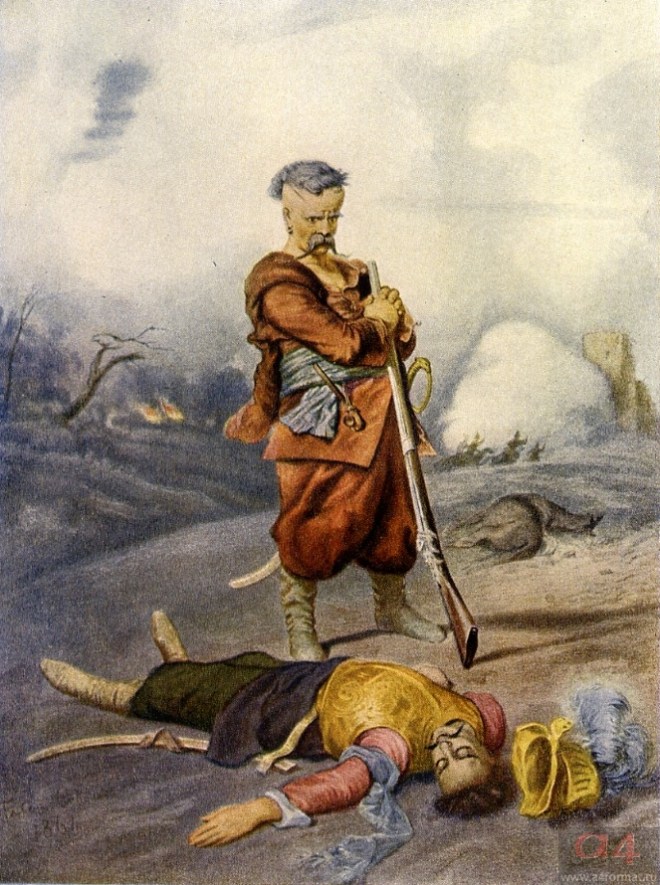


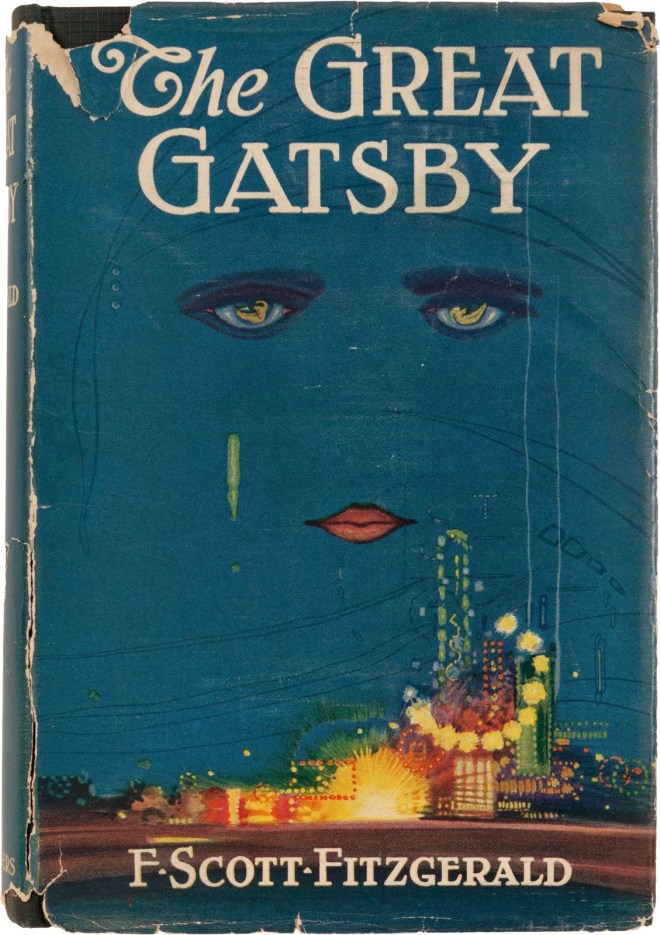




 AKirill, Learn, apprenez, translation, traduction, livres bilingues, bilingual books