On this site we hope to help you learn, and to remove the difficulties caused by the difference of culture and language. Sur ce site nous espérons vous aider à apprendre, et à enlever la barrière causée par les différents languages et cultures.
“Evening Bells” (Вечерний звон) is a painting by the Russian painter Isaac Levitan (Исаак Ильич Левитан), who is a recognized master of the lyrical landscape. It is a beautiful oil on canvas of 87 X 107.6 cm which was painted in 1892 and has been in the State Tretyakov Gallery since1918. This painting is also called “Monastery for the holidays” (Монастырь под праздник). “Evening Bells” is considered by some researchers as a variant of the earlier painting depicting a similar monastery and called ” Quiet Abode ” «Тихая обитель» (1890).
Art critic Vladimir Petrov said that despite the motif similar to the “Quiet Convent”, the painting “Evening Bells” “nevertheless is devoid of secondariness, and has its own, unique charm, its own” chord “”
According to Sofya Prorokova, Levitan often sand the song “Evening Bells” by composer Alexander Alyabyev and it might be the reason of the title of the painting. Another version given, is that Levitan could have chosen this name under the influence of Yakov Polonsky ‘s collection of poems “Evening Bells”, published in 1890.
“Evening Bells” by Isaac Levitan
In front of the viewer is a wide river which seems to cut the picture diagonally. The water is calm. Pink evening clouds painted in rose-gold hues by the setting sun, float solemnly in the sky and are reflected in the water.
“Evening Bells” by Isaac Levitan part monastery
On the opposite bank which is overgrown with forest, there is a monastery with a high bell tower soaring above the forest. It denotes the metaphysical vertical of life written by the artist: from earth to heaven, from sinfulness to holiness.
The last rays of sun brightly light the snow-white walls of his temple and bell tower, making them seem golden. Thanks to their reflection in the surface of the river, the emphasis on temple buildings is made even brighter.
“Evening Bells” by Isaac Levitan part reflection
Usually people are a rarity in Levitan’s paintings, but in this work, in order to enhance its realistic features, the artist depicted a man at the crossing on the near bank in a boat, people on a ferry in the center of the river, hurrying to the evening service, and two monks meeting them.
“Evening Bells” by Isaac Levitan part people
Description of the painting on the website of the Tretyakov Gallery:
“The spatial plans of the painting are presented as three different worlds. The near one is a high bank covered with shadow, from which the artist looks around. Across the river, growing out of a mirage game of reflections, in the rays of the setting sun, a wonderful vision appears – a monastery. Finally, the gaze rises into the sky following the clouds melting in a soft golden glow. The artist conveys the desire of the soul to this enchanted world of light and sounds disappearing into the distance. Interrupting the movement towards the sky with transverse rhythms – the line of the shore, bridges, a boat, he creates a feeling of an elusive image. In this alluring distance, one can only endlessly , languidly strive in dreams .
I hope you enjoyed this painting as much as I did.
If you liked this article, subscribe , put likes, write comments!
“Troïka”, qui est la plus grande peinture de genre de Perov et probablement l’une des plus émouvantes est devenue l’une des peintures les plus célèbres et les plus dramatiques de l’artiste. Il s’agit d’une huile sur toile de 123,5 × 167,5 cm qui a été peinte en 1866. Cette œuvre exceptionnelle se trouve actuellement à Moscou à la Galerie nationale Tretiakov.
La « Troïka (Тройка) » aussi appelée (« Apprentis porteurs d’eau ») touche à une question sociale importante qui est le problème du travail des enfants pendant une période difficile pour la Russie. Après l’abolition du servage, la situation ne s’est pas immédiatement améliorée et les gens ont vécu dans la pauvreté. L’inégalité était également importante. Vasily Perov (Василий Перов) a reçu le titre d’académicien de la peinture pour ce travail.
“Troïka” de Vasily Perov 1866
Dans les premières esquisses de ce tableau, telles que conçues par l’auteur, les visages des enfants étaient censés être non pas enfantins mais émaciés et extrêmement douloureux à regarder. Plus tard, l’artiste a abandonné son idée originale et leurs visages sont devenus jolis et spiritualisés, mais avec des traces de désespoir total.
Esquisse « Troïka » 1865 par Vasily Perov
Perov a longtemps cherché un héros convenable, la plupart de l’œuvre était déjà peinte mais il n’a pas pu trouver la figure centrale de l’œuvre. Heureusement, il a rencontré une paysanne avec son fils dans la rue et a réussi à persuader la femme de lui permettre de peindre un portrait de son fils. Le garçon appelé Vasya était le dernier espoir et la joie de la veuve qui avait enterré ses autres enfants. Trois ans plus tard, la pauvre femme est venue chez l’artiste, et il a eu de la peine à reconnaitre la mère de Vasya.
Elle a dit que son fils était tombé malade et était mort de la variole et a demandé à acheter le tableau représentant son fils de Perov.
L’artiste a expliqué que le tableau était vendu depuis longtemps mais il a emmené la pauvre femme à la galerie, où elle est tombée à genoux devant le tableau et a commencé à prier. En voyant cette scène, Perov a été tellement touché qu’il a décidé de peindre un portrait de son fils pour la femme.
Un an plus tard, la femme a reçu un portrait de son fils dans un cadre doré, et quelques mois plus tard, Perov a reçu une lettre de réponse avec des mots de sincère gratitude.
Vasily Perov a utilisé des tons gris-brun sombres. Le seul point lumineux de la photo est la jupe bleu-violet de la fille. Les tons traduisent la tragédie de la scène, tandis que l’atmosphère est aggravée par la rue sombre et déserte de la ville.
“Troïka” partie oiseaux par Vasily Perov
L’image représente un petit matin qui peut être vu avec le vol d’oiseaux se précipitant de la ville vers les champs. Il fait encore sombre, il commence à peine à faire jour et il y a un blizzard très froid.
“Troika” part barrel by Vasily Perov
On peut voir la pente du boulevard Rozhdestvensky et les murs du couvent de la Mère de Dieu-Rozhdestvensky qui sont devenus l’arrière-plan de l’image.
Au centre se trouvent trois trois enfants épuisés qui, comme en équipe, tirent un traîneau chargé d’un énorme et lourd tonneau en bois. Il est rempli d’eau jusqu’en haut et recouvert d’une sorte de toile de jute. L’eau qui coule gèle avec des glaçons à la surface du baril, ce qui montre une fois de plus à quel point il doit faire froid.
À côté du traîneau se trouve un seau en bois qui semble très lourd, et avec lequel les enfants ont probablement puisé de l’eau dans un trou de glace. Tout montre que le tonneau est très lourd, chaque pas est fait avec beaucoup de difficulté.
“Troïka” partie enfants de Vasily Perov
Un vent glacial souffle sur le visage des trois enfants vêtus de vêtements très modestes, voire pauvres. Ils portent de vieux manteaux et des bottes. Ils ont des casquettes sur la tête qui sont très probablement destinées à l’automne et non à l’hiver. Ils sont très petits, le plus âgé d’entre eux n’a probablement que 12, 13 ans. Il est le chef du groupe, il est clair qu’il assume la charge principale de la fille qui a environ 10 ans et tire de toutes ses forces. Le garçon de gauche est le plus jeune, pas plus de 8 ou 9 ans, mais il tire la sangle aussi fort qu’il le peut. Un tel travail n’est pas du tout pour de si jeunes enfants et leurs visages sont pleins de souffrance et de désespoir.
“Troïka” partie homme par Vasily Perov
Derrière le baril, nous voyons un adulte maigre qui les aide à porter le fardeau. Il est aussi habillé modestement. On voit que son quotidien n’en est pas moins difficile.
«Troïka» en partie chien par Vasily Perov
Le chariot est accompagné d’un chien courant à droite devant les enfants.
J’espère que vous avez apprécié ce tableau autant que moi.
Si cet article vous a plu, abonnez-vous, mettez des likes, écrivez des commentaires !
“Troika”, which is Perov ‘s largest genre painting and probably one of the most emotional became one of the artist’s most famous and dramatic paintings. It is an oil on canvas of 123,5 × 167,5 cm which was painted in 1866. This outstanding work is presently in Moscow at the State Tretyakov Gallery.
“Troika (Тройка)” also called (“Apprentices Carrying Water”) touches on an important social issue which is the problem of child labor during a difficult period for Russia. After the abolition of serfdom the situation did not immediately improve, and people lived in poverty. Inequality was also important. Vasily Perov (Василий Перов) was awarded the title of academician of painting for this work.
“Troika” by Vasily Perov 1866
In the initial sketches for this painting, as conceived by the author, children’s faces were supposed to be not childishly but emaciated and extremely painful to look at. Later the artist abandoned his original idea and their faces became pretty and spiritualized, but with traces of complete hopelessness.
“Troika” sketch 1865 by Vasily Perov
Perov looked for a suitable hero for a long time, most of the work had already been painted but he could not find the central figure of the work. Fortunately, he met a peasant woman with her son on the street and managed to persuade the woman to allow her to paint a portrait of her son, The boy called Vasya was the last hope and joy of the widow who had buried her other children. Three years later, the poor woman came to the artist, and he hardly recognized Vasya’s mother.
She said that her son fell ill and died of smallpox, and asked to buy the painting depicting her son from Perov.
The artist explained that the painting had long been sold but he took the poor woman to the gallery, where she fell on her knees in front of the painting and began to pray. Seeing this scene, Perov was so touched that he decided to paint a portrait of her son for the woman.
A year later, the woman received a portrait of her son in a gilded frame, and a few months later Perov received a response letter with words of sincere gratitude.
Vasily Perov used gloomy gray-brown tones. The only bright spot in the picture is the blue-violet skirt of the girl. The tones convey the tragedy of the scene, while the atmosphere is aggravated by the gloomy deserted street of the city.
“Troika” part birds by Vasily Perov
The picture depicts an early morning which can be seen with the flock of birds rushing from the city to the fields. It’s still dark, just getting light and there is a very cold, blizzard.
“Troika” part barrel by Vasily Perov
We can see the slope of Rozhdestvensky Boulevard, and the walls of the Mother of God-Rozhdestvensky Convent which became the background of the picture.
In the center there is three three exhausted children, who as if in a team, are pulling a sleigh loaded with a huge, heavy, wooden barrel. It is filled to the top with water, and covered with some kind of sackcloth. The pouring water freezes with icicles on the surface of the barrel, which once again makes it clear how cold it must be.
Next to the sleigh lies a wooden bucket looking very heavy, and with which the children probably drew water from an ice hole. Everything shows that the barrel is very heavy, each step is taken with great difficulty.
“Troika” part children by Vasily Perov
An icy wind blows in the face of the three children who are dressed in very modest, even poor clothes. They wear old caftans and boots. They have caps on their heads which are most likely intended for autumn and not for winter. They are very small, the oldest of them is probably only 12, 13 years old. He is the leader of the group, it is clear that he takes on the main load of the girl who is about 10 and pulls with all her might. The boy on the left is the youngest, no more than 8 or 9 years old, but he pulls the strap as hard as he can. Such work is not at all for such young children and their faces are full of suffering, and hopelessness.
“Troika” part man by Vasily Perov
Behind the barrel we see a thin built adult helping them to carry the burden. He is also dressed modestly. It can be seen that his everyday life is no less difficult.
“Troika” part dog by Vasily Perov
The wagon is accompanied by a dog running on the right in front of the children.
I hope you enjoyed this painting as much as I did.
If you liked this article, subscribe , put likes, write comments!
Il existe deux éditions de l’histoire de Gogol “Tarass Boulba” incluses dans le cycle “Mirgorod”. La première en 1835, et la seconde en 1842. la deuxième version a été publiée sans corrections de copyright même si Gogol était contre sa publication sans s’entendre sur certains points.
« Taras Boulba » fait désormais partie de nos livres bilingues russe/anglais
Les événements du livre “Taras Boulba” se déroulent autour du 16ème siècle. Il décrit la vie des cosaques de Zaporizhzhya et leur campagne contre la Pologne, et en même temps une histoire sur le glorieux cosaque Taras Boulba et ses deux fils.
“Taras Boulba” a été publié pour la première fois en 1835 dans la collection Mirgorod. Mais le travail sur cette histoire s’est poursuivi par intermittence pendant neuf ans: de 1833 à 1842. En 1842, dans le deuxième volume des «Œuvres» de Gogol, l’histoire «Taras Boulba» a été publiée dans une nouvelle édition radicalement modifiée.
Le premier livre a été précédé d’une étude approfondie des sources historiques qui a aidé l’artiste à comprendre l’esprit de la vie populaire, les personnages, la psychologie des gens…
Même si Gogol a été blâmé à plusieurs reprises pour la nature non historique de l’histoire, la présence d’un certain nombre d’anachronismes en elle. Certains critiques ont estimé que cela pouvait s’expliquer par le fait que l’écrivain ne disposait pas d’informations suffisamment fiables car tout en étudiant l’histoire de sa terre natale avec une grande attention, il a puisé des informations dans des chroniques plutôt maigres, des traditions folkloriques, des légendes, ainsi que franchement sources mythologiques.
Les Polonais ont été indignés que dans « Taras Boulba », la nation polonaise soit présentée comme agressive, sanguinaire et cruelle et ce livre n’a été publiée en polonais qu’au début du 21e siècle. En 2001, l’histoire de Gogol, traduite par Jerzy Shot, a été publiée ainsi qu’une autre version en 2002 par une autre maison d’édition, mais les deux traductions contiennent de nombreuses erreurs et inexactitudes.
L’histoire a également été critiquée pour antisémitisme par certains politiciens, penseurs religieux, critiques littéraires. Le critique littéraire Arkady Gornfeld a noté que les Juifs sont dépeints par Gogol comme de petits voleurs, des traîtres et des extorqueurs impitoyables, dépourvus de tout trait humain. Selon lui, les images de Gogol “sont capturées par la phobie antisémite ordinaire de l’époque”. Mais en même temps, d’autres pensent que le talent de l’adaptabilité juive est décrit de manière vivante et appropriée dans le poème de Gogol et que l’écrivain russe a bien capturé une partie de la culture historique juive.
La philologue Elena Ivanitskaya a critiqué “Taras Boulba” pour “la violence, et l’incitation à la guerre, mais le professeur Vladimir Voropaev soutient que la position de Gogol ne coïncide pas avec la position du personnage au nom duquel l’histoire est racontée, et estime que l’admiration pour les atrocités des cosaques étaient étrangers à Gogol. Il cite le fragment suivant :
« ils n’ont pas pu se sauver aux autels mêmes : Taras les a brûlés avec les autels. Non seulement des mains blanches comme neige s’élevaient de la flamme ardente vers les cieux, accompagnées de cris misérables, d’où la terre la plus humide bougerait et l’herbe de la steppe tomberait de la pitié de la vallée. Mais les cruels cosaques n’ont fait attention à rien et, soulevant leurs bébés des rues avec des lances, les ont jetés dans les flammes.
disant qu’il est peu probable qu’il y ait au moins un lecteur qui verrait l’approbation dans les mots de ces auteurs »
Il y a eu de nombreuses adaptations à l’écran et des adaptations musicales de “Taras Bulba”. La première adaptation à l’écran était un film muet Russe d’ Alexandre Drankov en 1909 et le premier opéra joué était de V. Küner et a ouvert en 1880 au Théâtre Mariinsky . Depuis lors, beaucoup ont été créé dans le monde entier.
Le colonel cosaque Taras Boulba a l’intention d’initier ses fils Ostap et Andriy à la vraie vie militaire. Il les emmène en campagne contre la Pologne. Pendant ce temps, les Cosaques apprennent que les Tatars se sont déplacés vers le Sich. L’armée de Taras est divisée en deux : certains Cosaques restent pour combattre les Polonais, tandis que d’autres se précipitent pour défendre le Sich. Andriy se bat du côté des Polonais. Lorsque Taras Boulba apprend qu’un de ses fils se bat pour les Polonais, il le tue. L’armée de Boulba est forcée de battre en retraite et Ostap est capturé. Taras essaie d’aider son fils, mais ne réussi pas et est obligé d’assister à son exécution avant de se retrouver entre les mains des Polonais. Il est condamné à une mort douloureuse sur le bûcher. Mais même sur son lit de mort, toutes les pensées de Boulba sont tournées vers la Patrie.
– Voyons, tourne-toi. Dieu, que tu es drôle ! Qu’est-ce que cette robe de prêtre ? Est-ce que vous êtes tous ainsi fagotés à votre académie ?
Voilà par quelles paroles le vieux Boulba accueillait ses deux fils qui venaient de terminer leurs études au séminaire de Kiew1, et qui rentraient en ce moment au foyer paternel.
Ses fils venaient de descendre de cheval. C’étaient deux robustes jeunes hommes, qui avaient encore le regard en dessous, comme il convient à des séminaristes récemment sortis des bancs de l’école. Leurs visages, pleins de force et de santé, commençaient à se couvrir d’un premier duvet que n’avait jamais fauché le rasoir. L’accueil de leur père les avait fort troublés ; ils restaient immobiles, les yeux fixés à terre.
– Attendez, attendez ; laissez que je vous examine bien à mon aise. Dieu ! que vous avez de longues robes ! dit-il en les tournant et retournant en tous sens. Diables de robes ! je crois qu’on n’en a pas encore vu de pareilles dans le monde. Allons, que l’un de vous essaye un peu de courir : je verrai s’il ne se laissera pas tomber le nez par terre, en s’embarrassant dans les plis.
– Père, ne te moque pas de nous, dit enfin l’aîné.
– Voyez un peu le beau sire ! et pourquoi donc ne me moquerais-je pas de vous ?
– Mais, parce que… quoique tu sois mon père, j’en jure Dieu, si tu continues de rire, je te rosserai.
– Quoi ! fils de chien, ton père ! dit Tarass Boulba en reculant de quelques pas avec étonnement.
– Oui, même mon père ; quand je suis offensé, je ne regarde à rien, ni à qui que ce soit.
– De quelle manière veux-tu donc te battre avec moi, est-ce à coups de poing ?
– La manière m’est fort égale.
– Va pour les coups de poing, répondit Tarass Boulba en retroussant ses manches. Je vais voir quel homme tu fais à coups de poing.
Et voilà que père et fils, au lieu de s’embrasser après une longue absence, commencent à se lancer de vigoureux horions dans les côtes, le dos, la poitrine, tantôt reculant, tantôt attaquant.
– Voyez un peu, bonnes gens : le vieux est devenu fou ; il a tout à fait perdu l’esprit, disait la pauvre mère, pâle et maigre, arrêtée sur le perron, sans avoir encore eu le temps d’embrasser ses fils bien-aimés. Les enfants sont revenus à la maison, plus d’un an s’est passé depuis qu’on ne les a vus ; et lui, voilà qu’il invente, Dieu sait quelle sottise… se rosser à coups de poing !
– Mais il se bat fort bien, disait Boulba s’arrêtant. Oui, par Dieu ! très bien, ajouta-t-il en rajustant ses habits ; si bien que j’eusse mieux fait de ne pas l’essayer. Ça fera un bon Cosaque. Bonjour, fils ; embrassons-nous.
Et le père et le fils s’embrassèrent.
– Bien, fils. Rosse tout le monde comme tu m’as rossé ; ne fais quartier à personne. Ce qui n’empêche pas que tu ne sois drôlement fagoté. Qu’est-ce que cette corde qui pend ? Et toi, nigaud, que fais-tu là, les bras ballants ? dit-il en s’adressant au cadet. Pourquoi, fils de chien, ne me rosses-tu pas aussi ?
– Voyez un peu ce qu’il invente, disait la mère en embrassant le plus jeune de ses fils. On a donc de ces inventions-là, qu’un enfant rosse son propre père ! Et c’est bien le moment d’y songer ! Un pauvre enfant qui a fait une si longue route, qui s’est si fatigué (le pauvre enfant avait plus de vingt ans et une taille de six pieds), il aurait besoin de se reposer et de manger un morceau ; et lui, voilà qu’il le force à se battre.
– Eh ! eh ! mais tu es un freluquet à ce qu’il me semble, disait Boulba. Fils, n’écoute pas ta mère ; c’est une femme, elle ne sait rien. Qu’avez-vous besoin, vous autres, d’être dorlotés ? Vos dorloteries, à vous, c’est une belle plaine, c’est un bon cheval ; voilà vos dorloteries. Et voyez-vous ce sabre ? voilà votre mère. Tout le fatras qu’on vous met en tête, ce sont des bêtises. Et les académies, et tous vos livres, et les ABC, et les philosophies, et tout cela, je crache dessus.
Ici Boulba ajouta un mot qui ne peut passer à l’imprimerie.
– Ce qui vaut mieux, reprit-il, c’est que, la semaine prochaine, je vous enverrai au zaporojié. C’est là que se trouve la science ; c’est là qu’est votre école, et que vous attraperez de l’esprit.
– Quoi ! ils ne resteront qu’une semaine ici ? disait d’une voix plaintive et les larmes aux yeux la vieille bonne mère. Les pauvres petits n’auront pas le temps de se divertir et de faire connaissance avec la maison paternelle. Et moi, je n’aurai pas le temps de les regarder à m’en rassasier.
– Cesse de hurler, vieille ; un Cosaque n’est pas fait pour s’avachir avec les femmes. N’est-ce pas ? tu les aurais cachés tous les deux sous ta jupe, pour les couver comme une poule ses œufs. Allons, marche. Mets-nous vite sur la table tout ce que tu as à manger. Il ne nous faut pas de gâteaux au miel, ni toutes sortes de petites fricassées. Donne-nous un mouton entier ou toute une chèvre ; apporte-nous de l’hydromel de quarante ans ; et donne-nous de l’eau-de-vie, beaucoup d’eau-de-vie ; pas de cette eau-de-vie avec toutes sortes d’ingrédients, des raisins secs et autres vilenies ; mais de l’eau-de-vie toute pure, qui pétille et mousse comme une enragée.
Boulba conduisit ses fils dans sa chambre, d’où sortirent à leur rencontre deux belles servantes, toutes chargées de monistes2. Était-ce parce qu’elles s’effrayaient de l’arrivée de leurs jeunes seigneurs, qui ne faisaient grâce à personne ? était-ce pour ne pas déroger aux pudiques habitudes des femmes ? À leur vue, elles se sauvèrent en poussant de grands cris, et longtemps encore après, elles se cachèrent le visage avec leurs manches. La chambre était meublée dans le goût de ce temps, dont le souvenir n’est conservé que par les douma3 et les chansons populaires, que récitaient autrefois, dans l’Ukraine, les vieillards à longue barbe, en s’accompagnant de la bandoura4, au milieu d’une foule qui faisait cercle autour d’eux ; dans le goût de ce temps rude et guerrier, qui vit les premières luttes soutenues par l’Ukraine contre l’union5. Tout y respirait la propreté. Le plancher et les murs étaient revêtus d’une couche de terre glaise luisante et peinte. Des sabres, des fouets (nagaïkas), des filets d’oiseleur et de pêcheur, des arquebuses, une corne curieusement travaillée servant de poire à poudre, une bride chamarrée de lames d’or, des entraves parsemées de petits clous d’argent, étaient suspendus autour de la chambre. Les fenêtres, fort petites, portaient des vitres rondes et ternes, comme on n’en voit plus aujourd’hui que dans les vieilles églises ; on ne pouvait regarder au dehors qu’en soulevant un petit châssis mobile. Les baies de ces fenêtres et des portes étaient peintes en rouge. Dans les coins, sur des dressoirs, se trouvaient des cruches d’argile, des bouteilles en verre de couleur sombre, des coupes d’argent ciselé, d’autres petites coupes dorées, de différentes mains-d’œuvre, vénitiennes, florentines, turques, circassiennes, arrivées par diverses voies aux mains de Boulba, ce qui était assez commun dans ces temps d’entreprises guerrières. Des bancs de bois, revêtus d’écorce brune de bouleau, faisaient le tour entier de la chambre. Une immense table était dressée sous les saintes images, dans un des angles antérieurs. Un haut et large poêle, divisé en une foule de compartiments, et couvert de briques vernissées, bariolées, remplissait l’angle opposé. Tout cela était très connu de nos deux jeunes gens, qui venaient chaque année passer les vacances à la maison ; je dis venaient, et venaient à pied, car ils n’avaient pas encore de chevaux, la coutume ne permettant point aux écoliers d’aller à cheval. Ils étaient encore à l’âge où les longues touffes du sommet de leur crâne pouvaient être tirées impunément par tout Cosaque armé. Ce n’est qu’à leur sortie du séminaire que Boulba leur avait envoyé deux jeunes étalons pour faire le voyage.
À l’occasion du retour de ses fils, Boulba fit rassembler tous les centeniers de son polk6 qui n’étaient pas absents ; et quand deux d’entre eux se furent rendus à son invitation, avec le ïésaoul7 Dmitri Tovkatch, son vieux camarade, il leur présenta ses fils en disant :
– Voyez un peu quels gaillards ! je les enverrai bientôt à la setch.
Les visiteurs félicitèrent et Boulba et les deux jeunes gens, en leur assurant qu’ils feraient fort bien, et qu’il n’y avait pas de meilleure école pour la jeunesse que le zaporojié.
– Allons, seigneurs et frères, dit Tarass, asseyez-vous chacun où il lui plaira. Et vous, mes fils, avant tout, buvons un verre d’eau-de-vie. Que Dieu nous bénisse ! À votre santé, mes fils ! À la tienne, Ostap (Eustache) ! À la tienne, Andry (André) ! Dieu veuille que vous ayez toujours de bonnes chances à la guerre, que vous battiez les païens et les Tatars ! et si les Polonais commencent quelque chose contre notre sainte religion, les Polonais aussi ! Voyons, donne ton verre. L’eau-de-vie est-elle bonne ? Comment se nomme l’eau-de-vie en latin ? Quels sots étaient ces Latins ! ils ne savaient même pas qu’il y eût de l’eau-de-vie au monde. Comment donc s’appelait celui qui a écrit des vers latins ? Je ne suis pas trop savant ; j’ai oublié son nom. Ne s’appelait-il pas Horace ?
– Voyez-vous le sournois, se dit tout bas le fils aîné, Ostap ; c’est qu’il sait tout, le vieux chien, et il fait mine de ne rien savoir.
– Je crois bien que l’archimandrite ne vous a pas même donné à flairer de l’eau-de-vie, continuait Boulba. Convenez, mes fils, qu’on vous a vertement étrillés, avec des balais de bouleau, le dos, les reins, et tout ce qui constitue un Cosaque. Ou bien peut-être, parce que vous étiez devenus grands garçons et sages, vous rossait-on à coups de fouet, non les samedis seulement, mais encore les mercredis et les jeudis.
– Il n’y a rien à se rappeler de ce qui s’est fait, père, répondit Ostap ; ce qui est passé est passé.
– Qu’on essaye maintenant ! dit Andry ; que quelqu’un s’avise de me toucher du bout du doigt ! que quelque Tatar s’imagine de me tomber sous la main ! il saura ce que c’est qu’un sabre cosaque.
– Bien, mon fils, bien ! par Dieu, c’est bien parlé. Puisque c’est comme ça, par Dieu, je vais avec vous. Que diable ai-je à attendre ici ? Que je devienne un planteur de blé noir, un homme de ménage, un gardeur de brebis et de cochons ? que je me dorlote avec ma femme ? Non, que le diable l’emporte ! je suis un Cosaque, je ne veux pas. Qu’est-ce que cela me fait qu’il n’y ait pas de guerre ! j’irai prendre du bon temps avec vous. Oui, par Dieu, j’y vais.
Et le vieux Boulba, s’échauffant peu à peu, finit par se fâcher tout rouge, se leva de table, et frappa du pied en prenant une attitude impérieuse.
– Nous partons demain. Pourquoi remettre ? Qui diable attendons-nous ici ? À quoi bon cette maison ? à quoi bon ces pots ? à quoi bon tout cela ?
En parlant ainsi, il se mit à briser les plats et les bouteilles. La pauvre femme, dès longtemps habituée à de pareilles actions, regardait tristement faire son mari, assise sur un banc. Elle n’osait rien dire ; mais en apprenant une résolution aussi pénible à son cœur, elle ne put retenir ses larmes. Elle jeta un regard furtif sur ses enfants qu’elle allait si brusquement perdre, et rien n’aurait pu peindre la souffrance qui agitait convulsivement ses yeux humides et ses lèvres serrées.
Boulba était furieusement obstiné. C’était un de ces caractères qui ne pouvaient se développer qu’au XVIe siècle, dans un coin sauvage de l’Europe, quand toute la Russie méridionale, abandonnée de ses princes, fut ravagée par les incursions irrésistibles des Mongols ; quand, après avoir perdu son toit et tout abri, l’homme se réfugia dans le courage du désespoir ; quand sur les ruines fumantes de sa demeure, en présence d’ennemis voisins et implacables, il osa se rebâtir une maison, connaissant le danger, mais s’habituant à le regarder en face ; quand enfin le génie pacifique des Slaves s’enflamma d’une ardeur guerrière et donna naissance à cet élan désordonné de la nature russe qui fut la société cosaque (kasatchestvo). Alors tous les abords des rivières, tous les gués, tous les défilés dans les marais, se couvrirent de Cosaques que personne n’eût pu compter, et leurs hardis envoyés purent répondre au sultan qui désirait connaître leur nombre : « Qui le sait ? Chez nous, dans la steppe, à chaque bout de champ, un Cosaque. » Ce fut une explosion de la force russe que firent jaillir de la poitrine du peuple les coups répétés du malheur. Au lieu des anciens oudély8, au lieu des petites villes peuplées de vassaux chasseurs, que se disputaient et se vendaient les petits princes, apparurent des bourgades fortifiées, des kourény9 liés entre eux par le sentiment du danger commun et la haine des envahisseurs païens. L’histoire nous apprend comment les luttes perpétuelles des Cosaques sauvèrent l’Europe occidentale de l’invasion des sauvages hordes asiatiques qui menaçaient de l’inonder. Les rois de Pologne qui devinrent, au lieu des princes dépossédés, les maîtres de ces vastes étendues de terre, maîtres, il est vrai, éloignés et faibles, comprirent l’importance des Cosaques et le profit qu’ils pouvaient tirer de leurs dispositions guerrières. Ils s’efforcèrent de les développer encore. Les hetmans, élus par les Cosaques eux-mêmes et dans leur sein, transformèrent les kourény en polk10 réguliers. Ce n’était pas une armée rassemblée et permanente ; mais, dans le cas de guerre ou de mouvement général, en huit jours au plus, tous étaient réunis. Chacun se rendait à l’appel, à cheval et en armes, ne recevant pour toute solde du roi qu’un ducat par tête. En quinze jours, il se rassemblait une telle armée, qu’à coup sûr nul recrutement n’eût pu en former une semblable. La guerre finie, chaque soldat regagnait ses champs, sur les bords du Dniepr, s’occupait de pêche, de chasse ou de petit commerce, brassait de la bière, et jouissait de la liberté. Il n’y avait pas de métier qu’un Cosaque ne sût faire : distiller de l’eau-de-vie, charpenter un chariot, fabriquer de la poudre, faire le serrurier et le maréchal ferrant, et, par-dessus tout, boire et bambocher comme un Russe seul en est capable, tout cela ne lui allait pas à l’épaule. Outre les Cosaques inscrits, obligés de se présenter en temps de guerre ou d’entreprise, il était très facile de rassembler des troupes de volontaires. Les ïésaouls n’avaient qu’à se rendre sur les marchés et les places de bourgades, et à crier, montés sur une téléga (chariot) : « Eh ! eh ! vous autres buveurs, cessez de brasser de la bière et de vous étaler tout de votre long sur les poêles ; cessez de nourrir les mouches de la graisse de vos corps ; allez à la conquête de l’honneur et de la gloire chevaleresque. Et vous autres, gens de charrue, planteurs de blé noir, gardeurs de moutons, amateurs de jupes, cessez de vous traîner à la queue de vos bœufs, de salir dans la terre vos cafetans jaunes, de courtiser vos femmes et de laisser dépérir votre vertu de chevalier11. Il est temps d’aller à la quête de la gloire cosaque. » Et ces paroles étaient semblables à des étincelles qui tomberaient sur du bois sec. Le laboureur abandonnait sa charrue ; le brasseur de bière mettait en pièces ses tonneaux et ses jattes ; l’artisan envoyait au diable son métier et le petit marchand son commerce ; tous brisaient les meubles de leur maison et sautaient à cheval. En un mot, le caractère russe revêtit alors une nouvelle forme, large et puissante.
Tarass Boulba était un des vieux polkovnik12. Créé pour les difficultés et les périls de la guerre, il se distinguait par la droiture d’un caractère rude et entier. L’influence des mœurs polonaises commençait à pénétrer parmi la noblesse petite-russienne. Beaucoup de seigneurs s’adonnaient au luxe, avaient de nombreux domestique, des faucons, des meutes de chasse, et donnaient des repas. Tout cela n’était pas selon le cœur de Tarass ; il aimait la vie simple des Cosaques, et il se querella fréquemment avec ceux de ses camarades qui suivaient l’exemple de Varsovie, les appelant esclaves des gentilshommes (pan) polonais. Toujours inquiet, mobile, entreprenant, il se regardait comme un des défenseurs naturels de l’Église russe ; il entrait, sans permission, dans tous les villages où l’on se plaignait de l’oppression des intendants-fermiers et d’une augmentation de taxe sur les feux. Là, au milieu de ses Cosaques, il jugeait les plaintes. Il s’était fait une règle d’avoir, dans trois cas, recours à son sabre : quand les intendants ne montraient pas de déférence envers les anciens et ne leur ôtaient pas le bonnet, quand on se moquait de la religion ou des vieilles coutumes, et quand il était en présence des ennemis, c’est-à-dire des Turcs ou païens, contre lesquels il se croyait toujours en droit de tirer le fer pour la plus grande gloire de la chrétienté. Maintenant il se réjouissait d’avance du plaisir de mener lui-même ses deux fils à la setch, de dire avec orgueil : « Voyez quels gaillards je vous amène ; de les présenter à tous ses vieux compagnons d’armes, et d’être témoin de leurs premiers exploits dans l’art de guerroyer et dans celui de boire, qui comptait aussi parmi les vertus d’un chevalier. Tarass avait d’abord eu l’intention de les envoyer seuls ; mais à la vue de leur bonne mine, de leur haute taille, de leur mâle beauté, sa vieille ardeur guerrière s’était ranimée, et il se décida, avec toute l’énergie d’une volonté opiniâtre, à partir avec eux dès le lendemain. Il fit ses préparatifs, donna des ordres, choisit des chevaux et des harnais pour ses deux jeunes fils, désigna les domestiques qui devaient les accompagner, et délégua son commandement au ïésaoul Tovkatch, en lui enjoignant de se mettre en marche à la tête de tout le polk, dès que l’ordre lui en parviendrait de la setch. Quoiqu’il ne fût pas entièrement dégrisé, et que la vapeur du vin se promenât encore dans sa cervelle, cependant il n’oublia rien, pas même l’ordre de faire boire les chevaux et de leur donner une ration du meilleur froment.
– Eh bien ! mes enfants, leur dit-il en rentrant fatigué à la maison, il est temps de dormir, et demain nous ferons ce qu’il plaira à Dieu. Mais qu’on ne nous fasse pas de lits ; nous dormirons dans la cour.
La nuit venait à peine d’obscurcir le ciel ; mais Boulba avait l’habitude de se coucher de bonne heure. Il se jeta sur un tapis étendu à terre, et se couvrit d’une pelisse de peaux de mouton (touloup), car l’air était frais, et Boulba aimait la chaleur quand il dormait dans la maison. Il se mit bientôt à ronfler ; tous ceux qui s’étaient couchés dans les coins de la cour suivirent son exemple, et, avant tous les autres, le gardien, qui avait le mieux célébré, verre en main, l’arrivée des jeunes seigneurs. Seule, la pauvre mère ne dormait pas. Elle était venue s’accroupir au chevet de ses fils bien-aimés, qui reposaient l’un près de l’autre. Elle peignait leur jeune chevelure, les baignait de ses larmes, les regardait de tous ses yeux, de toutes les forces de son être, sans pouvoir se rassasier de les contempler. Elle les avait nourris de son lait, élevés avec une tendresse inquiète, et voilà qu’elle ne doit les voir qu’un instant.
« Mes fils, mes fils chéris ! que deviendrez-vous ? qu’est-ce qui vous attend ? » disait-elle ; et des larmes s’arrêtaient dans les rides de son visage, autrefois beau.
En effet, elle était bien digne de pitié, comme toute femme de ce temps-là. Elle n’avait vécu d’amour que peu d’instants, pendant la première fièvre de la jeunesse et de la passion ; et son rude amant l’avait abandonnée pour son sabre, pour ses camarades, pour une vie aventureuse et déréglée. Elle ne voyait son mari que deux ou trois jours par an ; et, même quand il était là, quand ils vivaient ensemble, quelle était sa vie ? Elle avait à supporter des injures, et jusqu’à des coups, ne recevant que des caresses rares et dédaigneuses. La femme était une créature étrange et déplacée dans ce ramas d’aventuriers farouches. Sa jeunesse passa rapidement, sans plaisirs ; ses belles joues fraîches, ses blanches épaules se fanèrent dans la solitude, et se couvrirent de rides prématurées. Tout ce qu’il y a d’amour, de tendresse, de passion dans la femme, se concentra chez elle en amour maternel. Ce soir-là, elle restait penchée avec angoisse sur le lit de ses enfants, comme la tchaïka13 des steppes plane sur son nid. On lui prend ses fils, ses chers fils ; on les lui prend pour qu’elle ne les revoie peut-être jamais : peut-être qu’à la première bataille, des Tatars leur couperont la tête, et jamais elle ne saura ce que sont devenus leurs corps abandonnés en pâture aux oiseaux voraces. En sanglotant sourdement, elle regardait leurs yeux que tenait fermés l’irrésistible sommeil.
« Peut-être, pensait-elle, Boulba remettra-t-il son départ à deux jours ? Peut-être ne s’est-il décidé à partir sitôt que parce qu’il a beaucoup bu aujourd’hui ? »
Depuis longtemps la lune éclairait du haut du ciel la cour et tous ses dormeurs, ainsi qu’une masse de saules touffus et les hautes bruyères qui croissaient contre la clôture en palissades. La pauvre femme restait assise au chevet de ses enfants, les couvant des yeux et sans penser au sommeil. Déjà les chevaux, sentant venir l’aube, s’étaient couchés sur l’herbe et cessaient de brouter. Les hautes feuilles des saules commençaient à frémir, à chuchoter, et leur babillement descendait de branche en branche. Le hennissement aigu d’un poulain retentit tout à coup dans la steppe. De larges lueurs rouges apparurent au ciel. Boulba s’éveilla soudain et se leva brusquement. Il se rappelait tout ce qu’il avait ordonné la veille.
– Assez dormi, garçons ; il est temps, il est temps ! faites boire les chevaux. Mais où est la vieille (c’est ainsi qu’il appelait habituellement sa femme) ? Vite, vieille ! donne-nous à manger, car nous avons une longue route devant nous.
Privée de son dernier espoir, la pauvre vieille se traîna tristement vers la maison. Pendant que, les larmes aux yeux, elle préparait le déjeuner, Boulba distribuait ses derniers ordres, allait et venait dans les écuries, et choisissait pour ses enfants ses plus riches habits. Les étudiants changèrent en un moment d’apparence. Des bottes rouges, à petits talons d’argent, remplacèrent leurs mauvaises chaussures de collège. Ils ceignirent sur leurs reins, avec un cordon doré, des pantalons larges comme la mer Noire, et formés d’un million de petits plis. À ce cordon pendaient de longues lanières de cuir, qui portaient avec des houppes tous les ustensiles du fumeur. Un casaquin de drap rouge comme le feu leur fut serré au corps par une ceinture brodée, dans laquelle on glissa des pistolets turcs damasquinés. Un grand sabre leur battait les jambes. Leurs visages, encore peu hélés, semblaient alors plus beaux et plus blancs. De petites moustaches noires relevaient le teint brillant et fleuri de la jeunesse. Ils étaient bien beaux sous leurs bonnets d’astrakan noir terminés par des calottes dorées. Quand la pauvre mère les aperçut, elle ne put proférer une parole, et des larmes craintives s’arrêtèrent dans ses yeux flétris.
– Allons, mes fils, tout est prêt, plus de retard, dit enfin Boulba. Maintenant, d’après la coutume chrétienne, il faut nous asseoir avant de partir.
Tout le monde s’assit en silence dans la même chambre, sans excepter les domestiques, qui se tenaient respectueusement près de la porte.
– À présent, mère, dit Boulba, donne ta bénédiction à tes enfants ; prie Dieu qu’ils se battent toujours bien, qu’ils soutiennent leur honneur de chevaliers, qu’ils défendent la religion du Christ ; sinon, qu’ils périssent, et qu’il ne reste rien d’eux sur la terre. Enfants, approchez de votre mère ; la prière d’une mère préserve de tout danger sur la terre et sur l’eau.
La pauvre femme les embrassa, prit deux petites images en métal, les leur pendit au cou en sanglotant.
– Que la Vierge… vous protège… N’oubliez pas, mes fils, votre mère. Envoyez au moins de vos nouvelles, et pensez…
Elle ne put continuer.
– Allons, enfants,dit Boulba.
Des chevaux sellés attendaient devant le perron. Boulba s’élança sur son Diable14, qui fit un furieux écart en sentant tout à coup sur son dos un poids de vingt pouds15, car Boulba était très gros et très lourd. Quand la mère vit que ses fils étaient aussi montés à cheval, elle se précipita vers le plus jeune, qui avait l’expression du visage plus tendre ; elle saisit son étrier, elle s’accrocha à la selle, et, dans un morne et silencieux désespoir, elle l’étreignit entre ses bras. Deux vigoureux Cosaques la soulevèrent respectueusement, et l’emportèrent dans la maison. Mais au moment où les cavaliers franchirent la porte, elle s’élança sur leurs traces avec la légèreté d’une biche, étonnante à son âge, arrêta d’une main forte l’un des chevaux, et embrassa son fils avec une ardeur insensée, délirante. On l’emporta de nouveau. Les jeunes Cosaques commencèrent à chevaucher tristement aux côtés de leur père, en retenant leurs larmes, car ils craignaient Boulba, qui ressentait aussi, sans la montrer, une émotion dont il ne pouvait se défendre. La journée était grise ; l’herbe verdoyante étincelait au loin, et les oiseaux gazouillaient sur des tons discords. Après avoir fait un peu de chemin, les jeunes gens jetèrent un regard en arrière ; déjà leur maisonnette semblait avoir plongé sous terre ; on ne voyait plus à l’horizon que les deux cheminées encadrées par les sommets des arbres sur lesquels, dans leur jeunesse, ils avaient grimpé comme des écureuils. Une vaste prairie s’étendait devant leurs regards, une prairie qui rappelait toute leur vie passée, depuis l’âge où ils se roulaient dans l’herbe humide de rosée, jusqu’à l’âge où ils y attendaient une jeune Cosaque aux noirs sourcils, qui la franchissait d’un pied rapide et craintif. Bientôt on ne vit plus que la perche surmontée d’une roue de chariot qui s’élevait au-dessus du puits ; bientôt la steppe commença à s’exhausser en montagne, couvrant tout ce qu’ils laissaient derrière eux.
There are two editions of Gogol’s story “Taras Bulba” included in the cycle “Mirgorod”. The first one in 1835, and the second in 1842. the second version was published without copyright corrections even though Gogol was against its publication without agreeing on certain points.
“Taras Bulba” is now part of our Russian/English bilingual books
The events in the book “Taras Bulba” unfold around the 16th century. It describes the life of the Zaporizhzhya Cossacks and their campaign against Poland, and at the same time a story about the glorious Cossack Taras Bulba and his two sons.
“Taras Bulba” was first published in 1835 in the Mirgorod collection. But the work on this story continued intermittently for nine years: from 1833 to 1842. In 1842, in the second volume of Gogol’s “Works”, the story “Taras Bulba” was published in a new, radically altered edition.
The first book was preceded by a thorough, in-depth study of historical sources which helped the artist to comprehend the spirit of folk life, characters, psychology of people…
Even though Gogol was repeatedly blamed for the unhistorical nature of the story, the presence of a number of anachronisms in it. Some critics believed that this could be explained by the fact that the writer did not have enough reliable information because while studying the history of his native land with great attention he drew information from rather meager chronicles, from folk traditions, legends, as well as frankly mythological sources.
The Poles were outraged that in “Taras Bulba” the Polish nation was presented as aggressive, bloodthirsty and cruel and the story was not published in Polish until the beginning of the 21st century. In 2001, Gogol’s story, translated by Jerzy Shot, was published as well as a second traduction in 2002 by another publishing house , but both translations contain many errors and inaccuracies.
The story was also criticized for anti-Semitism by some politicians, religious thinkers, literary critics. The literary critic Arkady Gornfeld noted that Jews are depicted by Gogol as petty thieves, traitors and ruthless extortionists, devoid of any human traits. In his opinion, the images of Gogol “are captured by the ordinary anti-Semite phobia of the era”. But at the same time, other thought that the talent of Jewish adaptability is vividly and aptly described in Gogol’s poem and that the Russian writer aptly captured some of the Jewish historical culture.
Philologist Elena Ivanitskaya criticized “Taras Bulba” for “violence, inciting wars, but Professor Vladimir Voropaev argues that Gogol’s position does not coincide with the position of the character on whose behalf the story is being told, and believes that admiration for the atrocities of the Cossacks was alien to Gogol. He cites the following fragment:
“they could not save themselves at the very altars: Taras burned them together with the altars. Not only snow-white hands rose from the fiery flame to the heavens, accompanied by miserable cries, from which the dampest earth would move and the steppe grass would droop from the pity of the valley. But the cruel Cossacks did not heed anything and, lifting their babies from the streets with spears, threw them into the flames.”
saying that it is unlikely that there will be at least one reader who would see approval in these author’s words”
There were many screen adaptations an musical adaptations of “Taras Bulba”. The first screen adaptation was a Russian silent film by Alexander Drankov in 1909 and the first played opera was by V. Küner and opened in 1880 at the Mariinsky Theatre. Since then many have been made all over the world.
Cossack colonel Taras Bulba intends to introduce his sons, Ostap and Andriy to real military life. He takes them on a campaign against Poland. Meanwhile, the Cossacks learn that the Tatars have moved to the Sich. Taras’s army is divided in two: some Cossacks remain to fight the Poles, while others rush to defend the Sich. Andriy fights on the side of the Poles. When Taras Bulba learns that one of his son is fighting for the Poles, he kills him. Bulba’s army is forced to retreat, and Ostap is captured. Taras tries to help his son, but couldn’t and is forced to watch his execution before to himself ends up in the hands of the Poles. He is put to a painful death at the stake. But even on his deathbed, all Bulba’s thoughts are about the Motherland.
“Turn round, my boy! How ridiculous you look! What sort of a priest’s cassock have you got on? Does everybody at the academy dress like that?”
With such words did old Bulba greet his two sons, who had been absent for their education at the Royal Seminary of Kief, and had now returned home to their father.
His sons had but just dismounted from their horses. They were a couple of stout lads who still looked bashful, as became youths recently released from the seminary. Their firm healthy faces were covered with the first down of manhood, down which had, as yet, never known a razor. They were greatly discomfited by such a reception from their father, and stood motionless with eyes fixed upon the ground.
“Stand still, stand still! let me have a good look at you,” he continued, turning them around. “How long your gaberdines are! What gaberdines! There never were such gaberdines in the world before. Just run, one of you! I want to see whether you will not get entangled in the skirts, and fall down.”
“Don’t laugh, don’t laugh, father!” said the eldest lad at length.
“How touchy we are! Why shouldn’t I laugh?”
“Because, although you are my father, if you laugh, by heavens, I will strike you!”
“What kind of son are you? what, strike your father!” exclaimed Taras Bulba, retreating several paces in amazement.
“Yes, even my father. I don’t stop to consider persons when an insult is in question.”
“So you want to fight me? with your fist, eh?”
“Any way.”
“Well, let it be fisticuffs,” said Taras Bulba, turning up his sleeves. “I’ll see what sort of a man you are with your fists.”
And father and son, in lieu of a pleasant greeting after long separation, began to deal each other heavy blows on ribs, back, and chest, now retreating and looking at each other, now attacking afresh.
“Look, good people! the old man has gone mad! he has lost his senses completely!” screamed their pale, ugly, kindly mother, who was standing on the threshold, and had not yet succeeded in embracing her darling children. “The children have come home, we have not seen them for over a year; and now he has taken some strange freak—he’s pommelling them.”
“Yes, he fights well,” said Bulba, pausing; “well, by heavens!” he continued, rather as if excusing himself, “although he has never tried his hand at it before, he will make a good Cossack! Now, welcome, son! embrace me,” and father and son began to kiss each other. “Good lad! see that you hit every one as you pommelled me; don’t let any one escape. Nevertheless your clothes are ridiculous all the same. What rope is this hanging there?—And you, you lout, why are you standing there with your hands hanging beside you?” he added, turning to the youngest. “Why don’t you fight me? you son of a dog!”
“What an idea!” said the mother, who had managed in the meantime to embrace her youngest. “Who ever heard of children fighting their own father? That’s enough for the present; the child is young, he has had a long journey, he is tired.” The child was over twenty, and about six feet high. “He ought to rest, and eat something; and you set him to fighting!”
“You are a gabbler!” said Bulba. “Don’t listen to your mother, my lad; she is a woman, and knows nothing. What sort of petting do you need? A clear field and a good horse, that’s the kind of petting for you! And do you see this sword? that’s your mother! All the rest people stuff your heads with is rubbish; the academy, books, primers, philosophy, and all that, I spit upon it all!” Here Bulba added a word which is not used in print. “But I’ll tell you what is best: I’ll take you to Zaporozhe (1) this very week. That’s where there’s science for you! There’s your school; there alone will you gain sense.”
 (1) The Cossack country beyond (za) the falls (porozhe) of the
    Dnieper.
“And are they only to remain home a week?” said the worn old mother sadly and with tears in her eyes. “The poor boys will have no chance of looking around, no chance of getting acquainted with the home where they were born; there will be no chance for me to get a look at them.”
“Enough, you’ve howled quite enough, old woman! A Cossack is not born to run around after women. You would like to hide them both under your petticoat, and sit upon them as a hen sits on eggs. Go, go, and let us have everything there is on the table in a trice. We don’t want any dumplings, honey-cakes, poppy-cakes, or any other such messes: give us a whole sheep, a goat, mead forty years old, and as much corn-brandy as possible, not with raisins and all sorts of stuff, but plain scorching corn-brandy, which foams and hisses like mad.”
Bulba led his sons into the principal room of the hut; and two pretty servant girls wearing coin necklaces, who were arranging the apartment, ran out quickly. They were either frightened at the arrival of the young men, who did not care to be familiar with anyone; or else they merely wanted to keep up their feminine custom of screaming and rushing away headlong at the sight of a man, and then screening their blushes for some time with their sleeves. The hut was furnished according to the fashion of that period—a fashion concerning which hints linger only in the songs and lyrics, no longer sung, alas! in the Ukraine as of yore by blind old men, to the soft tinkling of the native guitar, to the people thronging round them—according to the taste of that warlike and troublous time, of leagues and battles prevailing in the Ukraine after the union. Everything was cleanly smeared with coloured clay. On the walls hung sabres, hunting-whips, nets for birds, fishing-nets, guns, elaborately carved powder-horns, gilded bits for horses, and tether-ropes with silver plates. The small window had round dull panes, through which it was impossible to see except by opening the one moveable one. Around the windows and doors red bands were painted. On shelves in one corner stood jugs, bottles, and flasks of green and blue glass, carved silver cups, and gilded drinking vessels of various makes—Venetian, Turkish, Tscherkessian, which had reached Bulba’s cabin by various roads, at third and fourth hand, a thing common enough in those bold days. There were birch-wood benches all around the room, a huge table under the holy pictures in one corner, and a huge stove covered with particoloured patterns in relief, with spaces between it and the wall. All this was quite familiar to the two young men, who were wont to come home every year during the dog-days, since they had no horses, and it was not customary to allow students to ride afield on horseback. The only distinctive things permitted them were long locks of hair on the temples, which every Cossack who bore weapons was entitled to pull. It was only at the end of their course of study that Bulba had sent them a couple of young stallions from his stud.
Bulba, on the occasion of his sons’ arrival, ordered all the sotniks or captains of hundreds, and all the officers of the band who were of any consequence, to be summoned; and when two of them arrived with his old comrade, the Osaul or sub-chief, Dmitro Tovkatch, he immediately presented the lads, saying, “See what fine young fellows they are! I shall send them to the Setch (2) shortly.” The guests congratulated Bulba and the young men, telling them they would do well and that there was no better knowledge for a young man than a knowledge of that same Zaporozhian Setch.
 (2) The village or, rather, permanent camp of the Zaporozhian
    Cossacks.
“Come, brothers, seat yourselves, each where he likes best, at the table; come, my sons. First of all, let’s take some corn-brandy,” said Bulba. “God bless you! Welcome, lads; you, Ostap, and you, Andrii. God grant that you may always be successful in war, that you may beat the Musselmans and the Turks and the Tatars; and that when the Poles undertake any expedition against our faith, you may beat the Poles. Come, clink your glasses. How now? Is the brandy good? What’s corn-brandy in Latin? The Latins were stupid: they did not know there was such a thing in the world as corn-brandy. What was the name of the man who wrote Latin verses? I don’t know much about reading and writing, so I don’t quite know. Wasn’t it Horace?”
“What a dad!” thought the elder son Ostap. “The old dog knows everything, but he always pretends the contrary.”
“I don’t believe the archimandrite allowed you so much as a smell of corn-brandy,” continued Taras. “Confess, my boys, they thrashed you well with fresh birch-twigs on your backs and all over your Cossack bodies; and perhaps, when you grew too sharp, they beat you with whips. And not on Saturday only, I fancy, but on Wednesday and Thursday.”
“What is past, father, need not be recalled; it is done with.”
“Let them try it know,” said Andrii. “Let anybody just touch me, let any Tatar risk it now, and he’ll soon learn what a Cossack’s sword is like!”
“Good, my son, by heavens, good! And when it comes to that, I’ll go with you; by heavens, I’ll go too! What should I wait here for? To become a buckwheat-reaper and housekeeper, to look after the sheep and swine, and loaf around with my wife? Away with such nonsense! I am a Cossack; I’ll have none of it! What’s left but war? I’ll go with you to Zaporozhe to carouse; I’ll go, by heavens!” And old Bulba, growing warm by degrees and finally quite angry, rose from the table, and, assuming a dignified attitude, stamped his foot. “We will go to-morrow! Wherefore delay? What enemy can we besiege here? What is this hut to us? What do we want with all these things? What are pots and pans to us?” So saying, he began to knock over the pots and flasks, and to throw them about.
The poor old woman, well used to such freaks on the part of her husband, looked sadly on from her seat on the wall-bench. She did not dare say a word; but when she heard the decision which was so terrible for her, she could not refrain from tears. As she looked at her children, from whom so speedy a separation was threatened, it is impossible to describe the full force of her speechless grief, which seemed to quiver in her eyes and on her lips convulsively pressed together.
Bulba was terribly headstrong. He was one of those characters which could only exist in that fierce fifteenth century, and in that half-nomadic corner of Europe, when the whole of Southern Russia, deserted by its princes, was laid waste and burned to the quick by pitiless troops of Mongolian robbers; when men deprived of house and home grew brave there; when, amid conflagrations, threatening neighbours, and eternal terrors, they settled down, and growing accustomed to looking these things straight in the face, trained themselves not to know that there was such a thing as fear in the world; when the old, peacable Slav spirit was fired with warlike flame, and the Cossack state was instituted—a free, wild outbreak of Russian nature—and when all the river-banks, fords, and like suitable places were peopled by Cossacks, whose number no man knew. Their bold comrades had a right to reply to the Sultan when he asked how many they were, “Who knows? We are scattered all over the steppes; wherever there is a hillock, there is a Cossack.”
It was, in fact, a most remarkable exhibition of Russian strength, forced by dire necessity from the bosom of the people. In place of the original provinces with their petty towns, in place of the warring and bartering petty princes ruling in their cities, there arose great colonies, kurens (3), and districts, bound together by one common danger and hatred against the heathen robbers. The story is well known how their incessant warfare and restless existence saved Europe from the merciless hordes which threatened to overwhelm her. The Polish kings, who now found themselves sovereigns, in place of the provincial princes, over these extensive tracts of territory, fully understood, despite the weakness and remoteness of their own rule, the value of the Cossacks, and the advantages of the warlike, untrammelled life led by them. They encouraged them and flattered this disposition of mind. Under their distant rule, the hetmans or chiefs, chosen from among the Cossacks themselves, redistributed the territory into military districts. It was not a standing army, no one saw it; but in case of war and general uprising, it required a week, and no more, for every man to appear on horseback, fully armed, receiving only one ducat from the king; and in two weeks such a force had assembled as no recruiting officers would ever have been able to collect. When the expedition was ended, the army dispersed among the fields and meadows and the fords of the Dnieper; each man fished, wrought at his trade, brewed his beer, and was once more a free Cossack. Their foreign contemporaries rightly marvelled at their wonderful qualities. There was no handicraft which the Cossack was not expert at: he could distil brandy, build a waggon, make powder, and do blacksmith’s and gunsmith’s work, in addition to committing wild excesses, drinking and carousing as only a Russian can—all this he was equal to. Besides the registered Cossacks, who considered themselves bound to appear in arms in time of war, it was possible to collect at any time, in case of dire need, a whole army of volunteers. All that was required was for the Osaul or sub-chief to traverse the market-places and squares of the villages and hamlets, and shout at the top of his voice, as he stood in his waggon, “Hey, you distillers and beer-brewers! you have brewed enough beer, and lolled on your stoves, and stuffed your fat carcasses with flour, long enough! Rise, win glory and warlike honours! You ploughmen, you reapers of buckwheat, you tenders of sheep, you danglers after women, enough of following the plough, and soiling your yellow shoes in the earth, and courting women, and wasting your warlike strength! The hour has come to win glory for the Cossacks!” These words were like sparks falling on dry wood. The husbandman broke his plough; the brewers and distillers threw away their casks and destroyed their barrels; the mechanics and merchants sent their trade and their shop to the devil, broke pots and everything else in their homes, and mounted their horses. In short, the Russian character here received a profound development, and manifested a powerful outwards expression.
(3) Cossack villages. In the Setch, a large wooden barrack.
Taras was one of the band of old-fashioned leaders; he was born for warlike emotions, and was distinguished for his uprightness of character. At that epoch the influence of Poland had already begun to make itself felt upon the Russian nobility. Many had adopted Polish customs, and began to display luxury in splendid staffs of servants, hawks, huntsmen, dinners, and palaces. This was not to Taras’s taste. He liked the simple life of the Cossacks, and quarrelled with those of his comrades who were inclined to the Warsaw party, calling them serfs of the Polish nobles. Ever on the alert, he regarded himself as the legal protector of the orthodox faith. He entered despotically into any village where there was a general complaint of oppression by the revenue farmers and of the addition of fresh taxes on necessaries. He and his Cossacks executed justice, and made it a rule that in three cases it was absolutely necessary to resort to the sword. Namely, when the commissioners did not respect the superior officers and stood before them covered; when any one made light of the faith and did not observe the customs of his ancestors; and, finally, when the enemy were Mussulmans or Turks, against whom he considered it permissible, in every case, to draw the sword for the glory of Christianity.
Now he rejoiced beforehand at the thought of how he would present himself with his two sons at the Setch, and say, “See what fine young fellows I have brought you!” how he would introduce them to all his old comrades, steeled in warfare; how he would observe their first exploits in the sciences of war and of drinking, which was also regarded as one of the principal warlike qualities. At first he had intended to send them forth alone; but at the sight of their freshness, stature, and manly personal beauty his martial spirit flamed up and he resolved to go with them himself the very next day, although there was no necessity for this except his obstinate self-will. He began at once to hurry about and give orders; selected horses and trappings for his sons, looked through the stables and storehouses, and chose servants to accompany them on the morrow. He delegated his power to Osaul Tovkatch, and gave with it a strict command to appear with his whole force at the Setch the very instant he should receive a message from him. Although he was jolly, and the effects of his drinking bout still lingered in his brain, he forgot nothing. He even gave orders that the horses should be watered, their cribs filled, and that they should be fed with the finest corn; and then he retired, fatigued with all his labours.
“Now, children, we must sleep, but to-morrow we shall do what God wills. Don’t prepare us a bed: we need no bed; we will sleep in the courtyard.”
Night had but just stole over the heavens, but Bulba always went to bed early. He lay down on a rug and covered himself with a sheepskin pelisse, for the night air was quite sharp and he liked to lie warm when he was at home. He was soon snoring, and the whole household speedily followed his example. All snored and groaned as they lay in different corners. The watchman went to sleep the first of all, he had drunk so much in honour of the young masters’ home-coming.
The mother alone did not sleep. She bent over the pillow of her beloved sons, as they lay side by side; she smoothed with a comb their carelessly tangled locks, and moistened them with her tears. She gazed at them with her whole soul, with every sense; she was wholly merged in the gaze, and yet she could not gaze enough. She had fed them at her own breast, she had tended them and brought them up; and now to see them only for an instant! “My sons, my darling sons! what will become of you! what fate awaits you?” she said, and tears stood in the wrinkles which disfigured her once beautiful face. In truth, she was to be pitied, as was every woman of that period. She had lived only for a moment of love, only during the first ardour of passion, only during the first flush of youth; and then her grim betrayer had deserted her for the sword, for his comrades and his carouses. She saw her husband two or three days in a year, and then, for several years, heard nothing of him. And when she did see him, when they did live together, what a life was hers! She endured insult, even blows; she felt caresses bestowed only in pity; she was a misplaced object in that community of unmarried warriors, upon which wandering Zaporozhe cast a colouring of its own. Her pleasureless youth flitted by; her ripe cheeks and bosom withered away unkissed and became covered with premature wrinkles. Love, feeling, everything that is tender and passionate in a woman, was converted in her into maternal love. She hovered around her children with anxiety, passion, tears, like the gull of the steppes. They were taking her sons, her darling sons, from her—taking them from her, so that she should never see them again! Who knew? Perhaps a Tatar would cut off their heads in the very first skirmish, and she would never know where their deserted bodies might lie, torn by birds of prey; and yet for each single drop of their blood she would have given all hers. Sobbing, she gazed into their eyes, and thought, “Perhaps Bulba, when he wakes, will put off their departure for a day or two; perhaps it occurred to him to go so soon because he had been drinking.”
The moon from the summit of the heavens had long since lit up the whole courtyard filled with sleepers, the thick clump of willows, and the tall steppe-grass, which hid the palisade surrounding the court. She still sat at her sons’ pillow, never removing her eyes from them for a moment, nor thinking of sleep. Already the horses, divining the approach of dawn, had ceased eating and lain down upon the grass; the topmost leaves of the willows began to rustle softly, and little by little the rippling rustle descended to their bases. She sat there until daylight, unwearied, and wishing in her heart that the night might prolong itself indefinitely. From the steppes came the ringing neigh of the horses, and red streaks shone brightly in the sky. Bulba suddenly awoke, and sprang to his feet. He remembered quite well what he had ordered the night before. “Now, my men, you’ve slept enough! ‘tis time, ‘tis time! Water the horses! And where is the old woman?” He generally called his wife so. “Be quick, old woman, get us something to eat; the way is long.”
The poor old woman, deprived of her last hope, slipped sadly into the hut.
Whilst she, with tears, prepared what was needed for breakfast, Bulba gave his orders, went to the stable, and selected his best trappings for his children with his own hand.
The scholars were suddenly transformed. Red morocco boots with silver heels took the place of their dirty old ones; trousers wide as the Black Sea, with countless folds and plaits, were kept up by golden girdles from which hung long slender thongs, with tassles and other tinkling things, for pipes. Their jackets of scarlet cloth were girt by flowered sashes into which were thrust engraved Turkish pistols; their swords clanked at their heels. Their faces, already a little sunburnt, seemed to have grown handsomer and whiter; their slight black moustaches now cast a more distinct shadow on this pallor and set off their healthy youthful complexions. They looked very handsome in their black sheepskin caps, with cloth-of-gold crowns.
When their poor mother saw them, she could not utter a word, and tears stood in her eyes.
“Now, my lads, all is ready; no delay!” said Bulba at last. “But we must first all sit down together, in accordance with Christian custom before a journey.”
All sat down, not excepting the servants, who had been standing respectfully at the door.
“Now, mother, bless your children,” said Bulba. “Pray God that they may fight bravely, always defend their warlike honour, always defend the faith of Christ; and, if not, that they may die, so that their breath may not be longer in the world.”
“Come to your mother, children; a mother’s prayer protects on land and sea.”
The mother, weak as mothers are, embraced them, drew out two small holy pictures, and hung them, sobbing, around their necks. “May God’s mother—keep you! Children, do not forget your mother—send some little word of yourselves—” She could say no more.
“Now, children, let us go,” said Bulba.
At the door stood the horses, ready saddled. Bulba sprang upon his “Devil,” which bounded wildly, on feeling on his back a load of over thirty stone, for Taras was extremely stout and heavy.
When the mother saw that her sons were also mounted, she rushed towards the younger, whose features expressed somewhat more gentleness than those of his brother. She grasped his stirrup, clung to his saddle, and with despair in her eyes, refused to loose her hold. Two stout Cossacks seized her carefully, and bore her back into the hut. But before the cavalcade had passed out of the courtyard, she rushed with the speed of a wild goat, disproportionate to her years, to the gate, stopped a horse with irresistible strength, and embraced one of her sons with mad, unconscious violence. Then they led her away again.
The young Cossacks rode on sadly, repressing their tears out of fear of their father, who, on his side, was somewhat moved, although he strove not to show it. The morning was grey, the green sward bright, the birds twittered rather discordantly. They glanced back as they rode. Their paternal farm seemed to have sunk into the earth. All that was visible above the surface were the two chimneys of their modest hut and the tops of the trees up whose trunks they had been used to climb like squirrels. Before them still stretched the field by which they could recall the whole story of their lives, from the years when they rolled in its dewy grass down to the years when they awaited in it the dark-browed Cossack maiden, running timidly across it on quick young feet. There is the pole above the well, with the waggon wheel fastened to its top, rising solitary against the sky; already the level which they have traversed appears a hill in the distance, and now all has disappeared. Farewell, childhood, games, all, all, farewell!
« Nuit au clair de lune sur le Dniepr » (Лунная ночь на Днепре) est considérée comme l’œuvre la plus célèbre d’Arkhip Kuindzhi (Архип Куинджи). C’est un paysage représentant une large rivière par une nuit d’été au clair de lune. Il s’agit d’une huile sur toile de 105X146 cm peinte en 1880 et conservée au Musée d’État Russe de Saint-Pétersbourg.
Dans « Nuit au clair de lune sur le Dniepr », l’espace de l’image “est organisé par un flux de lumière pénétrant dans les profondeurs de l’image”. ce qui était caractéristique du romantisme et pouvait être considéré comme une rupture avec les principes du classicisme et du réalisme .
“Nuit au clair de lune sur le Dniepr” d’Arkhip Kuindzhi
Alors qu’il travaillait sur le tableau « Nuit au clair de lune sur le Dniepr », Kuindzhi a invité des amis et des connaissances dans son atelier afin de tester la force de l’influence de la toile sur eux.
Ivan Turgenev a été l’un des premiers à voir le nouveau tableau de Kuindzhi et, selon Yakov Polonsky, il était ravi. Le poète Yakov Polonsky lui-même a écrit: «Dans un cadre doré ou à travers une fenêtre ouverte, nous avons vu ce mois-ci, ces nuages, cette distance sombre, ces« lumières tremblantes de villages tristes »et ces jeux de lumière, ce mois de reflet argenté dans les jets du Dniepr, enveloppant le lointain, cette nuit poétique, calme, majestueuse »
En octobre-novembre 1880, pour la première fois dans l’histoire de l’art russe, un seul tableau a été présenté à l’exposition. Ce tableau était “Nuit au clair de lune sur le Dniepr” qui a été exposé dans une pièce semi-obscure, dont les fenêtres étaient drapées, dans le bâtiment de la Société pour l’encouragement des artistes à Saint-Pétersbourg. Beaucoup de gens faisaient la queue pour voir la toile souvent plus d’une fois.
En regardant la peinture, les gens ne comprenaient pas pourquoi une telle lumière inhabituelle provenait de l’image. Il semblait impossible d’obtenir un tel effet uniquement avec de la peinture à l’huile. Certains ont même essayé de regarder derrière l’image pour voir s’il y avait une lampe. De nombreuses rumeurs circulaient et l’artiste était soupçonné d’utiliser des peintures nacrées insolites importées du Japon ou de Chine, et a même été accusé d’avoir des liens avec des esprits maléfiques. Le battage médiatique a atteint un tel degré que l’artiste a décidé de s’isoler pendant 20 ans. Le secret était simple. Kuindzhi était un expérimentateur passionné et mélangeait non seulement des peintures, mais il y ajoutait également des éléments chimiques.
À la fin de 1880, une fois l’exposition terminée, le grand-duc Konstantin Konstantinovich, qui a acheté « Nuit au clair de lune sur le Dniepr », est parti en voyage en mer, emportant avec lui le tableau. Kuindzhi était catégoriquement contre, craignant pour la sécurité de la peinture dans des conditions de forte humidité et d’évaporation d’eau de mer. Les deux pourraient avoir un effet négatif sur la couleur des peintures. Malheureusement ses craintes se sont confirmées et la toile a été sérieusement endommagée pendant le voyage. Konstantin Konstantinovich a demandé à Kuindzhi de restaurer la toile, et l’artiste a accepté mais il n’a pas été possible de restaurer complètement l’image. Dans une large mesure, cela était dû au fait que lors de la création de la toile, des peintures contenant du bitume , qui s’assombrissaient sous l’influence de la lumière vive et de l’air marin, ont été utilisées.
“Nuit au clair de lune sur le Dniepr” (assombri) par Arkhip Kuindzhi
Arkhip Kuindzhi a répété et varié à plusieurs reprises la toile «Nuit au clair de lune sur le Dniepr». Une répétition à grande échelle de la peinture, appelée “Nuit sur le Dniepr”, est conservée à la galerie nationale Tretiakov et d’autres répétitions de la toile sont conservées au musée d’art de Simferopol, à la galerie d’art d’Astrakhan, au musée national d’art de Biélorussie, et la galerie d’art de Kiev.
La Galerie nationale Tretyakov possède également une version réduite non datée du tableau “Nuit sur le Dniepr”, et au Musée d’Etat russe il existe une autre version sous le même nom qui est un papier sur toile, huile, 40 × 54 cm reçu en 1930 de la Société nommée d’après AI Kuindzhi.
Description de la peinture
“Nuit au clair de lune sur le Dniepr” (partie – lune) par Arkhip Kuindzhi
Le tableau représente une nuit d’été dans laquelle l’artiste a choisi une perspective de loin et d’en haut, laissant la majeure partie de la toile pour un ciel nuageux. L’obscurité du ciel se répand sur la surface de la terre, créant une impression d’infini. Dans l’interstice formé entre les nuages brille la pleine lune dont la lumière fluctue sur les eaux sombres du Dniepr. La rivière coule calmement entre les berges et se confond avec le ciel sombre.
Grâce au clair de lune, des cabanes basses aux fenêtres scintillantes, des sentiers menant à la rivière, ainsi que la silhouette d’un moulin à vent sont visibles sur la rive proche de la rivière.
“Nuit au clair de lune sur le Dniepr” (partie – rivière) par Arkhip Kuindzhi
Il est presque impossible de trouver les mêmes nuances dans la couleur noire qui a été utilisée pour écrire le ciel et la plaine. Lorsque vous décrivez une plaine qui s’étend sur la rive opposée, à mesure que vous vous éloignez de la rivière, la couleur noire devient de plus en plus profonde, se confondant presque à l’horizon avec le ton du ciel nocturne.
J’espère que vous avez apprécié ce tableau autant que moi
Si cet article vous a plu, abonnez-vous, mettez des likes, écrivez des commentaires !
“Moonlight Night on the Dnieper” (Лунная ночь на Днепре) is considered Arkhip Kuindzhi’s (Архип Куинджи) most famous work. It is a landscape depicting a wide river on a summer moonlight night. It is an oil on canvas of 105X146 cm painted in 1880 and stored in the State Russian Museum in St. Petersburg.
In “Moonlight Night on the Dnieper” the space of the picture “is organized by a stream of light streaming into the depths of the picture.” which was characteristic of romanticism , and it could be seen as a departure from the principles of classicism and realism .
“Moonlight Night on the Dnieper” by Arkhip Kuindzhi
While working on the painting “Moonlight Night on the Dnieper”, Kuindzhi invited friends and acquaintances to his workshop in order to test the strength of the canvas’s influence on them.
Ivan Turgenev was one of the first to see Kuindzhi’s new painting, and, according to Yakov Polonsky, he was delighted. The poet Yakov Polonsky himself wrote: “In a golden frame or through an open window we saw this month, these clouds, this dark distance, these“ trembling lights of sad villages ”and these play of light, this silvery reflection month in the jets of the Dnieper, enveloping the distance, this poetic, quiet, majestic night”
In October-November 1880 for the first time in the history of Russian art a single painting was shown at the exhibition. This painting was “Moonlight Night on the Dnieper” which was was exhibited in a semi-dark room, the windows of which were draped, in the building of the Society for the Encouragement of Artists in St. Petersburg. Many people lined up to see the canvas often more than once.
When watching the painting people did not understand why such an unusual light came from the picture. It seemed impossible to achieve such an effect just with oil paint. Some even tried to look behind the picture to see if there was a lamp. There were many rumors and the artist was suspected of using some unusual mother-of-pearl paints brought from Japan or China, and even accused of having links with evil spirits. The hype rose to such an extend that the artist decided to go into seclusion for 20 years. The secret was simple. Kuindzhi was a passionate experimenter, and mixed not only paints, but he also added chemical elements to them.
At the end of 1880, after the exhibition was completed, Grand Duke Konstantin Konstantinovich who bought “Moonlit Night on the Dnieper” went on a sea voyage, taking with him the painting. Kuindzhi was categorically against it, fearing for its safety in conditions of high humidity and sea water evaporation. Both could have a negative effect on the color of the paints. Sadly his fears were confirmed and the canvas was seriously damaged during the journey. Konstantin Konstantinovich asked Kuindzhi to restore the canvas, and the artist agreed but it was not possible to completely restore the picture. To a large extent, this was due to the fact that when creating the canvas, paints were used that contained bitumen , which darkened under the influence of bright light and sea air
“Moonlight Night on the Dnieper” (dark) by Arkhip Kuindzhi
Arkhip Kuindzhi repeatedly repeated and varied the canvas “Moonlight Night on the Dnieper”. A full-scale repetition of the painting, called “Night on the Dnieper”, is stored in the State Tretyakov Gallery and other repetitions of the canvas are kept in the Simferopol Art Museum, the Astrakhan Art Gallery, the National Art Museum of Belarus, and the Kiev Art Gallery.
The State Tretyakov Gallery also has an undated reduced version of the painting “Night on the Dnieper”, and in the State Russian Museum there is another version under the same name which is a paper on canvas, oil, 40 × 54 cm received in 1930 from the Society named after A. I. Kuindzhi.
Description of the painting
“Moonlight Night on the Dnieper” (part – moon) by Arkhip Kuindzhi
The painting depicts a summer night in which the artist chose a perspective from a distance and from above, leaving most of the canvas for a cloudy sky. The darkness of the sky, spreads over the earth’s surface, creating the impression of infinity. In the gap formed between the clouds, the full moon shines , the light of which fluctuates on the dark waters of the Dnieper. The river flows calmly among the banks and merges with the dark sky.
Thanks to the moonlight, low huts with twinkling windows, paths leading to the river, as well as the silhouette of a windmill are visible on the near bank of the river.
“Moonlight Night on the Dnieper” (part – river) by Arkhip Kuindzhi
It is almost impossible to find the same shades in the black color that was used when writing the sky and the plain. When depicting a plain that stretches on the far bank, as you move away from the river, the black color becomes deeper and deeper, almost merging at the very horizon with the tone of the night sky.
I hope you enjoyed this painting as much as I did
If you liked this article, subscribe , put likes, write comments!
“Les freux sont arrivées” est considéré comme l’œuvre la plus célèbre de Savrassov. Dans ce tableau, l’artiste russe a montré un exemple d’une nouvelle vision du monde, très réaliste et supérieure aux classiques. “Les freux sont arrivées” a ouvert la voie au style lyrique dans la peinture russe et a marqué une nouvelle étape dans le développement de la peinture de paysage russe. Les connaisseurs de la peinture ont tellement aimé le tableau que l’artiste a dû répéter le tableau plusieurs fois.
“Les freux sont arrivées” (Грачи прилетели) est une huile sur toile de 62X48,5 cm peinte par Alexei Savrasov (Алексей Саврасов) en 1871. C’est un paysage réaliste qui se trouve maintenant à la Galerie nationale Tretiakov.
L’image représente un jour de printemps, couvert, mais d’après les premiers messagers du printemps que sont les freux, le printemps se fait déjà sentir et n’est pas loin. Les premiers oiseaux du printemps s’affairent sur trois bouleaux noueux : les jeunes couples construisent de nouveaux nids, les vieux renouvellent ceux de l’an dernier.
Alexei Savrasov, a commencé à écrire le futur chef-d’œuvre en mars 1871 dans le village de Molvitino (maintenant rebaptisé Susanino) où il n’a fait que des esquisses, finalisant la partie principale dans son atelier de Moscou.
Près de la moitié de la toile est occupée par le ciel. Des cumulus l’arpentent, les couleurs du ciel passent du gris blanchâtre au bleu pâle, une couleur très printanière. Il donne à l’image une légèreté extraordinaire.
Le soleil illumine de mille feux des troncs de bouleaux, une palissade en bois, les toits des cases du village, et le clocher en croupe de l’église de la Résurrection. Un autre signe que malgré l’abondance de nuances grises et bleutées, Savrasov a représenté une journée ensoleillée sont les ombres fines des troncs d’arbres sur la neige.
Au premier plan de l’image se trouvent plusieurs bouleaux tordus, encore nus. Leurs fines branches sont dirigées vers le haut, vers le soleil. De nombreuses corbeau freux font leur nid, volent de branche en branche, s’affairent. C’est l’arrivée de ces freux qui est un symbole du printemps à venir. Ils sont connus pour être des oiseaux migrateurs. Ils quittent leurs nids à l’automne, mais retournent dans ces terres chaudes au printemps. On peut aussi voir les traces d’oiseaux sur la neige. Il y a un saule caché derrière les bouleaux nus qui sert aussi de métaphore à la résurrection : avec ses branches, analogue des rameaux de palmier dans un climat froid, le dimanche des Rameaux était traditionnellement célébré en Rus’.
Au pied des bouleaux, il y a des taches sombres et dégelées dans la neige, et on peut déjà voir de petites flaques d’eau, signe qu’il fait plus chaud dehors. Pour rendre la couleur de la neige, l’artiste utilise diverses nuances de blanc, bleuté, gris. Au loin, au soleil, la croûte glacée semble même légèrement dorée.
Le ciel bleu-gris se reflète dans l’étang, qui s’est déjà débarrassé de la glace. Des arbres nus y sont également visibles. Savrasov a ajouté un peu de couleur vert pâle dans la zone où un buisson de genévrier est visible dans l’eau.
Il y a une église rurale avec un clocher en croupe visible derrière les bouleaux nous rappelant la résurrection du Christ. Les murs du temple et le clocher hexagonal sont blancs, du plâtre écaillé est visible ici et là. L’architecture de l’église suggère que nous avons devant nous un ancien bâtiment qui se dresse dans le village depuis des centaines d’années. C’est l’église orthodoxe de la résurrection du Christ dans le village de Molvitino (aujourd’hui Susanino). L’église a été construite à la fin du 17ème siècle et s’y trouve toujours aujourd’hui.
Derrière l’église, des champs sans fin s’ouvrent avec de la neige qui n’a pas encore complètement fondu.
En bas à gauche l’artiste a signé son tableau.
Pour améliorer le son spatial de l’image, Savrasov a légèrement perturbé la perspective. Le premier plan de l’image est représenté de telle manière que l’artiste semble être proche du sol. Mais sous cet angle, l’horizon devrait être assez bas, alors que sur la photo il est représenté approximativement au milieu de la toile, au niveau des coupoles des églises. Cela a été fait par l’artiste afin de mieux montrer les distances à plat, qui jouent un rôle sémantique et figuratif important dans l’image.
Dans cette peinture, l’artiste a représenté de la manière la plus précise et la plus crédible le paysage russe, l’âme russe et leur nature.
En 1997, lors de la célébration du 100e anniversaire de la mort du grand artiste, la Banque centrale de Russie a émis une pièce commémorative en argent avec un portrait d’Alexei Savrasov représenté dessus et un fragment de son célèbre tableau “Les freux sont arrivées”.
J’espère que cet article vous a plu
Si cet article vous a plu, abonnez-vous, mettez des likes, écrivez des commentaires !
“The Rooks Have Arrived” is considered Savrasov’s most famous work. In this painting the Russian artist showed an example of a new vision of the world, very realistic and superior to the classics. “The Rooks Have Arrived” opened the way for the lyrical style in Russian painting, and marked a new milestone in the development of Russian landscape painting”. Connoisseurs of painting liked the painting so much that the artist had to repeat the painting several times.
“The Rooks Have Arrived” (Грачи прилетели) is an oil on canvas of 62X48.5 cm painted by Alexei Savrasov (Алексей Саврасов) in 1871. It is a realistic landscape which is now in the State Tretyakov Gallery.
The picture depicts a spring day, overcast, but according to the first messengers of spring which are the rooks, the spring is already felt and is not far away. The first spring birds fuss on three gnarled birch trees: Young couples build new nests, old birds renew last year’s ones.
Alexei Savrasov, began to write the future masterpiece in March 1871 in the village of Molvitino (now renamed Susanino) where he made only sketches, finalizing the main part in his Moscow workshop.
Almost half of the canvas is occupied by the sky. Cumulus clouds roam it, the colors of the sky change from whitish-gray to pale blue, a very spring color. It gives the picture an extraordinary lightness.
The sun brightly illuminates birch trunks, a wooden fence, the roofs of village huts, and the hipped bell tower of the Resurrection Church. Another sign that, despite the abundance of gray and bluish shades, Savrasov depicted a sunny day are the thin shadows from tree trunks on the snow.
In the foreground of the picture are several twisted, still bare birches. Their thin branches are directed upwards, towards the sun. There are many black rooks making their nests, flying from branch to branch, busying themselves. It is the arrival of these rooks that is a symbol of the coming spring. They are known to be migratory birds. They leave their nests in autumn, but return to these warm lands again in spring. We can also see the traces of birds on the snow. There is a willow hidden behind the bare birches which also serves as a metaphor for the resurrection: with its branches, an analogue of palm branches in a cold climate, Palm Sunday was traditionally celebrated in Rus’.
At the foot of the birches there are dark, thawed patches in the snow, and small puddles can already be seen, which is a sign that it is getting warmer outside. To convey the color of snow, the artist uses various shades of white, bluish, gray. In the distance, in the sun, the icy crust seems even light golden.
Blue-gray sky is reflected in the pond, which has already got rid of the ice. Bare trees are also visible in it. Savrasov added a little pale green color in the area where a juniper bush is visible in the water. .
There is an inconspicuous rural church with a hipped bell tower visible behind the birches reminding us of the resurrection of Christ. . The walls of the temple and the hexagonal bell tower are white, peeling plaster is visible here and there. The architecture of the church suggests that we have before us an ancient building that has stood in the village for hundreds of years. It is the Orthodox Church of the Resurrection of Christ in the village of Molvitino (now Susanino). The church was built at the end of the 17th century and still stands there now.
Behind the church, endless fields open up with snow that has not completely melted yet.
On the bottom left the artist signed his painting.
To enhance the spatial sound of the image, Savrasov slightly disturbed the perspective. The foreground of the picture is depicted in such a way that the artist seems to be close to the ground. But from this angle , the horizon would have to be quite low, while in the picture it is depicted approximately in the middle of the canvas, at the level of church domes. This was done by the artist in order to better show the flat distances, which play an important semantic and figurative role in the picture.
In this painting, the artist most accurately and believably depicted the Russian landscape, the Russian soul, and their nature.
In 1997, when the 100th anniversary of the death of the great artist was celebrated, the Central Bank of Russia issued a commemorative silver coin with a portrait of Alexei Savrasov depicted on it and a fragment of his famous painting “The Rooks Have Arrived”.
I hope you enjoyed this article
If you liked this article, subscribe , put likes, write comments!
“Candide”, également appelé “l’Optimisme” est un satire français et l’œuvre la plus connue de Voltaire, laquelle a été publiée pour la première fois en 1759. C’est un conte philosophique qui est souvent salué comme un texte paradigmatique des Lumières, mais il est aussi une attaque ironique sur ses croyances optimistes. Parce que le livre se moque ouvertement du gouvernement et de l’église, l’ouvrage et son auteur ont été immédiatement dénoncés par les autorités laïques et religieuses après sa publication. Candide est maintenant disponible dans notre section de livres bilingues (anglais/français)
Le Grand Conseil de Genève et les administrateurs de Paris ont interdit “Candide” fin février 1759, mais il réussit néanmoins à se vendre entre vingt mille et trente mille exemplaires à la fin de l’année en plus de vingt éditions, cela en fait un best-seller. En 1762, Candide a été répertorié dans l ‘ Index Librorum Prohibitorum , la liste des livres interdits de l’Église catholique romaine. Pendant longtemps, les États-Unis ont considéré « Candide » comme une œuvre pionnière de la littérature occidentale et l’ont interdit jusqu’au XXe siècle.
“Candide” a été inspiré par un certain nombre d’événements historiques, notamment la guerre de Sept Ans et le tremblement de terre de Lisbonne de 1755, le tsunami et les incendies qui en ont résulté à la Toussaint.
Derrière une façade ludique se cache une critique très dure de la civilisation européenne contemporaine où des gouvernements européens comme la France, la Prusse, le Portugal et l’Angleterre sont chacun attaqués sans pitié par l’auteur ce qui en a irrité plus d’un.
En 1953, “Candide a été adapté pour l’émission d’anthologie de la radio “On Stage”. Il a également été adapté en tant qu’opérette comique qui a ouvert ses portes à Broadway en tant que comédie musicale le 1er décembre 1956. En 1973, la BBC a produit une adaptation télévisée de “Candide” En plus de ce qui précède, “Candide” a également été transformé en un numéro de films mineurs et d’adaptations théâtrales tout au long du XXe siècle.
Candide, notre jeune et naïf héros est éduqué à une philosophie optimiste par son tuteur Pangloss. Il tombe amoureux de la fille du baron, Cunégonde, et est contraint de quitter le château lorsque le baron apprend leur amour. Candide s’engage dans l’armée et c’est le début d’une série d’épreuves et de désastres qu’il va rencontrer. Il vit les horreurs de la guerre, des viols, des vols, des pendaisons, des naufrages, des tremblements de terre, du cannibalisme et de l’esclavage. Ces expériences érodent la croyance optimiste de Candide.
CHAPITRE I. Comment Candide fut élevé dans un beau château, et comment il fut chassé d’icelui. Il y avait en Vestphalie, dans le château de M. le baron de Thunder-ten-tronckh, un jeune garçon à qui la nature avait donné les moeurs les plus douces. Sa physionomie annonçait son âme. Il avait le jugement assez droit, avec l’esprit le plus simple; c’est, je crois, pour cette raison qu’on le nommait Candide. Les anciens domestiques de la maison soupçonnaient qu’il était fils de la soeur de monsieur le baron et d’un bon et honnête gentilhomme du voisinage, que cette demoiselle ne voulut jamais épouser parce qu’il n’avait pu prouver que soixante et onze quartiers, et que le reste de son arbre généalogique avait été perdu par l’injure du temps. Monsieur le baron était un des plus puissants seigneurs de la Westphalie, car son château avait une porte et des fenêtres. Sa grande salle même était ornée d’une tapisserie. Tous les chiens de ses basses-cours composaient une meute dans le besoin; ses palefreniers étaient ses piqueurs; le vicaire du village était son grand-aumônier. Ils l’appelaient tous monseigneur, et ils riaient quand il fesait des contes. Madame la baronne, qui pesait environ trois cent cinquante livres, s’attirait par là une très grande considération, et fesait les honneurs de la maison avec une dignité qui la rendait encore plus respectable. Sa fille Cunégonde, âgée de dix-sept ans, était haute en couleur, fraîche, grasse, appétissante. Le fils du baron paraissait en tout digne de son père. Le précepteur Pangloss[1] était l’oracle de la maison, et le petit Candide écoutait ses leçons avec toute la bonne foi de son âge et de son caractère. [1] De pan, tout, et glossa, langue. B. Pangloss enseignait la métaphysico-théologo-cosmolonigologie. Il prouvait admirablement qu’il n’y a point d’effet sans cause, et que, dans ce meilleur des mondes possibles, le château de monseigneur le baron était le plus beau des châteaux, et madame la meilleure des baronnes possibles. Il est démontré, disait-il, que les choses ne peuvent être autrement; car tout étant fait pour une fin, tout est nécessairement pour la meilleure fin. Remarquez bien que les nez ont été faits pour porter des lunettes; aussi avons-nous des lunettes[2]. Les jambes sont visiblement instituées pour être chaussées, et nous avons des chausses. Les pierres ont été formées pour être taillées et pour en faire des châteaux; aussi monseigneur a un très beau château: le plus grand baron de la province doit être le mieux logé; et les cochons étant faits pour être mangés, nous mangeons du porc toute l’année: par conséquent, ceux qui ont avancé que tout est bien ont dit une sottise; il fallait dire que tout est au mieux. [2] Voyez tome XXVII, page 528; et dans les Mélanges, année 1738, le chapitre XI de la troisième partie des Éléments de la philosophie de Newton; et année 1768, le chapitre X des Singularités de la nature. B. Candide écoutait attentivement, et croyait innocemment; car il trouvait mademoiselle Cunégonde extrêmement belle, quoiqu’il ne prît jamais la hardiesse de le lui dire. Il concluait qu’après le bonheur d’être né baron de Thunder-ten-tronckh, le second degré de bonheur était d’être mademoiselle Cunégonde; le troisième, de la voir tous les jours; et le quatrième, d’entendre maître Pangloss, le plus grand philosophe de la province, et par conséquent de toute la terre. Un jour Cunégonde, en se promenant auprès du château, dans le petit bois qu’on appelait parc, vit entre des broussailles le docteur Pangloss qui donnait une leçon de physique expérimentale à la femme de chambre de sa mère, petite brune très jolie et très docile. Comme mademoiselle Cunégonde avait beaucoup de disposition pour les sciences, elle observa, sans souffler, les expériences réitérées dont elle fut témoin; elle vit clairement la raison suffisante du docteur, les effets et les causes, et s’en retourna tout agitée, toute pensive, toute remplie du désir d’être savante, songeant qu’elle pourrait bien être la raison suffisante du jeune Candide, qui pouvait aussi être la sienne. Elle rencontra Candide en revenant au château, et rougit: Candide rougit aussi. Elle lui dit bonjour d’une voix entrecoupée; et Candide lui parla sans savoir ce qu’il disait. Le lendemain, après le dîner, comme on sortait de table, Cunégonde et Candide se trouvèrent derrière un paravent; Cunégonde laissa tomber son mouchoir, Candide le ramassa; elle lui prit innocemment la main; le jeune homme baisa innocemment la main de la jeune demoiselle avec une vivacité, une sensibilité, une grâce toute particulière; leurs bouches se rencontrèrent, leurs yeux s’enflammèrent, leurs genoux tremblèrent, leurs mains s’égarèrent. M. le baron de Thunder-ten-tronckh passa auprès du paravent, et voyant cette cause et cet effet, chassa Candide du château à grands coups de pied dans le derrière. Cunégonde s’évanouit: elle fut souffletée par madame la baronne dès qu’elle fut revenue à elle-même; et tout fut consterné dans le plus beau et le plus agréable des châteaux possibles.

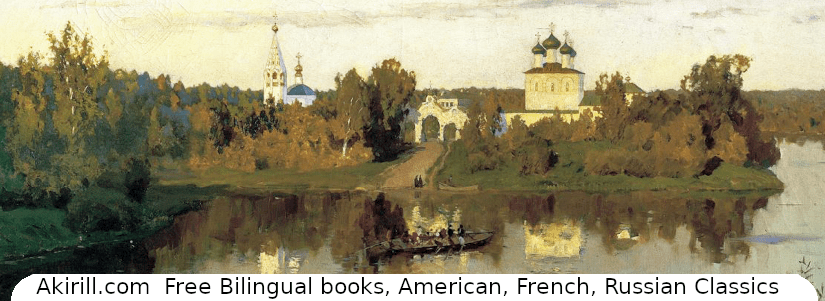
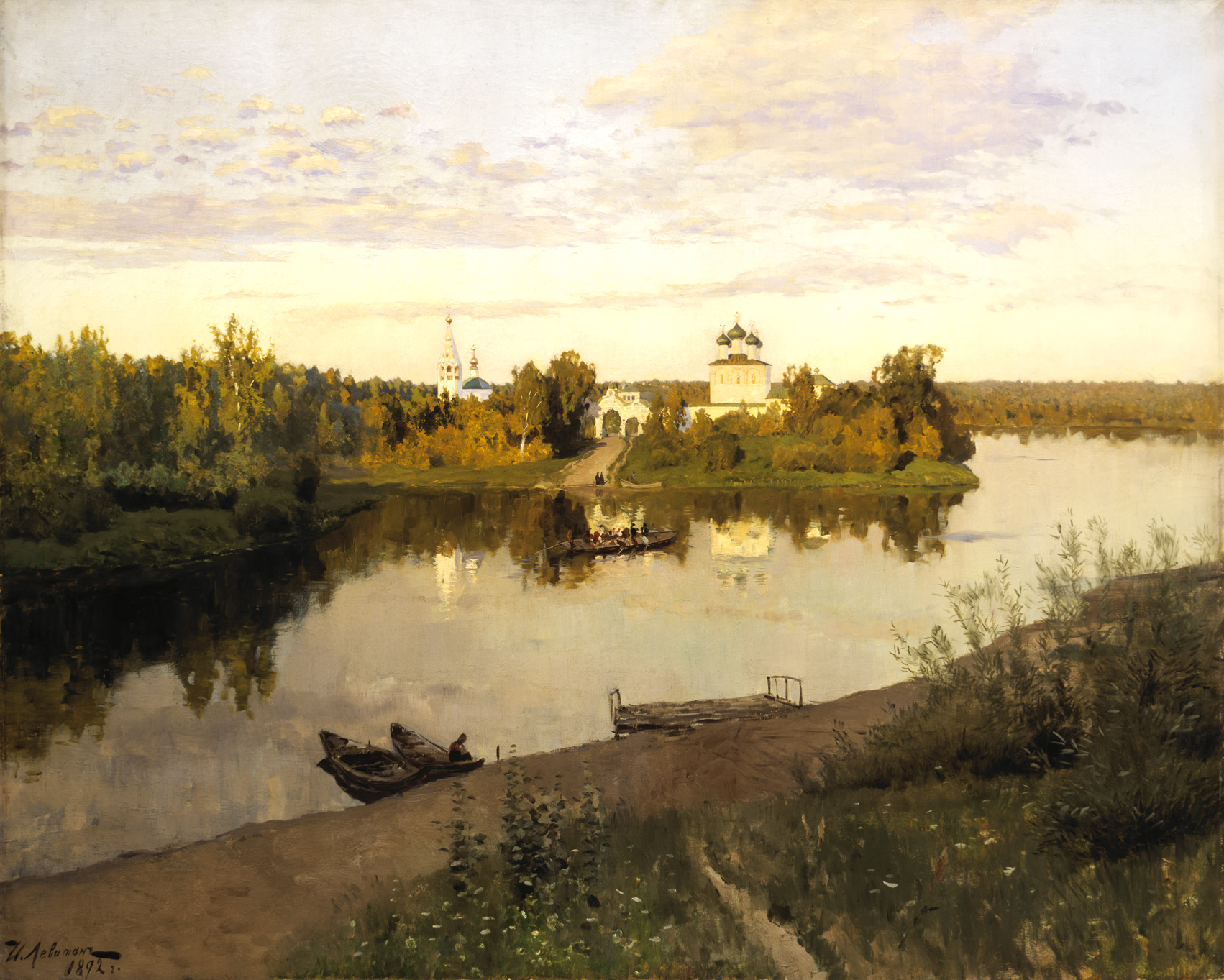
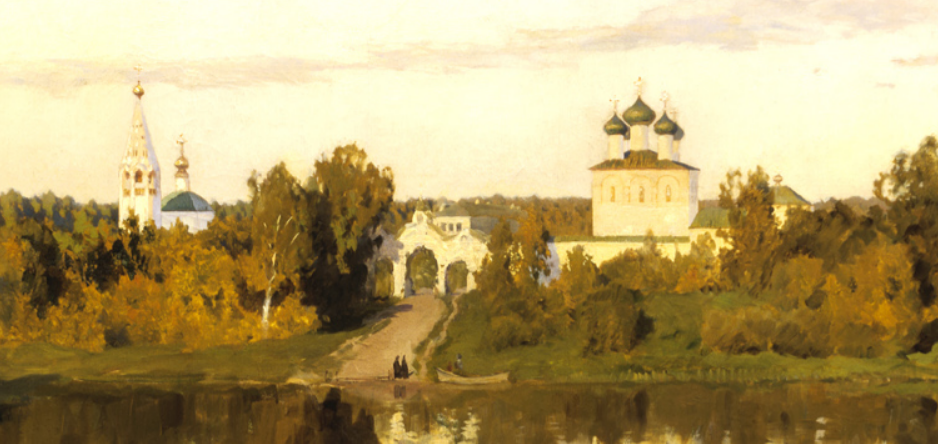
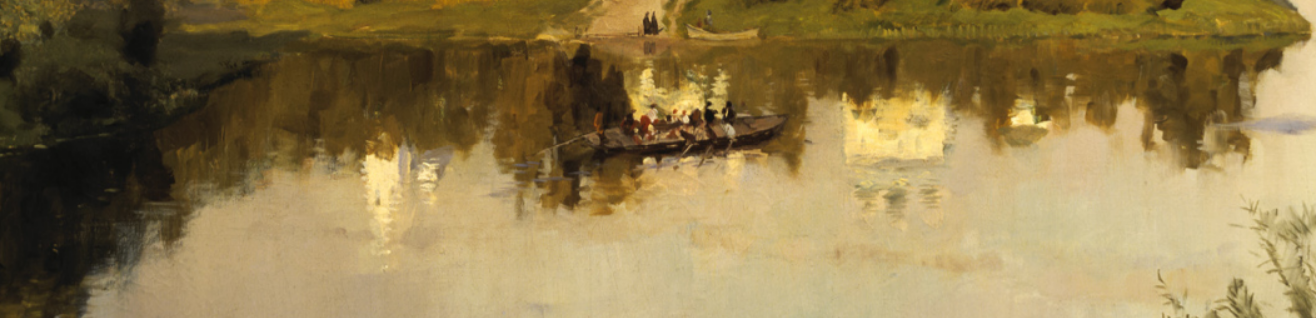


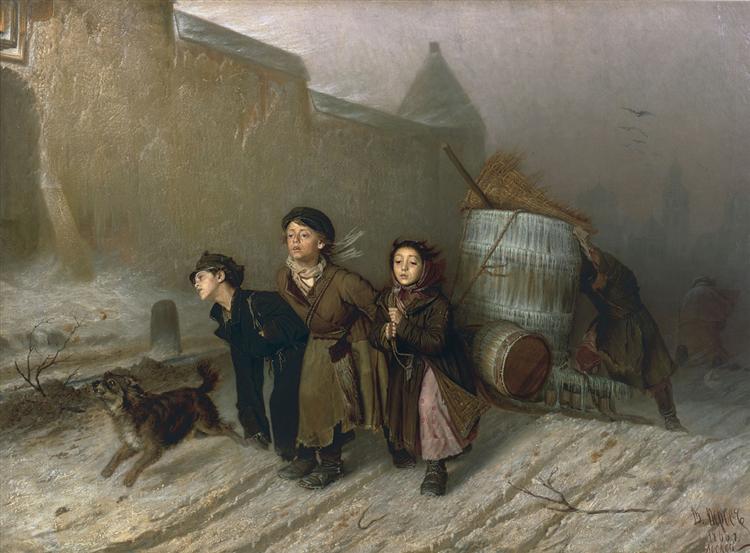
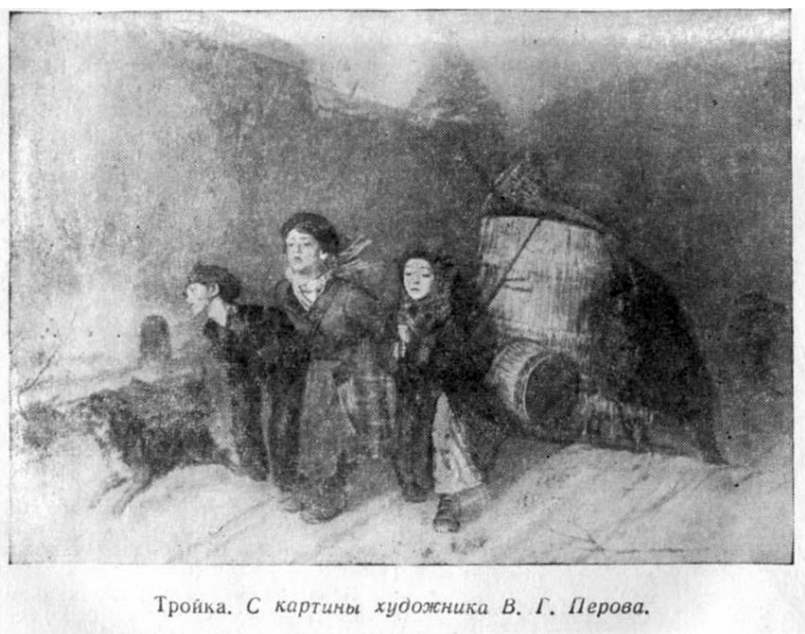

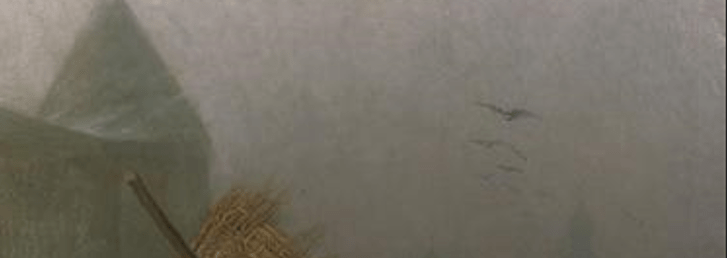
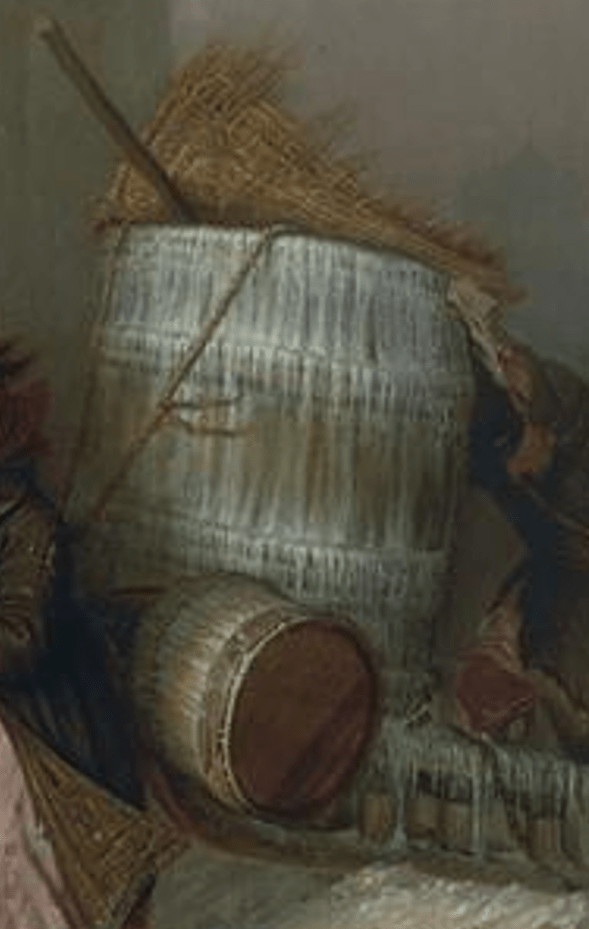
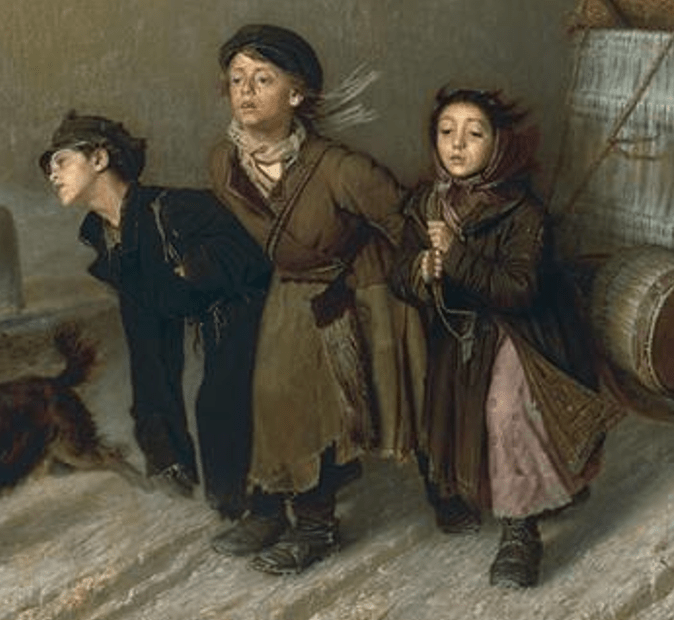
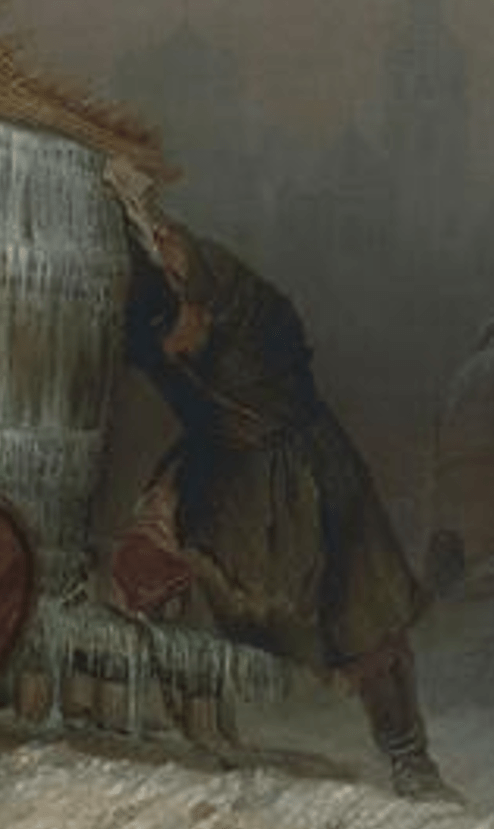


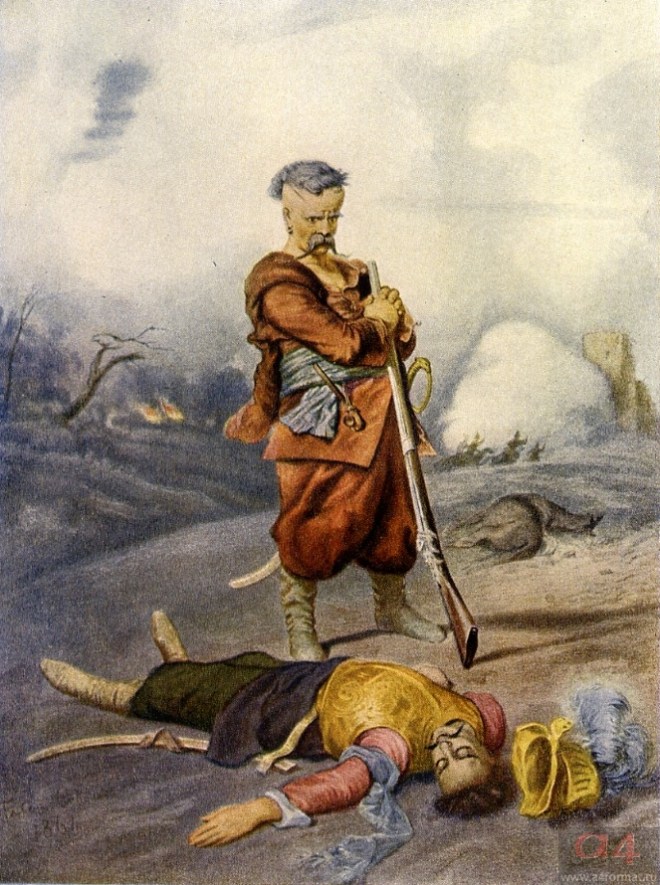
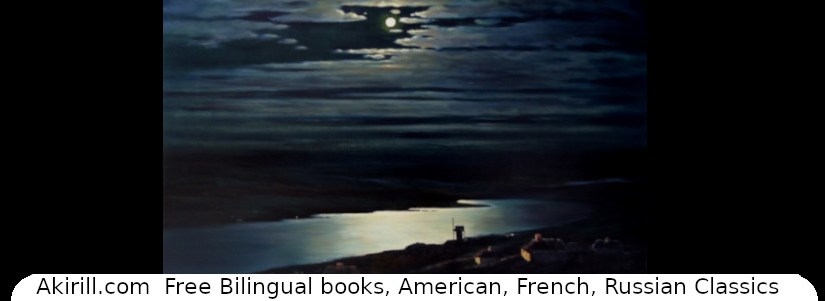



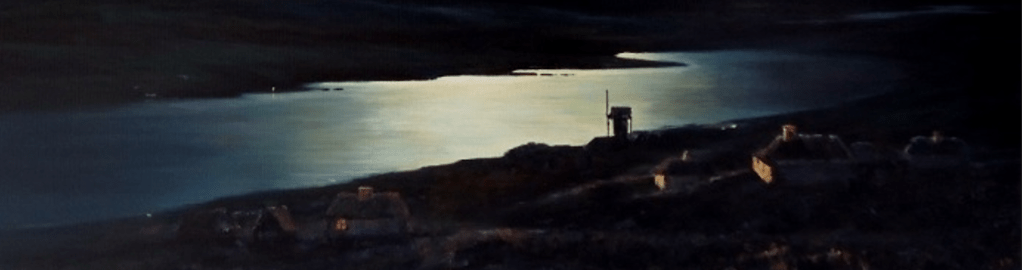
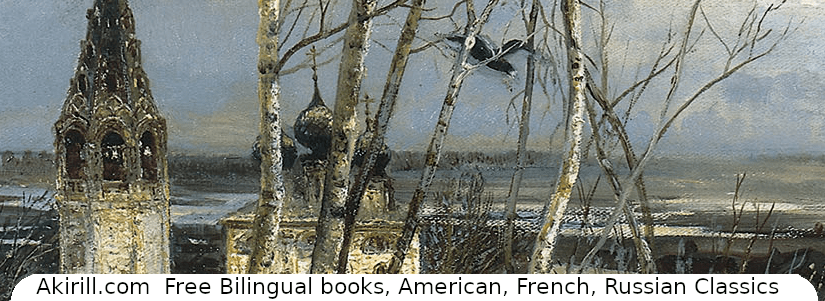





 AKirill, Learn, apprenez, translation, traduction, livres bilingues, bilingual books