Crime and Punishments

Lire en Français

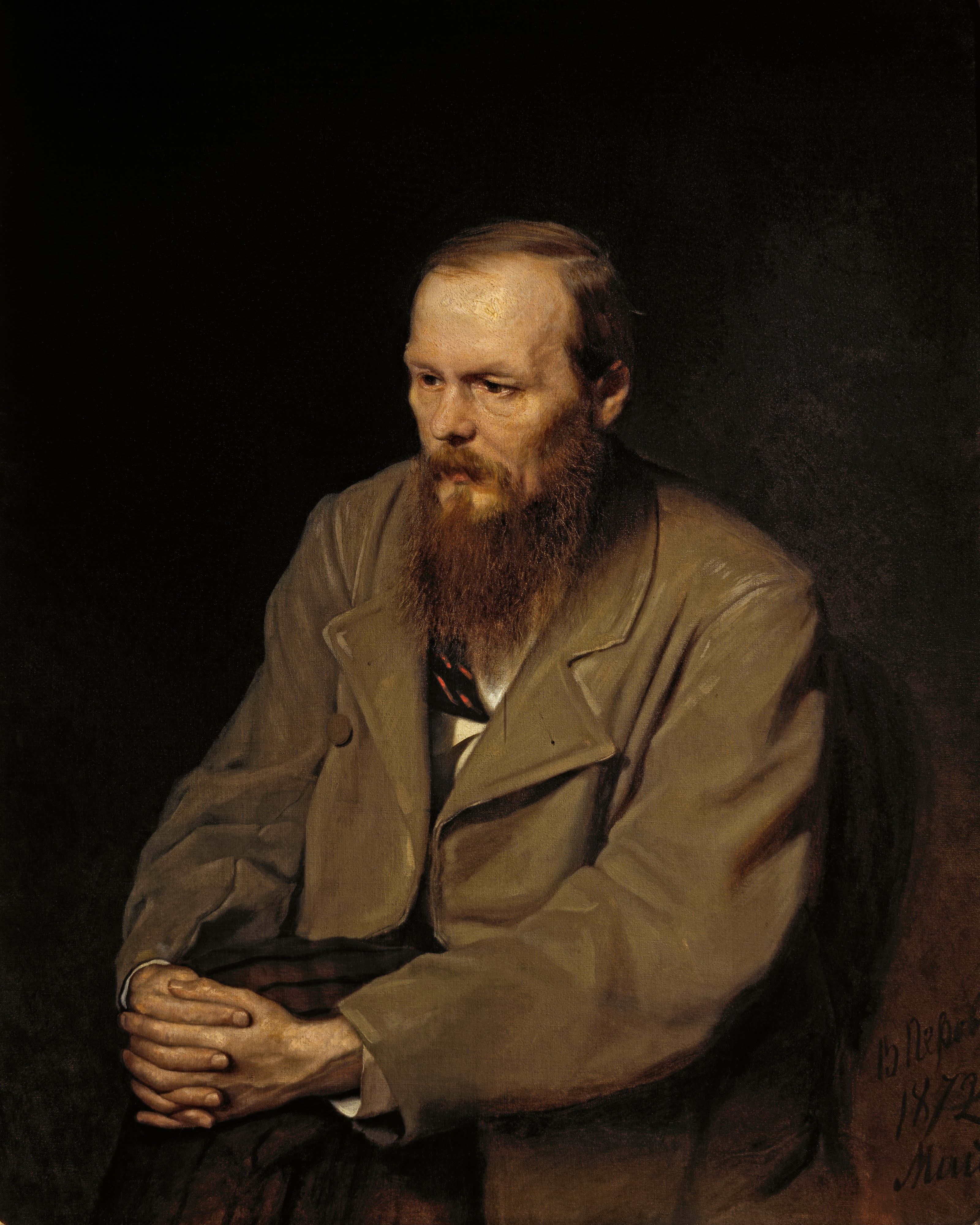
Crime and Punishment is an excellent book by Fyodor Dostoevsky in which he raises many questions about human morality, conscience and the right to kill.

A friend once told me that to understand the Russian mind, you have to read Dostoevsky and I have to admit he was right.

The central theme of Crime and Punishment is human conscience, through which people can analyze their actions and draw the right conclusions that help them repent and improve.

The events take place in the 60s of the 19th century, in Saint Petersburg. Our hero, Rodion is a young man, a former student, with a philosophical mind. He is sensitive to the suffering of his entourage and he is ready at any time to come to the aid of another in a completely disinterested way.

Raskolnikov is obsessed with the crazy idea that he has every right to rid the world of a mean and useless old pawnbroker. He doesn’t just want to avenge all the humiliated poor, he wants to rise above those who suffer injustice all their lives. 

Raskolnikov plots a cruel murder, but his conscience is silent. And then something happens that will finally snap Raskolnikov out of his insane state of spiritual deafness. Elizabeth appears. It is she who becomes a symbol of the consciousness of the protagonist. Having killed the old woman’s harmless sister, Raskolnikov can no longer justify himself.

At the same time the novel speaks of the sacrifice that women make in the name of the well-being of their families. For example, his sister Dounia is going to marry a man who appreciates her position as a beggar rather than having feelings for her. Sonia, who is the daughter of a drunkard met in a bar, prostitutes herself to feed her family although very religious.

Remorse of conscience is always terrible, it cannot be drowned, it drives you mad or helps you to get up, to become better.

What will happen to Rodion, his sister and Sonia is for you to discover?

In addition, you can combine business with pleasure because “Crime and Punishment” is now part of our collection of bilingual English/French books, which will make it easier for you to learn French if that’s what you want.

Otherwise you can simply read it in English

Crime and Punishment

Bilingual English/French
Crime and Punishment

in English
If you liked this article, don’t forget to like and share.
Subscribe to not miss anything

Our Latest Posts

Crime et Châtiments

Read in English

Crime et châtiments est un excellent livre de Fiodor Dostoïevski dans lequel il soulève de nombreuses questions sur la moralité humaine, la conscience et le droit de tuer.

Un ami m’a dit un jour que pour comprendre l’esprit Russe, il fallait lire Dostoïevski et je dois admettre qu’il avait raison.

Le thème central du livre Crime et Châtiments est la conscience humaine, grace à laquelle les gens peuvent analyser leurs actions et tirer les bonnes conclusions qui aident à se repentir et s’améliorer.

Les évenèments se déroulent dans les annees 60 du XIXe siecle, à Saint Pétersbourg. Notre héro, Rodion est un jeune homme, ancien étudiant, à l’esprit philosophique. Il est sensible à la souffrance de son entourage et il est prêt à tout moment à venir en aide de manière tout à fait désinteressée a un autre.

Raskolnikov est obsédé par l’idée folle qu’il a parfaitement le droit de débarrasser le monde d’un vieux prêteur sur gages méchant et inutile. Il ne veut pas seulement venger tous les pauvres humiliés, il veut s’élever au-dessus de ceux qui subissent l’injustice toute leur vie. 

Raskolnikov complote un meurtre cruel, mais sa conscience est silencieuse. Et puis quelque chose se produit qui sortira finalement Raskolnikov de son état insensé de surdité spirituelle. Elisabeth apparaît. C’est elle qui devient un symbole de la conscience du protagoniste. Ayant tué la sœur inoffensive de la vieille femme, Raskolnikov ne peut plus se justifier.

En même temps le roman parle du sacrifice que font les femmes au nom du bien être de leurs familles. Par example, sa soeur Dounia va se marrier avec un homme qui apprécie sa position de mendiante plutôt que d’avoir des sentiments pour elle. Sonia qui est la fille d’un ivrogne rencontrée dans un bar, se prostitue pour nourir sa famille bien que très croyante.

Les remords de conscience sont toujours terribles, ils ne peuvent pas être noyés, ils rendent fou ou vous aident à vous relever, à devenir meilleur.

Qu’avendra-t’il de Rodion, sa soeur et Sonia est pour vous à découvrir?

De plus vous pouvez joindre l’utile a l’agréable car Crime et Châtiments fait désormé parti de notre collection de livres bilingues Anglais/Français, ce qui vous facilitera l’apprentissage de l’anglais si c’est ce que vous souhaitez.

Sinon vous pouvez simplement le lire en Français

Crime et Chatiment

bilingue Anglais/Français
Crime et Chatiment

en Français

Si vous avez aimé cet article, n’oublier pas d’aimer et de partager.
Abonnez-vous pour ne rien manquer

Nos Derniers Posts

Progrès du site semaine du 8 mai

Read in English

Comme vous l’avez vu je n’ai pas écris d’article cette semaine et me suis concentrée sur le site. Donc cette semaine, j’ai fini le livre bilingue Anglais/Français “Crime et Châtiment” de Dostoïevski. Les pages vont commencer à être publiées aujourd’hui.

Livre Bilingue Crime et Châtiment” de Dostoïevski

J’ai aussi ajouté des livres dans la littérature Américaine.

Litérature Americaine

Si vous avez aimé cet article, n’oublier pas d’aimer et de partager.
Abonnez-vous pour ne rien manquer

Site Progress Week of May 8

Lire en Français

As you have seen I did not write an article this week and concentrated on the site. So this week, I finished the bilingual English/French book “Crime and Punishment” by Dostoyevsky. I’ll start publishing some pages today and will continue every day until the end of the book.

Bilingual Book Crime and Punishment” by Dostoyevsky

I also added books in American literature

American Literature

If you liked this article, don’t forget to like and share.
Subscribe to not miss anything

Our Latest Posts

Cathédrale et musée en honneur des vétérans de WWII

Read in English

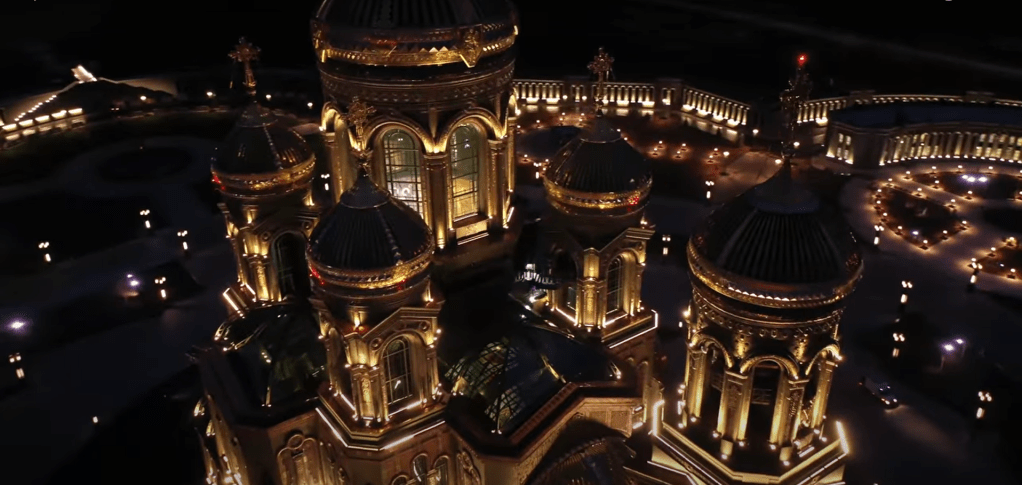
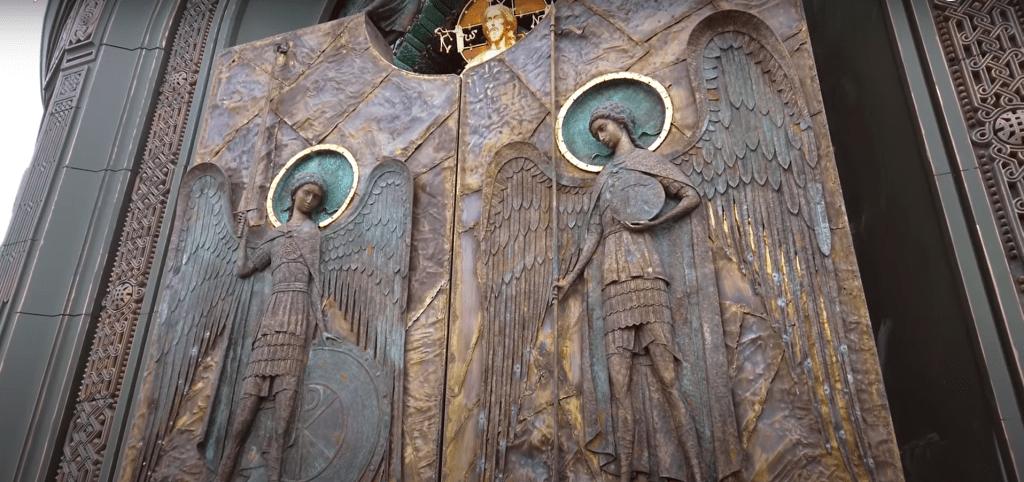
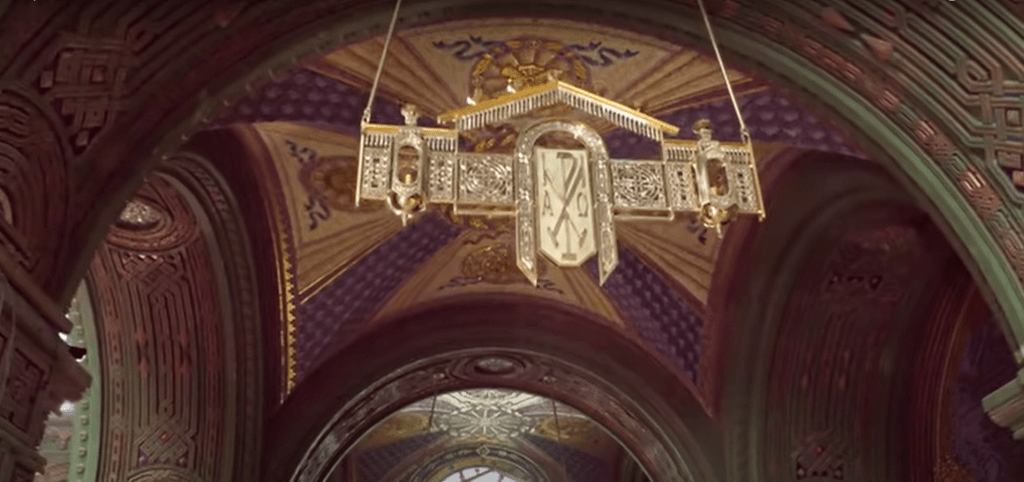
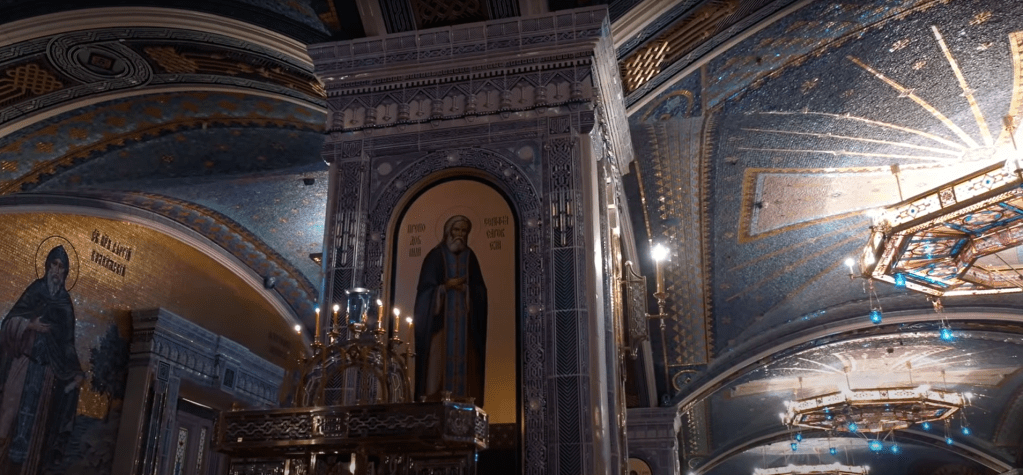
La Cathédrale Patriarcale au nom de la Résurrection du Christ est une magnifique Cathédrale, construite en un temps record et contenant un site muséale de la seconde guerre mondiale.

Aussi appelé le temple principal des forces armées de le Fédération de Russie, il est dédié au 75e anniversaire de la Grande Victoire Patriotique (Seconde Guerre Mondiale) et a été inauguré le 14 juin 2020. Il a été Construit en un temps records de seulement un an et demi. (Video de la construction en bas de la page)

C’est l’une des plus hautes église orthodoxe du monde mesurant 95 mètres de hauteur. Toutes ses dimensions sont symboliques. Le diamètre du tambour du dôme principal est de 19.45 mètres, le diamètre du dôme est de 22,43 (l’acte de capitulation sans condition de l’Allemagne a été signe à 22h43 le 8 mai 1945)

La hauteur du beffroi est de 75 mètres (2020 marque le 75 anniversaire de la fin de la guerre). La hauteur du petit dôme 14.18 correspond au nombre de jours et nuits des combats de la Grande Guerre Patriotique.

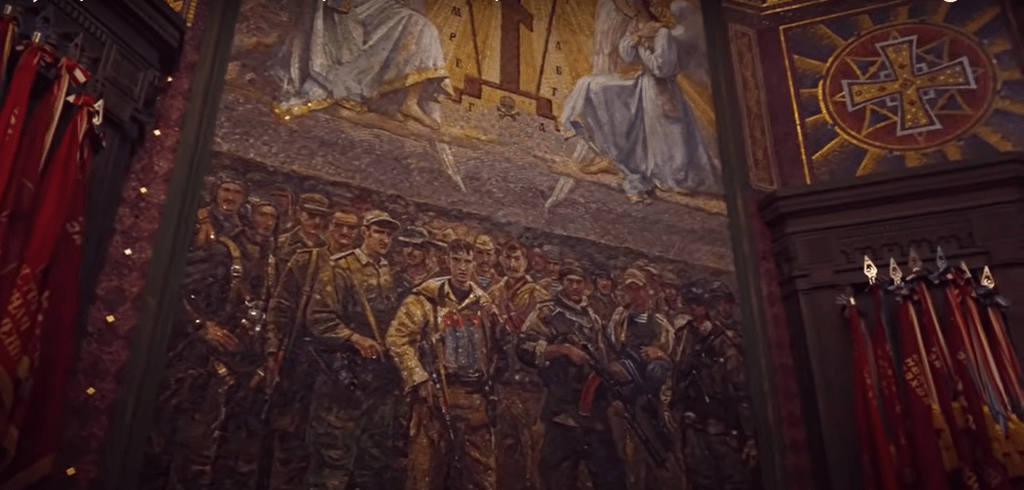
Le nombre de détenteurs à part entière de l’Ordre de la Gloire est représenté par la zone de mosaïque intérieure de 2644 mètres carrés. La hauteur de la mandore est de 11694mm, qui est aussi le nombre de participants à la Grande Guerre Patriotique qui ont reçu le titre de héros de l’Union Soviétique.

Sur le territoire du complexe, se trouve Un complexe muséal, “Route de la Mémoire”, qui a été créé avec une longueur de 1418 marches, en mémoire des 1418 jours et nuits de la Grande Guerre Patriotique. La galerie est encadrée de millions de photographies d’ancien combattants.

En plein air, se trouve le musée du “Champs de la Victoire” qui est une image collective de la bataille près de Moscou de 1941. Son emplacement est la zone où les Allemands ont fait leur dernière tentative pour pénétrer dans la capitale.

Des armes et des équipements militaire de la Grande Guerre Patriotique sont installés dans plusieurs zone thématiques du complexe qui ont été créé d’après les documents d’archives et photos.

Ci dessous est la video du temple avec visite d’une partie du musée: Celle de la construction est en dessous.

Ci-dessous, la construction de l’eglise.

Si vous avez aimé cet article, n’oublier pas d’aimer et de partager.

Abonnez-vous pour ne rien manquer
Lire Nos Derniers Posts

Cathedral and museum honoring WWII veterans

Lire en Français

The Patriarchal Cathedral in the name of the Resurrection of Christ is a magnificent Cathedral, built in record time and containing a museum site from the Second World War.

Also called the main temple of the Armed Forces of the Russian Federation, it is dedicated to the 75th anniversary of the Great Patriotic Victory (World War II) and was inaugurated on June 14, 2020. It was built in a record time of only one year and a half. (Video of the construction at the bottom of the page)

It is one of the tallest Orthodox churches in the world measuring 95 meters in height. All its dimensions are symbolic. The drum diameter of the main dome is 19.45 meters, the diameter of the dome is 22.43 (Germany’s act of unconditional surrender was signed at 10:43 p.m. (22:43) on May 8, 1945)

The height of the belfry is 75 meters (2020 marks the 75th anniversary of the end of the war). The height of the small dome 14.18 corresponds to the number of days and nights of the battles of the Great Patriotic War.

The number of full holders of the Order of Glory is represented by the interior mosaic area of ​​2644 square meters. The height of the mandora is 11694mm, which is also the number of participants of the Great Patriotic War who received the title Hero of the Soviet Union.

On the territory of the complex there is a museum complex, “Road of Memory”, which was created with a length of 1418 steps, in memory of the 1418 days and nights of the Great Patriotic War. The gallery is framed by millions of photographs of veterans.

In the open air is the “Fields of Victory” museum which is a collective image of the battle near Moscow in 1941. Its location is the area where the Germans made their last attempt to break into the capital.

Weapons and military equipment from the Great Patriotic War are installed in several themed areas of the complex which were created from archival documents and photos.

Below is the video of the temple with a visit to part of the museum: The one of the construction is below.

Below, the construction of the church.

If you liked this article, don’t forget to like and share.
Subscribe to not miss anything
Our Latest Posts

Progrès du site semaine du 1 mai

Read in English

Cette semaine, nous avons travaillé sur la page Russian courses. Nous avons ajouté des links et de nouvelles pages.

Vous pouvez maintenant chercher les biographies, poèmes et film russes directement de cette page

Russian courses

Nous avons aussi ajouté le début de la conjugaison russe et vous pouvez trouver les verbes de mouvement avec leur conjugaison ainsi que les verbes de mouvement avec prefixes.

Verbs

Nous continuons de travailler sur Crime and Châtiment de Dostoïevski dans notre série de livre bilingue qui je l’espère sera fini à la fin de la semaine..

Si vous avez aimé cet article, n’oublier pas d’aimer et de partager.
Abonnez-vous pour ne rien manquer

Site Progress Week of May 1

Lire en Français

This week we worked on the Russian courses page. We have added links and new pages.

You can now search Russian biographies, poems and movies directly from this page

Russian courses

We have also added the beginning of the Russian conjugation and you can find the verbs of movement with their conjugation as well as the verbs of movement with prefixes.

Verbs

We continue to work on Dostoyevsky’s Crime and Punishment in our bilingual book series which I hope will be finished by the end of the week..

If you liked this article, don’t forget to like and share.
Subscribe to not miss anything

Our Latest Posts

Konstantin Simonov – Open Letter

Lire en Français

< < < J’ai dû être le plus têtu de tous (Ru/Fr) / I must have been the most stubborn of all (Ru/Eng) / Я, верно, был упрямей всех (Рус/Анг.) / (Рус/ Фра.
Ivan Turgenev Demain ! Demain ! (Ru/Fr) / To-Morrow! To-Morrow! (Ru/Eng) / Тургенев Иван Завтра, завтра (Рус/Анг.) / (Рус/ Фра.) > > >


Soon will come the anniversary of the end of the Second World War.

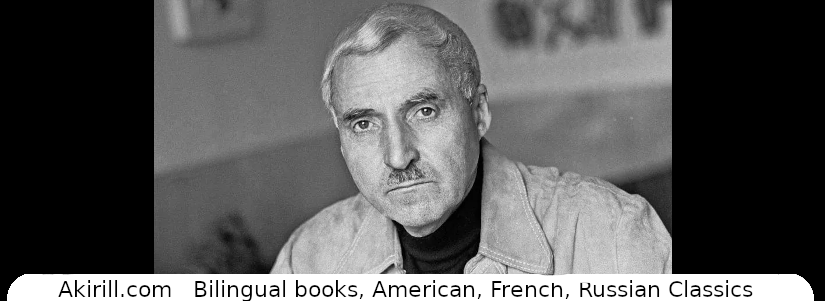
This poem “Open Letter” is based on real events that took place under the eyes of Konstantin Simonov in 1943 in General Gorbatov’s Third Army.

After some time, a deceased senior lieutenant received a letter from his wife containing information, which Simonov reproduced in his poem at the request of his combat comrades.

The poem is imbued with pain for a comrade, fear of the possibility of experiencing the same thing, a reproach to unfaithful women.

The lyrics are under the video

A big thank you to all our veterans.

Константин Симонов — Открытое письмоKonstantin Simonov – Open Letter
Я вас обязан известить,
Что не дошло до адресата
Письмо, что в ящик опустить
Не постыдились вы когда-то.
I am obliged to inform you,
That the letter dropped one day without shame in the mail box
did not reach the addressee.
Ваш муж не получил письма,
Он не был ранен словом пошлым,
Не вздрогнул, не сошел с ума,
Не проклял все, что было в прошлом.
Your husband did not receive a letter,
He was not wounded by a vulgar word , He did not flinch, did not go mad,
He did not curse everything that happened in the past.
Когда он поднимал бойцов
В атаку у руин вокзала,
Тупая грубость ваших слов
Его, по счастью, не терзала.
When he raised the fighters
During the attack in the ruins of the station,
The blunt rudeness of your words
fortunately, did not torment him.
Когда шагал он тяжело,
Стянув кровавой тряпкой рану,
Письмо от вас еще все шло,
Еще, по счастью, было рано.
When he walked heavily,
Pulling the wound with a bloody rag,
The letter from you was still coming,
Fortunately, it was still early.
Когда на камни он упал
И смерть оборвала дыханье,
Он все еще не получал,
По счастью, вашего посланья.
When he fell on the stones
And death cut off his breath,
Fortunately, he did not yet receive,
your message.
Могу вам сообщить о том,
Что, завернувши в плащ-палатки,
Мы ночью в сквере городском
Его зарыли после схватки.
I can tell you that,
wrapped in raincoats,
We buried him at night in the city square after the fight.
Стоит звезда из жести там
И рядом тополь — для приметы…
А впрочем, я забыл, что вам,
Наверно, безразлично это.
There is a star made of tin there
And next to it is a poplar – for a landmark …
But, by the way, I forgot that you,
Probably, do not care about this.
Письмо нам утром принесли…
Его, за смертью адресата,
Между собой мы вслух прочли —
Уж вы простите нам, солдатам.
The letter was brought to us in the morning …
After the death of the addressee,
We read it aloud between ourselves –
Forgive us, soldiers.
Быть может, память коротка
У вас. По общему желанью,
От имени всего полка
Я вам напомню содержанье.
Perhaps your memory is short. 
By common wish,
On behalf of the whole regiment,
I will remind you of the content.
Вы написали, что уж год,
Как вы знакомы с новым мужем.
А старый, если и придет,
Вам будет все равно ненужен.
You wrote that it’s been a year,
since you’ve known your new husband.
And the old one, if he comes,
will still be unnecessary to you.
Что вы не знаете беды,
Живете хорошо. И кстати,
Теперь вам никакой нужды
Нет в лейтенантском аттестате.
That you do not know trouble,
Live well. And by the way,
you don’t need
a lieutenant’s certificate anymore.
Чтоб писем он от вас не ждал
И вас не утруждал бы снова…
Вот именно: «не утруждал»…
Вы побольней искали слова.
So that he doesn’t expect letters from you
And he doesn’t bother you anymore …
That’s right: “he didn’t bother” …
You were looking for more painful words.
И все. И больше ничего.
Мы перечли их терпеливо,
Все те слова, что для него
В разлуки час в душе нашли вы.
And that’s it. And nothing more.
We counted them patiently,
All those words that for him
In the hour of separation you found in your soul.
«Не утруждай». «Муж». «Аттестат»…
Да где ж вы душу потеряли?
Ведь он же был солдат, солдат!
Ведь мы за вас с ним умирали.
“Don’t bother.” “Husband”. “Certificate” …
But where did you lose your soul?
After all, he was a soldier, a soldier!
After all, we were fighting with him for you.
Я не хочу судьею быть,
Не все разлуку побеждают,
Не все способны век любить,—
К несчастью, в жизни все бывает.
I don’t want to be a judge,
Not everyone overcomes separation,
Not everyone is able to love forever, –
Unfortunately, everything happens in life.
Но как могли вы, не пойму,
Стать, не страшась, причиной смерти,
Так равнодушно вдруг чуму
На фронт отправить нам в конверте?
But how could you, I don’t understand,
Become, without fear, the cause of death,
So indifferently suddenly
send us a plague to the front in an envelope?
Ну хорошо, пусть не любим,
Пускай он больше вам ненужен,
Пусть жить вы будете с другим,
Бог с ним, там с мужем ли, не с мужем.
Well, let’s not love,
Let him be no longer needed for you,
Let you live with another,
God bless him, whether with her husband, not with her husband.
Но ведь солдат не виноват
В том, что он отпуска не знает,
Что третий год себя подряд,
Вас защищая, утруждает.
But after all, the soldier is not to blame
For the fact that he does not know the holidays,
That for the third year in a row,
protecting you, bothers.
Что ж, написать вы не смогли
Пусть горьких слов, но благородных.
В своей душе их не нашли —
Так заняли бы где угодно.
Well, you could not write
Let bitter words, but noble ones.
They were not found in your souls –
You could have found them anywhere.
В отчизне нашей, к счастью, есть
Немало женских душ высоких,
Они б вам оказали честь —
Вам написали б эти строки;
In our homeland, fortunately, there are
many high female souls,
They would do you honor –
they would write these lines to you;
Они б за вас слова нашли,
Чтоб облегчить тоску чужую.
От нас поклон им до земли,
Поклон за душу их большую.
They would have found words for you,
To alleviate someone else’s sadness.
From us bow to them to the ground,
Bow down for their great soul.
Не вам, а женщинам другим,
От нас отторженным войною,
О вас мы написать хотим,
Пусть знают — вы тому виною,
Not to you, but to other women,
torn away from us by the war,
We want to write about you,
Let them know that you are to blame,
Что их мужья на фронте, тут,
Подчас в душе борясь с собою,
С невольною тревогой ждут
Из дома писем перед боем.
That their husbands are at the front, here,
Sometimes fighting with themselves in their souls,
With involuntary anxiety, they wait for
letters from home before the battle.
Мы ваше не к добру прочли,
Теперь нас втайне горечь мучит:
А вдруг не вы одна смогли,
Вдруг кто-нибудь еще получит?
We didn’t read yours with pleasure.
Now we are secretly tormented by bitterness:
What if you weren’t the only one who could, What if someone else gets it?
На суд далеких жен своих
Мы вас пошлем. Вы клеветали
На них. Вы усомниться в них
Нам на минуту повод дали.
To the judgment of our distant wives
We will send you. 
You slandered them.
You gave us a reason to doubt them for a minute.
Пускай поставят вам в вину,
Что душу птичью вы скрывали,
Что вы за женщину, жену,
Себя так долго выдавали.
Let them blame you,
That you hid the soul of a bird ,
What kind of woman, wife,
You gave yourself away for so long.
А бывший муж ваш — он убит.
Все хорошо. Живите с новым.
Уж мертвый вас не оскорбит
В письме давно ненужным словом.
And your ex-husband is dead.
Everything is fine.  Live with the new.
Already the dead will not offend you
In a letter for a long time an useless word.
Живите, не боясь вины,
Он не напишет, не ответит
И, в город возвратись с войны,
С другим вас под руку не встретит.
Live without fear of guilt,
He will not write, will not answer
And, back in the city from war,
He won’t meet you arm in arm with another.
Лишь за одно еще простить
Придется вам его — за то, что,
Наверно, с месяц приносить
Еще вам будет письма почта.
Only for one more thing to forgive,
you will have to forgive him – for the fact that, probably for months, letters will still be brought to you from the post office.
Уж ничего не сделать тут —
Письмо медлительнее пули.
К вам письма в сентябре придут,
А он убит еще в июле.
There’s nothing to be done here –
A letter is slower than a bullet.
Letters will reach you in September,
and he was killed in July.
О вас там каждая строка,
Вам это, верно, неприятно —
Так я от имени полка
Беру его слова обратно.
Every line talks about you,
it’s probably unpleasant for you –
So on behalf of the regiment
I withdraw his remarks.
Примите же в конце от нас
Презренье наше на прощанье.
Не уважающие вас
Покойного однополчане.
Accept in the end from us,
our contempt at parting. 
Fellow soldiers
who do not respect you.
По поручению офицеров полка
К. Симонов
___________________________
[Женщине из города Вичуга]
On behalf of the officers of the regiment
K. Simonov
_____________________
[To a woman from the city of Vichuga]

< < < J’ai dû être le plus têtu de tous (Ru/Fr) / I must have been the most stubborn of all (Ru/Eng) / Я, верно, был упрямей всех (Рус/Анг.) / (Рус/ Фра.
Ivan Turgenev Demain ! Demain ! (Ru/Fr) / To-Morrow! To-Morrow! (Ru/Eng) / Тургенев Иван Завтра, завтра (Рус/Анг.) / (Рус/ Фра.) > > >


We put a lot of effort into the quality of the articles and translations, support us with a like and a subscription or sponsor us if you like them. We are also on Facebook and Twitter

Read Our Latest Posts

© 2022 Akirill.com – All Rights Reserved

Lettre ouverte de Constantin Simonov

Read in English

< < < J’ai dû être le plus têtu de tous (Ru/Fr) / I must have been the most stubborn of all (Ru/Eng) / Я, верно, был упрямей всех (Рус/Анг.) / (Рус/ Фра.)
Ivan Turgenev Demain ! Demain ! (Ru/Fr) / To-Morrow! To-Morrow! (Ru/Eng) / Тургенев Иван Завтра, завтра (Рус/Анг.) / (Рус/ Фра.) > > >


Bientôt va arriver l’anniversaire de la fin de la Seconde Guerre Mondiale.

Ce poème “Lettre Ouverte” est basé sur des évènements réels qui se sont déroulés sous les yeux de Constantin Simonov en 1943 dans la troisième armée du General Gorbatov.

Après un certain temps, un lieutenant supérieur décédé a reçu une lettre de sa femme contenant des informations que Simonov a reproduit dans son poème à la demande de ses camarades de combat.

Ce poème est empreint de douleur pour un camarade, de peur de la possibilité de vivre la même chose, et de reproche aux femmes infidèles.

Les paroles sont sous la video

Un grand merci a tous nos vétérans.

Константин Симонов — Открытое письмоConstantin Simonov – Lettre ouverte
Я вас обязан известить,
Что не дошло до адресата
Письмо, что в ящик опустить
Не постыдились вы когда-то.
Je suis obligé de vous informer,
Que la lettre déposée un jour sans honte dans la boîte aux lettres
n’est pas parvenue au destinataire.
Ваш муж не получил письма,
Он не был ранен словом пошлым,
Не вздрогнул, не сошел с ума,
Не проклял все, что было в прошлом.
Votre mari n’a pas reçu de lettre,
Il n’a pas été blessé par un mot vulgaire, Il n’a pas bronché, n’est pas devenu fou,
Il n’a pas maudit tout ce qui s’est passé dans le passé.
Когда он поднимал бойцов
В атаку у руин вокзала,
Тупая грубость ваших слов
Его, по счастью, не терзала.
Quand il a soulevé les combattants
Pendant l’attaque dans les ruines de la gare,
L’impolitesse contondante de vos paroles
ne l’a heureusement pas tourmenté.
Когда шагал он тяжело,
Стянув кровавой тряпкой рану,
Письмо от вас еще все шло,
Еще, по счастью, было рано.
Quand il marchait lourdement,
Tirant la plaie avec un chiffon ensanglanté,
Votre lettre arrivait encore,
Heureusement, il était encore tôt.
Когда на камни он упал
И смерть оборвала дыханье,
Он все еще не получал,
По счастью, вашего посланья.
Quand il est tombé sur les pierres
Et que la mort lui a coupé le souffle,
Il n’a heureusement pas encore reçu, votre message.
Могу вам сообщить о том,
Что, завернувши в плащ-палатки,
Мы ночью в сквере городском
Его зарыли после схватки.
Je peux vous dire que,
enveloppé dans des imperméables,
Nous l’avons enterré la nuit sur la place de la ville après le combat.
Стоит звезда из жести там
И рядом тополь — для приметы…
А впрочем, я забыл, что вам,
Наверно, безразлично это.
Il y a une étoile en étain là -bas
Et à côté se trouve un peuplier – pour un repére …
Mais, au fait, j’ai oublié que vous,
Probablement, ne vous en souciez pas.
Письмо нам утром принесли…
Его, за смертью адресата,
Между собой мы вслух прочли —
Уж вы простите нам, солдатам.
La lettre nous a été apportée le matin…
Après la mort du destinataire,
Nous l’avons lue à haute voix entre nous – Pardonnez-nous, soldats.
Быть может, память коротка
У вас. По общему желанью,
От имени всего полка
Я вам напомню содержанье.
Peut -être que votre mémoire est courte. Par volonté commune,
Au nom de tout le régiment,
je vous rappellerai le contenu.
Вы написали, что уж год,
Как вы знакомы с новым мужем.
А старый, если и придет,
Вам будет все равно ненужен.
Vous avez écrit que cela fait un an,
depuis que vous connaissez votre nouveau mari.
Et l’ancien, s’il vient,
vous sera complètement inutile.
Что вы не знаете беды,
Живете хорошо. И кстати,
Теперь вам никакой нужды
Нет в лейтенантском аттестате.
Que vous ne connaissez pas d’ennuis,
Vivez bien.  Et au fait,
vous n’avez plus besoin d’
un certificat de lieutenant maintenant.
Чтоб писем он от вас не ждал
И вас не утруждал бы снова…
Вот именно: «не утруждал»…
Вы побольней искали слова.
Aussi qu’il n’attende pas de lettres de votre part
Et qu’il ne vous dérange plus …
C’est vrai: “il n’a pas pris la peine” …
Vous cherchiez des mots plus douloureux.
И все. И больше ничего.
Мы перечли их терпеливо,
Все те слова, что для него
В разлуки час в душе нашли вы.
Et c’est tout. Et rien de plus.
Nous les avons comptés patiemment,
Tous ces mots que pour lui
A l’heure de la séparation vous avez trouvés dans votre âme.
«Не утруждай». «Муж». «Аттестат»…
Да где ж вы душу потеряли?
Ведь он же был солдат, солдат!
Ведь мы за вас с ним умирали.
“Ne t’ embêtes pas.” “Mari”. “Certificat” …
Mais où avez-vous perdu votre âme?
Après tout, c’était un soldat, un soldat !
Après tout, nous battions avec lui pour vous.
Я не хочу судьею быть,
Не все разлуку побеждают,
Не все способны век любить,—
К несчастью, в жизни все бывает.
Je ne veux pas être juge,
Tout le monde ne surmonte pas la séparation,
Tout le monde n’est pas capable d’aimer pour toujours, –
Malheureusement, tout arrive dans la vie.
Но как могли вы, не пойму,
Стать, не страшась, причиной смерти,
Так равнодушно вдруг чуму
На фронт отправить нам в конверте?
Mais comment avez-vous pu, je ne comprends pas,
Devenir, sans crainte, la cause de la mort,
Si indifféremment nous envoyer tout d’un coup une peste au front dans une enveloppe ?
Ну хорошо, пусть не любим,
Пускай он больше вам ненужен,
Пусть жить вы будете с другим,
Бог с ним, там с мужем ли, не с мужем.
Eh bien même s’il n’est pas aimé,
Qu’il ne soit plus nécessaire pour vous,
Que vous viviez avec un autre,
Dieu le bénisse, que ce soit avec votre mari, pas avec votre mari.
Но ведь солдат не виноват
В том, что он отпуска не знает,
Что третий год себя подряд,
Вас защищая, утруждает.
Mais après tout, le soldat n’est pas à blâmer
Pour le fait qu’il ne connaît pas les vacances,
Que pour la troisième année consécutive,
vous protéger, dérange.
Что ж, написать вы не смогли
Пусть горьких слов, но благородных.
В своей душе их не нашли —
Так заняли бы где угодно.
Eh bien, vous ne pouviez pas écrire
Laissez des mots amers, mais des mots nobles.
Ils n’ont pas été trouvés dans votre âme
Vous pouviez les trouver n’importe où.
В отчизне нашей, к счастью, есть
Немало женских душ высоких,
Они б вам оказали честь —
Вам написали б эти строки;
Dans notre patrie, heureusement, il y a
beaucoup de hautes âmes féminines,
elles vous feraient honneur –
elles vous écriraient ces lignes;
Они б за вас слова нашли,
Чтоб облегчить тоску чужую.
От нас поклон им до земли,
Поклон за душу их большую.
Elles auraient trouvé des mots pour vous,
Pour soulager la tristesse d’un autre.
Pour nous, prosternez-vous devant elles jusqu’au sol, prosternez-vous
pour leur grande âme.
Не вам, а женщинам другим,
От нас отторженным войною,
О вас мы написать хотим,
Пусть знают — вы тому виною,
Pas à vous, mais à d’autres femmes,
arrachées à nous par la guerre,
Nous voulons écrire sur vous,
Qu’elles sachent que vous êtes coupable,
Что их мужья на фронте, тут,
Подчас в душе борясь с собою,
С невольною тревогой ждут
Из дома писем перед боем.
Que leurs maris sont au front, ici,
Parfois se battant avec eux-mêmes dans leur âme,
Avec une anxiété involontaire, ils attendent des lettres
de chez eux avant la bataille.
Мы ваше не к добру прочли,
Теперь нас втайне горечь мучит:
А вдруг не вы одна смогли,
Вдруг кто-нибудь еще получит?
Nous n’avons pas lu la vôtre avec plaisir,
Maintenant nous sommes secrètement tourmentés par l’amertume :
Et si vous n’étiez pas la seule à pouvoir, Et si quelqu’un d’autre en recevait une ?
На суд далеких жен своих
Мы вас пошлем. Вы клеветали
На них. Вы усомниться в них
Нам на минуту повод дали.
Au jugement de nos épouses lointaines
Nous vous enverrons. 
Vous les avez calomnié.
Vous nous avez donné une raison 
de douter d’elles pendant une minute.
Пускай поставят вам в вину,
Что душу птичью вы скрывали,
Что вы за женщину, жену,
Себя так долго выдавали.
Qu’elles vous reprochent, D’avoir
caché l’âme d’un oiseau , Quel genre
de femme, d’épouse, Vous vous êtes
livrée pendant si longtemps.
А бывший муж ваш — он убит.
Все хорошо. Живите с новым.
Уж мертвый вас не оскорбит
В письме давно ненужным словом.
Et votre ex-mari est mort.
Tout va bien. Vivez avec le nouveau.
Déjà les morts ne vous offenseront pas
Dans une lettre pendant longtemps un mot inutile.
Живите, не боясь вины,
Он не напишет, не ответит
И, в город возвратись с войны,
С другим вас под руку не встретит.
Vivez sans crainte de culpabilité,
Il n’écrira pas, ne répondra pas
Et, de retour à la ville de la guerre,
Il ne vous rencontrera pas au bras d’un autre.
Лишь за одно еще простить
Придется вам его — за то, что,
Наверно, с месяц приносить
Еще вам будет письма почта.
Seulement une chose de plus à pardonner ,
vous devrez lui pardonner – pour le fait que, probablement pendant des mois, on vous apportera encore des lettres de la poste.
Уж ничего не сделать тут —
Письмо медлительнее пули.
К вам письма в сентябре придут,
А он убит еще в июле.
Il n’y a rien qui peut être fait ici –
Une lettre est plus lente qu’une balle.
Des lettres vous parviendront en septembre,
et il a été tué en juillet.
О вас там каждая строка,
Вам это, верно, неприятно —
Так я от имени полка
Беру его слова обратно.
Chaque ligne parle de vous,
c’est probablement désagréable pour vous –
Alors au nom du régiment
je retire ses propos.
Примите же в конце от нас
Презренье наше на прощанье.
Не уважающие вас
Покойного однополчане.
Acceptez à la fin de notre part,
notre mépris de la séparation. 
Des camarades soldats
qui ne vous respectent pas .
По поручению офицеров полка
К. Симонов
___________________________
[Женщине из города Вичуга]
Au nom des officiers du régiment
K. Simonov
_____________________
[À une femme de la ville de Vichuga]

< < < J’ai dû être le plus têtu de tous (Ru/Fr) / I must have been the most stubborn of all (Ru/Eng) / Я, верно, был упрямей всех (Рус/Анг.) / (Рус/ Фра.)
Ivan Turgenev Demain ! Demain ! (Ru/Fr) / To-Morrow! To-Morrow! (Ru/Eng) / Тургенев Иван Завтра, завтра (Рус/Анг.) / (Рус/ Фра.) > > >

Nous mettons beaucoup d’efforts dans la qualité des articles et traductions, soutenez-nous avec un like et un abonnement ou sponsorisez-nous si vous les aimez. Nous sommes aussi sur Facebook et Twitter


Lire Nos Derniers Posts

© 2022 Akirill.com – All Rights Reserved