Winter morning by Alexander Pushkin

Lire en Français

< < < Matin d’automne / Autumn morning / Осеннее утро (Рус/Анг.) / (Рус/ Фра.)
Pourquoi suis-je fasciné par elle (Ru/Fr) / Why am I fascinated by her (Ru/Eng) / Зачем я ею очарован (Рус/Анг.) / (Рус/ Фра.) > > >


“Winter morning” by Alexander Pushkin is a poem that I really like, maybe because it’s the first one I learned in Russian

The poem “Winter Morning” by Alexander Pushkin was written in one of the most fruitful creative periods; during his exile in Mikhailovskoye


The poem “Winter Morning”, contains several important themes. The main and most obvious is the theme of love. With each verse, one feels the poet’s tenderness addressed to his beloved, his respectful attitude towards her.


Another theme is reflections on the birth of a new day that erases all previous sorrows and makes the world more beautiful and fun.


And, finally, the general idea of the whole work is the unity of man and nature in the general philosophical sense.

“Winter morning” text translated into English is under the Video

Зимнее утроWinter Morning
Мороз и солнце ; день чудесный!
Ещё ты дремлешь, друг прелестный —
Пора, красавица, проснись :
Открой сомкнуты негой взоры
Навстречу северной Авроры,
Звездою севера явись!
Frost and sun, the day is wondrous!
Still you slumber, lovely friend.
‘Tis time, O beauty, to awaken;
Open your eyes from blissful sleep,
Your gaze to meet the northern aurora.
Ah, you arise like the North Star!
Вечор, ты помнишь, вьюга злилась,
На мутном небе мгла носилась;
Луна, как бледное пятно,
Сквозь тучи мрачные ж`ёлтела,
И ты печальная сидела —
А нынче… погляди в окно:
Last night, remember, the storm scolded,
And darkness floated in the muddy sky,
The moon was like a pale spot
Through the dark clouds, gleaming yellow.
There you sat in melancholy,
But now … through the window, cast a look
Под голубыми небесами
Великолепными коврами,
Блестя на солнце, снег лежит;
Прозрачный лес один чернеет,
И ель сквозь иней зеленеет,
И речка подо льдом блестит.
Beneath the bluish heavens
Like a gorgeous carpet,
In the sun, the snow is glittering;
The forest is dusky and lonely,
And the spruce gleams green through the frost.
And under the ice, the river sparkles
Вся комната янтарным блеском
Озарена. Весёлым треском
Трещит затопленная печь.
Приятно думать у лежанки.
Но знаешь : не велеть ли в санки
Кобылку бурую запречь?
The whole room shines with amber light …
With a merry crackles,
The woods bursts and pops in the stove.
The sofa is so inviting,
But perhaps, why shouldn’t we order
A brown mare for our sleigh?
Скользя по утреннему снегу,
Друг милый, предадимся бегу
Нетерпеливого коня
И навестим поля пустые,
Леса, недавно столь густые,
И берег, милый для меня.
Gliding over the morning snow,
My friend, let’s surrender our trust
To the running, impatient steed.
We’ll visit the empty fields,
The woods, that used to be so thick,
And the shore, so dear to me,

< < < Matin d’automne / Autumn morning / Осеннее утро (Рус/Анг.) / (Рус/ Фра.)
Pourquoi suis-je fasciné par elle (Ru/Fr) / Why am I fascinated by her (Ru/Eng) / Зачем я ею очарован (Рус/Анг.) / (Рус/ Фра.) > > >

If you liked this article, don’t forget to like and share.
Subscribe to not miss anything

Our Latest Posts

MATIN D’HIVER par Alexandre Pouchkine

Read in English

< < < Matin d’automne / Autumn morning / Осеннее утро (Рус/Анг.) / (Рус/ Фра.)
Pourquoi suis-je fasciné par elle (Ru/Fr) / Why am I fascinated by her (Ru/Eng) / Зачем я ею очарован (Рус/Анг.) / (Рус/ Фра.) > > >


Un poème que j’aime beaucoup, peut être parce que c’est le premier que j’ai appris en Russe

Le poème “Matin d’hiver” d’Alexandre Pouchkine a été écrit dans l’une des périodes de création les plus fructueuses; pendant son exil à Mikhailovskoye.

Le poème “Matin d’hiver”, contient plusieurs thèmes importants. Le principal et le plus évident est le thème de l’amour. A chaque vers, on sent la tendresse du poète adressée à sa bien-aimée, son attitude respectueuse envers elle.

Un autre thème est les réflexions sur la naissance d’un nouveau jour qui efface tous les chagrins précédents et rend le monde plus beau et plus amusant.

Et, enfin, l’idée générale de l’ensemble de l’ouvrage est l’unité de l’homme et de la nature au sens philosophique général.

Le poème “Matin d’Hiver” d’Alexandre Pouchkine est sous la vidéo accompagné de sa traduction

ЗИМНЕЕ УТРОMATIN D’HIVER
Мороз и солнце ; день чудесный!
Ещё ты дремлешь, друг прелестный —
Пора, красавица, проснись :
Открой сомкнуты негой взоры
Навстречу северной Авроры,
Звездою севера явись!
Givre et soleil : la journée est merveilleuse !
Tu dors toujours, belle amie.
Il est temps, ô beauté, de se réveiller ;
Ouvre tes yeux fermés par la béatitude
Et, face à l’Aurore polaire
Ah, tu te lèves comme l’étoile polaire !
Вечор, ты помнишь, вьюга злилась,
На мутном небе мгла носилась;
Луна, как бледное пятно,
Сквозь тучи мрачные ж`ёлтела,
И ты печальная сидела —
А нынче… погляди в окно:
La nuit dernière, souvenez-vous, la tempête a grondé,
Et l’obscurité flottait dans le ciel boueux,
La lune était comme une tache pâle
À travers les nuages ​​sombres, d’un jaune brillant.
Là tu étais assis dans la mélancolie,
Mais maintenant… par la fenêtre, jette un œil
Под голубыми небесами
Великолепными коврами,
Блестя на солнце, снег лежит;
Прозрачный лес один чернеет,
И ель сквозь иней зеленеет,
И речка подо льдом блестит.
Sous les cieux bleutés
Comme un magnifique tapis,
Au soleil, la neige scintille ;
La forêt est sombre et solitaire,
Et l’épicéa brille de vert à travers le givre.
Et sous la glace, la rivière scintille
Вся комната янтарным блеском
Озарена. Весёлым треском
Трещит затопленная печь.
Приятно думать у лежанки.
Но знаешь : не велеть ли в санки
Кобылку бурую запречь?
Toute la pièce brille d’une lumière ambrée…
Avec un joyeux crépitement,
Le bois éclate et éclate dans le poêle.
Le canapé est si invitant,
Mais peut-être, pourquoi ne devrions-nous pas atteller
La jument baie au grand traîneau ?
Скользя по утреннему снегу,
Друг милый, предадимся бегу
Нетерпеливого коня
И навестим поля пустые,
Леса, недавно столь густые,
И берег, милый для меня.
Sur cette neige matinale,
Fions-nous au fougueux cheval
Dans sa course nous emportant
Vers les champs vides et déserts
Vers les bois si touffus naguère,
Et vers le rivage, qui m’est si cher.

< < < Matin d’automne / Autumn morning / Осеннее утро (Рус/Анг.) / (Рус/ Фра.)
Pourquoi suis-je fasciné par elle (Ru/Fr) / Why am I fascinated by her (Ru/Eng) / Зачем я ею очарован (Рус/Анг.) / (Рус/ Фра.) > > >

Si vous avez aimé cet article, n’oublier pas d’aimer et de partager.
Abonnez-vous pour ne rien manquer
Nos Derniers Posts

© 2022 Akirill.com – All Rights Reserved

Site Progress Week of May 15

Lire en Français

This week we added new books in the American classics and at the same time we wrote the list of American irregular verbs

American Irregular Verbs
American Literature
If you liked this article, don’t forget to like and share.
Subscribe to not miss anything

Visit our Latest Posts

Progrès du site semaine du 15 mai

Read in English

Cette semaine nous avons ajouté de nouveaux livres dans les classiques Americains et en même temps, nous avons écrit la liste des verbes irréguliers américain

Verbes Irréguliers Américain

Litérature Americaine

Si vous avez aimé cet article, n’oublier pas d’aimer et de partager.
Abonnez-vous pour ne rien manquer
Visitez nos derniers posts

Catherine Palace in Tsarskoye Selo

Lire en Français

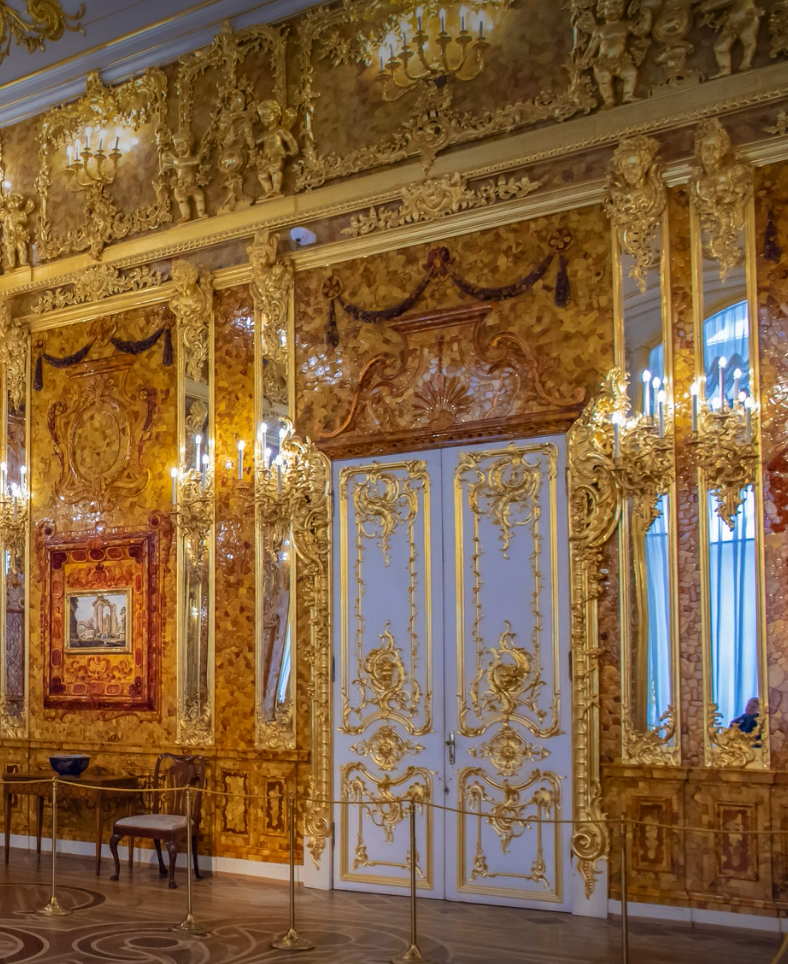
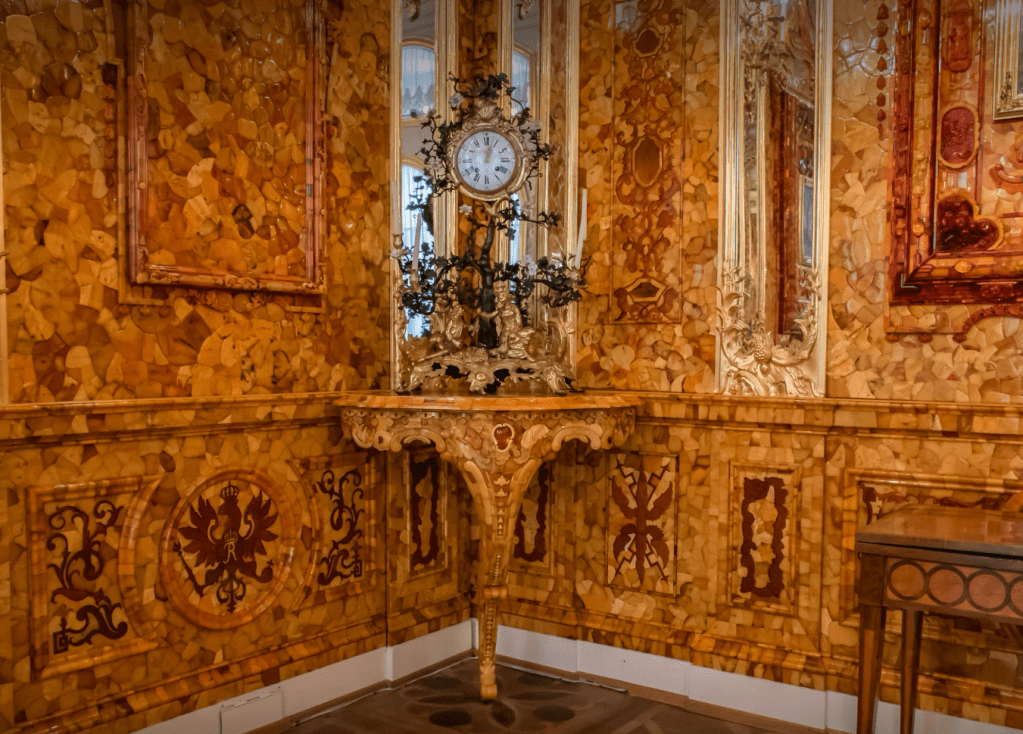
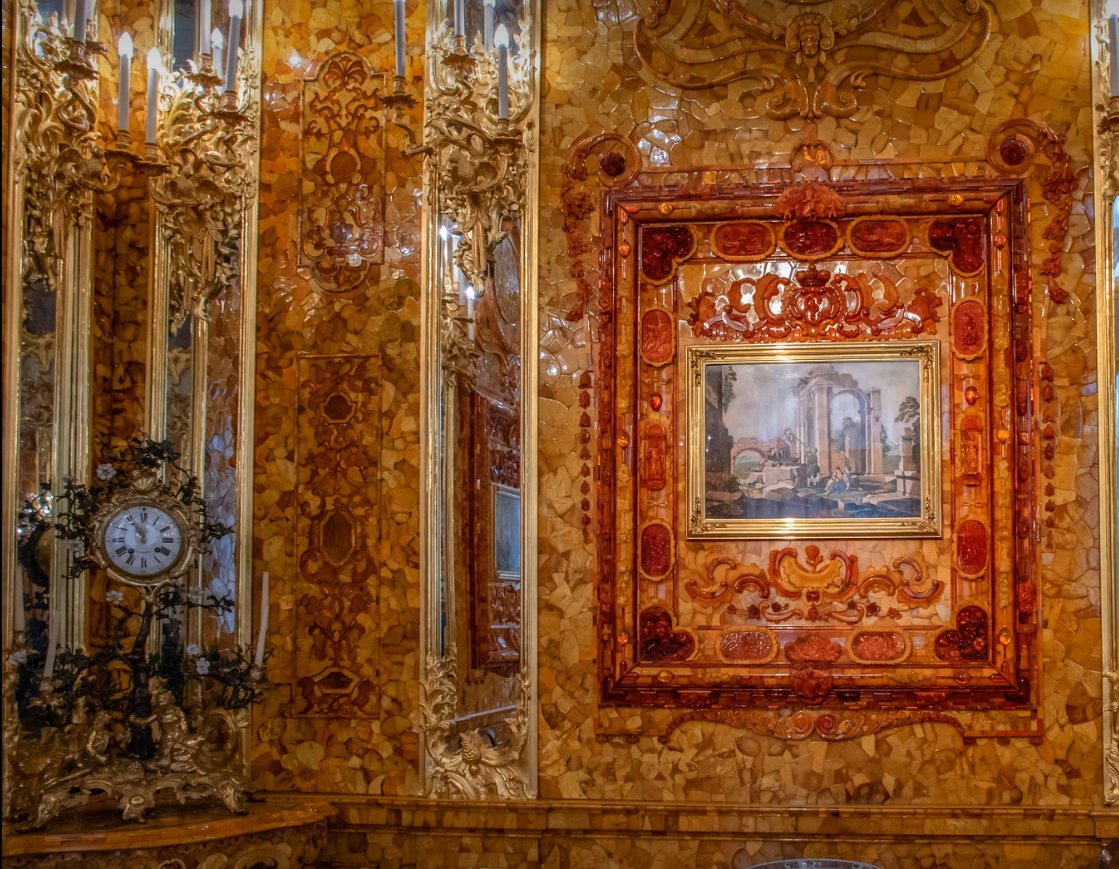
The Amber Room is a famous masterpiece of 18th century art, which disappeared without a trace during World War II

The amber room was created by master Andreas Schluter on the order of King Frederik I of Prussia. Subsequently, the amber cabinet which was the original name of this astonishing architectural work, was presented to the Russian Tsar Peter I.

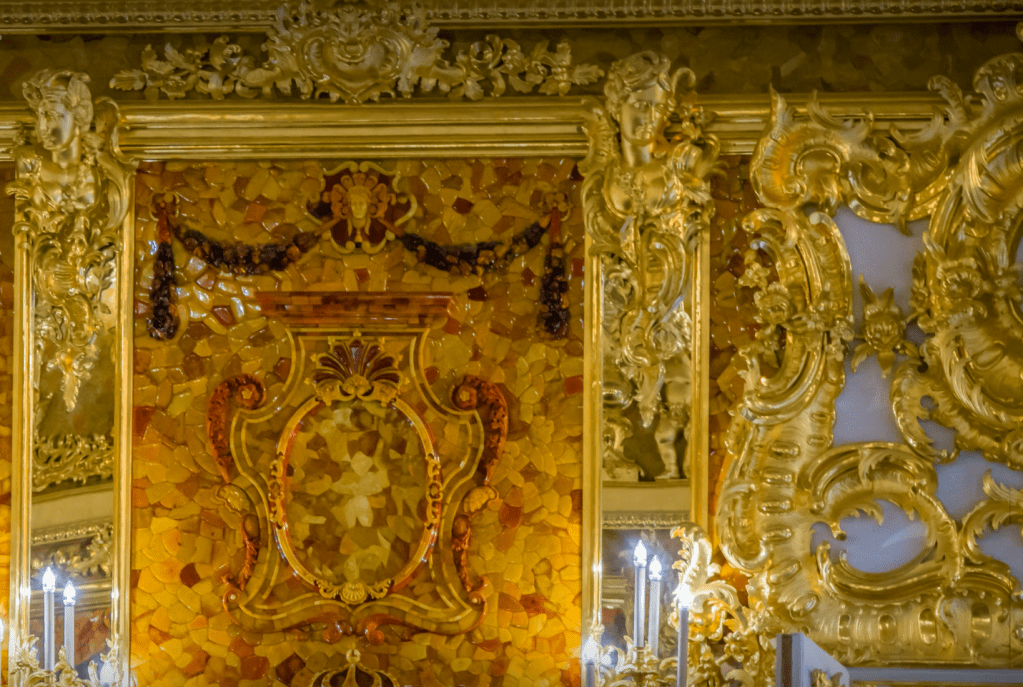
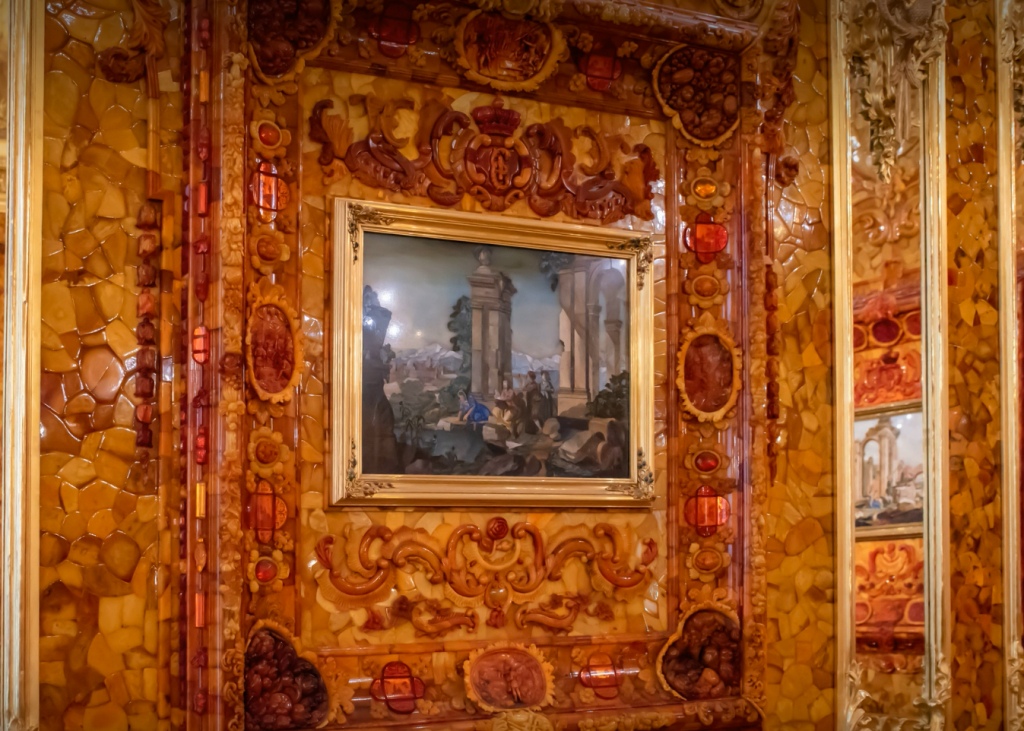
The Amber Cabinet was installed in the Menshikov Palace in 1717. In 1743 Elizabeth Petrovna who had ascended the throne of Russia ordered the Amber Cabinet to be installed in the Winter Chambers of Her Imperial Majesty’s Household. The Empress also asked the chief architect FB Rastrelli and the master Alexander Martelli to “correct” the cabinet. It was finished with gilded wood carvings, mirrors and mosaic paintings of jasper and agate.

For nearly 2 centuries this room has remained unchanged and admired undergoing only periodic renovations to minimize the effects of temperature changes, drafts and stove heating.

During World War II, it was decided not to evacuate to the Amber Room because of its fragility. And the Nazis, having captured the Catherine Palace, destroyed the Amber Room. According to the officers’ report, the wall panels were mutilated with bayonets and knives at human height, the parquet which had been composed of rare wood, sandalwood, rosewood, amaranth, cherry and lemon trees were completely destroyed. The paint on the ceiling was also mangled. This was done by 6 soldiers in 36 hours.

The Amber Room was later displayed at the royal palace in Kroenigsberg, but after liberating Koenigsberg in 1945, Soviet troops did not find the Amber Room.

Nevertheless, some of its fragments were transferred to Russia in 2000.

Since 1981, work on the reconstruction of the Amber Room began, led by AA Zhuravlev. On the occasion of the 300th anniversary of Saint Petersburg, the Amber Room has been completely restored.

She can now be seen by everyone in the Catherine Palace in Saint Petersburg

Watch Amber’s room in music video. These “videos are awesome. Don’t forget to like them if you like them as much as I do.

Watch this first video
Watch this second video
Watch this third video

If you liked this article, don’t forget to like and share.
Subscribe to not miss anything

Our Latest Posts

Palais de Catherine à Tsarskoïe Selo

Read in English

La chambre d’Ambre est un célèbre chef-d’oeuvre de l’art du XVIII, qui a disparu sans laisser de trace pendant la seconde guerre mondiale.

La chambre d’ambre a été créée par le maitre Andreas Schluter sur l’ordre du roi de Prusse Frederik Ier. Par la suite, le cabinet d’ambre qui était le nom original de cette oeuvre architecturale étonnante, a été présenté au tsar Russe Pierre Ier.

Le cabinet d’ambre a été installé au palais Menchikov en 1717. En 1743, Elizabeth Petrovna qui était montée sur le trône de Russie ordonna que le Cabinet d’ambre soit installé dans les Chambres d’hiver de la Maison de Sa Majesté Impériale. L’impératrice a aussi demandé à l’architecte en chef F. B. Rastrelli et le maître Alexander Martelli de “corriger” le cabinet. Il a été fini avec des sculptures en bois doré, des miroirs et des peintures en mosaïque de jaspe et d’agate.

Pendant près de 2 siècles, cette pièce est restée inchangée et admirée subissant seulement des rénovations périodiques pour minimiser les effets des changements de température, des courants d’air et du chauffage du poêle.

Pendant la Seconde Guerre Mondiale, il a été décidé de ne pas évacuer à la chambre d’ambre à cause de sa fragilité. Et les nazis, après avoir capturé le palais Catherine ont détruit la chambre d’ambre. Selon le rapport des officiers les panneaux muraux été mutilés avec des baïonnettes et des couteaux à hauteur humaine, le parquet qui avait été composé de bois rare, santal, palissandre, amarante, cerisier et citronnier ont été complètement détruit. La peinture du plafond était aussi mutilée. Cela a été fait par 6 militaires en 36 heures.

La salle d’ambre a ensuite été exposée au palais royal de Kroenigsberg, mais aprés avoir libéré Koenigsberg en 1945, les troupes soviétiques n’ont pas trouvé la Chambre d’Ambre.

Néanmoins, certains de ses fragments ont été transférés en Russie en 2000.

Depuis 1981, des travaux de reconstruction de la chambre d’ambre ont commencé, dirigé par A. A. Zhuravlev. A l’occasion du 300e anniversaire de Saint Pétersbourg, la chambre d’ambre a été entièrement restaurée.

Elle peut maintenant être vue par tout le monde dans le palais Catherine à Saint Pétersbourg

Regardez la chambre d’Ambre en video musicale. Ces ” vidéos sont superbes. N’oubliez pas de les aimer si vous les appréciez autant que moi.

Regarder la Première vidéo
Regarder la Deuxième vidéo
Regarder la Troisième vidéo

Si vous avez aimé cet article, n’oubliez pas de liker et de partager.

Abonnez-vous pour ne rien rater
Nos derniers posts

Crime and Punishments

Lire en Français

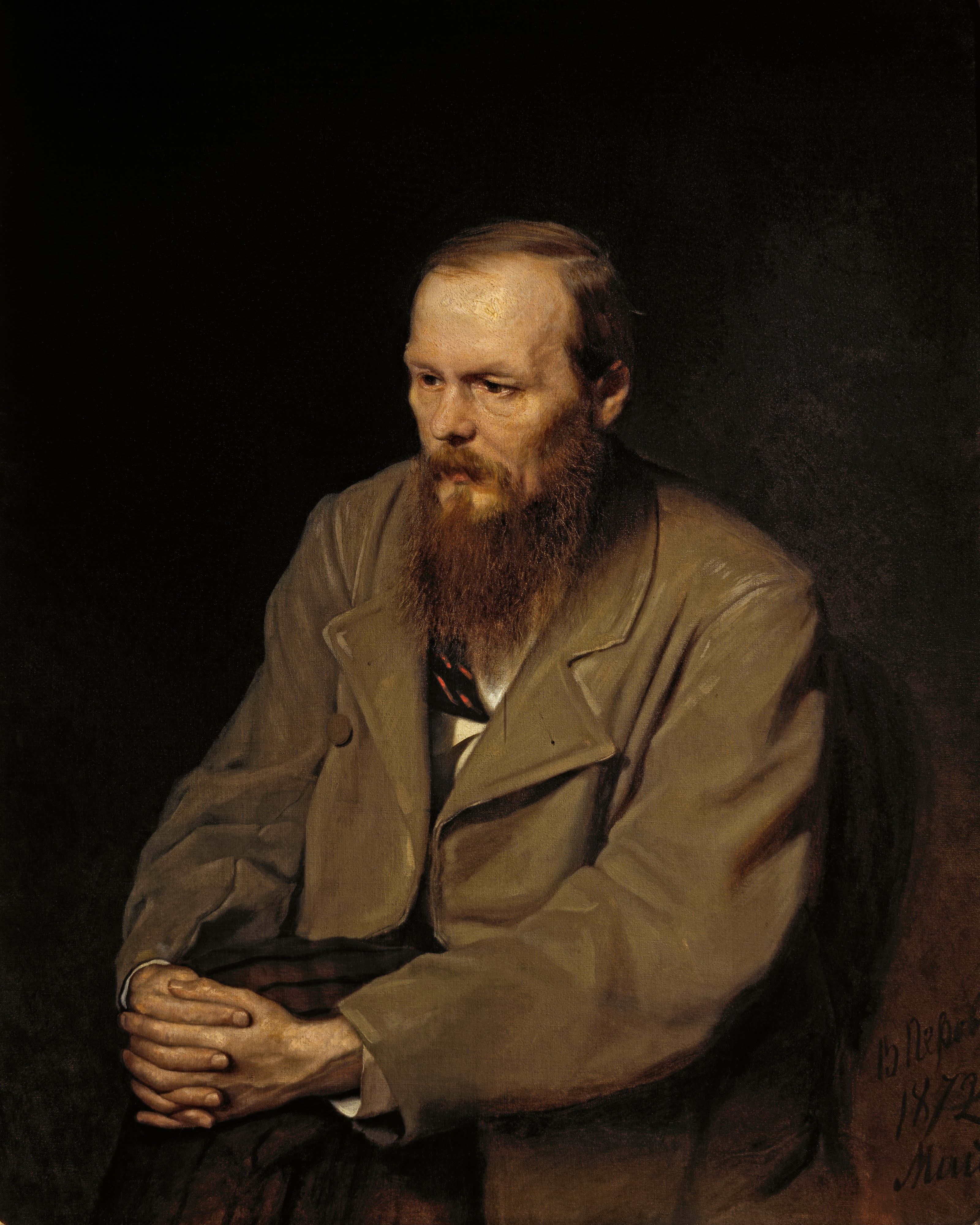
Crime and Punishment is an excellent book by Fyodor Dostoevsky in which he raises many questions about human morality, conscience and the right to kill.

A friend once told me that to understand the Russian mind, you have to read Dostoevsky and I have to admit he was right.

The central theme of Crime and Punishment is human conscience, through which people can analyze their actions and draw the right conclusions that help them repent and improve.

The events take place in the 60s of the 19th century, in Saint Petersburg. Our hero, Rodion is a young man, a former student, with a philosophical mind. He is sensitive to the suffering of his entourage and he is ready at any time to come to the aid of another in a completely disinterested way.

Raskolnikov is obsessed with the crazy idea that he has every right to rid the world of a mean and useless old pawnbroker. He doesn’t just want to avenge all the humiliated poor, he wants to rise above those who suffer injustice all their lives. 

Raskolnikov plots a cruel murder, but his conscience is silent. And then something happens that will finally snap Raskolnikov out of his insane state of spiritual deafness. Elizabeth appears. It is she who becomes a symbol of the consciousness of the protagonist. Having killed the old woman’s harmless sister, Raskolnikov can no longer justify himself.

At the same time the novel speaks of the sacrifice that women make in the name of the well-being of their families. For example, his sister Dounia is going to marry a man who appreciates her position as a beggar rather than having feelings for her. Sonia, who is the daughter of a drunkard met in a bar, prostitutes herself to feed her family although very religious.

Remorse of conscience is always terrible, it cannot be drowned, it drives you mad or helps you to get up, to become better.

What will happen to Rodion, his sister and Sonia is for you to discover?

In addition, you can combine business with pleasure because “Crime and Punishment” is now part of our collection of bilingual English/French books, which will make it easier for you to learn French if that’s what you want.

Otherwise you can simply read it in English

Crime and Punishment

Bilingual English/French
Crime and Punishment

in English
If you liked this article, don’t forget to like and share.
Subscribe to not miss anything

Our Latest Posts

Crime et Châtiments

Read in English

Crime et châtiments est un excellent livre de Fiodor Dostoïevski dans lequel il soulève de nombreuses questions sur la moralité humaine, la conscience et le droit de tuer.

Un ami m’a dit un jour que pour comprendre l’esprit Russe, il fallait lire Dostoïevski et je dois admettre qu’il avait raison.

Le thème central du livre Crime et Châtiments est la conscience humaine, grace à laquelle les gens peuvent analyser leurs actions et tirer les bonnes conclusions qui aident à se repentir et s’améliorer.

Les évenèments se déroulent dans les annees 60 du XIXe siecle, à Saint Pétersbourg. Notre héro, Rodion est un jeune homme, ancien étudiant, à l’esprit philosophique. Il est sensible à la souffrance de son entourage et il est prêt à tout moment à venir en aide de manière tout à fait désinteressée a un autre.

Raskolnikov est obsédé par l’idée folle qu’il a parfaitement le droit de débarrasser le monde d’un vieux prêteur sur gages méchant et inutile. Il ne veut pas seulement venger tous les pauvres humiliés, il veut s’élever au-dessus de ceux qui subissent l’injustice toute leur vie. 

Raskolnikov complote un meurtre cruel, mais sa conscience est silencieuse. Et puis quelque chose se produit qui sortira finalement Raskolnikov de son état insensé de surdité spirituelle. Elisabeth apparaît. C’est elle qui devient un symbole de la conscience du protagoniste. Ayant tué la sœur inoffensive de la vieille femme, Raskolnikov ne peut plus se justifier.

En même temps le roman parle du sacrifice que font les femmes au nom du bien être de leurs familles. Par example, sa soeur Dounia va se marrier avec un homme qui apprécie sa position de mendiante plutôt que d’avoir des sentiments pour elle. Sonia qui est la fille d’un ivrogne rencontrée dans un bar, se prostitue pour nourir sa famille bien que très croyante.

Les remords de conscience sont toujours terribles, ils ne peuvent pas être noyés, ils rendent fou ou vous aident à vous relever, à devenir meilleur.

Qu’avendra-t’il de Rodion, sa soeur et Sonia est pour vous à découvrir?

De plus vous pouvez joindre l’utile a l’agréable car Crime et Châtiments fait désormé parti de notre collection de livres bilingues Anglais/Français, ce qui vous facilitera l’apprentissage de l’anglais si c’est ce que vous souhaitez.

Sinon vous pouvez simplement le lire en Français

Crime et Chatiment

bilingue Anglais/Français
Crime et Chatiment

en Français

Si vous avez aimé cet article, n’oublier pas d’aimer et de partager.
Abonnez-vous pour ne rien manquer

Nos Derniers Posts

Progrès du site semaine du 8 mai

Read in English

Comme vous l’avez vu je n’ai pas écris d’article cette semaine et me suis concentrée sur le site. Donc cette semaine, j’ai fini le livre bilingue Anglais/Français “Crime et Châtiment” de Dostoïevski. Les pages vont commencer à être publiées aujourd’hui.

Livre Bilingue Crime et Châtiment” de Dostoïevski

J’ai aussi ajouté des livres dans la littérature Américaine.

Litérature Americaine

Si vous avez aimé cet article, n’oublier pas d’aimer et de partager.
Abonnez-vous pour ne rien manquer

Site Progress Week of May 8

Lire en Français

As you have seen I did not write an article this week and concentrated on the site. So this week, I finished the bilingual English/French book “Crime and Punishment” by Dostoyevsky. I’ll start publishing some pages today and will continue every day until the end of the book.

Bilingual Book Crime and Punishment” by Dostoyevsky

I also added books in American literature

American Literature

If you liked this article, don’t forget to like and share.
Subscribe to not miss anything

Our Latest Posts