Happy 4th of July with the poem “The Building of the Ship” by Henry Wadsworth Longfello

Bilingual booksContact us
American LiteratureFrench LiteratureRussian Literature

Dear readers and subscribers, I wish you and your family an amazing Independence day. 

Always stand firm in your beliefs, champion what is just, and pursue your heart’s desires. True freedom resides in a fearless mind. Have a joyous Independence Day celebration!

Photo by Designecologist on Pexels.com

Longfellow witnessed the growth of a young country, which significantly inspired many of his poems. “The Building of the Ship,” although seemingly a straightforward poetic portrayal of ship construction, actually serves as a metaphor for the development of America. As the country gradually came together, akin to the ships constructed near Longfellow’s home in Portland, Maine, a sense of unity and progress emerged. I trust that you will derive as much pleasure from this poem as I did.

The Building of the Ship


“Build me straight, O worthy Master!
Stanch and strong, a goodly vessel,
That shall laugh at all disaster,
And with wave and whirlwind wrestle!”

The merchant’s word
Delighted the Master heard;
For his heart was in his work, and the heart
Giveth grace unto every Art.

A quiet smile played round his lips,
As the eddies and dimples of the tide
Play round the bows of ships,
That steadily at anchor ride.
And with a voice that was full of glee,
He answered, “Erelong we will launch
A vessel as goodly, and strong, and stanch,
As ever weathered a wintry sea!”
And first with nicest skill and art,
Perfect and finished in every part,
A little model the Master wrought,
Which should be to the larger plan
What the child is to the man,
Its counterpart in miniature;
That with a hand more swift and sure
The greater labor might be brought
To answer to his inward thought.
And as he labored, his mind ran o’er
The various ships that were built of yore,
And above them all, and strangest of all
Towered the Great Harry, crank and tall,
Whose picture was hanging on the wall,
With bows and stern raised high in air,
And balconies hanging here and there,
And signal lanterns and flags afloat,
And eight round towers, like those that frown
From some old castle, looking down
Upon the drawbridge and the moat.
And he said with a smile, “Our ship, I wis,
Shall be of another form than this!”
It was of another form, indeed;
Built for freight, and yet for speed,
A beautiful and gallant craft;
Broad in the beam, that the stress of the blast,
Pressing down upon sail and mast,
Might not the sharp bows overwhelm;
Broad in the beam, but sloping aft
With graceful curve and slow degrees,
That she might be docile to the helm,
And that the currents of parted seas,
Closing behind, with mighty force,
Might aid and not impede her course.

In the ship-yard stood the Master,
With the model of the vessel,
That should laugh at all disaster,
And with wave and whirlwind wrestle!

Covering many a rood of ground,
Lay the timber piled around;
Timber of chestnut, and elm, and oak,
And scattered here and there, with these,
The knarred and crooked cedar knees;
Brought from regions far away,
From Pascagoula’s sunny bay,
And the banks of the roaring Roanoke!
Ah! what a wondrous thing it is
To note how many wheels of toil
One thought, one word, can set in motion!
There’s not a ship that sails the ocean,
But every climate, every soil,
Must bring its tribute, great or small,
And help to build the wooden wall!

The sun was rising o’er the sea,
And long the level shadows lay,
As if they, too, the beams would be
Of some great, airy argosy.
Framed and launched in a single day.
That silent architect, the sun,
Had hewn and laid them every one,
Ere the work of man was yet begun.
Beside the Master, when he spoke,
A youth, against an anchor leaning,
Listened, to catch his slightest meaning.
Only the long waves, as they broke
In ripples on the pebbly beach,
Interrupted the old man’s speech.
Beautiful they were, in sooth,
The old man and the fiery youth!
The old man, in whose busy brain
Many a ship that sailed the main
Was modelled o’er and o’er again;—
The fiery youth, who was to be the heir of his dexterity,
The heir of his house, and his daughter’s hand,
When he had built and launched from land
What the elder head had planned.

“Thus,” said he, “will we build this ship!
Lay square the blocks upon the slip,
And follow well this plan of mine.
Choose the timbers with greatest care;
Of all that is unsound beware;
For only what is sound and strong
To this vessel stall belong.
Cedar of Maine and Georgia pine
Here together shall combine.
A goodly frame, and a goodly fame,
And the UNION be her name!
For the day that gives her to the sea
Shall give my daughter unto thee!”

The Master’s word
Enraptured the young man heard;
And as he turned his face aside,
With a look of joy and a thrill of pride,
Standing before Her father’s door,
He saw the form of his promised bride.
The sun shone on her golden hair,
And her cheek was glowing fresh and fair,
With the breath of morn and the soft sea air.
Like a beauteous barge was she,
Still at rest on the sandy beach,
Just beyond the billow’s reach;
But he Was the restless, seething, stormy sea!
Ah, how skilful grows the hand
That obeyeth Love’s command!
It is the heart, and not the brain,
That to the highest doth attain,
And he who followeth Love’s behest
Far excelleth all the rest!

Thus with the rising of the sun
Was the noble task begun
And soon throughout the ship-yard’s bounds
Were heard the intermingled sounds
Of axes and of mallets, plied
With vigorous arms on every side;
Plied so deftly and so well,
That, ere the shadows of evening fell,
The keel of oak for a noble ship,
Scarfed and bolted, straight and strong
Was lying ready, and stretched along
The blocks, well placed upon the slip.
Happy, thrice happy, every one
Who sees his labor well begun,
And not perplexed and multiplied,
By idly waiting for time and tide!

And when the hot, long day was o’er,
The young man at the Master’s door
Sat with the maiden calm and still.
And within the porch, a little more
Removed beyond the evening chill,
The father sat, and told them tales
Of wrecks in the great September gales,
Of pirates coasting the Spanish Main,
And ships that never came back again,
The chance and change of a sailor’s life,
Want and plenty, rest and strife,
His roving fancy, like the wind,
That nothing can stay and nothing can bind,
And the magic charm of foreign lands,
With shadows of palms, and shining sands,
Where the tumbling surf,
O’er the coral reefs of Madagascar,
Washes the feet of the swarthy Lascar,
As he lies alone and asleep on the turf.
And the trembling maiden held her breath
At the tales of that awful, pitiless sea,
With all its terror and mystery,
The dim, dark sea, so like unto Death,
That divides and yet unites mankind!
And whenever the old man paused, a gleam
From the bowl of his pipe would awhile illume
The silent group in the twilight gloom,
And thoughtful faces, as in a dream;
And for a moment one might mark
What had been hidden by the dark,
That the head of the maiden lay at rest,
Tenderly, on the young man’s breast!

Day by day the vessel grew,
With timbers fashioned strong and true,
Stemson and keelson and sternson-knee,
Till, framed with perfect symmetry,
A skeleton ship rose up to view!
And around the bows and along the side
The heavy hammers and mallets plied,
Till after many a week, at length,
Wonderful for form and strength,
Sublime in its enormous bulk,
Loomed aloft the shadowy hulk!
And around it columns of smoke, up-wreathing.
Rose from the boiling, bubbling, seething
Caldron, that glowed,
And overflowed
With the black tar, heated for the sheathing.
And amid the clamors
Of clattering hammers,
He who listened heard now and then
The song of the Master and his men:

—”Build me straight, O worthy Master.
Stanch and strong, a goodly vessel,
That shall laugh at all disaster,
And with wave and whirlwind wrestle!”

With oaken brace and copper band,
Lay the rudder on the sand,
That, like a thought, should have control
Over the movement of the whole;
And near it the anchor, whose giant hand
Would reach down and grapple with the land,
And immovable and fast
Hold the great ship against the bellowing blast!
And at the bows an image stood,
By a cunning artist carved in wood,
With robes of white, that far behind
Seemed to be fluttering in the wind.
It was not shaped in a classic mould,
Not like a Nymph or Goddess of old,
Or Naiad rising from the water,
But modelled from the Master’s daughter!
On many a dreary and misty night,
‘T will be seen by the rays of the signal light,
Speeding along through the rain and the dark,
Like a ghost in its snow-white sark,
The pilot of some phantom bark,
Guiding the vessel, in its flight,
By a path none other knows aright!
Behold, at last, Each tall and tapering mast
Is swung into its place;
Shrouds and stays
Holding it firm and fast!

Long ago, In the deer-haunted forests of Maine,
When upon mountain and plain
Lay the snow,
They fell,—those lordly pines!
Those grand, majestic pines!
‘Mid shouts and cheers
The jaded steers,
Panting beneath the goad,
Dragged down the weary, winding road
Those captive kings so straight and tall,
To be shorn of their streaming hair,
And, naked and bare,
To feel the stress and the strain
Of the wind and the reeling main,
Whose roar
Would remind them forevermore
Of their native forests they should not see again.

And everywhere
The slender, graceful spars
Poise aloft in the air,
And at the mast-head,
White, blue, and red,
A flag unrolls the stripes and stars.
Ah! when the wanderer, lonely, friendless,
In foreign harbors shall behold
That flag unrolled,
‘T will be as a friendly hand
Stretched out from his native land,
Filling his heart with memories sweet and endless!

All is finished! and at length
Has come the bridal day
Of beauty and of strength.
To-day the vessel shall be launched!
With fleecy clouds the sky is blanched,
And o’er the bay,
Slowly, in all his splendors dight,
The great sun rises to behold the sight.

The ocean old, Centuries old,
Strong as youth, and as uncontrolled,
Paces restless to and fro,
Up and down the sands of gold.
His beating heart is not at rest;
And far and wide,
With ceaseless flow,
His beard of snow
Heaves with the heaving of his breast.
He waits impatient for his bride.
There she stands,
With her foot upon the sands,
Decked with flags and streamers gay,
In honor of her marriage day,
Her snow-white signals fluttering, blending,
Round her like a veil descending,
Ready to be
The bride of the gray old sea.

On the deck another bride
Is standing by her lover’s side.
Shadows from the flags and shrouds,
Like the shadows cast by clouds,
Broken by many a sunny fleck,
Fall around them on the deck.

The prayer is said,
The service read,
The joyous bridegroom bows his head;
And in tear’s the good old Master
Shakes the brown hand of his son,
Kisses his daughter’s glowing cheek
In silence, for he cannot speak,
And ever faster
Down his own the tears begin to run.
The worthy pastor—
The shepherd of that wandering flock,
That has the ocean for its wold,
That has the vessel for its fold,
Leaping ever from rock to rock—
Spake, with accents mild and clear,
Words of warning, words of cheer,
But tedious to the bridegroom’s ear.
He knew the chart
Of the sailor’s heart,
All its pleasures and its griefs,
All its shallows and rocky reefs,
All those secret currents, that flow
With such resistless undertow,
And lift and drift, with terrible force,
The will from its moorings and its course.
Therefore he spake, and thus said he:—
“Like unto ships far off at sea,
Outward or homeward bound, are we.
Before, behind, and all around,
Floats and swings the horizon’s bound,
Seems at its distant rim to rise
And climb the crystal wall of the skies,
And then again to turn and sink,
As if we could slide from its outer brink.
Ah! it is not the sea,
It is not the sea that sinks and shelves,
But ourselves
That rock and rise
With endless and uneasy motion,
Now touching the very skies,
Now sinking into the depths of ocean.
Ah! if our souls but poise and swing
Like the compass in its brazen ring,
Ever level and ever true
To the toil and the task we have to do,
We shall sail securely, and safely reach
The Fortunate Isles, on whose shining beach
The sights we see, and the sounds we hear,
Will be those of joy and not of fear!”

Then the Master,
With a gesture of command,
Waved his hand;
And at the word,
Loud and sudden there was heard,
All around them and below,
The sound of hammers, blow on blow,
Knocking away the shores and spurs.
And see! she stirs!
She starts,—she moves,—she seems to feel
The thrill of life along her keel,
And, spurning with her foot the ground,
With one exulting, joyous bound,
She leaps into the ocean’s arms!

And lo! from the assembled crowd
There rose a shout, prolonged and loud,
That to the ocean seemed to say,
“Take her,
O bridegroom, old and gray,
Take her to thy protecting arms,
With all her youth and all her charms!”

How beautiful she is! How fair
She lies within those arms, that press
Her form with many a soft caress
Of tenderness and watchful care!
Sail forth into the sea, O ship!
Through wind and wave, right onward steer!
The moistened eye, the trembling lip,
Are not the signs of doubt or fear.

Sail forth into the sea of life,
O gentle, loving, trusting wife,
And safe from all adversity
Upon the bosom of that sea
Thy comings and thy goings be!
For gentleness and love and trust
Prevail o’er angry wave and gust;
And in the wreck of noble lives
Something immortal still survives!

Thou, too, sail on, O Ship of State!
Sail on, O UNION, strong and great!
Humanity with all its fears,
With all the hopes of future years,
Is hanging breathless on thy fate!
We know what Master laid thy keel,
What Workmen wrought thy ribs of steel,
Who made each mast, and sail, and rope,
What anvils rang, what hammers beat,
In what a forge and what a heat
Were shaped the anchors of thy hope!
Fear not each sudden sound and shock,
‘T is of the wave and not the rock;
‘T is but the flapping of the sail,
And not a rent made by the gale!
In spite of rock and tempest’s roar,
In spite of false lights on the shore,
Sail on, nor fear to breast the sea
Our hearts, our hopes, are all with thee,
Our hearts, our hopes, our prayers, our tears,
Our faith triumphant o’er our fears,
Are all with thee,—are all with thee!


We put a lot of effort into the quality of the articles and translations, support us with a like and a subscription or sponsor us if you like them. We are also on Facebook and Twitter

Check out our Last Posts


© 2024 Akirill.com – All Rights Reserved

Progrès du Site semaine du 9 janvier 2024

Livres bilinguesRead in EnglishNous contacter

Chers lecteurs et abonnés, je suis ravi de partager que cette semaine a été extrêmement enrichissante alors que je me suis plongé dans les univers de la poésie américaine, française et russe. À travers l’exploration de ces trésors linguistiques et culturels, j’ai constitué une collection de poèmes exquis dans ces trois langues. Je souhaite de tout cœur que chacun d’entre vous découvre quelque chose de délicieux et enrichissant au sein des vers présentés. Votre soutien et votre fidélité m’inspirent à poursuivre ce voyage poétique, et je vous suis profondément reconnaissant de l’opportunité de partager avec vous à travers le langage universel de la poésie.

J’espère que vous trouverez quelque chose à apprécier.

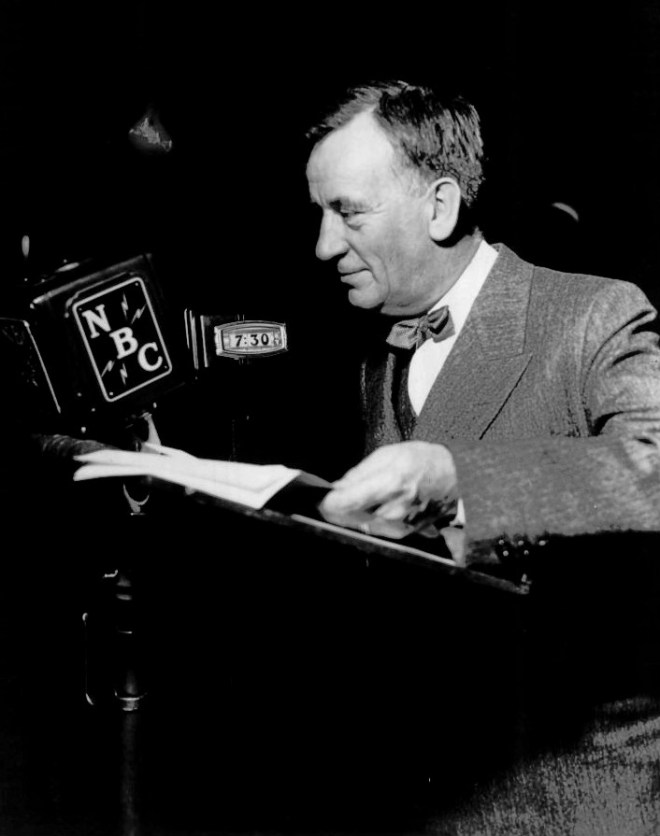
Commençons par Edgard A. Guest, notre poète américain.

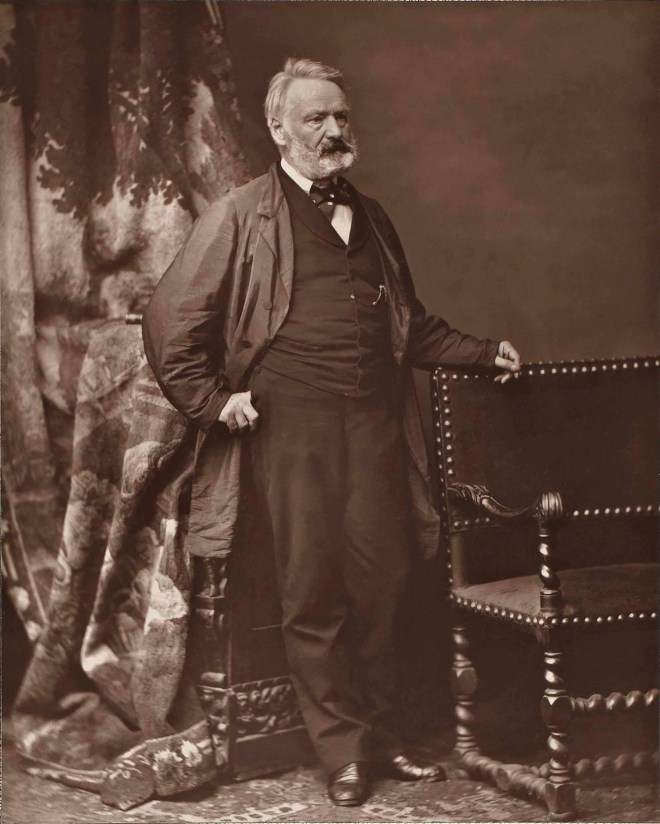
Nous allons poursuivre avec notre poète français, Victor Hugo, où j’ai ajouté la collection La Fin de Satan (posthume, 1886). Voici quelques-uns des poèmes choisis au hasard:

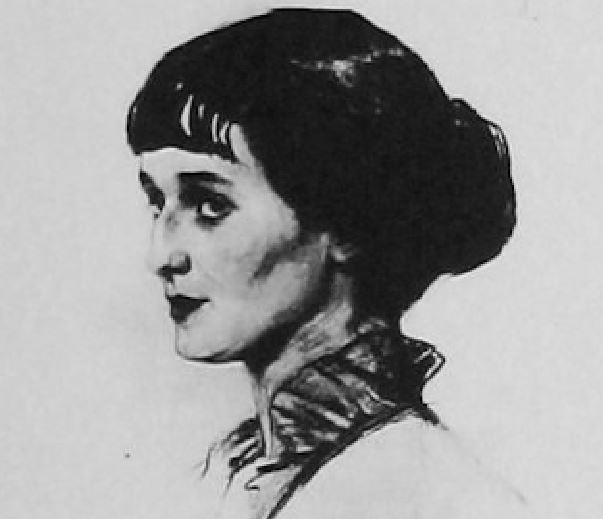
Nous terminerons avec notre poète russe Anna Akhmatova (Анна Ахматова)


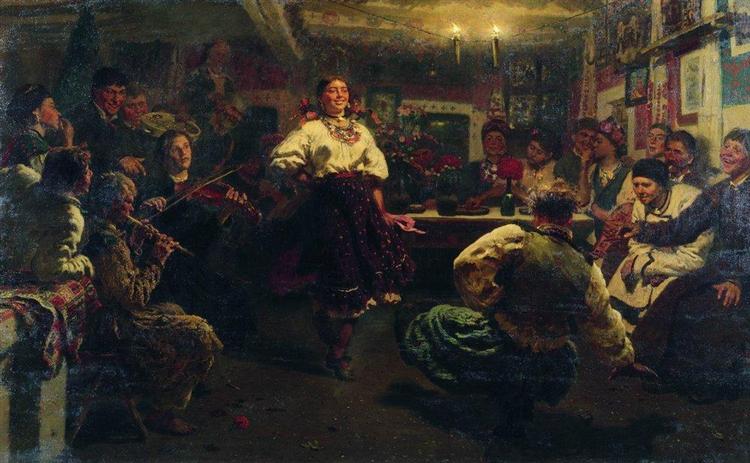
Cette semaine, notre article était une traduction et une brève analyse du poème “Quand des ténèbres de l’erreur…” de Nikolay Nekrasov en français avec le texte français et russe côte à côte, accompagné du tableau “Fêtes” (Vechernitsa) par Ilia Iefimovitch Répine 

Party (Vechernitsa) by Ilya Yefimovich Repin

Nous mettons beaucoup d’efforts dans la qualité des articles et traductions, soutenez-nous avec un like et un abonnement ou sponsorisez-nous si vous les aimez. Nous sommes aussi sur Facebook et Twitter


© 2023 Akirill.com – All Rights Reserved
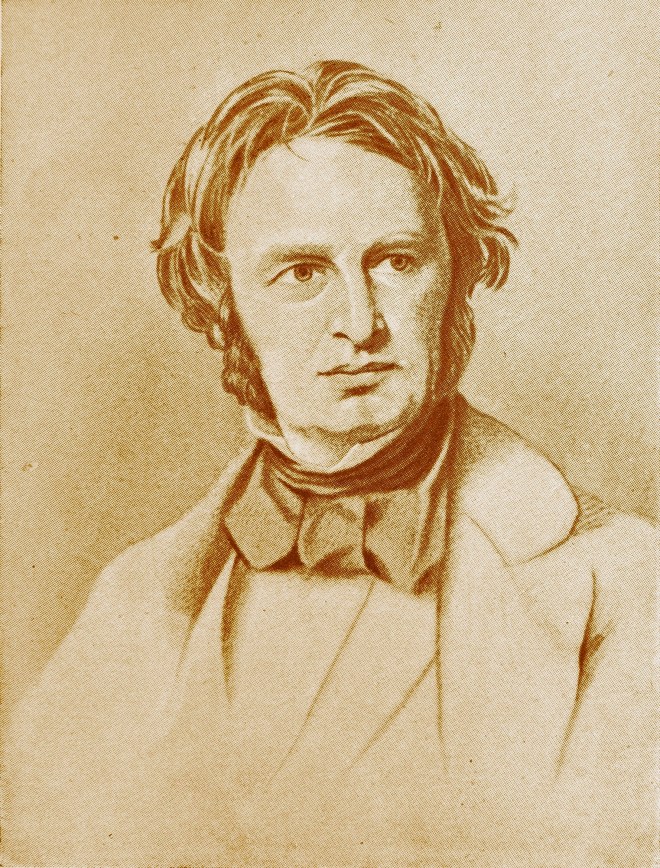
Site Progress Week of January 9, 2024

Bilingual BooksLire en FrançaisContact us

Dear readers and subscribers, I am excited to share that this week has been a creatively fulfilling one as I delved into the realms of American, French, and  Russian poetry. Through the exploration of these linguistic and cultural treasures, I have curated a collection of exquisite poems in all three languages. It is my heartfelt wish that each and every one of you discovers something delightful and enriching within the verses presented. Your support and readership inspire me to continue this poetic journey, and I am deeply grateful for the opportunity to connect with you through the universal language of poetry.

I hope you’ll find something to enjoy.

Let’s begin by Edgard A. Guest, our American poet,

We will continue with our French poet, Victor Hugo where I added the collection La Fin de Satan (posthume, 1886)  Following are a few of the poems randomly chosen:

We’ll finish with our Russian poet Anna Akhmatova (Анна Ахматова)


This week our article was a translation and short analysis of the poem “When from the darkness of error…” by Nikolay Nekrasov in English with English and Russian side by side with the painting “Party” (Vechernitsa) by Ilya Yefimovich Repin

Party (Vechernitsa) by Ilya Yefimovich Repin

We put a lot of effort into the quality of the articles and translations, support us with a like and a subscription or sponsor us if you like them. We are also on Facebook and Twitter


© 2023 Akirill.com – All Rights Reserved

Progrès du Site semaine du 12 Décembre, 2023

Livres bilinguesRead in English Nous contacter

Chers lecteurs et abonnés, cette semaine, alors que je continuais à travailler sur la poésie américaine, française et russe, j’ai consacré beaucoup de temps à la sélection et à l’ajout de poèmes dans les trois langues. Je suis heureuse de vous annoncer que tous les poèmes de Henry Wadsworth Longfellow sont maintenant publiés, et j’ai commencé à présenter un nouveau poète américain, Edgar A. Guest. Comme toujours, j’ai inclus un lien vers les nouveaux poèmes ou pages s’il y en a trop. J’espère que vous trouverez ici quelque chose à apprécier.

Dans le domaine de la poésie américaine, les œuvres d’Edgar A. Guest occupent une place particulière, reflétant l’esprit d’optimisme et de résilience. Je me plonge dans ses compositions avec beaucoup d’enthousiasme, cherchant à partager l’essence de sa poésie avec nos lecteurs et abonnés. Chaque poème est soigneusement sélectionné pour offrir une expérience poétique riche et diversifiée, et je suis impatient de vous les présenter dans un avenir proche.

Quant à la poésie française et russe, le voyage se poursuit avec une exploration approfondie du patrimoine littéraire de ces langues. À chaque ajout, la collection s’enrichit, offrant une délicieuse fresque d’expression lyrique à notre public.

Je vous invite à vous embarquer avec moi dans cette odyssée poétique, à traverser les paysages de la langue et de l’émotion à travers le vers, découvrant des trésors qui résonnent à travers les cultures et les frontières.

Je vous souhaite des moments d’inspiration et de contemplation pendant que vous parcourez les derniers ajouts à notre bibliothèque poétique.

Henry Wadsworth Longfello

Poems by Henry Wadsworth Longfello

The Beleaguered City
I have read, in some old, marvellous tale,
Some legend strange and vague,

Midnight Mass for the Dying Year
Yes, the Year is growing old,
And his eye is pale and bleared!

J’ai ajouté l’ensemble de la collection, donc n’hésitez pas à suivre le lien, voici seulement quelques poèmes sélectionnés au hasard

Cette semaine, nous avons rédigé un article sur quelques films classiques russes pour celebrer les fetes de noel et du nouvel an : Quels films russes classiques devriez-vous regarder pendant les fêtes


1862 - dresden-bridge-of-august
1862 – dresden-bridge-of-august

Nous mettons beaucoup d’efforts dans la qualité des articles et traductions, soutenez-nous avec un like et un abonnement ou sponsorisez-nous si vous les aimez. Nous sommes aussi sur Facebook et Twitter


© 2023 Akirill.com – All Rights Reserved

Site Progress Week of December 12, 2023

Bilingual BooksLire en Français Contact us

Dear readers and subscribers, this week as I continued to work on American, French and Russian poetry, I dedicated much time to selecting and adding poems in the three languages. I am pleased to announce that all poems from Henry Wadsworth Longfellow are now posted, and I have begun featuring a new American Poet, Edgar A. Guest. As always, I have included a link to the new poems or pages if there are too many. I hope you’ll find something here to enjoy.

In the realm of American poetry, Edgar A. Guest’s works hold a special place, reflecting the spirit of optimism and resilience. I am delving into his compositions with great enthusiasm, aiming to share the essence of his poetry with our readers and subscribers. Each poem is carefully curated to provide a rich and diverse poetic experience, and I am excited to present them to you in the near future.

As for French and Russian poetry, the journey continues with a deep exploration of the literary heritage in these languages. With each addition, the collection grows in depth, offering a delightful tapestry of lyrical expression for our audience to explore.

I invite you to embark on this poetic odyssey with me, as we traverse the landscapes of language and emotion through verse, uncovering treasures that resonate across cultures and borders.

Wishing you moments of inspiration and contemplation as you peruse the latest additions to our poetic library.

Henry Wadsworth Longfello

Poems by Henry Wadsworth Longfello

The Beleaguered City
I have read, in some old, marvellous tale,
Some legend strange and vague,

Midnight Mass for the Dying Year
Yes, the Year is growing old,
And his eye is pale and bleared!

I added the whole collections, so do not hesitate to follow the link, here are only a few randomly selecte poems


This week we wrote an article about a few classical Russian Holydays movies: What classical Russian movies should you watch during the holidays

1862 - dresden-bridge-of-august
1862 – dresden-bridge-of-august

We put a lot of effort into the quality of the articles and translations, support us with a like and a subscription or sponsor us if you like them. We are also on Facebook and Twitter


© 2023 Akirill.com – All Rights Reserved

Progrès du Site semaine du 5 decembre, 2023

Livres bilinguesRead in EnglishNous contacter

Chers lecteurs et abonnés, cette semaine, j’ai continué à travailler sur notre section de poésie, explorant les profondeurs des traditions littéraires américaine, française et russe. En conséquence, notre collection s’est enrichie de beaux et inspirants poèmes dans ces trois langues.

La poésie américaine capture l’essence de l’expérience américaine diverse et vibrante, reflétant l’histoire, la culture et l’esprit du pays. La poésie française, avec son élégance et sa langue poétique, offre une fenêtre sur les sensibilités romantiques et artistiques de la France. Et la poésie russe, connue pour sa profondeur et ses émotions puissantes, porte un message puissant et intemporel.

J’espère que vous trouverez quelque chose à apprécier.


Laissez-moi vous présenter la brillance de Henry Wadsworth Longfellow, le poète américain dont les œuvres ont laissé une marque indélébile sur le monde de la littérature. J’ai enfin publié tous les poèmes de sa célèbre collection, “La Chanson de Hiawatha“.

Et maintenant, aventurons-nous dans une autre collection captivante du répertoire de Longfellow, intitulée “Voix de la Nuit“. Cette anthologie met en valeur la maîtrise de la versification de Longfellow et sa capacité à évoquer de profondes émotions chez les lecteurs.


Nous poursuivrons avec notre poète français, Victor Hugo. J’ai publié sa remarquable collection intitulée “Le Pape” de 1878. Cette collection est un véritable chef-d’œuvre qui fait suite à son œuvre précédente “L’Art d’être grand-père” de 1877.

Prenez donc un moment pour vous plonger dans le monde enchanteur du “Le Pape” de Victor Hugo et laissez ses mots vous transporter vers un univers où l’art et l’émotion s’entrelacent, laissant une empreinte indélébile sur votre âme. Voici quelques-uns des poèmes choisis au hasard :


Nous terminerons avec notre poète russe Anna Akhmatova (Анна Ахматова), née Anna Andreevna Gorenko en 1889. Elle est considérée comme l’une des figures littéraires les plus importantes de l’histoire russe. Ses poèmes reflètent ses expériences personnelles, ses émotions et ses observations au milieu des périodes tumultueuses du début du XXe siècle en Russie.

Ses poèmes offrent un aperçu de l’expérience humaine, capturant des moments de joie, de tristesse et de résilience. À travers son art et sa dévotion au pouvoir des mots, Akhmatova a laissé une empreinte indélébile dans le paysage littéraire.


Cette semaine, notre article portait sur le célèbre tableau “Conseil militaire à Fili” du talentueux artiste Alexey Danilovich Kivshenko, que nous avons analysé. Ce chef-d’œuvre capture magnifiquement un moment important de l’histoire, mettant en scène un conseil de chefs militaires plongés dans une discussion et une planification stratégique. L’attention méticuleuse portée aux détails, les couleurs vibrantes et les coups de pinceau habiles donnent vie à l’œuvre d’art, nous permettant de remonter dans le temps et de nous plonger dans l’intensité de la scène.

Cela suit notre traduction du poignant poème ” Le commandant” du légendaire poète russe Alexander Pushkin. Les mots de Pushkin complètent magnifiquement les thèmes dépeints dans le tableau de Kivshenko, offrant une réflexion profonde sur le leadership, le courage et les complexités de la stratégie militaire. L’harmonie entre l’art visuel et l’expression littéraire crée une puissante synergie, nous permettant de mieux comprendre et d’apprécier le contexte historique et l’inspiration artistique derrière à la fois le tableau et le poème.

En combinant ces deux formes créatives, nous cherchons à enrichir l’expérience de nos lecteurs et à leur offrir une perspective multifacette sur l’art et la littérature russes. Que vous soyez un passionné d’art avide ou un amoureux de poésie, nous espérons que notre article éveillera votre imagination, éveillera vos émotions et encouragera une exploration plus approfondie du monde fascinant de l’art et de ses liens profonds avec la parole écrite.

Merci de faire partie de notre voyage alors que nous continuons à vous présenter le meilleur de la culture et de la créativité !

**

Military Council in Fili. Painting (Barclay de Tolly sits under an icon) by Alexey Kivshenko

Nous mettons beaucoup d’efforts dans la qualité des articles et traductions, soutenez-nous avec un like et un abonnement ou sponsorisez-nous si vous les aimez. Nous sommes aussi sur Facebook et Twitter


© 2023 Akirill.com – All Rights Reserved
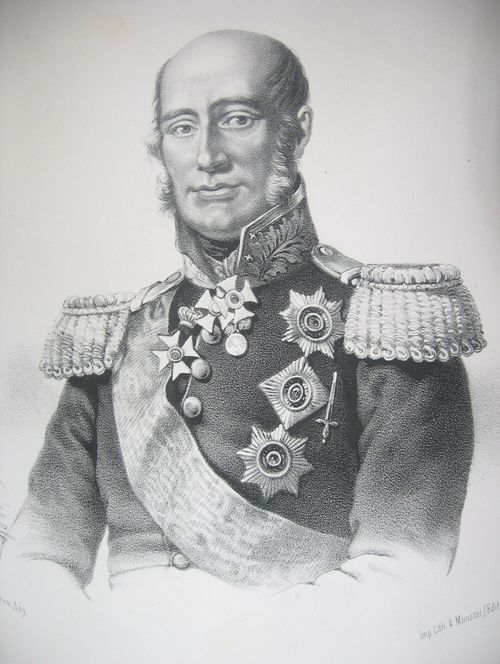
Site Progress Week of December 5, 2023

Bilingual BooksLire en Français Contact us

Dear readers and subscribers, this week, I’ve continued to work on our poetry section, exploring the depths of American, French, and Russian literary traditions. As a result, our collection has been enriched with beautiful and inspiring poems in these three languages.

American poetry captures the essence of the diverse and vibrant American experience, reflecting the country’s history, culture, and spirit. French poetry, with its elegance and poetic language, offers a window into the romantic and artistic sensibilities of France. And Russian poetry, known for its depth and profound emotions, carries a powerful and timeless message.

I invite you to explore these additions to our poetry collection, as they provide a unique opportunity to appreciate the beauty and richness of these three distinct poetic traditions. Whether you prefer the vibrant rhythms of American verse, the lyrical melodies of French poésie, or the profound depth of Russian stanzas, there is something for every poetry enthusiast.

I hope you’ll find something to enjoy.


Let me present to you the brilliance of Henry Wadsworth Longfellow, the American poet whose works have left an indelible mark on the world of literature. I have finally posted all the poems from his renowned collection, “The Song of Hiawata“.

And now, let us venture into another captivating collection from Longfellow’s repertoire, titled “Voices of the Night“. This anthology showcases Longfellow’s mastery of verse and his ability to evoke deep emotions within readers.


We will continue with our French poet, Victor Hugo, I posted his remarkable collection called “Le Pape” from 1878. This collection is a true masterpiece that follows the heels of his previous work “L’Art d’être grand-père “from 1877.

So, take a moment to immerse yourself in the enchanting world of Victor Hugo’s “Le Pape“, and allow his words to transport you to a realm where art and emotion intertwine, leaving an indelible mark on your soul. Here are a few of the poems randomly chosen:


We’ll finish with our Russian poet Anna Akhmatova (Анна Ахматова), born Anna Andreevna Gorenko in 1889, is considered one of the most significant literary figures in Russian history. Her poems reflect her personal experiences, emotions, and observations amidst the tumultuous periods of the early 20th century in Russia.

Her poems offer a glimpse into the human experience, capturing moments of joy, sorrow, and resilience. Through her artistry and devotion to the power of words, Akhmatova has left an indelible mark on the literary landscape.


This week our article was on the esteemed painting “Military Council in Fili” by the talented artist Alexey Danilovich Kivshenko which we analyzed. This masterpiece beautifully captures a significant moment in history, showcasing a council of military leaders deep in discussion and strategic planning. The meticulous attention to detail, vibrant colors, and skillful brushstrokes bring the artwork to life, allowing us to step back in time and immerse ourselves in the intensity of the scene.

This follow our translation of the poignant poem “Commander ” by the legendary Russian poet Alexander Pushkin. Pushkin’s words beautifully complement the themes depicted in Kivshenko’s painting, offering a profound reflection on leadership, courage, and the complexities of military strategy. The harmony between visual art and literary expression creates a powerful synergy, enabling us to gain a deeper understanding and appreciation for the historical context and artistic inspiration behind both the painting and the poem.

By combining these two creative forms, we aim to enrich our readers’ experience and provide them with a multifaceted insight into Russian art and literature. Whether you are an avid art enthusiast or a lover of poetry, we hope that our article sparks your imagination, stirs your emotions, and encourages further exploration into the fascinating world of art and its profound connections with the written word.

Thank you for being a part of our journey as we continue to bring you the best of culture and creativity!

**

Military Council in Fili. Painting (Barclay de Tolly sits under an icon) by Alexey Kivshenko

We put a lot of effort into the quality of the articles and translations, support us with a like and a subscription or sponsor us if you like them. We are also on Facebook and Twitter


© 2023 Akirill.com – All Rights Reserved
Progrès du Site semaine du 28 novembre, 2023

Livres bilinguesRead in EnglishNous contacter

Chers lecteurs et abonnés, je suis ravi de partager avec vous le travail que j’ai réalisé cette semaine, axé sur la poésie américaine , française et russe . J’ai ajouté avec plaisir un recueil de poèmes dans ces trois langues, dans l’espoir de vous apporter à tous une expérience diversifiée et enrichissante.

J’espère que ces ajouts à notre collection vous offriront des moments d’inspiration, de réflexion et de plaisir. La poésie a le pouvoir unique de toucher nos âmes et de nous connecter à travers les cultures et les langues. Je vous encourage à explorer ces poèmes et à vous immerger dans la beauté des mots.

Merci pour votre soutien continu et j’ai hâte de vous proposer du contenu plus attrayant à l’avenir.

La semaine dernière, nous nous sommes lancés dans un voyage poétique à travers les œuvres de Henry Wadsworth Longfellow, le célèbre poète américain. Plus précisément, nous avons plongé dans les vers enchanteurs de « Les Chants de Hiawatha ». Cette semaine, nous poursuivrons notre exploration de cette collection captivante, en nous plongeant davantage dans sa beauté intemporelle et sa riche narration. Continuons notre voyage à travers le monde fascinant créé par Longfellow. Restez à l’écoute pour des vers plus captivants et un enchantement lyrique !

Voici maintenant quelques poèmes choisis au hasard dans le recueil « L’Art d’être grand-père » de Victor Hugo (1877) :

N’hésitez pas à explorer davantage les poèmes exquis du recueil « L’Art d’être grand-père » de Victor Hugo. Bonne lecture !

Nous terminerons avec notre poète russe Anna Akhmatova ( Анна Ахматова ) dont l’héritage est monumental, ainsi que son impact sur la littérature russe qui est profond. Sa capacité à articuler l’expérience humaine à travers ses mots a solidifié son statut d’icône littéraire. Grâce à la puissance de sa poésie, la voix d’Akhmatova continue de résonner et d’inspirer les générations à venir.

Pour en savoir plus sur Anna Akhmatova et ses contributions poétiques à la littérature russe, vous pouvez visiter ce lien .


Cette semaine, notre article était une traduction et une brève analyse du poème « Commandant » d’Alexandre Pouchkine en français avec français et russe côte à côte avec le tableau « Conseil militaire à Fili » d’Alekseï Danilovitch Kivshenko  et  MB Barclay de Tolly. Dessin de Piotr Fiodorovitch Borel


Nous mettons beaucoup d’efforts dans la qualité des articles et traductions, soutenez-nous avec un like et un abonnement ou sponsorisez-nous si vous les aimez. Nous sommes aussi sur Facebook et Twitter


© 2023 Akirill.com – All Rights Reserved

Site Progress Week of November 28, 2023

Bilingual BooksLire en Français Contact us

Dear readers and subscribers, I am excited to share with you the work I have done this week, focusing on American, French and Russian poetry. I have happily added a collection of poems in these three languages, hoping to bring a diverse and enriching experience to all of you.

I hope that these additions to our collection will provide you with moments of inspiration, reflection, and enjoyment. Poetry has a unique power to touch our souls and connect us across cultures and languages. I encourage you to explore these poems and immerse yourself in the beauty of words.

Thank you for your continued support, and I look forward to bringing you more engaging content in the future.

Last week, we embarked on a poetic journey through the works of Henry Wadsworth Longfellow, the celebrated American poet. Specifically, we delved into the enchanting verses from “The Songs of Hiawatha.” This week, we shall carry on with our exploration of this captivating collection, immersing ourselves further in its timeless beauty and rich storytelling. Let us continue our voyage through the mesmerizing world crafted by Longfellow. Stay tuned for more captivating verses and lyrical enchantment!

Here are a few randomly chosen poems from Victor Hugo’s collection “L’Art d’être grand-père” (1877):

Feel free to explore more of the exquisite poems in the collection “L’Art d’être grand-père” by Victor Hugo. Enjoy your reading!

We’ll finish with our Russian poet Anna Akhmatova (Анна Ахматова) whose legacy is monumental, and as well as her impact on Russian literature which is profound. Her ability to articulate the human experience through her words has solidified her status as a literary icon. Through the power of her poetry, Akhmatova’s voice continues to resonate and inspire generations to come.

To learn more about Anna Akhmatova and her poetic contributions to Russian literature, you can visit this link.


This week our article was a translation and short analysis of the poem “Commander” by Alexander Pushkin in English with English and Russian side by side with the painting “Military Council in Fili” by Aleksey Danilovich Kivshenko and M.B. Barclay de Tolly. Drawing by Pyotr Fyodorovich Borel


We put a lot of effort into the quality of the articles and translations, support us with a like and a subscription or sponsor us if you like them. We are also on Facebook and Twitter


© 2023 Akirill.com – All Rights Reserved

Progrès du Site semaine du 21 novembre, 2023

Livres bilinguesRead in English Nous contacter

Chers lecteurs et abonnés, cette semaine j’ai inclus des photos des écrivains et peintres à la page « Découvrez leurs noms en anglais, français et russe » puis j’ai continué à travailler sur la poésie américaine , française et russe et j’ai ajouté des poèmes dans les 3 langues.

J’espère que vous trouverez quelque chose à apprécier.

Commençons par Henry Wadsworth Longfellow, notre poète américain,

Nous continuerons avec notre poète français, Victor Hugo a qui j’ai ajouté le recueil “L’Année terrible (1872)”.Voici quelques poèmes choisis au hasard :

Et pour finir notre poète russe Anna Akhmatova (Анна Ахматова)


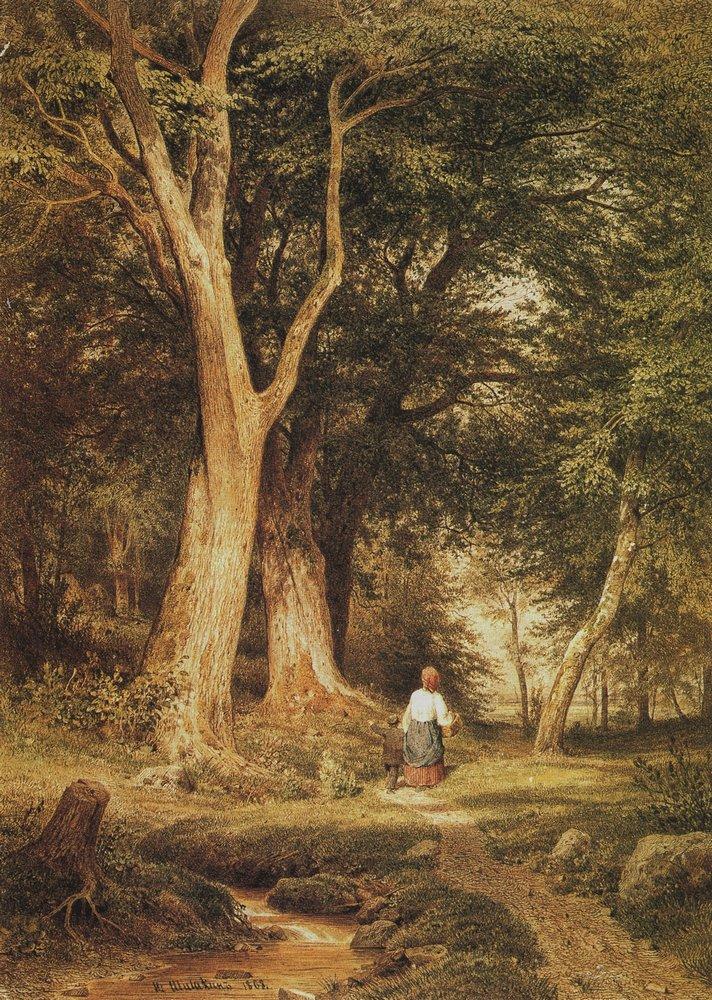
Cette semaine, notre article était une traduction du poème “Fils et mère” d’Alexandre Blok en français avec français et russe côte à côte accompagne de brèves notes biographiques sur l’auteur et la belle peinture d’Ivan Chichkine “Femme avec un garçon dans la forêt

A woman with a boy in the forest- by Ivan Shishkin -1868
A woman with a boy in the forest – by Ivan Shishkin -1868

Nous mettons beaucoup d’efforts dans la qualité des articles et traductions, soutenez-nous avec un like et un abonnement ou sponsorisez-nous si vous les aimez. Nous sommes aussi sur Facebook et Twitter


© 2023 Akirill.com – All Rights Reserved