Lettre ouverte de Constantin Simonov

Read in English

< < < J’ai dû être le plus têtu de tous (Ru/Fr) / I must have been the most stubborn of all (Ru/Eng) / Я, верно, был упрямей всех (Рус/Анг.) / (Рус/ Фра.)
Ivan Turgenev Demain ! Demain ! (Ru/Fr) / To-Morrow! To-Morrow! (Ru/Eng) / Тургенев Иван Завтра, завтра (Рус/Анг.) / (Рус/ Фра.) > > >


Bientôt va arriver l’anniversaire de la fin de la Seconde Guerre Mondiale.

Ce poème “Lettre Ouverte” est basé sur des évènements réels qui se sont déroulés sous les yeux de Constantin Simonov en 1943 dans la troisième armée du General Gorbatov.

Après un certain temps, un lieutenant supérieur décédé a reçu une lettre de sa femme contenant des informations que Simonov a reproduit dans son poème à la demande de ses camarades de combat.

Ce poème est empreint de douleur pour un camarade, de peur de la possibilité de vivre la même chose, et de reproche aux femmes infidèles.

Les paroles sont sous la video

Un grand merci a tous nos vétérans.

Константин Симонов — Открытое письмоConstantin Simonov – Lettre ouverte
Я вас обязан известить,
Что не дошло до адресата
Письмо, что в ящик опустить
Не постыдились вы когда-то.
Je suis obligé de vous informer,
Que la lettre déposée un jour sans honte dans la boîte aux lettres
n’est pas parvenue au destinataire.
Ваш муж не получил письма,
Он не был ранен словом пошлым,
Не вздрогнул, не сошел с ума,
Не проклял все, что было в прошлом.
Votre mari n’a pas reçu de lettre,
Il n’a pas été blessé par un mot vulgaire, Il n’a pas bronché, n’est pas devenu fou,
Il n’a pas maudit tout ce qui s’est passé dans le passé.
Когда он поднимал бойцов
В атаку у руин вокзала,
Тупая грубость ваших слов
Его, по счастью, не терзала.
Quand il a soulevé les combattants
Pendant l’attaque dans les ruines de la gare,
L’impolitesse contondante de vos paroles
ne l’a heureusement pas tourmenté.
Когда шагал он тяжело,
Стянув кровавой тряпкой рану,
Письмо от вас еще все шло,
Еще, по счастью, было рано.
Quand il marchait lourdement,
Tirant la plaie avec un chiffon ensanglanté,
Votre lettre arrivait encore,
Heureusement, il était encore tôt.
Когда на камни он упал
И смерть оборвала дыханье,
Он все еще не получал,
По счастью, вашего посланья.
Quand il est tombé sur les pierres
Et que la mort lui a coupé le souffle,
Il n’a heureusement pas encore reçu, votre message.
Могу вам сообщить о том,
Что, завернувши в плащ-палатки,
Мы ночью в сквере городском
Его зарыли после схватки.
Je peux vous dire que,
enveloppé dans des imperméables,
Nous l’avons enterré la nuit sur la place de la ville après le combat.
Стоит звезда из жести там
И рядом тополь — для приметы…
А впрочем, я забыл, что вам,
Наверно, безразлично это.
Il y a une étoile en étain là -bas
Et à côté se trouve un peuplier – pour un repére …
Mais, au fait, j’ai oublié que vous,
Probablement, ne vous en souciez pas.
Письмо нам утром принесли…
Его, за смертью адресата,
Между собой мы вслух прочли —
Уж вы простите нам, солдатам.
La lettre nous a été apportée le matin…
Après la mort du destinataire,
Nous l’avons lue à haute voix entre nous – Pardonnez-nous, soldats.
Быть может, память коротка
У вас. По общему желанью,
От имени всего полка
Я вам напомню содержанье.
Peut -être que votre mémoire est courte. Par volonté commune,
Au nom de tout le régiment,
je vous rappellerai le contenu.
Вы написали, что уж год,
Как вы знакомы с новым мужем.
А старый, если и придет,
Вам будет все равно ненужен.
Vous avez écrit que cela fait un an,
depuis que vous connaissez votre nouveau mari.
Et l’ancien, s’il vient,
vous sera complètement inutile.
Что вы не знаете беды,
Живете хорошо. И кстати,
Теперь вам никакой нужды
Нет в лейтенантском аттестате.
Que vous ne connaissez pas d’ennuis,
Vivez bien.  Et au fait,
vous n’avez plus besoin d’
un certificat de lieutenant maintenant.
Чтоб писем он от вас не ждал
И вас не утруждал бы снова…
Вот именно: «не утруждал»…
Вы побольней искали слова.
Aussi qu’il n’attende pas de lettres de votre part
Et qu’il ne vous dérange plus …
C’est vrai: “il n’a pas pris la peine” …
Vous cherchiez des mots plus douloureux.
И все. И больше ничего.
Мы перечли их терпеливо,
Все те слова, что для него
В разлуки час в душе нашли вы.
Et c’est tout. Et rien de plus.
Nous les avons comptés patiemment,
Tous ces mots que pour lui
A l’heure de la séparation vous avez trouvés dans votre âme.
«Не утруждай». «Муж». «Аттестат»…
Да где ж вы душу потеряли?
Ведь он же был солдат, солдат!
Ведь мы за вас с ним умирали.
“Ne t’ embêtes pas.” “Mari”. “Certificat” …
Mais où avez-vous perdu votre âme?
Après tout, c’était un soldat, un soldat !
Après tout, nous battions avec lui pour vous.
Я не хочу судьею быть,
Не все разлуку побеждают,
Не все способны век любить,—
К несчастью, в жизни все бывает.
Je ne veux pas être juge,
Tout le monde ne surmonte pas la séparation,
Tout le monde n’est pas capable d’aimer pour toujours, –
Malheureusement, tout arrive dans la vie.
Но как могли вы, не пойму,
Стать, не страшась, причиной смерти,
Так равнодушно вдруг чуму
На фронт отправить нам в конверте?
Mais comment avez-vous pu, je ne comprends pas,
Devenir, sans crainte, la cause de la mort,
Si indifféremment nous envoyer tout d’un coup une peste au front dans une enveloppe ?
Ну хорошо, пусть не любим,
Пускай он больше вам ненужен,
Пусть жить вы будете с другим,
Бог с ним, там с мужем ли, не с мужем.
Eh bien même s’il n’est pas aimé,
Qu’il ne soit plus nécessaire pour vous,
Que vous viviez avec un autre,
Dieu le bénisse, que ce soit avec votre mari, pas avec votre mari.
Но ведь солдат не виноват
В том, что он отпуска не знает,
Что третий год себя подряд,
Вас защищая, утруждает.
Mais après tout, le soldat n’est pas à blâmer
Pour le fait qu’il ne connaît pas les vacances,
Que pour la troisième année consécutive,
vous protéger, dérange.
Что ж, написать вы не смогли
Пусть горьких слов, но благородных.
В своей душе их не нашли —
Так заняли бы где угодно.
Eh bien, vous ne pouviez pas écrire
Laissez des mots amers, mais des mots nobles.
Ils n’ont pas été trouvés dans votre âme
Vous pouviez les trouver n’importe où.
В отчизне нашей, к счастью, есть
Немало женских душ высоких,
Они б вам оказали честь —
Вам написали б эти строки;
Dans notre patrie, heureusement, il y a
beaucoup de hautes âmes féminines,
elles vous feraient honneur –
elles vous écriraient ces lignes;
Они б за вас слова нашли,
Чтоб облегчить тоску чужую.
От нас поклон им до земли,
Поклон за душу их большую.
Elles auraient trouvé des mots pour vous,
Pour soulager la tristesse d’un autre.
Pour nous, prosternez-vous devant elles jusqu’au sol, prosternez-vous
pour leur grande âme.
Не вам, а женщинам другим,
От нас отторженным войною,
О вас мы написать хотим,
Пусть знают — вы тому виною,
Pas à vous, mais à d’autres femmes,
arrachées à nous par la guerre,
Nous voulons écrire sur vous,
Qu’elles sachent que vous êtes coupable,
Что их мужья на фронте, тут,
Подчас в душе борясь с собою,
С невольною тревогой ждут
Из дома писем перед боем.
Que leurs maris sont au front, ici,
Parfois se battant avec eux-mêmes dans leur âme,
Avec une anxiété involontaire, ils attendent des lettres
de chez eux avant la bataille.
Мы ваше не к добру прочли,
Теперь нас втайне горечь мучит:
А вдруг не вы одна смогли,
Вдруг кто-нибудь еще получит?
Nous n’avons pas lu la vôtre avec plaisir,
Maintenant nous sommes secrètement tourmentés par l’amertume :
Et si vous n’étiez pas la seule à pouvoir, Et si quelqu’un d’autre en recevait une ?
На суд далеких жен своих
Мы вас пошлем. Вы клеветали
На них. Вы усомниться в них
Нам на минуту повод дали.
Au jugement de nos épouses lointaines
Nous vous enverrons. 
Vous les avez calomnié.
Vous nous avez donné une raison 
de douter d’elles pendant une minute.
Пускай поставят вам в вину,
Что душу птичью вы скрывали,
Что вы за женщину, жену,
Себя так долго выдавали.
Qu’elles vous reprochent, D’avoir
caché l’âme d’un oiseau , Quel genre
de femme, d’épouse, Vous vous êtes
livrée pendant si longtemps.
А бывший муж ваш — он убит.
Все хорошо. Живите с новым.
Уж мертвый вас не оскорбит
В письме давно ненужным словом.
Et votre ex-mari est mort.
Tout va bien. Vivez avec le nouveau.
Déjà les morts ne vous offenseront pas
Dans une lettre pendant longtemps un mot inutile.
Живите, не боясь вины,
Он не напишет, не ответит
И, в город возвратись с войны,
С другим вас под руку не встретит.
Vivez sans crainte de culpabilité,
Il n’écrira pas, ne répondra pas
Et, de retour à la ville de la guerre,
Il ne vous rencontrera pas au bras d’un autre.
Лишь за одно еще простить
Придется вам его — за то, что,
Наверно, с месяц приносить
Еще вам будет письма почта.
Seulement une chose de plus à pardonner ,
vous devrez lui pardonner – pour le fait que, probablement pendant des mois, on vous apportera encore des lettres de la poste.
Уж ничего не сделать тут —
Письмо медлительнее пули.
К вам письма в сентябре придут,
А он убит еще в июле.
Il n’y a rien qui peut être fait ici –
Une lettre est plus lente qu’une balle.
Des lettres vous parviendront en septembre,
et il a été tué en juillet.
О вас там каждая строка,
Вам это, верно, неприятно —
Так я от имени полка
Беру его слова обратно.
Chaque ligne parle de vous,
c’est probablement désagréable pour vous –
Alors au nom du régiment
je retire ses propos.
Примите же в конце от нас
Презренье наше на прощанье.
Не уважающие вас
Покойного однополчане.
Acceptez à la fin de notre part,
notre mépris de la séparation. 
Des camarades soldats
qui ne vous respectent pas .
По поручению офицеров полка
К. Симонов
___________________________
[Женщине из города Вичуга]
Au nom des officiers du régiment
K. Simonov
_____________________
[À une femme de la ville de Vichuga]

< < < J’ai dû être le plus têtu de tous (Ru/Fr) / I must have been the most stubborn of all (Ru/Eng) / Я, верно, был упрямей всех (Рус/Анг.) / (Рус/ Фра.)
Ivan Turgenev Demain ! Demain ! (Ru/Fr) / To-Morrow! To-Morrow! (Ru/Eng) / Тургенев Иван Завтра, завтра (Рус/Анг.) / (Рус/ Фра.) > > >

Nous mettons beaucoup d’efforts dans la qualité des articles et traductions, soutenez-nous avec un like et un abonnement ou sponsorisez-nous si vous les aimez. Nous sommes aussi sur Facebook et Twitter


Lire Nos Derniers Posts

© 2022 Akirill.com – All Rights Reserved

Konstantin Simonov – Open Letter

Lire en Français

< < < J’ai dû être le plus têtu de tous (Ru/Fr) / I must have been the most stubborn of all (Ru/Eng) / Я, верно, был упрямей всех (Рус/Анг.) / (Рус/ Фра.
Ivan Turgenev Demain ! Demain ! (Ru/Fr) / To-Morrow! To-Morrow! (Ru/Eng) / Тургенев Иван Завтра, завтра (Рус/Анг.) / (Рус/ Фра.) > > >


Soon will come the anniversary of the end of the Second World War.

This poem “Open Letter” is based on real events that took place under the eyes of Konstantin Simonov in 1943 in General Gorbatov’s Third Army.

After some time, a deceased senior lieutenant received a letter from his wife containing information, which Simonov reproduced in his poem at the request of his combat comrades.

The poem is imbued with pain for a comrade, fear of the possibility of experiencing the same thing, a reproach to unfaithful women.

The lyrics are under the video

A big thank you to all our veterans.

Константин Симонов — Открытое письмоKonstantin Simonov – Open Letter
Я вас обязан известить,
Что не дошло до адресата
Письмо, что в ящик опустить
Не постыдились вы когда-то.
I am obliged to inform you,
That the letter dropped one day without shame in the mail box
did not reach the addressee.
Ваш муж не получил письма,
Он не был ранен словом пошлым,
Не вздрогнул, не сошел с ума,
Не проклял все, что было в прошлом.
Your husband did not receive a letter,
He was not wounded by a vulgar word , He did not flinch, did not go mad,
He did not curse everything that happened in the past.
Когда он поднимал бойцов
В атаку у руин вокзала,
Тупая грубость ваших слов
Его, по счастью, не терзала.
When he raised the fighters
During the attack in the ruins of the station,
The blunt rudeness of your words
fortunately, did not torment him.
Когда шагал он тяжело,
Стянув кровавой тряпкой рану,
Письмо от вас еще все шло,
Еще, по счастью, было рано.
When he walked heavily,
Pulling the wound with a bloody rag,
The letter from you was still coming,
Fortunately, it was still early.
Когда на камни он упал
И смерть оборвала дыханье,
Он все еще не получал,
По счастью, вашего посланья.
When he fell on the stones
And death cut off his breath,
Fortunately, he did not yet receive,
your message.
Могу вам сообщить о том,
Что, завернувши в плащ-палатки,
Мы ночью в сквере городском
Его зарыли после схватки.
I can tell you that,
wrapped in raincoats,
We buried him at night in the city square after the fight.
Стоит звезда из жести там
И рядом тополь — для приметы…
А впрочем, я забыл, что вам,
Наверно, безразлично это.
There is a star made of tin there
And next to it is a poplar – for a landmark …
But, by the way, I forgot that you,
Probably, do not care about this.
Письмо нам утром принесли…
Его, за смертью адресата,
Между собой мы вслух прочли —
Уж вы простите нам, солдатам.
The letter was brought to us in the morning …
After the death of the addressee,
We read it aloud between ourselves –
Forgive us, soldiers.
Быть может, память коротка
У вас. По общему желанью,
От имени всего полка
Я вам напомню содержанье.
Perhaps your memory is short. 
By common wish,
On behalf of the whole regiment,
I will remind you of the content.
Вы написали, что уж год,
Как вы знакомы с новым мужем.
А старый, если и придет,
Вам будет все равно ненужен.
You wrote that it’s been a year,
since you’ve known your new husband.
And the old one, if he comes,
will still be unnecessary to you.
Что вы не знаете беды,
Живете хорошо. И кстати,
Теперь вам никакой нужды
Нет в лейтенантском аттестате.
That you do not know trouble,
Live well. And by the way,
you don’t need
a lieutenant’s certificate anymore.
Чтоб писем он от вас не ждал
И вас не утруждал бы снова…
Вот именно: «не утруждал»…
Вы побольней искали слова.
So that he doesn’t expect letters from you
And he doesn’t bother you anymore …
That’s right: “he didn’t bother” …
You were looking for more painful words.
И все. И больше ничего.
Мы перечли их терпеливо,
Все те слова, что для него
В разлуки час в душе нашли вы.
And that’s it. And nothing more.
We counted them patiently,
All those words that for him
In the hour of separation you found in your soul.
«Не утруждай». «Муж». «Аттестат»…
Да где ж вы душу потеряли?
Ведь он же был солдат, солдат!
Ведь мы за вас с ним умирали.
“Don’t bother.” “Husband”. “Certificate” …
But where did you lose your soul?
After all, he was a soldier, a soldier!
After all, we were fighting with him for you.
Я не хочу судьею быть,
Не все разлуку побеждают,
Не все способны век любить,—
К несчастью, в жизни все бывает.
I don’t want to be a judge,
Not everyone overcomes separation,
Not everyone is able to love forever, –
Unfortunately, everything happens in life.
Но как могли вы, не пойму,
Стать, не страшась, причиной смерти,
Так равнодушно вдруг чуму
На фронт отправить нам в конверте?
But how could you, I don’t understand,
Become, without fear, the cause of death,
So indifferently suddenly
send us a plague to the front in an envelope?
Ну хорошо, пусть не любим,
Пускай он больше вам ненужен,
Пусть жить вы будете с другим,
Бог с ним, там с мужем ли, не с мужем.
Well, let’s not love,
Let him be no longer needed for you,
Let you live with another,
God bless him, whether with her husband, not with her husband.
Но ведь солдат не виноват
В том, что он отпуска не знает,
Что третий год себя подряд,
Вас защищая, утруждает.
But after all, the soldier is not to blame
For the fact that he does not know the holidays,
That for the third year in a row,
protecting you, bothers.
Что ж, написать вы не смогли
Пусть горьких слов, но благородных.
В своей душе их не нашли —
Так заняли бы где угодно.
Well, you could not write
Let bitter words, but noble ones.
They were not found in your souls –
You could have found them anywhere.
В отчизне нашей, к счастью, есть
Немало женских душ высоких,
Они б вам оказали честь —
Вам написали б эти строки;
In our homeland, fortunately, there are
many high female souls,
They would do you honor –
they would write these lines to you;
Они б за вас слова нашли,
Чтоб облегчить тоску чужую.
От нас поклон им до земли,
Поклон за душу их большую.
They would have found words for you,
To alleviate someone else’s sadness.
From us bow to them to the ground,
Bow down for their great soul.
Не вам, а женщинам другим,
От нас отторженным войною,
О вас мы написать хотим,
Пусть знают — вы тому виною,
Not to you, but to other women,
torn away from us by the war,
We want to write about you,
Let them know that you are to blame,
Что их мужья на фронте, тут,
Подчас в душе борясь с собою,
С невольною тревогой ждут
Из дома писем перед боем.
That their husbands are at the front, here,
Sometimes fighting with themselves in their souls,
With involuntary anxiety, they wait for
letters from home before the battle.
Мы ваше не к добру прочли,
Теперь нас втайне горечь мучит:
А вдруг не вы одна смогли,
Вдруг кто-нибудь еще получит?
We didn’t read yours with pleasure.
Now we are secretly tormented by bitterness:
What if you weren’t the only one who could, What if someone else gets it?
На суд далеких жен своих
Мы вас пошлем. Вы клеветали
На них. Вы усомниться в них
Нам на минуту повод дали.
To the judgment of our distant wives
We will send you. 
You slandered them.
You gave us a reason to doubt them for a minute.
Пускай поставят вам в вину,
Что душу птичью вы скрывали,
Что вы за женщину, жену,
Себя так долго выдавали.
Let them blame you,
That you hid the soul of a bird ,
What kind of woman, wife,
You gave yourself away for so long.
А бывший муж ваш — он убит.
Все хорошо. Живите с новым.
Уж мертвый вас не оскорбит
В письме давно ненужным словом.
And your ex-husband is dead.
Everything is fine.  Live with the new.
Already the dead will not offend you
In a letter for a long time an useless word.
Живите, не боясь вины,
Он не напишет, не ответит
И, в город возвратись с войны,
С другим вас под руку не встретит.
Live without fear of guilt,
He will not write, will not answer
And, back in the city from war,
He won’t meet you arm in arm with another.
Лишь за одно еще простить
Придется вам его — за то, что,
Наверно, с месяц приносить
Еще вам будет письма почта.
Only for one more thing to forgive,
you will have to forgive him – for the fact that, probably for months, letters will still be brought to you from the post office.
Уж ничего не сделать тут —
Письмо медлительнее пули.
К вам письма в сентябре придут,
А он убит еще в июле.
There’s nothing to be done here –
A letter is slower than a bullet.
Letters will reach you in September,
and he was killed in July.
О вас там каждая строка,
Вам это, верно, неприятно —
Так я от имени полка
Беру его слова обратно.
Every line talks about you,
it’s probably unpleasant for you –
So on behalf of the regiment
I withdraw his remarks.
Примите же в конце от нас
Презренье наше на прощанье.
Не уважающие вас
Покойного однополчане.
Accept in the end from us,
our contempt at parting. 
Fellow soldiers
who do not respect you.
По поручению офицеров полка
К. Симонов
___________________________
[Женщине из города Вичуга]
On behalf of the officers of the regiment
K. Simonov
_____________________
[To a woman from the city of Vichuga]

< < < J’ai dû être le plus têtu de tous (Ru/Fr) / I must have been the most stubborn of all (Ru/Eng) / Я, верно, был упрямей всех (Рус/Анг.) / (Рус/ Фра.
Ivan Turgenev Demain ! Demain ! (Ru/Fr) / To-Morrow! To-Morrow! (Ru/Eng) / Тургенев Иван Завтра, завтра (Рус/Анг.) / (Рус/ Фра.) > > >


We put a lot of effort into the quality of the articles and translations, support us with a like and a subscription or sponsor us if you like them. We are also on Facebook and Twitter

Read Our Latest Posts

© 2022 Akirill.com – All Rights Reserved

Constantin Mikhaïlovitch Simonov

Read in English

Constantin Mikhaïlovitch Simonov (Константин Михайлович Симонов) est né le 15 (28) novembre 1915 à Petrograd. Simonov est un célèbre écrivain, poète et journaliste. Ses oeuvres écrites pendant les années de guerre reflétaient non seulement la réalité mais aussi une sorte de prière. Un exemple serait le poème, “Attends moi” composé pendant l’été 1941 et dédié à Valentina Serova qui encore à ce jours donne espoir aux soldats sur les champs de batailles.

Sa mère, la princesse Alexandra Obolenskaya, a consacré sa vie à élever son fils. Son père, le général de division Mikhail Simonov n’est pas revenu du front pendant la première guerre mondiale.

Le vrai prénom de Simonov était Cyril (Кирилл) mais suite à des problèmes de prononciations, il fut changé pour Konstantin.

En 1919, sa mère a déménagé a Riazan et épousée Alexander Ivanishev qui est un professeur militaire. Il a joué un role très important dans la vie de Konstantin Simonov.

L’enfance de Konstantin s’est passée dans les camps militaires. Après avoir terminé sa 7eme année d’école, il est entré à l’école d’usine FZU, puis a travaillé comme tourneur sur métal, d’abord à Saratov, puis à Moscou où la famille a déménagé en 1931.

Il a continué à travailler un an après son entré en 1935 à l’institut littéraire nommé d’après A. M. Gorky, puis suivit ses études à temps plein. En 1936 ses premiers poèmes sont publiés dans les magasines “Young Guard” et “October”

En 1938, il est diplômé de l’institut littéraire et est admis à l’Union des écrivains de l’URSS. Son oeuvre “Pavel Cherny est aussi publiée cette année là.

Tout au long de la Seconde Guerre mondiale, Simonov a travaillé comme correspondant de guerre. Il a participé aux principales batailles de l’armée soviétique, a visité tous les fronts, et a assisté à la prise de Berlin. En 1942, il a reçu le grade de commissaire principal du bataillon et en 1943 le grade de lieutenant colonel, puis colonel après la fin de la guerre. Konstantin a parlé de l’héroisme des soldats russe et des difficultés de la vie en premiere ligne. Pendant les années de guerre, il a écrit “Peuple russe”, “Attends-moi”, “Ainsi ce sera”, ainsi que l’histoire “Des jours et des nuits” et deux recueils de poèmes “Avec toi et sans toi” et “La guerre”

Après la guerre Simonov est devenu l’auteur de nombreux romans, nouvelles, pièces de théâtre et poèmes, mais il a aussi été le rédacteur en chef du magazine Novy Mir, puis Literaturnaya Gazeta.

De nombreux films emblématiques ont été réalisés sur la base des livres de Konstantin Simonov, tel que “Un gars de notre ville” en 1942, “La garnison immortelle” en 1956, “Les vivants et les morts” en 1964, “Retribution” en 1967, et bien d’autre encore.

Автор: ИринаЯ – File:Симонов К М памятник слева Саратов.jpg, CC BY-SA 4.0,

Il a été marié quatre fois et a eu un fils et deux filles de ses différent marriages.

Simonov est décédé le 28 aout 1979 a l’âge de 63 ans, d’un cancer du poumon. Son corps a été incinéré. Ses cendres ont été dispersées sur le champs de Buinichsky où une bataille terrible avait eu lieu. A ce sujet il a écrit:

Je n’étais pas un soldats, j’étais juste un correspondant, mais j’ai un terrain que je n’oublierai pas pendant un siècle – un champs près de Moguilev, où pour la première fois en juillet 1941 j’ai vu comment le notre était assommé et brulé en un jour 39 chars allemands…

Un monument a été érigé pour lui à l’école professionnelle n 2 de Saratov en 1980, ainsi que plusieurs plaques commémoratives à Riazan, Saratov et Moscou. De plus plusieurs villes ont nommé des rues en son honneur.

Soutenez le blog – laissez un commentaire, levez le doigt, et pour à qui ce n’est pas difficile – republiez l’entrée sur l’un de vos réseaux sociaux, cela soutiendra le blog, merci.
Abonnez-vous pour ne rien manquer

Sources:

Биография Константина Симонова

Биография Константина Симонова

Симонов, Константин Михайлович

Константин Симонов – биография, новости, личная жизнь

Краткая биография Симонова Константина Михайловича

Константин Симонов

Константин Симонов

Hermitage Virtual Tour

Lire en français

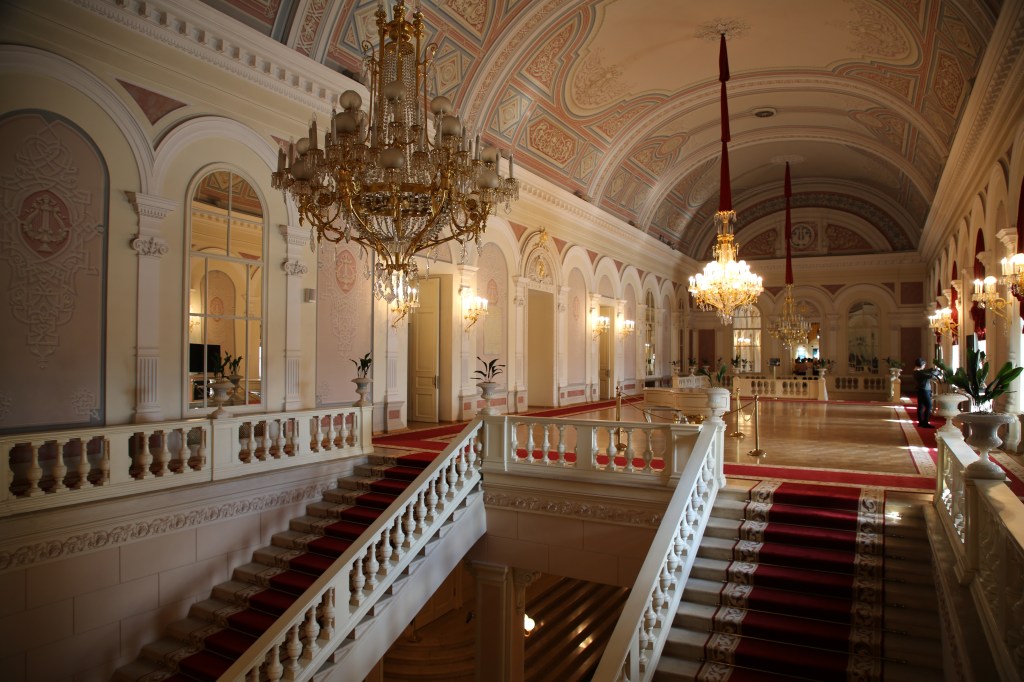
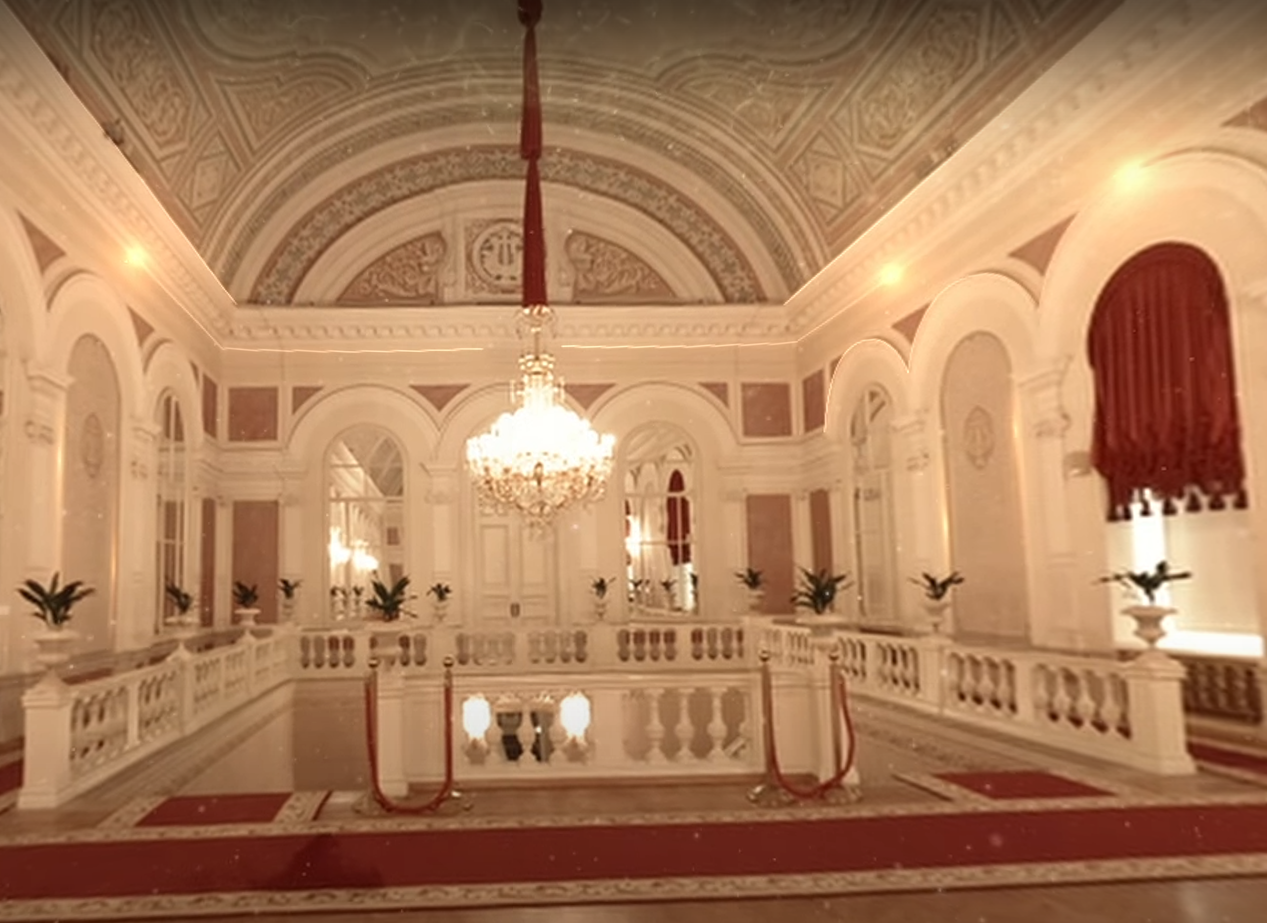
The Hermitage Museum is one of the most famous museums in Saint Petersburg, Russia. It is dedicated to fine and decorative arts and is magnificent.

Sometimes unfortunately it is difficult for us to visit a museum which is in a different country but now we can do it thanks to their virtual visit. A big thank you to the Hermitage because it is worth the effort. It is really beautiful

Visit the Hermitage virtually

This is the first page you will see, in English or Russian. You can refer to this site to read it in English if you do not understand how to switch the languages but it is the last before search on the menu bar.

Next we see the tours available. To visit them, just click on the image (Not mine, on their site) To do this, click on one of the bars saying “Visit the Hermitage virtually”. It will take you to their site.

Visit the Hermitage virtually

After you click on the first image you will see the next one. Just click on a number and start visiting. You can enlarge or shrink by moving the small wheel of your mouse.

Visit the Hermitage virtually

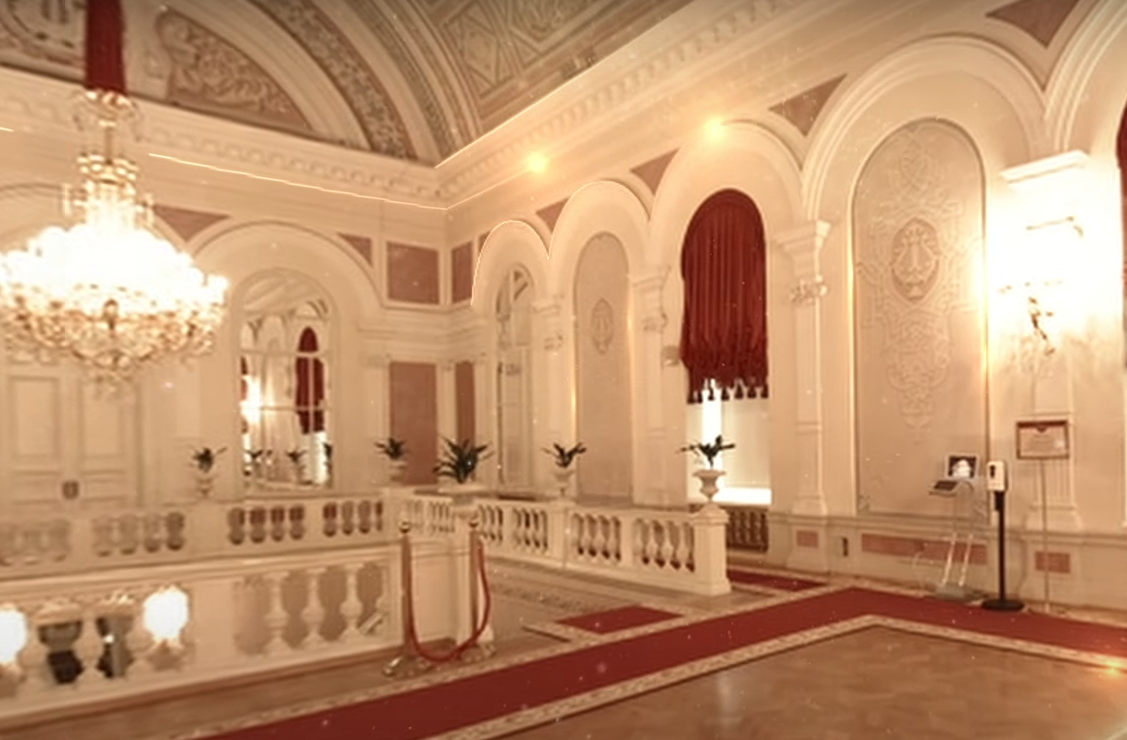
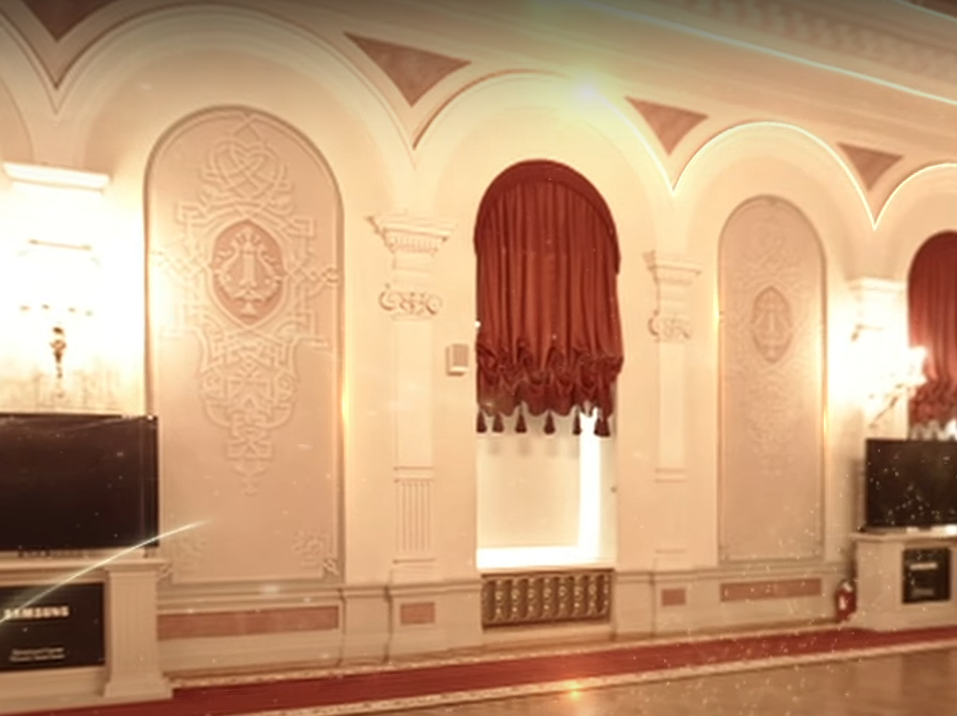
These are random images taken from my visit. As you will see sometimes you can get details of what you are watching. I took several screenshots from afar and for some images, I got closer and asked for information. Sorry it is written in French which it will definitively not be in your browser

Visit the Hermitage virtually

A closer view of the statue

Visit the Hermitage virtually

I pressed the “i” to find out what it was. (The Jadwiga Jagellon Box)

I hope you will enjoy this museum as much as I do and that this article will be useful to you.

If you liked this article, don’t forget to like and share.
Subscribe to not miss anything

The history of the Hermitage

Lire en Français

The State Hermitage or Imperial Hermitage before 1918, is located in Saint Petersburg. It is one of the most important museums not only in Russia but in the whole world.

Its collection includes more than 3 million objects collected, which are works of art and monuments of world culture from the Stone Age to the present day. The total area of ​​the Hermitage is more than 230,000 square meters, of which more than 65,000 are occupied by exhibition spaces.

State Hermitage Museum

The museum is located in 5 main buildings interconnected and forming a single museum complex.

Hermitage museum complex seen from above

The Hermitage was founded on December 7, 1764 by Russian Empress Catherine II. This superb museum began its history with the purchase of a private collection comprising 317 precious paintings, which was initially housed in a special wing of the palace which was called the Hermitage. Now this square is known as the Small Hermitage. The collection contained paintings by Dick Van Baburen, Hendrik Van Balen, Rembrandt Van Rijn and many other famous artists. To date, there are at least 96 of these early paintings exhibited in the Hermitage. This collection grew to include the painting collection of Baron Pierre Crozat in 1772, that of British Prime Minister Walpole in 1779 and that of Count Baudouin in 1781, but it also contained the libraries of Diderot and Voltaires, cameos and other treasures.

Hermitage Winter palace

Over time the collection grew and after some time the original premises in which the works of art were stored proved to be insufficient, so from 1771 to 1787 the large Hermitage was built. The new building was intended to house the palace’s art collections. In addition, the Hermitage had one of the oldest theaters in Saint Petersburg and Russia, which was built in 1783.

Emperor's Throne
Emperor’s Throne

The idea of ​​transforming the Hermitage into a public museum came from Nicolas I who contributed significantly to the reconstitution of the museum’s art gallery.

But it will not be until February 5 (17), 1852 with a considerably expanded collection that the Hermitage will open to the public. For this a new building called the New Hermitage was built.

Hebe
Hebe

At that time the Hermitage already possessed the richest collections of monuments of ancient, oriental, Egyptian, and medieval cultures of Western and Eastern European art. The museum also contained archaeological and artistic monuments of Asia and Russian culture from the 8th to the 18th centuries.

Now the museum consists of 5 interconnected buildings. The Winter Palace , which was once the main imperial palace. The Small Hermitage (North and South Pavilions, and the Hanging Garden). The Great Hermitage also called the Old Hermitage, the Hermitage Theater built on Peter I’s Winter Palace, which has been partially preserved, and the New Hermitage .

Going out at the falconry

The Winter Palace Reserve House which is a late 19th century mansion and the Hermitage garage built in 1911 for Emperor Nicholas II are included in the complex of Hermitage buildings as Dependencies.

tapestry interior museum Hermitage-Winter Palace

Additionally, the Hermitage has several other buildings including the Menshikov Palace which was built for the city’s first governor, Alexander Menshikov. This was the first stone building in Saint Petersburg. The Hermitage also uses the wing of the General Staff Building built in 1820, which is a museum exhibition complex, the Imperial Porcelain Factory Museum and the Stock Exchange Building on Vasilyevsky Island . The latter houses the Museum of the Russian Guard and Heraldry.

large Italian skylight hall

Another important part is the restoration and storage center of the State Hermitage, part of which offers us very interesting guided tours.

And finally, since spring 2020, because of the quarantines caused by the coronavirus, we can take virtual tours of this superb museum. We will see that in our next article.

If you liked this article, don’t forget to like and share.
Subscribe to not miss anything
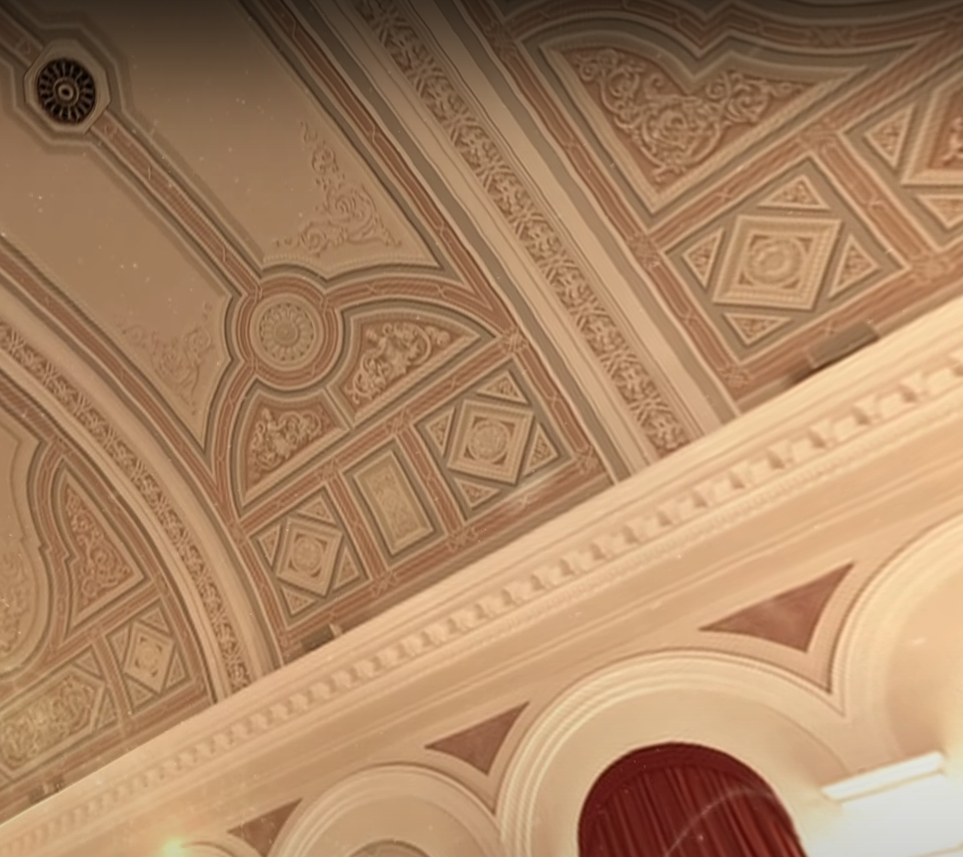
Hermitage ceilings
Hermitage ceilings

The modern Hermitage is located at Place Embankment, 32-38 (Main Museum Complex). It is open every day except Monday from 10:30 a.m. to 6 p.m., as well as Wednesdays and Fridays from 10:30 a.m. to 9 p.m.

Our Latest Posts

L’histoire de L’Ermitage

Read in English

L’Ermitage d’Etat ou Ermitage Impérial avant 1918, est situé à Saint Pétersbourg. C’est l’un des musées le plus important, non seulement en Russie mais, dans le monde entier.

Sa collection comprends plus de 3 millions d’objects rassemblés, qui sont des oeuvres d’art et des monuments de la culture mondiale de l’âge de pierre à nos jours. La superficie totale de l’Ermitage est de plus de 230 000 mètres carrés, dont plus de 65 000 sont occupés par des espaces d’expositions.

State Hermitage Museum

Le musée est situé dans 5 bâtiments principaux interconnectés et formant un seul complexe muséal.

Complexe du musée de l'Ermitage vu d'en haut
Complexe du musée de l’Ermitage vu d’en haut

L’Ermitage a été fondé le 7 décembre 1764 par l’impératrice russe Catherine II. Ce superbe musée a commencé son histoire avec l’achat d’une collection privée comprenant 317 peintures précieuses, qui a été initialement abritée dans une aile spéciale du palais qui s’appelait l’Ermitage. Maintenant, cette place est connue comme le Petit Ermitage. La collection contenait des peintures de Dick Van Baburen, Hendrik Van Balen, Rembrandt Van Rijn et bien d’autres célèbres artistes. A ce jour il reste au moins 96 de ces premières toiles exposées dans l’Ermitage. Cette collection s’est agrandie, incluant la collection de peinture du baron Pierre Crozat en 1772, celle du premier ministre Britannique Walpole en 1779 et, celle du comte Baudouin en 1781, mais elle contenait aussi les bibliothèques de Diderot et de Voltaires, des camées et autres trésors.

Hermitage Winter palace

Au fils du temps, la collection s’est agrandit et après un certain temps les locaux d’origine dans lesquelles les oeuvres d’art étaient stockées se sont avérés insuffisant, donc de 1771 à 1787 le grand Ermitage a été construit. Le nouveau bâtiment était destiné à abriter les collections d’arts du palais. De plus l’Ermitage possédait l’un des plus anciens théâtre de Saint Pétersbourg et de Russie qui a été construit en 1783.

Throne de l'empereur
Throne de l’empereur

L’idée de transformer l’Ermitage en musée publique revient a Nicolas I qui a contribué de manière significative à la reconstitution de la galerie d’art du musée.

Mais ce ne sera que le 5 (17) février 1852 avec une collection considérablement élargie que l’Ermitage ouvrira au public. Pour cela un nouveau bâtiment nommé le Nouvel Ermitage a été construit.

Hebe
Hebe

A cette époque l’Ermitage possédait déjà les plus riches collections de monuments des cultures antiques, orientales, égyptiennes, et médiévales de l’art de l’Europe occidentale et orientale. Le musée contenait aussi des monuments archéologiques et artistique de l’Asie et de la culture russe du VIII au XVIII siècles.

Maintenant le musée comprend 5 bâtiments reliés entre eux. Le Palais d’Hiver, qui était autrefois le principal palais imperial. Le Petit Ermitage (Pavillons Nord et Sud, et le Jardin Suspendu). Le Grand Ermitage aussi appelé l’Ancient Ermitage, le Théâtre de l’Ermitage construit sur le Palais d’Hiver de Pierre Ier, qui a partiellement été préservé et, le Nouvel Ermitage.

going out at the falconry

La Maison de Réserve du Palais d’Hiver qui est un manoir de la fin du XIXe siècle et, le garage de l’Ermitage construit en 1911 pour l’Empereur Nicolas II sont inclus dans le complexe des bâtiments de l’Ermitage en tant que dépendances.

tapestry interior museum Hermitage-Winter Palace

De plus, l’Ermitage dispose de plusieurs autres bâtiments dont le Palais Menchikov qui a été construit pour le premier gouverneur de la ville, Alexandre Menchikov. Celui-ci était le premier bâtiment en Pierre de Saint Pétersbourg. L’Ermitage utilise aussi l’aile du bâtiment de l’Etat-major générale construit en 1820, qui est un complexe d’exposition muséale, le musée de la fabrique impériale de porcelaine et, le bâtiment de la bourse sur l’ile Vassilievski. Ce dernier abrite le musée de la garde et de l’héraldique russes.

large Italian skylight hall

Une autre partie importante est le centre de restauration et de stockage de l’Ermitage d’Etat dont une partie nous offre de très intéressantes visites guidées.

Portrait of a young woman

Et finalement, depuis le printemps 2020, à cause des quarantaines provoquées par le coronavirus, nous pouvons effectuer des visites virtuelles de ce superbe musée. Nous verrons cela dans notre prochain article.

Si vous avez aimé cet article, n’oublier pas d’aimer et de partager.
Abonnez-vous pour ne rien manquer

Plafonds de l'Ermitage
Plafonds de l’Ermitage

L’Ermitage moderne est situé Place Embankment, 32-38 (Main Museum Complex). Il est ouvert tous les jours sauf le lundi de 10h30 a 18h00, ainsi que les mercredis et vendredis de 10h30 a 21h00

Avez-vous lu nos derniers posts?

Regardez de merveilleuses oeuvres d’art de Pâques

Read in English

Observez les artefacts de Pâques à l’Ermitage. Même si la vidéo n’est pas en Français, elle est superbe et vaut la peine d’être regardée.

https://zen.yandex.ru/video/watch/6262ef6613f8c8618c8bb308?t=7

Aller à la Vidéo

Quelques captures d’écran de la vidéo

Si vous avez aimé cet article, n’oublier pas d’aimer et de partager.
Abonnez-vous pour ne rien manquer
Nos Derniers Posts

Watch Great Easter artifacts

Lire en Français

Watch Easter artifacts in the Hermitage. Even though the video is not in English it is beautiful and worth watching.

https://zen.yandex.ru/video/watch/6262ef6613f8c8618c8bb308?t=7

Go to the Video

A few screenshots from the video

If you liked this article, don’t forget to like and share.
Subscribe to not miss anything

Our Latest Posts

Qui est le premier cosmonaute et d’où vient-il?

Read in English

Les étoiles et les cieux ont toujours fasciné les hommes. Galileo Galilei a été le premier à observé le cosmos à travers un télescope, mais il a fallu plus de quatre siècles avant que nous puissions voyager dans l’espace.

Youri Alekseevitch Gagarine est devenu la première personne de l’histoire du monde à voler dans l’espace le 12 avril 1961. Sa fusée porteuse le “Vostok” avec son navire le “Vostok”, ont été lancé depuis le cosmodrome de Baïkonour. Le premier cosmonaute est resté dans l’espace 108 minutes à quelques 327 kilomètres au-dessus de la terre, a fait le tour de la planète et, a atterri avec succès dans la région de Saratov, près de la ville d’Engels.

Youri Gagarine est un héro de l’Union Soviétique, titulaire des plus hautes distinctions de plusieurs Etats et citoyen d’honneur de nombreuses villes russes et étrangères.

Youri Gagarine, le premier homme dans l'espace
Youri Gagarine, le premier homme dans l’espace

Youri Alekseevitch Gagarine est né le 9 mars 1934, dans le petit village de Klushino, dans la région occidentale de l’URSS (aujourd’hui la région de Smolensk), dans une famille de paysans riches. Le future cosmonaute était le troisième de 4 enfants. Il avait 2 frères et une sœur.

Son enfance a été calme et joyeuse. Il avait l’amour et l’attention de ses parents et a été initié à la menuiserie par son père. Malheureusement la Grande Guerre Patriotique (deuxième guerre mondiale) a mis fin à cela. Son village a été occupé par l’armée Allemande le 12 octobre 1941 et il a du vivre dans son jardin abrité par une pirogue sans aller à l’école jusqu’à ce que l’Armée Rouge le libère le 9 avril 1943. Il a vu son père se faire battre et être forcé à travailler pour les allemands , et son frère aîné Valentin ainsi que sa sœur aînée Zoya ont été emmenés par l’armée Allemande pendant leur retraite. Il s’est toujours rappelé des mères chassées avec des crosses de fusil pour les empêcher de protéger leur enfants, bien qu’il ait refusé de parler de cette période de sa vie.

En 1943 après la libération de leur village par l’Armée rouge, les Gagarine ont déménagé à Gzhatsk (maintenant ville de Gagarine), où Youri a poursuivi ses études dans une école locale. Youri était un garçon très curieux qui étudia tous les sujets, ainsi que la musique, l’art et la photographie.

En mai 1949, après avoir obtenu son diplôme de sixième année Youri qui a 15 ans a été poursuivre ses études à Moscou, dans l’école professionnelle Lyubersty n 10. En même temps, il jouait aussi de la trompette dans une fanfare, participait à des spectacles amateurs et allait à l’école du soir de la jeunesse ouvrière. Il reçu son diplôme de la septième année de l’école du soir en mai 1951, et celui de mouleur-fondeur avec honneurs en juin 1951.

C’est en 1951 qu’il a déménagé à Saratov, où il poursuivit ses études dans une école technique et c’est là qu’il tomba amoureux de l’idée de voler. En 1955, il reçut son diplôme avec mention et effectua son premier vol solo sur l’avion Yak-18.

Youri Gagarine, le premier homme dans l'espace
Youri Gagarine, le premier homme dans l’espace

Le 27 octobre 1955, Gagarine est enrôlé dans l’armée soviétique et est envoyé à la première école d’aviation militaire pour pilotes dans la ville de Chkalov (maintenant Orenbourg). Youri Gagarine avait les meilleures scores dans toutes les disciplines mais il ne pouvait pas maitriser le moment de l’atterrissage. Il a failli être renvoyer de l’école mais, au dernier moment on s’est aperçu que sa petite taille était le problème et, lui a donné une chaise avec une doublure épaisse, ce qui a tout résolu. Le 25 octobre 1957, Youri est diplômé de l’université et quelques jours plus tard il épousa Valentina Ivanovna Goryacheva puis, commença à servir dans la région de Mourmansk en 1957.

A cette époque la concurrence pour l’espace entre les Etats Unis et l’Union Soviétique battait son plein. Et déjà le 5 janvier 1959 Conseil des ministres pris la décision de recruter 20 cosmonautes. Le 9 décembre 1958, Gagarine rédigea un rapport demandant a être inclus dans le groupe de candidats cosmonautes, et une semaine plus tard, il subit un examen médical et fut reconnu apte au vol spatial. C’était une très joyeuse période pour lui puisque sa première fille Lena est née cette même année. Youri était un très bon père de famille et en mars 1961, un mois avant son vol héroïque il a eu une deuxième fille, Galya.

Sur les 20 candidats, seulement 6 ont été sélectionnés. Youri Gagarine, German Titov, Grigory Nelyubov, Andriyan Nikolaev, Pavel Popovich et, Valery Bykovsky ont tous eu la chance de se préparer pour le premier vol spatial pendant la période de décembre 1960 à janvier 1961 dans la ville de Joukovski.

Gagarine a commencé son entrainement le 25 mars 1960. Malgré une concurrence sérieuse, Youri a réussi à vaincre tous ses rivaux. Il ne ressentait aucune jalousie, était toujours honnête avec tout le monde, et avait une attitude positive. Du reste dans un sondage anonyme des candidats, et malgré le fait qu’ils étaient ses concurrents presque tous l’ont nommé le meilleur candidat au vol spatial.

Youri Gagarine, le premier homme dans l'espace
Youri Gagarine, le premier homme dans l’espace

Finalement, la décision a été prise et Gagarine a été désigne la personne la plus apte au premier vol dans l’espace. Il y avait de nombreuse raison à cela, mais les plus importantes étaient sa combinaison de compétences, de traits de characters et de stabilité psychologique. De plus il avait une apparence Slave prononcée et une biographie impeccable. Et enfin, il était aussi un très bon example du fait qu’en Union Soviétique, même une personne ordinaire pouvait devenir astronaute.

Un grand problème causé par la concurrence entre les Etats Unis et l’Union Soviétique pour envoyer le premier homme dans l’espace, était la sécurité de l’homme qui serait envoyé. Le vol de Youri dans le vaisseau spatial Vostok était dangereux car en raison de la précipitation, les concepteurs n’ont eu le temps d’installer ni le système d’attérissage en douceur ni celui de sauvetage d’urgence.

Le 12 avril 1961 a 09h07 heure de Moscou, finalement , le lancement tant attendu a été effectué depuis le cosmodrome de Baïkonour. L’indicatif d’appel de Gagarine était “Kedr” et celui du chef de l’equipe de lancement “tireur”.

Au tout début de la montée en puissance de la fusée, Gagarine a dit “allons-y!” (поехали) Les problèmes avec l’équipement ont commencé rapidement et, Gagarine a grimpé 100 kilomètres plus haut qu’initialement prévu . Heureusement, cela a été sans conséquence grave car il n’y a pas eu de problème avec le système de freinage. Sans cela l’astronaute serait resté plus d’un mois dans l’espace alors qu’il n’avait que 10 jours d’eau et de nourriture.

En orbite, Gagarine a rendu compte de ses sensations, de l’état du vaisseau, et de ses observations. Il a apprécié la vue de la terre de l’espace, et a enregistré les mots suivants sur le magnétophone de bord:

“J’observe les nuages au-dessus de la Terre, de petits cumulus et des ombres a partir d’eux. Belle, beauté! … Attention. Je vois l’horizon de la terre. Une si belle auréole. Tout d’abord, un arc-en-ciel de la surface même de la Terre et vers le bas. Un tel arc-en-ciel passe. Très beau!”

Capsule Автор: SiefkinDR - собственная работа, CC BY-SA 3.0,
Capsule Автор: SiefkinDR – собственная работа, CC BY-SA 3.0,

Il a aussi fait de simples expériences, comme manger, boire, et prendre des notes avec un crayon. En posant celui-ci, il a découvert que le crayon commençait instantanément à flotter. En plus il a aussi enregistré tous ses sentiments et ses observations ce qui nous permet de partager ce moment historique pour l’humanité.

Un autre fait intéressant doit être mentionné ici. Avant le premier vol habité dans l’espace, on ne savait pas comment une personne allait réagir. Donc par sécurité une protection spéciale a été prévue, pour que le premier cosmonaute n’essait pas de contrôler le vol de la navette spéciale ou d’endommager l’équipement s’il était pris d’une crise de folie. Pour activer le control manuel, il devait ouvrir une enveloppe scellée et résoudre un problème mathématique dont la solution produisait un code de déverrouillage du panneau de commande.

A la fin du vol, un autre problème est survenu et le system de freinage n’a pas fonctionné correctement. A cause de cela, le vaisseau a culbuté au hasard à une vitesse d’une rotation par seconde pendant une minute. Puis le vaisseau a finit sa descente et Gagarine conformément au plan de vol s’est éjecté à une altitude de 7 kilomètres. Il a atterri près des villages de Smelovka et de Podgornoye dans la région de Saratov après un vol héroïque de 106 minutes. Son plus grand rêve c’était réalisé, non seulement il a été dans l’espace mais il a été le premier homme à le faire.

Etonnamment, le vol a été complètement secret et même les médias ne l’ont appris que le jour d’après. Par contre, dés que l’information est devenue disponible Gagarine est immédiatement devenu une star mondiale.

Youri Gagarine, le premier homme dans l'espace
Youri Gagarine, le premier homme dans l’espace

Le lendemain il a reçu le titre de héros de l’Union Soviétique et un mois plus tard, il a été envoyé à l’étranger pour une mission de paix, où il devait visiter plus de 20 pays. Gagarine était un homme plein de tact et de charme et son charisma personnel a beaucoup contribué à renforcer l’image positive de l’URSS. Au cours des années suivantes, Youri Gagarine s’est principalement engagé dans des activités sociales et a fait beaucoup d’effort pour populariser l’aéronautique qui était sa passion. Il se préparait aussi à devenir un membre de l’équipage de l’espace lunaire malheureusement, il est mort avant que cela arrive

Youri Gagarine est rapidement tombé malade de la maladies des étoiles. Il a commencé à consacrer de plus en plus de temps à travailler au centre de formation des cosmonautes devenant le commandant du corps des cosmonautes le 23 mai 1961. A l’automne 1961, il est entré au N. E. Joukovski pour obtenir une éducation supérieure. En 1964, il est devenu directeur adjoint du centre d’entrainement des cosmonautes et a été nommé commandant du corps des cosmonautes soviétiques, L’été 1966, il est lui même retourné à l’entrainement au vol et a commencé à se préparer pour un nouveau vol spatial dans le cadre du programme Soyouz. Il est nommé doublure de Komarov, qui a effectué le premier vol sur le nouveau navire. Un tragique accident est arrivé pendant le premier vol et, suite à un dysfonctionnement de la batterie solaire, le vol est interrompu plus tôt que prévu et se solde par la mort de Komarov.

Tombe Автор: Tothkaroj - собственная работа, CC BY-SA 4.0,
Tombe Автор: Tothkaroj – собственная работа, CC BY-SA 4.0,

Gagarine ainsi que son instructeur Vladimir Seregin sont mort le 27 mars 1968 alors qu’ils effectuaient un vol d’entrainement. Gagarine n’avait que 34 ans. Par la suite, les corps des pilotes ont été incinérés et les urnes contenant leurs cendres ont été enterrées dans le mur du Kremlin.

De nombreuses hypothèse sur la raison de son crash ont été entendu. Ce n’est qu’en 2013, après que certaines informations secrètes ai été déclassifiées que l’on appris qu’un chasseur militaire volant à vitesse supersonique est soudainement apparu à côté de l’avion des pilotes, ce qui a conduit le flux d’air du MIG-15UTI dans une spirale, de laquelle les pilotes n’ont pas eu assez de temps pour s’ejecter.

La biographie de Youri Gagarine et sa contribution au développement de la science spatiale sont à jamais entré dans l’hitoire comme un exemple à suivre et, son charmant sourire est devenu le symbole de toute une ère spatial, et le reste a ce jour.

Timbre commémoratif de Youri Gagarine, le premier homme dans l'espace

Dans le cadre de sa mort, pour la première fois dans l’histoire de l’URSS un deuil national a été déclaré pour une personne qui n’etait pas chef de l’etat.

La ville de Gzhatsk et le district de Gzhatsky ont été renommés la ville de Gagarine et le district de Gagarinsky, les rues et les avenues de nombreuses ville de Russie ont été nommées d’après le cosmonaute et des monuments ont été érigés dans différentes villes de Russie et du monde

Chaque année le 12 Avril la communauté spatiale du monde entier commémore l’exploit de Gagarine

Si vous avez aimé cet article n’oubliez pas d’aimer et de le partager


Abonnez-vous pour ne rien manquer

Who is the first cosmonaut and where does he come from?

Lire en Français

The stars and the skies have always fascinated people. Galileo Galilei was the first to observe the cosmos through a telescope, but it took more than four centuries before we could travel through space.

Yuri Alekseevich Gagarin became the first person in world history to fly into space on April 12, 1961. His carrier rocket “Vostok” together with his ship “Vostok” were launched from the Baikonur Cosmodrome. The first cosmonaut stayed in space for 108 minutes some 327 kilometers above the earth, circled the planet and successfully landed in the Saratov region, near the city of Engels.

Yuri Gagarin is a hero of the Soviet Union, holder of the highest honors of several states and honorary citizen of many Russian and foreign cities.

Yuri Gagarine, first man in space

Yuri Gagarin

Yuri Alekseevich Gagarin was born on March 9, 1934, in the small village of Klushino, in the Western region of the USSR (now the Smolensk region), in a family of wealthy peasants. The future cosmonaut was the third of 4 children. He had 2 brothers and a sister.

His childhood was calm and joyful. He had the love and attention of his parents and was introduced to carpentry by his father. Unfortunately the Great Patriotic War (World War II) put an end to this. His village was occupied by the German army on October 12, 1941 and he had to live in his garden sheltered by a canoe without going to school until the Red Army liberated him on April 9, 1943. He saw his father beaten and forced to work for the Germans, and his older brother Valentin and older sister Zoya taken away by the German army during their retreat. He always remembered mothers chased away with gun butts to prevent them from protecting their children, although he refused to talk about this period of his life.

In 1943 after their village was liberated by the Red Army, the Gagarins moved to Gzhatsk (now Gagarin’s city), where Yuri continued his education at a local school. Youri was a very curious boy who studied all subjects, as well as music, art and photography.

In May 1949, after graduating from sixth grade Yuri, who was 15 years old, went to continue his studies in Moscow, at Lyubersty No. 10 vocational school. At the same time, he also played the trumpet in a brass band, took part in amateur shows and went to evening school for working-class youth. He received his diploma of the seventh year of the evening school in May 1951, and that of moulder-founder with honors in June 1951.

It was in 1951 that he moved to Saratov, where he continued his education at a technical school and it was there that he fell in love with the idea of ​​flying. In 1955 he graduated with honors and made his first solo flight on the Yak-18 aircraft.

Yuri Gagarine, first man in space
Yuri Gagarin

On October 27, 1955, Gagarin was drafted into the Soviet army and was sent to the first military aviation school for pilots in the city of Chkalov (now Orenburg). Yuri Gagarin had the best scores in all disciplines but he could not control the moment of landing. He was almost kicked out of school, but at the last moment they realized that his short stature was the problem and gave him a chair with a thick lining, which solved everything. On October 25, 1957, Yuri graduated from college, and a few days later he married Valentina Ivanovna Goryacheva, and then began serving in the Murmansk region in 1957.

At that time competition for space between the United States and the Soviet Union was in full swing. And already on January 5, 1959 the Council of Ministers took the decision to recruit 20 cosmonauts. On December 9, 1958, Gagarin wrote a report asking to be included in the group of cosmonaut candidates, and a week later he underwent a medical examination and was found fit for space flight. It was a very happy time for him as his first daughter Lena was born that same year. Youri was a very good family man and in March 1961, a month before his heroic flight, he had a second daughter, Galya.

Of the 20 candidates, only 6 were selected. Yuri Gagarin, German Titov, Grigory Nelyubov, Andriyan Nikolaev, Pavel Popovich and, Valery Bykovsky all had the chance to prepare for the first space flight during the period from December 1960 to January 1961 in the city of Zhukovsky.

Gagarin began his training on March 25, 1960. Despite serious competition, Yuri managed to defeat all his rivals. He felt no jealousy, was always honest with everyone, and had a positive attitude. Moreover in an anonymous poll of candidates, and despite the fact that they were his competitors almost all named him the best candidate for space flight.

Yuri Gagarine, first man in space

Eventually the decision was made and Gagarin was chosen as the most suitable person for the first spaceflight. There were many reasons for this, but the most important were his combination of skills, character traits, and psychological stability. Moreover, he had a pronounced Slavic appearance and an impeccable biography. And finally, he was also a very good example of the fact that in the Soviet Union, even an ordinary person could become an astronaut.

A big problem caused by the competition between the United States and the Soviet Union to send the first man into space was the safety of the man who would be sent. Yuri’s flight in the Vostok spacecraft was dangerous because due to the rush, the designers did not have time to install either the soft landing system or the emergency rescue system.

On April 12, 1961 at 09:07 Moscow time, finally, the long-awaited launch was carried out from the Baikonur cosmodrome. Gagarin’s call sign was “Kedr” and that of the leader of the launch team was “shooter”.

At the very beginning of the rocket’s ramp-up, Gagarin said “let’s go!” (поехали) Problems with the equipment began quickly, and Gagarin climbed 100 kilometers higher than originally planned. Fortunately, this was without serious consequences because there was no problem with the braking system. Otherwise, the astronaut would have spent more than a month in space when he only had 10 days of water and food.

In orbit, Gagarin reported on his feelings, the state of the ship, and his observations. He enjoyed the view of earth from space, and recorded the following words on the onboard tape recorder:

“I observe the clouds above the Earth, small cumulus clouds and shadows from them. Beautiful beauty! … Attention. I see the horizon of the earth. Such a beautiful halo. First, a rainbow from the very surface of the Earth and down. Such a rainbow passes. Beautiful!”

Capsule Автор: SiefkinDR - собственная работа, CC BY-SA 3.0,
Capsule Автор: SiefkinDR – собственная работа, CC BY-SA 3.0,

He also did simple experiments, like eating, drinking, and taking notes with a pencil. Upon putting this one down, he discovered that the pencil instantly began to float. In addition he also recorded all his feelings and observations which allows us to share this historic moment for humanity.

Another interesting fact should be mentioned here. Before the first manned flight into space, it was not known how a person would react. Therefore, for safety, special protection has been provided, so that the first cosmonaut does not try to control the flight of the special shuttle or damage the equipment if he is seized with a fit of madness. To activate the manual control, he had to open a sealed envelope and solve a mathematical problem whose solution produced a code to unlock the control panel.

At the end of the flight, another problem arose and the braking system did not work properly. Because of this, the craft tumbled randomly at a rate of one rotation per second for one minute. Then the ship finished its descent and Gagarin according to the flight plan ejected at an altitude of 7 kilometers. He landed near the villages of Smelovka and Podgornoye in the Saratov region after a heroic 106-minute flight. His biggest dream was realized, not only was he in space but he was the first man to do so.

Surprisingly, the fly was completely secret and even the media only learned about it the day after. On the other hand, as soon as the information became available Gagarin immediately became a world star.

Youri Gagarin, first man in space

The next day he was awarded the title of Hero of the Soviet Union and a month later he was sent abroad on a peace mission, where he was to visit more than 20 countries. Gagarin was a tactful and charming man, and his personal charisma did much to enhance the positive image of the USSR. In the following years, Yuri Gagarin mainly engaged in social activities and made a lot of effort to popularize aeronautics which was his passion. He was also preparing to become a member of the lunar space crew unfortunately he died before that happened

Yuri Gagarin soon fell ill with the star disease. He began to devote more and more time to work at the Cosmonaut Training Center becoming the Commander of the Cosmonaut Corps on May 23, 1961. In the fall of 1961, he entered NE Zhukovsky to obtain higher education. In 1964 he became deputy director of the cosmonaut training center and was appointed commander of the Soviet cosmonaut corps. In the summer of 1966 he himself returned to flight training and began to prepare for a new space flight under the Soyuz program. He is named Komarov’s understudy, who made the first flight on the new ship. A tragic accident happened during the first flight and, following a malfunction of the solar battery, the fly is interrupted earlier than expected which results in the death of Komarov.

Tombe Автор: Tothkaroj - собственная работа, CC BY-SA 4.0,
Tombe Автор: Tothkaroj – собственная работа, CC BY-SA 4.0,

Gagarin and his instructor Vladimir Seregin died on March 27, 1968 while on a training flight. Gagarin was only 34 years old. Subsequently, the bodies of the pilots were cremated and the urns containing their ashes were buried in the Kremlin wall.

Many assumptions about the reason for its crash have been heard. It was only in 2013, after some secret information was declassified, that it became known that a supersonic-flying military fighter suddenly appeared next to the pilots’ plane, which led to the flow of air of the MIG-15UTI in a spiral, from which the pilots did not have enough time to eject.

Yuri Gagarin’s biography and his contribution to the development of space science forever went down in history as an example to follow, and his charming smile became the symbol of an entire space age, and remains to this day.

Commemorative stamp of Yuri Gagarin

In connection with his death, for the first time in the history of the USSR, national mourning was declared for a person who was not the head of state.

Commemorative coin of Yuri Gagarin

The city of Gzhatsk and the Gzhatsky district were renamed the city of Gagarin and the Gagarinsky district, the streets and avenues of many cities of Russia were named after the cosmonaut, and monuments were erected in different cities of Russia and the world

Every year on April 12 the space community around the world commemorates Gagarin’s achievement.

Thanks for reading us.
If you liked this article don’t forget to like and share it on your social media


Subscribe so you don’t miss anything