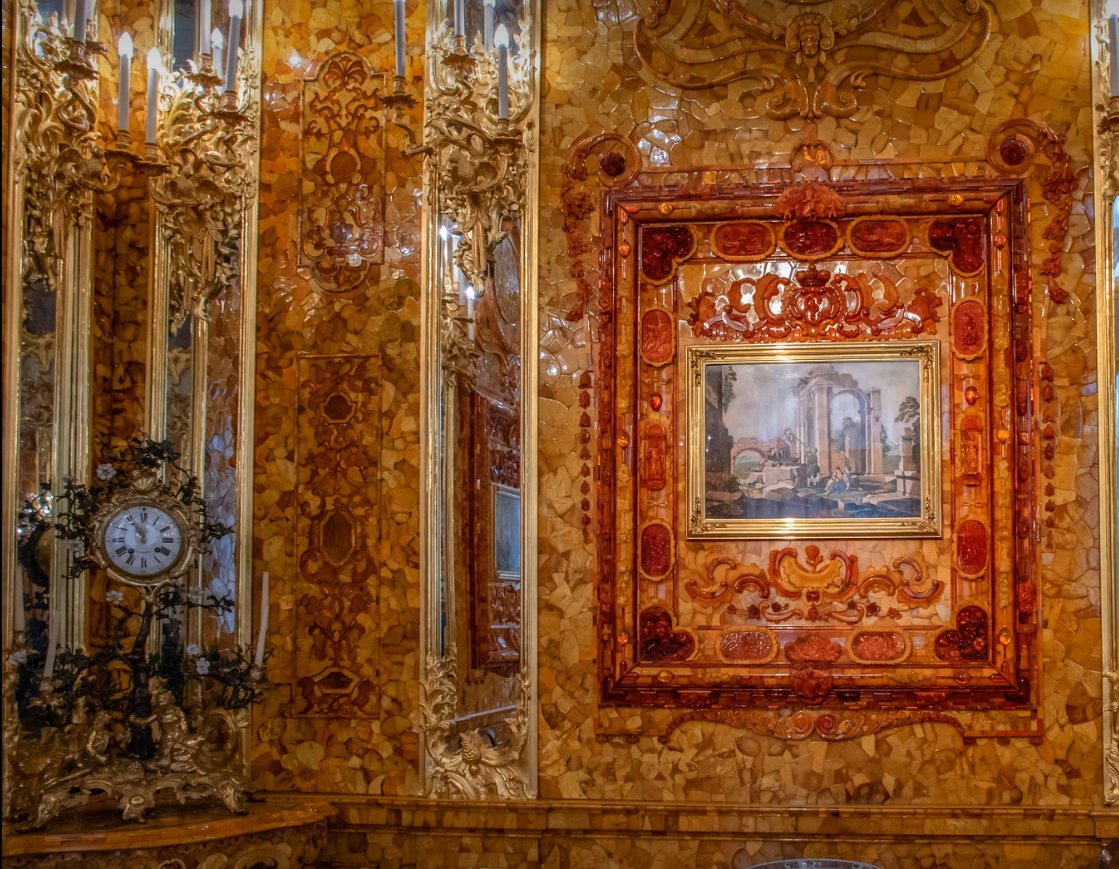
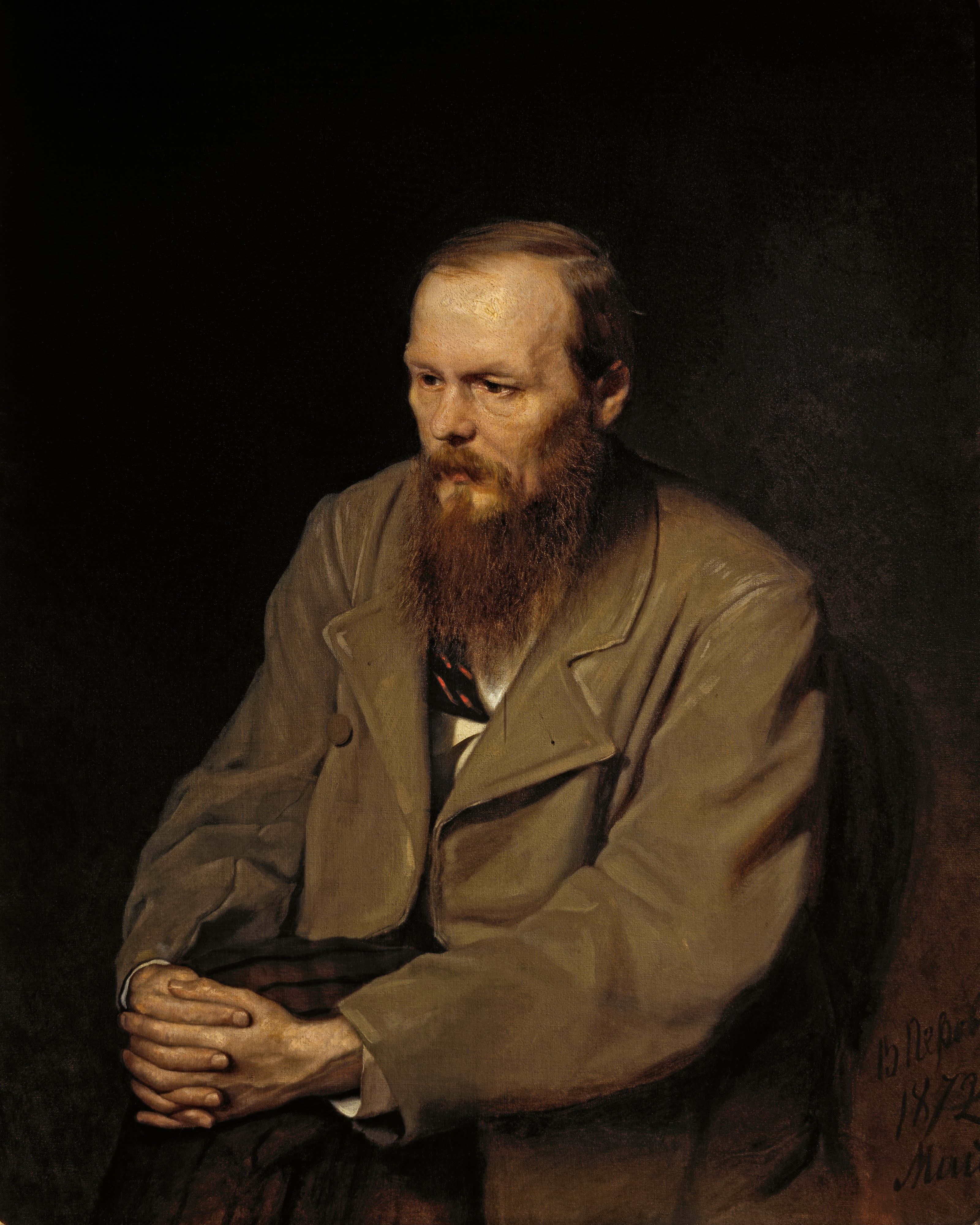
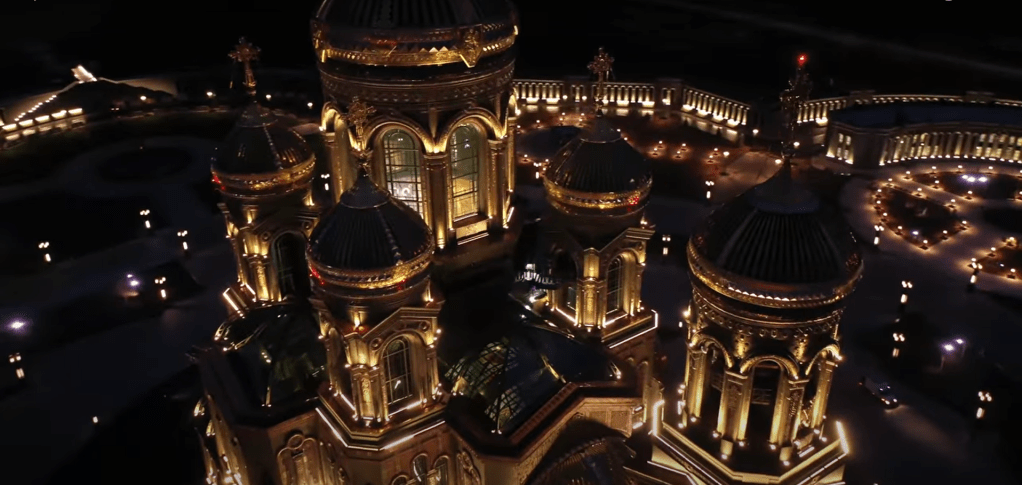
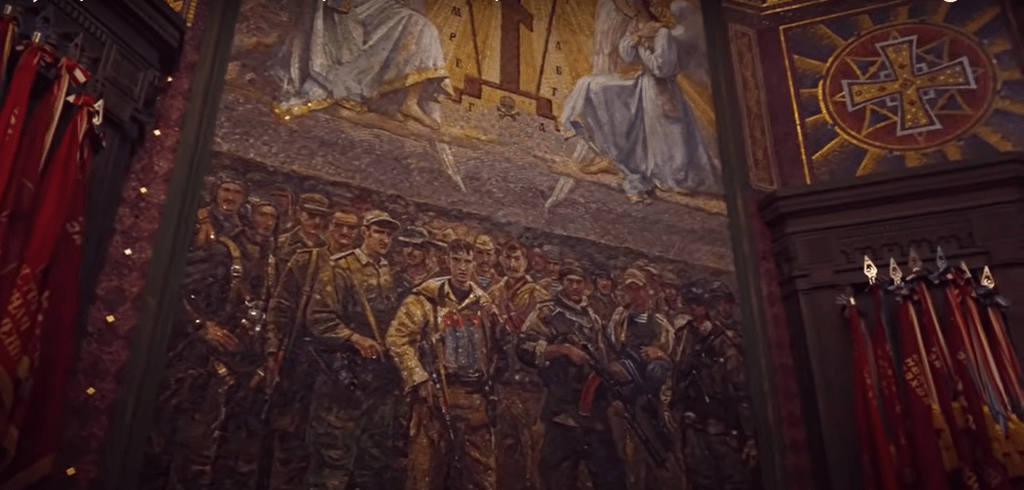
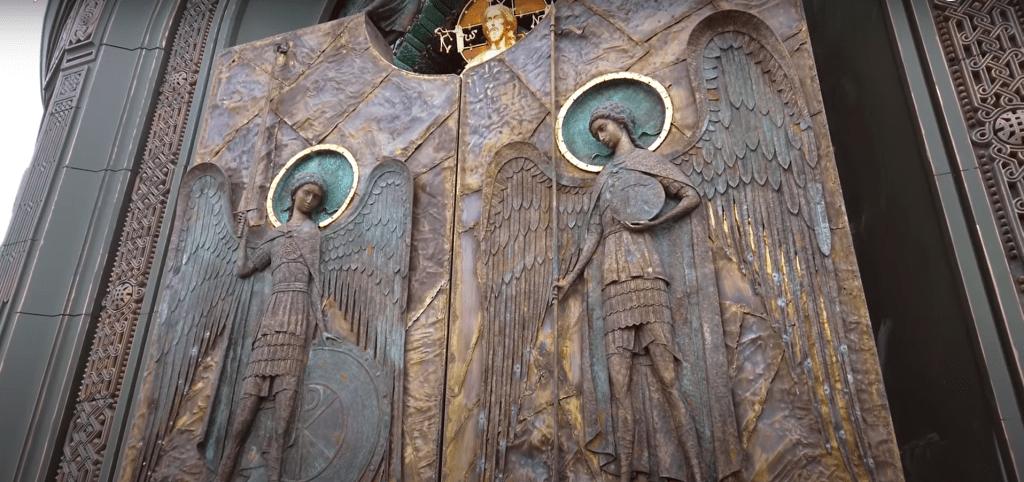
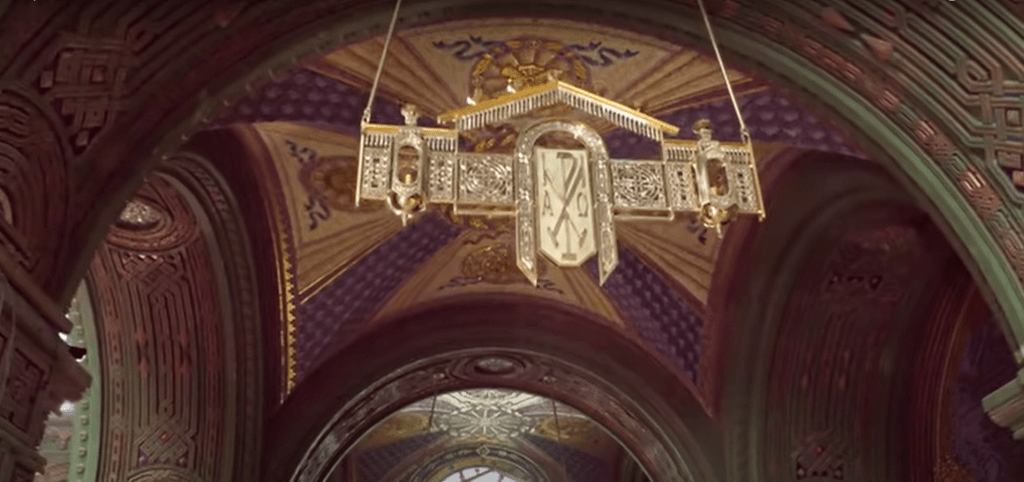
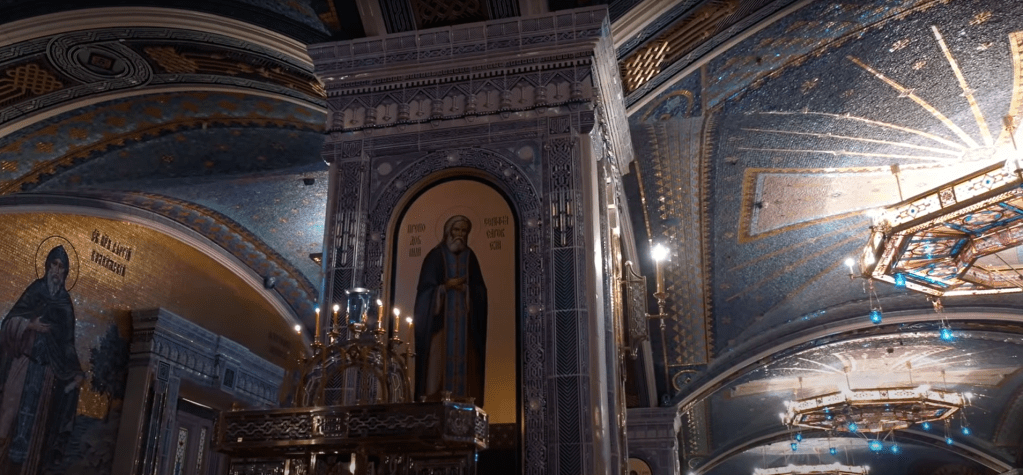
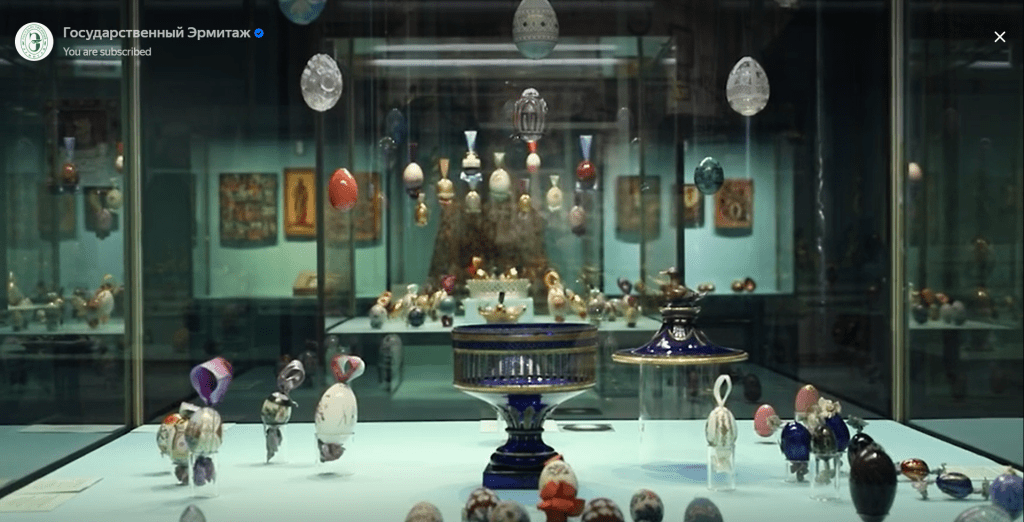
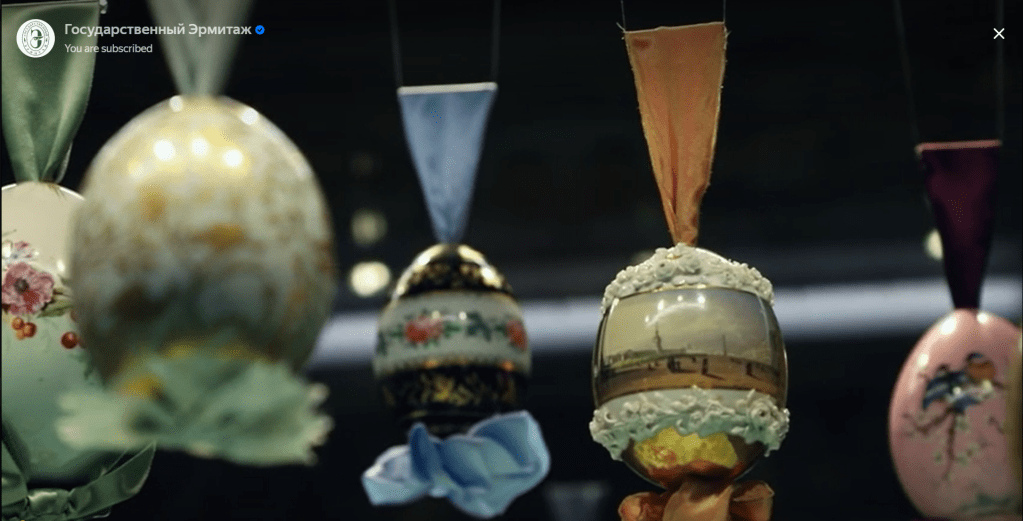
Watch Great Easter artifacts

Lire en Français

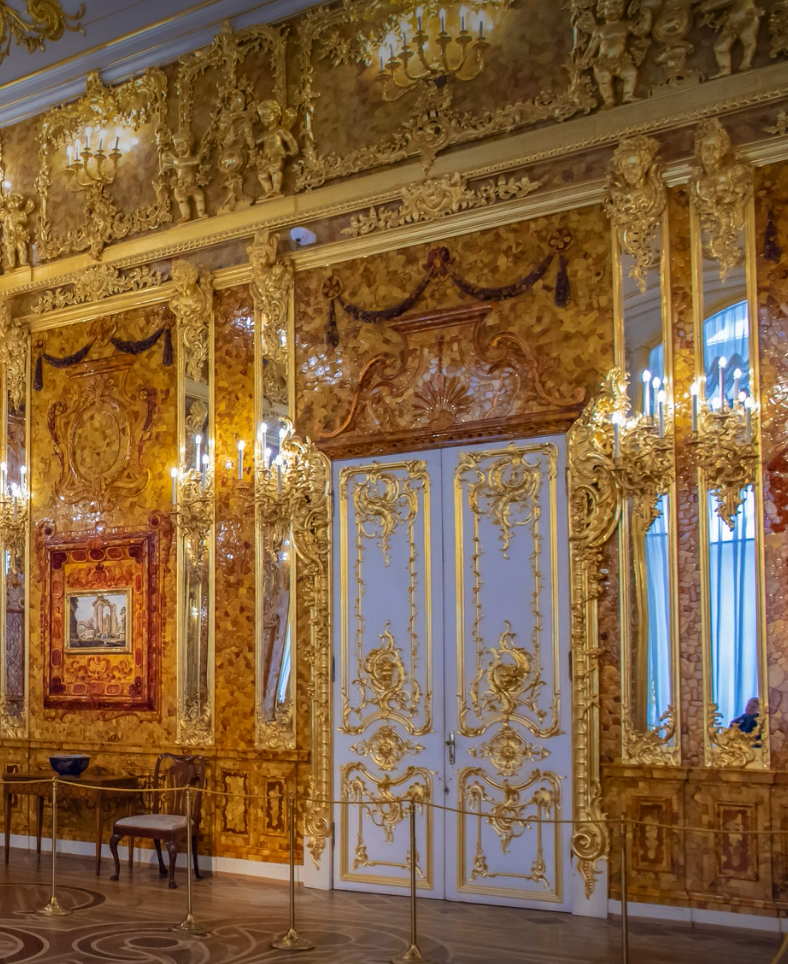
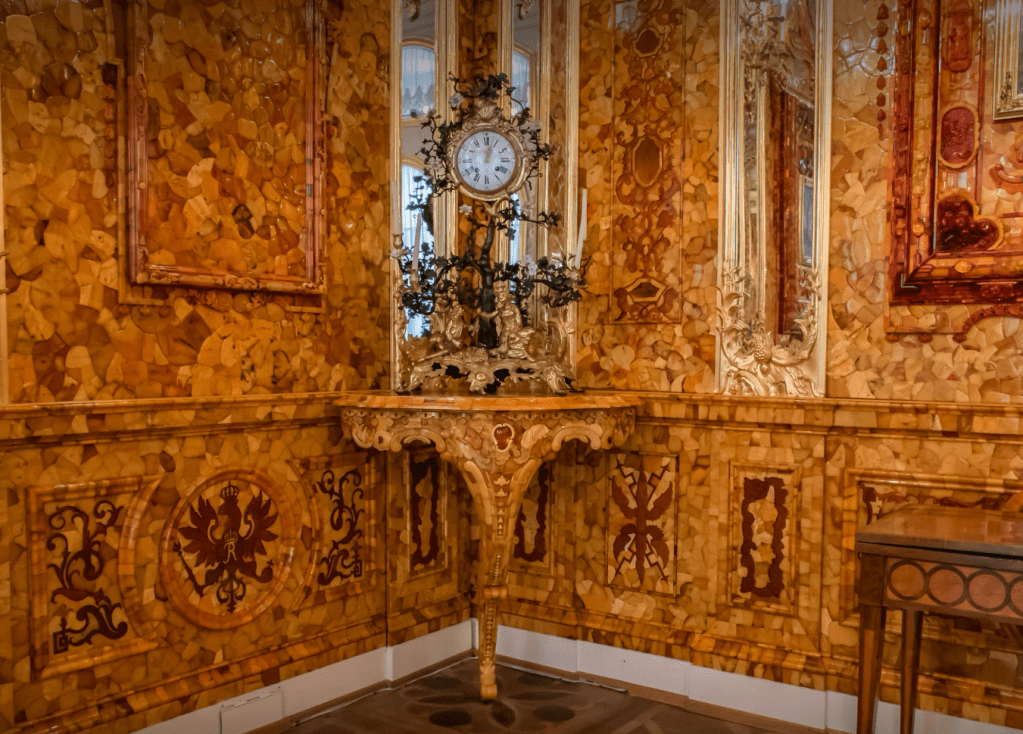
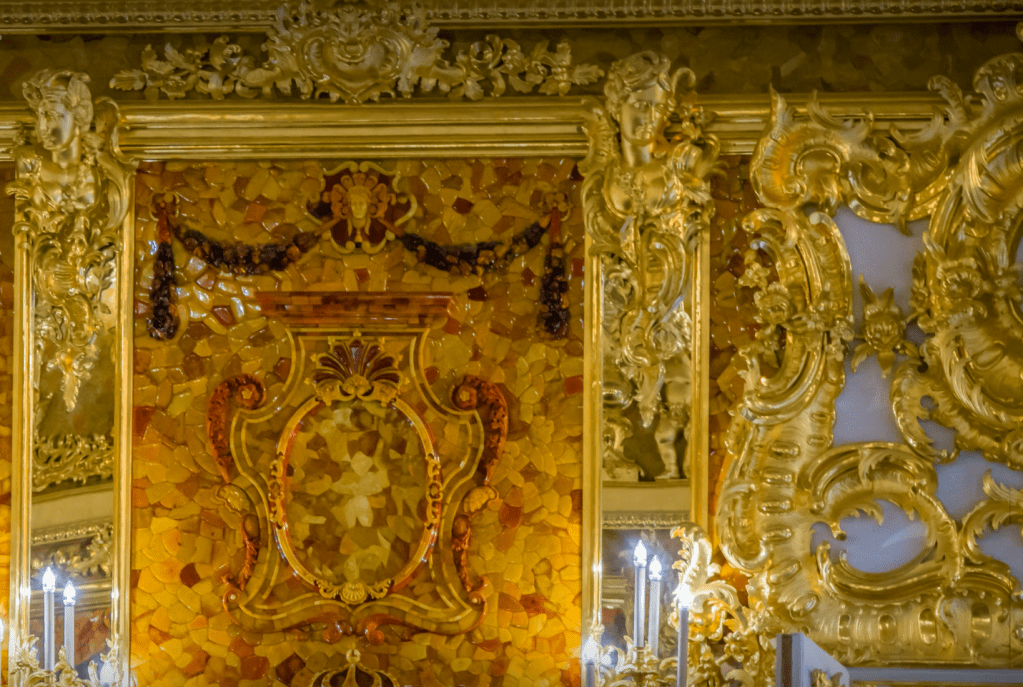
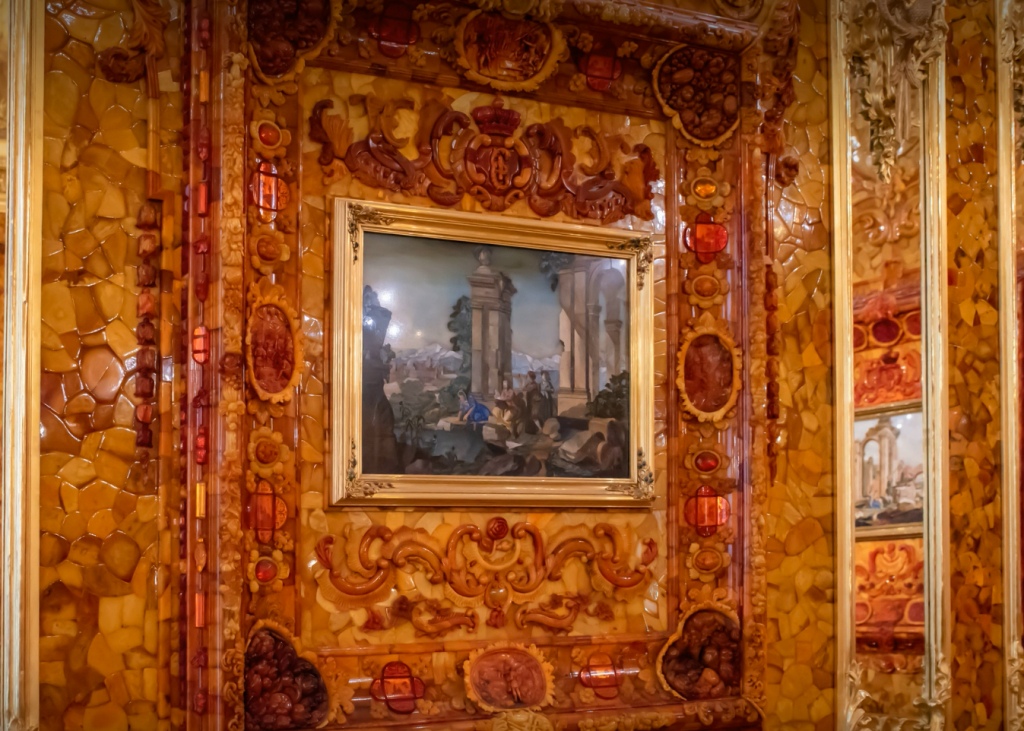
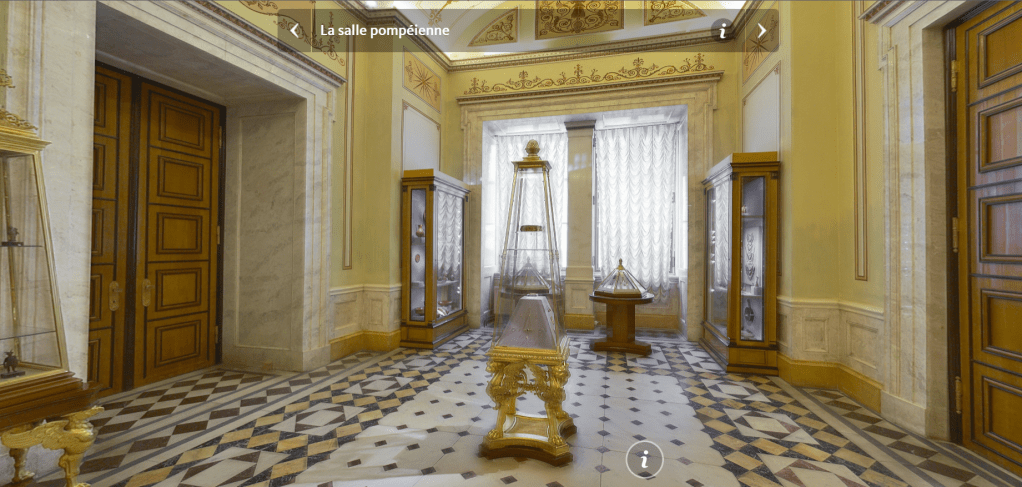
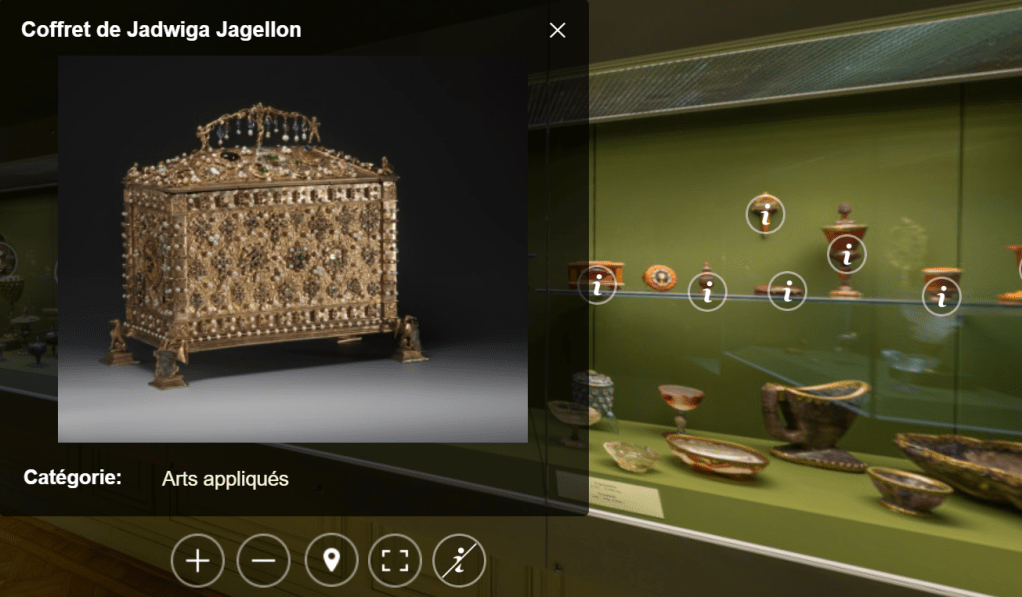
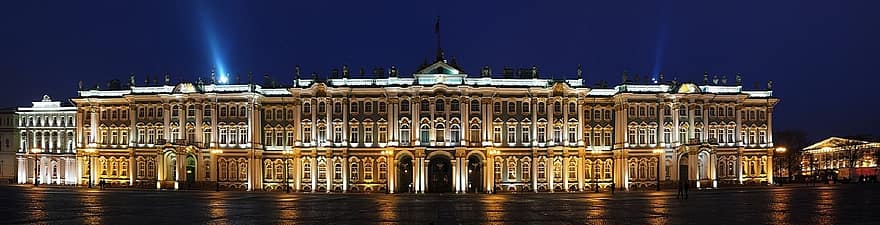
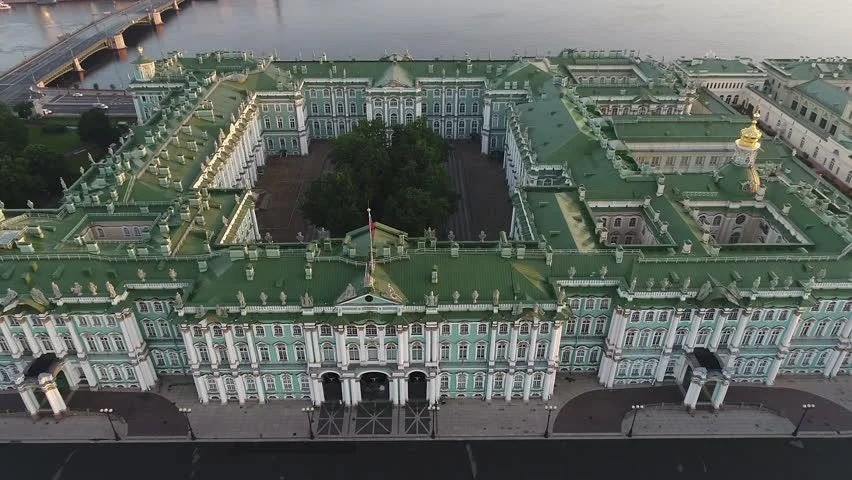
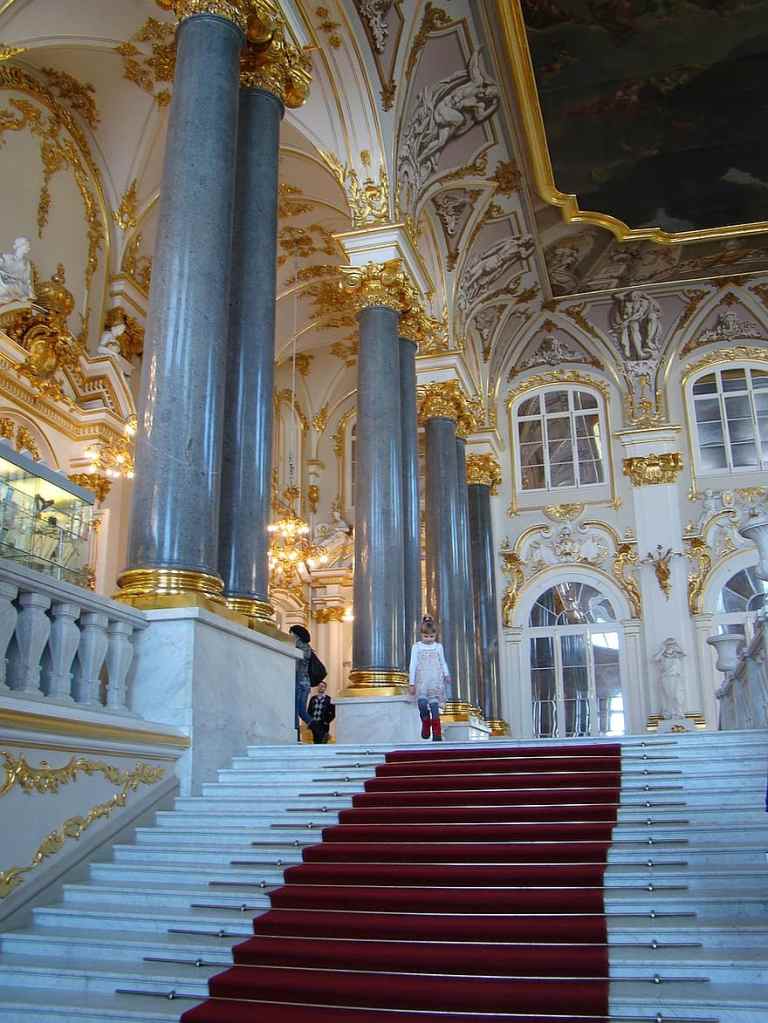
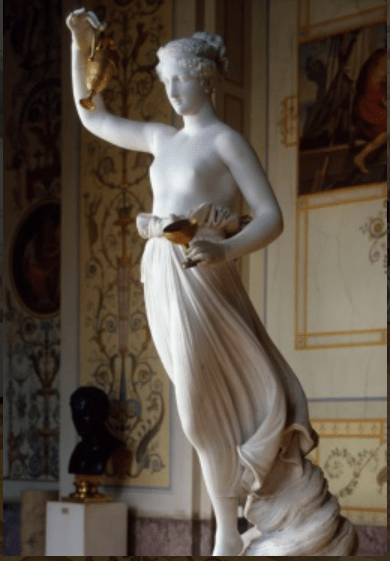
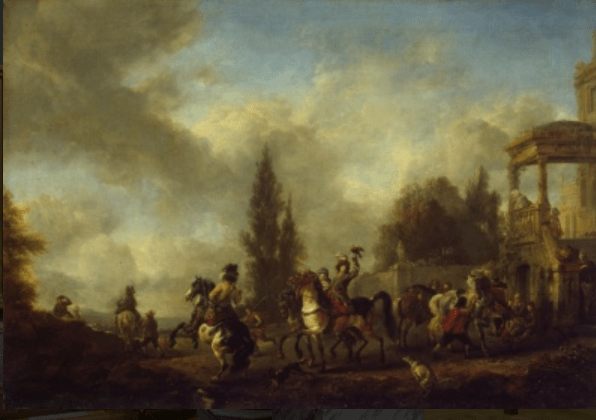
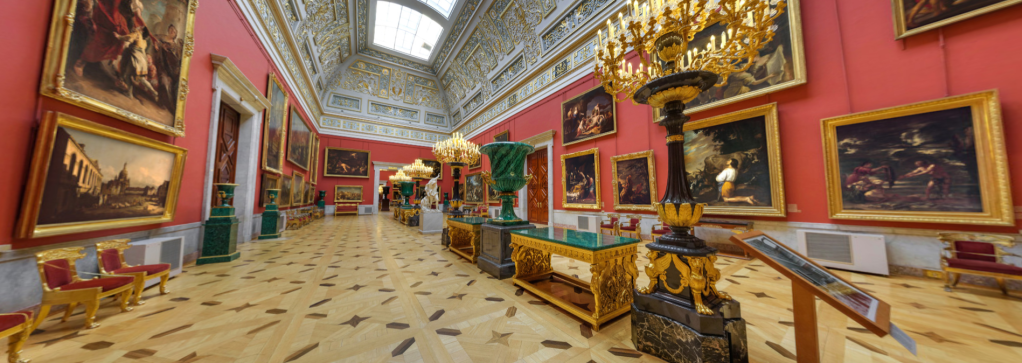
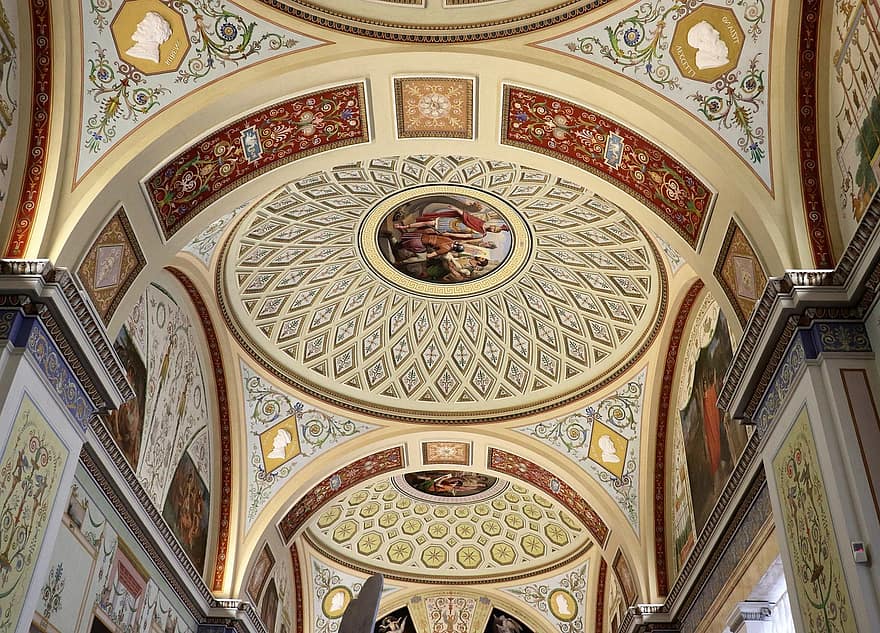
Watch Easter artifacts in the Hermitage. Even though the video is not in English it is beautiful and worth watching.

https://zen.yandex.ru/video/watch/6262ef6613f8c8618c8bb308?t=7

Go to the Video

A few screenshots from the video

If you liked this article, don’t forget to like and share.
Subscribe to not miss anything

Our Latest Posts

Qui est le premier cosmonaute et d’oĂč vient-il?

Read in English

Les Ă©toiles et les cieux ont toujours fascinĂ© les hommes. Galileo Galilei a Ă©tĂ© le premier Ă  observĂ© le cosmos Ă  travers un tĂ©lescope, mais il a fallu plus de quatre siĂšcles avant que nous puissions voyager dans l’espace.

Youri Alekseevitch Gagarine est devenu la premiĂšre personne de l’histoire du monde Ă  voler dans l’espace le 12 avril 1961. Sa fusĂ©e porteuse le “Vostok” avec son navire le “Vostok”, ont Ă©tĂ© lancĂ© depuis le cosmodrome de BaĂŻkonour. Le premier cosmonaute est restĂ© dans l’espace 108 minutes Ă  quelques 327 kilomĂštres au-dessus de la terre, a fait le tour de la planĂšte et, a atterri avec succĂšs dans la rĂ©gion de Saratov, prĂšs de la ville d’Engels.

Youri Gagarine est un hĂ©ro de l’Union SoviĂ©tique, titulaire des plus hautes distinctions de plusieurs Etats et citoyen d’honneur de nombreuses villes russes et Ă©trangĂšres.

Youri Gagarine, le premier homme dans l'espace
Youri Gagarine, le premier homme dans l’espace

Youri Alekseevitch Gagarine est nĂ© le 9 mars 1934, dans le petit village de Klushino, dans la rĂ©gion occidentale de l’URSS (aujourd’hui la rĂ©gion de Smolensk), dans une famille de paysans riches. Le future cosmonaute Ă©tait le troisiĂšme de 4 enfants. Il avait 2 frĂšres et une sƓur.

Son enfance a Ă©tĂ© calme et joyeuse. Il avait l’amour et l’attention de ses parents et a Ă©tĂ© initiĂ© Ă  la menuiserie par son pĂšre. Malheureusement la Grande Guerre Patriotique (deuxiĂšme guerre mondiale) a mis fin Ă  cela. Son village a Ă©tĂ© occupĂ© par l’armĂ©e Allemande le 12 octobre 1941 et il a du vivre dans son jardin abritĂ© par une pirogue sans aller Ă  l’Ă©cole jusqu’Ă  ce que l’ArmĂ©e Rouge le libĂšre le 9 avril 1943. Il a vu son pĂšre se faire battre et ĂȘtre forcĂ© Ă  travailler pour les allemands , et son frĂšre aĂźnĂ© Valentin ainsi que sa sƓur aĂźnĂ©e Zoya ont Ă©tĂ© emmenĂ©s par l’armĂ©e Allemande pendant leur retraite. Il s’est toujours rappelĂ© des mĂšres chassĂ©es avec des crosses de fusil pour les empĂȘcher de protĂ©ger leur enfants, bien qu’il ait refusĂ© de parler de cette pĂ©riode de sa vie.

En 1943 aprĂšs la libĂ©ration de leur village par l’ArmĂ©e rouge, les Gagarine ont dĂ©mĂ©nagĂ© Ă  Gzhatsk (maintenant ville de Gagarine), oĂč Youri a poursuivi ses Ă©tudes dans une Ă©cole locale. Youri Ă©tait un garçon trĂšs curieux qui Ă©tudia tous les sujets, ainsi que la musique, l’art et la photographie.

En mai 1949, aprĂšs avoir obtenu son diplĂŽme de sixiĂšme annĂ©e Youri qui a 15 ans a Ă©tĂ© poursuivre ses Ă©tudes Ă  Moscou, dans l’Ă©cole professionnelle Lyubersty n 10. En mĂȘme temps, il jouait aussi de la trompette dans une fanfare, participait Ă  des spectacles amateurs et allait Ă  l’Ă©cole du soir de la jeunesse ouvriĂšre. Il reçu son diplĂŽme de la septiĂšme annĂ©e de l’Ă©cole du soir en mai 1951, et celui de mouleur-fondeur avec honneurs en juin 1951.

C’est en 1951 qu’il a dĂ©mĂ©nagĂ© Ă  Saratov, oĂč il poursuivit ses Ă©tudes dans une Ă©cole technique et c’est lĂ  qu’il tomba amoureux de l’idĂ©e de voler. En 1955, il reçut son diplĂŽme avec mention et effectua son premier vol solo sur l’avion Yak-18.

Youri Gagarine, le premier homme dans l'espace
Youri Gagarine, le premier homme dans l’espace

Le 27 octobre 1955, Gagarine est enrĂŽlĂ© dans l’armĂ©e soviĂ©tique et est envoyĂ© Ă  la premiĂšre Ă©cole d’aviation militaire pour pilotes dans la ville de Chkalov (maintenant Orenbourg). Youri Gagarine avait les meilleures scores dans toutes les disciplines mais il ne pouvait pas maitriser le moment de l’atterrissage. Il a failli ĂȘtre renvoyer de l’Ă©cole mais, au dernier moment on s’est aperçu que sa petite taille Ă©tait le problĂšme et, lui a donnĂ© une chaise avec une doublure Ă©paisse, ce qui a tout rĂ©solu. Le 25 octobre 1957, Youri est diplĂŽmĂ© de l’universitĂ© et quelques jours plus tard il Ă©pousa Valentina Ivanovna Goryacheva puis, commença Ă  servir dans la rĂ©gion de Mourmansk en 1957.

A cette Ă©poque la concurrence pour l’espace entre les Etats Unis et l’Union SoviĂ©tique battait son plein. Et dĂ©jĂ  le 5 janvier 1959 Conseil des ministres pris la dĂ©cision de recruter 20 cosmonautes. Le 9 dĂ©cembre 1958, Gagarine rĂ©digea un rapport demandant a ĂȘtre inclus dans le groupe de candidats cosmonautes, et une semaine plus tard, il subit un examen mĂ©dical et fut reconnu apte au vol spatial. C’Ă©tait une trĂšs joyeuse pĂ©riode pour lui puisque sa premiĂšre fille Lena est nĂ©e cette mĂȘme annĂ©e. Youri Ă©tait un trĂšs bon pĂšre de famille et en mars 1961, un mois avant son vol hĂ©roĂŻque il a eu une deuxiĂšme fille, Galya.

Sur les 20 candidats, seulement 6 ont été sélectionnés. Youri Gagarine, German Titov, Grigory Nelyubov, Andriyan Nikolaev, Pavel Popovich et, Valery Bykovsky ont tous eu la chance de se préparer pour le premier vol spatial pendant la période de décembre 1960 à janvier 1961 dans la ville de Joukovski.

Gagarine a commencĂ© son entrainement le 25 mars 1960. MalgrĂ© une concurrence sĂ©rieuse, Youri a rĂ©ussi Ă  vaincre tous ses rivaux. Il ne ressentait aucune jalousie, Ă©tait toujours honnĂȘte avec tout le monde, et avait une attitude positive. Du reste dans un sondage anonyme des candidats, et malgrĂ© le fait qu’ils Ă©taient ses concurrents presque tous l’ont nommĂ© le meilleur candidat au vol spatial.

Youri Gagarine, le premier homme dans l'espace
Youri Gagarine, le premier homme dans l’espace

Finalement, la dĂ©cision a Ă©tĂ© prise et Gagarine a Ă©tĂ© dĂ©signe la personne la plus apte au premier vol dans l’espace. Il y avait de nombreuse raison Ă  cela, mais les plus importantes Ă©taient sa combinaison de compĂ©tences, de traits de characters et de stabilitĂ© psychologique. De plus il avait une apparence Slave prononcĂ©e et une biographie impeccable. Et enfin, il Ă©tait aussi un trĂšs bon example du fait qu’en Union SoviĂ©tique, mĂȘme une personne ordinaire pouvait devenir astronaute.

Un grand problĂšme causĂ© par la concurrence entre les Etats Unis et l’Union SoviĂ©tique pour envoyer le premier homme dans l’espace, Ă©tait la sĂ©curitĂ© de l’homme qui serait envoyĂ©. Le vol de Youri dans le vaisseau spatial Vostok Ă©tait dangereux car en raison de la prĂ©cipitation, les concepteurs n’ont eu le temps d’installer ni le systĂšme d’attĂ©rissage en douceur ni celui de sauvetage d’urgence.

Le 12 avril 1961 a 09h07 heure de Moscou, finalement , le lancement tant attendu a Ă©tĂ© effectuĂ© depuis le cosmodrome de BaĂŻkonour. L’indicatif d’appel de Gagarine Ă©tait “Kedr” et celui du chef de l’equipe de lancement “tireur”.

Au tout dĂ©but de la montĂ©e en puissance de la fusĂ©e, Gagarine a dit “allons-y!” (ĐżĐŸĐ”Ń…Đ°Đ»Đž) Les problĂšmes avec l’Ă©quipement ont commencĂ© rapidement et, Gagarine a grimpĂ© 100 kilomĂštres plus haut qu’initialement prĂ©vu . Heureusement, cela a Ă©tĂ© sans consĂ©quence grave car il n’y a pas eu de problĂšme avec le systĂšme de freinage. Sans cela l’astronaute serait restĂ© plus d’un mois dans l’espace alors qu’il n’avait que 10 jours d’eau et de nourriture.

En orbite, Gagarine a rendu compte de ses sensations, de l’Ă©tat du vaisseau, et de ses observations. Il a apprĂ©ciĂ© la vue de la terre de l’espace, et a enregistrĂ© les mots suivants sur le magnĂ©tophone de bord:

“J’observe les nuages au-dessus de la Terre, de petits cumulus et des ombres a partir d’eux. Belle, beautĂ©! … Attention. Je vois l’horizon de la terre. Une si belle aurĂ©ole. Tout d’abord, un arc-en-ciel de la surface mĂȘme de la Terre et vers le bas. Un tel arc-en-ciel passe. TrĂšs beau!”

Capsule АĐČŃ‚ĐŸŃ€: SiefkinDR - ŃĐŸĐ±ŃŃ‚ĐČĐ”ĐœĐœĐ°Ń Ń€Đ°Đ±ĐŸŃ‚Đ°, CC BY-SA 3.0,
Capsule АĐČŃ‚ĐŸŃ€: SiefkinDR – ŃĐŸĐ±ŃŃ‚ĐČĐ”ĐœĐœĐ°Ń Ń€Đ°Đ±ĐŸŃ‚Đ°, CC BY-SA 3.0,

Il a aussi fait de simples expĂ©riences, comme manger, boire, et prendre des notes avec un crayon. En posant celui-ci, il a dĂ©couvert que le crayon commençait instantanĂ©ment Ă  flotter. En plus il a aussi enregistrĂ© tous ses sentiments et ses observations ce qui nous permet de partager ce moment historique pour l’humanitĂ©.

Un autre fait intĂ©ressant doit ĂȘtre mentionnĂ© ici. Avant le premier vol habitĂ© dans l’espace, on ne savait pas comment une personne allait rĂ©agir. Donc par sĂ©curitĂ© une protection spĂ©ciale a Ă©tĂ© prĂ©vue, pour que le premier cosmonaute n’essait pas de contrĂŽler le vol de la navette spĂ©ciale ou d’endommager l’Ă©quipement s’il Ă©tait pris d’une crise de folie. Pour activer le control manuel, il devait ouvrir une enveloppe scellĂ©e et rĂ©soudre un problĂšme mathĂ©matique dont la solution produisait un code de dĂ©verrouillage du panneau de commande.

A la fin du vol, un autre problĂšme est survenu et le system de freinage n’a pas fonctionnĂ© correctement. A cause de cela, le vaisseau a culbutĂ© au hasard Ă  une vitesse d’une rotation par seconde pendant une minute. Puis le vaisseau a finit sa descente et Gagarine conformĂ©ment au plan de vol s’est Ă©jectĂ© Ă  une altitude de 7 kilomĂštres. Il a atterri prĂšs des villages de Smelovka et de Podgornoye dans la rĂ©gion de Saratov aprĂšs un vol hĂ©roĂŻque de 106 minutes. Son plus grand rĂȘve c’Ă©tait rĂ©alisĂ©, non seulement il a Ă©tĂ© dans l’espace mais il a Ă©tĂ© le premier homme Ă  le faire.

Etonnamment, le vol a Ă©tĂ© complĂštement secret et mĂȘme les mĂ©dias ne l’ont appris que le jour d’aprĂšs. Par contre, dĂ©s que l’information est devenue disponible Gagarine est immĂ©diatement devenu une star mondiale.

Youri Gagarine, le premier homme dans l'espace
Youri Gagarine, le premier homme dans l’espace

Le lendemain il a reçu le titre de hĂ©ros de l’Union SoviĂ©tique et un mois plus tard, il a Ă©tĂ© envoyĂ© Ă  l’Ă©tranger pour une mission de paix, oĂč il devait visiter plus de 20 pays. Gagarine Ă©tait un homme plein de tact et de charme et son charisma personnel a beaucoup contribuĂ© Ă  renforcer l’image positive de l’URSS. Au cours des annĂ©es suivantes, Youri Gagarine s’est principalement engagĂ© dans des activitĂ©s sociales et a fait beaucoup d’effort pour populariser l’aĂ©ronautique qui Ă©tait sa passion. Il se prĂ©parait aussi Ă  devenir un membre de l’Ă©quipage de l’espace lunaire malheureusement, il est mort avant que cela arrive

Youri Gagarine est rapidement tombĂ© malade de la maladies des Ă©toiles. Il a commencĂ© Ă  consacrer de plus en plus de temps Ă  travailler au centre de formation des cosmonautes devenant le commandant du corps des cosmonautes le 23 mai 1961. A l’automne 1961, il est entrĂ© au N. E. Joukovski pour obtenir une Ă©ducation supĂ©rieure. En 1964, il est devenu directeur adjoint du centre d’entrainement des cosmonautes et a Ă©tĂ© nommĂ© commandant du corps des cosmonautes soviĂ©tiques, L’Ă©tĂ© 1966, il est lui mĂȘme retournĂ© Ă  l’entrainement au vol et a commencĂ© Ă  se prĂ©parer pour un nouveau vol spatial dans le cadre du programme Soyouz. Il est nommĂ© doublure de Komarov, qui a effectuĂ© le premier vol sur le nouveau navire. Un tragique accident est arrivĂ© pendant le premier vol et, suite Ă  un dysfonctionnement de la batterie solaire, le vol est interrompu plus tĂŽt que prĂ©vu et se solde par la mort de Komarov.

Tombe АĐČŃ‚ĐŸŃ€: Tothkaroj - ŃĐŸĐ±ŃŃ‚ĐČĐ”ĐœĐœĐ°Ń Ń€Đ°Đ±ĐŸŃ‚Đ°, CC BY-SA 4.0,
Tombe АĐČŃ‚ĐŸŃ€: Tothkaroj – ŃĐŸĐ±ŃŃ‚ĐČĐ”ĐœĐœĐ°Ń Ń€Đ°Đ±ĐŸŃ‚Đ°, CC BY-SA 4.0,

Gagarine ainsi que son instructeur Vladimir Seregin sont mort le 27 mars 1968 alors qu’ils effectuaient un vol d’entrainement. Gagarine n’avait que 34 ans. Par la suite, les corps des pilotes ont Ă©tĂ© incinĂ©rĂ©s et les urnes contenant leurs cendres ont Ă©tĂ© enterrĂ©es dans le mur du Kremlin.

De nombreuses hypothĂšse sur la raison de son crash ont Ă©tĂ© entendu. Ce n’est qu’en 2013, aprĂšs que certaines informations secrĂštes ai Ă©tĂ© dĂ©classifiĂ©es que l’on appris qu’un chasseur militaire volant Ă  vitesse supersonique est soudainement apparu Ă  cĂŽtĂ© de l’avion des pilotes, ce qui a conduit le flux d’air du MIG-15UTI dans une spirale, de laquelle les pilotes n’ont pas eu assez de temps pour s’ejecter.

La biographie de Youri Gagarine et sa contribution au dĂ©veloppement de la science spatiale sont Ă  jamais entrĂ© dans l’hitoire comme un exemple Ă  suivre et, son charmant sourire est devenu le symbole de toute une Ăšre spatial, et le reste a ce jour.

Timbre commémoratif de Youri Gagarine, le premier homme dans l'espace

Dans le cadre de sa mort, pour la premiĂšre fois dans l’histoire de l’URSS un deuil national a Ă©tĂ© dĂ©clarĂ© pour une personne qui n’etait pas chef de l’etat.

La ville de Gzhatsk et le district de Gzhatsky ont Ă©tĂ© renommĂ©s la ville de Gagarine et le district de Gagarinsky, les rues et les avenues de nombreuses ville de Russie ont Ă©tĂ© nommĂ©es d’aprĂšs le cosmonaute et des monuments ont Ă©tĂ© Ă©rigĂ©s dans diffĂ©rentes villes de Russie et du monde

Chaque annĂ©e le 12 Avril la communautĂ© spatiale du monde entier commĂ©more l’exploit de Gagarine

Si vous avez aimĂ© cet article n’oubliez pas d’aimer et de le partager


Abonnez-vous pour ne rien manquer

Who is the first cosmonaut and where does he come from?

Lire en Français

The stars and the skies have always fascinated people. Galileo Galilei was the first to observe the cosmos through a telescope, but it took more than four centuries before we could travel through space.

Yuri Alekseevich Gagarin became the first person in world history to fly into space on April 12, 1961. His carrier rocket “Vostok” together with his ship “Vostok” were launched from the Baikonur Cosmodrome. The first cosmonaut stayed in space for 108 minutes some 327 kilometers above the earth, circled the planet and successfully landed in the Saratov region, near the city of Engels.

Yuri Gagarin is a hero of the Soviet Union, holder of the highest honors of several states and honorary citizen of many Russian and foreign cities.

Yuri Gagarine, first man in space

Yuri Gagarin

Yuri Alekseevich Gagarin was born on March 9, 1934, in the small village of Klushino, in the Western region of the USSR (now the Smolensk region), in a family of wealthy peasants. The future cosmonaut was the third of 4 children. He had 2 brothers and a sister.

His childhood was calm and joyful. He had the love and attention of his parents and was introduced to carpentry by his father. Unfortunately the Great Patriotic War (World War II) put an end to this. His village was occupied by the German army on October 12, 1941 and he had to live in his garden sheltered by a canoe without going to school until the Red Army liberated him on April 9, 1943. He saw his father beaten and forced to work for the Germans, and his older brother Valentin and older sister Zoya taken away by the German army during their retreat. He always remembered mothers chased away with gun butts to prevent them from protecting their children, although he refused to talk about this period of his life.

In 1943 after their village was liberated by the Red Army, the Gagarins moved to Gzhatsk (now Gagarin’s city), where Yuri continued his education at a local school. Youri was a very curious boy who studied all subjects, as well as music, art and photography.

In May 1949, after graduating from sixth grade Yuri, who was 15 years old, went to continue his studies in Moscow, at Lyubersty No. 10 vocational school. At the same time, he also played the trumpet in a brass band, took part in amateur shows and went to evening school for working-class youth. He received his diploma of the seventh year of the evening school in May 1951, and that of moulder-founder with honors in June 1951.

It was in 1951 that he moved to Saratov, where he continued his education at a technical school and it was there that he fell in love with the idea of ​​flying. In 1955 he graduated with honors and made his first solo flight on the Yak-18 aircraft.

Yuri Gagarine, first man in space
Yuri Gagarin

On October 27, 1955, Gagarin was drafted into the Soviet army and was sent to the first military aviation school for pilots in the city of Chkalov (now Orenburg). Yuri Gagarin had the best scores in all disciplines but he could not control the moment of landing. He was almost kicked out of school, but at the last moment they realized that his short stature was the problem and gave him a chair with a thick lining, which solved everything. On October 25, 1957, Yuri graduated from college, and a few days later he married Valentina Ivanovna Goryacheva, and then began serving in the Murmansk region in 1957.

At that time competition for space between the United States and the Soviet Union was in full swing. And already on January 5, 1959 the Council of Ministers took the decision to recruit 20 cosmonauts. On December 9, 1958, Gagarin wrote a report asking to be included in the group of cosmonaut candidates, and a week later he underwent a medical examination and was found fit for space flight. It was a very happy time for him as his first daughter Lena was born that same year. Youri was a very good family man and in March 1961, a month before his heroic flight, he had a second daughter, Galya.

Of the 20 candidates, only 6 were selected. Yuri Gagarin, German Titov, Grigory Nelyubov, Andriyan Nikolaev, Pavel Popovich and, Valery Bykovsky all had the chance to prepare for the first space flight during the period from December 1960 to January 1961 in the city of Zhukovsky.

Gagarin began his training on March 25, 1960. Despite serious competition, Yuri managed to defeat all his rivals. He felt no jealousy, was always honest with everyone, and had a positive attitude. Moreover in an anonymous poll of candidates, and despite the fact that they were his competitors almost all named him the best candidate for space flight.

Yuri Gagarine, first man in space

Eventually the decision was made and Gagarin was chosen as the most suitable person for the first spaceflight. There were many reasons for this, but the most important were his combination of skills, character traits, and psychological stability. Moreover, he had a pronounced Slavic appearance and an impeccable biography. And finally, he was also a very good example of the fact that in the Soviet Union, even an ordinary person could become an astronaut.

A big problem caused by the competition between the United States and the Soviet Union to send the first man into space was the safety of the man who would be sent. Yuri’s flight in the Vostok spacecraft was dangerous because due to the rush, the designers did not have time to install either the soft landing system or the emergency rescue system.

On April 12, 1961 at 09:07 Moscow time, finally, the long-awaited launch was carried out from the Baikonur cosmodrome. Gagarin’s call sign was “Kedr” and that of the leader of the launch team was “shooter”.

At the very beginning of the rocket’s ramp-up, Gagarin said “let’s go!” (ĐżĐŸĐ”Ń…Đ°Đ»Đž) Problems with the equipment began quickly, and Gagarin climbed 100 kilometers higher than originally planned. Fortunately, this was without serious consequences because there was no problem with the braking system. Otherwise, the astronaut would have spent more than a month in space when he only had 10 days of water and food.

In orbit, Gagarin reported on his feelings, the state of the ship, and his observations. He enjoyed the view of earth from space, and recorded the following words on the onboard tape recorder:

“I observe the clouds above the Earth, small cumulus clouds and shadows from them. Beautiful beauty! â€Š Attention. I see the horizon of the earth. Such a beautiful halo. First, a rainbow from the very surface of the Earth and down. Such a rainbow passes. Beautiful!”

Capsule АĐČŃ‚ĐŸŃ€: SiefkinDR - ŃĐŸĐ±ŃŃ‚ĐČĐ”ĐœĐœĐ°Ń Ń€Đ°Đ±ĐŸŃ‚Đ°, CC BY-SA 3.0,
Capsule АĐČŃ‚ĐŸŃ€: SiefkinDR – ŃĐŸĐ±ŃŃ‚ĐČĐ”ĐœĐœĐ°Ń Ń€Đ°Đ±ĐŸŃ‚Đ°, CC BY-SA 3.0,

He also did simple experiments, like eating, drinking, and taking notes with a pencil. Upon putting this one down, he discovered that the pencil instantly began to float. In addition he also recorded all his feelings and observations which allows us to share this historic moment for humanity.

Another interesting fact should be mentioned here. Before the first manned flight into space, it was not known how a person would react. Therefore, for safety, special protection has been provided, so that the first cosmonaut does not try to control the flight of the special shuttle or damage the equipment if he is seized with a fit of madness. To activate the manual control, he had to open a sealed envelope and solve a mathematical problem whose solution produced a code to unlock the control panel.

At the end of the flight, another problem arose and the braking system did not work properly. Because of this, the craft tumbled randomly at a rate of one rotation per second for one minute. Then the ship finished its descent and Gagarin according to the flight plan ejected at an altitude of 7 kilometers. He landed near the villages of Smelovka and Podgornoye in the Saratov region after a heroic 106-minute flight. His biggest dream was realized, not only was he in space but he was the first man to do so.

Surprisingly, the fly was completely secret and even the media only learned about it the day after. On the other hand, as soon as the information became available Gagarin immediately became a world star.

Youri Gagarin, first man in space

The next day he was awarded the title of Hero of the Soviet Union and a month later he was sent abroad on a peace mission, where he was to visit more than 20 countries. Gagarin was a tactful and charming man, and his personal charisma did much to enhance the positive image of the USSR. In the following years, Yuri Gagarin mainly engaged in social activities and made a lot of effort to popularize aeronautics which was his passion. He was also preparing to become a member of the lunar space crew unfortunately he died before that happened

Yuri Gagarin soon fell ill with the star disease. He began to devote more and more time to work at the Cosmonaut Training Center becoming the Commander of the Cosmonaut Corps on May 23, 1961. In the fall of 1961, he entered NE Zhukovsky to obtain higher education. In 1964 he became deputy director of the cosmonaut training center and was appointed commander of the Soviet cosmonaut corps. In the summer of 1966 he himself returned to flight training and began to prepare for a new space flight under the Soyuz program. He is named Komarov’s understudy, who made the first flight on the new ship. A tragic accident happened during the first flight and, following a malfunction of the solar battery, the fly is interrupted earlier than expected which results in the death of Komarov.

Tombe АĐČŃ‚ĐŸŃ€: Tothkaroj - ŃĐŸĐ±ŃŃ‚ĐČĐ”ĐœĐœĐ°Ń Ń€Đ°Đ±ĐŸŃ‚Đ°, CC BY-SA 4.0,
Tombe АĐČŃ‚ĐŸŃ€: Tothkaroj – ŃĐŸĐ±ŃŃ‚ĐČĐ”ĐœĐœĐ°Ń Ń€Đ°Đ±ĐŸŃ‚Đ°, CC BY-SA 4.0,

Gagarin and his instructor Vladimir Seregin died on March 27, 1968 while on a training flight. Gagarin was only 34 years old. Subsequently, the bodies of the pilots were cremated and the urns containing their ashes were buried in the Kremlin wall.

Many assumptions about the reason for its crash have been heard. It was only in 2013, after some secret information was declassified, that it became known that a supersonic-flying military fighter suddenly appeared next to the pilots’ plane, which led to the flow of air of the MIG-15UTI in a spiral, from which the pilots did not have enough time to eject.

Yuri Gagarin’s biography and his contribution to the development of space science forever went down in history as an example to follow, and his charming smile became the symbol of an entire space age, and remains to this day.

Commemorative stamp of Yuri Gagarin

In connection with his death, for the first time in the history of the USSR, national mourning was declared for a person who was not the head of state.

Commemorative coin of Yuri Gagarin

The city of Gzhatsk and the Gzhatsky district were renamed the city of Gagarin and the Gagarinsky district, the streets and avenues of many cities of Russia were named after the cosmonaut, and monuments were erected in different cities of Russia and the world

Every year on April 12 the space community around the world commemorates Gagarin’s achievement.

Thanks for reading us.
If you liked this article don’t forget to like and share it on your social media


Subscribe so you don’t miss anything

Qui est LĂ©on NikolaĂŻevitch TolstoĂŻ ?

Le comte LĂ©on NikolaĂŻevitch TolstoĂŻ est nĂ© le 28 aoĂ»t (9 septembre) 1828 dans le domaine familial de sa mĂšre, Yasnaya Polyana, dans la province de Toula de l’Empire russe. Il est issu de la famille noble de TolstoĂŻ, connue depuis 1351.

LĂ©on NikolaĂŻevitch est l’un des plus grands romanciers du monde. Il est appelĂ© un maĂźtre du psychologisme, et le crĂ©ateur du genre du roman Ă©pique. L’écrivain a eu une forte influence sur l’évolution de l’humanisme europĂ©en, et sur le dĂ©veloppement des traditions rĂ©alistes dans la littĂ©rature mondiale.

TolstoĂŻ a Ă©tĂ© excommuniĂ© de l’église Ă  cause de ses opinions autoritaires qui ont provoquĂ© l’émergence d’un nouveau courant religieux et moral appelĂ© le tolstoĂŻsme.

L’écrivain a reçu de nombreux prix Nobel de littĂ©rature et ses oeuvres ont Ă©tĂ© mises en scĂšne dans le monde entier.

Léon Tolstoï
Léon Tolstoï

LĂ©on TolstoĂŻ Ă©tait le quatriĂšme de 5 enfants. Sa mĂšre mourut en 1830, six mois aprĂšs la naissance de sa fille alors que LĂ©on NikolaĂŻevitch n’avait pas encore 2 ans. L’éducation des orphelins a Ă©tĂ© continuĂ©e par un parent Ă©loignĂ©, T. A. Ergolskaya. Son pĂšre Nikolai Ilich est dĂ©cĂ©dĂ© en 1837 quand LĂ©on avait 9 ans, et sa tante, la comtesse Alexandra Osten-Saken fut nommĂ©e la tutrice des enfants. AprĂšs sa mort en 1840, une autre de ses tantes, Pelegeya Yushkova qui vivait a Kazan s’occupa de LĂ©on TolstoĂŻ, ainsi que de ses frĂšres et sa sƓur Maria .

TolstoĂŻ disait que la maison des Louchkov Ă©tait considĂ©rĂ©e comme l’une des plus gaies de Kazan. Plus tard il a dĂ©crit ces annĂ©es dans le rĂ©cit autobiographique “Enfance”

L’écrivain a reçu son Ă©ducation primaire Ă  la maison. Il a Ă©tudiĂ© avec un tuteur français qui est devenu le prototype de Saint-JĂ©rome dans son livre “Enfance”. Puis, il a continuĂ© ses Ă©tudes avec un tuteur allemand dĂ©peint sous le nom de Karl Ivanovitch dans le mĂȘme livre. Ensuite, en 1844, il est entrĂ© Ă  l’universitĂ© de Kazan , mais n’est restĂ© qu’un an Ă  cause de faibles rĂ©sultats scolaires. LĂ©on TolstoĂŻ n’aimait pas Ă©tudier, il considĂ©rait les examens comme une formalitĂ©, et les professeurs d’universitĂ© incompĂ©tents. LĂ©on NikolaĂŻevitch a Ă©tĂ© transfĂ©rĂ© Ă  la FacultĂ© de droits, oĂč il est passĂ© en deuxiĂšme annĂ©e de maniĂšre satisfaisante, bien qu’il prĂ©fĂ©ra les divertissements profanes.

Cependant, il s’est interessĂ© Ă  la litĂ©rature philosophique française et sans terminer cette annĂ©e lĂ , il a quittĂ© l’universitĂ©. Ensuite, il s’est lancĂ© dans l’auto apprentissage.

En 1847, Ă  la suite d’une courte maladie, il a hĂ©ritĂ© et, est devenu responsable de la propriĂ©tĂ© de Yasnaya Polyana. Il voulu Ă©tablir des relations d’une nouvelle maniĂšre avec les paysans et ouvrit mĂȘme une Ă©cole pour ceux-ci. Il a partiellement dĂ©crit ses activitĂ©s dans “Le matin du propriĂ©taire terrien”. C’est aussi cette mĂȘme annĂ©e qu’il a commencĂ© Ă  tenir un journal. Dans celui-ci, nous pouvons par exemple lire:

Un journal de
Léon Nikolaïevitch Tolstoï

« 21 mars 1855. N’avoir rien fait. J’ai reçu une lettre de Macha, dans laquelle elle me dĂ©crit sa connaissance de Tourgueniev. Une lettre douce et glorieuse qui m’a exaltĂ© dans ma propre opinion et m’a poussĂ© Ă  l’action . Â»

Il continua ce journal tout au long de sa vie et s’en servit pour Ă©crire ses romans.

A la fin de 1848, il est parti Ă  Moscou, puis un an plus tard Ă  Saint PĂ©tersbourg. Dans chaque ville, il s’est prĂ©parĂ© a entrer dans une universitĂ© mais n’a pas Ă©tĂ© jusqu’au bout prĂ©fĂ©rant jouer aux cartes , Ă©couter de la musique, oĂč bien mĂȘme, jouer du piano. Il s’intĂ©ressait passionnĂ©ment Ă  la musique. Bach, Haendel, et Chopin Ă©taient ses favoris et lui mĂȘme jouait trĂšs bien du piano. Il Ă©tait tellement passionnĂ© par la musique qu’il a Ă©crit la “Sonate Ă  Kreutzer”

Léon Nikolaïevitch Tolstoï et son frÚre
LĂ©on NikolaĂŻevitch TolstoĂŻ et son frĂšre

Durant l’hiver 1850, il a commencĂ© Ă  Ă©crire “Enfance” puis “L’Histoire d’hier”. En 1851, son frĂšre aĂźnĂ© NikolaĂŻ, qui servait dans le Caucase a visitĂ© LĂ©on qui Ă©tait de retour dans son domaine. Celui-ci invita LĂ©on Ă  se joindre au service militaire dans le Caucase. LĂ©on TolstoĂŻ n’accepta pas aussitĂŽt, mais aprĂšs des difficultĂ©s financiĂšres dues a son habitude de jouer aux cartes il s’engagea.

Il vĂ©cut environ 5 mois Ă  Piatigorsk, dans une simple hutte en attendant des papiers oubliĂ©s Ă  Moscou. Ceux-ci Ă©taient nĂ©cessaire Ă  son admission dans l’armĂ©e. Pendant ce temps, il a passĂ© une partie importante de son temps Ă  chasser en compagnie du cosaque Epishka, qui dans son livre “Les Cosaques” est devenu le prototype de l’un des hĂ©ros du nom d’Eroshka.

En 1851, aprĂšs avoir passĂ© un examen Ă  Tiflis, TolstoĂŻ entra comme cadet dans la 4eme batterie de la 20eme brigade d’artillerie. Son bataillon Ă©tait stationnĂ© dans le village cosaque de Starogladovskaya oĂč il a vĂ©cut 3 ans. La nature du Caucase et la vie patriarcale du village casaque se sont reflĂ©tĂ©es dans ses romans ”Cosaques” , “Hadji Murad” ainsi que dans “Raid” et “DĂ©forestation”

En juillet 1852 il envoya la premiĂšre partie de sa future trilogie autobiographique, “Enfance”, aux rĂ©dacteurs du magazine le plus populaire “Sovremennik” accompagnĂ© d’une lettre qui disait:


 J’attends avec impatience votre verdict. Il va soit m’encourager Ă  continuer mes activitĂ©s favorites, soit me faire bruler tout ce que j’ai commencĂ©.

Nekrasov, l’éditeur de Sovremennik ayant immĂ©diatement jugĂ© la valeur littĂ©raire du livre de TolstoĂŻ, lui Ă©crit une lettre aimable et, publia son roman en Septembre de cette mĂȘme annĂ©e. Le roman “Enfance” fut un extraordinaire succĂšs.

En mĂȘme temps, il y avait pĂ©riodiquement des batailles avec les montagnards dans le Caucase, et LĂ©on TolstoĂŻ a Ă©tĂ© rĂ©compensĂ© et, a reçu la croix de Saint Georges pour le courage montrĂ© en bataille. Il donna cette mĂ©daille Ă  un soldat ordinaire justifiant son acte en disant que cette rĂ©compense donnerait Ă  une simple personne, de nombreux avantages qu’il avait dĂ©jĂ  en raison de son origine.

Léon Tolstoï à Kazan

A la fin de l’annĂ©e 1853 il est transfĂ©rĂ© Ă  l’armĂ©e du Danube Ă  cause du dĂ©clenchement de la guerre de CrimĂ©e. Il a participĂ© Ă  la bataille d’Oltenitsa et au siĂšge de Silistria. En 1854, son deuxiĂšme roman “Adolescence” a Ă©tĂ© publiĂ©.

De novembre 1854 Ă  la fin aoĂ»t 1855, LĂ©on TolstoĂŻ Ă©tait Ă  SĂ©bastopol. L’écrivain malgrĂ© toutes les difficultĂ©s de la vie et les horreurs du siĂšge, Ă©crivit Ă  cette Ă©poque l’histoire “DĂ©forestation”, qui reflĂ©tait les impressions caucasiennes, ainsi que la premiĂšre des trois histoires de SĂ©bastopol.

Il envoya la nouvelle, “SĂ©bastopol au mois de dĂ©cembre”, Ă  son Ă©diteur qui la publia rapidement. Bien que TolstoĂŻ ai Ă©tĂ© exceptionnellement franc dans la description des scĂšnes de batailles dans la premiĂšre histoire de SĂ©bastopol, la nouvelle Ă©tait profondĂ©ment patriotique et glorifiait la bravoure des soldats russes. Celle nouvelle a Ă©tĂ© lue par toute la Russie avec intĂ©rĂȘt, faisant une impression Ă©tonnante des horreurs qui ont frappĂ© les dĂ©fenseurs de SĂ©bastopol. Celle-ci a Ă©tĂ© remarquĂ©e par l’empereur Nicolas Ier, qui a ordonnĂ© de prendre soin de cet officier douĂ©.

Dans sa seconde histoire « SĂ©bastopol en mai Â», il ne restait plus rien de la fiertĂ© de l’armĂ©e russe. Le choc et l’horreur qu’il a vĂ©cu au front ont influencĂ© le travail de TolstoĂŻ , et cette fois, il Ă©crivit sur le non-sens de la mort et l’inhumanitĂ©e de la guerre. L’Ă©crivain a aussi expĂ©rimentĂ© une technique relativement nouvelle et une partie de l’histoire est prĂ©sentĂ©e comme une narration du point de vue d’un soldat.

Pour la dĂ©fense de SĂ©bastopol, TolstoĂŻ a reçu l’Odre de Sainte-Anne 4eme degrĂ© pour le courage, et quatre mĂ©dailles. Le 26 mars 1856, il a Ă©tĂ© promu au grade de lieutenant.

Cercle d’Ă©crivains

TolstoĂŻ a Ă©tĂ© trĂšs bien accueilli dans les salons de la haute sociĂ©tĂ© quand il retourna Ă  Saint PĂ©tersbourg. Il est devenu l’ami proche de Tourgueniev, et a Ă©tabli des relations amicales avec des Ă©crivains cĂ©lĂšbres tels que Nekrasov, Goncharov, Panaev, et bien d’autres encore. C’est une Ă©poque trĂšs prolifique, et il a Ă©crit “TempĂȘte de Neige”, “Deux Hussards”, “SĂ©bastopol en aoĂ»t” et “Jeunesse”. De plus, l’écriture des futures “Cosaques” se poursuit.

Cette vie joyeuse et mouvementée lui laisse un goût amer, et début 1857, sans aucun regret, il quitta Saint Pétersbourg et partit en voyage.

A l’ñge de 29 ans, TolstoĂŻ entreprit son premier voyage Ă  l’étranger. Il a d’abord visitĂ© la France. Il lui fallu 11 jours non stop pour atteindre Paris. DĂ©s la premiĂšre soirĂ©e l’écrivain a Ă©tĂ© Ă  un bal masquĂ© au Grand OpĂ©ra. TolstoĂŻ s’est installĂ© dans le cĂ©lĂšbre hotel Le Meurice. Il a visitĂ© le Louvre et s’est promenĂ© dans les magnifiques jardins du Luxembourg, par contre il a Ă©tĂ© horrifiĂ© par le culte de NapolĂ©on Ier. AprĂšs un mois et demi, il Ă©crit a Tourgueniev,

“beaucoup de saletĂ© s’est dĂ©veloppĂ©e dans mon Ăąme
 et la guillotine, et l’oisivetĂ©, et la vulgaritĂ©.”

LĂ©on NikolaĂŻevitch quitta prĂ©cipitamment la capitale de la France et se rendit Ă  GenĂšve oĂč il sĂ©journa dans une maison d’hĂŽtes au bord du lac LĂ©man pendant deux mois. Il continua son voyage dans le nord de l’Italie puis s’est rendu en Suisse, dans la ville de Lucerne. Partout oĂč il est allĂ©, TolstoĂŻ s’est familiarisĂ© avec des oeuvres d’art cĂ©lĂšbres, a rencontrĂ© des artistes, a observĂ© comment les gens vivaient dans les villes europĂ©ennes. Ses voyages n’ont pas inspirĂ© TolstoĂŻ. Il a Ă©tĂ© déçu par le contraste profond entre la richesse et la pauvretĂ©, qu’il a pu voir Ă  travers le magnifique voile extĂ©rieur de la culture europĂ©enne. TolstoĂŻ dĂ©crit sa dĂ©ception dans son livre “Lucerne”.

AprĂšs son retour Ă  Yasnaya Polyana en 1857, LĂ©on NikolaĂŻevitch continua de travailler sur son livre “Cosaque”, et Ă©crivit “Trois morts”, “La joie de la Famille”, puis “Le mĂ©nage”. Dans son journal, TolstoĂŻ dĂ©finissait ainsi son but pour lui-mĂȘme:

“L’essentiel, ce sont les oeuvres littĂ©raires, puis les obligations familiales, puis l’agriculture… Et vivre pour soi suffit pour une bonne action par jour.”

Deux ans plus tard, il fonda une Ă©cole pour les enfants des paysans Ă  Yasnaya Polyana. Pour cela, il Ă©tait retournĂ© en Europe oĂč il s’était intĂ©ressĂ© Ă  l’enseignement public et aux institutions visant a Ă©lever le niveau d’instruction de la population ouvriĂšre. A l’aide de conversations avec des spĂ©cialistes, il a Ă©tudiĂ© les problĂšmes de l’éducation publique en Allemagne et en France. A son retour, il aboli toutes les rĂšgles de discipline et, en 1862, il commença Ă  publier la revue pĂ©dagogique Yasnaya Polyana, puis “ABC” et “Nouvel ABC” par la suite.

Le 23 septembre 1862, Ă  l’ñge de 34 ans LĂ©on NikolaĂŻevitch Ă©pousa Sofia Andreevna Bers qui avait 18 ans. Sofia Ă©tait la deuxiĂšme fille du mĂ©decin du bureau du palais de Moscou qu’il avait vu pour la premiĂšre fois alors qu’elle n’était encore qu’une enfant. Ils ont eu 13 enfants ensemble. Sa famille aimait la musique, qui Ă©tait souvent jouĂ©e lors de fĂȘtes. Parfois LĂ©on et sa femme jouaient du piano Ă  quatre mains. Ils possĂ©daient une trĂšs grande bibliothĂšque avec prĂ©s de 23 000 livres dans diffĂ©rentes langues. Le soir tout le monde se rĂ©unissait dans la grande salle et TolstoĂŻ lisait Ă  haute voix Pouchkine, HomĂšre , mais aussi Jules Vernes dont la famille aimait beaucoup « Le tour du monde en 80 Jours Â». Ils jouaient aussi aux Ă©checs. TolstoĂŻ aimait monter Ă  cheval, ce qu’il faisait presque tous les jours avant le dĂźner. L’écrivain a vĂ©cu avec Sofia jusqu’à sa mort bien que leur marriage n’est pas Ă©tĂ© qualifiĂ© de facile. Sofia trouva une issue de 1862 oĂč son mari Ă©crivit:

Leo Tolstoy and his family

“J’écris du village, j’écris et j’entends la voix de ma femme Ă  l’étage, qui parle avec son frĂšre et que j’aime plus que tout au monde. J’ai vĂ©cu jusqu’à 34 ans et je ne savais pas que c’était Ă©tait possible d’aimer et d’ĂȘtre si heureux”.

Léon Nikolaïevitch Tolstoï et sa famille
LĂ©on NikolaĂŻevitch TolstoĂŻ et sa famille

Au cours de cette pĂ©riode d’Ă©quilibre spirituel, Tolstoi a commencĂ© Ă  travailler sur “Guerre et Paix”, se basant sur les Ă©vĂšnements de l’histoire russe. Il acheva ce superbe livre en 1869, gagnant une Ă©tonnante renommĂ©e. L’écrivain Ă©tait de plus en plus appelĂ© le plus grand Ă©crivain russe.

Au dĂ©but des annĂ©es 1870, TolstoĂŻ s’inquiĂ©tait des inĂ©galitĂ©s sociales, de la pauvretĂ© des paysans et du rĂ©gime tsariste intransigeant et Ă©tait en dĂ©saccord avec lui-mĂȘme. Il commença Ă  tomber malade et, sur les conseils de son mĂ©decin est allĂ© se faire soignĂ© avec le traitement de koumis dans la province de Samara. Il a tellement aimĂ© l’endroit, qu’il a emmenĂ© sa famille lĂ -bas pour des vacances et y a Ă©crit “Anna KarĂ©nine”.

Dans les annĂ©es 1880, TolstoĂŻ commença Ă  travailler sur des traitĂ©s philosophiques dans lesquels entre autres, il repense sa vie et son attitude envers la religion. Il Ă©crivit “Confession”, “Quelle est ma foi?” et “Le royaume de Dieu est en vous
” Critiquant les dogmes de l’église orthodoxe, il a créé sa propre version de l’Evangile, supprimant de l’écriture sacrĂ©e ce, avec quoi il n’est pas d’accord, comme toutes les histoires de miracles et, il n’a laissĂ© que les paroles du Christ.

Léon Nikolaïevitch Tolstoï
LĂ©on NikolaĂŻevitch TolstoĂŻ

Sous l’influence de TolstoĂŻ, le mouvement religieux et Ă©thique du tolstoĂŻsme est nĂ©. A cette pĂ©riode il a Ă©crit “La mort d’Ivan Ilyich”, une histoire sur un juste “PĂšre Serge”, une piĂšce sur le dĂ©sespoir, “Le cadavre vivant”, et une histoire sur la mort tragique, “Hadji Murad”.

Dans les années 1880, Léon Tolstoï à aussi renoncé à la viande et au poisson. Son déjeuner se composait généralement de soupe, de légumes ou de plats laitiers. Au dessert, des fruits ou des viennoiseries étaient servis.

En 1901, le Saint-Synode a publiĂ© un dĂ©cret excommuniant le comte LĂ©on TolstoĂŻ aprĂšs que celui-ci ai Ă©crit le roman “RĂ©surrection”, dans lequel il a parlĂ© avec mĂ©pris de l’institution mĂȘme de l’église. Cette dĂ©cision n’a fait qu’augmenter la popularitĂ© de TolstoĂŻ et a attirĂ© l’attention du public sur les idĂ©aux et les croyances de l’Ă©crivain.

Pendant cette période, les relations familiales de Tolstoï se sont dégradées à cause de son amitié avec Vladimir Chertkov que sa femme appelait le diable.

A la fin de 1910, il a tentĂ© de mettre sa vie en conformitĂ© avec ses convictions, et dĂ©but novembre, a secrĂštement quittĂ© son domain. En chemin, il est tombĂ© gravement malade et a Ă©tĂ© contraint de rester chez le gardien de la gare d’Astapovo. C’est lĂ  que l’Ă©crivain a passĂ© les derniers jours de sa vie. LĂ©on NikolaĂŻevitch TolstoĂŻ est mort le 7 (20) novembre 1910. Il a Ă©tĂ© enterrĂ© Ă  Yasnaya Polyana.

Si vous voulez lire ses merveilleux livres, visitez notre page: Russian literature. De nouveaux livres seront ajoutés de temps en temps.

Lire les livres de Léon Nikolaïevitch Tolstoï

Si vous avez aimer cet article, n’oublier pas d’aimer et de partager.

Abonnez-vous pour ne rien manquer

Sources:

ĐąĐŸĐ»ŃŃ‚ĐŸĐč, ЛДĐČ ĐĐžĐșĐŸĐ»Đ°Đ”ĐČоч

ЛДĐČ ĐĐžĐșĐŸĐ»Đ°Đ”ĐČоч ĐąĐŸĐ»ŃŃ‚ĐŸĐč – Đ±ĐžĐŸĐłŃ€Đ°Ń„ĐžŃ, ĐœĐŸĐČĐŸŃŃ‚Đž, Đ»ĐžŃ‡ĐœĐ°Ń Đ¶ĐžĐ·ĐœŃŒ

ПЕРСОНА ЛДĐČ ĐąĐŸĐ»ŃŃ‚ĐŸĐč

ЛДĐČ ĐąĐŸĐ»ŃŃ‚ĐŸĐč: “руссĐșОД ĐłĐŸŃ€ĐșĐž” ĐČДлОĐșĐŸĐłĐŸ старца

ЛДĐČ ĐąĐŸĐ»ŃŃ‚ĐŸĐč

ĐĄĐ°ĐŒĐ°Ń ĐżĐŸĐŽŃ€ĐŸĐ±ĐœĐ°Ń ĐșратĐșая Đ±ĐžĐŸĐłŃ€Đ°Ń„ĐžŃ ЛьĐČа ĐąĐŸĐ»ŃŃ‚ĐŸĐłĐŸ

Â«Đ§Đ”Đ»ĐŸĐČĐ”Đș Ń‡Đ”Đ»ĐŸĐČДчДстĐČа» ЛДĐČ ĐąĐŸĐ»ŃŃ‚ĐŸĐč

Who is Leo Nikolayevich Tolstoy?

Count Leo Nikolayevich Tolstoy was born on August 28 (September 9), 1828 at his mother’s family estate, Yasnaya Polyana, in the Tula province of the Russian Empire. He comes from the noble family of Tolstoy, known since 1351.

Leo Nikolayevich is one of the greatest novelists in the world. He is called a master of psychology, and the creator of the epic novel genre. The writer had a strong influence on the evolution of European humanism, and on the development of realist traditions in world literature.

Tolstoy was excommunicated from the church because of his authoritarian views which caused the emergence of a new religious and moral current called TolstoĂŻsme.

The writer has received numerous Nobel Prizes for Literature and his works have been staged all over the world.

Leo Tolstoy was the fourth of 5 children. His mother died in 1830, six months after the birth of her daughter then, Leo Nikolayevich was not yet 2 years old. The education of the orphans was continued by a distant relative, T. A. Ergolskaya. His father Nikolai Ilich died in 1837 when Leo was 9 years old, and his aunt, Countess Alexandra Osten-Saken was appointed as the children’s guardian. After her death in 1840, another of his aunts, Pelegeya Yushkova who lived in Kazan took care of Leo Tolstoy, as well as his brothers and his sister Maria.

Tolstoy used to say that the Lushkovs’ house was considered one of the most cheerful in Kazan. Later he described those years in the autobiographical story “Childhood”

The writer received his primary education at home. He studied with a French tutor who became the prototype of Saint-JĂ©rome in his book “Childhood”. After, he continued his studies with a German tutor portrayed as Karl Ivanovitch in the same book. Then, in 1844, he entered Kazan University, but only stayed for a year due to poor academic performance. Leo Tolstoy did not like studying, he considered exams a formality, and university professors incompetent. Leo Nikolayevich transferred to the Faculty of Law, where he passed the second year satisfactorily, although he preferred secular entertainment.

However, he became interested in French philosophical literature and without finishing that year, he left university. Then he embarked on self-learning.

In 1847, following a short illness, he inherited and became responsible for the property of Yasnaya Polyana. He wanted to establish relations in a new way with the peasants and even opened a school for them. He partially described his activities in “The Landowner’s Morning”. It was also that same year that he began keeping a diary. In it, for example, we can read:

One of Leo Tolstoy Journal

“March 21, 1855. Having done nothing. I received a letter from Masha, in which she describes to me her acquaintance with Turgenev. A sweet and glorious letter that lifted me up in my own opinion and moved me to action. Â»

He continued this diary throughout his life and used it to write his novels.

At the end of 1848, he moved to Moscow, then a year later to Saint Petersburg. In each city, he prepared to enter an university but did not go all the way, preferring to play cards, listen to music, or even play the piano. He was passionately interested in music. Bach, Handel, and Chopin were his favorites and he himself played the piano very well. He was so passionate about music that he wrote the “Kreutzer Sonata”

Leo Tolstoy and his brother

During the winter of 1850, he began to write “Childhood” and then “Yesterday Story”. In 1851, his older brother Nikolai, who was serving in the Caucasus, visited Leo who was back on his estate. He invited Leo to join the military service in the Caucasus. Leo Tolstoy did not accept immediately, but after financial difficulties due to his habit of playing cards he signed up.

He lived about 5 months in Pyatigorsk, in a simple hut while waiting for papers forgotten in Moscow. These were necessary for his admission into the army. During this time, he spent a significant part of his time hunting in the company of the Cossack Epishka, who in his book “The Cossacks” became the prototype of one of the heroes named Eroshka.

In 1851, after passing an examination in Tiflis, Tolstoy entered as a cadet in the 4th battery of the 20th artillery brigade. His battalion was stationed in the Cossack village of Starogladovskaya where he lived for 3 years. The Caucasian nature and the patriarchal life of the Casaque village was reflected in his novels ”Cossacks”, “Hadji Murad” as well as in “Raid” and “Cutting the Forest”

In July 1852 he sent the first part of his future autobiographical trilogy, “Childhood”, to the editors of the most popular magazine “Sovremennik” together with a letter which read:


 I look forward to your verdict. It will either encourage me to continue my favorite activities, or make me burn everything I started.

Nekrasov, Sovremennik’s publisher having immediately judged the literary value of Tolstoy’s book, wrote him a kind letter and published his novel in September of that same year. The novel “Childhood” was an extraordinary success.

At the same time, there were periodically battles with the mountaineers in the Caucasus, and Leo Tolstoy was rewarded and, received the Cross of St. George for courage shown in battle. He gave this medal to an ordinary soldier justifying his act by saying that this reward would give a simple person many advantages that he already had because of his origin.

Leo Tolstoy in Kazan

At the end of 1853 he was transferred to the Danube army because of the outbreak of the Crimean War. He participated in the Battle of Oltenitsa and the Siege of Silistria. In 1854 his second novel “Teenager” was published.

From November 1854 to the end of August 1855, Leo Tolstoy was in Sevastopol. The writer despite all the difficulties of life and the horrors of the siege, at that time wrote the story “Cutting the Forest”, which reflected Caucasian impressions, as well as the first of three stories of Sevastopol.

He sent the short story, “Sevastopol in the month of December,” to his publisher, who published it quickly. Although Tolstoy was exceptionally candid in describing the battle scenes in the early history of Sevastopol, the story was deeply patriotic and glorified the bravery of Russian soldiers. This news was read by all of Russia with interest, making an astonishing impression of the horrors that befell the defenders of Sevastopol. This was noticed by Emperor Nicholas I, who ordered to take care of this gifted officer.

In his second story “Sevastopol in May” nothing remained of the pride of the Russian army. The shock and horror he experienced at the front influenced Tolstoy’s work, and this time he wrote about the meaninglessness of death and the inhumanity of war. The writer has also experimented with a relatively new technique and part of the story is presented as a narration from a soldier’s point of view.

For the defense of Sevastopol, Tolstoy received the Odre de Sainte-Anne 4th degree for courage, and four medals. On March 26, 1856, he was promoted to the rank of lieutenant.

Tolstoy was very well received in the salons of high society when he returned to Saint Petersburg. He became Turgenev’s close friend, and established friendly relations with such famous writers as Nekrasov, Goncharov, Panaev, and many more. It was a very prolific time, and he wrote “Snowstorm”, “Two Hussars”, “Sevastopol in August” and “Youth”. In addition, the writing of future “Cossacks” continued.

This joyous and eventful life left him with a bitter taste, and at the beginning of 1857, without any regret, he left Saint Petersburg and set off on a journey.

At the age of 29, Tolstoy undertook his first trip abroad. He first visited France. It took him 11 non-stop days to reach Paris. From the very first evening the writer was at a masked ball at the Grand Opera. Tolstoy moved into the famous Le Meurice hotel. He visited the Louvre and walked through the magnificent Luxembourg Gardens, but was horrified by the cult of Napoleon I. After a month and a half, he wrote to Turgenev,

“a lot of filth has grown in my soul
and the guillotine, and idleness, and vulgarity.”

Leo Nikolayevich left the capital of France in a hurry and went to Geneva where he stayed in a guesthouse on the shores of Lake Geneva for two months. He continued his journey in northern Italy and then went to Switzerland, to the city of Lucerne. Wherever he went, Tolstoy got acquainted with famous works of art, met artists, observed how people lived in European cities. His travels did not inspire Tolstoy. He was disappointed by the stark contrast between wealth and poverty, which he could see through the beautiful outer veil of European culture. Tolstoy describes his disappointment in his book “Lucerne”.

After returning to Yasnaya Polyana in 1857, Leo Nikolayevich continued to work on his book “Cossack”, and wrote “Three Deaths”, “The Joy of the Family”, then “Housekeeping”. In his diary, Tolstoy defined his purpose for himself thus:

“The main thing is literary works, then family obligations, then agriculture
 And living for yourself is enough for one good deed a day.”

Two years later he founded a school for peasant children in Yasnaya Polyana. For this, he returned to Europe where he became interested in public education and institutions aimed at raising the level of education of the working population. With the help of conversations with specialists, he studied the problems of public education in Germany and France. On his return, he abolished all the rules of discipline and, in 1862, he began to publish the educational journal Yasnaya Polyana, then “ABC” and “New ABC” thereafter.

On September 23, 1862, at the age of 34 Leo Nikolayevich married Sofia Andreevna Bers who was 18 years old. Sofia was the second daughter of the doctor in the Moscow Palace Office whom he had first seen when she was still a child. They had 13 children together. His family loved music, which was often played at parties. Sometimes Leo and his wife played the piano with four hands. They had a very large library with nearly 23,000 books in different languages. In the evening everyone gathered in the great hall and Tolstoy read aloud Pushkin, Homer, but also Jules Vernes whose family was very fond of “Around the World in 80 Days”. They also played chess. Tolstoy enjoyed horse riding, which he did almost every day before dinner. The writer lived with Sofia until her death, although their marriage was not considered easy. Sofia found an issue from 1862 where her husband wrote:

“ I write from the village, I write and I hear the voice of my wife upstairs, who speaks with her brother and whom I love more than anything in the world. I lived to be 34 and I didn’t know it was possible to love and be so happy .

Leo Tolstoy and his family

During this period of spiritual balance, Tolstoi began to work on “War and Peace”, based on events in Russian history. He completed this superb book in 1869, gaining astonishing fame. The writer was increasingly called the greatest Russian writer.

In the early 1870s, Tolstoy worried about social inequality, peasant poverty, and the intransigent Tsarist regime and disagreed with himself. He began to fall ill and, on the advice of his doctor, went to be cured with the treatment of kumis in the province of Samara. He liked the place so much, that he took his family there for a vacation and wrote “Anna Karenina” there.

In the 1880s, Tolstoy began to work on philosophical treatises in which, among other things, he rethought his life and his attitude towards religion. He wrote “Confession”, “What is my faith?” and “The Kingdom of God is within you
” Criticizing the dogmas of the Orthodox Church, he created his own version of the Gospel, removing from the scriptures what he disagreed with, like all stories of miracles and, he left only the words of Christ.

Leo Tolstoy
Leo Tolstoy

Under the influence of Tolstoy, the religious and ethical movement of Tolstoism was born. During this period he wrote “The Death of Ivan Ilyich”, a story about a righteous “Father Sergius”, a play about despair, “The Living Corpse”, and a story about tragic death, “Hadji Murad”.

In the 1880s, Leo Tolstoy also gave up meat and fish. His lunch usually consisted of soup, vegetables or dairy dishes. For dessert, fruit or pastries were served.

In 1901, the Holy Synod issued a decree excommunicating Count Leo Tolstoy after he wrote the novel “Resurrection,” in which he spoke scornfully of the very institution of the church. This decision only increased Tolstoy’s popularity and drew public attention to the writer’s ideals and beliefs.

During this period, Tolstoy’s family relations deteriorated because of his friendship with Vladimir Chertkov whom his wife called the devil.

At the end of 1910 he attempted to bring his life into line with his beliefs, and in early November secretly left his estate. On the way, he fell seriously ill and was forced to stay with the Astapovo station guard. This is where the writer spent the last days of his life. Leo Nikolayevich Tolstoy died on November 7 (20), 1910. He was buried in Yasnaya Polyana.

If you want to read his beautiful books, visit our page: Russian Literature. News books will be added every now and then.

Read Tolstoy books

If you liked this article, don’t forget to like and share.

Subscribe to not miss anything

Sources:

ĐąĐŸĐ»ŃŃ‚ĐŸĐč, ЛДĐČ ĐĐžĐșĐŸĐ»Đ°Đ”ĐČоч

ЛДĐČ ĐĐžĐșĐŸĐ»Đ°Đ”ĐČоч ĐąĐŸĐ»ŃŃ‚ĐŸĐč – Đ±ĐžĐŸĐłŃ€Đ°Ń„ĐžŃ, ĐœĐŸĐČĐŸŃŃ‚Đž, Đ»ĐžŃ‡ĐœĐ°Ń Đ¶ĐžĐ·ĐœŃŒ

ПЕРСОНА ЛДĐČ ĐąĐŸĐ»ŃŃ‚ĐŸĐč

ЛДĐČ ĐąĐŸĐ»ŃŃ‚ĐŸĐč: “руссĐșОД ĐłĐŸŃ€ĐșĐž” ĐČДлОĐșĐŸĐłĐŸ старца

ЛДĐČ ĐąĐŸĐ»ŃŃ‚ĐŸĐč

ĐĄĐ°ĐŒĐ°Ń ĐżĐŸĐŽŃ€ĐŸĐ±ĐœĐ°Ń ĐșратĐșая Đ±ĐžĐŸĐłŃ€Đ°Ń„ĐžŃ ЛьĐČа ĐąĐŸĐ»ŃŃ‚ĐŸĐłĐŸ

Â«Đ§Đ”Đ»ĐŸĐČĐ”Đș Ń‡Đ”Đ»ĐŸĐČДчДстĐČа» ЛДĐČ ĐąĐŸĐ»ŃŃ‚ĐŸĐč

Major losses of the Ukrainian army

Russian Defense Minister, Shoigu said Ukrainian army troops suffered “substantial damage” as a result of the Russian special operation. In a video conference, he said:

“The Ukrainian Armed Forces have suffered significant damage
 Air supremacy has been won. The air force and the air defense system were practically destroyed
 The naval forces of the country ceased to exist. Significant losses were suffered by all ground and airborne formations – assault troops

According to the Russian Defense Ministry, 123 out of 152 aircraft were destroyed along with 77 out of 149 helicopters, and 152 out of 180 long and medium-range anti-aircraft missile systems.

Importantes pertes de l’armĂ©e ukrainienne

Le ministre de la défense russe
АĐČŃ‚ĐŸŃ€: Mil.ru, CC BY 4.0, https://commons.wikimedia.org/w/index.php?curid=41900655

Le ministre de la dĂ©fense russe, ChoÏgou a dĂ©clarĂ© que les troupes de l’armĂ©e ukrainiennes avaient subis des ” dommages substantiels” a la suite de l’opĂ©ration spĂ©ciale russe. Lors d’une confĂ©rence video, il a dĂ©clarĂ©:

” Les forces armĂ©es ukrainiennes ont subi des dommages important… La suprĂ©matie aĂ©rienne a Ă©tĂ© conquise. L’armĂ©e de l’air et le systĂšme de dĂ©fense aĂ©rienne ont Ă©tĂ© pratiquement dĂ©truits … Les forces navales du pays ont cessĂ© d’exister. Des pertes importantes ont Ă©tĂ© subies par toutes les formations terrestres et aĂ©roportĂ©es – troupes d’assaut,

Selon le ministÚre de la défense russe 123 avions sur 152 ont été détruits ainsi que 77 hélicoptÚres sur 149, et 152 systÚmes de missiles anti-aériens de longue et moyenne portée sur 180

Atrocités en Ukraine

Les nationalistes Ukrainiens n’hĂ©sitent pas Ă  torturer et tuer les prisonniers de guerre mais aussi les civils. De plus certaines unitĂ©s des forces armĂ©es ukrainiennes portent le symboles du troisiĂšme Reich.

Un prisonnier de guerre russe ayant les mains attachĂ©s dans son dos a Ă©tĂ© brutalement tuĂ© par les nationaliste ukrainiens. Mais ce n’est que le plus gentil. L’armĂ©e russe a secourus des gens Ă  Mariupol qui ont dĂ©clarĂ© que les nationalistes Ukrainiens lançaient des grenades dans les sous-sols d’immeubles oĂč se trouvaient des femmes et des enfants. Ces femmes et enfants Ă©tant des Ukrainiens, on se demande ce qui se passerait s’ils Ă©taient d’une autre nationalitĂ©.

Tristement les nationalistes ukrainiens ne se sont pas arrĂȘtĂ©s lĂ  puisque l’armĂ©e russe a retrouvĂ© des corps de civils portant des signes de torture et des symboles nĂ©o-nazis sculptĂ©s ainsi qu’une croix gammĂ©e.

Je pense que l’on peut se limiter Ă  cela pour aujourd’hui. Ce n’est pas le pire puisque des fosses communes ont dĂ©jĂ  Ă©tĂ© retrouvĂ©es.

De plus, vous voulez peut ĂȘtre savoir qu’a la suite d’intenses bombardements du quartier rĂ©sidentiel Kievsky de Donetsk, non seulement il y a des victimes mais le gazoduc a Ă©tĂ© endommagĂ©. Qui a besoin de gaz, je suppose que l’Europe n’en n’a pas besoin.

Pendant ce temps lĂ , les militaires de la Russie ont Ă©vacue 12 825 personnes sans aide de l’Ukraine. A ce jour 469 683 personnes dont 97 345 enfants ont dĂ©jĂ  Ă©tĂ© Ă©vacuĂ©s

Le gas russe doit ĂȘtre payĂ© en roubles

Décision du 23 mars 2022 du président de la Russie

By Kremlin.ru, CC BY 4.0,

Le 23 mars 2022, le président de la Fédération de Russie a tenu une réunion avec les membres du gouvernement par video.

Il a dĂ©clarĂ© que les Etats-Unis et l’Union EuropĂ©enne avaient en principe annoncĂ© un dĂ©faut rĂ©el sur leurs obligations envers la Russie, et fait remarquĂ© que le monde maintenant sait que les obligations en Euros ou en dollars peuvent ne pas ĂȘtre remplies.

Le président russe Vladimir Poutine a déclaré :

Par consĂ©quent, j’ai dĂ©cidĂ© dans les plus brefs dĂ©lais de mettre en oeuvre un ensemble de mesures pour transfĂ©rer le paiement – commençons par cela, avec notre gaz naturel -transfĂ©rer le paiement de notre gaz naturel fourni aux pays dits hostiles en roubles russes, c’est a dire refuser d’utiliser toutes les devices qui se sont compromises dans de tels calculs.

Il a prĂ©cisĂ© que la Russie respecterait ses contrats et continuerai de fournir du gaz conformĂ©ment a ce qui Ă©tĂ© prĂ©vu et que les changements n’affecteraient que la devise de paiement, qui sera faite en roubles.

Comme on peut le voir il a dit “commençons par notre gaz”, ce qui implique que ce n’est que le dĂ©but et que les autres produits vendus par la Russie seraient aussi vendu en roubles.

Je pense que le programme du sommet spĂ©cial de l’OTAN, puis celui du Conseil europĂ©en, du 24 mars viennent juste de changer et doivent maintenant urgemment rĂ©soudre de nouveaux problĂšmes.

Macron n’a rien compris

AprĂšs avoir vĂ©cu 20 ans aux Etats Unis, je pensais que la France avait encore de bons prĂ©sidents. Peut ĂȘtre me suis-je trompĂ©e

By The White House from Washington, DC – #G7Biarritz, Public Domain

Le 15 dĂ©cembre 2021 la Russie a remis aux Etats Unis des projets de traitĂ©s sur les garanties de sĂ©curitĂ© et d’accord sur les mesures de sĂ©curitĂ© de la Russie et des pays de l’OTAN. L’une des demande a l’OTAN Ă©tait le refus de l’adhĂ©sion de l’Ukraine a l’OTAN.

Le 3 octobre 1990, des accords entre le dirigeant soviĂ©tique Mikhail Gorbatchev et les nĂ©gociateurs europĂ©ens et amĂ©ricains ont permis une rĂ©unification allemande pacifique. Ceux-ci comprenaient une promesse verbale de non extension de l’OTAN vers l’est qui n’a pas Ă©tĂ© respectĂ©e. Il y a dĂ©jĂ  eu au moins 3 expansion de l’OTAN dans cette direction.

Quelques jours avant le 14 mars un drone Ukrainian avec une bombe de 120 kg est tombĂ©e sur la Croatie. Pourquoi, aucun system de protection de l’Union EuropĂ©enne ne l’a dĂ©tectĂ© et arrĂȘtĂ©?

Maintenant sans retirer ses propos sur la mort cĂ©rĂ©brale de l’OTAN, le prĂ©sident Macron a affirme que les actions de la Russie en Ukraine ont rendu l’organisation absolument necessaire. (Celle qui ne peut pas dĂ©tecter et arrĂȘter les bombes)

Peut ĂȘtre faudrait-il lui expliquer que ce qui se passe en Ukraine est Ă  cause du refus de l’OTAN et des USA d’entendre les demandes de sĂ©curitĂ© de la Russie incluant refuser l’entrĂ©e de l’Ukraine dans l’OTAN.

Au lieu de dĂ©sescalader la situation cela risque de l’empirer si l’on continue Ă  vouloir armer l’Ukraine et l’admettre dans l’OTAN. Plus la Russie va ĂȘtre menacĂ©e et plus dure va ĂȘtre sa rĂ©ponse. La Russie n’acceptera pas plus que nous le ferions de compromettre la sĂ©curitĂ© de son peuple. Ce serait bien si l’OTAN et les Etats-Unis acceptaient de parler avec la Russie au lieu d’agraver le problĂšme.

Mais cela n’est que mon opinion.