On this site we hope to help you learn, and to remove the difficulties caused by the difference of culture and language. Sur ce site nous espérons vous aider à apprendre, et à enlever la barrière causée par les différents languages et cultures.
Vasily Perov était un grand artiste russe du XIXe siècle, dont les œuvres ont ouvert de nouveaux horizons à l’art russe. Ses peintures sont profondes et complexes, et démontrent toute la vérité sur la dure vie du peuple. Vasily était aussi un grand professeur qui a élevé plus d’une douzaine de très grands peintres. Regardez toutes ses peintures dans un diaporama et appréciez sa biographie.
paintings of Vasily Grigorevich Perov
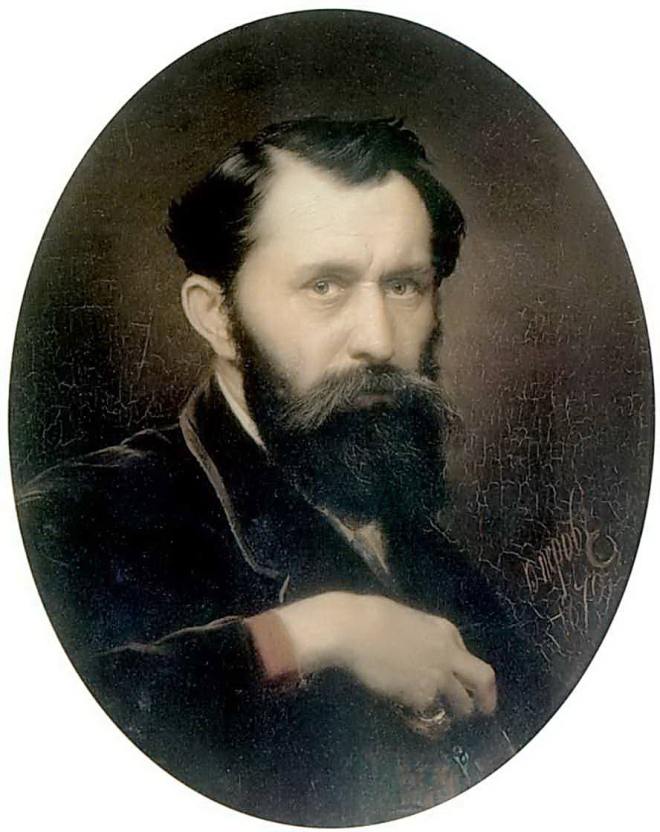
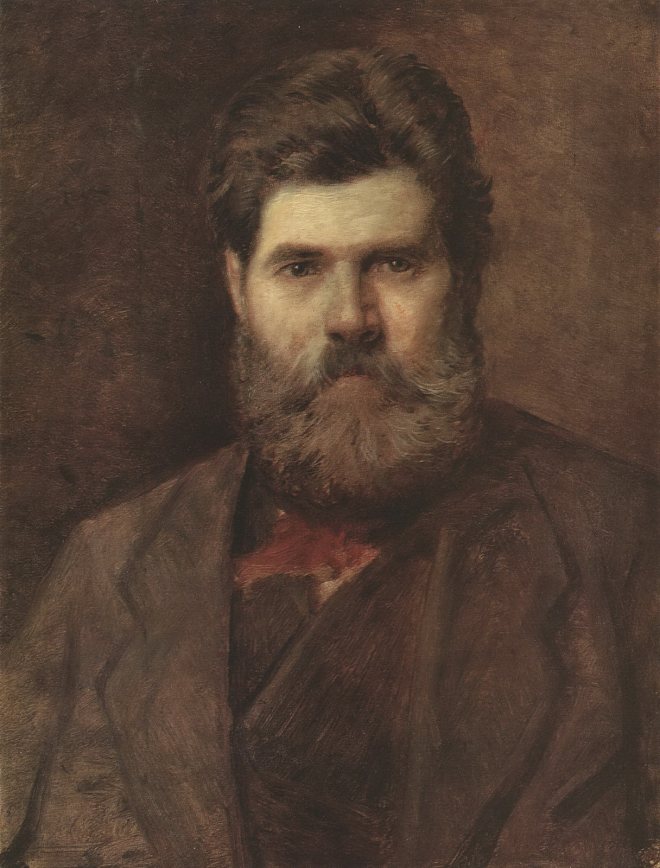
Self-portrait. 1851
Portrait of N. G. Kridener, the artist’s brother. 1856
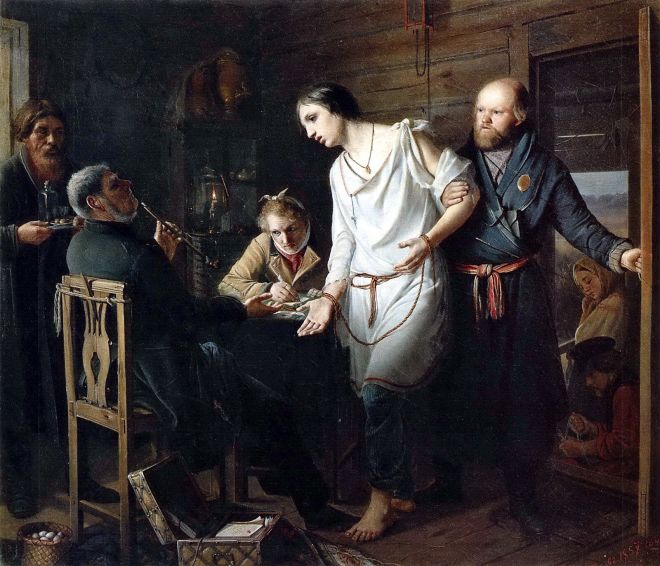
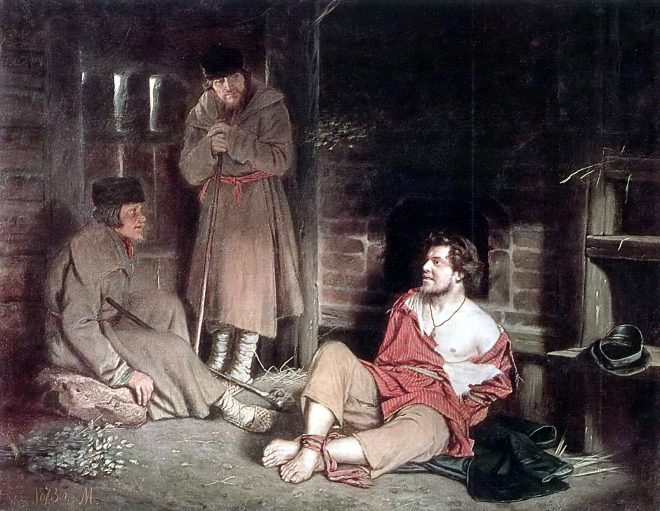
The arrival of the police officer for the investigation. 1857
Wanderer. 1859
Scene at the grave. 1859
First rank. 1860
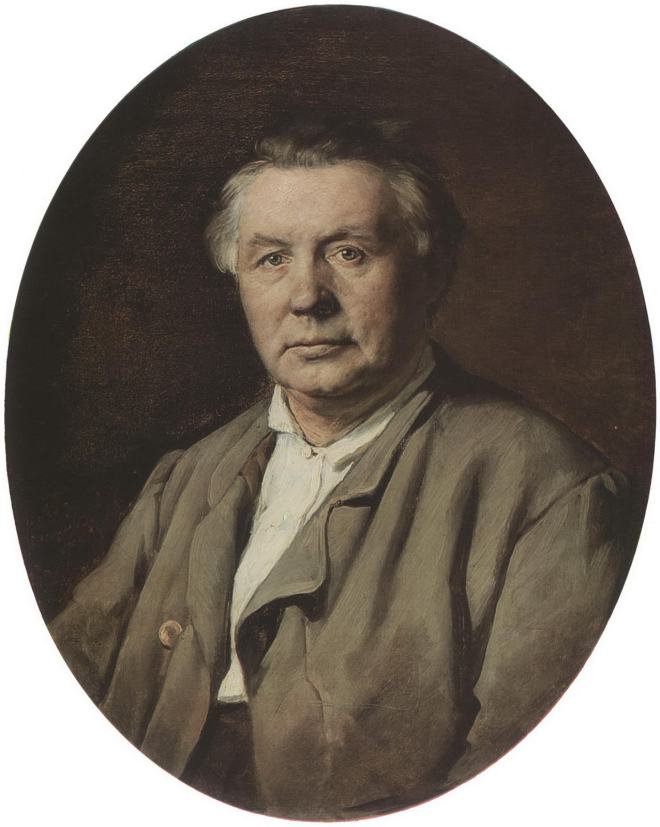
Portrait of an unknown. 1860s
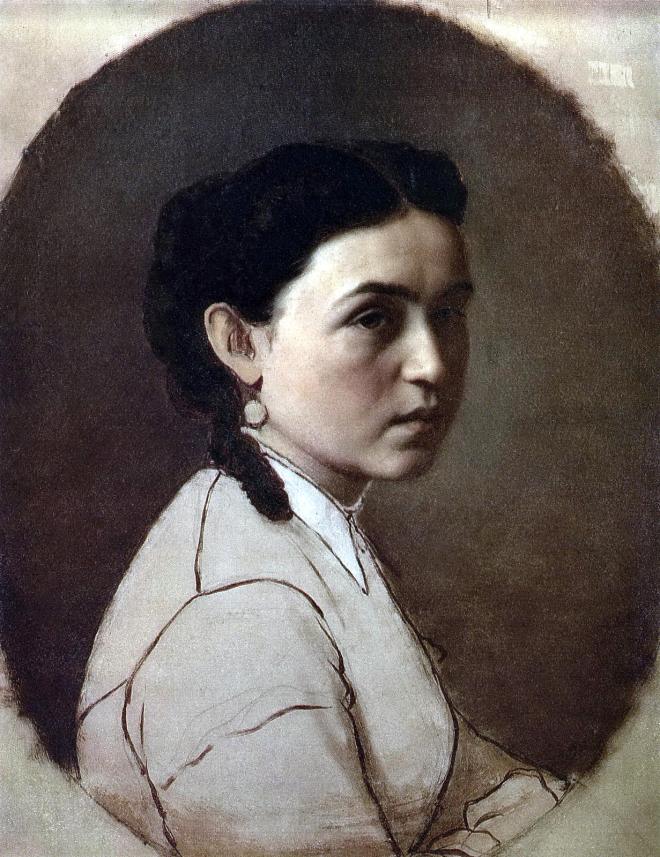
Portrait of E. E. Perova. OK. 1860
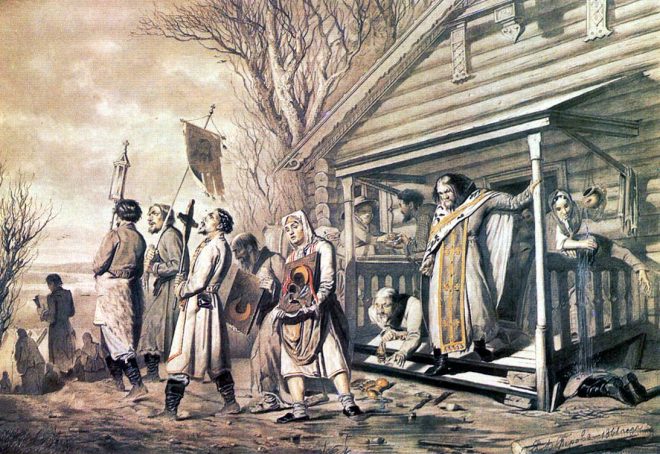
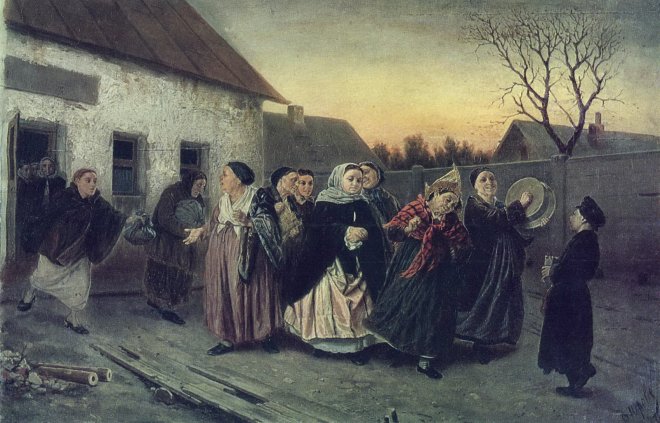
Village procession at Easter – 1861
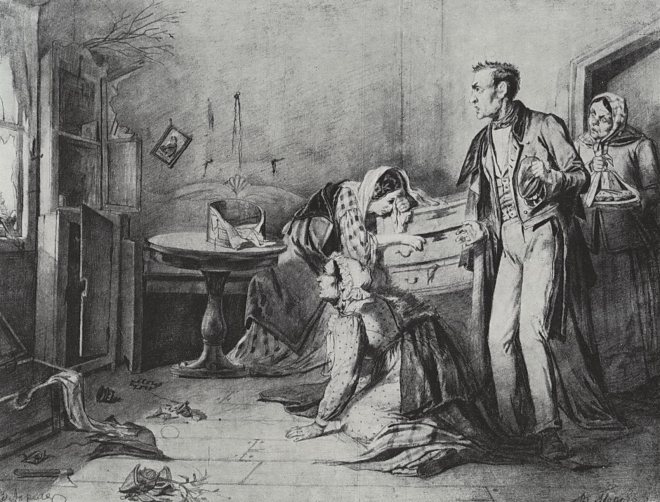
Burglary on Easter night. 1861
Sermon in the village -1861
Village procession at Easter. 1862
Amateur – 1862
Portrait of I. M. Pryanishnikov. Around 1862
Courtship of an official to the daughter of a tailor – 1862
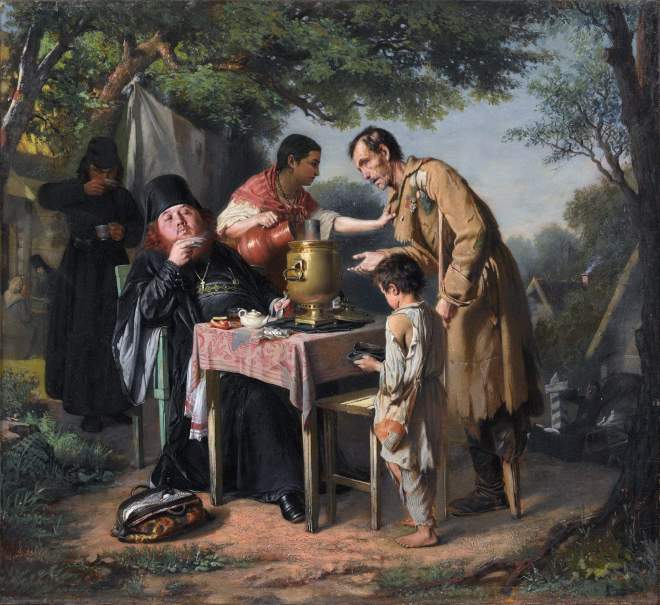
Tea drinking in Mytishchi, near Moscow – 1862
Organ grinder – 1863
Funeral in a poor quarter of Paris. 1863
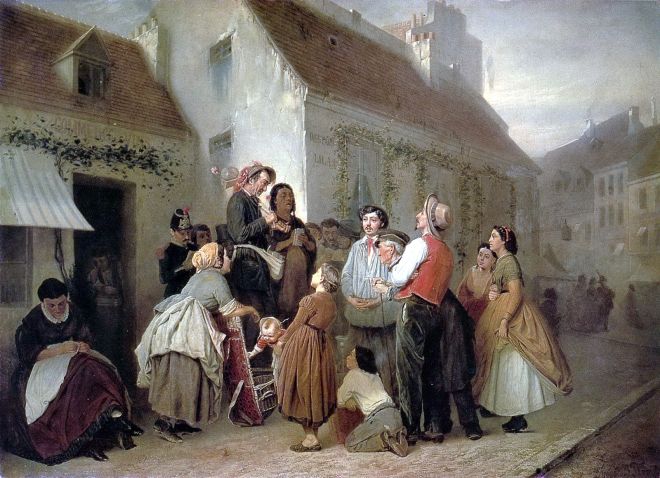
Street musicians in Paris. 1863
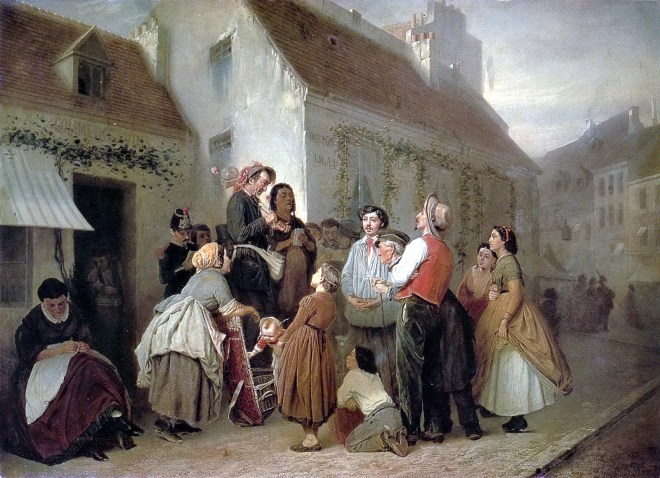
Parisian festivities. 1863
A holiday in the vicinity of Paris. Sketch. 1864
Holiday in the vicinity of Paris (On Montmartre). (Unfinished) 1863-64
Seller of songbooks. (Unfinished) 1863-64
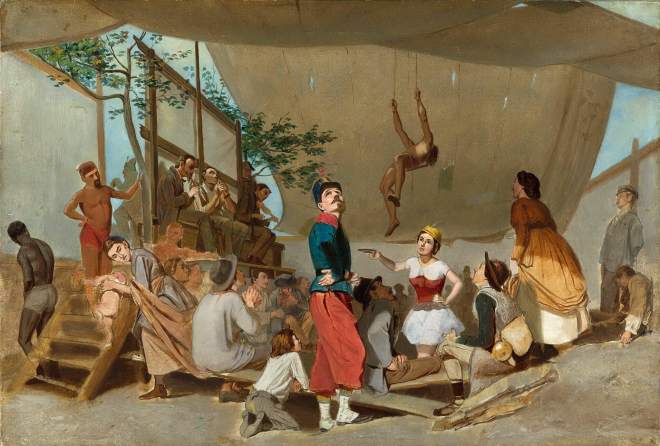
Parisian festivities. The interior of the booth during the presentation 1863-1864
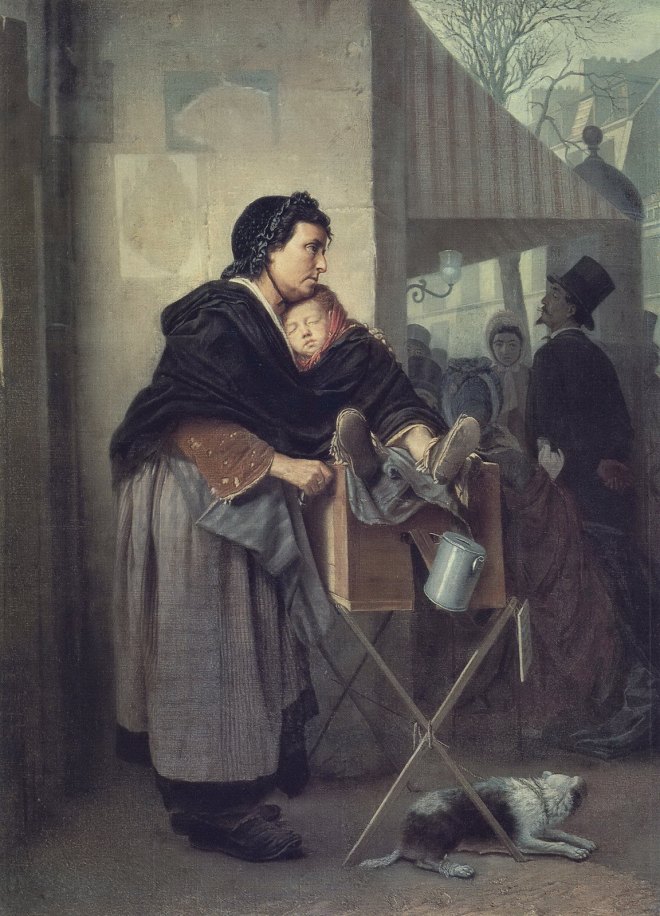
Parisian organ grinder. 1864
Blind musician. 1864
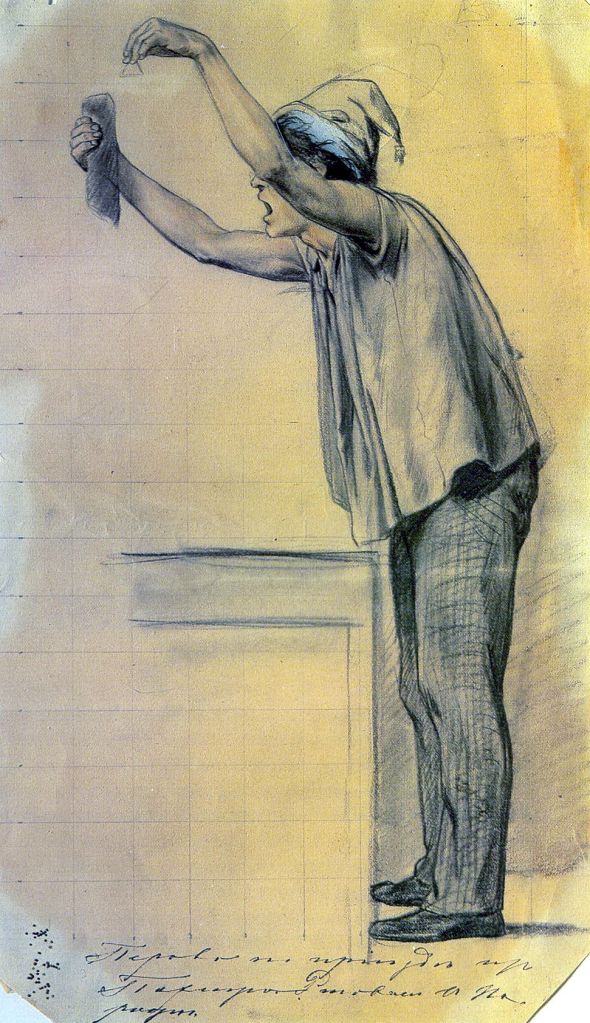
A boy with raised hands, addressing the public – 1864
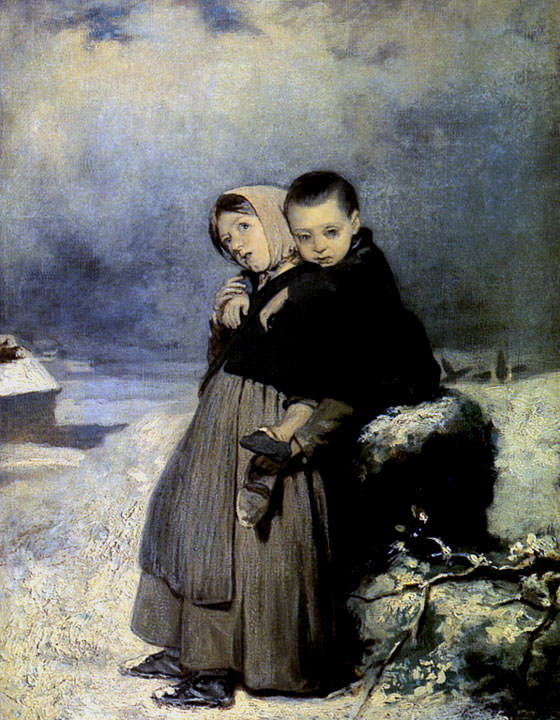
Orphans in the cemetery. 1864
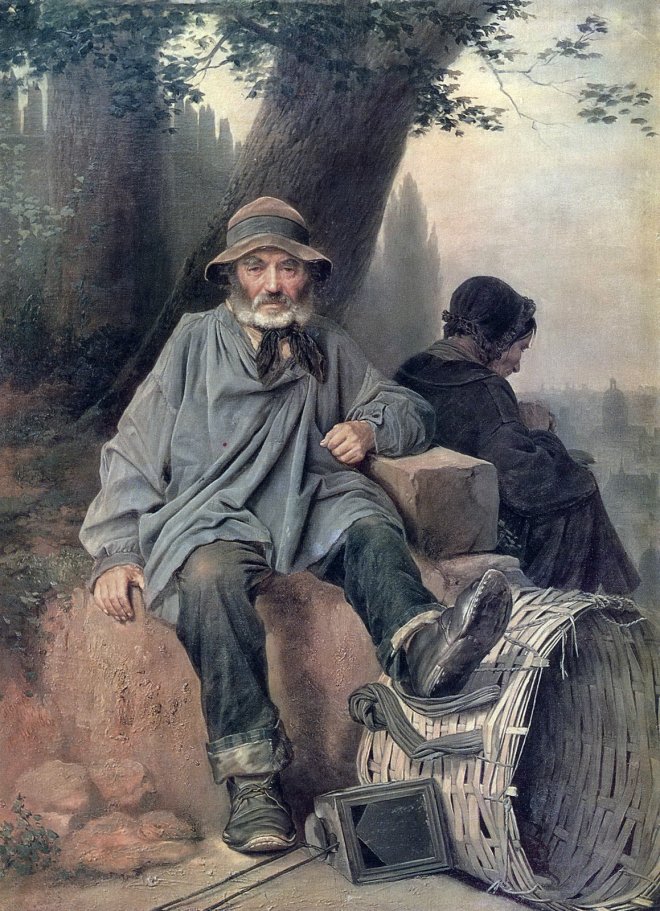
Parisian rag-pickers. 1864
Savoyard. 1864
Songbook seller. 1864
Holiday near Paris. 1864.
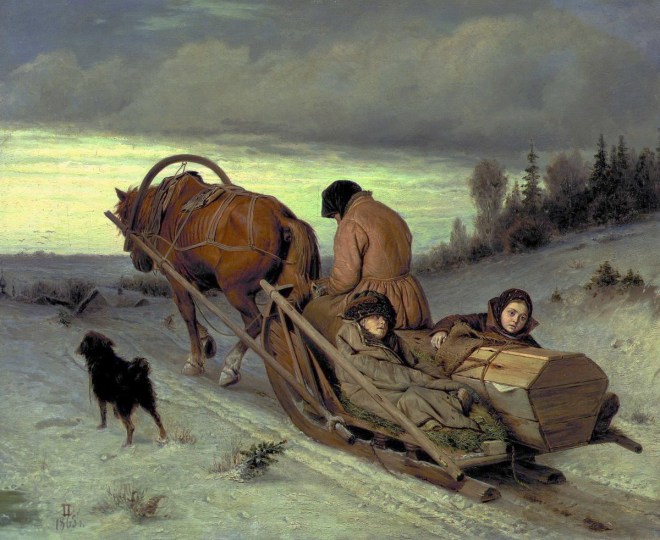
last-journey-1865
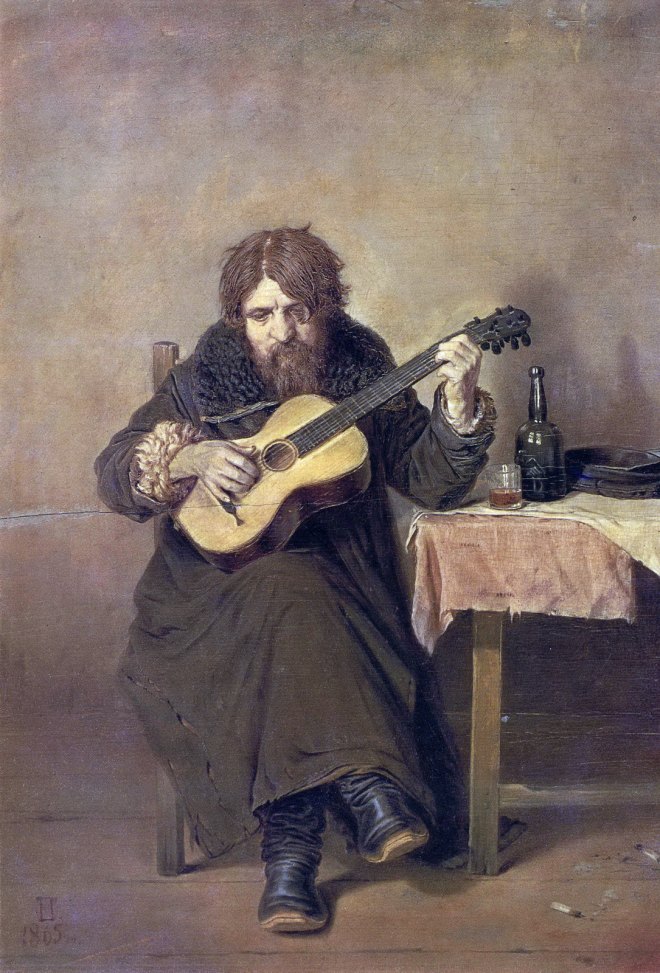
Guitarist-bobyl. 1865
Boy – artisan. 1865
Next at the pool. 1865
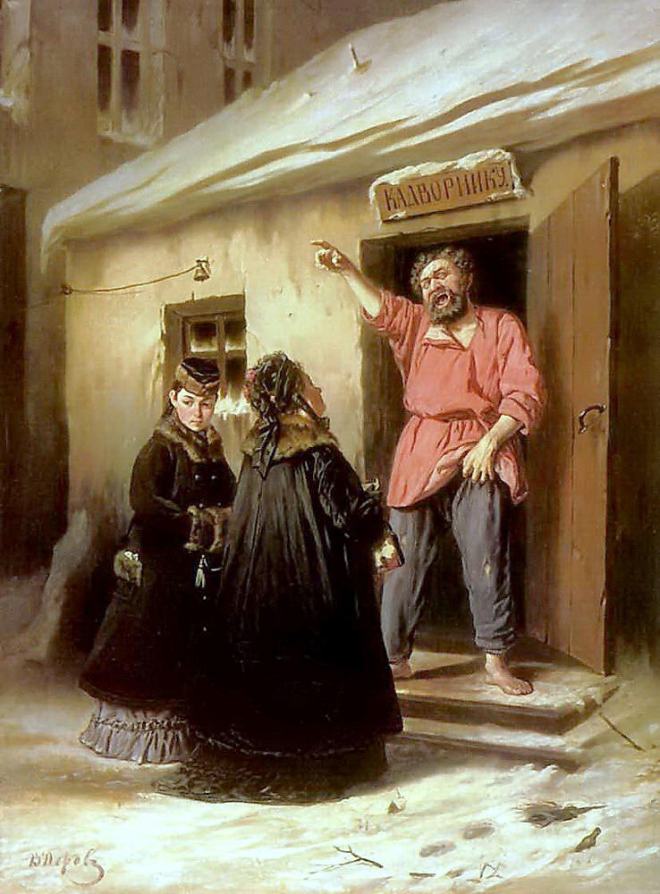
Janitor giving an apartment to a mistress – 1865
Meal. 1865
Meal 1865 -1976
troika-apprentice-workmen-carrying-water-1866
A boy preparing for a fight – 1866
Clean Monday. 1866
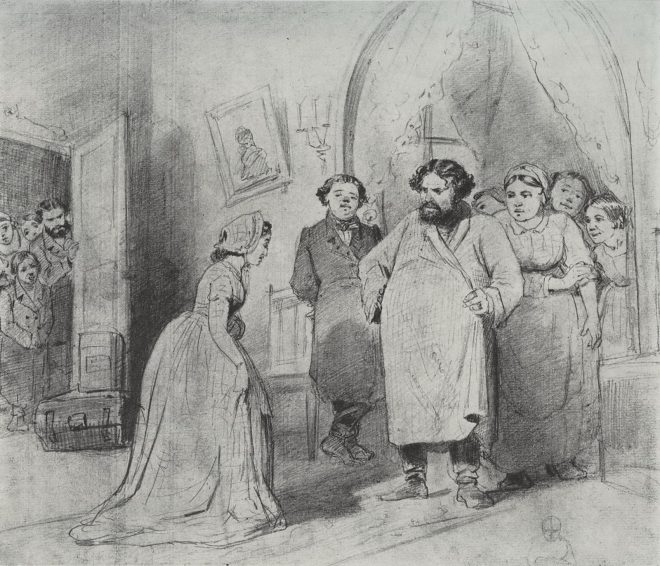
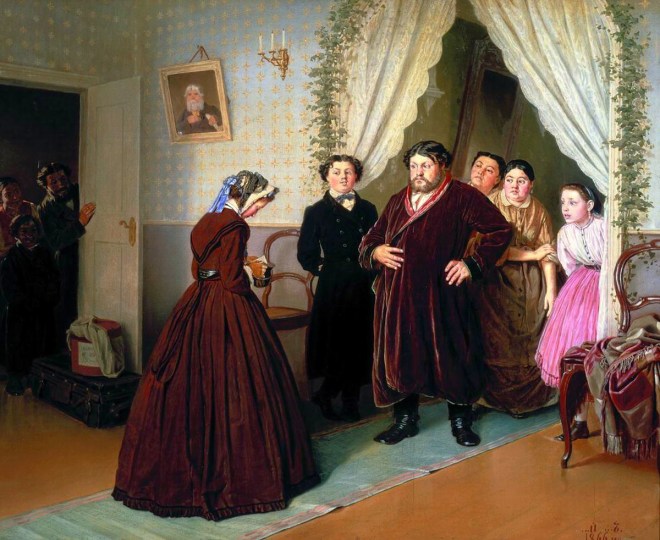
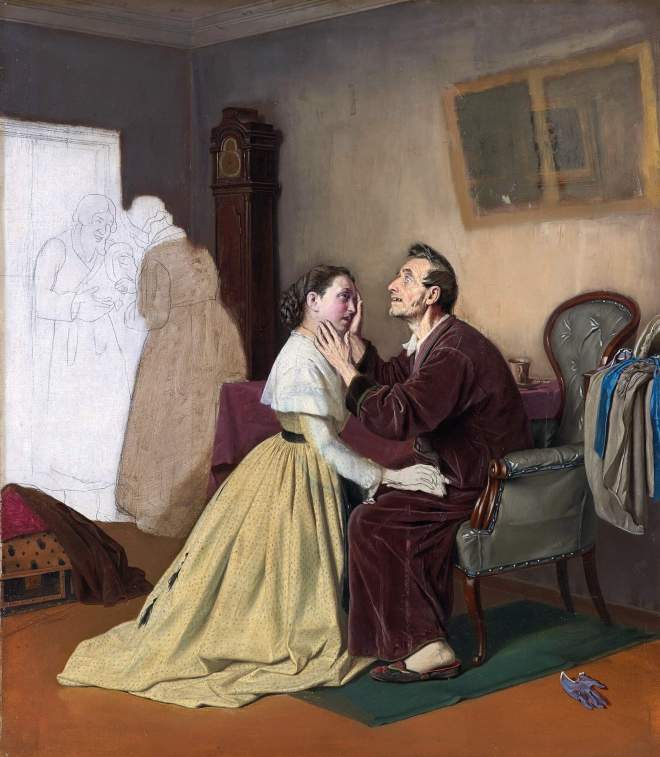
The arrival of a governess in a merchant’s house. 1866
Arrival of a governess to a merchant’s house
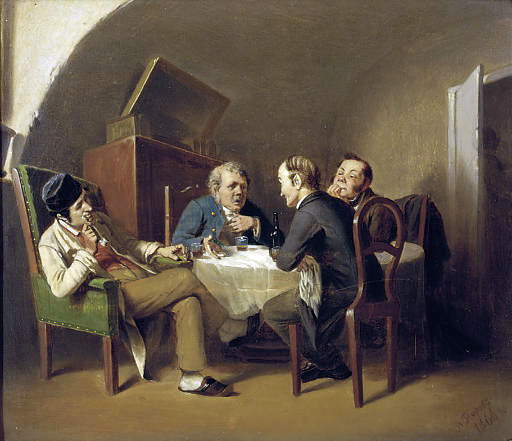
Conversation at the round table. 1866
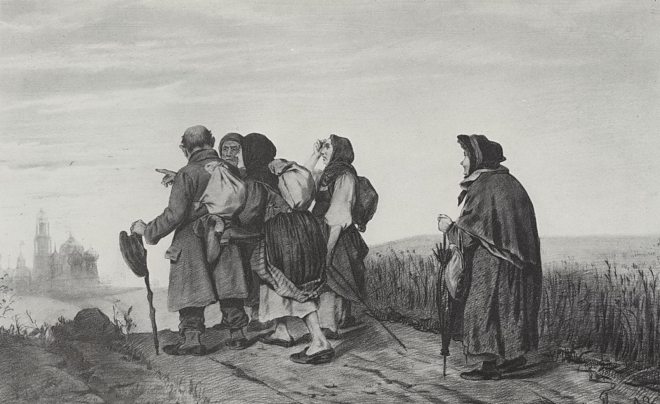
On a pilgrimage. 1867
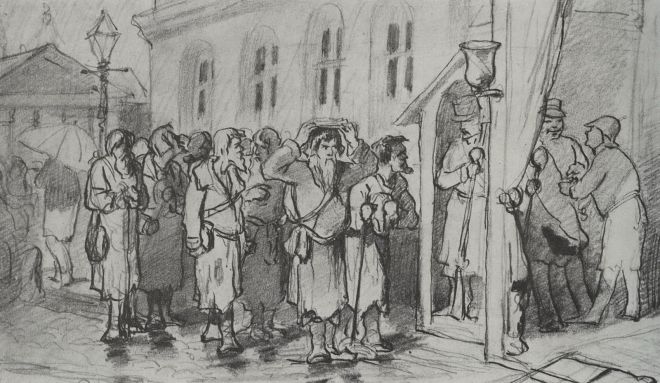
In the loan office. 1867
Christ and the Mother of God at the sea of life. 1867
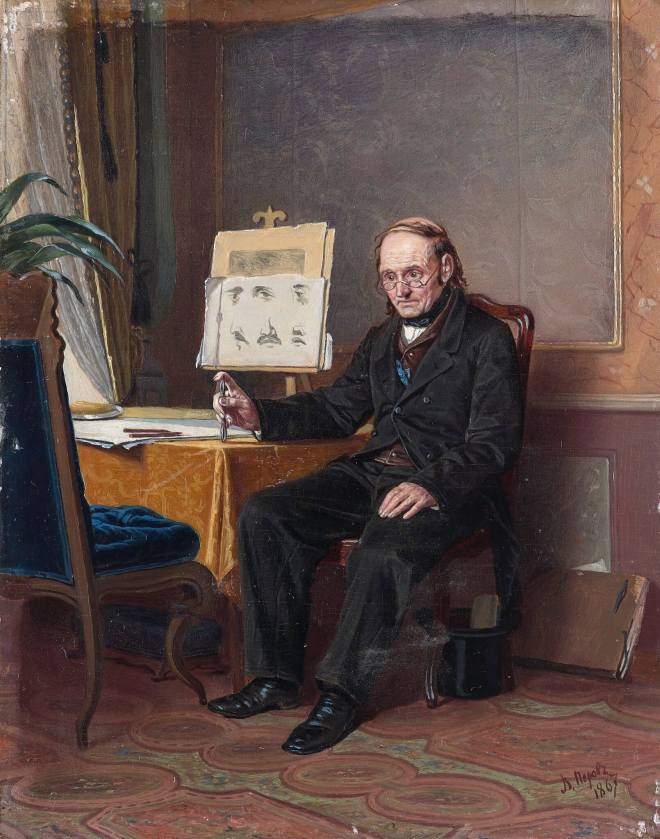
Drawing teacher – 1867
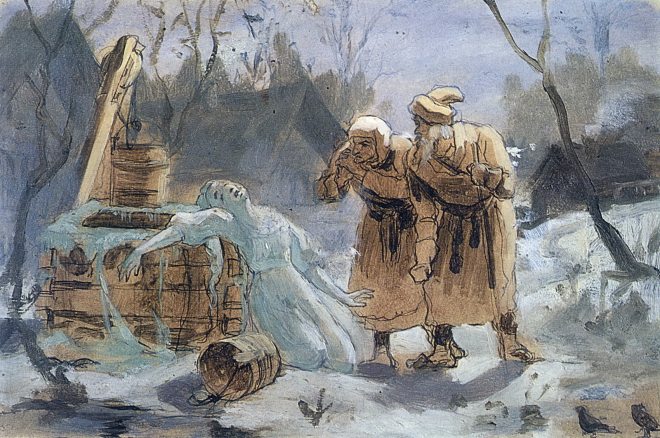
Drowned Woman – 1867
On the railroad. 1868
Fomushka-owl. 1868
Janitor – self-taught. 1868
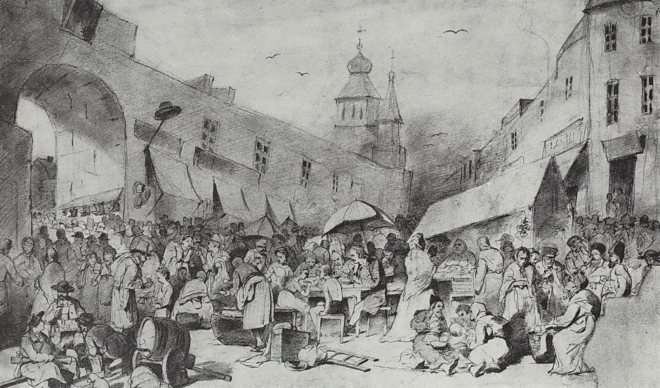
Market in Moscow. 1868
Portrait of N. F. Rezanov. 1868
Portrait of F. I. Rezanova. 1868
Portrait of F. F. Rezanov. 1868
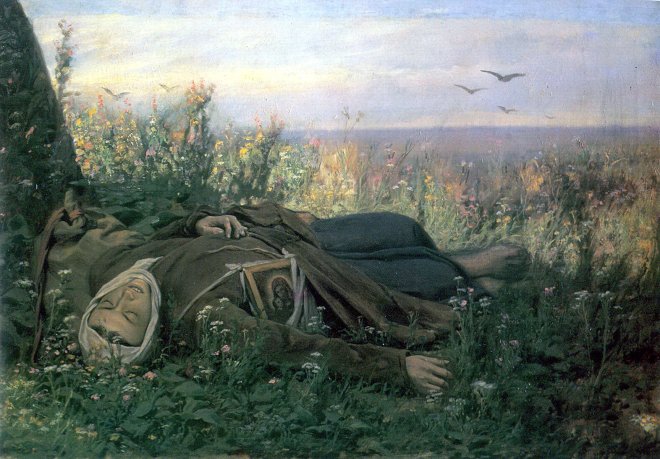
The division of the inheritance in the monastery (Death of a monk). Pencil drawing. 1868
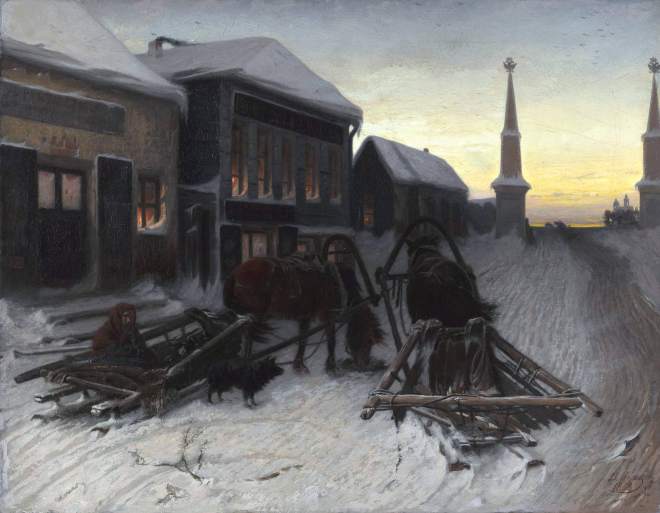
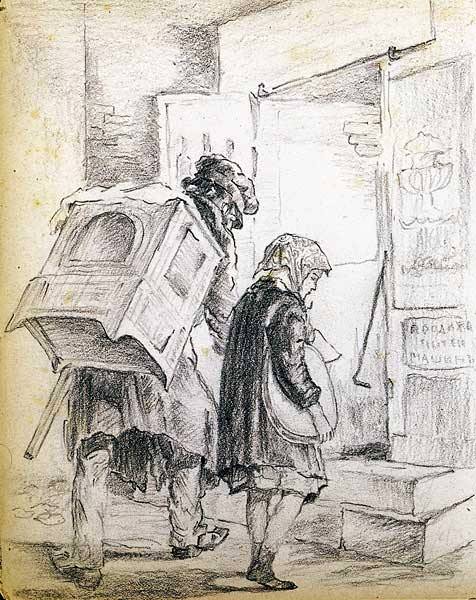
The last tavern at the outpost. 1868
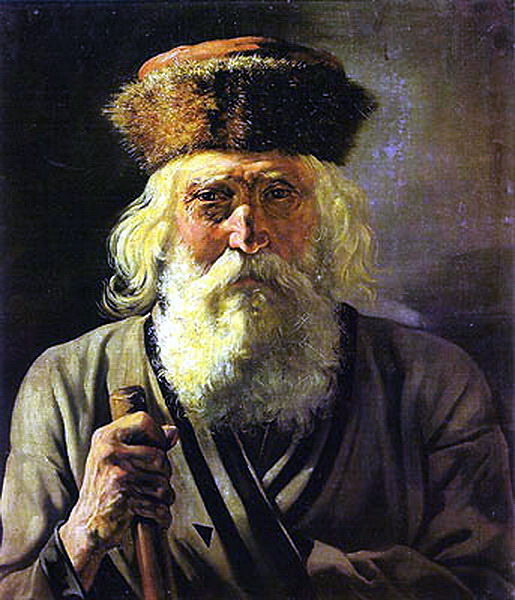
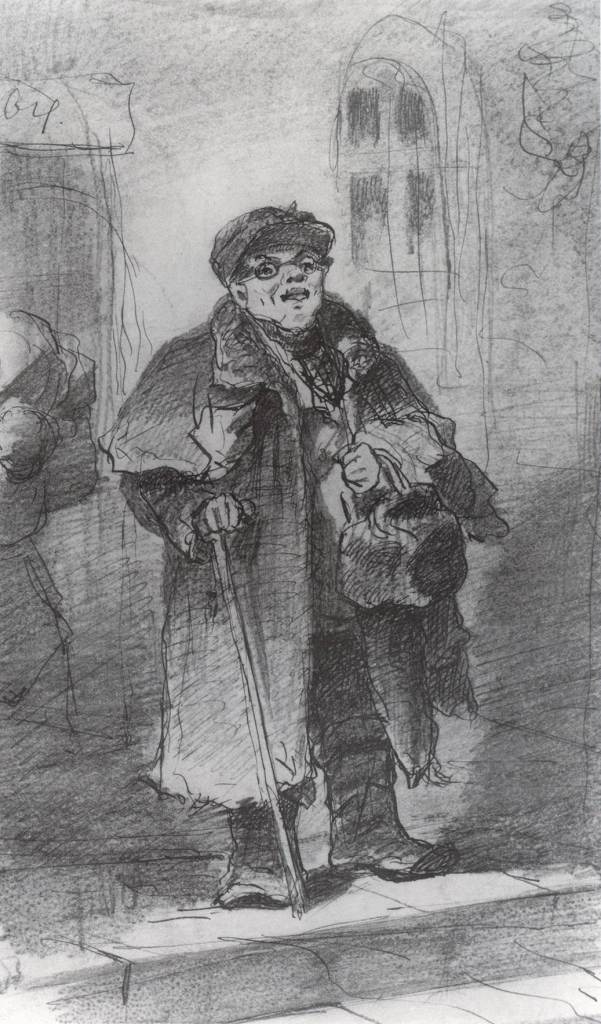
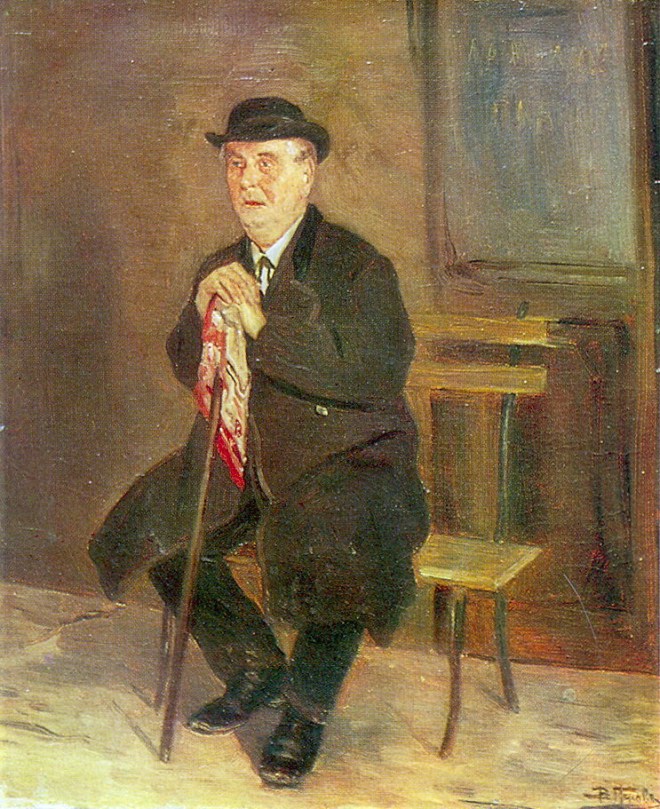
Old Man – 1868
Portrait of the writer A. F. Pisemsky. 1869
Portrait of V.V. Bezsonova (1826-1887) – 1869
Portrait of N. P. Lanin. 1869
Wanderer. 1869
Portrait of A. A. Borisovsky. 1869
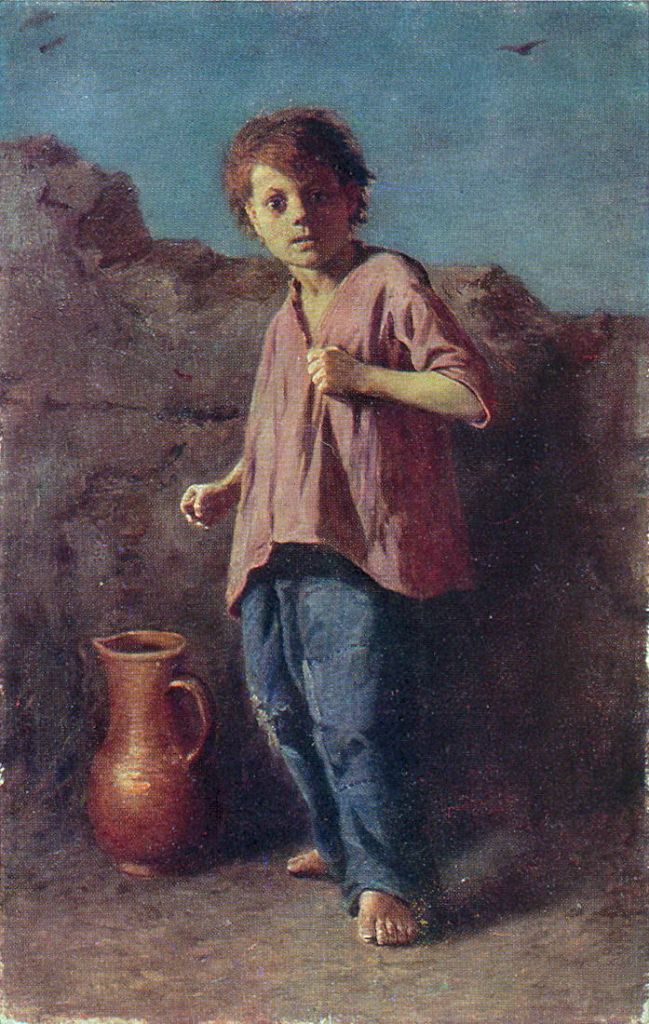
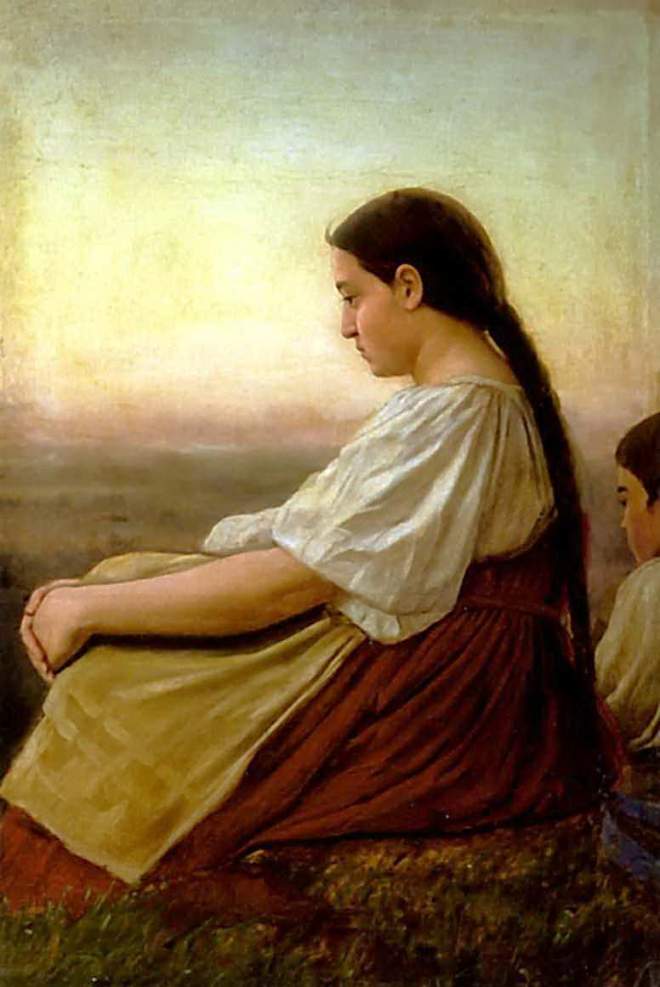
Girl with a jug. 1869
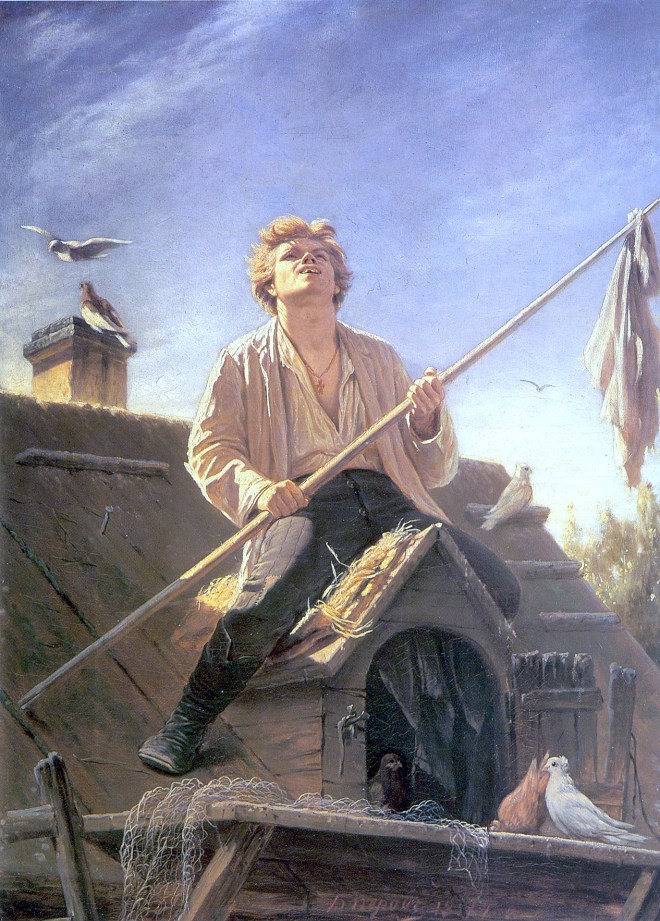
bird-catcher by Perov – 1870
Sleeping children. 1870
Portrait of Nikolai Grigorievich Rubinstein. 1870
To the Trinity-Sergius – 1870
Portrait of Anton Grigorievich Rubinstein. 1870
On the eve of the bachelorette party. Seeing the bride from the bath – 1870
Portrait of Avdotya Kuznetsova. 1870
Wanderer – 1870
Self-portrait. 1870
Arrival of a college girl to a blind father 1870
Portrait of an unknown. 1870
Grandfather and granddaughters. 1871
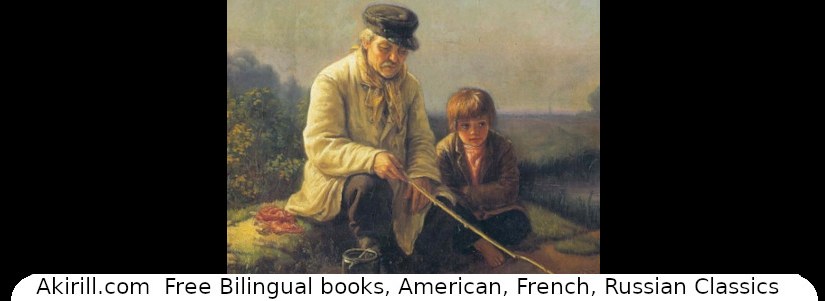
fisherman-1871
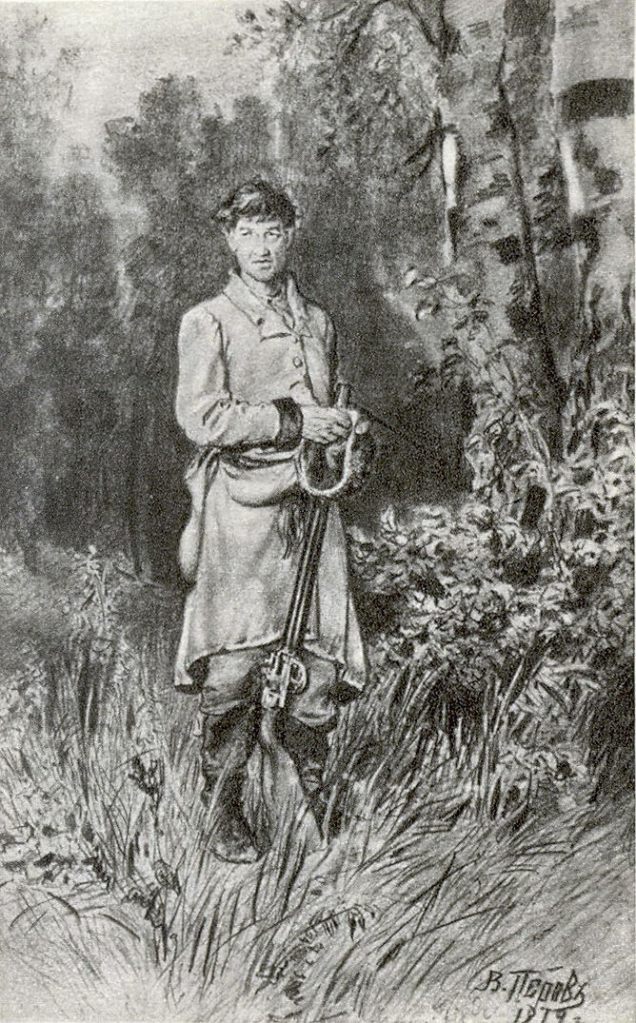
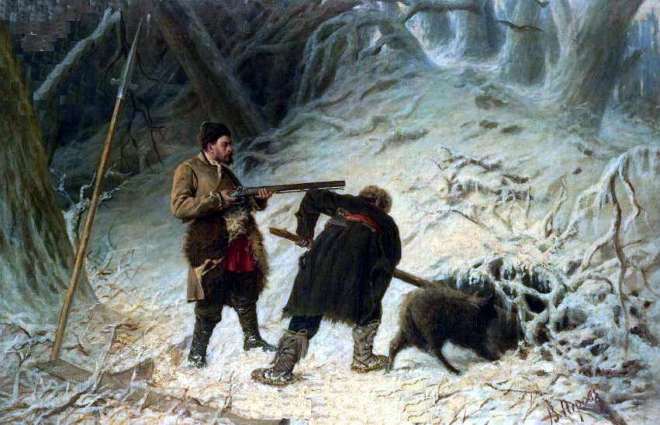
hunters-at-rest-1871
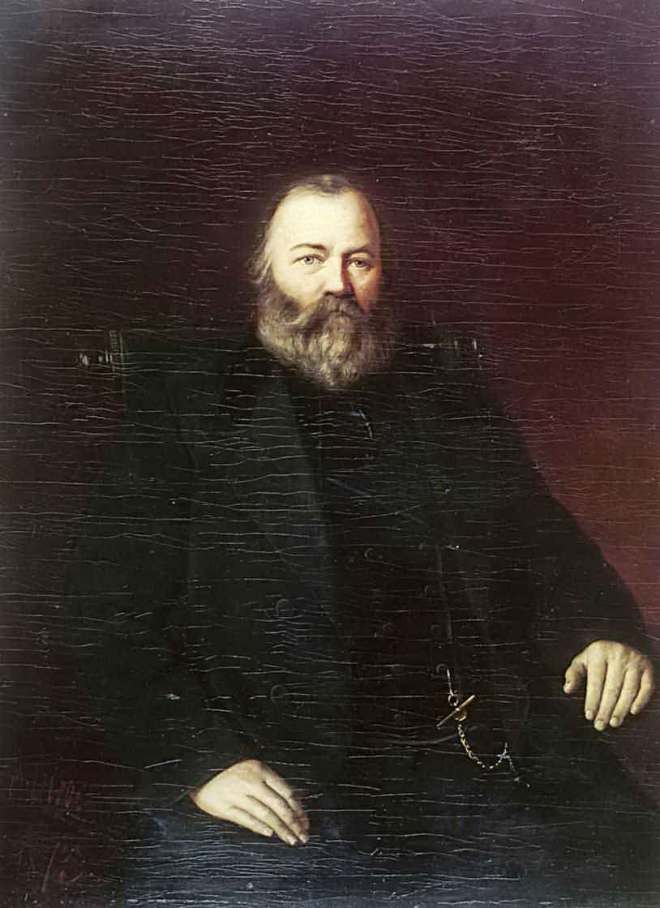
Portrait of A.N. Ostrovsky (1823-1886) -1871
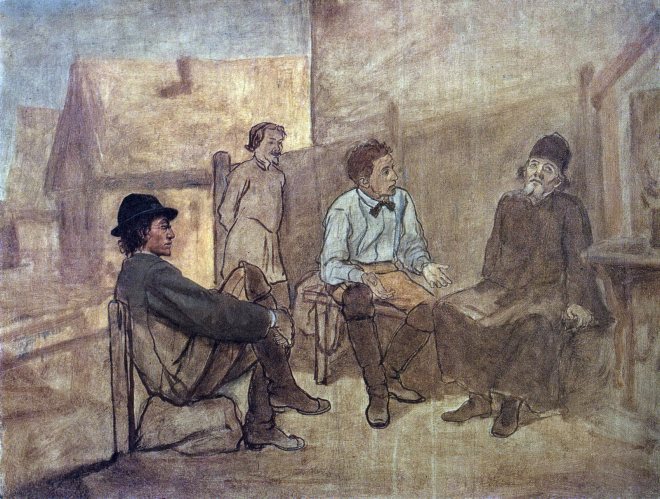
Conversation of students with a monk. 1871
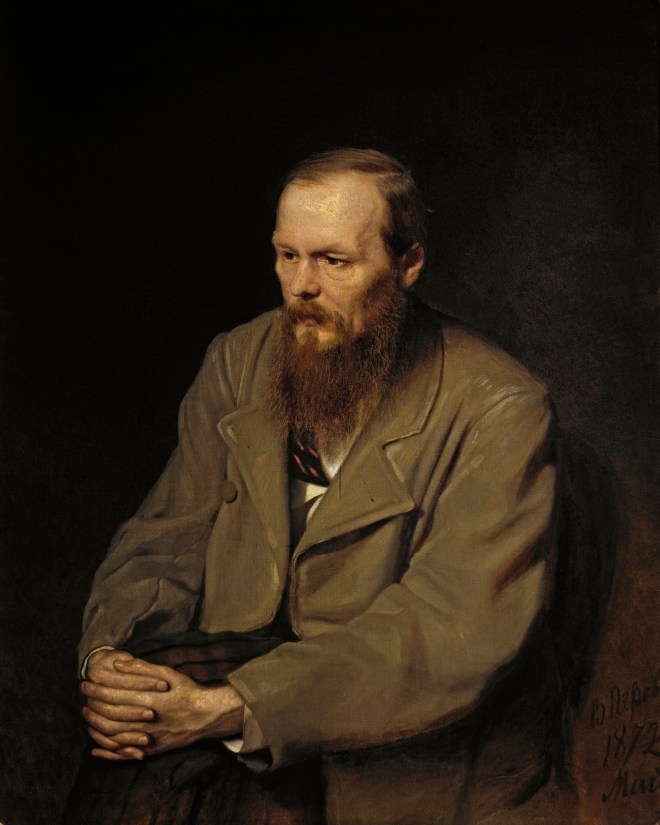
Portrait Dostoevsky 1872
Portrait of A.N. Maikov (1821-1897) – 1872
Portrait of V.I. Dahl (1801-1872) – 1872
Portrait of I.S. Kamynin (1808-1874) – 1872
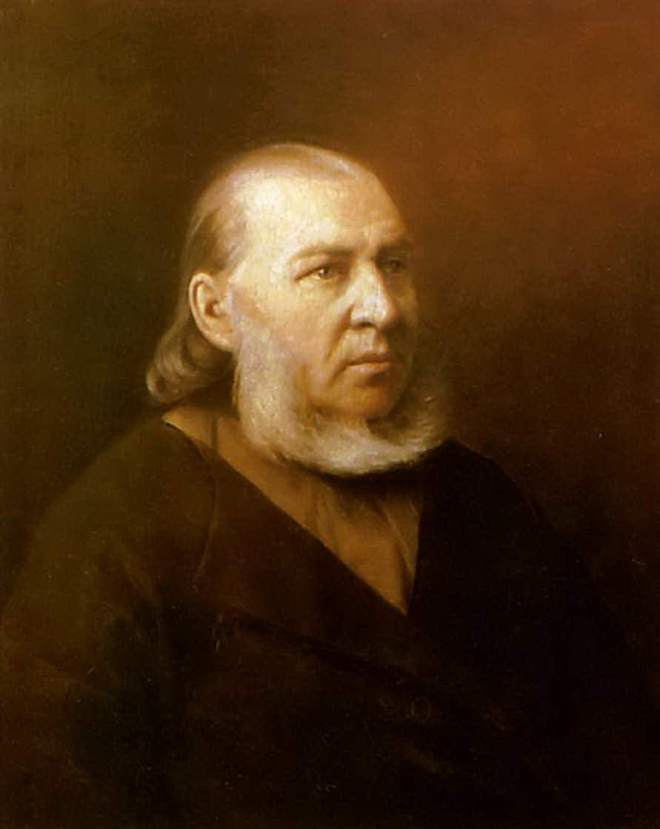
Portrait of the writer Sergei Timofeevich Aksakov. 1872
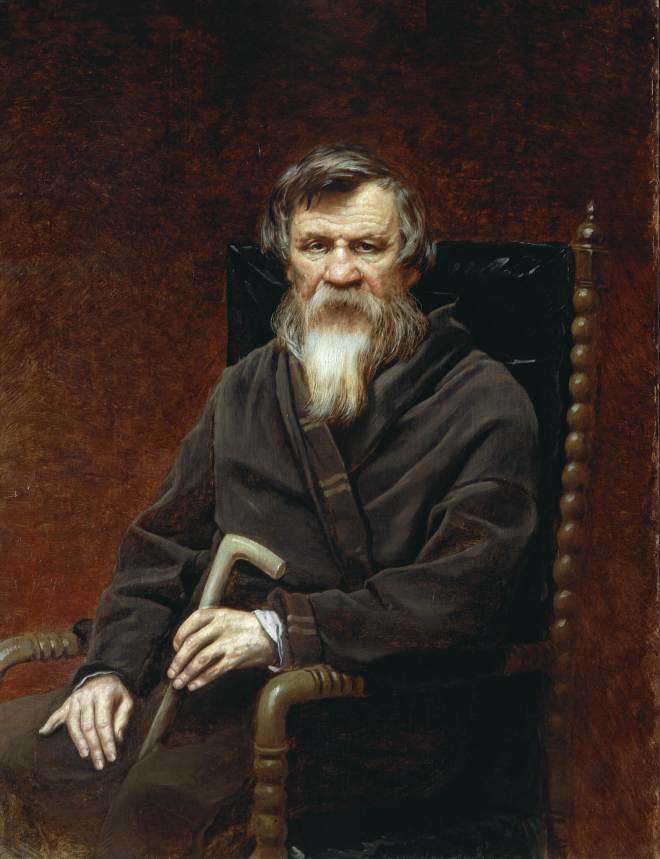
Portrait of the historian Mikhail Petrovich Pogodin (1800-1875) – 1872
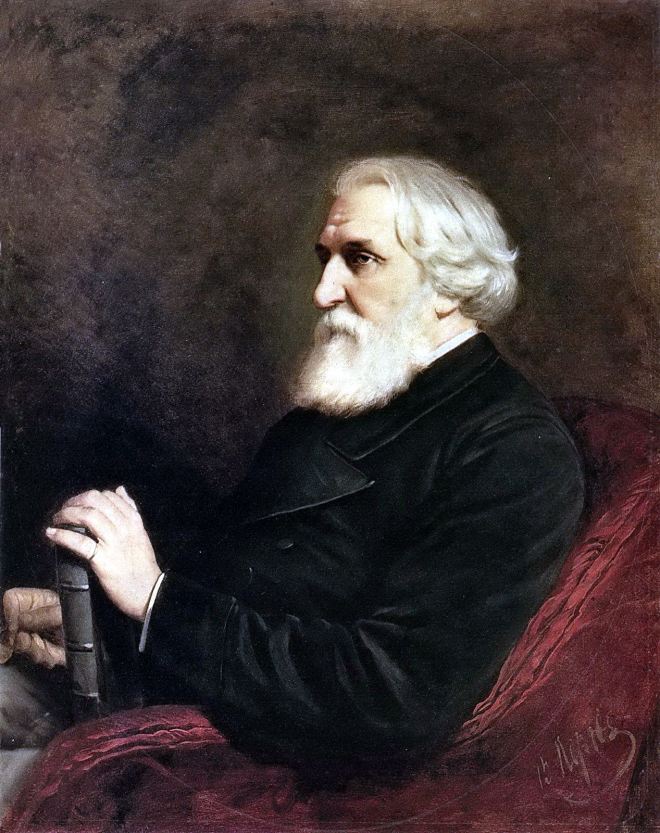
Portrait of the writer Ivan Sergeevich Turgenev. 1872
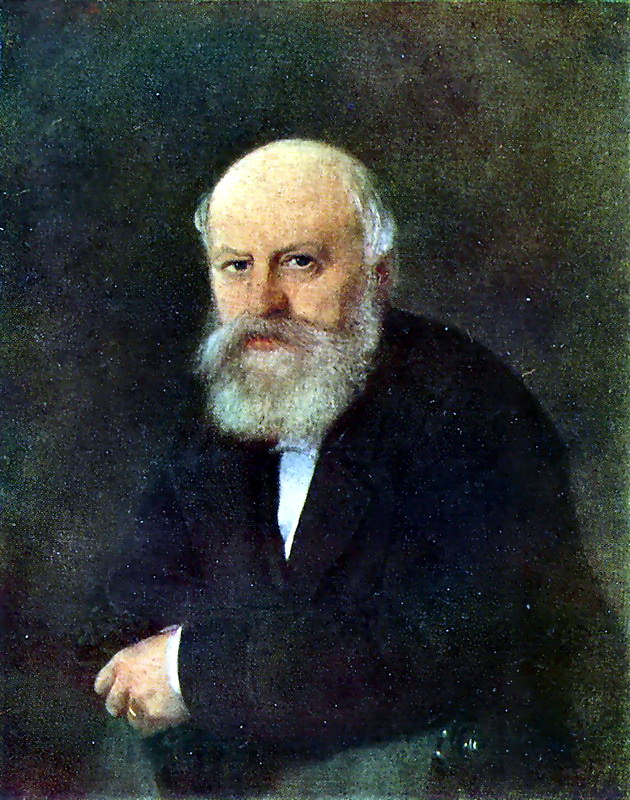
Portrait of the composer P. S. Campioni. 1872
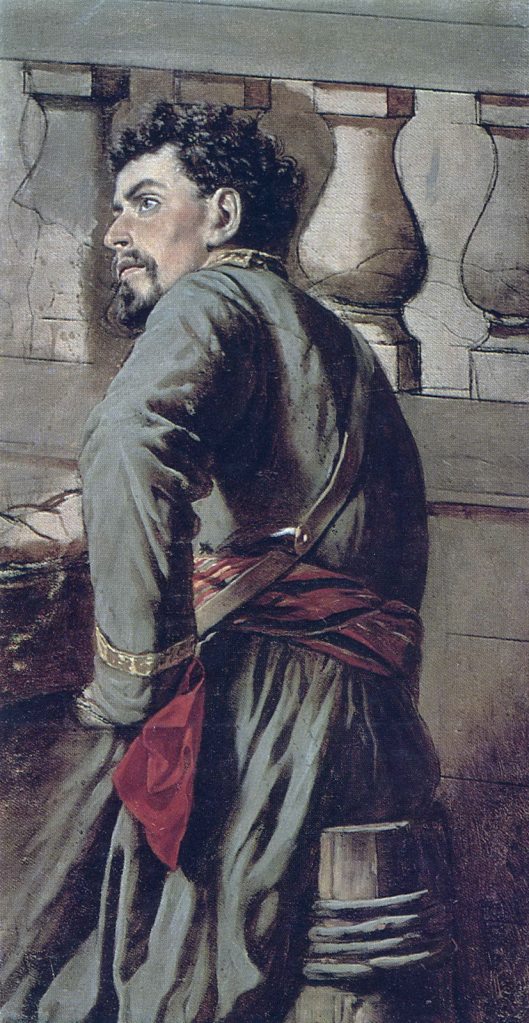
Cossack. 1873
Traveler. 1873
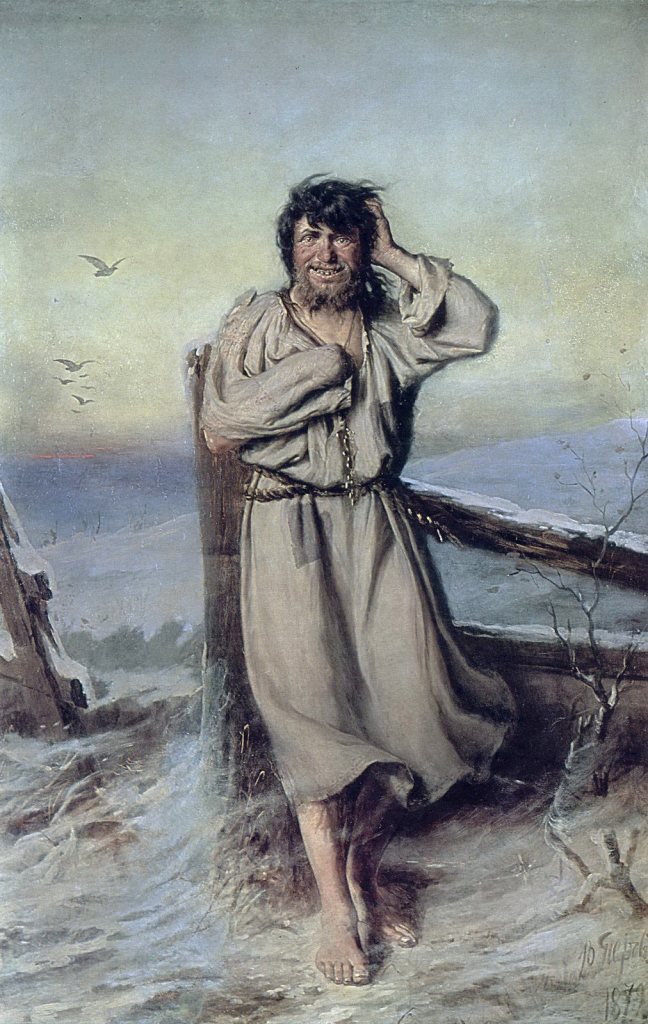
Holy fool, surrounded by wanderers. 1872
Head of a Kirghiz – a convict. 1873
Fedot and Arina. 1873
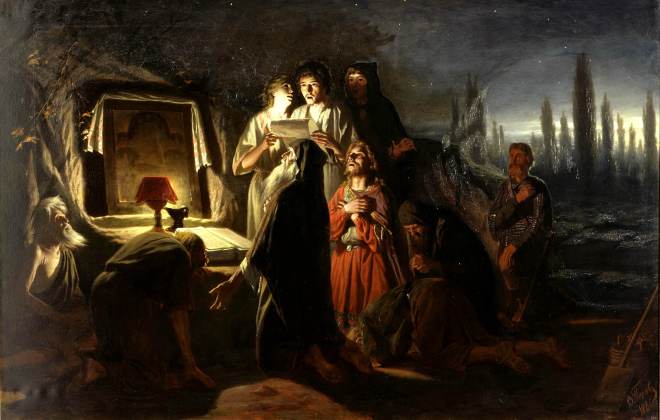
Evening on Great Saturday. 1873
Portrait of the merchant S. T. Kuznetsov. 1873
Gogol wird von den Gestalten seiner Werke zu Grabe getragen. 1873
Inveterate. 1873
Sad father. 1873-74
Scouts near Sevastopol. 1874
pigeon-fancier-1874
Reception of a wanderer. 1874
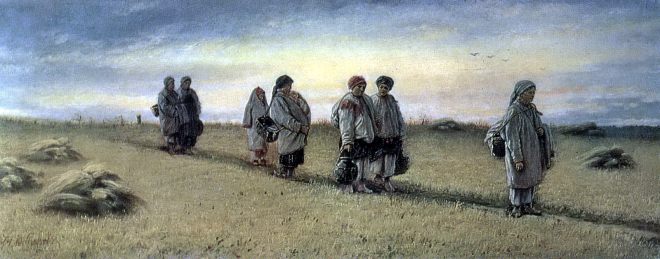
The return of the reapers from the field in the Ryazan province. 1874
Joyful father. 1874
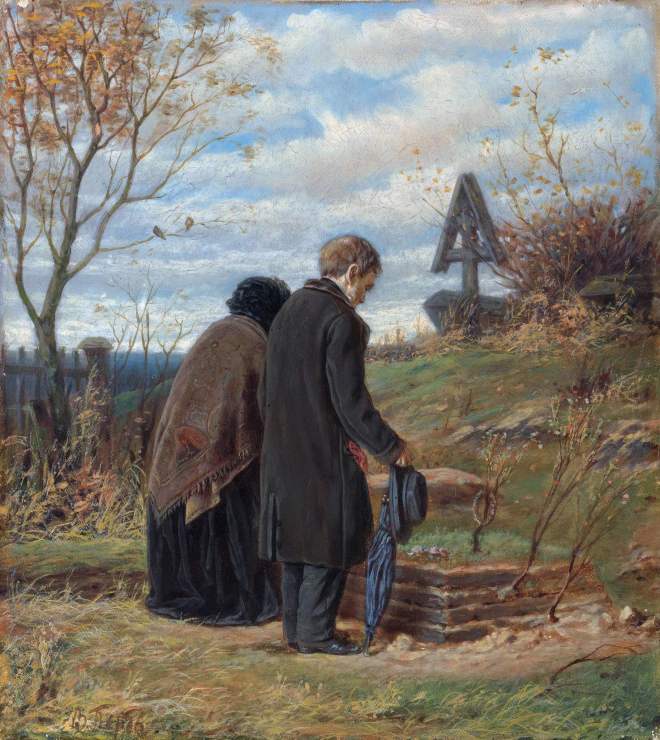
The old man. Fragm. variant k. Old people – parents at the grave of their son. 1874
Old parents at the grave of their son – 1874
Botanist. 1874
Gossip Girl. 1875
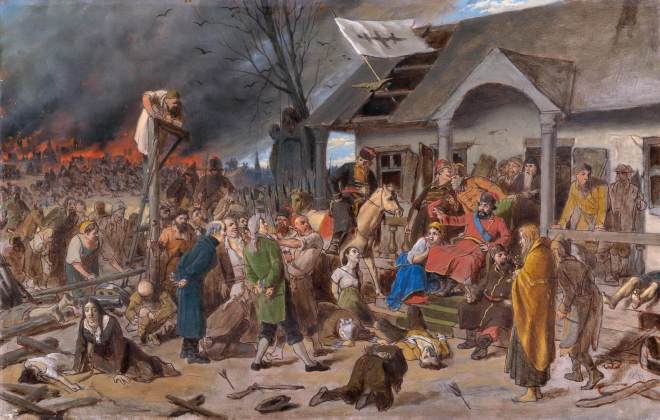
Pugachev’s Court. 1875
Portrait of Anna Ivanovna Sergeeva, nee. Sheina. 1875
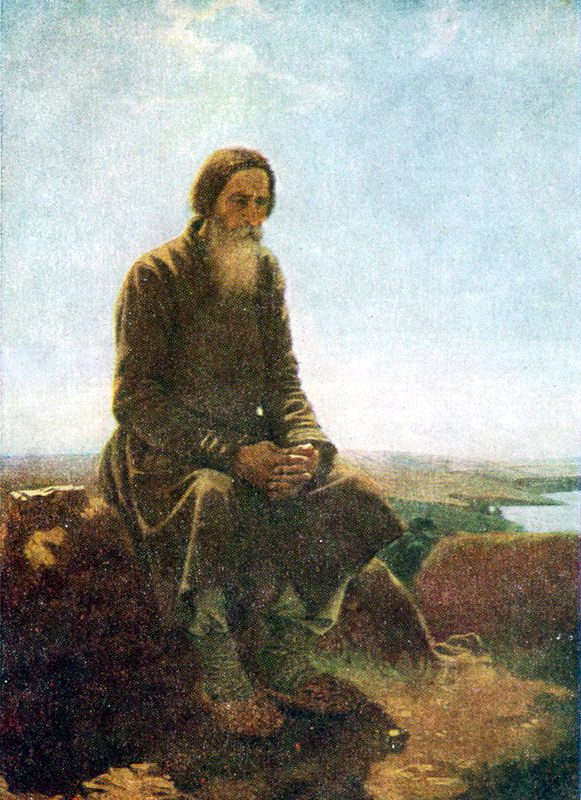
Peasant in the field. 1876
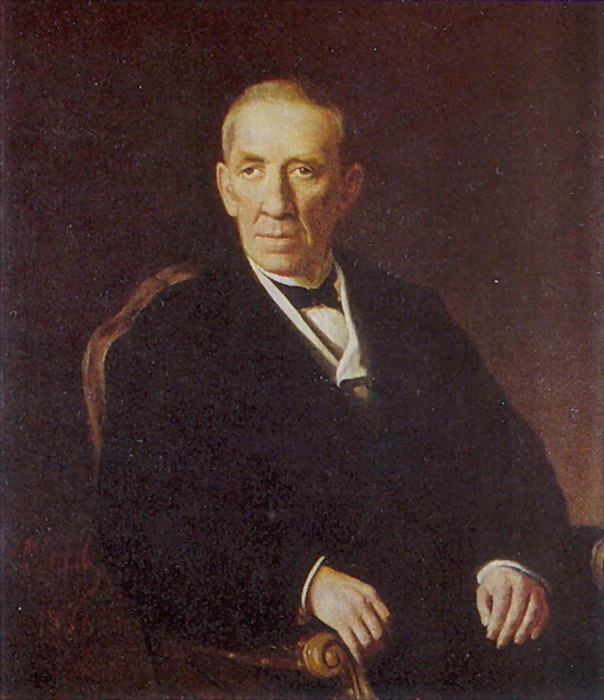
Portrait of Pyotr Ivanovich Nikolaev, Chairman of the Vladimir Zemstvo Council. 1876
Portrait of N. A. Kasatkin. 1876
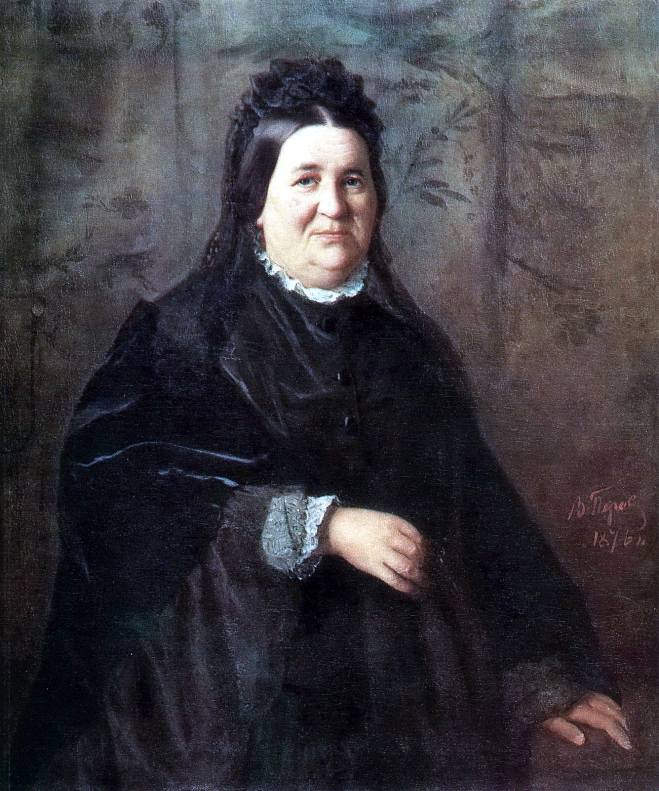
Portrait of A. I. Kridener, born. Ivanova, the artist’s mother. 1876
fishing 1878
Blind. 1878
A janitor who gives an apartment to a mistress. 1878
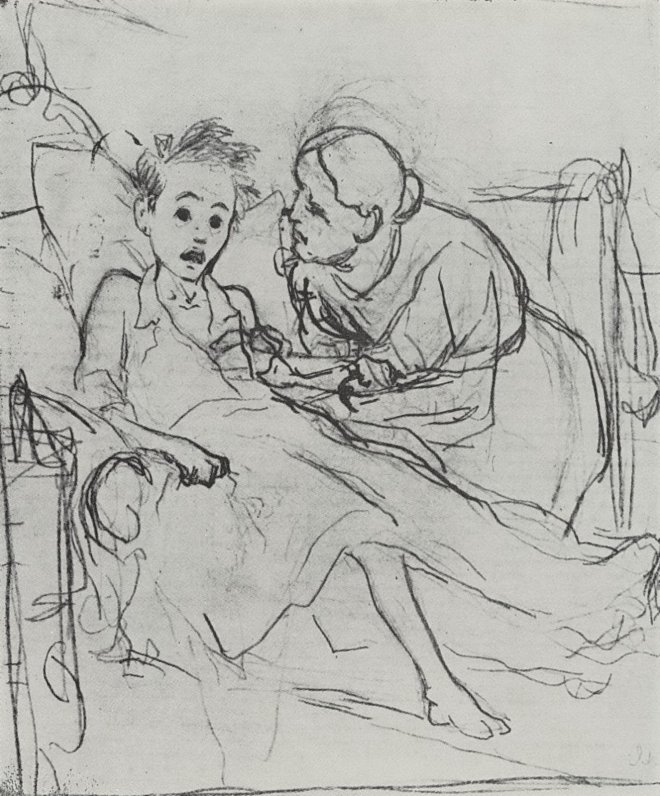
Mother with a sick child. 1878
Portrait of A.K. Savrasov (1830-1897) – 1878
Christ in the Garden of Gethsemane. 1878
Executed Pugachevites. Rice. pencil and pen. 1878
Pugachev’s Court – 1879
Fishermen. (Priest, deacon and seminarian). 1879
Wanderer in the field. 1879
From the station. 1879
Blessed. 1879
On the traction. Pencil drawing. 1879
The return of the peasants from the funeral in winter. Beginning 1880s
Vasily Grigoryevich Perov est né entre le 21 et le 23 décembre 1833 (2 ou 4 janvier 1834) et est le fils illégitime du baron Georgy (Grigory) Karlovich Kridener et d’AI Ivanova.
Même si ses parents se sont mariés peu de temps après sa naissance, Vasily n’avait pas droit au nom et au titre de son père. Et son surnom “Perov”, qui est son nom de famille, lui a été donné par son professeur de literacy pour sa diligence et son écriture habile.
Dans son enfance, Vasily était malade de la variole, ce qui lui a causé une mauvaise vue pour le reste de sa vie.
Il s’est intéressé à la peinture après avoir observé le travail d’un artiste et est allé étudier à l’école d’art Arzamas d’AV Stupin. Mais parce qu’il était si bon qu’il a été autorisé à peindre avec des peintures à l’huile avant les autres élèves, puis malheureusement à cause d’une dispute avec un autre élève, il n’a pas terminé l’école.
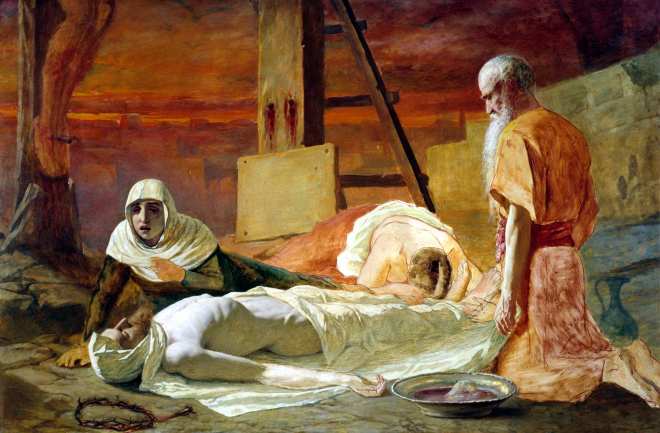
Il est rentré chez lui et a commencé à créer la composition « Crucifixion » écrite tout au long du Carême et achevée la Semaine Sainte puis placée dans une église située près du village de Nikolskoye.
Il a également peint un certain nombre de portraits et de tableaux de genre : « Un mendiant qui mendie », « Troïka du village », « Festival folklorique dans la Semik ».
En 1853, Vasily Perov est entré à l’école de peinture, de sculpture et d’architecture de Moscou et a obtenu son diplôme universitaire sous la direction de SK Zaryanko.
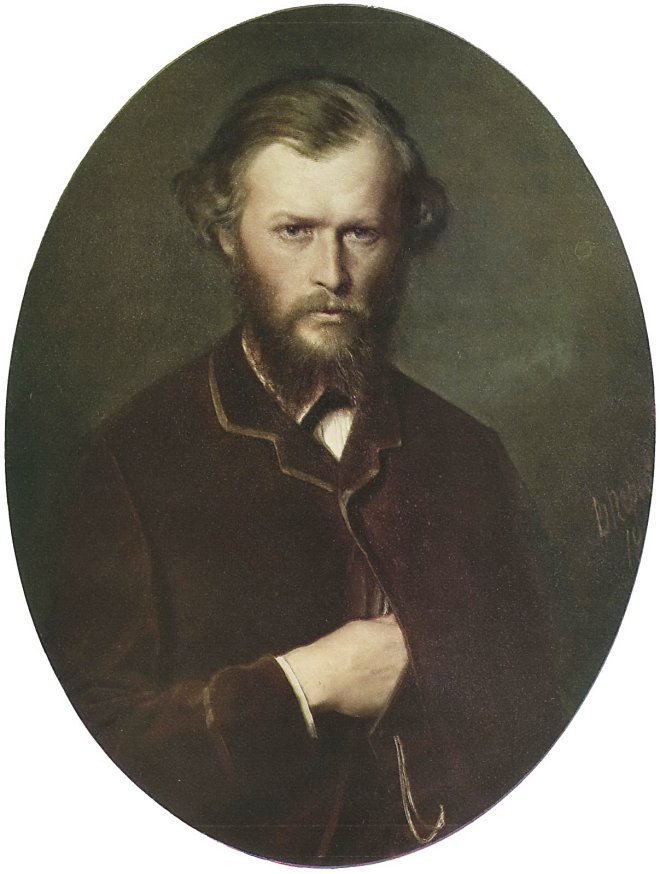
Perov a présenté le “Portrait de Nikolai Grigoryevich Kridener, le frère de l’artiste” à l’Académie impériale des arts et a reçu une petite médaille d’argent en 1856.
Portrait of Nikolai Grigorievich Rubinstein. 1870
Ce travail était encore étroitement lié aux traditions de l’art du début du XIXe siècle, mais déjà dans les travaux suivant, Perov agissait comme un innovateur.
En 1857, le tableau “Arrivée d’un policier pour enquête” rapporte à l’artiste une grande médaille d’argent et attire l’attention du public et des critiques.
The arrival of the police officer for the investigation. 1857
En 1860, Perov reçut à nouveau une petite médaille d’or pour le tableau «Premier rang. fils de sacristain, promu greffier collégial », qui érigea l’artiste en héritier du genre satirique des années 1840.
Maintenant, il pouvait participer au concours pour une grande médaille d’or, et peint “Sermon dans le village” et “Procession religieuse rurale à Pâques”. Il reçu une grande médaille d’or en 1867 et le droit de voyager à l’étranger comme pensionnaire pour le premier tableau.
Sermon in the village -1861
En 1862, Perov épousa Elena Edmondovna Sheins et ils partirent à l’étranger alors qu’il était lui-même pensionnaire à l’Académie des Arts.
En 1863-1864, Perov a vécu et travaillé à Paris, mais il voulait rentrer chez lui et après avoir reçu l’autorisation de l’Académie pour un retour anticipé qui comprenait la poursuite de l’internat en Russie, il est retourné à Moscou.
Vasily Perov s’est installé dans la maison de l’oncle de sa femme, F.F. Rezanov à Moscou et n’a jamais quitté la ville.
Alors qu’il était encore à l’étranger, Perov a conçu un grand tableau avec une intrigue de la vie monastique, avec ces peintures, une nouvelle étape dans le travail de l’artiste a commencé: d’une direction satirique, il est passé à des histoires plus dramatiques – sur «l’humiliation et l’offense.
En 1869, Vasily Perov et Myasoedov créent l’Association des expositions d’art itinérantes (TPKhV). Vasily, qui a été membre du conseil d’administration pendant 7 ans, a organisé un groupe de Wanderers à Moscou.
En 1870, il a obtenu le titre de professeur de l’Académie des Arts grâce aux tableaux “Vagabond” et “Attrape-Oiseaux”, et reçoit le premier prix de l’OPH pour le tableau “L’Homme-Oiseau”.
bird-catcher by Perov – 1870
Dans les années 1970, les histoires de la vie quotidienne occupent une place particulière dans l’œuvre de Perov. Puis en 1871, Vasily est nommé professeur à l’École de peinture et d’art de Moscou.
En 1871-1872, Perov, commandé par le Premier ministre Tretiakov, a exécuté un certain nombre de portraits d’écrivains et de scientifiques russes. Perov a atteint une telle «vérité» dans certains portraits, ce qui dans l’art russe n’a été atteint que par IE Repin et VA Serov .
Perov a épousé Elizaveta Egorovna Druganova en 1872.
En 1873, ses tableaux “Pêcheur” et “Chasseurs au repos” sont présentés à l’Exposition universelle de Vienne.
fisherman-1871
En 1877, Perov a quitté les membres du TPHV et a participé à l’exposition de l’Exposition universelle de Paris un an plus tard.
Au cours des dernières années de sa vie, VG Perov a collaboré avec la revue ” Priroda i Okhota ” de LP Sabaneev et un certain nombre de ses histoires ont été publiées dans le Art Journal qui a été publié en 1881-1887.
Sa santé se détériora à cause du typhus et d’une pneumonie en 1881 et Vasily Perov mourut de consomption, à l’âge de 49 ans, dans un petit hôpital de Golitsyn près de Moscou.
Perov a été enterré au cimetière du monastère, du monastère de Danilov où une pierre tombale lugubre en forme de croix sur le Golgotha a été érigée sur sa tombe.
Plus tard, ses cendres ont été réenterrées au cimetière du monastère du monastère de Donskoy, et sur la nouvelle tombe de l’artiste, un monument a été érigé par le sculpteur Alexei Evgenievich Yeletsky.
Vasily Perov was a great Russian artist of the 19th century, whose work opened up new horizons for Russian art . His paintings are deep and complex, and demonstrate the whole truth of the hard life of the people. Vasily was also a great teacher who brought up more than a dozen really great painters. Watch all his paintings in a slide show and enjoy his biography.
paintings of Vasily Grigorevich Perov
Self-portrait. 1851
Portrait of N. G. Kridener, the artist’s brother. 1856
The arrival of the police officer for the investigation. 1857
Wanderer. 1859
Scene at the grave. 1859
First rank. 1860
Portrait of an unknown. 1860s
Portrait of E. E. Perova. OK. 1860
Village procession at Easter – 1861
Burglary on Easter night. 1861
Sermon in the village -1861
Village procession at Easter. 1862
Amateur – 1862
Portrait of I. M. Pryanishnikov. Around 1862
Courtship of an official to the daughter of a tailor – 1862
Tea drinking in Mytishchi, near Moscow – 1862
Organ grinder – 1863
Funeral in a poor quarter of Paris. 1863
Street musicians in Paris. 1863
Parisian festivities. 1863
A holiday in the vicinity of Paris. Sketch. 1864
Holiday in the vicinity of Paris (On Montmartre). (Unfinished) 1863-64
Seller of songbooks. (Unfinished) 1863-64
Parisian festivities. The interior of the booth during the presentation 1863-1864
Parisian organ grinder. 1864
Blind musician. 1864
A boy with raised hands, addressing the public – 1864
Orphans in the cemetery. 1864
Parisian rag-pickers. 1864
Savoyard. 1864
Songbook seller. 1864
Holiday near Paris. 1864.
last-journey-1865
Guitarist-bobyl. 1865
Boy – artisan. 1865
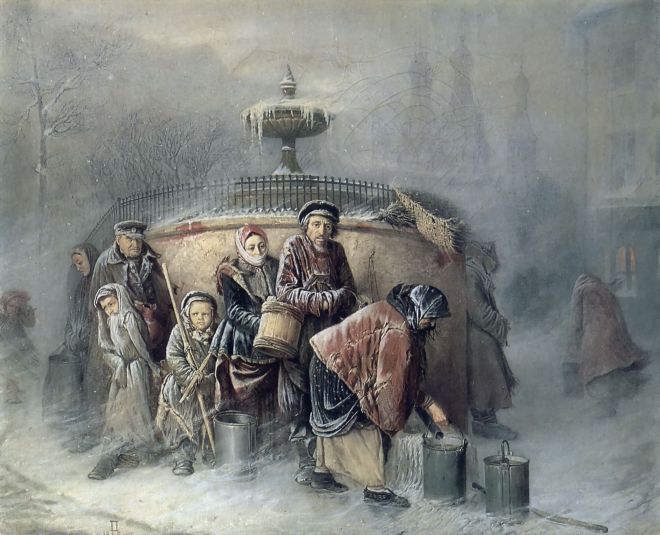
Next at the pool. 1865
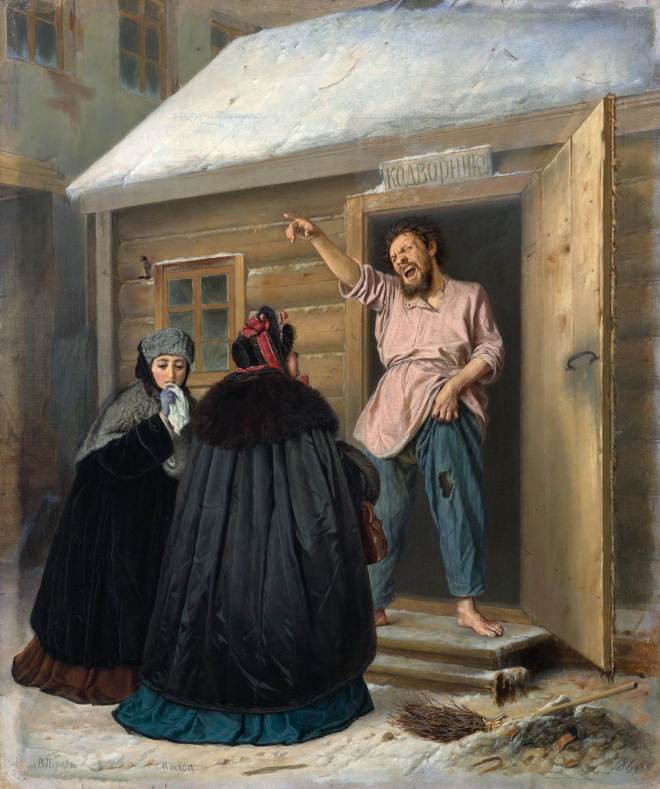
Janitor giving an apartment to a mistress – 1865
Meal. 1865
Meal 1865 -1976
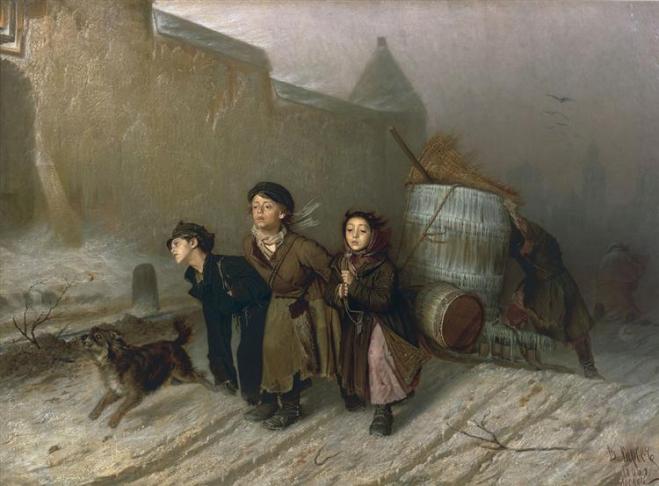
troika-apprentice-workmen-carrying-water-1866
A boy preparing for a fight – 1866
Clean Monday. 1866
The arrival of a governess in a merchant’s house. 1866
Arrival of a governess to a merchant’s house
Conversation at the round table. 1866
On a pilgrimage. 1867
In the loan office. 1867
Christ and the Mother of God at the sea of life. 1867
Drawing teacher – 1867
Drowned Woman – 1867
On the railroad. 1868
Fomushka-owl. 1868
Janitor – self-taught. 1868
Market in Moscow. 1868
Portrait of N. F. Rezanov. 1868
Portrait of F. I. Rezanova. 1868
Portrait of F. F. Rezanov. 1868
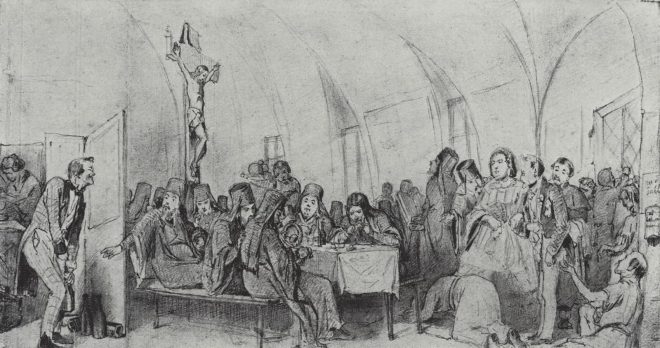
The division of the inheritance in the monastery (Death of a monk). Pencil drawing. 1868
The last tavern at the outpost. 1868
Old Man – 1868
Portrait of the writer A. F. Pisemsky. 1869
Portrait of V.V. Bezsonova (1826-1887) – 1869
Portrait of N. P. Lanin. 1869
Wanderer. 1869
Portrait of A. A. Borisovsky. 1869
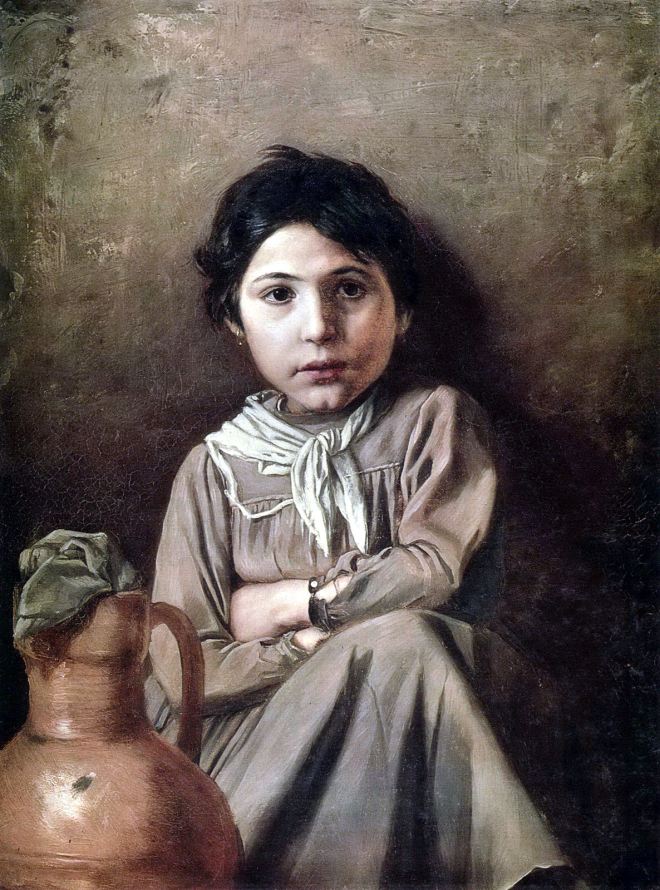
Girl with a jug. 1869
bird-catcher by Perov – 1870
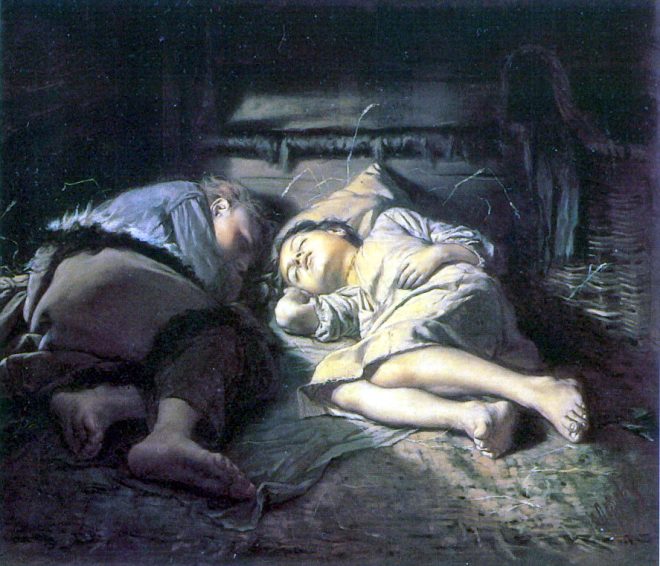
Sleeping children. 1870
Portrait of Nikolai Grigorievich Rubinstein. 1870
To the Trinity-Sergius – 1870
Portrait of Anton Grigorievich Rubinstein. 1870
On the eve of the bachelorette party. Seeing the bride from the bath – 1870
Portrait of Avdotya Kuznetsova. 1870
Wanderer – 1870
Self-portrait. 1870
Arrival of a college girl to a blind father 1870
Portrait of an unknown. 1870
Grandfather and granddaughters. 1871
fisherman-1871
hunters-at-rest-1871
Portrait of A.N. Ostrovsky (1823-1886) -1871
Conversation of students with a monk. 1871
Portrait Dostoevsky 1872
Portrait of A.N. Maikov (1821-1897) – 1872
Portrait of V.I. Dahl (1801-1872) – 1872
Portrait of I.S. Kamynin (1808-1874) – 1872
Portrait of the writer Sergei Timofeevich Aksakov. 1872
Portrait of the historian Mikhail Petrovich Pogodin (1800-1875) – 1872
Portrait of the writer Ivan Sergeevich Turgenev. 1872
Portrait of the composer P. S. Campioni. 1872
Cossack. 1873
Traveler. 1873
Holy fool, surrounded by wanderers. 1872
Head of a Kirghiz – a convict. 1873
Fedot and Arina. 1873
Evening on Great Saturday. 1873
Portrait of the merchant S. T. Kuznetsov. 1873
Gogol wird von den Gestalten seiner Werke zu Grabe getragen. 1873
Inveterate. 1873
Sad father. 1873-74
Scouts near Sevastopol. 1874
pigeon-fancier-1874
Reception of a wanderer. 1874
The return of the reapers from the field in the Ryazan province. 1874
Joyful father. 1874
The old man. Fragm. variant k. Old people – parents at the grave of their son. 1874
Old parents at the grave of their son – 1874
Botanist. 1874
Gossip Girl. 1875
Pugachev’s Court. 1875
Portrait of Anna Ivanovna Sergeeva, nee. Sheina. 1875
Peasant in the field. 1876
Portrait of Pyotr Ivanovich Nikolaev, Chairman of the Vladimir Zemstvo Council. 1876
Portrait of N. A. Kasatkin. 1876
Portrait of A. I. Kridener, born. Ivanova, the artist’s mother. 1876
fishing 1878
Blind. 1878
A janitor who gives an apartment to a mistress. 1878
Mother with a sick child. 1878
Portrait of A.K. Savrasov (1830-1897) – 1878
Christ in the Garden of Gethsemane. 1878
Executed Pugachevites. Rice. pencil and pen. 1878
Pugachev’s Court – 1879
Fishermen. (Priest, deacon and seminarian). 1879
Wanderer in the field. 1879
From the station. 1879
Blessed. 1879
On the traction. Pencil drawing. 1879
The return of the peasants from the funeral in winter. Beginning 1880s
Vasily Grigoryevich Perov was born between December 21 and 23, 1833 (January 2 or 4, 1834) and is the illegitimate son of Baron Georgy (Grigory) Karlovich Kridener , and A. I. Ivanova.
Even though his parents got married shortly after his birth, Vasily did not have the right to his father’s surname and title. And his nickname “Perov” which is his surname, was given to him by his literacy teacher for diligence and skillful writing.
In his childhood Vasily was ill with smallpox, which caused him to have poor eyesight for the rest of his life.
He became interested in painting after watching the work of an artist and went to study at the Arzamas art school of A. V. Stupin. But because he was so good he was allow to paint with oil paints before the other students, then sadly because of a dispute with another student, he didn’t finish school.
He went back home and began creating the composition ” Crucifixion ” written throughout Lent and completed on Holy Week then placed in a church located near the village of Nikolskoye.
He also painted a number of portraits and genre paintings: “A Beggar Begging”, ” Village Troika “, “Folk Festival in the Semik”.
In 1853, Vasily Perov entered the Moscow School of Painting, Sculpture and Architecture and graduated from college under the guidance of S.K. Zaryanko .
Perov presented the “Portrait of Nikolai Grigoryevich Kridener, the artist’s brother” to the Imperial Academy of Arts, and was awarded a small silver medal in 1856.
Portrait of Nikolai Grigorievich Rubinstein. 1870
This work was still closely connected with the traditions of art of the early 19th century, but already in subsequent works Perov acted as an innovator.
In 1857, the painting “Arrival of a police officer for investigation” brought the artist a large silver medal, and attracted the attention of the public and critics.
The arrival of the police officer for the investigation. 1857
In 1860, Perov was again awarded a small gold medal for the painting “First rank. The son of a sexton, promoted to collegiate registrars”, which established the artist as the heir to the satirical genre of the 1840s.
Now he could participate in the competition for a large gold medal, and painted “Sermon in the village” and “Rural religious procession at Easter”. He received a large gold medal in 1867 and the right to travel abroad as a boarder for the first painting.
Sermon in the village -1861
In 1862, Perov married Elena Edmondovna Sheins and they went abroad while he was himself a boarder at the Academy of Arts.
In 1863-1864 Perov lived and worked in Paris, but he wanted to go back home and having received permission from the Academy for an early return which included the continuation of boarding in Russia, he returned to Moscow.
Vasily Perov settled in the house of his wife’s uncle, F.F. Rezanov in Moscow and never left the city.
While still abroad, Perov conceived a large painting with a plot from monastic life, with these paintings, a new stage in the artist’s work began: from a satirical direction, he moved on to more dramatic stories – about “humiliated and offended.
In 1869, Vasily Perov and Myasoedov created the Association of Traveling Art Exhibitions (TPKhV). Vasily who was a board member for 7 years organized a Moscow group of Wanderers.
In 1870 he was awarded the title of professor by the Academy of Arts thanks to the paintings “Wanderer” and “Birdcatcher”, and received the first prize of the OPH for the painting “The Birdman”.
bird-catcher by Perov – 1870
In the 1970s, everyday life stories occupied a special place in Perov’s work. Then in 1871, Vasily was appointed teacher of the Moscow School of Painting and Art.
In 1871-1872 Perov, commissioned by P. M. Tretyakov, executed a number of portraits of Russian writers and scientists. Perov achieved such “truthfulness” in some portraits, which in Russian art was noted only by I. E. Repin and V. A. Serov .
Perov married Elizaveta Egorovna Druganova in 1872.
In 1873, his paintings “Fisherman” and “Hunters at rest” were presented at the World Exhibition in Vienna.
fisherman-1871
In 1877, Perov left the members of the TPHV and participated in the exposition of the World Exhibition in Paris a year later.
In the last years of his life, V. G. Perov collaborated with the journal ” Priroda i Okhota ” by L. P. Sabaneev and a number of his stories were published in the Art Journal which was published in 1881-1887.
His health was undermined by typhus and pneumonia in 1881 and Vasily Perov died of consumption , at the age of 49, in a small Golitsyn hospital near Moscow.
Perov was buried at the monastery cemetery in the Danilov Monastery where a mournful tombstone in the form of a cross on Golgotha was erected on his grave.
Later his ashes were reburied at the monastery cemetery in the Donskoy Monastery, and on the new grave of the artist, a monument was erected by the sculptor Alexei Evgenievich Yeletsky.
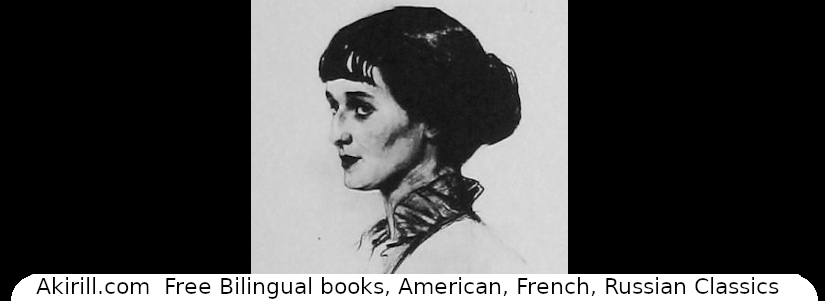
Ce poème écrit pendant la Grande Guerre patriotique par A. Akhmatova parle autant d’aujourd’hui que de cette période. “Courage” parle de la nécessité de préserver la culture et la langue russe et, je pense que ses paroles sont importantes pour nous tous, ainsi que pour nos différentes cultures et langues.
Analyse du poème “Courage” d’Akhmatova
A. Akhmatova a eu une vie très difficile et a été directement témoin de nombreux tournants dans l’histoire russe. Elle n’a pas accepté la révolution mais a refusé de quitter son pays. Son travail n’a pas été reconnu par le gouvernement soviétique et a fait l’objet de vives critiques.
Lors de l’évacuation, en raison de la Grande Guerre patriotique, Akhmatova a commencé à travailler à la création du cycle patriotique «Vents de Guerre», qui comprend le poème «Courage» en 1941.
Dans ce poème, elle souligne que la privation physique et la souffrance ne sont rien comparées à la perte du patrimoine culturel que les nazis ont cherché à détruire en comprenant leur importance.
Elle pensait que les écrivains et les poètes devaient préserver la « Parole Russe » et « Les Grands Mots Russe » et les transmettre aux générations futures, peu importe ce qu’ils devaient endurer.
Elle était convaincue que la riche culture russe devrait aider le peuple à survivre. Cela avait été prouvé maintes et maintes fois dans le passé et se répéterait certainement à l’avenir, comme c’est le cas maintenant.
Pour elle, la grandeur d’un pays n’était pas déterminée par le niveau de son développement économique ou politique, mais par la présence d’une puissance spirituelle particulière. Cette force, renforcée par le courage du peuple, est le fondement puissant du peuple, qui ne peut être écrasé.
Анна Ахматова — Мужество: Стих
Anna Akhmatova – Courage : versets
Мы знаем, что ныне лежит на весах И что совершается ныне. Час мужества пробил на наших часах, И мужество нас не покинет.
Nous savons ce qui est maintenant sur la balance et ce qui se passe maintenant. L’heure du courage a sonné à nos montres, Et le courage ne nous quittera pas.
Не страшно под пулями мертвыми лечь, Не горько остаться без крова, И мы сохраним тебя, русская речь, Великое русское слово.
Ce n’est pas effrayant de se coucher mort sous les balles, Ce n’est pas amer de rester sans abri, Et nous te sauverons, langue russe, Grand mot russe.
Свободным и чистым тебя пронесем,
И внукам дадим, и от плена спасем
Навеки.
Nous vous transporterons libres et purs,
Et nous vous donnerons à nos petits-enfants, et vous sauverons de la captivité
This poem written during the Great Patriotic War by A. Akhmatova speaks of today as much as it did of this period. “Courage is about the need to preserve Russian culture and language and I believe that her words are important to all of us, as well as our different cultures and languages.
Analysis of the poem “Courage” by Akhmatova
A. Akhmatova had very difficult life and directly witnessed many turning points in the Russian history. She did not accept the revolution but refuse to leave her country. Her work was not recognize by the Soviet government and was subjected to fierce criticism.
During the evacuation, due to the Great Patriotic War Akhmatova began to work on the creation of the patriotic cycle “Winds of War”, which includes the poem “Courage” in 1941.
In this poem, she emphasizes that physical deprivation and suffering are nothing compared to the loss of cultural heritage which the Nazis sought to destroy understanding their importance.
She thought that the writers and poets had to preserve the “Russian speech” and “The Great Russian Word” and pass it on to future generations, no matter what they had to endure.
She was sure that the rich Russian culture should help the people survive which had been proven time and time again in the past and would certainly be repeated in the future, as it is now.
For her, the greatness of a country is determined not by the level of its economic or political development, but by the presence of a special spiritual power. This strength, reinforced by the courage of people, is the powerful foundation of the people, which cannot be crushed.
Анна Ахматова — Мужество: Стих
Anna Akhmatova – Courage: Verse
Мы знаем, что ныне лежит на весах И что совершается ныне. Час мужества пробил на наших часах, И мужество нас не покинет.
We know what is now on the scales And what is happening now. The hour of courage has struck on our watches, And courage will not leave us.
Не страшно под пулями мертвыми лечь, Не горько остаться без крова, И мы сохраним тебя, русская речь, Великое русское слово.
It’s not scary to lie dead under the bullets, It’s not bitter to without shelter, And we will save you, Russian speech, Great Russian word.
Свободным и чистым тебя пронесем,
И внукам дадим, и от плена спасем
Навеки.
We will carry you free and clean,
And we will give you to our grandchildren, and save you from captivity
































































 AKirill, Learn, apprenez, translation, traduction, livres bilingues, bilingual books