Poème « Clair de Lune » de Paul Verlaine en anglais et français avec le tableau «Nuit au clair de lune en Crimée»

Livres bilinguesRead in EnglishNous contacter
Littérature américaineLittérature françaiseLittérature russe

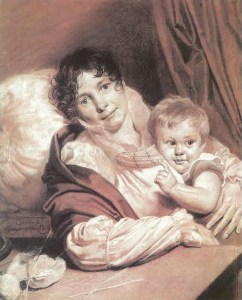
Cette semaine j’ai mis côte à côte en français et en anglais le poème « Clair de Lune » de Paul Verlaine. Et comme un article ne me semble pas complet sans image, j’ai ajouté le tableau « Nuit au clair de lune en Crimée » qui est une huile sur toile de 56,4×76 cm peinte par Ivan Aïvazovski en 1859, et se situe dans le Musée d’État Russe.

Paul Verlaine by Eugène Carrière 1890
Clair de Lune de Paul VerlaineClair de Lune by Paul Verlaine
Translated by Gertrude Hall
Moonlit night in Crimea 1859 by Ivan Aivazovsky
Лунная ночь в Крыму Айвазовского
Nuit au clair de lune en Crimée 1859 d’Ivan Aïvazovski / Лунная ночь в Крыму Айвазовского

Votre âme est un paysage choisiYour soul is as a moonlit landscape fair,
Que vont charmant masques et bergamasquesPeopled with maskers delicate and dim,
Jouant du luth et dansant et quasiThat play on lutes and dance and have an air
Tristes sous leurs déguisements fantasques.Of being sad in their fantastic trim.
Tout en chantant sur le mode mineurThe while they celebrate in minor strain
L’amour vainqueur et la vie opportune,Triumphant love, effective enterprise,
Ils n’ont pas l’air de croire à leur bonheurThey have an air of knowing all is vain,—
Et leur chanson se mêle au clair de lune,And through the quiet moonlight their songs rise,
Au calme clair de lune triste et beau,The melancholy moonlight, sweet and lone,
Qui fait rêver les oiseaux dans les arbresThat makes to dream the birds upon the tree,
Et sangloter d’extase les jets d’eau,And in their polished basins of white stone
Les grands jets d’eau sveltes parmi les marbres.The fountains tall to sob with ecstasy.

J’espère que vous avez apprécié ce poème et cette peinture autant que moi

Vous pouvez trouver d’autres poèmes français, américains ou russes sur leurs pages, ainsi que plus de poèmes bilingues si vous les aimez

Si vous avez aimé cet article, abonnez-vous, mettez des likes, écrivez des commentaires !

Partager sur les réseaux sociaux

Découvrez nos derniers posts


© 2023 Akirill.com – All Rights Reserved
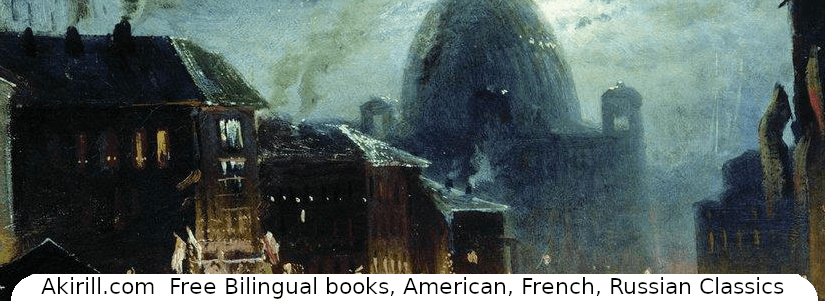
Poem “Clair de Lune” by Paul Verlaine in English and French with the painting “Moonlit Night in Crimea”

Bilingual books Lire en FrançaisContact us
American Literature French Literature Russian Literature

This week I put side by side in French and English the poem “Clair de Lune” by Paul Verlaine. And since an article doesn’t seem complete to me without picture, I added the painting “Moonlit night in Crimea” which is an oil on canvas of 56,4×76 cm painted by Ivan Aivazovsky in 1859, and is situated in the State Russian Museum.

Paul Verlaine by Eugène Carrière 1890
Clair de lune de Paul VerlaineClair de lune by Paul Verlaine
Translated by Gertrude Hall
Moonlit night in Crimea 1859 by Ivan Aivazovsky
Лунная ночь в Крыму Айвазовского
Moonlit night in Crimea 1859 by Ivan Aivazovsky / Лунная ночь в Крыму Айвазовского

Votre âme est un paysage choisiYour soul is as a moonlit landscape fair,
Que vont charmant masques et bergamasquesPeopled with maskers delicate and dim,
Jouant du luth et dansant et quasiThat play on lutes and dance and have an air
Tristes sous leurs déguisements fantasques.Of being sad in their fantastic trim.
Tout en chantant sur le mode mineurThe while they celebrate in minor strain
L’amour vainqueur et la vie opportune,Triumphant love, effective enterprise,
Ils n’ont pas l’air de croire à leur bonheurThey have an air of knowing all is vain,—
Et leur chanson se mêle au clair de lune,And through the quiet moonlight their songs rise,
Au calme clair de lune triste et beau,The melancholy moonlight, sweet and lone,
Qui fait rêver les oiseaux dans les arbresThat makes to dream the birds upon the tree,
Et sangloter d’extase les jets d’eau,And in their polished basins of white stone
Les grands jets d’eau sveltes parmi les marbres.The fountains tall to sob with ecstasy.

I hope you enjoyed this poem and painting as much as I did

You can find other French, American or Russian poem on their pages, as well as more bilingual poems if you like them

If you liked this article, subscribe , put likes, write comments!
Share on social networks
Check out Our Latest Posts


© 2023 Akirill.com – All Rights Reserved
Lisez le poème “Épouses” de Konstantin Simonov en russe et en français côte à côte

Livres bilinguesRead in EnglishNous contacter
Littérature américaineLittérature françaiseLittérature russe

< < < Attends moi  (Ru/Fr) / Wait for me (Ru/Eng) / Жди меня, и я вернусь (Рус/Анг.) / (Рус/ Фра.)
J’ai dû être le plus têtu de tous (Ru/Fr) / I must have been the most stubborn of all (Ru/Eng) / Я, верно, был упрямей всех (Рус/Анг.) / (Рус/ Фра.) > > >

“Жёны” Константин СимоновÉpouses de Konstantin Simonov
Traduit par Akirill.com

Последний кончился огарок,La dernière bougie terminée,
И по невидимой чертеEt le long d’une ligne invisible
Три красных точки трех цигарокTrois points rouges de trois cigarettes
Безмолвно бродят в темноте.Errent silencieusement dans l’obscurité.
О чем наш разговор солдатский?De quoi parle notre soldat ?
О том, что нынче Новый год,A propos du fait qu’aujourd’hui est le Nouvel An,
А света нет, и холод адский,Et il n’y a pas de lumière, et le froid est infernal,
И снег, как каторжный, метет.Et la neige, comme aux travaux forcés, balaie.
Один сказал: «Моя сегодняL’un d’eux a déclaré : « aujourd’hui, ma femme
Полы помоет, как при мне.Va laver le sol, comme quand j’étais à la maison.
Потом детей, чтоб быть свободней,Alors les enfants, pour la laisser être tranquille,
Уложит. Сядет в тишине.
Elle les mettra au lit. Puis, elle s’assiera dans le silence.
Ей сорок лет — мы с ней погодки.Elle a quarante ans – nous avons presque le même age.
Всплакнет ли, просто ли вздохнет,Va-t-elle pleurer, va-t-elle juste soupirer,
Но уж, наверно, рюмкой водкиMais déjà, probablement, elle mettra un verre commémoratif de vodka
Меня по-русски помянет…»Et se souviendra de moi, comme il est d’usage chez les Russes…”
Второй сказал: «Уж год с лихвоюLe second a déclaré : « Depuis plus d’un an,
С моей война нас развела.La guerre nous a sépare.
Я, с молодой простясь женою,Moi, ayant dit au revoir à ma jeune femme,
Взял клятву, чтоб верна была.Lui ai fait juré d’être fidèle.
Я клятве верю,— коль не верить,Je crois sa promesse, si je n’y croyais pas,
Как проживешь в таком аду?Comment pourrais-je vivre dans un tel enfer ?
Наверно, все глядит на двери,Probablement elle regarde la porte,
Все ждет сегодня — вдруг приду…»Elle attend aujourd’hui – soudainement j’entrerai … “
А третий лишь вздохнул устало:Et le troisième ne fit que soupirer d’un air las :
Он думал о своей — о той,Il pensait à la sienne – à celle
Что с лета прошлого молчалаQui s’était tue depuis l’été dernier
За черной фронтовой чертой…Derrière la ligne noire du front …
И двое с ним заговорили,Et deux d’entre eux lui parlèrent,
Чтоб не грустил он, про войну,Afin qu’il ne fût pas triste, au sujet de la guerre,
Куда их жены отпустили,Où leurs femmes les avaient laissées aller,
Чтобы спасти его жену.Pour protéger sa femme.

J’espère que vous avez apprécié ce poème autant que moi, si vous voulez lire plus de poèmes bilingues, vous pouvez les trouver ici :

< < < Attends moi  (Ru/Fr) / Wait for me (Ru/Eng) / Жди меня, и я вернусь (Рус/Анг.) / (Рус/ Фра.)
J’ai dû être le plus têtu de tous (Ru/Fr) / I must have been the most stubborn of all (Ru/Eng) / Я, верно, был упрямей всех (Рус/Анг.) / (Рус/ Фра.) > > >

Si vous avez aimé cet article, abonnez-vous, mettez des likes, écrivez des commentaires !

Partager sur les réseaux sociaux

Découvrez nos derniers posts


© 2023 Akirill.com – All Rights Reserved
Read the poem “Wives” by Konstantin Simonov in Russian and English side by side

Bilingual books Lire en Français Contact us
American Literature French Literature Russian Literature

< < < Attends moi  (Ru/Fr) / Wait for me (Ru/Eng) / Жди меня, и я вернусь (Рус/Анг.) / (Рус/ Фра.)
J’ai dû être le plus têtu de tous (Ru/Fr) / I must have been the most stubborn of all (Ru/Eng) / Я, верно, был упрямей всех (Рус/Анг.) / (Рус/ Фра.) > > >

“Жёны” Константин СимоновWives by Konstantin Simonov
Translated by Akirill.com

Последний кончился огарок,The last candle ended,
И по невидимой чертеAnd along an invisible line
Три красных точки трех цигарокThree red dots of three cigarettes
Безмолвно бродят в темноте.Silently roam in the darkness.
О чем наш разговор солдатский?What is our soldier talking about?
О том, что нынче Новый год,About the fact that today is the New Year,
А света нет, и холод адский,And there is no light, and the cold is hellish,
И снег, как каторжный, метет.And the snow, like at hard labor, sweeps.
Один сказал: «Моя сегодняOne said: “Today, my wife
Полы помоет, как при мне.will wash the floors, just like when I was there.
Потом детей, чтоб быть свободней,Then the children, in order for her to be freer,
Уложит. Сядет в тишине.
She will put to bed.  Then she’ll sit in the silence
Ей сорок лет — мы с ней погодки.She is forty years old – we’re almost the same age.
Всплакнет ли, просто ли вздохнет,Will she cry, will she just sigh,
Но уж, наверно, рюмкой водкиBut already, probably, she will put a memorial glass of vodka
Меня по-русски помянет…»And will remember me as is the custom among Russians…”
Второй сказал: «Уж год с лихвоюThe second said: “For more than a year,
С моей война нас развела.The war has separated us.
Я, с молодой простясь женою,I, having said goodbye to my young wife,
Взял клятву, чтоб верна была.Took her oath to be faithful.
Я клятве верю,— коль не верить,I believe her oath, if I did not believe in it,
Как проживешь в таком аду?How could I live in such a hell?
Наверно, все глядит на двери,Probably she is looking at the door,
Все ждет сегодня — вдруг приду…»She is waiting today – suddenly I will come in … “
А третий лишь вздохнул устало:And the third only sighed wearily:
Он думал о своей — о той,He was thinking about his own – the one
Что с лета прошлого молчалаwho had been silent since last summer
За черной фронтовой чертой…Behind the black front line …
И двое с ним заговорили,And two of them spoke to him,
Чтоб не грустил он, про войну,So that he would not be sad, about the war,
Куда их жены отпустили,Where their wives let them go,
Чтобы спасти его жену.To protect his wife.

I hope you enjoyed this poem as much as I did, if you want to read more bilingual poems, they can be found there:

< < < Attends moi  (Ru/Fr) / Wait for me (Ru/Eng) / Жди меня, и я вернусь (Рус/Анг.) / (Рус/ Фра.)
J’ai dû être le plus têtu de tous (Ru/Fr) / I must have been the most stubborn of all (Ru/Eng) / Я, верно, был упрямей всех (Рус/Анг.) / (Рус/ Фра.) > > >

If you liked this article, subscribe , put likes, write comments!
Share on social networks
Check out Our Latest Posts


© 2023 Akirill.com – All Rights Reserved

Faits intéressants, histoire et description du tableau “Cour de Moscou” de Vasily Dmitrievich Polenov

Livres bilinguesRead in EnglishNous contacter
Littérature américaineLittérature françaiseLittérature russe

La « Cour de Moscou » (Московский дворик) peinte par Vasily Dmitrievich Polenov (Василий Дмтриевич Поленов) est considérée comme le summum de ses œuvres. C’est l’incarnation de l’idée principale de Vasily selon laquelle l’art devrait donner le bonheur et la joie, sinon il ne vaut rien.

La « Cour de Moscou » est une huile sur toile qui combine des thèmes de paysage et de genre peints. Ce tableau de 64,5 X 80,1 cm se trouve maintenant à la Galerie nationale Tretiakov à Moscou.


Polenov a été gêné par son tableau “Cour de Moscou” qui représente une vue idyllique du vieux Moscou, et s’est excusé lorsqu’il a envoyé le paysage à l’exposition itinérante de 1878.

Moscow courtyard by Vasily Polenov 1878 - Московский дворик
Cour de Moscou – Cour de Moscou par Vasily Polenov – 1878

Mais le tableau a eu un succès inattendu auprès du public et Pavel Tretiakov l’a immédiatement acquis.

Il est devenu si célèbre qu’il a été reproduit sur des timbres et des cartes postales et est devenu une sorte d’emblème de Moscou.

Vasily a même réalisé une autre version de ce tableau, dont la composition était proche de l’esquisse de 1877 de l’écrivain Ivan Tourgueniev, qui vivait en France et à qui la Russie manquait. Ce tableau est maintenant dans la galerie Tretiakov.

Une autre répétition réalisée en 1902 pour le médecin et collectionneur Ivan Troyanovsky se trouve maintenant au Musée d’État russe.

Répétition de « Cour de Moscou »  – 1902. Авторство: Adavyd. Собственная работа, CC BY-SA 4.0

Polenov est né à Saint-Pétersbourg, où il a étudié à l’Académie des Arts et à la Faculté de Droit de l’Université, puis il a vécu à l’étranger pendant 4 ans. Beaucoup ont été surpris lorsque Vasily est retourné en Russie en pensant qu’avec ses racines nobles et un père diplomate, il aurait été plus logique de rester dans la même France. Mais non, Polenov était attiré par son pays natal, en particulier par Moscou.

Ainsi, en 1877, Polenov est venu à Moscou et est parti à la recherche d’un appartement. En visitant un appartement potentiel, il a regardé par la fenêtre et est immédiatement tombé amoureux de la vue, s’est assis et l’a dessinée. Cet appartement qu’il a loué, était situé à l’angle des ruelles Durnovsky et Troubnikovsky à Moscou. 


Polenov n’a pas peint le tableau qui est devenu si célèbre en 1877, mais a dessiné une esquisse verticale, sous un angle légèrement différent et avec une couleur moins éclatante.

Moscow courtyard by Vasily Polenov 1877
« Cour de Moscou » de Vasily Polenov – Huile sur carton de 48,8 x 38,5 cm située à la Galerie nationale Tretiakov

Fin 1877, Polenov était sur le front bulgare de la guerre russo-turque, où il exerçait les fonctions d’artiste au quartier général de l’armée russe, mais il retourna à la peinture “cour de Moscou” près d’un an plus tard, en mars 1878, lorsque il est revenu de la guerre. 

Vasily Polenov a changé l’image et l’a saturée de vie, dispersant des figures sur la toile. Il a ajouté une image de l’église Saint-Nicolas le Merveilleux à Plotnik. Les maisons qui recouvraient partiellement l’église du Sauveur sur les Sables ont été rapprochées du centre de la toile et le manoir est également devenu plus visible.

La principale différence entre l’image et la version originale était l’utilisation de motifs de genre, qui donnaient à la toile un récit sans violer l’intégrité de l’image présentée. D’abord les événements de la “vie de la cour” sont représentés, puis après cela, le regard est dirigé vers un autre espace, situé dans les profondeurs de la cour et au-delà puis à travers la grange vers d’autres maisons, une église avec un clocher et un ciel bleu où flottent de rares nuages.

Vasily Dmitrievich Polenov a également saturé sa peinture de lumière, ce qui a donné une si réelle sensation d’air d’été et une telle immédiateté de bonheur, que les visiteurs de la galerie Tretiakov ressentent encore aujourd’hui.


Polenov a été le premier à abandonner le ton brun dominant dans l’art russe pour apporter des couleurs pures et lumineuses, et tout ce qui est représenté est plongé dans un environnement aérien unique imprégné par le soleil.

Sur la pelouse verte, tendue entre les maisons, les cabanons et les palissades en bois, les enfants jouent.

Deux jeunes enfants jouent avec un chat, et le troisième avec un mouchoir sur la tête pleure, la bouche grande ouverte et les poings serrés. 

Devant lui et à gauche se trouve le plus âgé des enfants qui est fasciné par une fleur cueillie, et ne remarque ni le bébé qui pleure, ni le gloussement des poulets.

Au loin, près de la grange, une femme marche, portant un sceau. On voit que c’est dur pour elle à cause de son bras tendu en opposition au sceau. 

Des poulets errent près du puits et, sur le bord droit de la toile, un cheval attelé à une charrette attend patiemment son propriétaire. Derrière le cheval, il y a du linge suspendu à une corde qui sèche près de la clôture

Avec l’addition d’une femme, d’enfants et d’animaux, la cour Polenov est devenue véritablement “Moscou”. 

Derrière la cour et les bâtiments adjacents se trouve une église blanche à cinq dômes avec un clocher en forme de tente qui est l’église de la Transfiguration du Sauveur sur les Sables. Elle a été construite vers 1711 et a été conservée à ce jour. Sur le côté droit de la toile, les contours d’un autre temple avec un clocher sont visibles. C’est l’église Saint-Nicolas le Merveilleux à Plotniki. Cette église, construite en 1691, était située sur l’Arbat, à l’intersection avec Nikolsky et a été démolie en 1932. À droite de celle-ci, les dômes d’une autre église située à Prechistenskaya sont à peine visibles. 

Sur le côté gauche de la toile se trouvent un jardin clôturé et un ancien manoir dont l’extrémité fait face à la pelouse.


J’espère que vous avez apprécié ce tableau autant que moi

Si vous avez aimé cet article, abonnez-vous, mettez des likes, écrivez des commentaires !

Partager sur les réseaux sociaux

Découvrez nos derniers posts


© 2023 Akirill.com – All Rights Reserved
Interesting facts, History, and description of the painting “Moscow Courtyard” by Vasily Dmitrievich Polenov

Bilingual books Lire en Français Contact us
American Literature French Literature Russian Literature

“Moscow Courtyard” (Московский дворик) painted by Vasily Dmitrievich Polenov (Василий Дмитриевич Поленов) is considered as the pinnacle of his works. It is the embodiment of Vasily’s main idea that art should give happiness and joy, otherwise it is worthless.

“Moscow Courtyard” is an oil on canvas which combines landscape and genre themes painted. This painting of 64.5 X 80.1 cm is now at the State Tretyakov Gallery in Moscow.


Polenov was embarrassed by his painting “Moscow Courtyard” which represent an idyllic view of old Moscow, and apologized when he sent the landscape at the 1878 Travelling Exhibition .

Moscow courtyard by Vasily Polenov 1878 - Московский дворик
Московский дворик – Moscow courtyard by Vasily Polenov – 1878

But the painting had an unexpectedly great success with the public and Pavel Tretyakov immediately acquired it.

It became so famous that it was replicated on stamps and postcards and became a kind of Moscow emblem.

Vasily even made another version of this painting, which was close in composition to the 1877 sketch for the writer Ivan Turgenev, who lived in France and yearned for Russia. This painting is now in The Tretyakov Gallery.

Another repetition made in 1902 for the doctor and collector Ivan Troyanovsky is now in the State Russian Museum.

Repetition of “Moscow Courtyard” – 1902. Авторство: Adavyd. Собственная работа, CC BY-SA 4.0

Polenov was born in St. Petersburg, where he studied at the Academy of Arts and at the Faculty of Law in the University, then he lived abroad for 4 years. Many were surprised when Vasily returned to Russia thinking that with his noble roots and a diplomat father, it would have been more logical to stay in the same France. But no, Polenov was drawn to his homeland, particularly, to Moscow.

So, in 1877, Polenov came to Moscow, and went looking for an apartment. While visiting a potential apartment he looked through the window and immediately fell in love with the view sat down and drew it. This apartment which he rented was located at the corner of Durnovsky and Trubnikovsky lanes in Moscow. 


Polenov did not paint the painting that became so famous in 1877, but drew a vertical sketch, in a slightly different angle and with a less radiant colour.

Moscow courtyard by Vasily Polenov 1877
“Moscow courtyard” by Vasily Polenov – Oil on cardboard of 48.8 x 38.5 cm situated at the State Tretyakov Gallery

In late 1877 Polenov was on the Bulgarian front of the Russian-Turkish war , where he performed the duties of an artist at the headquarters of the Russian army but he returned to the “Moscow Courtyard” almost a year later, in March 1878, when he got back from the war. 

Vasily Polenov turned the picture over and saturated it with life, scattering figures on the canvas. He added an image of the Church of St. Nicholas the Wonderworker in Plotnik. The houses that partially covered the Church of the Savior on the Sands were moved closer to the center of the canvas and the manor house also became more visible.

The main difference between the picture and the original version was the use of genre motifs, which gave the canvas a narrative without violating the integrity of the presented image. First the events of “yard life” is represented, then after that, the gaze is directed to another area, located in the depths of the courtyard and beyond then through the barn to other houses, a church with a bell tower and a blue sky where rare clouds float.

Vasily Dmitrievich Polenov also saturated his painting with light, which gave such a real feeling of summer air and such immediacy of happiness, which is even now experienced by the visitors of the Tretyakov Gallery.


Polenov was the first to abandon the dominant brown tone in Russian art to bring pure and bright colors, and everything depicted is immersed in a single air environment permeated by the sun.

On the green lawn, stretched between houses, sheds and wooden fences, children play.

Two young children are fiddling with a cat, and the third with a handkerchief on his head is crying, his mouth wide open and clenching his fists. 

In front of him and on the left is the older of the children who is fascinated by a plucked flower, and does not notice either the crying infant, or the clucking of chickens.

In the distance, close to the barn, a woman walks, carrying a bucket. We can see that it is hard for her because of her outstretched arm in opposition to the bucket. 

Chickens roam at the well, and at the right edge of the canvas there is a horse harnessed to a cart, patiently waiting for its owner. Behind the horse, there is laundry hanging on a rope is drying near the fence

With the addition of a woman, children and animals, the Polenov courtyard became truly “Moscow”. 

Behind the courtyard and adjacent buildings is a white five-domed church with a tent-type bell tower which is the Church of the Transfiguration of the Savior on the Sands. It was built around 1711 and was preserved to this day  . On the right side of the canvas, the outlines of another temple with a bell tower are visible. It is the church of St. Nicholas the Wonderworker in Plotniki  . This church, built in 1691, was located on the Arbat , at the intersection with Nikolsky and was demolished in 1932 . To the right of it, the domes of another church located in Prechistenskaya are barely visible. 

On the left side of the canvas there is a fenced garden and an old manor house, the end of which faces the lawn.


I hope you enjoyed this painting as much as I did

If you liked this article, subscribe , put likes, write comments!
Share on social networks
Check out Our Latest Posts


© 2023 Akirill.com – All Rights Reserved

Congratulations on the 8th and 9th of May, Victory Day, in Russian and English

Bilingual booksLire en FrançaisContact us
American LiteratureFrench LiteratureRussian Literature

I congratulate all of you on Victory Day!

The text and translation are under the video


От героев былых временFrom the heroes of bygone times,
Не осталось порой имен.there are sometimes no names left.
Те, кто приняли смертный бой,Those who took the fight to the death,
Стали проcто землей и травой…Became just earth and grass…
Только грозная доблесть ихOnly their formidable prowess
Поселилась в сердцах живых.Settled in the hearts of the living.
Этот вечный огонь,This eternal flame,
Нам завещаный одним, мы в груди храним.Bequeathed to us alone, we keep in our hearts.
Погляди на моих бойцов –Look at my fighters –
Целый свет помнит их в лицо.The whole world remembers them by sight.
Вот застыл батальон в строю…Here the battalion froze in the ranks …
Снова старых друзей узнаю.I recognize old friends again.
Хоть им нет двадцати пяти,Although they are not twenty-five,
Трудный путь им пришлось пройти,They had to go through a difficult path,
Это те, кто в штыки поднимался как один,These are the ones who got up in hand-to-hand combat as one,
Те, кто брал Берлин!Those who took Berlin!
Нет в России семьи такой,There is no such family in Russia,
Где не памятен был свой герой.Where his hero was not remembered.
И глаза молодых ребятAnd the eyes of young guys
С фотографий увядших глядят…look from the faded photographs …
Этот взгляд, словно высший суд,This look is like the highest court,
Для ребят, что сейчас растут.For the guys that are now growing up.
И мальчишкам нельзя ни солгать, ни обмануть,And these boys should not be deceived,
Ни с пути свернуть!and you can’t turn off the path!


If you liked this article, subscribe , put likes, write comments!
Share on social networks
Check out Our Latest Posts


© 2023 Akirill.com – All Rights Reserved

Félicitations pour la fête du 8 et 9 Mai, le jour de la Victoire, en russe et en français

Livres bilinguesRead in EnglishNous contacter
Littérature américaineLittérature françaiseLittérature russe

Je vous félicite tous pour le jour de la Victoire!

Le texte et la traduction sont sous la vidéo


От героев былых временDes héros d’autrefois,
Не осталось порой имен.il ne reste parfois plus de noms.
Те, кто приняли смертный бой,Ceux qui ont combattu jusqu’à la mort,
Стали проcто землей и травой…Sont devenus terre et herbe…
Только грозная доблесть ихSeules leurs formidables prouesses
Поселилась в сердцах живых.S’installent dans le cœur des vivants.
Этот вечный огонь,Cette flamme éternelle,
Нам завещаный одним, мы в груди храним.Léguée à nous seuls, nous la gardons dans nos cœurs.
Погляди на моих бойцов –Regarde mes combattants –
Целый свет помнит их в лицо.Le monde entier s’en souvient à première vue.
Вот застыл батальон в строю…Ici, le bataillon s’est figé dans les rangs …
Снова старых друзей узнаю.Je reconnais à nouveau de vieux amis.
Хоть им нет двадцати пяти,Bien qu’ils n’aient pas vingt-cinq ans,
Трудный путь им пришлось пройти,Ils ont dû passer par un chemin difficile,
Это те, кто в штыки поднимался как один,Ce sont ceux qui se sont battus au corps à corps comme un seul,
Те, кто брал Берлин!Ceux qui ont pris Berlin !
Нет в России семьи такой,Il n’y a pas une telle famille en Russie,
Где не памятен был свой герой.Où son héros n’a pas été rappelé.
И глаза молодых ребятEt les yeux des jeunes hommes
С фотографий увядших глядят…regardent les photographies fanées …
Этот взгляд, словно высший суд,Ce regard est comme le plus haut tribunal,
Для ребят, что сейчас растут.pour les gars qui grandissent maintenant.
И мальчишкам нельзя ни солгать, ни обмануть,Et ces garçons ne doivent pas être trompés,
Ни с пути свернуть!ni dévier du chemin !


Si vous avez aimé cet article, abonnez-vous, mettez des likes, écrivez des commentaires !

Partager sur les réseaux sociaux

Découvrez nos derniers posts


© 2023 Akirill.com – All Rights Reserved
Поздравление с праздником Девятого Мая, днём Победы, на русском и английском языках

Bilingual booksLire en FrançaisContact us
American LiteratureFrench LiteratureRussian Literature

Я поздравляю всех Вас с Днём Победы!

Текст и перевод находятся под видео


От героев былых временFrom the heroes of bygone times,
Не осталось порой имен.there are sometimes no names left.
Те, кто приняли смертный бой,Those who took the fight to the death,
Стали проcто землей и травой…Became just earth and grass…
Только грозная доблесть ихOnly their formidable prowess
Поселилась в сердцах живых.Settled in the hearts of the living.
Этот вечный огонь,This eternal flame,
Нам завещаный одним, мы в груди храним.Bequeathed to us alone, we keep in our hearts.
Погляди на моих бойцов –Look at my fighters –
Целый свет помнит их в лицо.The whole world remembers them by sight.
Вот застыл батальон в строю…Here the battalion froze in the ranks …
Снова старых друзей узнаю.I recognize old friends again.
Хоть им нет двадцати пяти,Although they are not twenty-five,
Трудный путь им пришлось пройти,They had to go through a difficult path,
Это те, кто в штыки поднимался как один,These are the ones who got up in hand-to-hand combat as one,
Те, кто брал Берлин!Those who took Berlin!
Нет в России семьи такой,There is no such family in Russia,
Где не памятен был свой герой.Where his hero was not remembered.
И глаза молодых ребятAnd the eyes of young guys
С фотографий увядших глядят…look from the faded photographs …
Этот взгляд, словно высший суд,This look is like the highest court,
Для ребят, что сейчас растут.For the guys that are now growing up.
И мальчишкам нельзя ни солгать, ни обмануть,And these boys should not be deceived,
Ни с пути свернуть!and you can’t turn off the path!


If you liked this article, subscribe , put likes, write comments!
Share on social networks
Check out Our Latest Posts


© 2023 Akirill.com – All Rights Reserved
World War II Victory Day we remember

Bilingual booksLire en FrançaisContact us
American LiteratureFrench LiteratureRussian Literature

Today we celebrate World War II Victory Day, and I think it is important to remember the damages and destroyed lives caused by this event. World War II was the deadliest military conflict in history and the two countries which suffered the most were the Soviet Union with 24 000 000 dead and the Republic of China with 20 000 000 dead. I hope we will never see something like that happen again.


Monument in Strasbourg

Monument in Strasbourg

The act of complete and unconditional surrender of Nazi Germany was approved on May 9, 1945, at 01:01 Moscow time, or on May 8 at 23:01 Central European time, that is why the Western countries celebrate Victory Day on May 8 and Russia on May 9. It was signed on the territory of the defeated enemy in Karlshorst, a suburb of Berlin.

I wish you all an Happy Victory Day.

WWII memorial
WWII memorial

The Axis powers (Nazi Germany, Kingdom of Italy, Empire of Japan) was a military coalition that initiated world war II. It also included the Kingdom of Hungary, the Kingdom of Romania, the Kingdom of Bulgaria, the  Republic of Finland, the  Slovak Republic, the  Independent State of Croatia, and the  Kingdom of Thailand.

The Allies, referred to as the United Nations from 1942 (United Kingdom (from Sep. 1939) , Soviet Union (from Jun. 1941) , United States (from Dec. 1941) ) were an international military coalition formed during the Second World War (1939–1945) to oppose the Axis powers. They included  Poland (Sep. 1939),  Czechoslovakia, Norway, the Netherlands, Belgium, Luxembourg, France (Sep. 1939), Ethiopia, Greece,  Yugoslavia, the Philippines, the Republic of China, Canada, Australia, New Zealand, South Africa, Brazil, Mongolia, Mexico. Some Axis powers also joined the Allies: the Kingdom of Italy (from Sep. 1943), Romania (from Aug. 1944), Bulgaria (from Sep. 1944), an Finland (from Sep. 1944)

The Allies and Axis membership was fluid, with some nations switching sides or changing their degree of military involvement over the course of the war.

In Europe, the use of the term “the Axis” refers often, solely to the alliance between Italy and Germany, but outside Europe it is normally understood as including Japan.

CountryTotal deathsMilitary deathpopulationpopulation %
Albania30 20030 0001 100 0002.54
Australia40 50039 8007 000 0000.57
Austria384 700261 000
Belgium86 10012 1008 000 0000.75
Brazil2 0001 00041 500 0000.001
Bulgaria25 00022 0006 300 0000.34
Canada45 40045 40011 600 0000.33
China20 000 0003 750 000530 000 0003.69
Czechoslovakia345 00025 00015 300 0002.41
Denmark3 2002 1003 800 0000.10
Dutch East Indies3 500 000
Estonia51 0001 100 0003.63
Ethiopia100 0005 00014 100 0001.45
Finland97 00095 0003 700 002.51
France567 600217 60041 700 0001.34
French Indonesia1 250 000
Germany7 700 0005 533 00078 000 0009.51
Greece550 00027 5007 200 0004.16
Hungary580 000300 0009 200 0006.30
India2 000 00087 000345 000 0000.44
Italy457 000301 40043 800 0001.07
Japan2 850 0002 120 00078 000 0003.37
Korea425 00023 400 0001.61
Latvia227 0002 000 00011.00
Lithuania353 0002 500 00013.80
Luxembourg2 000300 0001.33
Malaya100 000
Netherlands301 00017 0008 700 0002.43
New Zealand11 90011 9001 600 0000.76
Norway9 5009 5002 900 0000.34
Papua New Guinea15 000
Philippines750 00057 00016 400 0000.98
Poland5 600 000240 00034 800 00016.15
Romania833 000300 00047 800 0000.76
Singapore50 000700 00028.57
South Africa11 90011 900
Soviet Union24 000 0008 800 000
10 700 000
168 500 00014.83
United Kingdom450 700383 600
United States418 500416 800132 000 0000.31
Yugoslavia1 000 000446 00015 400 0007.79
If you liked this article, subscribe , put likes, write comments!

Share on social networks

Check out Our Latest Posts


© 2023 Akirill.com – All Rights Reserved