Read le poem “Life is a deception with enchanting melancholy” by Sergei Yesenin in English with English and Russian side by side

Bilingual booksLire en FrançaisContact us
American LiteratureFrench LiteratureRussian Literature

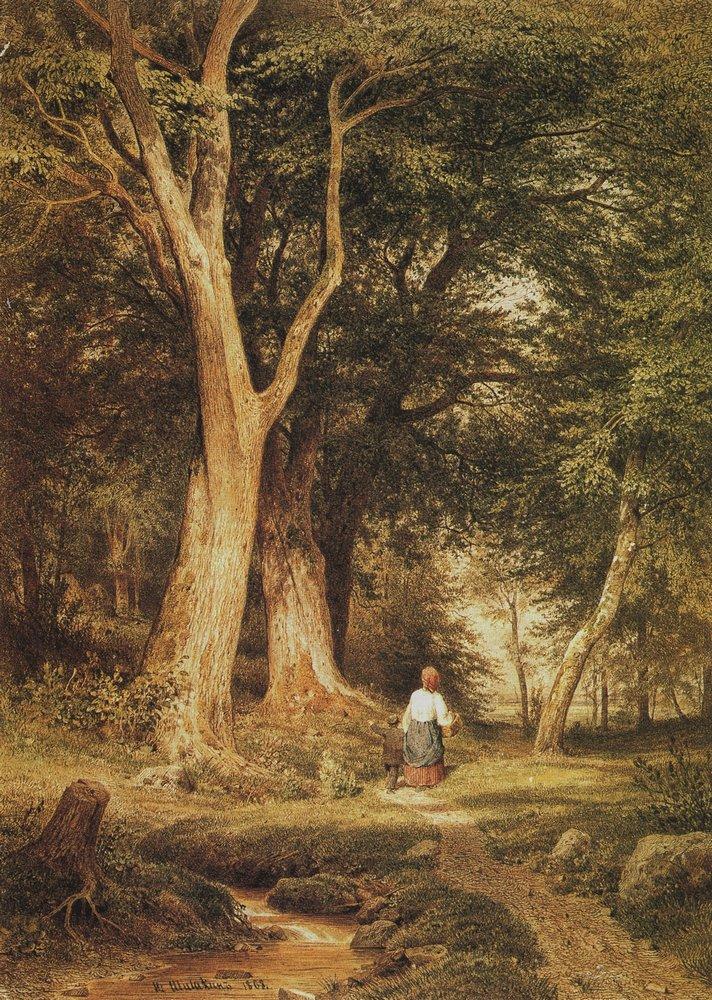
Dear readers and subscribers, this week, I have translated and analyzed the poem “Life is a deception with enchanting melancholy” by Sergei Yesenin into English, providing both the English and Russian versions side by side. This poem reflects on the complexities of life and death, as well as the destiny of humanity on Earth, and was written in August 1925, shortly before his tragic suicide. As usual I added a beautiful painting which is “Autumn morning” by Grigoriy Grigorievich Myasoyedov. This great painting captures the serene beauty of an autumn morning and showcases the talent of the painter.

As usual the whole article is freely available on the site, but the French translation of the article is always published one day after the English one.

I hope you enjoy this poem and painting as much as I did

Short analysis of the poem “Life is a deception with enchanting melancholy” by Sergei Yesenin

The poem “Life is a deception with enchanting melancholy” is a poignant example of Sergei Yesenin’s late philosophical lyrics. Written in August 1925, shortly before his tragic suicide, the poem reflects his contemplation on life and death, as well as the fate of humankind on Earth. During this time, Yesenin was traveling across the country and happened to be in Mardakan, Azerbaijan. It is believed that he may have been struggling with tuberculosis, which likely contributed to his depression and ultimately led to his untimely demise. Despite the melancholic circumstances surrounding its creation, this poem serves as a testament to Yesenin’s profound introspection and artistic brilliance.

In the first quatrain of the poem, it becomes evident that Yesenin perceives life as a forceful entity. He portrays life as being strong, and having forceful hand, and having the power to write fatal letters. This imagery suggests that life possesses the power to deliver fatal outcomes, further illustrating Yesenin’s belief in its formidable nature.

Life is a deception with enchanting melancholy
That is why it is so strong,
That with its rough hand
It writes fatal letters.

In the second quatrain, life, as observed by the poet, is a master in the art of disguising the harsh realities of existence with delightful illusions. It is through these fleeting moments of happiness that our affection for life blossoms, enabling us to overlook the constant hardships it imposes upon us. The pure bliss we derive from the smile of a cherished companion makes us willingly forgive life’s relentless trials and tribulations. Perhaps that without the multitude of mistakes and inevitable retributions, we would not truly appreciate and savor the precious instants of joy that grace our lives. It is this intricate dance between adversity and elation that compels us to embrace the beauty of life’s paradoxical nature.

Continue reading

Painting “Autumn morning” by Grigoriy Grigorievich Myasoyedov

Autumn morning by Grigory Grigorievich Myasoyedov

Grigory Grigorievich Myasoyedov was a Russian painter born on April 7 (19), 1834, in Pankovo, Tula Province, Russian Empire. He was one of the most prominent figure in Russian realism during the second half of the 19th century, and played a pivotal role as the founder of the Association of Mobile Art Exhibitions. Through his art, Grigory primarily focused on depicting the lives of peasants, making it the central theme of his work. Grigory Grigorievich passed away on December 18 (31), 1911, in Poltava, Russian Empire. but his contributions as an artist continue to be celebrated to this day.

Translation of the poem “Life is a deception with enchanting melancholy” by Sergei Yesenin in English with English and Russian side by side


Жизнь обман с чарующей тоскою
Life is a deception with enchanting melancholy
Translated by Akirill.com
Nov 20, 2023
Жизнь — обман с чарующей тоскою,Life is a deception with enchanting melancholy
Оттого так и сильна она,That is why it is so strong,
Что своею грубою рукоюThat with its rough hand
Роковые пишет письмена.It writes fatal letters.
.
Я всегда, когда глаза закрою,I always, when closing my eyes,
Говорю: «Лишь сердце потревожь,Say: “Just disturb our heart,
Жизнь — обман, но и она пороюLife is a deception, but sometimes it also
Украшает радостями ложь».Decorates lies with joys.”
.
Читать далее …Continue Reading …

< < < Je suis un berger (Ru/Fr) / I am a shepherd / Я пастух (Рус/Анг.) / (Рус/ Фра.)
Le Cygne (Ru/Fr) / Swan (Ru/Eng) / Лебедушка (Рус/Анг.) / (Рус/ Фра.) > > >


We put a lot of effort into the quality of the articles and translations, support us with a like and a subscription or sponsor us if you like them. We are also on Facebook and Twitter

Check out our Last Posts


© 2023 Akirill.com – All Rights Reserved

Progrès du Site semaine du 7 novembre, 2023

Livres bilinguesRead in English Nous contacter

Chers lecteurs et abonnés, cette semaine, je me suis concentré sur la poésie française, même si j’ai également ajouté de la poésie américaine et russe. Notre poète français était Victor Hugo auquel j’ai ajouté deux recueils: La Légende des siècles  et Les Les Châtiments. Les poèmes ajoutés sont dans la langue maternelle de leurs auteurs.

À nos nouveaux visiteurs, nos articles ne contiennent qu’une petite partie de notre travail pour éviter de longs courriels à certains de nos abonnés mais l’intégralité de l’article peut toujours être lue librement sur le site.

J’espère que vous trouverez quelque chose à apprécier.

Nous commencerons par notre poète russe Anna Akhmatova (Анна Ахматова)

Vient ensuite notre poète américain Henry Wadsworth Longfello avec des poèmes liés à la mer

Nous terminerons avec notre poète français, Victor Hugo auquel j’ai ajouté les recueils “La Légende des siècles Première série (1859)” et “Les Châtiments (1853)”. Voici quelques-uns des poèmes choisis au hasard:


Cette semaine, notre article était une traduction et une brève analyse du poème  “Le Cygne” par Sergueï Essénine en français avec français et russe côte à côte avec quelques photos de cygnes ont été prises sur la rivière III à Strasbourg.


Nous mettons beaucoup d’efforts dans la qualité des articles et traductions, soutenez-nous avec un like et un abonnement ou sponsorisez-nous si vous les aimez. Nous sommes aussi sur Facebook et Twitter


© 2023 Akirill.com – All Rights Reserved

Site Progress Week of November 7, 2023

Bilingual BooksLire en Français Contact us

Dear readers and subscribers, this week my focus was on French poetry, even though I also added American and Russian poetry. Our French poet was Victor Hugo to whom I added two collections: La Légende des siècles  and Les Châtiments. The added poems are in their author’s native language.

To our new visitors, our posts contains only a small part of our work to avoid long email to some of my subscribers but the entire article can always be freely read on the site.

I hope you’ll find something to enjoy.

We’ll begin with our Russian poet Anna Akhmatova (Анна Ахматова)

Next is our American poet Henry Wadsworth Longfello with sea related poems

We’ll finish with our French poet, Victor Hugo to whom I added the collections “La Légende des siècles Première série (1859)” and “Les Châtiments (1853)”. Following are a few of the poems randomly chosen:

This week our article was a translation and short analysis of the poem “Swan” by Sergei Yesenin in English with English and Russian side by side with a few pictures of swans which were taken on the III river in Strasbourg.


We put a lot of effort into the quality of the articles and translations, support us with a like and a subscription or sponsor us if you like them. We are also on Facebook and Twitter


© 2023 Akirill.com – All Rights Reserved

Lisez le poème “Le Cygne” par Sergueï Essénine en français avec français et russe côte à côte

Livres bilinguesRead in EnglishNous contacter
Littérature américaineLittérature françaiseLittérature russe
ea

Chers lecteurs et abonnés, cette semaine, j’ai traduit et fait une brève analyse du poème “Le Cygne” qui est considéré par la critique comme l’une des meilleures œuvres de Sergei Yesenin. C’est un beau poème sur les sacrifices que les mères font pour leurs enfants. Il a été écrit entre 1913 et 1915 comme un poème épique, et est un très bon poème pour les enfants. Pour aider à une meilleure compréhension du poème, j’ai ajouté une courte note. Comme toujours le poème et sa traduction sont accessibles à tous, et peuvent être lus sur le site sans abonnement. Les photos de cygnes ont été prises sur la rivière III à Strasbourg.

J’espère que vous apprécierez ce poème autant que moi

Notre brève analyse du poème “Le Cygne” par Sergueï Essénine

« Le Cygne », écrit par SA Yesenin entre 1913 et 1915, est considéré par les critiques comme l’une de ses meilleures œuvres, capable de transmettre sa philosophie de vie et sa profonde compréhension du monde. Ce poème révèle le thème de l’amour inconditionnel des mères prêtes à tout pour protéger leurs enfants, mais aborde également des questions telles que le caractère éphémère de la vie, la cruauté du monde et le changement cyclique des générations.

Il est écrit pour les enfants sous la forme d’une épopée qui est un long poème narratif dans un langage élevé ou digne, célébrant les exploits d’un héros légendaire ou traditionnel et dont la tâche principale est de nous rappeler l’idéal, ce vers quoi nous devrions lutter. .

Continuer la lecture

Note:

Vous voudrez faire attention à la différence entre лебедь et лебедушка. Les deux mots signifient cygne mais le deuxième mot ( лебедушка ) dénote une tendresse et une affection du cygne, il n’y a pas de différence dans la traduction donc vous devrez vérifier le côté russe pour savoir de quel mot il s’agit.Ces trois mots (лебедь, лебедушка, лебежатушка) sont en caractères gras pour être trouvé plus facilement.

лебедь cygne – cygne

лебедушка : diminutif-affectueux pour treuiller ; cygne femelle

лебежатушка : diminutif-affectueux à chevalière bébé cygne

Attention deux vers du poème ont été inversés pour une meilleure compréhension. Leurs traductions sont sous la partie russe.

Traduction du poème “Le Cygne” par Sergueï Essénine en français avec français et russe côte à côte


Лебедушка Сергея ЕсенинаLe Cygne par Sergueï Essénine
.
Переведено Akirill.com
11/12/2023
Translated by Akirill.com
Traduit par Akirill.com
11/12/2023
.
Из-за леса, леса темного,De derrière la forêt, la forêt sombre,
Подымалась красна зорюшка,
L’aube rouge se leva,
Рассыпала ясной радугой
Dispersa par un clair arc-en-ciel
Огоньки-лучи багровые.
Des rayons lumineux pourpres.
.
Загорались ярким пламенем
S’éclairaient d’une flamme vive
Les pins, vieux, et puissants,
Сосны старые, могучие,
Les pins, vieux, et puissants,
S’éclairaient d’une flamme vive
Наряжали сетки хвойныеEt décoraient des filets de conifères
В покрывала златотканые.Avec des couvre-lits tissés d’or.
.
А кругом роса жемчужнаяEt tout autour la rosée nacrée
Отливала блестки алые,Jetait des étincelles écarlates,
И над озером серебрянымEt sur le lac d’argent
Камыши, склонясь, шепталися.Les roseaux, courbés, murmuraient.
.
.
Читать далееContinuer la lecture …

< < < Je suis un berger (Ru/Fr) / I am a shepherd (Ru/En) / Я пастух (Рус/Анг.) / (Рус/ Фра.)
Lettre à ma mère (Ru/Fr) / Letter to my mother (Ru/Eng) / Письмо Матери (Рус/Анг.) / (Рус/ Фра.) > > >


Nous mettons beaucoup d’efforts dans la qualité des articles et traductions, soutenez-nous avec un like et un abonnement ou sponsorisez-nous si vous les aimez. Nous sommes aussi sur Facebook et Twitter

Découvrez nos Derniers Posts


© 2023 Akirill.com – All Rights Reserved

Read the poem “Swan” by Sergei Yesenin in English with English and Russian side by side

Bilingual booksLire en FrançaisContact us
American LiteratureFrench LiteratureRussian Literature
ea

Dear readers and subscribers, this week I translated and did a short analyze of the poem “Swan” which is considered by critics as one of Sergei Yesenin best works. It is a beautiful poem about sacrifices that mothers make for their children. It was written between 1913 and 1915 as an epic poem, and is a very good poem for children. To help for a better understanding of the poem I added a short note. As always the poem and its translation are accessible for all, and can be read on the site without subscription. The pictures of swans were taken on the III river in Strasbourg.

I hope you’ll enjoy this poem as much as I did

Our short analysis of the poem “Swan” by Sergei Yesenin

“The Swan” written by S. A. Yesenin between 1913—1915 is considered by critics as one of his best works, capable of conveying his life philosophy and deep understanding of the world. This poem reveals the theme of the unconditional love of mothers who are ready to take any step to protect their children, but also touches on such issues as the transience of life, the cruelty of the world, and the cyclical change of generations.

It is written for children in the form of an epic which is an extended narrative poem in elevated or dignified language, celebrating the feats of a legendary or traditional hero and which main task is to remind us of the ideal, of what we should strive for.

Continue reading

Note:

You might want to pay attention to the difference between лебедь and лебедушка. Both words means swan but the second word (лебедушка) denotes a tenderness and affection of the swan, there is no difference in the translation so you will have to check the Russian side to know which one is intended. These three words (лебедь, лебедушка, лебежатушка) are in bold characters to be found more easily

лебедь: swan

лебедушка: diminutive-affectionate to winch ; female swan

лебежатушка: diminutive-affectionate to signet  ; baby swan

Beware two lines of the poem were inverted for a better comprehension. Their traductions is under the Russian part.

Translation of the poem “Swan” by Sergei Yesenin in English with English and Russian side by side


Лебедушка Сергея ЕсенинаSwan by Sergei Yesenin
.
Переведено Akirill.com
11/12/2023
Translated by Akirill.com
11/12/2023
.
Из-за леса, леса темного,From behind the forest, the dark forest,
Подымалась красна зорюшка,A red dawn rose,
Рассыпала ясной радугойScattered by a clear rainbow
Огоньки-лучи багровые.
Crimson light rays.
.
Загорались ярким пламенем
Lit up with a bright flame ,
The old, mighty pines 
Сосны старые, могучие,
The old, mighty pines 
Lit up with a bright flame ,
Наряжали сетки хвойныеAnd decorated coniferous nets
В покрывала златотканые.With gold-woven bedspreads.
.
А кругом роса жемчужнаяAnd all around the pearly dew
Отливала блестки алые,Cast scarlet sparkles,
И над озером серебрянымAnd over the silver lake
Камыши, склонясь, шепталися.The reeds leaned over and whispered.
.
.
Читать далееContinue Reading …

< < < Je suis un berger (Ru/Fr) / I am a shepherd (Ru/En) / Я пастух (Рус/Анг.) / (Рус/ Фра.)
Lettre à ma mère (Ru/Fr) / Letter to my mother (Ru/Eng) / Письмо Матери (Рус/Анг.) / (Рус/ Фра.) > > >


We put a lot of effort into the quality of the articles and translations, support us with a like and a subscription or sponsor us if you like them. We are also on Facebook and Twitter

Check out our Last Posts


© 2023 Akirill.com – All Rights Reserved

Progrès du Site semaine du 31 octobre, 2023

Livres bilinguesRead in English Nous contacter

Chers lecteurs et abonnés, cette semaine j’ai travaillé sur de la poésie américaine, française et russe et j’ai ajouté des poèmes dans les 3 langues, puis j’ai enfin trouvé le temps de mettre à jour la page de tous nos Articles. (All our Posts)

J’espère que vous trouverez quelque chose à apprécier.

Commençons par Henry Wadsworth Longfello, notre poète américain,

Nous continuerons avec notre poète français, Victor Hugo où j’ai ajouté le recueil “Odes et Ballades 1918-1928″. Voici quelques-uns des poèmes choisis au hasard:

Nous terminerons avec notre poète russe Anna Akhmatova (Анна Ахматова)


Cette semaine, notre article était une traduction et une brève analyse du poème “Au sujet des prouesses, des exploits, de la gloire” d’Alexandre Blok en français avec français et russe côte à côte avec le tableau “Monastère d’Ipatiev dans la nuit d’hiver” par Alexeï Kondratievitch Savrassov


Nous mettons beaucoup d’efforts dans la qualité des articles et traductions, soutenez-nous avec un like et un abonnement ou sponsorisez-nous si vous les aimez. Nous sommes aussi sur Facebook et Twitter


© 2023 Akirill.com – All Rights Reserved

Site Progress Week of October 31, 2023

Bilingual BooksLire en Français Contact us

Dear readers and subscribers, this week I worked on American, French and Russian poetry and added poems in the 3 languages, then I finally found the time to update the page All our Posts.

I hope you’ll find something to enjoy.

Let’s begin by Henry Wadsworth Longfello, our American poet,

We will continue with our French poet, Victor Hugo where I added the collection “Odes et Ballades 1918-1928″. Following are a few of the poems randomly chosen:

We’ll finish with our Russian poet Anna Akhmatova (Анна Ахматова)


This week our article was a translation and short analysis of the poem “About prowess, exploits, glory” by Alexander Blok with English and Russian side by side with the painting “Ipatievsky Monastery on a winter night” by Alexei Kondratyevich Savrasov

Ipatievsky Monastery on a winter night – Alexei Kondratyevich Savrasov

We put a lot of effort into the quality of the articles and translations, support us with a like and a subscription or sponsor us if you like them. We are also on Facebook and Twitter


© 2023 Akirill.com – All Rights Reserved

Lire le poème “Au sujet des prouesses, des exploits, de la gloire” d’Alexandre Blok en français avec français et russe côte à côte

Livres bilinguesRead in EnglishNous contacter
Littérature américaineLittérature françaiseLittérature russe

Chers lecteurs et abonnés, cette semaine, j’ai décidé de traduire un beau poème d’Alexander Blok intitulé “Au sujet des prouesses, des exploits, de la gloire”. Ce poème exprime son amour pour sa femme ainsi que la façon dont il s’est senti après qu’elle l’ait trahi et l’ait quitté pour un autre. Comme d’habitude, j’ai ajouté une belle peinture intitulée “Monastère d’Ipatiev dans la nuit d’hiver” par Alexeï Kondratievitch Savrassov.

J’espère que vous apprécierez ce poème et cette peinture autant que moi.


Brève analyse du poème “Au sujet des prouesses, des exploits, de la gloire” d’Alexandre Blok

Alexander Blok a écrit le poème « Au sujet des prouesses, des exploits, de la gloire » en 1908, juste après le départ de son épouse Lyubov Mendeleïeva. Il est à noter que le couple s’est séparé et réuni à plusieurs reprises, et c’est lors d’une de ces périodes de séparation qu’est apparu ce poème. Sa femme était sa muse et on peut sentir sa douleur d’être laissée pour un autre dans chacun des vers du poème.

Dans le premier quatrain du poème, Alexander Blok dit que son amour pour sa femme était si fort qu’il abandonna pour elle les prouesses, les exploits, et la gloire et qu’elle devint sa muse. Son portrait qui se trouve sur son bureau « brillait sur la table devant moi » veut peut-être dire que son amour était si fort qu’il oubliait tout en voyant le visage de sa bien-aimée brillant devant lui, ou peut-être qu’il a comparé son “visage dans un cadre simple” avec une icône dans laquelle la peinture dorée reflète la lumière créant l’illusion qu’elle est rayonnante de l’intérieur, et utilisa cette comparaison pour souligner l’essence divine de sa bien-aimée.

Continuer la lecture

Peinture “Monastère d’Ipatiev dans la nuit d’hiver” par Alexeï Kondratievitch Savrassov


Traduction du poème “Au sujet des prouesses, des exploits, de la gloire” d’Alexandre Blok en français avec français et russe côte à côte

О доблестях, о подвигах, о славе – Александр БлокAu sujet des prouesses, des exploits, de la gloire d’Alexandre Blok
Traduit par Akirill.com
11/06/2023
О доблестях, о подвигах, о славеAu sujet des prouesses, des exploits, de la gloire
Я забывал на горестной земле,J’ai oublié sur la terre douloureuse,
Когда твое лицо в простой оправеQuand ton visage dans un cadre simple
Передо мной сияло на столе.Brillait sur la table devant moi.
Но час настал, и ты ушла из дому.Mais l’heure est venue et tu as quitté la maison.
Я бросил в ночь заветное кольцо.J’ai jeté la précieuse bague dans la nuit.
Читать далееContinuer la lecture

< < < Anna AkhmatovaJ’ai appris a vivre simplement, sagement (Ru/Fr) / I have learned to live simply, wisely (Ru/Eng) / Анна Ахматова Я научилась просто мудро жить (Рус/Анг.) / (Рус/ Фра.)
L’étrangère (Ru/Fr) / Stranger (Ru/Eng) / Незнакомка (Рус/Анг.) / (Рус/ Фра.) > > >


Nous mettons beaucoup d’efforts dans la qualité des articles et traductions, soutenez-nous avec un like et un abonnement ou sponsorisez-nous si vous les aimez. Nous sommes aussi sur Facebook et Twitter

Découvrez nos Derniers Posts


© 2023 Akirill.com – All Rights Reserved

Read the poem “About prowess, exploits, glory” by Alexander Blok in English with English and Russian side by side

Bilingual booksLire en FrançaisContact us
American LiteratureFrench LiteratureRussian Literature

Dear readers and subscribers, this week I decided to translate a beautiful poem from Alexander Blok called “About prowess, exploits, glory”. This poem expresses his love for his wife as well as the way he is feeling after she betrayed him and left him for another. As usual I added a beautiful painting called “Ipatievsky Monastery on a winter night” by Alexei Kondratyevich Savrasov.

I hope you’ll enjoy this poem and painting as much as I did.


Short analysis of the poem “About prowess, exploits, glory” by Alexander Blok

Alexander Blok wrote the poem “About prowess, exploits, glory” in 1908, just after his wife Lyubov Mendeleeva left him. It should be noted that the couple separated and reunited several times, and it was during one of these periods of separation that this poem appeared. His wife was his muse and you can feel his pain at being left for another in each of the poem’s line.

In the first quatrain of the poem, Alexander Blok says that his love for his wife was so strong that for her, he abandoned exploits, fame and prowess and she became his muse. Her portrait which is on his desk “Was shining on the table in front of me” may mean that maybe his love was so strong that he forgot everything when he saw her shinning face in front of him, or maybe he compared his beloved “face in a simple frame” with an icon in which the gold paint reflects light creating the illusion that it is glowing from within, and used this comparison to emphasize the divine essence of his beloved.

Continue reading

Painting “Ipatievsky Monastery on a winter night” by Alexei Kondratyevich Savrasov

Ipatievsky Monastery on a winter night – Alexei Kondratyevich Savrasov

Translation of the poem “About prowess, exploits, glory” by Alexander Blok in English with English and Russian side by side

О доблестях, о подвигах, о славе – Александр БлокAbout prowess, exploits, glory by Alexander Blok
Translated by Akirill.com
11/06/2023
О доблестях, о подвигах, о славеAbout prowess, exploits, glory
Я забывал на горестной земле,I forgot on the sorrowful land,
Когда твое лицо в простой оправеWhen your face in a simple frame
Передо мной сияло на столе.Was shining on the table in front of me.
Но час настал, и ты ушла из дому.But the hour came, and you left home.
Я бросил в ночь заветное кольцо.I threw the treasured ring into the night.
Читать далееContinue reading

< < < Anna AkhmatovaJ’ai appris a vivre simplement, sagement (Ru/Fr) / I have learned to live simply, wisely (Ru/Eng) / Анна Ахматова Я научилась просто мудро жить (Рус/Анг.) / (Рус/ Фра.)
L’étrangère (Ru/Fr) / Stranger (Ru/Eng) / Незнакомка (Рус/Анг.) / (Рус/ Фра.) > > >


We put a lot of effort into the quality of the articles and translations, support us with a like and a subscription or sponsor us if you like them. We are also on Facebook and Twitter

Check out our Last Posts


© 2023 Akirill.com – All Rights Reserved
Progrès du Site semaine du 24 octobre, 2023

Livres bilinguesRead in English Nous contacter

Chers lecteurs et abonnés, cette semaine, j’ai continué à me concentrer sur nos poètes russes et j’ai terminé Alexander Blok (Александр Блок), ainsi, la semaine prochaine, nous pourrons enfin continuer nos poètes américains, français et russes

J’espère que vous trouverez quelque chose à apprécier.

Comme d’habitude, voici quelques-uns des poèmes ajoutés.


Cette semaine, notre article était une traduction et une brève analyse du poème “Incantation” d’Alexandre Pouchkine en français avec français et russe côte à côte avec le tableau “Ange avec une lampe” par Viktor Mikhaïlovitch Vasnetsov

Angel with a lamp by Victor Vasnetsov -1896
Ange avec une lampe” par Viktor Mikhaïlovitch Vasnetsov -1896


Nous mettons beaucoup d’efforts dans la qualité des articles et traductions, soutenez-nous avec un like et un abonnement ou sponsorisez-nous si vous les aimez. Nous sommes aussi sur Facebook et Twitter


© 2023 Akirill.com – All Rights Reserved