Une courte biographie, et toutes les peintures de Paris, France par Konstantin Korovine

Livres bilinguesRead in EnglishNous contacter
Littérature américaineLittérature françaiseLittérature russe

Cette semaine, j’ai décidé de poster les tableaux de Paris de Konstantin Korovine, car j’ai trouvé intéressant de voir ma ville natale à travers l’œil d’un peintre russe. Les détails de chaque tableau sont affichés sous la galerie avec le numéro de l’image correspondant. Si vous préférez regarder le tableau en taille réelle, il vous suffit de cliquer sur l’image. Les détails sont en français, anglais et russe.

En quelques mots, qui était Konstantin Korovine ?

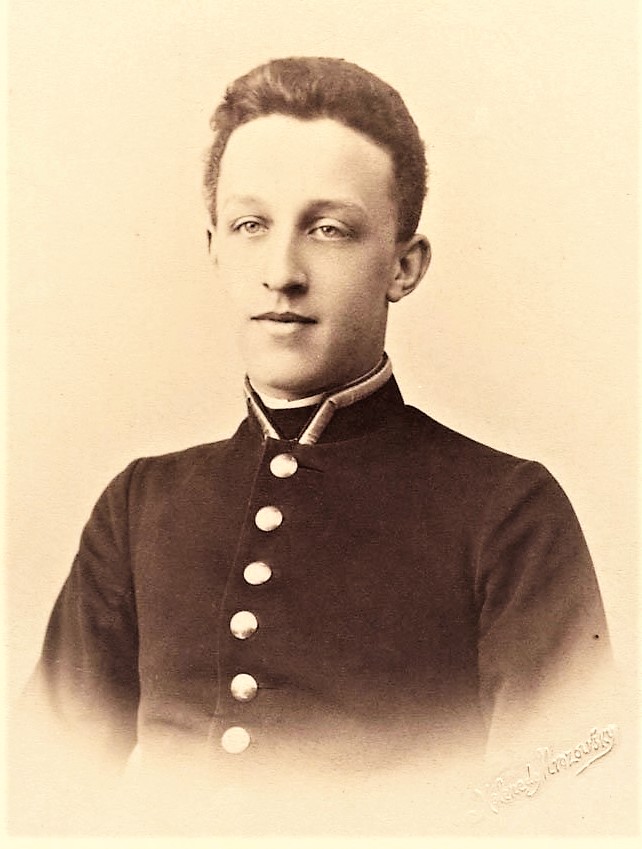
Konstantin Korovin 1891 portrait by Valentin Serov

Konstantin Korovine a été le premier peintre russe impressionniste, décorateur de théâtre et écrivain.

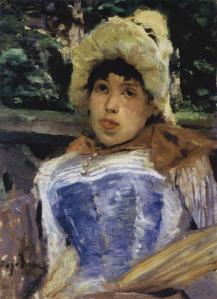
Konstantin Alekseevich Korovine est né le 23 novembre (5 décembre) 1861 à Moscou, dans l’Empire Russe. Alors qu’il étudiait à l’Académie des Beaux-Arts de Saint-Pétersbourg, il a été initié à l’art impressionniste par Vasily Polenov. Son premier travail “Portrait d’une Chorus Girl” a été qualifié de premier signe de l’impressionnisme Russe.

Portrait of a Chorus Girl by Konstantin Korovin-1883
Portrait d'une choriste par Konstantin Korovine-1883 - Portrait, huile sur toile - Galerie nationale Tretiakov
Portrait d’une choriste par Konstantin Korovine-1883 – Portrait, huile sur toile – Galerie nationale Tretiakov

Après avoir rencontré Savva Mamontiv en 1884, il est devenu décorateur de théâtre et a conçu, à titre d’exemple, la représentation à domicile de “La Jeune Fille des Neiges” d’après la pièce d’Alexander Ostrovsky.

En 1892, Konstantin est partit pour la France, où il a étudié l’art moderne français pendant environ un an, puis il est partit en voyage dans le nord de la Russie. Il était fasciné par la région polaire mais Paris avait aussi une place particulière dans sa vie, et l’artiste a créé de nombreux paysages de Paris, la capitale française. Konstantin Alekseevitch Korovine a eu un grand succès en France où il est devenu “Chevalier de la Légion d’honneur” et a reçu plusieurs médailles d’or et d’argent pour ses œuvres.

Continuer à lire

Watch all the paintings of Paris
by Konstantin Korovin
Посмотрите все картины Константина Коровина о ПарижеRegardez toutes les peintures de Paris par Constantin Korovine
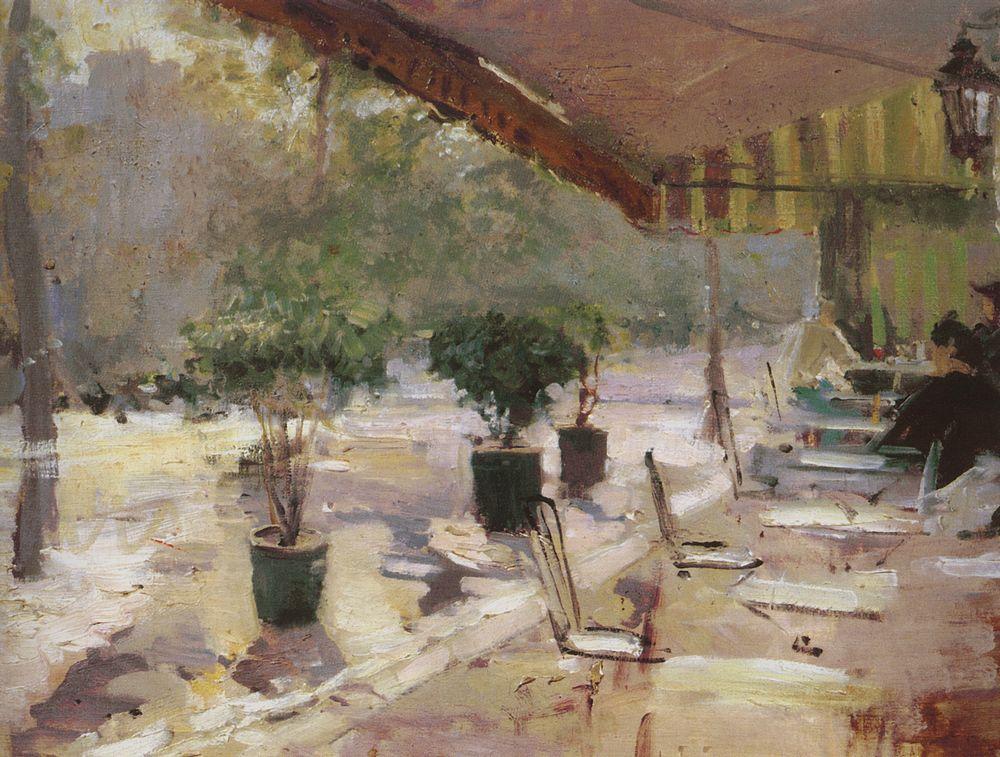
1 Paris cafe

Konstantin Korovin
Original Title: Парижское кафе
Date: c.1890
Style: Impressionism
Genre: cityscape
1 Парижское кафе

Константин Коровин
Дата: c.1890
Cтиль: Импрессионизм
Жанр: городской пейзаж
1 Café parisien

Constantin Korovine
Titre original: Парижское кафе
Date: c.1890
Style: Impressionism
Genre: paysage urbain
2 Paris cafe 

Konstantin Korovin
Original Title: Парижское кафе
Date: c.1890
Style: Impressionism
Genre: cityscape
2 Парижское кафе

Константин Коровин
Дата: c.1890
Cтиль: Импрессионизм
Жанр: городской пейзаж
2 Café parisien

Constantin Korovine
Titre original: Парижское кафе
Date: c.1890
Style: Impressionism
Genre: paysage urbain
3 Paris cafe (fragment)

Konstantin Korovin
Original Title: Парижское кафе (фрагмент)
Date: 1895
Style: Impressionism
Genre: genre painting
3 Парижское кафе (фрагмент)

Константин Коровин
Оригинальное
название: Парижское кафе (фрагмент)
Дата: 1895
Cтиль: Импрессионизм
Жанр: жанровая живопись
3 Café parisien (fragment)

Constantin Korovine
Titre original: Парижское кафе (фрагмент)
Date: 1895
Style: Impressionism
Genre: scène de genre
4 After the rain. Paris

Konstantin Korovin
Original Title: После дождя
Date: 1897
Style: Impressionism
Genre: cityscape
4 После дождя

Константин Коровин
Дата: 1897
Cтиль: Импрессионизм
Жанр: городской пейзаж
4 Après la pluie. 
Paris

Constantin Korovine
Titre original: После дождя
Date: 1897
Style: Impressionism
Genre: paysage urbain
5 Paris after Rain

Konstantin Korovin
Original Title: Париж после дождя
Date: 1900
Style: Impressionism
Genre: cityscape
5 Париж после дождя

Константин Коровин
Дата: 1900
Cтиль: Импрессионизм
Жанр: городской пейзаж
5 Paris après la pluie

Constantin Korovine
Titre original: Париж после дождя
Date: 1900
Style: Impressionism
Genre: paysage urbain
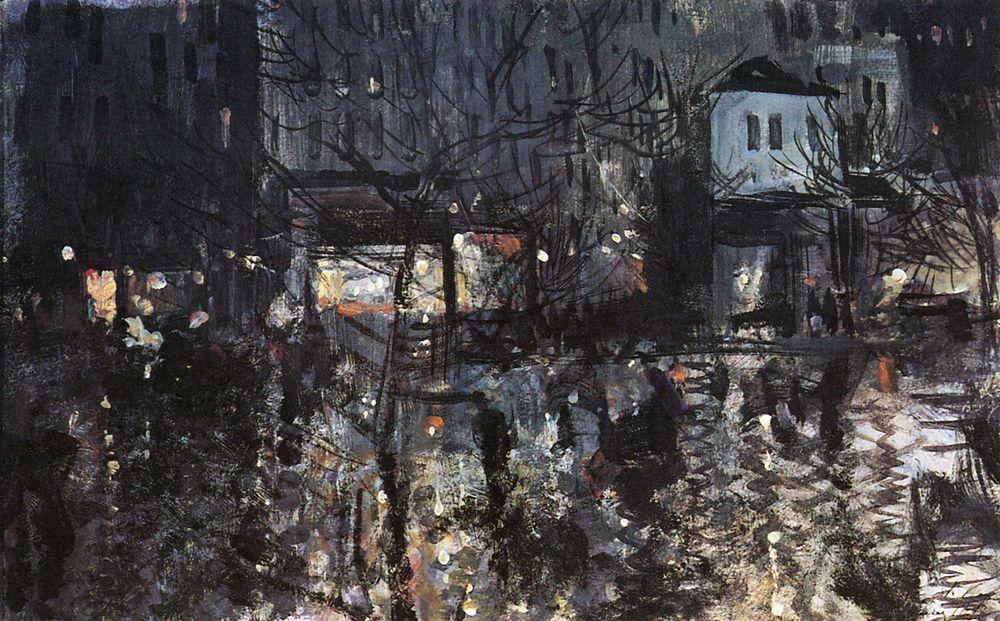
6 Street at Night, Paris

Konstantin Korovin
Original Title: Ночная улица. Париж
Date: 1902
Style: Impressionism
Genre: cityscape
6 Ночная улица. Париж

Константин Коровин
Дата: 1902
Cтиль: Импрессионизм
Жанр: городской пейзаж
6 Rue de Nuit, Paris

Constantin Korovine
Titre original: Ночная улица. Париж
Date: 1902
Style: Impressionism
Genre: paysage urbain
Continue ReadingЧитать далееContinuer à lire

J’espère que cet artist et ses peintures vous ont plu autant qu’à moi

Russian Arts – Arts Russes – Русское искусство


Si vous avez aimé cet article, abonnez-vous, mettez des likes, écrivez des commentaires !
Partager sur les réseaux sociaux
Découvrez nos derniers posts

Visitez nous sur Facebook ou Twitter


© 2023 Akirill.com – All Rights Reserved


A Short biography, and all the paintings of Paris, France by Konstantin Korovin

Bilingual booksLire en FrançaisContact us
American LiteratureFrench LiteratureRussian Literature

This week I decided to post the paintings of Paris by Konstantin Korovin, as I found interesting to see my native city from the eye of a Russian painter. The details of each painting are posted under the gallery with the picture corresponding number. If you prefer to watch the painting in full size, just click on the picture. The details are in English, French and Russian.

In a few words, who was Konstantin Korovin?

Konstantin Korovin 1891 portrait by Valentin Serov

Konstantin Korovin was the first impressionist Russian painter, a a theatrical decorator, as well as a writer.

Konstantin Alekseevich Korovin was born on November 23 ( December 5), 1861, in Moscow, Russian Empire. When he was studying in the Academy of Art in St Petersburg, he was introduced to the art of the Impressionist by Vasily Polenov. His first work “Portrait of a Chorus Girl” was called the first sign of Russian impressionism.

Portrait of a Chorus Girl by Konstantin Korovin-1883
Portrait of a Chorus Girl by Konstantin Korovin-1883 – Portrait, oil on canvas – State Tretyakov Gallery

After meeting Savva Mamontiv in 1884, he became a theatrical decorator and designed as an example, the home performance of “The Snow Maiden” based on the play by Alexander Ostrovsky.

In 1892, Konstantin left for France, where he studied modern French art for about a year, then he went for a trip to the North of Russia. He was fascinated by the polar region but Paris had also a special place in his life, and the artist created many landscapes of Paris, the French capital. Konstantin Alekseevich Korovin had great success in France where, he became “A Chevalier of the Legion of Honor” and received several gold and silver medals for his works.

Continue reading

Watch all the paintings of Paris
by Konstantin Korovin
Посмотрите все картины Константина Коровина о ПарижеRegardez toutes les peintures de Paris par Constantin Korovine
1 Paris cafe

Konstantin Korovin
Original Title: Парижское кафе
Date: c.1890
Style: Impressionism
Genre: cityscape
1 Парижское кафе

Константин Коровин
Дата: c.1890
Cтиль: Импрессионизм
Жанр: городской пейзаж
1 Café parisien

Constantin Korovine
Titre original: Парижское кафе
Date: c.1890
Style: Impressionism
Genre: paysage urbain
2 Paris cafe 

Konstantin Korovin
Original Title: Парижское кафе
Date: c.1890
Style: Impressionism
Genre: cityscape
2 Парижское кафе

Константин Коровин
Дата: c.1890
Cтиль: Импрессионизм
Жанр: городской пейзаж
2 Café parisien

Constantin Korovine
Titre original: Парижское кафе
Date: c.1890
Style: Impressionism
Genre: paysage urbain
3 Paris cafe (fragment)

Konstantin Korovin
Original Title: Парижское кафе (фрагмент)
Date: 1895
Style: Impressionism
Genre: genre painting
3 Парижское кафе (фрагмент)

Константин Коровин
Оригинальное
название: Парижское кафе (фрагмент)
Дата: 1895
Cтиль: Импрессионизм
Жанр: жанровая живопись
3 Café parisien (fragment)

Constantin Korovine
Titre original: Парижское кафе (фрагмент)
Date: 1895
Style: Impressionism
Genre: scène de genre
4 After the rain. Paris

Konstantin Korovin
Original Title: После дождя
Date: 1897
Style: Impressionism
Genre: cityscape
4 После дождя

Константин Коровин
Дата: 1897
Cтиль: Импрессионизм
Жанр: городской пейзаж
4 Après la pluie. 
Paris

Constantin Korovine
Titre original: После дождя
Date: 1897
Style: Impressionism
Genre: paysage urbain
5 Paris after Rain

Konstantin Korovin
Original Title: Париж после дождя
Date: 1900
Style: Impressionism
Genre: cityscape
5 Париж после дождя

Константин Коровин
Дата: 1900
Cтиль: Импрессионизм
Жанр: городской пейзаж
5 Paris après la pluie

Constantin Korovine
Titre original: Париж после дождя
Date: 1900
Style: Impressionism
Genre: paysage urbain
6 Street at Night, Paris

Konstantin Korovin
Original Title: Ночная улица. Париж
Date: 1902
Style: Impressionism
Genre: cityscape
6 Ночная улица. Париж

Константин Коровин
Дата: 1902
Cтиль: Импрессионизм
Жанр: городской пейзаж
6 Rue de Nuit, Paris

Constantin Korovine
Titre original: Ночная улица. Париж
Date: 1902
Style: Impressionism
Genre: paysage urbain
Continue ReadingЧитать далееContinuer à lire

I hope you enjoyed this artist and paintings as much as I did

Russian – Arts Arts Russes – Русское искусство


If you liked this article, subscribe , put likes, write comments!
Share on social networks
Check out Our Latest Posts

Visit us on Facebook or Twitter


© 2023 Akirill.com – All Rights Reserved


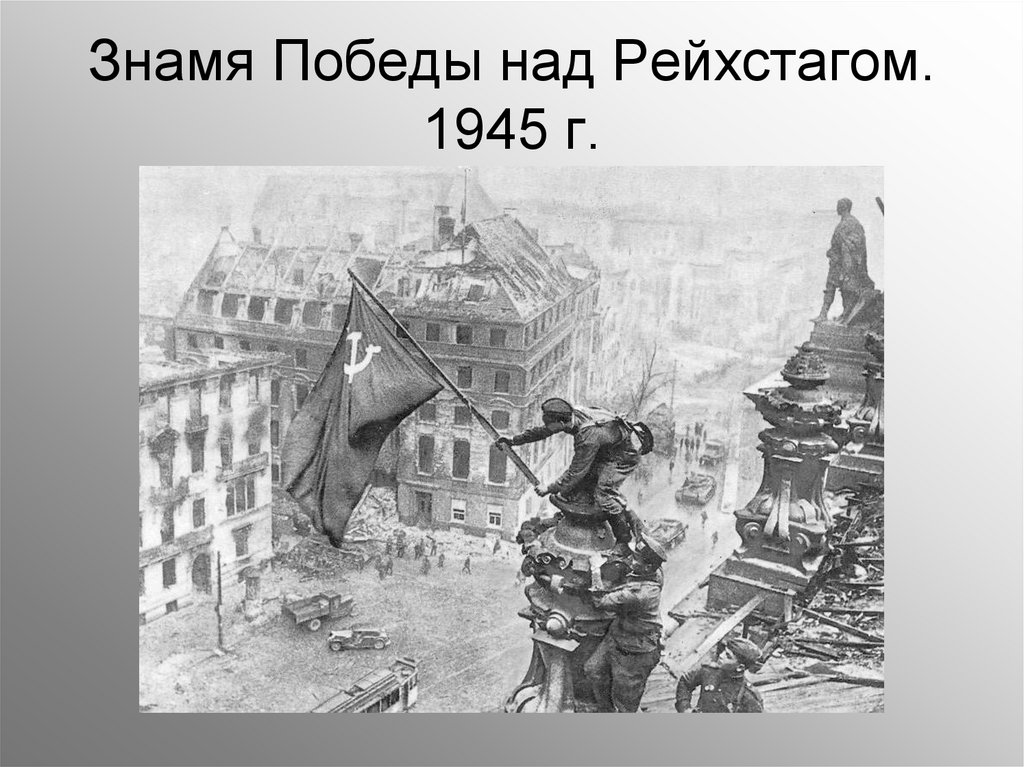
Поздравление с праздником Девятого Мая, днём Победы, на русском и английском языках

Bilingual booksLire en FrançaisContact us
American LiteratureFrench LiteratureRussian Literature

Я поздравляю всех Вас с Днём Победы!

Текст и перевод находятся под видео


От героев былых временFrom the heroes of bygone times,
Не осталось порой имен.there are sometimes no names left.
Те, кто приняли смертный бой,Those who took the fight to the death,
Стали проcто землей и травой…Became just earth and grass…
Только грозная доблесть ихOnly their formidable prowess
Поселилась в сердцах живых.Settled in the hearts of the living.
Этот вечный огонь,This eternal flame,
Нам завещаный одним, мы в груди храним.Bequeathed to us alone, we keep in our hearts.
Погляди на моих бойцов –Look at my fighters –
Целый свет помнит их в лицо.The whole world remembers them by sight.
Вот застыл батальон в строю…Here the battalion froze in the ranks …
Снова старых друзей узнаю.I recognize old friends again.
Хоть им нет двадцати пяти,Although they are not twenty-five,
Трудный путь им пришлось пройти,They had to go through a difficult path,
Это те, кто в штыки поднимался как один,These are the ones who got up in hand-to-hand combat as one,
Те, кто брал Берлин!Those who took Berlin!
Нет в России семьи такой,There is no such family in Russia,
Где не памятен был свой герой.Where his hero was not remembered.
И глаза молодых ребятAnd the eyes of young guys
С фотографий увядших глядят…look from the faded photographs …
Этот взгляд, словно высший суд,This look is like the highest court,
Для ребят, что сейчас растут.For the guys that are now growing up.
И мальчишкам нельзя ни солгать, ни обмануть,And these boys should not be deceived,
Ни с пути свернуть!and you can’t turn off the path!


If you liked this article, subscribe , put likes, write comments!
Share on social networks
Check out Our Latest Posts


© 2023 Akirill.com – All Rights Reserved
Счастливого Рождества со стихотворением “Вечерний ангел”, переведенным на английский

Bilingual booksLire en FrançaisContact us
American LiteratureFrench LiteratureRussian Literature

< < < Alexandre Blok – “Scythes” (Ru/Fr) / Scythians (Ru/Eng) / Александр Блок – Скифы (Рус/Анг.) / (Рус/ Фра.)
Mikhail Lermontov – Prière (Ru/Fr) / Prayer (Ru/Eng) / Михаил Лермонтов – Молитва (Рус/Анг.) / (Рус/ Фра.) > > >

Я желаю вам всем счастливого Рождества со стихотворением “Вечерний ангел”, переведенным на английский

Вечерний ангел
Иван Бунин
evening angel
Ivan Bunin
В вечерний час над степью мирной,


Когда закат над ней сиял,

Среди небес, стезей эфирной,

Вечерний ангел пролетал,
In the evening hour over the peaceful steppe,

When the sunset shone over it,

Among the heavens, the ethereal paths,

The evening angel flew,
Он видел сумрак предзакатный,

Уже седел вдали восток…


И вдруг услышал он невнятный

Во ржах ребенка голосок.
He saw the dusk before sunset,

Already settles away to the east …

And suddenly he heard an indistinct

voice In the whinning of a child.
Он шел, колосья собирая

И васильки, и пел в тиши,

И были в песне звуки рая


Невинной, неземной души.
He walked, collecting ears of corn

And cornflowers, and sang in silence,

And there were sounds of paradise in the song

An innocent, unearthly soul.
«Дитя,- сказал посланник Бога,

И грусть и радость затая,-

Куда ведет твоя дорога,

И где сложилась песнь твоя?»
“Child,” said the messenger of God,

And sadness and joy are hidden, “

Where does your road lead,

And where did your song take shape?”
Ребенка взор был чист и светел,

Но он в смущении стоял.

«Не знаю…» — робко он ответил.

«Благослови меньшого брата,-
The child’s gaze was clear and bright,

But he stood in confusion.

“I don’t know…” he answered timidly.

“Bless the little brother,”
Сказал Господь,- благослови

Младенца в тихий час заката

На путь и правды и любви!»

И осенил дитя с улыбкой
The Lord said, – bless the

Child in the quiet hour of sunset

On the path of truth and love!

And overshadowed the child with a smile
Вечерний ангел,- развернул

Свои воскрылья в сумрак зыбкий

И на закате потонул.

И как алтарь весенней ночи,
Evening angel – unfolded

His wings in the unsteady dusk

And drowned at sunset.

And like an altar of spring night,
Заря сияла в вышине,

И долго молодые очи

Ей любовались в тишине.

И в созерцании впервые
The dawn shone in the sky,

And for a long time young eyes

admired it in silence.

And in contemplation for the first time
Дитя познало красоту,

Лелея грезы золотые

И чистой радости мечту.
A child has known beauty,

Cherishing golden dreams

And a dream of pure joy.

< < < Alexandre Blok – “Scythes” (Ru/Fr) / Scythians (Ru/Eng) / Александр Блок – Скифы (Рус/Анг.) / (Рус/ Фра.)
Mikhail Lermontov – Prière (Ru/Fr) / Prayer (Ru/Eng) / Михаил Лермонтов – Молитва (Рус/Анг.) / (Рус/ Фра.) > > >

If you liked this article, subscribe , put likes, write comments!
Share on social networks
Check out Our Latest Posts


© 2023 Akirill.com – All Rights Reserved
Счастливого Рождества со стихотворением “Вечерний ангел”, переведенным на французский язык

Livres bilinguesRead in EnglishNous contacter
Littérature américaineLittérature françaiseLittérature russe

< < < Alexandre Blok – “Scythes” (Ru/Fr) / Scythians (Ru/Eng) / Александр Блок – Скифы (Рус/Анг.) / (Рус/ Фра.)
Mikhail Lermontov – Prière (Ru/Fr) / Prayer (Ru/Eng) / Михаил Лермонтов – Молитва (Рус/Анг.) / (Рус/ Фра.) > > >


Я желаю вам всем счастливого Рождества со стихотворением “Вечерний ангел”, переведенным на французский

Вечерний ангел
Иван Бунин
Ange du Soir
Ivan Bounine
В вечерний час над степью мирной,


Когда закат над ней сиял,

Среди небес, стезей эфирной,

Вечерний ангел пролетал,
A l’heure du soir sur la paisible steppe,

Quand le coucher du soleil brillait dessus,

Parmi les cieux, les chemins éthérés,

L’ange du soir volait,
Он видел сумрак предзакатный,

Уже седел вдали восток…


И вдруг услышал он невнятный

Во ржах ребенка голосок.
Il vit le crépuscule avant le coucher du soleil,

Déjà s’installe à l’est…

Et soudain il entendit une
voix indistincte

Le gémissement d’un enfant.
Он шел, колосья собирая

И васильки, и пел в тиши,

И были в песне звуки рая


Невинной, неземной души.
Il marchait, ramassant des épis de maïs

Et des bleuets, et chantait en silence,

Et il y avait des sons de paradis dans la chanson

Une âme innocente et surnaturelle.
«Дитя,- сказал посланник Бога,

И грусть и радость затая,-

Куда ведет твоя дорога,

И где сложилась песнь твоя?»
“Enfant,” dit le messager de Dieu,

Et la tristesse et la joie sont cachées, “

Où mène ta route,

Et où ta chanson a-t-elle pris forme?”
Ребенка взор был чист и светел,

Но он в смущении стоял.

«Не знаю…» — робко он ответил.

«Благослови меньшого брата,-
Le regard de l’enfant était clair et brillant,

Mais il se tenait dans la confusion.

« Je ne sais pas… » répondit-il timidement.

“Bénissez le petit frère,”
Сказал Господь,- благослови

Младенца в тихий час заката

На путь и правды и любви!»

И осенил дитя с улыбкой
Le Seigneur a dit : – bénis 

l’Enfant à l’heure tranquille du coucher du soleil

Sur le chemin de la vérité et de l’amour !

Et a couvert l’enfant d’un sourire
Вечерний ангел,- развернул

Свои воскрылья в сумрак зыбкий

И на закате потонул.

И как алтарь весенней ночи,
L’Ange du soir – a déployé

ses ailes dans le crépuscule instable

Et s’est noyé dans le coucher du soleil.

Et comme un autel de nuit de printemps,
Заря сияла в вышине,

И долго молодые очи

Ей любовались в тишине.

И в созерцании впервые
L’aube brillait dans le ciel,

Et longtemps de jeunes yeux

l’admirèrent en silence.

Et en contemplation pour la première fois
Дитя познало красоту,

Лелея грезы золотые

И чистой радости мечту.
Un enfant a connu la beauté,

Chérissant des rêves d’or

Et un rêve de pure joie.

< < < Alexandre Blok – “Scythes” (Ru/Fr) / Scythians (Ru/Eng) / Александр Блок – Скифы (Рус/Анг.) / (Рус/ Фра.)
Mikhail Lermontov – Prière (Ru/Fr) / Prayer (Ru/Eng) / Михаил Лермонтов – Молитва (Рус/Анг.) / (Рус/ Фра.) > > >

Si vous avez aimé cet article, abonnez-vous, mettez des likes, écrivez des commentaires !

Partager sur les réseaux sociaux

Découvrez nos derniers posts

“Russia cannot be understood with the mind” by Fedor Tyutchev, translated and analyzed

Bilingual booksLire en FrançaisContact us
American LiteratureFrench LiteratureRussian Literature

Today is a verse called “Russia cannot be understood with the mind”. It was written in 1866, by an experienced diplomat, F. I. Tyutchev who spent a significant part of his life abroad and knew European countries very well.

This verse is often quoted, particularly nowadays, and its first line has become a catch phrase to denote a special Russian path of development. The Russians are reproached for not being able to formulate their national idea but this verse gives an answer to this. The national Russian idea lives in the souls of all Russians and cannot be expressed in words, or in some kind of logical systems.

“One can only believe in Russia” was written five years after the decree on the abolition of serfdom when the most advanced technologies and ideas coexisted with centuries of impassability, poverty and illiteracy. And that is this contrast that gave Tyutchev reason to assert that the development of Russia always proceeds according to its own special laws, which are inaccessible to the logical analysis of a European. Even the Russians themselves do not understand these laws, giving everything to the will of God, and over the centuries, a unique national character has developed in Russia. The main feature of a Russian person is to act not in accordance with the requirements of the mind, but to follow their hearts.

Федор Тютчев — Умом Россию не понять: СтихFedor Tyutchev – Russia cannot be understood with the mind: Verse
Умом Россию не понять,Russia cannot be understood with the mind,
Аршином общим не измерить:Or measured with a standard yardstick:
У ней особенная стать —She has a unique destiny –
В Россию можно только верить.In Russia, one can only believe.

I hope you enjoyed this verse as much as I did and that it brings you some understanding of what is happening now.

If you liked this article, subscribe , put likes, write comments!
Share on social networks
Check out Our Latest Posts

Le poème “Ange” d’Alexandre Pouchkine

Livres bilinguesRead in EnglishNous contacter
Littérature américaineLittérature françaiseLittérature russe

< < < 27 Mai 1819 / May 27, 1819 / 27 мая 1819 (Рус/Анг.) / (Рус/ Фра.)
Automne  (Ru/Fr) / Autumn (Ru/Eng) / Осень (Рус/Анг.) / (Рус/ Фра.) > > >

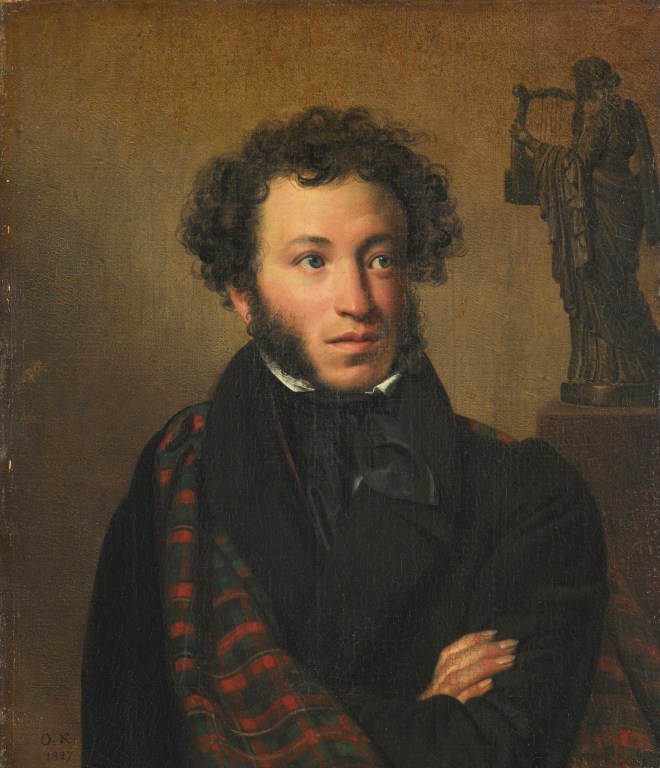
Le poème “Ange” a été écrit en 1827 par Alexandre Pouchkine qui avait une forte passion pour de nombreuses femmes. Il a rencontré E.K. Vorontsova qui lui a rendu la pareille pendant son exil dans le sud. Cette punition avait été dure pour lui mais l’amour a eu un effet bénéfique sur l’exil. Pouchkine semble s’éveiller à nouveau à la vie et à l’activité. 

Ce poème a été créé après que Pouchkine ait été séparé de sa bien-aimée pendant déjà trois ans et ne peut être considéré comme le résultat d’une impulsion spirituelle soudaine. Le poète a eu le temps de réfléchir sérieusement à sa passion et à toutes ses conséquences. 

Vorontsova a aidé Pouchkine à survivre à l’amertume de la punition et à sa renaissance spirituelle. Le poète, qui idolâtrait déjà les femmes, voit en sa bien-aimée un véritable ange qui l’a sauvé de l’abîme infernal. 

Alexander Pushkin
Alexander Pushkin
АнгелAnge
Traduit par Akirill.com
В дверях эдема ангел нежный
Главой поникшею сиял,
А демон мрачный и мятежный
Над адской бездною летал.
Aux portes de l’Eden, un ange doux,
brillait avec sa tête baissée
Et un démon sombre et rebelle
au-dessus de la crevasse infernale battait des ailes.
Дух отрицанья, дух сомненья
На духа чистого взирал
И жар невольный умиленья
Впервые смутно познавал.
L’esprit de dénégation, l’esprit de doute
en contemplait un autre – un esprit pur
et le feu de l’exaltation forcée
Pour la première fois il comprit vaguement.
“Прости,- он рек,- тебя я видел,
И ты недаром мне сиял:
Не все я в небе ненавидел,
Не все я в мире презирал”.
« Je suis désolé, je t’ai vu, énonça-t-il,
et ce n’est pas en vain que tu m’as envoyé de la lumière :
je n’ai pas tout détesté dans le ciel,
je n’ai pas méprisé tout dans le monde.
1827
А. Пушкин. Полное собрание сочинений. Москва, Библиотека “Огонек”, изд-во “Правда”, 1954.A. Pouchkine. 
Les oeuvres complètes. 
Moscou, Bibliothèque Ogonek, Maison d’édition Pravda, 1954.

J’espère que vous avez apprécié ce poème.

< < < 27 Mai 1819 / May 27, 1819 / 27 мая 1819 (Рус/Анг.) / (Рус/ Фра.)
Automne  (Ru/Fr) / Autumn (Ru/Eng) / Осень (Рус/Анг.) / (Рус/ Фра.) > > >

Si vous avez aimé cet article, abonnez-vous, mettez des likes, écrivez des commentaires !

Partager sur les réseaux sociaux

Découvrez nos derniers messages


© 2022 Akirill.com – All Rights Reserved

Poem “Angel” by Alexander Pushkin

Bilingual booksLire en FrançaisContact us
American LiteratureFrench LiteratureRussian Literature

< < < 27 Mai 1819 / May 27, 1819 / 27 мая 1819 (Рус/Анг.) / (Рус/ Фра.)
Automne  (Ru/Fr) / Autumn (Ru/Eng) / Осень (Рус/Анг.) / (Рус/ Фра.) > >

The poem “Angel” was written in 1827 by Alexander Pushkin who had a strong passion for many women. He met E. K. Vorontsova who reciprocates his courtship during his Southern exile. This punishment had been hard for him but love has a beneficial effect on the exile. Pushkin seems to be awakening again to life and activity. 

This poem was created after Pushkin had been apart from his beloved for already three years and cannot be considered the result of a sudden spiritual impulse. The poet had enough time to seriously reflect on his passion and all its consequences. 

Vorontsova helped Pushkin survive the bitterness of punishment and his spiritual rebirth. The poet, who already idolized women, sees in his beloved a real angel who saved him from the hellish abyss.  

Alexander Pushkin
Alexander Pushkin
АнгелAngel
Translated by Akirill.com
В дверях эдема ангел нежный
Главой поникшею сиял,
А демон мрачный и мятежный
Над адской бездною летал.
At the gates of Eden, a gentle angel,
shone with his softly drooped head,
and Demon, gloomy and resentful
over the hellish crevasse flapped.
Дух отрицанья, дух сомненья
На духа чистого взирал
И жар невольный умиленья
Впервые смутно познавал.
The spirit of qualm and negation
contemplated another one – of good,
and fire of the forced elation
first time he vaguely understood.
“Прости,- он рек,- тебя я видел,
И ты недаром мне сиял:
Не все я в небе ненавидел,
Не все я в мире презирал”.
“I’ve seen you,” he enunciated, –
“And not in vain you’ve sent me light:
Not all in heaven I have hated,
not all in world I have despised.”
1827
А. Пушкин. Полное собрание сочинений. Москва, Библиотека “Огонек”, изд-во “Правда”, 1954.A. Pushkin. The complete works. Moscow, Ogonek Library, Pravda Publishing House, 1954.

I hope you enjoyed this poem.

< < < 27 Mai 1819 / May 27, 1819 / 27 мая 1819 (Рус/Анг.) / (Рус/ Фра.)
Automne  (Ru/Fr) / Autumn (Ru/Eng) / Осень (Рус/Анг.) / (Рус/ Фра.) > >

If you liked this article, subscribe , put likes, write comments!
Share on social networks
Check out Our Latest Posts


© 2022 Akirill.com – All Rights Reserved