Счастливого Рождества со стихотворением “Вечерний ангел”, переведенным на английский

Bilingual booksLire en FrançaisContact us
American LiteratureFrench LiteratureRussian Literature

< < < Alexandre Blok – “Scythes” (Ru/Fr) / Scythians (Ru/Eng) / Александр Блок – Скифы (Рус/Анг.) / (Рус/ Фра.)
Mikhail Lermontov – Prière (Ru/Fr) / Prayer (Ru/Eng) / Михаил Лермонтов – Молитва (Рус/Анг.) / (Рус/ Фра.) > > >

Я желаю вам всем счастливого Рождества со стихотворением “Вечерний ангел”, переведенным на английский
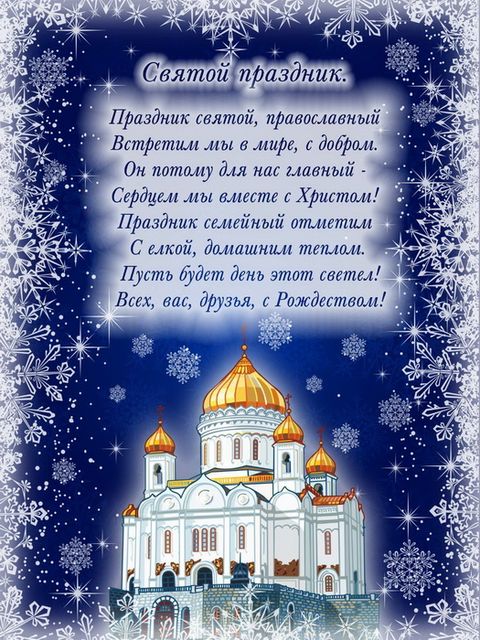
Вечерний ангел
Иван Бунин
evening angel
Ivan Bunin
В вечерний час над степью мирной,


Когда закат над ней сиял,

Среди небес, стезей эфирной,

Вечерний ангел пролетал,
In the evening hour over the peaceful steppe,

When the sunset shone over it,

Among the heavens, the ethereal paths,

The evening angel flew,
Он видел сумрак предзакатный,

Уже седел вдали восток…


И вдруг услышал он невнятный

Во ржах ребенка голосок.
He saw the dusk before sunset,

Already settles away to the east …

And suddenly he heard an indistinct

voice In the whinning of a child.
Он шел, колосья собирая

И васильки, и пел в тиши,

И были в песне звуки рая


Невинной, неземной души.
He walked, collecting ears of corn

And cornflowers, and sang in silence,

And there were sounds of paradise in the song

An innocent, unearthly soul.
«Дитя,- сказал посланник Бога,

И грусть и радость затая,-

Куда ведет твоя дорога,

И где сложилась песнь твоя?»
“Child,” said the messenger of God,

And sadness and joy are hidden, “

Where does your road lead,

And where did your song take shape?”
Ребенка взор был чист и светел,

Но он в смущении стоял.

«Не знаю…» — робко он ответил.

«Благослови меньшого брата,-
The child’s gaze was clear and bright,

But he stood in confusion.

“I don’t know…” he answered timidly.

“Bless the little brother,”
Сказал Господь,- благослови

Младенца в тихий час заката

На путь и правды и любви!»

И осенил дитя с улыбкой
The Lord said, – bless the

Child in the quiet hour of sunset

On the path of truth and love!

And overshadowed the child with a smile
Вечерний ангел,- развернул

Свои воскрылья в сумрак зыбкий

И на закате потонул.

И как алтарь весенней ночи,
Evening angel – unfolded

His wings in the unsteady dusk

And drowned at sunset.

And like an altar of spring night,
Заря сияла в вышине,

И долго молодые очи

Ей любовались в тишине.

И в созерцании впервые
The dawn shone in the sky,

And for a long time young eyes

admired it in silence.

And in contemplation for the first time
Дитя познало красоту,

Лелея грезы золотые

И чистой радости мечту.
A child has known beauty,

Cherishing golden dreams

And a dream of pure joy.

< < < Alexandre Blok – “Scythes” (Ru/Fr) / Scythians (Ru/Eng) / Александр Блок – Скифы (Рус/Анг.) / (Рус/ Фра.)
Mikhail Lermontov – Prière (Ru/Fr) / Prayer (Ru/Eng) / Михаил Лермонтов – Молитва (Рус/Анг.) / (Рус/ Фра.) > > >

If you liked this article, subscribe , put likes, write comments!
Share on social networks
Check out Our Latest Posts


© 2023 Akirill.com – All Rights Reserved
Счастливого Рождества со стихотворением “Вечерний ангел”, переведенным на французский язык

Livres bilinguesRead in EnglishNous contacter
Littérature américaineLittérature françaiseLittérature russe

< < < Alexandre Blok – “Scythes” (Ru/Fr) / Scythians (Ru/Eng) / Александр Блок – Скифы (Рус/Анг.) / (Рус/ Фра.)
Mikhail Lermontov – Prière (Ru/Fr) / Prayer (Ru/Eng) / Михаил Лермонтов – Молитва (Рус/Анг.) / (Рус/ Фра.) > > >


Я желаю вам всем счастливого Рождества со стихотворением “Вечерний ангел”, переведенным на французский

Вечерний ангел
Иван Бунин
Ange du Soir
Ivan Bounine
В вечерний час над степью мирной,


Когда закат над ней сиял,

Среди небес, стезей эфирной,

Вечерний ангел пролетал,
A l’heure du soir sur la paisible steppe,

Quand le coucher du soleil brillait dessus,

Parmi les cieux, les chemins éthérés,

L’ange du soir volait,
Он видел сумрак предзакатный,

Уже седел вдали восток…


И вдруг услышал он невнятный

Во ржах ребенка голосок.
Il vit le crépuscule avant le coucher du soleil,

Déjà s’installe à l’est…

Et soudain il entendit une
voix indistincte

Le gémissement d’un enfant.
Он шел, колосья собирая

И васильки, и пел в тиши,

И были в песне звуки рая


Невинной, неземной души.
Il marchait, ramassant des épis de maïs

Et des bleuets, et chantait en silence,

Et il y avait des sons de paradis dans la chanson

Une âme innocente et surnaturelle.
«Дитя,- сказал посланник Бога,

И грусть и радость затая,-

Куда ведет твоя дорога,

И где сложилась песнь твоя?»
“Enfant,” dit le messager de Dieu,

Et la tristesse et la joie sont cachées, “

Où mène ta route,

Et où ta chanson a-t-elle pris forme?”
Ребенка взор был чист и светел,

Но он в смущении стоял.

«Не знаю…» — робко он ответил.

«Благослови меньшого брата,-
Le regard de l’enfant était clair et brillant,

Mais il se tenait dans la confusion.

« Je ne sais pas… » répondit-il timidement.

“Bénissez le petit frère,”
Сказал Господь,- благослови

Младенца в тихий час заката

На путь и правды и любви!»

И осенил дитя с улыбкой
Le Seigneur a dit : – bénis 

l’Enfant à l’heure tranquille du coucher du soleil

Sur le chemin de la vérité et de l’amour !

Et a couvert l’enfant d’un sourire
Вечерний ангел,- развернул

Свои воскрылья в сумрак зыбкий

И на закате потонул.

И как алтарь весенней ночи,
L’Ange du soir – a déployé

ses ailes dans le crépuscule instable

Et s’est noyé dans le coucher du soleil.

Et comme un autel de nuit de printemps,
Заря сияла в вышине,

И долго молодые очи

Ей любовались в тишине.

И в созерцании впервые
L’aube brillait dans le ciel,

Et longtemps de jeunes yeux

l’admirèrent en silence.

Et en contemplation pour la première fois
Дитя познало красоту,

Лелея грезы золотые

И чистой радости мечту.
Un enfant a connu la beauté,

Chérissant des rêves d’or

Et un rêve de pure joie.

< < < Alexandre Blok – “Scythes” (Ru/Fr) / Scythians (Ru/Eng) / Александр Блок – Скифы (Рус/Анг.) / (Рус/ Фра.)
Mikhail Lermontov – Prière (Ru/Fr) / Prayer (Ru/Eng) / Михаил Лермонтов – Молитва (Рус/Анг.) / (Рус/ Фра.) > > >

Si vous avez aimé cet article, abonnez-vous, mettez des likes, écrivez des commentaires !

Partager sur les réseaux sociaux

Découvrez nos derniers posts

Lisez “Courage” d’Anna Akhmatova avec le texte original et traduit

Livres bilinguesRead in EnglishNous contacter
Littérature américaineLittérature françaiseLittérature russe

J’ai appris a vivre simplement, sagement (Ru/Fr) / I have learned to live simply, wisely (Ru/Eng) / Я научилась просто мудро жить (Рус/Анг.) / (Рус/ Фра.) > > >


Ce poème écrit pendant la Grande Guerre patriotique par A. Akhmatova parle autant d’aujourd’hui que de cette période. “Courage” parle de la nécessité de préserver la culture et la langue russe et, je pense que ses paroles sont importantes pour nous tous, ainsi que pour nos différentes cultures et langues.

Analyse du poème “Courage” d’Akhmatova

A. Akhmatova a eu une vie très difficile et a été directement témoin de nombreux tournants dans l’histoire russe. Elle n’a pas accepté la révolution mais a refusé de quitter son pays. Son travail n’a pas été reconnu par le gouvernement soviétique et a fait l’objet de vives critiques. 

Lors de l’évacuation, en raison de la Grande Guerre patriotique, Akhmatova a commencé à travailler à la création du cycle patriotique «Vents de Guerre», qui comprend le poème «Courage» en 1941.

Dans ce poème, elle souligne que la privation physique et la souffrance ne sont rien comparées à la perte du patrimoine culturel que les nazis ont cherché à détruire en comprenant leur importance. 

Elle pensait que les écrivains et les poètes devaient préserver la « Parole Russe » et « Les Grands Mots Russe » et les transmettre aux générations futures, peu importe ce qu’ils devaient endurer.

Elle était convaincue que la riche culture russe devrait aider le peuple à survivre. Cela avait été prouvé maintes et maintes fois dans le passé et se répéterait certainement à l’avenir, comme c’est le cas maintenant. 

Pour elle, la grandeur d’un pays n’était pas déterminée par le niveau de son développement économique ou politique, mais par la présence d’une puissance spirituelle particulière. Cette force, renforcée par le courage du peuple, est le fondement puissant du peuple, qui ne peut être écrasé.

Анна Ахматова — Мужество: СтихAnna Akhmatova – Courage : versets
Мы знаем, что ныне лежит на весах
И что совершается ныне.
Час мужества пробил на наших часах,
И мужество нас не покинет.
Nous savons ce qui est maintenant sur la balance
et ce qui se passe maintenant.
L’heure du courage a sonné à nos montres,
Et le courage ne nous quittera pas.
Не страшно под пулями мертвыми лечь,
Не горько остаться без крова,
И мы сохраним тебя, русская речь,
Великое русское слово.
Ce n’est pas effrayant de se coucher mort sous les balles,
Ce n’est pas amer de rester sans abri,
Et nous te sauverons, langue russe,
Grand mot russe.
Свободным и чистым тебя пронесем,

И внукам дадим, и от плена спасем


Навеки.
Nous vous transporterons libres et purs,

Et nous vous donnerons à nos petits-enfants, et vous sauverons de la captivité


Pour toujours.

J’espère que ce poème vous a plu


J’ai appris a vivre simplement, sagement (Ru/Fr) / I have learned to live simply, wisely (Ru/Eng) / Я научилась просто мудро жить (Рус/Анг.) / (Рус/ Фра.) > > >

If you liked this article, subscribe , put likes, write comments!

Si vous avez aimé cet article, abonnez-vous, mettez des likes, écrivez des commentaires !
Share on social networks
Partager sur les réseaux sociaux
Check out Our Latest Posts
Découvrez nos derniers messages

Read “Courage” by Anna Akhmatova with original text and translated

Bilingual booksLire en FrançaisContact us
American LiteratureFrench LiteratureRussian Literature

J’ai appris a vivre simplement, sagement (Ru/Fr) / I have learned to live simply, wisely (Ru/Eng) / Я научилась просто мудро жить (Рус/Анг.) / (Рус/ Фра.) > > >


This poem written during the Great Patriotic War by A. Akhmatova speaks of today as much as it did of this period. “Courage is about the need to preserve Russian culture and language and I believe that her words are important to all of us, as well as our different cultures and languages.

Analysis of the poem “Courage” by Akhmatova

A. Akhmatova had very difficult life and directly witnessed many turning points in the Russian history. She did not accept the revolution but refuse to leave her country. Her work was not recognize by the Soviet government and was subjected to fierce criticism. 

During the evacuation, due to the Great Patriotic War Akhmatova began to work on the creation of the patriotic cycle “Winds of War”, which includes the poem “Courage” in 1941.

In this poem, she emphasizes that physical deprivation and suffering are nothing compared to the loss of cultural heritage which the Nazis sought to destroy understanding their importance. 

She thought that the writers and poets had to preserve the “Russian speech” and “The Great Russian Word” and pass it on to future generations, no matter what they had to endure.

She was sure that the rich Russian culture should help the people survive which had been proven time and time again in the past and would certainly be repeated in the future, as it is now. 

For her, the greatness of a country is determined not by the level of its economic or political development, but by the presence of a special spiritual power. This strength, reinforced by the courage of people, is the powerful foundation of the people, which cannot be crushed.

Анна Ахматова — Мужество: СтихAnna Akhmatova – Courage: Verse
Мы знаем, что ныне лежит на весах
И что совершается ныне.
Час мужества пробил на наших часах,
И мужество нас не покинет.
We know what is now on the scales
And what is happening now.
The hour of courage has struck on our watches,
And courage will not leave us.
Не страшно под пулями мертвыми лечь,
Не горько остаться без крова,
И мы сохраним тебя, русская речь,
Великое русское слово.
It’s not scary to lie dead under the bullets,
It’s not bitter to without shelter,
And we will save you, Russian speech,
Great Russian word.
Свободным и чистым тебя пронесем,

И внукам дадим, и от плена спасем


Навеки.
We will carry you free and clean,

And we will give you to our grandchildren, and save you from captivity

Forever.

I hope you enjoyed this poem


J’ai appris a vivre simplement, sagement (Ru/Fr) / I have learned to live simply, wisely (Ru/Eng) / Я научилась просто мудро жить (Рус/Анг.) / (Рус/ Фра.) > > >

If you liked this article, subscribe , put likes, write comments!
Share on social networks
Check out Our Latest Posts


© 2023 Akirill.com – All Rights Reserved

Happy New Year with a poem from Helen Hunt Jackson

Bilingual booksLire en FrançaisContact us
American LiteratureFrench LiteratureRussian Literature

I wish you all a Happy New Year 2023.

May god bless you all with, health, love, success and your wildest dreams!

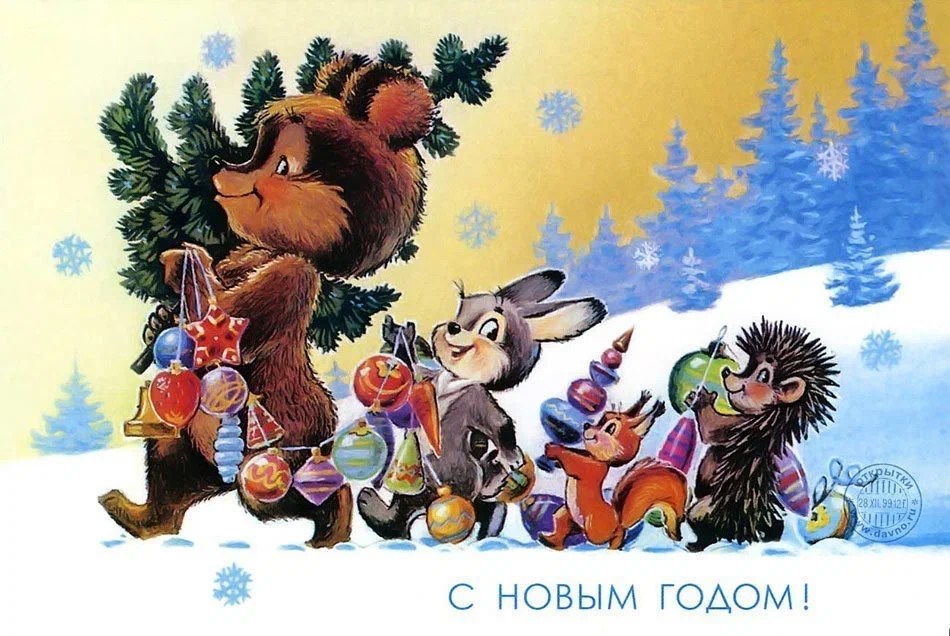
Here are a few postcard pictures and the poem “New Year’s Morning” by Helen Hunt Jackson translated in French.

С Новым Годом! means Happy New Year in Russian

New Year’s Morning
by Helen Hunt Jackson
Le matin du Nouvel An
par Helen Hunt Jackson
Only a night from old to new!Seulement une nuit de l’ancien au nouveau!
Only a night, and so much wrought!Une seule nuit, et tellement de travail !
The Old Year’s heart all weary grew,Le cœur de la vieille année tout fatigué a grandi,
But said: “The New Year rest has brought.”Mais a dit: “Le repos la Nouvelle année a apporté.”
The Old Year’s hopes its heart laid down,Les espoirs de la vieille année son cœur a déposé,
As in a grave; but, trusting, said:Comme dans une tombe; 
mais, confiante, dit :
“The blossoms of the New Year’s crown“Les fleurs de la couronne du Nouvel An
Bloom from the ashes of the dead.”Fleurissez des cendres des morts.
The Old Year’s heart was full of greed;Le cœur de l’ancienne Année était plein de cupidité ;
With selfishness it longed and ached,Avec égoïsme, il aspirait et faisait mal,
And cried: “I have not half I need.Et s’écriait : « Je n’ai pas la moitié de ce dont j’ai besoin.
My thirst is bitter and unslaked.Ma soif est amère et inassouvie.
But to the New Year’s generous handMais à la main généreuse du Nouvel An
All gifts in plenty shall return;Tous les cadeaux en abondance reviendront ;
True love it shall understand;Le véritable amour, il comprendra;
By all my failures it shall learn.Par tous mes échecs, il apprendra.
I have been reckless; it shall bej’ai été imprudent; 
ce sera
Quiet and calm and pure of life.Tranquille et calme et plein de vie
I was a slave; it shall go free,j’étais esclave; 
il sera libre
And find sweet peace where I leave strife.”Et trouve une douce paix là où je laisse les conflits.
Only a night from old to new!Seulement une nuit de l’ancien au nouveau!
Never a night such changes brought.Jamais une nuit de tels changements n’ont apportés.
The Old Year had its work to do;La Vieille Année avait son travail à faire ;
No New Year miracles are wrought.Aucun miracle du Nouvel An n’est accompli.
Always a night from old to new!Toujours une nuit de l’ancien au nouveau!
Night and the healing balm of sleep!La nuit et le baume réparateur du sommeil !
Each morn is New Year’s morn come true,Chaque matin est le matin du Nouvel An devenu réalité,
Morn of a festival to keep.Matin d’un festival à garder.
All nights are sacred nights to makeToutes les nuits sont des nuits sacrées à faire
Confession and resolve and prayer;Confession et résolution et prière;
All days are sacred days to wakeTous les jours sont des jours sacrés pour se réveiller
New gladness in the sunny air.Nouvelle joie dans l’air ensoleillé.
Only a night from old to new;Seulement une nuit de l’ancien au nouveau;
Only a sleep from night to morn.Seulement un sommeil du soir au matin.
The new is but the old come true;Le nouveau n’est que l’ancien devenu réalité;
Each sunrise sees a new year born.Chaque lever de soleil voit naître une nouvelle année.

And again Happy New Year!

If you liked this article, subscribe , put likes, write comments!
Share on social networks
Check out Our Latest Posts

Bonne Année avec un poème d’Helen Hunt Jackson

Livres bilinguesRead in EnglishNous contacter
Littérature américaineLittérature françaiseLittérature russe

Je vous souhaite à tous une Bonne Année 2023.

Que Dieu vous bénisse tous et vous donne, la santé, plein d’amour, le succès dans tout ce que vous faites et que vos rêves les plus fous se réalisent!

Voici quelques photos de cartes postales et le poème « Le matin du Nouvel An » d’Helen Hunt Jackson traduit en français.

С Новым Годом! signifie bonne année en russe

New Year’s Morning
by Helen Hunt Jackson
Le matin du Nouvel An
par Helen Hunt Jackson
Only a night from old to new!Seulement une nuit de l’ancien au nouveau!
Only a night, and so much wrought!Une seule nuit, et tellement de travail !
The Old Year’s heart all weary grew,Le cœur de la vieille année tout fatigué a grandi,
But said: “The New Year rest has brought.”Mais a dit: “Le repos la Nouvelle année a apporté.”
The Old Year’s hopes its heart laid down,Les espoirs de la vieille année son cœur a déposé,
As in a grave; but, trusting, said:Comme dans une tombe; 
mais, confiante, dit :
“The blossoms of the New Year’s crown“Les fleurs de la couronne du Nouvel An
Bloom from the ashes of the dead.”Fleurissez des cendres des morts.
The Old Year’s heart was full of greed;Le cœur de l’ancienne Année était plein de cupidité ;
With selfishness it longed and ached,Avec égoïsme, il aspirait et faisait mal,
And cried: “I have not half I need.Et s’écriait : « Je n’ai pas la moitié de ce dont j’ai besoin.
My thirst is bitter and unslaked.Ma soif est amère et inassouvie.
But to the New Year’s generous handMais à la main généreuse du Nouvel An
All gifts in plenty shall return;Tous les cadeaux en abondance reviendront ;
True love it shall understand;Le véritable amour, il comprendra;
By all my failures it shall learn.Par tous mes échecs, il apprendra.
I have been reckless; it shall bej’ai été imprudent; 
ce sera
Quiet and calm and pure of life.Tranquille et calme et plein de vie
I was a slave; it shall go free,j’étais esclave; 
il sera libre
And find sweet peace where I leave strife.”Et trouve une douce paix là où je laisse les conflits.
Only a night from old to new!Seulement une nuit de l’ancien au nouveau!
Never a night such changes brought.Jamais une nuit de tels changements n’ont apportés.
The Old Year had its work to do;La Vieille Année avait son travail à faire ;
No New Year miracles are wrought.Aucun miracle du Nouvel An n’est accompli.
Always a night from old to new!Toujours une nuit de l’ancien au nouveau!
Night and the healing balm of sleep!La nuit et le baume réparateur du sommeil !
Each morn is New Year’s morn come true,Chaque matin est le matin du Nouvel An devenu réalité,
Morn of a festival to keep.Matin d’un festival à garder.
All nights are sacred nights to makeToutes les nuits sont des nuits sacrées à faire
Confession and resolve and prayer;Confession et résolution et prière;
All days are sacred days to wakeTous les jours sont des jours sacrés pour se réveiller
New gladness in the sunny air.Nouvelle joie dans l’air ensoleillé.
Only a night from old to new;Seulement une nuit de l’ancien au nouveau;
Only a sleep from night to morn.Seulement un sommeil du soir au matin.
The new is but the old come true;Le nouveau n’est que l’ancien devenu réalité;
Each sunrise sees a new year born.Chaque lever de soleil voit naître une nouvelle année.

Et encore une fois, Bonne Année !

Si vous avez aimé cet article, abonnez-vous, mettez des likes, écrivez des commentaires !

Partager sur les réseaux sociaux

Découvrez nos derniers posts

Joyeux Noël avec un peu de poésie et des photos

Livres bilinguesRead in EnglishNous contacter
Littérature américaineLittérature françaiseLittérature russe

Je vous souhaite un merveilleux Noël, l’amour de la famille et la compagnie de bons amis…

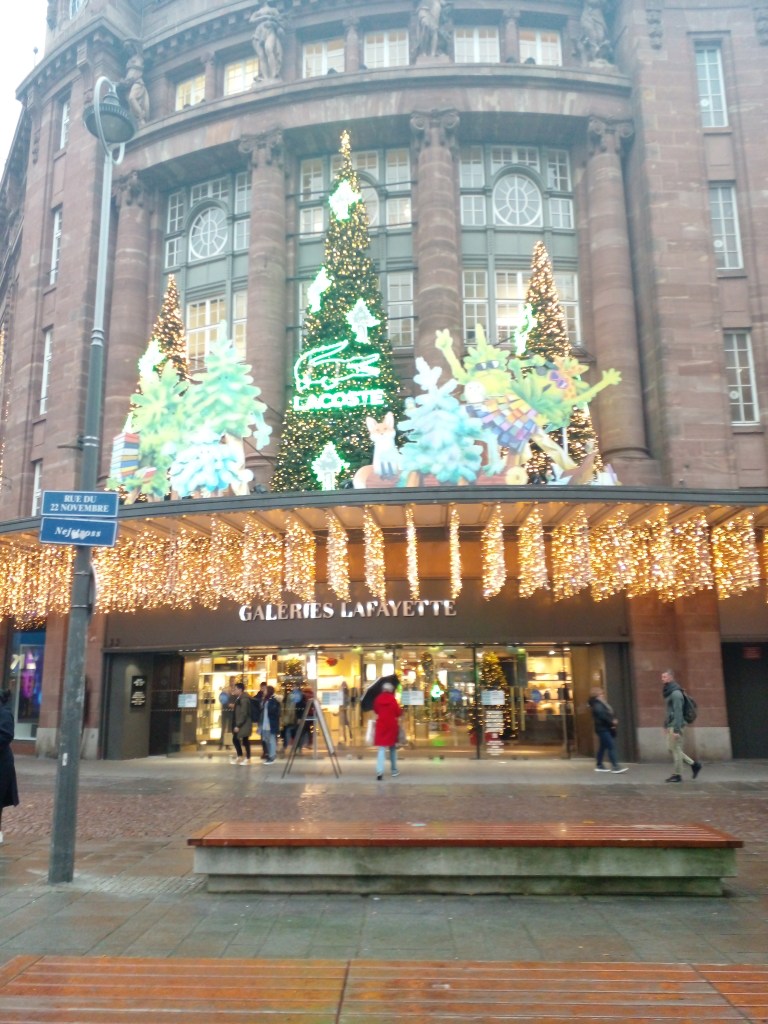
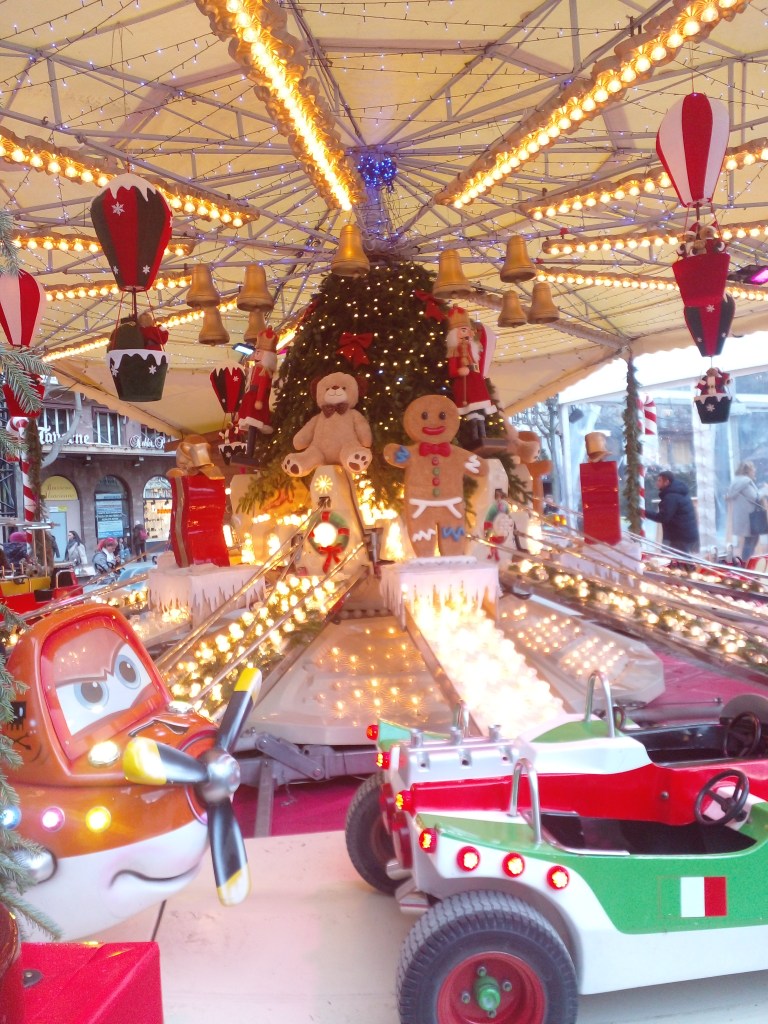
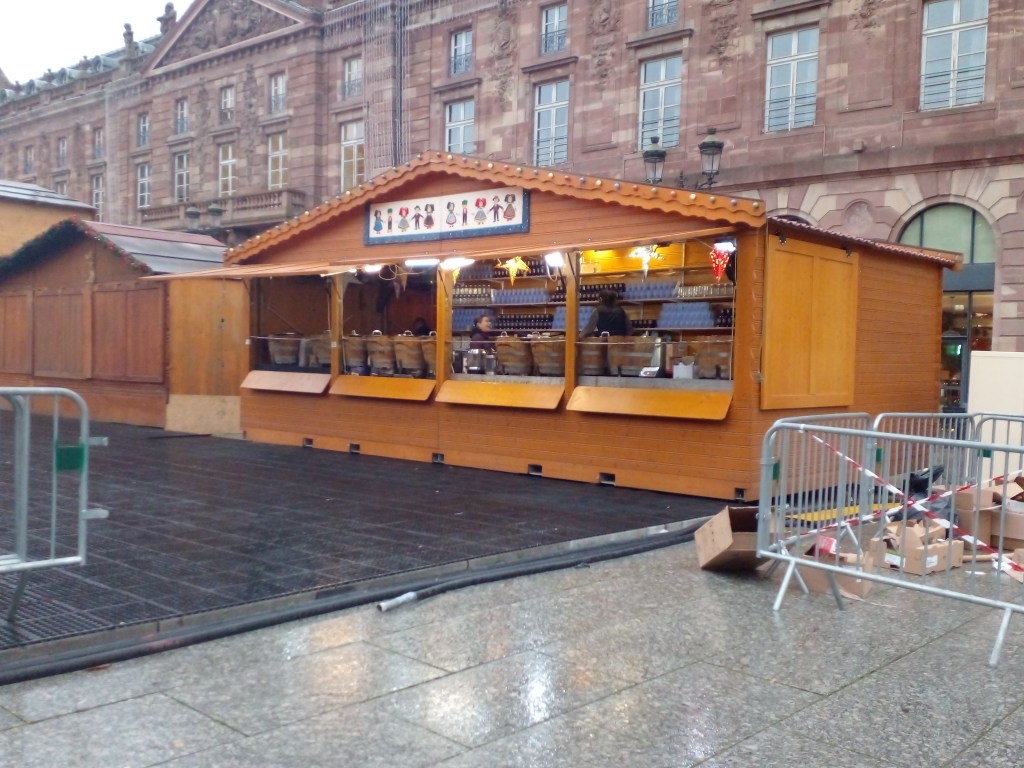
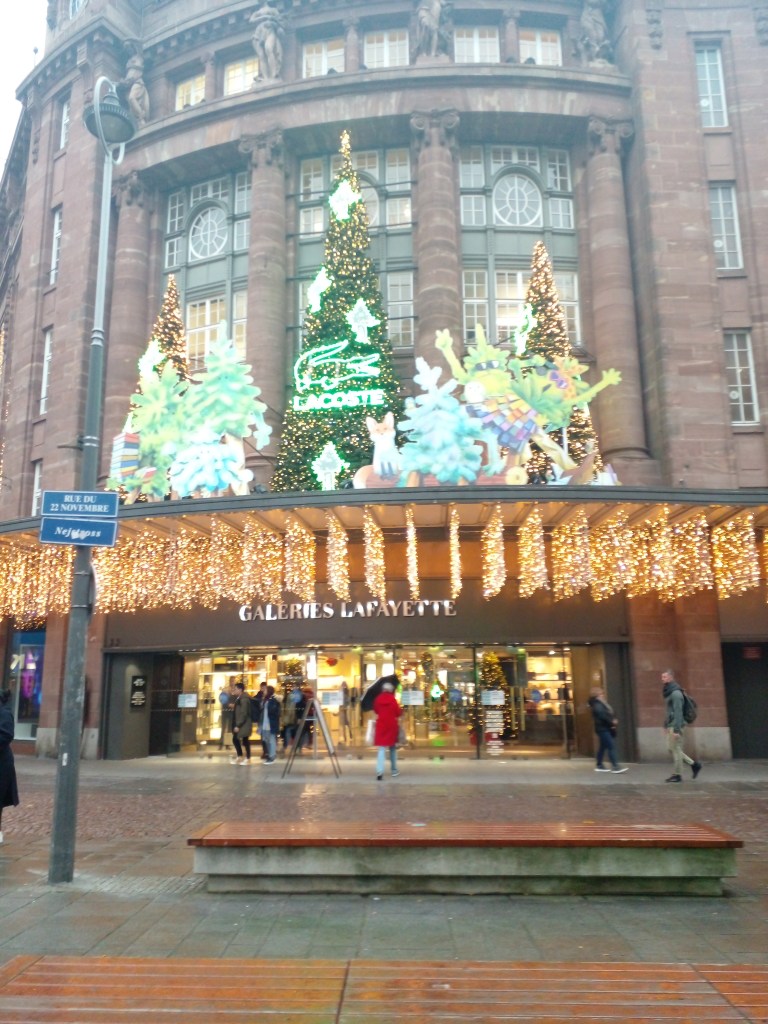
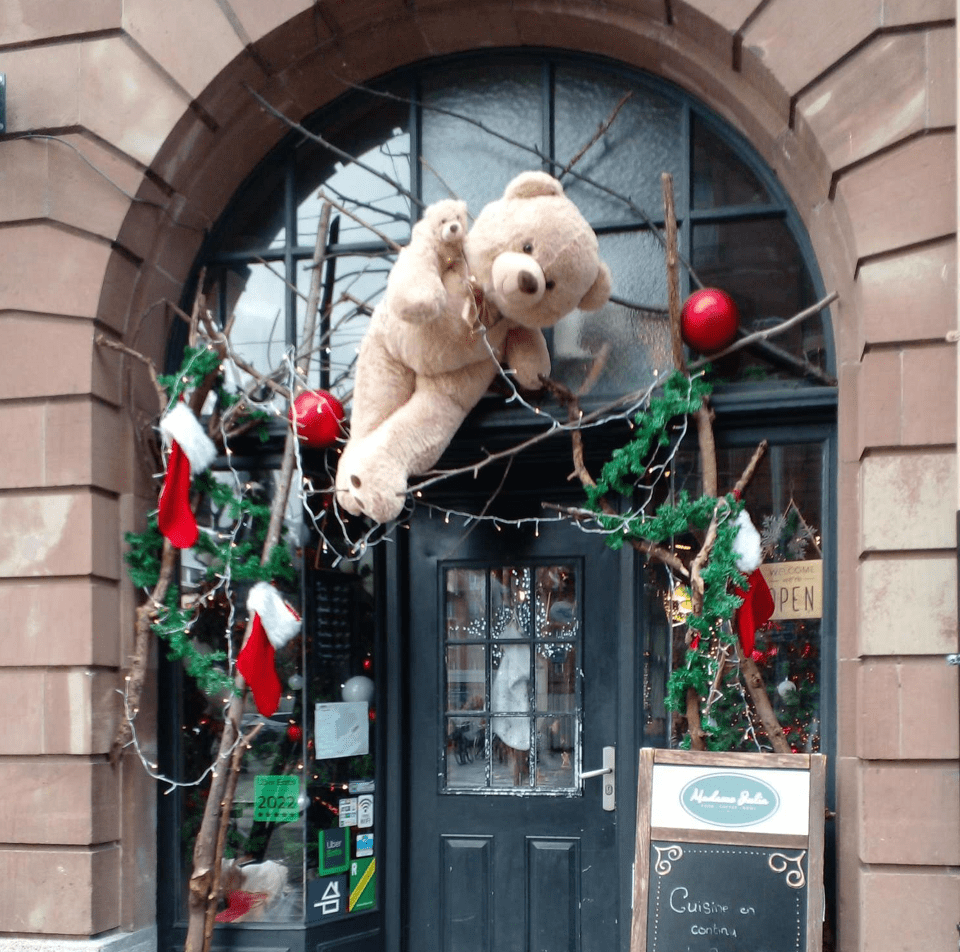
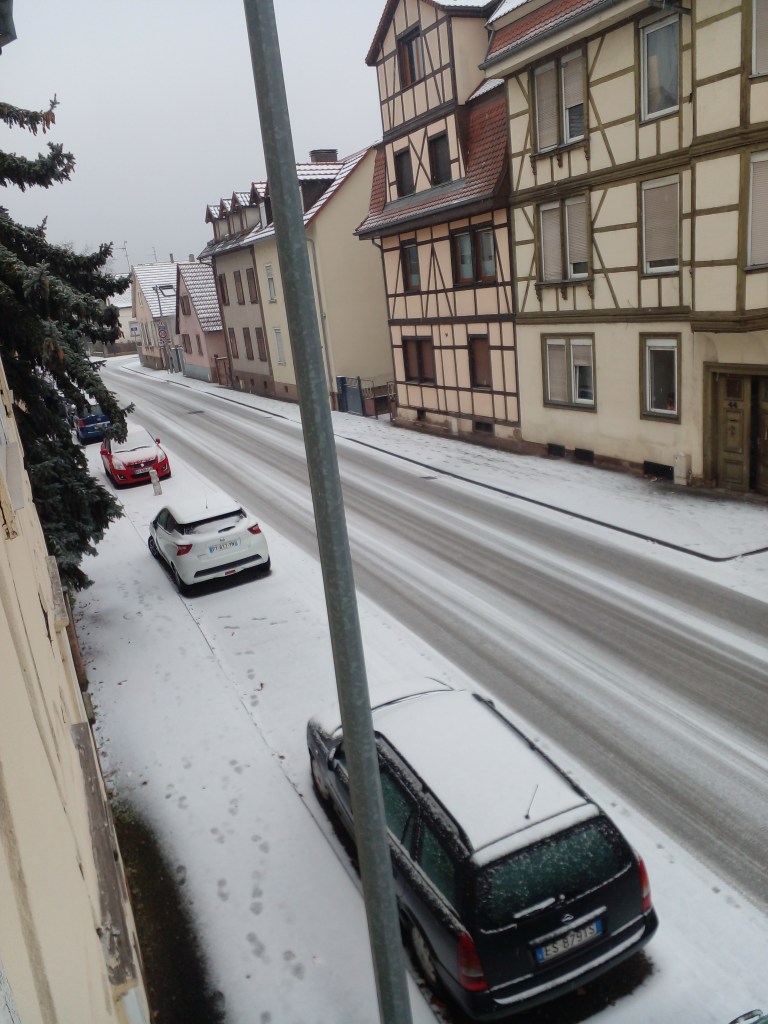
Ce sont des photos de Strasbourg de ces derniers jours, et un poème à savourer

The Bells
Edgar Allan Poe 
Les cloches
Edgar Allan Poe
I.
        Hear the sledges with the bells—
                 Silver bells!
What a world of merriment their melody foretells!
        How they tinkle, tinkle, tinkle,
      
I.
Écoutez les traîneaux avec les cloches—                  Cloches d’argent!
Quel monde de gaieté leur mélodie prédit!
        Comment elles tintent, tintent, tintent,
  In the icy air of night!
        While the stars that oversprinkle
        All the heavens, seem to twinkle
           With a crystalline delight;
         Keeping time, time, time,
         In a sort of Runic rhyme,
  Dans l’air glacé de la nuit !
        Tandis que les étoiles qui arrosent
        Tous les cieux semblent scintiller
           Avec un délice cristallin;
         Garder le temps, temps, temps,
         Dans une sorte de rime runique,
To the tintinabulation that so musically wells
       From the bells, bells, bells, bells,
               Bells, bells, bells—
  From the jingling and the tinkling of the bells.
A la tintinnabulation qui si bien musicalement
       Des cloches, cloches, cloches, cloches,
               Cloches, cloches, cloches—
  Du tintement et tintement des cloches.
II.
        Hear the mellow wedding bells,
                 Golden bells!
What a world of happiness their harmony foretells!
        Through the balmy air of night
        How they ring out their delight!
           From the molten-golden notes,
               And all in tune,
           What a liquid ditty floats
II.
        Écoutez les douces cloches du mariage,
                 Cloches d’or !
Quel monde de bonheur annonce leur harmonie !
        A travers l’air doux de la nuit
        Comme elles sonnent leur joie !
           Des notes dorées fondues,
               Et tout en accord,
           Quelle chansonnette liquide flotte
To the turtle-dove that listens, while she gloats
               On the moon!
         Oh, from out the sounding cells,
What a gush of euphony voluminously wells!
A la tourterelle qui écoute, tandis qu’elle jubile
               Sur la Lune!
         Oh, depuis les cellules sonores,
Quel jaillissement d’euphonie jaillit à pleins poumons !
 How it swells!
               How it dwells
           On the Future! how it tells
           Of the rapture that impels
         To the swinging and the ringing
           Of the bells, bells, bells,
         Of the bells, bells, bells, bells,
               Bells, bells, bells—
 Qu’est-ce que cela gonfle !
               Comment cela habite
           Sur le futur! 
comment cela raconte
           Du ravissement qui pousse
         Au balancement et au tintement
           Des cloches, cloches, cloches,
         Des cloches, cloches, cloches, cloches,
               Cloches, cloches, cloches—
To the rhyming and the chiming of the bells! Aux rimes et au carillon des cloches !

III.
         Hear the loud alarum bells—
                 Brazen bells!
What tale of terror, now, their turbulency tells!
       In the startled ear of night
       How they scream out their affright!
         Too much horrified to speak,
         They can only shriek, shriek,
                  Out of tune,
III.
         Écoutez les cloches d’alarme bruyantes—
                 Cloches d’airain !
Quelle histoire de terreur, maintenant, leur turbulence raconte!
       Dans l’oreille effrayée de la nuit
       Comme elles crient leur effroi !
         Trop horrifié pour parler,
         Elles ne peuvent que crier, crier,
                  Désaccordé,
In a clamorous appealing to the mercy of the fire,
In a mad expostulation with the deaf and frantic fire,
            
Dans un appel retentissant à la miséricorde du feu,
Dans une polémique folle avec le feu sourd et frénétique,
Leaping higher, higher, higher,
            With a desperate desire,
         And a resolute endeavor
         Now—now to sit or never,
       By the side of the pale-faced moon.
            Oh, the bells, bells, bells!
            What a tale their terror tells
                  Of Despair!
  Sautant plus haut, plus haut, plus haut,
            D’un désir désespéré,
         Et un effort résolu
         Maintenant—s’asseoir maintenant ou jamais,
       A côté de la lune au visage pâle.
            Oh, les cloches, les cloches, les cloches !
            Quelle histoire leur terreur raconte
                  du désespoir !
How they clang, and clash, and roar!
       What a horror they outpour
On the bosom of the palpitating air!
      
    Comme elles s’entrechoquent, s’entrechoquent et rugissent !
       Quelle horreur elles déversent
Au sein de l’air palpitant !
 Yet the ear it fully knows,
            By the twanging,
            And the clanging,
         How the danger ebbs and flows;
       Yet the ear distinctly tells,
            In the jangling,
            And the wrangling.
    
 Pourtant l’oreille sait parfaitement,
            Par le tintement,
            Et le tintement,
         Comment le danger va et vient ;
       Pourtant l’oreille dit distinctement,
            Dans le cliquetis,
            Et les disputes.
   How the danger sinks and swells,
By the sinking or the swelling in the anger of the bells—
             Of the bells—
     Of the bells, bells, bells, bells,
            Bells, bells, bells—
 In the clamor and the clangor of the bells!
Comment le danger coule et enfle,
Par le naufrage ou le gonflement dans la colère des cloches—
             Des cloches—
     Des cloches, cloches, cloches, cloches,
            Cloches, cloches, cloches—
 Dans la clameur et le tintement des cloches !
IV.
          Hear the tolling of the bells—
                 Iron bells!

What a world of solemn thought their monody compels!
        In the silence of the night,
        How we shiver with affright
  At the melancholy menace of their tone!
        For every sound that floats
        From the rust within their throats
                 Is a groan.
        And the people—ah, the people—
       They that dwell up in the steeple,
                 All alone,
        And who tolling, tolling, tolling,
          In that muffled monotone,
IV.
          Entendez le tintement des cloches—
                 cloches de fer !
Quel monde de pensée solennelle oblige leur monodie !
        Dans le silence de la nuit,
        Comment nous frissonnons d’effroi
  A la menace mélancolique de leur ton !
        Pour chaque son qui flotte
        De la rouille dans leur gorges
                 Est un gémissement.
        Et les gens—ah, les gens—
       Ceux qui habitent dans le clocher,
                 Tout seul,
        Et qui sonne, sonne, sonne,
          Dans ce monotone feutré,
  Feel a glory in so rolling
          On the human heart a stone—
     They are neither man nor woman—
     They are neither brute nor human—
              They are Ghouls:
        And their king it is who tolls;
        And he rolls, rolls, rolls,
                    Rolls
             
      Sentez-vous une gloire dans un tel roulement
          Sur le cœur humain une pierre—
     Ils ne sont ni homme ni femme—
     Ils ne sont ni brutaux ni humains—
              Ce sont des goules :
        Et c’est leur roi qui sonne ;
        Et il roule, roule, roule,
                    Roule
A pæan from the bells!
          And his merry bosom swells
             With the pæan of the bells!
          And he dances, and he yells;
          Keeping time, time, time,
          In a sort of Runic rhyme,
             To the pæan of the bells—
               Of the bells:
 
    Un pæan des cloches !
          Et son joyeux sein se gonfle
             Avec le pæan des cloches !
          Et il danse, et il crie ;
          Garder le temps, temps, temps,
          Dans une sorte de rime runique,
             Au pæan des cloches—
               Des cloches :
         Keeping time, time, time,
          In a sort of Runic rhyme,
            To the throbbing of the bells—
          Of the bells, bells, bells—
            To the sobbing of the bells;
          Keeping time, time, time,
            As he knells, knells, knells,
          Garder le temps, temps, temps,
          Dans une sorte de rime runique,
            Au son des cloches—
          Des cloches, cloches, cloches—
            Aux sanglots des cloches ;
          Garder le temps, temps, temps,
            Comme il sonne, sonne, sonne,
          In a happy Runic rhyme,
            To the rolling of the bells—
          Of the bells, bells, bells—
            To the tolling of the bells,
      Of the bells, bells, bells, bells—
              Bells, bells, bells—
  To the moaning and the groaning of the bells.
          Dans une joyeuse rime runique,
            Au roulement des cloches—
          Des cloches, cloches, cloches—
            Au son des cloches,
      Des cloches, cloches, cloches, cloches—
              Cloches, cloches, cloches—
  Au gémissement et au gémissement des cloches.

Joyeux noël

Si vous avez aimé cet article, abonnez-vous, mettez des likes, écrivez des commentaires !
Partager sur les réseaux sociaux
Découvrez nos derniers posts

Merry Christmas with a bit of poetry and pictures

Bilingual booksLire en FrançaisContact us
American LiteratureFrench LiteratureRussian Literature

I wish you all a marvelous Christmas with the love of family, and the company of good friends…

These are pictures from Strasbourg from the last few days, and a poem to enjoy

The Bells
Edgar Allan Poe 
Les cloches
Edgar Allan Poe
I.
        Hear the sledges with the bells—
                 Silver bells!
What a world of merriment their melody foretells!
        How they tinkle, tinkle, tinkle,
      
I.
Écoutez les traîneaux avec les cloches—                  Cloches d’argent!
Quel monde de gaieté leur mélodie prédit!
        Comment elles tintent, tintent, tintent,
  In the icy air of night!
        While the stars that oversprinkle
        All the heavens, seem to twinkle
           With a crystalline delight;
         Keeping time, time, time,
         In a sort of Runic rhyme,
  Dans l’air glacé de la nuit !
        Tandis que les étoiles qui arrosent
        Tous les cieux semblent scintiller
           Avec un délice cristallin;
         Garder le temps, temps, temps,
         Dans une sorte de rime runique,
To the tintinabulation that so musically wells
       From the bells, bells, bells, bells,
               Bells, bells, bells—
  From the jingling and the tinkling of the bells.
A la tintinnabulation qui si bien musicalement
       Des cloches, cloches, cloches, cloches,
               Cloches, cloches, cloches—
  Du tintement et tintement des cloches.
II.
        Hear the mellow wedding bells,
                 Golden bells!
What a world of happiness their harmony foretells!
        Through the balmy air of night
        How they ring out their delight!
           From the molten-golden notes,
               And all in tune,
           What a liquid ditty floats
II.
        Écoutez les douces cloches du mariage,
                 Cloches d’or !
Quel monde de bonheur annonce leur harmonie !
        A travers l’air doux de la nuit
        Comme elles sonnent leur joie !
           Des notes dorées fondues,
               Et tout en accord,
           Quelle chansonnette liquide flotte
To the turtle-dove that listens, while she gloats
               On the moon!
         Oh, from out the sounding cells,
What a gush of euphony voluminously wells!
A la tourterelle qui écoute, tandis qu’elle jubile
               Sur la Lune!
         Oh, depuis les cellules sonores,
Quel jaillissement d’euphonie jaillit à pleins poumons !
 How it swells!
               How it dwells
           On the Future! how it tells
           Of the rapture that impels
         To the swinging and the ringing
           Of the bells, bells, bells,
         Of the bells, bells, bells, bells,
               Bells, bells, bells—
 Qu’est-ce que cela gonfle !
               Comment cela habite
           Sur le futur! 
comment cela raconte
           Du ravissement qui pousse
         Au balancement et au tintement
           Des cloches, cloches, cloches,
         Des cloches, cloches, cloches, cloches,
               Cloches, cloches, cloches—
To the rhyming and the chiming of the bells! Aux rimes et au carillon des cloches !

III.
         Hear the loud alarum bells—
                 Brazen bells!
What tale of terror, now, their turbulency tells!
       In the startled ear of night
       How they scream out their affright!
         Too much horrified to speak,
         They can only shriek, shriek,
                  Out of tune,
III.
         Écoutez les cloches d’alarme bruyantes—
                 Cloches d’airain !
Quelle histoire de terreur, maintenant, leur turbulence raconte!
       Dans l’oreille effrayée de la nuit
       Comme elles crient leur effroi !
         Trop horrifié pour parler,
         Elles ne peuvent que crier, crier,
                  Désaccordé,
In a clamorous appealing to the mercy of the fire,
In a mad expostulation with the deaf and frantic fire,
            
Dans un appel retentissant à la miséricorde du feu,
Dans une polémique folle avec le feu sourd et frénétique,
Leaping higher, higher, higher,
            With a desperate desire,
         And a resolute endeavor
         Now—now to sit or never,
       By the side of the pale-faced moon.
            Oh, the bells, bells, bells!
            What a tale their terror tells
                  Of Despair!
  Sautant plus haut, plus haut, plus haut,
            D’un désir désespéré,
         Et un effort résolu
         Maintenant—s’asseoir maintenant ou jamais,
       A côté de la lune au visage pâle.
            Oh, les cloches, les cloches, les cloches !
            Quelle histoire leur terreur raconte
                  du désespoir !
How they clang, and clash, and roar!
       What a horror they outpour
On the bosom of the palpitating air!
      
    Comme elles s’entrechoquent, s’entrechoquent et rugissent !
       Quelle horreur elles déversent
Au sein de l’air palpitant !
 Yet the ear it fully knows,
            By the twanging,
            And the clanging,
         How the danger ebbs and flows;
       Yet the ear distinctly tells,
            In the jangling,
            And the wrangling.
    
 Pourtant l’oreille sait parfaitement,
            Par le tintement,
            Et le tintement,
         Comment le danger va et vient ;
       Pourtant l’oreille dit distinctement,
            Dans le cliquetis,
            Et les disputes.
   How the danger sinks and swells,
By the sinking or the swelling in the anger of the bells—
             Of the bells—
     Of the bells, bells, bells, bells,
            Bells, bells, bells—
 In the clamor and the clangor of the bells!
Comment le danger coule et enfle,
Par le naufrage ou le gonflement dans la colère des cloches—
             Des cloches—
     Des cloches, cloches, cloches, cloches,
            Cloches, cloches, cloches—
 Dans la clameur et le tintement des cloches !
IV.
          Hear the tolling of the bells—
                 Iron bells!

What a world of solemn thought their monody compels!
        In the silence of the night,
        How we shiver with affright
  At the melancholy menace of their tone!
        For every sound that floats
        From the rust within their throats
                 Is a groan.
        And the people—ah, the people—
       They that dwell up in the steeple,
                 All alone,
        And who tolling, tolling, tolling,
          In that muffled monotone,
IV.
          Entendez le tintement des cloches—
                 cloches de fer !
Quel monde de pensée solennelle oblige leur monodie !
        Dans le silence de la nuit,
        Comment nous frissonnons d’effroi
  A la menace mélancolique de leur ton !
        Pour chaque son qui flotte
        De la rouille dans leur gorges
                 Est un gémissement.
        Et les gens—ah, les gens—
       Ceux qui habitent dans le clocher,
                 Tout seul,
        Et qui sonne, sonne, sonne,
          Dans ce monotone feutré,
  Feel a glory in so rolling
          On the human heart a stone—
     They are neither man nor woman—
     They are neither brute nor human—
              They are Ghouls:
        And their king it is who tolls;
        And he rolls, rolls, rolls,
                    Rolls
             
      Sentez-vous une gloire dans un tel roulement
          Sur le cœur humain une pierre—
     Ils ne sont ni homme ni femme—
     Ils ne sont ni brutaux ni humains—
              Ce sont des goules :
        Et c’est leur roi qui sonne ;
        Et il roule, roule, roule,
                    Roule
A pæan from the bells!
          And his merry bosom swells
             With the pæan of the bells!
          And he dances, and he yells;
          Keeping time, time, time,
          In a sort of Runic rhyme,
             To the pæan of the bells—
               Of the bells:
 
    Un pæan des cloches !
          Et son joyeux sein se gonfle
             Avec le pæan des cloches !
          Et il danse, et il crie ;
          Garder le temps, temps, temps,
          Dans une sorte de rime runique,
             Au pæan des cloches—
               Des cloches :
         Keeping time, time, time,
          In a sort of Runic rhyme,
            To the throbbing of the bells—
          Of the bells, bells, bells—
            To the sobbing of the bells;
          Keeping time, time, time,
            As he knells, knells, knells,
          Garder le temps, temps, temps,
          Dans une sorte de rime runique,
            Au son des cloches—
          Des cloches, cloches, cloches—
            Aux sanglots des cloches ;
          Garder le temps, temps, temps,
            Comme il sonne, sonne, sonne,
          In a happy Runic rhyme,
            To the rolling of the bells—
          Of the bells, bells, bells—
            To the tolling of the bells,
      Of the bells, bells, bells, bells—
              Bells, bells, bells—
  To the moaning and the groaning of the bells.
          Dans une joyeuse rime runique,
            Au roulement des cloches—
          Des cloches, cloches, cloches—
            Au son des cloches,
      Des cloches, cloches, cloches, cloches—
              Cloches, cloches, cloches—
  Au gémissement et au gémissement des cloches.

Merry Christmas

If you liked this article, subscribe , put likes, write comments!
Share on social networks
Check out Our Latest Posts

“La Russie ne peut pas être comprise avec l’esprit” de Fedor Tyutchev, traduit et analysé

Livres bilinguesRead in EnglishNous contacter
Littérature américaineLittérature françaiseLittérature russe

< < < А. С. Долгорукой
Un charme vit en elle — irresistible et pur, … Continuer la lecture …

Aujourd’hui, nous parlons du verset intitulé “La Russie ne peut pas être comprise avec l’esprit”. Il a été écrit en 1866, par un diplomate expérimenté, F.I .Tyutchev qui a passé une partie importante de sa vie à l’étranger et connaissait très bien les pays européens.

Ce verset est souvent cité, en particulier de nos jours, et sa première ligne est devenue un slogan pour désigner une voie de développement russe particulière. On reproche aux russes de ne pas pouvoir formuler leur idée nationale mais ce verset y répond. L’idée nationale russe vit dans l’âme de tous les Russes et ne peut être exprimée par des mots ou par une sorte de système logique.

« La Russie ne peut pas être comprise avec l’esprit » a été écrit cinq ans après le décret sur l’abolition du servage lorsque les technologies et les idées les plus avancées coexistaient avec des siècles d’impraticabilité, de pauvreté et d’analphabétisme. Et c’est ce contraste qui a donné à Tyutchev raison d’affirmer que le développement de la Russie procède toujours selon ses propres lois spéciales, qui sont inaccessibles à l’analyse logique d’un Européen. Même les Russes eux-mêmes ne comprennent pas ces lois, donnant tout à la volonté de Dieu, et au fil des siècles, un caractère national unique s’est développé en Russie. La caractéristique principale d’une personne russe est d’agir non pas conformément aux exigences de l’esprit, mais de suivre son cœur.

Федор Тютчев — Умом Россию не понять: СтихFedor Tyutchev – La Russie ne peut pas être comprise avec l’esprit: Verset
Умом Россию не понять,La Russie ne peut pas être comprise avec l’esprit,
Аршином общим не измерить:Ou mesurée avec un mètre standard :
У ней особенная стать —Elle a une destinée unique –
В Россию можно только верить.En la Russie, on ne peut que croire.

J’espère que vous avez apprécié ce verset autant que moi et qu’il vous apporte une certaine compréhension de ce qui se passe maintenant.

< < < А. С. Долгорукой
Un charme vit en elle — irresistible et pur, … Continuer la lecture …

Si vous avez aimé cet article, abonnez-vous, mettez des likes, écrivez des commentaires !

Partager sur les réseaux sociaux

Découvrez nos derniers posts

Copyright holders 

© 2022 Akirill.com – All Rights Reserved
“Russia cannot be understood with the mind” by Fedor Tyutchev, translated and analyzed

Bilingual booksLire en FrançaisContact us
American LiteratureFrench LiteratureRussian Literature

Today is a verse called “Russia cannot be understood with the mind”. It was written in 1866, by an experienced diplomat, F. I. Tyutchev who spent a significant part of his life abroad and knew European countries very well.

This verse is often quoted, particularly nowadays, and its first line has become a catch phrase to denote a special Russian path of development. The Russians are reproached for not being able to formulate their national idea but this verse gives an answer to this. The national Russian idea lives in the souls of all Russians and cannot be expressed in words, or in some kind of logical systems.

“One can only believe in Russia” was written five years after the decree on the abolition of serfdom when the most advanced technologies and ideas coexisted with centuries of impassability, poverty and illiteracy. And that is this contrast that gave Tyutchev reason to assert that the development of Russia always proceeds according to its own special laws, which are inaccessible to the logical analysis of a European. Even the Russians themselves do not understand these laws, giving everything to the will of God, and over the centuries, a unique national character has developed in Russia. The main feature of a Russian person is to act not in accordance with the requirements of the mind, but to follow their hearts.

Федор Тютчев — Умом Россию не понять: СтихFedor Tyutchev – Russia cannot be understood with the mind: Verse
Умом Россию не понять,Russia cannot be understood with the mind,
Аршином общим не измерить:Or measured with a standard yardstick:
У ней особенная стать —She has a unique destiny –
В Россию можно только верить.In Russia, one can only believe.

I hope you enjoyed this verse as much as I did and that it brings you some understanding of what is happening now.

If you liked this article, subscribe , put likes, write comments!
Share on social networks
Check out Our Latest Posts