

| Livres bilingues | Read in English | Nous contacter |
| Littérature américaine | Littérature française | Littérature russe |
< < < Ange (Ru/Fr) / Angel (Ru/Eng) / Ангел (Рус/Анг.) / (Рус/ Фра.)
Cerisier (Ru/Fr) / Cherry Tree (Ru/Eng) / Вишня (Рус/Анг.) / (Рус/ Фра.) > > >
- Brève analyse du poème “Automne” d’Alexandre Pouchkine
- Traduction du poème “Automne” d’Alexandre Pouchkine en français avec français et russe côte à côte
Brève analyse du poème “Automne” d’Alexandre Pouchkine
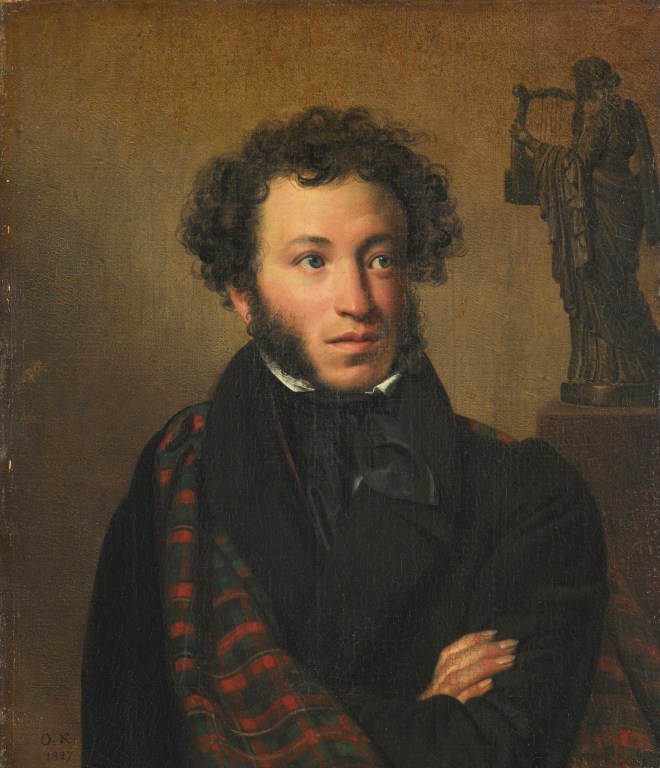
Alexandre Pouchkine, dont la saison préférée était l’automne, a écrit le poème “Automne” lors de son séjour à Boldino, en 1833. C’est l’un des plus beaux poèmes consacrés à l’automne dans toute la littérature russe et la description de l’automne dans ce poème est un modèle artistique pour toute la société poétique russe. Avec ce poème, l’artiste atteint le sommet de son talent dans l’utilisation des moyens d’expression.
Dans le poème “Automne”, Pouchkine décrit toutes les saisons, mais lorsqu’il énumère les avantages de l’hiver, du printemps et de l’été, il se concentre sur leurs défauts.
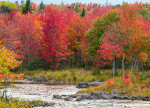
Après avoir fait un aperçu général, Pouchkine, en revanche, procède à une description spécifique de la belle saison d’automne.
Tout en décrivant l’état du héros lyrique, Pouchkine affirme que ce n’est qu’à l’automne que la véritable inspiration lui vient, ce qui est inhabituel puisque généralement pour les poètes, le printemps est considéré comme le temps des nouveaux espoirs et de l’éveil des forces créatrices.
Dans la dernière ligne, l’œuvre poétique est représentée par un navire prêt à naviguer et la question rhétorique « Où pouvons-nous aller ? » ce qui signifie une totale liberté dans le travail du poète avec une infinité de thèmes et d’images…
Traduction du poème “Automne” d’Alexandre Pouchkine en français avec français et russe côte à côte
| Александр Пушкин — Осень: Стих | Alexandre Pouchkine – Automne : Vers |
| Traduit par Akirill.com | |
| I Октябрь уж наступил — уж роща отряхает | I Octobre est déjà arrivé – le bosquet secoue déjà |
| Последние листы с нагих своих ветвей; | Les dernières feuilles de leurs branches nues ; |
| Дохнул осенний хлад — дорога промерзает. | Une bouffée de froid automnal – la route commence à geler, |
| Журча еще бежит за мельницу ручей, | Le ruisseau murmurant coule toujours derrière le moulin, |
| Но пруд уже застыл; сосед мой поспешает | L’étang, cependant, est gelé; mon voisin est pressé |
| В отъезжие поля с охотою своей, | Dans les champs de chasse, |
| И страждут озими от бешеной забавы, | Le blé d’hiver souffrira de ce plaisir sauvage, |
| И будит лай собак уснувшие дубравы. | Et les aboiements des chiens réveillent les forêts de chênes endormis. |
| II Теперь моя пора: я не люблю весны; | II Maintenant c’est mon heure : je n’aime pas le printemps ; |
| Скучна мне оттепель; вонь, грязь — весной я болен; | Le dégel ennuyeux, la puanteur, la boue – le printemps me rend malade. |
| Кровь бродит; чувства, ум тоскою стеснены. | Le sang erre; les sentiments, l’esprit sont contraint par la mélancolie. |
| Суровою зимой я более доволен, | Avec l’hiver cruel, je suis plus satisfait, |
| Люблю ее снега; в присутствии луны | J’aime sa neige; en présence de la lune |
| Как легкий бег саней с подругой быстр и волен, | Comme une course de traîneau rapide et sans soucis avec un ami |
| Когда под соболем, согрета и свежа, | Quand sous la zibeline, chaude et fraîche, |
| Она вам руку жмет, пылая и дрожа! | Elle vous serre la main, rayonnante et tremblante ! |
| III Как весело, обув железом острым ноги, | III Comme c’est amusant, chaussé de pieds de fer acérés, |
| Скользить по зеркалу стоячих, ровных рек! | Glissez sur le miroir des rivières stagnantes et lisses ! |
| А зимних праздников блестящие тревоги?.. | Et les angoisses géniales des vacances d’hiver ?.. |
| Но надо знать и честь; полгода снег да снег, | Mais vous devez aussi connaître l’honneur; six mois de neige, oui neige, |
| Ведь это наконец и жителю берлоги, Медведю, надоест. Нельзя же целый век Кататься нам в санях с Армидами младыми | Après tout, enfin l’habitant de la tanière, l’ Ours, va s’ennuyer. On ne peut pas rouler pendant des siècles, En traîneaux avec de jeunes nymphes |
| Иль киснуть у печей за стеклами двойными. | Ou bouder autour du poêle derrière les contre-fenêtres. |
| IV Ох, лето красное! любил бы я тебя, | IV Oh, l’été rouge ! je t’aimerais |
| Когда б не зной, да пыль, да комары, да мухи. | S’il n’y avait pas la chaleur, la poussière, les moustiques et les mouches. |
| Ты, все душевные способности губя, | Toi, tu ruines toutes nos capacités spirituelles, |
| Нас мучишь; как поля, мы страждем от засухи; | Tu nous tourmentes ; et comme les champs, nous souffrons de la sécheresse ; |
| Лишь как бы напоить, да освежить себя — | Juste comme pour boire, pour se rafraîchir — – |
| Иной в нас мысли нет, и жаль зимы старухи, | Nous ne pensons à rien d’autre et c’est dommage pour l’hiver de la vieille femme, |
| И, проводив ее блинами и вином, | Et, l’accompagnant avec des crêpes et du vin, |
| Поминки ей творим мороженым и льдом. | Nous organisons une veillée pour l’honorer avec des glaces et de la glace. |
| V Дни поздней осени бранят обыкновенно, | V Les derniers jours de l’automne sont souvent maudits, |
| Но мне она мила, читатель дорогой, | Mais elle m’est chère, cher lecteur, |
| Красою тихою, блистающей смиренно. | Dans toute sa beauté tranquille, douce lueur. |
| Так нелюбимое дитя в семье родной | Comme un enfant si mal aimé dans sa famille natale |
| К себе меня влечет. Сказать вам откровенно, | Elle m’attire à elle. Pour vous dire franchement |
| Из годовых времен я рад лишь ей одной, | Des temps annuels, je ne me réjouis que pour elle seule, |
| В ней много доброго; любовник не тщеславный, | Elle est pleine de valeur; et moi, un humble amant, |
| Я нечто в ней нашел мечтою своенравной. | J’ai trouvé quelque chose en elle un rêve capricieux. |
| VI Как это объяснить? Мне нравится она, | VI Comment l’expliquer ? Je l’aime bien, |
| Как, вероятно, вам чахоточная дева | Comme une jeune fille phtisique pour vous |
| Порою нравится. На смерть осуждена, | Je l’aime parfois. Condamnée à mort, |
| Бедняжка клонится без ропота, без гнева. | La pauvre s’incline sans grogner, sans colère. |
| Улыбка на устах увянувших видна; | Le sourire sur ses lèvres flétries est visible; |
| Могильной пропасти она не слышит зева; | Elle n’entend pas le bâillement de la gueule béante de la mort ; |
| Играет на лице еще багровый цвет. | Une lueur cramoisie joue toujours sur son visage. |
| Она жива еще сегодня, завтра нет. | Elle est toujours en vie aujourd’hui, pas demain. |
| VII Унылая пора! очей очарованье! | VII Un temps mélancolique ! Tellement charmant à l’oeil ! |
| Приятна мне твоя прощальная краса — | Ta beauté dans la séparation me plaît – |
| Люблю я пышное природы увяданье, | J’aime le flétrissement somptueux de la nature, |
| В багрец и в золото одетые леса, | Forêts vêtues de pourpre et d’or, |
| В их сенях ветра шум и свежее дыханье, | Le vent croustillant bruissant sur leur seuil, |
| И мглой волнистою покрыты небеса, | Et les cieux sont couverts de brume, |
| И редкий солнца луч, и первые морозы, | Et un rare rayon de soleil, et les premières gelées, |
| И отдаленные седой зимы угрозы. | Et les lointaines menaces hivernales grises. |
| VIII И с каждой осенью я расцветаю вновь; | VIII Et chaque automne je refleuris ; |
| Здоровью моему полезен русской холод; | Le froid russe est bon pour ma santé ; |
| К привычкам бытия вновь чувствую любовь: | Je tombe à nouveau amoureux de la routine de la vie : |
| Чредой слетает сон, чредой находит голод; | Successivement le sommeil s’envole , la faim se trouve ; |
| Легко и радостно играет в сердце кровь, | Le sang coule librement et facilement dans mon cœur, |
| Желания кипят — я снова счастлив, молод, | Les désirs bouillonnent – je suis de nouveau heureux, jeune, |
| Я снова жизни полн — таков мой организм | Je suis à nouveau plein de vie – tel est mon corps |
| (Извольте мне простить ненужный прозаизм). | (Excusez-moi pour cet horrible prosaïsme) |
| IX Ведут ко мне коня; в раздолии открытом, | IX Mon cheval m’est amené ; en plein champ, |
| Махая гривою, он всадника несет, | Agitant sa crinière, il porte un cavalier, |
| И звонко под его блистающим копытом | Et bruyamment sous son sabot brillant |
| Звенит промерзлый дол и трескается лед. | La vallée gelée sonne et la glace craque. |
| Но гаснет краткий день, и в камельке забытом | Mais le jour court s’éteint et dans le poêle oublié |
| Огонь опять горит — то яркий свет лиет, | le Feu brûle à nouveau – puis une lumière brillante se déverse, |
| То тлеет медленно — а я пред ним читаю | Puis couve lentement – comme je l’ai lu avant, |
| Иль думы долгие в душе моей питаю. | Ou je nourris de longues pensées dans mon âme. |
| X И забываю мир — и в сладкой тишине | X Et j’oublie le monde – et dans un doux silence |
| Я сладко усыплен моим воображеньем, | Je suis doucement bercé par mon imagination, |
| И пробуждается поэзия во мне: | Et la poésie s’éveille en moi : |
| Душа стесняется лирическим волненьем, | Mon cœur est agité d’une agitation lyrique, |
| Трепещет и звучит, и ищет, как во сне, | Il tremble et sonne, et cherche, comme dans un rêve, |
| Излиться наконец свободным проявленьем — | Pour déverser enfin une libre manifestation – |
| И тут ко мне идет незримый рой гостей, | Et puis un essaim invisible d’invités vient à moi, |
| Знакомцы давние, плоды мечты моей. | De vieilles connaissances, fruits de mes rêves. |
| XI И мысли в голове волнуются в отваге, | XI Et les pensées dans ma tête sont agitées de courage, |
| И рифмы легкие навстречу им бегут, | Et les rimes accourent avidement à leur rencontre, |
| И пальцы просятся к перу, перо к бумаге, | Ma main réclame une plume ; la plume – une feuille de papier. |
| Минута — и стихи свободно потекут. | Encore une minute – et mes vers couleront librement. |
| Так дремлет недвижим корабль в недвижной влаге, | Ainsi sommeille un navire immobile pris dans des eaux immobiles, |
| Но чу! — матросы вдруг кидаются, ползут | Mais voilà ! – les marins se précipitent tout d’un coup, rampent |
| Вверх, вниз — и паруса надулись, ветра полны; | De haut en bas – les voiles gonflent, remplies de vent ; |
| Громада двинулась и рассекает волны. | La structure massive bouge, et coupe les vagues. |
| XII Плывет. Куда ж нам плыть? . . . . . . . . . . . . . . . . . . . . . . . . | XII Il navigue. Mais où naviguons-nous ?… |
| Год: 1833 | Année 1833 |
J’espère que vous apprécierez ce poème autant que moi
< < < Ange (Ru/Fr) / Angel (Ru/Eng) / Ангел (Рус/Анг.) / (Рус/ Фра.)
Cerisier (Ru/Fr) / Cherry Tree (Ru/Eng) / Вишня (Рус/Анг.) / (Рус/ Фра.) > > >
| Si vous avez aimé cet article, abonnez-vous, mettez des likes, écrivez des commentaires ! |
Partager sur les réseaux sociaux |
Découvrez nos derniers posts |
© 2023 Akirill.com – All Rights Reserved

 AKirill, Learn, apprenez, translation, traduction, livres bilingues, bilingual books