Joyeux Noël avec un peu de poésie et des photos

Livres bilinguesRead in EnglishNous contacter
Littérature américaineLittérature françaiseLittérature russe

Je vous souhaite un merveilleux Noël, l’amour de la famille et la compagnie de bons amis…

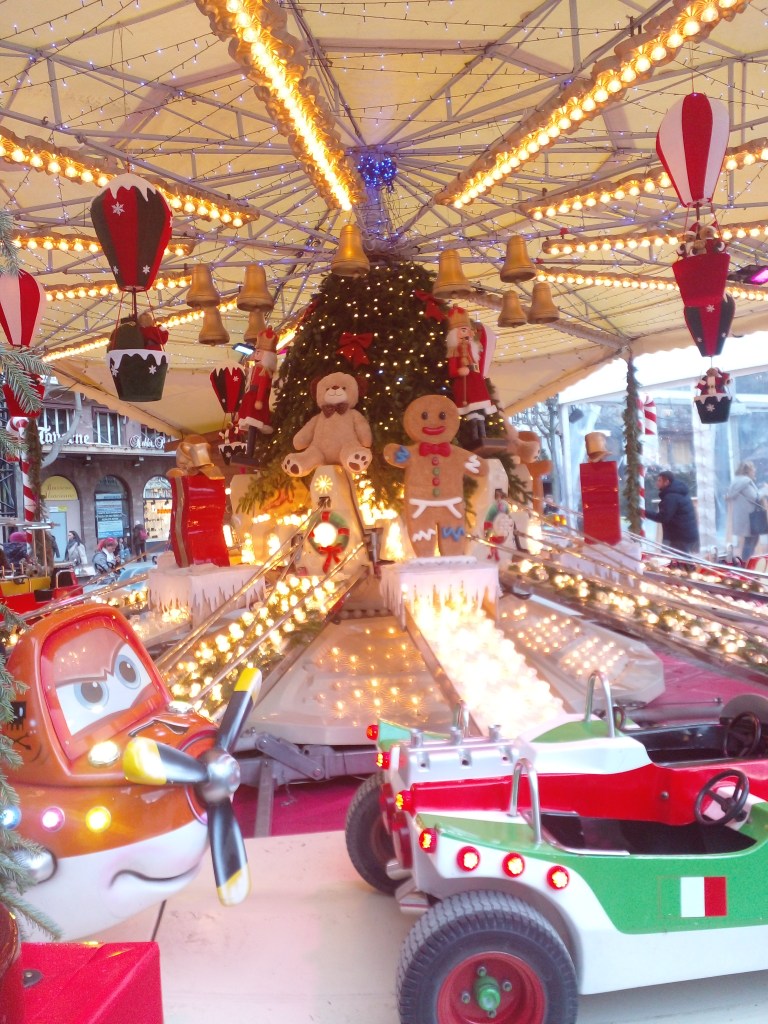
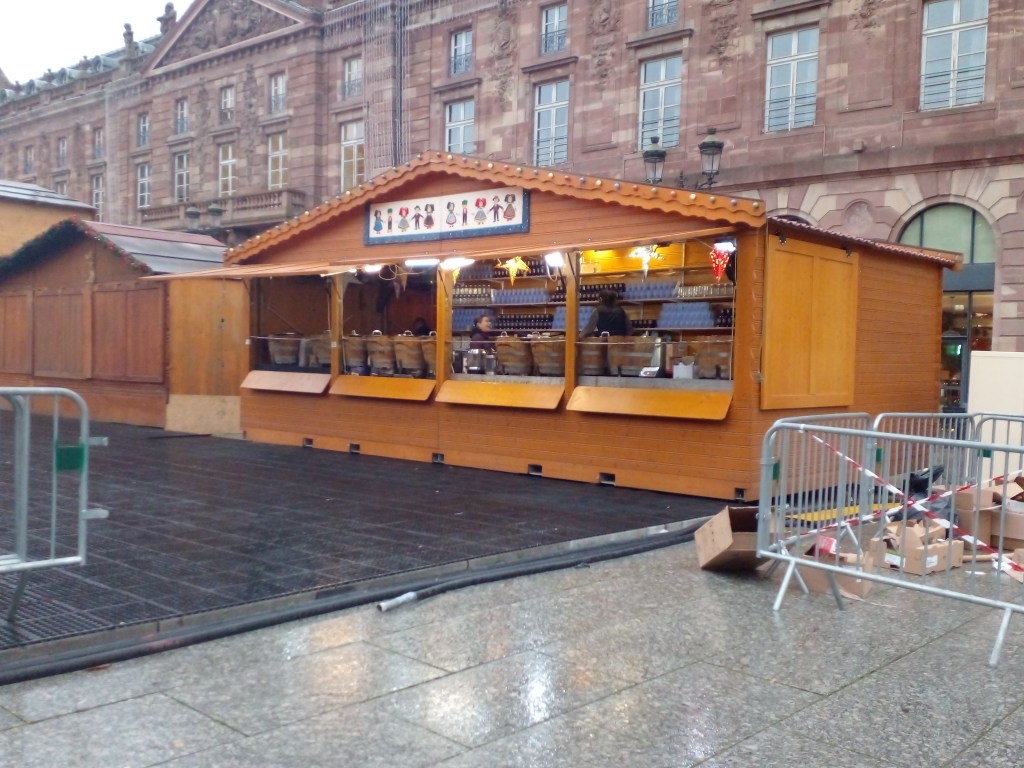
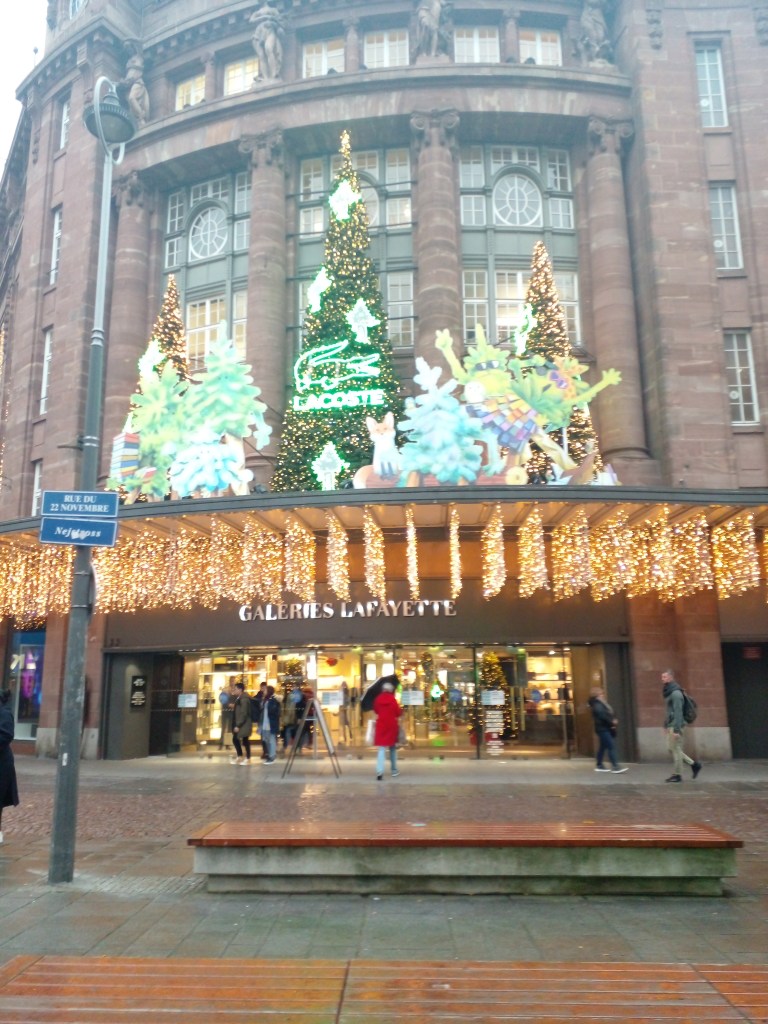
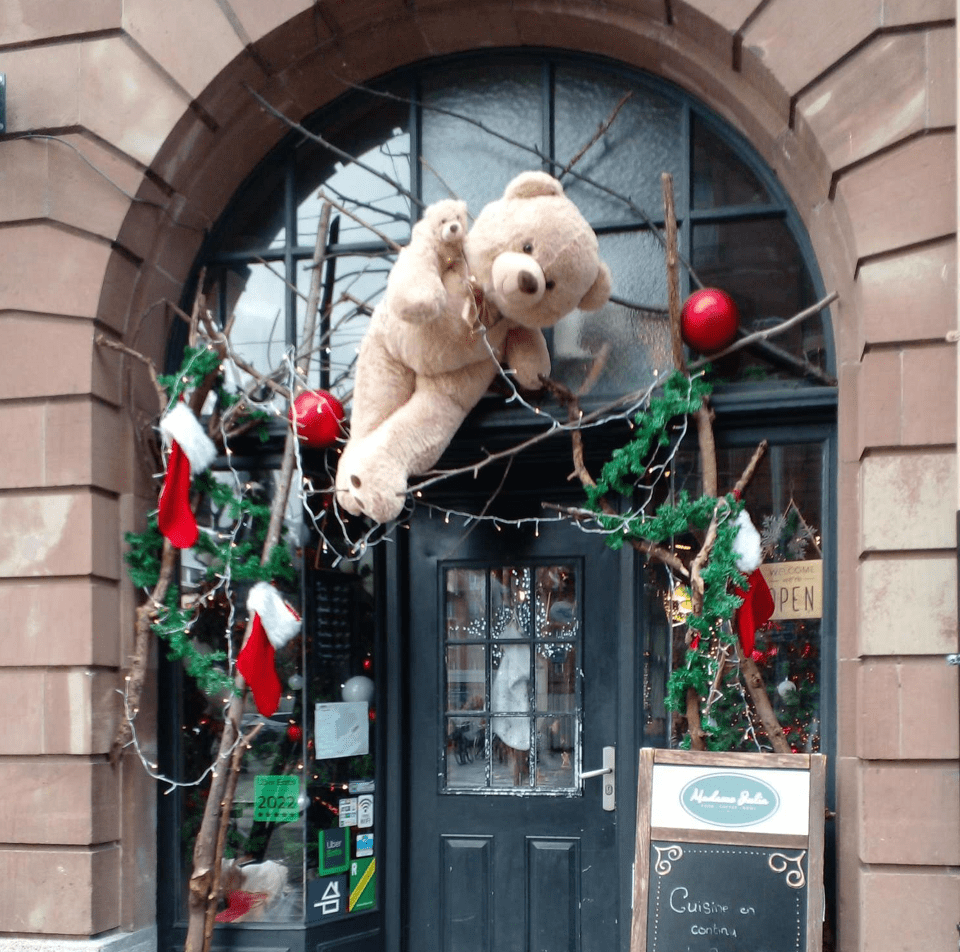
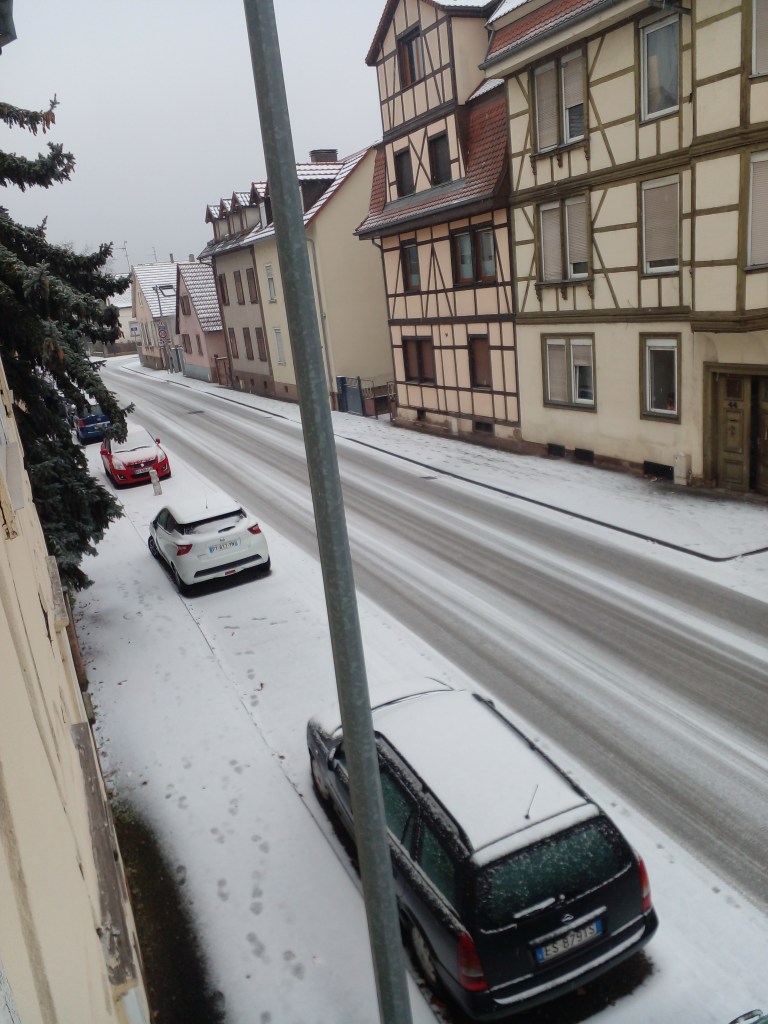
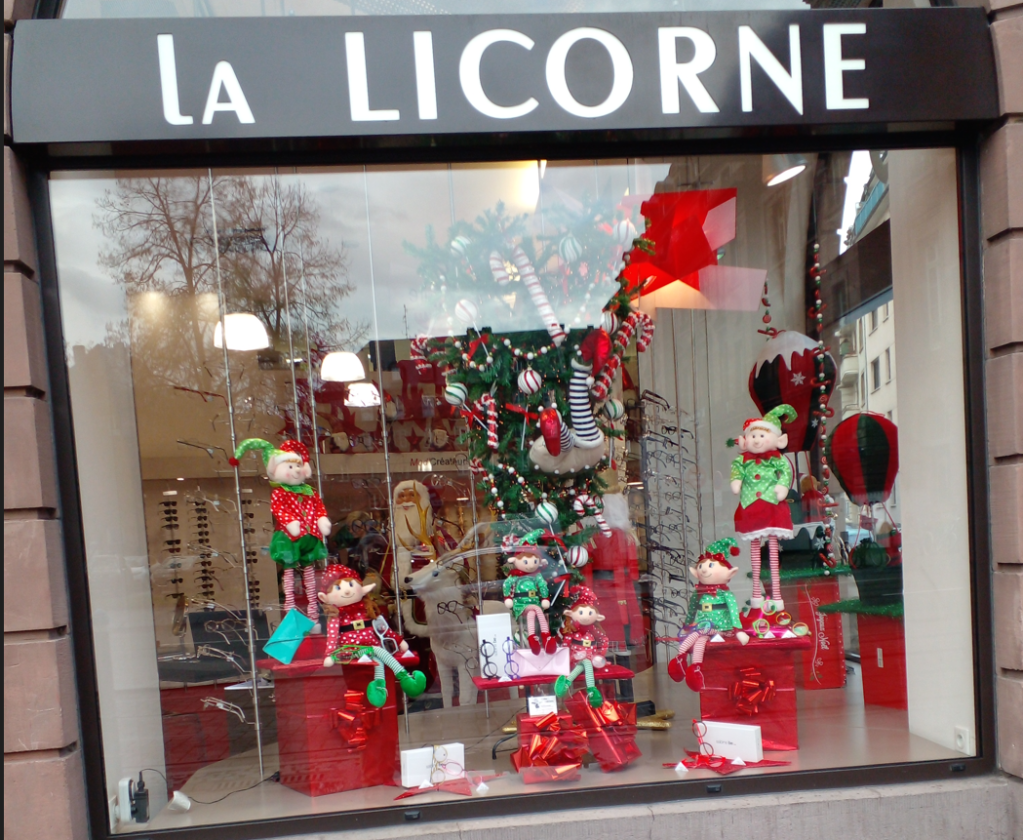
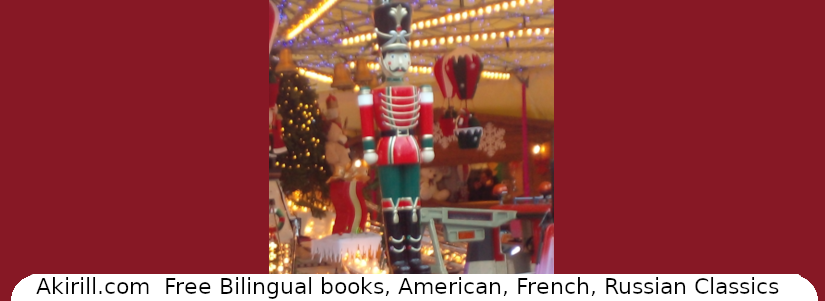
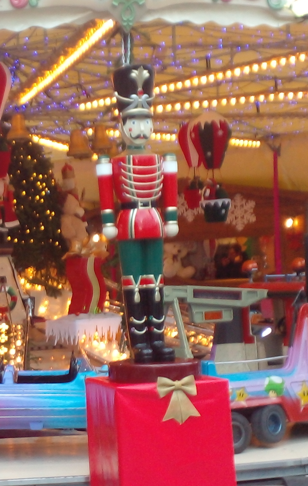
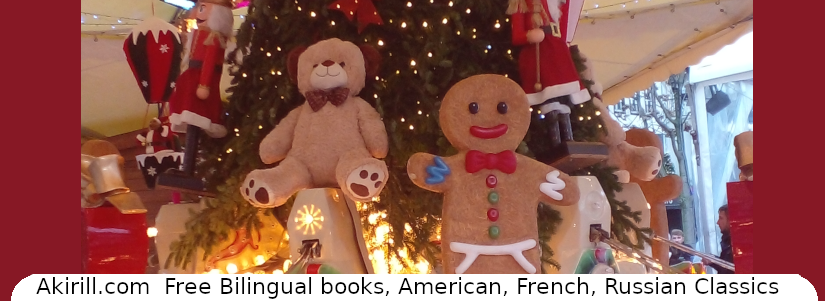
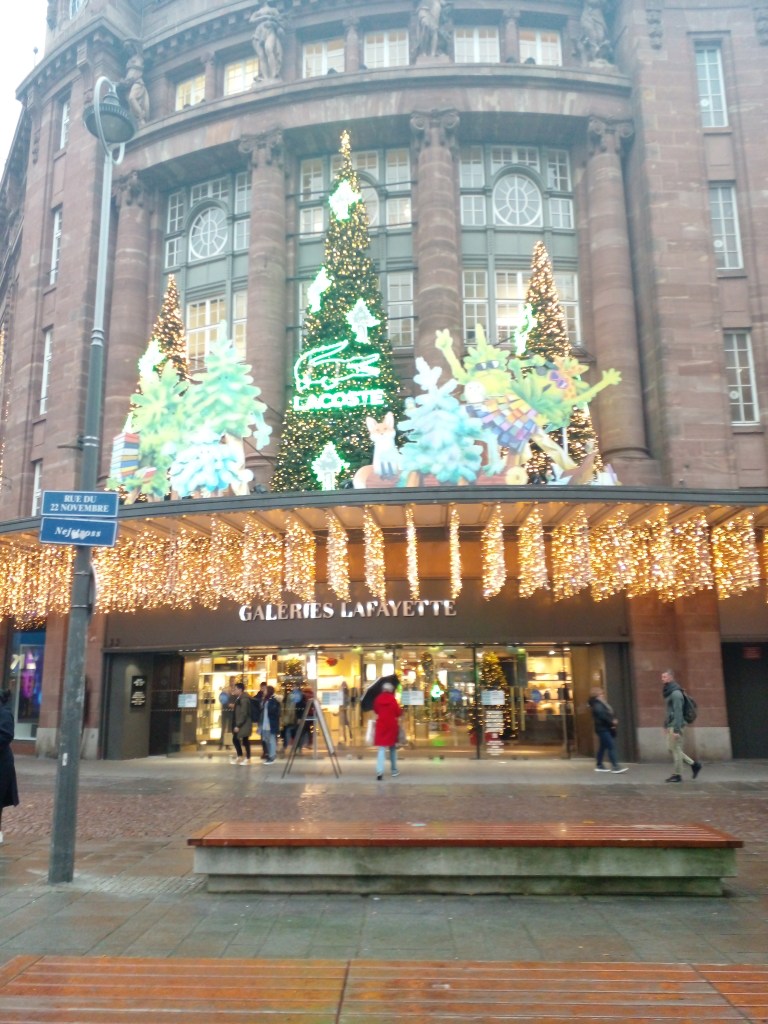
Ce sont des photos de Strasbourg de ces derniers jours, et un poème à savourer
The Bells
Edgar Allan Poe 
Les cloches
Edgar Allan Poe
I.
        Hear the sledges with the bells—
                 Silver bells!
What a world of merriment their melody foretells!
        How they tinkle, tinkle, tinkle,
      
I.
Écoutez les traîneaux avec les cloches—                  Cloches d’argent!
Quel monde de gaieté leur mélodie prédit!
        Comment elles tintent, tintent, tintent,
  In the icy air of night!
        While the stars that oversprinkle
        All the heavens, seem to twinkle
           With a crystalline delight;
         Keeping time, time, time,
         In a sort of Runic rhyme,
  Dans l’air glacé de la nuit !
        Tandis que les étoiles qui arrosent
        Tous les cieux semblent scintiller
           Avec un délice cristallin;
         Garder le temps, temps, temps,
         Dans une sorte de rime runique,
To the tintinabulation that so musically wells
       From the bells, bells, bells, bells,
               Bells, bells, bells—
  From the jingling and the tinkling of the bells.
A la tintinnabulation qui si bien musicalement
       Des cloches, cloches, cloches, cloches,
               Cloches, cloches, cloches—
  Du tintement et tintement des cloches.
II.
        Hear the mellow wedding bells,
                 Golden bells!
What a world of happiness their harmony foretells!
        Through the balmy air of night
        How they ring out their delight!
           From the molten-golden notes,
               And all in tune,
           What a liquid ditty floats
II.
        Écoutez les douces cloches du mariage,
                 Cloches d’or !
Quel monde de bonheur annonce leur harmonie !
        A travers l’air doux de la nuit
        Comme elles sonnent leur joie !
           Des notes dorées fondues,
               Et tout en accord,
           Quelle chansonnette liquide flotte
To the turtle-dove that listens, while she gloats
               On the moon!
         Oh, from out the sounding cells,
What a gush of euphony voluminously wells!
A la tourterelle qui écoute, tandis qu’elle jubile
               Sur la Lune!
         Oh, depuis les cellules sonores,
Quel jaillissement d’euphonie jaillit à pleins poumons !
 How it swells!
               How it dwells
           On the Future! how it tells
           Of the rapture that impels
         To the swinging and the ringing
           Of the bells, bells, bells,
         Of the bells, bells, bells, bells,
               Bells, bells, bells—
 Qu’est-ce que cela gonfle !
               Comment cela habite
           Sur le futur! 
comment cela raconte
           Du ravissement qui pousse
         Au balancement et au tintement
           Des cloches, cloches, cloches,
         Des cloches, cloches, cloches, cloches,
               Cloches, cloches, cloches—
To the rhyming and the chiming of the bells! Aux rimes et au carillon des cloches !

III.
         Hear the loud alarum bells—
                 Brazen bells!
What tale of terror, now, their turbulency tells!
       In the startled ear of night
       How they scream out their affright!
         Too much horrified to speak,
         They can only shriek, shriek,
                  Out of tune,
III.
         Écoutez les cloches d’alarme bruyantes—
                 Cloches d’airain !
Quelle histoire de terreur, maintenant, leur turbulence raconte!
       Dans l’oreille effrayée de la nuit
       Comme elles crient leur effroi !
         Trop horrifié pour parler,
         Elles ne peuvent que crier, crier,
                  Désaccordé,
In a clamorous appealing to the mercy of the fire,
In a mad expostulation with the deaf and frantic fire,
            
Dans un appel retentissant à la miséricorde du feu,
Dans une polémique folle avec le feu sourd et frénétique,
Leaping higher, higher, higher,
            With a desperate desire,
         And a resolute endeavor
         Now—now to sit or never,
       By the side of the pale-faced moon.
            Oh, the bells, bells, bells!
            What a tale their terror tells
                  Of Despair!
  Sautant plus haut, plus haut, plus haut,
            D’un désir désespéré,
         Et un effort résolu
         Maintenant—s’asseoir maintenant ou jamais,
       A côté de la lune au visage pâle.
            Oh, les cloches, les cloches, les cloches !
            Quelle histoire leur terreur raconte
                  du désespoir !
How they clang, and clash, and roar!
       What a horror they outpour
On the bosom of the palpitating air!
      
    Comme elles s’entrechoquent, s’entrechoquent et rugissent !
       Quelle horreur elles déversent
Au sein de l’air palpitant !
 Yet the ear it fully knows,
            By the twanging,
            And the clanging,
         How the danger ebbs and flows;
       Yet the ear distinctly tells,
            In the jangling,
            And the wrangling.
    
 Pourtant l’oreille sait parfaitement,
            Par le tintement,
            Et le tintement,
         Comment le danger va et vient ;
       Pourtant l’oreille dit distinctement,
            Dans le cliquetis,
            Et les disputes.
   How the danger sinks and swells,
By the sinking or the swelling in the anger of the bells—
             Of the bells—
     Of the bells, bells, bells, bells,
            Bells, bells, bells—
 In the clamor and the clangor of the bells!
Comment le danger coule et enfle,
Par le naufrage ou le gonflement dans la colère des cloches—
             Des cloches—
     Des cloches, cloches, cloches, cloches,
            Cloches, cloches, cloches—
 Dans la clameur et le tintement des cloches !
IV.
          Hear the tolling of the bells—
                 Iron bells!

What a world of solemn thought their monody compels!
        In the silence of the night,
        How we shiver with affright
  At the melancholy menace of their tone!
        For every sound that floats
        From the rust within their throats
                 Is a groan.
        And the people—ah, the people—
       They that dwell up in the steeple,
                 All alone,
        And who tolling, tolling, tolling,
          In that muffled monotone,
IV.
          Entendez le tintement des cloches—
                 cloches de fer !
Quel monde de pensée solennelle oblige leur monodie !
        Dans le silence de la nuit,
        Comment nous frissonnons d’effroi
  A la menace mélancolique de leur ton !
        Pour chaque son qui flotte
        De la rouille dans leur gorges
                 Est un gémissement.
        Et les gens—ah, les gens—
       Ceux qui habitent dans le clocher,
                 Tout seul,
        Et qui sonne, sonne, sonne,
          Dans ce monotone feutré,
  Feel a glory in so rolling
          On the human heart a stone—
     They are neither man nor woman—
     They are neither brute nor human—
              They are Ghouls:
        And their king it is who tolls;
        And he rolls, rolls, rolls,
                    Rolls
             
      Sentez-vous une gloire dans un tel roulement
          Sur le cœur humain une pierre—
     Ils ne sont ni homme ni femme—
     Ils ne sont ni brutaux ni humains—
              Ce sont des goules :
        Et c’est leur roi qui sonne ;
        Et il roule, roule, roule,
                    Roule
A pæan from the bells!
          And his merry bosom swells
             With the pæan of the bells!
          And he dances, and he yells;
          Keeping time, time, time,
          In a sort of Runic rhyme,
             To the pæan of the bells—
               Of the bells:
 
    Un pæan des cloches !
          Et son joyeux sein se gonfle
             Avec le pæan des cloches !
          Et il danse, et il crie ;
          Garder le temps, temps, temps,
          Dans une sorte de rime runique,
             Au pæan des cloches—
               Des cloches :
         Keeping time, time, time,
          In a sort of Runic rhyme,
            To the throbbing of the bells—
          Of the bells, bells, bells—
            To the sobbing of the bells;
          Keeping time, time, time,
            As he knells, knells, knells,
          Garder le temps, temps, temps,
          Dans une sorte de rime runique,
            Au son des cloches—
          Des cloches, cloches, cloches—
            Aux sanglots des cloches ;
          Garder le temps, temps, temps,
            Comme il sonne, sonne, sonne,
          In a happy Runic rhyme,
            To the rolling of the bells—
          Of the bells, bells, bells—
            To the tolling of the bells,
      Of the bells, bells, bells, bells—
              Bells, bells, bells—
  To the moaning and the groaning of the bells.
          Dans une joyeuse rime runique,
            Au roulement des cloches—
          Des cloches, cloches, cloches—
            Au son des cloches,
      Des cloches, cloches, cloches, cloches—
              Cloches, cloches, cloches—
  Au gémissement et au gémissement des cloches.

Joyeux noël

Si vous avez aimé cet article, abonnez-vous, mettez des likes, écrivez des commentaires !
Partager sur les réseaux sociaux
Découvrez nos derniers posts

Merry Christmas with a bit of poetry and pictures

Bilingual booksLire en FrançaisContact us
American LiteratureFrench LiteratureRussian Literature

I wish you all a marvelous Christmas with the love of family, and the company of good friends…

These are pictures from Strasbourg from the last few days, and a poem to enjoy

The Bells
Edgar Allan Poe 
Les cloches
Edgar Allan Poe
I.
        Hear the sledges with the bells—
                 Silver bells!
What a world of merriment their melody foretells!
        How they tinkle, tinkle, tinkle,
      
I.
Écoutez les traîneaux avec les cloches—                  Cloches d’argent!
Quel monde de gaieté leur mélodie prédit!
        Comment elles tintent, tintent, tintent,
  In the icy air of night!
        While the stars that oversprinkle
        All the heavens, seem to twinkle
           With a crystalline delight;
         Keeping time, time, time,
         In a sort of Runic rhyme,
  Dans l’air glacé de la nuit !
        Tandis que les étoiles qui arrosent
        Tous les cieux semblent scintiller
           Avec un délice cristallin;
         Garder le temps, temps, temps,
         Dans une sorte de rime runique,
To the tintinabulation that so musically wells
       From the bells, bells, bells, bells,
               Bells, bells, bells—
  From the jingling and the tinkling of the bells.
A la tintinnabulation qui si bien musicalement
       Des cloches, cloches, cloches, cloches,
               Cloches, cloches, cloches—
  Du tintement et tintement des cloches.
II.
        Hear the mellow wedding bells,
                 Golden bells!
What a world of happiness their harmony foretells!
        Through the balmy air of night
        How they ring out their delight!
           From the molten-golden notes,
               And all in tune,
           What a liquid ditty floats
II.
        Écoutez les douces cloches du mariage,
                 Cloches d’or !
Quel monde de bonheur annonce leur harmonie !
        A travers l’air doux de la nuit
        Comme elles sonnent leur joie !
           Des notes dorées fondues,
               Et tout en accord,
           Quelle chansonnette liquide flotte
To the turtle-dove that listens, while she gloats
               On the moon!
         Oh, from out the sounding cells,
What a gush of euphony voluminously wells!
A la tourterelle qui écoute, tandis qu’elle jubile
               Sur la Lune!
         Oh, depuis les cellules sonores,
Quel jaillissement d’euphonie jaillit à pleins poumons !
 How it swells!
               How it dwells
           On the Future! how it tells
           Of the rapture that impels
         To the swinging and the ringing
           Of the bells, bells, bells,
         Of the bells, bells, bells, bells,
               Bells, bells, bells—
 Qu’est-ce que cela gonfle !
               Comment cela habite
           Sur le futur! 
comment cela raconte
           Du ravissement qui pousse
         Au balancement et au tintement
           Des cloches, cloches, cloches,
         Des cloches, cloches, cloches, cloches,
               Cloches, cloches, cloches—
To the rhyming and the chiming of the bells! Aux rimes et au carillon des cloches !

III.
         Hear the loud alarum bells—
                 Brazen bells!
What tale of terror, now, their turbulency tells!
       In the startled ear of night
       How they scream out their affright!
         Too much horrified to speak,
         They can only shriek, shriek,
                  Out of tune,
III.
         Écoutez les cloches d’alarme bruyantes—
                 Cloches d’airain !
Quelle histoire de terreur, maintenant, leur turbulence raconte!
       Dans l’oreille effrayée de la nuit
       Comme elles crient leur effroi !
         Trop horrifié pour parler,
         Elles ne peuvent que crier, crier,
                  Désaccordé,
In a clamorous appealing to the mercy of the fire,
In a mad expostulation with the deaf and frantic fire,
            
Dans un appel retentissant à la miséricorde du feu,
Dans une polémique folle avec le feu sourd et frénétique,
Leaping higher, higher, higher,
            With a desperate desire,
         And a resolute endeavor
         Now—now to sit or never,
       By the side of the pale-faced moon.
            Oh, the bells, bells, bells!
            What a tale their terror tells
                  Of Despair!
  Sautant plus haut, plus haut, plus haut,
            D’un désir désespéré,
         Et un effort résolu
         Maintenant—s’asseoir maintenant ou jamais,
       A côté de la lune au visage pâle.
            Oh, les cloches, les cloches, les cloches !
            Quelle histoire leur terreur raconte
                  du désespoir !
How they clang, and clash, and roar!
       What a horror they outpour
On the bosom of the palpitating air!
      
    Comme elles s’entrechoquent, s’entrechoquent et rugissent !
       Quelle horreur elles déversent
Au sein de l’air palpitant !
 Yet the ear it fully knows,
            By the twanging,
            And the clanging,
         How the danger ebbs and flows;
       Yet the ear distinctly tells,
            In the jangling,
            And the wrangling.
    
 Pourtant l’oreille sait parfaitement,
            Par le tintement,
            Et le tintement,
         Comment le danger va et vient ;
       Pourtant l’oreille dit distinctement,
            Dans le cliquetis,
            Et les disputes.
   How the danger sinks and swells,
By the sinking or the swelling in the anger of the bells—
             Of the bells—
     Of the bells, bells, bells, bells,
            Bells, bells, bells—
 In the clamor and the clangor of the bells!
Comment le danger coule et enfle,
Par le naufrage ou le gonflement dans la colère des cloches—
             Des cloches—
     Des cloches, cloches, cloches, cloches,
            Cloches, cloches, cloches—
 Dans la clameur et le tintement des cloches !
IV.
          Hear the tolling of the bells—
                 Iron bells!

What a world of solemn thought their monody compels!
        In the silence of the night,
        How we shiver with affright
  At the melancholy menace of their tone!
        For every sound that floats
        From the rust within their throats
                 Is a groan.
        And the people—ah, the people—
       They that dwell up in the steeple,
                 All alone,
        And who tolling, tolling, tolling,
          In that muffled monotone,
IV.
          Entendez le tintement des cloches—
                 cloches de fer !
Quel monde de pensée solennelle oblige leur monodie !
        Dans le silence de la nuit,
        Comment nous frissonnons d’effroi
  A la menace mélancolique de leur ton !
        Pour chaque son qui flotte
        De la rouille dans leur gorges
                 Est un gémissement.
        Et les gens—ah, les gens—
       Ceux qui habitent dans le clocher,
                 Tout seul,
        Et qui sonne, sonne, sonne,
          Dans ce monotone feutré,
  Feel a glory in so rolling
          On the human heart a stone—
     They are neither man nor woman—
     They are neither brute nor human—
              They are Ghouls:
        And their king it is who tolls;
        And he rolls, rolls, rolls,
                    Rolls
             
      Sentez-vous une gloire dans un tel roulement
          Sur le cœur humain une pierre—
     Ils ne sont ni homme ni femme—
     Ils ne sont ni brutaux ni humains—
              Ce sont des goules :
        Et c’est leur roi qui sonne ;
        Et il roule, roule, roule,
                    Roule
A pæan from the bells!
          And his merry bosom swells
             With the pæan of the bells!
          And he dances, and he yells;
          Keeping time, time, time,
          In a sort of Runic rhyme,
             To the pæan of the bells—
               Of the bells:
 
    Un pæan des cloches !
          Et son joyeux sein se gonfle
             Avec le pæan des cloches !
          Et il danse, et il crie ;
          Garder le temps, temps, temps,
          Dans une sorte de rime runique,
             Au pæan des cloches—
               Des cloches :
         Keeping time, time, time,
          In a sort of Runic rhyme,
            To the throbbing of the bells—
          Of the bells, bells, bells—
            To the sobbing of the bells;
          Keeping time, time, time,
            As he knells, knells, knells,
          Garder le temps, temps, temps,
          Dans une sorte de rime runique,
            Au son des cloches—
          Des cloches, cloches, cloches—
            Aux sanglots des cloches ;
          Garder le temps, temps, temps,
            Comme il sonne, sonne, sonne,
          In a happy Runic rhyme,
            To the rolling of the bells—
          Of the bells, bells, bells—
            To the tolling of the bells,
      Of the bells, bells, bells, bells—
              Bells, bells, bells—
  To the moaning and the groaning of the bells.
          Dans une joyeuse rime runique,
            Au roulement des cloches—
          Des cloches, cloches, cloches—
            Au son des cloches,
      Des cloches, cloches, cloches, cloches—
              Cloches, cloches, cloches—
  Au gémissement et au gémissement des cloches.

Merry Christmas

If you liked this article, subscribe , put likes, write comments!
Share on social networks
Check out Our Latest Posts

Que savez-vous de « Casse-Noisette » ?

Livres bilinguesRead in EnglishNous contacter
Littérature américaineLittérature françaiseLittérature russe

Certaines personnes disent que Noël n’est pas complet sans regarder “Casse-Noisette” qui est devenu le ballet le plus populaire de notre époque. C’est un symbole de la magie du Nouvel An, un ballet festif du grand compositeur russe PI Tchaïkovski.

“Casse-Noisette”, qui se distingue de la tradition du genre ballet, est un ballet innovant en deux actes de PI Tchaïkovski sur un livret de Marius Petipa. Il est basé sur le conte de fées de Noël « Casse-Noisette et le Roi des souris » écrit par ETA Hoffmann ainsi que sur son adaptation réalisée par Dumas, et a été chorégraphié par Lev Ivanov.

Pyotr Ilyich Tchaikovsky 1888.

Piotr Tchaïkovski a été invité à composer un opéra composé d’un acte et d’un ballet en 1890. Il a commencé à travailler sur le ballet avec Marius Petipa, le consultant constamment même à propos de la musique. Le travail va vite mais, au printemps 1891, Tchaïkovski est contraint de s’arrêter car il doit se rendre aux États-Unis pour l’ouverture du célèbre Carnegie Hall. Essayant de respecter la date limite du ballet, Tchaïkovski a réussi à composer même en route vers le bateau mais il n’a pas réussi et a été contraint de demander à Vsevolozhsky de reporter la première, lui envoyant une lettre de Paris.

Marius_Ivanovich_Petipa_1898

Dès le retour de Tchaïkovski, l’œuvre se poursuivit et fut complètement achevée en février 1892. Une suite très réussie de la musique du ballet orchestrée par Tchaïkovski lui-même fut jouée en mars 1992 dans l’un des concerts symphoniques de la Société musicale russe. À la demande du public, cinq des six numéros ont été répétés.

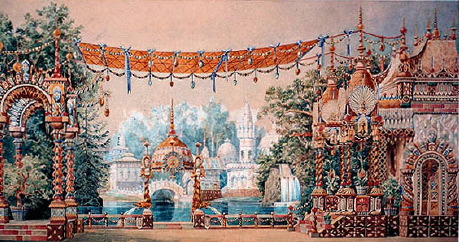
Konstantin Ivanov's original sketch for the set of The Nutcracker (1892).
Konstantin Ivanov’s original sketch for the set of The Nutcracker (1892).

À ce moment-là, Petipa était gravement malade, mais il a laissé des instructions détaillées pour la production de “Casse-Noisette” à Lev Ivanov, qui était le deuxième chorégraphe du Théâtre Marinsky.

Les répétitions du ballet ont commencé fin septembre 1892, puis le 6 (18) décembre la première a eu lieu au Théâtre Marinsky où le ballet a joué pendant plus de 30 ans.

En 1923, la performance a été restaurée par le chorégraphe F. Lopukhov. Puis, en 1929, il crée une nouvelle version chorégraphique de la pièce, et au début de la Seconde Guerre mondiale l’héroïne du ballet qui s’appelait Clara change de nom et s’appelle désormais Masha, mais son frère Fritz qui est un personnage négatif garde son nom.

Aperçu de l’intrigue de “Casse-Noisette”

Title page of the edition of The Nutcracker's Story (1845)
Title page of the edition of The Nutcracker’s Story (1845)

Les invités se rassemblent dans la maison Zilbergauz alors que la veille de Noël est arrivée. Les enfants admirent le magnifique sapin de Noël, mais attendent avec impatience les cadeaux tant attendus.

Finalement, l’horloge sonne minuit et un mystérieux invité, Drosselmeyer, apparait, apportant des cadeaux incroyables qui consistent en des poupées mécaniques qu’il a lui-même fabriqué. Sa capacité à donner vie aux jouets amuse non seulement les enfants, mais les effraie également. Ensuite, Drosselmeyer enlève son masque, et les enfants reconnaissent leur parrain préféré. 

Le père ayant peur que les enfants cassent les poupées, ordonne de les enfermer dans un placard de son bureau ce qui bouleverse Clara. Pour calmer la jeune fille, son parrain lui donne le Casse-Noisette. 

nutcracker
nutcracker

Mais son frère, Fritz casse accidentellement la poupée, et Clara ayant pitié de Casse-Noisette, l’allongea sur le lit de sa poupée préférée.

Fritz et ses amis mettent des masques de souris et commencent à taquiner Clara. Ensuite, il est temps pour les enfants d’aller se coucher, et chacun rentre chez lui après la danse traditionnelle du Grossvater, par les invités. 

La pièce dans laquelle se trouve l’arbre est remplie de clair de lune à la tombée de la nuit.

Avant d’aller se coucher, Clara revient et embrasse Casse-Noisette. Et puis Drosselmeyer apparaît, mais maintenant il n’est plus parrain. Au lieu de cela, il est un gentil sorcier qui agite la main pour que tout dans la pièce commence à changer : les murs s’écartent, l’arbre commence à pousser et les décorations de Noël prennent vie et deviennent des soldats. 

Soudain, des souris apparaissent sous la direction du roi des souris et, le brave Casse-Noisette mène les soldats au combat. Casse-Noisette et le Roi des souris se rencontrent dans un combat à mort. 

Clara voit que l’armée de souris est plus nombreuse que l’armée de soldats, et en désespoir de cause, elle enlève sa chaussure et la jette de toutes ses forces sur le roi des souris. Il est blessé et s’enfuit avec son armée. 

L’armée de soldats a gagné, et porte triomphalement Clara sur ses épaules jusqu’au Casse-Noisette. 

Soudain, le visage de ce dernier commence à changer. Il cesse d’être Casse-Noisette et se transforme en un beau Prince. Il demande à Clara de le suivre et le couple disparaît dans les aiguilles luxuriantes du sapin de Noël et se retrouve dans une forêt hivernale de conte de fées. Les flocons de neige dansent, après leur danse tout s’apaise et la neige scintille dans la fabuleuse lumière de la lune.

Clara et le prince admirent la beauté du ciel étoilé et se souviennent comment ils ont été attaqués par les souris et comment le prince les a vaincus. Tout le monde danse, s’amuse et célèbre la victoire sur l’armée des souris. Des poupées espagnoles, arabes, chinoises et russes remercient Clara de leur avoir sauvé la vie. 

Dans une ville magique, un couple heureux attend. La Fée Dragée elle-même est prête à les accepter. Le couple navigue dans une barque faite de coquillages dorés. Des personnages de contes de fées dansent pour le couple heureux. 

Drosselmeyer apparaît et change à nouveau tout autour. Tout le monde se prépare pour le mariage de Clara et du Prince. 

Ensuite, Clara se réveille avec le Casse-Noisette toujours entre les mains. Elle est dans une pièce familière. Hélas, ce n’était qu’un rêve…


Lisez « Casse-Noisette » en français ou regardez le ballet « Casse-Noisette »

J’espère que cet article vous a plu

Si vous avez aimé cet article, abonnez-vous, mettez des likes, écrivez des commentaires !
Partager sur les réseaux sociaux
Découvrez nos derniers posts

Progrès du Site semaine du 15 Décembre 2022

Livres bilinguesRead in EnglishNous contactez

Cette semaine, j’ai continué à travailler dans la section des enfants. J’ai posté de nombreux contes de fées de Boris Shergin et Konstantin Paustovsky en russe. Je n’en citerai que quelques-uns : Вода из реки Лимпопо, Робкое сердце, Старый повар, Пойга и Лиса, Золоченые лбы …  Il y en a beaucoup d’autres sur la page des auteurs ou sur la page des contes soviétiques . Ils ne sont pas encore liés puisque j’en ajoute encore.

Toujours dans la rubrique enfants mais en français cette fois, j’ai posté les Fables de La Fontaines . Il y a 12 livres, ce qui fait beaucoup de fables liées entre elles et avec des images sur chaque page. J’en citerai aussi quelques-unes bien connus : LA CIGALE ET LA FOURMI. LE RAT DE VILLE ET LE RAT DES CHAMPS. LA POULE AUX ŒUFS D’OR. 

Et toujours dans la section enfants mais bilingue français/russe cette fois le conte du Petit Chaperon Rouge également avec des images.

J’ai également ajouté un livre d’Alexandre Dumas « Casse-Noisette » dans notre page Littérature française. Ça va très bien avec Noël. Je n’ai pas pu le trouver en anglais (Oui, il existe mais toujours sous copyright) donc je le traduirais peut-être moi-même quand j’aurai un peu de temps

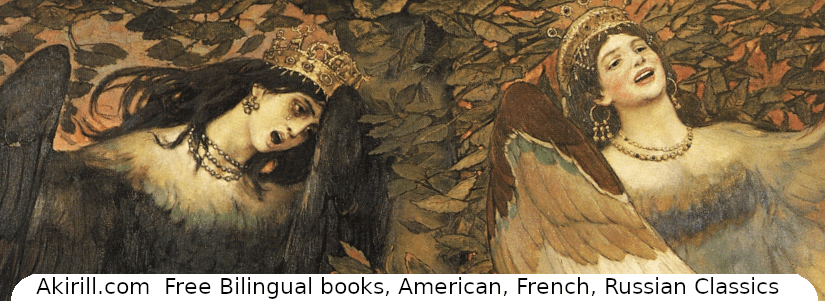
Les articles de cette semaine portaient sur le tableau “Sirin et Alkonost – Oiseaux de Joie et de Tristesse”de Vasnetsov samedi, et la traduction du verset : “La Russie ne peut pas être comprise avec l’esprit” de Fedor Tyutchev, traduit et analysé mardi.

J’espère que vous trouverez quelque chose à apprécier

Si vous avez aimé cet article, n’oubliez pas de liker et de partager.

Abonnez-vous pour ne rien rater
Visitez nos derniers articles

What do you know about “The Nutcracker”?

Bilingual booksLire en FrançaisContact us
American LiteratureFrench LiteratureRussian Literature

Some people say, that Christmas isn’t complete without watching “The Nutcracker” which has become the most popular ballet of our times. It is a symbol of New Year’s magic, a festive ballet of the great Russian composer P.I. Tchaikovsky.

“The Nutcracker” which stands apart from the tradition of the ballet genre is an innovative two-act ballet by P. I. Tchaikovsky to a libretto by Marius Petipa.  It is based on the Christmas fairy tale ” The Nutcracker and the Mouse King ” written by E. T. A. Hoffmann as well as and its adaptation made by Dumas, and was choreographed by  Lev Ivanov .

Pyotr Ilyich Tchaikovsky 1888.

Pyotr Tchaikovsky was asked to compose an opera consisting of one act and a ballet in 1890. He began working on the ballet with Marius Petipa, constantly consulting with him even about music. The job went fast but, in the spring of 1891, Tchaikovsky was forced to pause as he had to go to the United States for the opening of the famous Carnegie Hall. Trying to meet the deadline for the ballet, Tchaikovsky managed to compose even on the road on a streamer but he was unsuccessful and was forced to ask Vsevolozhsky to reschedule the premiere, sending him a letter from Paris.

Marius_Ivanovich_Petipa_1898

As soon as Tchaikovsky returned the work continued and was completely finished by February 1892. A very successful suite from the music from the ballet orchestrated by Tchaikovsky himself was played in march 1992 in one of the symphony concerts of the Russian Musical Society. At the request of the public five out of the six numbers were repeated.

Konstantin Ivanov's original sketch for the set of The Nutcracker (1892).
Konstantin Ivanov’s original sketch for the set of The Nutcracker (1892).

By that time Petipa was seriously ill but he left detailed instruction for the production of “The Nutcracker” to Lev Ivanov who was the second choreographer of the Marinsky Theater.

The ballet rehearsals began at the end of September 1892, then on december 6 (18) the premiere was performed at the Marinsky Theater where the ballet played for more than 30 years.

In 1923, the performance was restored by the choreographer F. Lopukhov. Then, in 1929, he created a new choreographic version of the play, and when World War II began the heroine of the ballet whom had been called Clara was called Masha, but her brother Fritz who is a negative character kept his name.

Overview of the plot of “The Nutcracker”

Title page of the edition of The Nutcracker's Story (1845)
Title page of the edition of The Nutcracker’s Story (1845)

The guests gather in the Zilbergauz house as Christmas Eve has arrived. Children admire the magnificent Christmas tree, but wait impatiently for long-awaited gifts.

Finally the clock struck midnight and a mysterious guest, Drosselmeyer, appeared, bringing incredible gifts which consist of mechanical dolls that he made them himself. His ability to bring toys to life not only amuses children, but also scares them. Then, Drosselmeyer takes off his mask, and the children recognize their favorite godfather. 

The father being afraid that the children will break the dolls, orders them to be locked in a closet in his office which upset Clara. To calm the girl, her godfather gives her the Nutcracker. 

nutcracker
nutcracker

But her brother, Fritz accidentally breaks the doll, and Clara pitying the Nutcracker, laid him on the bed of her favorite doll.

Fritz and his friends put on mouse masks and start teasing Clara. Then, it is time for the children to go to bed, and everyone goes home after the dance of the traditional Grossvater by the guests. 

The room in which the tree is located is filled with moonlight as night falls.

Before going to bed, Clara returns and hugs the Nutcracker. And then Drosselmeyer appears, but now he is no longer a godfather. Instead he is a kind wizard who waves his hand making everything in the room beginning to change: the walls move apart, the tree begins to grow, and the Christmas decorations come to life and become soldiers. 

Suddenly mice appear under the leadership of the Mouse King and the brave Nutcracker leads the soldiers into battle. The Nutcracker and the Mouse King meet in a fight to the death. 

Clara sees that the army of mice outnumbers the army of soldiers, and in desperation, she takes off her shoe and throws it with all her might at the Mouse King. He is wounded and runs away with his army. 

The army of soldiers won, and triumphantly carry Clara on their shoulders to the Nutcracker. 

Suddenly, the latter’s face begins to change. He ceases to be the Nutcracker and turns into a handsome Prince. He asks Clara to follow him and the couple disappears into the lush needles of the Christmas tree and find themselves in a fairytale winter forest. Snowflakes dance, after their dance everything subsides, and the snow glistens in the fabulous light of the moon.

Clara and the Prince admire the beauty of the starry sky, and remember how they were attacked by mice, and how the Prince defeated them. Everyone is dancing, having fun and celebrating the victory over the mouse army. Spanish, Arabic, Chinese and Russian dolls thank Clara for saving their lives. 

In a magical city, a happy couple is waiting. The Fairy Dragee herself is ready to accept them. The couple sails in a boat made of gilded shells. Fairy-tale characters dance for a happy couple. 

Drosselmeyer appears and again changes everything around. Everyone is preparing for the wedding of Clara and the Prince. 

Then, Clara wakes up with the Nutcracker still in her hands. She is in a familiar room. Alas, it was just a dream…


Read “The Nutcracker” in French or watch “The Nutcracker” Ballet

I hope you enjoyed this article

If you liked this article, subscribe , put likes, write comments!
Share on social networks
Check out Our Latest Posts

Site Progress Week of December 15, 2022

Bilingual BooksLire en Français Contact us

This week I continued to work in the children section. I posted many fairy tales from Boris Shergin and Konstantin Paustovsky in Russian. I’ll just name a few: Вода из реки Лимпопо, Робкое сердце, Старый повар, Пойга и Лиса, Золоченые лбы … There are a lot more on the authors page or on the Soviet tales page. They are not linked together yet since I am still adding to them.

Also in the children section but in French this time, I posted the Fables of La Fontaines. There is 12 books of them so that is a lot of fables linked together and with pictures on every page. I’ll also name a few well-known: LA CIGALE ET LA FOURMI. , LE RAT DE VILLE ET LE RAT DES CHAMPS. , LA POULE AUX ŒUFS D’OR.

And again in the children section but bilingual French/Russian this time the tale of the Little Red Riding Hood also with pictures.

I also added a book from Alexandre Dumas “The nutcracker” in our French Literature page (in French). It goes very well with Christmas. I couldn’t find it in English (Yes it exist but still copyrighted) so I might just translate it myself when I get a bit of time

The articles this week were about the painting “Sirin and Alkonost – Birds of Sorrow and Joy” from Vasnetsov Saturday, and the verse translation of: “Russia cannot be understood with the mind” by Fedor Tyutchev, translated and analyzed on Tuesday.

I hope you’ll find something to enjoy

If you liked this article, don’t forget to like and share.
Subscribe to not miss anything
Visit our latest posts

“La Russie ne peut pas être comprise avec l’esprit” de Fedor Tyutchev, traduit et analysé

Livres bilinguesRead in EnglishNous contacter
Littérature américaineLittérature françaiseLittérature russe

< < < А. С. Долгорукой
Un charme vit en elle — irresistible et pur, … Continuer la lecture …

Aujourd’hui, nous parlons du verset intitulé “La Russie ne peut pas être comprise avec l’esprit”. Il a été écrit en 1866, par un diplomate expérimenté, F.I .Tyutchev qui a passé une partie importante de sa vie à l’étranger et connaissait très bien les pays européens.

Ce verset est souvent cité, en particulier de nos jours, et sa première ligne est devenue un slogan pour désigner une voie de développement russe particulière. On reproche aux russes de ne pas pouvoir formuler leur idée nationale mais ce verset y répond. L’idée nationale russe vit dans l’âme de tous les Russes et ne peut être exprimée par des mots ou par une sorte de système logique.

« La Russie ne peut pas être comprise avec l’esprit » a été écrit cinq ans après le décret sur l’abolition du servage lorsque les technologies et les idées les plus avancées coexistaient avec des siècles d’impraticabilité, de pauvreté et d’analphabétisme. Et c’est ce contraste qui a donné à Tyutchev raison d’affirmer que le développement de la Russie procède toujours selon ses propres lois spéciales, qui sont inaccessibles à l’analyse logique d’un Européen. Même les Russes eux-mêmes ne comprennent pas ces lois, donnant tout à la volonté de Dieu, et au fil des siècles, un caractère national unique s’est développé en Russie. La caractéristique principale d’une personne russe est d’agir non pas conformément aux exigences de l’esprit, mais de suivre son cœur.

Федор Тютчев — Умом Россию не понять: СтихFedor Tyutchev – La Russie ne peut pas être comprise avec l’esprit: Verset
Умом Россию не понять,La Russie ne peut pas être comprise avec l’esprit,
Аршином общим не измерить:Ou mesurée avec un mètre standard :
У ней особенная стать —Elle a une destinée unique –
В Россию можно только верить.En la Russie, on ne peut que croire.

J’espère que vous avez apprécié ce verset autant que moi et qu’il vous apporte une certaine compréhension de ce qui se passe maintenant.

< < < А. С. Долгорукой
Un charme vit en elle — irresistible et pur, … Continuer la lecture …

Si vous avez aimé cet article, abonnez-vous, mettez des likes, écrivez des commentaires !

Partager sur les réseaux sociaux

Découvrez nos derniers posts

Copyright holders 

© 2022 Akirill.com – All Rights Reserved

“Russia cannot be understood with the mind” by Fedor Tyutchev, translated and analyzed

Bilingual booksLire en FrançaisContact us
American LiteratureFrench LiteratureRussian Literature

Today is a verse called “Russia cannot be understood with the mind”. It was written in 1866, by an experienced diplomat, F. I. Tyutchev who spent a significant part of his life abroad and knew European countries very well.

This verse is often quoted, particularly nowadays, and its first line has become a catch phrase to denote a special Russian path of development. The Russians are reproached for not being able to formulate their national idea but this verse gives an answer to this. The national Russian idea lives in the souls of all Russians and cannot be expressed in words, or in some kind of logical systems.

“One can only believe in Russia” was written five years after the decree on the abolition of serfdom when the most advanced technologies and ideas coexisted with centuries of impassability, poverty and illiteracy. And that is this contrast that gave Tyutchev reason to assert that the development of Russia always proceeds according to its own special laws, which are inaccessible to the logical analysis of a European. Even the Russians themselves do not understand these laws, giving everything to the will of God, and over the centuries, a unique national character has developed in Russia. The main feature of a Russian person is to act not in accordance with the requirements of the mind, but to follow their hearts.

Федор Тютчев — Умом Россию не понять: СтихFedor Tyutchev – Russia cannot be understood with the mind: Verse
Умом Россию не понять,Russia cannot be understood with the mind,
Аршином общим не измерить:Or measured with a standard yardstick:
У ней особенная стать —She has a unique destiny –
В Россию можно только верить.In Russia, one can only believe.

I hope you enjoyed this verse as much as I did and that it brings you some understanding of what is happening now.

If you liked this article, subscribe , put likes, write comments!
Share on social networks
Check out Our Latest Posts

Découvrez le tableau “Sirin et Alkonost – Oiseaux de Joie et de Tristesse” de Vasnetsov

Livres bilinguesRead in EnglishNous contacter
Littérature américaineLittérature françaiseLittérature russe

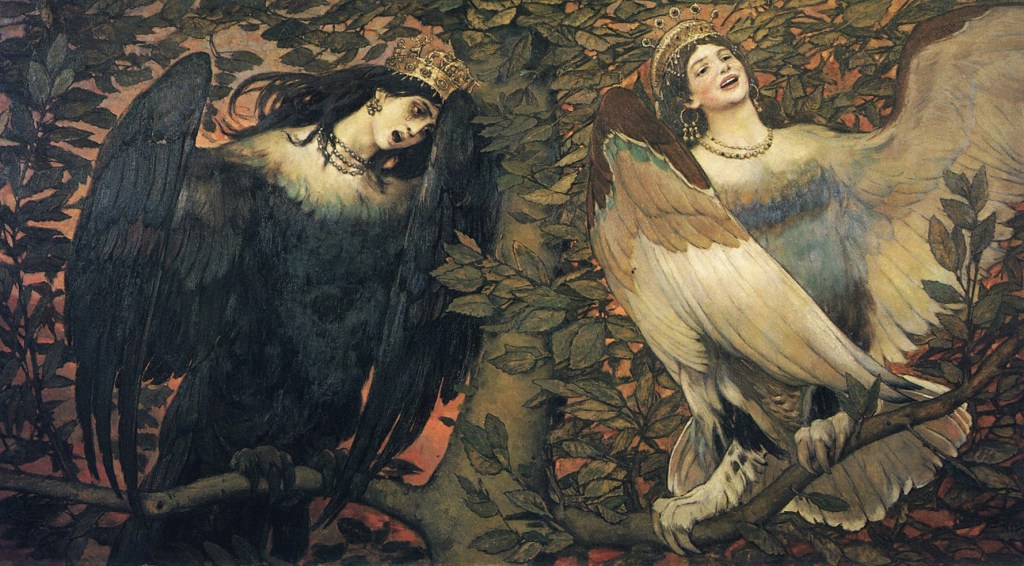
« Sirin et Alkonost » « Сирин и Алконост » de Viktor Mikhailovich Vasnetsov (Виктор Михайлович Васнецов) est une grande huile sur toile de 133 X 250 cm peinte en 1896. Ce n’est pas la peinture la plus populaire de l’artiste, mais sa symbolique est étonnante . “Sirin et Alkonost” est maintenant stocké dans la galerie nationale Tretiakov .

Viktor Vasnetsov a peint “Sirin et Alkonost – Oiseaux de Joie et de Tristesse”, avant les bouleversements révolutionnaires qui allaient se produire dans l’Empire russe semblant prévoir les changements qui se produiraient dans sa patrie. Sirin et Alkonost sont deux symboles inséparables, une paire d’opposés. Chagrin et joie, malheur et bonheur, noir et blanc… Dans ce tableau, Alkonost peut être vu comme symbolisant la victoire du bien sur le mal et, Sirin comme l’angoisse due aux changements.

Sirin et Alkonost sont des femmes-oiseaux mythiques similaires, comme des jumelles, mais en même temps, elles sont complètement différentes. Sirin est le messager noir de la tristesse, qui aspire à un paradis perdu, et Alkonost est le messager lumineux de la joie et du plaisir. Selon les croyances slaves, l’oiseau Sirin a volé dans le verger de pommiers, étant triste et en pleurs. Et dans l’après-midi, l’oiseau Alkonost a volé dans le même verger, se réjouissant et riant, ressentant la joie d’une récolte abondante. Alkonost a brossé la rosée vivante de ses ailes, conférant aux fruits des propriétés magiques et curatives.

Les branches avec des femmes-oiseaux assises dessus se trouvent de différents côtés du tronc d’un arbre. Sirin, qui est la personnification de l’effacement et de la tristesse, est du côté gauche, “mauvais”, selon les légendes slaves, mais c’est un côté qui est étroitement uni au cœur. Alkonost, qui incarne la béatitude, les rêves, et la joie est du bon « bon » côté.

Brève description de la peinture

Au premier plan des peintures se trouvent deux demoiselles oiseaux Sirin et Alkonost assises sur des branches qui proviennent du même arbre et au même niveau, mais sur les côtés opposés du tronc.

L’arrière-plan de l’image montre un ciel orange matinal contrastant avec les deux oiseaux-jeunes filles et l’arbre.

Sirin


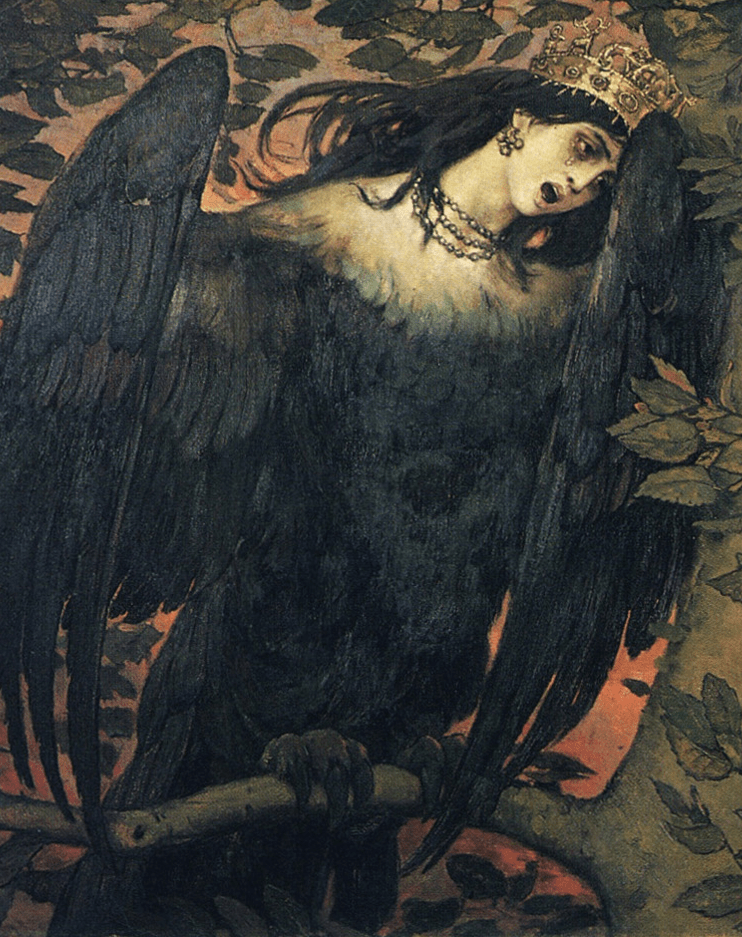
Perché sur la gauche de l’arbre, le premier des oiseaux fantastiques, Sirin est représenté avec un visage, un cou et des épaules humains tandis que le reste de son corps ressemble à un oiseau. Son visage est pâle et ses yeux sont remplis de larmes. Elle a le plumage et les cheveux foncés. Ses ailes sont fermées de manière protectrice, comme si elles se cachaient de l’aube à venir. Elle est adornée d’une belle couronne d’or ornée d’animaux, de boucles d’oreilles dorées et d’un triple collier.

Alkonost

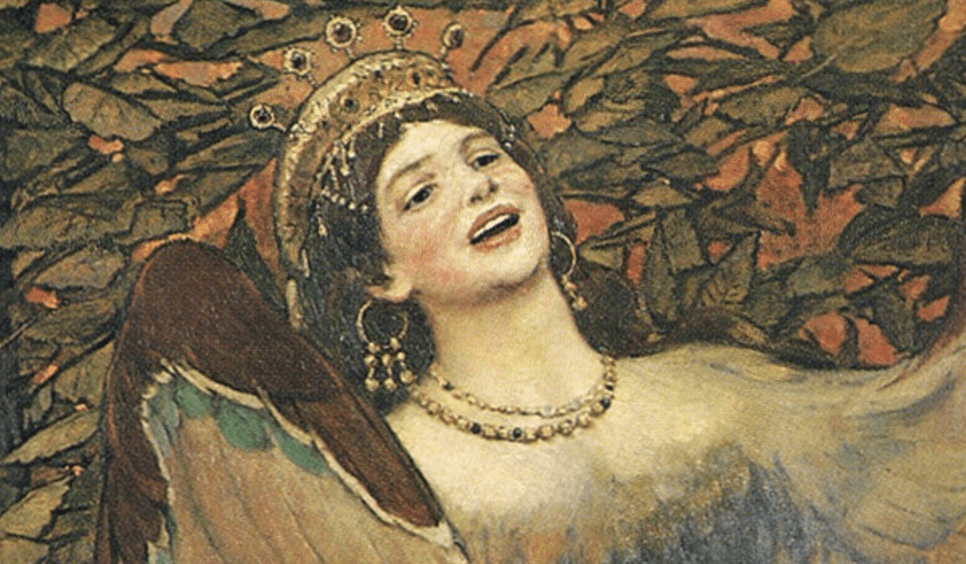
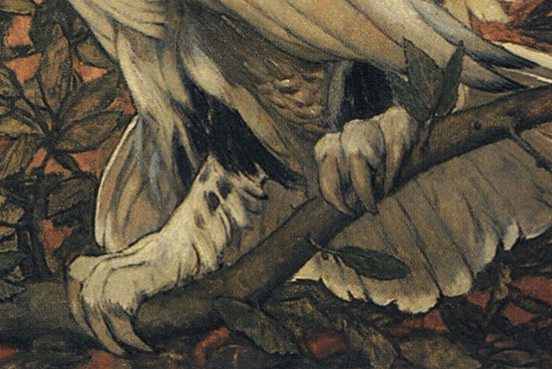
On peut voir qu’Alkonost représente la joie et le bonheur car elle a un plumage de couleur claire, seul le haut de ses ailes étant brun. En tant que «jumelle opposée», elle a un corps d’oiseau et des ailes avec un visage et une épaule humain. Son visage est heureux et on dirait qu’elle chante. Elle porte une couronne d’or, des boucles d’oreilles et deux colliers. Ses ailes sont ouvertes, mais comme sa «jumelle opposée», elle a de puissantes griffes.

Dans le tableau, Sirin, aspirant au passé, et Alkonost, ouverte à l’avenir, sont fusionnés en un tout unique et indivisible. Elles, comme des compagnons inoubliables, accompagnent les gens tout au long de leur existence, modérant les grandes joies et soulageant les chagrins lourds. Ainsi, selon le maître, une grande harmonie de vie se forme.

J’espère que vous avez apprécié cet article, vous pouvez également consulter d’autres peintures de Viktor Mikhailovich Vasnetsov.


Si vous avez aimé cet article, abonnez-vous, mettez des likes, écrivez des commentaires !

Partager sur les réseaux sociaux

Découvrez nos derniers messages

Discover the painting “Sirin and Alkonost – Birds of Sorrow and Joy” from Vasnetsov

Bilingual booksLire en FrançaisContact us
American LiteratureFrench LiteratureRussian Literature

“Sirin and Alkonost” «Сирин и Алконост» by Viktor Mikhailovich Vasnetsov (Виктор Михайлович Васнецов) is a large oil on canvas of 133 X 250 cm painted in 1896. It is not the artist’s most popular painting, but its symbolism is amazing. “Sirin and Alkonost” is now stored in the State Tretyakov Gallery.

Viktor Vasnetsov painted “Sirin and Alkonost – Birds of Sorrow and Joy”, before the revolutionary upheavals that were soon to happen in the Russian Empire and seemed to foresee the changes that would take place in his homeland. Sirin and Alkonost are two inseparable symbols, a pair of opposites. Grief and joy, misfortune and happiness, black and white… In this painting, Alkonost can be seen as symbolizing the victory of good over evil and, Sirin as the anxiety due to changes.

Sirin and Alkonost are similar mythical bird-maidens, like twins, but at the same time, they are completely different. Sirin is the dark messenger of sadness, who is longing for a lost paradise, and Alkonost is the bright messenger of joy and pleasure. According to Slavic beliefs,  the Sirin bird flies into the apple orchard, being sad and crying. And in the afternoon, the Alkonost bird flies to the same orchard,  rejoicing and laughing, feeling the joy of a bountiful harvest. Alkonost brushes the live dew from its wings endowing the fruits with magical, healing properties.

The branches with bird-maidens sitting on them are on different sides of a tree trunk. Sirin, who is the personification of fading and sadness, is on the left, “bad” side, according to Slavic legends, but it is a side that is closely united with the heart. Alkonost, who embodies bliss, dreams, joy is on the right “good” side.

Short description of the painting

In the forefront of the paintings are two bird-maidens Sirin and Alkonost seated on branches which are from the same tree and at the same level, but on opposite sides of the trunk.

The background of the painting shows a morning orange sky contrasting with the two bird-maidens and tree.

Sirin


Perched on the left of the tree, the first of the fantastic birds, Sirin is depicted with a human face, neck and shoulders while the rest of her body resembles a bird. Her face is pale and her eyes are filled with tears. She has dark plumage and hair. Her wings are closed in a protective manner, as if hiding from the coming dawn. She is adorned with a beautiful golden crown decorated with animals, golden earrings and a triple necklace.

Alkonost

We can see that Alkonost represents joy and happiness because she has a light colored plumage, with only the top of her wings being brown. As her “opposite twin” she has a bird body and wings with human face and shoulder. Her face is happy and it looks like she is singing. She is wearing a golden crown, earrings and two necklaces Her wings are opened, but like her “opposite twin” she has powerful claws.

In the painting,  Sirin, aspiring to the past, and Alkonost, open to the future, are merged into a single and indivisible whole. They, like unforgettable companions, accompany people throughout their existence, moderating great joy and alleviating heavy grief. Thus, according to the master, a great harmony of life is formed.

I hope you enjoyed this article, you can also check out other paintings by Viktor Mikhailovich Vasnetsov.

If you liked this article, subscribe , put likes, write comments!
Share on social networks
Check out Our Latest Posts