Site Progress Week of June 4, 2024

Bilingual BooksLire en FrançaisContact us

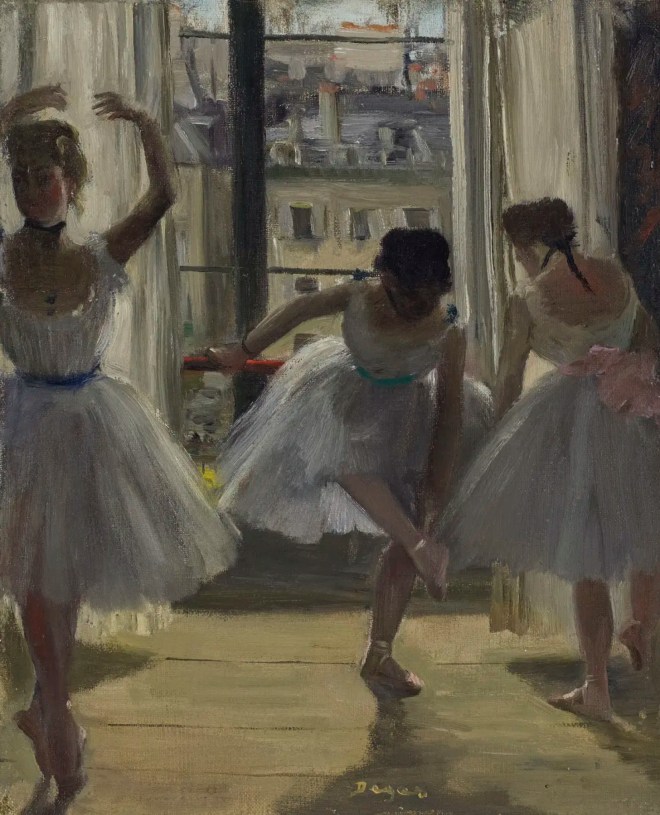
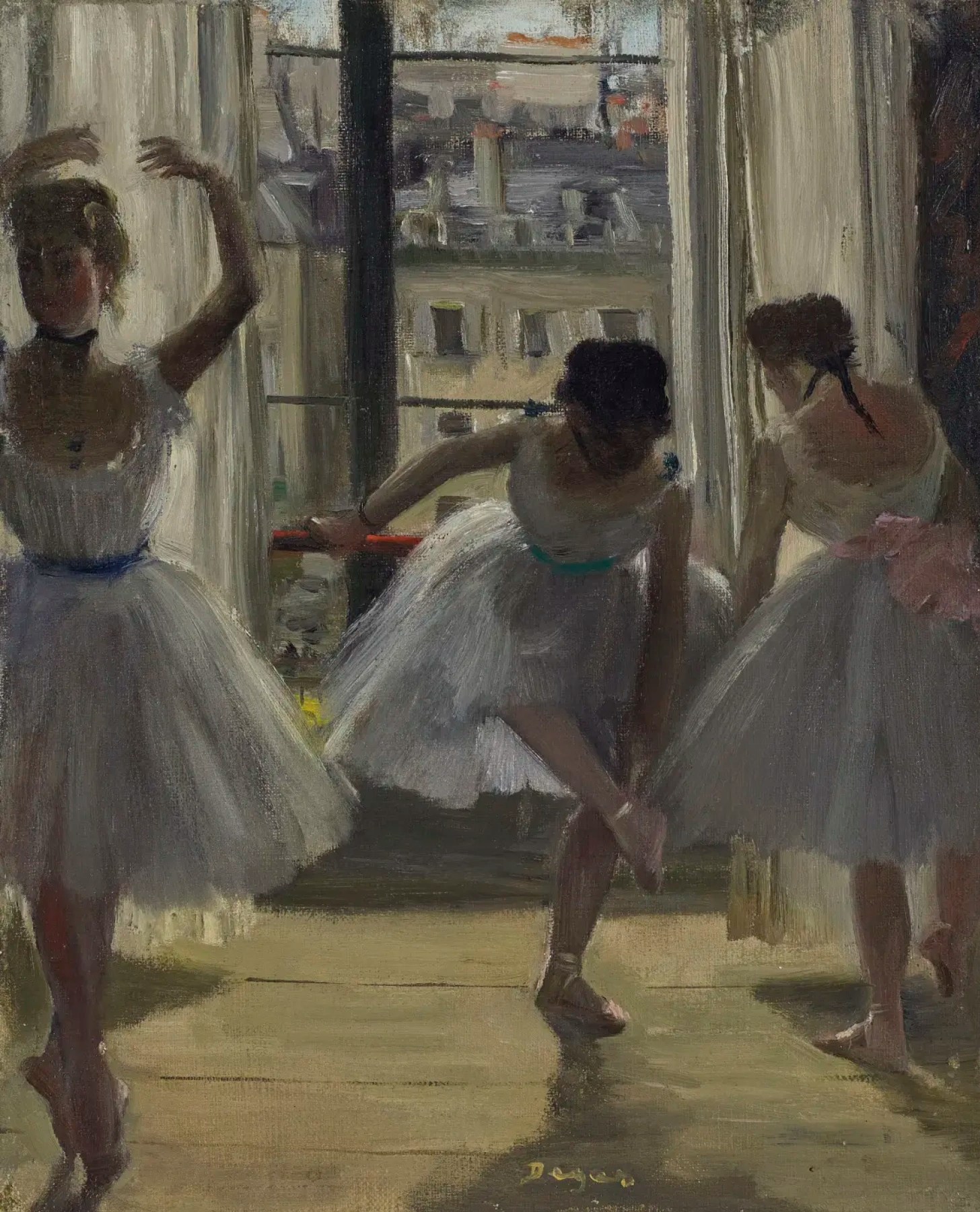
Dear readers and subscribers, I had a tremendously productive week immersing myself in the world of American, French, and Russian poetry. I’m exhilarated to share not only new poems in all three languages, but also to introduce you to the exquisite work of the esteemed French painter, Edgar Degas.

For the coming week, I have selected his mesmerizing painting “Dance Class (Ballet Class)” to feature, a piece that truly embodies the essence of his brilliance.

Our little baby crow now has the company of a relative found soaked and walking on the side of a four lane road trying to get on the sidewalk without success. Leaving it there unable to get back in the tall tree would have be a death sentence so I brough it home. As you can see he (yes I believe it is a male) is older, but also has a different character and eye color which make me believe they are not exactly the same species. The fun part is that even though she is half of his size she does protect me and her perch but they do play together and follow each other. (her ring are red, his is blue)

I’ll try to write and make a short video about out 2 rescued baby birds on Tuesday if they leave me alone 5 minutes…


Now let’s take a moment to appreciate Edgar Degas (1834– 1917), a truly influential French Impressionist artist known for his captivating pastel drawings and his ability to capture the spirit of movement in his oil paintings.

I warmly invite you to delve deeper into the world of Edgar Degas by exploring the very short biography of Edgar Degas, and hope that you will find something delightful to enjoy this week.


American Poetry – Poésie Américaine – Американская поэзия

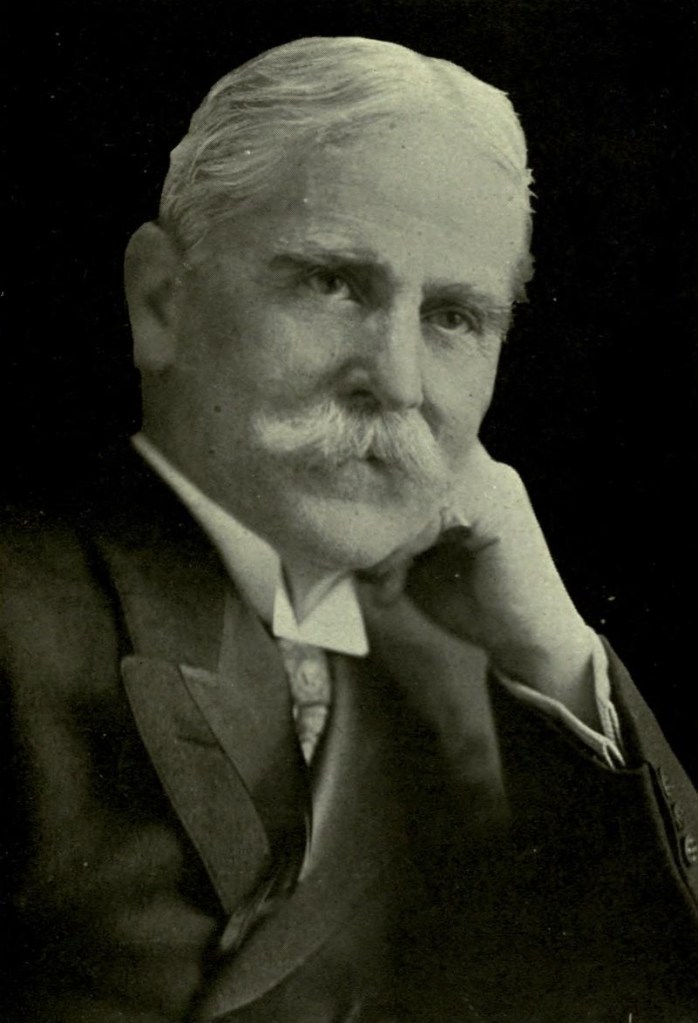
Poems by Edgar A. Guest: The Song of Loved Ones, Becoming a Dad, The Test, The Old Wooden Tub, Lost Opportunities

Poems by Emma Lazarus: Sic Semper Liberatoribus!, Don Rafael, Off Rough Point, Mater Amabilis, Fog

Poems by Henry Van Dyke: When Tulips Bloom, The Whip-Poor-Will, The Lily of Yorrow, The Veery, The Song-Sparrow


Poésie Française – French Poetry – Французская поэзия

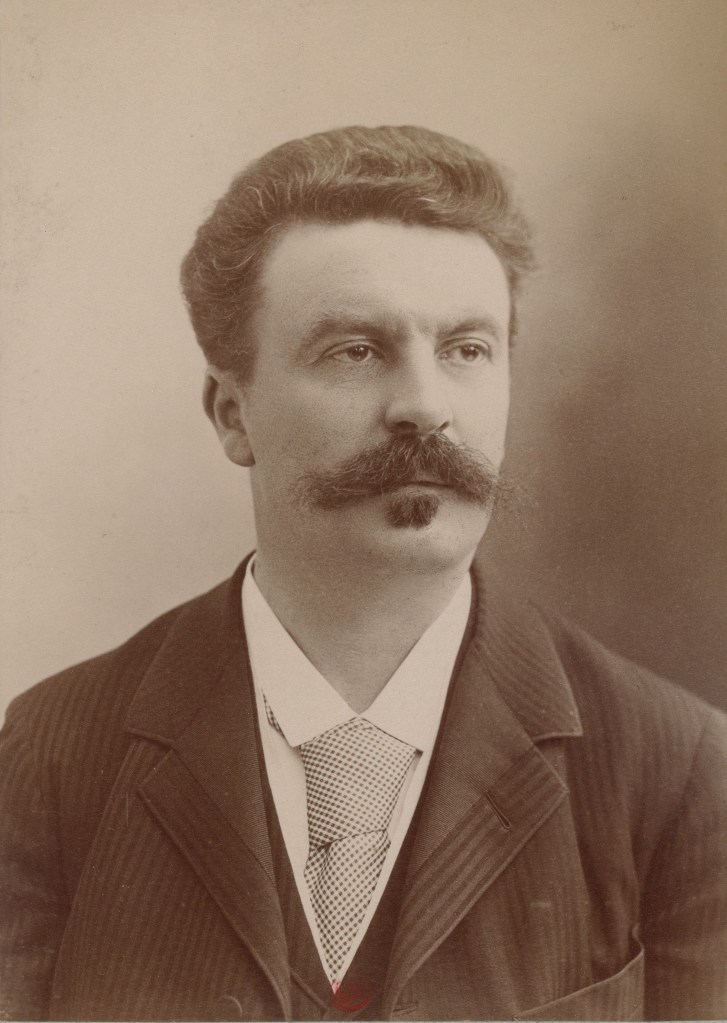
Poèmes de Guillaume Apollinaire: Le Bestiaire, ou Cortège d’OrphéePoèmes à LouCalligrammes

Poèmes d’André Marie Chénier: Ma Muse Fuit Les Champs , Mes Chants Savent Tout Peindre , Le Lys Est Le Plus Beau , A L’hirondelle , Ah! Prends Un Coeur Humain

Poèmes de Louis Aragon: Acrobate , Pour demain , Madame Tussaud , Secousse , Éclairage à perte de vue


Русская поэзия – Russian Poetry – Poésie Russe

Стихи Марины Ивановны Цветаевой: Пленница , Шарманка весной , Людовик XVII , На скалах , Дама в голубом

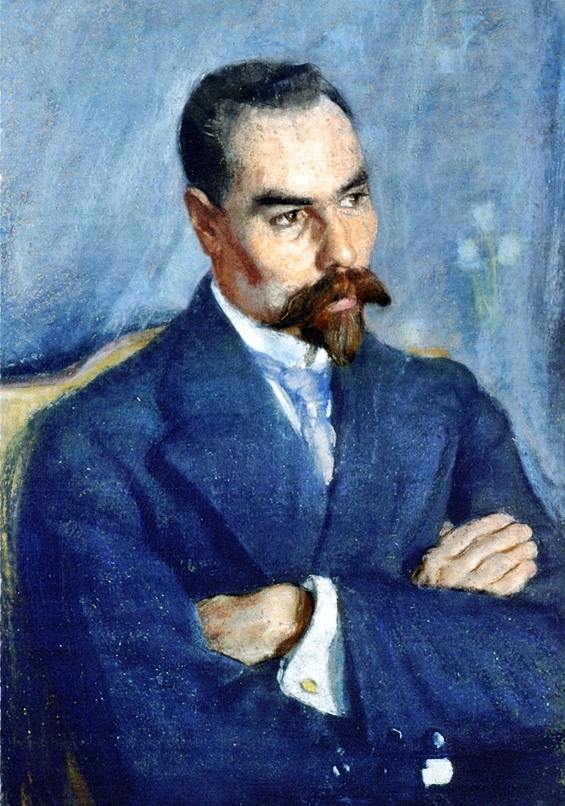
Стихи Николая Степановича Гумилёва: Грёза ночная и тёмная , Оссиан , Песня о певце и короле , Дева Солнца , Осенняя песня

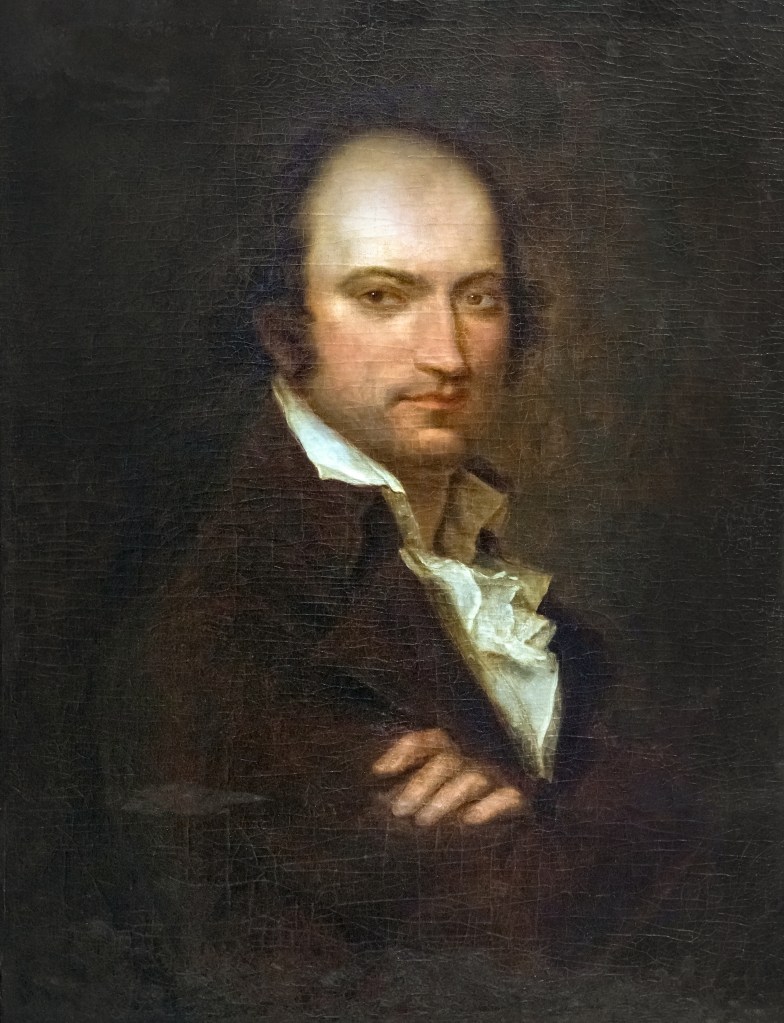
Стихи Константина Николаевича Батюшкова: Привидение , Тибуллова элегия III , Мой Гений , Дружество , Тень друга


We put a lot of effort into the quality of the articles and translations, support us with a like and a subscription or sponsor us if you like them. We are also on Facebook and Twitter


© 2024 Akirill.com – All Rights Reserved

Progrès du Site semaine du 28 mai 2024

Livres bilinguesRead in EnglishNous contacter

Chers lecteurs et abonnés, Cette semaine a été incroyablement revigorante alors que je plongeais profondément dans les domaines de la poésie américaine, française et russe. La riche tapisserie d’émotions et d’expériences tissée dans les vers m’a captivé, et c’est un vrai plaisir d’explorer et de partager ce voyage poétique avec vous.

Notre bébé corneille qui s'amuse

Notre bébé corneille continue de grandir et de maîtriser l’art du vol, et elle aime maintenant se percher sur le dossier de ma chaise en attendant avec impatience ma compagnie. Elle joue aussi plus, ici elle essaie de récupérer l’anneau blanc après l’avoir enlevé de l’autre perchoir. J’en ai eu marre de le ramasser, alors je l’ai attaché. …

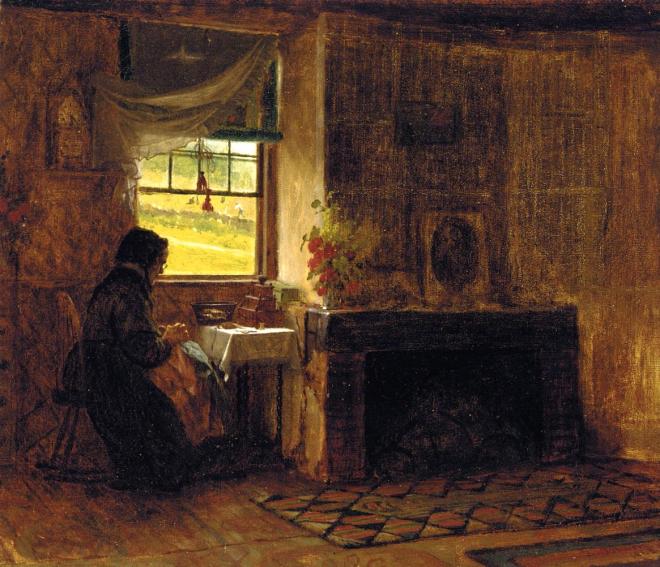
Cette semaine, nous avons également découvert le remarquable Claude Monet et sa peinture fascinante de 1961 “Un coin d’atelier.” Je vous invite chaleureusement à vous joindre à moi pour explorer la beauté captivante de cette œuvre d’art et poursuivre notre voyage commun à la recherche de la joie dans les arts. Imprégnons-nous pleinement des expressions profondes de la créativité et embrassons l’inspiration illimitée qui nous attend dans le monde de l’art. En partageant ces trésors poétiques et artistiques avec vous, mon espoir est de susciter un amour pour la poésie dans diverses langues et de célébrer la richesse incroyable de l’art et de la littérature mondiale.

Merci de m’accompagner dans ce voyage littéraire enrichissant. Je suis convaincue que vous trouverez un plaisir abondant dans nos découvertes partagées.


Poésie Américaine – Американская поэзия

Poems by Ralph Waldo Emerson: Fable, Inscribed To W.H. Channing, Astraea, Étienne de la Boéce , Compensation

Poems by Edna St. Vincent Millay: When the Year Grows Old, Thou art not lovelier than lilacs,—no, Time does not bring relief; you all have lied, Mindful of you the sodden earth in spring, Not in this chamber only at my birth

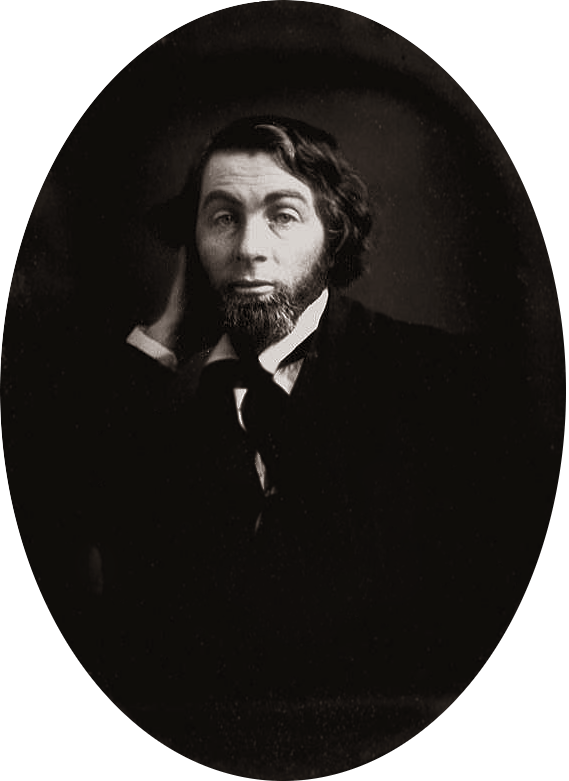
Poems by Walt Whitman: The Bivouac’s Flame, Bivouac On A Mountain Side, City Of Ships, Vigil On The Field, The Flag


Poésie Française – French Poetry – Французская поэзия

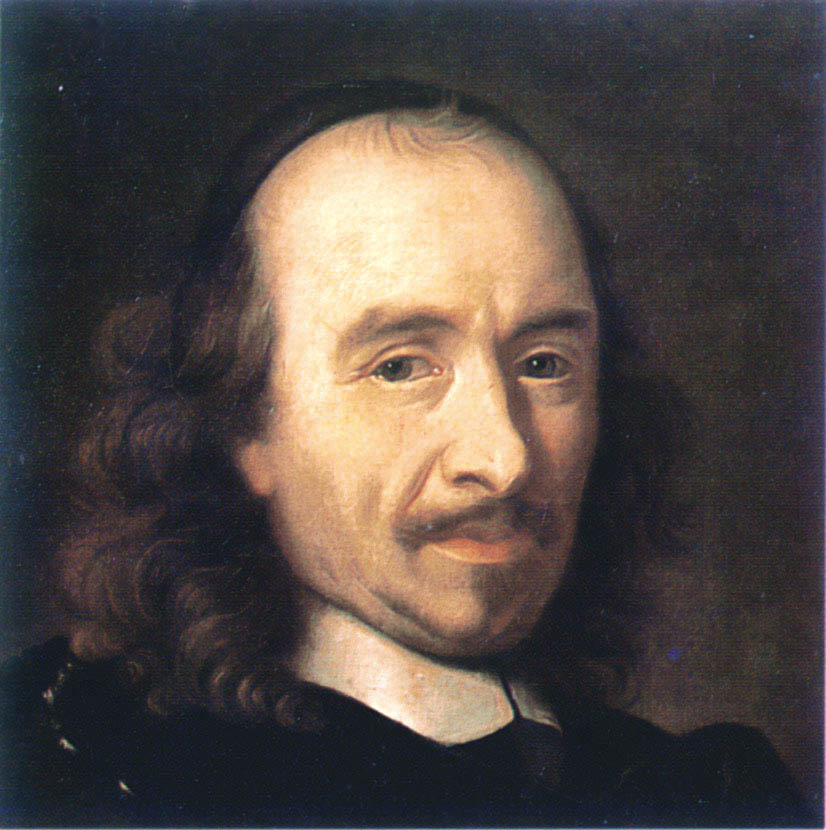
Poèmes de Pierre Corneille: Jane, toute la journée (Épigrammes) , Dialogue , Chanson. Toi qui près d’un beau visage , Chanson. Si je perds bien des maîtresses , À Monsieur de Scudéry [sur son Ligdamon et Lidias]

Tous les poèmes de Victor Hugo: Paysage , En mai , Je m’arrêtai , Jadis, adolescent , Dans les cités que troublent

Poèmes d’Alfred de Musset: Silvia , Chanson (« À Saint-Blaise, à la Zuecca ») , Chanson de Barberine , Chanson de Fortunio , À Ninon

Русская поэзия – Russian Poetry – Poésie Russe

Стихи Василия Андреевича Жуковского: На смерть А(ндрея Тургенева) , К К. М. С(оковнин)ой , К*** , К поэзии , Опустевшая деревня

Стихи Александра Сергеевича Грибоедова: Телешовой в балете «Руслан и Людмила», где она является обольщать витязя , Хищники на Чегеме , По духу времени и вкусу , А. Одоевскому

Стихи Велимира Хлебникова: Крымское. Записи сердца. Вольный размер , Вечер. Тени , В пору, когда в вырей , Мне спойте про девушек чистых , Мизинич, миг


Nous mettons beaucoup d’efforts dans la qualité des articles et traductions, soutenez-nous avec un like et un abonnement ou sponsorisez-nous si vous les aimez. Nous sommes aussi sur Facebook et Twitter


© 2024 Akirill.com – All Rights Reserved

Site Progress Week of May 28, 2024

Bilingual BooksLire en FrançaisContact us

Dear readers and subscribers, It has been an incredibly invigorating week as I delved deep into the realms of American, French, and Russian poetry. The rich tapestry of emotions and experiences woven into the verses captivated me, and it was a true delight to explore and share this poetic journey with you.

Тишь our little crow rescued

Our baby crow is still growing and mastering the art of flight, and she now enjoys perching on the back of my chair while eagerly waiting for my company. She is also playing more, here she is trying to get the white ring back after having taken it off the other perch. I got tired of picking it up, so I tied it. …

This week, we also discovered the remarkable Claude Monet and his mesmerizing 1961 painting “A corner of the studio.” I warmly invite you to join me in delving into the captivating beauty of this artwork and to continue our shared journey of finding joy in the arts together. Let’s fully immerse ourselves in the profound expressions of creativity and embrace the boundless inspiration that awaits us within the world of art. By sharing these poetic and artistic treasures with you, my hope is to ignite a love for poetry in diverse languages and to celebrate the incredible richness of world art and literature.

Thank you for accompanying me on this enriching literary journey. I trust you will find abundant enjoyment in our shared discoveries.


Poésie Américaine – Американская поэзия

Poems by Ralph Waldo Emerson: Fable, Inscribed To W.H. Channing, Astraea, Étienne de la Boéce , Compensation

Poems by Edna St. Vincent Millay: When the Year Grows Old, Thou art not lovelier than lilacs,—no, Time does not bring relief; you all have lied, Mindful of you the sodden earth in spring, Not in this chamber only at my birth

Poems by Walt Whitman: The Bivouac’s Flame, Bivouac On A Mountain Side, City Of Ships, Vigil On The Field, The Flag


Poésie Française – French Poetry – Французская поэзия

Poèmes de Pierre Corneille: Jane, toute la journée (Épigrammes) , Dialogue , Chanson. Toi qui près d’un beau visage , Chanson. Si je perds bien des maîtresses , À Monsieur de Scudéry [sur son Ligdamon et Lidias]

Tous les poèmes de Victor Hugo: Paysage , En mai , Je m’arrêtai , Jadis, adolescent , Dans les cités que troublent

Poèmes d’Alfred de Musset: Silvia , Chanson (« À Saint-Blaise, à la Zuecca ») , Chanson de Barberine , Chanson de Fortunio , À Ninon

Русская поэзия – Russian Poetry – Poésie Russe

Стихи Василия Андреевича Жуковского: На смерть А(ндрея Тургенева) , К К. М. С(оковнин)ой , К*** , К поэзии , Опустевшая деревня

Стихи Александра Сергеевича Грибоедова: Телешовой в балете «Руслан и Людмила», где она является обольщать витязя , Хищники на Чегеме , По духу времени и вкусу , А. Одоевскому

Стихи Велимира Хлебникова: Крымское. Записи сердца. Вольный размер , Вечер. Тени , В пору, когда в вырей , Мне спойте про девушек чистых , Мизинич, миг


We put a lot of effort into the quality of the articles and translations, support us with a like and a subscription or sponsor us if you like them. We are also on Facebook and Twitter


© 2024 Akirill.com – All Rights Reserved

Une courte biographie, et toutes les peintures de Paris, France par Konstantin Korovine

Livres bilinguesRead in EnglishNous contacter
Littérature américaineLittérature françaiseLittérature russe

Cette semaine, j’ai décidé de poster les tableaux de Paris de Konstantin Korovine, car j’ai trouvé intéressant de voir ma ville natale à travers l’œil d’un peintre russe. Les détails de chaque tableau sont affichés sous la galerie avec le numéro de l’image correspondant. Si vous préférez regarder le tableau en taille réelle, il vous suffit de cliquer sur l’image. Les détails sont en français, anglais et russe.

En quelques mots, qui était Konstantin Korovine ?

Konstantin Korovin 1891 portrait by Valentin Serov

Konstantin Korovine a été le premier peintre russe impressionniste, décorateur de théâtre et écrivain.

Konstantin Alekseevich Korovine est né le 23 novembre (5 décembre) 1861 à Moscou, dans l’Empire Russe. Alors qu’il étudiait à l’Académie des Beaux-Arts de Saint-Pétersbourg, il a été initié à l’art impressionniste par Vasily Polenov. Son premier travail “Portrait d’une Chorus Girl” a été qualifié de premier signe de l’impressionnisme Russe.

Portrait of a Chorus Girl by Konstantin Korovin-1883
Portrait d'une choriste par Konstantin Korovine-1883 - Portrait, huile sur toile - Galerie nationale Tretiakov
Portrait d’une choriste par Konstantin Korovine-1883 – Portrait, huile sur toile – Galerie nationale Tretiakov

Après avoir rencontré Savva Mamontiv en 1884, il est devenu décorateur de théâtre et a conçu, à titre d’exemple, la représentation à domicile de “La Jeune Fille des Neiges” d’après la pièce d’Alexander Ostrovsky.

En 1892, Konstantin est partit pour la France, où il a étudié l’art moderne français pendant environ un an, puis il est partit en voyage dans le nord de la Russie. Il était fasciné par la région polaire mais Paris avait aussi une place particulière dans sa vie, et l’artiste a créé de nombreux paysages de Paris, la capitale française. Konstantin Alekseevitch Korovine a eu un grand succès en France où il est devenu “Chevalier de la Légion d’honneur” et a reçu plusieurs médailles d’or et d’argent pour ses œuvres.

Continuer à lire

Watch all the paintings of Paris
by Konstantin Korovin
Посмотрите все картины Константина Коровина о ПарижеRegardez toutes les peintures de Paris par Constantin Korovine
1 Paris cafe

Konstantin Korovin
Original Title: Парижское кафе
Date: c.1890
Style: Impressionism
Genre: cityscape
1 Парижское кафе

Константин Коровин
Дата: c.1890
Cтиль: Импрессионизм
Жанр: городской пейзаж
1 Café parisien

Constantin Korovine
Titre original: Парижское кафе
Date: c.1890
Style: Impressionism
Genre: paysage urbain
2 Paris cafe 

Konstantin Korovin
Original Title: Парижское кафе
Date: c.1890
Style: Impressionism
Genre: cityscape
2 Парижское кафе

Константин Коровин
Дата: c.1890
Cтиль: Импрессионизм
Жанр: городской пейзаж
2 Café parisien

Constantin Korovine
Titre original: Парижское кафе
Date: c.1890
Style: Impressionism
Genre: paysage urbain
3 Paris cafe (fragment)

Konstantin Korovin
Original Title: Парижское кафе (фрагмент)
Date: 1895
Style: Impressionism
Genre: genre painting
3 Парижское кафе (фрагмент)

Константин Коровин
Оригинальное
название: Парижское кафе (фрагмент)
Дата: 1895
Cтиль: Импрессионизм
Жанр: жанровая живопись
3 Café parisien (fragment)

Constantin Korovine
Titre original: Парижское кафе (фрагмент)
Date: 1895
Style: Impressionism
Genre: scène de genre
4 After the rain. Paris

Konstantin Korovin
Original Title: После дождя
Date: 1897
Style: Impressionism
Genre: cityscape
4 После дождя

Константин Коровин
Дата: 1897
Cтиль: Импрессионизм
Жанр: городской пейзаж
4 Après la pluie. 
Paris

Constantin Korovine
Titre original: После дождя
Date: 1897
Style: Impressionism
Genre: paysage urbain
5 Paris after Rain

Konstantin Korovin
Original Title: Париж после дождя
Date: 1900
Style: Impressionism
Genre: cityscape
5 Париж после дождя

Константин Коровин
Дата: 1900
Cтиль: Импрессионизм
Жанр: городской пейзаж
5 Paris après la pluie

Constantin Korovine
Titre original: Париж после дождя
Date: 1900
Style: Impressionism
Genre: paysage urbain
6 Street at Night, Paris

Konstantin Korovin
Original Title: Ночная улица. Париж
Date: 1902
Style: Impressionism
Genre: cityscape
6 Ночная улица. Париж

Константин Коровин
Дата: 1902
Cтиль: Импрессионизм
Жанр: городской пейзаж
6 Rue de Nuit, Paris

Constantin Korovine
Titre original: Ночная улица. Париж
Date: 1902
Style: Impressionism
Genre: paysage urbain
Continue ReadingЧитать далееContinuer à lire

J’espère que cet artist et ses peintures vous ont plu autant qu’à moi

Russian Arts – Arts Russes – Русское искусство


Si vous avez aimé cet article, abonnez-vous, mettez des likes, écrivez des commentaires !
Partager sur les réseaux sociaux
Découvrez nos derniers posts

Visitez nous sur Facebook ou Twitter


© 2023 Akirill.com – All Rights Reserved

A Short biography, and all the paintings of Paris, France by Konstantin Korovin

Bilingual booksLire en FrançaisContact us
American LiteratureFrench LiteratureRussian Literature

This week I decided to post the paintings of Paris by Konstantin Korovin, as I found interesting to see my native city from the eye of a Russian painter. The details of each painting are posted under the gallery with the picture corresponding number. If you prefer to watch the painting in full size, just click on the picture. The details are in English, French and Russian.

In a few words, who was Konstantin Korovin?

Konstantin Korovin 1891 portrait by Valentin Serov

Konstantin Korovin was the first impressionist Russian painter, a a theatrical decorator, as well as a writer.

Konstantin Alekseevich Korovin was born on November 23 ( December 5), 1861, in Moscow, Russian Empire. When he was studying in the Academy of Art in St Petersburg, he was introduced to the art of the Impressionist by Vasily Polenov. His first work “Portrait of a Chorus Girl” was called the first sign of Russian impressionism.

Portrait of a Chorus Girl by Konstantin Korovin-1883
Portrait of a Chorus Girl by Konstantin Korovin-1883 – Portrait, oil on canvas – State Tretyakov Gallery

After meeting Savva Mamontiv in 1884, he became a theatrical decorator and designed as an example, the home performance of “The Snow Maiden” based on the play by Alexander Ostrovsky.

In 1892, Konstantin left for France, where he studied modern French art for about a year, then he went for a trip to the North of Russia. He was fascinated by the polar region but Paris had also a special place in his life, and the artist created many landscapes of Paris, the French capital. Konstantin Alekseevich Korovin had great success in France where, he became “A Chevalier of the Legion of Honor” and received several gold and silver medals for his works.

Continue reading

Watch all the paintings of Paris
by Konstantin Korovin
Посмотрите все картины Константина Коровина о ПарижеRegardez toutes les peintures de Paris par Constantin Korovine
1 Paris cafe

Konstantin Korovin
Original Title: Парижское кафе
Date: c.1890
Style: Impressionism
Genre: cityscape
1 Парижское кафе

Константин Коровин
Дата: c.1890
Cтиль: Импрессионизм
Жанр: городской пейзаж
1 Café parisien

Constantin Korovine
Titre original: Парижское кафе
Date: c.1890
Style: Impressionism
Genre: paysage urbain
2 Paris cafe 

Konstantin Korovin
Original Title: Парижское кафе
Date: c.1890
Style: Impressionism
Genre: cityscape
2 Парижское кафе

Константин Коровин
Дата: c.1890
Cтиль: Импрессионизм
Жанр: городской пейзаж
2 Café parisien

Constantin Korovine
Titre original: Парижское кафе
Date: c.1890
Style: Impressionism
Genre: paysage urbain
3 Paris cafe (fragment)

Konstantin Korovin
Original Title: Парижское кафе (фрагмент)
Date: 1895
Style: Impressionism
Genre: genre painting
3 Парижское кафе (фрагмент)

Константин Коровин
Оригинальное
название: Парижское кафе (фрагмент)
Дата: 1895
Cтиль: Импрессионизм
Жанр: жанровая живопись
3 Café parisien (fragment)

Constantin Korovine
Titre original: Парижское кафе (фрагмент)
Date: 1895
Style: Impressionism
Genre: scène de genre
4 After the rain. Paris

Konstantin Korovin
Original Title: После дождя
Date: 1897
Style: Impressionism
Genre: cityscape
4 После дождя

Константин Коровин
Дата: 1897
Cтиль: Импрессионизм
Жанр: городской пейзаж
4 Après la pluie. 
Paris

Constantin Korovine
Titre original: После дождя
Date: 1897
Style: Impressionism
Genre: paysage urbain
5 Paris after Rain

Konstantin Korovin
Original Title: Париж после дождя
Date: 1900
Style: Impressionism
Genre: cityscape
5 Париж после дождя

Константин Коровин
Дата: 1900
Cтиль: Импрессионизм
Жанр: городской пейзаж
5 Paris après la pluie

Constantin Korovine
Titre original: Париж после дождя
Date: 1900
Style: Impressionism
Genre: paysage urbain
6 Street at Night, Paris

Konstantin Korovin
Original Title: Ночная улица. Париж
Date: 1902
Style: Impressionism
Genre: cityscape
6 Ночная улица. Париж

Константин Коровин
Дата: 1902
Cтиль: Импрессионизм
Жанр: городской пейзаж
6 Rue de Nuit, Paris

Constantin Korovine
Titre original: Ночная улица. Париж
Date: 1902
Style: Impressionism
Genre: paysage urbain
Continue ReadingЧитать далееContinuer à lire

I hope you enjoyed this artist and paintings as much as I did

Russian – Arts Arts Russes – Русское искусство


If you liked this article, subscribe , put likes, write comments!
Share on social networks
Check out Our Latest Posts

Visit us on Facebook or Twitter


© 2023 Akirill.com – All Rights Reserved

Faits et bref résumé de “Moumou” d’Ivan Tourgueniev

Livres bilinguesRead in EnglishNous contacter
Littérature américaineLittérature françaiseLittérature russe
Cette semaine, j’ai décidé de faire quelques changements. Les articles seront rédigés directement sur le site au lieu du blog pour faciliter leur recherche. Le blog n’affichera qu’une partie de l’article avec un lien vers la page. Votre avis sur le changement est bienvenu dans les commentaires.

“Moumou” est une histoire courte écrite par Ivan Tourgueniev en 1852 et publiée pour la première fois en 1854. Cette histoire a attiré une plus grande attention sur les cruautés du serdom. Elle fait maintenant partie de notre livre bilingue (russe/anglais)

Ivan Sergueïevitch Tourgueniev est né le 9 novembre (28 octobre) 1818 à Orel dans l’Empire russe. Il était un romancier, nouvelliste, poète, dramaturge, traducteur russe parlant couramment l’allemand, le français et l’anglais. Il popularisait également la littérature russe en Occident, mais sa principale préoccupation était la Russie et il écrivait principalement à ce sujet et uniquement en russe. Il est mort le 22 aout (3 septembre) 1883 a Bougival en France.

Mymy
Mymy

Ivan Turgenev a écrit l’histoire “Moumou” alors qu’il était exilé dans son domaine de Spasskoye-Lutovinovo après avoir passé un mois en détention pour avoir écrit une nécrologie sur la mort de Nicholai Gogol contrairement aux interdictions de la censure.

“Moumou” est une exploration et une critique du servage montrant la terreur du pouvoir absolu d’un être humain sur un autre, et est basé sur une histoire vraie avec un chien qui s’est passé chez Tourgueniev à Moscou. Sa mère est représentée par la propriétaire tandis que le serf était Andrey qui, contrairement au serf de l’histoire, est resté avec sa maîtresse. …

Continuer la lecture sur le site : Faits et bref résumé de « Moumou » d’Ivan Tourgueniev

Vous pouvez lire cette histoire, en anglais, en russe ou en format bilingue

Mymy

Read: Mumu (eng)

Читать: Муму (Рус.)

Read: Mumu (Bilingual Rus/Eng)
Читать: Муму (двуязычный русский/английский)

J’espère que vous avez apprécié cet article et que vous trouverez le temps de lire cette belle histoire d’Ivan Tourgueniev.

Si vous avez aimé cet article, abonnez-vous, mettez des likes, écrivez des commentaires !

Partager sur les réseaux sociaux

Découvrez nos derniers posts

Visitez nous sur Facebook ou Twitter


© 2023 Akirill.com – All Rights Reserved
Facts and short summary of “Mumu” by Ivan Turgenev

Bilingual booksLire en FrançaisContact us
American LiteratureFrench LiteratureRussian Literature
This week I decided to make some changes. The articles will be written directly on the site instead of the blog to facilitate their finding. The blog will show only part of the article with a link to the page. You are more than welcome to give me your opinion in the comments.

Mumu is a short story written by Ivan Turgenev in 1852 and first published in 1854 which brought a greater attention to the cruelties of serdom. It is now part of our bilingual book (Russian/English)

Ivan Sergeyevich Turgenev was born on November 9, (October 28), 1818 in Oryol in the Russian Empire. He was a Russian novelist, short story writer, poet, playwright, translator fluent in German, French and English. He also was a popularizer of Russian literature in the West but his primary concern was Russia and he wrote mostly about it and only in Russian. He died on September 3 (August 22) 1883, in Bougival, France.

Mymy
Mymy

Ivan Turgenev wrote the story “Mumu” while he was exiled to his estate of Spasskoye-Lutovinovo after having spend a month in custody for writing an obituary on the death of Nicholai Gogol contrary to the prohibitions of censorship.

“Mumu” is an exploration and a critic of serfdom showing the terror of absolute power of one human being over another and is based on a real story with a dog that happened at Turgenev’s house in Moscow. His mother is represented by the landlady while the Serf was Andrey who unlike the serf in the story stayed with his mistress. …

Continue reading on the site: Facts and short summary of “Mumu” by Ivan Turgenev

You can read this story, in English, Russian or in the bilingual format:

Mymy

Read: Mumu (eng)

Читать: Муму (Рус.)

Read: Mumu (Bilingual Rus/Eng)
Читать: Муму (двуязычный русский/английский)

I hope you enjoyed this article, and find the time to read that great story by Ivan Turgenev

If you liked this article, subscribe , put likes, write comments!
Share on social networks
Check out Our Latest Posts

Visit us on Facebook or Twitter


© 2023 Akirill.com – All Rights Reserved
Mikhail Lermontov – Voile (La voile solitaire devient blanche): Verset

Livres bilinguesRead in EnglishNous contacter
Littérature américaineLittérature françaiseLittérature russe

< < < Prière (Ru/Fr) / Prayer (Ru/Eng) / Молитва (Рус/Анг.) / (Рус/ Фра.)
Alexander Pushkin – 19 octobre 1827 (Fr) / October 19, 1827 (Eng) / Александр Пушкин – 19 октября 1827 (Рус/Анг.) / (Рус/ Фра.) > > >


Lermontov a écrit le poème “Sail” en 1832 alors qu’il commençait tout juste sa carrière. Ce thème est directement lié à un événement réel de sa vie et le poème « Voile» reflétait pleinement ses pensées et ses espoirs. Le poète compare la mer calme à son ancienne vie sereine. L’image centrale du poème est une voile solitaire dans la mer sans limites, qui est comparée à l’état du héros lyrique. La nature inquiète du poète est comme une voile « rebelle » qui « demande des tempêtes ». Une déclaration très importante est qu’« il ne cherche pas le bonheur », mais qu’il est prêt à affronter les difficultés et la souffrance de la vie pour accomplir une grande action.

C’est un poème très profond dans lequel le jeune Lermontov a su montrer la présence d’un grand talent aux multiples facettes. Sa combinaison magistrale de pur lyrisme avec un thème philosophique est d’une qualité poétique rare. 

lermontov_by_fobudkin_1834
Парус (Белеет парус одинокий): СтихVoile (La voile solitaire devient blanche): Versetsail turns white): Verse
Михаил ЛермонтовMikhaïl Lermontov
Белеет парус одинокой

В тумане моря голубом!..

Что ищет он в стране далекой?

Что кинул он в краю родном?..
La voile solitaire devient blanche

Dans le brouillard bleu de la mer ! ..

Que cherche-t-il dans un pays lointain ?

Qu’a-t-il jeté dans son pays natal ? ..
Играют волны — ветер свищет,

И мачта гнется и скрыпит…

Увы! он счастия не ищет

И не от счастия бежит!
Les vagues jouent – ​​le vent siffle,

Et le mât se plie et grince…

Hélas ! il ne cherche pas le bonheur

Et ne fuit pas le bonheur !
Под ним струя светлей лазури,


Над ним луч солнца золотой…


А он, мятежный, просит бури,

Как будто в бурях есть покой!
Au-dessous de lui est un ruisseau plus brillant que l’azur,

Au-dessus de lui est un rayon de soleil d’or…

Et lui, rebelle, demande des tempêtes,

Comme s’il y avait la paix dans les tempêtes !

J’espère que vous avez apprécié ce poème autant que moi


< < < Prière (Ru/Fr) / Prayer (Ru/Eng) / Молитва (Рус/Анг.) / (Рус/ Фра.)
Alexander Pushkin – 19 octobre 1827 (Fr) / October 19, 1827 (Eng) / Александр Пушкин – 19 октября 1827 (Рус/Анг.) / (Рус/ Фра.) > > >

Si vous avez aimé cet article, abonnez-vous, mettez des likes, écrivez des commentaires !

Partager sur les réseaux sociaux

Découvrez nos derniers messages

Mikhail Lermontov – Sail (The lonely sail turns white): Verse

Bilingual booksLire en FrançaisContact us
American LiteratureFrench LiteratureRussian Literature

Lermontov wrote the poem “Sail” in 1832 when he was just beginning his career. This theme is directly related to a real event in his life and, the poem “Sail” fully reflected his thoughts and hopes. The poet compares the calm sea with his former serene life. The central image of the poem is a lonely sail in the boundless sea, which is compared with the state of the lyrical hero. The poet’s restless nature is like a “rebellious” sail that “asks for storms”. A very important statement is that “he is not looking for happiness” but ready for life’s hardships and suffering for the sake of accomplishing some great deed.

It is a very deep poem in which the young Lermontov was able to show the presence of a great multifaceted talent. His masterful combination of pure lyricism with a philosophical theme is a rare poetic quality. 

lermontov_by_fobudkin_1834
Парус (Белеет парус одинокий): СтихSail (The lonely sail turns white): Verse
Михаил ЛермонтовMikhail Lermontov
Белеет парус одинокой
В тумане моря голубом!..
Что ищет он в стране далекой?
Что кинул он в краю родном?..
The lonely sail turns white
In the blue fog of the sea! ..
What is it looking for in a distant country?
What did he throw in his native land? ..
Играют волны — ветер свищет,
И мачта гнется и скрыпит…
Увы! он счастия не ищет
И не от счастия бежит!
Waves play – the wind whistles,
And the mast bends and creaks …
Alas! he does not seek happiness
And does not run from happiness!
Под ним струя светлей лазури,
Над ним луч солнца золотой…
А он, мятежный, просит бури,
Как будто в бурях есть покой!
Beneath him is a stream brighter than azure,
Above him is a golden ray of sun…
And he, rebellious, asks for storms,
As if there is peace in storms!

I hope you enjoyed this poem as much as I did


< < < Prière (Ru/Fr) / Prayer (Ru/Eng) / Молитва (Рус/Анг.) / (Рус/ Фра.)
Alexander Pushkin – 19 octobre 1827 (Fr) / October 19, 1827 (Eng) / Александр Пушкин – 19 октября 1827 (Рус/Анг.) / (Рус/ Фра.) > > >

If you liked this article, subscribe , put likes, write comments!
Share on social networks
Check out Our Latest Posts

Le poème “Ange” d’Alexandre Pouchkine

Livres bilinguesRead in EnglishNous contacter
Littérature américaineLittérature françaiseLittérature russe

< < < 27 Mai 1819 / May 27, 1819 / 27 мая 1819 (Рус/Анг.) / (Рус/ Фра.)
Automne  (Ru/Fr) / Autumn (Ru/Eng) / Осень (Рус/Анг.) / (Рус/ Фра.) > > >

Le poème “Ange” a été écrit en 1827 par Alexandre Pouchkine qui avait une forte passion pour de nombreuses femmes. Il a rencontré E.K. Vorontsova qui lui a rendu la pareille pendant son exil dans le sud. Cette punition avait été dure pour lui mais l’amour a eu un effet bénéfique sur l’exil. Pouchkine semble s’éveiller à nouveau à la vie et à l’activité. 

Ce poème a été créé après que Pouchkine ait été séparé de sa bien-aimée pendant déjà trois ans et ne peut être considéré comme le résultat d’une impulsion spirituelle soudaine. Le poète a eu le temps de réfléchir sérieusement à sa passion et à toutes ses conséquences. 

Vorontsova a aidé Pouchkine à survivre à l’amertume de la punition et à sa renaissance spirituelle. Le poète, qui idolâtrait déjà les femmes, voit en sa bien-aimée un véritable ange qui l’a sauvé de l’abîme infernal. 

Alexander Pushkin
Alexander Pushkin
АнгелAnge
Traduit par Akirill.com
В дверях эдема ангел нежный
Главой поникшею сиял,
А демон мрачный и мятежный
Над адской бездною летал.
Aux portes de l’Eden, un ange doux,
brillait avec sa tête baissée
Et un démon sombre et rebelle
au-dessus de la crevasse infernale battait des ailes.
Дух отрицанья, дух сомненья
На духа чистого взирал
И жар невольный умиленья
Впервые смутно познавал.
L’esprit de dénégation, l’esprit de doute
en contemplait un autre – un esprit pur
et le feu de l’exaltation forcée
Pour la première fois il comprit vaguement.
“Прости,- он рек,- тебя я видел,
И ты недаром мне сиял:
Не все я в небе ненавидел,
Не все я в мире презирал”.
« Je suis désolé, je t’ai vu, énonça-t-il,
et ce n’est pas en vain que tu m’as envoyé de la lumière :
je n’ai pas tout détesté dans le ciel,
je n’ai pas méprisé tout dans le monde.
1827
А. Пушкин. Полное собрание сочинений. Москва, Библиотека “Огонек”, изд-во “Правда”, 1954.A. Pouchkine. 
Les oeuvres complètes. 
Moscou, Bibliothèque Ogonek, Maison d’édition Pravda, 1954.

J’espère que vous avez apprécié ce poème.

< < < 27 Mai 1819 / May 27, 1819 / 27 мая 1819 (Рус/Анг.) / (Рус/ Фра.)
Automne  (Ru/Fr) / Autumn (Ru/Eng) / Осень (Рус/Анг.) / (Рус/ Фра.) > > >

Si vous avez aimé cet article, abonnez-vous, mettez des likes, écrivez des commentaires !

Partager sur les réseaux sociaux

Découvrez nos derniers messages


© 2022 Akirill.com – All Rights Reserved