Translation of the inauguration speech of Vladimir Putin, President of Russia

Bilingual booksLire en FrançaisContact us
American LiteratureFrench LiteratureRussian Literature

Today was the inauguration of Vladimir Putin as President of Russia.. The ceremony was a grand and historic event, filled with tradition and symbolism. As the attendees gathered in the stately St. Andrew’s Hall of the Grand Kremlin Palace, the air was filled with a sense of solemnity and reverence.

At exactly 12:00 Vladimir Putin entered the St. George Hall. He was greeted with applause. The head of state greeted some guests. At the podium, he took the oath: “When exercising the powers of the President of the Russian Federation, I swear to respect and protect the rights and freedoms of man and citizen, to observe and defend the Constitution of the Russian Federation, to protect the sovereignty and independence, security and integrity of the state, to faithfully serve the people.”

The head of the Constitutional Court announced that Vladimir Putin took office as president of Russia. The national anthem was played. The standard of the head of state rose above the dome of the presidential residence in the Kremlin. Then Putin took the floor. 

Vladimir Putin
Vladimir Putin

Translation of the inauguration speech of Vladimir Putin

The original in Russian can be found here: Speech at the inauguration ceremony of the President of Russia

Dear citizens of Russia! Ladies and Gentlemen! Dear friends!

In these solemn and responsible minutes of assuming the office of the President, I would like to sincerely thank the citizens of Russia in all regions of our country, the residents of our historical lands, who defended the right to be together with the Motherland.

I want to bow to our heroes, participants in the special military operation, everyone who fights for the Fatherland.

Once again, I thank you for your trust and support, and now I am addressing every citizen of Russia.

I just took the words of the presidential oath. Its text concentrates the essence of the highest mission of the head of state – to protect Russia and serve our people.

I understand that this is a huge honor, responsibility and sacred duty. This is what determined the meaning and content of my work in previous years. I assure you that in the future the interests and safety of the people of Russia will remain above all else for me.

The consolidated will of millions of people is a colossal force, evidence of our common firm belief that we will determine the fate of Russia ourselves and only ourselves for the sake of today and future generations.

You, citizens of Russia, have confirmed the correctness of the country’s course. This is of great importance right now, when we are faced with serious challenges. I see in this a deep understanding of our common historical goals, a determination to adamantly defend our choice, our values, freedom and the national interests of Russia.

I am confident that we will pass through this difficult, milestone period with dignity, become even stronger and will definitely implement long-term plans and large-scale projects aimed at achieving development goals.

And this is, first of all, saving people. I am confident that support for centuries-old family values ​​and traditions will continue to unite public and religious associations, political parties, and all levels of government.

Our decisions on the development of the country and regions must be effective and fair, and improve the well-being and quality of life of Russian families.

We have been and will be open to strengthening good relations with all countries that see Russia as a reliable and honest partner. And this is truly the global majority.

We do not refuse dialogue with Western states. The choice is theirs: do they intend to continue trying to restrain the development of Russia, continue the policy of aggression, continuous pressure on our country for years, or look for a path to cooperation and peace.

I repeat: a conversation, including on issues of security and strategic stability, is possible. But not from a position of strength, without any arrogance, conceit and personal exclusivity, but only on equal terms, respecting each other’s interests.

Together with our partners in Eurasian integration and other sovereign development centers, we will continue to work to form a multipolar world order and an equal and indivisible security system.

In a complex world that is rapidly changing, we must be self-sufficient and competitive, opening new horizons for Russia, as has happened more than once in our history.

But it is important for us to remember its lessons, not to forget about the tragic price of internal turmoil and upheaval. Therefore, our state and socio-political system must be strong and absolutely resistant to any challenges and threats, ensure the progression and stability of development, the unity and independence of the country.

At the same time, stability does not mean stagnation. Our state and social system must be flexible and create conditions for renewal and movement forward.

We see how the atmosphere in society has changed, how highly reliability, mutual responsibility, sincerity, decency, nobility and courage are valued today. I will do everything so that people who have shown their best human and professional qualities prove their loyalty to the Fatherland by deeds and take leading positions in public administration, in the economy – in all spheres.

We must ensure reliable continuity in the development of the country for decades to come, raise and educate young generations who will strengthen the power of Russia, develop our statehood, which is based on interethnic harmony, preserving the traditions of all peoples living in Russia, a country-civilization united by the Russian language and our multinational culture.

Dear friends!

I will do everything necessary, everything in my power to justify your trust, and to do this I will use all the powers of the head of state, which are enshrined in the Constitution. At the same time, I would like to emphasize: the results of this work depend decisively on our unity and cohesion, on our common desire to benefit the Fatherland, protect it, and work with full dedication.

Today, in fact, we are answerable to our thousand-year history and our ancestors. They conquered seemingly inaccessible heights, because they always put their Motherland first, they knew that they could only achieve truly great goals together with their country and their people, and they created a world power, our Fatherland, and achieved such triumphs as who still inspire us today.

We confidently look forward, plan our future, outline and are already implementing new projects and programs that are designed to make our development even more dynamic, even more powerful.

We are a united and great people, and together we will overcome all obstacles and bring all our plans to life. Let’s win together!


After the customary artillery salute, Vladimir Putin attended the parade on Cathedral Square, followed by a visit to the Annunciation Cathedral. There, Patriarch Kirill of Moscow and All Rus’ conducted a prayer service and bestowed blessings upon the president “to serve the Fatherland.”


We put a lot of effort into the quality of the articles and translations, support us with a like and a subscription or sponsor us if you like them. We are also on Facebook and Twitter

Check out our Last Posts
Découvrez nos Derniers Posts


© 2024 Akirill.com – All Rights Reserved

Progrès du Site semaine du 26 mars 2024

Livres bilinguesRead in EnglishNous contacter

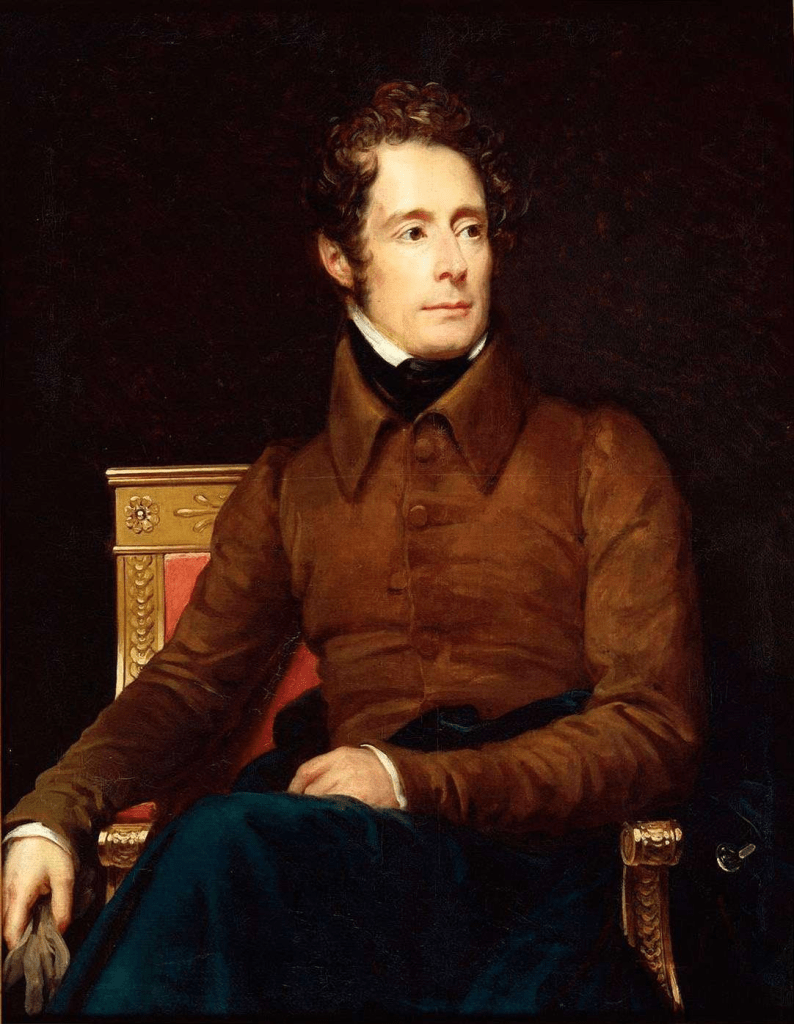
Chers lecteurs et abonnés, je suis ravie de partager la nouvelle passionnante. Cette semaine, nous avons élargi notre collection de poésie américaine, française et russe avec l’ajout de nouveaux poètes captivants et de leurs œuvres. Parmi nos derniers contributeurs se trouve le remarquable Alphonse de Lamartine (1790-1869), un auteur, poète et homme d’État français distingué qui a joué un rôle crucial dans l’établissement de la Deuxième République française et la préservation du tricolore en tant que drapeau de la France. Amplement reconnu comme le pionnier de la poésie romantique en France, Lamartine occupe une place prépondérante dans le mouvement romantique de la littérature française, et ses contributions continuent d’inspirer les lecteurs et les poètes.

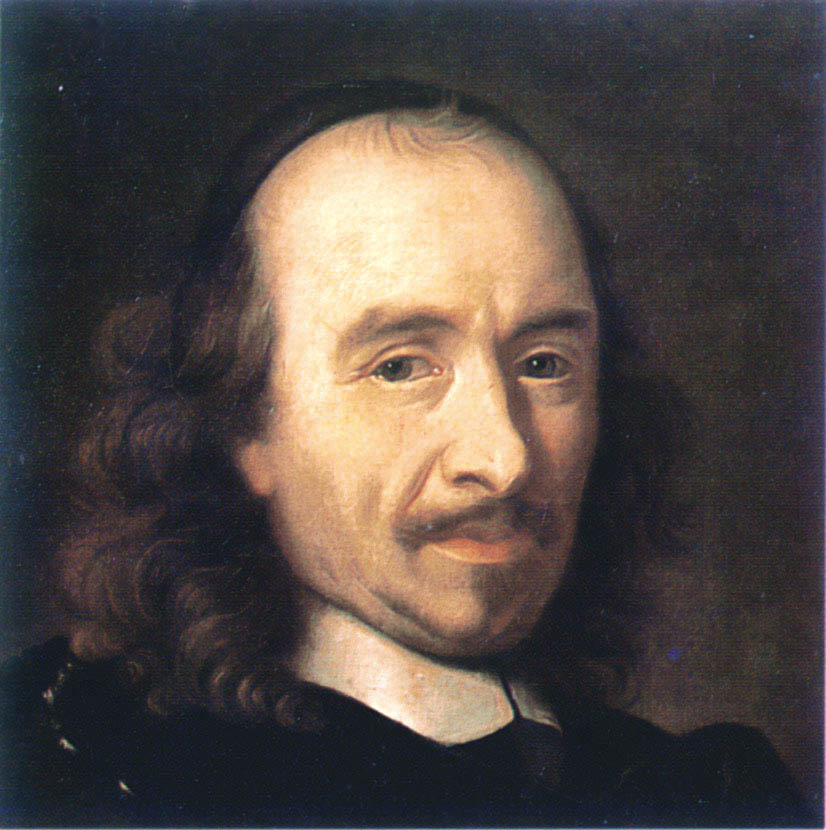
En plus de Lamartine, nous avons l’honneur d’inclure Pierre Corneille (1606-1684) dans notre collection croissante. Corneille est largement salué comme le fondateur de la tragédie française et est compté parmi les éminents dramaturges français du XVIIe siècle aux côtés de Molière et Racine. Son impact profond sur la littérature française et son héritage durable font de son ajout à notre collection de poésie un événement important.

De plus, nous accueillons Henry Van Dyke (1852-1933), une figure remarquable née à Germantown, en Pennsylvanie, aux États-Unis. La polyvalence de Van Dyke en tant qu’écrivain de nouvelles, critique, poète, essayiste, journaliste, professeur, homme d’Église et ministre a laissé une empreinte indélébile sur le monde littéraire. Ses œuvres continuent de résonner auprès de lecteurs de milieux divers, et nous sommes ravis de présenter ses contributions sur notre plateforme.

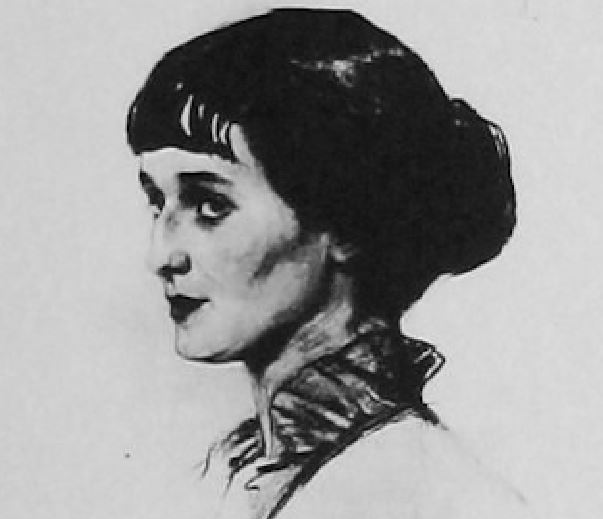
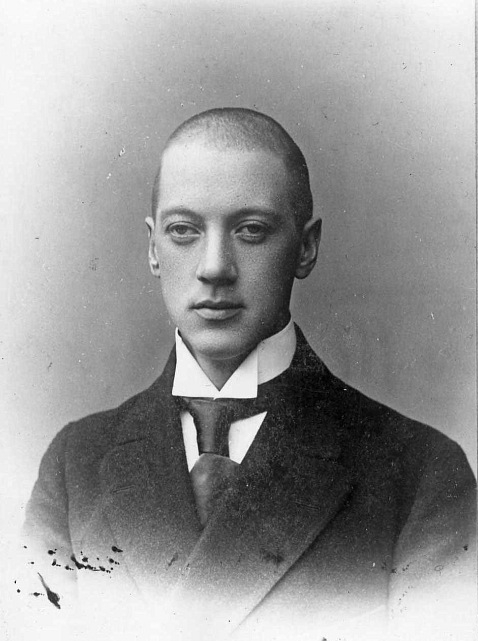
Enfin, mais certainement pas le moindre, nous avons le privilège de présenter Nikolaï Stepanovitch Goumilev (1886-1921), le premier mari d’Anna Akhmatova et un poète russe distingué de l’Âge d’Argent. L’esprit aventureux de Gumilev, sa poésie unique remplie de terres exotiques et de courageux protagonistes, ainsi que sa vie mouvementée entrelacée avec d’importantes contributions littéraires, font de lui un ajout fascinant à notre collection de poésie.

En partageant ces précieux trésors poétiques, je vise à susciter une passion pour la poésie à travers différentes langues et à honorer l’extraordinaire richesse de la littérature mondiale. Votre soutien continu et votre compagnonnage lors de ce voyage littéraire éclairant sont profondément appréciés. J’espère que ces œuvres remarquables vous apporteront une inspiration profonde et enrichiront votre appréciation de la poésie venant du monde entier. Merci de faire partie de cette expérience enrichissante.


American Poetry – Poésie Américaine – Американская поэзия


Poems by Henry Van Dyke: Dulciora, Matins, The After-Echo, The Parting and the Coming Guest, Three Alpine Sonnets

Poems by Ralph Waldo Emerson : To J.W., The Rhodora, Hamatreya, Guy, Destiny

Poems by Walt Whitman: Old Ireland, Boston Town, France, The Eighteenth Year Of These States, Europe, The Seventy-Second And Seventy-Third Years Of These States, To A Foiled Revolter Or Revoltress


Poésie Française – French Poetry – Французская поэзия


Poèmes de Pierre Corneille: À Monseigneur le cardinal de Richelieu, À Monsieur D. L. T., Madrigal pour un masque donnant une boîte de cerises confites à une damoiselle, Ode sur un prompt amour, Sonnet pour M. D. V., envoyant un galand à M. L. C. D. L. 

Poèmes d’Alphonse de Lamartine: L’isolement, L’Homme, À Elvire, Le Soir, L’Immortalité

Poèmes d’Alain-Fournier: Trois Proses, Madeleine, Le Corps De La Femme, La Partie De Plaisir, Dans Le Tout Petit Jardin


Русская поэзия – Russian Poetry – Poésie Russe


Стихи Николая Степановича Гумилёва: Молодой францисканец, Посвящение К Сборнику «Горы И Ущелья», У скалистого ущелья, Я в лес бежал из городов, Я вечернею порою над заснувшею рекою

Стихи Владимира Владимировича Маяковского: А вы могли бы? , Вывескам , Кое-что про Петербург, Театры, За женщиной 

Стихи Федора Достоевского: Абракадабра, Басня. Дым и комок, Вся в слезах негодованья…

Cette semaine, notre article portait sur la rivière Ill à Strasbourg où je vous ai proposé de faire une courte promenade en ma compagnie en images


Nous mettons beaucoup d’efforts dans la qualité des articles et traductions, soutenez-nous avec un like et un abonnement ou sponsorisez-nous si vous les aimez. Nous sommes aussi sur Facebook et Twitter


© 2024 Akirill.com – All Rights Reserved

Site Progress week of March 26, 2024

Bilingual BooksLire en FrançaisContact us

Dear Readers and subscribers, I am delighted to share the exciting news that this week, we have expanded our collection of American, French, and Russian poetry with the addition of captivating new poets and their works. Among our latest contributors is the remarkable Alphonse de Lamartine (1790-1869), a distinguished French author, poet, and statesman who played a crucial role in establishing the French Second Republic and preserving the tricolore as the flag of France. Widely regarded as the pioneer of Romantic poetry in France, Lamartine holds a prominent place in the Romantic movement in French literature, and his contributions continue to inspire readers and poets alike.

In addition to Lamartine, we are honored to include Pierre Corneille (1606-1684) in our growing collection. Corneille is widely hailed as the founder of French tragedy and is counted among the eminent 17th-century French dramatists alongside Molière and Racine. His profound impact on French literature and his enduring legacy make his addition to our poetry collection a momentous occasion.

Furthermore, we welcome Henry Van Dyke (1852-1933), a remarkable figure born in Germantown, Pennsylvania, USA. Van Dyke’s versatility as a short-story writer, critic, poet, essayist, journalist, professor, clergyman, and minister has left an indelible mark on the literary world. His works continue to resonate with readers from diverse backgrounds, and we are thrilled to introduce his contributions to our platform.

Last but certainly not least, we are privileged to introduce Nikolai Stepanovich Gumilev (1886-1921), the first husband of Anna Akhmatova and a distinguished Russian poet of the Silver Age. Gumilev’s adventurous spirit, unique poetry filled with exotic lands and brave protagonists, and his eventful life intertwined with significant literary contributions make him a fascinating addition to our poetry collection.

By sharing these diverse poetic treasures, I aim to ignite a passion for poetry across different languages and honor the extraordinary richness of world literature. Your continued support and companionship on this enlightening literary journey are deeply appreciated. I hope that these remarkable works will provide you with profound inspiration and enrich your appreciation of poetry from around the world. Thank you for being part of this enriching experience.


American Poetry – Poésie Américaine – Американская поэзия


Poems by Henry Van Dyke: Dulciora, Matins, The After-Echo, The Parting and the Coming Guest, Three Alpine Sonnets

Poems by Ralph Waldo Emerson : To J.W., The Rhodora, Hamatreya, Guy, Destiny

Poems by Walt Whitman: Old Ireland, Boston Town, France, The Eighteenth Year Of These States, Europe, The Seventy-Second And Seventy-Third Years Of These States, To A Foiled Revolter Or Revoltress


Poésie Française – French Poetry – Французская поэзия


Poèmes de Pierre Corneille: À Monseigneur le cardinal de Richelieu, À Monsieur D. L. T., Madrigal pour un masque donnant une boîte de cerises confites à une damoiselle, Ode sur un prompt amour, Sonnet pour M. D. V., envoyant un galand à M. L. C. D. L. 

Poèmes d’Alphonse de Lamartine: L’isolement, L’Homme, À Elvire, Le Soir, L’Immortalité

Poèmes d’Alain-Fournier: Trois Proses, Madeleine, Le Corps De La Femme, La Partie De Plaisir, Dans Le Tout Petit Jardin


Русская поэзия – Russian Poetry – Poésie Russe


Стихи Николая Степановича Гумилёва: Молодой францисканец, Посвящение К Сборнику «Горы И Ущелья», У скалистого ущелья, Я в лес бежал из городов, Я вечернею порою над заснувшею рекою

Стихи Владимира Владимировича Маяковского: А вы могли бы? , Вывескам , Кое-что про Петербург, Театры, За женщиной 

Стихи Федора Достоевского: Абракадабра, Басня. Дым и комок, Вся в слезах негодованья…

This week our post was about the Ill river in Strasbourg where I offered you to have a short walk with me in pictures


We put a lot of effort into the quality of the articles and translations, support us with a like and a subscription or sponsor us if you like them. We are also on Facebook and Twitter


© 2024 Akirill.com – All Rights Reserved

Progrès du Site semaine du 19 mars 2024

Livres bilinguesRead in EnglishNous contacter

Chers lecteurs et abonnés, cette semaine, j’ai continué à travailler sur nos sections de poésie américaine, française, et russe, en ajoutant de nouveaux poèmes et poètes. De plus, j’ai fait une exception et partagé une nouvelle particulièrement choquante pour moi, puisque j’habitais à proximité du pont Francis Scott Key et que j’ai des amis qui naviguent ou conduisent là-bas régulièrement.

Nos 2 nouveaux poètes qui nous inspirent par leurs contributions remarquables à la littérature sont Fiodor Sologoub et Guillaume Apollinaire.

Fiodor Sologoub est l’un des représentants les plus brillants de l’Âge d’argent et du symbolisme russe. À ce jour, sa créativité étonne par son originalité et son ambiguïté. Ses poèmes excitent l’imagination avec leurs motifs mystiques. De même, le poète français Guillaume Apollinaire est estimé comme l’un des plus grands poètes du début du XXe siècle, ainsi que comme un défenseur passionné du cubisme et un précurseur du surréalisme.

En partageant ces trésors poétiques avec vous, j’espère susciter un amour de la poésie dans des langues diverses et célébrer la richesse incroyable de la littérature mondiale. Merci de m’accompagner dans ce voyage littéraire enrichissant.

J’espère que vous trouverez quelque chose à apprécier.


American Poetry – Poésie Américaine – Американская поэзия


Poems from Natalie Clifford Barney: The Phantom Guest, Double Being, SingingOn a Picture to Music, Loves Comrades

Poems by Marianne Craig Moore: The Fish, You Are Like The Realistic Product Of An Idealistic Search For Gold At The Foot Of The Rainbow, Roses Only, Reinforcements, In This Age Of Hard Trying Nonchalance Is Good, And

Poems by Edgar A. Guest: Toys and Life, Being Dad on Christmas Eve, Little Girls, United States, When My Ship Comes In


Poésie Française – French Poetry – Французская поэзия


Poèmes de Guillaume Apollinaire: Zone, Le Pont Mirabeau, La Chanson du mal-aimé, Les Colchiques, Palais

Poèmes d’André Marie Chénier: Néère, Le Chêne De Cérès, Hercule, Érichthon, Bacchus

Poèmes d’Alphonse Daudet: Fanfaronnade, La Rêveuse, Le 1er Mai 1857. Mort D’alfred De Musset, Les Bottines, Les Cerisiers


Русская поэзия – Russian Poetry – Poésie Russe

Стихи Федора Кузьмича Сологуба: Амфора, Воды, Какие слабые цветы, Лампа моя равнодушно мне светит, Негодование

Стихи Афанасия Афанасьевича Фета: Курган, Лихорадка, Метель, Тайна, Змей

Стихи Анны Ахматовой: Кому и когда говорила, Конец демона, Конечно, мне радости мало, Копай, моя лопата, Корея в огне


Cette semaine, notre article traitait du tableau “L’inconnue” d’Ivan Nikolaïevitch Kramskoïi ainsi que de l’accident du pont Francis Scott Key à Baltimore aux États-Unis . Ce n’était pas une attaque terroriste.

Kramskoy Portrait of a Woman

Nous mettons beaucoup d’efforts dans la qualité des articles et traductions, soutenez-nous avec un like et un abonnement ou sponsorisez-nous si vous les aimez. Nous sommes aussi sur Facebook et Twitter


© 2024 Akirill.com – All Rights Reserved

Site Progress Week of March 19, 2024

Bilingual BooksLire en FrançaisContact us

Dear readers and subscribers, this week I continued to work on our American, French, and Russian poetry sections, adding more poems and poets and made an exception and shared a news particularly shocking to me since I lived close to the Francis Scott Key Bridge and have friends sailing or driving there often.

Our 2 new poets who inspire us with their remarkable contributions to literature are Fyodor Sologub and Guillaume Apollinaire.

Fyodor Sologub is one of the brightest representatives of the Silver Age and Russian symbolism. To this day, creativity amazes with its originality and ambiguity. His poems excite the imagination with their mystical motifs. Similarly, the French poet, Guillaume Apollinaire, is esteemed as one of the foremost poets of the early 20th century, as well as an impassioned defender of Cubism and a forefather of Surrealism.

In sharing these poetic treasures with you, I hope to kindle a love for poetry in diverse languages and to celebrate the incredible richness of world literature. Thank you for joining me on this enriching literary journey.

I hope you’ll find something to enjoy.


American Poetry – Poésie Américaine – Американская поэзия


Poems from Natalie Clifford Barney: The Phantom Guest, Double Being, SingingOn a Picture to Music, Loves Comrades

Poems by Marianne Craig Moore: The Fish, You Are Like The Realistic Product Of An Idealistic Search For Gold At The Foot Of The Rainbow, Roses Only, Reinforcements, In This Age Of Hard Trying Nonchalance Is Good, And

Poems by Edgar A. Guest: Toys and Life, Being Dad on Christmas Eve, Little Girls, United States, When My Ship Comes In


Poésie Française – French Poetry – Французская поэзия


Poèmes de Guillaume Apollinaire: Zone, Le Pont Mirabeau, La Chanson du mal-aimé, Les Colchiques, Palais

Poèmes d’André Marie Chénier: Néère, Le Chêne De Cérès, Hercule, Érichthon, Bacchus

Poèmes d’Alphonse Daudet: Fanfaronnade, La Rêveuse, Le 1er Mai 1857. Mort D’alfred De Musset, Les Bottines, Les Cerisiers


Русская поэзия – Russian Poetry – Poésie Russe

Стихи Федора Кузьмича Сологуба: Амфора, Воды, Какие слабые цветы, Лампа моя равнодушно мне светит, Негодование

Стихи Афанасия Афанасьевича Фета: Курган, Лихорадка, Метель, Тайна, Змей

Стихи Анны Ахматовой: Кому и когда говорила, Конец демона, Конечно, мне радости мало, Копай, моя лопата, Корея в огне


This week our article was about the painting “Portrait of an Unknown Woman” by Ivan Nikolaevich Kramskoi as well as article about the accident of the Francis Scott Key Bridge in Baltimore. It was not a terrorist attack.

Kramskoy Portrait of a Woman

We put a lot of effort into the quality of the articles and translations, support us with a like and a subscription or sponsor us if you like them. We are also on Facebook and Twitter


© 2024 Akirill.com – All Rights Reserved
Découvrez le tableau “L’inconnue” d’Ivan Nikolaïevitch Kramskoï

Livres bilinguesRead in EnglishNous contacter
Littérature américaineLittérature françaiseLittérature russe

Ivan Nikolaïevitch Kramskoï (Иван Николаевич Крамской), artiste russe de renom connu pour son travail exceptionnel au cours de la seconde moitié du XIXe siècle, est crédité de la création de nombreux portraits et toiles historiques remarquables. L’une de ses peintures remarquables, intitulée «L’Inconnue» ( Неизвестная ), a été réalisée en 1883 et se trouve dans la prestigieuse collection de la Galerie nationale Tretiakov. Cette pièce mesurant 75,5 × 99 cm est largement considérée comme l’une des œuvres les plus significatives et les plus renommées d’Ivan Kramskoï. En donnant à la toile un tel nom, l’artiste l’a enveloppée d’un air de mystère et de fascination. Idéologiquement et artistiquement, le contenu de l’image « L’Inconnue » a permis à l’artiste de produire une œuvre à cheval entre un portrait et une peinture thématique. Il convient de noter que ce portrait est souvent appelé à tort «  L’étrangère  » en raison du poème du même nom d’Alexandre Blok. 


Cette œuvre d’art extraordinaire, communément appelée « L’inconnue » ou « L’Étrangere », a fait sa première apparition à Saint-Pétersbourg en 1883 lors de la 11e exposition des Peredvizhniki, organisée à l’Académie impériale des sciences. Son introduction a eu un impact profond sur tous ceux qui ont regardé le tableau.

Cette pièce représente une femme qui défie les normes sociétales. Kramskoï illustre l’émergence d’un sens distinct de soi chez une femme de son temps. Elle regarde les autres avec confiance et directement, affichant une forte estime de soi, même si sa dignité reste méconnue des autres.


Qui est représenté sur la toile ?


Sketch from the private collection of Dusan Friedrich
Croquis de la collection privée de Dusan Friedrich

Il existe plusieurs théories concernant l’identité du sujet représenté dans le tableau « L’inconnue » d’Ivan Kramskoï, chacune soutenue par des interprétations diverses. Malgré l’absence d’explications définitives fournies par l’artiste lui-même, de nombreux historiens de l’art ont avancé diverses possibilités. Certains affirment que le tableau aurait pu être inspiré par le personnage d’« Anna Karénine » de Léon Tolstoï, tandis que d’autres proposent un lien avec le roman « L’Idiot » de Fiodor Dostoïevski.


De plus, la ressemblance du personnage représenté avec la nièce de Kramskoï ainsi qu’avec sa fille a conduit à d’autres spéculations. Cependant, l’idée selon laquelle Kramskoï représente sa propre fille d’une manière aussi controversée soulève des questions sur les intentions d’un père aimant.

Il existe une légende non confirmée suggérant que le prototype du sujet féminin du tableau était Matryona Savvishna, une paysanne de Koursk qui aurait épousé un noble nommé Bestuzhev (dont le prénom n’est pas précisé, ce qui ajoute au caractère légendaire du conte). Kramskoï l’aurait rencontrée à Saint-Pétersbourg et aurait été séduit par sa beauté. Néanmoins, dans la collection privée de Dušan Friedrich à Prague, il existe un croquis représentant la même femme, probablement de manière plus authentique.


Varvara Turkestanova

Il pourrait également s’agir de la demoiselle d’honneur de l’impératrice, une princesse géorgienne connue pour sa beauté et son intelligence, ainsi que pour son destin tragique. Son allure a captivé l’empereur Alexandre Ier et le prince Golitsyne, conduisant à des relations amoureuses avec les deux hommes. Après avoir donné naissance à une fille dont la paternité restait incertaine, Varvara Turkestanishvili ou Turkestanova s’est suicidée.

Cette histoire poignante a profondément ému Kramskoï, qui, après avoir rencontré un camée à l’effigie de Varvara, s’est senti obligé de l’immortaliser dans sa peinture.

Certains chercheurs affirment que son sujet était une jeune femme géorgienne. D’autres affirment que l’œuvre représente une femme Lezgin de Kusara.


Princesse Ekaterina Mikhaïlovna Dolgoroukova
Princesse Ekaterina Mikhaïlovna Dolgoroukova

De plus, la mention de la princesse Ekaterina Mikhaïlovna Dolgoroukova comme prototype potentiel de la femme énigmatique du tableau ajoute une autre couche de complexité. Malgré la suggestion selon laquelle Kramskoï avait l’intention de peindre son portrait, le manque de ressemblance dans les photographies existantes de la princesse remet en question cette théorie. En conséquence, l’incertitude entoure la véritable identité de la femme dans « L’inconnue », obligeant les amateurs d’art à continuer de réfléchir sur ce mystère captivant.

Composition


Kramskoï -  L'inconnue
Kramskoï – L’inconnue

Le tableau représente une jeune femme voyageant dans une calèche découverte le long de la perspective Nevski, derrière elle se trouve le palais Anitchkov et quelque part se trouve le pont Anitchkov. À sa droite se trouve le théâtre Alexandrinsky. De plus, on peut observer l’air glacial et un léger brouillard légèrement rosé, qui « adoucit » délicatement les contours des bâtiments en arrière-plan. L’artiste a habilement capturé une journée d’hiver à Saint-Pétersbourg.

Cela a provoqué une indignation généralisée car, selon les normes sociales de l’époque, il était jugé inapproprié pour une jeune femme issue d’une société respectable de voyager seule dans une calèche dans les rues. La jeune femme, pleine de charme et d’assurance, non seulement s’assoit fièrement seule dans le carrosse, mais s’y assoit confortablement, se comportant comme si elle recevait des visiteurs dans son propre salon. Son attitude semble arrogante, comme si elle affirmait sa supériorité. Un tel comportement n’était pas toléré pour les femmes de la classe supérieure, ce qui a conduit à une opposition au tableau, notamment de la part de Pavel Tretiakov.


L'inconnue - Extract Woman
L’inconnue – Extract Woman

La jeune femme assise dégage une beauté remarquable, avec des traits délicats, légèrement plus foncés, agrémentés d’un doux rougissement. Son apparence est étonnamment peu conventionnelle pour la Russie, ressemblant davantage à celle d’une femme orientale. Elle possède des traits fins et élégants, accentués par des lèvres pulpeuses et expressives, des sourcils foncés et de grands yeux noirs encadrés de cils luxueux, rappelant un personnage des contes des Mille et Une Nuits.


L'inconnue - extract woman
L’inconnue Woman- extract woman

Elle est habillée à la dernière mode des années 1880. Sa tenue vestimentaire, comprenant un manteau Skobelev orné de fourrure de zibeline et de rubans de satin bleu, ainsi que des gants et un manchon en fourrure confectionnés en cuir fin, annoncent tous ostensiblement sa richesse considérable. Ceci est encore souligné par le remarquable bracelet en or qui orne son poignet, un bijou qui vaut à lui seul une petite fortune. En résumé, la jeune femme incarne la quintessence de la mode, du style et de la beauté.

Il n’est pas surprenant que les spectateurs aient tendance à la percevoir non pas comme une femme de la haute société, mais plutôt comme la maîtresse d’un homme riche, ou simplement comme une courtisane. En effet, les aristocrates héréditaires authentiques de cette époque présentaient une apparence sensiblement différente. Dans les cercles aristocratiques de cette époque, il était d’usage d’adhérer aux valeurs traditionnelles. Les vraies femmes nobles ne pouvaient justifier des dépenses substantielles pour des vêtements somptueux, encore moins pour des bijoux. Par conséquent, un style qui distinguait les véritables membres de la classe supérieure est devenu prédominant. Ce qui était considéré comme « élégant » pour eux était la modestie, la discrétion et la retenue. Ils ont délibérément voulu rester un peu à la traîne des dernières tendances, même s’ils avaient les moyens de les acquérir. Quant aux bijoux extravagants, l’étiquette imposait qu’ils soient réduits au minimum. Afficher l’opulence était secrètement considéré comme mal élevé.


En 2013, ils ont installé cette superbe sculpture 3D d’un tableau d’Alexandre Taratynov dans la cour des écuries de Tsarskoïe Selo dans le cadre du projet « Peinture en 3D ». C’est génial n’est-ce pas ?


Nous mettons beaucoup d’efforts dans la qualité des articles et traductions, soutenez-nous avec un like et un abonnement ou sponsorisez-nous si vous les aimez. Nous sommes aussi sur Facebook et Twitter

Découvrez nos Derniers Posts


© 2024 Akirill.com – All Rights Reserved

Discover the painting “Portrait of an Unknown Woman” by Ivan Nikolaevich Kramskoi

Bilingual booksLire en FrançaisContact us
American LiteratureFrench LiteratureRussian Literature

The renowned Russian artist known for his exceptional work during the latter half of the 19th century, Ivan Kramskoi (Иван Николаевич Крамской), is credited with creating numerous remarkable portraits and historical canvases. One of his notable paintings, titled “Portrait of an Unknown Woman,” (Неизвестная) was crafted in 1883 and is housed in the esteemed collection of the State Tretyakov Gallery. This piece measuring 75.5×99 cm is widely regarded as one of Ivan Kramskoi’s most significant and renowned works. By bestowing the canvas with such a name, the artist enveloped it in an air of mystery and fascination. Ideologically and artistically, the content of the “Portrait of an Unknown Woman” image allowed the artist to produce a piece that straddled the line between a portrait and a thematic painting. It should be noted that this portrait is often mistakenly called ” Stranger ” in Russian due to the poem of the same name by Alexander Blok . In English this portrait is also called the Unknown Woman, An Unknown Lady or Stranger


The extraordinary artwork, commonly referred to as “Portrait of an Unknown Woman” or “Stranger,” made its first appearance in St. Petersburg in 1883 at the 11th exhibition of the Peredvizhniki, hosted at the Imperial Academy of Sciences. Its introduction had a profound impact on all who gazed upon the painting.

This piece depicts a woman who defies societal norms. Kramskoi illustrates the emergence of a distinct sense of self in a woman of his time. She confidently and directly gazes at others, displaying a strong sense of self-worth, even if her dignity remains unacknowledged by others.


Who is shown in the canvas?


Sketch from the private collection of Dusan Friedrich

There exist several theories concerning the identity of the subject depicted in Ivan Kramskoi’s painting “Portrait of an Unknown Woman”, each supported by diverse interpretations. Despite the absence of definitive explanations provided by the artist himself, numerous art historians have put forward various possibilities. Some argue that the painting could have been inspired by the character from Leo Tolstoy’s “Anna Karenina”, while others propose a connection to Fyodor Dostoevsky’s novel “The Idiot”.


Additionally, the resemblance of the depicted figure to Kramskoi’s niece as well as his daughter has led to further speculations. However, the notion of Kramskoi portraying his own daughter in such a controversial manner raises questions about a loving father’s intentions.

There exists an unconfirmed legend suggesting that the prototype for the female subject in the painting was Matryona Savvishna, a peasant girl from Kursk who allegedly married a nobleman named Bestuzhev (whose first name is unspecified, adding to the legendary nature of the tale). Kramskoi reportedly encountered her in St. Petersburg and was enamored by her beauty. Nonetheless, in the private collection of Dušan Friedrich in Prague, there is a sketch portraying the same woman, presumably in a more authentic manner.


Varvara Turkestanova

It could also have been the maid of honor to the Empress, a Georgian princess, who was known for her beauty and intellect, as well as her tragic fate. Her allure captivated Emperor Alexander I and Prince Golitsyn, leading to romantic entanglements with both men. After giving birth to a daughter whose paternity remained uncertain, Varvara Turkestanishvili or Turkestanova took her own life.

This poignant tale deeply moved Kramskoi, who, upon encountering a cameo bearing Varvara’s likeness, felt compelled to immortalize her in his painting.

Some scholars assert that his subject was a young Georgian woman, there are alternative claims suggesting that the artwork portrays a Lezgin woman from Kusara.


Princess Catherine Dolgorukova

Furthermore, the mention of Princess Catherine Dolgorukova as a potential prototype for the enigmatic woman in the painting adds another layer of complexity. Despite the suggestion that Kramskoi intended to paint her portrait, the lack of resemblance in existing photographs of the princess challenges this theory. As a result, uncertainty shrouds the true identity of the woman in “Portrait of an Unknown Woman”, compelling art enthusiasts to continue pondering over this captivating mystery.

Composition


Kramskoy Portrait of a Woman
Kramskoi Portrait of a Woman

The painting depicts a young woman journeying in an open carriage along Nevsky Prospect, , behind her is the Anichkov Palace, and somewhere there is the Anichkov Bridge. Positioned to her right, is the Alexandrinsky Theater. Moreover, one can observe the frosty air and a gentle, slightly pinkish fog, which delicately “softens” the outlines of the buildings in the background. The artist adeptly captured a winter day in St. Petersburg.

This caused widespread outrage as, according to the social norms of the time, it was deemed inappropriate for a young woman from respectable society to travel alone in a carriage along the streets. The young woman, exuding charm and confidence, not only sits proudly in the carriage alone but also reclines comfortably, carrying herself as if she were receiving visitors in her own salon. Her demeanor appears arrogant, as if she is asserting her superiority. Such behavior was not condoned for ladies of the upper class, leading to opposition against the painting, including from Pavel Tretyakov.


Portrait of an Unknown Woman - Extract Woman
Portrait of an Unknown Woman – Extract Woman

The young woman seated exudes remarkable beauty, with delicate, slightly darker features graced by a gentle blush. Her appearance is strikingly unconventional for Russia, resembling more closely that of an oriental woman. She possesses slender and elegant features, accentuated by luscious, expressive lips, dark eyebrows, and large black eyes framed by luxurious lashes, reminiscent of a character from the Arabian Nights tales.


Portrait of an Unknown Woman - extract woman
Portrait of an Unknown Woman- extract woman

She is dressed in the latest fashions from the 1880s. Her attire, including a Skobelev coat adorned with sable fur and blue satin ribbons, as well as gloves and a fur muff crafted from fine leather, all conspicuously announce her considerable wealth. This is further underscored by the prominent gold bracelet adorning her wrist, a piece of jewelry alone worth a small fortune. In summary, the young woman embodies the epitome of fashion, style, and beauty.

It is hardly surprising that onlookers were inclined to perceive her not as a woman of high society, but rather as the mistress of a wealthy man, or simply as a courtesan. Indeed, authentic hereditary aristocrats of that time presented a noticeably different appearance. In the aristocratic circles of that era, it was customary to adhere to traditional values. True noblewomen could not justify substantial expenditures on lavish attire, let alone on jewelry. Hence, a style that set apart genuine members of the upper class became prevalent. What was considered “stylish” for them was modesty, discretion, and restraint. They deliberately aimed to lag somewhat behind the latest trends, even if they had the means to acquire them. As for extravagant jewelry, etiquette dictated that it should be kept to a minimum. Flaunting opulence was covertly deemed ill-mannered.


In 2013, they set up this cool 3D sculpture of a painting by Alexander Taratynov in the courtyard of the Tsarskoye Selo Duty Stables as part of the “Painting in 3D” project. How awesome is that?


We put a lot of effort into the quality of the articles and translations, support us with a like and a subscription or sponsor us if you like them. We are also on Facebook and Twitter

Check out our Last Posts


© 2024 Akirill.com – All Rights Reserved
Découvrez le poème “Bonjour” par Sergueï Essénine en français avec français et russe côte à côte

Livres bilinguesRead in EnglishNous contacter
Littérature américaineLittérature françaiseLittérature russe

Chers lecteurs et abonnés, je suis ravi de partager avec vous que cette semaine, j’ai traduit un poème magnifique intitulé “Bonjour” du célèbre écrivain russe Sergueï Essenine. J’ai également inclus la magnifique peinture “Marigot de rivière dans la forêt” d’Ivan Ivanovitch Chichkine. J’espère que vous apprécierez cette belle combinaison !


Peinture “Marigot de rivière dans la forêt” par Ivan Ivanovitch Chichkine


Traduction du poème “Bonjour” par Sergueï Essénine en français avec français et russe côte à côte

С добрым утром Сергея ЕсенинаBonjour
Traduit par Akirill.com
Задремали звезды золотые,Les étoiles d’or s’assoupissaient,
Задрожало зеркало затона,Le miroir du marigot frémissait,
Брезжит свет на заводи речныеLa lumière se levait sur les marigots de la rivière
И румянит сетку небосклона.Et rosit le canevas de la voûte céleste.
Улыбнулись сонные березки,Les bouleaux endormis souriaient,
Растрепали шелковые косы.Leurs tresses de soie ébouriffées.
Читать далееContinuer la lecture

Nous mettons beaucoup d’efforts dans la qualité des articles et traductions, soutenez-nous avec un like et un abonnement ou sponsorisez-nous si vous les aimez. Nous sommes aussi sur Facebook et Twitter


< < < Fyodor Tyutchev – La Russie ne peut pas être comprise avec l’esprit (Ru/Fr) / Russia cannot be understood with the mind (Ru/Eng) / Фёдор Тютчев – Умом Россию не понять (Рус/Анг.) / (Рус/ Фра.)
Je suis un berger (Ru/Fr) / I am a shepherd / Я пастух (Рус/Анг.) / (Рус/ Фра.)  > > >


Русская литератураРусская поэзия – Все Стихи Сергея ЕсенинаУстаревшие русские слова и их значение
Littérature RussePoésie RussePoèmes par Sergueï Essénine – Mots russes obsolètes et leur signification
Russian LiteratureRussian PoetryPoems by Sergei Yesenin – Obsolete Russian Words and their meaning


Découvrez nos Derniers Posts

stamp-sergei-yesenin-1975

© 2024 Akirill.com – All Rights Reserved
Discover the poem “Good morning” by Sergei Yesenin in English with English and Russian side by side

Bilingual booksLire en FrançaisContact us
American LiteratureFrench LiteratureRussian Literature

Dear readers and subscribers, I am thrilled to share with you that this week I have translated a stunning poem titled “Good Morning” by the renowned Russian writer Sergei Yesenin. I have also included the exquisite painting “River backwater in the forest” by Ivan Ivanovich Shishkin. I hope you enjoy this beautiful combination!


Painting “River backwater in the forest” by Ivan Ivanovich Shishkin


Translation of the poem “Good morning” by Sergei Yesenin in English with English and Russian side by side

С добрым утром Сергея ЕсенинаGood morning
Translated by Akirill.com
Задремали звезды золотые,The golden stars dozed off,
Задрожало зеркало затона,The mirror of the backwater trembled,
Брезжит свет на заводи речныеThe light dawned on the river backwaters
И румянит сетку небосклона.And blushed the mesh of the sky.
Улыбнулись сонные березки,The sleepy birch trees smiled,
Растрепали шелковые косы.Their silk braids disheveled.
Читать далееContinue reading

We put a lot of effort into the quality of the articles and translations, support us with a like and a subscription or sponsor us if you like them. We are also on Facebook and Twitter


< < < Fyodor Tyutchev – La Russie ne peut pas être comprise avec l’esprit (Ru/Fr) / Russia cannot be understood with the mind (Ru/Eng) / Фёдор Тютчев – Умом Россию не понять (Рус/Анг.) / (Рус/ Фра.)
Je suis un berger (Ru/Fr) / I am a shepherd / Я пастух (Рус/Анг.) / (Рус/ Фра.)  > > >


Русская литератураРусская поэзия – Все Стихи Сергея ЕсенинаУстаревшие русские слова и их значение
Littérature RussePoésie RussePoèmes par Sergueï Essénine – Mots russes obsolètes et leur signification
Russian LiteratureRussian PoetryPoems by Sergei Yesenin – Obsolete Russian Words and their meaning


Check out our Last Posts

stamp-sergei-yesenin-1975

© 2024 Akirill.com – All Rights Reserved

Progrès du Site semaine du 5 mars 2024

Livres bilinguesRead in EnglishNous contacter

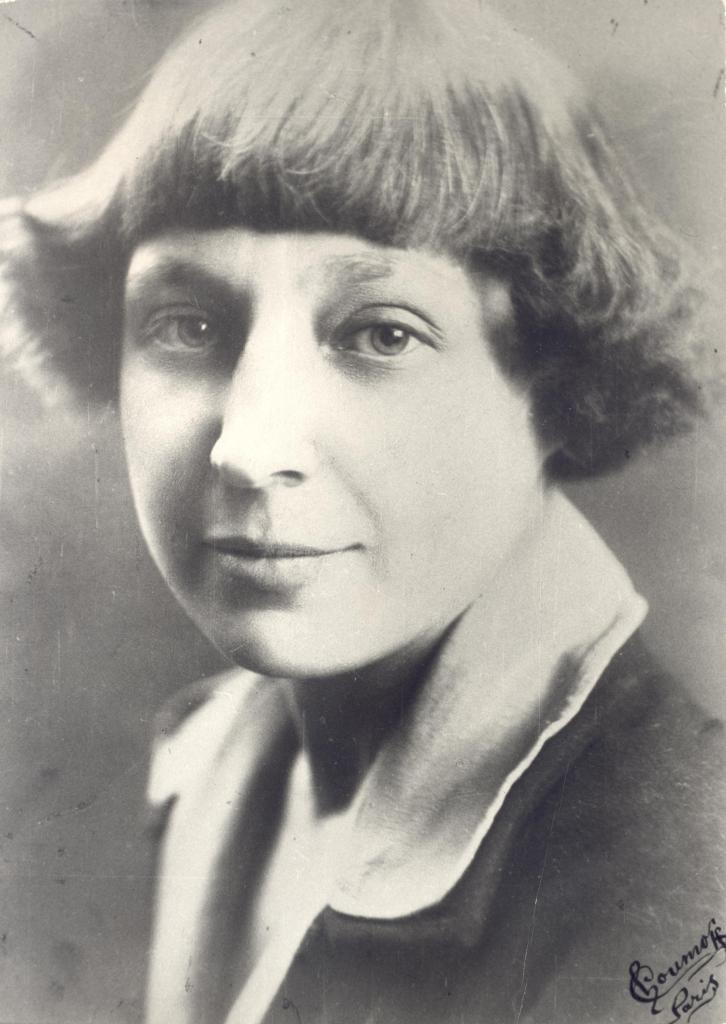
Chers lecteurs et abonnés, cette semaine, j’ai ajouté plus de poèmes à nos pages de poésie américaine, française et russe. J’ai inclus deux nouveaux poètes. Le premier est Stéphane Mallarmé, pseudonyme d’Étienne Mallarmé. Il était un célèbre poète et critique français, notoire en tant que figure de proue du mouvement symboliste français. Ses œuvres littéraires ont préfiguré et motivé plusieurs mouvements artistiques révolutionnaires du début du 20e siècle, dont le cubisme, le futurisme, le dadaïsme et le surréalisme. La seconde, Marina Ivanovna Tsvetaeva, était une poétesse russe de l’Âge d’Argent, écrivaine en prose et traductrice. Elle est apparue comme l’une des poétesses russes les plus originales du 20e siècle, distincte de tout mouvement littéraire spécifique, laissant pourtant une empreinte profonde sur la littérature du 20e siècle.

Chaque image est cliquable et vous emmène directement à la page de poésie correspondante. Comme d’habitude, j’ai ajouté la liste des nouveaux poèmes pour chaque auteur. Je suis sûr que vous trouverez quelque chose qui vous plaira.


Commençons par nos poètes américains:

Poems by Claude McKay: The Easter Flower, To One Coming North, America, Alfonso, Dressing To Wait At Table, The Tropics In New York

Poems by Henry David Thoreau: The Aurora Of Guido, Sympathy, Friendship, True Kindness, To The Maiden In The East

Poems by Ralph Waldo Emerson: Uriel, The World-Soul, The Sphinx, Alphonso of Castile, Mithridates


Nous allons poursuivre avec nos poètes français :

Poèmes de Stéphane Mallarmé: Mignonne, Mon cher papa, Rêve antique, Si tu veux nous nous aimerons, Soupir

 Poèmes d’Alain-Fournier: Premières Brumes De Septembre, Et Maintenant Que C’est La Pluie…, Dans Le Chemin Qui S’enfonce…, Sur la nacelle, Tristesses d’été

Poèmes de Pierre Jules Théophile Gautier: Le Marais, Sonnet I, Serment, Les Souhaits, Le Luxembourg


Et comme d’habitude, nous finirons avec nos poètes russes :

Стихи Марины Ивановны Цветаевой: Мирок, Жертвам школьных сумерек,  В зале, Лесное царство,  Встреча

Стихи Федора Достоевского: Не разбойничай, Федул…, 1879, Эпиграмма на баварского полковника, Описывать всё сплошь одних попов, Крах конторы Баймакова, Дорого стоят детишки

 Стихи Анны Ахматовой: Когда человек умирает, Когда я называю по привычке, Кого когда-то называли люди, Кое-как удалось разлучиться, Колыбельная


Cette semaine, notre article était “Découvrez la peinture « Au-dessus de la paix éternelle » d’Isaac Levitan“. “Au-dessus de la paix éternelle” d’Isaac Levitan est une magnifique et probablement la plus célèbre peinture du célèbre artiste russe Isaac Levitan, datant de l’année 1894, qui représente un “renversement géant de l’espace aquatique du lac”, les étendues infinies ressemblant à une rivière étendue. Au-dessus du lac se trouve “une vaste étendue de ciel avec des nuages tourbillonnants qui entrent en collision les uns avec les autres”. Il ne s’agit pas d’un paysage lyrique ordinaire, pour lequel Levitan est renommé, mais plutôt d’une grande épopée, où le passé converge avec l’avenir, le ciel se dresse au-dessus de la terre, et le temps s’étire vers l’éternité. …

Over eternal peace . 1894

Nous mettons beaucoup d’efforts dans la qualité des articles et traductions, soutenez-nous avec un like et un abonnement ou sponsorisez-nous si vous les aimez. Nous sommes aussi sur Facebook et Twitter


© 2024 Akirill.com – All Rights Reserved