Read “Autumn” by Alexander Pushkin bilingual Russian/English with short analysis

Bilingual booksLire en FrançaisContact us
American LiteratureFrench LiteratureRussian Literature

< < < Ange (Ru/Fr) / Angel (Ru/Eng) / Ангел (Рус/Анг.) / (Рус/ Фра.)
Cerisier (Ru/Fr) / Cherry Tree (Ru/Eng) / Вишня (Рус/Анг.) / (Рус/ Фра.) > > >


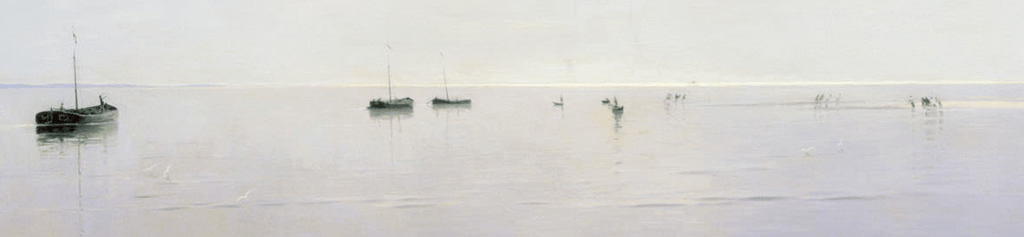
Alexander Pushkin, whose favorite season was the fall, wrote the poem “Autumn” during his stay in Boldino, in 1833. This is one of the most beautiful poems dedicated to autumn in all Russian literature and the description of the autumn in this poem is an artistic model for the entire Russian poetic society. With this poem Alexander Pushkin reaches the height of his talent in the use of expressive means. 

In the poem “Autumn”, Pushkin depicts all the seasons, but as he lists the advantages of winter, spring, and summer he focuses on their shortcomings. 

fall

Having made a general overview, Pushkin, as a contrast, proceeds to a specific description of the beautiful autumn season. 

While describing the state of the lyrical hero Pushkin claims that only in the fall does true inspiration come to him, which is unusual since usually for poets, spring is considered the time of new hopes, and the awakening of creative forces. 

In the last line the poetic work is represented by a ship ready to sail and the rhetorical question “Where can we go?” which means a complete freedom in the work of the poet with an infinite number of themes and images …

Александр Пушкин — Осень: СтихAlexander Pushkin – Autumn: Verse
Translated by Akirill.com
01/17/2023
I
Октябрь уж наступил — уж роща отряхает
I
October has already arrived – the grove is already shaking off
Последние листы с нагих своих ветвей;Their final leaves from naked branches;
Дохнул осенний хлад — дорога промерзает.A breath of autumn chill – the road begins to freeze,
Журча еще бежит за мельницу ручей,The murmuring brook still flows behind the mill,
Но пруд уже застыл; сосед мой поспешаетThe pond however, is frozen; and my neighbor is in a hurry
В отъезжие поля с охотою своей,On the hunting grounds,
И страждут озими от бешеной забавы,The winter wheat will suffer from this wild pleasure,
И будит лай собак уснувшие дубравы.And baying hounds awake the slumbering groves.
II
Теперь моя пора: я не люблю весны;
II
This is my time: I am not fond of spring;
Скучна мне оттепель; вонь, грязь — весной я болен;The tiresome thaw, the stench, the mud – spring sickens me.
Кровь бродит; чувства, ум тоскою стеснены.The blood wanders; 
the feelings, the spirit are constrained by melancholy.
Суровою зимой я более доволен,With cruel winter I am more satisfied,
Люблю ее снега; в присутствии луныI love its snow; when in the moonlight
Как легкий бег саней с подругой быстр и волен,Like a sleigh ride swift and carefree with a friend.
Когда под соболем, согрета и свежа,Who, warm and rosy ‘neath a sable mantle,
Она вам руку жмет, пылая и дрожа!She shakes your hand, radiant and trembling!
III
Как весело, обув железом острым ноги,
III
What fun it is, with feet in sharp steel shod,
Скользить по зеркалу стоячих, ровных рек!To skim the mirror of the smooth and solid streams!
А зимних праздников блестящие тревоги?..And the awesome anxieties of the winter holidays? ..
Но надо знать и честь; полгода снег да снег,But you must also know honor; 
six months of snow, yes snow,
Ведь это наконец и жителю берлоги,
Медведю, надоест. Нельзя же целый век
Кататься нам в санях с Армидами младыми
For half the year will even bore a bear
Deep in his den. We cannot ride for ages,
In sleighs with youthful nymphs
Иль киснуть у печей за стеклами двойными.Or sulk around the stove behind storm windows.
IV
Ох, лето красное! любил бы я тебя,
IV
O, summer fair! I would have loved you, too,
Когда б не зной, да пыль, да комары, да мухи.Except for heat and dust and gnats and flies.
Ты, все душевные способности губя,You ruin all our spiritual abilities,
Нас мучишь; как поля, мы страждем от засухи;Torment us; and like fields, we suffer from the drought;
Лишь как бы напоить, да освежить себя —To take a drink, refresh ourselves somehow –
Иной в нас мысли нет, и жаль зимы старухи,We think of nothing else, and it’s a pity for the old woman’s winter,
И, проводив ее блинами и вином,And, accompanying her with pancakes and wine,
Поминки ей творим мороженым и льдом.We hold a vigil to honor her with ice-cream and with ice.
V
Дни поздней осени бранят обыкновенно,
V
The latter days of fall are often cursed,
Но мне она мила, читатель дорогой,But as for me, kind reader, she is precious
Красою тихою, блистающей смиренно.In all her quiet beauty, mellow glow.
Так нелюбимое дитя в семье роднойLike a child so unloved in his birth family
К себе меня влечет. Сказать вам откровенно,She draws me to her. 
To tell you honestly,
Из годовых времен я рад лишь ей одной,Of all the times of year, I cherish her alone.
В ней много доброго; любовник не тщеславный,She’s full of worth; and I, a humble lover,
Я нечто в ней нашел мечтою своенравной.Have found in her peculiar charms.
VI
Как это объяснить? Мне нравится она,
VI
How can this be explained? I favor her
Как, вероятно, вам чахоточная деваAs you might one day find yourself attracted
Порою нравится. На смерть осуждена,To a consumptive maid. Condemned to death,
Бедняжка клонится без ропота, без гнева.The poor child languishes without complaint or anger.
Улыбка на устах увянувших видна;A smile plays upon her withering lips;
Могильной пропасти она не слышит зева;She cannot sense as yet the gaping maw of death;
Играет на лице еще багровый цвет.A crimson glow still flits across her face.
Она жива еще сегодня, завтра нет.Today she lives, tomorrow she is gone.
VII
Унылая пора! очей очарованье!
VII
A melancholy time! So charming to the eye!
Приятна мне твоя прощальная краса —Your beauty in its parting pleases me –
Люблю я пышное природы увяданье,I love the lavish withering of nature,
В багрец и в золото одетые леса,The gold and scarlet raiment of the woods,
В их сенях ветра шум и свежее дыханье,The crisp wind rustling o’er their threshold,
И мглой волнистою покрыты небеса,The sky engulfed by tides of rippled gloom,
И редкий солнца луч, и первые морозы,The sun’s scarce rays, approaching frosts,
И отдаленные седой зимы угрозы.And gray-haired winter threatening from afar.
VIII
И с каждой осенью я расцветаю вновь;
VIII
When autumn comes, I bloom anew;
Здоровью моему полезен русской холод;The Russian frost does wonders for my health;
К привычкам бытия вновь чувствую любовь:Anew I fall in love with life’s routine:
Чредой слетает сон, чредой находит голод;Successively the sleep flies away, the hunger is found;
Легко и радостно играет в сердце кровь,The blood flows free and easy in my heart,
Желания кипят — я снова счастлив, молод,Abrim with passion; once again, I’m happy, young,
Я снова жизни полн — таков мой организмI’m full of life – such is my organism
(Извольте мне простить ненужный прозаизм).(Excuse me for this awful prosaism)
IX
Ведут ко мне коня; в раздолии открытом,
IX
My horse is brought to me; in open field,
Махая гривою, он всадника несет,With flying mane, he carries fast his rider,
И звонко под его блистающим копытомAnd with his shining hooves he hammers out a song
Звенит промерзлый дол и трескается лед.Upon the frozen, ringing vale, and crackling ice.
Но гаснет краткий день, и в камельке забытом
Огонь опять горит — то яркий свет лиет,
But fleeting day dies out, new fire comes alive
Inside the long-forgotten stove– it blazes bright,
То тлеет медленно — а я пред ним читаюThen slowly smoulders – as I read before it,
Иль думы долгие в душе моей питаю.Or nourish long and heartfelt thoughts.
X
И забываю мир — и в сладкой тишине
X
And I forget the world – and in silence sweet,
Я сладко усыплен моим воображеньем,I’m gently lulled by my imagination,
И пробуждается поэзия во мне:And poetry awakens deep inside:
Душа стесняется лирическим волненьем,My heart is churned with lyric agitation,
Трепещет и звучит, и ищет, как во сне,It trembles, moans, and strives, as if in dream,
Излиться наконец свободным проявленьем —To pour out in the end a free statement-
И тут ко мне идет незримый рой гостей,And here they come – a ghostly swarm of guests,
Знакомцы давние, плоды мечты моей.My long-lost friends, the fruits of all my dream.
XI
И мысли в голове волнуются в отваге,
XI
My mind is overcome by dashing thoughts,
И рифмы легкие навстречу им бегут,And rhymes come running eagerly to meet them,
И пальцы просятся к перу, перо к бумаге,My hand demands a pen; the pen – a sheet of paper.
Минута — и стихи свободно потекут.Another minute – and my verse will freely flow.
Так дремлет недвижим корабль в недвижной влаге,Thus slumbers an immobile ship caught in immobile waters,
Но чу! — матросы вдруг кидаются, ползутBut lo! – the sailors rush all of a sudden, crawl
Вверх, вниз — и паруса надулись, ветра полны;Up top, then down – sails billow, filled with wind;
Громада двинулась и рассекает волны.The massive structure moves, and cuts the waves.
XII
Плывет. Куда ж нам плыть?
. . . . . . . . . . . .
. . . . . . . . . . . .
XII
It sails. But where are we sailing?…
Год: 1833Year 1833

I hope you enjoy this poem as much as I did


< < < Ange (Ru/Fr) / Angel (Ru/Eng) / Ангел (Рус/Анг.) / (Рус/ Фра.)
Cerisier (Ru/Fr) / Cherry Tree (Ru/Eng) / Вишня (Рус/Анг.) / (Рус/ Фра.) > > >

If you liked this article, subscribe , put likes, write comments!
Share on social networks
Check out Our Latest Posts

Progrès du Site semaine du 12 Janvier 2023

Livres bilinguesRead in EnglishNous contactez

Cette semaine, j’ai continué à travailler dans la section des enfants russes. J’ai posté de nombreux contes de fées de Valentin Kataev , Andrey Platonov , Eduard Uspensky , Yuri Olesha , tous en russe.

Le derniers article était :Lisez la biographie de Vasily Grigorievich Perov et regardez toutes ses peintures

J’espère que vous trouverez quelque chose à apprécier

Si vous avez aimé cet article, n’oubliez pas de liker et de partager.

Abonnez-vous pour ne rien rater
Visitez nos derniers articles

Site Progress Week of January 12, 2023

Bilingual BooksLire en Français Contact us

This week I continued to work in the Russian children section. I posted many fairy tales from Valentin Kataev , Andrey Platonov , Eduard Uspensky , Yuri Olesha, all in Russian.

The last article was : Read the biography of Vasily Grigorievich Perov and watch all his paintings

I hope you’ll find something to enjoy

If you liked this article, don’t forget to like and share.
Subscribe to not miss anything
Visit our latest posts

Lisez la biographie de Vasily Grigorievich Perov et regardez toutes ses peintures

Livres bilinguesRead in EnglishContact us
Nous contacter
Littérature américaineLittérature françaiseLittérature russe

Vasily Perov était un grand artiste russe du XIXe siècle, dont les œuvres ont ouvert de nouveaux horizons à l’art russe. Ses peintures sont profondes et complexes, et démontrent toute la vérité sur la dure vie du peuple. Vasily était aussi un grand professeur qui a élevé plus d’une douzaine de très grands peintres. Regardez toutes ses peintures dans un diaporama et appréciez sa biographie.

  • paintings of Vasily Grigorevich Perov
  • Self-portrait. 1851
  • Portrait of N. G. Kridener, the artist's brother. 1856
  • The arrival of the police officer for the investigation. 1857
  • Wanderer. 1859
  • Scene at the grave. 1859
  • First rank. 1860
  • Portrait of an unknown. 1860s
  • Portrait of E. E. Perova. OK. 1860
  • Village procession at Easter - 1861
  • Burglary on Easter night. 1861
  • Sermon in the village -1861
  • Village procession at Easter. 1862
  • Amateur - 1862
  • Portrait of I. M. Pryanishnikov. Around 1862
  • Courtship of an official to the daughter of a tailor - 1862
  • Tea drinking in Mytishchi, near Moscow - 1862
  • Organ grinder - 1863
  • Funeral in a poor quarter of Paris. 1863
  • Street musicians in Paris. 1863
  • Parisian festivities. 1863
  • A holiday in the vicinity of Paris. Sketch. 1864
  • Holiday in the vicinity of Paris (On Montmartre). (Unfinished) 1863-64
  • Seller of songbooks. (Unfinished) 1863-64
  • Parisian festivities. The interior of the booth during the presentation 1863-1864
  • Parisian organ grinder. 1864
  • Blind musician. 1864
  • A boy with raised hands, addressing the public - 1864
  • Orphans in the cemetery. 1864
  • Parisian rag-pickers. 1864
  • Savoyard. 1864
  • Songbook seller. 1864
  • Holiday near Paris. 1864.
  • last-journey-1865
  • Guitarist-bobyl. 1865
  • Boy - artisan. 1865
  • Next at the pool. 1865
  • Janitor giving an apartment to a mistress - 1865
  • Meal. 1865
  • Meal 1865 -1976
  • troika-apprentice-workmen-carrying-water-1866
  • A boy preparing for a fight - 1866
  • Clean Monday. 1866
  • The arrival of a governess in a merchant's house. 1866
  • Arrival of a governess to a merchant's house
  • Conversation at the round table. 1866
  • On a pilgrimage. 1867
  • In the loan office. 1867
  • Christ and the Mother of God at the sea of ​​life. 1867
  • Drawing teacher - 1867
  • Drowned Woman - 1867
  • On the railroad. 1868
  • Fomushka-owl. 1868
  • Janitor - self-taught. 1868
  • Market in Moscow. 1868
  • Portrait of N. F. Rezanov. 1868
  • Portrait of F. I. Rezanova. 1868
  • Portrait of F. F. Rezanov. 1868
  • The division of the inheritance in the monastery (Death of a monk). Pencil drawing. 1868
  • The last tavern at the outpost. 1868
  • Old Man - 1868
  • Portrait of the writer A. F. Pisemsky. 1869
  • Portrait of V.V. Bezsonova (1826-1887) - 1869
  • Portrait of N. P. Lanin. 1869
  • Wanderer. 1869
  • Portrait of A. A. Borisovsky. 1869
  • Girl with a jug. 1869
  • bird-catcher by Perov - 1870
  • Sleeping children. 1870
  • Portrait of Nikolai Grigorievich Rubinstein. 1870
  • To the Trinity-Sergius - 1870
  • Portrait of Anton Grigorievich Rubinstein. 1870
  • On the eve of the bachelorette party. Seeing the bride from the bath - 1870
  • Portrait of Avdotya Kuznetsova. 1870
  • Wanderer - 1870
  • Self-portrait. 1870
  • Arrival of a college girl to a blind father 1870
  • Portrait of an unknown. 1870
  • Grandfather and granddaughters. 1871
  • fisherman-1871
  • hunters-at-rest-1871
  • Portrait of A.N. Ostrovsky (1823-1886) -1871
  • Conversation of students with a monk. 1871
  • Portrait Dostoevsky 1872
  • Portrait of A.N. Maikov (1821-1897) - 1872
  • Portrait of V.I. Dahl (1801-1872) - 1872
  • Portrait of I.S. Kamynin (1808-1874) - 1872
  • Portrait of the writer Sergei Timofeevich Aksakov. 1872
  • Portrait of the historian Mikhail Petrovich Pogodin (1800-1875) - 1872
  • Portrait of the writer Ivan Sergeevich Turgenev. 1872
  • Portrait of the composer P. S. Campioni. 1872
  • Cossack. 1873
  • Traveler. 1873
  • Holy fool, surrounded by wanderers. 1872
  • Head of a Kirghiz - a convict. 1873
  • Fedot and Arina. 1873
  • Evening on Great Saturday. 1873
  • Portrait of the merchant S. T. Kuznetsov. 1873
  • Gogol wird von den Gestalten seiner Werke zu Grabe getragen. 1873
  • Inveterate. 1873
  • Sad father. 1873-74
  • Scouts near Sevastopol. 1874
  • pigeon-fancier-1874
  • Reception of a wanderer. 1874
  • The return of the reapers from the field in the Ryazan province. 1874
  • Joyful father. 1874
  • The old man. Fragm. variant k. Old people - parents at the grave of their son. 1874
  • Old parents at the grave of their son - 1874
  • Botanist. 1874
  • Gossip Girl. 1875
  • Pugachev's Court. 1875
  • Portrait of Anna Ivanovna Sergeeva, nee. Sheina. 1875
  • Peasant in the field. 1876
  • Portrait of Pyotr Ivanovich Nikolaev, Chairman of the Vladimir Zemstvo Council. 1876
  • Portrait of N. A. Kasatkin. 1876
  • Portrait of A. I. Kridener, born. Ivanova, the artist's mother. 1876
  • fishing 1878
  • Blind. 1878
  • A janitor who gives an apartment to a mistress. 1878
  • Mother with a sick child. 1878
  • Portrait of A.K. Savrasov (1830-1897) - 1878
  • Christ in the Garden of Gethsemane. 1878
  • Executed Pugachevites. Rice. pencil and pen. 1878
  • Pugachev's Court - 1879
  • Fishermen. (Priest, deacon and seminarian). 1879
  • Wanderer in the field. 1879
  • From the station. 1879
  • Blessed. 1879
  • On the traction. Pencil drawing. 1879
  • The return of the peasants from the funeral in winter. Beginning 1880s
  • The old man on the bench. 1880s
  • Walkers - petitioners. 1880
  • The first Christians in Kiev. 1880
  • Modern idyll. 1880
  • Lament of Yaroslavna. 1881
  • Dispute about faith. 1881
  • The old man on the bench 1881
  • The last tavern at the outpost
  • Before the tonsure
  • Boar hunting
  • Descent from the Cross. Canvas
  • Girl
  • Melting Snow Maiden
  • Organ grinders
  • Portrait of an old woman
  • Portrait of the sculptor V. S. Brovsky.
  • Pugachev's Court
  • The arrival of a rural teacher
  • Pilgrim

Liste des Peintures de Vasily Perov en français dans l’ordre du diaporama

Vasily Grigoryevich Perov est né entre le 21 et le 23 décembre 1833 (2 ou 4 janvier 1834) et est le fils illégitime du baron Georgy (Grigory) Karlovich Kridener et d’AI Ivanova. 

Même si ses parents se sont mariés peu de temps après sa naissance, Vasily n’avait pas droit au nom et au titre de son père. Et son surnom “Perov”, qui est son nom de famille, lui a été donné par son professeur de literacy pour sa diligence et son écriture habile.

Dans son enfance, Vasily était malade de la variole, ce qui lui a causé une mauvaise vue pour le reste de sa vie. 

Il s’est intéressé à la peinture après avoir observé le travail d’un artiste et est allé étudier à l’école d’art Arzamas d’AV Stupin. Mais parce qu’il était si bon qu’il a été autorisé à peindre avec des peintures à l’huile avant les autres élèves, puis malheureusement à cause d’une dispute avec un autre élève, il n’a pas terminé l’école.

Il est rentré chez lui et a commencé à créer la composition « Crucifixion » écrite tout au long du Carême et achevée la Semaine Sainte puis placée dans une église située près du village de Nikolskoye. 

Il a également peint un certain nombre de portraits et de tableaux de genre : « Un mendiant qui mendie », « Troïka du village », « Festival folklorique dans la Semik ».

En 1853, Vasily Perov est entré à l’école de peinture, de sculpture et d’architecture de Moscou et a obtenu son diplôme universitaire sous la direction de SK Zaryanko.

Perov a présenté le “Portrait de Nikolai Grigoryevich Kridener, le frère de l’artiste” à l’Académie impériale des arts et a reçu une petite médaille d’argent en 1856.

Portrait of Nikolai Grigorievich Rubinstein. 1870

Ce travail était encore étroitement lié aux traditions de l’art du début du XIXe siècle, mais déjà dans les travaux suivant, Perov agissait comme un innovateur. 

En 1857, le tableau “Arrivée d’un policier pour enquête” rapporte à l’artiste une grande médaille d’argent et attire l’attention du public et des critiques.

The arrival of the police officer for the investigation. 1857

En 1860, Perov reçut à nouveau une petite médaille d’or pour le tableau «Premier rang. fils de sacristain, promu greffier collégial », qui érigea l’artiste en héritier du genre satirique des années 1840. 

Maintenant, il pouvait participer au concours pour une grande médaille d’or, et peint “Sermon dans le village” et “Procession religieuse rurale à Pâques”. Il reçu une grande médaille d’or en 1867 et le droit de voyager à l’étranger comme pensionnaire pour le premier tableau.

Sermon in the village -1861

En 1862, Perov épousa Elena Edmondovna Sheins et ils partirent à l’étranger alors qu’il était lui-même pensionnaire à l’Académie des Arts.

En 1863-1864, Perov a vécu et travaillé à Paris, mais il voulait rentrer chez lui et après avoir reçu l’autorisation de l’Académie pour un retour anticipé qui comprenait la poursuite de l’internat en Russie, il est retourné à Moscou.

Vasily Perov s’est installé dans la maison de l’oncle de sa femme, F.F. Rezanov à Moscou et n’a jamais quitté la ville.

Alors qu’il était encore à l’étranger, Perov a conçu un grand tableau avec une intrigue de la vie monastique, avec ces peintures, une nouvelle étape dans le travail de l’artiste a commencé: d’une direction satirique, il est passé à des histoires plus dramatiques – sur «l’humiliation et l’offense.

En 1869, Vasily Perov et Myasoedov ​​créent l’Association des expositions d’art itinérantes (TPKhV). Vasily, qui a été membre du conseil d’administration pendant 7 ans, a organisé un groupe de Wanderers à Moscou. 

En 1870, il a obtenu le titre de professeur de l’Académie des Arts grâce aux tableaux “Vagabond” et “Attrape-Oiseaux”, et reçoit le premier prix de l’OPH pour le tableau “L’Homme-Oiseau”.

bird-catcher by Perov - 1870
bird-catcher by Perov – 1870

Dans les années 1970, les histoires de la vie quotidienne occupent une place particulière dans l’œuvre de Perov. Puis en 1871, Vasily est nommé professeur à l’École de peinture et d’art de Moscou.

En 1871-1872, Perov, commandé par le Premier ministre Tretiakov, a exécuté un certain nombre de portraits d’écrivains et de scientifiques russes. Perov a atteint une telle «vérité» dans certains portraits, ce qui dans l’art russe n’a été atteint que par IE Repin et VA Serov .

Perov a épousé Elizaveta Egorovna Druganova en 1872.

En 1873, ses tableaux “Pêcheur” et “Chasseurs au repos” sont présentés à l’Exposition universelle de Vienne.

fisherman-1871
fisherman-1871

En 1877, Perov a quitté les membres du TPHV et a participé à l’exposition de l’Exposition universelle de Paris un an plus tard.

Au cours des dernières années de sa vie, VG Perov a collaboré avec la revue ” Priroda i Okhota ” de LP Sabaneev et un certain nombre de ses histoires ont été publiées dans le Art Journal qui a été publié en 1881-1887.

Sa santé se détériora à cause du typhus et d’une pneumonie en 1881 et Vasily Perov mourut de consomption, à l’âge de 49 ans, dans un petit hôpital de Golitsyn près de Moscou.

Perov a été enterré au cimetière du monastère, du monastère de Danilov où une pierre tombale lugubre en forme de croix sur le Golgotha ​​​​a été érigée sur sa tombe.

Plus tard, ses cendres ont été réenterrées au cimetière du monastère du monastère de Donskoy, et sur la nouvelle tombe de l’artiste, un monument a été érigé par le sculpteur Alexei Evgenievich Yeletsky.


J’espère que cet article vous a plu

Lisez l’article: Découvrez le tableau “Troïka” de Vasily Perov

Si vous avez aimé cet article, abonnez-vous, mettez des likes, écrivez des commentaires !

Partager sur les réseaux sociaux

Découvrez nos derniers posts

Read the biography of Vasily Grigorievich Perov and watch all his paintings

Bilingual booksLire en FrançaisContact us
American LiteratureFrench LiteratureRussian Literature

Vasily Perov was a great Russian artist of the 19th century, whose work opened up new horizons for Russian art . His paintings are deep and complex, and demonstrate the whole truth of the hard life of the people. Vasily was also a great teacher who brought up more than a dozen really great painters. Watch all his paintings in a slide show and enjoy his biography.

  • paintings of Vasily Grigorevich Perov
  • Self-portrait. 1851
  • Portrait of N. G. Kridener, the artist's brother. 1856
  • The arrival of the police officer for the investigation. 1857
  • Wanderer. 1859
  • Scene at the grave. 1859
  • First rank. 1860
  • Portrait of an unknown. 1860s
  • Portrait of E. E. Perova. OK. 1860
  • Village procession at Easter - 1861
  • Burglary on Easter night. 1861
  • Sermon in the village -1861
  • Village procession at Easter. 1862
  • Amateur - 1862
  • Portrait of I. M. Pryanishnikov. Around 1862
  • Courtship of an official to the daughter of a tailor - 1862
  • Tea drinking in Mytishchi, near Moscow - 1862
  • Organ grinder - 1863
  • Funeral in a poor quarter of Paris. 1863
  • Street musicians in Paris. 1863
  • Parisian festivities. 1863
  • A holiday in the vicinity of Paris. Sketch. 1864
  • Holiday in the vicinity of Paris (On Montmartre). (Unfinished) 1863-64
  • Seller of songbooks. (Unfinished) 1863-64
  • Parisian festivities. The interior of the booth during the presentation 1863-1864
  • Parisian organ grinder. 1864
  • Blind musician. 1864
  • A boy with raised hands, addressing the public - 1864
  • Orphans in the cemetery. 1864
  • Parisian rag-pickers. 1864
  • Savoyard. 1864
  • Songbook seller. 1864
  • Holiday near Paris. 1864.
  • last-journey-1865
  • Guitarist-bobyl. 1865
  • Boy - artisan. 1865
  • Next at the pool. 1865
  • Janitor giving an apartment to a mistress - 1865
  • Meal. 1865
  • Meal 1865 -1976
  • troika-apprentice-workmen-carrying-water-1866
  • A boy preparing for a fight - 1866
  • Clean Monday. 1866
  • The arrival of a governess in a merchant's house. 1866
  • Arrival of a governess to a merchant's house
  • Conversation at the round table. 1866
  • On a pilgrimage. 1867
  • In the loan office. 1867
  • Christ and the Mother of God at the sea of ​​life. 1867
  • Drawing teacher - 1867
  • Drowned Woman - 1867
  • On the railroad. 1868
  • Fomushka-owl. 1868
  • Janitor - self-taught. 1868
  • Market in Moscow. 1868
  • Portrait of N. F. Rezanov. 1868
  • Portrait of F. I. Rezanova. 1868
  • Portrait of F. F. Rezanov. 1868
  • The division of the inheritance in the monastery (Death of a monk). Pencil drawing. 1868
  • The last tavern at the outpost. 1868
  • Old Man - 1868
  • Portrait of the writer A. F. Pisemsky. 1869
  • Portrait of V.V. Bezsonova (1826-1887) - 1869
  • Portrait of N. P. Lanin. 1869
  • Wanderer. 1869
  • Portrait of A. A. Borisovsky. 1869
  • Girl with a jug. 1869
  • bird-catcher by Perov - 1870
  • Sleeping children. 1870
  • Portrait of Nikolai Grigorievich Rubinstein. 1870
  • To the Trinity-Sergius - 1870
  • Portrait of Anton Grigorievich Rubinstein. 1870
  • On the eve of the bachelorette party. Seeing the bride from the bath - 1870
  • Portrait of Avdotya Kuznetsova. 1870
  • Wanderer - 1870
  • Self-portrait. 1870
  • Arrival of a college girl to a blind father 1870
  • Portrait of an unknown. 1870
  • Grandfather and granddaughters. 1871
  • fisherman-1871
  • hunters-at-rest-1871
  • Portrait of A.N. Ostrovsky (1823-1886) -1871
  • Conversation of students with a monk. 1871
  • Portrait Dostoevsky 1872
  • Portrait of A.N. Maikov (1821-1897) - 1872
  • Portrait of V.I. Dahl (1801-1872) - 1872
  • Portrait of I.S. Kamynin (1808-1874) - 1872
  • Portrait of the writer Sergei Timofeevich Aksakov. 1872
  • Portrait of the historian Mikhail Petrovich Pogodin (1800-1875) - 1872
  • Portrait of the writer Ivan Sergeevich Turgenev. 1872
  • Portrait of the composer P. S. Campioni. 1872
  • Cossack. 1873
  • Traveler. 1873
  • Holy fool, surrounded by wanderers. 1872
  • Head of a Kirghiz - a convict. 1873
  • Fedot and Arina. 1873
  • Evening on Great Saturday. 1873
  • Portrait of the merchant S. T. Kuznetsov. 1873
  • Gogol wird von den Gestalten seiner Werke zu Grabe getragen. 1873
  • Inveterate. 1873
  • Sad father. 1873-74
  • Scouts near Sevastopol. 1874
  • pigeon-fancier-1874
  • Reception of a wanderer. 1874
  • The return of the reapers from the field in the Ryazan province. 1874
  • Joyful father. 1874
  • The old man. Fragm. variant k. Old people - parents at the grave of their son. 1874
  • Old parents at the grave of their son - 1874
  • Botanist. 1874
  • Gossip Girl. 1875
  • Pugachev's Court. 1875
  • Portrait of Anna Ivanovna Sergeeva, nee. Sheina. 1875
  • Peasant in the field. 1876
  • Portrait of Pyotr Ivanovich Nikolaev, Chairman of the Vladimir Zemstvo Council. 1876
  • Portrait of N. A. Kasatkin. 1876
  • Portrait of A. I. Kridener, born. Ivanova, the artist's mother. 1876
  • fishing 1878
  • Blind. 1878
  • A janitor who gives an apartment to a mistress. 1878
  • Mother with a sick child. 1878
  • Portrait of A.K. Savrasov (1830-1897) - 1878
  • Christ in the Garden of Gethsemane. 1878
  • Executed Pugachevites. Rice. pencil and pen. 1878
  • Pugachev's Court - 1879
  • Fishermen. (Priest, deacon and seminarian). 1879
  • Wanderer in the field. 1879
  • From the station. 1879
  • Blessed. 1879
  • On the traction. Pencil drawing. 1879
  • The return of the peasants from the funeral in winter. Beginning 1880s
  • The old man on the bench. 1880s
  • Walkers - petitioners. 1880
  • The first Christians in Kiev. 1880
  • Modern idyll. 1880
  • Lament of Yaroslavna. 1881
  • Dispute about faith. 1881
  • The old man on the bench 1881
  • The last tavern at the outpost
  • Before the tonsure
  • Boar hunting
  • Descent from the Cross. Canvas
  • Girl
  • Melting Snow Maiden
  • Organ grinders
  • Portrait of an old woman
  • Portrait of the sculptor V. S. Brovsky.
  • Pugachev's Court
  • The arrival of a rural teacher
  • Pilgrim

List of Perov’s painting in the same order as the slide show

Vasily Grigoryevich Perov was born between December 21 and 23, 1833 (January 2 or 4, 1834) and is the illegitimate son of Baron Georgy (Grigory) Karlovich Kridener , and A. I. Ivanova. 

Even though his parents got married shortly after his birth, Vasily did not have the right to his father’s surname and title. And his nickname “Perov” which is his surname, was given to him by his literacy teacher for diligence and skillful writing.

In his childhood Vasily was ill with smallpox, which caused him to have poor eyesight for the rest of his life. 

He became interested in painting after watching the work of an artist and went to study at the Arzamas art school of A. V. Stupin.
But because he was so good he was allow to paint with oil paints before the other students, then sadly because of a dispute with another student, he didn’t finish school.

He went back home and began creating the composition ” Crucifixion ” written throughout Lent and completed on Holy Week then placed in a church located near the village of Nikolskoye. 

He also painted a number of portraits and genre paintings: “A Beggar Begging”, ” Village Troika “, “Folk Festival in the Semik”.

In 1853, Vasily Perov entered the Moscow School of Painting, Sculpture and Architecture and graduated from college under the guidance of S.K. Zaryanko .

Perov presented the “Portrait of Nikolai Grigoryevich Kridener, the artist’s brother” to the Imperial Academy of Arts, and was awarded a small silver medal in 1856.

Portrait of Nikolai Grigorievich Rubinstein. 1870

This work was still closely connected with the traditions of art of the early 19th century, but already in subsequent works Perov acted as an innovator. 

In 1857, the painting “Arrival of a police officer for investigation” brought the artist a large silver medal, and attracted the attention of the public and critics.

The arrival of the police officer for the investigation. 1857

In 1860, Perov was again awarded a small gold medal for the painting “First rank. The son of a sexton, promoted to collegiate registrars”, which established the artist as the heir to the satirical genre of the 1840s. 

Now he could participate in the competition for a large gold medal, and painted “Sermon in the village” and “Rural religious procession at Easter”. He received a large gold medal in 1867 and the right to travel abroad as a boarder for the first painting.

Sermon in the village -1861

In 1862, Perov married Elena Edmondovna Sheins and they went abroad while he was himself a boarder at the Academy of Arts.

In 1863-1864 Perov lived and worked in Paris, but he wanted to go back home and having received permission from the Academy for an early return which included the continuation of boarding in Russia, he returned to Moscow.

Vasily Perov settled in the house of his wife’s uncle, F.F. Rezanov in Moscow and never left the city.

While still abroad, Perov conceived a large painting with a plot from monastic life, with these paintings, a new stage in the artist’s work began: from a satirical direction, he moved on to more dramatic stories – about “humiliated and offended.

In 1869, Vasily Perov and Myasoedov ​​created the Association of Traveling Art Exhibitions (TPKhV). Vasily who was a board member for 7 years organized a Moscow group of Wanderers. 

In 1870 he was awarded the title of professor by the Academy of Arts thanks to the paintings “Wanderer” and “Birdcatcher”, and received the first prize of the OPH for the painting “The Birdman”.

bird-catcher by Perov - 1870
bird-catcher by Perov – 1870

In the 1970s, everyday life stories occupied a special place in Perov’s work.  Then in 1871, Vasily was appointed teacher of the Moscow School of Painting and Art.

In 1871-1872 Perov, commissioned by P. M. Tretyakov, executed a number of portraits of Russian writers and scientists. Perov achieved such “truthfulness” in some portraits, which in Russian art was noted only by I. E. Repin and V. A. Serov .

Perov married Elizaveta Egorovna Druganova in 1872.

In 1873, his paintings “Fisherman” and “Hunters at rest” were presented at the World Exhibition in Vienna.

fisherman-1871
fisherman-1871

In 1877, Perov left the members of the TPHV and participated in the exposition of the World Exhibition in Paris a year later.

In the last years of his life, V. G. Perov collaborated with the journal ” Priroda i Okhota ” by L. P. Sabaneev  and a number of his stories were published in the Art Journal  which was published in 1881-1887.

His health was undermined by typhus and pneumonia in 1881 and Vasily Perov died of consumption , at the age of 49, in a small Golitsyn hospital near Moscow.

Perov was buried at the monastery cemetery in the Danilov Monastery where a mournful tombstone in the form of a cross on Golgotha ​​was erected on his grave.

Later his ashes were reburied at the monastery cemetery in the Donskoy Monastery, and on the new grave of the artist, a monument was erected by the sculptor Alexei Evgenievich Yeletsky.

I hope you enjoyed this article

Read : Discover the painting “Troika” by Vasily Perov

If you liked this article, subscribe , put likes, write comments!
Share on social networks
Check out Our Latest Posts


© 2023 Akirill.com – All Rights Reserved

Progrès du Site semaine du 5 Janvier 2023

Livres bilinguesRead in EnglishNous contactez

Ces dernières semaines, j’ai continué à travailler dans la section des enfants. Principalement en français et en russe. Mais j’ai posté Les Contes de Charles Perrault (illustré) et Le Petit Prince d’Antoine de Saint-Exupéry (illustré) en anglais.

En français j’ai posté Contes populaires français , Les Contes de Mme De Beaumont , Les Contes de Charles Perrault (illustrés), Les Contes de Marie-Catherine Baronne d’Aulnoy , Les Contes d’Alphonse Daudet , Les Contes de Guy de Maupassant et Le Petit Prince par Antoine de Saint-Exupéry (illustré)

En russe, j’ai posté Les contes de fées et des histoires d’Alexey Tolstoï , Les contes de fées et des histoires de Grigory Oster , Les Contes de Charles Perrault (illustrés) et Tom Sawyer de Marc Twain , Le Petit Prince par Antoine de Saint-Exupéry (illustré)

Et je suis sûr que j’en ai oublié quelques-uns…

Les derniers articles étaient : Que savez-vous de « Casse-Noisette » ? , Bonne année avec un poème d’Helen Hunt Jackson , un autre poème “Courage” d’Anna Akhmatova avec le texte original et traduit , et le poème Evening Angel d’
Ivan Bunin également traduit

J’espère que vous trouverez quelque chose à apprécier

Si vous avez aimé cet article, n’oubliez pas de liker et de partager.

Abonnez-vous pour ne rien rater
Visitez nos derniers articles

Site Progress Week of January 5, 2023

Bilingual BooksLire en Français Contact us

These last weeks I continued to work in the children section. Mostly in French and Russian. But I posted The Fairy Tales of Charles Perrault (illustrated) and The Little Prince by Antoine de Saint-Exupéry (illustrated) in English.

In French I posted French Folk Tales, The Tales of Mme De Beaumont, The Tales of Charles Perrault (illustrated), The Tales of Marie-Catherine Baronne d’Aulnoy, The Tales of Alphonse Daudet, The Tales of Guy de Maupassant et The Little Prince by Antoine of Saint-Exupéry (illustrated)

In Russian I posted fairy tales and stories by Alexey Tolstoy, fairy tales and stories by Grigory Oster, The Tales of Charles Perrault (illustrated), and Tom Sawyer from Marc Twain, Le Petit Prince par Antoine de Saint-Exupéry (illustré)

And I am sure I forgot some…

The last articles were: What do you know about “The Nutcracker”?, Happy New Year with a poem from Helen Hunt Jackson, another poem “Courage” by Anna Akhmatova with original text and translated, and the poem Evening Angel by
Ivan Bunin also translated

I hope you’ll find something to enjoy

If you liked this article, don’t forget to like and share.
Subscribe to not miss anything
Visit our latest posts

Счастливого Рождества со стихотворением “Вечерний ангел”, переведенным на английский

Bilingual booksLire en FrançaisContact us
American LiteratureFrench LiteratureRussian Literature

< < < Alexandre Blok – “Scythes” (Ru/Fr) / Scythians (Ru/Eng) / Александр Блок – Скифы (Рус/Анг.) / (Рус/ Фра.)
Mikhail Lermontov – Prière (Ru/Fr) / Prayer (Ru/Eng) / Михаил Лермонтов – Молитва (Рус/Анг.) / (Рус/ Фра.) > > >

Я желаю вам всем счастливого Рождества со стихотворением “Вечерний ангел”, переведенным на английский

Вечерний ангел
Иван Бунин
evening angel
Ivan Bunin
В вечерний час над степью мирной,


Когда закат над ней сиял,

Среди небес, стезей эфирной,

Вечерний ангел пролетал,
In the evening hour over the peaceful steppe,

When the sunset shone over it,

Among the heavens, the ethereal paths,

The evening angel flew,
Он видел сумрак предзакатный,

Уже седел вдали восток…


И вдруг услышал он невнятный

Во ржах ребенка голосок.
He saw the dusk before sunset,

Already settles away to the east …

And suddenly he heard an indistinct

voice In the whinning of a child.
Он шел, колосья собирая

И васильки, и пел в тиши,

И были в песне звуки рая


Невинной, неземной души.
He walked, collecting ears of corn

And cornflowers, and sang in silence,

And there were sounds of paradise in the song

An innocent, unearthly soul.
«Дитя,- сказал посланник Бога,

И грусть и радость затая,-

Куда ведет твоя дорога,

И где сложилась песнь твоя?»
“Child,” said the messenger of God,

And sadness and joy are hidden, “

Where does your road lead,

And where did your song take shape?”
Ребенка взор был чист и светел,

Но он в смущении стоял.

«Не знаю…» — робко он ответил.

«Благослови меньшого брата,-
The child’s gaze was clear and bright,

But he stood in confusion.

“I don’t know…” he answered timidly.

“Bless the little brother,”
Сказал Господь,- благослови

Младенца в тихий час заката

На путь и правды и любви!»

И осенил дитя с улыбкой
The Lord said, – bless the

Child in the quiet hour of sunset

On the path of truth and love!

And overshadowed the child with a smile
Вечерний ангел,- развернул

Свои воскрылья в сумрак зыбкий

И на закате потонул.

И как алтарь весенней ночи,
Evening angel – unfolded

His wings in the unsteady dusk

And drowned at sunset.

And like an altar of spring night,
Заря сияла в вышине,

И долго молодые очи

Ей любовались в тишине.

И в созерцании впервые
The dawn shone in the sky,

And for a long time young eyes

admired it in silence.

And in contemplation for the first time
Дитя познало красоту,

Лелея грезы золотые

И чистой радости мечту.
A child has known beauty,

Cherishing golden dreams

And a dream of pure joy.

< < < Alexandre Blok – “Scythes” (Ru/Fr) / Scythians (Ru/Eng) / Александр Блок – Скифы (Рус/Анг.) / (Рус/ Фра.)
Mikhail Lermontov – Prière (Ru/Fr) / Prayer (Ru/Eng) / Михаил Лермонтов – Молитва (Рус/Анг.) / (Рус/ Фра.) > > >

If you liked this article, subscribe , put likes, write comments!
Share on social networks
Check out Our Latest Posts


© 2023 Akirill.com – All Rights Reserved

Счастливого Рождества со стихотворением “Вечерний ангел”, переведенным на французский язык

Livres bilinguesRead in EnglishNous contacter
Littérature américaineLittérature françaiseLittérature russe

< < < Alexandre Blok – “Scythes” (Ru/Fr) / Scythians (Ru/Eng) / Александр Блок – Скифы (Рус/Анг.) / (Рус/ Фра.)
Mikhail Lermontov – Prière (Ru/Fr) / Prayer (Ru/Eng) / Михаил Лермонтов – Молитва (Рус/Анг.) / (Рус/ Фра.) > > >


Я желаю вам всем счастливого Рождества со стихотворением “Вечерний ангел”, переведенным на французский

Вечерний ангел
Иван Бунин
Ange du Soir
Ivan Bounine
В вечерний час над степью мирной,


Когда закат над ней сиял,

Среди небес, стезей эфирной,

Вечерний ангел пролетал,
A l’heure du soir sur la paisible steppe,

Quand le coucher du soleil brillait dessus,

Parmi les cieux, les chemins éthérés,

L’ange du soir volait,
Он видел сумрак предзакатный,

Уже седел вдали восток…


И вдруг услышал он невнятный

Во ржах ребенка голосок.
Il vit le crépuscule avant le coucher du soleil,

Déjà s’installe à l’est…

Et soudain il entendit une
voix indistincte

Le gémissement d’un enfant.
Он шел, колосья собирая

И васильки, и пел в тиши,

И были в песне звуки рая


Невинной, неземной души.
Il marchait, ramassant des épis de maïs

Et des bleuets, et chantait en silence,

Et il y avait des sons de paradis dans la chanson

Une âme innocente et surnaturelle.
«Дитя,- сказал посланник Бога,

И грусть и радость затая,-

Куда ведет твоя дорога,

И где сложилась песнь твоя?»
“Enfant,” dit le messager de Dieu,

Et la tristesse et la joie sont cachées, “

Où mène ta route,

Et où ta chanson a-t-elle pris forme?”
Ребенка взор был чист и светел,

Но он в смущении стоял.

«Не знаю…» — робко он ответил.

«Благослови меньшого брата,-
Le regard de l’enfant était clair et brillant,

Mais il se tenait dans la confusion.

« Je ne sais pas… » répondit-il timidement.

“Bénissez le petit frère,”
Сказал Господь,- благослови

Младенца в тихий час заката

На путь и правды и любви!»

И осенил дитя с улыбкой
Le Seigneur a dit : – bénis 

l’Enfant à l’heure tranquille du coucher du soleil

Sur le chemin de la vérité et de l’amour !

Et a couvert l’enfant d’un sourire
Вечерний ангел,- развернул

Свои воскрылья в сумрак зыбкий

И на закате потонул.

И как алтарь весенней ночи,
L’Ange du soir – a déployé

ses ailes dans le crépuscule instable

Et s’est noyé dans le coucher du soleil.

Et comme un autel de nuit de printemps,
Заря сияла в вышине,

И долго молодые очи

Ей любовались в тишине.

И в созерцании впервые
L’aube brillait dans le ciel,

Et longtemps de jeunes yeux

l’admirèrent en silence.

Et en contemplation pour la première fois
Дитя познало красоту,

Лелея грезы золотые

И чистой радости мечту.
Un enfant a connu la beauté,

Chérissant des rêves d’or

Et un rêve de pure joie.

< < < Alexandre Blok – “Scythes” (Ru/Fr) / Scythians (Ru/Eng) / Александр Блок – Скифы (Рус/Анг.) / (Рус/ Фра.)
Mikhail Lermontov – Prière (Ru/Fr) / Prayer (Ru/Eng) / Михаил Лермонтов – Молитва (Рус/Анг.) / (Рус/ Фра.) > > >

Si vous avez aimé cet article, abonnez-vous, mettez des likes, écrivez des commentaires !

Partager sur les réseaux sociaux

Découvrez nos derniers posts

Lisez “Courage” d’Anna Akhmatova avec le texte original et traduit

Livres bilinguesRead in EnglishNous contacter
Littérature américaineLittérature françaiseLittérature russe

J’ai appris a vivre simplement, sagement (Ru/Fr) / I have learned to live simply, wisely (Ru/Eng) / Я научилась просто мудро жить (Рус/Анг.) / (Рус/ Фра.) > > >


Ce poème écrit pendant la Grande Guerre patriotique par A. Akhmatova parle autant d’aujourd’hui que de cette période. “Courage” parle de la nécessité de préserver la culture et la langue russe et, je pense que ses paroles sont importantes pour nous tous, ainsi que pour nos différentes cultures et langues.

Analyse du poème “Courage” d’Akhmatova

A. Akhmatova a eu une vie très difficile et a été directement témoin de nombreux tournants dans l’histoire russe. Elle n’a pas accepté la révolution mais a refusé de quitter son pays. Son travail n’a pas été reconnu par le gouvernement soviétique et a fait l’objet de vives critiques. 

Lors de l’évacuation, en raison de la Grande Guerre patriotique, Akhmatova a commencé à travailler à la création du cycle patriotique «Vents de Guerre», qui comprend le poème «Courage» en 1941.

Dans ce poème, elle souligne que la privation physique et la souffrance ne sont rien comparées à la perte du patrimoine culturel que les nazis ont cherché à détruire en comprenant leur importance. 

Elle pensait que les écrivains et les poètes devaient préserver la « Parole Russe » et « Les Grands Mots Russe » et les transmettre aux générations futures, peu importe ce qu’ils devaient endurer.

Elle était convaincue que la riche culture russe devrait aider le peuple à survivre. Cela avait été prouvé maintes et maintes fois dans le passé et se répéterait certainement à l’avenir, comme c’est le cas maintenant. 

Pour elle, la grandeur d’un pays n’était pas déterminée par le niveau de son développement économique ou politique, mais par la présence d’une puissance spirituelle particulière. Cette force, renforcée par le courage du peuple, est le fondement puissant du peuple, qui ne peut être écrasé.

Анна Ахматова — Мужество: СтихAnna Akhmatova – Courage : versets
Мы знаем, что ныне лежит на весах
И что совершается ныне.
Час мужества пробил на наших часах,
И мужество нас не покинет.
Nous savons ce qui est maintenant sur la balance
et ce qui se passe maintenant.
L’heure du courage a sonné à nos montres,
Et le courage ne nous quittera pas.
Не страшно под пулями мертвыми лечь,
Не горько остаться без крова,
И мы сохраним тебя, русская речь,
Великое русское слово.
Ce n’est pas effrayant de se coucher mort sous les balles,
Ce n’est pas amer de rester sans abri,
Et nous te sauverons, langue russe,
Grand mot russe.
Свободным и чистым тебя пронесем,

И внукам дадим, и от плена спасем


Навеки.
Nous vous transporterons libres et purs,

Et nous vous donnerons à nos petits-enfants, et vous sauverons de la captivité


Pour toujours.

J’espère que ce poème vous a plu


J’ai appris a vivre simplement, sagement (Ru/Fr) / I have learned to live simply, wisely (Ru/Eng) / Я научилась просто мудро жить (Рус/Анг.) / (Рус/ Фра.) > > >

If you liked this article, subscribe , put likes, write comments!

Si vous avez aimé cet article, abonnez-vous, mettez des likes, écrivez des commentaires !
Share on social networks
Partager sur les réseaux sociaux
Check out Our Latest Posts
Découvrez nos derniers messages