Discover the painting “Over Eternal Peace” by Isaac Levitan

Bilingual booksLire en FrançaisContact us
American LiteratureFrench LiteratureRussian Literature

Over Eternal Peace” (Над вечным покоем) is a magnificent and probably the most famous painting by renowned Russian artist Isaac Levitan, originating from the year 1894 which depicts a “giant reversal of the lake’s water space”, the endless expanses of which resemble a wide-spread river. Above the lake is “a majestic expanse of sky with swirling clouds colliding with each other”. This is no ordinary lyrical landscape, for which Levitan is renowned, but rather a grand epic, where the past converges with the future, the sky looms over the earth, and time stretches towards eternity.

This masterpiece is housed in the esteemed State Tretyakov Gallery and boasts dimensions of 150 × 206 cm. First unveiled at the 22nd exhibition of the Association of Traveling Art Exhibitions in St. Petersburg, it captured the attention of art connoisseurs and was swiftly acquired by Pavel Tretyakov even before the exhibition officially commenced. Some art experts view this painting, in conjunction with “By the Pool” and “Vladimirka” from 1892, as part of a compelling trilogy by Levitan. Critics have lauded the piece as a genuinely captivating landscape portrayal, praising it as one of the artist’s most evocative and vibrant works.

Over eternal peace . 1894

History of the painting

There are different interesting stories about the painting and the church that inspired the artist. Sofia Kuvshinnikova’s memoirs suggest that the painting “Over Eternal Peace” was based on a church near Lake Udomlya, although the actual church was different from the one depicted.

Researchers propose that the artist used a sketch of the Peter and Paul Church in Plyos as a reference. This church burned down in 1903 and was replaced by the Resurrection Church from the village of Bilyukovo.

Another version suggests that the inspiration came from an old wooden church near Lake Ostrovno, as described in the memoirs of the artist Vitold Byalynitsky-Birulya. Some sources speculate that the “oval island” depicted could be the island of Arzhanik or Dvinovo on Lake Udomlya.

The book “Artists in the Udomelsky Territory” presents yet another version, suggesting that the painting was inspired by the village of Ostrovno and the Ushakov estate.

Art critic Alexey Fedorov-Davydov describes the canvas “Over Eternal Peace” as a portrayal of a motif from one lake applied to another similar one, with Lake Udomlya serving as the foundation of the composition.

Fedorov-Davydov emphasizes the level of synthesis of the real view into a pictorial landscape image as the true measure of composition in Levitan’s paintings.

The painting “Over Eternal Peace” blossomed during the summer of 1893 when Isaac Levitan resided in the Tver province. Alongside the artist Sofia Kuvshinnikova, he found inspiration at the Ushakovs’ Ostrovno estate near Lake Ostrovno, where they received a warm welcome and ideal conditions for their creative endeavors. They also savored moments at the Garusovo estate near Lake Udomlya, which later became the subject of Levitan’s masterpiece “At the Lake.”


On the lake. Oil on canvas, 109 × 163  cm , 1893
At the lake. Oil on canvas, 109 × 163 cm , 1893

Levitan sketched and diligently worked on the canvas in Moscow, culminating in the completion of the painting in early 1894, proudly signing it in the lower left corner as “And Levitan 94.” (И Левитанъ 94)

Sketches

The State Tretyakov Gallery proudly holds two original graphic sketches for the renowned painting “Over Eternal Peace.” These captivating drawings, created in 1893 under the title “Before the Storm,” were meticulously crafted with graphite pencil on a single sheet of paper.

Initial sketches-variants of the painting-  Over Eternal Peace, 1893
Initial sketches-variants of the painting- Over Eternal Peace, 1893

Levitan skillfully captures the anticipation in nature as a thunderstorm approaches. According to E. A. Byalynitskaya-Birulya, these drawings portray the picturesque landscape of Lake Ostrovno with the Trinity Church nestled along the shore. While working on the painting, Levitan also produced several evocative pictorial sketches, including “Cloudy Sky,” “Sky,” and “Lake.”


In the summer of 1893, Levitan composed the poignant pastel “Forgotten,” depicting “an abandoned cemetery located on a slope with rickety crosses,” a motif later incorporated into the painting. In 1898, this remarkable sketch was displayed in St. Petersburg and acquired by Pavel Tretyakov. Furthermore, among the preparatory materials utilized by the artist is the enchanting sketch “Wooden Church in Plyos at the last rays of the sun,” penned in 1888, which Levitan drew inspiration from to portray the church in the painting “Above Eternal Peace.”

Over Eternal Peace - large sketch, 1893
Over Eternal Peace – large sketch, 1893

Description

Fedorov-Davydov noticed the clear structure and the balanced asymmetry in the picture, giving valuable insights into the artist’s choices and the overall visual harmony of the piece. The interaction of the main parts and various details, like the cape, island, water, and clouds, highlights the careful craftsmanship and compositional skill behind the artwork, making the viewer appreciate its complexity and beauty even more.

The artist used different painting techniques to create a sense of space and power in the composition. When depicting distant scenes, Levitan used extreme simplification of shapes and colors, which was new for him. The painting techniques varied throughout the artwork, emphasizing the heaviness of the stormy sky and conveying the movement of the clouds. Different techniques were also used to depict water, the distant bank, and the foreground hill. Despite the variety of techniques, the painting still effectively conveys the natural impressions it’s based on.

The painting “Over Eternal Peace” richly portrays a captivating scene that captures the imagination with its intricate details and evocative imagery. It immerses the viewer in a world that is at once tranquil and haunting, with the artist’s meticulous attention to detail bringing each element to life. The description of the lake as experiencing a “giant reversal of the water space” conjures a sense of awe, particularly as the endless expanse resembles a wide-spread river, inviting contemplation of the forces of nature at play.

The artist ponders the world from a lofty perspective, observing a grand panorama of natural elements unfolding before their gaze.

Over  Eternal Peace - extract sky
Over Eternal Peace – extract sky

Above the lake, the depiction of a vast expanse of sky with swirling, colliding clouds adds a captivating layer to the composition. The divided image of the sky, with a darker, cloudy realm at the bottom and a lighter, more ethereal expanse at the top, creates a compelling contrast, further enriching the visual narrative. The elements surrounding the cliff emanate power. It feels as though the graveyard will vanish in the next moment, the church will scatter across the world… Destruction appears imminent.

Over  Eternal Peace - Extract Island
Over Eternal Peace – Extract Island

In the distance, a deserted island comes into view, seemingly drifting away from the cliff with remarkable speed. It appears as though the island carries with it the souls of the departed, drawing in the remnants of the human spirit and the memories of those who have passed on. This sight serves as a poignant reminder of the insignificance, transience, and perceived lack of meaning in human life.

Over  Eternal Peace - extract-church and- cemetery
Over Eternal Peace – extract-church and- cemetery

As the viewer’s gaze wanders to the background, a headland is revealed, on the elevated bank of which an old church stands.

A storm looms on the horizon – evident in the ominous, leaden sky and powerful gusts of wind. Near the temple, the trees lean under the force of the hurricane wind. The fading hues of the sunset are ablaze in the sky, yet the light is veiled by dense, unusually lifelike clouds. It appears as though the hurricane will lay waste to the fragile church, topple the crosses in the cemetery, and level the graves to the earth.

In an impressive manner, the small dome of the church withstands the full force of the elements. It points directly upward, and its color, blending with the metallic tones of the sky, conveys a sense of steadfastness and resilience.

The artist, even in this piece, infused it with optimistic undertones. Only unwavering faith can help an individual find peace and confidence in their aspirations and the purpose of their life. However, this hopeful message is subtly woven into the painting. Only the most discerning viewers can perceive in this subtle detail the true essence of this iconic work of art.

Over Eternal Peace - Extract cemetery
Over Eternal Peace – Extract cemetery

The presence of a somber rural cemetery to the left of the church adds a poignant touch, with the neglected graves and dilapidated surroundings evoking a sense of melancholy and the passage of time. The careful attention to detail in rendering these elements is evident, as the artist pays special attention to the composition of the cemetery and the church on the hill, infusing them with a profound sense of significance and history.

Art critic Alexei Fedorov-Davydov’s insightful commentary further enhances the depth of the painting, as he eloquently describes the fragile cape with the church and cemetery as if it were the bow of a ship venturing into an unknown distance.

Over Eternal Peace - extract church
Over Eternal Peace – extract church

The symbolism of the light in the church window as a witness to human life, indestructibility, and quiet submission is particularly striking and adds yet another layer of meaning to the composition.


Over Above Eternal Peace on a 2006 Russian postage stamp
Over Eternal Peace on a 2006 Russian postage stamp

We put a lot of effort into the quality of the articles and translations, support us with a like and a subscription or sponsor us if you like them. We are also on Facebook and Twitter

Check out our Last Posts
Découvrez nos Derniers Posts


© 2024 Akirill.com – All Rights Reserved

Поздравляю С 8 Марта

Livres bilinguesRead in EnglishNous contacter
Littérature américaineLittérature françaiseLittérature russe


Peinture “La Tempête” par Ivan Konstantinovitch Aïvazovski

The tempest - 1851
The tempest – 1851

Traduction du poème “Un feu bleu a balayé” par Sergueï Essénine en français avec français et russe côte à côte


Заметался пожар голубой Сергея ЕсенинаUn feu bleu a balayé,
Traduit par Akirill.com
Dec 18, 2023
Как умеет любить хулиган Comme un voyou est capable d’aimer
Заметался пожар голубой,Un feu bleu a balayé,
Позабылись родимые дали.Les terres natales oubliées.
В первый раз я запел про любовь,Pour la première fois, j’ai chanté l’amour,
В первый раз отрекаюсь скандалить.Pour la première fois je renonce à me quereller.
Был я весь — как запущенный сад,J’étais entièrement comme un jardin négligé,
Был на женщин и зелие падкий.
(J’étais avide de femmes et de potions.)
J’étais avide de femmes et de liqueurs.
Разонравилось пить и плясатьJ’ai cessé d’aimer boire et danser
Читать далееContinuer la lecture

Nous mettons beaucoup d’efforts dans la qualité des articles et traductions, soutenez-nous avec un like et un abonnement ou sponsorisez-nous si vous les aimez. Nous sommes aussi sur Facebook et Twitter

Découvrez nos Derniers Posts


© 2023 Akirill.com – All Rights Reserved

Happy Women’s day with the poem “A blue fire swept away” by Sergei Yesenin in English

Bilingual booksLire en FrançaisContact us
American LiteratureFrench LiteratureRussian Literature

On this special day, we want to extend our heartfelt greetings to all the women. It is your strength, love, courage, and wisdom that makes our world a better place. Wishing you an exceptional and glorious Women’s Day, filled with joy, happiness, and lots of special surprises.

Happy Women’s Day to all of you! Thank you for being you.

In line with this spirit of celebration, I have translated a captivating poem titled “A blue fire swept away” by Sergei Yesenin from the 1920s. This poem delves into the theme of a passionate awakening, acknowledging past mistakes, and the profound commitment to dedicate oneself entirely to a beloved, never losing sight of their presence. It is a beautiful expression of love and devotion.

To complement the imagery of the blue fire sweeping away, I decided to include a painting called “The Tempest” by Ivan Aivazovsky. This stunning artwork depicts an awe-inspiring scene where the power of water takes center stage instead of fire. The tempestuous waves around a lone ship capture the essence of an untamed and powerful force of nature.

As always, you have the wonderful opportunity to explore the entire translation simply by clicking on one of the links. Remember, you can also discover all of our translations on the captivating Russian Literature page. Happy reading!


Painting “The Tempest” by Ivan Konstantinovich Aivazovsky

The tempest - 1851
The tempest – 1851

Translation of the poem “A blue fire swept away” by Sergei Yesenin in English with English and Russian side by side


Заметался пожар голубой Сергея ЕсенинаA blue fire swept away,
Translated by Akirill.com
Dec 18, 2023
Как умеет любить хулиган How a hooligan is able to love
Заметался пожар голубой,A blue fire swept away,
Позабылись родимые дали.The forgotten familiar homeland.
В первый раз я запел про любовь,For the first time I sang about love
В первый раз отрекаюсь скандалить.For the first time I renounce to cause a scene.
Был я весь — как запущенный сад,I was completely like a neglected garden
Был на женщин и зелие падкий.
I was greedy for women and potions.
I was greedy for women and liquors.
Разонравилось пить и плясатьI stopped liking drinking and dancing
Читать далееContinue to read

< < <  Pays bleu et joyeux (Ru/Fr) / Blue and cheerful country (Ru/Eng) / Голубая да веселая страна (Рус/Анг.) / (Рус/ Фра.)
> > >


We put a lot of effort into the quality of the articles and translations, support us with a like and a subscription or sponsor us if you like them. We are also on Facebook and Twitter

Check out our Last Posts


© 2023 Akirill.com – All Rights Reserved

Bonne journée de la femme avec le poème “Un feu bleu a balayé” de Sergei Yesenin en français

Livres bilinguesRead in EnglishNous contacter
Littérature américaineLittérature françaiseLittérature russe

En ce jour spécial, nous voulons adresser nos vœux les plus sincères à toutes les femmes. C’est grâce à votre force, à votre amour, à votre courage et à votre sagesse que notre monde est un meilleur endroit. Nous vous souhaitons une Journée de la Femme exceptionnelle et glorieuse, remplie de joie, de bonheur et de surprises spéciales.

Bonne Journée de la Femme à toutes ! Merci d’être vous.

Dans cet esprit de célébration, j’ai traduit un poème fascinant intitulé “Un feu bleu a balayé” de Sergei Yesenin des années 1920. Ce poème explore le thème d’un éveil passionné, reconnaissant les erreurs passées, et l’engagement profond à se consacrer entièrement à une bien-aimée, sans jamais perdre de vue sa présence. C’est une belle expression de l’amour et de la dévotion.

Pour compléter l’imagerie du feu bleu qui a tout balayé sur son passage, j’ai décidé d’inclure une peinture appelée “La Tempête” par Ivan Aivazovsky. Cette œuvre d’art stupéfiante représente une scène impressionnante où la puissance de l’eau est à l’honneur, au lieu du feu. Les vagues tumultueuses autour d’un navire solitaire capturent l’essence d’une force de la nature sauvage et puissante.

Comme toujours, vous avez la merveilleuse occasion d’explorer toute la traduction simplement en cliquant sur l’un des liens. N’oubliez pas, vous pouvez aussi découvrir toutes nos traductions sur la page fascinante de la Littérature Russe. Bonne lecture !


Peinture “La Tempête” par Ivan Konstantinovitch Aïvazovski

The tempest - 1851
The tempest – 1851

Traduction du poème “Un feu bleu a balayé” par Sergueï Essénine en français avec français et russe côte à côte


Заметался пожар голубой Сергея ЕсенинаUn feu bleu a balayé,
Traduit par Akirill.com
Dec 18, 2023
Как умеет любить хулиган Comme un voyou est capable d’aimer
Заметался пожар голубой,Un feu bleu a balayé,
Позабылись родимые дали.Les terres natales oubliées.
В первый раз я запел про любовь,Pour la première fois, j’ai chanté l’amour,
В первый раз отрекаюсь скандалить.Pour la première fois je renonce à me quereller.
Был я весь — как запущенный сад,J’étais entièrement comme un jardin négligé,
Был на женщин и зелие падкий.
(J’étais avide de femmes et de potions.)
J’étais avide de femmes et de liqueurs.
Разонравилось пить и плясатьJ’ai cessé d’aimer boire et danser
Читать далееContinuer la lecture

Nous mettons beaucoup d’efforts dans la qualité des articles et traductions, soutenez-nous avec un like et un abonnement ou sponsorisez-nous si vous les aimez. Nous sommes aussi sur Facebook et Twitter

Découvrez nos Derniers Posts


© 2023 Akirill.com – All Rights Reserved

Lisez la traduction française du poème “Au sujet de Pliouchtchikha” d’Ivan Bounine avec le français et le russe côte à côte et une courte biographie de l’auteur.

Livres bilinguesRead in EnglishNous contacter
Littérature américaineLittérature françaiseLittérature russe

Chers lecteurs et abonnés, cette semaine, j’ai fait une très courte biographie du célèbre poète russe Ivan Bounine, ainsi qu’une traduction en français de son charmant poème “Au sujet de Pliouchtchikha” écrit en 1806 ou 1807. En complément, j’ai ajouté le magnifique tableau “Maison dans la province. Printemps” d’Alexeï Savrassov

Comme d’habitude, vous pouvez accéder librement à l’intégralité de la traduction en suivant l’un des liens, ainsi que retrouver l’ensemble de nos traductions sur la page Littérature russe .

J’espère que vous apprécierez ce poème et cette peinture autant que moi.


Au sujet d’Ivan Bounine

Ivan Alekseevich Bounine est né le 10 octobre (22 octobre selon le calendrier grégorien) 1870 à Voronej, province de Voronej, Empire russe, et est décédé le 8 novembre 1953 à Paris, Quatrième République française. Ivan Alekseevich était un prolifique écrivain, poète et traducteur russe. Il a acquis une renommée internationale en tant que premier écrivain russe à recevoir le prix Nobel de littérature en 1933.

Issu d’une famille noble et modeste, Bounine a commencé très tôt une vie indépendante. Tout au long de sa jeunesse, il a exercé diverses professions, notamment dans des journaux, des emplois de bureau et fait de nombreux voyages. Ses expériences et observations ont grandement influencé ses œuvres littéraires.

En reconnaissance de son talent littéraire, Bounine reçut le prix Pouchkine en 1903 pour son livre « Les feuilles qui tombent » et sa traduction de « La Chanson de Hiawatha ». Cette prestigieuse récompense lui fut décernée une nouvelle fois en 1909 pour la publication des troisième et quatrième volumes de ses Œuvres complètes.

Continuer la lecture

Peinture “Maison dans la province. Printemps” par Alexeï Kondratievitch Savrassov


Traduction du poème “Au sujet de Pliouchtchikha” d’Ivan Bounine en français avec français et russe côte à côte


Иван Алексеевич Бунин — На ПлющихеAu sujet de Pliouchtchikha
Traduit par Akirill.com
Dec 3, 2023
Пол навощен, блестит паркетом.Le sol est ciré et le parquet brille.
Столовая озаренаLa salle à manger est éclairée
Полуденным горячим светом.par la chaude lumière de midi.
Спит кот на солнце у окна:Un chat dort au soleil près de la fenêtre :
Мурлыкает и томно щуритIl ronronne et plisse langoureusement
Янтарь зрачков, как леопард,ses pupilles comme un léopard,
А бабушка — в качалке, куритEt grand-mère dans un fauteuil à bascule, fume
И думает: «Итак, уж март!Et pense : « Alors, c’est déjà mars !
Читать далееContinue la lecture

< < < Ange du Soir (Ru/Fr) / Evening Angel (Ru/Eng) / Вечерний ангел (Рус/Анг.) / (Рус/ Фра.)
Il n’y a pas de soleil, mais les étangs sont lumineux… (Ru/Fr) / There is no sun, but the ponds are bright… (Ru/Eng) / Нет солнца, но свeтлы пруды… (Рус/Анг.) / (Рус/ Фра.) > > >


Nous mettons beaucoup d’efforts dans la qualité des articles et traductions, soutenez-nous avec un like et un abonnement ou sponsorisez-nous si vous les aimez. Nous sommes aussi sur Facebook et Twitter

Découvrez nos Derniers Posts


© 2024 Akirill.com – All Rights Reserved
Read the English translation of the poem “About Plyushchikha” by Ivan Bunin with English and Russian side by side and short biography

Bilingual booksLire en FrançaisContact us
American LiteratureFrench LiteratureRussian Literature

Dear readers and subscribers, this week I did a very short biography of the renowned Russian poet Ivan Bunin, as well as an English translation of his lovely poem “About Plyushchikha” written in 1806 or 1807. As a complement I added the wonderful painting “A house in the province. Spring” by Aleksey Savrasov

As usual you can freely access the whole translation by following one of the link, you can also find all of our translation on the Russian Literature page.

I hope you’ll enjoy this poem and paintings as much as I did


About Ivan Bunin

Ivan Alekseevich Bunin was born on October 10 (October 22 according to the Gregorian calendar), 1870, in Voronezh, Voronezh province, Russian Empire, and passed away on November 8, 1953, in Paris, Fourth French Republic. Ivan Alekseevich was a prolific and renowned Russian writer, poet, and translator. He gained international acclaim as the first Russian writer recipient of the 1933 Nobel Prize in Literature.

Coming from a modest noble family, Bunin started an independent life at an early age. Throughout his youth, he engaged in various occupations, including working in newspapers, office jobs, and extensive travels. His experiences and observations greatly influenced his literary works.

In recognition of his literary talent, Bunin was awarded the Pushkin Prize in 1903 for his book “Falling Leaves” and his translation of “The Song of Hiawatha.” This prestigious award was bestowed upon him once again in 1909 for the publication of the third and fourth volumes of his Collected Works.

Continue reading

Painting “A house in the province. Spring” by Aleksey Savrasov

A house in the province. Spring by Aleksey Savrasov - 1878
A house in the province. Spring by Aleksey Savrasov – 1878

Translation of the poem “About Plyushchikha” by Ivan Bunin in English with English and Russian side by side


Иван Алексеевич Бунин — На ПлющихеAbout Plyushchikha
Translated by Akirill.com
Dec 3, 2023
Пол навощен, блестит паркетом.The floor is waxed and the parquet shines .
Столовая озаренаThe dining room is illuminated
Полуденным горячим светом.by the hot midday light.
Спит кот на солнце у окна:A cat sleeps in the sun by the window:
Мурлыкает и томно щуритHe purrs and languidly squints
Янтарь зрачков, как леопард,his pupils like a leopard,
А бабушка — в качалке, куритAnd grandma in a rocking chair, smokes
И думает: «Итак, уж март!And thinks: “So, it’s already March!
Читать далее ….Continue to read

< < < Ange du Soir (Ru/Fr) / Evening Angel (Ru/Eng) / Вечерний ангел (Рус/Анг.) / (Рус/ Фра.)
Il n’y a pas de soleil, mais les étangs sont lumineux… (Ru/Fr) / There is no sun, but the ponds are bright… (Ru/Eng) / Нет солнца, но свeтлы пруды… (Рус/Анг.) / (Рус/ Фра.) > > >


We put a lot of effort into the quality of the articles and translations, support us with a like and a subscription or sponsor us if you like them. We are also on Facebook and Twitter

Check out our Last Posts


© 2024 Akirill.com – All Rights Reserved

Lisez le poème “Pays bleu et joyeux” par Sergueï Essénine en français avec français et russe côte à côte

Livres bilinguesRead in EnglishNous contacter
Littérature américaineLittérature françaiseLittérature russe

Chers lecteurs et abonnés, je suis ravi de vous présenter un magnifique poème traduit intitulé “Un pays bleu et joyeux“, écrit par le célèbre poète russe Sergueï Essenine en 1925. J’ai minutieusement traduit ce poème, en veillant à préserver son essence et ses émotions dans chaque ligne. Tout comme dans les traductions précédentes, vous trouverez la version française côte à côte avec le poème russe d’origine, vous permettant d’apprécier les subtilités délicates des mots de Essenine.

Pour enrichir davantage votre expérience de lecture, j’ai choisi une superbe œuvre d’art pour accompagner le poème. Le tableau que j’ai choisi s’intitule “Les Roses” et a été réalisé par le talentueux artiste Konstantin Alekseyevich Korovin. Le tableau capture la délicate beauté des roses, représentées dans un vase plutôt que dans des buissons. Cette présentation nous permet d’imaginer que quelqu’un a soigneusement arrangé ces roses en un joli bouquet.

Laissez-vous emporter par les vers captivants de “Un pays bleu et joyeux” tout en vous laissant séduire par la splendeur visuelle du chef-d’œuvre de Korovin. Laissez ce poème vous emmener vers un monde d’émotions, où les images fantaisistes créent un portrait vivant de l’amour, de la nature et de la sérénité. Transportez-vous dans un lieu de tranquillité, où les couleurs des mots se marient harmonieusement aux teintes du tableau.

J’espère que cette expérience unique vous apportera joie et inspiration tandis que vous explorez ces offrandes artistiques riches. Merci pour votre soutien continu, et j’ai hâte de partager avec vous d’autres contenus captivants à l’avenir.

Comme toujours, vous avez la liberté de découvrir la traduction complète en cliquant simplement sur l’un des liens. De plus, vous pouvez découvrir toutes nos traductions sur la page Littérature russe. Bonne lecture !


Peinture “Roses” par Konstantin Alekseïevitch Korovine

Roses - 1912
Roses – 1912

Traduction du poème “Pays bleu et joyeux” par Sergueï Essénine en français avec français et russe côte à côte

Голубая да веселая страна Сергея ЕсенинаPays bleu et joyeux
Traduit par Akirill.com
Dec 18, 2023
Голубая да веселая страна.Pays bleu et joyeux
Честь моя за песню продана.Mon honneur pour la chanson est vendu.
Ветер с моря, тише дуй и вей —Vent de la mer, souffle plus silencieusement et souffle doucement –
Слышишь, розу кличет соловей?Entends-tu le rossignol appeler la rose ?
Слышишь, роза клонится и гнется —Écoutes, la rose se plie et se penche –
Эта песня в сердце отзовется.Cette chanson résonnera dans le cœur.
Читать далееContinuer la lecture

Lettre à ma mère (Ru/Fr) / Letter to my mother (Ru/Eng) / Письмо Матери (Рус/Анг.) / (Рус/ Фра.) >>>


Nous mettons beaucoup d’efforts dans la qualité des articles et traductions, soutenez-nous avec un like et un abonnement ou sponsorisez-nous si vous les aimez. Nous sommes aussi sur Facebook et Twitter

Découvrez nos Derniers Posts


© 2023 Akirill.com – All Rights Reserved

Read the Poem “Blue and cheerful country.” by Sergei Yesenin in English with English and Russian side by side

Bilingual booksLire en FrançaisContact us
American LiteratureFrench LiteratureRussian Literature

Dears readers and subscribers, I am delighted to present to you a beautifully translated poem titled “Blue and cheerful country,” written by the renowned Russian poet Sergei Yesenin in 1925. I have meticulously translated the poem, ensuring that its essence and emotions are preserved in every line. Just like in previous translations, you will find the English version side by side with the original Russian poem, allowing you to appreciate the delicate nuances of Yesenin’s words.

To enhance your reading experience further, I have curated a stunning piece of art to accompany the poem. The painting that I have chosen is called “Roses” and it is crafted by the talented artist Konstantin Alekseyevich Korovin. The painting captures the delicate beauty of roses, depicted in a vase rather than in bushes. This presentation allows us to imagine that someone has thoughtfully arranged these roses into a lovely bouquet.

Immerse yourself in the captivating verses of “Blue and cheerful country” while indulging in the visual splendor of Korovin’s masterpiece. Let the poem whisk you away to a realm of emotions, where the whimsical imagery crafts a vivid portrait of love, nature, and serenity. Transport yourself to a place of tranquility, where the colors of the words blend harmoniously with the hues of the painting.

I hope this curated experience brings you joy and inspiration as you explore the rich artistic offerings. Thank you for your continued support, and I look forward to sharing more captivating content with you in the future.

As always, you have the freedom to explore the complete translation by simply clicking on one of the links. Additionally, you can discover all of our translations on the Russian Literature page. Happy reading!


Painting “Roses” by Konstantin Alekseyevich Korovin

Roses - 1912
Roses – 1912

Translation of the poem “Blue and cheerful country.” by Sergei Yesenin in English with English and Russian side by side

Голубая да веселая страна Сергея ЕсенинаBlue and cheerful country
Translated by Akirill.com
Dec 18, 2023
Голубая да веселая страна.Blue and cheerful country.
Честь моя за песню продана.My honor for the song is sold.
Ветер с моря, тише дуй и вей —Wind from the sea, blow more quietly and blow gently –
Слышишь, розу кличет соловей?Do you hear the nightingale calling the rose?
Слышишь, роза клонится и гнется —Hear, the rose bends down and leans –
Эта песня в сердце отзовется.This song will resonate in the heart.
Читать далееContinue reading

Lettre à ma mère (Ru/Fr) / Letter to my mother (Ru/Eng) / Письмо Матери (Рус/Анг.) / (Рус/ Фра.)


We put a lot of effort into the quality of the articles and translations, support us with a like and a subscription or sponsor us if you like them. We are also on Facebook and Twitter

Check out our Last Posts


© 2023 Akirill.com – All Rights Reserved
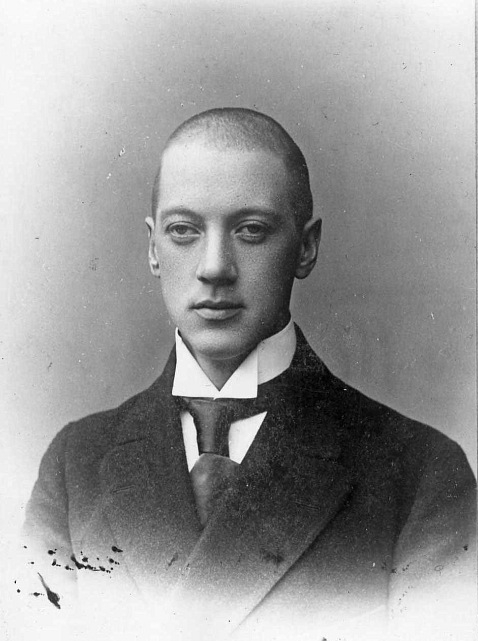
Lisez le poème “Il n’y a pas de soleil, mais les étangs sont lumineux…” d’Ivan Bounine en français avec français et russe côte à côte

Livres bilinguesRead in EnglishNous contacter
Littérature américaineLittérature françaiseLittérature russe

Chers lecteurs et abonnés, je suis ravie de partager avec vous la délicieuse traduction du magnifique poème “Il n’y a pas de soleil, mais les étangs sont lumineux…” d’Ivan Bounine. Cette semaine, j’ai pris la liberté de traduire cette pièce exquise en français et de la placer côte à côte avec la version originale russe. En faisant cela, nous pouvons apprécier à la fois la beauté de la langue originale et le pouvoir évocateur des mots traduits.

Comme toujours, j’ai également sélectionné une œuvre d’art remarquable pour compléter cette expérience poétique. J’ai choisi la superbe peinture “Dans le parc” d’Ivan Ivanovitch Chichkine. Dans cette peinture, nous assistons à une scène captivante où, contrairement au poème, le soleil s’est déjà levé, projetant ses rayons chauds et vibrants sur le paysage serein.

La juxtaposition des mots évocateurs de Bounine et de l’œuvre visuelle saisissante de Chichkine crée une symbiose harmonieuse, où la puissance du langage et de l’art visuel s’entrelacent pour nous transporter dans un monde d’émotions et de contemplation. Alors que le poème explore l’absence du soleil, la peinture nous présente une représentation sereine et illuminée qui capte l’essence de la nature et sa beauté toujours changeante.

J’espère que cette combinaison captivante de poésie et d’art enrichira vos sens et vous offrira un moment de tranquillité et de réflexion. Merci pour votre soutien continu, et j’ai hâte de partager avec vous d’autres compositions créatives à l’avenir.

Comme toujours, vous avez un accès complet à l’ensemble de la traduction ! N’hésitez pas à l’explorer en cliquant sur l’un des liens fournis. Vous pouvez également retrouver toutes nos traductions incroyables sur la page dédiée à la littérature russe. Profitez du voyage à travers la langue et la littérature !


Peinture “Dans le parc” par Ivan Ivanovitch Chichkine

In the park by Ivan Ivanovich Shishkin - 1897
In the park by Ivan Ivanovich Shishkin – 1897 Dans le parc par Ivan Ivanovitch Chichkine – 1897

Traduction du poème “Il n’y a pas de soleil, mais les étangs sont lumineux…” d’Ivan Bounine en français avec français et russe côte à côte


Иван Алексеевич Бунин — «Нет солнца, но свeтлы пруды…»Il n’y a pas de soleil, mais les étangs sont lumineux…
Traduit par Akirill.com
Dec 17, 2023
Нет солнца, но светлы пруды,Il n’y a pas de soleil, mais les étangs sont lumineux,
Стоят зеркалами литыми,Ils se dressent comme des miroirs moulés,
И чаши недвижной водыEt des bols d’eau immobile
Совсем бы казались пустыми,Ils sembleraient complètement vides,
Но в них отразились сады.Mais ils reflètent les jardins.
Вот капля, как шляпка гвоздя,Voici une goutte, comme la tête d’un clou,
Упала — и, сотнями иголTombée – et, comme des centaines d’aiguilles
Затоны прудов бороздя,Sillonnant les marigots des étangs,
Читать далееContinuer la lecture

< < < Ange du Soir (Ru/Fr) / Evening Angel (Ru/Eng) / Вечерний ангел (Рус/Анг.) / (Рус/ Фра.)
Je ne me lasserai pas de chanter vos louanges, étoiles !.. (Ru/Fr) / I will not tire of singing your praises, stars!.. (Ru/Eng) / Не устану воспевать вас, звёзды!.. (Рус/Анг.) / (Рус/ Фра.) > > >


Nous mettons beaucoup d’efforts dans la qualité des articles et traductions, soutenez-nous avec un like et un abonnement ou sponsorisez-nous si vous les aimez. Nous sommes aussi sur Facebook et Twitter

Découvrez nos Derniers Posts


© 2023 Akirill.com – All Rights Reserved
Read the poem “There is no sun, but the ponds are bright…” by Ivan Bunin in English with English and Russian side by side

Bilingual booksLire en FrançaisContact us
American LiteratureFrench LiteratureRussian Literature

Dear readers and subscribers, I am thrilled to share with you the delightful translation of the magnificent poem “There is no sun, but the ponds are bright…” by Ivan Bunin. This week, I have taken the liberty of translating this exquisite piece into English and have placed it side by side with the original Russian version. By doing so, we can appreciate both the beauty of the original language and the evocative power of the translated words.

As always, I have also curated a remarkable painting to complement this poetic experience. I have chosen the stunning artwork “In the park” by Ivan Ivanovich Shishkin. In this painting, we witness a captivating scene where, contrary to the poem, the sun has already emerged, casting its warm and vibrant rays upon the serene landscape.

The juxtaposition of Bunin’s evocative words and Shishkin’s vivid artwork creates a harmonious symbiosis, where the power of language and visual art intertwine to transport us to a world of emotions and contemplation. While the poem explores the absence of the sun, the painting presents us with a serene and illuminated portrayal that captures the essence of nature and its ever-changing beauty.

I hope this captivating combination of poetry and art enriches your senses and provides you with a moment of tranquility and reflection. Thank you for your continued support, and I look forward to sharing more creative compositions with you in the future.

As always, you have full access to the entire translation! Feel free to explore it by clicking on one of the links provided. You can also find all of our amazing translations on the dedicated Russian Literature page. Enjoy the journey of language and literature!


Painting “In the park” by Ivan Ivanovich Shishkin

In the park by Ivan Ivanovich Shishkin - 1897
In the park by Ivan Ivanovich Shishkin – 1897 Dans le parc par Ivan Ivanovitch Chichkine – 1897

Translation of the poem “There is no sun, but the ponds are bright…” by Ivan Bunin in English with English and Russian side by side


Иван Алексеевич Бунин — «Нет солнца, но свeтлы пруды…»There is no sun, but the ponds are bright…
Translated by Akirill.com
Dec 17, 2023
Нет солнца, но светлы пруды,There is no sun, but the ponds are bright,
Стоят зеркалами литыми,They stand like cast mirrors,
И чаши недвижной водыAnd bowls of motionless water
Совсем бы казались пустыми,They would seem completely empty,
Но в них отразились сады.But they reflect the gardens.
Вот капля, как шляпка гвоздя,Here is a drop, like the head of a nail,
Упала — и, сотнями иголFell – and, like hundreds of needles
Затоны прудов бороздя,Furrowing the backwaters of ponds,
Читать далееContinue reading

< < < Ange du Soir (Ru/Fr) / Evening Angel (Ru/Eng) / Вечерний ангел (Рус/Анг.) / (Рус/ Фра.)
Je ne me lasserai pas de chanter vos louanges, étoiles !.. (Ru/Fr) / I will not tire of singing your praises, stars!.. (Ru/Eng) / Не устану воспевать вас, звёзды!.. (Рус/Анг.) / (Рус/ Фра.) > > >


We put a lot of effort into the quality of the articles and translations, support us with a like and a subscription or sponsor us if you like them. We are also on Facebook and Twitter

Check out our Last Posts


© 2023 Akirill.com – All Rights Reserved