Site Progress Week of August 23, 2023

Bilingual BooksLire en Français Contact us

Dear readers and subscribers, this week I continued adding poems to our French, Americain and Russia poets. All of our poems as well as translated poems are available for everyone to read without any paying subscription.

American Poetry – Poésie Américaine – Американская поэзияPoésie Française – French Poetry – Французская поэзияРусская поэзия – Russian Poetry – Poésie Russe

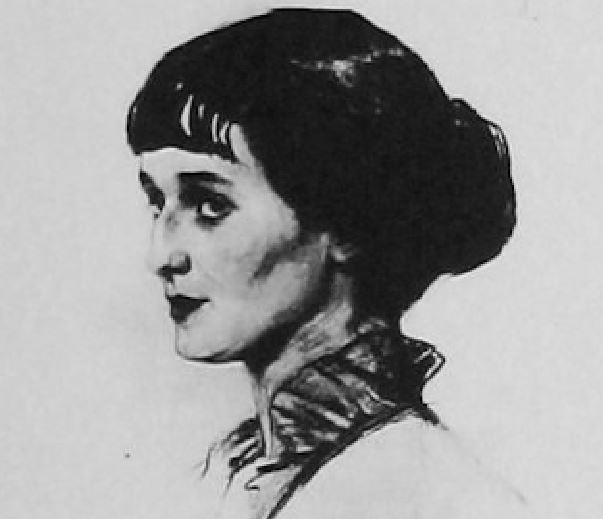
First I added poems to Anna Akhmatova (Анна Ахматова) and finished the poems by Konstantin Simonov (Константин Симонов) in our Russian section. All of the poems are in Russian.

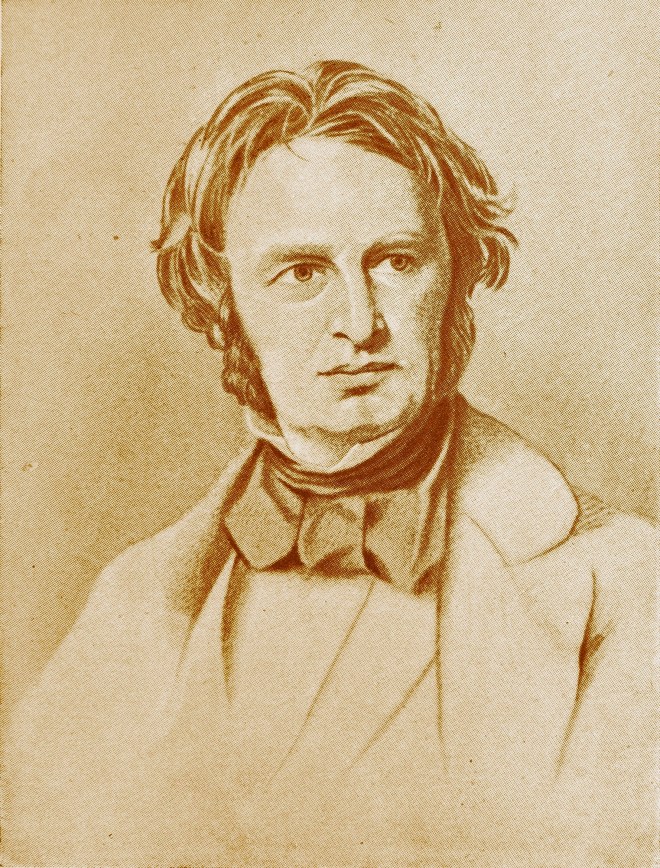
For our American Poetry page, I added more poems of Henry Wadsworth Longfello (Генри Уодсворт Лонгфелло).

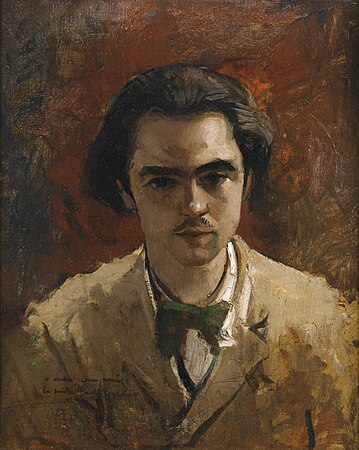
On our French Poetry page contrary to the Americain and Russian poems, I added poems in the 3 languages (French, English and Russian) to the pages of Paul Verlaine (Поль Верлен), and in French and English to the page of Victor Hugo (Виктор Гюго).

I also added 3 poems d’Alexander Pushkin in French: L’antchar , L’or Et Le Fer, La Petite Fleur

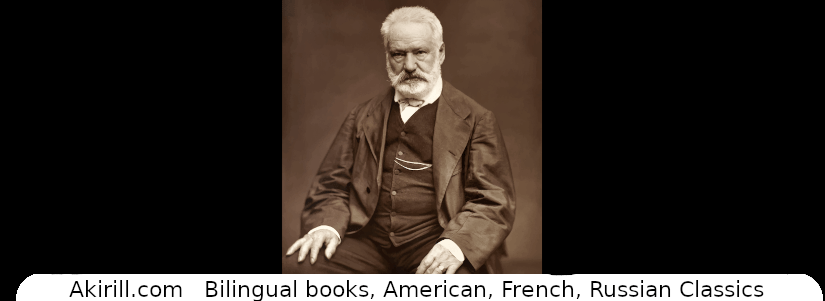
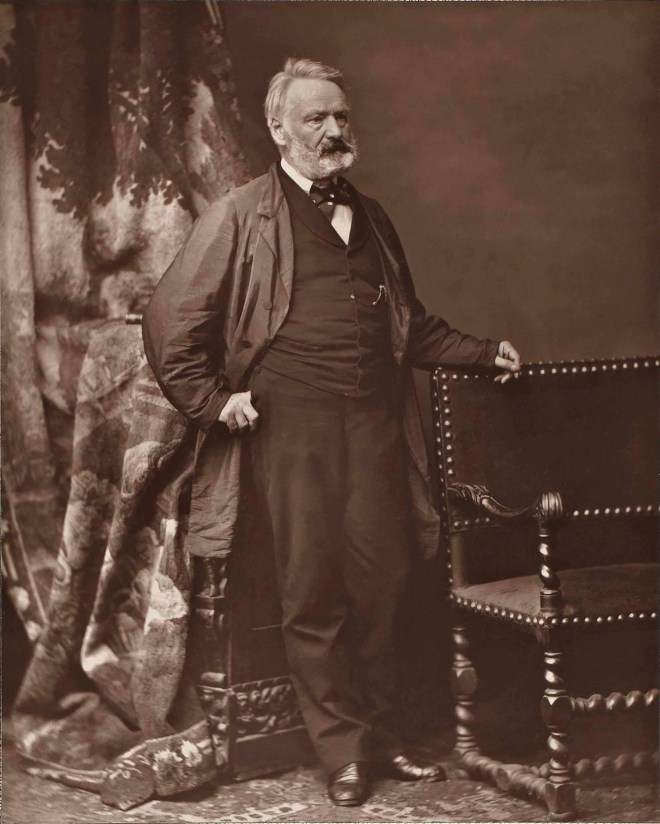
Here are a few randomly selected poems by Victor Hugo (Виктор Гюго)
And a few randomly selected poems by Henry Wadsworth Longfello (Генри Уодсворт Лонгфелло)

Then a few randomly selected poems by Anna Akhmatova (Анна Ахматова)

I also added poems to our second french poet: Paul Verlaine (Поль Верлен)

And a few poems from our last poet Konstantin Simonov (Константин Симонов)

This week our article was a translation put side by side of the poem “I have learned to live simply, wisely” by Anna Akhmatova  with the painting  “Pond in Vela” by Vasily Dmitrievich Polenov

Pond in Vela by Vasily Polenov
Pond in Vela” by Vasily Dmitrievich Polenov

I hope you’ll find something to enjoy

If you liked this article, don’t forget to like and share.
Subscribe to not miss anything
Visit our latest posts

Find us on Facebook or Twitter


© 2023 Akirill.com – All Rights Reserved
Progrès du Site semaine du 16 aout, 2023

Livres bilinguesLire en Français Nous contacter

Chers lecteurs et abonnés, cette semaine j’ai ajouté des nouveaux poètes français, américains et russes. Le premier poète est Paul Verlaine (Поль Верлен), suivi de Victor Hugo (Виктор Гюго) dans notre section poésie française. Ensuite, nous avons Henry Wadsworth Longfello (Генри Уодсворт Лонгфелло) dans notre section Poésie américaine et enfin nous avons Anna Akhmatova (Анна Ахматова) et Konstantin Simonov (Константин Симонов) dans notre section russe. En même temps j’ai fini d’ajouter toutes les nouvelles que j’avais sur la page Антон Чехов – Рассказы, юморески.  Certains de nos nouveaux poètes ont des poèmes dans nos 3 langues différentes. J’ai ajouté quelques liens vers des poèmes et des nouvelles sélectionnés au hasard. Vous êtes toujours les bienvenus pour visiter leur page de poésie pour trouver plus de poèmes. Appréciez

Voici quelques poèmes choisis au hasard de Victor Hugo (Виктор Гюго)

Et quelques poèmes choisis au hasard d’ Henry Wadsworth Longfello (Генри Уодсворт Лонгфелло)

Puis quelques poèmes choisis au hasard d’Anna Akhmatova (Анна Ахматова)

J’ai aussi ajouté des poèmes à notre deuxième poète français :: Paul Verlaine (Поль Верлен)

Et quelques poèmes de notre dernier poète Konstantin Simonov (Константин Симонов)

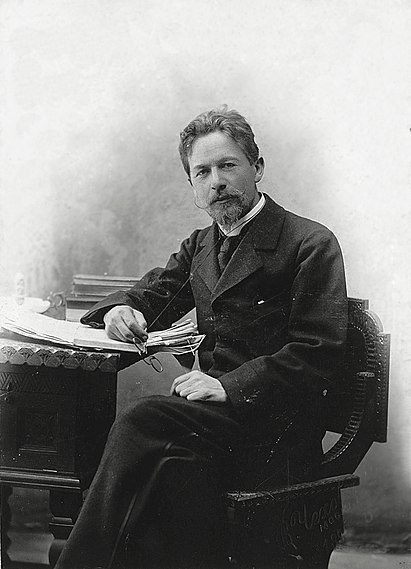
Et voici quelques nouvelles choisies au hasard ajoutées à Anton Tchekhov, le reste est ici: Антон Чехов – Рассказы, юморески

Anton Chekhov

Cette semaine, notre article était une traduction mise côte à côte du poème “J’ai dû être le plus têtu de tous” de Konstantin Simonov   avec le tableau ” Une promenade dans la forêt ” de II Shishkin

"A Walk in the Forest" by I. I. Shishkin
” “A Walk in the Forest” by I. I. Shishkin

J’espère que vous trouverez quelque chose à apprécier

Si vous avez aimé cet article, n’oubliez pas de liker et de partager.
Abonnez-vous pour ne rien rater
Visitez nos derniers articles

Retrouvez-nous sur  Facebook  ou  Twitter


© 2023 Akirill.com – All Rights Reserved
Site Progress Week of August 16, 2023

Bilingual BooksLire en Français Contact us

Dear readers and subscribers, this week I added news french, Americain, and Russian poets. The first poet is Paul Verlaine (Поль Верлен), followed by Victor Hugo (Виктор Гюго) in our french poetry section. Then we have Henry Wadsworth Longfello (Генри Уодсворт Лонгфелло) in our American Poetry section and finally we have Anna Akhmatova (Анна Ахматова) and Konstantin Simonov (Константин Симонов) in our Russian section. At the same time I finished adding all short stories I had on the Антон Чехов – Рассказы, юморески page. Some of our new poets have poems in our 3 different languages. I added a few links to random selected poems and short stories. You are always welcome to visit their poetry page to find more poems. Enjoy

Here are a few randomly selected poems by Victor Hugo (Виктор Гюго)

And a few randomly selected poems by Henry Wadsworth Longfello (Генри Уодсворт Лонгфелло)

Then a few randomly selected poems by Anna Akhmatova (Анна Ахматова)

I also added poems to our second french poet: Paul Verlaine (Поль Верлен)

And a few poems from our last poet Konstantin Simonov (Константин Симонов)

And here a few randomly selected short stories added to Anton Chekhov, the rest are here: Антон Чехов – Рассказы, юморески

Anton Chekhov

This week our article was a translation put side by side of the poem “I must have been the most stubborn of all” by Konstantin Simonov  with the painting  “A Walk in the Forest” by I. I. Shishkin

"A Walk in the Forest" by I. I. Shishkin
” “A Walk in the Forest” by I. I. Shishkin

I hope you’ll find something to enjoy

If you liked this article, don’t forget to like and share.
Subscribe to not miss anything
Visit our latest posts

Find us on Facebook or Twitter


© 2023 Akirill.com – All Rights Reserved
Have you read The Man Who Laughs?

“The Man Who Laughs” is a political, philosophical, historical and poetic novel by Victor Hugo published in 1869.

Victor Hugo

When Victor Hugo was asked why he wrote “The Man Who Laughs”, he replied that as a philosopher, he wanted to affirm the soul and conscience, as a historian, he wanted to reveal little known monarchical facts and inform about democracy, and as a poet, he wanted to make a drama.

“The Laughing Man” has been represented many times at the theater, but also in several films, including the last, with Gérard Depardieu in the role of Ursus, in 2012. In addition, this novel has also been transformed into a French comic book twice, the last volume called “En Ruine” was released in 2011.

We also know that the tragicomic face of the Joker in the “Batman” comic book was inspired by Conrad Veidt seen in the first made film of “The Man Who Laughs” in 1928.

“The Man Who Laughs” tells the story of a mutilated little boy named Gwynplaine, who, while wandering in the woods, lost and abandoned, found a baby. He saved this little girl and was adopted by Ursus, a man who owned a bear skin and who himself had a wolf called Homo.

Fifteen years later, in 1705, Usus staged a play with his two children Gwynplaine and DEA. DEA is now a beautiful young girl of 16 and although blind, she formed a chaste couple with Gwynplaine.

It is at this time that the identity of Gwynplaine will be revealed. He is in fact Fermain Clancharlie, the real heir to the domain of the prairie, which was conceded to his half-brother David Dirry-Moir. He will regain possession of his domain for a very short period of time, not being able to bear living without an AED.

Meanwhile Ursus, who thinks Gwynplaine is dead, is driven out of London. Gwynplaine will only find him with a lot of luck, and with the help of their wolf Homo when Ursus and DEA were already on a boat ready to leave the country.

“The Laughing Man” has many allegories and metaphors. At the center of the novel is the description of the play that makes the success of the troupe. According to some, the piece represents the fight of man for democracy, for others it is a fight against chaos that will be won by light.

You can read it on our site in the Bilingual Book category.

Read The Man Who Laughs

If you liked this article, don’t forget to like and share.

Subscribe to not miss anything

Avez vous lu l’homme qui rit?

“L’homme qui rit” est un roman politique, philosophique, historique et poétique de Victor Hugo publié en 1869.

Victor Hugo

Quand on a demandé à Victor Hugo pourquoi il avait écrit “L’homme qui rit”, celui-ci a répondu, que philosophe, il a voulu affirmer l’âme et la conscience, qu’historien, il a voulu révéler des faits monarchiques peu connus et renseigner la démocratie, et que poète, il a voulu faire un drame.

“L’homme qui rit” a été représenté de nombreuses fois au théâtre, mais aussi dans plusieurs films, dont le dernier avec Gérard Depardieu dans le role d’Ursus en 2012. De plus, ce roman a aussi été transformé en bande dessinée française deux fois, le dernier tome appelé “En Ruine” est sorti en 2011.

On sait aussi que le faciès tragi-comique du Joker dans la bande dessinée “Batman” a été inspire par Conrad Veidt vu dans le premier film réalisé de “L’homme qui rit” en 1928.

“L’homme qui rit” raconte l’histoire d’un petit garçon mutilé appelé Gwynplaine, qui, pendant qu’il errait dans les bois, perdu et abandonné, trouva un bébé. Il sauva cette petite fille et fut adopté par Ursus, un homme à qui appartenait une peau d’ours et qui lui même possédait un loup appelé Homo.

Quinze ans plus tard, en 1705, Usus a monté une pièce de théâtre avec ses deux enfants Gwynplaine et DEA. DEA est maintenant une belle jeune fille de 16 ans et bien qu’aveugle, elle forme un couple encore chaste avec Gwynplaine.

C’est à cette époque que l’identité de Gwynplaine sera révélée. Il est en fait Fermain Clancharlie, le véritable héritier du domain de la prairie, qui a été concédé à son demi-frère David Dirry-Moir. Il reprendra possession de son domain pour une très courte période ne supportant pas de vivre sans DEA.

Pendant ce temps Ursus qui pense que Gwynplaine est mort, est chassé de Londres. Gwynplaine ne le retrouvera qu’avec beaucoup de chance et avec l’aide de leur loup Homo alors qu’Ursus et DEA étaient déjà sur un bateau prés à quitter le pays.

“L’homme qui rit” comporte de nombreuses allegories et métaphores. Au centre du roman se trouve la description de la pièce qui fait le succès de la troupe. La pièce selon certains représente le combat de l’homme pour la démocratie, pour d’autre c’est une lutte contre le chaos qui sera gagnée par la lumière.

Vous pouvez le lire sur notre site dans la catégorie Livre bilingue.

Lire L’homme qui rit

Si vous avez aimer cet article, n’oublier pas d’aimer et de partager.

Abonnez-vous pour ne rien manquer