On this site we hope to help you learn, and to remove the difficulties caused by the difference of culture and language. Sur ce site nous espérons vous aider à apprendre, et à enlever la barrière causée par les différents languages et cultures.
Nous mettons beaucoup d’efforts dans la qualité des articles et traductions, soutenez-nous avec un like et un abonnement ou sponsorisez-nous si vous les aimez.Nous sommes aussi surFacebook et Twitter
We put a lot of effort into the quality of the articles and translations, support us with a like and a subscription or sponsor us if you like them. We are also on Facebook and Twitter
Dear readers and subscribers, I wish you all a Happy Valentine’s Day filled with warmth, joy, and the beauty of love. To celebrate this special occasion, I have chosen three beautiful love poems, each presented in their original languages to preserve the essence of the poet’s heartfelt emotions. The first is “Annabel Lee” by our American poet Edgar Allan Poe, a hauntingly romantic narrative that captures the depths of love and loss in a most poignant manner. Next, we journey to France with Victor Hugo‘s enchanting poem, “Mon bras pressait ta taille frêle…,” which beautifully weaves themes of passion and tenderness through exquisite language. To conclude our literary exploration, we turn to Russia and the evocative lines of “We met at sunset“(Мы встречались с тобой на закате) by Alexander Blok, a poem that reflects the magic of fleeting moments and the profound connections we share. May these verses bring you inspiration and remind you of the many facets of love in our lives.
Annabel Lee
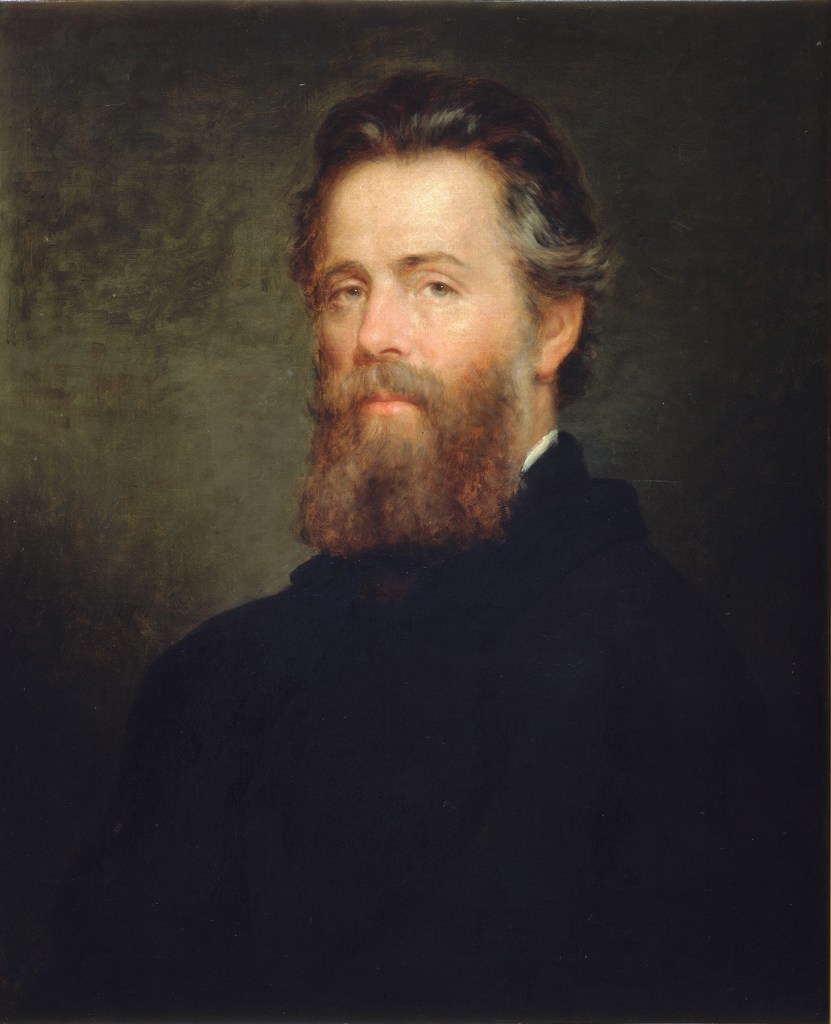
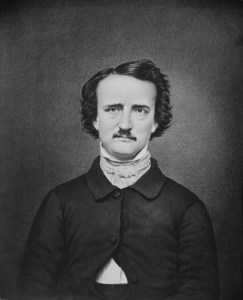
Edgar Allan Poe
“Annabel Lee” is a beautiful poem composed by Edgar Allan Poe, one of the most celebrated figures in American literature. It stands as the final masterpiece that Poe completed, and it was published just two days after his passing in 1849. The poem explores a theme often found in Poe’s work: the enduring love for a young, enchanting woman. Narrated by Annabel Lee’s devoted lover, the poem passionately expresses their deep connection and love that transcends any obstacles posed by others and even supernatural forces. Ultimately, the speaker joyfully affirms that their bond is so powerful that, even after her departure, they remain united in spirit, showcasing the timeless nature of true love.
Edgar Allan poe
It was many and many a year ago, In a kingdom by the sea, That a maiden there lived whom you may know By the name of Annabel Lee; And this maiden she lived with no other thought Than to love and be loved by me.
I was a child and she was a child, In this kingdom by the sea: But we loved with a love that was more than love— I and my Annabel Lee; With a love that the winged seraphs of heaven Coveted her and me.
And this was the reason that, long ago, In this kingdom by the sea, A wind blew out of a cloud, chilling My beautiful Annabel Lee; So that her highborn kinsmen came And bore her away from me, To shut her up in a sepulchre In this kingdom by the sea.
The angels, not half so happy in heaven, Went envying her and me— Yes!—that was the reason (as all men know, In this kingdom by the sea) That the wind came out of the cloud by night, Chilling and killing my Annabel Lee.
But our love it was stronger by far than the love Of those who were older than we— Of many far wiser than we— And neither the angels in heaven above, Nor the demons down under the sea, Can ever dissever my soul from the soul Of the beautiful Annabel Lee.
For the moon never beams without bringing me dreams Of the beautiful Annabel Lee; And the stars never rise but I see the bright eyes Of the beautiful Annabel Lee; And so, all the night-tide, I lie down by the side Of my darling, my darling, my life and my bride, In her sepulchre there by the sea— In her tomb by the side of the sea.
Mon bras pressait ta taille frêle…
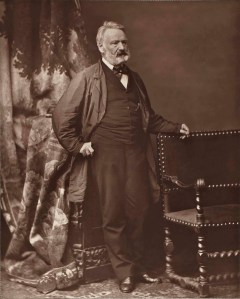
Victor Hugo
“Mon bras pressait ta taille frêle” is a poem excerpt from “Les Contemplations” by Victor Hugo, published in 1856. This collection celebrates themes such as love, loss, and memory. The poem evokes an intimate relationship, filled with tenderness and nostalgia. Through vibrant imagery, Victor Hugo manages to capture the joyful essence of love and nostalgia, making this poem a radiant piece of romantic literature.
Victor Hugo
Mon bras pressait ta taille frêle Et souple comme le roseau ; Ton sein palpitait comme l’aile D’un jeune oiseau.
Longtemps muets, nous contemplâmes Le ciel où s’éteignait le jour. Que se passait-il dans nos âmes ? Amour ! Amour !
Comme un ange qui se dévoile, Tu me regardais dans ma nuit, Avec ton beau regard d’étoile, Qui m’éblouit.
Forêt de fontainebleau, juillet 18…
Александр Блок
Мы встречались с тобой на закате
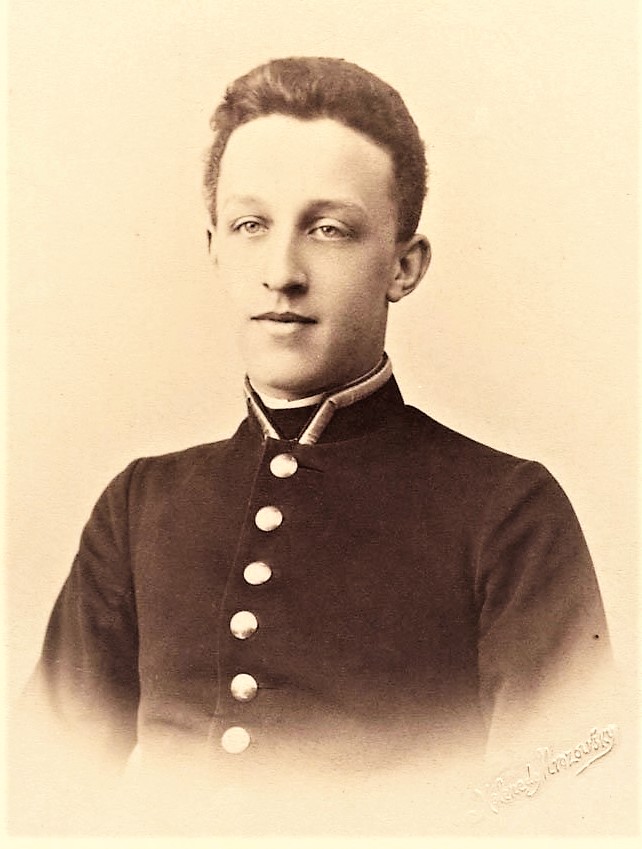
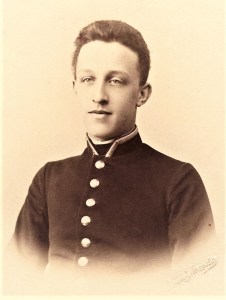
The poem “We Met at Sunset…” (1902) is significant in Blok’s work, emerging during his painful rejection by L. Mendeleyeva, which shifted his focus from idealized love to reality. Previously, Blok’s poetry was mystical; with Mendeleyeva’s scorn, he began to appreciate the beauty of real life and the woman he loved. Despite feeling love for her, he struggled to express his emotions, reciting abstract poems instead of confessing. Mendeleyeva cited Blok’s detachment from reality as a reason for her initial refusal. In the poem, Blok reflects on missed opportunities for intimacy and ultimately claims to have erased memories of that love. After a year, Mendeleeva accepted him, but disappointment followed as he continued to idealize her. “We Met at Sunset…” stands as a love poem devoid of the symbolism typical in Blok’s later work, revealing his talent during tumultuous times.
Alexander Blok
Мы встречались с тобой на закате. Ты веслом рассекала залив. Я любил твое белое платье, Утонченность мечты разлюбив.
Были странны безмолвные встречи. Впереди — на песчаной косе Загорались вечерние свечи. Кто-то думал о бледной красе.
Приближений, сближений, сгораний — Не приемлет лазурная тишь… Мы встречались в вечернем тумане, Где у берега рябь и камыш.
Ни тоски, ни любви, ни обиды, Всё померкло, прошло, отошло.. Белый стан, голоса панихиды И твое золотое весло.
We put a lot of effort into the quality of the articles and translations, support us with a like and a subscription or sponsor us if you like them. We are also on Facebook and Twitter
Chers lecteurs et abonnés, je vous souhaite à tous une joyeuse Saint-Valentin remplie de chaleur, de joie et de la beauté de l’amour. Pour célébrer cette occasion spéciale, j’ai choisi trois magnifiques poèmes d’amour, chacun présenté dans sa langue originale pour préserver l’essence des émotions sincères du poète. Le premier est “Annabel Lee” de notre poète américain Edgar Allan Poe, une narration romantique et envoûtante qui capture les profondeurs de l’amour et de la perte de manière poignante. Ensuite, nous voyageons en France avec le poème enchanteur de Victor Hugo, “Mon bras pressait ta taille frêle…,” qui tisse magnifiquement des thèmes de passion et de tendresse à travers un langage exquis. Pour conclure notre exploration littéraire, nous nous tournons vers la Russie et les vers évocateurs de “Мы встречались с тобой на закате” (We met at sunset) de Alexander Blok, un poème qui reflète la magie des moments fugaces et les connexions profondes que nous partageons. Que ces vers vous apportent inspiration et vous rappellent les nombreuses facettes de l’amour dans nos vies.
Annabel Lee
Edgar Allan Poe
“Annabel Lee” est un beau poème composé par Edgar Allan Poe, l’une des figures les plus célèbres de la littérature américaine. Il constitue le chef-d’œuvre final que Poe a achevé, et il a été publié juste deux jours après son décès en 1849. Le poème explore un thème souvent présent dans l’œuvre de Poe : l’amour éternel pour une jeune femme enchanteresse. Narré par l’amant dévoué d’Annabel Lee, le poème exprime avec passion leur profonde connexion et l’amour qui transcende tous les obstacles posés par les autres et même par des forces surnaturelles. En fin de compte, le narrateur affirme joyeusement que leur lien est si puissant que, même après son départ, ils restent unis dans l’esprit, mettant en valeur la nature intemporelle du véritable amour.
Edgar Allan poe
It was many and many a year ago, In a kingdom by the sea, That a maiden there lived whom you may know By the name of Annabel Lee; And this maiden she lived with no other thought Than to love and be loved by me.
I was a child and she was a child, In this kingdom by the sea: But we loved with a love that was more than love— I and my Annabel Lee; With a love that the winged seraphs of heaven Coveted her and me.
And this was the reason that, long ago, In this kingdom by the sea, A wind blew out of a cloud, chilling My beautiful Annabel Lee; So that her highborn kinsmen came And bore her away from me, To shut her up in a sepulchre In this kingdom by the sea.
The angels, not half so happy in heaven, Went envying her and me— Yes!—that was the reason (as all men know, In this kingdom by the sea) That the wind came out of the cloud by night, Chilling and killing my Annabel Lee.
But our love it was stronger by far than the love Of those who were older than we— Of many far wiser than we— And neither the angels in heaven above, Nor the demons down under the sea, Can ever dissever my soul from the soul Of the beautiful Annabel Lee.
For the moon never beams without bringing me dreams Of the beautiful Annabel Lee; And the stars never rise but I see the bright eyes Of the beautiful Annabel Lee; And so, all the night-tide, I lie down by the side Of my darling, my darling, my life and my bride, In her sepulchre there by the sea— In her tomb by the side of the sea.
Mon bras pressait ta taille frêle…
Victor Hugo
“Mon bras pressait ta taille frêle” est un poème extrait des “Contemplations” de Victor Hugo, publié en 1856. Ce recueil célèbre des thèmes tels que l’amour la perte et la mémoire. Le poème évoque une relation intime, emplie de tendresse et de nostalgie. Victor Hugo, à travers des images vibrantes, parvient à saisir l’essence joyeuse de l’amour et de la nostalgie, faisant de ce poème une pièce rayonnante de la littérature romantique.
Victor Hugo
Mon bras pressait ta taille frêle Et souple comme le roseau ; Ton sein palpitait comme l’aile D’un jeune oiseau.
Longtemps muets, nous contemplâmes Le ciel où s’éteignait le jour. Que se passait-il dans nos âmes ? Amour ! Amour !
Comme un ange qui se dévoile, Tu me regardais dans ma nuit, Avec ton beau regard d’étoile, Qui m’éblouit.
Forêt de fontainebleau, juillet 18…
Александр Блок
Мы встречались с тобой на закате
Le poème “Nous nous sommes rencontrés au coucher du soleil…” (1902) est significatif dans l’œuvre de Blok, émergeant durant son douloureux rejet par L. Mendeleyeva, ce qui a décalé son attention de l’amour idéalisé à la réalité. Auparavant, la poésie de Blok était mystique ; avec le mépris de Mendeleyeva, il a commencé à apprécier la beauté de la vie réelle et de la femme qu’il aimait. Malgré son amour pour elle, il peinait à exprimer ses émotions, récitant des poèmes abstraits au lieu de confesser. Mendeleyeva a cité le détachement de Blok de la réalité comme raison de son refus initial. Dans le poème, Blok réfléchit aux occasions manquées d’intimité et affirme finalement avoir effacé les souvenirs de cet amour. Après un an, Mendeleeva l’a accepté, mais la déception a suivi alors qu’il continuait à l’idéaliser. “Nous nous sommes rencontrés au coucher du soleil…” se présente comme un poème d’amour dépourvu du symbolisme typique des œuvres ultérieures de Blok, révélant son talent durant des temps tumultueux.
Alexander Blok
Мы встречались с тобой на закате. Ты веслом рассекала залив. Я любил твое белое платье, Утонченность мечты разлюбив.
Были странны безмолвные встречи. Впереди — на песчаной косе Загорались вечерние свечи. Кто-то думал о бледной красе.
Приближений, сближений, сгораний — Не приемлет лазурная тишь… Мы встречались в вечернем тумане, Где у берега рябь и камыш.
Ни тоски, ни любви, ни обиды, Всё померкло, прошло, отошло.. Белый стан, голоса панихиды И твое золотое весло.
Nous mettons beaucoup d’efforts dans la qualité des articles et traductions, soutenez-nous avec un like et un abonnement ou sponsorisez-nous si vous les aimez.Nous sommes aussi surFacebook et Twitter
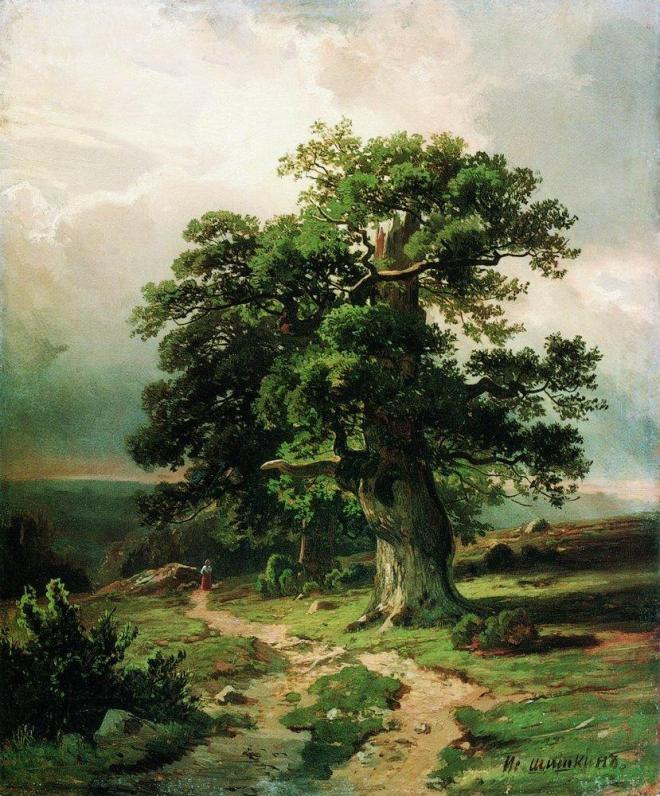
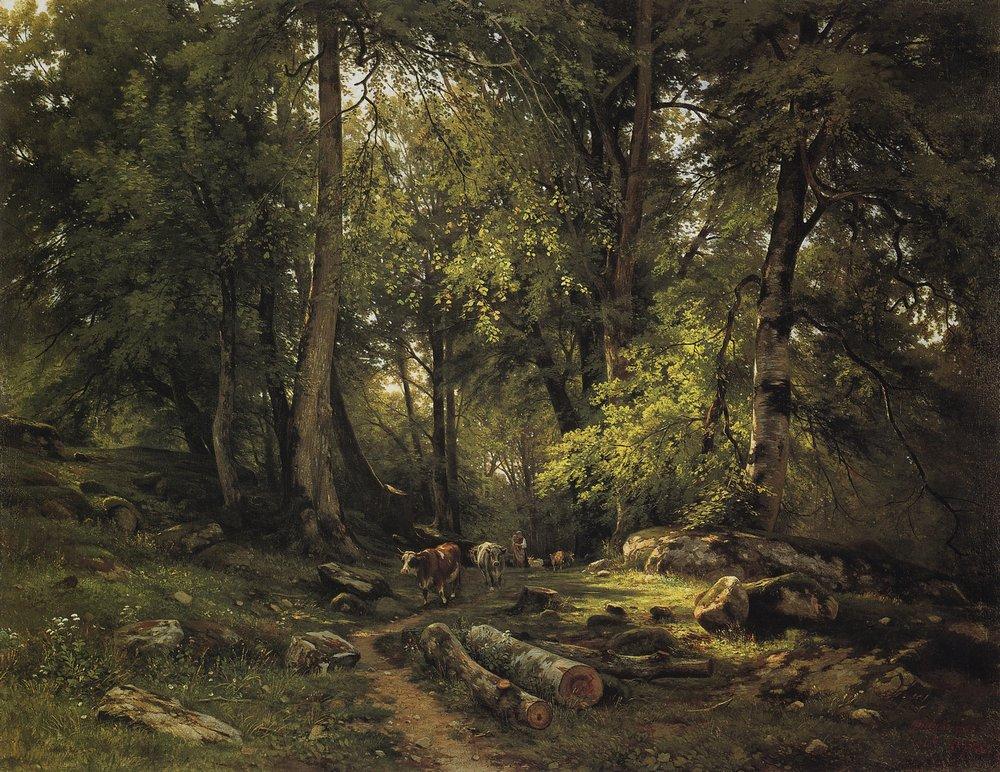
Chers lecteurs et abonnés, cette semaine a été une tapisserie vibrante de brillante poésie, présentant les œuvres à couper le souffle de William Cullen Bryant, les écrits profondément émouvants de Joseph Rodman Drake, et les mots inspirants d’Ella Wheeler Wilcox, nos poètes américains. Ensuite, nous avons traversé les eaux pour embrasser les chefs-d’œuvre exquis de la poésie française de Guillaume Apollinaire, le révolutionnaire Paul Éluard, et les vers poignants de Gustave Kahn. Nous avons conclu notre voyage avec la poésie russe envoûtante et magnifique du légendaire Alexandre Blok, Vassili Joukovski, et le révolutionnaire Vladimir Vladimirovitch Maïakovski. De plus, notre série poignante sur le talentueux artiste russe Ivan Ivanovitch Chichkine se poursuit, mettant en vedette son chef-d’œuvre à couper le souffle Troupeau dans la forêt. J’espère que vous trouverez quelque chose de stimulant tant dans la poésie que dans l’art qui enflamme votre propre esprit créatif !
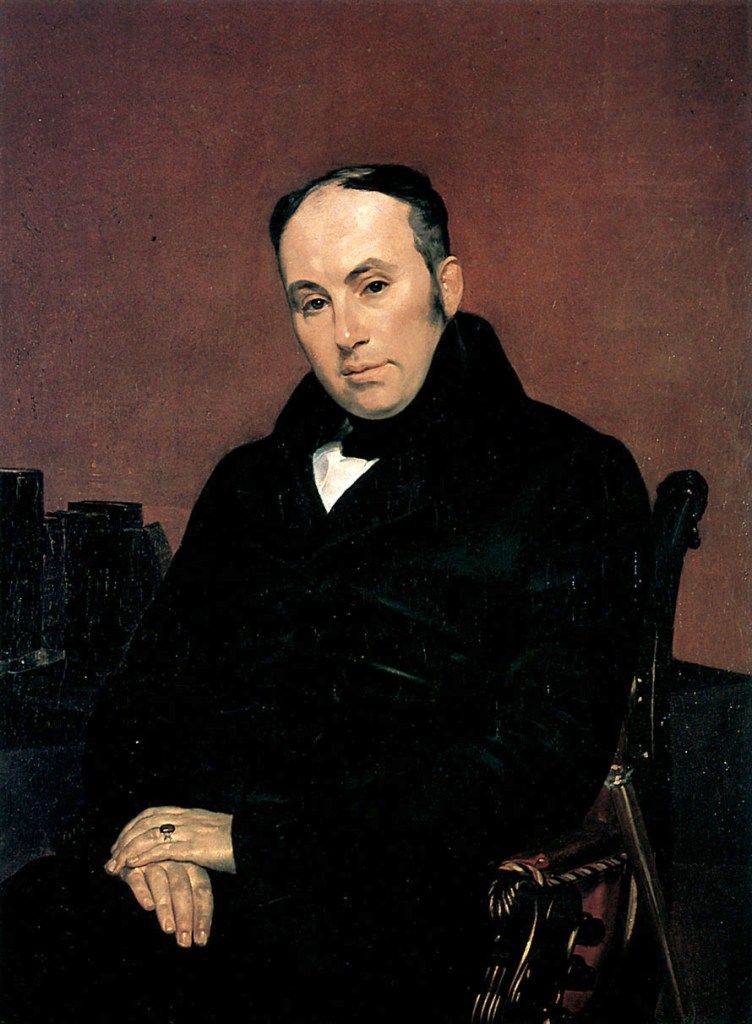
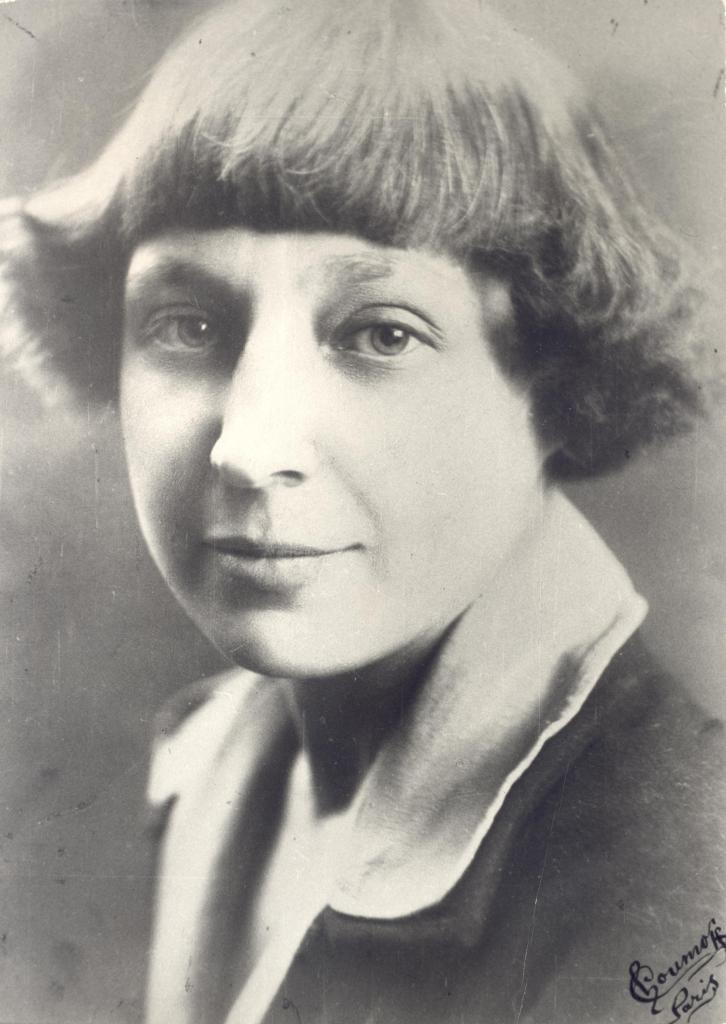
William Cullen BryantJoseph Rodman DrakeElla W. WilcoxGuillaume Apollinaire Paul ÉluardGustave KahnAlexander BlokVasily ZhukovskyVladimir MayakovskyСтадо в лесу – 1864
Nous mettons beaucoup d’efforts dans la qualité des articles et traductions, soutenez-nous avec un like et un abonnement ou sponsorisez-nous si vous les aimez.Nous sommes aussi surFacebook et Twitter
William Cullen BryantJoseph Rodman DrakeElla W. WilcoxGuillaume Apollinaire Paul ÉluardGustave KahnAlexander BlokVasily ZhukovskyVladimir MayakovskyСтадо в лесу – 1864
We put a lot of effort into the quality of the articles and translations, support us with a like and a subscription or sponsor us if you like them. We are also on Facebook and Twitter
Dear readers and subscribers, with all my heart’s fervor, I wish each and every one of you a wonderfully enchanting and delightfully joyous Merry Christmas! This magical season, filled with warmth, love, and the spirit of giving, brings people together in ways that are both profound and beautiful. For this sacred holiday, I have poured my passion into translating the poem “Christmas” by Alexander Blok, just for you. I hope that through this heartfelt translation, you can feel the depth of emotion and inspiration that the original words convey, allowing you to experience the essence of Christmas in a truly unique way. May this festive time be a source of joy and reflection, igniting the light of hope and happiness in your hearts.
We put a lot of effort into the quality of the articles and translations, support us with a like and a subscription or sponsor us if you like them. We are also on Facebook and Twitter
Chers lecteurs et abonnés, de tout mon cœur, je souhaite à chacun d’entre vous un Noël merveilleusement enchanteur et délicieusement joyeux ! Cette saison magique, remplie de chaleur, d’amour et de l’esprit de générosité, rapproche les gens de manière à la fois profonde et belle. Pour cette fête sacrée, j’ai mis toute ma passion à traduire le poème “Noël” d’Alexandre Blok, juste pour vous. J’espère qu’à travers cette traduction sincère, vous pourrez ressentir la profondeur des émotions et de l’inspiration que les mots originaux transmettent, vous permettant ainsi de vivre l’essence de Noël d’une manière vraiment unique. Que ce temps festif soit une source de joie et de réflexion, allumant la lumière de l’espoir et du bonheur dans vos cœurs.
Nous mettons beaucoup d’efforts dans la qualité des articles et traductions, soutenez-nous avec un like et un abonnement ou sponsorisez-nous si vous les aimez.Nous sommes aussi surFacebook et Twitter
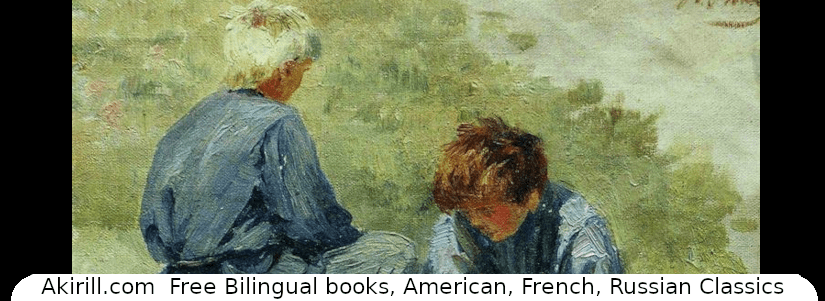
Chers lecteurs et abonnés, cette semaine, j’ai traduit en anglais et fait une courte analyse de “Mon Dieu, à quel point la jeune vie est terrible” du remarquable poète russe Alexander Block. C’est l’un des rares poèmes qui plonge dans les sentiments personnels du poète, ce qui rend ces vers particulièrement précieux pour les amateurs de poésie russe.. De plus, notre tableau de cette semaine est “Les garçons sur l’herbe” d’Ilia Iefimovitch Répine.
Comme d’habitude, vous pouvez accéder librement à l’intégralité de la traduction en suivant l’un des liens, ainsi que retrouver l’ensemble de nos traductions sur la page Littérature russe .
J’espère que vous apprécierez ce poème et cette peinture autant que moi.
Brève analyse du poème “Mon Dieu, à quel point la jeune vie est terrible” d’Alexandre Blok
Le poème « Mon Dieu, à quel point la jeune vie est terrible » revêt une grande importance dans les premières œuvres d’Alexandre Blok. Écrit en 1898, alors que le poète n’avait que 18 ans, il met en valeur son immense talent dès son plus jeune âge. Bien qu’il soit encore étudiant, Blok s’est plongé dans le domaine philosophique, contemplant le sens de la vie et cherchant des réponses dans divers enseignements philosophiques et ce poème devient le prélude à un recueil dédié à la Belle Dame.
Le poème de Blok résonne d’une émotion brute et authentique, dépourvue d’imagerie mythique. Il convient de noter que peu d’œuvres du poète abordent les sentiments personnels et les héros de la vie réelle, ce qui rend ces vers particulièrement précieux pour les amateurs de poésie russe.
Nous mettons beaucoup d’efforts dans la qualité des articles et traductions, soutenez-nous avec un like et un abonnement ou sponsorisez-nous si vous les aimez.Nous sommes aussi surFacebook et Twitter
Dear readers and subscribers, this week I translated in english and did a short analysis of “My God, how terrible young life is” by the outstanding Russian poet Alexander Block. It is one of the few poem which delve into the poet personal feelings making these lines particularly precious to enthusiasts of Russian poetry. In addition our painting this week is “The boys on the grass” by Ilya Yefimovich Repin.
As usual you can freely access the whole translation by following one of the link, you can also find all of our translation on the Russian Literature page.
I hope you’ll enjoy this poem and paintings as much as I did
Short analysis of the poem “My God, how terrible young life is” by Alexander Blok
The poem “My God, how terrible young life is” holds great significance in the early works of Alexander Blok. Written in 1898, when the poet was just 18 years old, it showcases his immense talent even at a young age. Despite still being a student, Blok delved into the philosophical realm, contemplating the meaning of life and seeking answers in various philosophical teachings and this poem becomes the prelude to a collection dedicated to the Beautiful Lady..
Blok’s poem resonates with a raw and genuine emotion, devoid of mythical imagery. It is worth noting that not many of the poet’s works delve into personal feelings and real-life heroes, making these lines particularly precious to enthusiasts of Russian poetry.
We put a lot of effort into the quality of the articles and translations, support us with a like and a subscription or sponsor us if you like them. We are also on Facebook and Twitter











 AKirill, Learn, apprenez, translation, traduction, livres bilingues, bilingual books