On this site we hope to help you learn, and to remove the difficulties caused by the difference of culture and language. Sur ce site nous espérons vous aider à apprendre, et à enlever la barrière causée par les différents languages et cultures.
Chers lecteurs et abonnés, cette semaine, j’ai mis tout mon cœur à explorer les mondes envoûtants de la poésie américaine, française et russe, plongeant profondément dans les émotions complexes et les images vives que chaque pièce offre, ajoutant des poèmes vibrants dans les trois langues qui résonnent avec l’âme et invitent les lecteurs à découvrir des cultures diverses à travers la beauté des vers. J’ai également poursuivi notre parcours exaltant dans le génie de Ivan Ivanovitch Chichkine, révélant la beauté de son chef-d’œuvre époustouflant Pierres dans la forêt. Valaam, où le jeu de lumière et d’ombre capture magnifiquement l’essence de la sérénité et de la majesté de la nature. Avec chaque coup de pinceau, Shishkin nous invite dans un monde qui n’est pas seulement vu mais profondément ressenti, nous permettant d’apprécier la riche tapisserie de la vie qui nous entoure. J’espère ardemment que vous découvrirez quelque chose qui éveillera votre passion et remplira votre esprit de joie, vous encourageant à explorer davantage et à vous connecter profondément avec l’art qui parle à votre cœur.
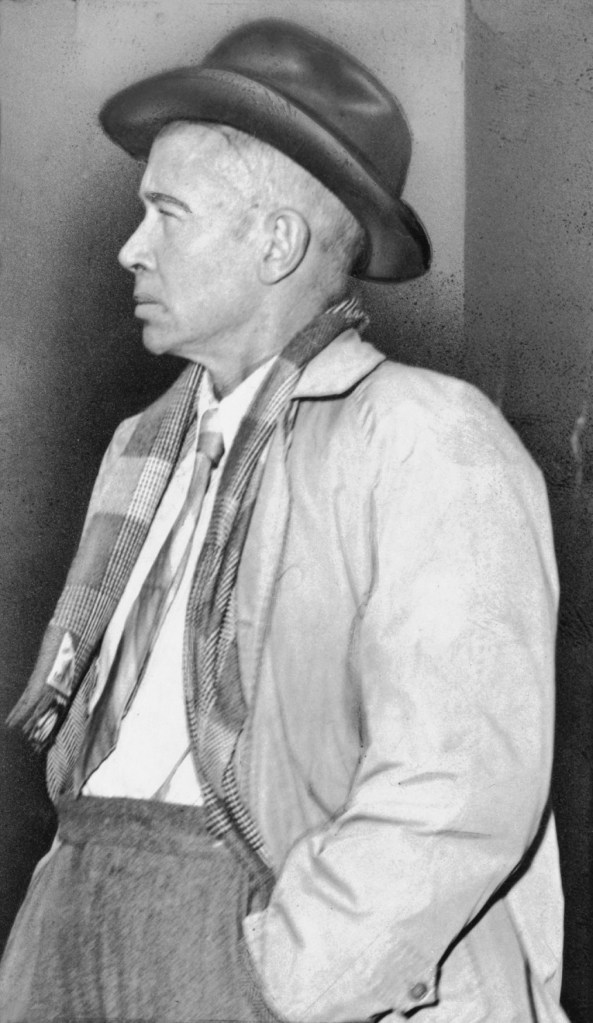
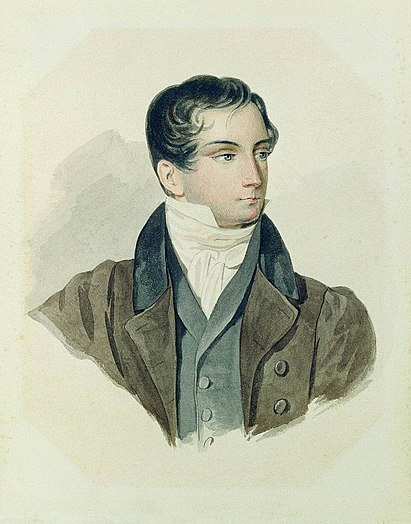
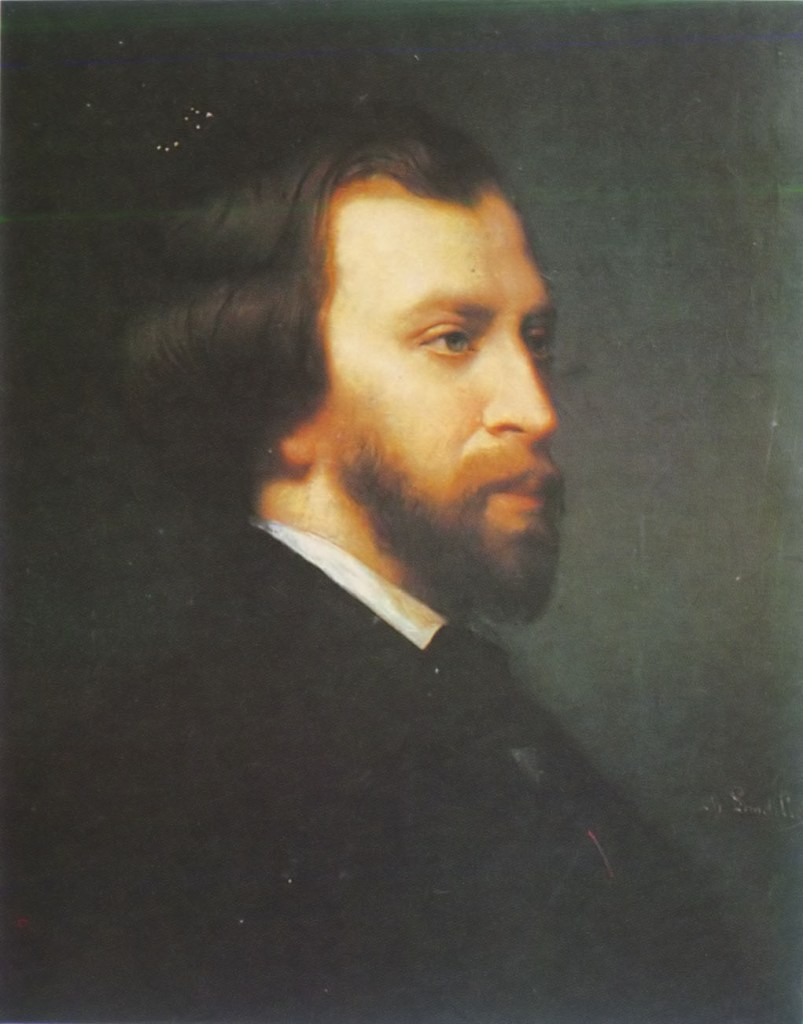
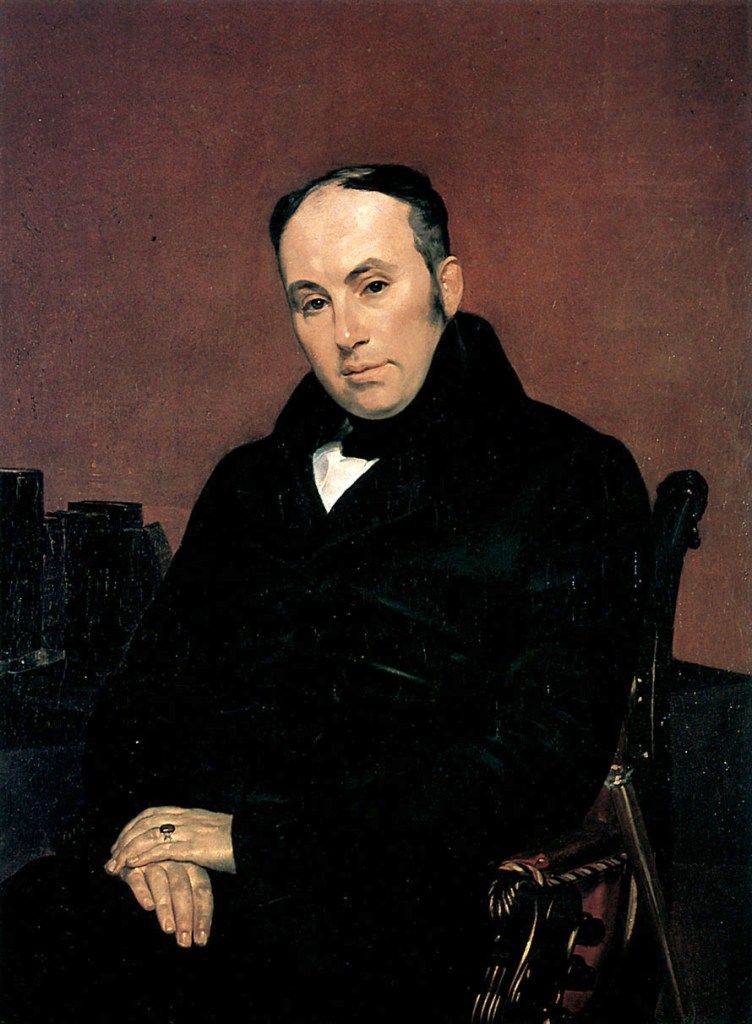
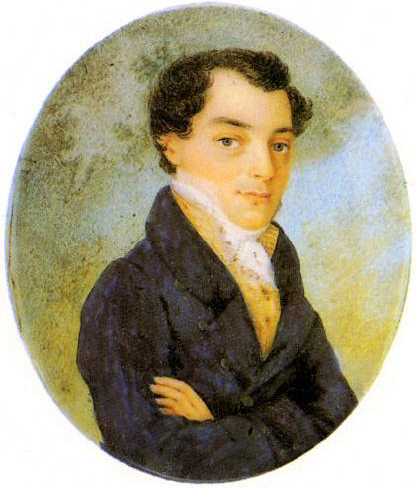
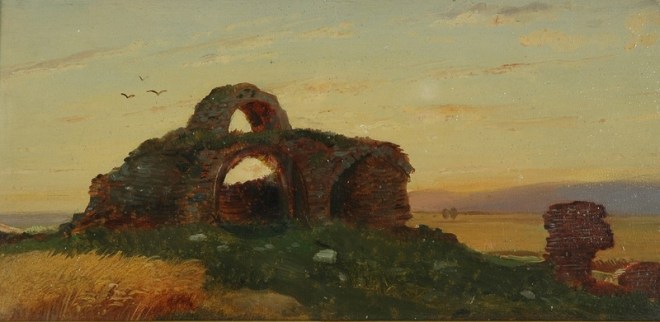
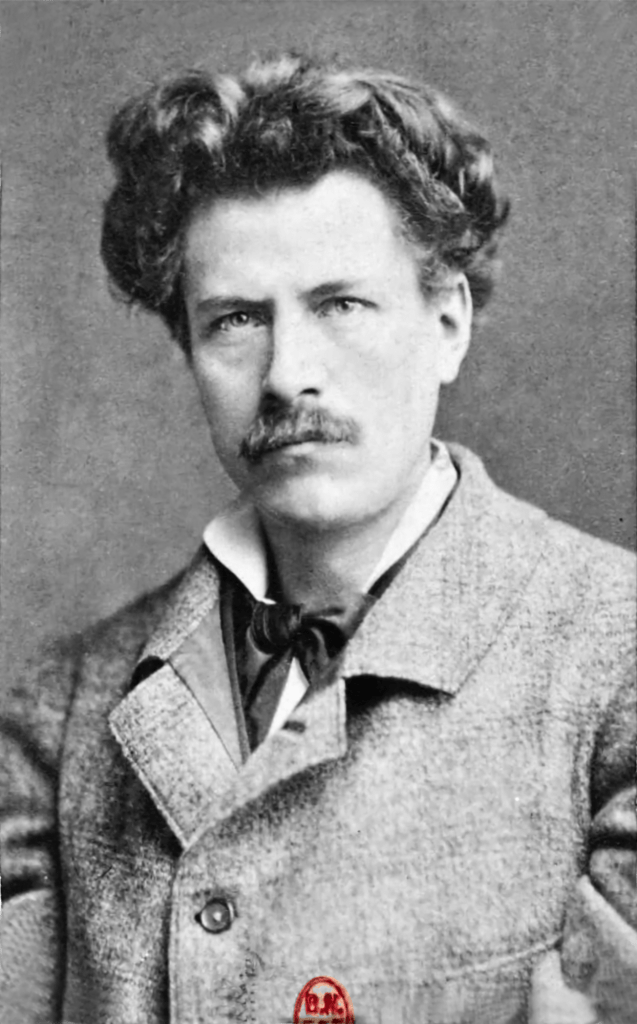
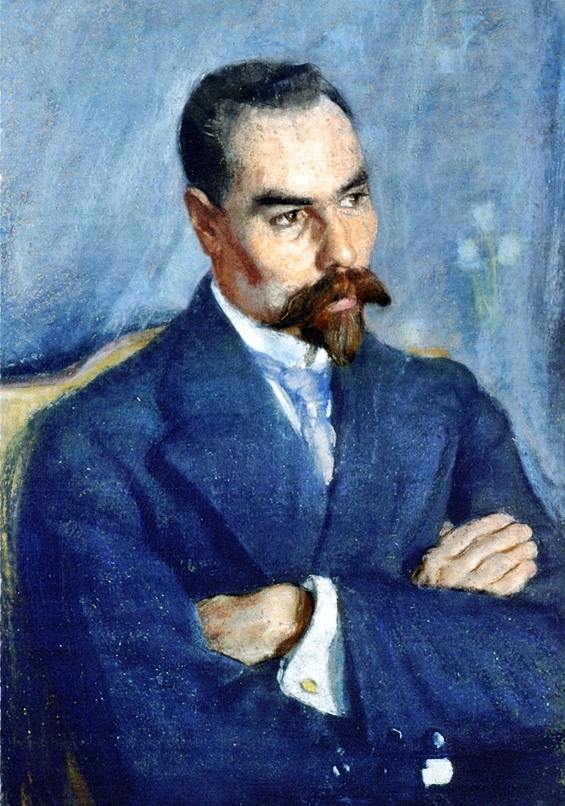
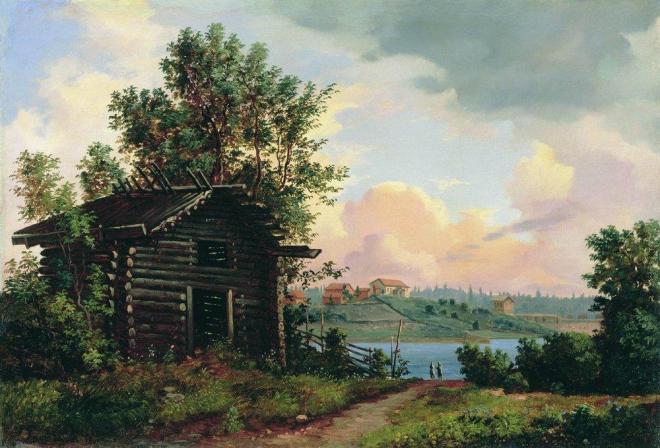
Phoebe CaryStephen CraneOliver Wendell HolmesPierre Jules Théophile Gautier Alfred de MussetPaul_Verlaine by Frédéric BazilleValéri BrioussovPyotr Andreyevich VyazemskyKondraty Fyodorovich RyleyevКамни в лесу. Валаам – 1860
Nous mettons beaucoup d’efforts dans la qualité des articles et traductions, soutenez-nous avec un like et un abonnement ou sponsorisez-nous si vous les aimez.Nous sommes aussi surFacebook et Twitter
Dear readers and subscribers, this week I poured my heart into exploring the mesmerizing worlds of American, French and Russian poetry, delving deep into the intricate emotions and vivid imagery that each piece offers, adding vibrant poems in all three languages that resonate with the soul and invite readers to experience diverse cultures through the beauty of verse. I also continued our exhilarating journey into the genius of Ivan Ivanovich Shishkin, revealing the beauty of his breathtaking masterpiece Stones in the forest. Valaam, where the play of light and shadow beautifully captures the essence of nature’s serenity and majesty. With each brushstroke, Shishkin invites us into a world that is not only seen but profoundly felt, allowing us to appreciate the rich tapestry of life surrounding us. I fervently hope you’ll discover something that ignites your passion and fills your spirit with joy, encouraging you to explore further and connect deeply with the art that speaks to your heart.
Phoebe CaryStephen CraneOliver Wendell HolmesPierre Jules Théophile Gautier Alfred de MussetPaul_Verlaine by Frédéric BazilleValéri BrioussovPyotr Andreyevich VyazemskyKondraty Fyodorovich RyleyevКамни в лесу. Валаам – 1860
We put a lot of effort into the quality of the articles and translations, support us with a like and a subscription or sponsor us if you like them. We are also on Facebook and Twitter
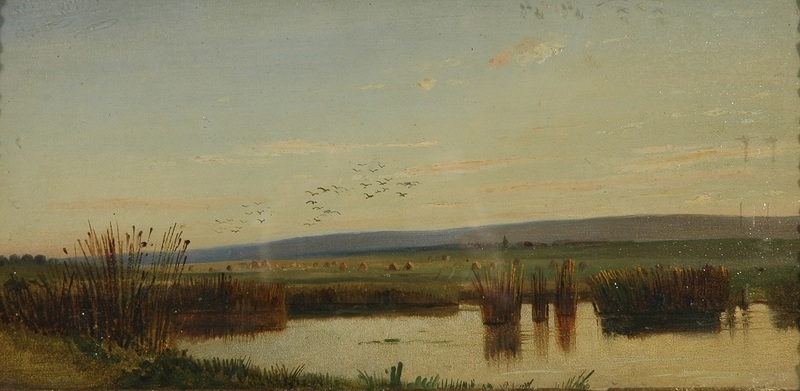
Chers lecteurs et abonnés, cette semaine a été un voyage passionnant alors que j’explorais la beauté de la poésie américaine, française et russe, ajoutant de nouveaux poèmes enchanteurs dans les trois langues qui résonnent avec différentes émotions et styles. La riche tapisserie d’expressions que l’on trouve dans ces œuvres littéraires met non seulement en valeur la profondeur culturelle de chaque langue, mais révèle également des thèmes universels qui nous relient tous. De plus, j’ai poursuivi notre série sur Ivan Ivanovitch Chichkine, mettant en valeur son chef-d’œuvre époustouflant Marais au coucher du soleil, qui capture la beauté sereine de la nature d’une manière qui évoque des sentiments de nostalgie et de tranquillité. Chaque coup de pinceau dans l’œuvre de Shishkin raconte une histoire, tout comme les vers de poésie dans lesquels je me suis plongée, et j’espère sincèrement que vous trouverez quelque chose qui vous apporte joie et inspiration en vous engageant avec ces trésors artistiques.
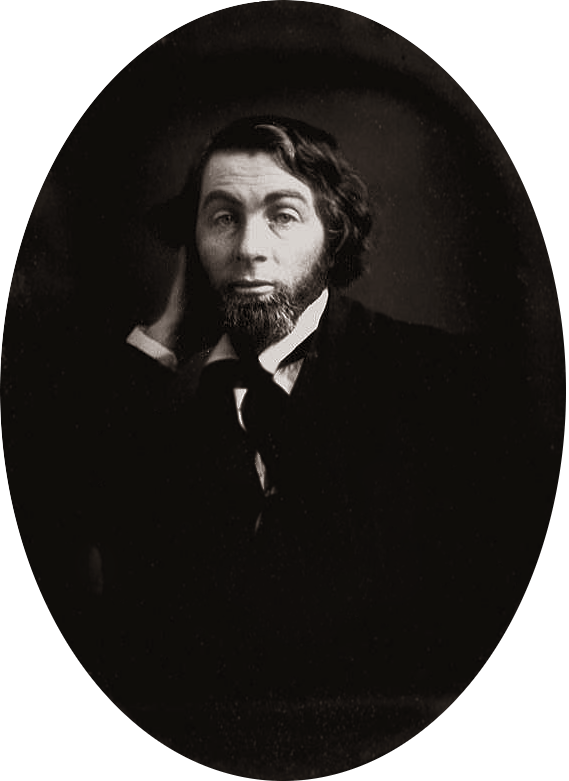
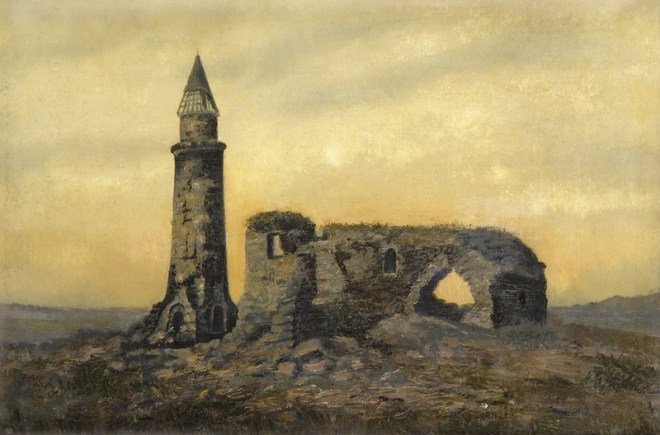
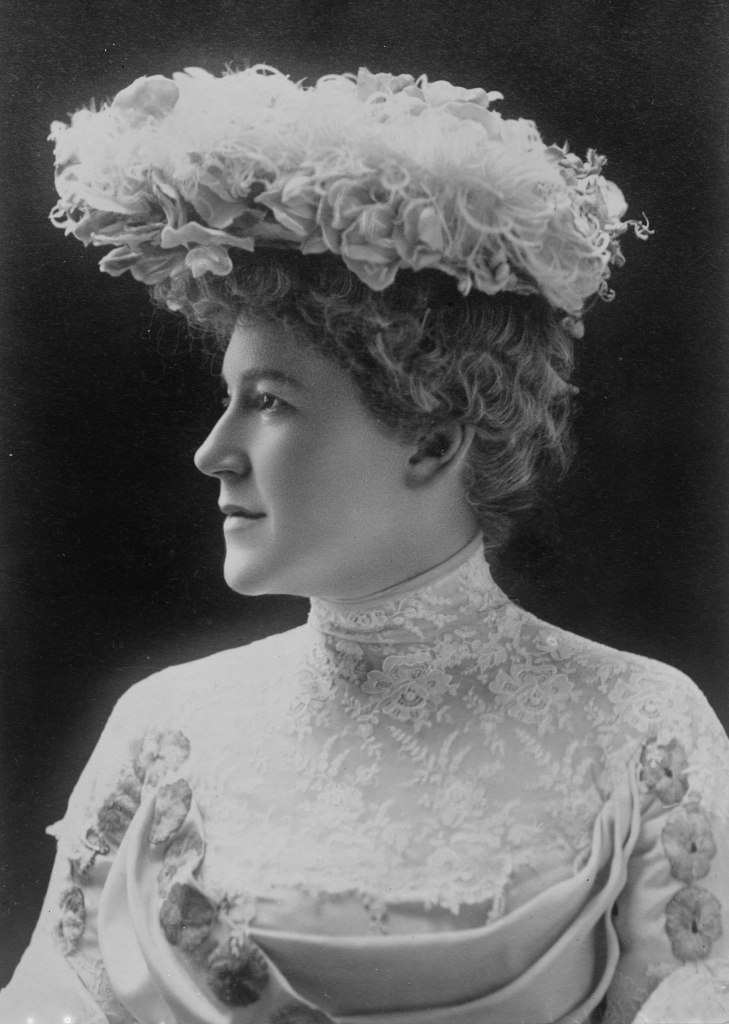
William Cullen BryantRalph Waldo EmersonNathaniel Parker WillisVictor HugoAlphonse de LamartineGérard_de_NervalBestuzhev/MarlinskyNikolai GumilevVelimir Khlebnikov 1908Болотистая местность при закате солнца – 1861
Nous mettons beaucoup d’efforts dans la qualité des articles et traductions, soutenez-nous avec un like et un abonnement ou sponsorisez-nous si vous les aimez.Nous sommes aussi surFacebook et Twitter
Dear readers and subscribers, this week has been an exciting journey as I explored the beauty of American, French and Russian poetry, adding delightful new poems in all three languages that resonate with different emotions and styles. The rich tapestry of expressions found within these literary works not only showcases the cultural depth of each language but also reveals universal themes that connect us all. Additionally, I continued our series on Ivan Ivanovich Shishkin, showcasing his breathtaking masterpiece Marshland at Sunset, which captures the serene beauty of nature in a way that evokes feelings of nostalgia and tranquility. Each brushstroke in Shishkin’s work tells a story, much like the verses of poetry I’ve been delving into, and I truly hope you’ll find something that brings you joy and inspiration as you engage with these artistic treasures.
William Cullen BryantRalph Waldo EmersonNathaniel Parker WillisVictor HugoAlphonse de LamartineGérard_de_NervalBestuzhev/MarlinskyNikolai GumilevVelimir Khlebnikov 1908Болотистая местность при закате солнца – 1861
We put a lot of effort into the quality of the articles and translations, support us with a like and a subscription or sponsor us if you like them. We are also on Facebook and Twitter
Chers lecteurs et abonnés, cette semaine a été incroyablement productive alors que je plongeais dans les beaux mondes de la poésie américaine, française et russe, ajoutant une délicieuse sélection de poèmes dans les trois langues qui non seulement mettent en avant les nuances culturelles uniques mais reflètent également la profondeur émotionnelle et l’artisanat de chaque tradition. Ces sélections, je l’espère, vous inspireront à explorer davantage ces paysages poétiques variés. J’ai également poursuivi notre série passionnante sur Ivan Ivanovitch Chichkine, où j’ai présenté son chef-d’œuvre époustouflant “Paysage forestier”, une représentation extraordinaire de la nature qui captive l’imagination du spectateur. Sa capacité à dépeindre le délicat jeu de lumière et d’ombre parmi les arbres est vraiment remarquable. J’espère sincèrement que vous trouverez ici quelque chose qui égayera votre journée et vous encouragera à plonger plus profondément dans la beauté de l’art et de la littérature !
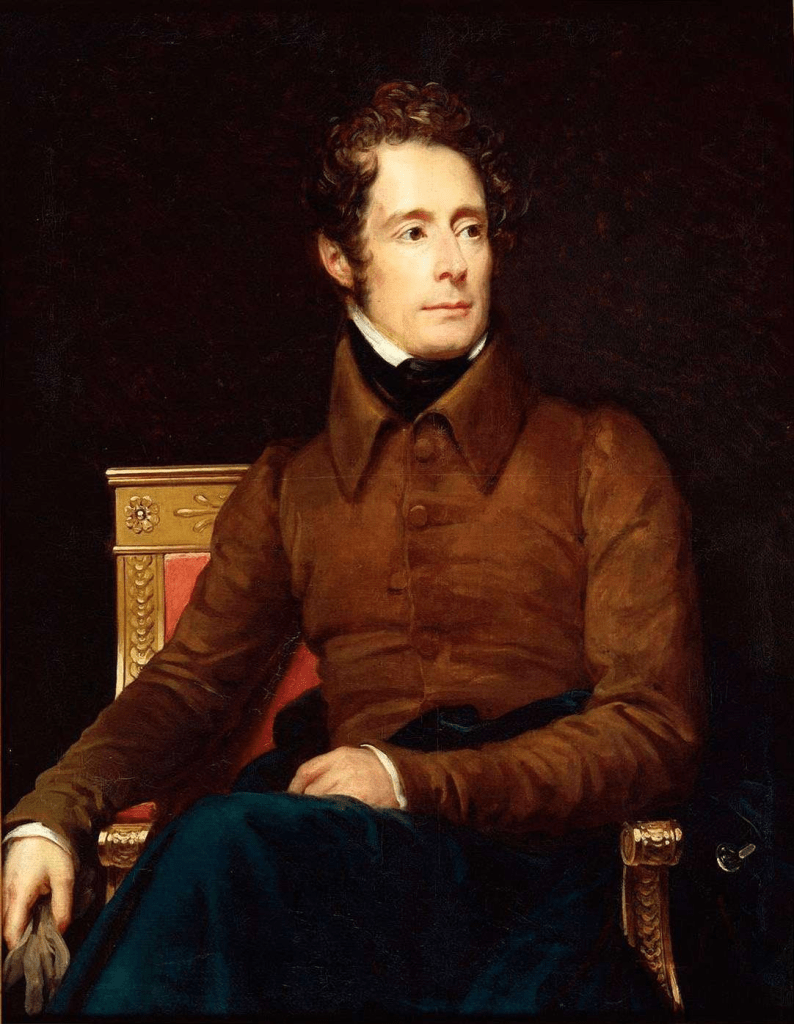
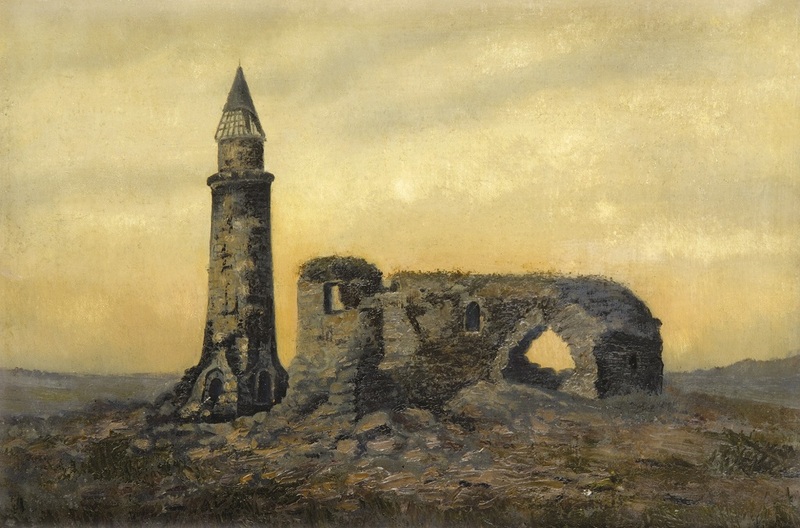
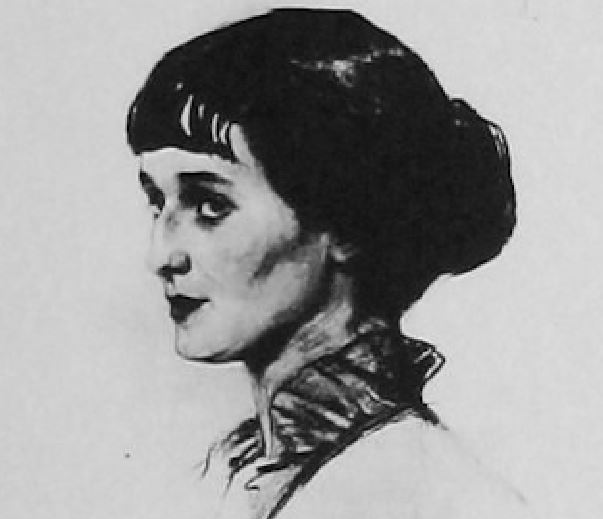
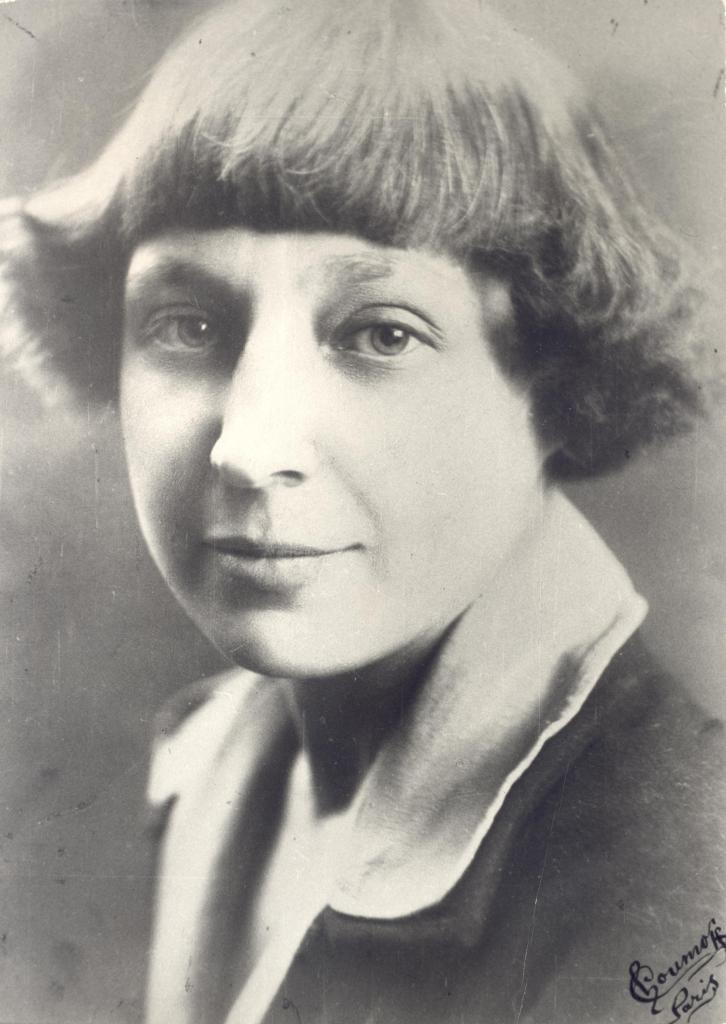
Henry Van DykePhilip FreneauEdna St. Vincent MillayGuillaume Apollinaire Alfred de MussetMaurice RollinatAnna AkhmatovaVladimir Mayakovsky 1910Marina TsvetaevaЛесной пейзаж – 1890
Nous mettons beaucoup d’efforts dans la qualité des articles et traductions, soutenez-nous avec un like et un abonnement ou sponsorisez-nous si vous les aimez.Nous sommes aussi surFacebook et Twitter
Dear readers and subscribers, this week has been incredibly productive as I dove into the beautiful worlds of American, French and Russian poetry, adding a delightful selection of poems in all three languages that not only highlight the unique cultural nuances but also reflect the emotional depth and artistry of each tradition. These selections will hopefully inspire you to explore these varied poetic landscapes further. I’ve also continued our exciting series on Ivan Ivanovich Shishkin, where I showcased his breathtaking masterpiece “Forest Landscape”, an extraordinary representation of nature that captivates the viewer’s imagination. His ability to portray the delicate interplay of light and shadow among the trees is something truly remarkable. I truly hope you’ll find something here that brightens your day and encourages you to delve deeper into the beauty of art and literature!
Henry Van DykePhilip FreneauEdna St. Vincent MillayGuillaume Apollinaire Alfred de MussetMaurice RollinatAnna AkhmatovaVladimir Mayakovsky 1910Marina TsvetaevaЛесной пейзаж – 1890
We put a lot of effort into the quality of the articles and translations, support us with a like and a subscription or sponsor us if you like them. We are also on Facebook and Twitter
Chers lecteurs et abonnés, cette semaine, je me suis plongée avec passion dans les royaumes enchanteurs de la poésie américaine, française et russe, ajoutant une collection de poèmes captivants dans les trois langues qui reflètent les divers paysages culturels d’où ils émergent. Chaque poème déroule un récit unique, riche en émotions et en art, offrant des aperçus des âmes des poètes qui les ont écrits. J’ai également poursuivi notre série exaltante sur Ivan Ivanovitch Chichkine, présentant son chef-d’œuvre éblouissant “Paysage rocheux”, qui non seulement captive l’œil mais évoque aussi une profonde appréciation de la beauté de la nature. En vous immergeant dans cet univers d’art et d’expression, j’espère que vous découvrirez quelque chose de vraiment délicieux ! Embrassez le voyage à travers le mot écrit, car chaque ligne peut mener à de nouvelles idées et inspirations.
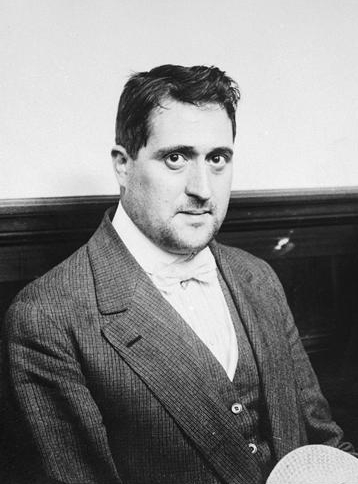
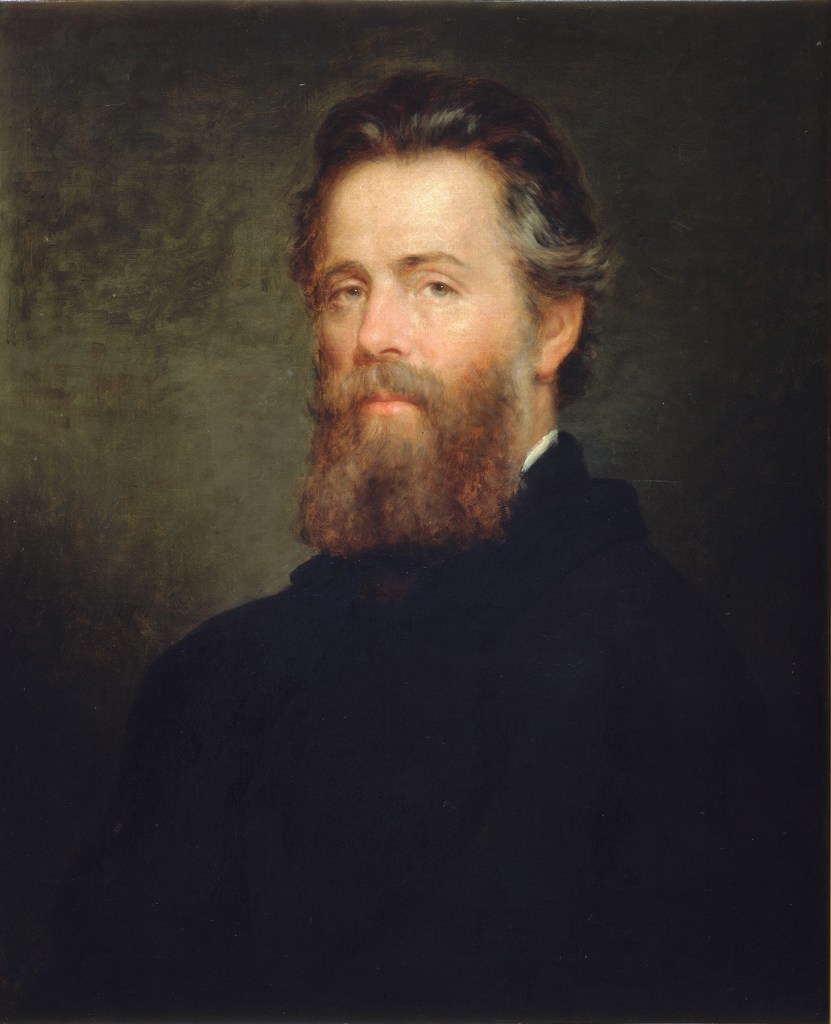
Stephen CranePaul Laurence DunbarHerman MelvillePierre CorneillePaul ÉluardPaul_Verlaine by Frédéric BazilleDmitry Vladimirovich VenevitinovVasily ZhukovskyFyodor Sologub 1895Скалистый берег – 1889
Nous mettons beaucoup d’efforts dans la qualité des articles et traductions, soutenez-nous avec un like et un abonnement ou sponsorisez-nous si vous les aimez.Nous sommes aussi surFacebook et Twitter
Dear readers and subscribers, this week, I passionately delved into the enchanting realms of American, French and Russian poetry, adding a collection of captivating poems in all three languages that reflect the diverse cultural landscapes they emerge from. Each poem unfolds a unique narrative, rich with emotion and artistry, providing glimpses into the souls of the poets who penned them. I also continued our exhilarating series on Ivan Ivanovich Shishkin, showcasing his stunning masterpiece “Rocky landscape”, which not only captivates the eye but also evokes a profound appreciation for nature’s beauty. As you immerse yourselves in this world of artistry and expression, I hope you’ll discover something truly delightful! Embrace the journey through the written word, for every line can lead to new insights and inspirations.
Stephen CranePaul Laurence DunbarHerman MelvillePierre CorneillePaul ÉluardPaul_Verlaine by Frédéric BazilleDmitry Vladimirovich VenevitinovVasily ZhukovskyFyodor Sologub 1895Скалистый берег – 1889
We put a lot of effort into the quality of the articles and translations, support us with a like and a subscription or sponsor us if you like them. We are also on Facebook and Twitter
Вечная слава героям павшим в великой отечественной войне.
Константин Симонов
Ты помнишь, Алеша, дороги Смоленщины
Ты помнишь, Алеша, дороги Смоленщины, Как шли бесконечные, злые дожди, Как кринки несли нам усталые женщины, Прижав, как детей, от дождя их к груди,
Как слёзы они вытирали украдкою, Как вслед нам шептали: -Господь вас спаси!- И снова себя называли солдатками, Как встарь повелось на великой Руси.
Слезами измеренный чаще, чем верстами, Шел тракт, на пригорках скрываясь из глаз: Деревни, деревни, деревни с погостами, Как будто на них вся Россия сошлась,
Как будто за каждою русской околицей, Крестом своих рук ограждая живых, Всем миром сойдясь, наши прадеды молятся За в бога не верящих внуков своих.
Ты знаешь, наверное, все-таки Родина — Не дом городской, где я празднично жил, А эти проселки, что дедами пройдены, С простыми крестами их русских могил.
Не знаю, как ты, а меня с деревенскою Дорожной тоской от села до села, Со вдовьей слезою и с песнею женскою Впервые война на проселках свела.
Ты помнишь, Алеша: изба под Борисовом, По мертвому плачущий девичий крик, Седая старуха в салопчике плисовом, Весь в белом, как на смерть одетый, старик.
Ну что им сказать, чем утешить могли мы их? Но, горе поняв своим бабьим чутьем, Ты помнишь, старуха сказала:- Родимые, Покуда идите, мы вас подождем.
«Мы вас подождем!»- говорили нам пажити. «Мы вас подождем!»- говорили леса. Ты знаешь, Алеша, ночами мне кажется, Что следом за мной их идут голоса.
По русским обычаям, только пожарища На русской земле раскидав позади, На наших глазах умирали товарищи, По-русски рубаху рванув на груди.
Нас пули с тобою пока еще милуют. Но, трижды поверив, что жизнь уже вся, Я все-таки горд был за самую милую, За горькую землю, где я родился,
За то, что на ней умереть мне завещано, Что русская мать нас на свет родила, Что, в бой провожая нас, русская женщина По-русски три раза меня обняла.
We put a lot of effort into the quality of the articles and translations, support us with a like and a subscription or sponsor us if you like them. We are also on Facebook and Twitter
Dear readers and subscribers, I am thrilled to express my heartfelt gratitude to all our veterans on this Victory Day! Let us celebrate and honor the brave heroes who fought valiantly in the Second World War, defending our freedom and values with unwavering courage. Their sacrifices remind us of the great cost of liberty and the importance of remembrance.
In the spirit of remembrance and appreciation, I am excited to present to you 5 inspiring Russian films about WWII with English subtitles, which offer profound insights into the struggles and triumphs of that era, along with my translation of the beautiful poem “Do you remember, Alyosha, the roads of Smolensk?” by Konstantin Simonov. Written in 1941, this work beautifully captures the retreat of Soviet troops near Smolensk during that summer.
Together, let us ensure that the legacy of these courageous individuals lives on in our hearts and minds.
Then, I finally found the time to update the page All our posts….
The first “The Fire Bulge” tells about the heroic battle at the Kursk Bulge in the 1943 summer.
The Battle of Kursk represented a pivotal confrontation on the Eastern Front during World War II, taking place between the military forces of Nazi Germany and the Soviet Union near Kursk, in southwestern Russia, throughout the summer of 1943. This engagement resulted in a decisive victory for the Soviet forces. Significantly, the Battle of Kursk is acknowledged as the largest tank battle in recorded military history.
The second film “Breakthrough” is about the battle for the Dnieper River and the Soviet offensive operation in 1944.
The Battle of the Dnieper represented a critical military campaign that transpired in 1943 on the Eastern Front during World War II. As one of the largest operations of the conflict, it involved nearly four million troops at its zenith and spanned a front of 1,400 kilometers. Over a period of four months, five fronts of the Red Army systematically reclaimed the eastern bank of the Dnieper from German forces by executing a succession of assault river crossings to establish multiple lodgments on the western bank.
The Leningrad–Novgorod strategic offensive represented a pivotal campaign during World War II. Initiated by the Red Army on 14 January 1944, it targeted the German Army Group North, employing the forces of the Soviet Volkhov and Leningrad fronts alongside elements of the 2nd Baltic Front, with the objective of conclusively alleviating the siege of Leningrad. Within approximately two weeks, the Red Army succeeded in regaining control of the Moscow–Leningrad railway, and on 26 January 1944, Joseph Stalin announced the lifting of the siege of Leningrad, declaring that German forces had been expelled from the Leningrad Oblast. The end of the 900-day blockade was commemorated in Leningrad that day with a solemn 324-gun salute. The strategic offensive concluded a month later on 1 March.
The third film, “Direction of the Main Blow” is about Operation Bagration, which resulted in the complete liberation of Belarus from Nazi troops.
Operation Bagration was the codename for the 1944 Soviet strategic offensive in Byelorussia, which began on 22 June and concluded on 19 August 1944. This military campaign unfolded in Soviet Byelorussia on the Eastern Front during World War II, occurring shortly after the start of Operation Overlord in the west. Significantly, this operation forced Nazi Germany to confront challenges on two major fronts for the first time since the outbreak of the war.
The fourth film is The Battle of Berlin. 1945, the last months of the war. These are the days when the fate of enslaved Europe is decided.
The Battle of Berlin, officially designated as the Berlin Strategic Offensive Operation by the Soviet Union and widely recognized as the Fall of Berlin, represented one of the concluding significant offensives in the European theatre of World War II. Subsequent to the Vistula–Oder Offensive, which transpired from January to February 1945, the Red Army established a temporary pause at a line located 60 kilometers east of Berlin.
The fifth film, The Last Assault, is about the storming of the Reichstag, about the battle for every room, for every floor…
Translation of the poem “Do you remember, Alyosha, the roads of Smolensk?” by Konstantin Simonov in English with English and Russian side by side
Константин Симонов — Ты помнишь, Алеша, дороги Смоленщины
Do you remember, Alyosha, the roads of Smolensk?
Translated by Akirill.com
Ты помнишь, Алеша, дороги Смоленщины,
Do you remember, Alyosha, the roads of Smolensk,
Как шли бесконечные, злые дожди,
How endless, angry rains fell,
Как кринки несли нам усталые женщины,
How tired women brought us jugs,
Прижав, как детей, от дождя их к груди,
Pressing them to their chests like children from the rain,
USSR Victory over the Reichstag. 1945 – Victoire de l’URSS sur le Reichstag. 1945
Как слёзы они вытирали украдкою,
How they secretly wiped away their tears,
Как вслед нам шептали: -Господь вас спаси!-
How they whispered after us: – God save you! –
И снова себя называли солдатками,
And again they called themselves soldiers’ wives,
Как встарь повелось на великой Руси.
As was the custom in great Russia in the old days.
Слезами измеренный чаще, чем верстами,
Measured more often by tears than by miles,
Шел тракт, на пригорках скрываясь из глаз:
The road went, disappearing from sight on the hills:
We put a lot of effort into the quality of the articles and translations, support us with a like and a subscription or sponsor us if you like them. We are also on Facebook and Twitter