On this site we hope to help you learn, and to remove the difficulties caused by the difference of culture and language. Sur ce site nous espérons vous aider à apprendre, et à enlever la barrière causée par les différents languages et cultures.
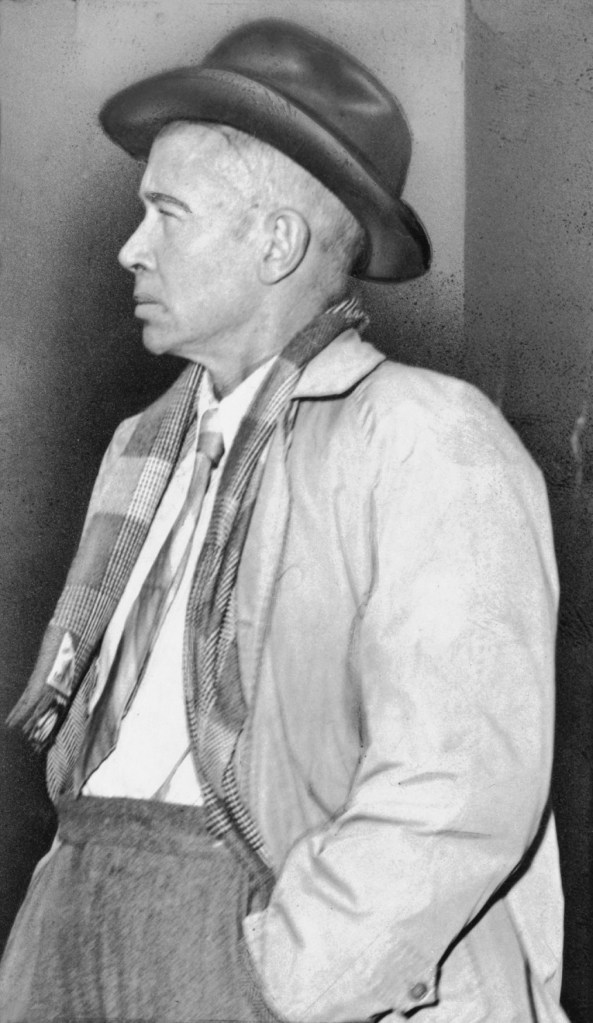
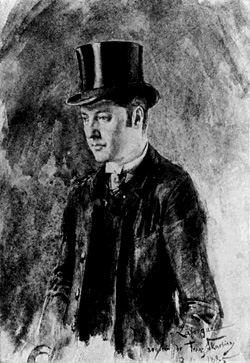
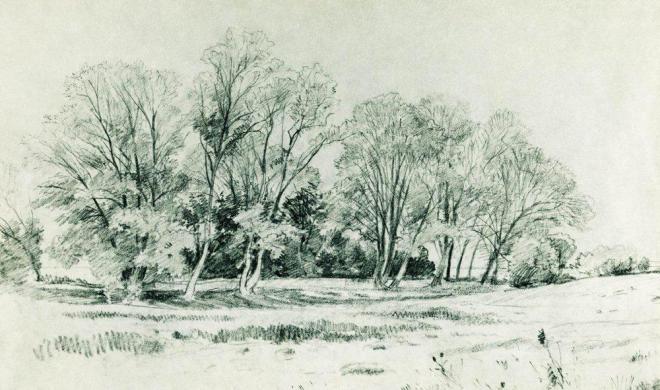
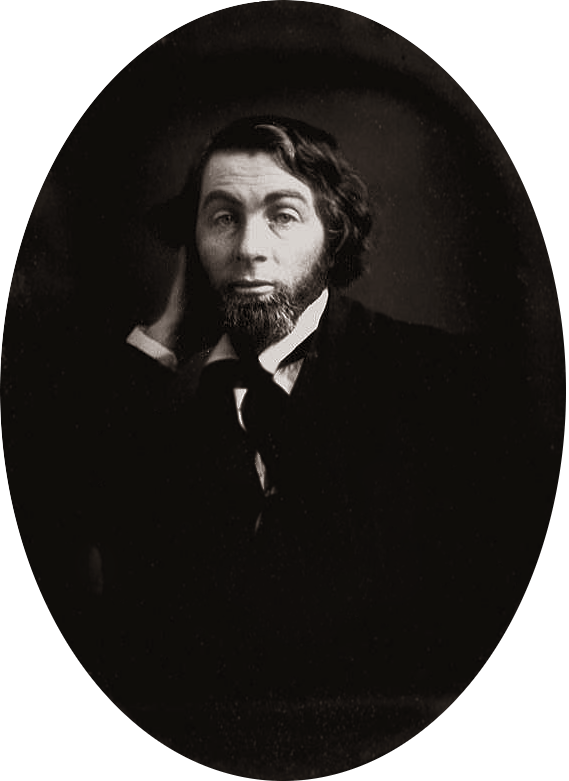
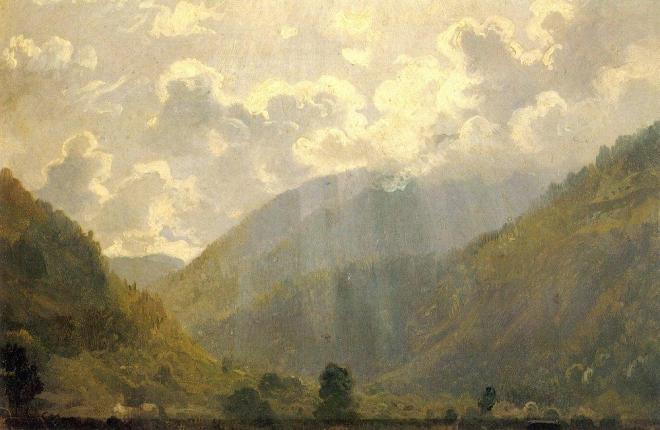
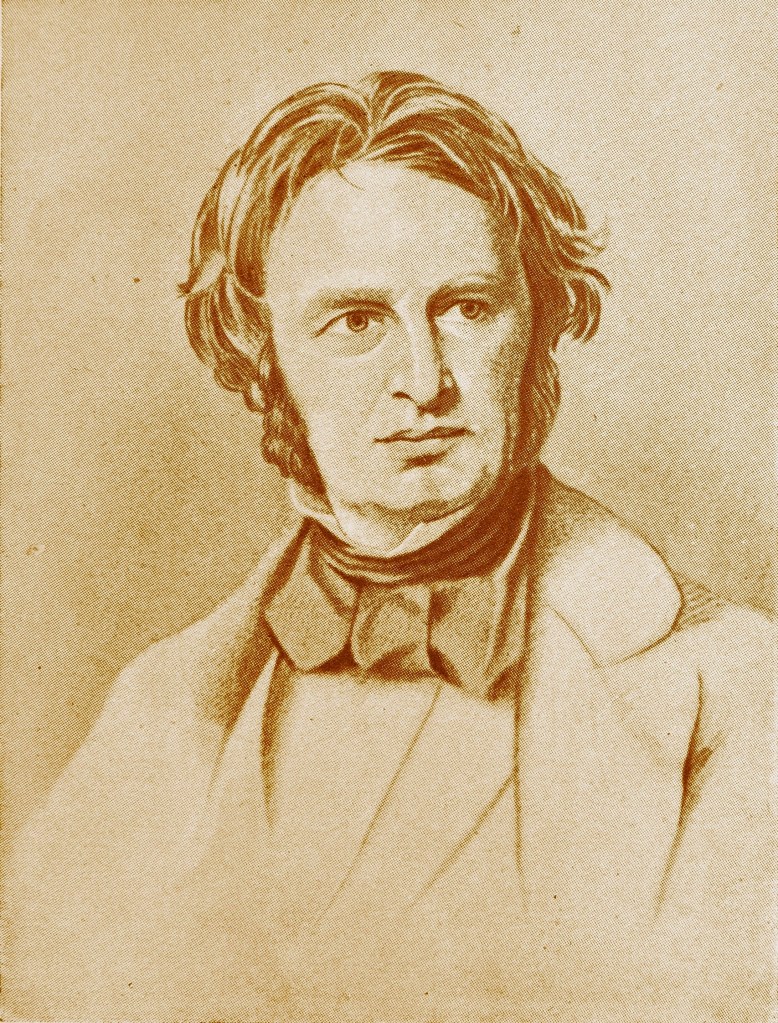
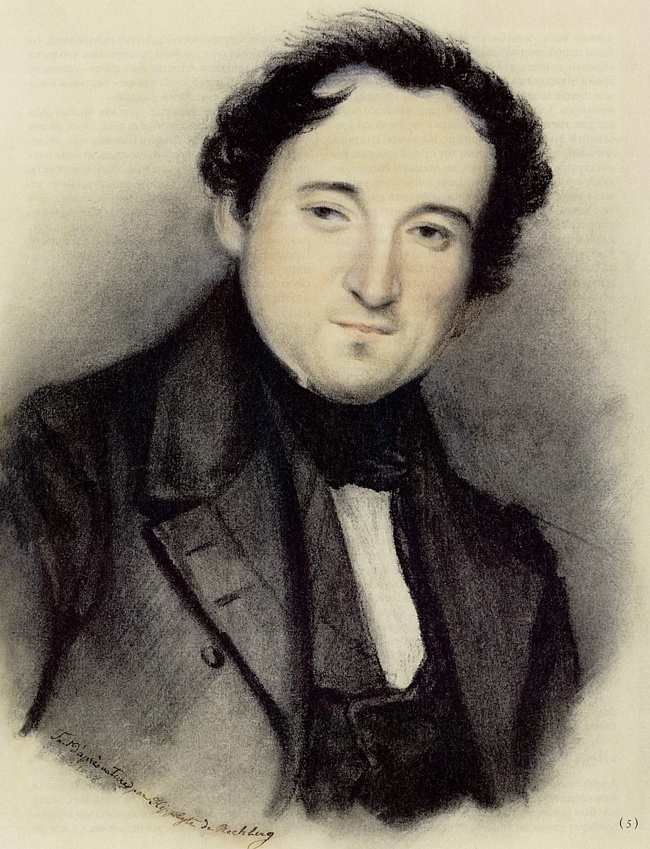
Anne Charlotte Lynch BottaJames Russell LowellWalt Whitman Antoinette Des HoulièresGérard_de_NervalPaul_VerlainePyotr A. VyazemskySergei Yessenin Fyodor Sologub Последние лучи – 1865
We put a lot of effort into the quality of the articles and translations, support us with a like and a subscription or sponsor us if you like them. We are also on Facebook and Twitter
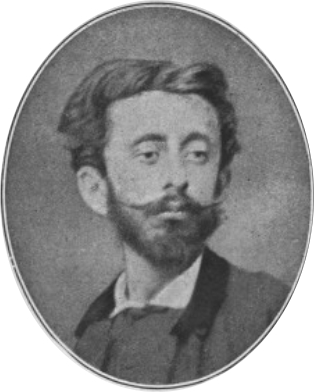
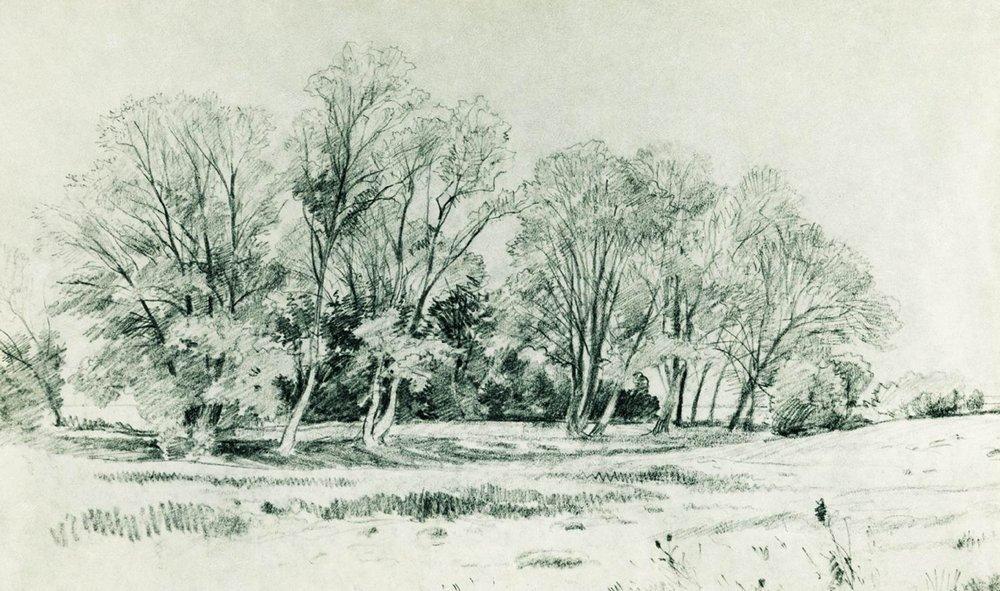
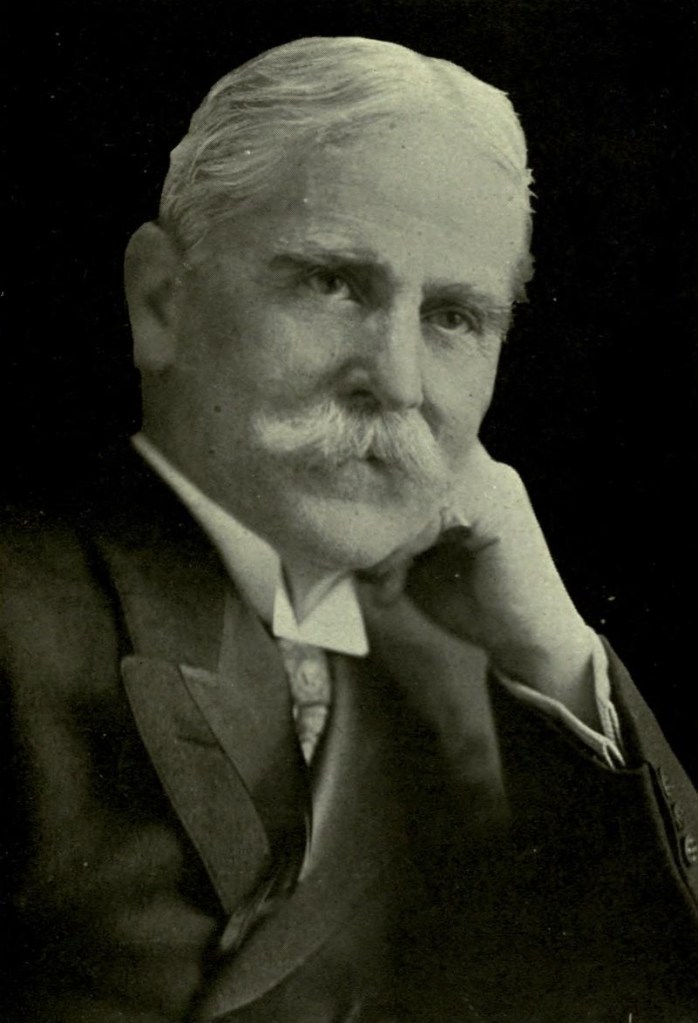
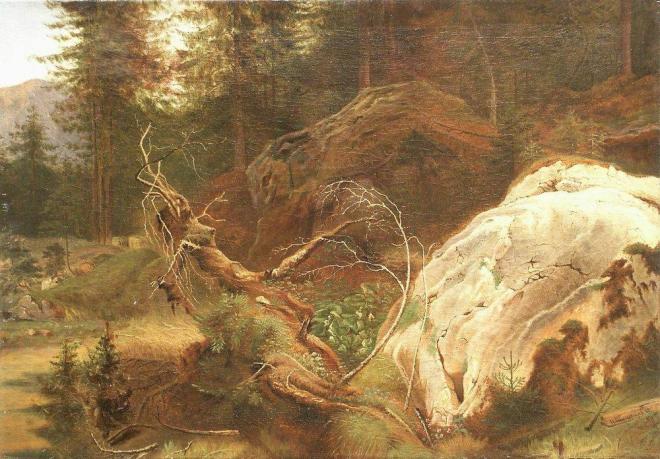
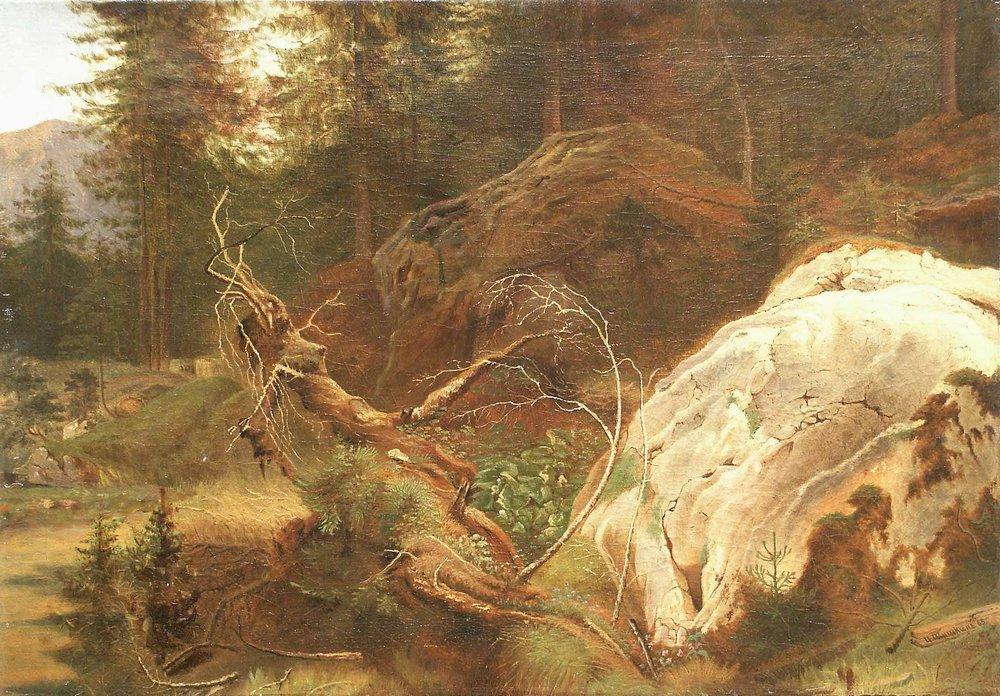
Henry Wadsworth LongfelloHenry Van DykeElla W. WilcoxTristan CorbièrePaul ÉluardGustave KahnValéri BrioussovAlexander PushkinFyodor TyutchevКамни в лесу – 1865
Nous mettons beaucoup d’efforts dans la qualité des articles et traductions, soutenez-nous avec un like et un abonnement ou sponsorisez-nous si vous les aimez.Nous sommes aussi surFacebook et Twitter
Henry Wadsworth LongfelloHenry Van DykeElla W. WilcoxTristan CorbièrePaul ÉluardGustave KahnValéri BrioussovAlexander PushkinFyodor TyutchevКамни в лесу – 1865
We put a lot of effort into the quality of the articles and translations, support us with a like and a subscription or sponsor us if you like them. We are also on Facebook and Twitter
Nous mettons beaucoup d’efforts dans la qualité des articles et traductions, soutenez-nous avec un like et un abonnement ou sponsorisez-nous si vous les aimez.Nous sommes aussi surFacebook et Twitter
We put a lot of effort into the quality of the articles and translations, support us with a like and a subscription or sponsor us if you like them. We are also on Facebook and Twitter
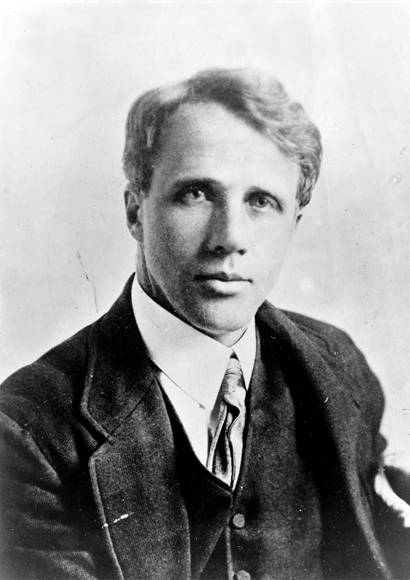
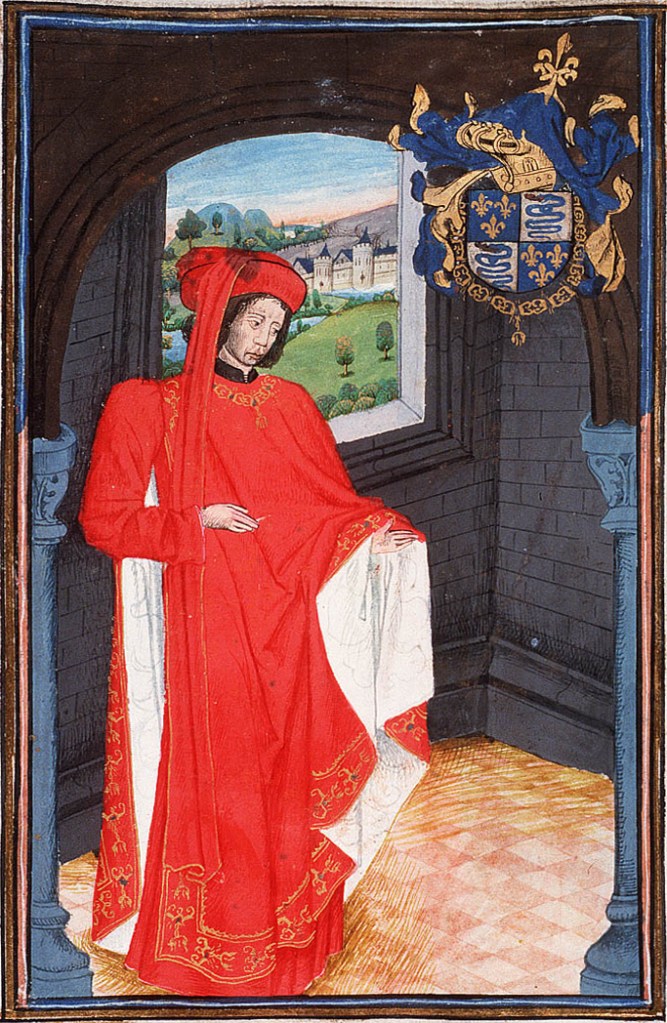
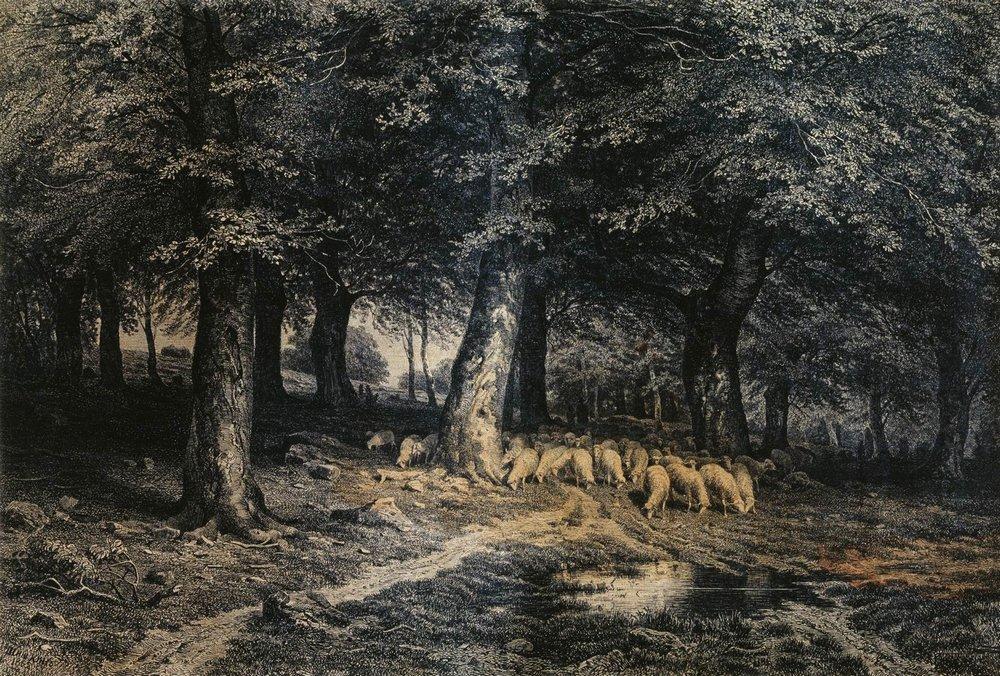
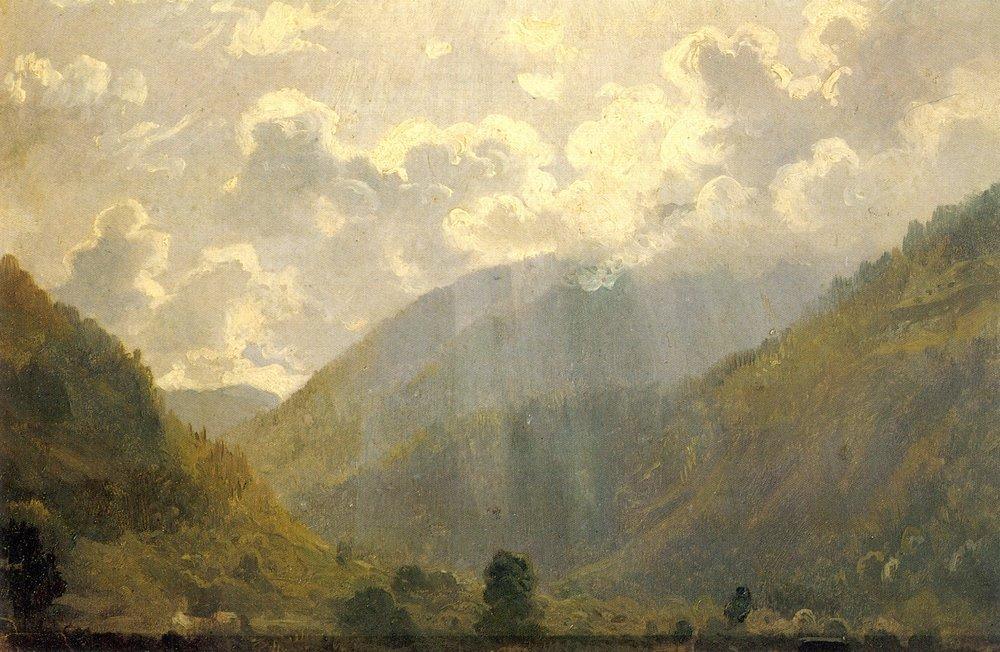
Edward Estlin CummingsRobert FrostWallace_Stevens,_1948Guillaume Apollinaire Alfred de MussetCharles_ d’OrléansMikhail LermontovKonstantin SimonovAfanasy FetВид в окрестностях Дюссельдорфа – 1865
Nous mettons beaucoup d’efforts dans la qualité des articles et traductions, soutenez-nous avec un like et un abonnement ou sponsorisez-nous si vous les aimez.Nous sommes aussi surFacebook et Twitter
Edward Estlin CummingsRobert FrostWallace_Stevens,_1948Guillaume Apollinaire Alfred de MussetCharles_ d’OrléansMikhail LermontovKonstantin SimonovAfanasy FetВид в окрестностях Дюссельдорфа – 1865
We put a lot of effort into the quality of the articles and translations, support us with a like and a subscription or sponsor us if you like them. We are also on Facebook and Twitter
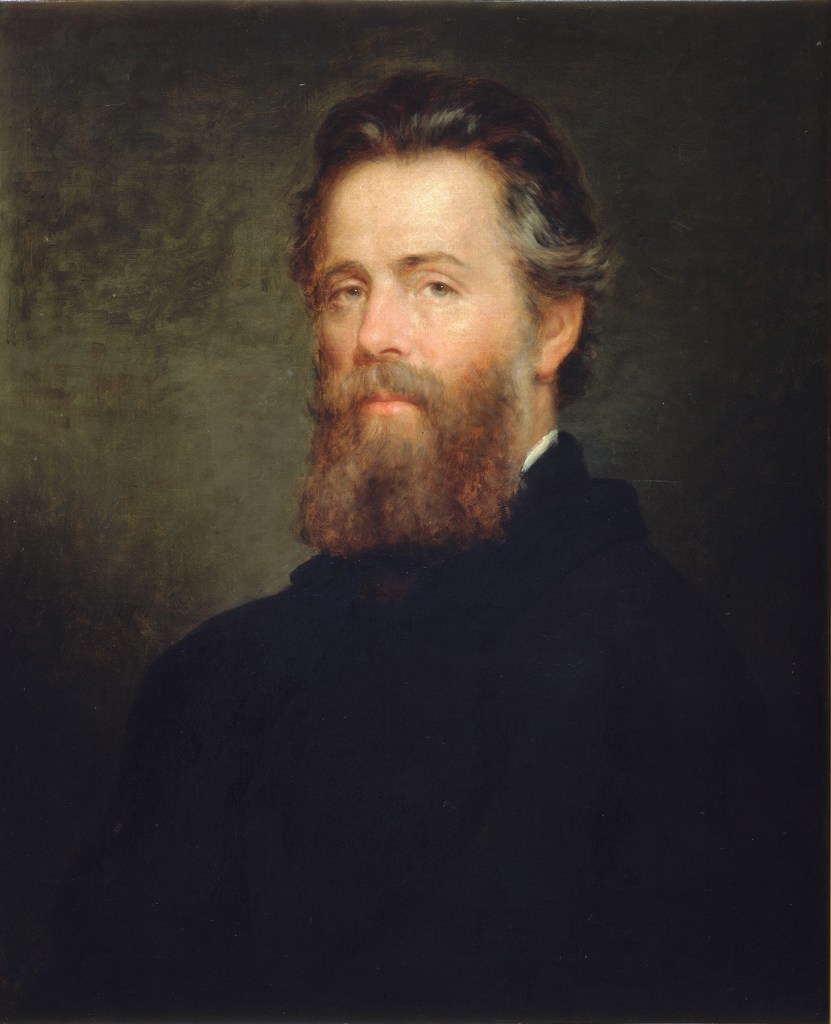
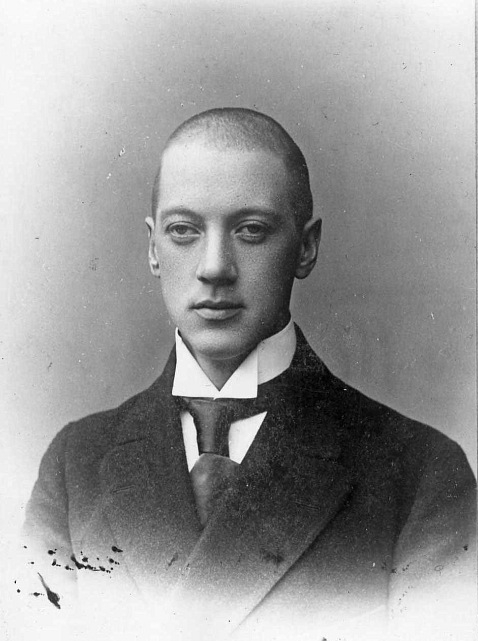
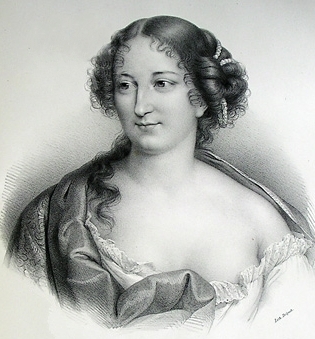
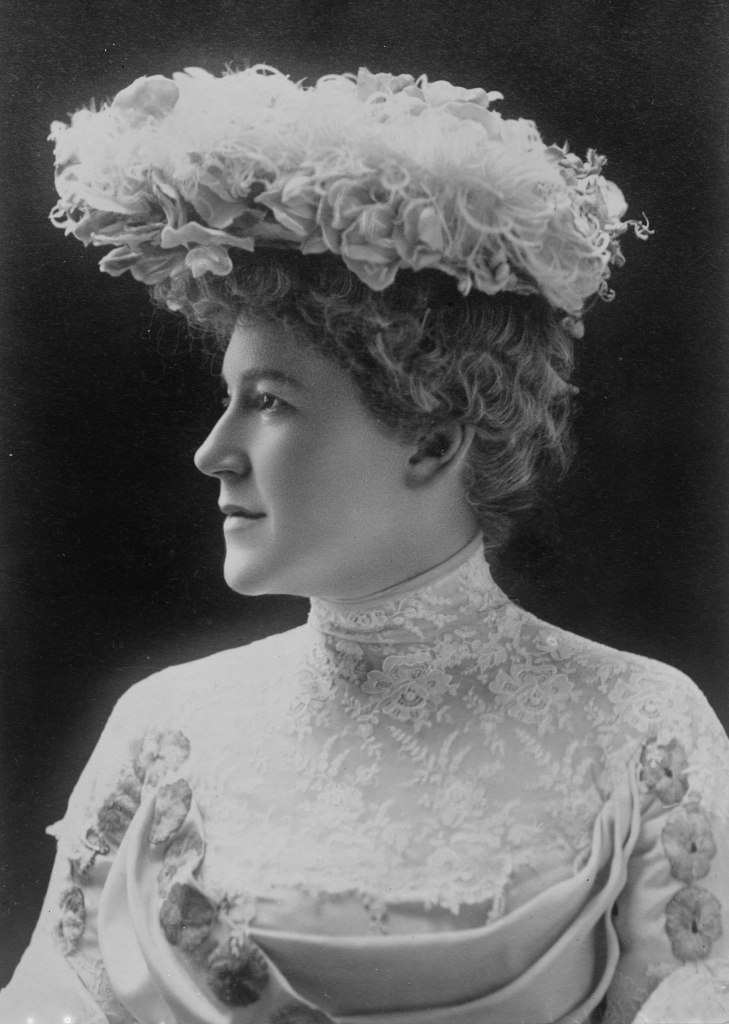
William Cullen BryantPaul Laurence DunbarOliver Wendell HolmesAntoinette Des HoulièresFrançois de MalherbeRimbaudAnna AkhmatovaNikolai GumilevNikolay Nekrasov – В роще – 1865
Nous mettons beaucoup d’efforts dans la qualité des articles et traductions, soutenez-nous avec un like et un abonnement ou sponsorisez-nous si vous les aimez.Nous sommes aussi surFacebook et Twitter
William Cullen BryantPaul Laurence DunbarOliver Wendell HolmesAntoinette Des HoulièresFrançois de MalherbeRimbaudAnna AkhmatovaNikolai GumilevNikolay Nekrasov – В роще – 1865
We put a lot of effort into the quality of the articles and translations, support us with a like and a subscription or sponsor us if you like them. We are also on Facebook and Twitter
Dear readers and subscribers, I wish you all a Happy Valentine’s Day filled with warmth, joy, and the beauty of love. To celebrate this special occasion, I have chosen three beautiful love poems, each presented in their original languages to preserve the essence of the poet’s heartfelt emotions. The first is “Annabel Lee” by our American poet Edgar Allan Poe, a hauntingly romantic narrative that captures the depths of love and loss in a most poignant manner. Next, we journey to France with Victor Hugo‘s enchanting poem, “Mon bras pressait ta taille frêle…,” which beautifully weaves themes of passion and tenderness through exquisite language. To conclude our literary exploration, we turn to Russia and the evocative lines of “We met at sunset“(Мы встречались с тобой на закате) by Alexander Blok, a poem that reflects the magic of fleeting moments and the profound connections we share. May these verses bring you inspiration and remind you of the many facets of love in our lives.
Annabel Lee
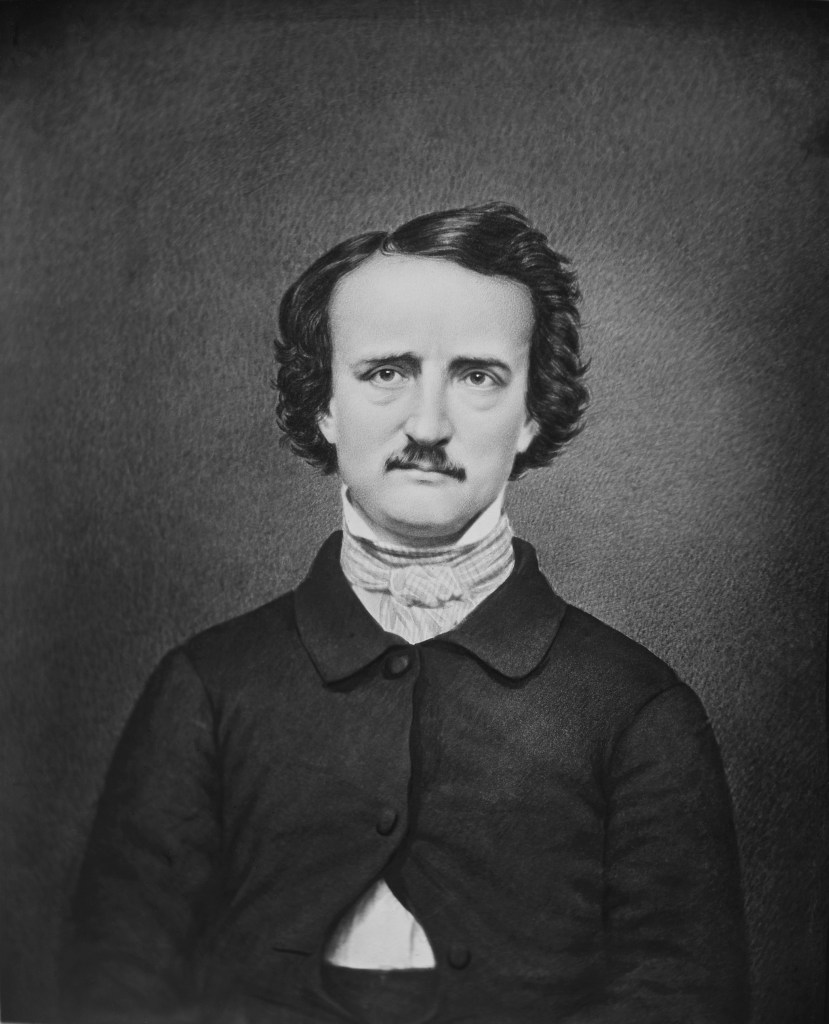
Edgar Allan Poe
“Annabel Lee” is a beautiful poem composed by Edgar Allan Poe, one of the most celebrated figures in American literature. It stands as the final masterpiece that Poe completed, and it was published just two days after his passing in 1849. The poem explores a theme often found in Poe’s work: the enduring love for a young, enchanting woman. Narrated by Annabel Lee’s devoted lover, the poem passionately expresses their deep connection and love that transcends any obstacles posed by others and even supernatural forces. Ultimately, the speaker joyfully affirms that their bond is so powerful that, even after her departure, they remain united in spirit, showcasing the timeless nature of true love.
Edgar Allan poe
It was many and many a year ago, In a kingdom by the sea, That a maiden there lived whom you may know By the name of Annabel Lee; And this maiden she lived with no other thought Than to love and be loved by me.
I was a child and she was a child, In this kingdom by the sea: But we loved with a love that was more than love— I and my Annabel Lee; With a love that the winged seraphs of heaven Coveted her and me.
And this was the reason that, long ago, In this kingdom by the sea, A wind blew out of a cloud, chilling My beautiful Annabel Lee; So that her highborn kinsmen came And bore her away from me, To shut her up in a sepulchre In this kingdom by the sea.
The angels, not half so happy in heaven, Went envying her and me— Yes!—that was the reason (as all men know, In this kingdom by the sea) That the wind came out of the cloud by night, Chilling and killing my Annabel Lee.
But our love it was stronger by far than the love Of those who were older than we— Of many far wiser than we— And neither the angels in heaven above, Nor the demons down under the sea, Can ever dissever my soul from the soul Of the beautiful Annabel Lee.
For the moon never beams without bringing me dreams Of the beautiful Annabel Lee; And the stars never rise but I see the bright eyes Of the beautiful Annabel Lee; And so, all the night-tide, I lie down by the side Of my darling, my darling, my life and my bride, In her sepulchre there by the sea— In her tomb by the side of the sea.
Mon bras pressait ta taille frêle…
Victor Hugo
“Mon bras pressait ta taille frêle” is a poem excerpt from “Les Contemplations” by Victor Hugo, published in 1856. This collection celebrates themes such as love, loss, and memory. The poem evokes an intimate relationship, filled with tenderness and nostalgia. Through vibrant imagery, Victor Hugo manages to capture the joyful essence of love and nostalgia, making this poem a radiant piece of romantic literature.
Victor Hugo
Mon bras pressait ta taille frêle Et souple comme le roseau ; Ton sein palpitait comme l’aile D’un jeune oiseau.
Longtemps muets, nous contemplâmes Le ciel où s’éteignait le jour. Que se passait-il dans nos âmes ? Amour ! Amour !
Comme un ange qui se dévoile, Tu me regardais dans ma nuit, Avec ton beau regard d’étoile, Qui m’éblouit.
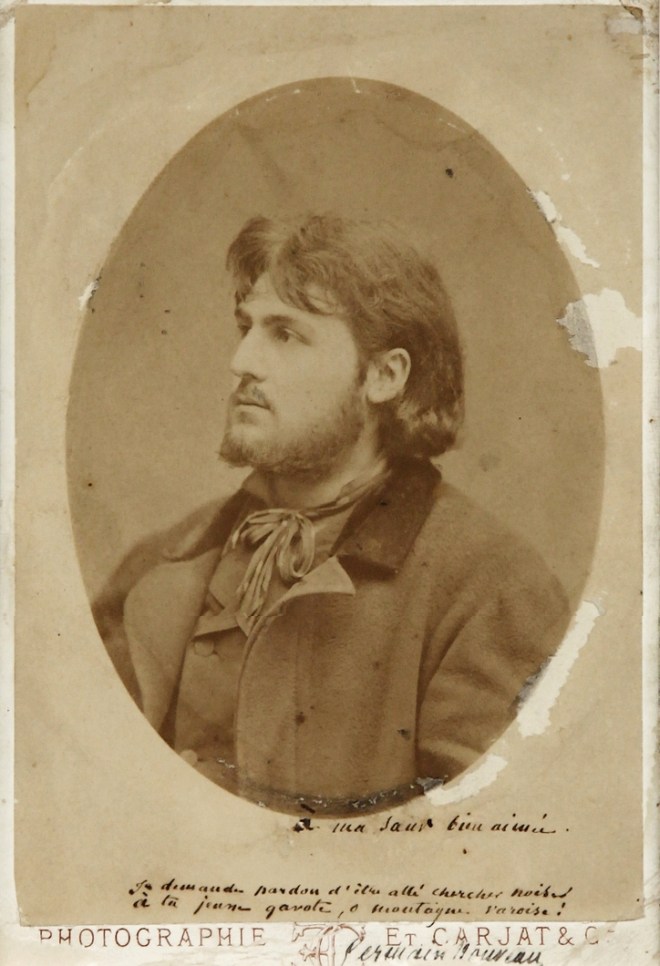
Forêt de fontainebleau, juillet 18…
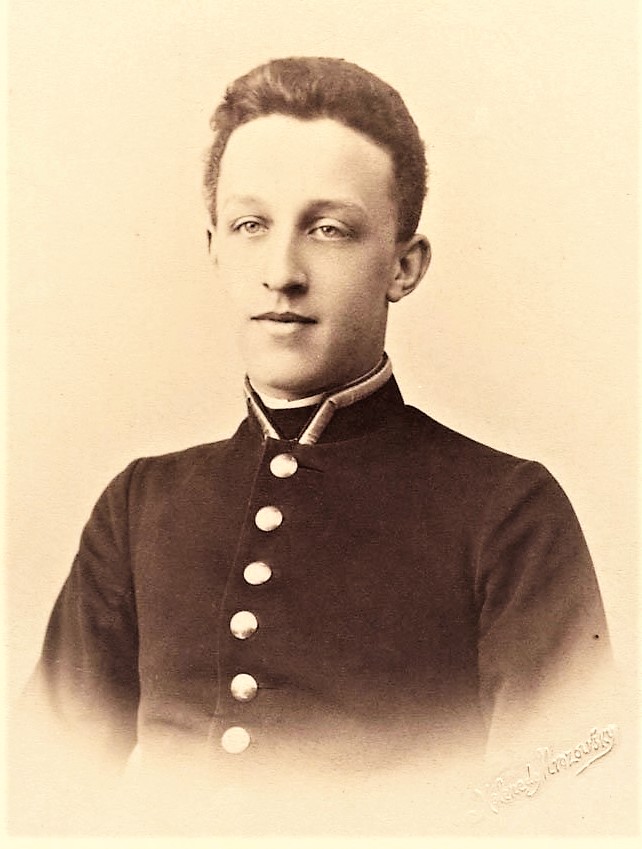
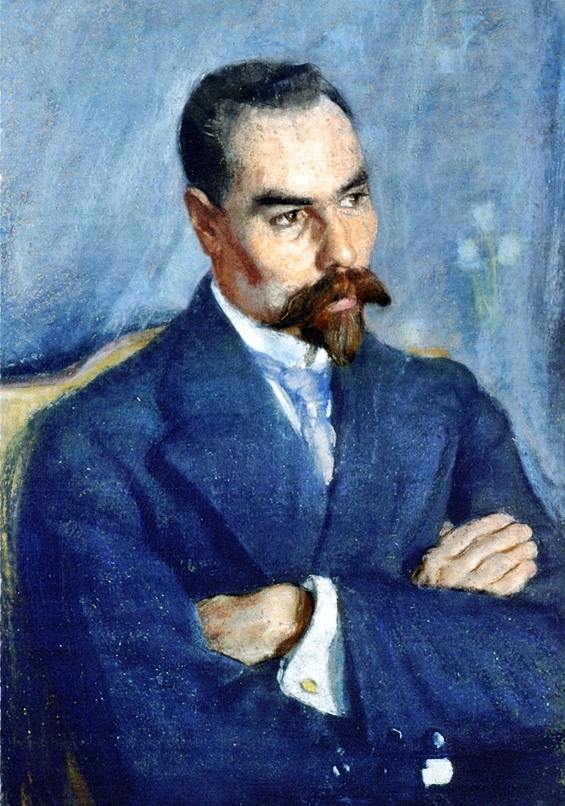
Александр Блок
Мы встречались с тобой на закате
The poem “We Met at Sunset…” (1902) is significant in Blok’s work, emerging during his painful rejection by L. Mendeleyeva, which shifted his focus from idealized love to reality. Previously, Blok’s poetry was mystical; with Mendeleyeva’s scorn, he began to appreciate the beauty of real life and the woman he loved. Despite feeling love for her, he struggled to express his emotions, reciting abstract poems instead of confessing. Mendeleyeva cited Blok’s detachment from reality as a reason for her initial refusal. In the poem, Blok reflects on missed opportunities for intimacy and ultimately claims to have erased memories of that love. After a year, Mendeleeva accepted him, but disappointment followed as he continued to idealize her. “We Met at Sunset…” stands as a love poem devoid of the symbolism typical in Blok’s later work, revealing his talent during tumultuous times.
Alexander Blok
Мы встречались с тобой на закате. Ты веслом рассекала залив. Я любил твое белое платье, Утонченность мечты разлюбив.
Были странны безмолвные встречи. Впереди — на песчаной косе Загорались вечерние свечи. Кто-то думал о бледной красе.
Приближений, сближений, сгораний — Не приемлет лазурная тишь… Мы встречались в вечернем тумане, Где у берега рябь и камыш.
Ни тоски, ни любви, ни обиды, Всё померкло, прошло, отошло.. Белый стан, голоса панихиды И твое золотое весло.
We put a lot of effort into the quality of the articles and translations, support us with a like and a subscription or sponsor us if you like them. We are also on Facebook and Twitter